


 By Claude Almansi
Editor, Accessibility Issues
This story is from Cory Doctorow’s new collection, “With a Little Help”. Visit craphound.com/walh to buy the whole audio book on CD, a paperback copy in one of 4 covers, or a super-limited hard cover.
This story, and the whole text of “With a Little Help”, are licensed under a Creative Commons Attribution, Share Alike, Non Commercial license.
Copy it, share it, remix it. As Woody Guthrie said: “This song is copyrighted in the US under a seal of copyright number 154085 for a period of 28 years, and anyone caught singing it without our permission will be a mighty good friend of ourn, because we don’t give a dern. Publish it, write it, sing it, swing to it, yodel it. We wrote it , that’s all we wanted to do.” (From the intro to all the recorded readings of the stories collected in Cory Doctorow’s “With a Little Help,” 2010)
Dandelion business model
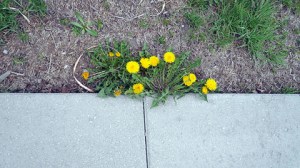
From C. Doctorow: "Think Like a Dandelion". BoingBoing. Under a BY-NC Creative Commons License
Since 2003, Cory Doctorow has been both traditionally selling his fiction works in print and releasing them online under the Creative Commons Attribution, Share Alike, Non Commercial license indicated in the quote above. And making a living of it. Continue reading
Filed under: Uncategorized | Tagged: audio, Creative Commons, Doctorow, learning, self-publishing, text, With a Little Help | 5 Comments »


 Educational Technology and Change Journal
