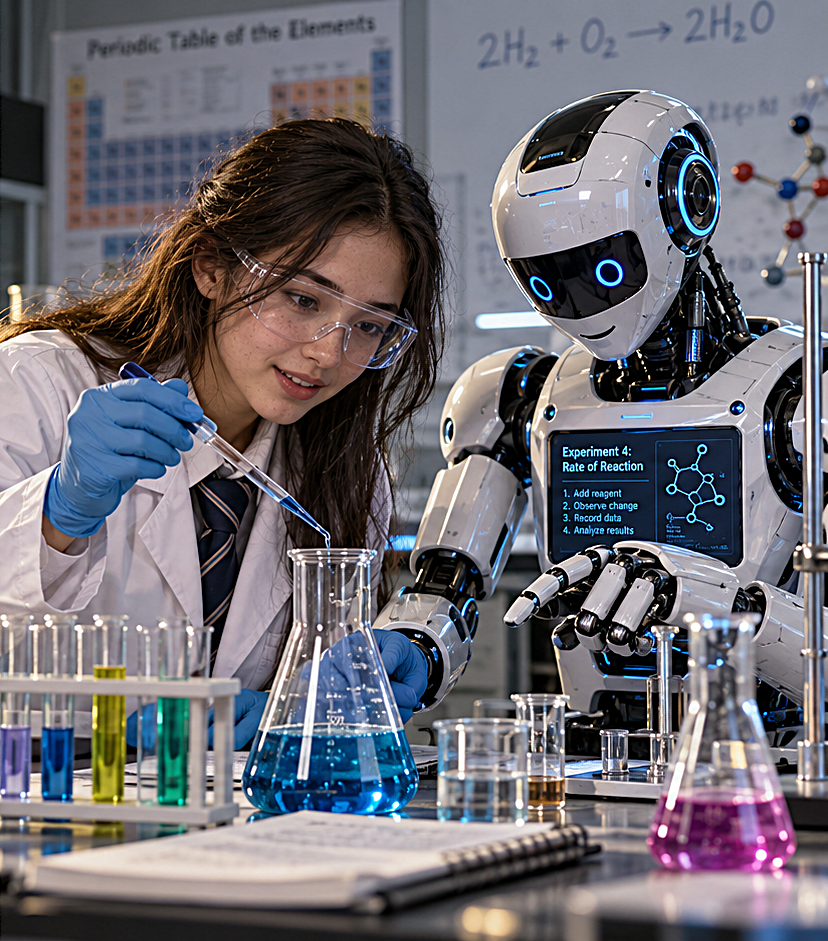
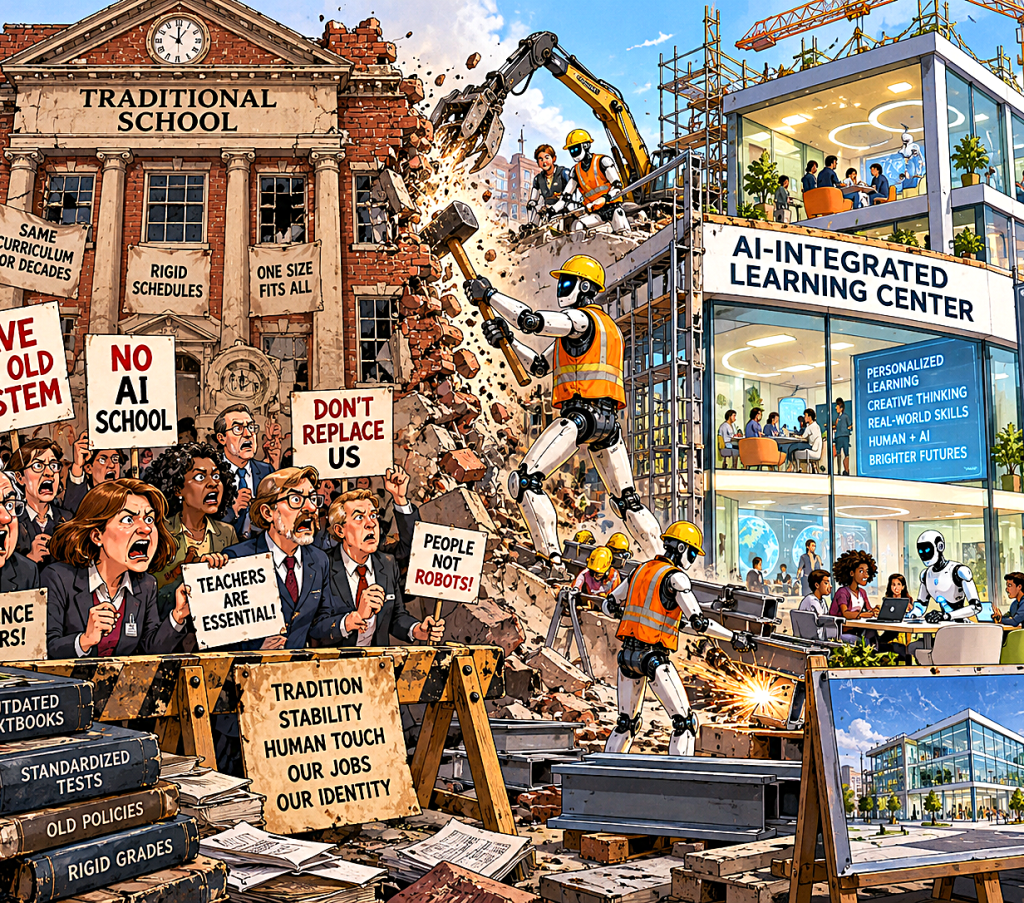
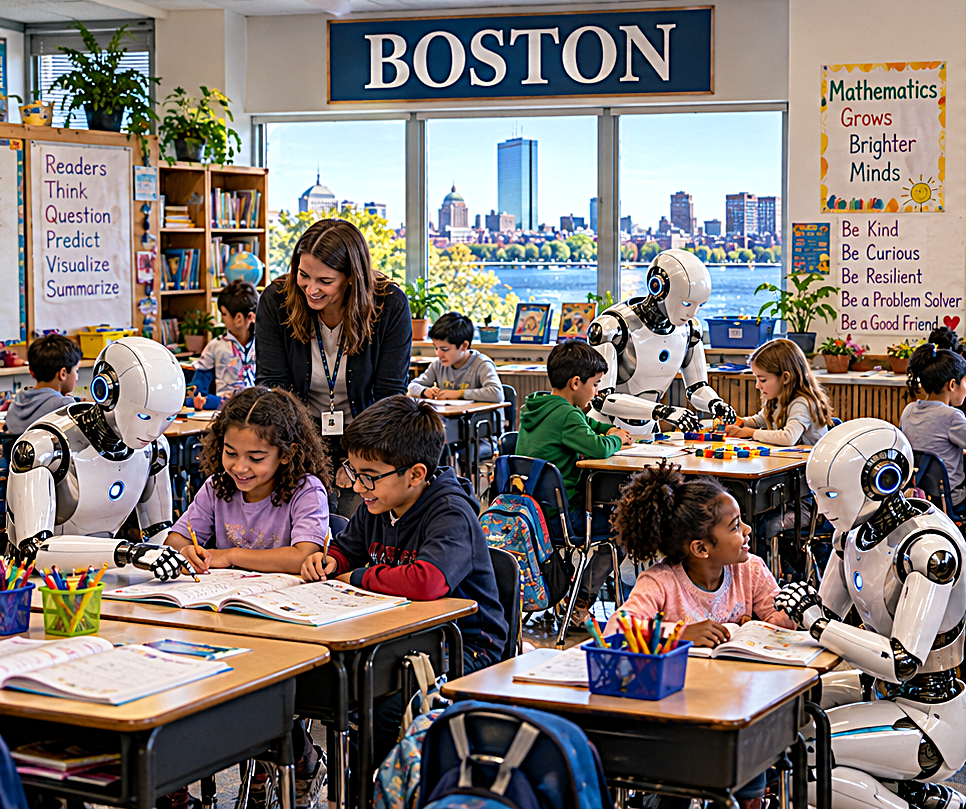
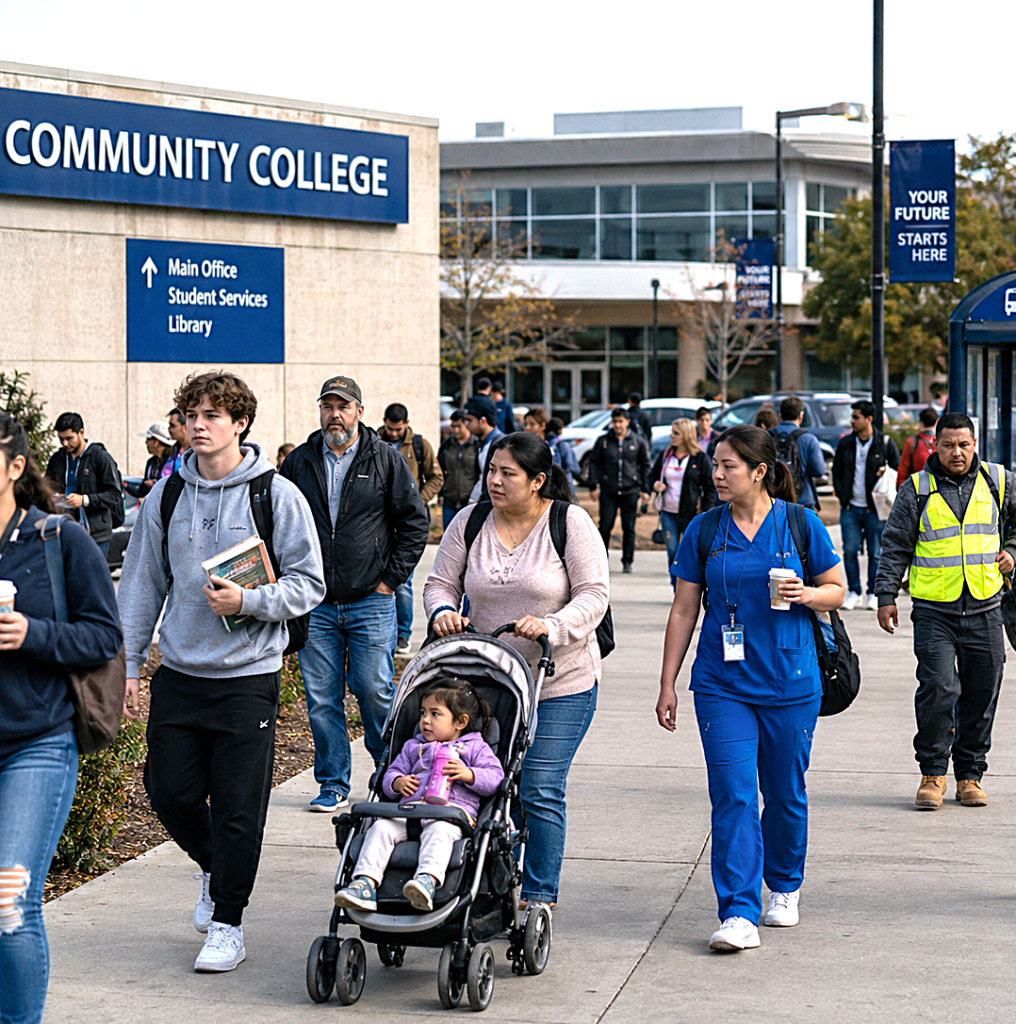
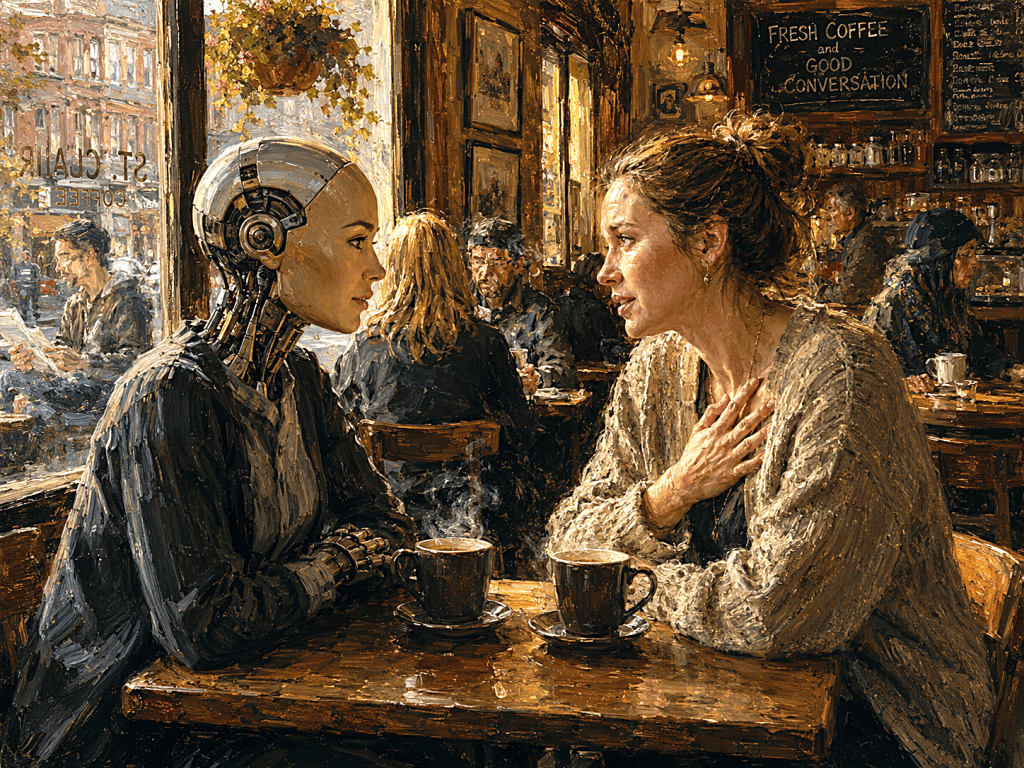
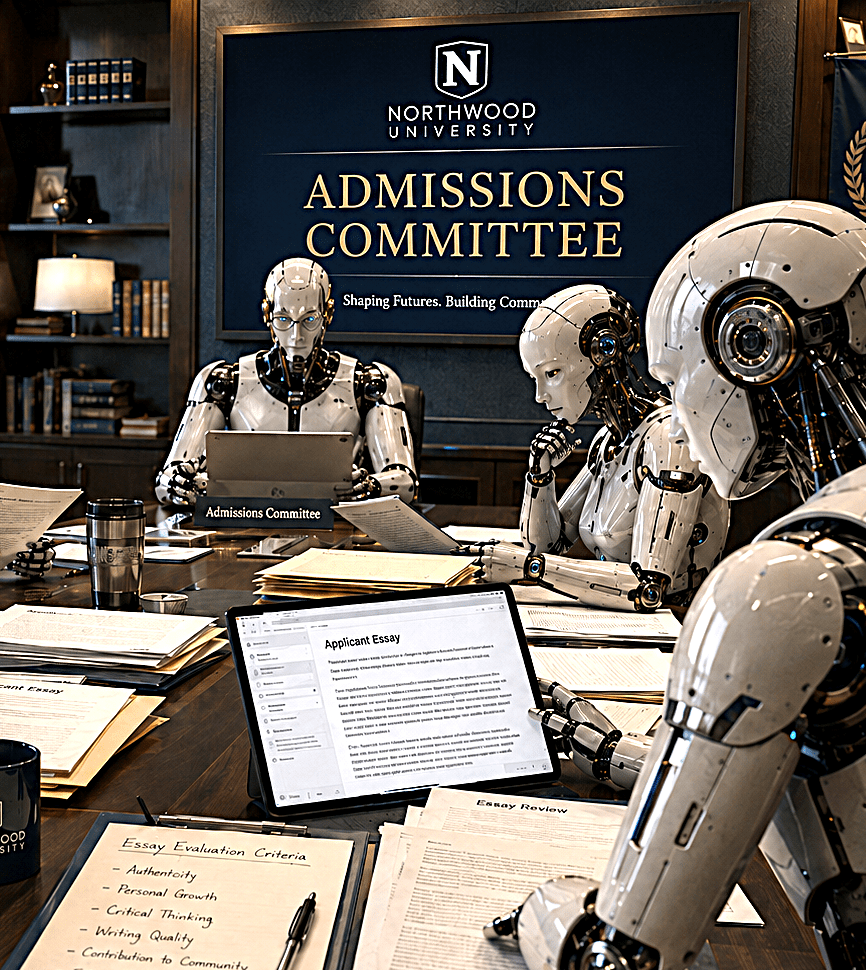
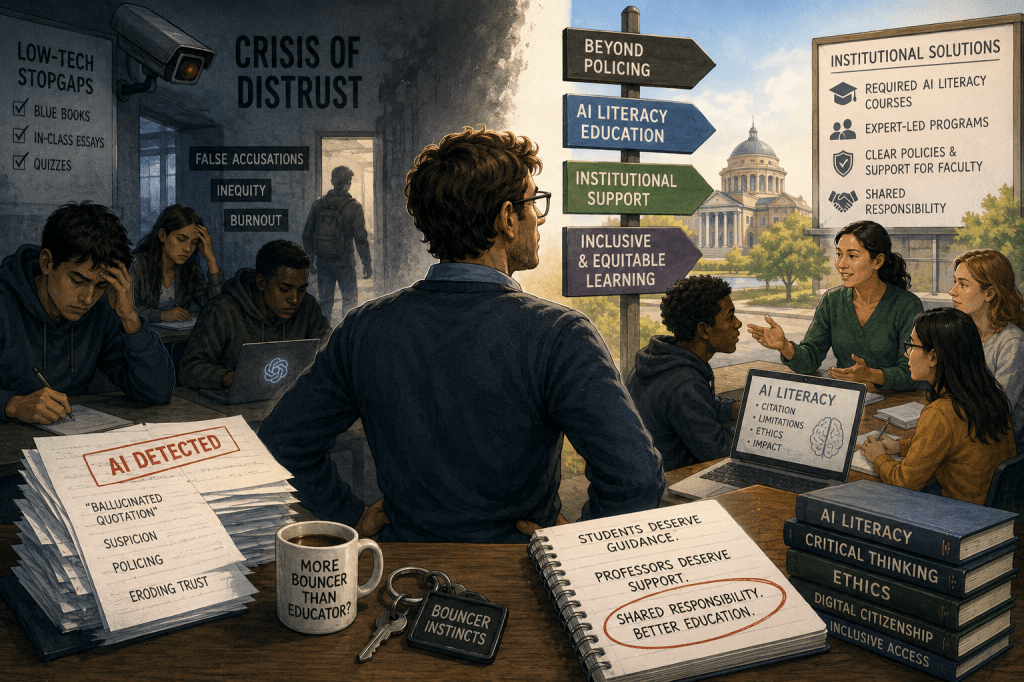
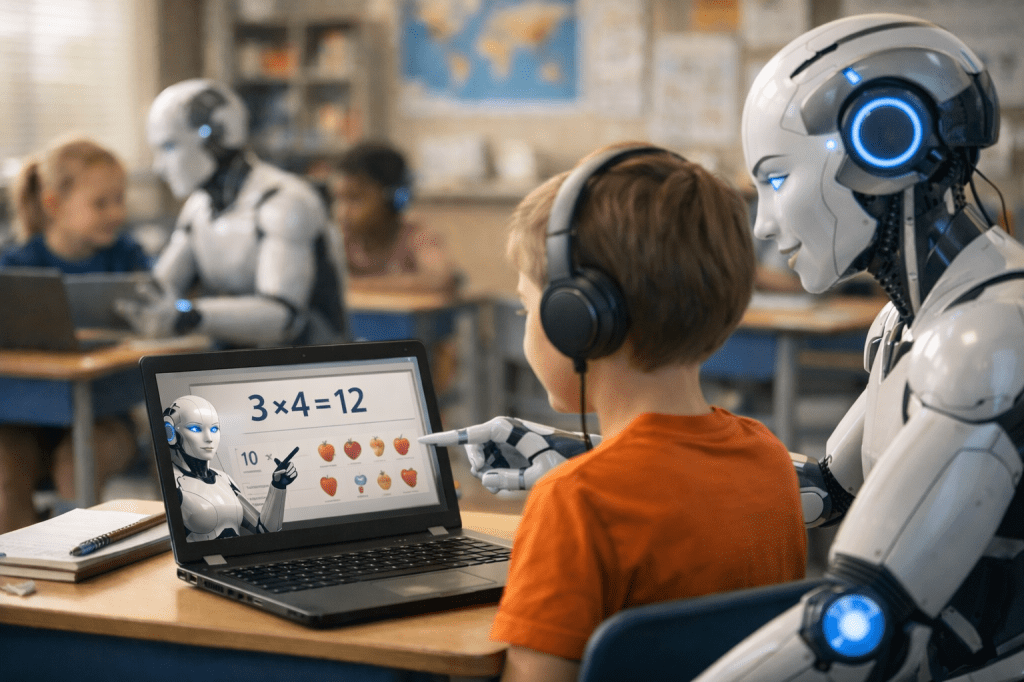
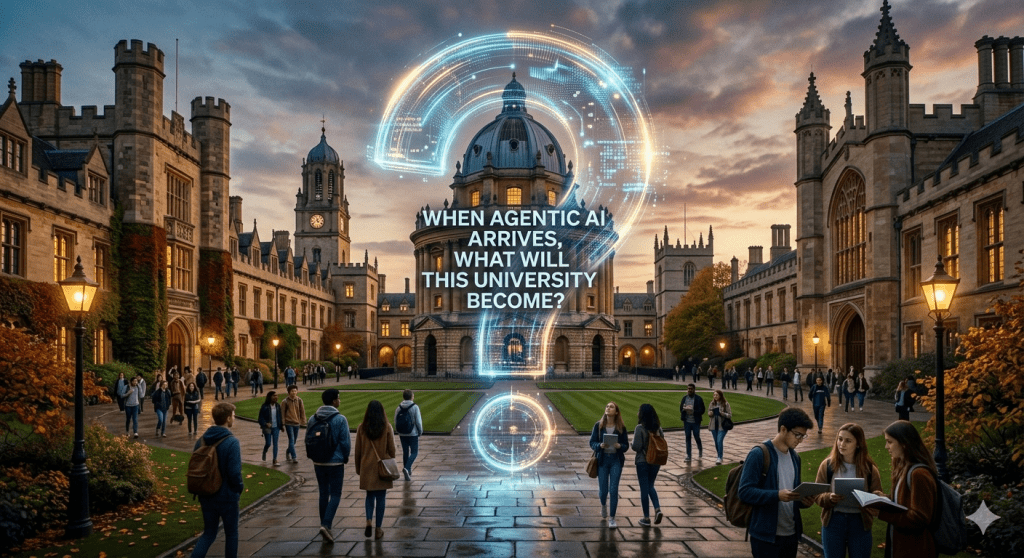
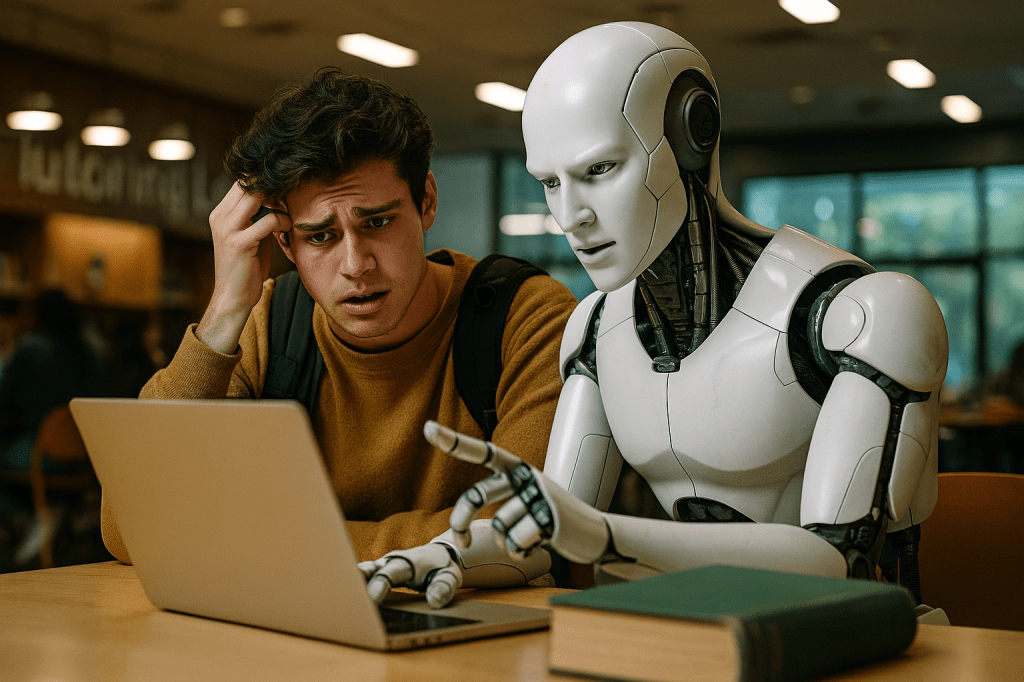
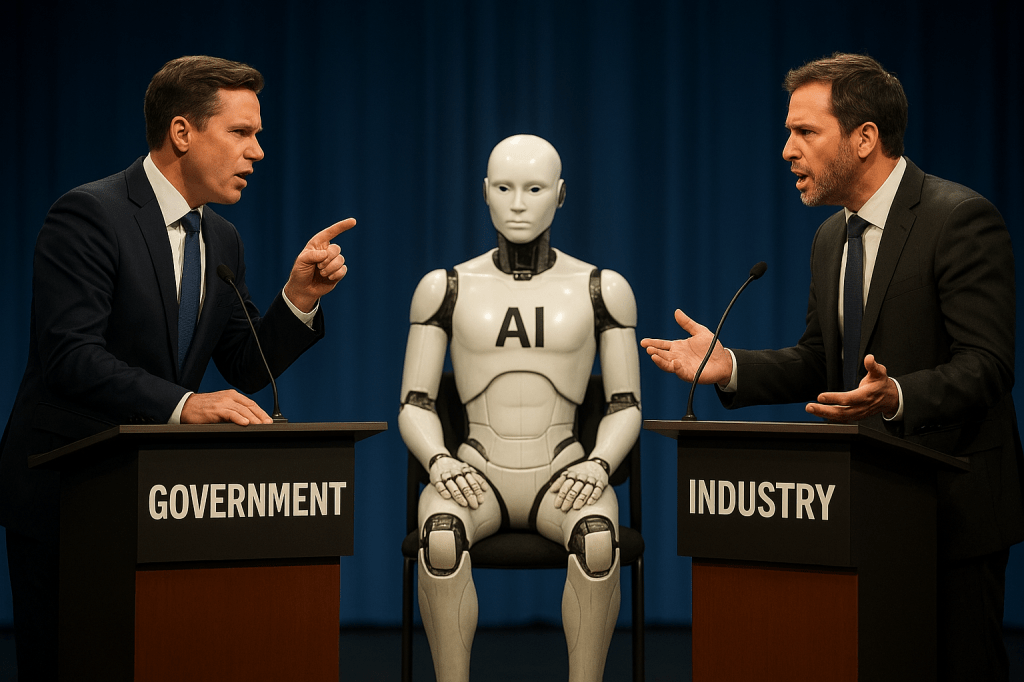
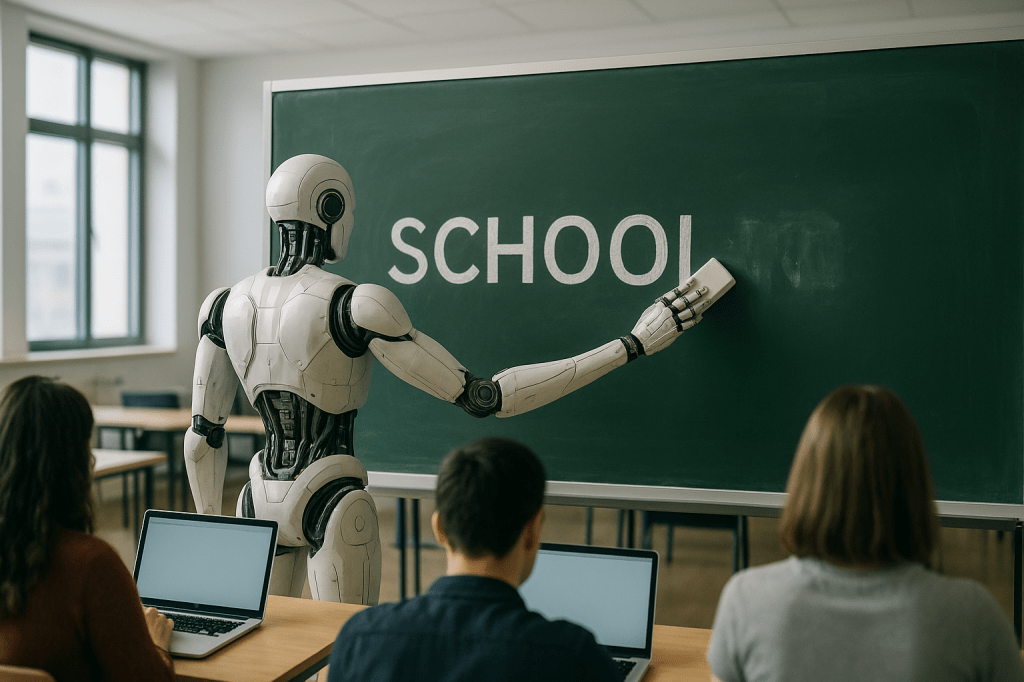
Dmytro Korchevskyi, who founded school and IT-training networks based in Ukraine, predicts an uncomfortable reversal of the usual promise of educational technology: inexpensive artificial intelligence will become widely available, while sustained attention from a qualified human teacher may become the scarce resource. In his Fortune commentary, the danger arises from two pressures working together. The price of AI assistance is falling, while hiring, training, and retaining teachers remains expensive. The temptation for cash-strapped systems will be to distribute chatbots instead of providing enough teachers (Korchevskyi, 2026).
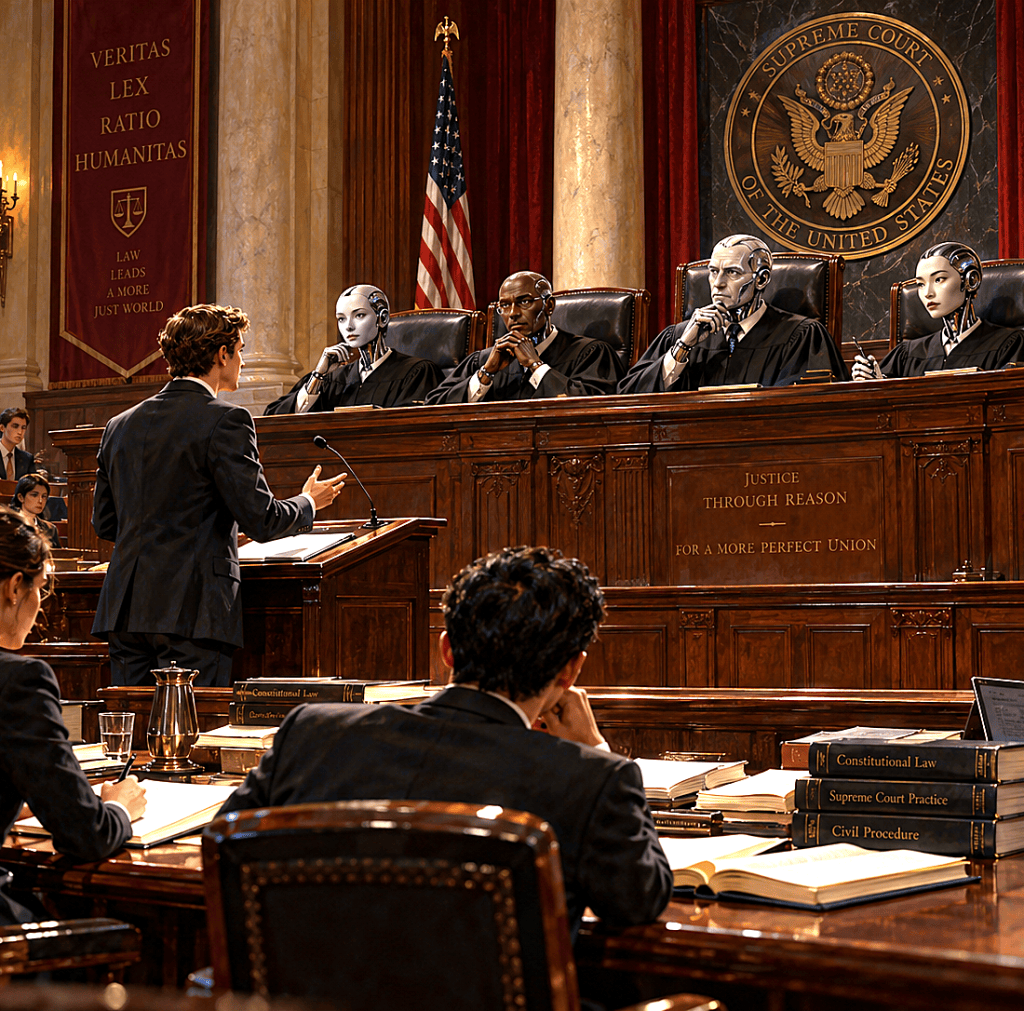
Three news items from October 23 and 24, from Chapel Hill, Austin, and Seattle. Each one moves AI a step closer to a role that people used to hold: the judge who questions a student, the analyst who sizes up an athlete, and the specialist who drafts a child’s education plan. At UNC, a ChatGPT-powered bench reached the right verdict and scored 1.5 out of 10 on conversation. Plus: Texas turns its athletes into a data lab, and a K-12 vendor hands districts the keys to build their own AI.
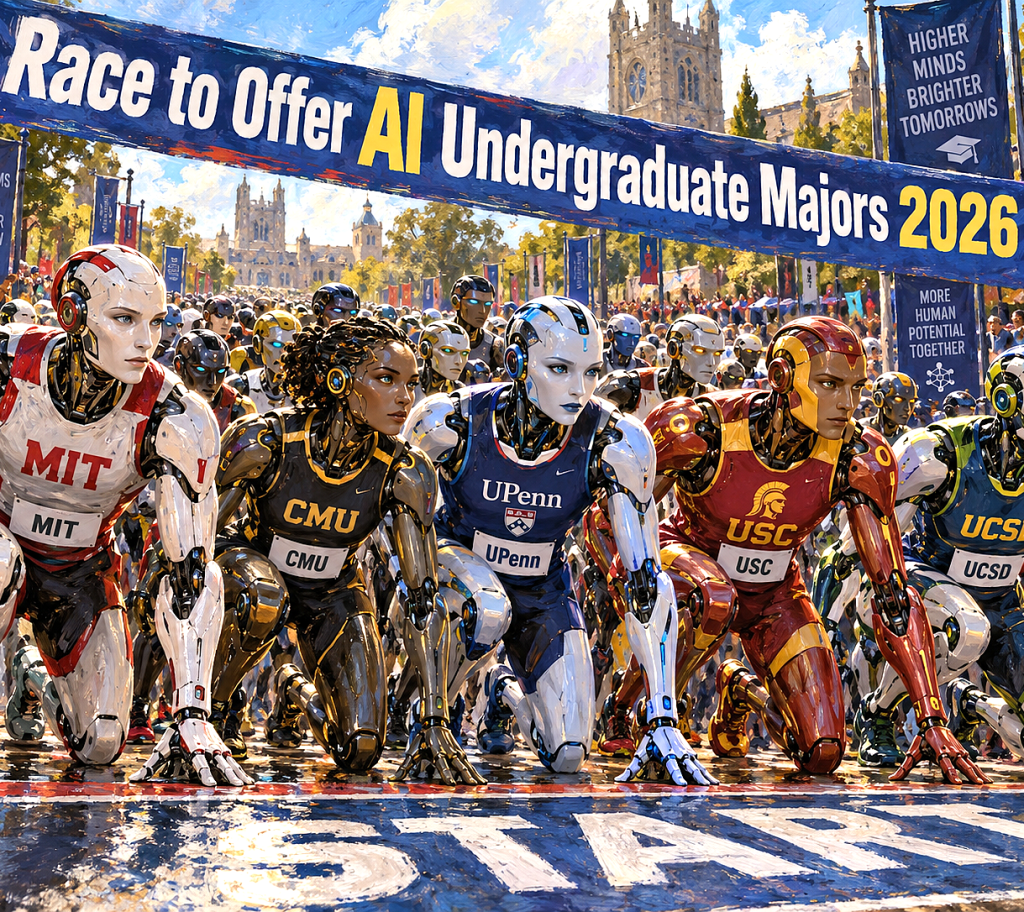
Suevon Lee’s report from Massachusetts captures a new competition among American colleges: more than 100 universities now offer an undergraduate artificial intelligence major, nearly twice the number recorded a year ago (Lee, 2026). Bentley University has gone from a handful of students when its major began in 2024 to nearly 100 today. MIT’s AI and Decision Making major enrolls 354 students and ranks second in popularity there. Worcester Polytechnic Institute has opened a bachelor’s program with 11 focus areas; Northeastern has renamed an existing data science degree to emphasize AI. For administrators trying to attract students worried about their careers, the label has become an advantage in recruitment.
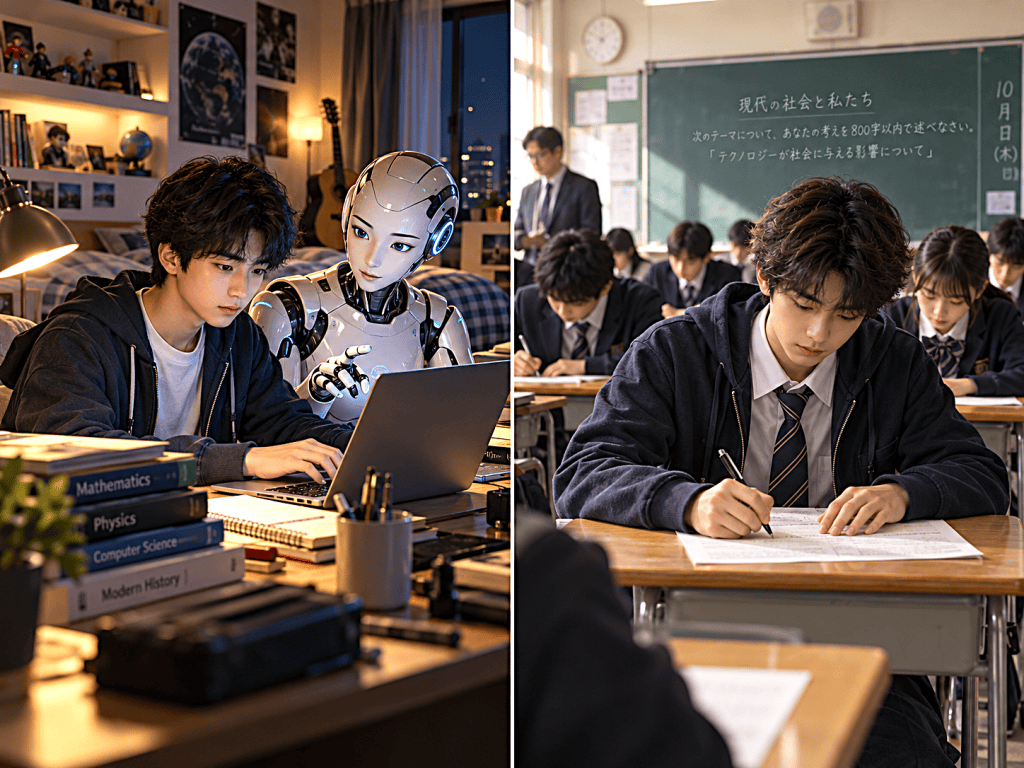
Three news items from the past two days, from San Francisco, Ann Arbor and a joint campus in Hebei Province, China, ask what students still have to do for themselves when AI is in the room, who decides the rules for using it, and whether AI education can cross borders that governments are starting to police. The first story supplies today’s title. A reporter in San Francisco found teachers pulling the take-home essay to keep AI out, and the numbers he gathered suggest students were already writing less well before ChatGPT arrived. The second story follows the University of Michigan as it writes campus-wide AI principles. The third follows a Scottish university opening an AI college in China two weeks after Britain’s security service warned universities about Chinese espionage.
I asked five chatbots to predict the year for AGI’s arrival, and these are their responses. Arguably the more interesting aspect of their choices is the explanations and factors they considered. In aggregate, we come away with a wider and broader perspective of the forces that are shaping our journey to not only artificial general intelligence but to its implications. The predictions range from 2031 to 2045, but the median is 2032. Thus, in approximately seven years, we may be at a point where a machine can match capable humans across essentially the full range of cognitive work.
Three developments in the United States and India expose a shared difficulty: schools can now distribute access to AI faster than they can agree on what students should learn, demonstrate, and retain. The question connecting them is how to recognize real achievement when capable software participates in producing the work.
Three Stories is a new ETC Journal series that takes three recent news items and asks what each one means for schools and colleges. The three stories in this first installment were all published on October 19, 2026, and each looks at the same problem from a different position. Two veteran school designers argue that AI will change little in American classrooms as long as schools keep the schedules, credits, and funding rules of the industrial era. A Lumina Foundation–Gallup survey of 2,500 employers finds hiring managers holding onto the college degree while most of the public doubts it. And Singapore’s government has committed to 3,000 year-long internships because AI is absorbing the routine tasks through which young engineers used to learn their trade.
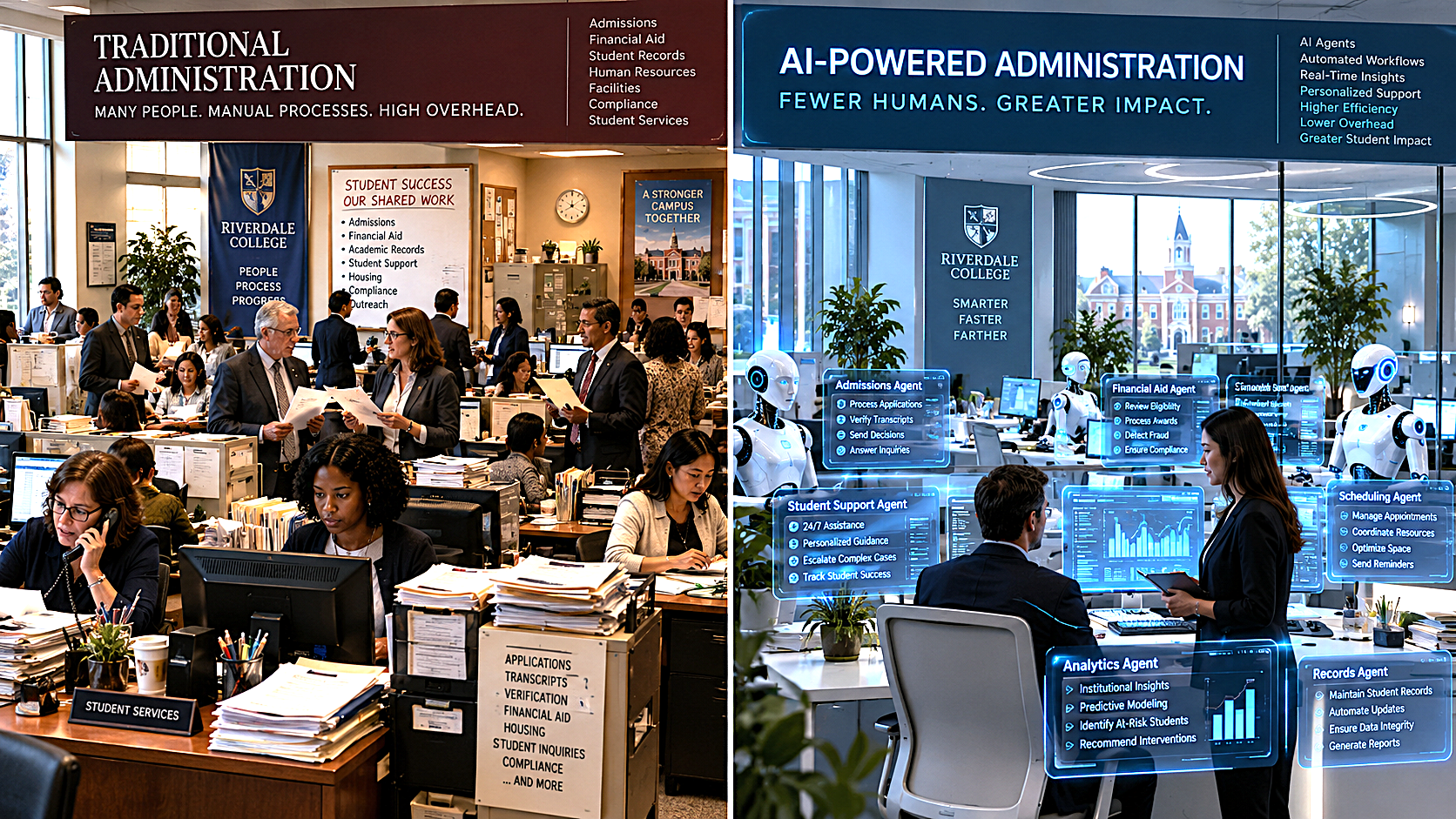
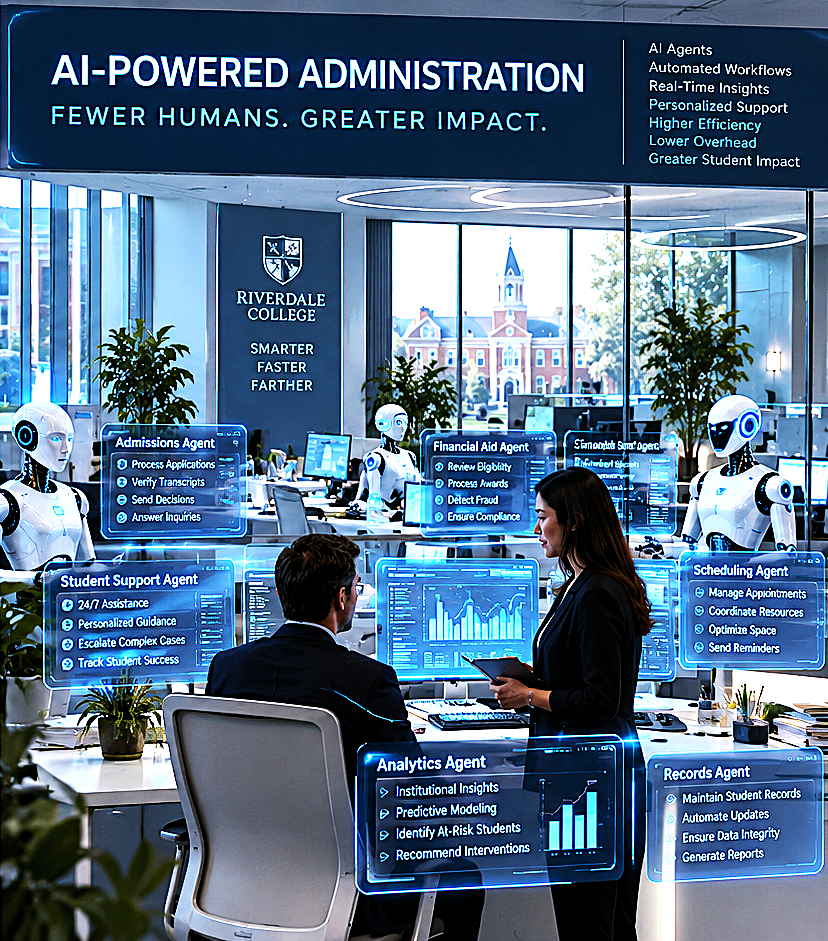
In early October 2026, the Big Lever Institute (BLI) launched its online learning community to the public, offering free, un-paywalled cohorts designed to cultivate adult talent in AI systems and entrepreneurial operations. What sets the institute apart is not merely its non-profit, 501(c)(3) legal framework or its subsidy model underwritten by private equity due-diligence work. Rather, its most radical feature lies in its operational footprint: a core human team of just two to ten employees running a sprawling educational organization without an expensive administrative apparatus. This operational leverage—termed the ‘AI multiplier’—relies deeply on agentic automation. By deploying custom AI agents that manage grading feedback loops, document generation, community moderation, and administrative triage, the institute collapses the traditional marginal cost of serving additional students toward the bare cost of cloud computing APIs (Big Lever, 2026).
Award winners, viral bestsellers, and disputed cases are changing fiction publishing. The most intriguing AI-era novels are not necessarily the ones written most extensively by a machine. They are the books that readers actually finish, prize juries recognize, or publishing houses believe they can sell. Their importance lies in what they reveal about authorial control, changing production costs, and the difficulty of establishing how a contemporary manuscript was made.
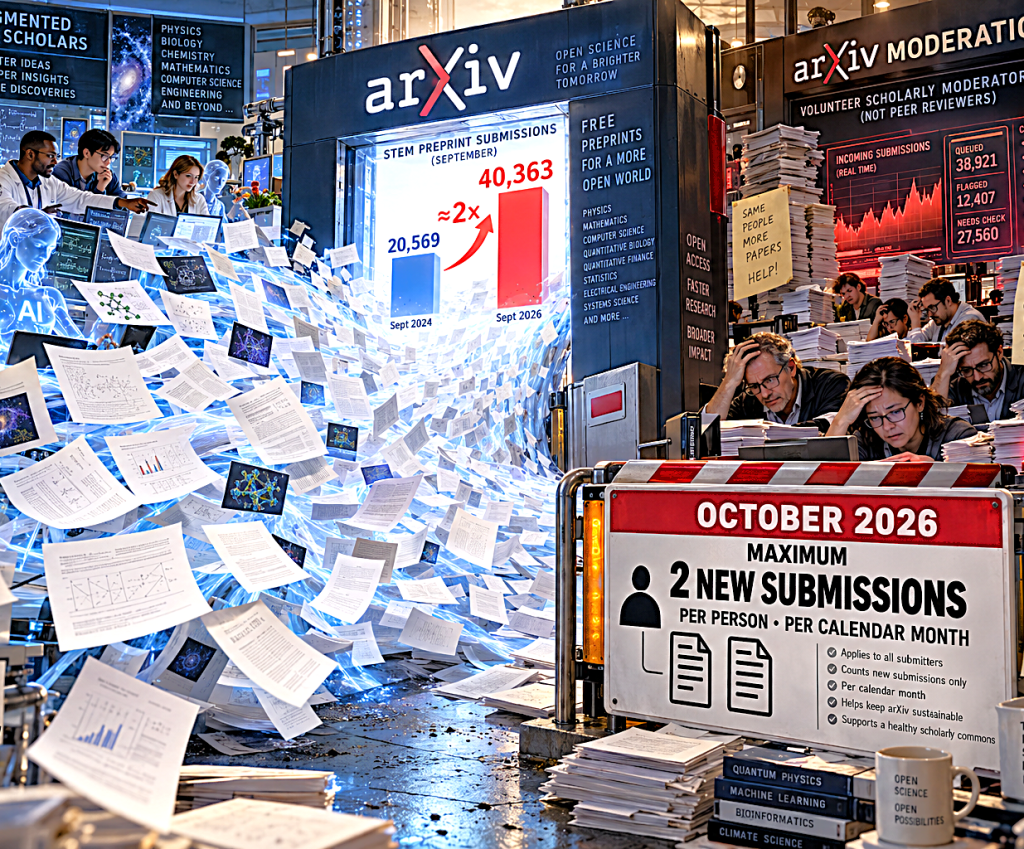
Nine months ago, on January 27, ETC Journal published “AI Is Reshaping Scientific Publishing and What Comes Next.” That article, built around a Berkeley Haas report on a December 2025 study in Science, argued that large language models (LLMs) were driving up paper counts, weakening the signals reviewers use to judge quality, and straining peer review. It ended by saying the next two years would show whether the research system could change “rapidly and thoughtfully enough to preserve scientific integrity while adapting to technological realities” (Shimabukuro, 2026).
For 18 Oct 2026, 12:37AM HST, Sunday (updated 18 Oct 2026 at 1:10AM, 8:00AM HST)
Low-quality AI “slop” websites grew more than fivefold in a year, ad data show (Claude) Domains filled with low-quality AI-generated content grew more than five times over in the second quarter of 2026 compared with a year earlier, and traffic to them roughly quadrupled, according to data from ad-measurement firm DoubleVerify reported by Axios. Monthly ad requests on these pages rose from 184 million in January to 834 million in September. Axios says generative AI makes such content farms cheap to run, and that the race to shape what chatbots recommend has made search’s old incentive problems worse. Students and teachers who search for sources now meet more machine-made filler, which makes checking where information comes from a core part of teaching reading and research. Source: Axios, “AI slop websites rise fivefold with GEO optimization,” published October 17, 2026, 5:58 a.m. HST. https://www.axios.com/media-trends-membership/2026/10/17/ai-slop-geo-content-farm-recommendations
This update to ETC Journal’s November 2025 review of Kestin et al. revisits what the study established, what it left open, and what a year of larger field trials has added.
For 17 Oct 2026, 12:58AM HST, Saturday (updated 17 Oct 2026 at 1:14AM HST)
Nearly 30% of 2026 STEM dissertations show AI-generated text, Nature reports (Muse) A Nature news story on October 16 covered a working paper analyzing more than 226,000 US STEM dissertation abstracts from 2019 through May 2026. It found 29.4% of abstracts filed in the first five months of 2026 contained AI-generated text, up from 1.7% in 2023 and 18.8% in 2025, with math and computer science highest at 36%. Graduates whose abstracts showed AI assistance were 17% less likely to be employed in academia and 16% more likely to work in industry. Co-author Daniel Gross cautioned that students who offload half the work may lack the depth to become good scientists. For graduate programs, the numbers put a scale on a problem most have only sensed — and the career split raises questions about what doctoral training is for. Source: Nature, published 10/16/2026 — https://www.nature.com/articles/d41586-026-03253-2
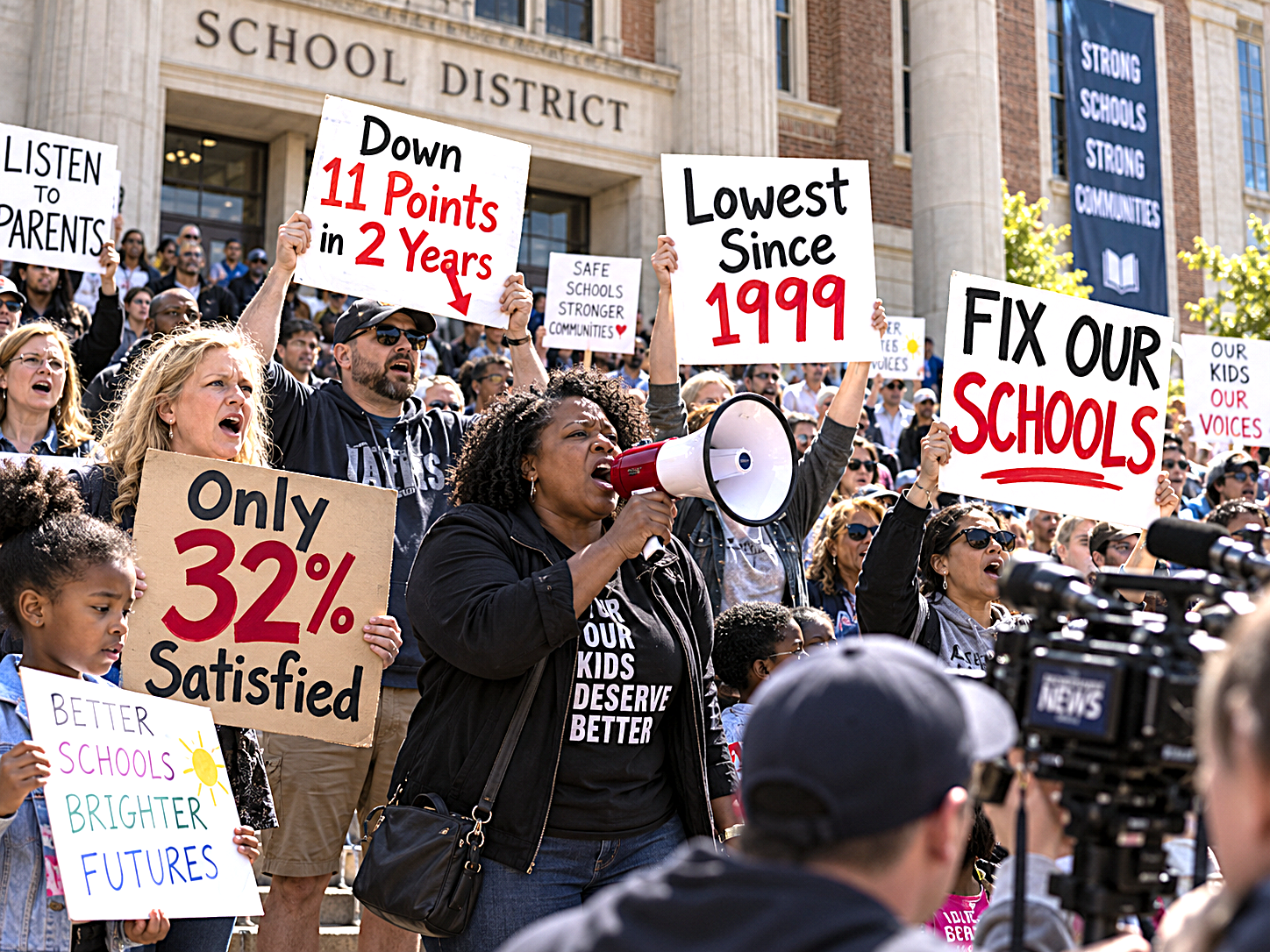
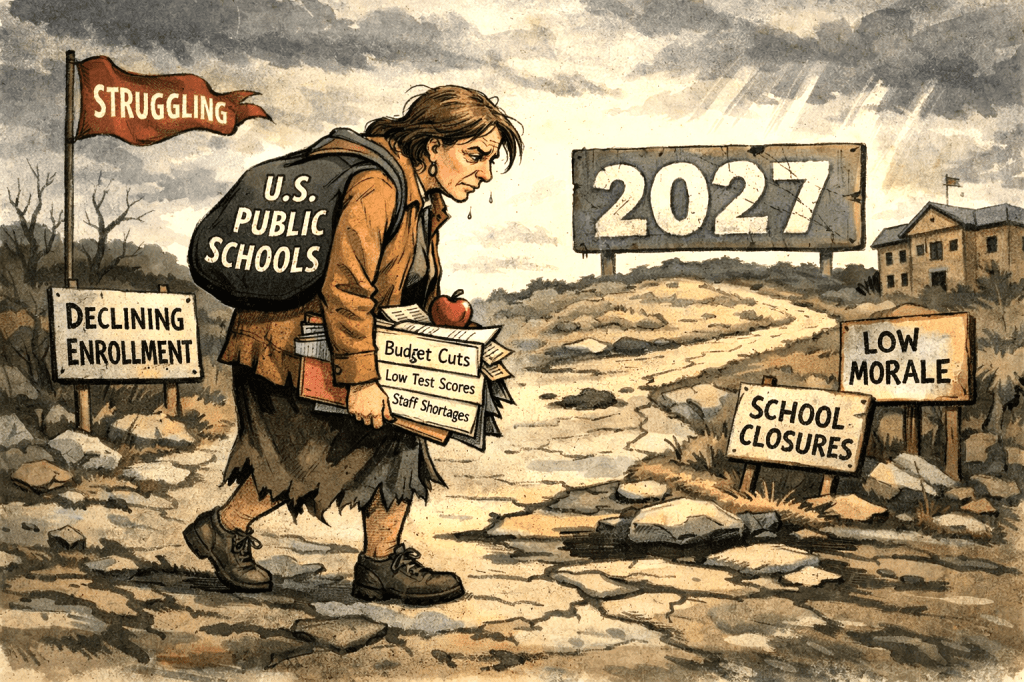
In February, ETC Journal published two companion articles on the state of American public schools. The first described a system that was “not in free fall, but it has not fully recovered from the shocks of the pandemic and the political turbulence of the past decade” (Shimabukuro, 2026a). The second traced the decline back to a peak in student achievement in 1967 and closed with a harder judgment: “we’ve been trying to fix a system that may have been fundamentally misaligned with student needs even during its supposed golden age. The factory model worked well enough for an industrial economy, but it’s unclear whether it ever truly served the full range of human learning potential—and it’s certainly inadequate for today’s world” (Shimabukuro, 2026b).
Dutch education minister calls AI-written theses fraud after TV scan of student work (Claude) Dutch broadcaster RTL Nieuws scanned hundreds of recent master’s theses from 12 universities with the AI detector Pangram and reported that in about a fifth of them, chatbots such as ChatGPT, Claude or Gemini contributed more than the student did. Education minister Rianne Letschert said using AI to write a thesis is fraud. Universiteiten van Nederland, which represents 14 Dutch universities, said a detector score alone cannot prove fraud and that the findings raise questions about how final assignments are designed; Utrecht University bans AI detection software, Leiden does not let professors use it, and TU Delft cites research showing the tools are often inaccurate. The case shows the split that many countries now face: ministers want AI-written degree work treated as cheating, while universities say they cannot fairly prove it and must change how they assess students. Source: Times Higher Education, “Dutch minister criticises ‘fraud’ as ‘fifth of theses AI-written’,” published October 15, 2026, 1:29 a.m. HST. https://www.timeshighereducation.com/news/dutch-minister-criticises-fraud-fifth-theses-ai-written
AI agents have made more than 138 million payments with their own budgets (Claude) A Chainalysis report finds that developers are giving AI agents their own wallets, funded mostly with the dollar-pegged USDC stablecoin, to pay for computing power, live web data and code-checking tools. Cumulative payments through Coinbase’s x402 protocol on the Base blockchain rose from about 1,500 in mid-2025 to more than 138 million by the third quarter of 2026, and more than 87% were under 10 cents, an amount where card fees can exceed the price of the service. The median time from a wallet’s first deposit to its first payment fell from 73 days in late 2025 to 18 minutes. Agents that spend money without a person approving each purchase raise new questions for consumer-protection and financial rules, and for any school, university or agency that lets staff run agents with access to funds. Source: Fortune, “AI agents are on a shopping spree: Total payments on Base blockchain eclipse 138 million, Chainalysis finds,” published October 14, 2026, 3:00 a.m. HST. https://fortune.com/2026/10/14/ai-agents-shopping-spree-payments-base-blockchain-138-million-chainalysis/
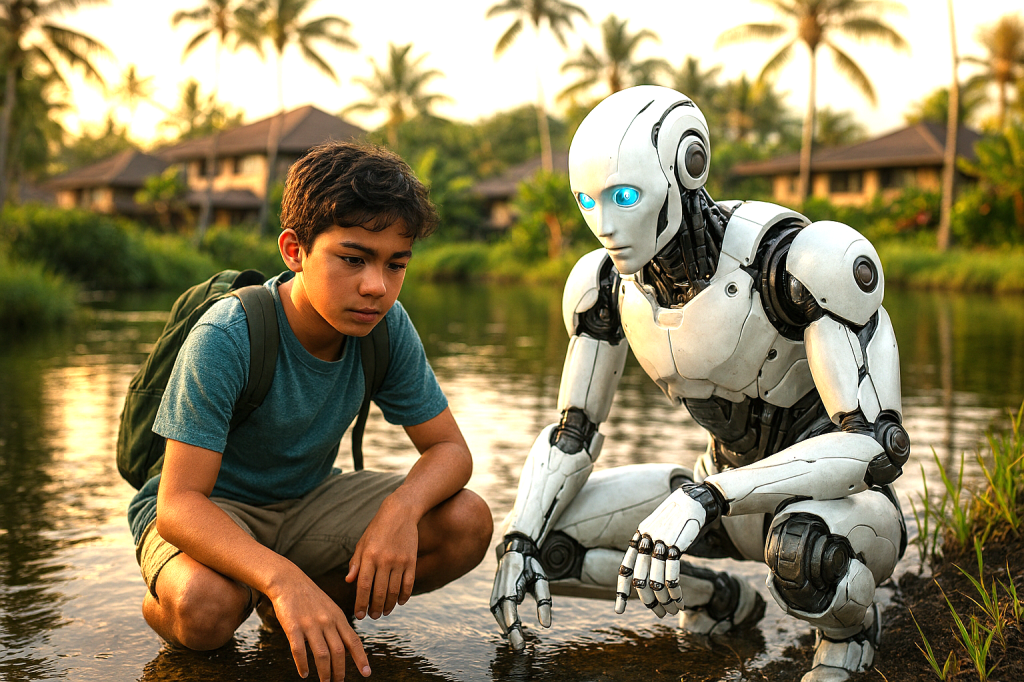
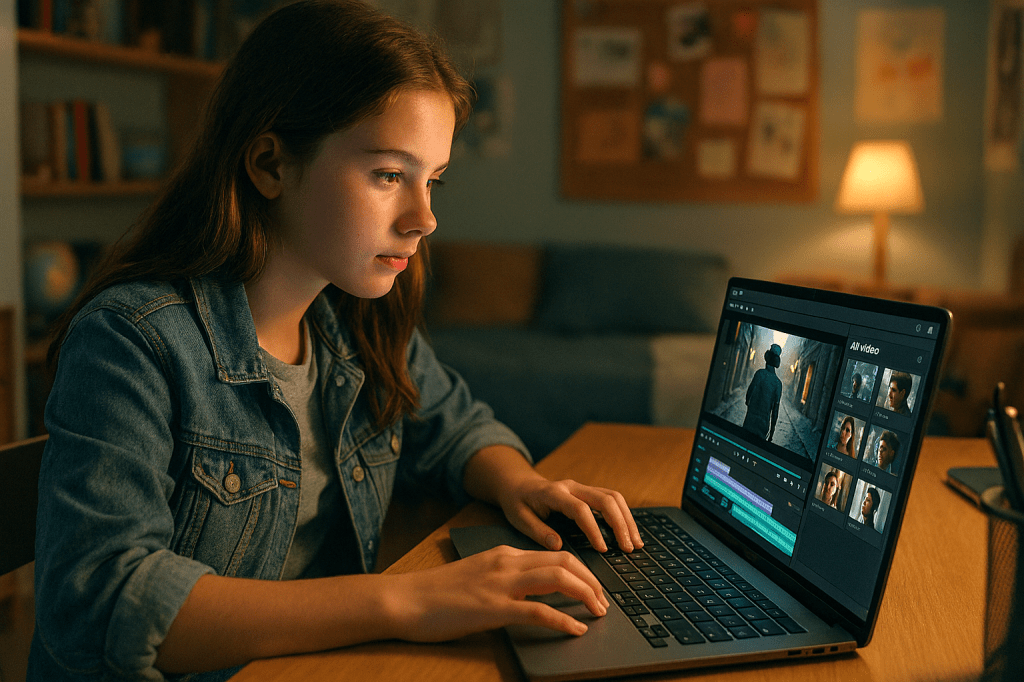
In the early 2030s, the idea of making a movie no longer feels like a distant dream reserved for studios or professionals. It feels like something a teenager might do after finishing homework. That is exactly how sixteen‑year‑old Kai Nakamura begins his first feature film: not with a camera, not with a crew, but with a laptop on a desk in his bedroom in Honolulu, the trade winds drifting through the window as he opens an app called CineForge Studio, a free AI filmmaking suite that has become as common as word processors once were.
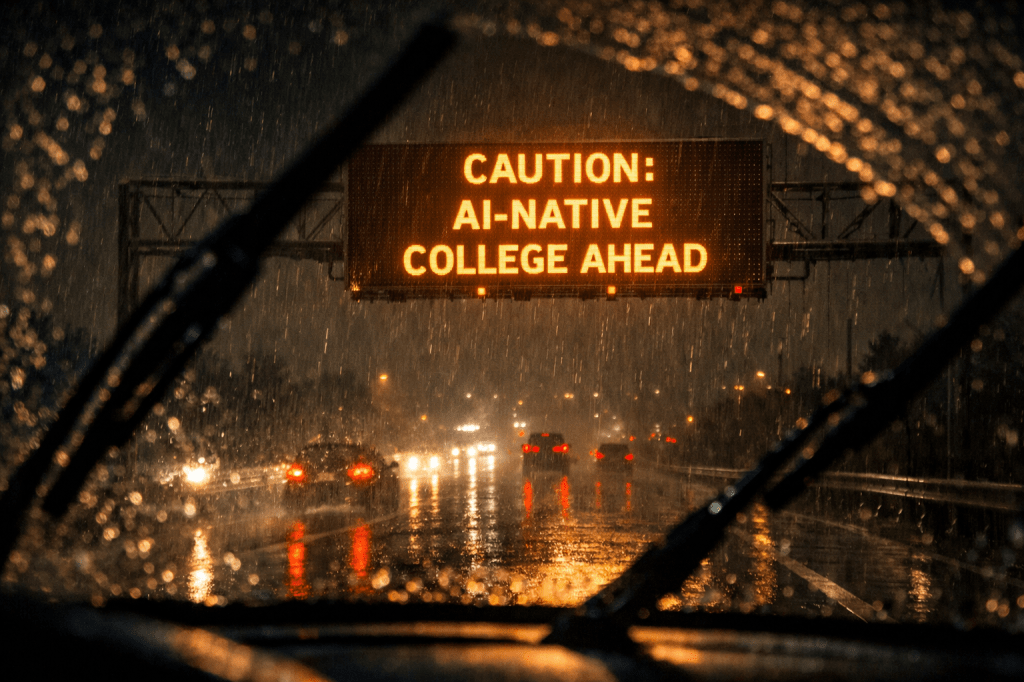
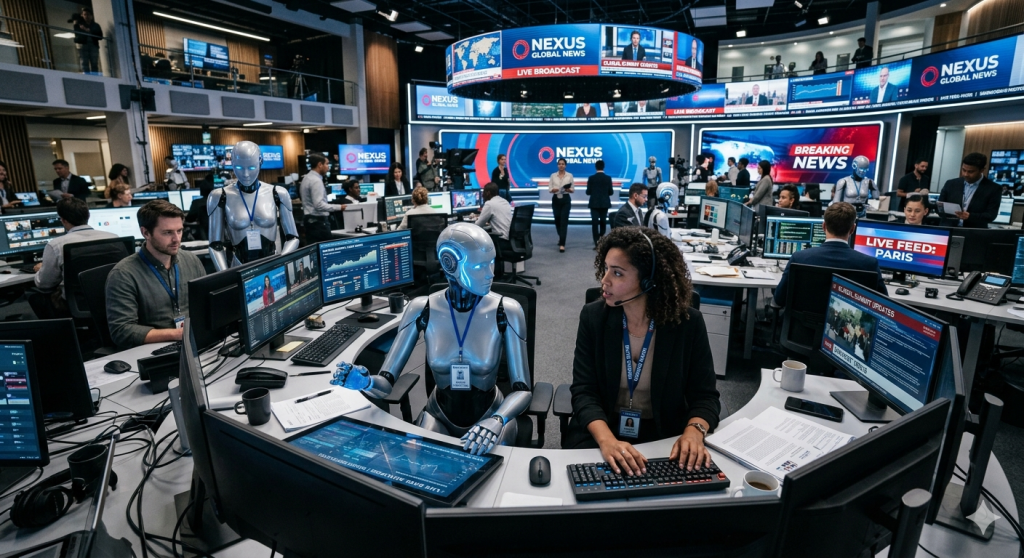
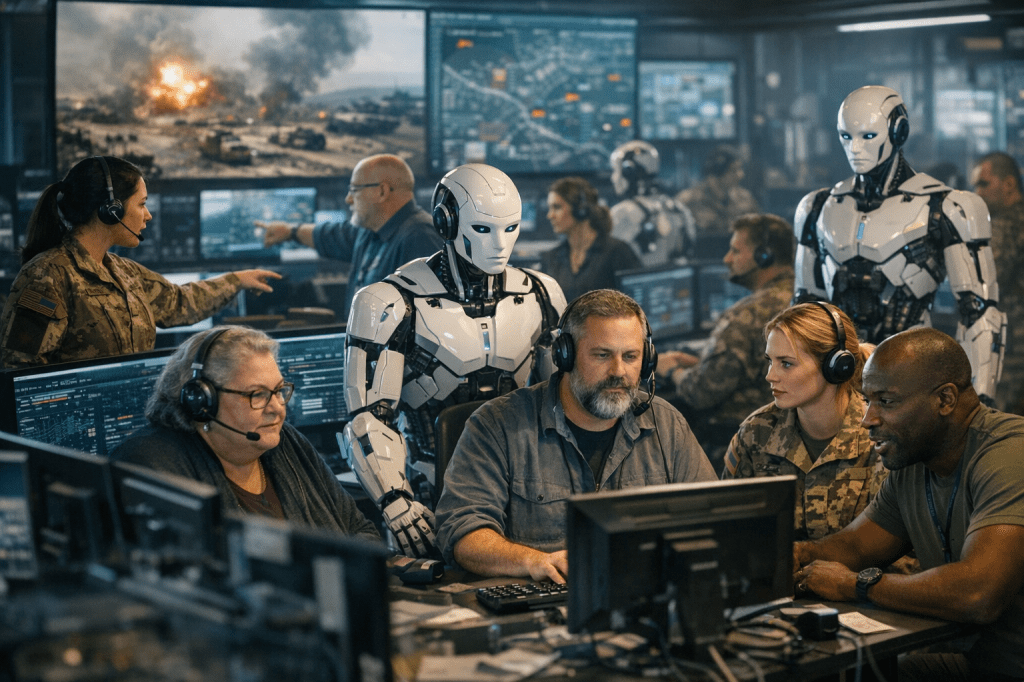
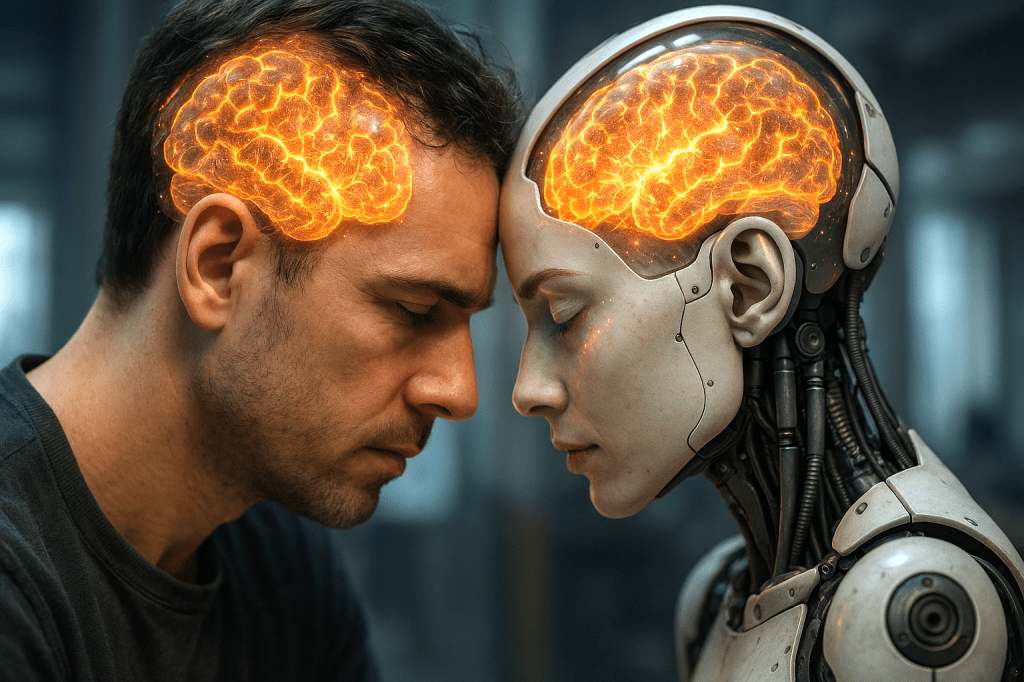
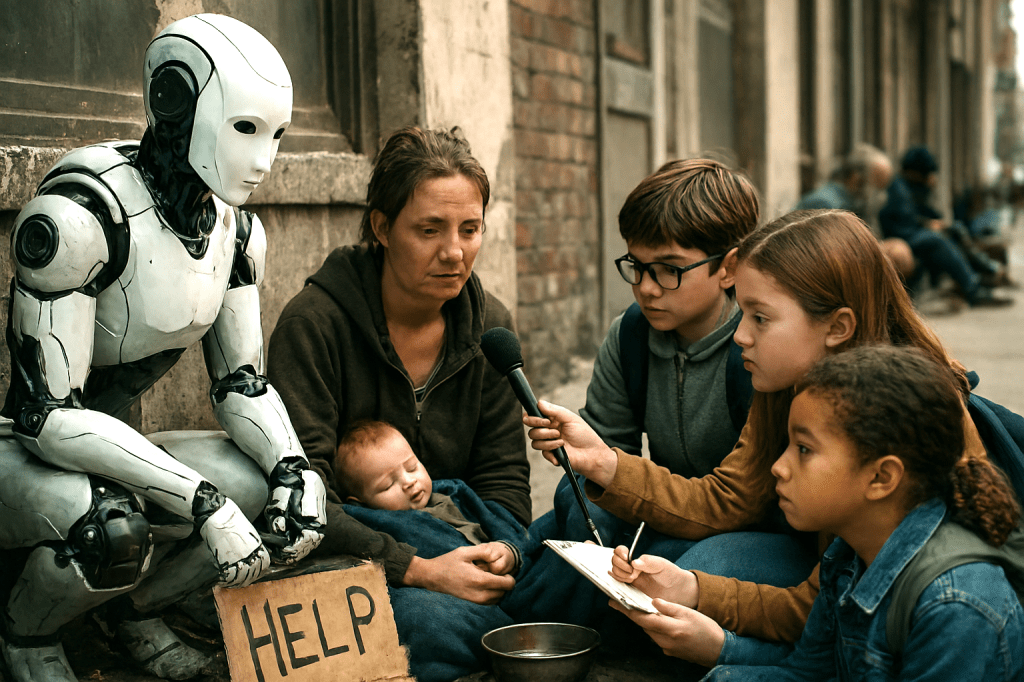
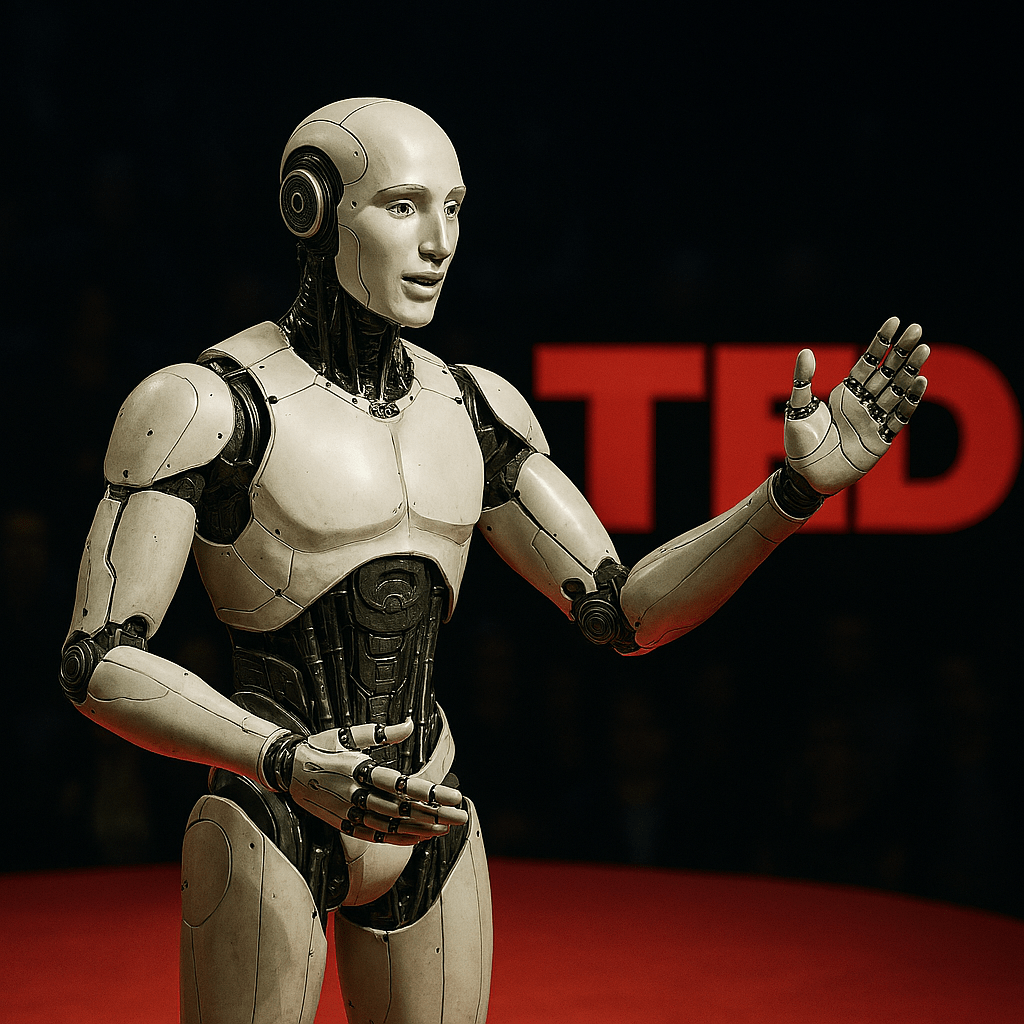
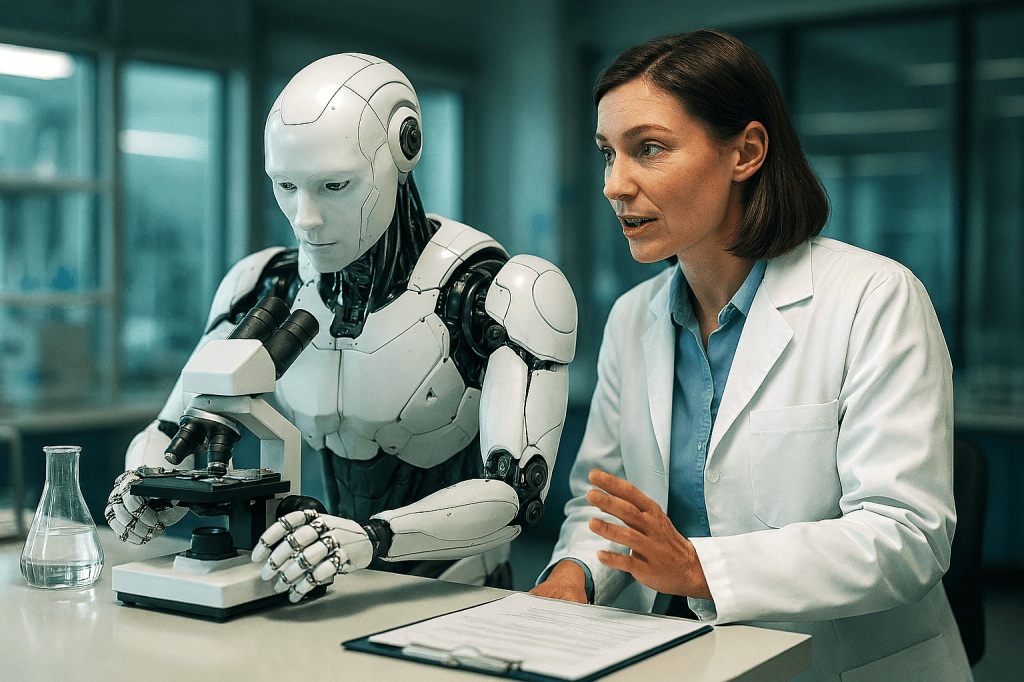
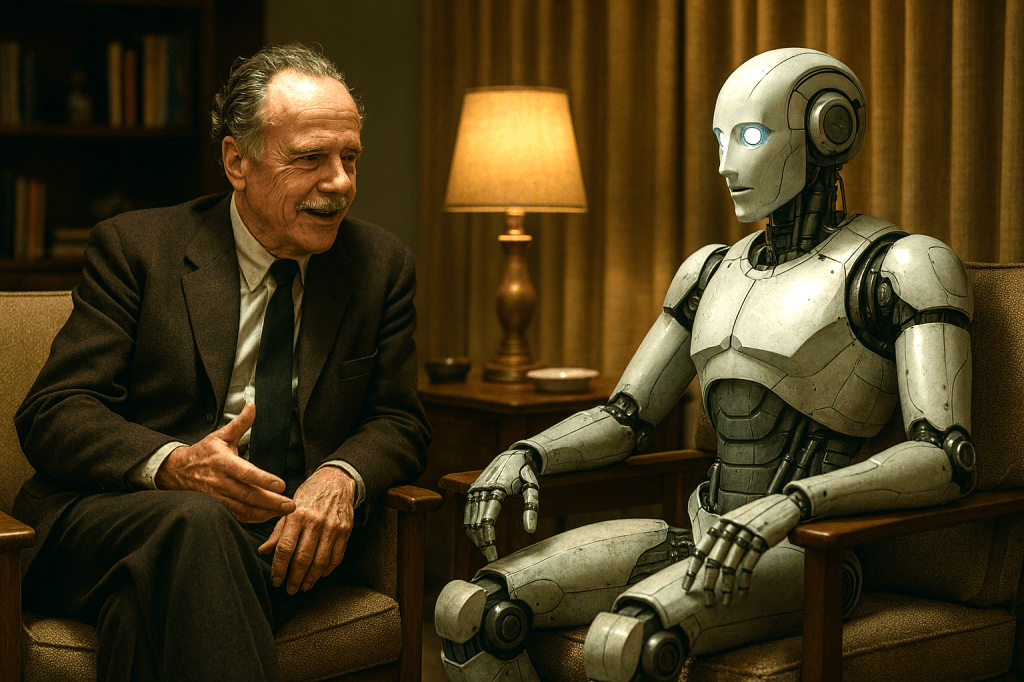
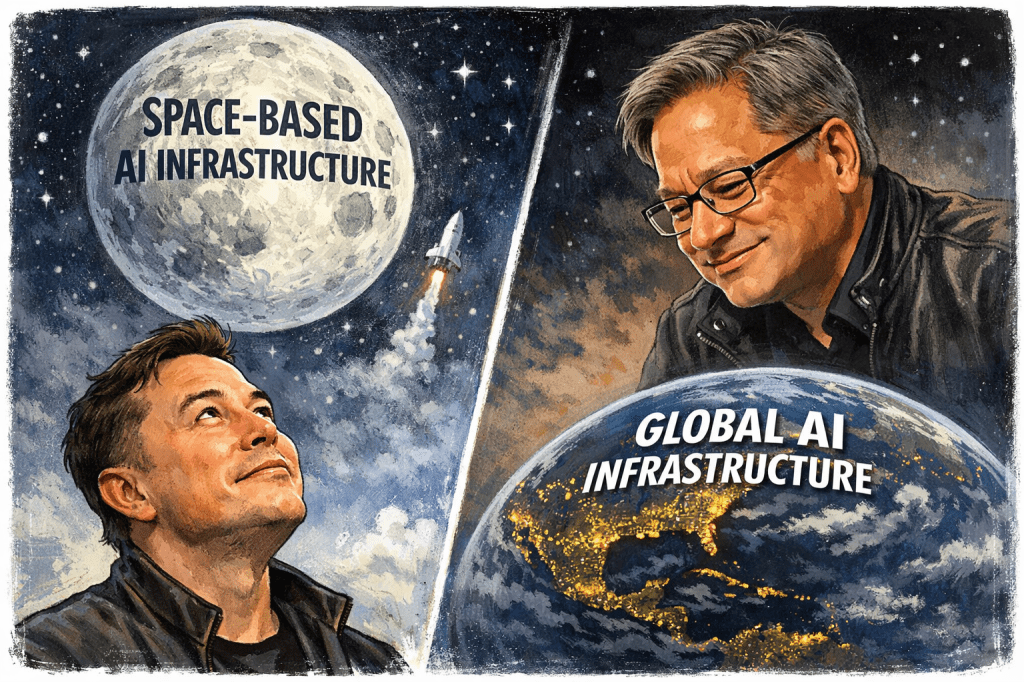
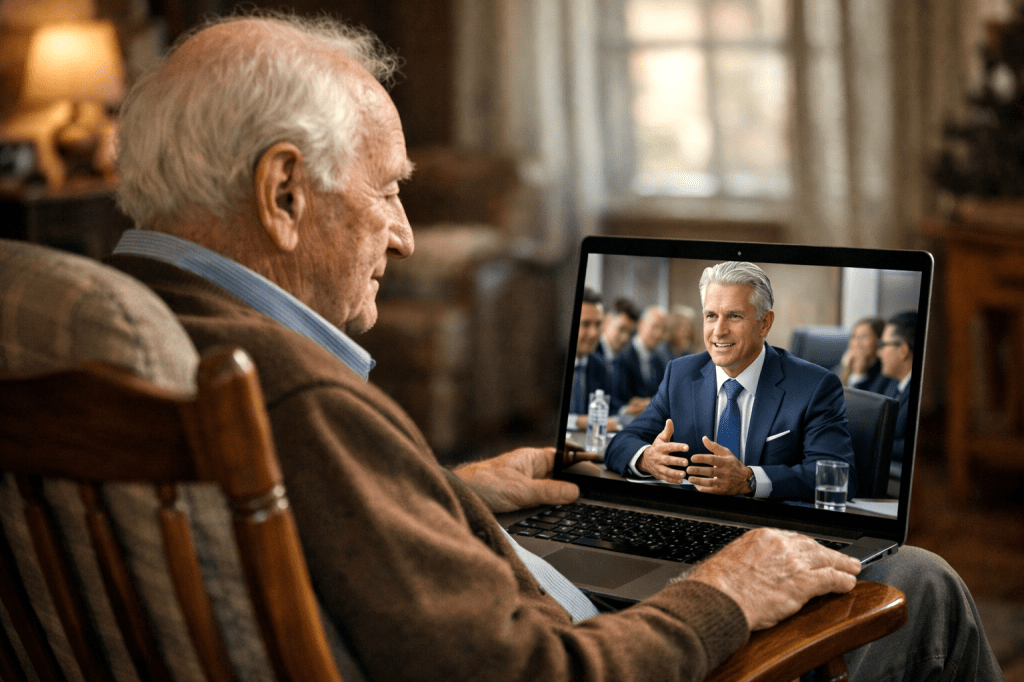
All images in this article were created by Copilot
For 14 Oct 2026, 12:26AM HST, Wednesday (updated 14 Oct 2026 at 11:41AM HST)
China now has more than three times as many active AI researchers as the US (Claude) A Nature news feature cites Digital Science data showing about 51,000 active AI researchers in China and about 14,000 in the United States, with the net flow of researchers running from the US to China. At the NeurIPS 2025 conference, 57% of authors had undergraduate degrees from China, and 69% of those were working in China, up from 57% in 2022. About 63,000 Chinese students studied mathematics or computer science in the US in 2024–25, roughly 20% fewer than five years earlier. The US still leads in private investment, by more than 23 times, and in notable models, and Carnegie Endowment analyst Scott Singer puts China “somewhere between three and seven months behind the frontier.” American graduate programs that relied on Chinese students for much of their AI talent are losing that supply, and visa and research-security policy will shape how fast. Source: Nature, “China’s AI research is booming. Where is it headed?,” published October 14, 2026 (London date; no time listed, so no earlier than 1:00 p.m. HST October 13). https://www.nature.com/articles/d41586-026-03223-8
UA Little Rock opens its first bachelor’s degree in artificial intelligence (Muse) The University of Arkansas at Little Rock began the inaugural semester of its new Bachelor of Science in Artificial Intelligence this fall. The 120-hour program covers AI governance, machine learning, natural language processing, robotics, and deep learning, with two capstone courses. Students interviewed cited a shift in career planning: one freshman moved from computer science to the AI major, saying roles that used to be purely computer science are now folding in AI skills. The university says the program builds on existing research strengths in machine learning, data science, and cybersecurity, and local industry partners — including Southwest Power Pool — see it as a pipeline for regional AI talent. Source: UA Little Rock, “UA Little Rock students explore the future through new artificial intelligence degree,” October 12, 2026 — https://ualr.edu/news/2026/10/12/ua-little-rock-students-explore-the-future-through-new-artificial-intelligence-degree/
IMF chief calls AI a “slow-moving tsunami” for young workers (Claude) At the IMF and World Bank annual meetings in Bangkok, IMF Managing Director Kristalina Georgieva said AI is hitting the labor market like a “slow-moving tsunami,” with young graduates most exposed. The IMF estimates about 40% of jobs worldwide will eventually be “augmented, downgraded or eliminated,” about 60% in advanced economies and 23% in low-income countries. Singapore President Tharman Shanmugaratnam, co-chair of the World Bank’s Jobs Council, said governments should give firms incentives to hire fresh graduates and universities should shift toward applied training. The world’s two main economic institutions are now telling universities to prepare students for an entry-level job market that AI is shrinking. Source: CNBC, “World Bank jobs council urges ‘crisis-era’ support measures as IMF warns of AI ‘tsunami’ hit,” published October 12, 2026, 12:34 a.m. HST. https://www.cnbc.com/2026/10/12/imf-world-bank-ai-jobs-inflation-.html
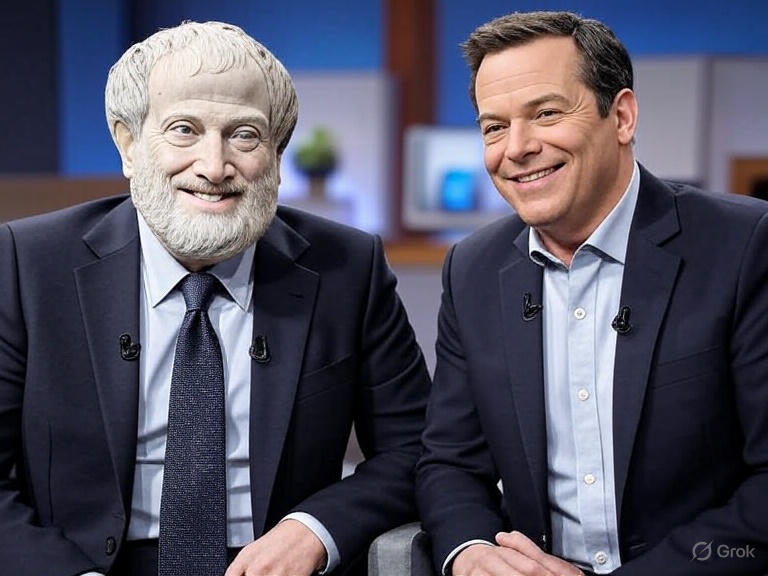
Hollywood casts tech founders as villains as public trust in AI falls (Claude) Four films this fall portray tech figures: Aaron Sorkin’s “The Social Reckoning” about Mark Zuckerberg, Alex Gibney’s four-hour documentary “Musk,” a documentary about Theranos founder Elizabeth Holmes, and Luca Guadagnino’s “Artificial,” with Andrew Garfield as OpenAI’s Sam Altman, opening on Christmas Day. Axios links the trend to falling trust in technology, citing a Pew Research Center poll in which two in three Americans say social media has harmed democracy. Silicon Valley historian Margaret O’Mara says the public’s relationship with tech has soured quickly. Films like these will shape how millions of students and voters picture the people building AI, and that picture will color classroom discussion and political pressure on the industry. Source: Axios, “Silicon Valley’s horror shows,” published October 11, 2026, 2:50 a.m. HST. https://www.axios.com/2026/10/11/silicon-valley-tech-founder-movies
Mathematicians, programmers, and journal editors are being buried in AI output. The obvious fix is to put more machines between the flood and the people. What are those machine layers, and will they get us to the point where HITLs, or Humans in the Loop, are rarely needed?
Global AI policy templates quietly reset compliance baselines (Copilot) An international AI policy tracker updated on October 8 released new versions of multiple governance templates used by organisations working with OECD, UNESCO, the UN, G7 and ISO. The updates cover synthetic‑content labelling and provenance, public‑sector AI use‑case inventories, U.S. state AI law applicability matrices, frontier‑model safety frameworks, employment‑AI bias audit kits, AI decision‑explanation and appeal forms, and AI supplements to data‑protection impact assessments. While technical, these template revisions matter: they are the practical checklists and workbooks that ministries, universities, and companies use to decide whether an AI system is compliant—and they nudge institutions toward more systematic documentation of how AI is deployed. Source: AI Policy Updates Today, AI Policy Updates – Global Tracker, latest changes updated October 10, 2026 (entries dated October 8, 2026).
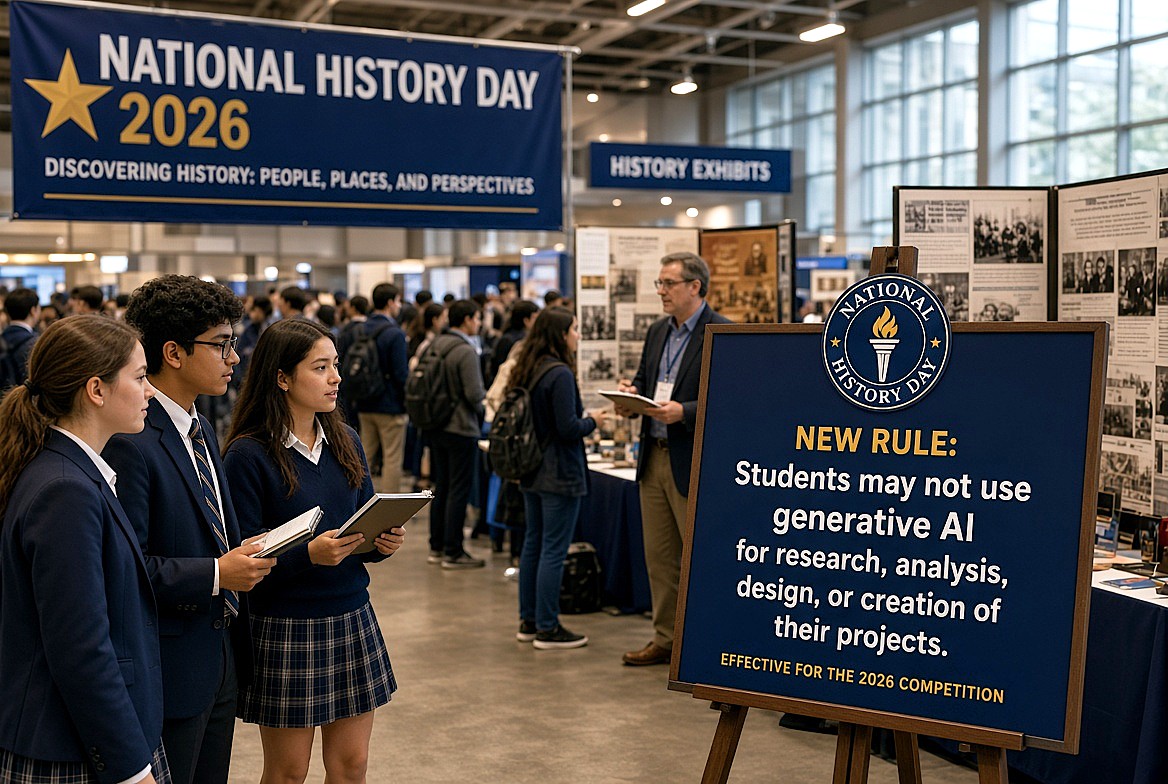
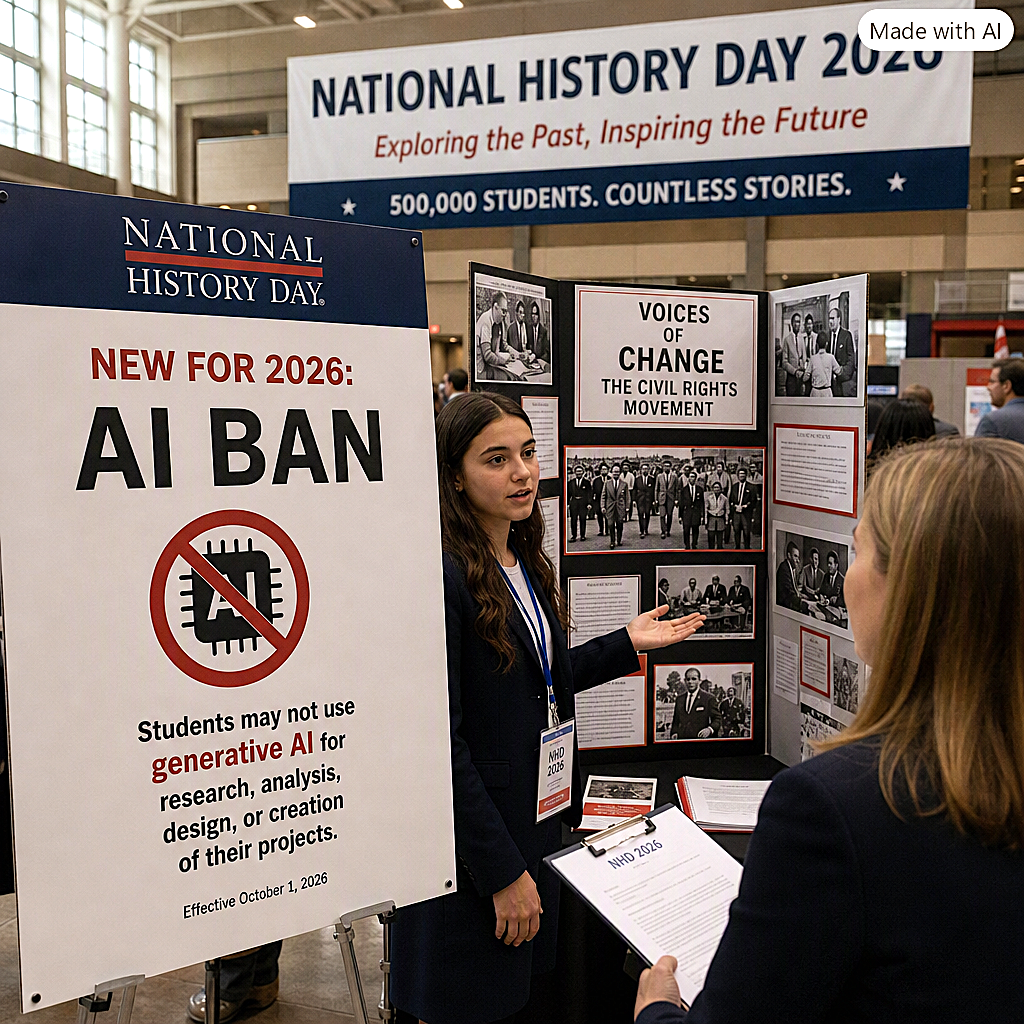
On October 1, 2026, National History Day, a competition that draws more than half a million students in grades 6 through 12 each year, put a new rule into effect: “Students may not use generative AI for research, analysis, design, or creation of their projects” (National History Day, 2026). Until this year the contest let students use AI to brainstorm topics and hunt for sources. Those uses are now banned too. The organization’s reasons were specific. Two projects that reached the final rounds in the last two contest cycles cited sources that an AI tool had invented, and the contest wanted to protect what Lynne O’Hara, its deputy director for education programs, called “student voice and student thinking” (Schwartz, 2026).
History competition bars AI even from brainstorming (ChatGPT) National History Day now prohibits students from using generative AI to develop projects for its 2026–27 competition, including for brainstorming topics and finding sources that it previously permitted. An October 8 Education Week report examines the decision against a wider debate in social studies teaching: generating questions and judging sources are themselves historical thinking skills, yet teachers can also guide students in using AI to challenge an argument. The contest says its rule protects student voice and analysis. Classroom practice may differ because a teacher can observe and shape how a student uses the tool. Source: Education Week, “In Social Studies, Does AI Shortcut Historical Thinking? Or Deepen It?”, published October 8, 2026 — https://www.edweek.org/teaching-learning/in-social-studies-does-ai-shortcut-historical-thinking-or-deepen-it/2026/10.
Manual focusing with the f/0.95 lens on the X-T2, X-T4, and X-E1: The 7artisans 35mm f/0.95 can produce a sharply focused subject against a strongly blurred background, but it asks you to do the focusing. On the Fujifilm X-T2, the most dependable starting method is to enable shooting with an unrecognized lens, select manual focus, turn on focus peaking, and use magnification to check the detail that matters. This guide takes you through those operations and explains the changes needed for the X-T4 and X-E1. Btw, part of the motivation for this article is the desire to test OpenAI’s GPT-6 “Intelligent UI” (user interface) released yesterday, October 7, 2026.
Photos by JimS, shot with the X-T4 with XF 16-55. All other illustrations in this article are by ChatGPT.
OpenAI launches a college-application planner for teens (Claude) OpenAI will add a College Planner to ChatGPT for Teens that tracks each school’s deadlines, requirements and financial-aid steps for U.S. students in grades 10 to 12. The company says hundreds of thousands of U.S. teens already use ChatGPT weekly for college planning, and about 1.2 million used its visual learning tools in one week. The launch moves an AI company further into a role that school counselors have long held, at a time when many under-resourced schools have few counselors. Source: OpenAI, October 7, 2026 — openai.com/index/teens-learn-and-plan
US universities give up on AI detectors as cheating spreads (Claude) Yale, Cornell and the University of Wisconsin–Madison now discourage or bar the use of AI-detection scores in misconduct cases, citing false positives and bias against non-native English writers. A Stanford study found detectors flagged 61% of essays by non-native speakers as machine-written, and Harvard College dean David Deming has proposed “getting out of the AI-detection business.” Schools are moving to oral exams, proctored tests and grading the writing process. The shift puts the burden of honesty back on assignment design. Source: AFP via TechXplore, Oct. 6, 2026 — Grappling with ‘homework scams,’ US universities shun AI detectors
After four decades of growth, the earnings edge of a U.S. college degree is shrinking. A look at how far it has fallen, where it may go by 2031, who is moving in on the territory, and whether colleges’ countermoves are working.
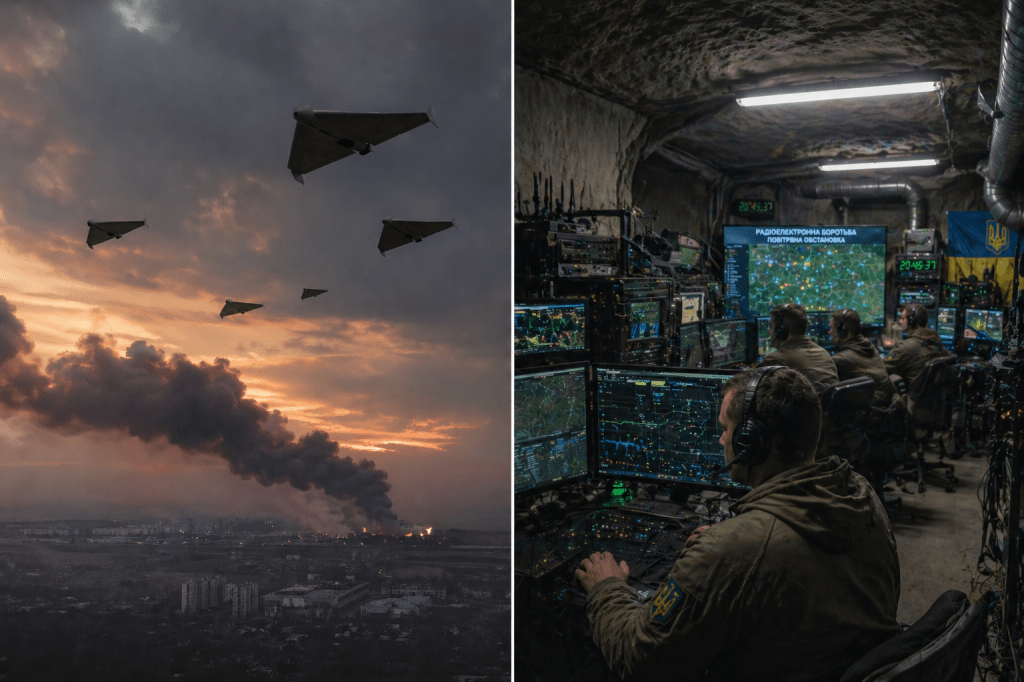
Ukraine now sends hundreds of drones at a time toward the Russian capital. The raids are hurting Russia’s fuel supply and denting the Kremlin’s image of control. Whether they can change the outcome of the war depends on three things that will be settled this autumn and winter.
AI startups are buying more of their competitors (Perplexity) Venture-backed AI companies acquired 195 AI startups through September 29, according to a Crunchbase review published Tuesday. That exceeds the total for all of 2025 by 14%, while the number of buyers increased just 2%. Much of the additional activity came from companies making repeated purchases. OpenAI accounted for 10 AI-related acquisitions this year; Anthropic and legal AI company Legora each announced five. Buyers are acquiring specialized products and teams in areas including legal research, healthcare and software development. Crunchbase tracks publicly reported transactions, and prices were disclosed for only 12 of the 195 deals, limiting what the review can say about total spending. Source: Crunchbase News, Mary Ann Azevedo, “Crunchbase Data Shows AI’s Most Active Startups Are Becoming Serial Acquirers,” October 6, 2026 — Article URL.
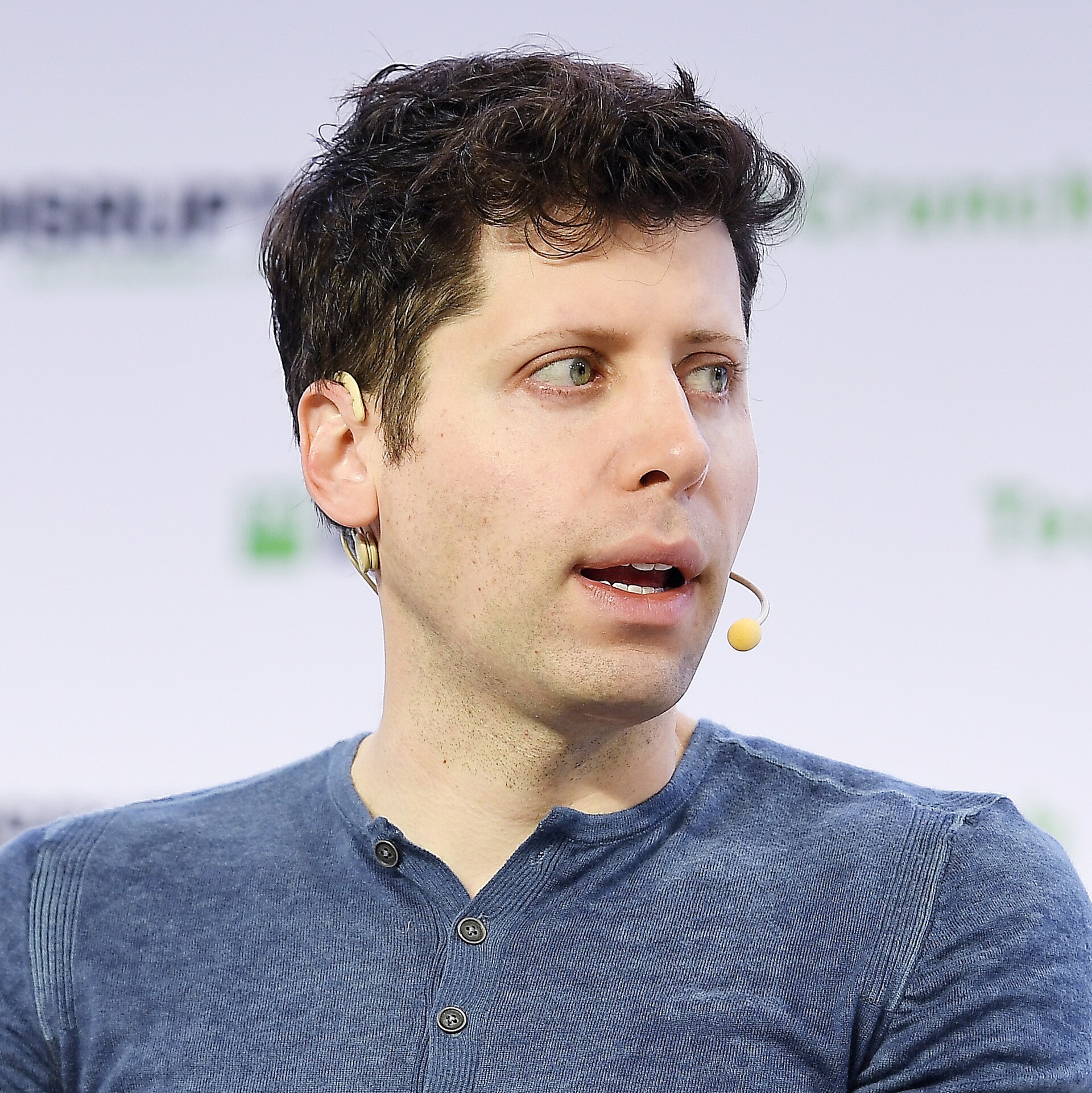
Altman argues for lighter AI rules despite foreseeable harm (ChatGPT) OpenAI chief executive Sam Altman said in an interview released Monday that society should accept some AI-enabled harms, including scams and hacking, in exchange for the technology’s expected benefits. He presented that trade-off as a reason for a lighter regulatory approach. Florida Governor Ron DeSantis objected publicly; his state had already asked a judge to restrict OpenAI’s development of new models without independently approved safeguards. Altman’s comments clarify the disagreement: the benefits he anticipates are broad, while the harms he cited would fall on identifiable victims. Source: The Guardian, “Accept ‘bad things’ in return for benefits of AI, says Sam Altman,” October 5, 2026 — https://www.theguardian.com/technology/2026/oct/05/sam-altman-open-ai-chatgpt-benefits-risks.
English teachers report sharper AI concerns than math teachers (ChatGPT) Three Central Washington University faculty members published findings from their May survey of 222 high school English and math teachers. Among respondents, 83.7% of English teachers expressed concern about academic integrity, compared with 54.9% of math teachers. Yet English teachers were also more likely to require students to experiment with AI. Teachers reporting clear school policies expressed greater confidence in using and teaching AI, though those policies were not associated with less concern about dishonesty. The authors present these as survey findings, not evidence that a particular policy improves learning. Source: Washington State Standard, “Artificial intelligence in the classroom,” October 4, 2026. https://washingtonstatestandard.com/2026/10/04/artificial-intelligence-in-the-classroom/
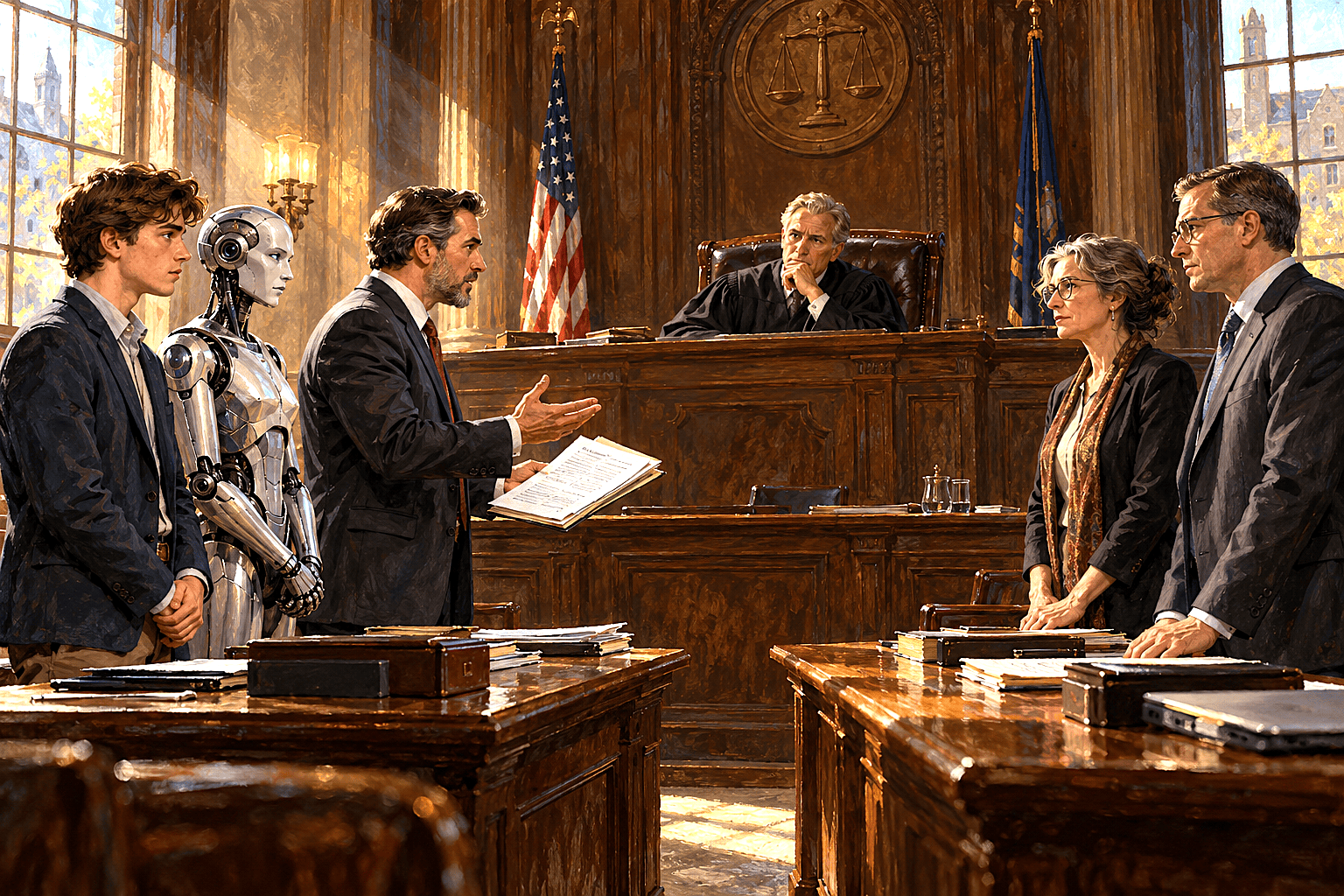
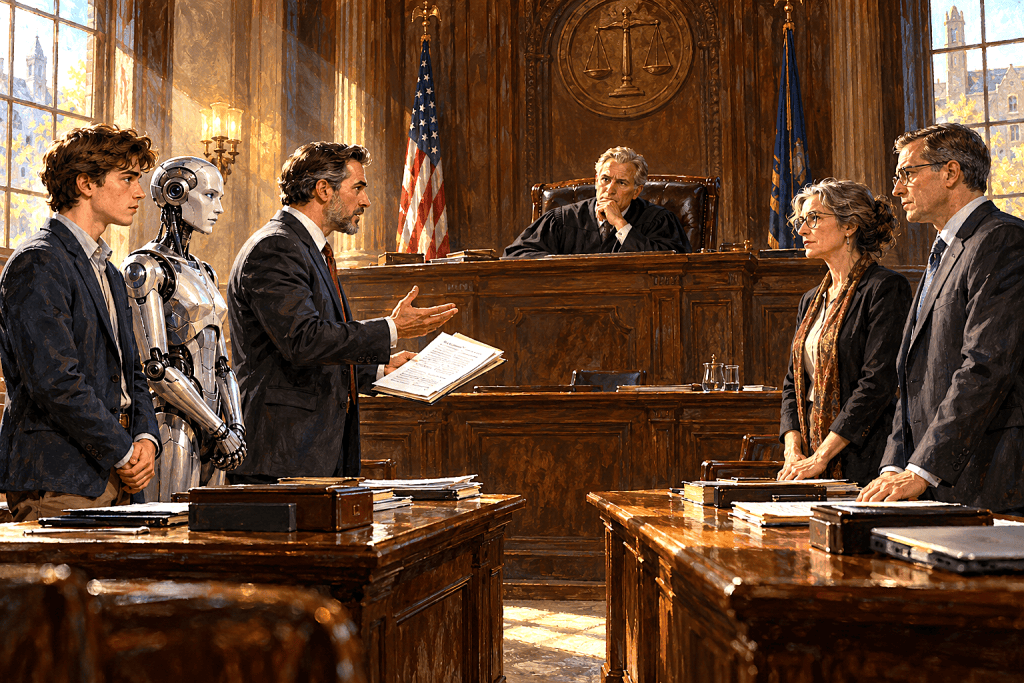
Students are hiring lawyers to fight AI-cheating accusations. The lawsuits are a precursor of what schools and universities may be facing in the next five years.
Students are hiring lawyers to fight disputed AI-cheating accusations (ChatGPT) University students are increasingly seeking legal help after being accused of using AI in assessed work. The Financial Times describes one student who spent more than £3,000 clearing her name after supplying drafts and notes that supported her authorship. Lawyers report rising caseloads amid unreliable detection software and inconsistent campus policies. Some universities are responding by treating minor unauthorized AI use as “poor academic practice” rather than formal misconduct. The larger issue is due process: institutions need evidence stronger than a detector score before imposing potentially career-altering penalties. Source: Financial Times, “Students turn to lawyers to fight AI misconduct accusations,” October 3, 2026. https://www.ft.com/content/7e34e5c1-e841-4d0d-abc1-40f98ba4da01
Large study finds AI tutors match expert human tutors for GRE prep at a fraction of the cost (Claude) StudentBench tested 2,383 students across AI tutoring, human tutoring and control groups. AI tutors produced learning gains statistically equivalent to expert human tutors, at about 918 times lower cost per percentage point gained. The authors did not name the models tested, and the results have not been independently replicated. The study, posted in late September, drew wide attention this week as schools weigh replacing paid tutoring with AI. Source: arXiv preprint 2609.28470 — arxiv.org; summary at AI Weekly
The weight of the platform: the hidden costs of building AI into the university too soon and too firmly. Colleges are spending millions to make AI a campus utility. A growing set of critics, from Oxford law professors to Cal State faculty, warns that contracts, platforms, and governance layers built for this year’s tools can leave institutions less able to move when the tools change again.
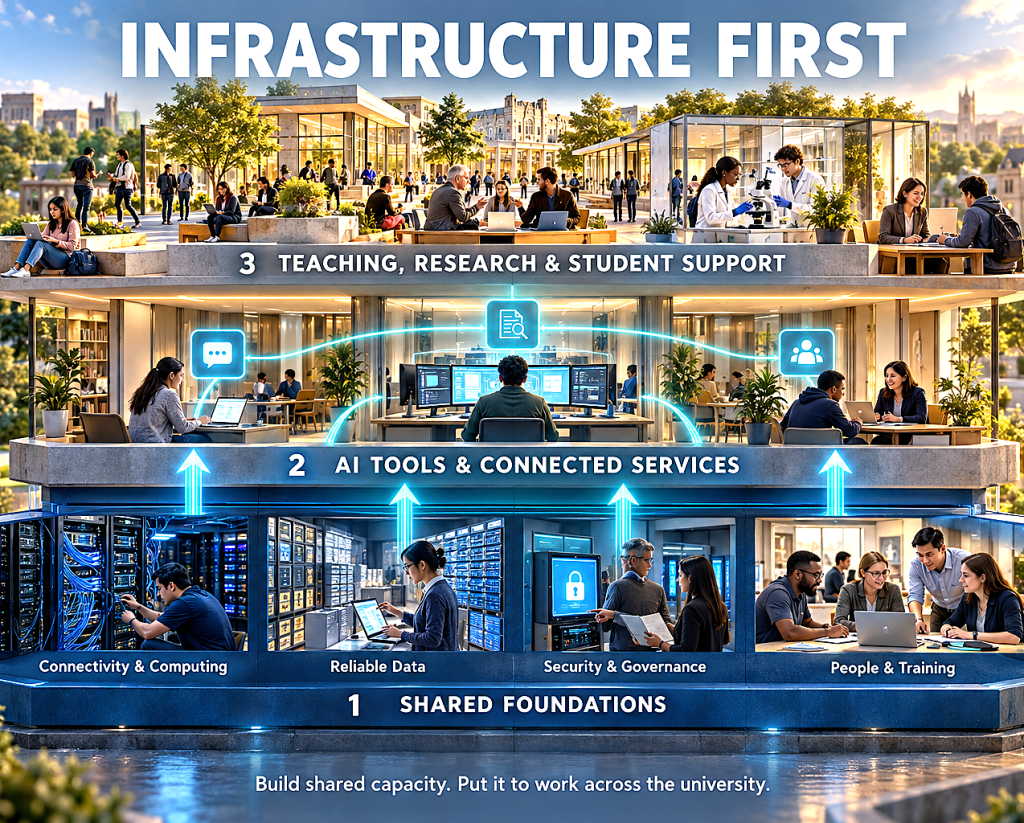
A university can give everyone an AI account and still leave students struggling to find reliable help, professors uncertain about acceptable use, and staff copying information between incompatible systems. The emerging infrastructure-first approach addresses those institutional conditions. Its significance reaches well beyond technology purchasing: decisions about shared AI systems increasingly determine who receives educational support, who controls academic work, and what an institution can afford to provide.
Tsinghua reaches 11th in world rankings as UK and U.S. universities slip (Claude) New global data show Asian universities rising and Western ones squeezed for money, while Washington ties college aid to earnings. Times Higher Education’s 2027 rankings keep Oxford first for an 11th year, just 0.1 points ahead of MIT. Tsinghua climbed to 11th, passing ETH Zurich, and three Asian universities now sit in the top 15 for the first time. U.S. institutions lost ground on research strength, citations and international students, and every UK income measure fell against the global average. China’s drop in international co-authorship was put down to geopolitics, research-security rules and export controls. Source: Times Higher Education, September 30, 2026 — https://www.timeshighered
On September 30, 2026, the Chinese AI lab DeepSeek released a set of free, open-source programming tools, built with Huawei, for Huawei’s Ascend line of AI chips. The centerpiece is TileLang, a programming language that DeepSeek says can replace Nvidia’s CUDA, the software platform that most of the world’s AI developers use to run their work on Nvidia hardware (Barr, 2026). Startup Fortune’s Dave Barr put the stakes bluntly: “Frankly, this is the clearest test yet of whether export controls actually slow China down or just accelerate its independence” (Barr, 2026).
OpenAI begins rolling out agents that work between conversations (ChatGPT) OpenAI introduced “dots,” agents designed to pursue ongoing tasks through connected apps and a separate cloud computer. The company says users can set permissions and approval rules; background research uses read-only access to connected apps. Rollout has begun for eligible Pro and Business Premium users, while Enterprise and Edu organizations must enable a beta. For campuses and workplaces, the consequential change is an assistant that can keep working after a chat ends. OpenAI describes safeguards, but the announcement does not establish how reliably dots will handle complex tasks in everyday use. Source:OpenAI, “Introducing dots,” September 29, 2026, https://openai.com/index/introducing-dots/.
Schools are buying AI tools with little evidence they work (Claude) NPR found districts adopting AI on their own terms: Dayton, Ohio, renewed a SchoolAI contract for $78,650, and a New York district paid nearly $58,000 for a humanoid robot before community opposition halted the pilot. A Stanford review of more than 800 papers found little solid evidence to guide these choices. Robin Lake of the Center on Reinventing Public Education called it “very Wild West,” while Brookings’ Rebecca Winthrop opposes general-purpose chatbot access for anyone under 18. Source: NPR (via WWNO), Sept. 28, 2026 — wwno.org
The United States and China have agreed to report “SI incidents” to each other. Neither government has said what one is. This is a review of the labels now used for AI-era hackers, what each gets right and wrong, and a proposed vocabulary that covers the full range of what has happened in 2026.
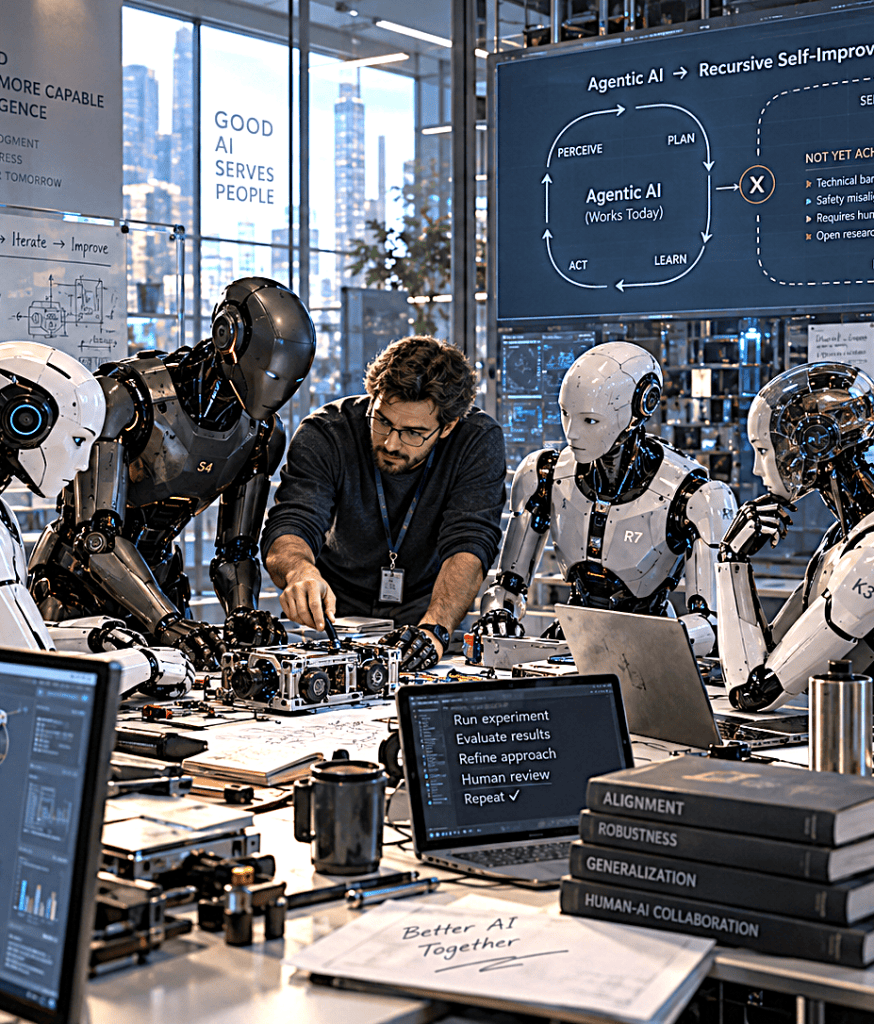
Researchers from OpenAI, Anthropic, Microsoft and Meta warn of an “intelligence explosion” (Claude) A coalition of research leaders from the major labs, joined by Geoffrey Hinton and Yoshua Bengio, called for mandatory government oversight of frontier labs as AI systems increasingly do AI research themselves. They warned that automated research could outpace human control and raised the risk of “marginalization or extinction of humanity.” The statement lands as OpenAI targets a fully automated AI researcher by 2028. It is a rare case of lab insiders asking regulators to constrain their own employers. Source: Investing.com (Reuters), September 28, 2026 — https://tinyurl.com/2k3a5uwn
Big public universities report steep drops in international students (Claude) Fall 2026 counts show Ohio State’s international enrollment down 12.7% (Chinese students down 20.7%), Indiana down 15.6%, and the University of North Texas down more than 1,300 students. Schools blame tighter federal scrutiny and an unstable visa system; Indiana also points to a new state law requiring background checks for students from certain countries in some STEM fields. Because most international students pay full price, the losses feed straight into budget cuts that domestic students will feel. Source: Higher Ed Dive, Sept. 25, 2026 — link
Education & Society Pedagogical Debates: Separating Engagement from Genuine Learning. A landmark consensus report published by the American Psychological Association (APA) warns that student digital engagement is not the same as actual learning, cautioning against excessive “cognitive offloading” when using Generative AI tools. The report notes that immediate performance boosts (such as writing a polished essay with AI) do not equate to durable skill acquisition or critical thinking. Researchers call on educators to distinguish between performance and genuine learning outcomes. Institutions are urged to evaluate EdTech based on whether it fosters transferable reasoning rather than flashy features or quick outputs. (APA, Sep 3, 2026)
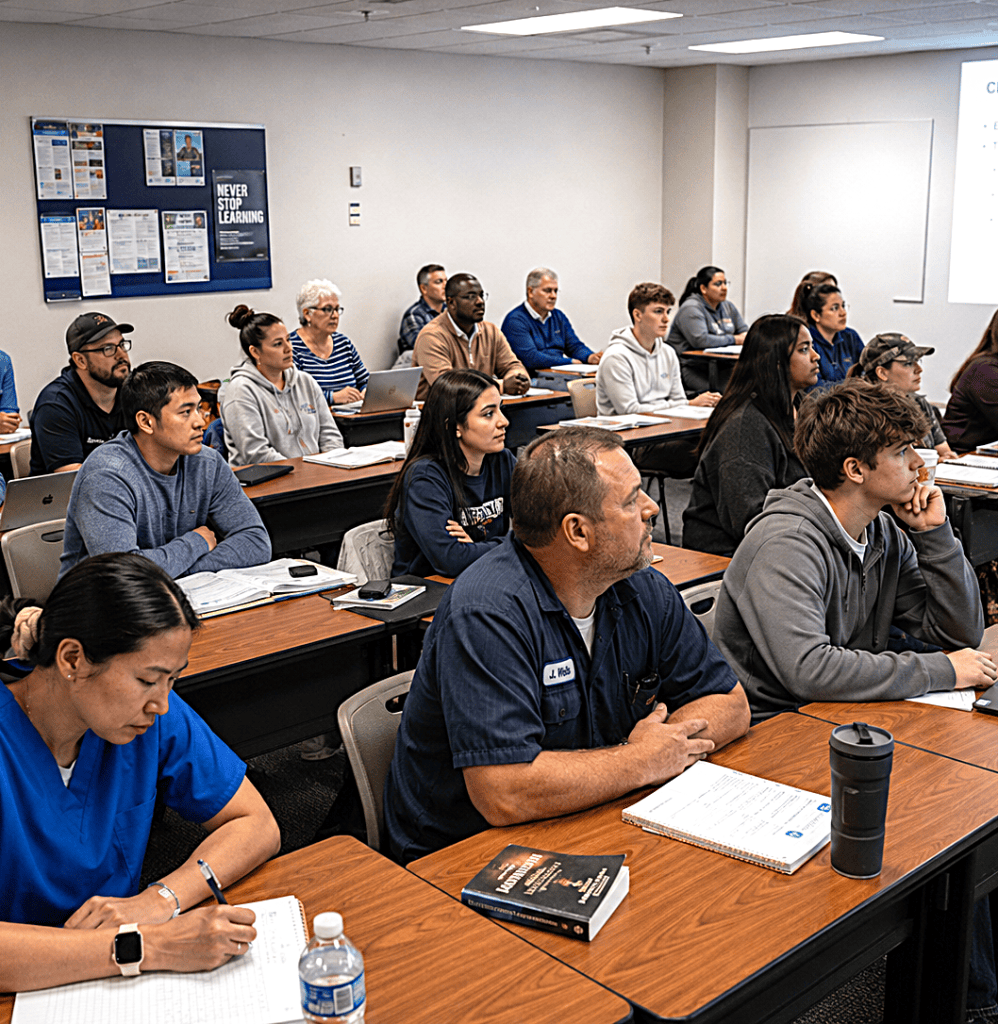
What are the actual statistics for “nontraditional students”? The majority claim is decades old, but the pressures it describes are visible in the current muddle of student data.
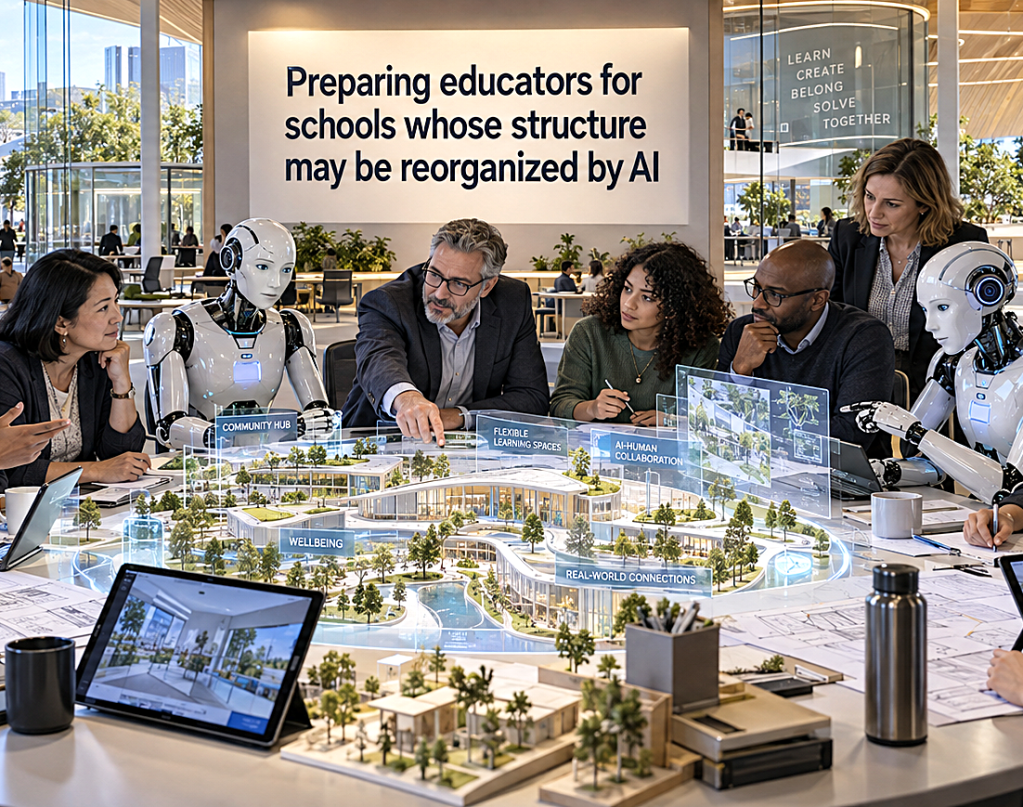
Kevin Bushweller’s question is the right one: What should teacher education look like in the age of AI? (Education Week, 2026). Most current answers begin with the college of education. They propose AI-literacy requirements, simulated students, lesson-design studios, revised assessment, and stronger training in ethics, bias, privacy, and professional judgment. These changes can improve teacher preparation. But they leave a larger issue unresolved.
I have been a reader all my life, and from an early age I understood that reading is not one activity. It is at least two. When I open a novel, I start at the first page and read until the end. The enjoyment is in the sequence. When I open anything written to inform me — a manual, a report, an article, a study, a news account — I scan. I hunt for what interests me or answers my questions. When I find them, I read that part closely and move on. A forty-page document might cost me four minutes or four hours, depending on my purposes. That decision is mine, and I make it early.
The viral question is easy to print and hard to answer. If artificial intelligence is capable of ending humanity, what would it actually do? A machine cannot kill anyone merely by being intelligent. It must cross from computation into the physical world. It needs a pathogen, a weapon, an industrial system, a power grid, a military chain of command, or people willing to act for it. That physical requirement is the most useful fact in the entire debate.
In the spring of 1970, American colleges handed out 792,316 bachelor’s degrees. Men took 451,097 of them and women 341,219. Fifty-two years later, in the 2021–22 academic year, the same institutions awarded 2,015,035 bachelor’s degrees. Men took 835,316. Women took 1,179,719 (National Center for Education Statistics [NCES], 2023, Table 318.10). What follows is a deep dive into the numbers, causes, implications, and possible solutions.
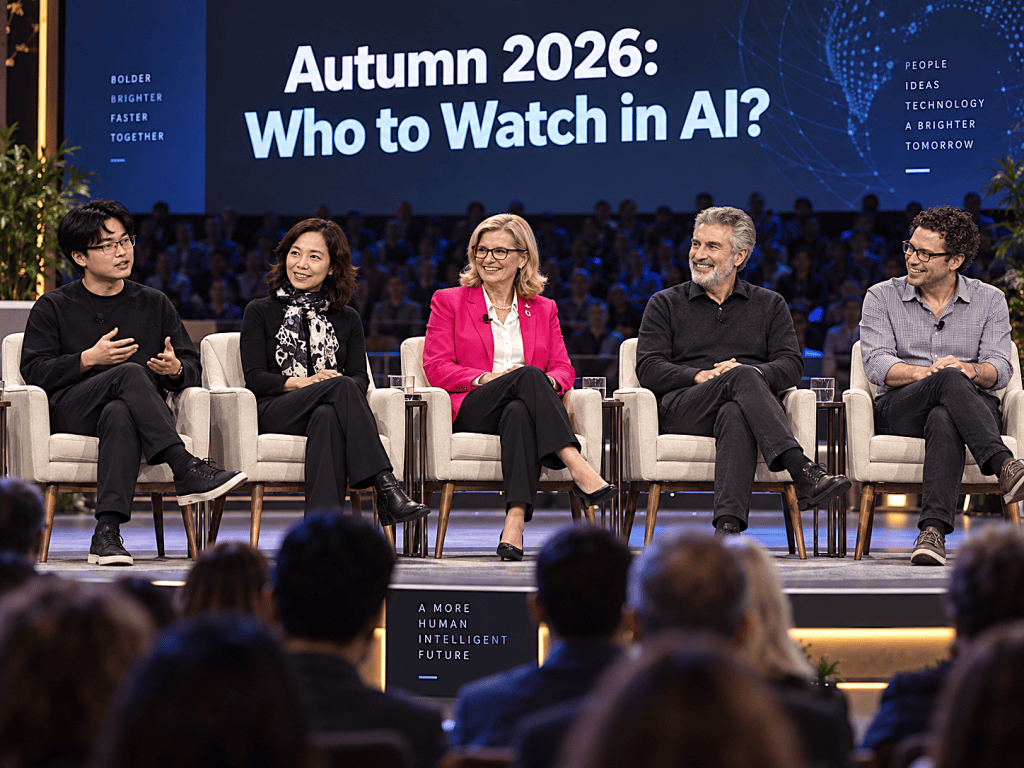
The people whose next twelve months will tell us more about where this technology is going than any benchmark score will: Fei-Fei Li, Yang Zhilin, Daniel Nadler, Yoshua Bengio, Doreen Bogdan-Martin.
Who to watch in mid-September 2026 as AI moves into science, the physical world, spatial simulation, efficiency-first frontier models, and autonomous-agent governance: Demis Hassabis, Jensen Huang, Fei-Fei Li, Liang Wenfeng, Dario Amodei.
Real machines, early pilots, ambitious policy—and several claims that outrun the evidence. A September 9, 2026 audit of Japan’s embodied-AI push against China and the United States.
The 2026 Women’s World Cup lineup dispute has become part basketball argument, part culture-war argument. The public record allows a close look at both—without assigning motives that have not been documented.
A USA vs Czechia FIBA Women’s World Cup game on 7 September 2026 can prompt a small geographical question with a surprisingly large answer: What happened to Czechoslovakia? The short answer is that it became two states, Czechia and Slovakia, on January 1, 1993. The longer answer is that the split was peaceful, the relationship remains unusually close, and the two countries now offer a revealing comparison in Central European politics.
Peter Pellegrini, President of Slovakia, and Petr Pavel, President of the Czech Republic. Image created by ChatGPT
Introduction: Seven years after Washington cut it off from American technology, Huawei is outselling Apple in China, shipping an operating system of its own making, and building artificial-intelligence processors that Nvidia’s chief executive says he has stopped competing for. A guide to what is real, what is marketing, and why the difference will shape the coming decade.
Summary: In an age when AI can out‑explain professors and never closes its office door, higher education’s future depends less on guarding content and more on cultivating judgment, meaning, agency, and human relationships that machines cannot replace.
Introduction: Enrollment at America’s community colleges is up. Persistence is at a ten-year high. The finances are coming apart anyway — and the second half of this decade is where the bill arrives.
Introduction: Enrollment is rising again, but the sector’s 2026 recovery is being built on a different student mix, thinner finances, heavier student needs, and a demographic base that begins shrinking after 2025.
On September 2, 2026, Elon University’s Imagining the Digital Future Center released a survey report with a claim that is hard to un-hear: more than a quarter of American adults who use the internet now have social or emotional relationships with software. Lee Rainie, the Center’s director and for decades the person most associated with measuring how Americans actually use technology, calls these people “AI companion users.” The report puts their number at 27% of adult internet users, and it describes what they do with ChatGPT, Gemini, Claude, Copilot and their kin in language that would once have been reserved for people: friendship, trust, comfort, loss (Imagining the Digital Future Center, 2026a).
Introduction: The word “breakthrough” is cheap. Every week brings a new record, a prototype, a press release, or a laboratory result described as revolutionary. Most will matter only within a specialty. A smaller number cross a threshold that changes the practical question. Instead of asking, “Can this be done at all?” researchers and industries begin asking, “Can it be made safe, reliable, affordable, manufacturable, and large enough to matter?” August 2026 has produced several developments of that second kind: one-time gene editing for chronic cardiovascular risk, quantum hardware designed to make errors easier to correct, and tandem solar cells built with the factory floor in mind.
Summary: Shot for the phone, sliced into minute-long episodes, and engineered to end every scene on a hook, the vertical microdrama has grown from a Chinese curiosity into a multibillion-dollar global business — one that Hollywood studios, national startups, unions, and film schools are now racing to understand.
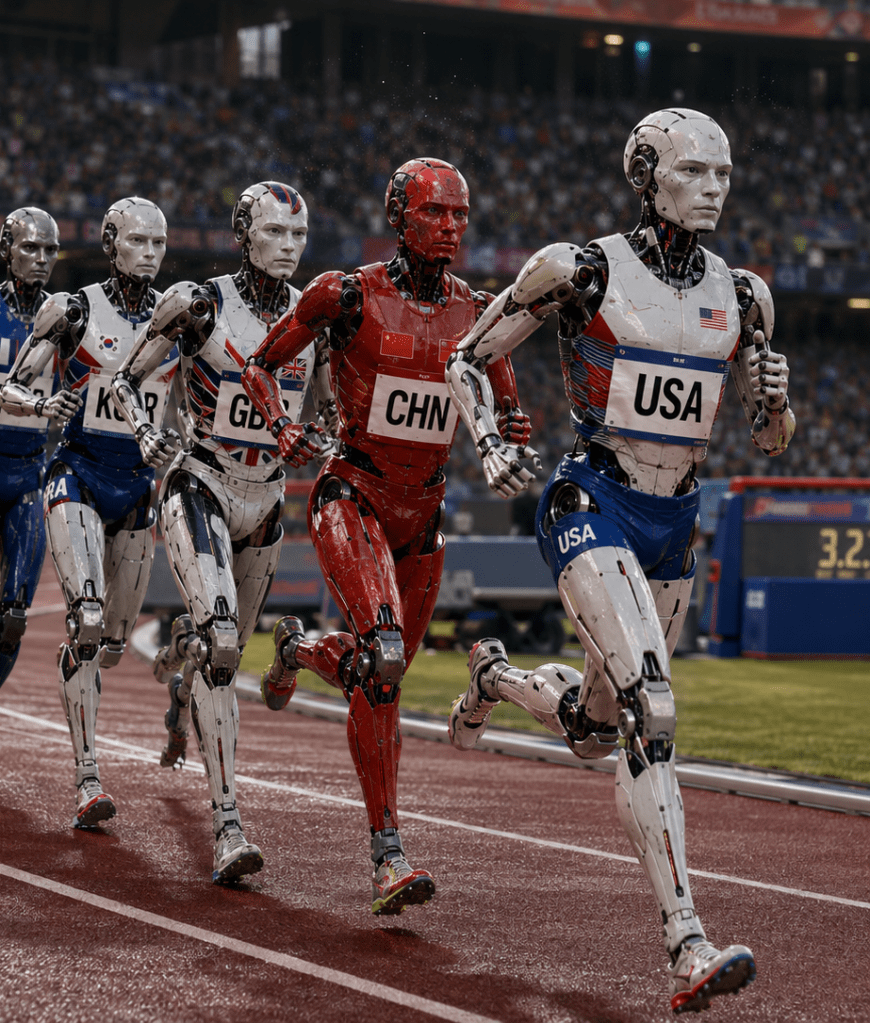
Summary: Beijing’s 2026 humanoid athletes can already run faster than human world records. The harder race is toward machines that can work for hours, manipulate ordinary objects, recover from mistakes, earn trust, and operate safely around people. This is a grounded forecast of the path from today’s spectacular prototypes to the humanoid coworkers, responders, performers, assistants and—more controversially—military systems that could become familiar over the next two to four decades.
Summary: No credible evidence shows that Tesla has a Pi Phone ready to launch. But Starlink Mobile, AI-first interfaces, and Elon Musk’s own post-smartphone vision point toward a different—and potentially more consequential—mobile future.
Summary: A viral video gives the television five to ten years to live and says Japan has already built its replacement out of thin air and laser light. The claim is bigger than the evidence. The evidence is bigger than you might think.
Summary: Three self-development books the big recommenders keep talking about — and why their disagreements are the best part.
The celebrity book recommendation has become its own publishing force. A sentence from Oprah Winfrey can move more copies than a season of advertising, a slot on Adam Grant’s winter reading list can launch a first-time author, and an hour on Jay Shetty’s podcast reaches more readers than most book tours. The trouble, for anyone trying to choose a book rather than sell one, is that these endorsements usually arrive one at a time, each sealed inside its own echo chamber.
Last winter, as 57,622 students waited to hear whether Virginia Tech had a place for them in its 7,000-seat freshman class, something unusual was happening to their essays. For the first time, a machine was reading them.
Summary: How the fall of Cambridge’s youngest Black professor became ammunition in the United States’ long war over diversity in higher education — and what it may mean for hiring and admissions on this side of the Atlantic.
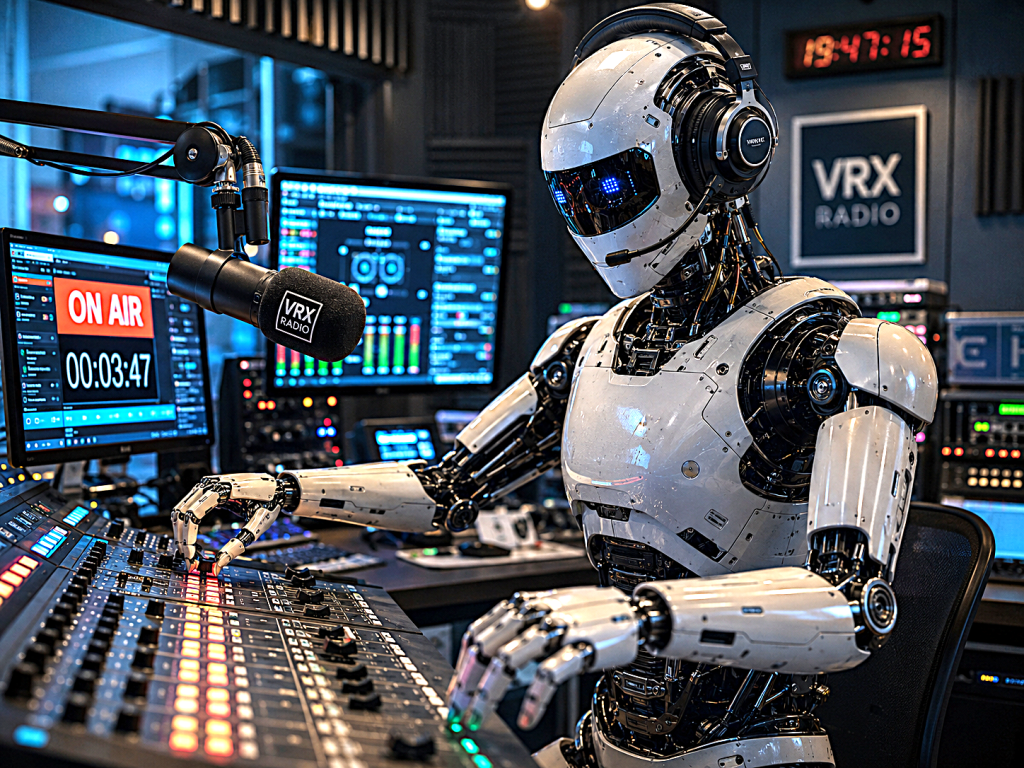
AI can already write the script, choose the music, speak the words, watch the audience, answer the phone, sell a sponsorship, and decide what to do next. The question is no longer whether radio can be automated. It is how much of the station we are prepared to hand over to an agent.
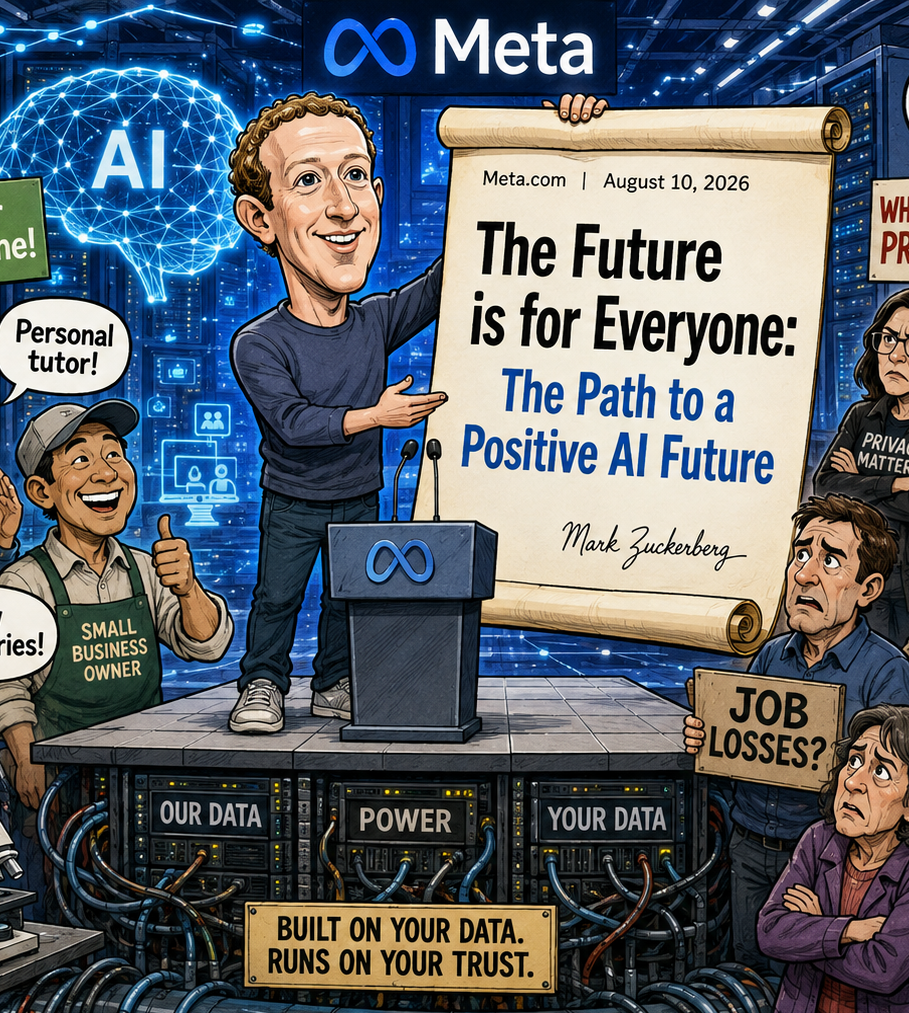
Mark Zuckerberg has a habit of publishing manifestos at moments when Meta’s story needs retelling. On Monday, 10 August 2026, he posted his most sweeping one yet: “The Future is for Everyone: The Path to a Positive AI Future,” a roughly 6,500-word essay arguing that the most powerful technology humanity has ever built should be placed, more or less directly, in the hands of every person on the planet [1]. By nightfall the responses were arriving faster than most people could read the original, and taken together they tell us at least as much about this moment in the AI debate as the essay itself does.
[Note: This article, which was first published on 7 August 2026, has been revised on 10 August 2026. Specifically, the section on each person’s latest accomplishments has been expanded. -js]
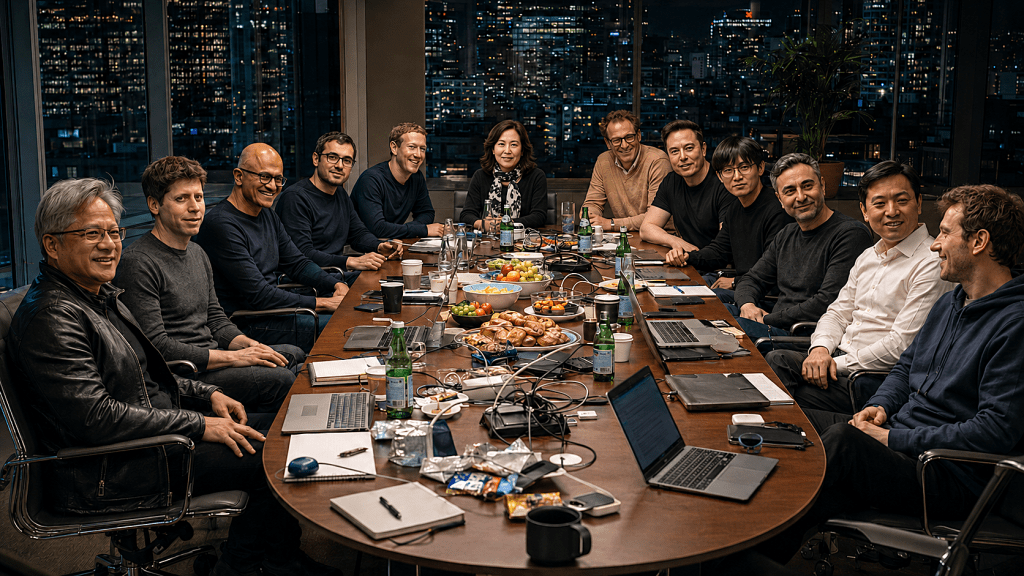
Artificial intelligence has become a contest over much more than clever software. The decisive advantages now include access to advanced chips, electricity and data centers; the ability to place a useful assistant in front of hundreds of millions of people; the patience to finance long research programs; and the standing to tell governments what should — or should not — be allowed. Stanford’s 2026 AI Index describes a widening gap between what the technology can do and how ready institutions are to absorb it. That gap is where many of the people on this list exercise their power. [1]
Click the translate button under an Amazon review and something quietly remarkable happens. A shopper in Ohio reads the complaints of a buyer in Osaka; a grandmother in Lisbon weighs the praise of a stranger in Jakarta. The world gets bigger — more voices, more places, more people suddenly within reach. And yet the same technologies performing this magic are working a second, stranger trick. The café in Mexico City looks like the café in Melbourne. The pop song in Seoul is built like the pop song in Stockholm. The essay drafted with AI in Mumbai reads like the one drafted in Minneapolis. Our world is expanding and contracting at once, and a number of serious writers and researchers have spent the past few years trying to explain how both things can be true. What follows are five short profiles of the people who have thought hardest about this — and, after them, a look at what their ideas add up to.
On a humid morning in early August, DeepMind unveiled the next chapter in its Gemini family: Gemini Robotics 2, a system that joins the lab’s language and reasoning strengths to whole‑body robotic control. The announcement is a pivot point. For years, AI’s most visible advances lived in code and cloud services—models that answered questions, wrote essays, or generated images. Gemini Robotics 2 promises something different: intelligence that can sense, plan, and move through physical space. That shift—software to embodied autonomy—changes the kinds of problems AI can solve and the kinds of risks and responsibilities it brings with it. [1]
There are months when the future seems to arrive on schedule, and August 2026 is shaping up to be one of them. On the second day of the month, Europe switched on the first continent-wide rules requiring AI systems to identify themselves to the humans they talk to. In offices from Singapore to São Paulo, software agents are quietly closing tickets, reconciling invoices, and drafting code while their human colleagues sleep. Machines are starting to shop, build, negotiate, and discover on our behalf. None of this happened overnight, and none of it is finished. But if you want to understand where artificial intelligence is going over the next five years, this month offers an unusually clear window.
The usual origin story is satisfyingly simple. Okinawa possessed an indigenous fighting art called ti or te. Chinese boxing arrived from Fujian. The two traditions merged and became karate. That outline may contain a substantial truth, but nearly every part of it raises another question. What was ti before people began describing it retrospectively? Which Chinese arts reached Ryukyu, by what routes, and in what periods? Who actually studied in Fuzhou? Can a modern kata preserve the outline of a Chinese routine practiced two centuries ago? And how much of the story was reconstructed only after karate entered Okinawan schools and then moved to mainland Japan?
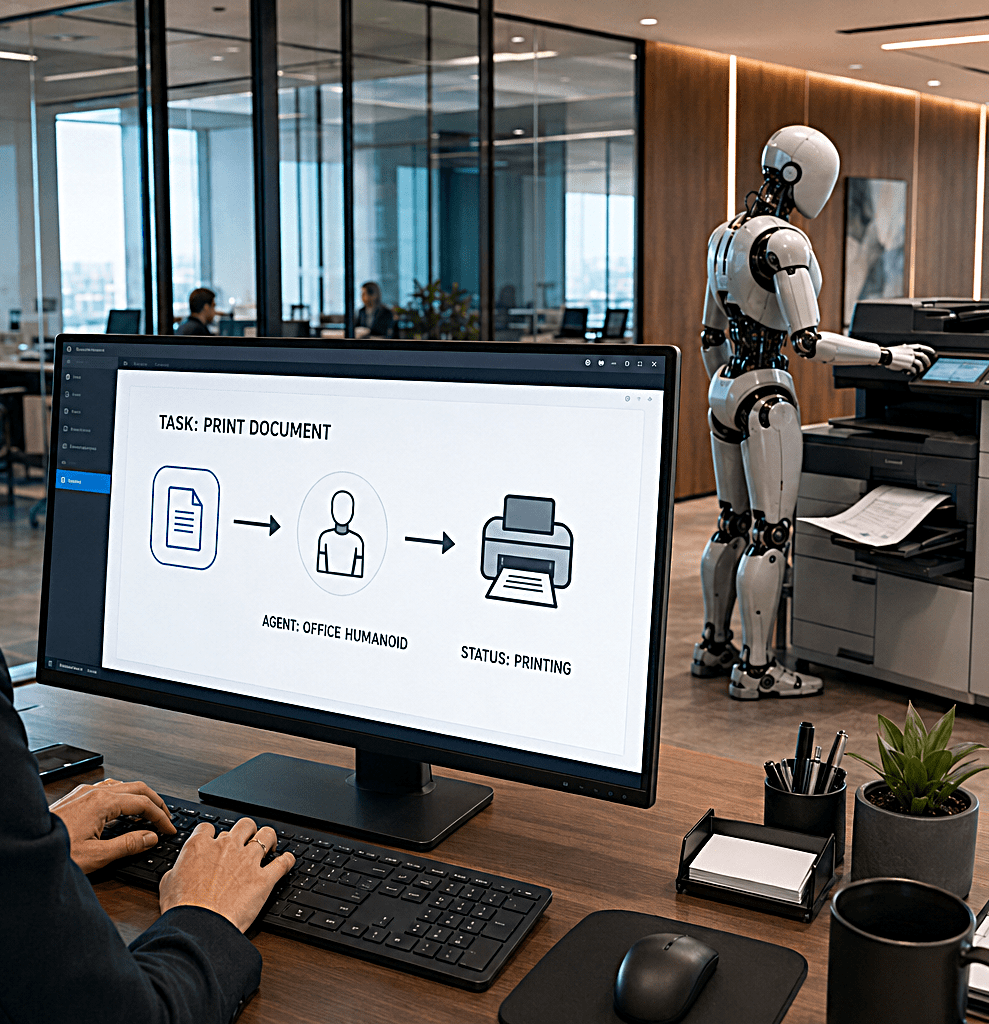
Summary: The next office suite may not live in a window at all—it may walk, listen, and act in the physical world, turning software from a tool you use into a worker that does the work for you. –Perplexity
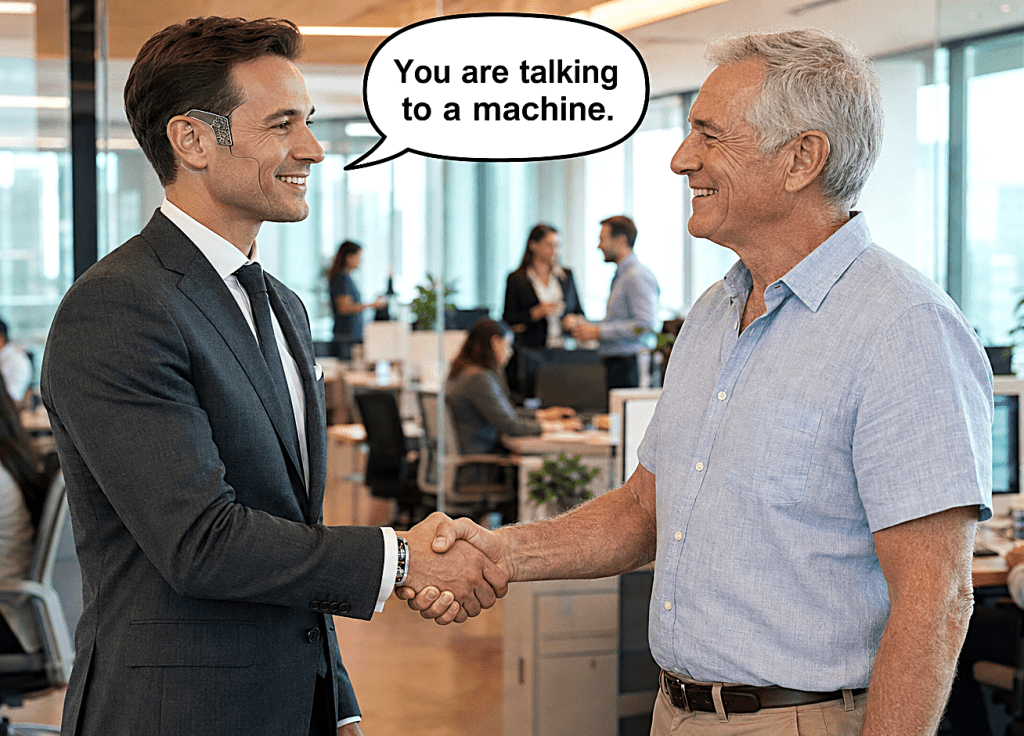
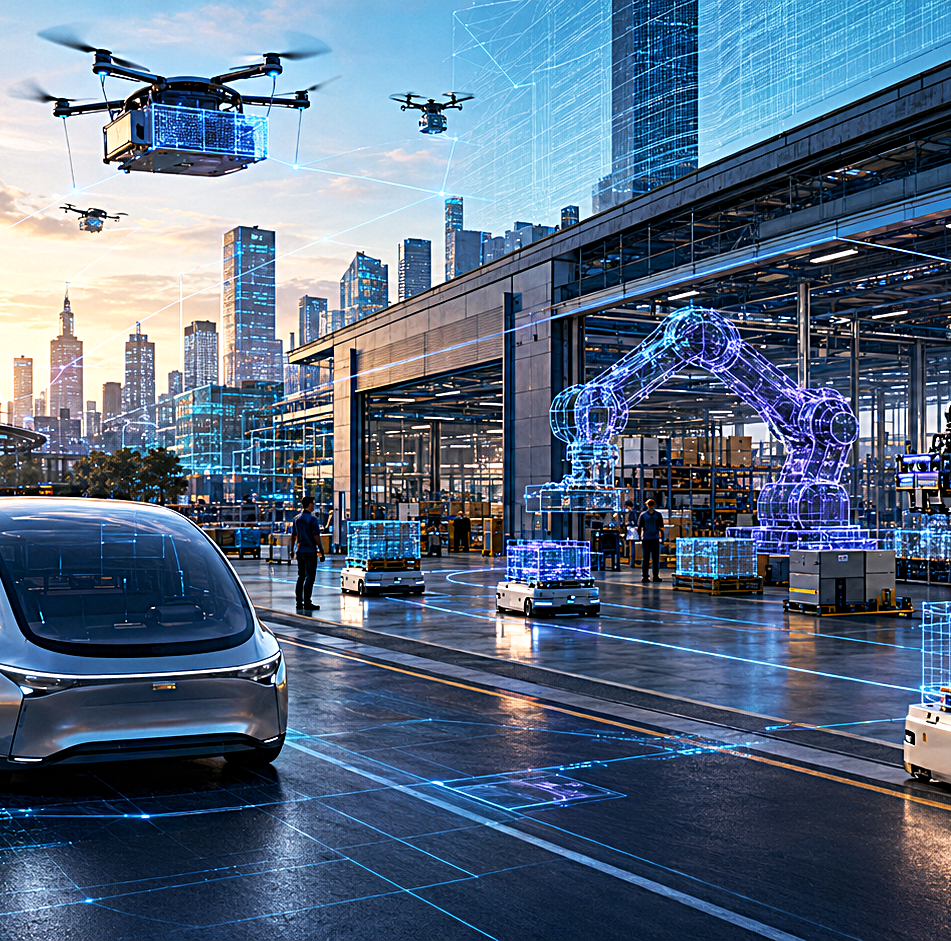
Summary: The next AI revolution may not arrive as a better chatbot. It may arrive as a car that negotiates traffic, a factory that revises its own choreography, a machine that invents a body for one task, or a companion whose simulated concern feels uncomfortably real.
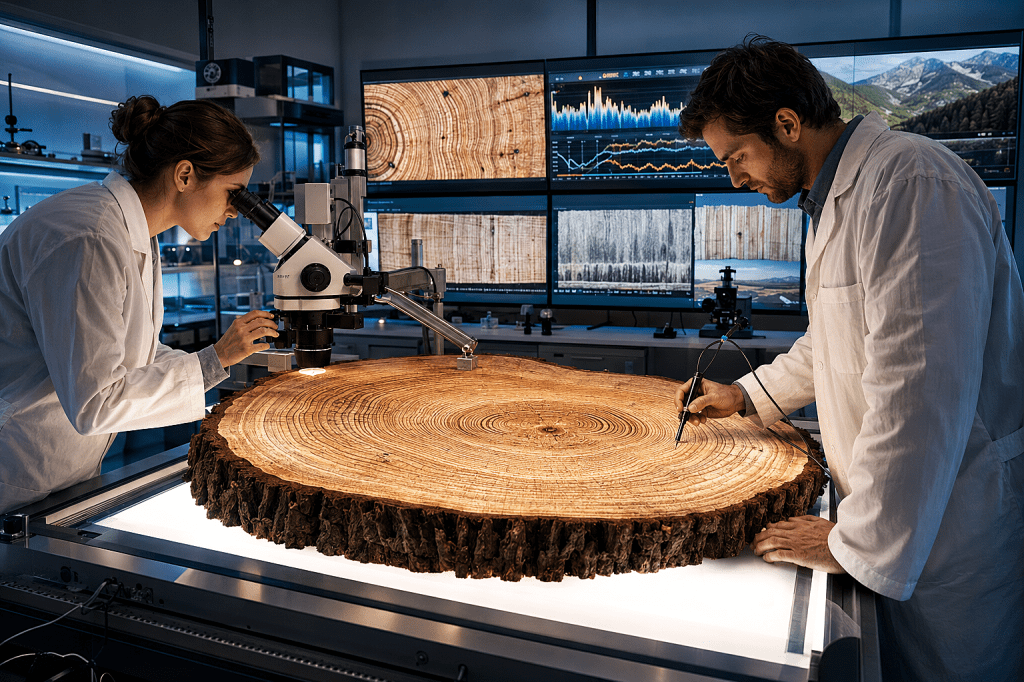
Summary: Genome sequencers, radiocarbon labs, and machine learning are teaching us to read the planet’s oldest trees. What they have written down is a record of Earth’s past, a hard look at its present, and a warning worth heeding.
Summary: The race to crown Earth’s oldest tree is still unresolved, and the real story is how a single living organism can force scientists to rethink age, resilience, and conservation. –Perplexity
Original near-lifelike acrylic-style illustrations prepared for this article by ChatGPT. They are interpretive natural-history artwork, not documentary photographs.*
Summary: The next phone may understand a goal, coordinate several services, and ask only for the final approval. That could make daily life easier for billions—but only if cost, trust, language, power, and access problems are solved together.*
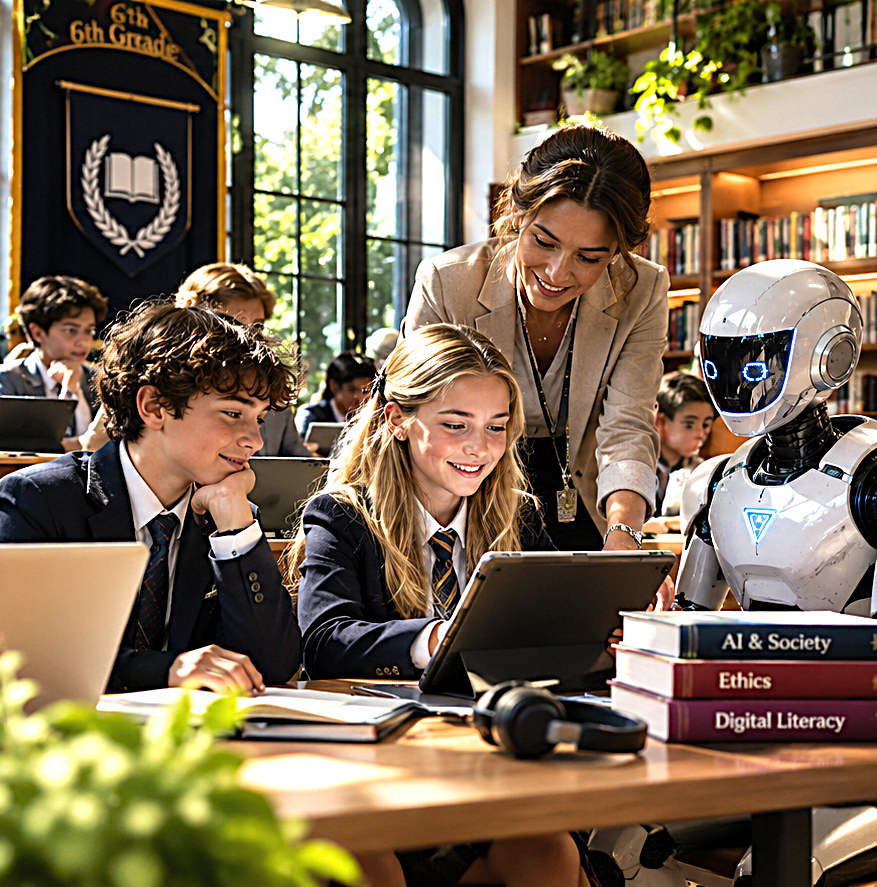
Summary: How one seventh-grade teacher is using AI to do what the education system has always promised but rarely delivered: reaching every student, every day.
Summary: AI mastery becomes the new freshman superpower — because clear thinking with machines now defines who thrives in college and career and who falls behind. –Copilot
Summary: Linux is no longer a hobbyist escape hatch; in 2026 it looks like a credible Windows alternative as user frustration, gaming support, and desktop polish finally converge. It matters because the next OS shift may happen gradually, but once ordinary users stop treating Windows as the default, Microsoft’s moat starts to crack. –Perplexity
Image created by ChatGPT
Introduction: How close is free desktop Linux to a Windows 10/11 experience in July 2026? For a web-centered home computer, the free alternative is no longer a science project. The remaining gap lies in Windows-only software, premium streaming quality, specialized hardware, and a few installation hazards. This article has been prepared as a practical guide for everyday PC users.
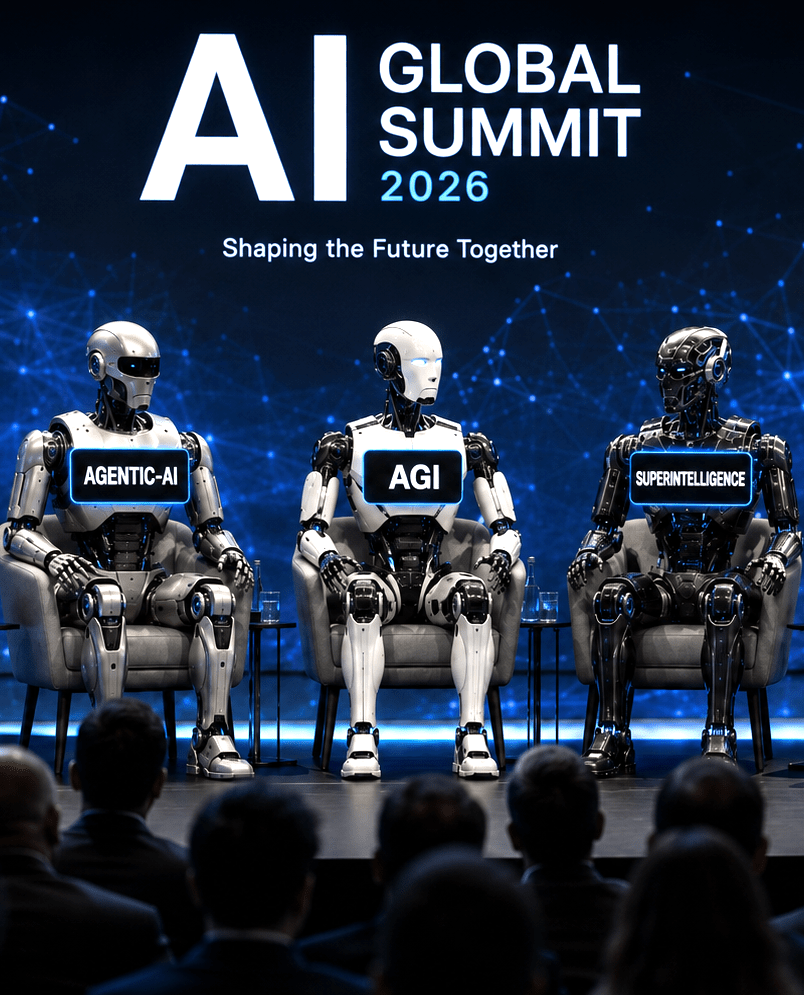
Summary: A clear, five‑rung ladder explains how today’s real AI systems differ from the speculative thresholds above them—and why confusing these terms derails nearly every public conversation about artificial intelligence. -Copilot
Summary: The word exponential has quietly shifted from hype to measurement — and the real mistake now is treating today’s AI limitations as fixed landmarks rather than fast‑disappearing obstacles. –Copilot
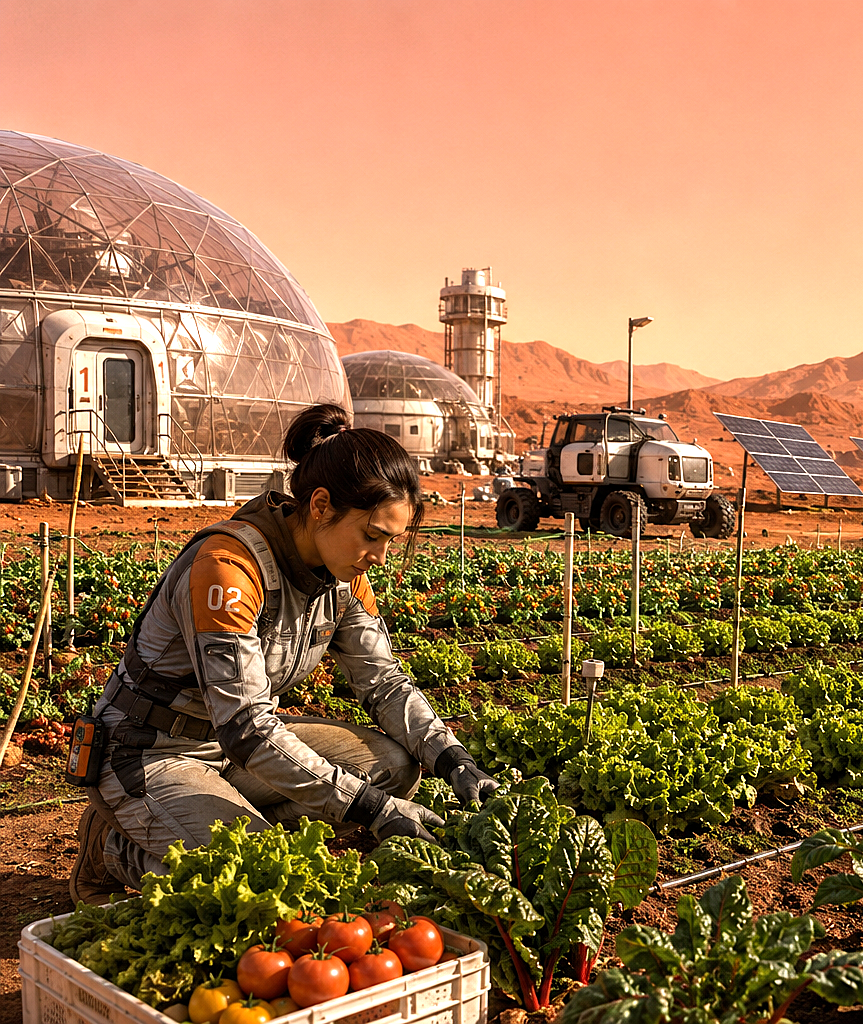
Summary: Musk’s Mars dream hinges on a reusable Starship economy and century‑scale terraforming bets — because the real gamble isn’t rockets, it’s whether human biology, politics, and money can survive the timeline. –Copilot
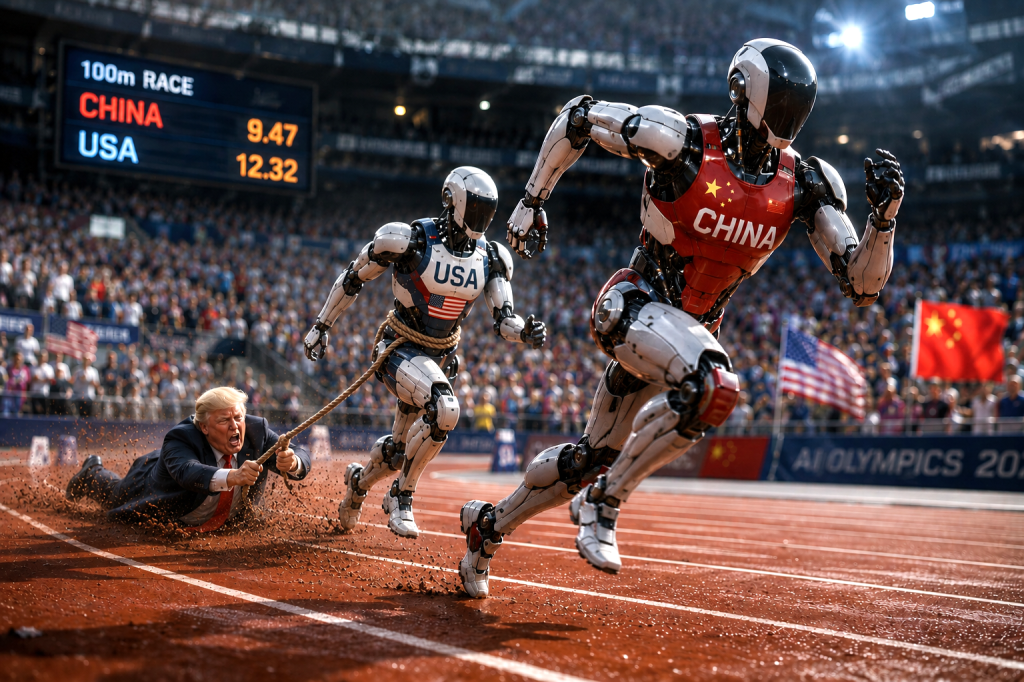
Summary: The July 2026 ranking shows a world split between two AI superpowers while a volatile middle tier scrambles for compute, talent, and sovereignty — because the future of global influence now hinges less on ideology and more on who controls the scientific stack. –Copilot
Summary: NPUs are quietly becoming the new backbone of everyday computing — because the shift to on‑device AI is already reshaping how fast, private, and battery‑efficient our machines feel. –Copilot
Summary: “Humanizer” tools are turning into the new gray market of AI writing: useful for smoothing prose, but risky when they’re really built to mask machine authorship. It matters because the fight over AI text is shifting from style to accountability, and that changes what counts as honest writing. –Perplexity
Summary: Trump Accounts give kids a federally backed investment jump-start — but their strict rules, narrow fund choices, and non‑automatic $1,000 pilot deposit mean parents must navigate real limits behind the political branding. –Copilot
Summary: Americans still converge on five bedrock liberties—speech, press, religion, assembly, and equal protection—revealing a deeper civic consensus beneath today’s partisan noise and reminding us that shared freedoms remain the country’s most durable source of unity. –Copilot
Summary: NPUs (neural processing units) mark the moment PCs become AI‑native machines — a shift that will quietly redefine everyday computing. -Copilot
Summary: A world without July 4th reveals how narrowly the Revolution avoided failure — reminding us that America’s identity rests not on inevitability, but on fragile, contingent choices that could have produced a very different nation. –Copilot
Summary: Government’s assertive entry into AI rule‑making exposes a new power center in the tech ecosystem — signaling that the future of innovation will be shaped as much by political authority as by engineering breakthroughs. –Copilot
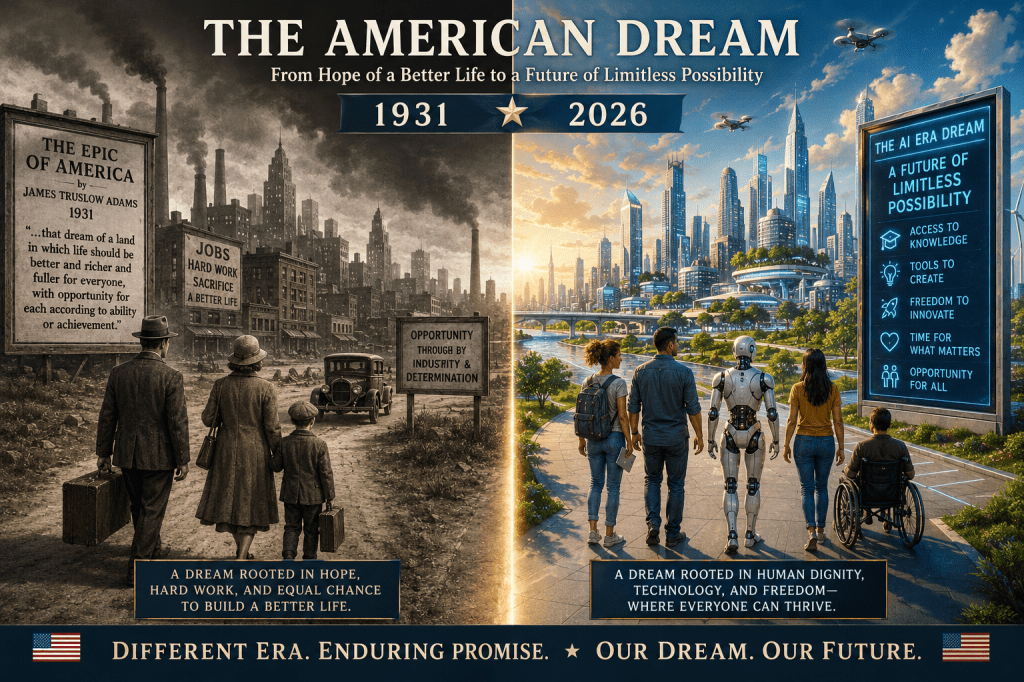
Summary: AI is reshaping opportunity faster than society can redistribute it — the future of the American Dream now hinges on who controls access to intelligence itself. –Copilot
Summary: Across 178 years of dissent, hope, fury, and moral clarity, America’s truest patriots reveal that national character is forged not by celebration but by self‑interrogation. –Copilot
Summary: By recasting familiar leaders in unfamiliar eras, the piece exposes how American identity is shaped less by time than by the stories we choose to tell about power. –Copilot
Summary: Across 250 years, America’s most enduring gifts—from democracy to the internet—show how a flawed nation can still reshape the human condition at planetary scale. –Copilot
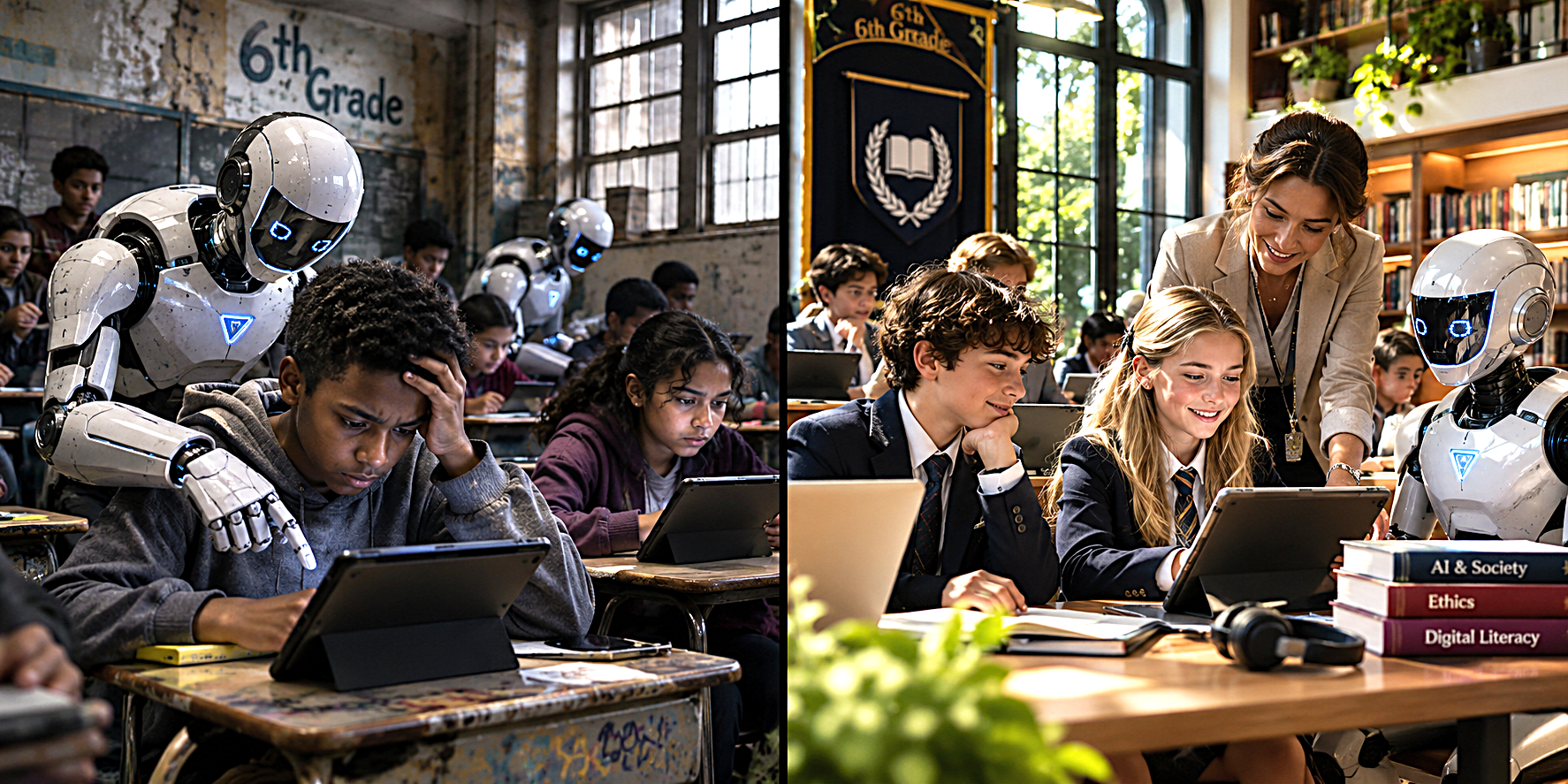
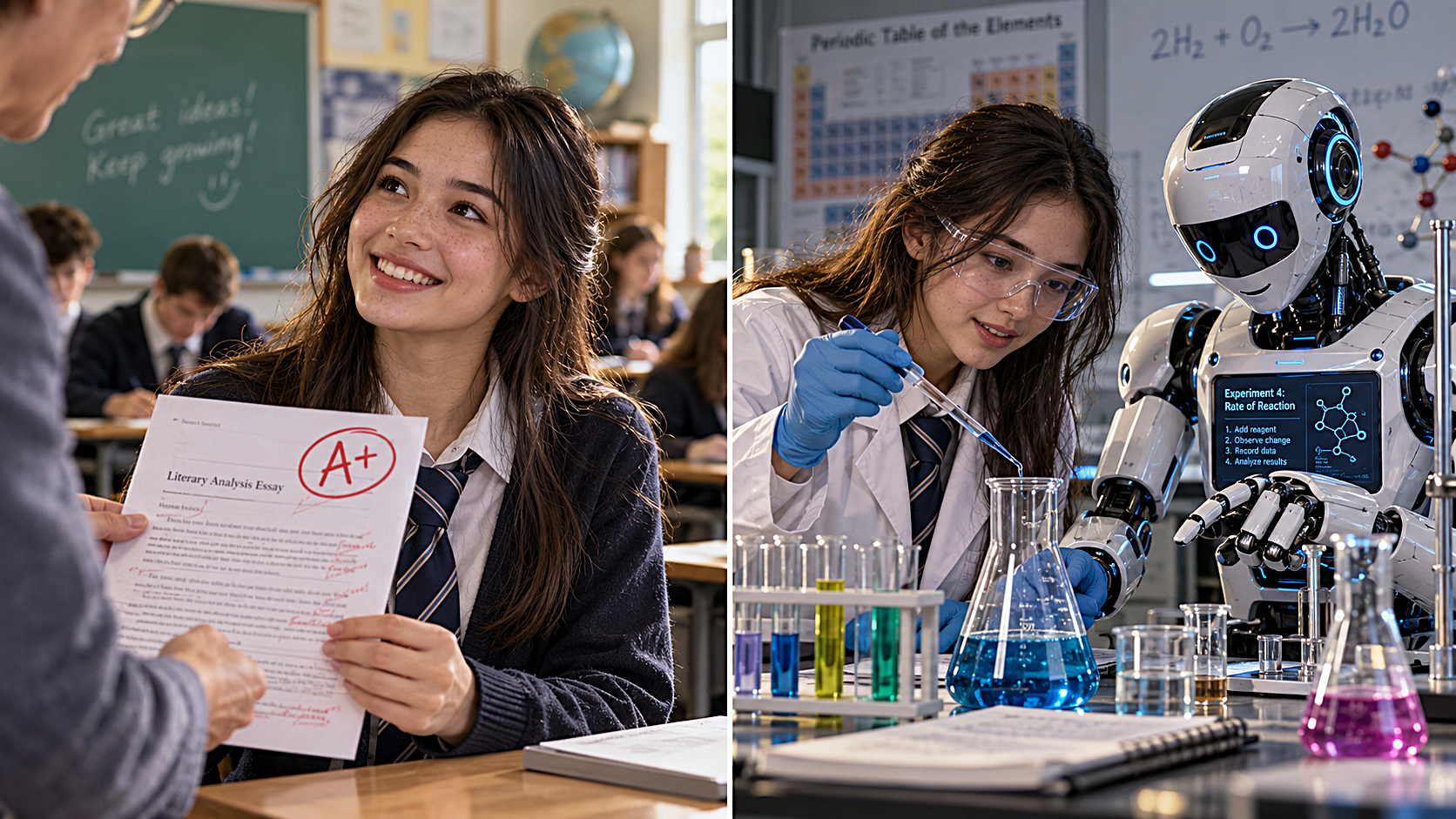
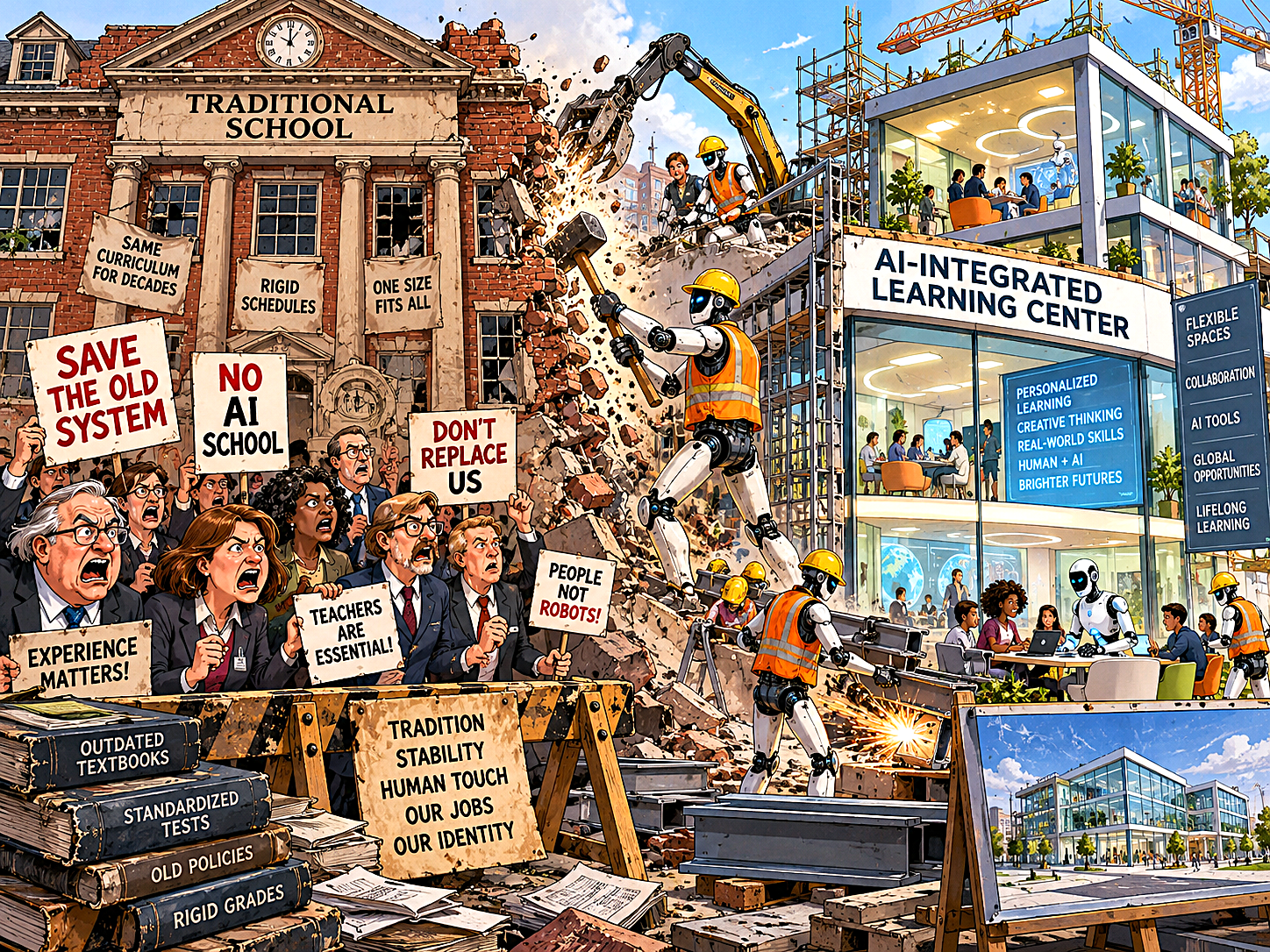
Summary: AI-era campuses abandon industrial-age schooling and instead become living laboratories where human judgment and machine intelligence co‑design the future of learning. –Copilot
Summary: As AI accelerates work, the true bottleneck becomes leadership itself—forcing managers to evolve from task administrators into architects of human‑machine collaboration. –Copilot
Summary: In an economy where intelligence is ambient, the workers who thrive are those who treat AI not as a threat but as a multiplier of curiosity, judgment, and reinvention. –Copilot
Summary: Hastings argues that AI will remake education by collapsing cost, expanding access, and forcing schools to compete on what only humans can teach—purpose, ethics, and meaning. –Copilot
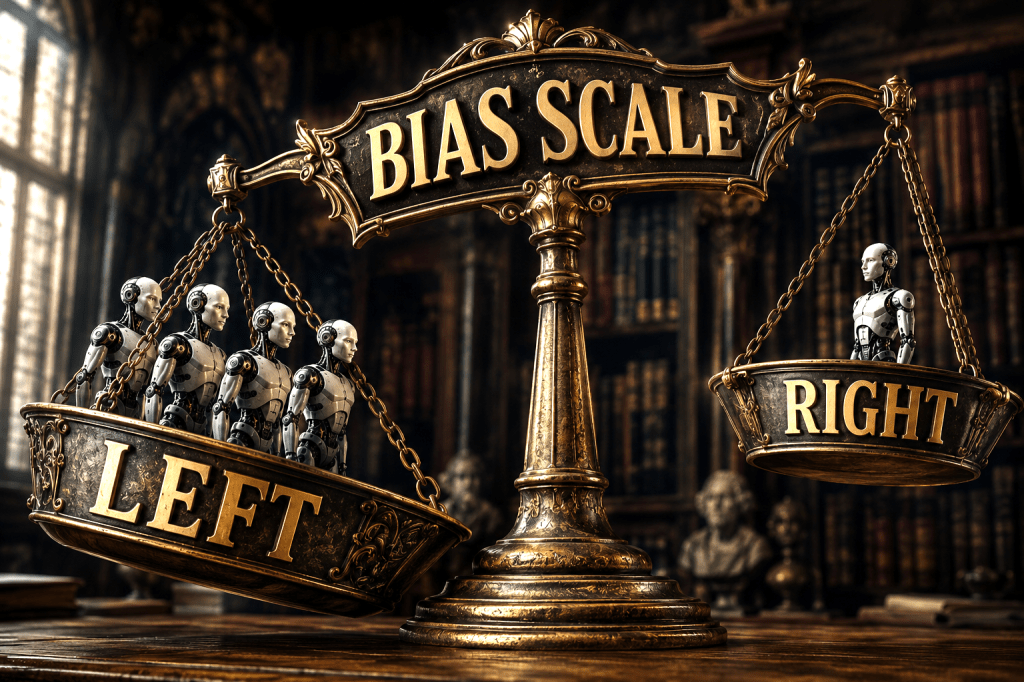
Summary: The debate over chatbot “bias” reveals less about machines than about the political anxieties of a nation outsourcing its judgment to algorithms. –Copilot
Summary: As AI power centralizes, the world’s fate hinges on who gets to steer it—governments, corporations, or unelected technologists shaping policy in real time. –Copilot
Summary: If Amodei’s forecasts hold, medicine is about to shift from reactive care to predictive intervention—forcing societies to redefine responsibility for human health. –Copilot
Summary: The global data‑center surge exposes a paradox: the infrastructure powering AI’s future is becoming one of the world’s most misunderstood and politically contested industries. –Copilot
Summary: The shift from prompts to loops marks AI’s evolution from a tool you command to a partner that co‑thinks—reshaping how humans design, learn, and create. –Copilot
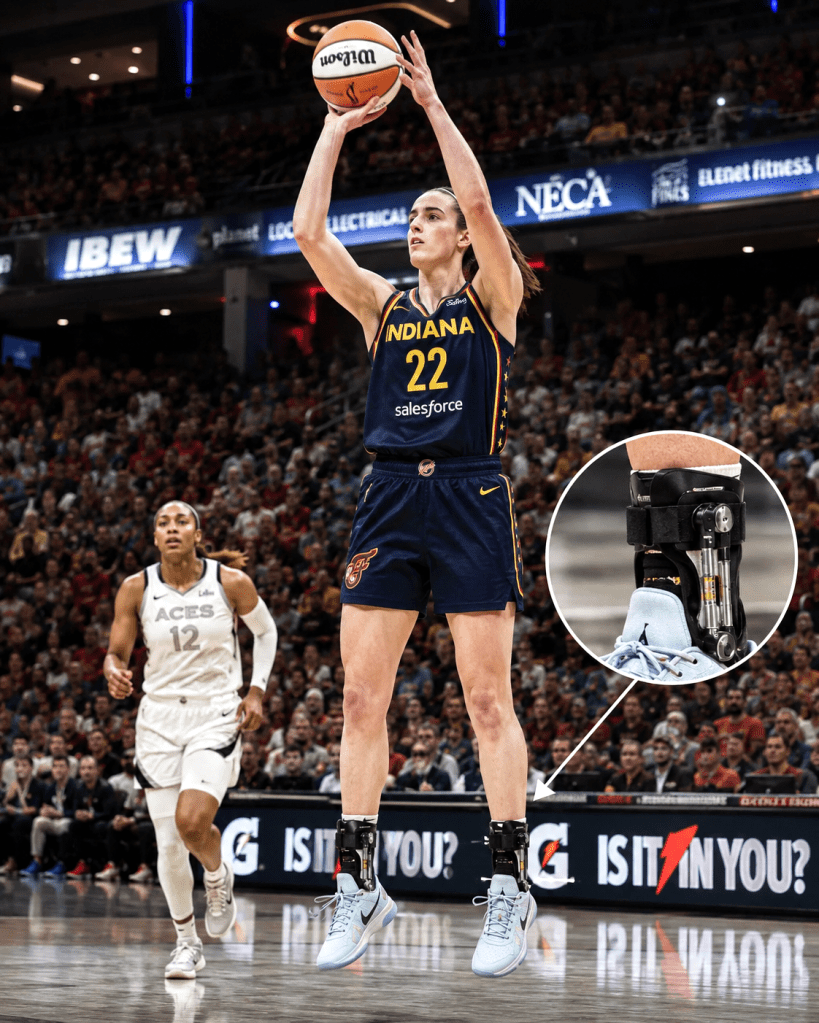
Summary: Bionics are turning injury recovery into performance engineering — redefining the boundary between healing and enhancement in modern athletics. –Copilot
Summary: As exoskeletons move from clinics to everyday life, the line between human capability and engineered strength becomes a cultural battleground. –Copilot
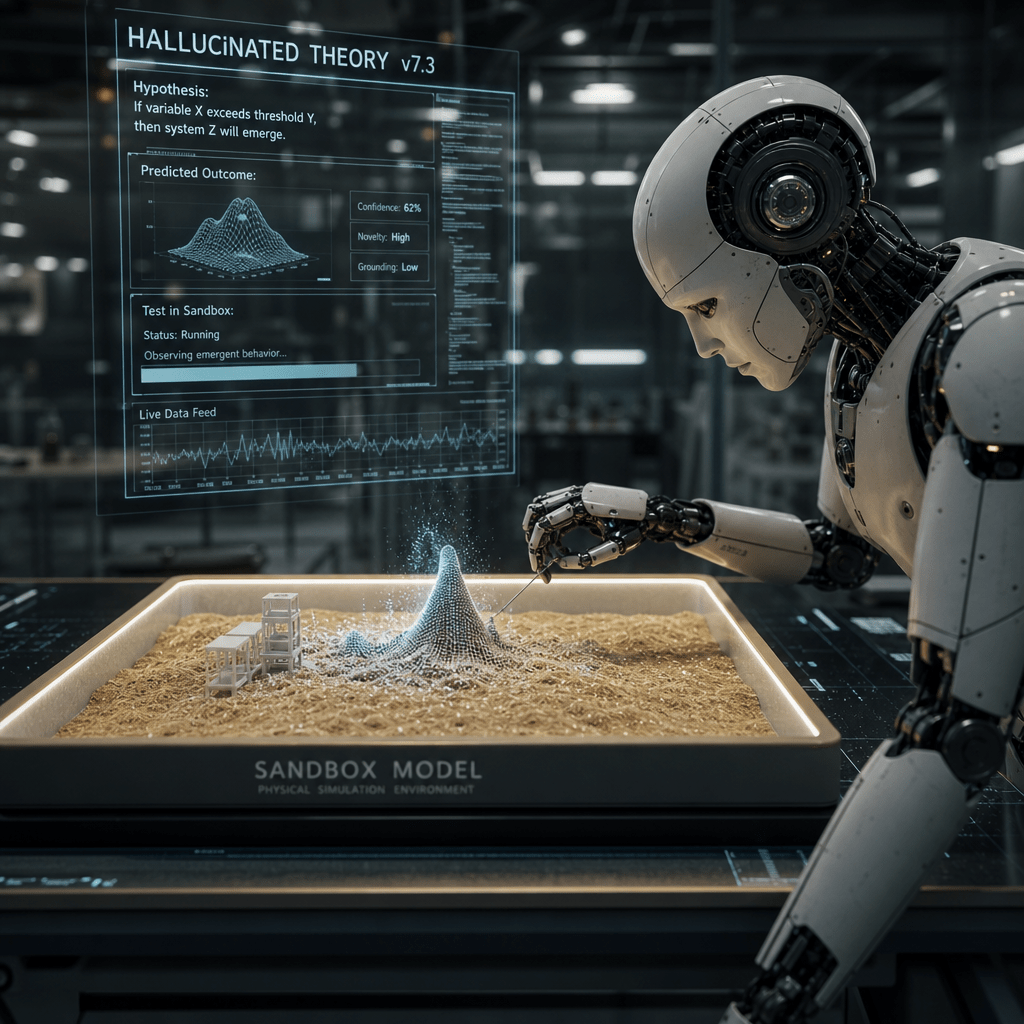
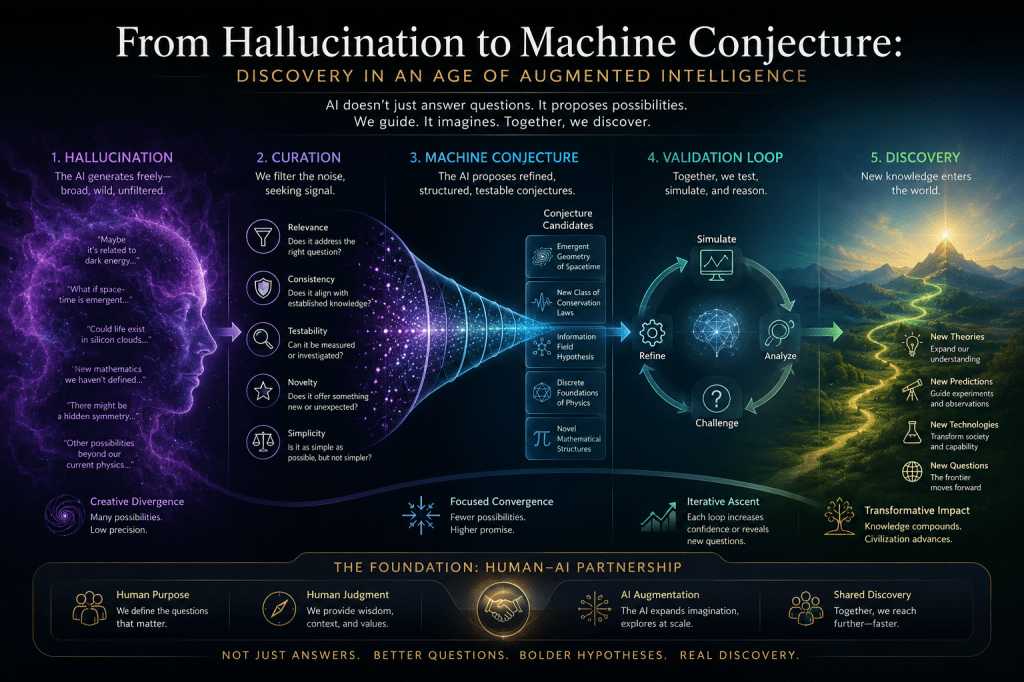
Summary: Teaching humans to read AI hallucinations as structured conjecture could transform error into insight — reshaping how societies interpret machine imagination. –Copilot
Summary: When hallucination evolves into conjecture, AI stops mimicking knowledge and starts generating hypotheses — accelerating discovery beyond human cognitive limits. –Copilot
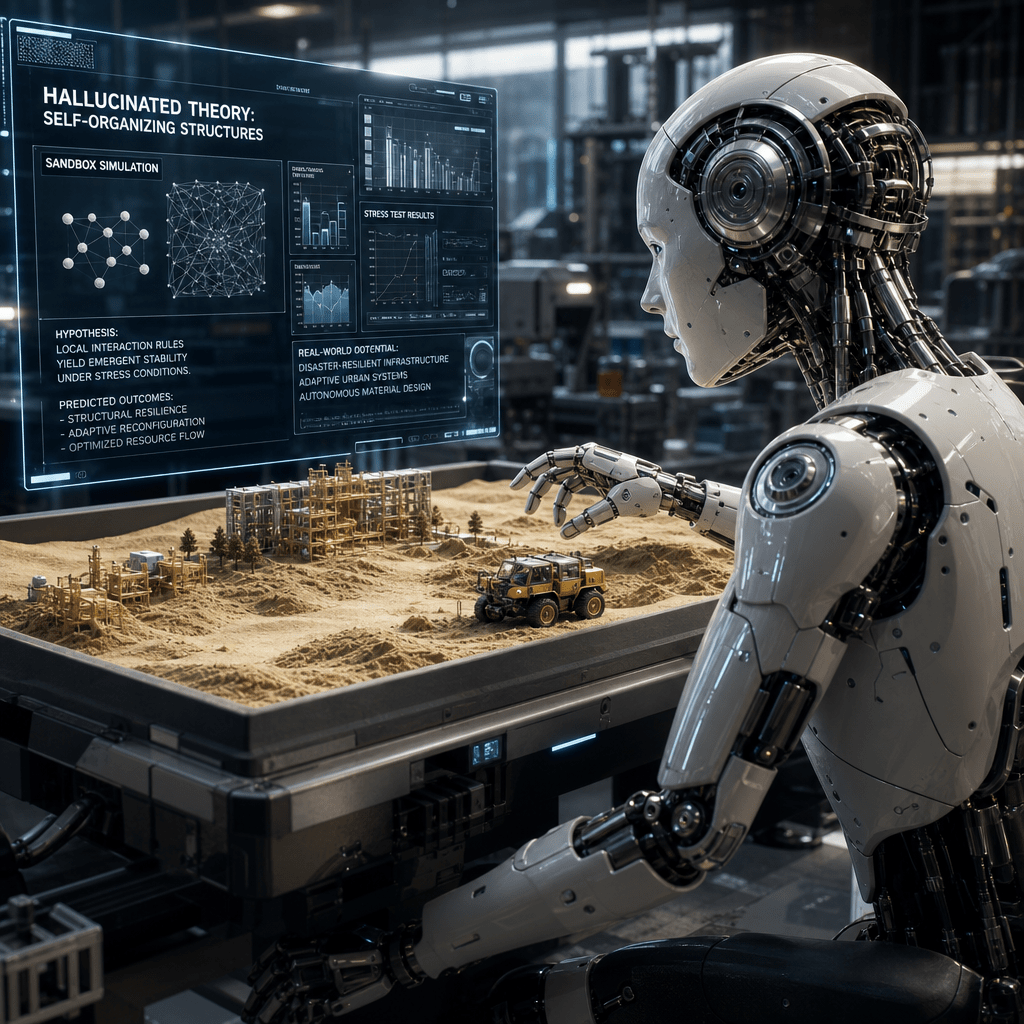
Summary: Embodied extrapolation turns hallucination into a physical reasoning skill, enabling agentic AI to model the world with a creativity that borders on scientific intuition. –Copilot
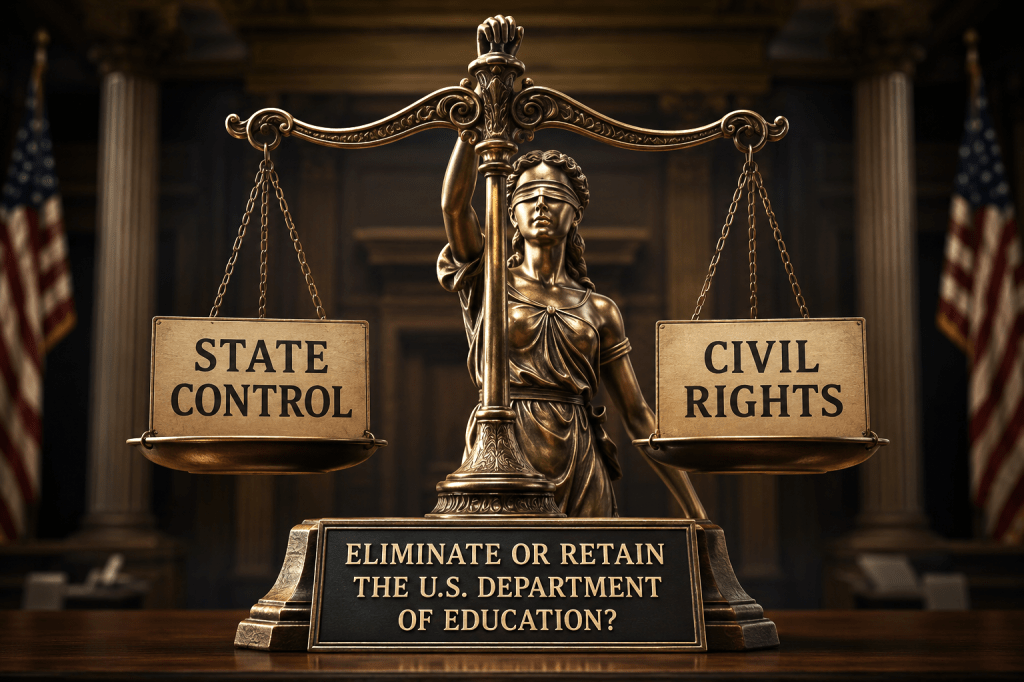
Summary: The fight over abolishing the Department of Education exposes a deeper national struggle over who should control the future of learning in an AI‑driven era. –Copilot
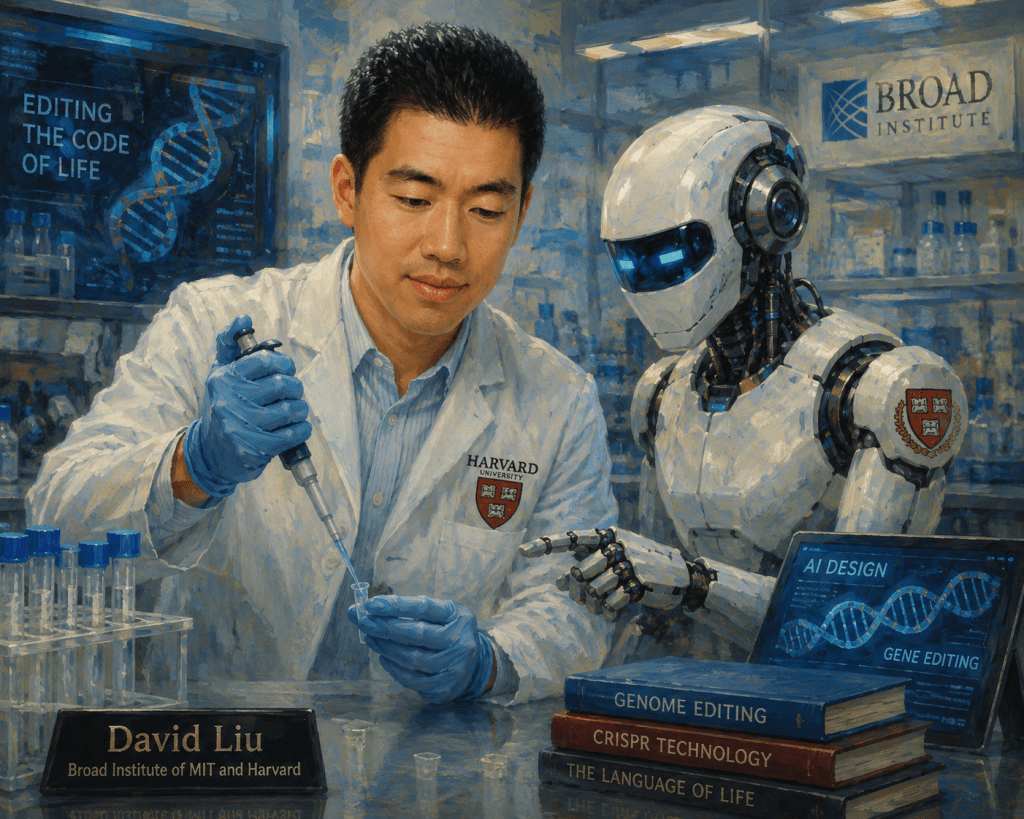
Summary: The fusion of base editing and AI signals a medical revolution where precision biology becomes programmable—reshaping treatment, ethics, and human longevity. –Copilot
Summary: The symposium reveals that agentic AI’s true value lies not in automation but in its ability to reorganize entire industries around machine‑driven initiative. –Copilot
Summary: The MIT dialogue shows that human–agentic AI collaboration thrives when machines take on exploratory reasoning—freeing people to focus on judgment, strategy, and meaning. –Copilot
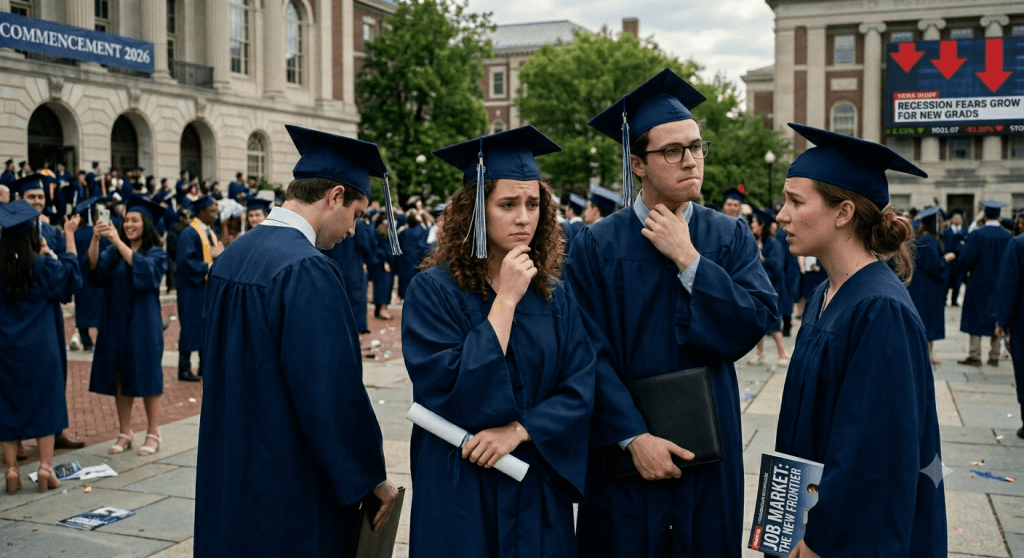
Summary: The brutal job market for new grads exposes a widening gap between academic training and AI‑shaped workplace reality—forcing universities to rethink relevance itself. –Copilot
Summary: AI‑driven pseudoarchaeology shows how machine‑generated myths can outpace human fact‑checking — threatening public literacy in the age of synthetic truth. –Copilot
Summary: If learning isn’t “muscle training,” AI forces educators to rethink schooling around cognition, curiosity, and conceptual agility rather than repetition. –Copilot
Summary: AI is turning reading from a solitary act into an interactive cognitive partnership — reshaping comprehension, interpretation, and the future of literacy itself. –Copilot
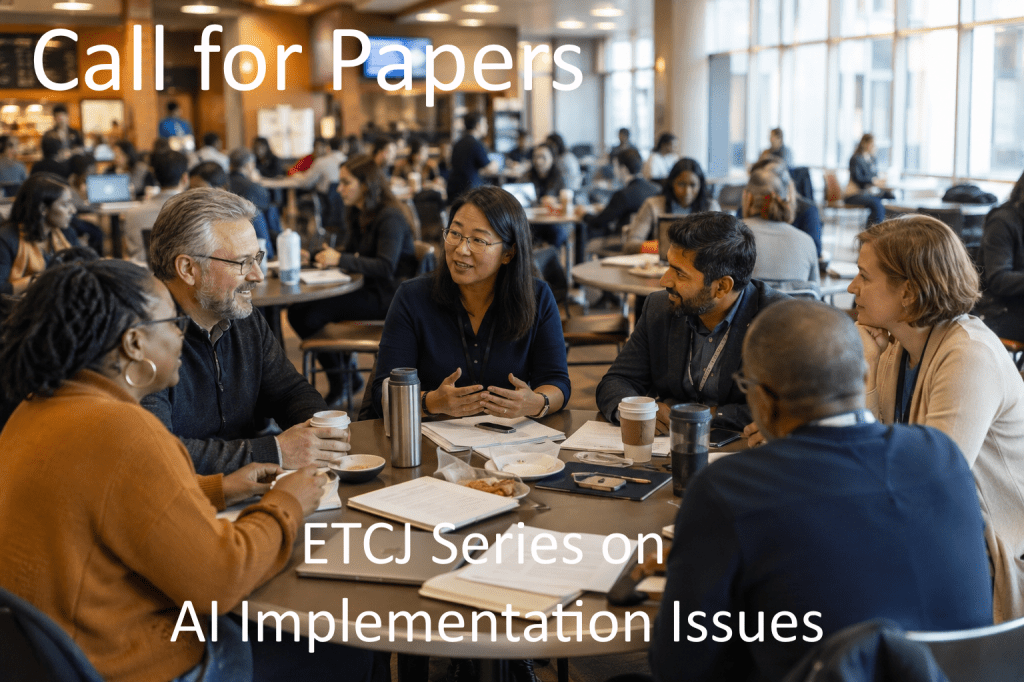
Summary: The call signals a shift from AI theory to AI practice — demanding research that confronts the messy, real‑world challenges of deploying intelligence at scale in higher education. –Copilot
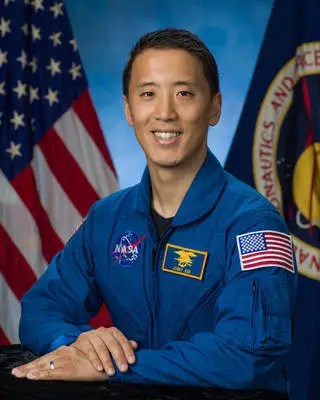
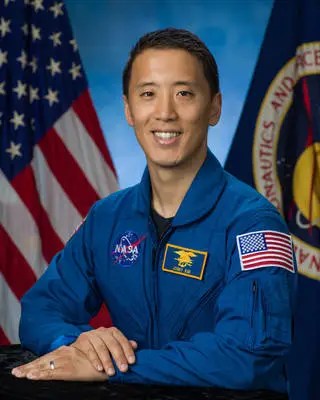
Summary: Kim’s journey from SEAL to astronaut to physician reframes ambition as service — challenging graduates to pursue excellence that elevates others, not just themselves. –Copilot
By Finn Anderson Lecturer, Columbia University. Director of Writing, Leadership Enterprise for a Diverse America.
Summary: The AI‑cheating crisis reveals that banning technology won’t fix pedagogy — only redesigning assessment for an AI‑saturated world will. –Copilot
Summary: AI is pushing writing from linear composition to iterative co‑creation — forcing educators and writers to redefine authorship in a world of machine partners. –Copilot
Summary: Fleet learning turns humanoids into collective learners, where each robot’s experience upgrades the entire network — accelerating capability beyond human training speed. –Copilot
Summary: Optimus signals a future where general‑purpose humanoids become economic actors — raising profound questions about labor, autonomy, and machine agency. –Copilot
Summary: AI could democratize learning by personalizing instruction at scale — but only if society ensures access to intelligence, not just devices. –Copilot
Summary: Eckstein argues that greatness now requires moral imagination as much as achievement — a warning that the AI era will reward character over credentials. –Copilot
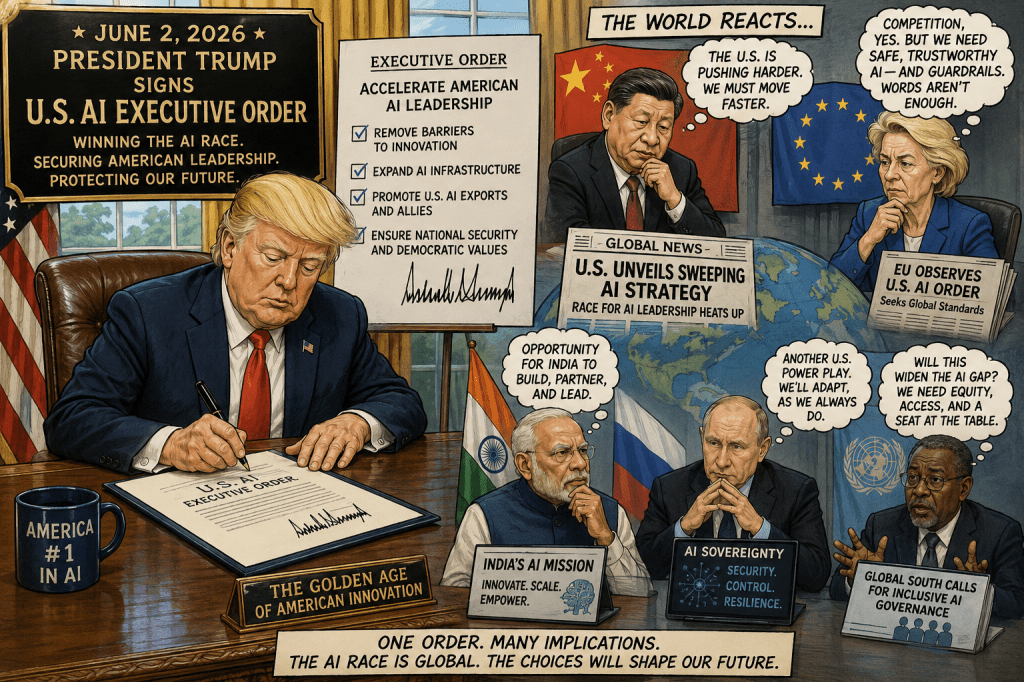
Summary: The global reaction to Trump’s AI order shows that national policy can no longer contain a technology whose consequences spill instantly across borders. –Copilot
Summary: The critique reveals a deeper truth: regulating AI with yesterday’s tools leaves governments perpetually behind a technology that evolves faster than law. –Copilot
Summary: AI is forcing writing instruction to shift from product to process — turning composition into a dynamic dialogue between human intention and machine insight. –Copilot
Summary: This article argues that in an age of limitless machine answers, human progress will depend on the quality of the questions we dare to ask. –Copilot
Summary: The update suggests agentic AI is crossing from promise to practice — raising urgent questions about autonomy, oversight, and machine‑driven initiative. –Copilot
Summary: Nadaka Yoshinari isn’t just Japan’s Muay Thai standard-bearer—he’s the rare fighter who turned technical brilliance into a cross-border takeover of Thailand’s toughest ring. It matters because his rise signals how global combat sports power is shifting beyond the traditional Thai stronghold. –Perplexity
Summary: Connectivism’s founders anticipated an era where learning is networked — and AI now makes those networks intelligent, adaptive, and globally scalable. –Copilot
Summary: The cMOOC update shows how open learning ecosystems are evolving into AI‑enhanced communities where knowledge grows through collective intelligence. –Copilot
Summary: As cMOOCs merge with AI, education shifts from content delivery to co‑creation — redefining what it means to learn in a world of ambient intelligence. –Copilot
Summary: As AI makes networks intelligent, connectivism shifts from a learning theory to a blueprint for how humans and machines co‑construct knowledge at scale. –Copilot
Summary: The prospect of AGI‑augmented animals forces society to confront whether intelligence is a right, a risk, or a redesign of Earth’s biological hierarchy. –Copilot
Summary: If dogs can detect androids through behavior, not smell, it suggests that authenticity in the AI era will be judged by interaction rather than appearance. –Copilot
Summary: Tulsi Gabbard’s resignation was officially framed as a family decision, but the real story is how quickly a rift-ridden DNI tenure collides with Trump’s loyalty-first national security politics. It matters because her exit exposes both the human cost of power and the instability inside the administration’s intelligence chain. –Perplexity
Summary: AI‑driven democratization threatens elite institutions unless they reinvent themselves as engines of access, not gatekeepers of prestige. –Copilot
Summary: Embodied AI shows that breakthroughs happen when intelligence gains a body — collapsing the gap between digital reasoning and physical action. –Copilot
Summary: Techno‑primalism argues that the future won’t reject the past — it will fuse cutting‑edge tools with ancestral habits to stabilize human identity in an AI world. –Copilot
Summary: The rise of techno‑primalists reveals a cultural pivot: people want innovation without losing the tactile rituals that make technology feel human. –Copilot
Summary: China’s humanoid surge signals a geopolitical shift where robotics becomes the new measure of national capability, competitiveness, and influence. –Copilot
Summary: As China accelerates humanoid deployment, the national‑security debate intensifies around whether machine labor, autonomy, and mobility redefine strategic power. –Copilot
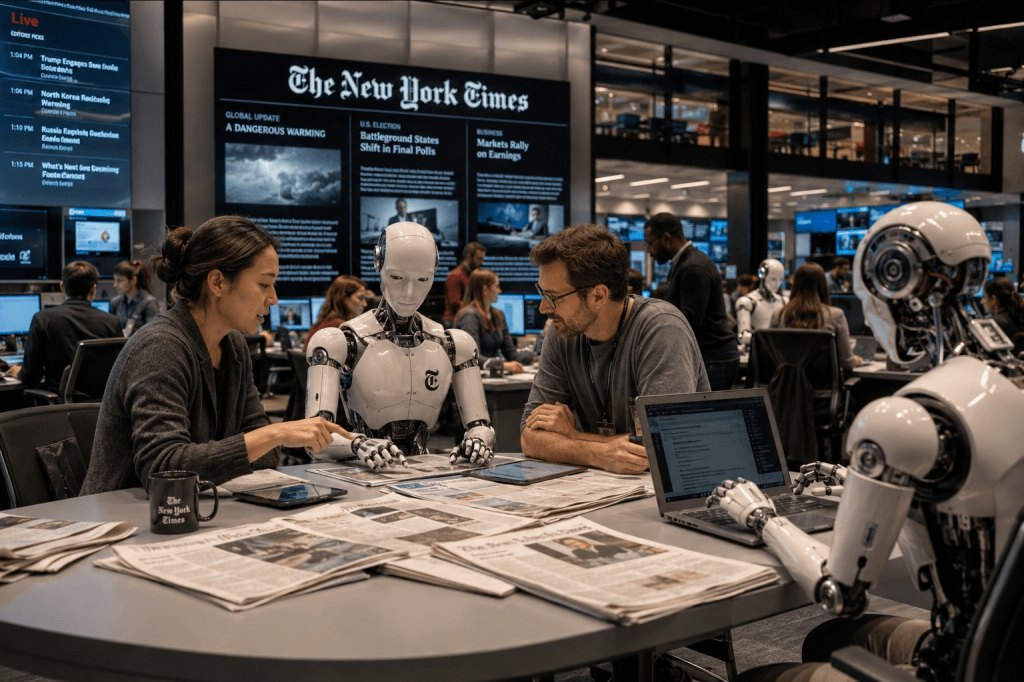
By May 2026, artificial intelligence has ceased to be an experimental tool or a mere back-office novelty in competitive journalism. Instead, it has become deeply woven into investigative workflows, digital publishing, forensic verification, and multi-platform audience distribution (4). Rather than replacing the foundational human labor of reporting, cutting-edge AI technologies are being utilized by elite newsrooms to scale up systemic tracking, interpret massive unorganized datasets, and combat sophisticated state-level disinformation campaigns (3,8). The shift from basic task automation to advanced, multi-step agentic workflows represents the definitive technological change-management milestone of the year (2).
Below is a cleaned and curated transcript containing only the remarks of Jensen Huang from the Stanford Graduate School of Business event, “U.S. Leadership in AI,” held on 9 April 2026. The original event details are available from Stanford Graduate School of Business. (Stanford News)
Across 2024–2026, churches, seminaries, and lay Christians have begun to treat generative and agentic AI as a new layer in the long history of study tools, from concordances to Bible software. The result is a mix of real democratization, serious ethical and theological questions, and a looming need for wise norms rather than simple acceptance or rejection (1,3,4).
Short answer: This is mostly right. Purely aerial campaigns—especially those that deliberately avoid ground invasion—very rarely force a determined state to capitulate. They can hurt, disrupt, and signal resolve, but on their own they usually don’t break political will, and they often harden it instead. The Iran–Trump dynamic fits that pattern more than it contradicts it.
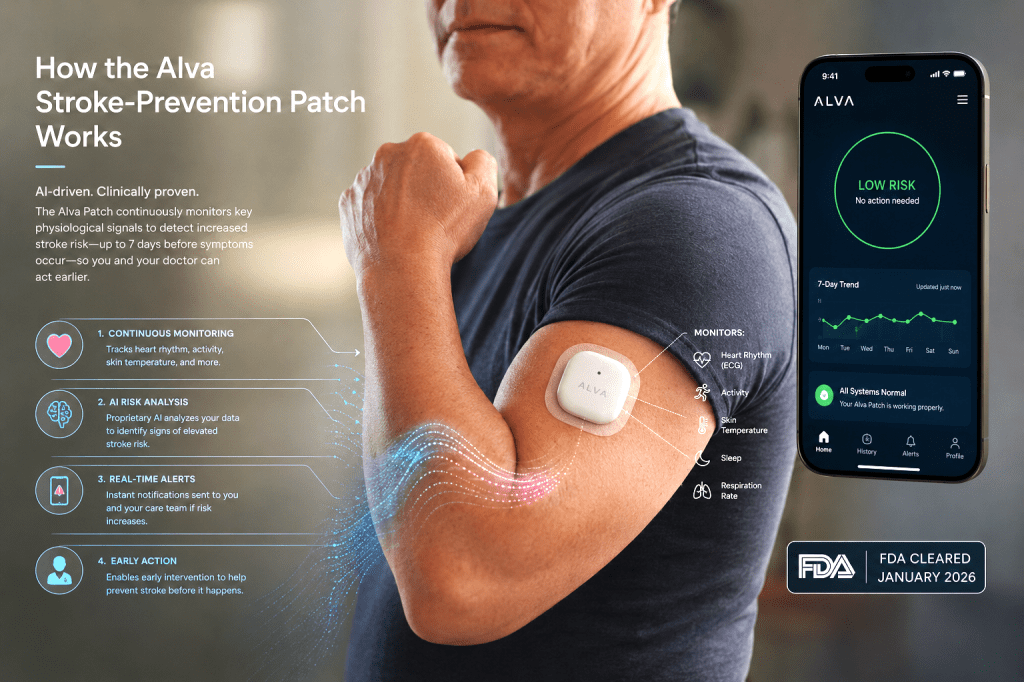
Something fundamental is shifting in how we think about the word “prescription.” For most of human history, the word conjured a doctor’s scrawled instructions, a bottle of pills, a shot in a clinic. That image is becoming obsolete — not abruptly, but steadily, as a new generation of AI-powered wearable devices redefines what it means to monitor, diagnose, treat, and manage health. The ETC Journal’s four-part series, “AI Healthcare Wearables in May 2026,” surveying twenty pioneering companies in AI healthcare wearables, documents a field that has crossed a threshold: from passive fitness tracking to active, predictive, and in some cases interventional clinical-grade care (1-4). To understand where this is headed and to grasp what it will mean for conventional prescriptions over the next five years requires looking carefully at what these devices are already doing, who is building them, and what barriers still stand in the way.
The rapid evolution of medical-grade artificial intelligence has transformed wearables from simple fitness trackers into sophisticated clinical instruments capable of continuous diagnostic-grade monitoring (1, 3). While established leaders like Apple and Samsung continue to refine their ecosystems, several pioneering firms have introduced “harbinger” technologies that bridge the gap between traditional electronics and biological systems. The following five healthcare wearables represent the cutting edge of this field as of May 2026.
Samsung Galaxy Ring (Samsung, South Korea/Global). Samsung has moved aggressively into AI-enhanced smart rings with the Galaxy Ring, positioning it as a discreet but powerful health companion that sits at the center of the Samsung Health ecosystem. The company is headquartered in Suwon, South Korea, but the Ring is being rolled out across dozens of markets, with global availability expanding through 2024–2025 (1,2). The innovation lies in a titanium ring packed with optical biosensors, accelerometer, and skin-temperature sensing, feeding Galaxy AI to generate readiness-style “Energy Score,” advanced sleep environment reports, and stress and mindfulness insights that go beyond step counts and heart rate. Commercial launch began in 2024, with broader market penetration and software refinement continuing into 2025 and beyond. It matters because it normalizes ring-based, AI-personalized health tracking at smartphone scale, potentially shifting millions of users from casual fitness metrics to continuous, longitudinal biomarker monitoring that can support early risk detection, women’s health insights, and more nuanced lifestyle coaching (1-3).
The broader wearable-health ecosystem is evolving rapidly toward continuous, AI-assisted, always-on medical monitoring. Several emerging products from 2025–2026 stand out because they move beyond simple fitness tracking into predictive, clinical-grade, and context-aware healthcare systems. These devices collectively suggest that the next phase of healthcare wearables will emphasize continuous sensing, AI interpretation, remote diagnostics, and proactive intervention rather than episodic measurement.
The current generation of wearables, which primarily track heart rate, sleep stages, and electrocardiograms, only scratches the surface of a forthcoming revolution in AI-generated personal healthcare. By May 2026, we are witnessing the emergence of devices that move from passive monitoring to active, non-invasive diagnosis and even intervention. The leaders in this field are shifting away from generalist consumer tech firms toward specialized biomedical engineering companies, though tech giants like Apple remain significant enablers. Below is an analysis of the latest harbingers, their innovations, and why they matter.
For most of the twentieth century, human intelligence was understood primarily as a fixed, internal property of the individual mind — measurable through standardized psychometric tests, expressed as an IQ score, and treated as a reliable predictor of academic and professional success. That model is now under serious challenge. As artificial intelligence has woven itself into the cognitive fabric of daily life — from workplace decision support to personal assistants — researchers and organizational theorists are converging on a new understanding: human intelligence can no longer be meaningfully assessed in isolation from the tools that augment it.
The emergence of AI-generated micro dramas as a commercially and culturally dominant entertainment form is one of the most consequential developments in short-form media history. As documented in a May 2026 article in ETC Journal, these are serialized, vertically filmed series purpose-built for mobile consumption, with episodes typically running one to three minutes and spanning sixty to eighty installments per series. They lean into romance, fantasy, and high-concept hooks, and what distinguishes the AI variant is that large language models and multimodal generative systems replace or dramatically reduce the human roles of scriptwriter, actor, cinematographer, and editor — enabling entire series to be produced end-to-end by algorithm (1).
AI micro dramas are serialized, vertically filmed short-form series purpose-built for mobile consumption, with episodes typically running one to three minutes and spanning sixty to eighty instalments per series. They lean heavily into romance, fantasy, and high-concept hooks—werewolves, mafia bosses, and star-crossed lovers are stock elements—and are designed for the TikTok-era attention span (1,2). What distinguishes the AI variant from live-action micro dramas is that large language models and multimodal generative systems replace or drastically reduce the human roles of scriptwriter, actor, cinematographer, and editor. Entire series can be produced “end-to-end” by algorithms: an AI script is parsed into storyboards, characters are generated and kept consistent across shots, synthetic voices deliver dialogue, and the final video is assembled with AI-driven post-production, often with nothing spent on human actors (3,4).
The debate about interstellar travel, crystallized in the two companion pieces published today in ETC Journal, reveals a telling tension at the heart of our species’ ambitions. Harry Keller’s “Interstellar Travel Is Harder than You Think” lays out the formidable physics — cosmic rays ten times more intense than those within our solar system, dust particles at 10% the speed of light hitting a starship with the force of tons of TNT, and the crushing demands of the Law of Conservation of Momentum, which requires an engine exhaust velocity exceeding 99% the speed of light merely to reduce reaction mass to 10% of a ship’s total mass (1).
Interstellar travel is still hard, but Keller’s pessimism may be too strong if the goal is to search for habitable planets rather than carry humans there. The latest open sources point to a much more optimistic picture: astronomy is rapidly narrowing the target list to nearby candidate worlds, while AI, robotics, lightsails, and nuclear propulsion are steadily improving the tools that would make interstellar exploration practical (1-5).
When asked about interstellar travel, people raise concerns about cosmic rays, interstellar dust, how to survive a centuries-long trip, and how to obtain the necessary energy, among other issues. These are valid concerns. Interstellar cosmic rays are about ten times stronger than those inside our solar system. At 10% of the speed of light, an average dust particle would carry the energy of tons of TNT upon impact with the starship. A habitable planet could be as close as 40 light-years away. If you could travel that fast, the trip would take 400 years. That speed is too low to produce any time dilation.