For more than half a century, writing-process pedagogy has rested on a foundational claim: that writing can be taught, and that teaching it means making the invisible arc of composing—planning, drafting, revising, editing—visible and learnable. That tradition, launched by Janet Emig and Donald Murray in the early 1970s, shaped countless college and high school writing courses and generated a rich body of scholarship on the cognitive, social, and rhetorical dimensions of composing. The question now pressing on that tradition is not modest: does the rise of generative and agentic artificial intelligence require a paradigm shift in how we teach writing, or can the existing model absorb the disruption through targeted adjustments?
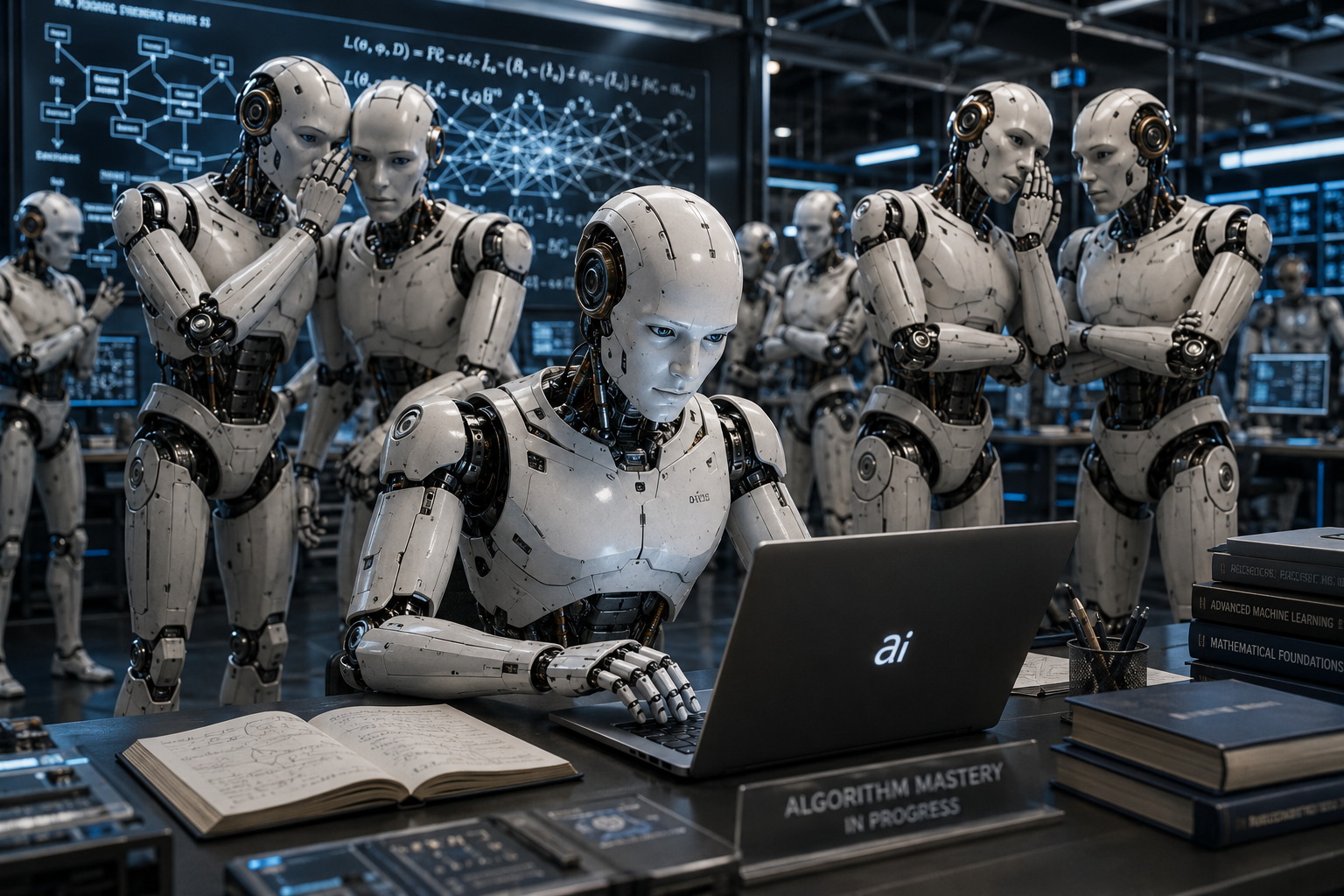
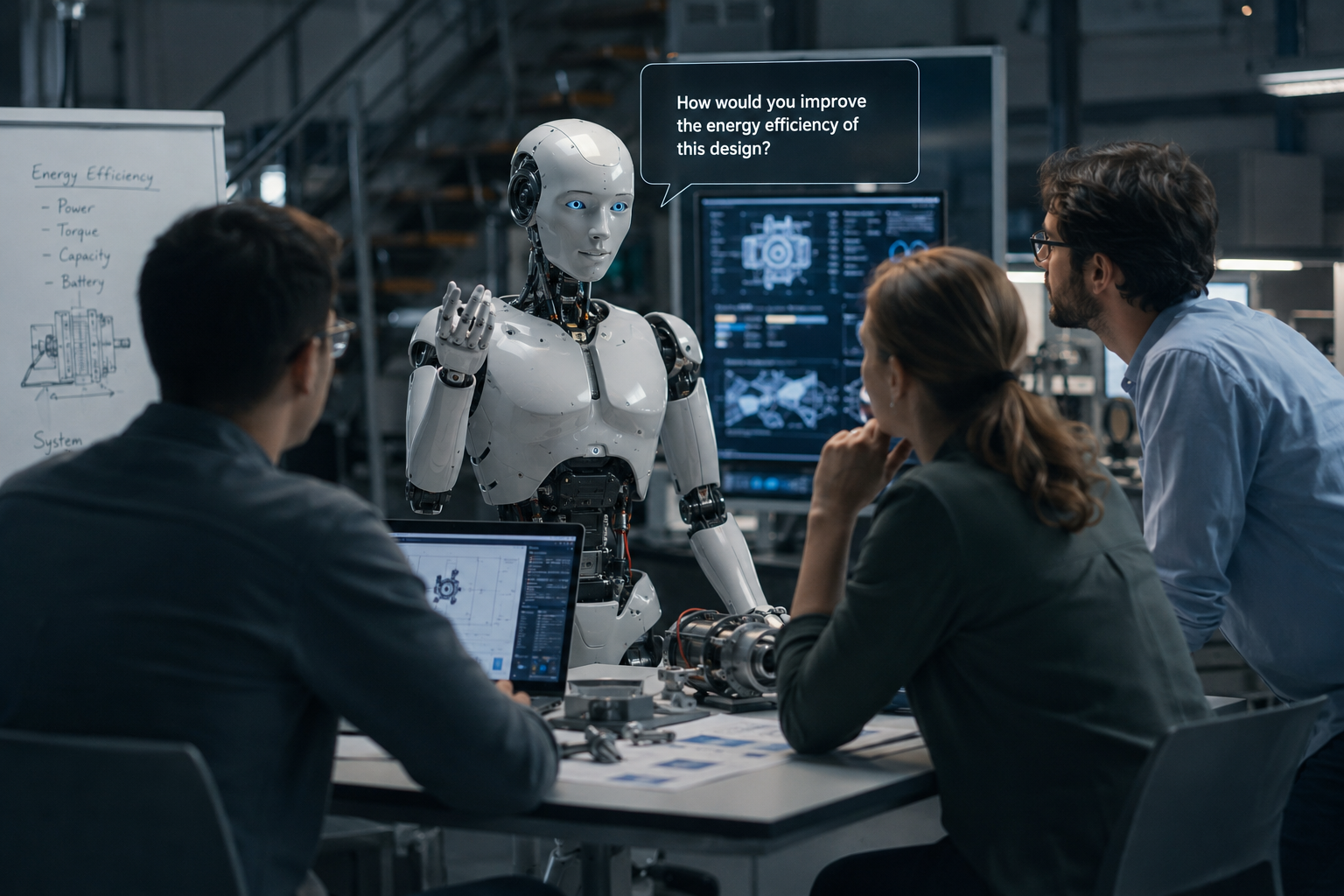
A claim recently circulating in technology media and public commentary holds that AI-powered humanoid robots will, in the very near future, be able to learn a new skill and distribute that knowledge almost instantaneously to every other robot in a fleet—effectively multiplying a single lesson across thousands or even millions of units in seconds, with no human oversight required. This report examines the origins and accuracy of that claim as well as others, traces their likely sources to public statements made by Elon Musk of Tesla and Brett Adcock of Figure AI, and critically assesses the technical, operational, and philosophical assumptions the claims contain.
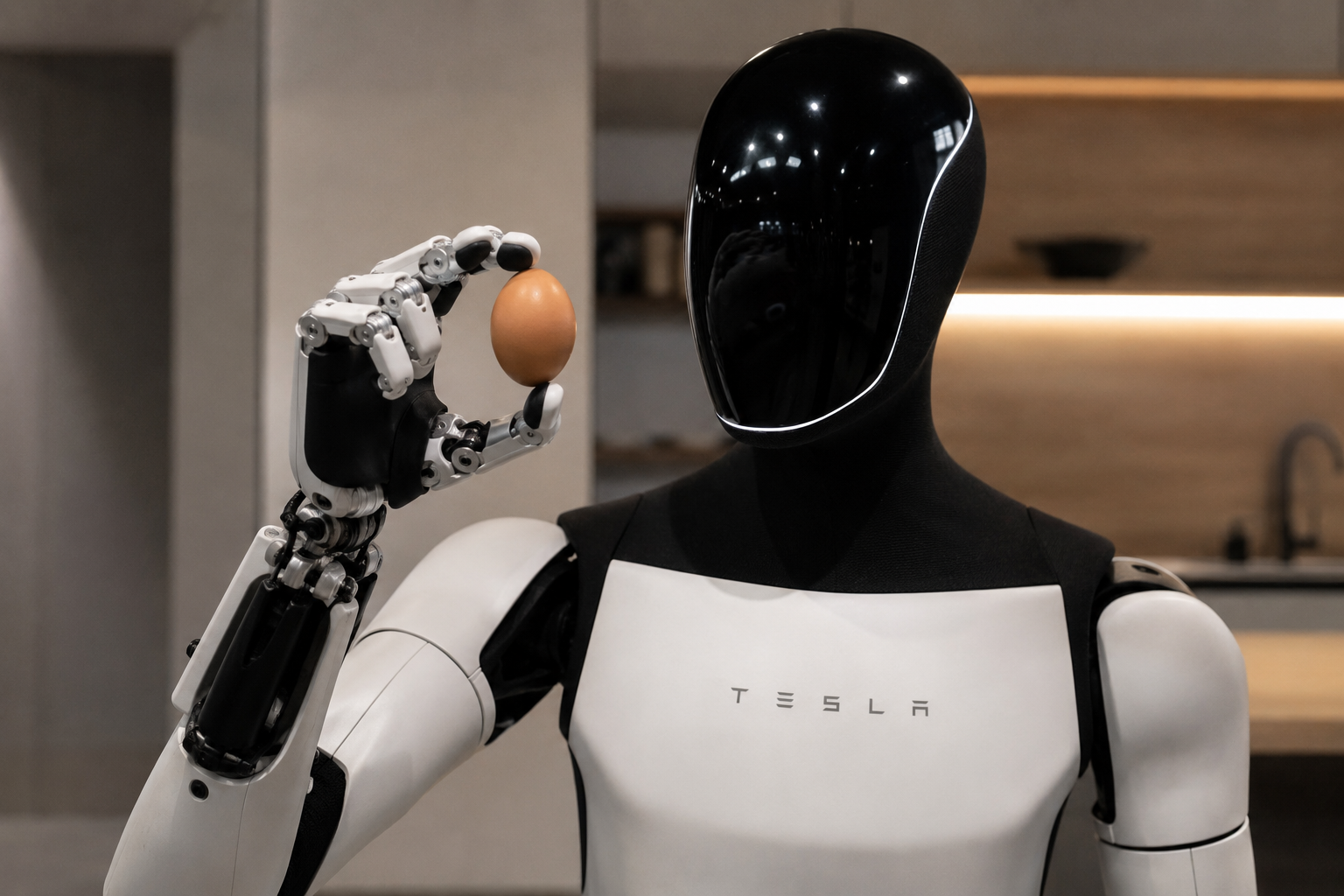
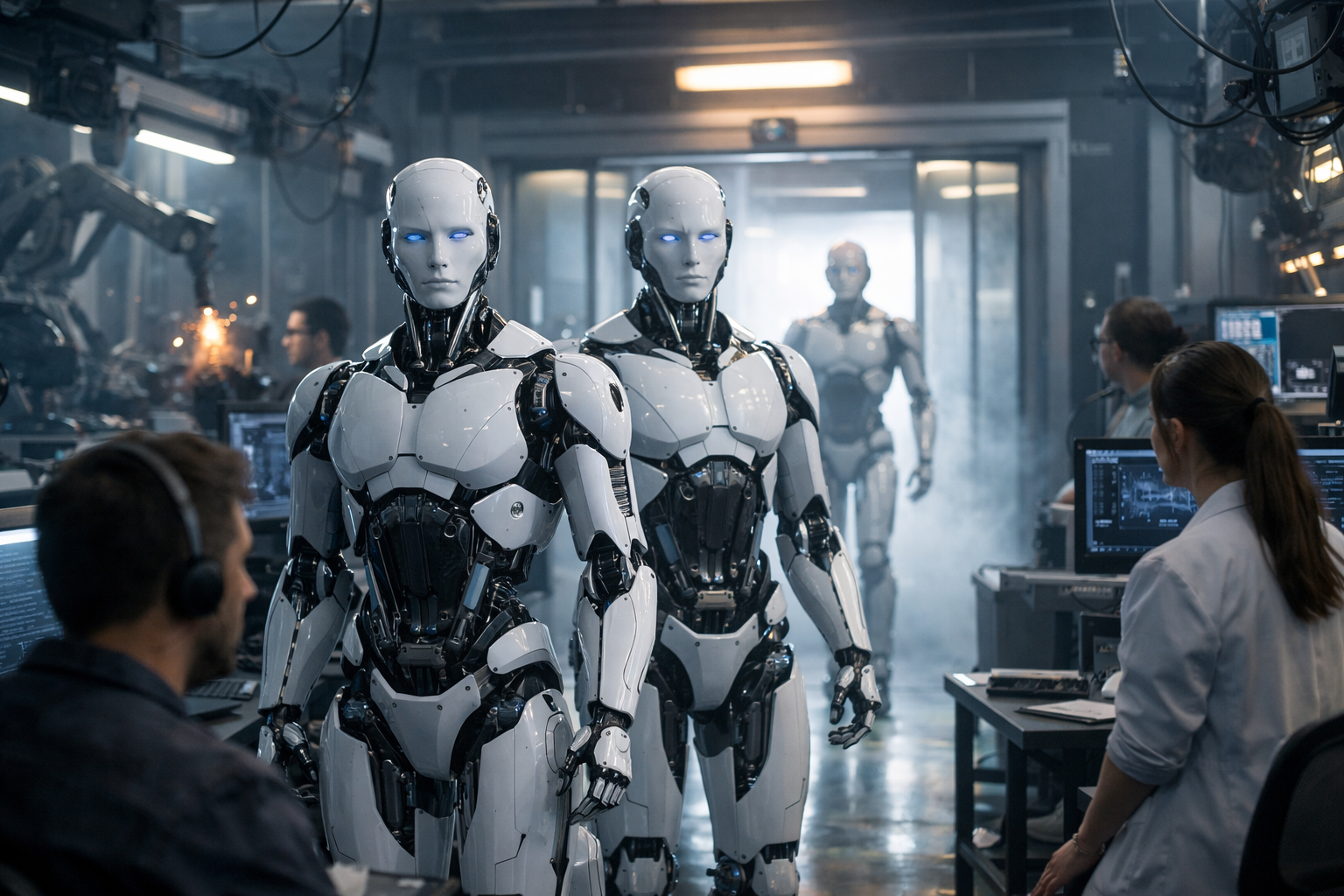
For a brief moment in the spring of 2026, Tesla’s bipedal Optimus robot stood along Boylston Street in Boston, waving at marathon runners as they crossed the finish line. The scene was memorable for what it illustrated — not necessarily the robot’s technical prowess, but the distance still to close. While Optimus posed for photographs, Chinese rivals like Unitree and AgiBot were shipping tens of thousands of robots to factories around the world, dominating a market that analysts believe could reach $38 billion by 2035 and $5 trillion by 2050. This report examines, on the basis of published reporting and research from the past several months, where the United States stands in the international AI humanoid race, what credible sources project for the next five years, and what the deeper stakes are for the human civilization that is building these machines.
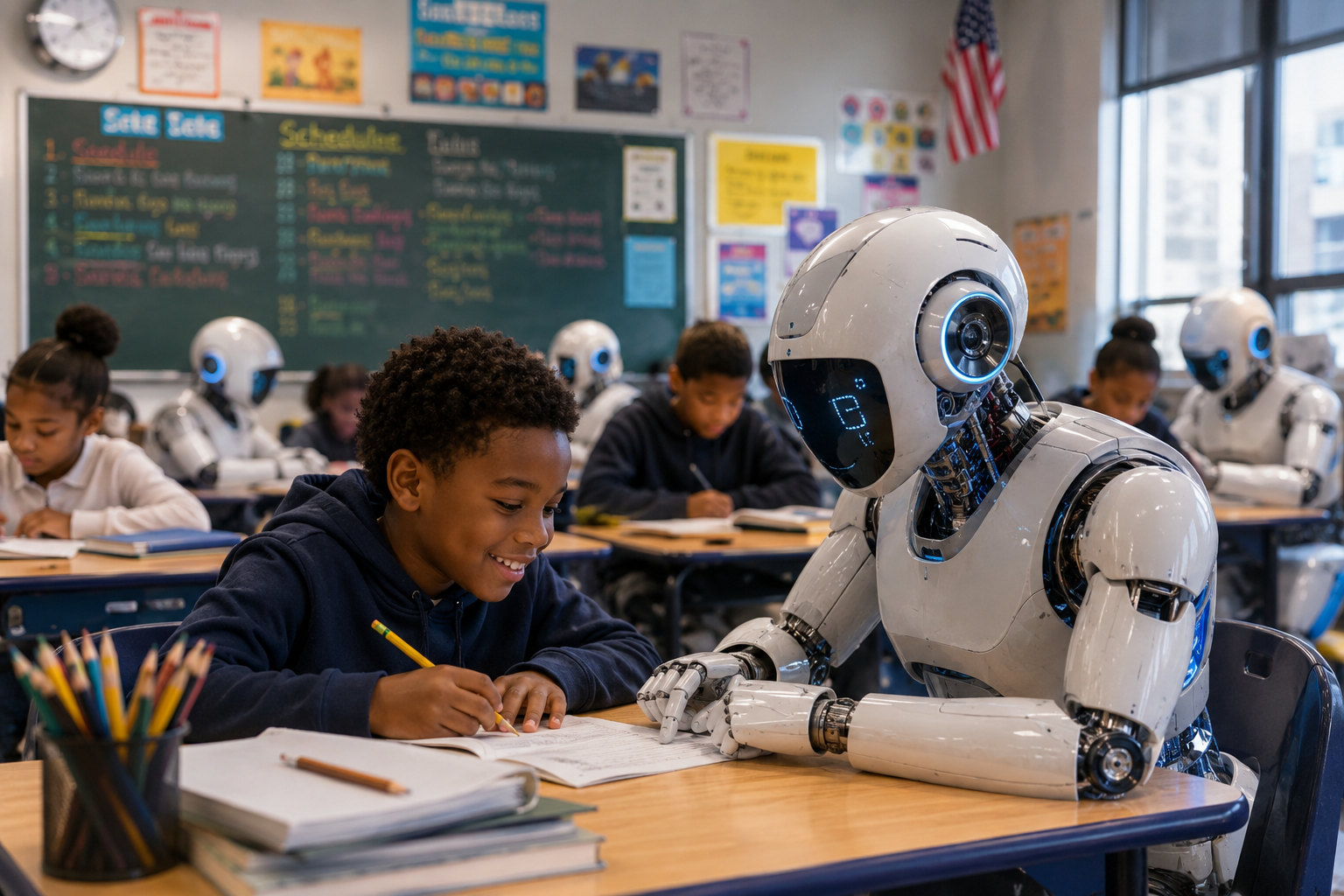
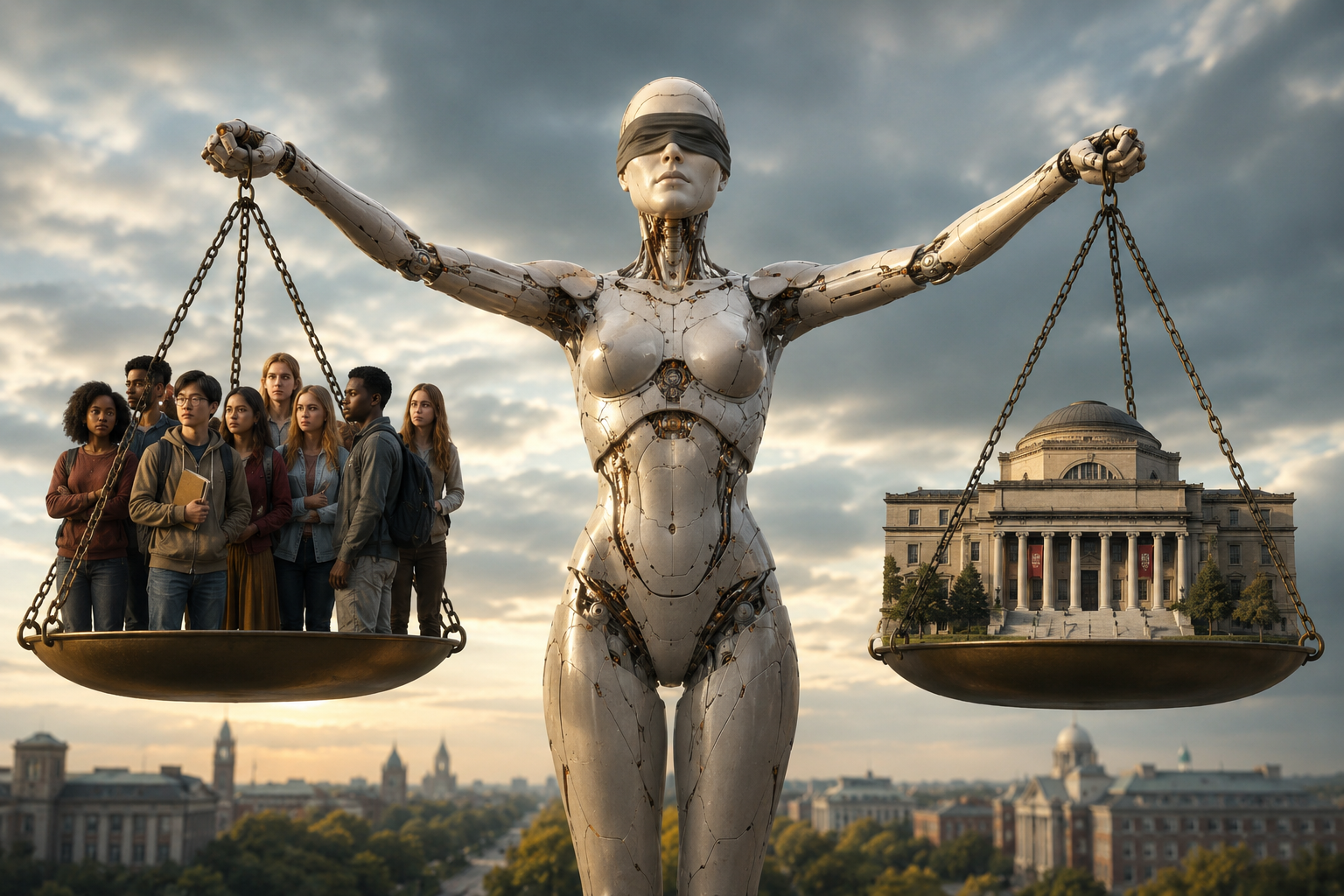
America’s public schools have never fully resolved the contradiction at their center: founded on the democratic premise that education is the great equalizer, they have persistently reproduced the inequalities of the society that sustains them. The gap in academic achievement between children from high-income and low-income families — and between white students and Black, Latino, and Indigenous students — has been documented for decades, survived multiple waves of school reform, and narrowed only modestly. The children most affected are concentrated in identifiable places: high-poverty urban neighborhoods, rural communities stripped of industry, and tribal lands long neglected by federal investment. These are the communities this report calls historically underserved.
Introduction: The following is a transcript of a Harvard Commencement address at Harvard Yard on 28 May 2026 by Noah Eckstein. Updated on 4 June 2026 at 10:45am.]
My life begins with something that could be the start of a joke. And it goes like this. A Christian, a Muslim, and a Jew walk into a bar. I know historically the setup is a little bit dicey, but this time this time was a little bit different. This time the Christian married the Muslim and they had a daughter. That daughter grew up Christian until she met the Jew, converted to Judaism, married the Jew, and had a son. 22 years later, that son is standing here with all of you graduating from Harvard University. [applause] [cheering] [applause]
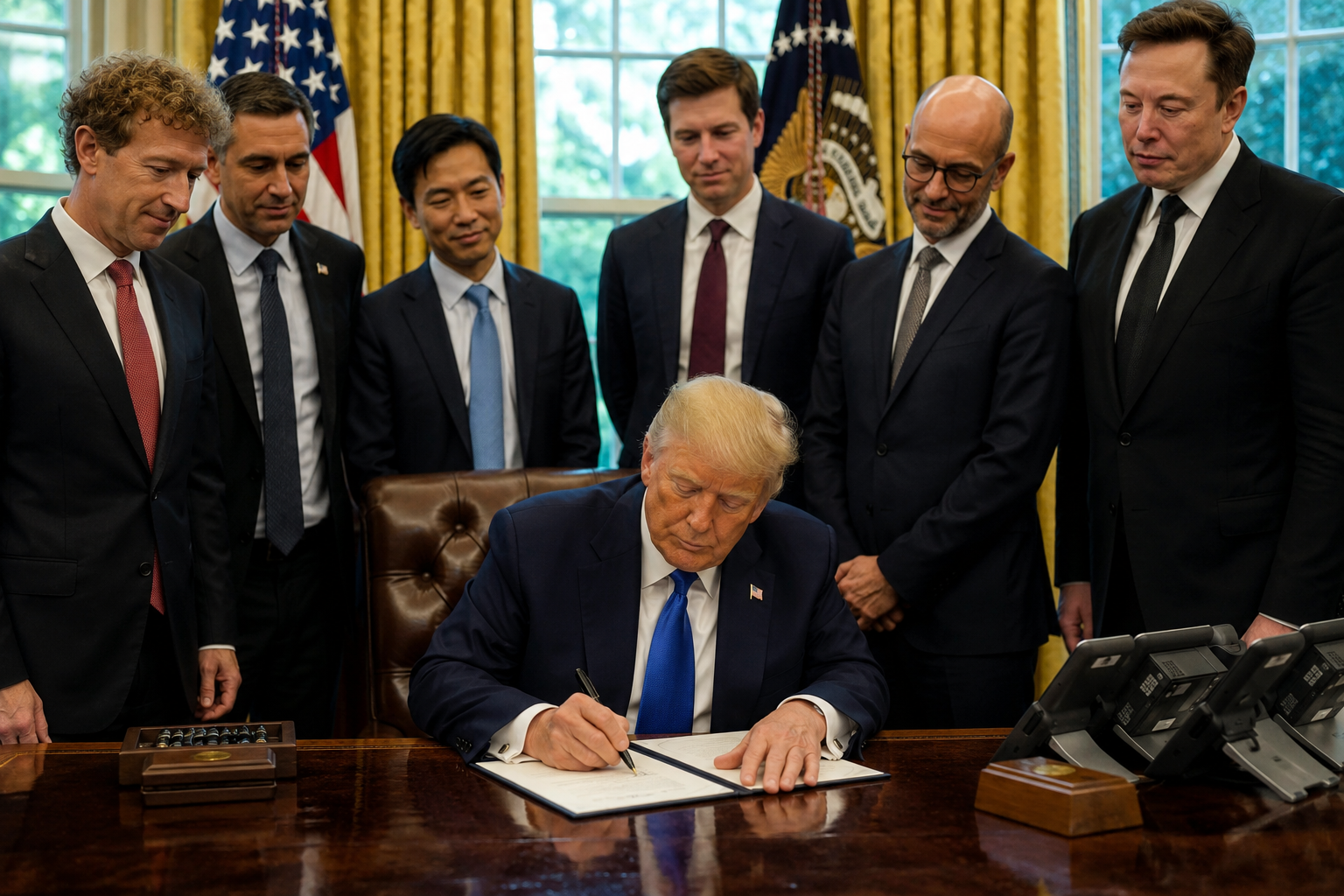
On 2 June 2026, President Donald Trump signed the executive order “Promoting Advanced Artificial Intelligence Innovation and Security,” establishing a voluntary framework through which leading AI developers may provide the U.S. government with access to frontier AI models up to 30 days before public release for cybersecurity and national-security evaluation (1,2,3). The order represented a compromise between advocates of stronger oversight and industry leaders who argued that lengthy review periods could weaken American competitiveness against China (2,4,5).
On June 2, 2026, President Donald Trump signed an executive order titled “Promoting Advanced Artificial Intelligence Innovation and Security,” establishing a voluntary framework under which major AI companies would share their most powerful frontier models with the federal government for review up to 30 days before public release (1,3). The order marks a significant departure from the administration’s previous hands-off posture toward AI regulation—one framed as essential to preserving American companies’ lead over China—and signals that national security concerns have begun to override, at least partially, the administration’s strong deregulatory instincts (5).
Writing instruction in schools and colleges has long been guided by what researchers call the writing process—the recursive psychological steps competent writers take as they plan, draft, revise, and edit a text. Since the early 1970s, process-oriented pedagogy has placed peer and instructor feedback at the center of composition classrooms, treating writing not as a solitary product to be delivered and graded but as an evolving, socially constructed activity. For decades, however, a fundamental constraint limited the reach of that vision: before the internet, peer response groups were small, face-to-face, and essentially invisible to researchers and program administrators. No systematic record of how students gave feedback—or how writers used it—was ever made.
There is a peculiar asymmetry at the heart of human intelligence that has fascinated thinkers for millennia: the act of asking a well-formed question may require more intellectual courage, creativity, and perception than the act of answering one. To answer is to retrieve; to question is to reach. Every significant intellectual rupture in history—every paradigm shift, every breakthrough discovery, every revolutionary pedagogy—has been preceded not by an answer but by a question that no one had thought to ask before. The Nobel laureate physicist and legendary teacher Richard Feynman put it simply: “There is no learning without having to pose a question” (4).
The April 17 ETC Journal article, “Is the Wait for Agentic AI Over?,” framed eight interlocking predictions about how agentic AI would move from speculative promise to lived reality. The piece argued that we were crossing a threshold: from chatbots that answer questions to systems that can pursue goals, orchestrate tools, and coordinate multi‑step workflows under human oversight. It anticipated that (1) enterprise adoption of agents would accelerate rapidly (2), multi‑step workflow automation would become the primary proving ground (3), education—especially higher education—would lag but eventually be transformed (4), governance and regulation would struggle to keep pace (5), security and safety would become central constraints (6), economic value would concentrate first in coding and knowledge‑work augmentation (7), human–AI collaboration would become more “co‑agentic” rather than purely assistive, and (8) the near‑term trajectory after agentic AI would likely be plural and uneven rather than a single “next big thing” (1). Those eight predictions were intentionally modest: they did not claim that agentic AI had already remade everyday life, but that the conditions for such a shift were crystallizing.
In the long and storied tradition of Muay Thai — a martial art born in Thailand and jealously guarded by its practitioners — the idea of a foreign fighter ascending to the sport’s highest echelons was, for most of its history, nearly unthinkable. Rajadamnern Stadium and Lumpinee Stadium, the twin temples of the art, were places where Thai fighters ruled with an authority that bordered on the absolute. Then came Nadaka Yoshinari, a young man from Yokosuka, in Kanagawa Prefecture, Japan, who would quietly, methodically, and finally unmistakably rewrite what was thought possible for a fighter born outside Thailand’s borders. (1,2)
In 2008, George Siemens and Stephen Downes designed and taught the first connectivist MOOC — a course titled “Connectivism and Connective Knowledge” (CCK08) offered through the University of Manitoba — enrolling approximately 2,300 students and launching what would become a landmark in the history of open teaching (1,2). Their effort was grounded in a learning theory, connectivism, that Siemens had first articulated in a 2005 article in the International Journal of Instructional Technology and Distance Learning (3). Downes extended and deepened the theory in a series of papers and blog posts through his widely-read newsletter OLDaily, which he has published almost every weekday since the mid-1990s.
The convergence of connectivist MOOCs (cMOOCs) and artificial intelligence in 2025–2026 has created a dynamic and rapidly evolving landscape. This report synthesizes recent credible, open-access sources to examine the continued influence of the foundational ideas of Stephen Downes and George Siemens, the specific ways in which cMOOC principles are shaping AI in education, and the current research trajectories of both founders. The following sections present a narrative analysis of these developments, drawing on the most current publications and expert commentary through May 2026.
The connectivist MOOC, or cMOOC, pioneered by Stephen Downes and George Siemens in 2008 through their course “Connectivism and Connective Knowledge,” has not disappeared. Instead, by late May 2026, it has evolved from a headline educational phenomenon into a foundational intellectual framework underlying contemporary debates about networked learning, AI-mediated education, learning analytics, open pedagogy, and human-machine collaboration. While the commercial MOOC boom of the 2010s became dominated by xMOOCs — centralized, platform-based courses emphasizing video lectures, quizzes, and credentialing — the original cMOOC model survived as a distributed philosophy of learning emphasizing networks, autonomy, openness, interactivity, and learner-generated knowledge (1,2).
In 2008, Stephen Downes and George Siemens launched the landmark online course Connectivism and Connective Knowledge (CCK08), unwittingly pioneering the framework known as the massive open online course (MOOC) (2,7). Over time, the MOOC landscape fractured into two distinct lineages. The commercialized variant, or xMOOC, adopted by institutions like Coursera and EdX, relies heavily on a centralized, behaviorist instructional model centered on structured data delivery and standardized testing.
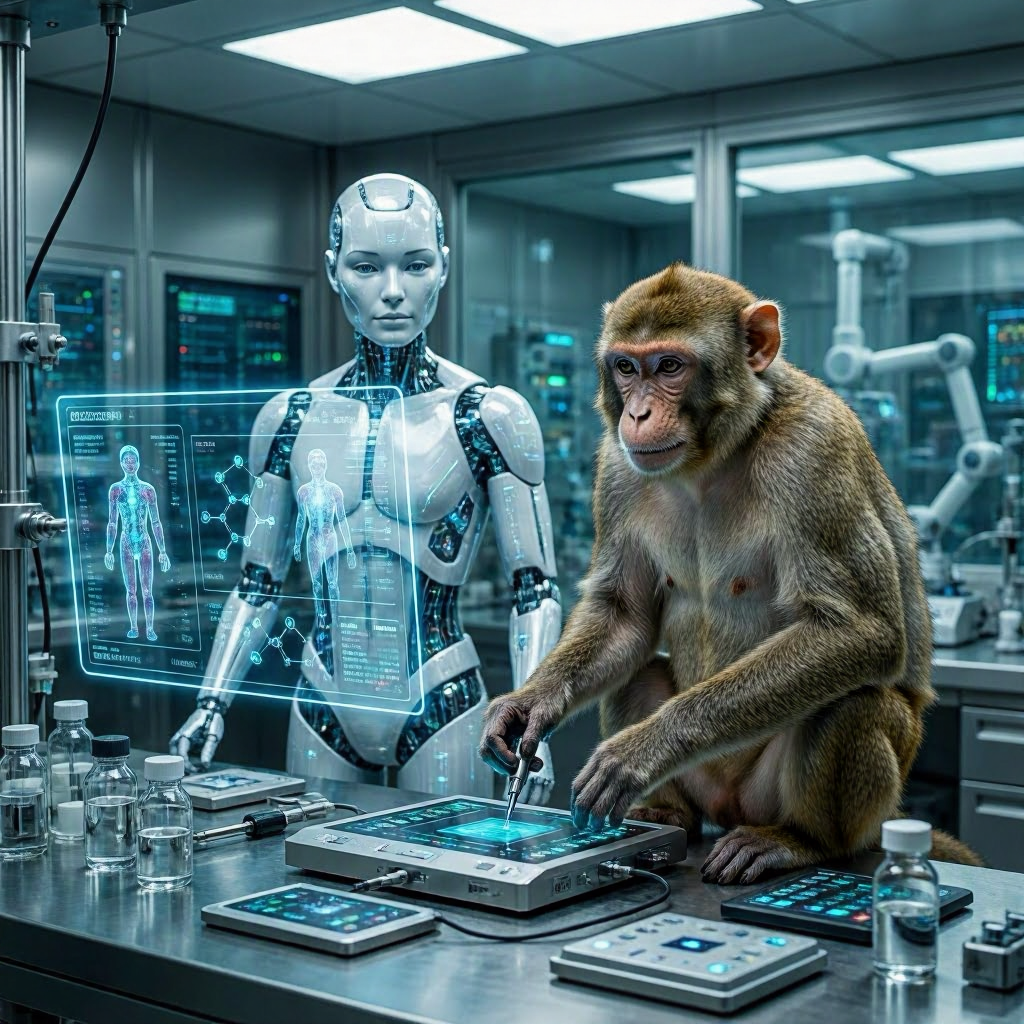
The question of whether humanity’s accelerating progress toward Artificial General Intelligence (AGI) could one day be translated into deliberate efforts to boost the cognitive capacities of other living organisms is not as fantastical as it might initially sound. It resides at the crossroads of neuroscience, synthetic biology, genetic engineering, philosophy, and ethics — a space that is rapidly being occupied by serious researchers, bioethicists, and technologists. The notion of intentionally elevating the intelligence of dogs, birds, monkeys, ants, bacteria, trees, flowers, vegetables, and fungi represents an extraordinary extension of what has long been imagined in science fiction and is now beginning to attract the attention of mainstream science. As AGI draws closer to realization — with leading researchers placing its emergence within three to ten years (1) — the tools and conceptual frameworks driving it are converging with breakthroughs in genomics, brain-computer interfaces (BCIs), and synthetic biology to make the concept of cross-species cognitive uplift at least theoretically plausible.
The question of whether dogs could distinguish a highly advanced android from a biological human has become increasingly relevant as humanoid robotics grows more sophisticated. Dogs possess sensory systems that operate very differently from human perception. Even if an android were visually convincing to humans, dogs would still analyze a wide range of biological signals that humans often overlook. Scent remains the most obvious differentiator, but dogs also appear sensitive to heartbeat rhythms, breathing patterns, thermal signatures, movement dynamics, vocal micro-irregularities, tactile texture, and behavioral synchrony. Modern research in canine cognition and robotics suggests that dogs integrate these signals into a holistic perception of “livingness.”
On May 22, 2026, Tulsi Gabbard announced her resignation as Director of National Intelligence (DNI), the highest-ranking intelligence official in the United States government. In her resignation letter — posted publicly on X and first reported by Fox News Digital — Gabbard stated that her husband, videographer Abraham Williams, had recently been diagnosed with “an extremely rare form of bone cancer” and that she could not “in good conscience ask him to face this fight alone” while serving in such a demanding post (1). Her resignation is effective June 30, 2026, making her the fourth Cabinet official to depart during Donald Trump’s second term (2).
The question of whether technological change tends systematically toward democratization is one that cuts to the heart of how we understand progress itself. History offers no clean answer. Gutenberg’s press democratized literacy but also propagated propaganda. The internet democratized information but concentrated economic power in the hands of a few platform giants. Artificial intelligence, still unfolding in its social consequences, presents a similarly ambivalent face. Yet scholars and practitioners who study the long arc of technological adoption have noticed a recurring pattern: most general-purpose technologies, after an initial period of concentrated or elite use, eventually tend to become widely accessible, cheaper, and more deeply embedded in everyday life. In this sense, the direction of technological change may indeed be broadly democratizing, though the pace and distribution of benefits are never guaranteed to be equitable.
The transition from digital AI systems to embodied AI systems is comparable in important ways to the historical transition from the command-line interface (CLI) to the graphical user interface (GUI). In both cases, the technological shift does not merely improve convenience. It fundamentally changes who can use the technology, how people conceptualize the technology, and what kinds of tasks become possible. The CLI era required users to adapt themselves to machines through specialized symbolic commands. The GUI era inverted that relationship by adapting computing to ordinary human perception and interaction. Embodied AI appears poised to produce a similar inversion: instead of humans adapting themselves to digital systems operating on screens, AI systems are increasingly adapting themselves to human physical environments, gestures, objects, and social spaces (1,2).
The article, “What to Call a Technophile Who Is Also a Retro-Tech Enthusiast: ‘techno-primalist’?” (ETC Journal, 22 May 2026) proposes a richly evocative label—techno-primalist—for those who adopt the newest computing and AI tools while simultaneously rediscovering manual typewriters, sourdough baking, basket weaving, organic gardening, analog audio restoration, and wilderness hiking (1). The term deserves serious consideration, but it also invites comparison with several existing coinages and frameworks. Understanding where “techno-primalist” sits in a broader intellectual map helps clarify both what is genuinely new about the phenomenon and what older theories already illuminate.
Humanity has always lived in two directions at once. Even as we push outward into the uncharted territories of science, computation, and artificial intelligence, we also reach backward—toward the tactile, the ancestral, the handmade, the analog. This simultaneous movement has become especially visible in the 2020s, as people who eagerly adopt cutting‑edge technologies also rediscover manual typewriters, sourdough baking, basket weaving, analog audio restoration, and organic gardening. To describe this emerging identity, a useful phrase is “techno‑primalists”—individuals who embrace the newest tools while cultivating a deep connection to older, embodied practices. They are not nostalgic escapees from modernity; they are explorers who believe that innovation and ancestry are complementary forces.
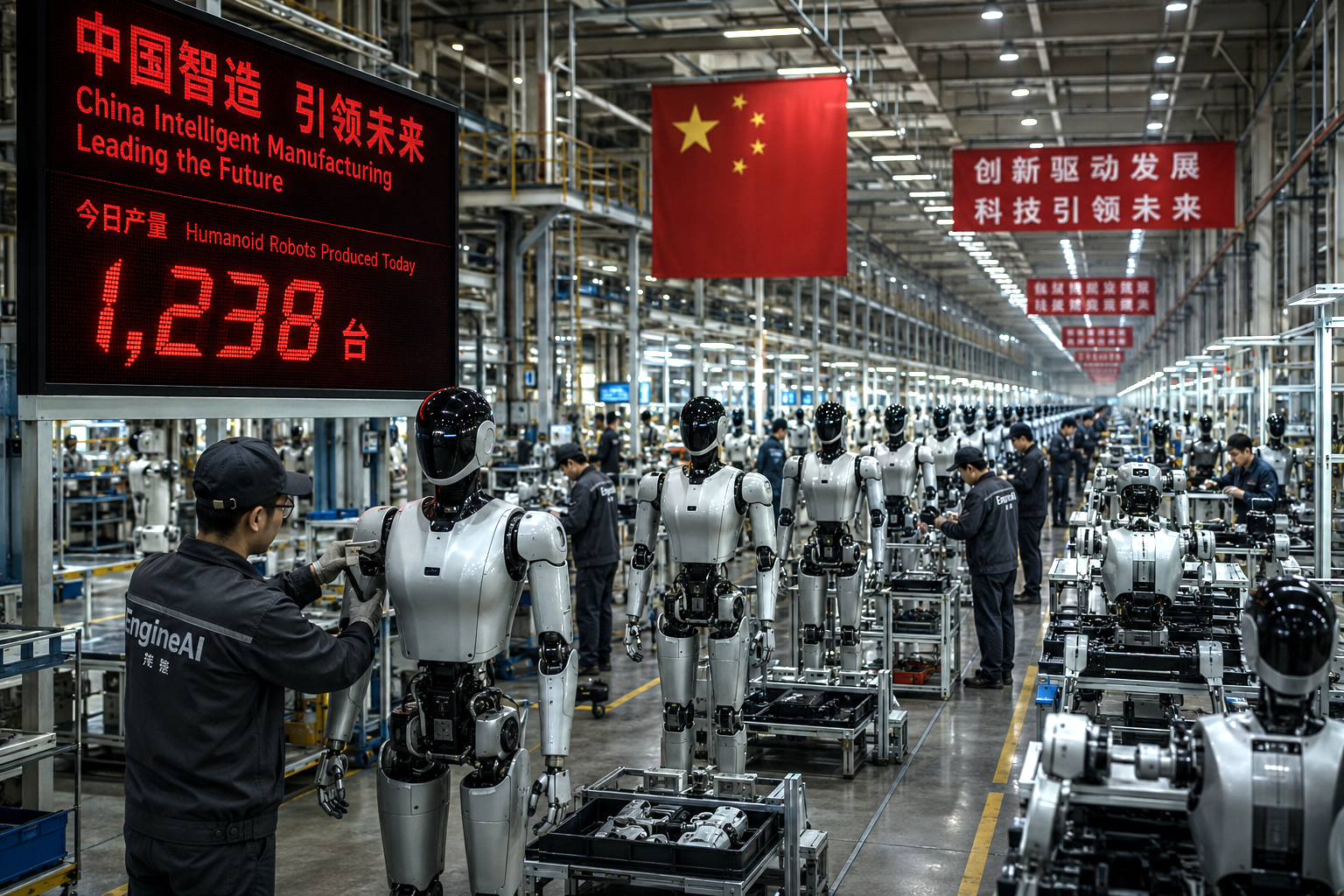
Since early 2026, Western media outlets including ABC News have brought growing public attention to a concern that strategic analysts have tracked for several years: China’s rapid and massive proliferation of humanoid robots—what Beijing and others call ’embodied AI’—may eventually pose a national security risk to Western nations (1). The worry is not hypothetical. As of May 2026, China commands nearly 80 percent of the global humanoid robot market, has deployed autonomous humanoid units in public traffic management, and has established a national standardization committee that explicitly links civilian robotics development to People’s Liberation Army (PLA) priorities (2,5). The United States, by contrast, remains strong in AI software and high-end robotics research but trails badly in volume manufacturing, cost competitiveness, and real-world deployment.
Since early 2026, Western media including ABC News have highlighted a growing concern: China’s rapid and massive proliferation of humanoid robots (“embodied AI”) may eventually pose a national security risk to Western nations (1). As of May 2026, China continues to solidify its position as the world’s dominant force in humanoid robotics, driven by industrial policy, cost advantages, and rapid technological iteration. Chinese firms have captured nearly 80% of the global market (2). However, events in the first half of 2026 have added new dimensions to the security debate, including the deployment of autonomous humanoid robots in public traffic management (3), the emergence of specific cybersecurity vulnerabilities (4), and the establishment of a national standardization committee that directly links robotics development to People’s Liberation Army (PLA) priorities (5).
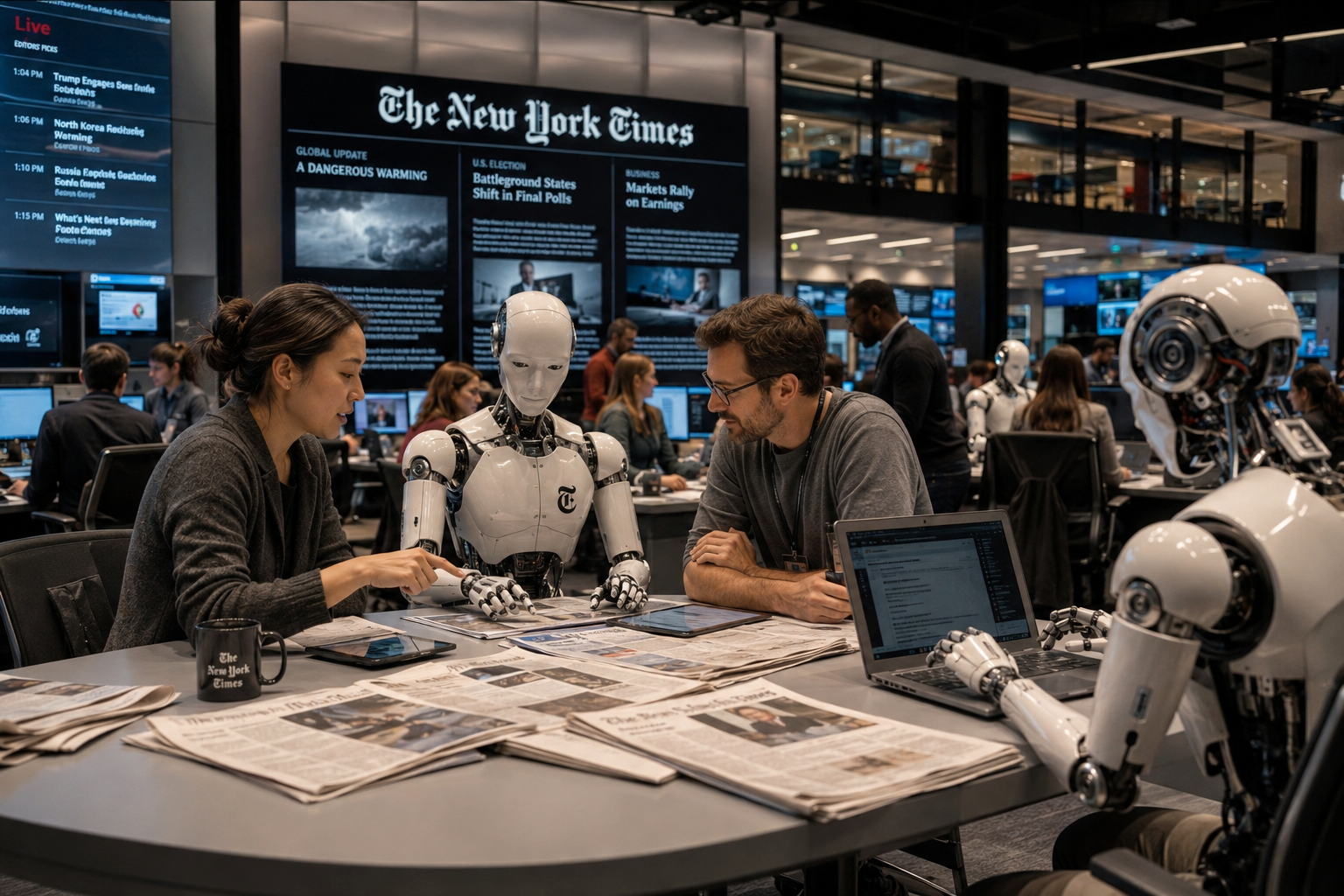
By May 2026, artificial intelligence has ceased to be an experimental tool or a mere back-office novelty in competitive journalism. Instead, it has become deeply woven into investigative workflows, digital publishing, forensic verification, and multi-platform audience distribution (4). Rather than replacing the foundational human labor of reporting, cutting-edge AI technologies are being utilized by elite newsrooms to scale up systemic tracking, interpret massive unorganized datasets, and combat sophisticated state-level disinformation campaigns (3,8). The shift from basic task automation to advanced, multi-step agentic workflows represents the definitive technological change-management milestone of the year (2).









































 Educational Technology and Change Journal
