






Thomas Claburn1 reports that “The 339 respondents participating in the [Murphy et al.2] project – AI and ML scientists, economists, technical staff at frontier AI companies, and policy experts from NGOs – believe that AI will spur significant social changes by 2040.” Claburn says the project found that “there’s only about a 20 to 25 percent chance that the AI train will be slowed by lack of AI literacy, societal unease, lack of use cases, and costs. Data quality, regulations, and cultural resistance are seen as more likely (30 to 35 percent) barriers to adoption. Integration and unreliability are expected to be the most significant obstacles (40 percent).”
Claburn, quoting a Gustavo de Souza3 study, says that, “In Brazil, ‘AI significantly increased employment in production-related occupations, such as manufacturing, maintenance, and agriculture, while it reduced employment in administrative jobs,’ as [de Souza] explained in a summary post4. AI, de Souza found, allows less skilled workers to perform tasks that previously required more experience. While office workers can expect some of their tasks to be automated away, he asserts that the overall impact is a net improvement in wages and greater wage equality. ‘This shift reduces the barriers to entry in high-AI-exposed occupations, increases the hiring of lower-skilled workers, and erodes the wage premium for high-skilled individuals,’ [de Souza] wrote.”

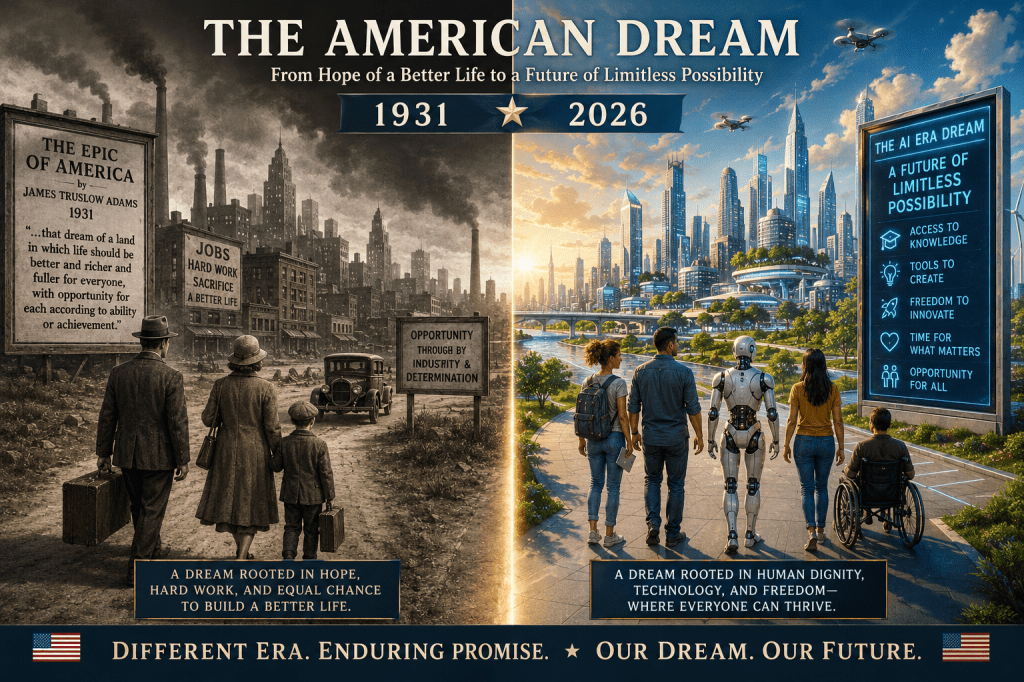
Jana Cvetko5: “Artificial intelligence is the next great general-purpose technology—and the fastest-spreading technology in human history. In less than three years, more than 1.2 billion people have used AI tools, a rate of adoption faster than the internet, the personal computer, or even the smartphone. Yet, similar to other general-purpose technologies before, its benefits are not spreading evenly. AI use in the Global North is roughly double that in the Global South. Without focused effort, this gap will define who benefits from AI for decades to come.”
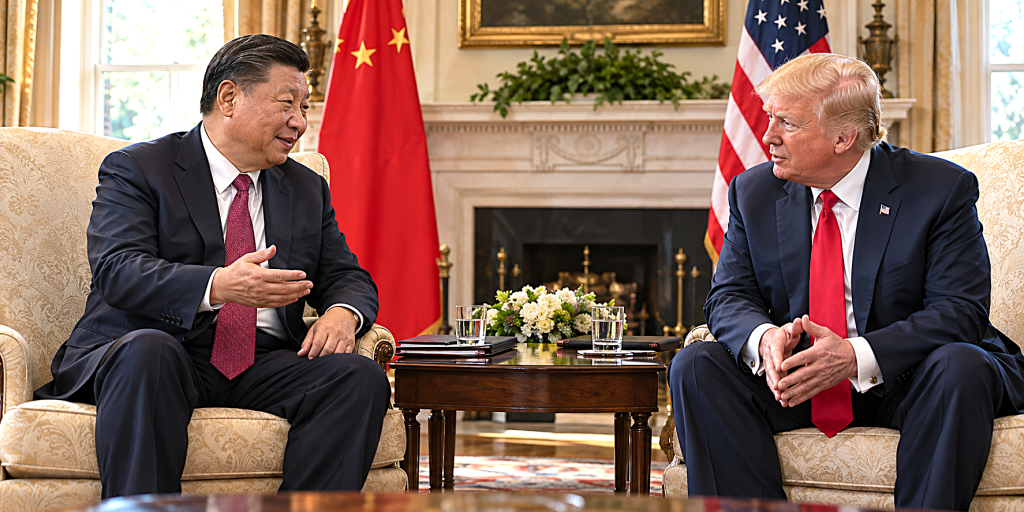
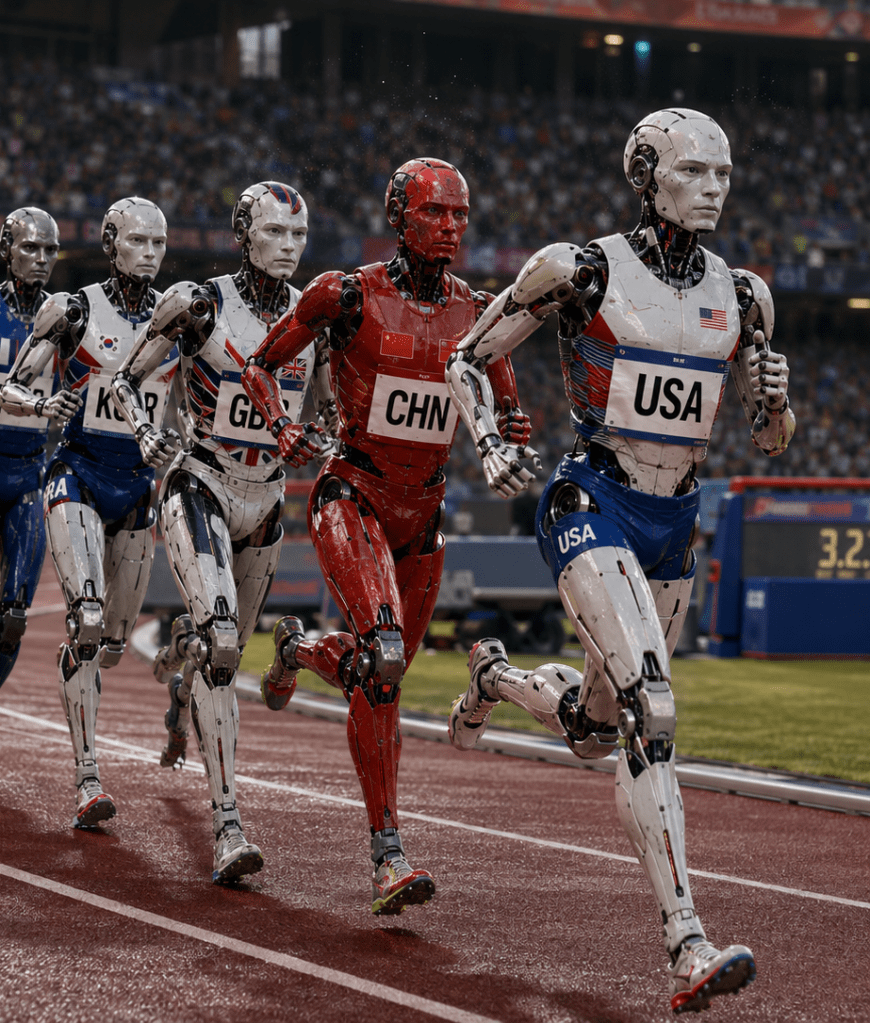
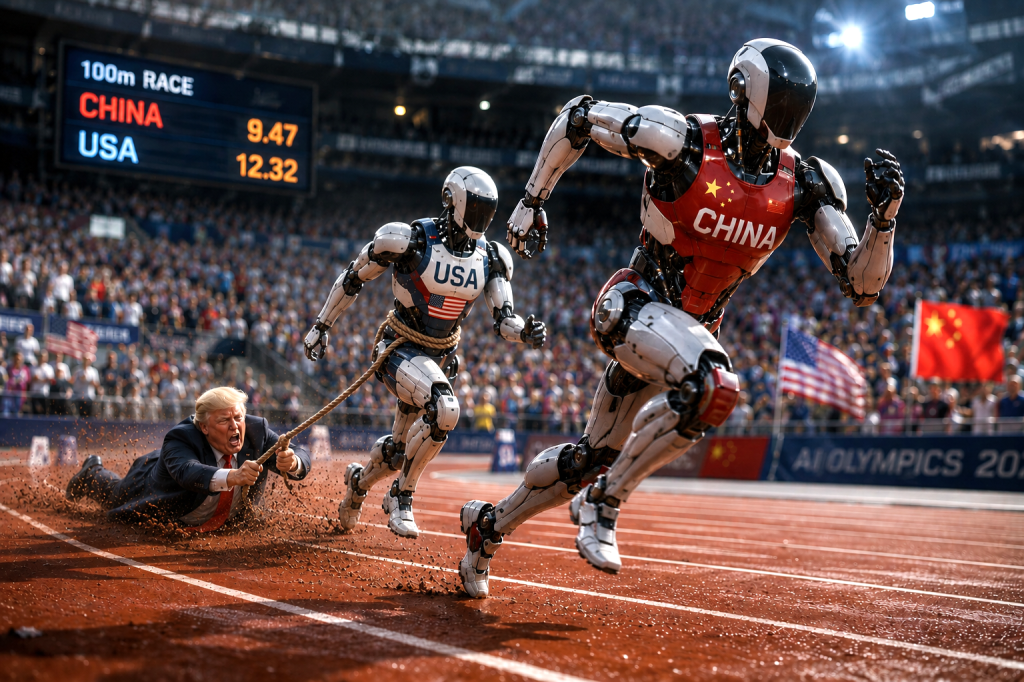
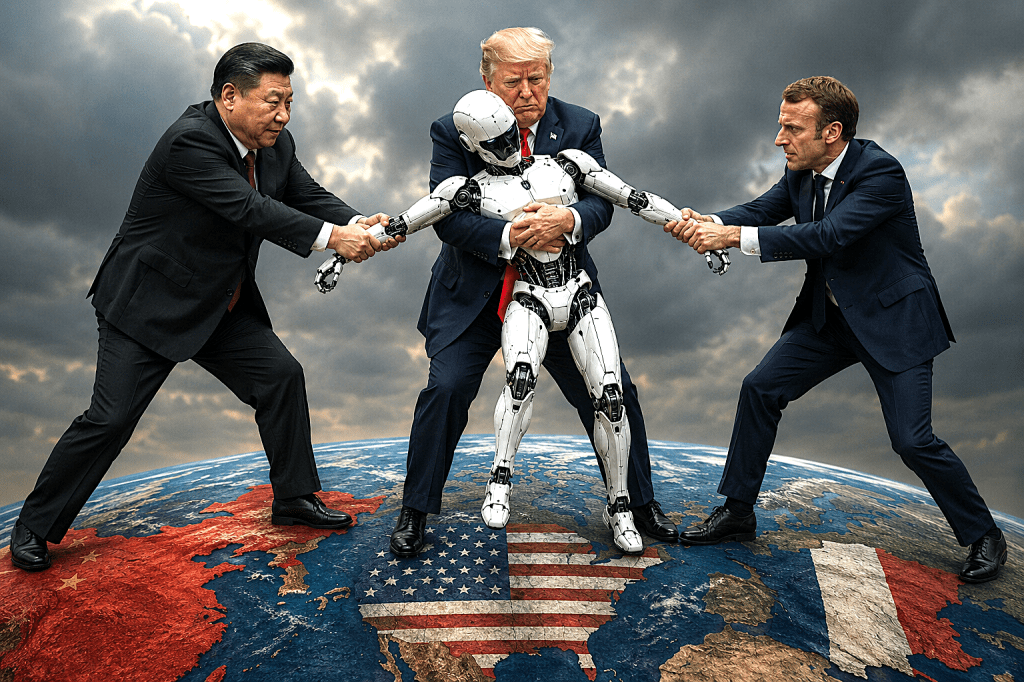
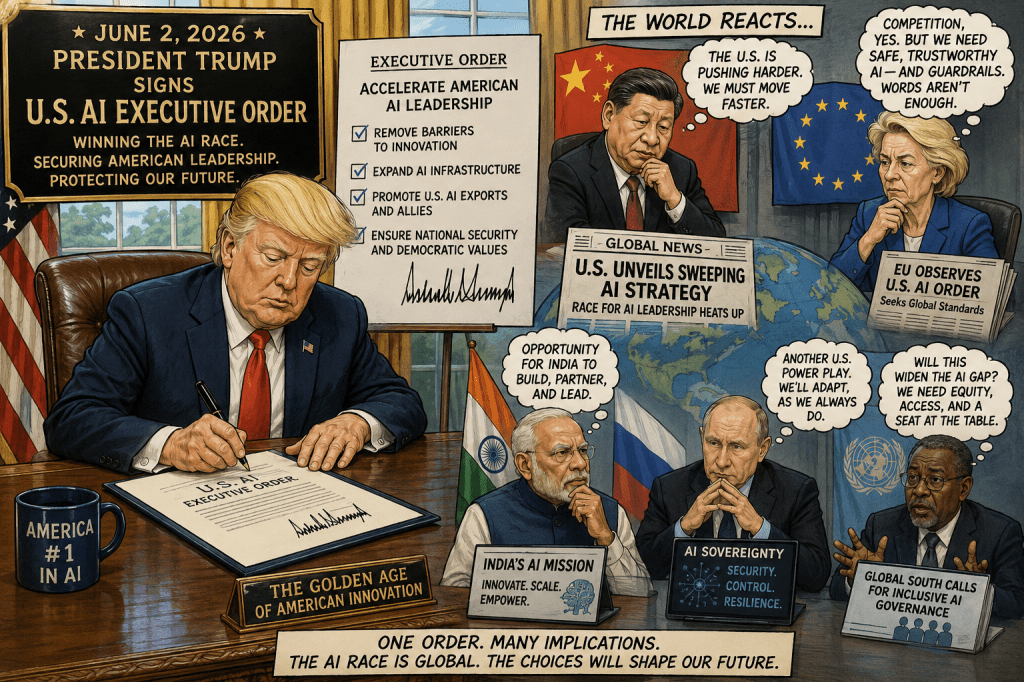
Frederick Kempe6, president and chief executive officer of the Atlantic Council, says, “Failure to maintain US leadership on AI could have generational consequences. The outcome of this contest will determine which values—authoritarian efficiency or democratic dynamism—set global norms on everything from digital commerce to autonomous warfare.”
Kempe says the “GeoTech Commission on Artificial Intelligence [is] our flagship initiative to address this historic moment. It will bring together congressional leaders, top industry executives, and innovators across the AI ecosystem to ensure that the United States maintains its technological preeminence in an AI-defined world. Our aim is to help the United States and its allies mobilize more stakeholders, iterate faster, and deliver actionable strategies to ensure US and allied leadership—and a more enlightened, prosperous, secure, and democratic future.”
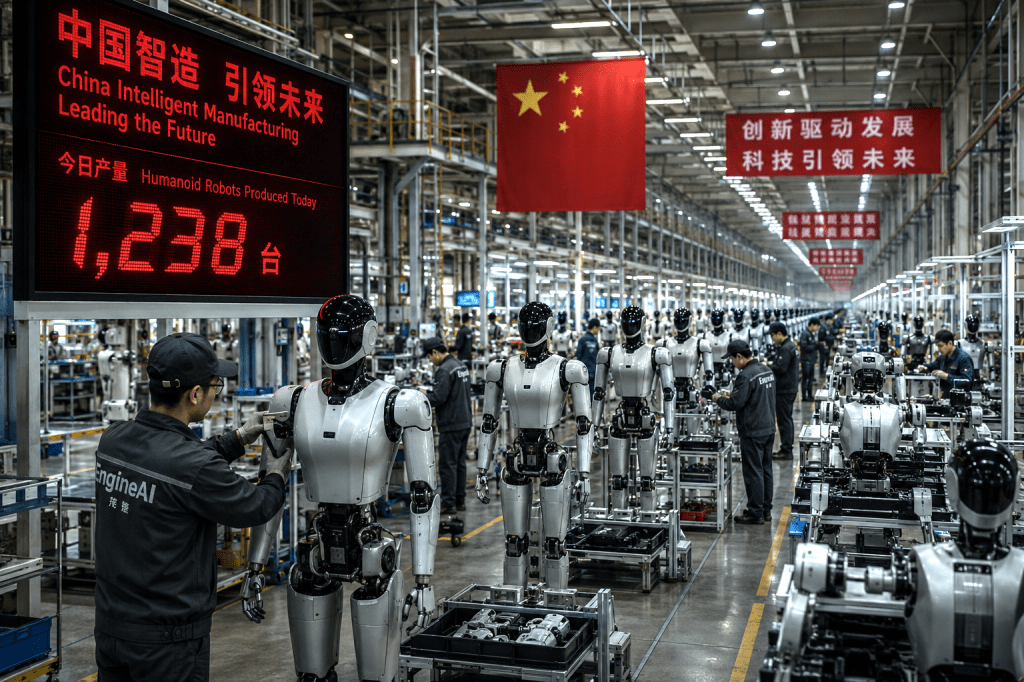
Ben Jiang7 says, “A new reasoning model [Kimi K2 Thinking] developed by a Chinese artificial intelligence start-up – with its performance exceeding OpenAI’s GPT-5 and Anthropic’s Claude Sonnet 4.5 in a number of metrics – has fanned fresh debate about another DeepSeek moment and the trajectory of America’s AI supremacy…. It … outperformed US models in two specific benchmarks, including the BrowseComp benchmark, which evaluates the web browsing proficiency and information-seeking persistence of LLM agents, and the Seal-0 benchmark, designed to challenge search-augmented LLMs on real-world research queries.”
__________
1 Thomas Claburn, “Superintelligence probably not happening, but AI will still reshape society, expert panel says,” The Register, 11 Nov. 2025.
2 Connacher Murphy et al., “The Longitudinal Expert AI Panel: Understanding Expert Views on AI
Capabilities, Adoption, and Impact,” Forecasting Research Institute, 10 Nov. 2025.
3 Gustavo de Souza, “Artificial Intelligence in the Office and the Factory: Evidence from Administrative Software Registry Data,” Federal Reserve Bank of Chicago, July 2025.
4 Gustavo de Souza, “AI in the Office and the Factory,” Federal Reserve Bank of Chicago, Nov. 2025.
5 Jana Cvetko, “AI Diffusion Report: Mapping Global AI Adoption and Innovation,” Microsoft News, 11 Nov. 2025, on AI Diffusion Report: Where AI is most used, developed, and built, Microsoft News, Nov. 2025.
6 Frederick Kempe, “It’s time to reckon with the geopolitics of artificial intelligence,” Atlantic Council, 11 Nov. 2025.
7 Ben Jiang, “Why new model of China’s Moonshot AI stirs ‘DeepSeek moment’ debate,” South China Morning Post, 11 Nov. 2025.
Filed under: Uncategorized |



























































































































































































































































































































































































































Leave a Reply