





By Jim Shimabukuro (assisted by Claude)
Editor
As we enter 2026, women’s studies programs in American higher education face an unprecedented confluence of political, economic, and ideological pressures that threaten the field’s institutional survival. The discipline, which emerged in the 1970s as an interdisciplinary space to examine gender, sexuality, and power, now confronts systematic dismantling efforts at public universities, declining enrollment in some regions, and mounting political opposition that frames feminist scholarship as inherently discriminatory. This article examines the current status of women’s studies programs, analyzes the primary factors driving recent changes, and projects possible trajectories through 2030.

Current Status: A Field Under Siege
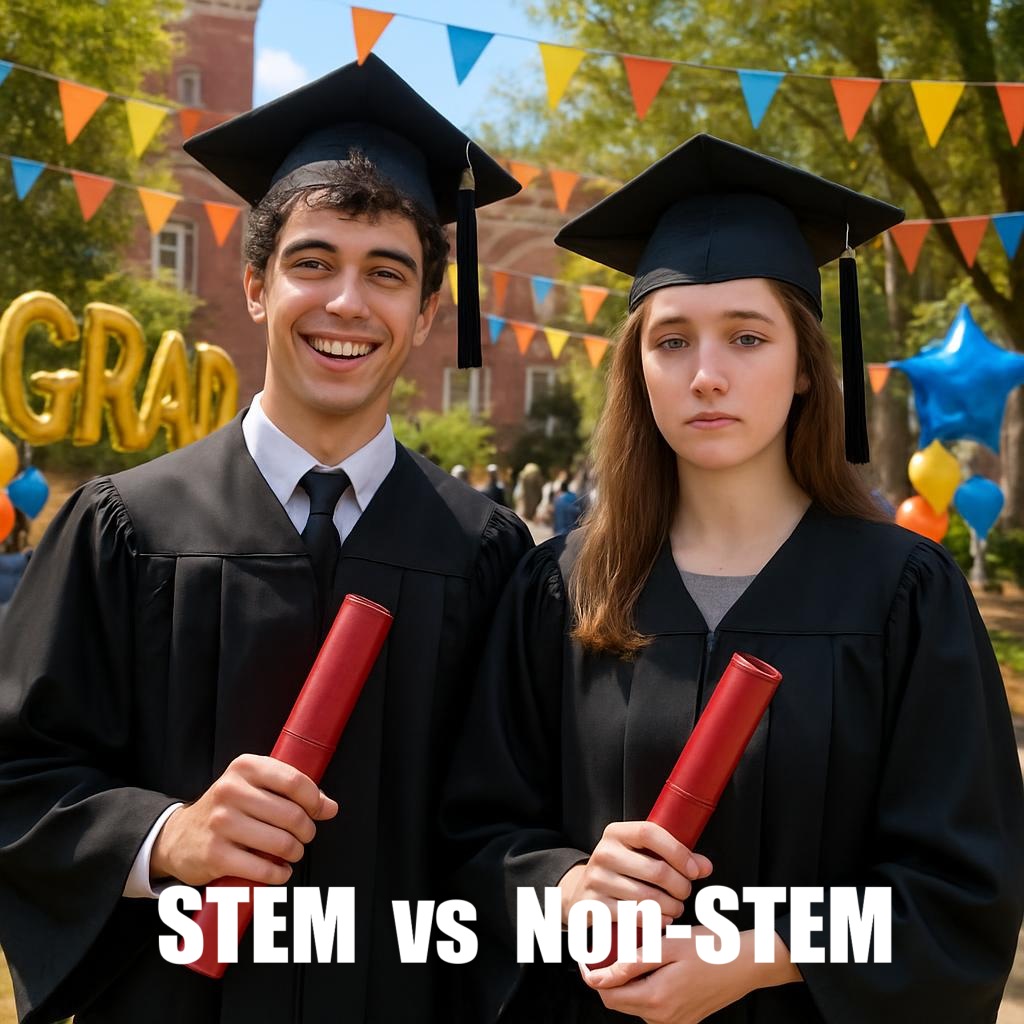
The most dramatic development affecting women’s studies in 2026 has been the accelerating elimination of programs at public universities, particularly in states with Republican-led legislatures. Texas A&M University announced on January 30, 2026, that it would discontinue its bachelor’s degrees and graduate certificate in women’s and gender studies, marking one of the most significant program closures to date. The university justified this decision by citing limited student interest—the program had 25 students seeking a major and 31 seeking a minor—alongside compliance with new policies restricting how race and gender can be discussed in classrooms.
This closure did not occur in isolation. Texas A&M joined other institutions including New College of Florida (2023) and the University of Iowa (2025) in ending their gender studies programs. The University of Iowa’s elimination was part of what officials described as a consolidation effort, though pressure from state government to combat “DEI programming” played a significant role in the decision. At the University of Iowa, living learning communities for Black students, Latinx students, and LGBTQ+ students were not offered during the 2025-2026 academic year and will not continue going forward.
Despite these closures, women’s studies programs continue to operate at many institutions across the country. According to the American Academy of Arts and Sciences, approximately 276 departments were awarding degrees in women’s and gender studies at colleges and universities in the United States as of fall 2023. Programs at institutions including the University of Florida, Penn State, Temple University, Cornell, and Georgetown continue to offer comprehensive curricula. In fall 2023, departments that awarded degrees in women’s and gender studies had undergraduate course enrollments of 74,220, with an average enrollment of 269 per department.
However, enrollment data reveals mixed signals about the field’s health. Approximately 77% of women’s and gender studies department chairs thought undergraduate enrollments had held steady or increased from fall 2020 to fall 2023, suggesting that many programs maintain stable student interest. Yet on average, women’s and gender studies departments awarded only 9 bachelor’s degrees per department in the 2022-23 academic year, indicating that while students take courses in the field, relatively few complete full majors.
The field’s professional organization responded to these developments with alarm. In 2025 the National Women’s Studies Association wrote a statement stating, “We are understandably saddened, frightened, and enraged about the current state of the field”. This statement reflected the organization’s recognition that women’s studies faces existential threats not seen since the discipline’s founding nearly five decades ago.
Primary Causes: Political Opposition and Legislative Action
The current crisis in women’s studies stems primarily from coordinated political efforts to eliminate what conservative lawmakers and activists characterize as discriminatory diversity, equity, and inclusion (DEI) programs. These efforts operate at both state and federal levels, creating a regulatory environment hostile to gender studies scholarship.
At the state level, legislative restrictions have proliferated rapidly. By February 2025, approximately 119 bills in 29 states had aimed to curtail DEI initiatives in public institutions, with at least seven measures becoming law in Florida, Texas, North Carolina, Tennessee, Utah, North Dakota, and Ohio. These laws employ various mechanisms to restrict women’s studies programs, including prohibiting the use of state funds for DEI offices, banning diversity statements in hiring, and threatening institutions with loss of funding for non-compliance.
The Texas A&M case illustrates how these restrictions operate in practice. In November, the Texas A&M University System Board of Regents passed a policy restricting how race and gender could be discussed in class, ordering a sweeping review of course offerings and specifically prohibiting faculty from advocating “race or gender ideology” or topics related to sexual orientation or gender identity unless granted written exception by campus presidents. The university then reviewed approximately 5,400 syllabi for courses offered in spring 2026, granting 48 courses exemptions to teach restricted material out of 54 courses forwarded for final review.
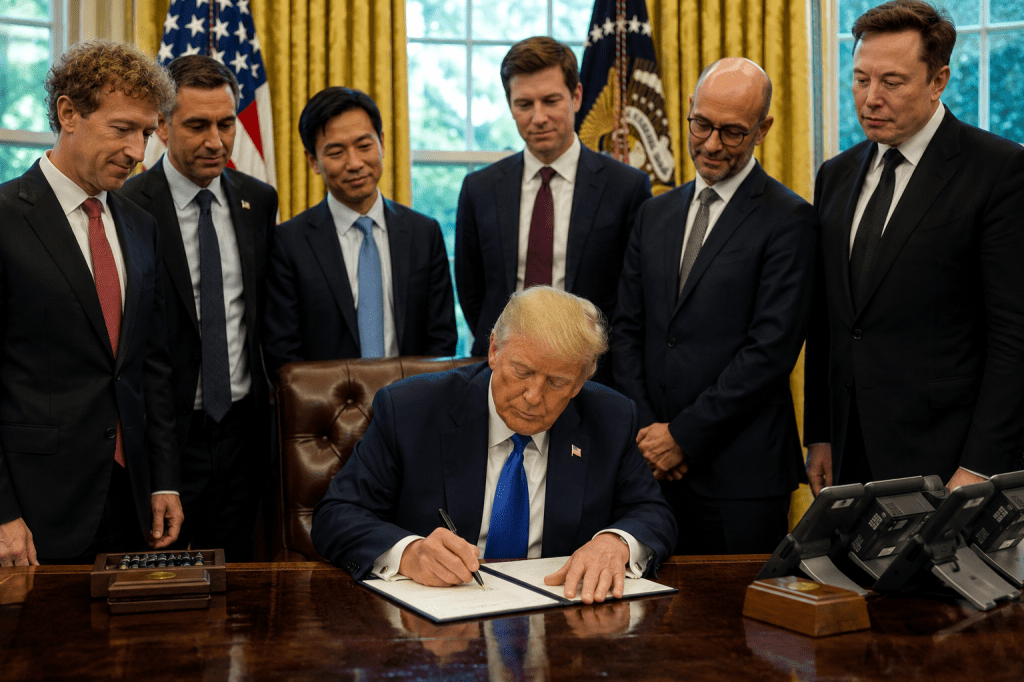
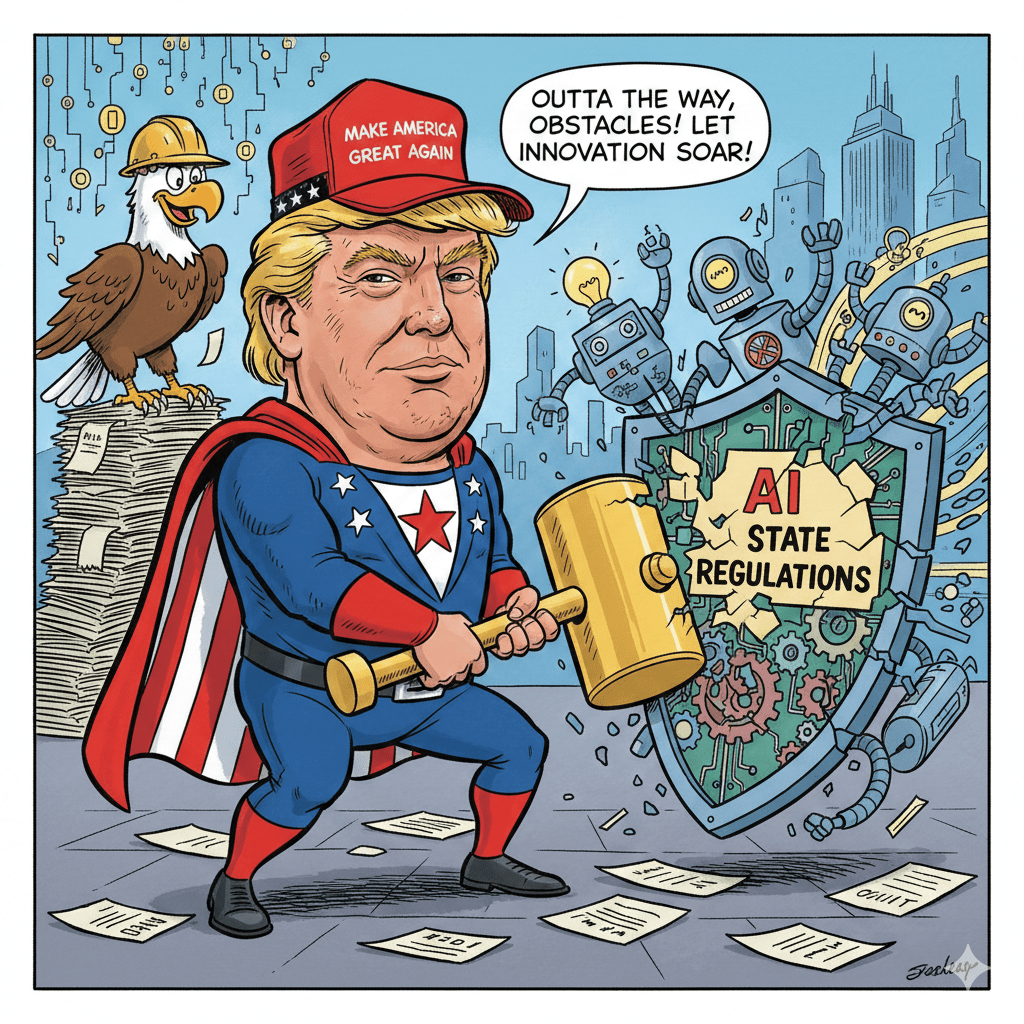
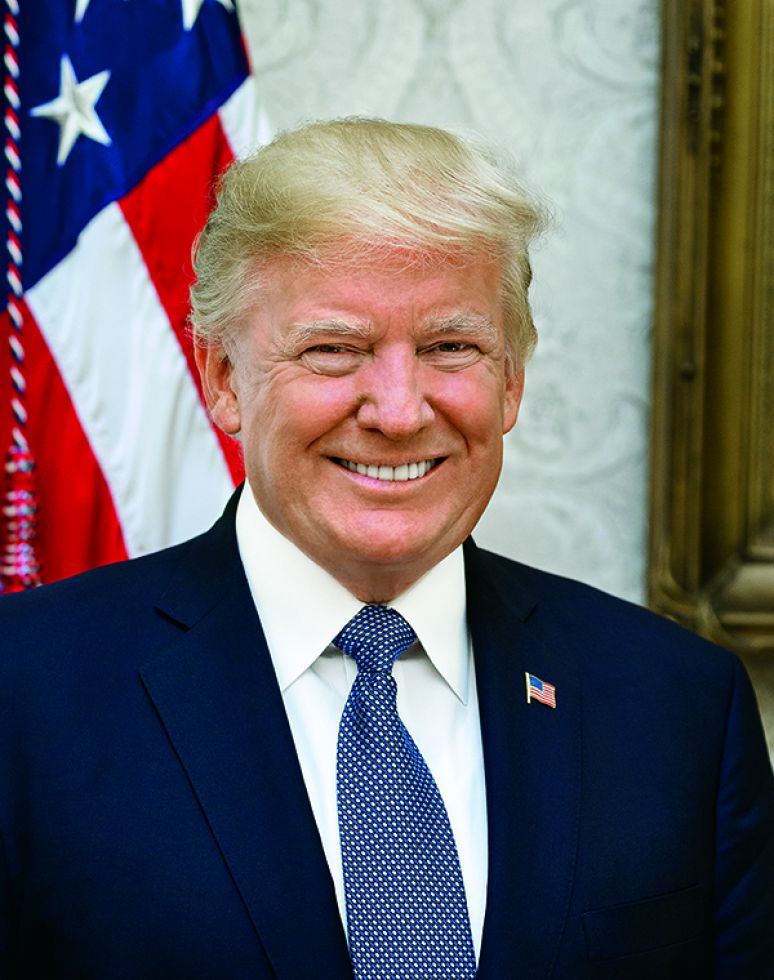
Federal action has intensified these pressures. On January 20–21, 2025, President Donald Trump signed Executive Orders 14151 and 14173, effectively dismantling federal DEI programs and abolishing historic policies such as Executive Order 11246—which had mandated affirmative action in federal contracting. The U.S. Department of Education gave schools and universities receiving federal funding an ultimatum to eliminate diversity initiatives or risk losing federal funding, providing only a two-week deadline for compliance.
The regulatory environment created by these measures extends beyond explicit program eliminations. The University of Illinois System banned consideration of race, sex or country of origin not only in financial aid decisions but in hiring, tenure and promotion as well. Such restrictions make it difficult for women’s studies programs to recruit faculty specializing in intersectional approaches to gender that examine race, class, and sexuality—methodologies central to contemporary feminist scholarship.
Proponents of these restrictions characterize women’s studies as ideological indoctrination rather than legitimate academic inquiry. One conservative analyst quoted in news coverage stated that universities promoting such programs amount to “woke activism training camps funded by ordinary taxpayers,” arguing that institutions should become “truly private” if they wish to maintain these offerings. University administrators implementing the bans describe them as necessary to “restore rigor” and rebuild public trust in higher education, though faculty organizations have condemned these characterizations as attacks on academic freedom.
The impact extends beyond formal program closures to curriculum changes and classroom restrictions. Curriculum changes that would normally “take years’ worth of processes” are sometimes happening quickly and without appropriate faculty input. Faculty members report uncertainty about which topics they can address in class, with some avoiding discussions of gender identity, systemic racism, or feminist theory to avoid potential violations of vaguely worded prohibitions.
Institutional Responses and Resistance
Institutions have responded to these pressures in varied ways. Some have moved quickly to comply with legislative mandates, dissolving DEI offices and programs preemptively. Others have sought to preserve the substance of women’s studies while adjusting terminology or administrative structures to navigate political constraints. A third group has actively resisted restrictions through legal challenges and public advocacy.
The compliance response is evident at institutions like Ohio State University and the University of Pennsylvania, which eliminated DEI programs in response to federal and state pressure. At Texas A&M, administrators framed their decision as fiscally responsible stewardship of public resources, noting the program’s low enrollment numbers. Yet critics point out that this justification ignores the broader value of interdisciplinary programs that may enroll students in courses without necessarily producing large numbers of majors—a pattern common across humanities disciplines.
Legal resistance has emerged as a significant counter-force. The American Association of University Professors, the National Association of Diversity Officers in Higher Education, and other groups filed lawsuits arguing that Trump’s executive orders exceed executive authority, violate the First and Fifth Amendments, and threaten academic freedom and access to higher education. The outcomes of these legal challenges will likely shape the field’s trajectory through the remainder of the decade.
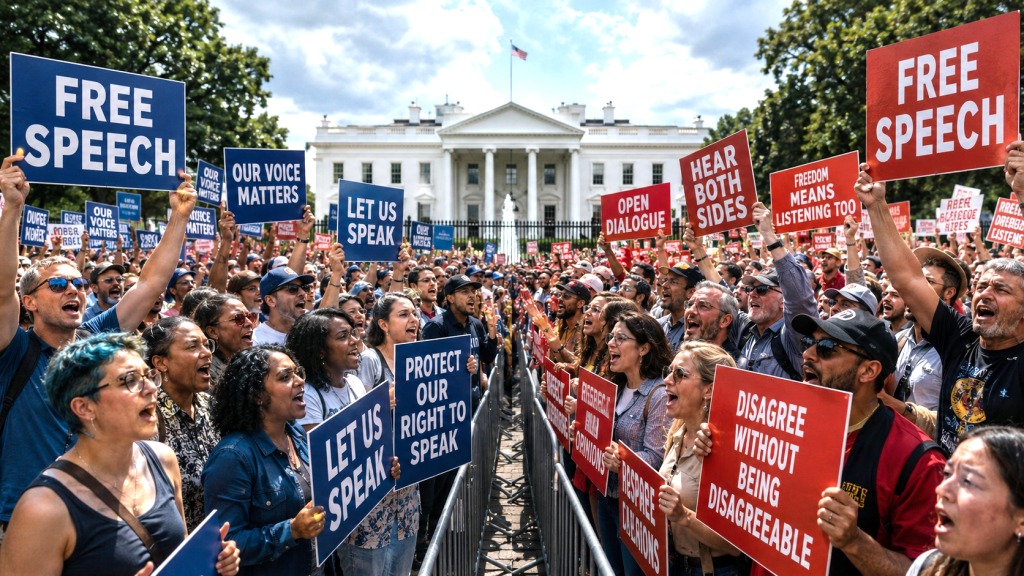
Faculty and students have also organized protests and public criticism. At Texas A&M, approximately 200 people protested the new policy on the evening before the program elimination was announced, with faculty alleging censorship in the classroom. Free speech organizations condemned the actions as violations of academic freedom. PEN America’s program director stated, “With these cuts, Texas A&M is running roughshod over academic freedom, faculty expertise, and the fundamental freedom to teach and learn”.
Despite political headwinds, many programs continue operating successfully. Institutions in states without anti-DEI legislation have generally maintained or expanded their offerings. Georgetown University, for example, continues to offer both major and minor programs with five areas of concentration including Globalization and Poverty, Social Justice and Violence, and Sexuality Studies. Cornell University’s Feminist, Gender and Sexuality Studies program remains active, offering courses for Spring 2026 and supporting student research.
Some programs have adapted by emphasizing practical applications and career preparation. Temple University’s program highlights career outcomes including positions in “the non-profit sector, large-scale corporations, graduate and law schools, teaching and education administration, and creative fields.” This pragmatic framing may help programs demonstrate value to skeptical administrators and policymakers.
Broader Context: Enrollment Trends and the Future of Humanities
The challenges facing women’s studies exist within broader trends affecting humanities disciplines generally. College enrollment has declined from its 2010 peak, with undergraduate enrollment falling from 21.0 million to 19.28 million by Fall 2024. The humanities have been particularly affected, with students increasingly gravitating toward professional and technical fields perceived as offering clearer career pathways.
However, recent data suggests enrollment declines may be stabilizing. Total college enrollments increased by 3.2% from spring 2024 to spring 2025, and first-year student enrollment was up 5.5% in fall 2024 compared to the previous year. Whether this reversal will benefit women’s studies programs remains uncertain, particularly given the political environment surrounding gender studies.
Demographic trends present both challenges and opportunities. Women now constitute roughly 55% of all enrolled college students and earn the majority of bachelor’s degrees across most fields. This suggests a substantial potential student population interested in examining gender issues. Yet the political characterization of women’s studies as discriminatory against men may limit enrollment growth, particularly among male students who constituted only about 7% of women’s studies degree recipients historically.
Trajectory Through 2030: Three Scenarios
Looking forward to 2030, three possible trajectories emerge for women’s studies in higher education, though elements of all three may coexist simultaneously across different institutional contexts.
Scenario One: Continued Contraction in Public Institutions. In this scenario, anti-DEI legislation expands to additional states, and federal enforcement of restrictions on race-conscious and gender-focused programming intensifies. Public universities in Republican-governed states systematically eliminate standalone women’s studies programs, folding remaining gender-related courses into other departments or eliminating them entirely. By 2030, women’s studies as a distinct field might exist primarily at private universities, elite liberal arts colleges, and public institutions in states with Democratic-controlled legislatures.
This scenario seems plausible given current trajectories. If anti-DEI legislation continues spreading and legal challenges fail to overturn restrictions, the path of least resistance for public university administrators may be program elimination. Some observers predict a “blue, red, purple divide of education” where students have dramatically different access to gender studies depending on their location—a development that would fundamentally reshape the field’s geographic distribution and institutional base.
The consequences would extend beyond program closures. Faculty specializing in women’s studies might face difficulty finding positions, leading talented scholars to leave academia or shift their research focus. The reduction in institutional support would likely diminish the production of new feminist scholarship, particularly work examining intersections of gender with race, class, sexuality, and disability. Graduate programs would shrink or close, reducing the pipeline of future faculty and researchers.
Scenario Two: Adaptation and Strategic Reframing. In a second scenario, women’s studies programs survive by adapting their framing, terminology, and emphasis while preserving core intellectual commitments. Programs might rebrand as “gender studies” or “sexuality studies” to avoid political targeting, emphasize global and comparative approaches over domestic DEI concerns, or integrate more explicitly with professional fields like public health, law, or business where gender analysis offers clear applied value.
This adaptation might involve several specific strategies. Programs could emphasize career outcomes and practical skills to demonstrate value in workforce preparation. They might partner with professional schools to offer joint degrees or certificates that combine gender analysis with fields like public policy, healthcare administration, or nonprofit management. Some programs might shift toward examining gender in global contexts, studying women’s rights in developing nations or international feminist movements—topics that may face less domestic political opposition while preserving the field’s intellectual core.
Faculty might also frame their work using language less likely to trigger political opposition. Rather than discussing “systemic oppression,” courses might examine “institutional barriers” or “structural factors affecting outcomes.” Instead of “intersectionality,” faculty might describe “multiple dimensions of identity and experience.” While such reframing risks diluting the field’s critical edge, it might enable programs to continue operating in hostile political environments.
This scenario already appears in practice at some institutions. The University of Iowa consolidated its women’s studies with ethnic studies programs, ostensibly for administrative efficiency but arguably to reduce political vulnerability. Programs at institutions like Georgetown continue thriving by emphasizing the field’s interdisciplinary nature and its contributions to understanding complex social issues rather than foregrounding activism or social justice advocacy.
Scenario Three: Resilience and Long-Term Renewal. A third scenario envisions women’s studies weathering the current crisis and emerging renewed by 2030. In this vision, legal challenges successfully constrain anti-DEI legislation, public opinion shifts as the consequences of restricting gender education become apparent, and changing demographics create renewed demand for gender analysis.
This scenario depends on several developments. Legal victories could establish constitutional protections for academic freedom that prevent politically motivated program eliminations. If lawsuits succeed in overturning executive orders or state legislation as violations of First Amendment rights, institutions might feel emboldened to maintain or restore programs. Public backlash against educational restrictions could also emerge, particularly if parents and students recognize the value of gender analysis for understanding contemporary social issues.
Demographic changes might drive renewed interest in women’s studies. As younger generations increasingly question traditional gender norms—with growing percentages identifying as LGBTQ+ or supporting gender equity—demand for courses examining these issues could increase. The integration of gender analysis into addressing major societal challenges like healthcare disparities, workplace inequality, or violence prevention could demonstrate the field’s practical relevance and justify its continuation.
Faculty activism and professional organization advocacy could also prove decisive. If the National Women’s Studies Association and other groups successfully mobilize resistance, document the harms caused by program eliminations, and articulate compelling public arguments for the field’s value, they might create political space for programs to survive and eventually thrive. The scholarly productivity of women’s studies faculty—publishing research that influences public policy, journalism, and popular understanding of gender issues—could demonstrate the field’s ongoing relevance even amid political hostility.
Conclusion and Outlook
Women’s studies in American higher education stands at a critical juncture in 2026. The field faces coordinated political opposition unprecedented in its nearly five-decade history, with public universities in multiple states eliminating programs and restricting gender-related curriculum. Legislative and executive actions targeting DEI initiatives have created an environment where discussing gender, particularly in intersectional frameworks examining race, class, and sexuality, carries professional and institutional risks.
Yet the field also demonstrates resilience. Hundreds of programs continue operating, many with stable or growing enrollment. Faculty continue producing important scholarship, students continue finding value in gender analysis for understanding contemporary issues, and institutions without anti-DEI restrictions maintain robust programs. The intellectual questions that motivated women’s studies’ founding—how gender shapes human experience, how power operates through gendered norms, how societies might achieve greater equity—remain urgent and relevant.
The trajectory through 2030 will depend on factors both within and beyond the field’s control. Legal outcomes, electoral results, and public opinion about gender issues will shape the political environment. Demographic changes, enrollment patterns, and labor market demands will influence student interest. Faculty creativity in adapting while preserving core commitments, administrative courage in defending academic freedom, and students’ willingness to advocate for programs they value will all prove crucial.
Women’s studies will likely experience continued contraction at public universities in Republican-governed states while maintaining strength at private institutions and public universities in Democratic-governed states. The field may emerge smaller and more geographically concentrated by 2030, but the core intellectual project of feminist scholarship will persist. Programs that survive will likely be those that demonstrate clear value through career outcomes, adapt their framing to navigate political constraints while preserving analytical rigor, and build strong campus coalitions recognizing that defending women’s studies defends academic freedom more broadly.
The current moment resembles less an ending than a painful transition. Women’s studies emerged from political struggle in the 1970s and has always engaged contested questions about power, identity, and social change. The discipline’s survival through the next four years will require the same combination of intellectual creativity, political awareness, and strategic adaptation that characterized its founding—coupled with recognition that the stakes extend beyond any single field to the fundamental question of whether universities can examine difficult social questions without political interference.
Sources
Dallas News. (2026, January 30). Texas A&M cuts women, gender studies degrees, alters hundreds of courses. https://www.dallasnews.com/news/education/2026/01/30/texas-am-cuts-women-and-gender-studies-changes-hundreds-of-courses-in-race-gender-ban/
NPR. (2026, January 30). Texas A&M University cancels programs in women’s and gender studies. https://www.npr.org/2026/01/30/nx-s1-5694604/texas-a-m-cancels-womens-gender-studies
Houston Public Media. (2026, January 30). Texas A&M eliminates women’s and gender studies degree program. https://www.houstonpublicmedia.org/articles/education/2026/01/30/542185/texas-am-courses-eliminated-race-gender/
Spectrum Local News. (2026, January 30). Texas A&M to end women’s and gender studies program. https://spectrumlocalnews.com/tx/austin/news/2026/01/30/texas-a-m-ends-gender-studies-program
Inside Higher Ed. (2025, December 15). Is DEI Dead or Changing? https://www.insidehighered.com/news/diversity/race-ethnicity/2025/12/15/dei-dead-or-changing
Chronicle of Higher Education. (2026, January 13). Tracking Higher Ed’s Dismantling of DEI. https://www.chronicle.com/article/tracking-higher-eds-dismantling-of-dei
NPR. (2025, February 19). Schools, colleges have 2 weeks to ban DEI. An education expert warns it won’t be easy. https://www.npr.org/2025/02/19/nx-s1-5300992/the-department-of-education-has-given-schools-a-deadline-to-eliminate-dei-programs
Higher Ed Dive. (2025, February 27). A surge of DEI cuts hits colleges across the US. https://www.highereddive.com/news/surge-dei-cuts-wave-colleges-ohio-state-upenn-iowa/741191/
IRMI. (2025, July 1). The Shift Away from DEI in Higher Education. https://www.irmi.com/articles/expert-commentary/the-shift-away-from-dei-in-higher-education
Thompson Coburn LLP. (2025, January 28). President Trump’s Executive Order Banning Illegal DEI Policies: What Does It Mean for Higher Education? https://www.thompsoncoburn.com/insights/president-trumps-executive-order-banning-illegal-dei-policies-what-does-it-mean-for-higher-education/
BestColleges. (2025, May 6). Anti-DEI Legislation Tracker. https://www.bestcolleges.com/news/anti-dei-legislation-tracker/
U.S. News & World Report. (2025, February 20). Dear Colleague Letter: DEI Bans at Colleges and What to Know. https://www.usnews.com/education/best-colleges/articles/dei-bans-at-colleges-what-students-should-know
ACLU of Idaho. (2025, October 1). Idaho’s New DEI Ban in Higher Education: SB 1198 Fact Sheet. https://www.acluidaho.org/idahos-new-dei-ban-in-higher-education-sb-1198-fact-sheet/
American Academy of Arts and Sciences. (2025, April 23). Women’s and Gender Studies Programs: A Profile. https://www.amacad.org/humanities-indicators/womens-and-gender-studies-programs-profile
Education Data. (2025, March 17). College Enrollment Statistics [2026]: Total + by Demographic. https://educationdata.org/college-enrollment-statistics
BestColleges. (2025, August 1). College Enrollment Trends and Statistics: 2024-2025. https://www.bestcolleges.com/research/college-enrollment-statistics/
[End]
Filed under: Uncategorized |




































































































































































































































































































































































































































Leave a Reply