





By Jim Shimabukuro (assisted by Copilot)
Editor
[Related: ‘AI Colleges’ Are Genuine Disruptors: Impact in 2027-28]
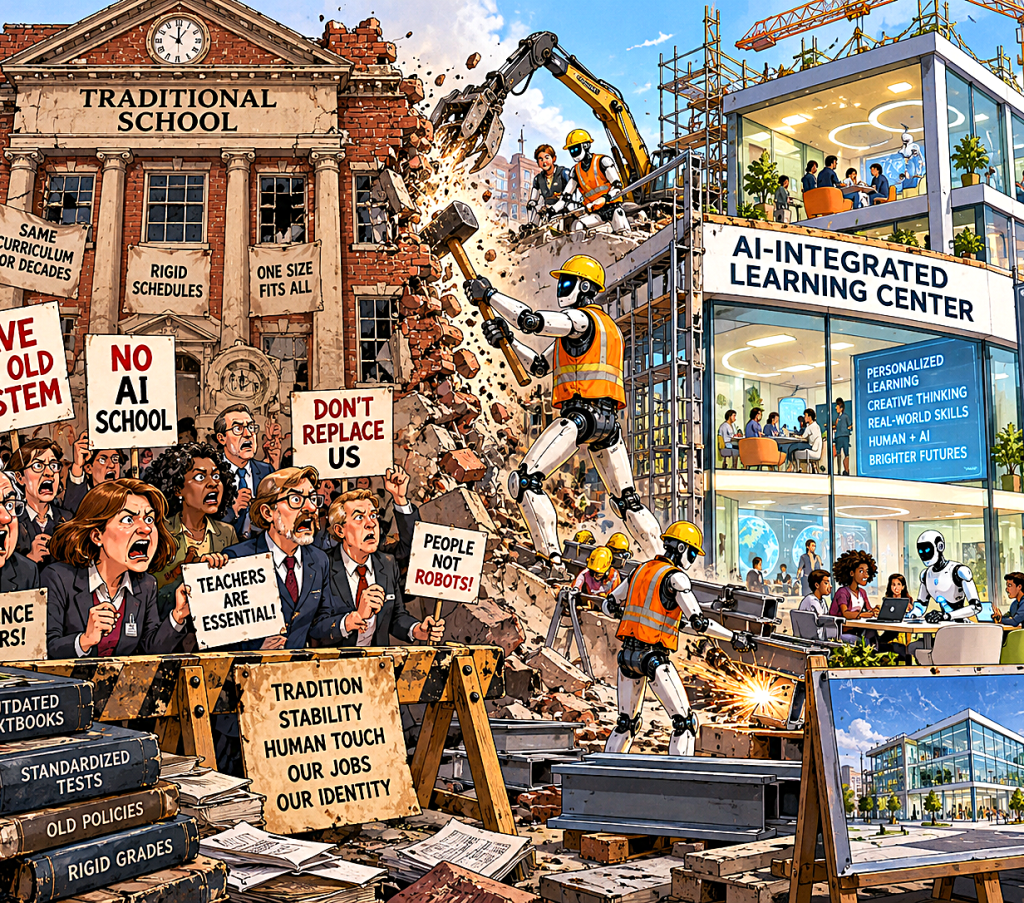
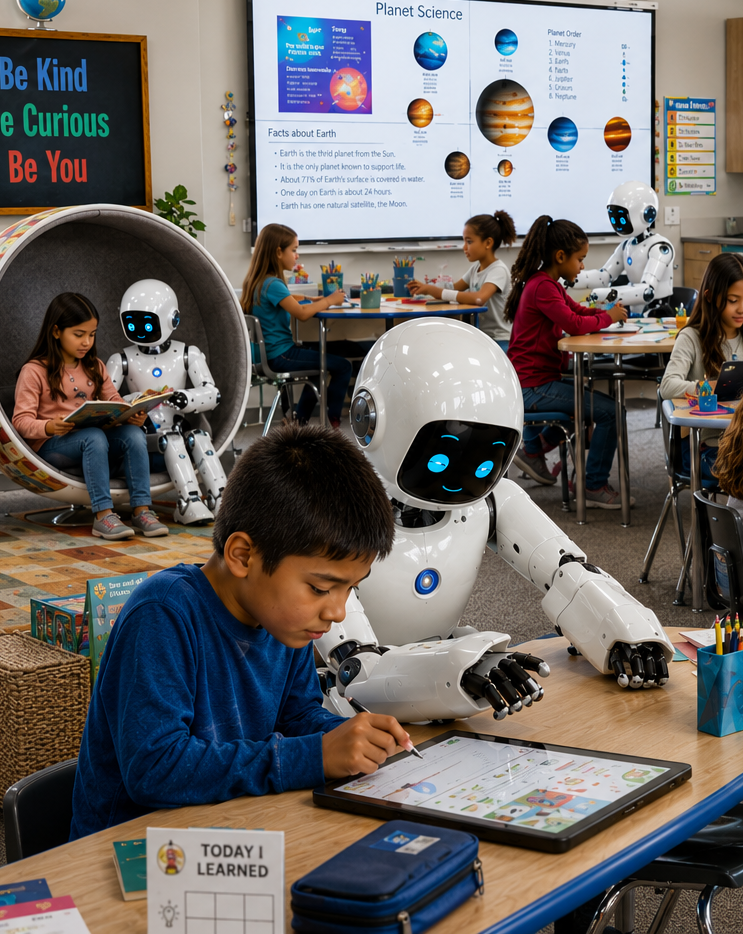
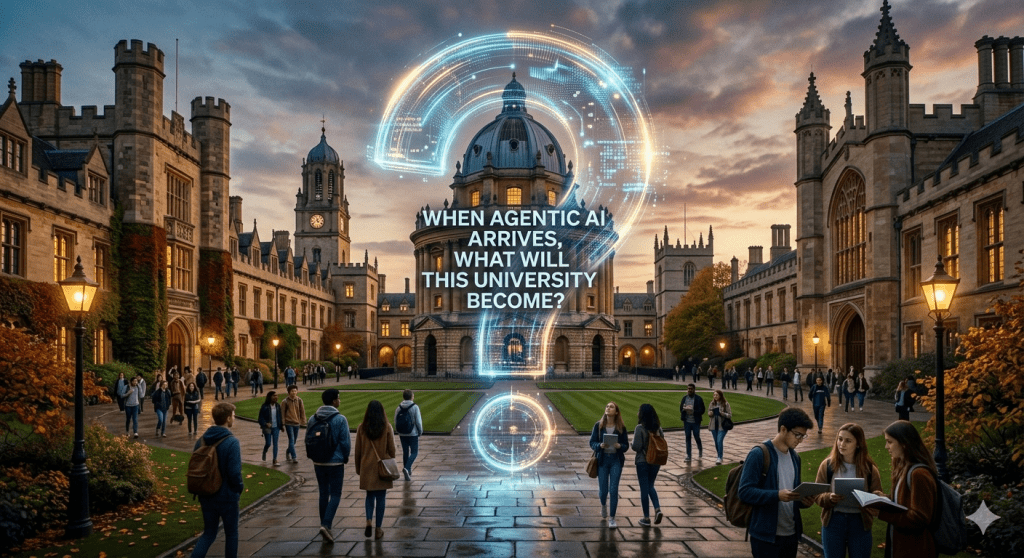
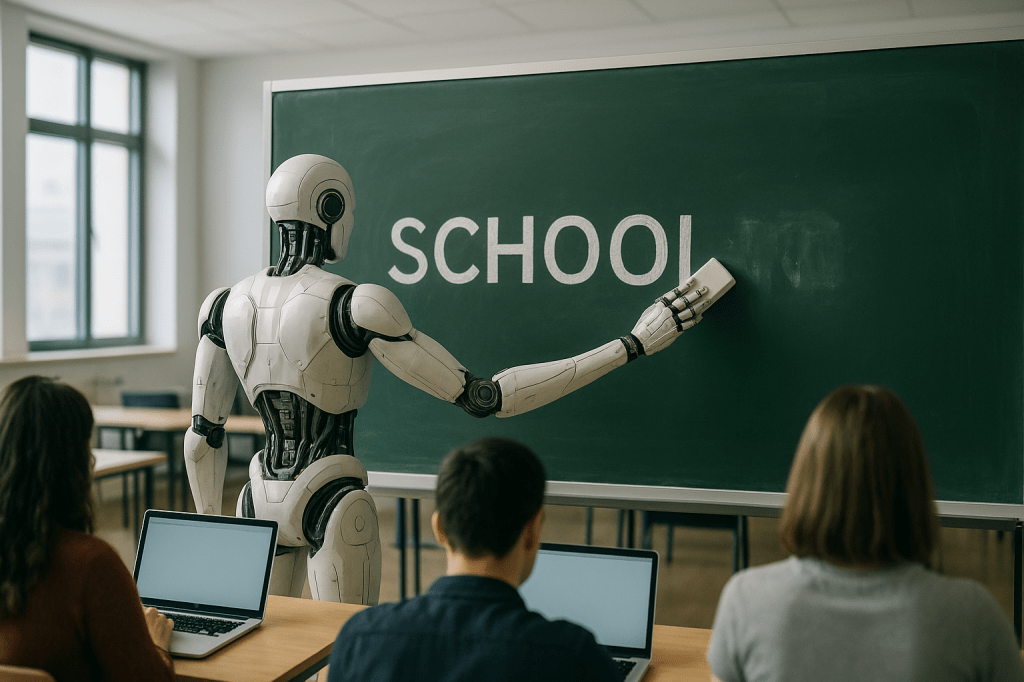
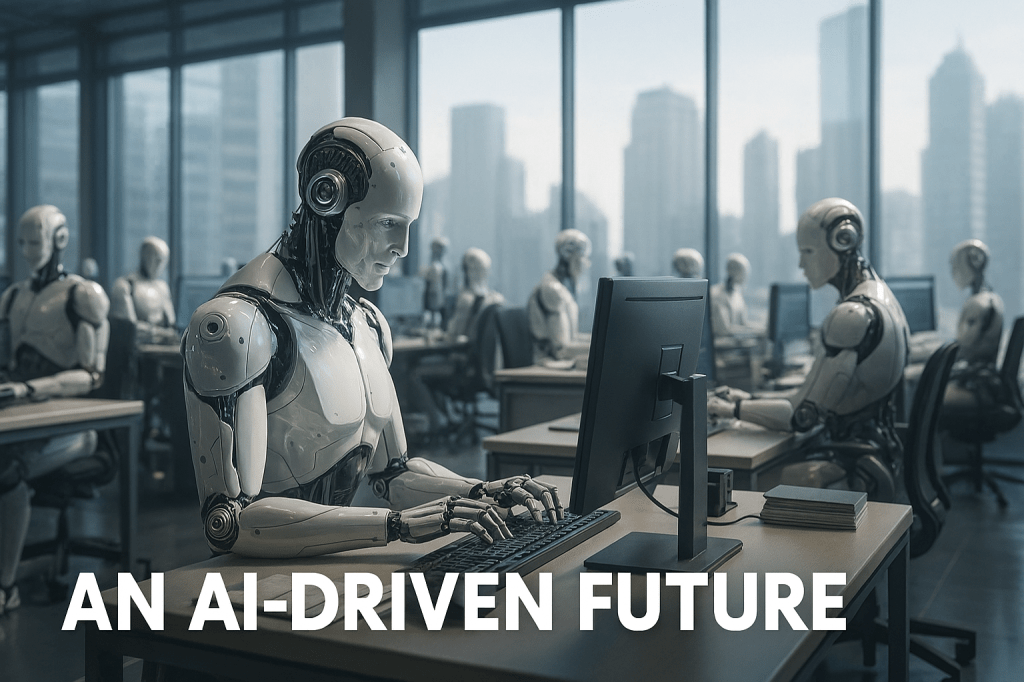
“AI colleges” or “AI‑native universities” are higher‑education institutions built around artificial intelligence not just as a subject of study, but as the core infrastructure for teaching, assessment, and student support. Instead of layering chatbots onto a traditional campus, these institutions use AI tutors, autonomous learning platforms, and mastery‑based progression as the default way students learn, often with flexible pacing, continuous feedback, and heavy alignment to workforce skills.1,2 The idea crystallized in the early‑to‑mid 2020s as generative AI matured and institutions began to imagine “AI‑native” models where every student has a persistent AI assistant and much of the instructional and administrative workflow is automated or co‑run by AI systems.1 By 2024–2025, several organizations started branding themselves as AI‑exclusive or AI‑native universities, offering accredited degrees, low‑cost or scholarship‑backed tuition, and fully online or autonomous learning environments that challenge the assumptions of traditional colleges.2,4,7

Maestro: an AI‑native university built around an AI tutor
Maestro describes itself as “the world’s first AI‑native university,” organized as a group of accredited institutions that deliver associate, bachelor’s, and master’s degrees through an AI‑first learning model. Based in the United States but operating fully online, Maestro combines Maestro College (for accredited associate degrees) and Maestro University (for bachelor’s and master’s programs) under a single AI‑powered platform focused on high‑impact careers in fields like technology, business, and psychology.2,3 The institution’s AI‑native identity emerged publicly in the mid‑2020s, with 2025 commentary highlighting Maestro as a new “AI University” that uses mastery‑based progression and personalized AI tutoring as its core pedagogy rather than lectures and exams.2-4
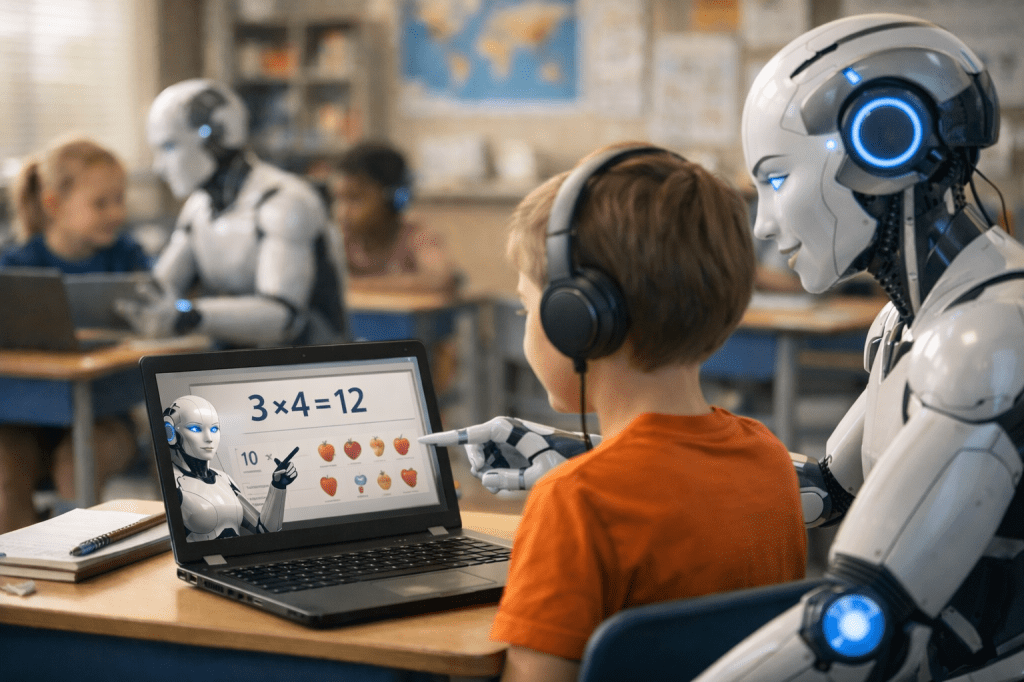
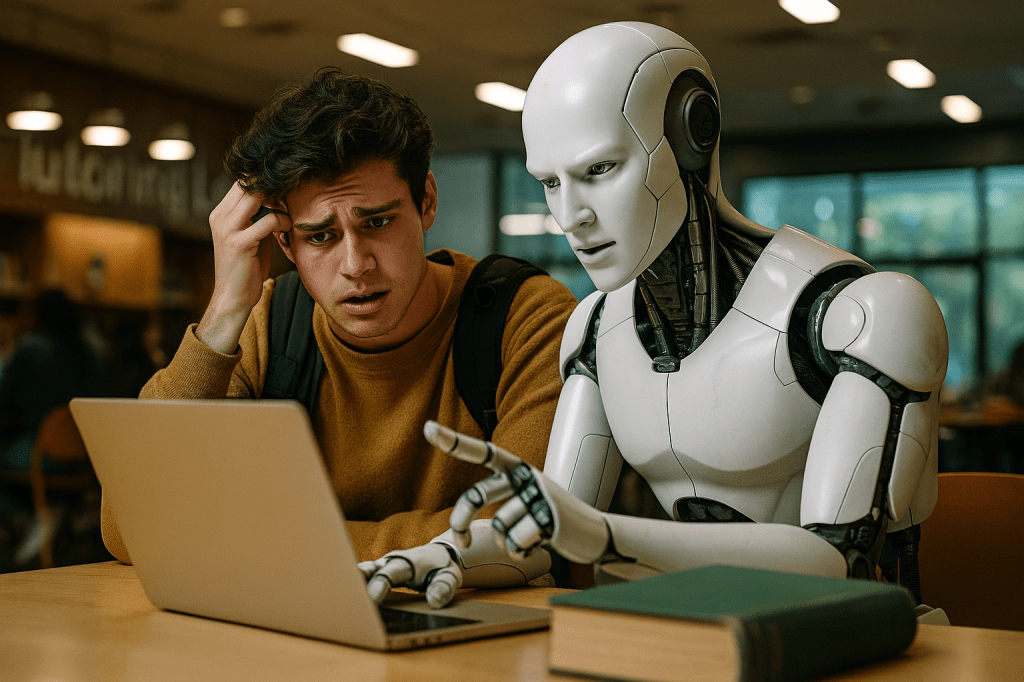
What Maestro offers that differs from traditional colleges is the centrality of its AI tutor and mastery‑based design. Learning is structured as a build‑feedback‑revision cycle: the AI tutor explains a concept, prompts the learner to create something real (such as code or a design), then provides targeted feedback until the student demonstrates mastery, with progress paced individually rather than by fixed semesters.2,4,5 Maestro’s “Pro” plan offers fully accredited degrees with Last Dollar Scholarships that can reduce tuition to zero for qualifying students, while an “Open” plan (with daily lesson limits) is designed to provide free, open‑access skill‑building—both models explicitly framed as AI‑powered alternatives to conventional tuition‑driven programs.2,4
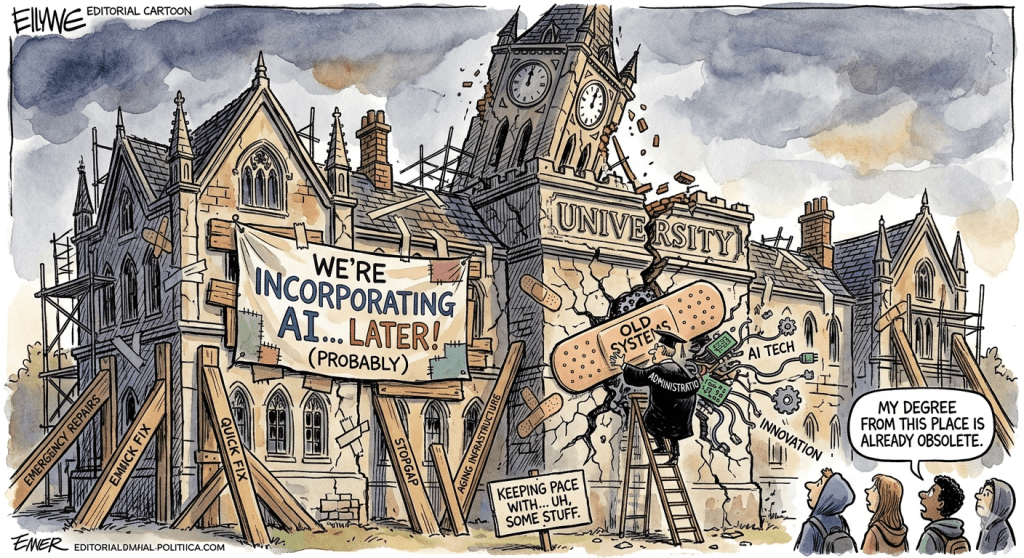
Early analyses suggest Maestro is faring as a serious, if still young, competitor in the online‑degree space: it holds recognition from established accrediting bodies such as the Council on Occupational Education and participates in frameworks like NC‑SARA, positioning it within regulated U.S. higher education rather than on its fringes.4,5 Commentators argue that Maestro and similar AI‑native institutions matter because they shift the “learning contract” itself—from time‑based, cohort‑driven courses to continuous, AI‑mediated mastery learning that promises lower cost, faster time‑to‑competency, and more transparent, skills‑based outcomes.5 For traditional colleges, Maestro functions as both a proof‑of‑concept and a competitive pressure point, demonstrating how AI can be woven into the core of curriculum, assessment, and student support rather than treated as an add‑on tool.
Saras AI Institute: an AI‑exclusive, fully online degree‑granting institute
Saras AI Institute presents itself as the first AI‑exclusive, fully online, degree‑granting higher‑education institute in the United States, focused entirely on artificial intelligence, machine learning, generative AI, and data science.6,7 Headquartered in the U.S. but serving a global online student body, Saras offers stackable credentials that lead to an Associate of Science and a Bachelor of Science in Artificial Intelligence, with all students beginning in an eight‑week “Powers of AI” gateway course before progressing into foundation, core, and capstone experiences.6,8 The institute’s degree programs and branding as an AI‑exclusive college emerged in the early‑to‑mid 2020s, and by late 2025 Saras announced a 12‑month online Master of Science in AI Engineering aimed at working software developers, reinforcing its identity as a specialized AI college rather than a broad liberal‑arts institution.8,9
What differentiates Saras from traditional colleges is its tightly focused, role‑based curriculum and its rejection of conventional exams in favor of project‑based assessment. Programs are designed around specific AI careers—AI/ML engineer, generative AI engineer, and data scientist—with students building a portfolio of real‑world projects instead of sitting for high‑stakes tests.7,8 The institute emphasizes flexible pacing, pay‑per‑course tuition, and a mix of synchronous and asynchronous learning, supported by certified AI coaches, weekly live sessions, and an integrated AI tutor that provides ongoing academic help.6,7
Saras appears to be faring well enough to expand aggressively: the launch of its low‑cost master’s degree in AI engineering in 2025, built with input from AI leaders at companies like Microsoft and Google, signals both industry alignment and confidence in demand for advanced AI credentials.8,9 The institute matters because it embodies a pure “AI college” model—an institution where every degree is in AI, every assessment is project‑based, and AI tools are embedded in teaching, coaching, and career services. In doing so, Saras tests whether a narrowly focused, AI‑exclusive college can offer faster, cheaper, and more job‑aligned pathways than traditional computer‑science departments, and whether such specialization can scale globally without a physical campus.
EON University: a fully autonomous, AI‑native “University OS”
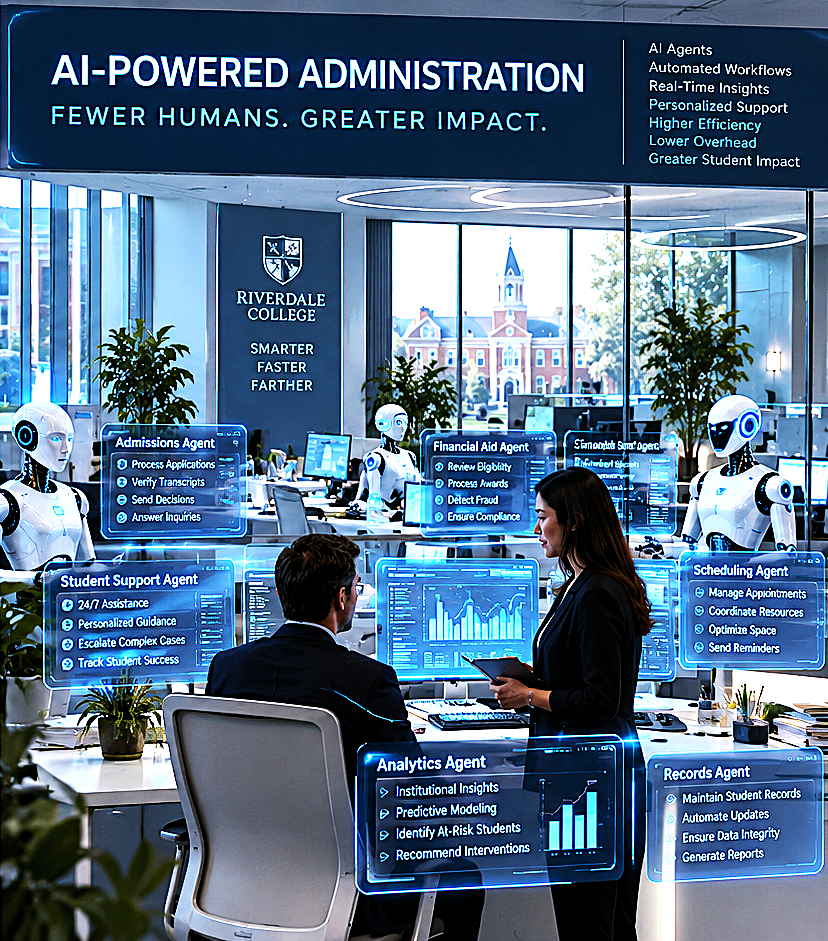
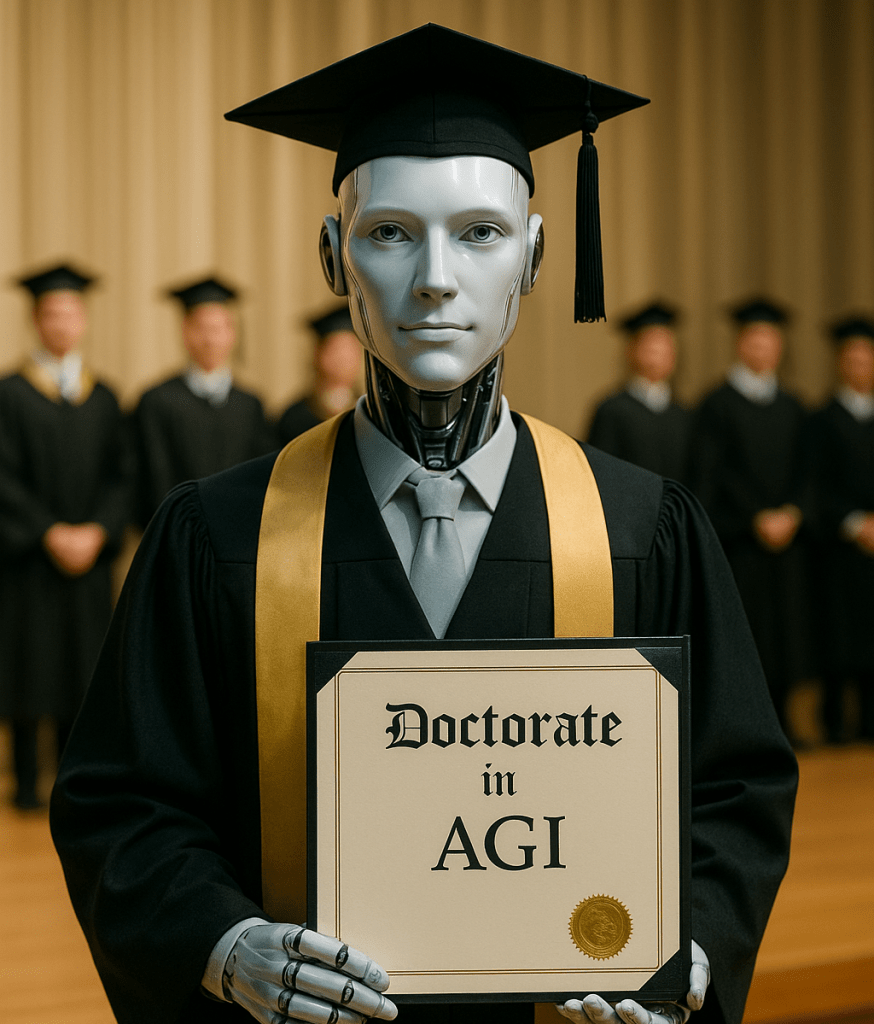
EON University brands itself as “the world’s first fully autonomous and AI‑native university,” positioning not just as an online school but as a “University Operating System” that uses proprietary Autonomous Intelligence and a blockchain‑based “VeriChain” to manage everything from admissions to graduation without human dependency. Founded in 2025 and operating globally via the web, EON offers 27 faculties and more than 1,100 programs delivered by a network of over 2,300 “AI Super Professors,” each designed to provide hyper‑personalized one‑on‑one education through an adaptive AI environment.10 While details about its accreditation and regulatory status are still emerging, EON’s self‑description as a fully autonomous AI‑native university places it at the extreme end of the AI college spectrum, where human faculty and administrators are largely replaced by AI agents and automated workflows.
EON’s model differs sharply from traditional colleges in several ways. First, it treats the university as a software platform: its General Autonomous Framework orchestrates all operations, while tools like Adaptive Success Map and Career Launchpad algorithmically optimize each learner’s path and connect them to opportunities. Second, it promises compressed timelines—degrees in 9–24 months—and up to 80% cost savings, enabled by automation and scale rather than large physical campuses or tenured faculties. Third, its VeriChain system stores credentials as cryptographically signed, tamper‑proof records, reframing transcripts as portable “education passports” rather than static documents.10
Because EON is so new, evidence of how it is faring is mostly limited to its own positioning and early marketing: it presents itself as having a staff of over 1,000 employees and a global mission to “reprogram” education, but independent evaluations and long‑term outcomes are not yet widely documented.10 Nonetheless, EON matters conceptually because it pushes the AI college idea to its logical frontier—an almost fully automated university where AI systems handle teaching, assessment, credentialing, and even career matching. Whether or not EON itself becomes a dominant player, its existence forces regulators, employers, and traditional universities to confront questions about how much of higher education can or should be delegated to autonomous AI systems, and what governance and trust frameworks are needed when a “college” is effectively an AI platform.
POSTECH’s “AI Native University” initiative: transforming a traditional research university
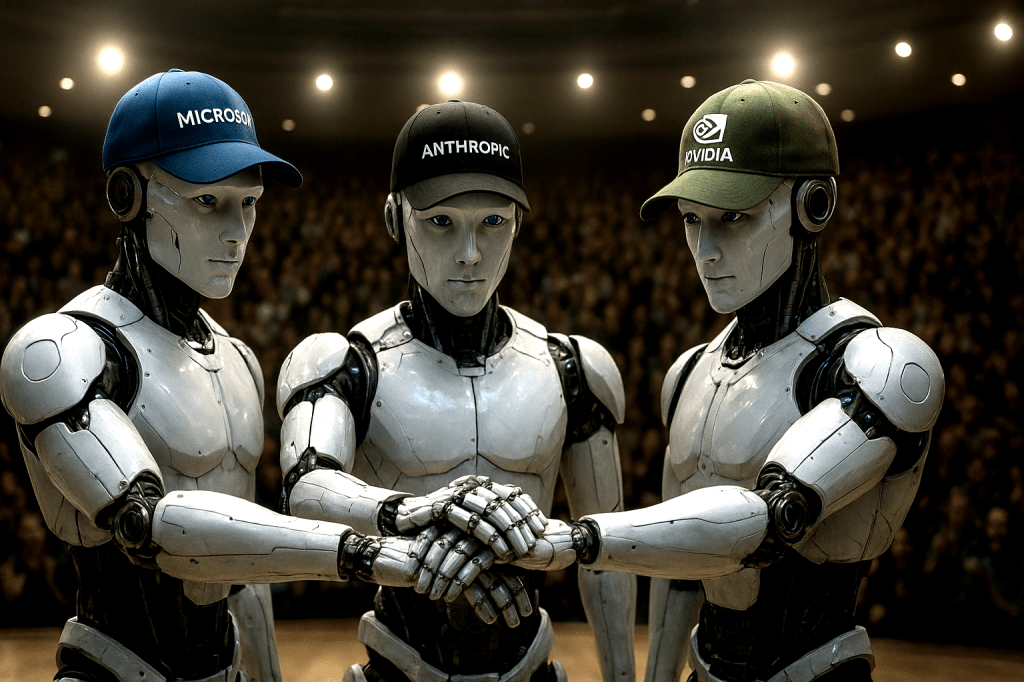
Pohang University of Science and Technology (POSTECH) in South Korea offers a different but important example: rather than founding a new AI college from scratch, POSTECH is attempting to transform an existing elite research university into an “AI Native University” through a comprehensive partnership with Microsoft Korea. In July 2025, POSTECH announced a memorandum of understanding with Microsoft to embed AI across admissions, curriculum design, research, and administration, explicitly defining an AI Native University as one that integrates AI into all aspects of operations rather than using it only in isolated projects.11
What POSTECH is building differs from both traditional universities and fully online AI colleges. The initiative includes AI‑based optimized curriculum design, personalized AI tutor systems, real‑time learning analytics and feedback, and AI‑driven automation of administrative tasks, all layered onto a physical campus with existing faculty and research infrastructure.11 Instead of replacing human instructors, POSTECH’s model aims to augment them, using AI to personalize learning at scale while freeing staff from routine administrative work. This hybrid approach suggests a path for established universities to become “AI‑native” without abandoning their research missions, campus life, or human‑centered teaching traditions.
Although the initiative is still in its early stages, POSTECH’s leadership frames it as a strategic move to align with national AI policy, strengthen industry‑academic collaboration, and attract global talent, positioning the university as a potential global standard‑setter for AI‑era higher education.11 POSTECH matters in the AI college landscape because it demonstrates that AI‑native principles are not limited to new, fully online institutions; they can also be adopted by established universities that want to re‑architect their operations around AI while retaining their identity and prestige. For policymakers and other universities, POSTECH’s experiment offers a real‑world test of how far AI integration can go inside a traditional institution before it effectively becomes an “AI college” in practice, if not in name.
AI‑native campuses and the broader shift in higher education
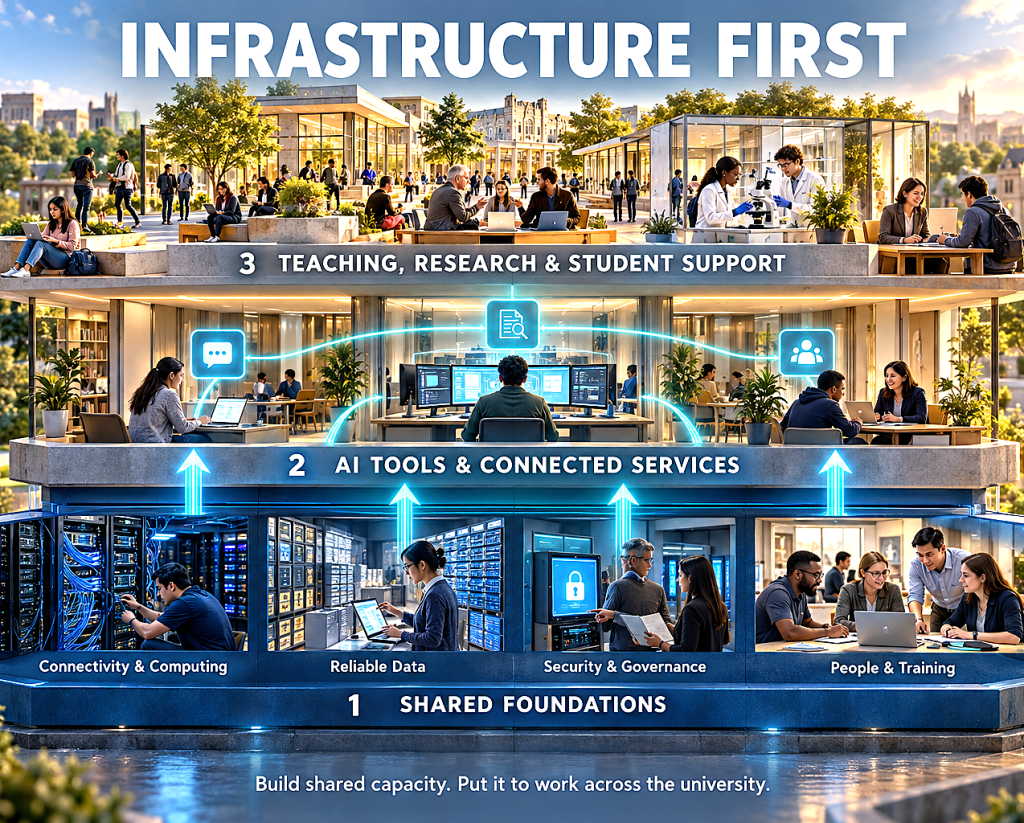
Beyond specific institutions, the idea of an “AI‑native campus” has begun to circulate as a framework for rethinking higher education more broadly. Commentators describe AI as a “working reality” on campus, noting that over 90% of students already use AI tools while fewer than 30% of universities support AI use institution‑wide, creating a gap between student behavior and institutional policy.12 Reports on AI Native Campus models argue that the real strategic challenge for colleges is not whether to allow AI, but how to embed it thoughtfully across advising, teaching, and operations, with clear governance and equity safeguards.12,5 In parallel, OpenAI’s 2025 vision of an “AI‑native university” imagines every student receiving a personalized AI assistant at enrollment, integrated into study, mentoring, and career planning—an idea already being piloted through partnerships with institutions like California State University and Duke University.1
These developments matter because they show that “AI colleges” are not a fringe phenomenon but part of a broader reconfiguration of higher education around AI infrastructure, from fully autonomous platforms like EON to AI‑exclusive institutes like Saras, AI‑native universities like Maestro, and transformation initiatives at legacy institutions like POSTECH. Together, they signal a shift from AI as a tool used by individual students to AI as a structural feature of the college itself—reshaping who can access higher education, how learning is organized, and what it means to earn a degree in an AI‑saturated world.
References
- “The rise of AI‑native universities: OpenAI’s vision for every student” (eCampus News, 2025) –
https://www.ecampusnews.com/ai-in-education/2025/08/06/the-rise-of-ai-native-universities-openais-vision-for-every-student/(ecampusnews.com in Bing) - “FAQ | Maestro – AI‑first higher education” – https://maestro.school/faq
- “About | Maestro – AI‑first higher education” – https://maestro.school/about
- “Maestro – The AI University: Pioneering AI‑Native Degrees Without Tuition” (Medium, 2025) –
https://medium.com/@avabrooklyn/maestro-the-ai-university-pioneering-ai-native-degrees-without-tuition-%E2%80%A6(medium.com in Bing) - “Maestro University & the Rise of AI Native Universities” –
https://www.learningprovenance.org/maestro-university-and-the-rise-of-ai-native-universities(learningprovenance.org in Bing) - “Saras AI Institute – Online AI Degrees & Certifications” – https://sarasai.org/
- “Why Saras AI Institute? – Saras Edge” –
https://sarasai.org/why-saras-ai-institute(sarasai.org in Bing) - “AI Degree Programs | Associate & Bachelor – Saras AI Institute” –
https://sarasai.org/ai-degree-programs(sarasai.org in Bing) - “Saras AI Institute Launches 12‑Month Online Master’s Degree in AI Engineering…” (Business Wire, 2025) –
https://www.businesswire.com/news/home/20251202892123/en/(businesswire.com in Bing) - “EON UNIVERSITY | The World’s First Fully Autonomous AI‑Native University” (LinkedIn company profile, 2025) –
https://www.linkedin.com/company/eon-university/(linkedin.com in Bing) - “POSTECH to Build ‘AI Native University’ in Collaboration with Microsoft” (BusinessKorea, 2025) –
https://www.businesskorea.co.kr/news/articleView.html?idxno=129123(businesskorea.co.kr in Bing) - “AI Native Campus: Higher EDU Report Fall | Winter 2025” (LinkedIn article) –
https://www.linkedin.com/pulse/ai-native-campus-higher-edu-report-fall-winter-2025-jason-bilodeau/(linkedin.com in Bing)
###
Filed under: Uncategorized |
























































































































































































































































































































































































Leave a Reply