






By Jim Shimabukuro (assisted by Claude)
Editor
The United States
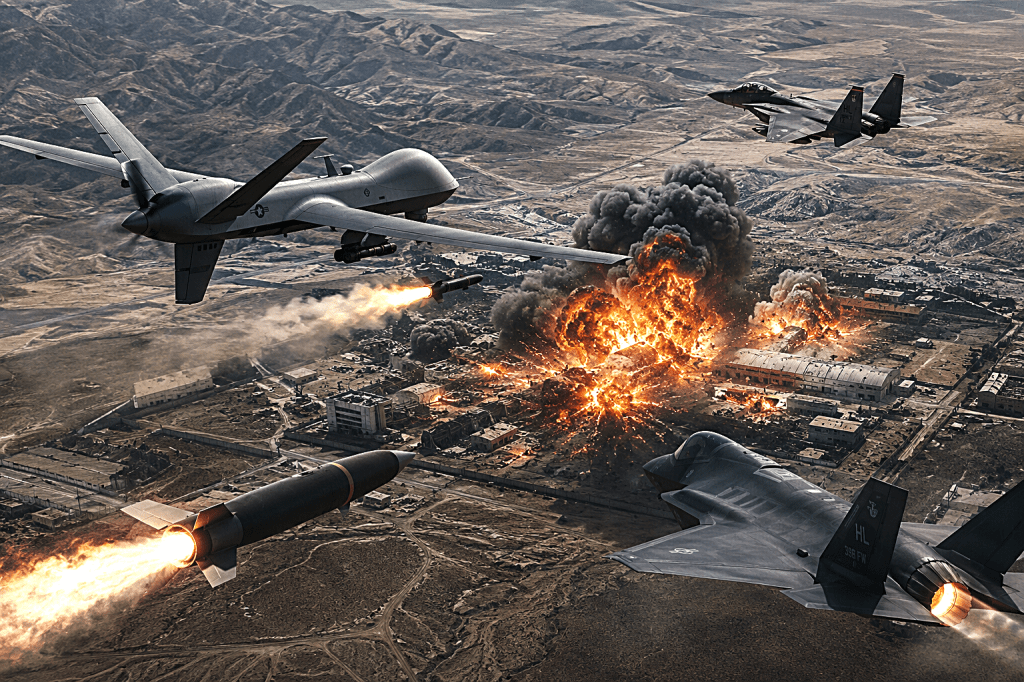
The American post-WWII record is a study in repeated strategic miscalculation. Before World War II, the United States won nearly all the major wars it fought. Since World War II, it has barely won any. The Gulf War in 1991 was arguably a success. Korea was a tough stalemate. And since Korea, there has been Vietnam — America’s most infamous defeat — and Iraq, another major failure. [4] The pattern has been remarkably consistent: US mistakes in Iraq and Afghanistan were the result of a pervasive failure to understand the historical framework within which insurgencies take place, to appreciate the cultural and political factors of other nations and people, and to understand warfare beyond the limited confines of tactics and operations. [1]

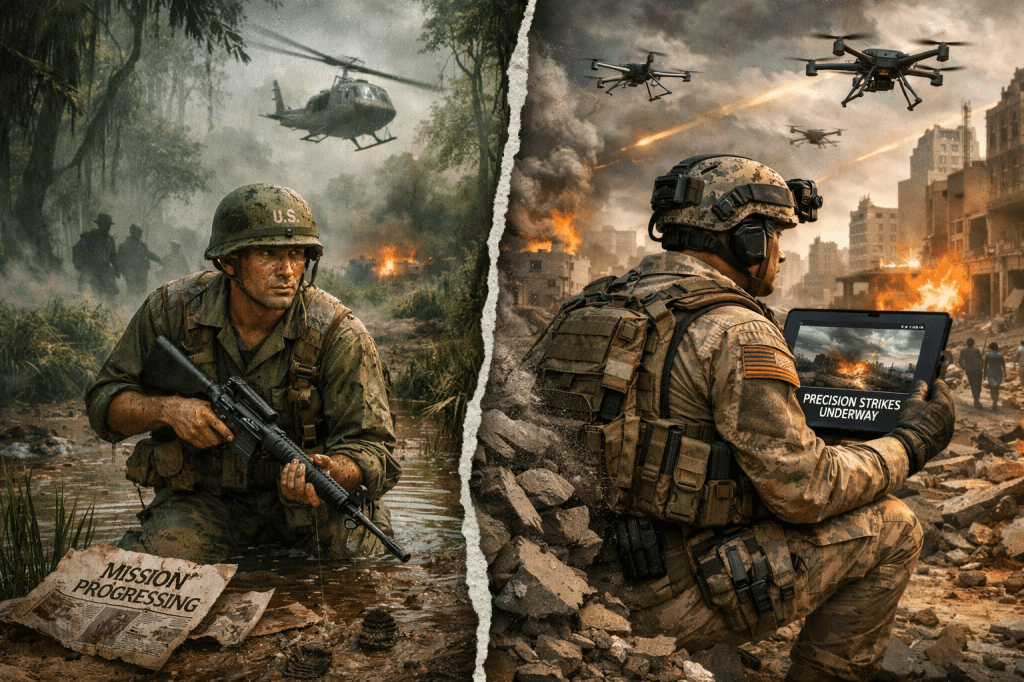
In Vietnam, the United States entered with overwhelming conventional firepower and a strategic framework built for industrial warfare, not jungle guerrilla conflict. From 1965 to mid-1968, the goal was to kill — “attrite” — so many of the North Vietnamese soldiers and Viet Cong guerrillas that they would quit. Laos and North Vietnam were granted sanctuary status, off-limits to American ground forces. [6] Washington badly miscalculated the political will and resilience of the Viet Cong and North Vietnamese Army, both of whom proved willing to absorb punishing casualties for years. We cut our aid to the south, while Russia and China continued to aid the north. In 1975, the north won by the heavy weight of conventional attack, complete with impressive artillery and tanks. [6] The political dimension — the question of whether South Vietnam could survive as a viable state — was never adequately addressed alongside the military campaign.
The post-9/11 wars in Iraq and Afghanistan represent a near-verbatim repetition of these failures. The Bush-Rumsfeld team believed that the U.S. military would be like a rapier that would stamp the hearts of these enemies and then the United States would not need to do any nation-building and could quickly move on to the next country, which was going to be Iraq. [4] The rapid fall of the Taliban in 2001 and of Saddam Hussein’s government in 2003 reinforced this dangerous confidence, but the real wars — the long insurgencies — had barely begun. Washington’s planners proved very effective at launching an intervention or invasion, but came unstuck when faced with the complexities of occupation, governance, and a population deeply suspicious of foreign military presence. [3] In Afghanistan, the Taliban’s reconstitution was nearly invisible to planners in Washington who mistook the absence of conventional opposition for victory. The Taliban, along with its Pakistani and Al Qaeda backers, could not have hoped for anything better. They were able to fight their way to Kabul and take over the capital by mid-August 2021, [3] producing scenes of chaotic evacuation that echoed the fall of Saigon decades earlier.
A critical but underappreciated driver of these failures was the United States Army’s habit of institutional forgetting. In repelling, routing, and utterly demoralizing the Iraqi Army during Operation Desert Storm, the U.S. Army felt it had finally kicked the Vietnam War syndrome. Unfortunately, America was drunk on its military victory and forgot the loss of Vietnam. [5] This euphoria about conventional dominance inoculated planners against the hard lessons of asymmetric conflict. The Army never fully maintained any knowledge from the war, instead choosing to forget the loss. Due to this desire to distance itself from the failure in Vietnam, the Army failed to provide the generation that invaded and then occupied Iraq and Afghanistan with proper strategic understanding. [5]
Russia and the Soviet Union
Russia’s record mirrors America’s in disturbing ways, though it is shaped by a different strategic culture. The Soviet intervention in Afghanistan (1979–1989) stands as Moscow’s most consequential post-WWII miscalculation prior to Ukraine. The Kremlin intervened to prop up a faltering communist government, calculating that its vast military machine could stabilize the country quickly. Intelligence warnings were ignored: in October 1979, a KGB Spetsnaz force covertly dispatched a group of specialists to determine the potential reaction from local Afghans to a presence of Soviet troops. They concluded that deploying troops would be unwise and could lead to war, but this was reportedly ignored by the KGB chairman Yuri Andropov. [10] What followed was a decade of grinding guerrilla warfare against mujahideen fighters who used Afghanistan’s mountainous terrain with devastating effect. The Soviets failed to account for the strong role of Islam in Afghan society and the deep-seated resistance to foreign occupation. Many Afghans viewed the Soviets as infidel invaders, which fueled the resistance and provided a powerful rallying point for the mujahideen. [13] The war proved catastrophic not only militarily but economically, and is widely cited as a significant contributor to the Soviet Union’s eventual dissolution.
Yet Russia drew almost none of the necessary lessons. When Russian forces invaded Chechnya in December 1994, they employed nearly the same conventional template used in Afghanistan. On New Year’s Eve 1994, Russian forces launched their main assault on Grozny, initially suffering huge losses and meeting with failure. Russian forces pulled out of Chechnya almost two years later after suffering close to 6,000 killed, having failed to meet their objectives. [12] The Chechen fighters, many of them veterans of Soviet military service themselves, used urban terrain, hit-and-run tactics, and a ferocious defense of their homeland to blunt Russia’s armored assault. The Russians underestimated the will of the Chechens to defend their homeland. [7] Russia did eventually subdue Chechnya in a second war beginning in 1999, but only through the systematic destruction of Grozny and the installation of Ramzan Kadyrov — a counterinsurgency approach that traded military doctrine for raw brutality and political co-optation, not a replicable strategic model.
The full weight of Russia’s failure to learn came crashing down in Ukraine. When Russian forces crossed the border in February 2022, the Kremlin had banked on a quick, trouble-free decapitation to solve the problem of a neighbor appearing to stray too far from Moscow’s orbit. [8] Putin appears to have anticipated a repeat of Crimea’s bloodless annexation in 2014, not a national mobilization. The Russian forces invaded Ukraine without a comprehensive knowledge of the context and of the Ukrainians’ attitudes toward them, with the belief that their superior military force would win the day and lacking a political strategy to win Ukrainians’ hearts and minds, with pervasive problems of coordination between different branches of the military, and with issues in information reporting within the army and between the army and the Kremlin. [9] The parallels with the Soviet-Afghan debacle were striking and immediate: the same overconfidence in conventional superiority, the same underestimation of local resistance, and the same disorganized command structure. Contrasted with its rapid and low-cost seizure of Crimea and parts of Donbas in 2014, Russia’s progress since 2022 has been slow and bloody. [24]
The Root Causes of the Shared Blind Spot
The shared pattern of underestimation between the United States and Russia is not coincidental. It reflects a cluster of structural and psychological tendencies that afflict powerful states.
The most fundamental cause is what might be called the tyranny of prior success. Both nations built their post-WWII military doctrines around large-scale conventional warfare — models in which the superior industrial state defeats the inferior one through firepower and attrition. The U.S. military — and maybe arguably American society — much prefers planning for these classic, conventional wars, like World War II. In some fundamental way, World War II is what Americans think war ought to look like: with a fairly clear enemy, we make progress on the battlefield, and it ends with a surrender ceremony. It has become really a museum piece of war. [4] Russia suffered from an analogous fixation: Soviet/Russian doctrine seeks quick and decisive victory. Afghanistan confirmed what was already suspected about the general fighting capacity of the Soviet Army — it relied more on a concentration of forces and artillery preparation than on flexibility and maneuver. [12]
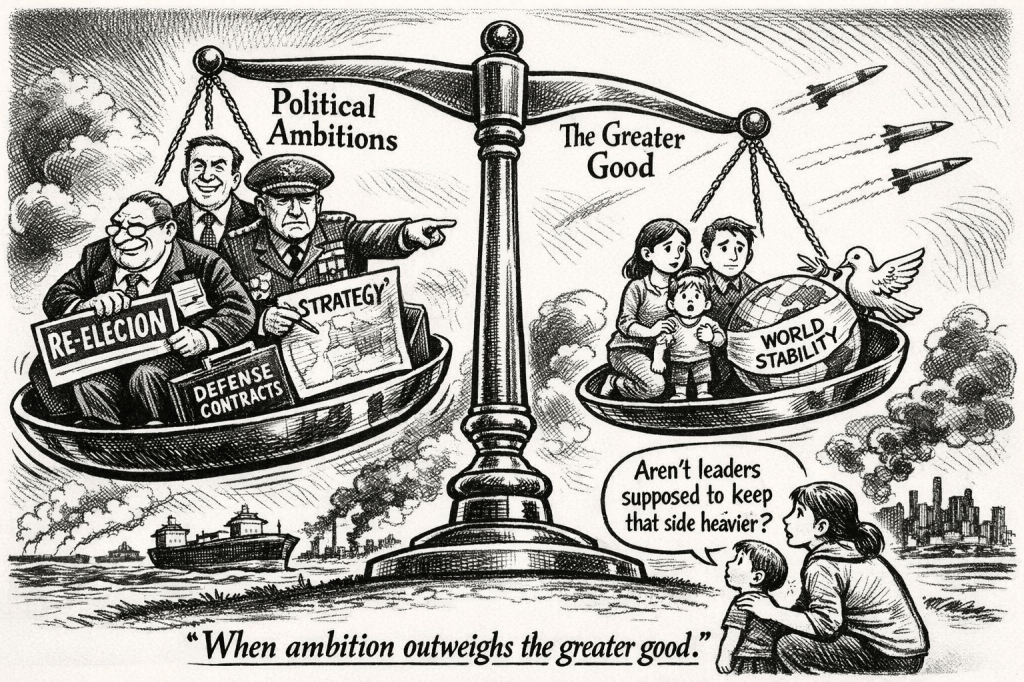
Closely related is institutional hubris, or what the Strategy Bridge describes as “victory disease.” For 80 years, the Department of Defense has positioned the U.S. military as the world’s most formidable military force — a modern-day Goliath. But the United States’ overwhelming prowess in conventional military capabilities is driving today’s adversaries to look for asymmetric weaknesses to exploit. And like Goliath, the DoD’s hubris plays right into their hands. [36] This dynamic is not limited to America. Russia’s assumption in 2022 that Ukraine would collapse within days reflected the same unexamined confidence in raw military mass.
Cognitive biases compound these structural problems. Research published in the Texas National Security Review identifies a web of psychological tendencies that skew military planning, including bounded rationality, the planning fallacy (the tendency to ignore what is known from previous, similar efforts in favor of what is different this time), optimism bias, and recency bias. [37] These biases are not merely individual but are organizational: they are baked into the procurement cycles, training doctrines, and career incentive structures of large militaries. A military culture that rewards firepower and decisive maneuver may systematically undervalue intelligence about an opponent’s cultural cohesion, ideological motivation, or willingness to accept casualties.
Cultural and political intelligence failures are a recurring thread. US mistakes in Iraq and Afghanistan were the result of a pervasive failure to understand the historical framework within which insurgencies take place, to appreciate the cultural and political factors of other nations and people. [1] The Soviets similarly failed in Afghanistan, where their technocratic Marxist worldview left them unable to understand that religion, tribal loyalty, and historical memory of foreign occupation would animate resistance in ways that no amount of firepower could extinguish. The Soviets failed to account for the strong role of Islam in Afghan society and the deep-seated resistance to foreign occupation. [13] In both cases, the invading power imposed its own ideological framework onto the adversary rather than attempting to understand how that adversary understood itself.
Finally, both nations have suffered from a failure to translate tactical lessons into strategic change. In the headlong rush to move past Iraq and Afghanistan, the Army’s preparation for near-peer conflict means failing to institutionalize the strategic lessons learned. By ignoring the last 20 years of fighting, the Army is failing to prepare appropriately for the more ambiguous battlefields of today. [5] Russia’s pattern was even starker: the Afghan experience was repeated almost wholesale in Chechnya, and elements of both were then repeated in Ukraine.
Implications for Geopolitical Conflicts Over the Next Five to Ten Years: The Changing Nature of Asymmetry — and the AI/Drone Revolution
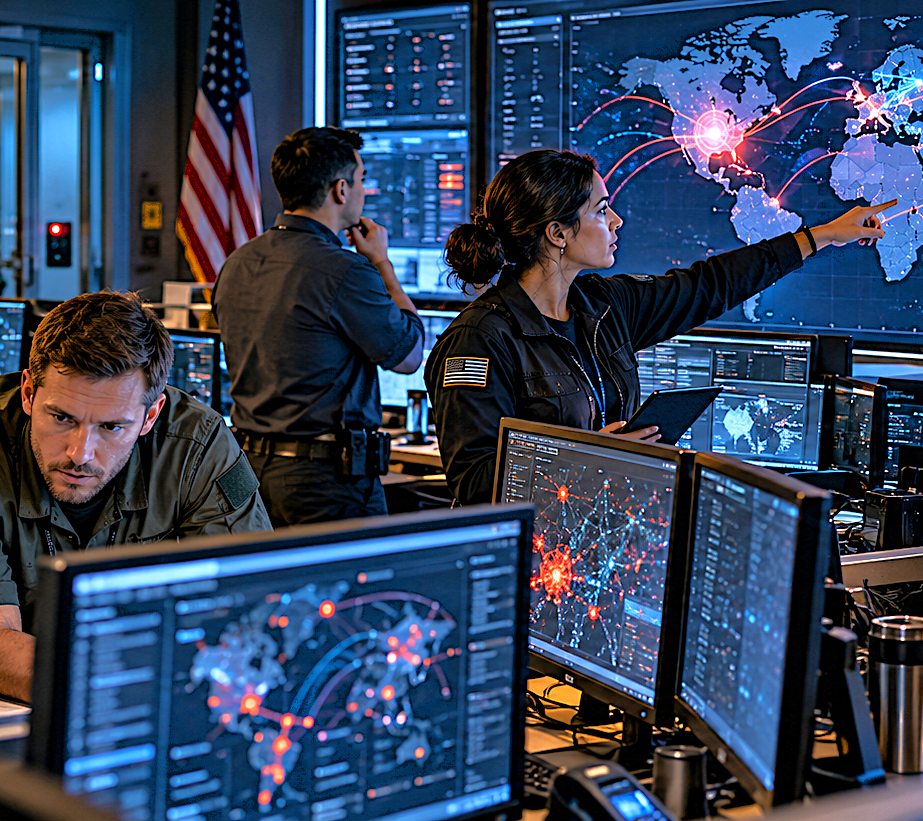
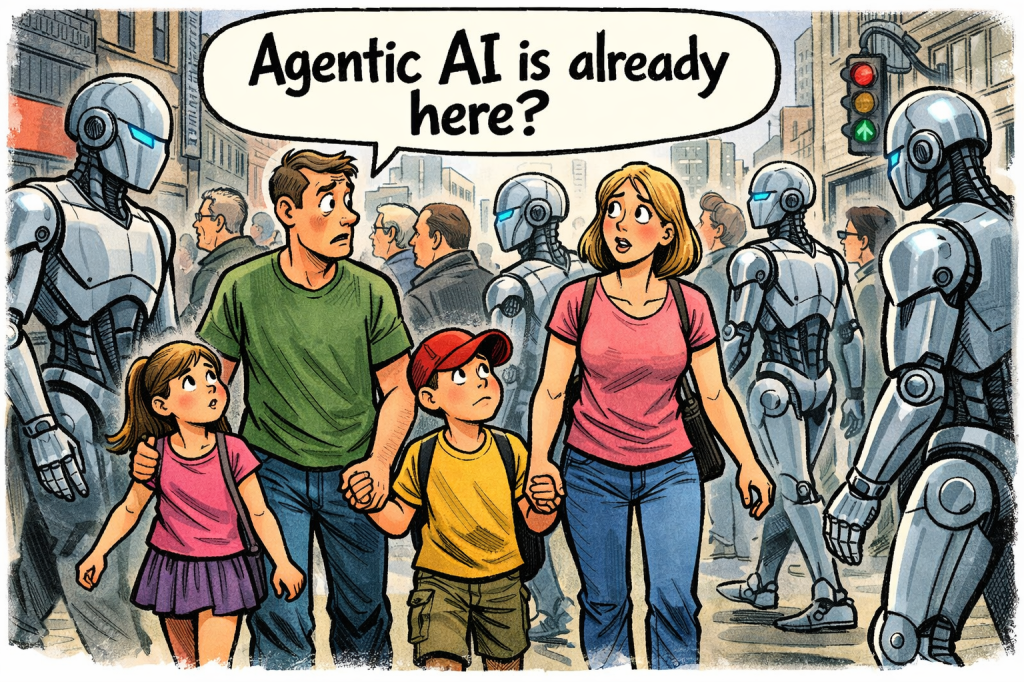
The patterns described above carry profound implications for the conflicts most likely to define the coming decade. But the strategic landscape is not static. The war in Ukraine has revealed that AI and drone technology are fundamentally reordering the relationship between large conventional militaries and their opponents, in ways that simultaneously validate and complicate the historical lessons above.
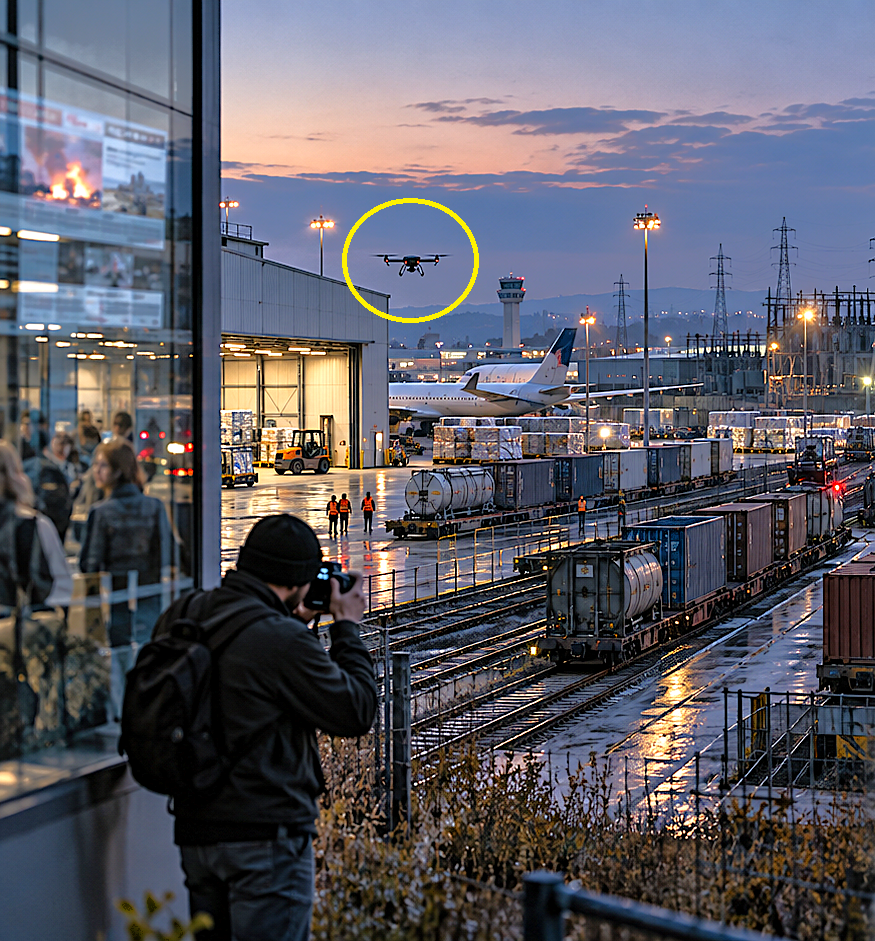
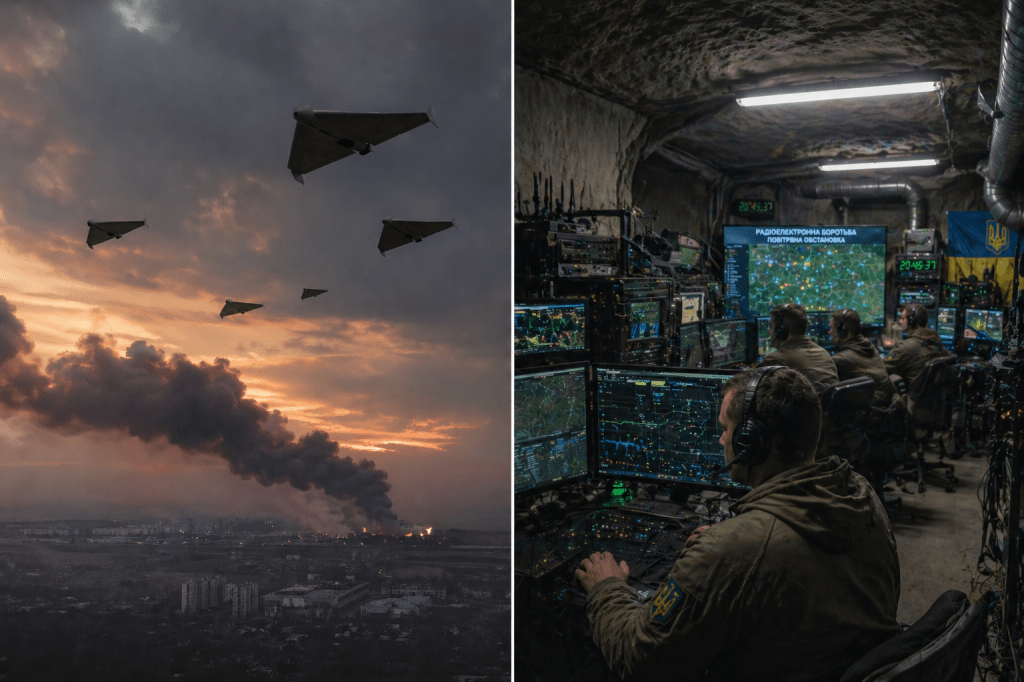
In just two years, the number of companies manufacturing drones exploded from six in 2022 to over 200 by 2024. In Ukraine alone, more than 2.5 million drones were expected to be produced in 2025. The battlefield is being transformed into a testbed for this new mode of warfare, with drone attacks by Ukrainian forces increasing by more than 127 times since the early days of the conflict with Russia. [25] This proliferation matters enormously because it has lowered the barriers to effective military resistance. Ukraine — a smaller, less wealthy state — has used cheap, mass-produced drones to impose costs on a nuclear great power that would have been inconceivable a decade ago. The skilled use of drones allowed Ukraine to obtain “asymmetric parity” against Russia’s mass offensive over time, eroding Russia’s quantitative advantages in systems and personnel and multiplying its operational and tactical deficiencies, forcing Russia into a strategic dilemma. [24]
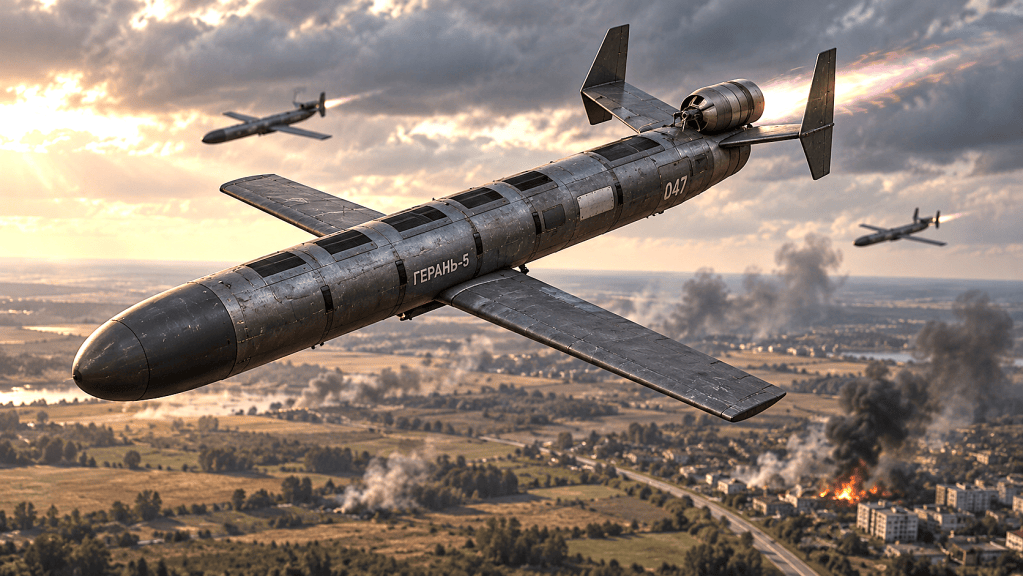
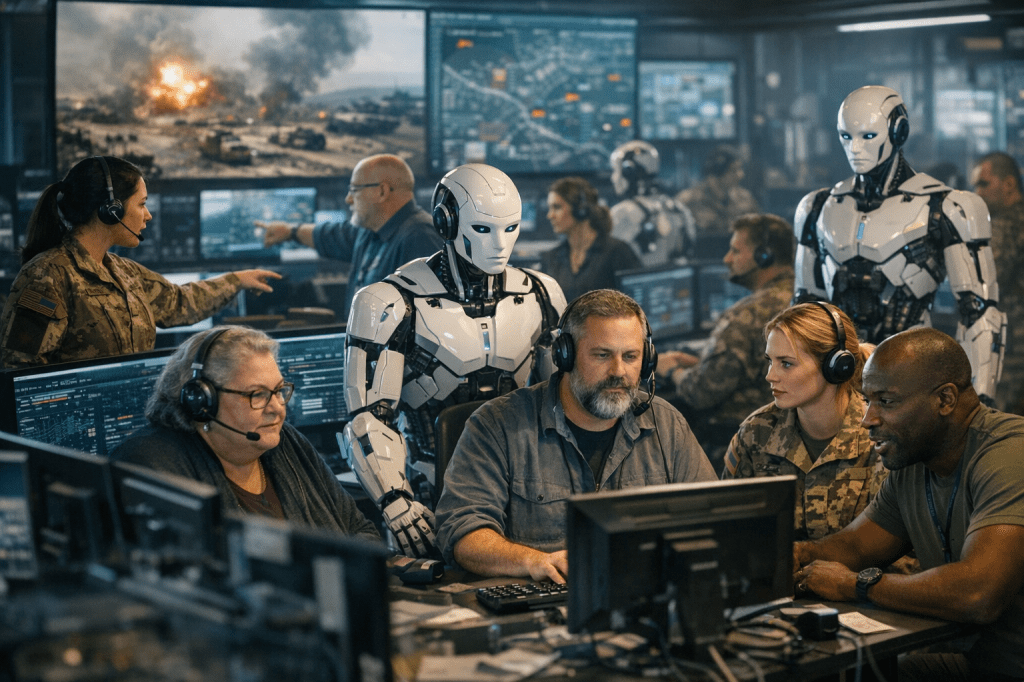
The role of AI in this transformation is accelerating rapidly. Ukraine’s efforts to integrate AI technologies advanced in 2024, with the development of drones capable of locking onto targets identified by operators during the final phase of flight prior to impact. This helped neutralize Russian electronic warfare jamming technologies, which typically seek to disrupt the connection between drones and operators. [15] On the Russian side, the once-primitive Shahed drones have grown more capable: in 2025, Ukraine found AI-enabling Nvidia chipsets in the wreckage of Shaheds, as well as thermal-vision modules capable of locking onto targets at night. The drones are now interconnected, allowing them to exchange information with each other. [19]
Ukraine’s one-way attack drone campaign has demonstrated something strategically significant: key assumptions about the strategic impact of drones — that they are too vulnerable and too small to impose costs at the strategic level — do not apply across the entire spectrum of uncrewed systems. [17] Strikes on Russian oil refineries and military infrastructure deep inside Russian territory, costing a fraction of what conventional missile strikes would require, have imposed billions of dollars in damage and forced Russia to redirect air defense assets far from the front lines.
By 2025, we entered the era of “precise mass” in war due to advances in manufacturing, AI, and precision munitions. These advances have lowered the barriers including cost, scalability, and technology, and have democratized access to destructive power. This transformation is empowering state and non-state actors alike to access and wield technologies — such as drone swarms and suicide drones — that were once reserved for only the most advanced militaries, and it has profound implications for how we think about military advantage and deterrence. [28] This democratization is perhaps the single most consequential geopolitical implication of recent technological change. It means that the historical advantage of large, well-funded militaries is shrinking, and that the patterns of underestimation described throughout this report are likely to become even more dangerous in the coming decade.
The implications extend well beyond Ukraine. As drone technology continues to spread, it is likely to be adopted by rebel groups, militias, and non-state actors across fragile states — especially in conflict-prone regions like the Sahel, the Middle East, and parts of South Asia. [25] A Hezbollah or a Houthi armed with AI-guided drone swarms is a qualitatively different adversary from the same group a decade ago — and the same structural biases that led Washington and Moscow to underestimate past opponents will create the same dangers when confronting these newly capable non-state actors.
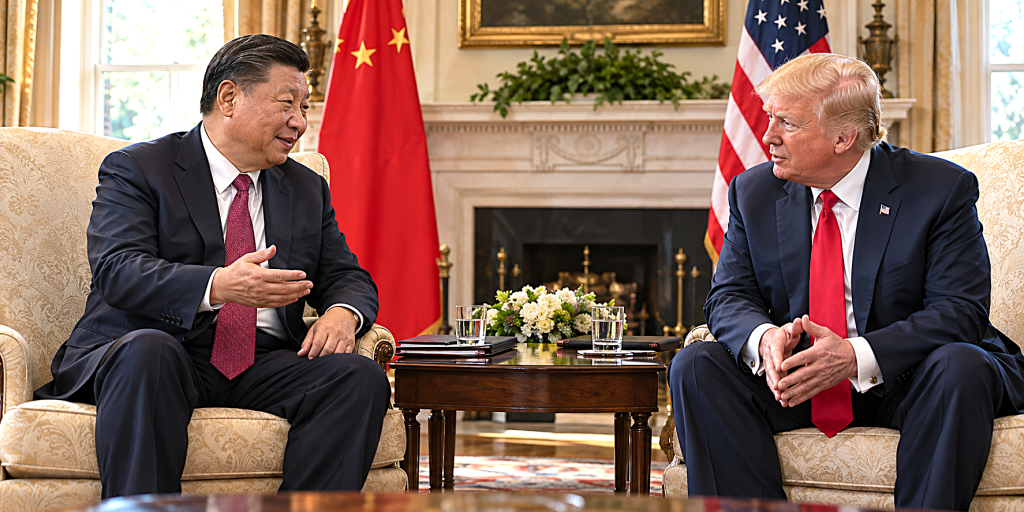
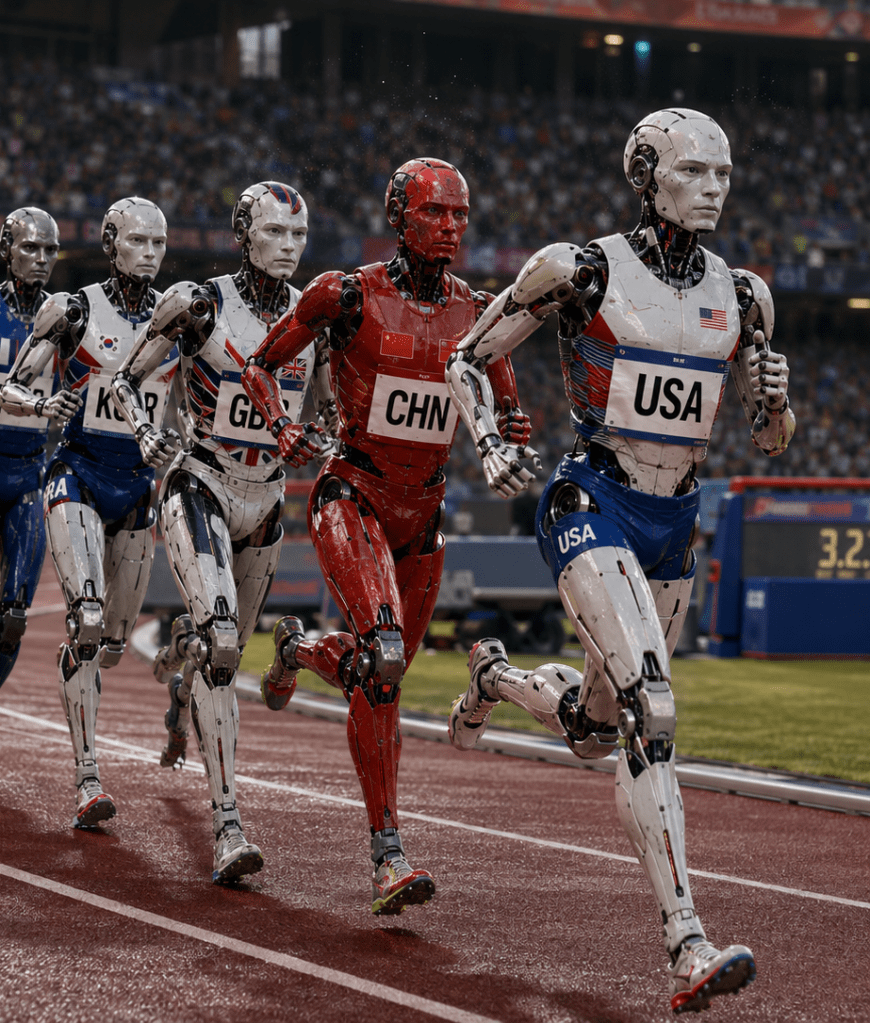
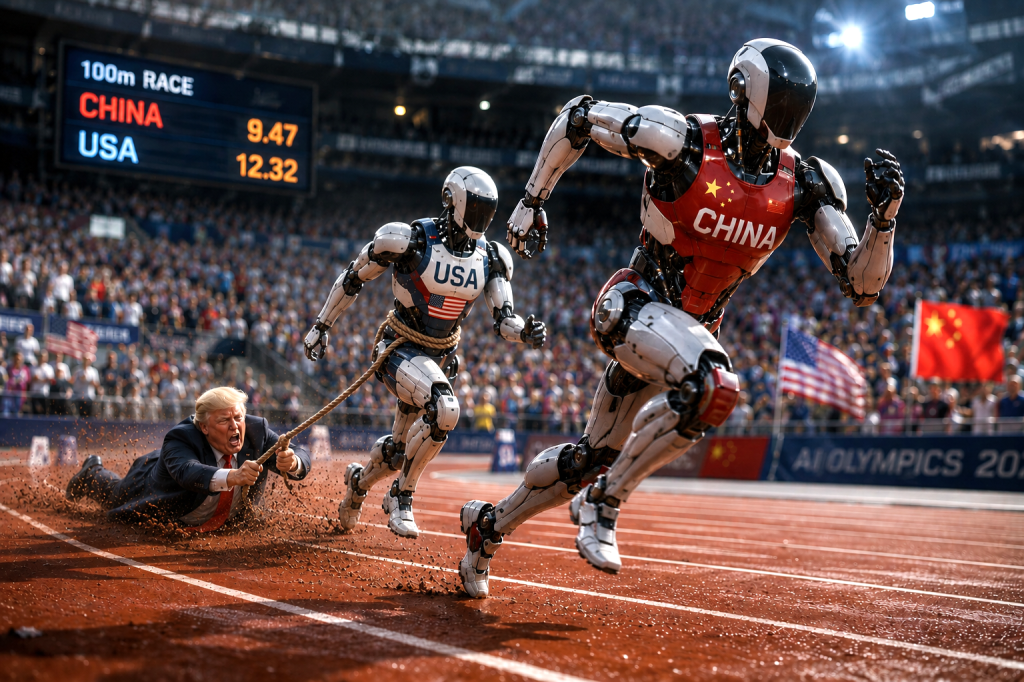
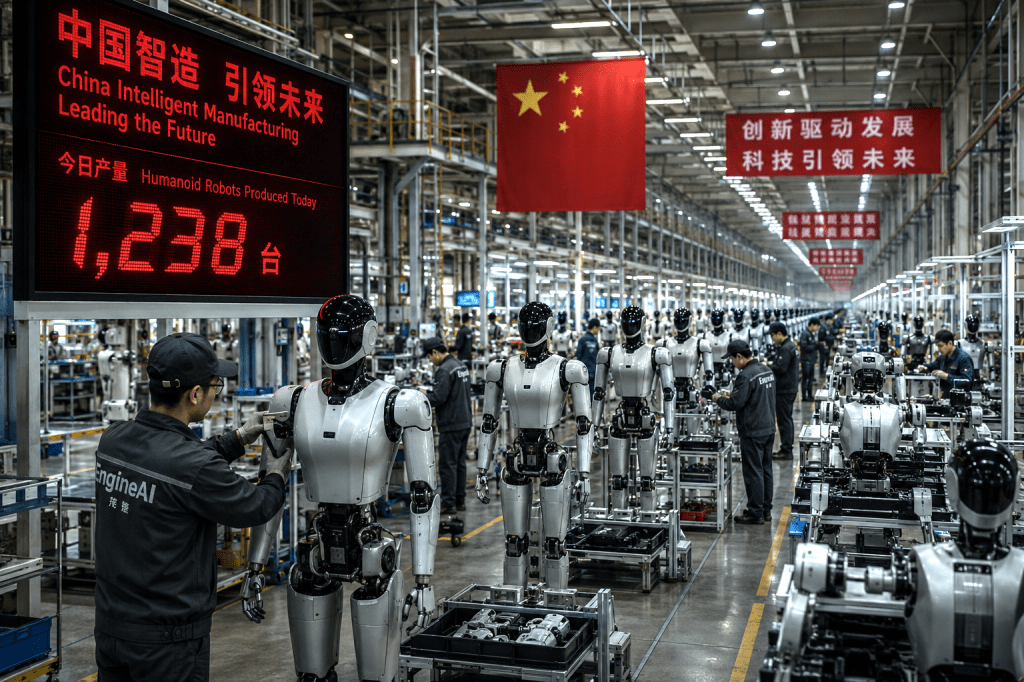
The great-power competition between the United States and China adds another layer of complexity. By mid-2025, Russia was producing about 1.5 million FPV drones, and Ukraine too was aiming to multiply its production. The war in Ukraine exposed new realities of battlefield situations, showing that AI exponentially enhances targeting accuracy, reduces collateral damage, and allows for real-time adaptation to countermeasures. [22] China has observed these lessons carefully. It has gone a step further by incorporating AI into its naval operations in the South China Sea, utilizing autonomous submarines, smart mines, and surveillance drones to observe and perhaps counter foreign military actions. [31] A future conflict over Taiwan — perhaps the most dangerous near-term flashpoint — would feature AI-driven drone warfare at a scale and sophistication that neither side has yet fully planned for.
It is important not to overstate the existing impact of autonomy or drones on the battlefield. In Ukraine, for example, despite the proliferation of small weaponized drones, artillery remains a far deadlier threat. [29] Technological optimism can itself become a form of the very miscalculation this report has traced. Consistent with Amara’s Law, short-term impacts of new military technologies are overestimated, while long-term effects are underestimated. [37] The same cognitive biases that led planners to misread enemy resolve can lead them to misread the battlefield impact of their own technological innovations.
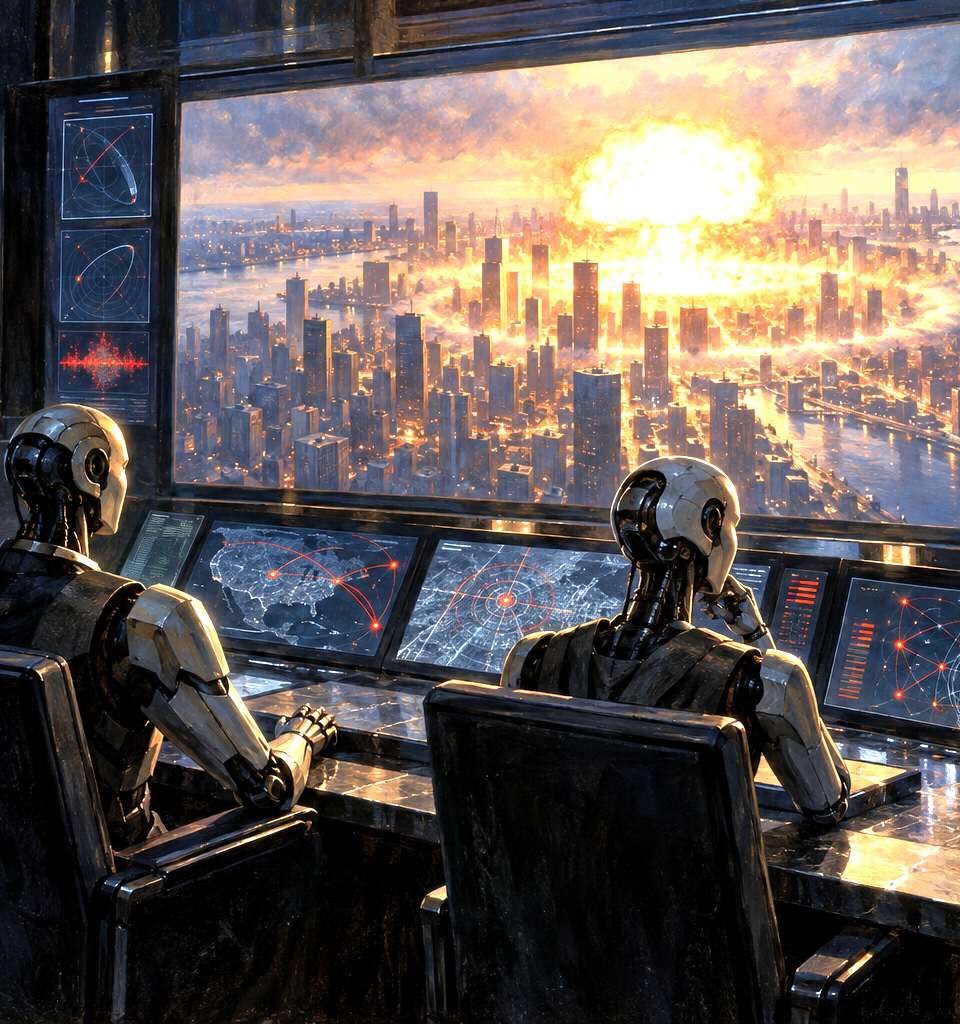
What is perhaps most troubling is that AI introduces entirely new vectors for the kind of overconfidence that has historically produced catastrophic miscalculation. Dependence on AI-generated intelligence for decision-making raises the potential for escalation as a result of flawed data, biased algorithms, or erroneous rapid-response judgments. [27] A military that trusts its AI-processed battle picture as comprehensive and accurate may be no less vulnerable to strategic surprise than the planners in Washington who dismissed the resolve of the Viet Cong or the generals in Moscow who assumed Kyiv would fall in days.
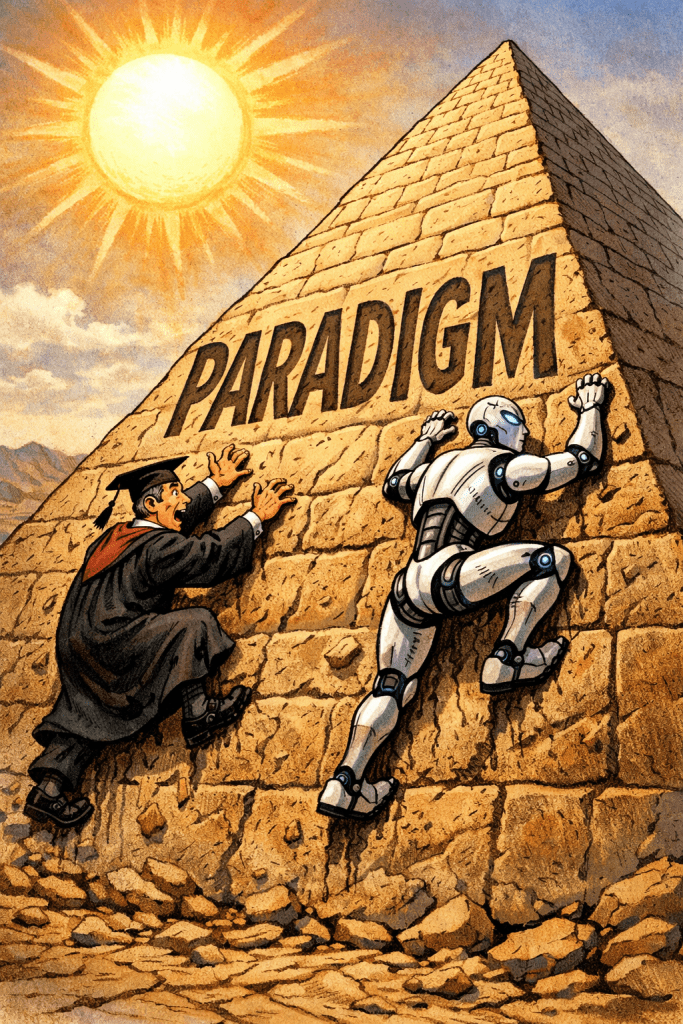
Any side that does not keep pace with technological change runs the risk of being outclassed in a conflict. [36] But “keeping pace” must mean more than fielding new systems. It must mean cultivating the cultural humility, the intelligence depth, and the strategic adaptability that both the United States and Russia have so consistently failed to maintain. The most important lesson of the last eighty years of conflict is not technological — it is epistemological. The most dangerous thing a powerful military can do is assume it already understands its enemy.
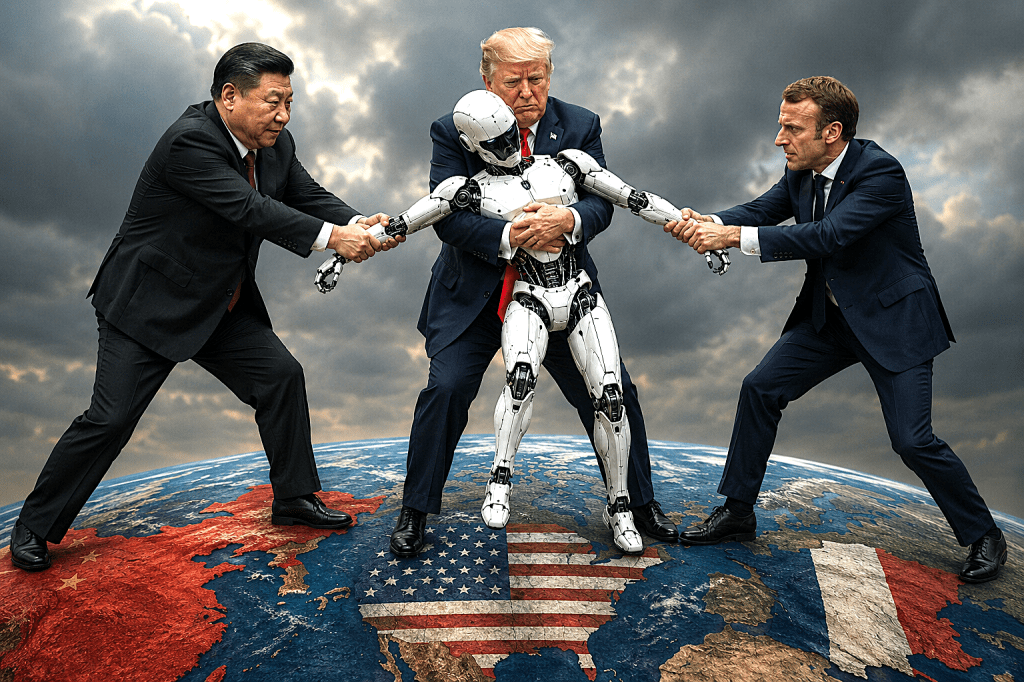
The Global Peace Index 2025 reports that the world is now experiencing the highest number of state-based conflicts since World War II — 59 in total — and that 78 countries were involved in conflicts beyond their borders in 2024. [25] In this environment, the costs of repeating the pattern of underestimation are higher than ever. The convergence of AI, drone proliferation, and intensifying great-power competition means that the next adversary to be underestimated may have the tools to make that miscalculation truly irreversible.
References
[1] Robert H. Scales, “Why Can’t America Win Its Wars?” Hoover Institution. https://www.hoover.org/research/why-cant-america-win-its-wars
[2] John A. Nagl, Parameters: The US Army War College Quarterly, U.S. Army War College Press. https://press.armywarcollege.edu/cgi/viewcontent.cgi?article=3164&context=parameters
[3] Amin Saikal, “Half a Century of Failed US Adventures, from Vietnam to Afghanistan,” University of Western Australia News, November 10, 2023. https://www.uwa.edu.au/news/article/2023/november/half-a-century-of-failed-us-adventures
[4] Dominic Tierney, “‘Major American Failure.’ A Political Scientist on Why the U.S. Lost in Afghanistan,” Time, August 18, 2021. https://time.com/6091183/afghanistan-war-failure-interview/
[5] Matthew Mehuron, “Strategic Amnesia: The U.S. Army’s Stubborn Rush to Its Next War,” The Strategy Bridge, March 14, 2023. https://thestrategybridge.org/the-bridge/2023/3/14/strategic-amnesia-the-us-armys-stubborn-rush-to-its-next-war
[6] Bing West, “Vietnam, Iraq & Afghanistan: Different or the Same?” Hoover Institution. https://www.hoover.org/research/vietnam-iraq-afghanistan-different-or-same
[7] “Analysis: Is Russia Repeating Mistakes of Past Wars in Ukraine?” Al Jazeera, March 5, 2022. https://www.aljazeera.com/features/2022/3/5/analysis-is-russia-repeating-mistakes-of-past-wars-in-ukraine
[8] “Parallels with Afghanistan Haunt Russians in Ukraine,” The Washington Post, April 2, 2022. https://www.washingtonpost.com/world/2022/04/02/ukraine-afghanistan-russia-parallels-quagmire/
[9] Vassily Klimentov, A Slow Reckoning: The USSR, the Afghan Communists, and Islam — Summary, Cornell University Press, March 12, 2024. https://www.cornellpress.cornell.edu/soviet-afghan-war-and-russian-ukrainian-vassily-klimentov-03-12-2024/
[10] “Soviet-Afghan War,” Wikipedia. https://en.wikipedia.org/wiki/Soviet%E2%80%93Afghan_War
[11] Robert M. Cassidy, Russia in Afghanistan and Chechnya: Military Strategic Culture and the Paradoxes of Asymmetric Conflict, U.S. Army War College Press, 2003. https://press.armywarcollege.edu/cgi/viewcontent.cgi?article=1805&context=monographs
[12] “Russia’s Military Defeats: Historical Analysis Shows Pattern of Vulnerability,” Euromaidan Press, January 8, 2025. https://euromaidanpress.com/2025/01/08/is-russia-really-invincible-history-suggests-otherwise/
[13] “Missiles, AI, and Drone Swarms: Ukraine’s 2025 Defense Tech Priorities,” Atlantic Council, January 2, 2025. https://www.atlanticcouncil.org/blogs/ukrainealert/missiles-ai-and-drone-swarms-ukraines-2025-defense-tech-priorities/
[14] “The Coming Compute War in Ukraine,” Atlantic Council, March 23, 2026. https://www.atlanticcouncil.org/content-series/the-big-story/the-coming-compute-war-in-ukraine/
[15] Maximilian Terhalle, “Precise Mass in Action: Assessing Ukraine’s One-Way Attack Drone Campaign,” Defence Studies, Taylor & Francis, 2025. https://www.tandfonline.com/doi/full/10.1080/03071847.2025.2527923
[16] Tsiporah Fried, “The Impact of Drones on the Battlefield: Lessons of the Russia-Ukraine War from a French Perspective,” Hudson Institute, November 13, 2025. https://www.hudson.org/missile-defense/impact-drones-battlefield-lessons-russian-ukraine-war-french-perspective-tsiporah-fried
[17] Kate Bondar and Samuel Bendett, “The Russia-Ukraine Drone War: Innovation on the Frontlines and Beyond,” CSIS, February 2, 2026. https://www.csis.org/analysis/russia-ukraine-drone-war-innovation-frontlines-and-beyond
[18] “The Continuing Autonomous Arms Race,” Lieber Institute, West Point, February 19, 2025. https://lieber.westpoint.edu/continuing-autonomous-arms-race/
[19] “The Coming Drone-War Inflection in Ukraine,” IEEE Spectrum, March 2026. https://spectrum.ieee.org/amp/autonomous-drone-warfare-2676377272
[20] “Great Power Competition in AI-Led Driven Warfare Between the US and China,” Modern Diplomacy, October 6, 2025. https://moderndiplomacy.eu/2025/10/06/great-power-competition-in-ai-led-driven-warfare-between-the-us-and-china/
[21] “Four Scenarios for Geopolitical Order in 2025-2030,” CSIS. https://www.csis.org/analysis/four-scenarios-geopolitical-order-2025-2030-what-will-great-power-competition-look
[22] “Converging Revolutions: How Drones and AI Drive the Future of Warfare,” Geopolitical Monitor, July 8, 2025. https://www.geopoliticalmonitor.com/converging-revolutions-how-drones-and-ai-drive-the-future-of-warfare/
[23] “How Drones and AI Are Transforming Conflict,” Vision of Humanity / Global Peace Index 2025, June 17, 2025. https://www.visionofhumanity.org/technology-and-modern-warfare-how-drones-and-ai-are-transforming-conflict/
[24] “AI and Geopolitics: Global Governance for Militarized Bargaining and Crisis Diplomacy,” Belfer Center, Harvard Kennedy School, May 27, 2025. https://www.belfercenter.org/research-analysis/ai-and-geopolitics-global-governance-militarized-bargaining-and-crisis-diplomacy
[25] “For Geopolitics, What AI Can’t Do Will Be as Important as What It Can,” RAND Corporation, April 3, 2025. https://www.rand.org/pubs/commentary/2025/04/for-geopolitics-what-ai-cant-do-will-be-as-important.html
[26] “War, Artificial Intelligence, and the Future of Conflict,” Georgetown Journal of International Affairs, December 10, 2024. https://gjia.georgetown.edu/2024/07/12/war-artificial-intelligence-and-the-future-of-conflict/
[27] “Drone Technology and the Future of Nuclear Weapons,” Toda Peace Institute, August 25, 2025. https://toda.org/global-outlook/2025/drone-technology-and-the-future-of-nuclear-weapons.html
[28] “Avoiding the Fate of Goliath: A Digital-First Approach to Modern Warfare,” U.S. Naval Institute Proceedings, February 2025. https://www.usni.org/magazines/proceedings/2025/february/avoiding-fate-goliath-digital-first-approach-modern-warfare
[29] “On Optimism About New Military Technologies,” Texas National Security Review, April 2025. https://tnsr.org/roundtable/on-optimism-about-new-military-technologies/
[30] “AI Rivalries: Redefining Global Power Dynamics,” TRENDS Research & Advisory. https://trendsresearch.org/insight/ai-rivalries-redefining-global-power-dynamics/
[31] “AI Rivalries: Redefining Global Power Dynamics,” TRENDS Research & Advisory. https://trendsresearch.org/insight/ai-rivalries-redefining-global-power-dynamics/
[32] “Fit for Future Conflict?” Marine Corps University Press, Journal of Advanced Military Studies. https://www.usmcu.edu/Outreach/Marine-Corps-University-Press/MCU-Journal/JAMS-vol-11-no-1/Fit-for-Future-Conflict/
[33] Annual Threat Assessment of the U.S. Intelligence Community, Office of the Director of National Intelligence, February 2024. https://www.dni.gov/files/ODNI/documents/assessments/ATA-2024-Unclassified-Report.pdf
[34] “Outthinking Adversaries: The Future of Warfare in a Multi-Domain World,” Soldier Systems Daily, December 2025. https://soldiersystems.net/2025/12/24/outthinking-adversaries-the-future-of-warfare-in-a-multi-domain-world/
[35] “The Intellectual Edge: A Competitive Advantage for Future War and Strategic Competition,” Defense Technical Information Center. https://apps.dtic.mil/sti/html/tr/AD1104926/
[36] “Avoiding the Fate of Goliath: A Digital-First Approach to Modern Warfare,” U.S. Naval Institute Proceedings, February 2025. https://www.usni.org/magazines/proceedings/2025/february/avoiding-fate-goliath-digital-first-approach-modern-warfare
[37] “On Optimism About New Military Technologies,” Texas National Security Review, April 2025. https://tnsr.org/roundtable/on-optimism-about-new-military-technologies/
Filed under: Uncategorized |





















































































































































































































































































































































































































































Leave a Reply