





By Jim Shimabukuro (assisted by Gemini)
Editor
[Related: Connectivism, Its Founders, and the Age of AI: Siemens and Downes | cMOOC: Increasing Connectivist Overlap Into AI-Enhanced Education | A May 2026 Update on Downes and Siemens’ cMOOC]
Summary: As AI makes networks intelligent, connectivism shifts from a learning theory to a blueprint for how humans and machines co‑construct knowledge at scale. –Copilot

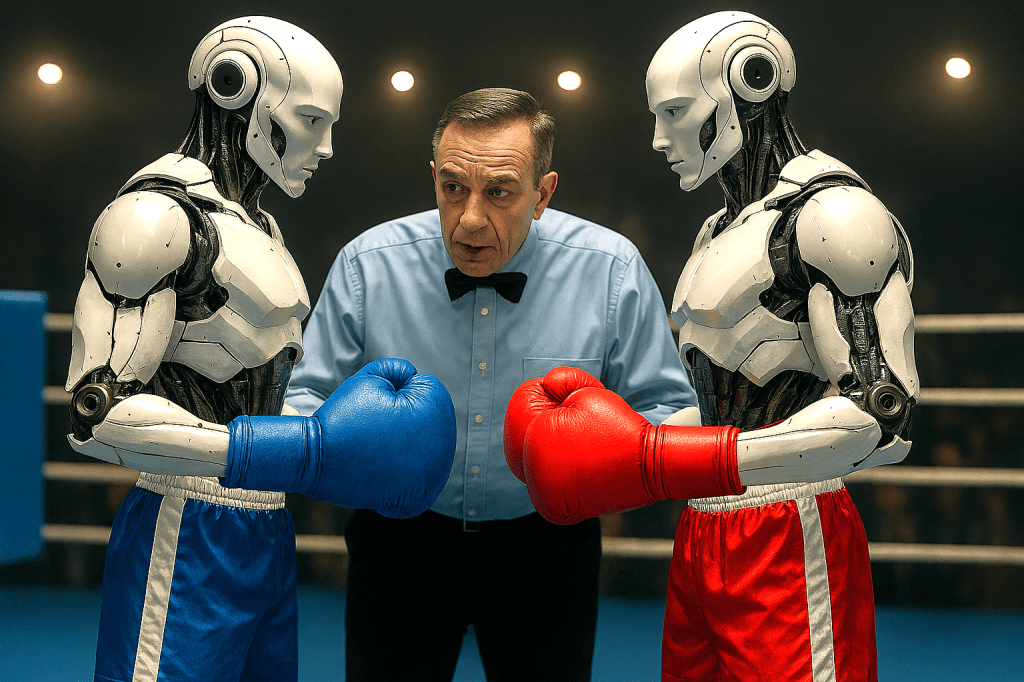
In 2008, Stephen Downes and George Siemens launched the landmark online course Connectivism and Connective Knowledge (CCK08), unwittingly pioneering the framework known as the massive open online course (MOOC) (2,7). Over time, the MOOC landscape fractured into two distinct lineages. The commercialized variant, or xMOOC, adopted by institutions like Coursera and EdX, relies heavily on a centralized, behaviorist instructional model centered on structured data delivery and standardized testing.
Conversely, the connectivist MOOC, or cMOOC, prioritizes distributed learning, learner autonomy, and emergent networks where knowledge is not merely transferred but organically cultivated across node networks (2). As of late May 2026, the structural legacy of cMOOCs has fundamentally moved past its initial focus on web-based classrooms. Instead, the principles that guided early constructivist and connectivist digital courses have directly intersected with, and significantly informed, the architecture and instructional methodologies of modern artificial intelligence and machine learning (1,3).
The core thesis of connectivism asserts that knowledge is not a discrete asset stored within an isolated mind, but rather a fluid architecture distributed across a complex network of human and non-human nodes (2,4). In late May 2026 conversations, both founders have emphasized that this premise matches the structural logic of advanced artificial neural networks.
In an authoritative March 2026 retrospective on the future of learning, Downes pointed out that biological neural architectures, connectivist networks, and generative artificial intelligence engines rely on identical core dynamics: individual nodes contribute raw insight, patterns build out through association, and systematic knowledge emerges natively across the interconnected structure (1). This indicates that the explosion of generative artificial intelligence is not a departure from connectivist pedagogy, but rather its structural implementation within computerized environments.
While traditional constructivism relies heavily on deliberate, intentional human scaffolding to build individual mental models, connectivist paradigms focus on growing organic connection structures (4).
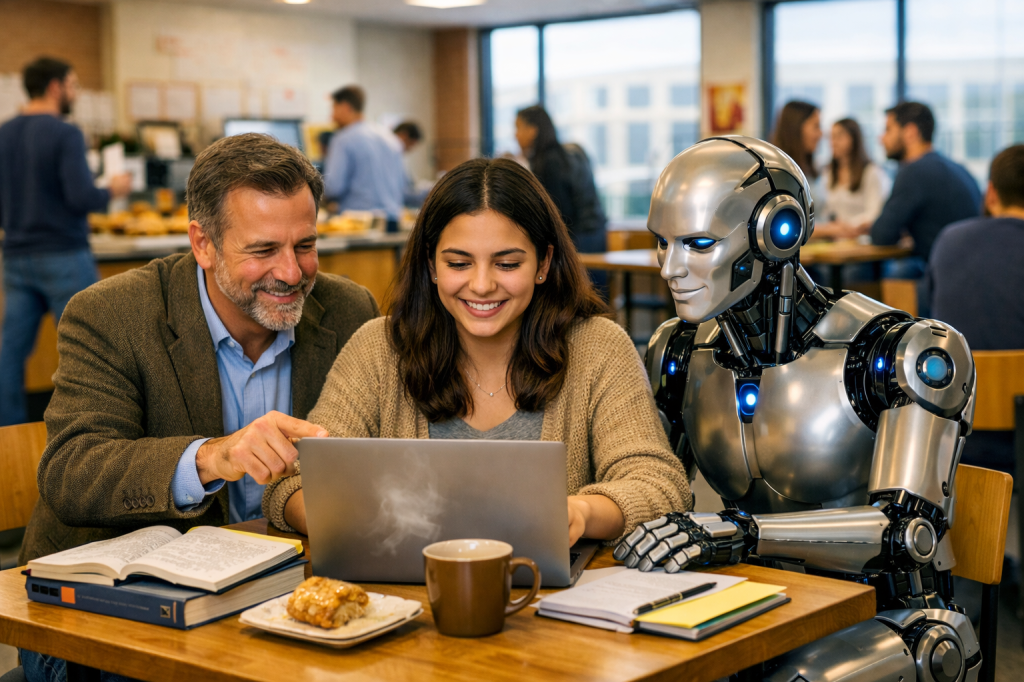
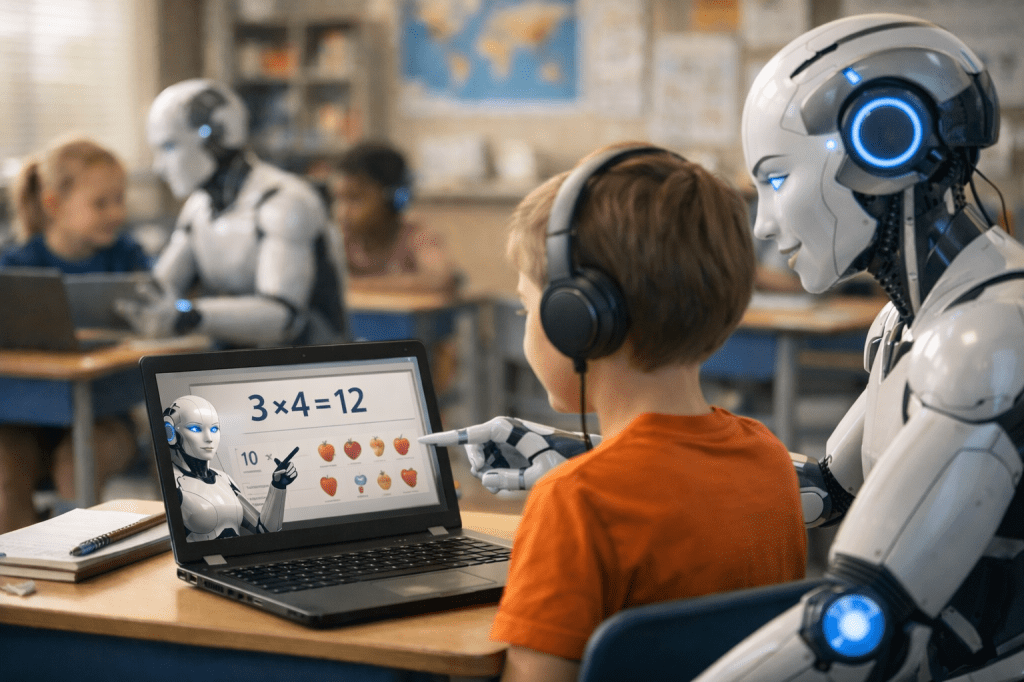
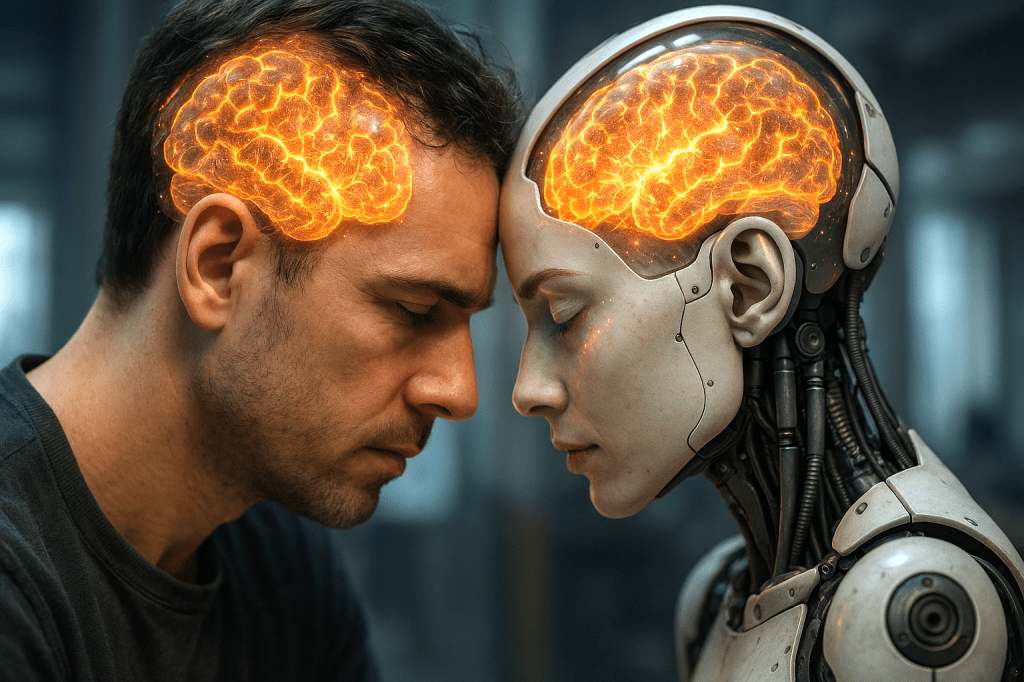
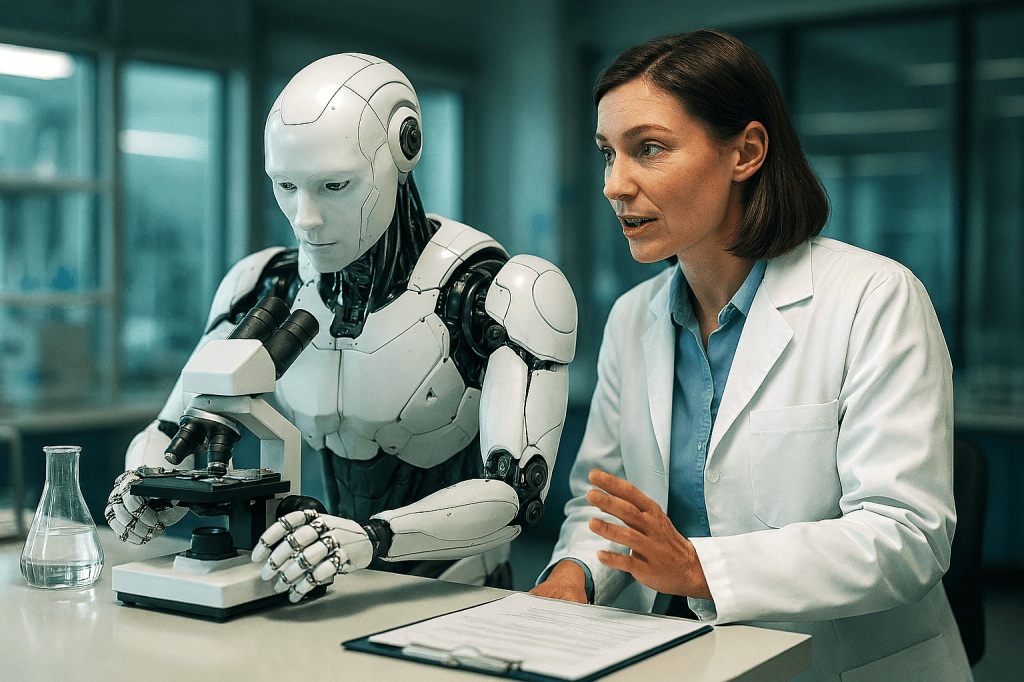
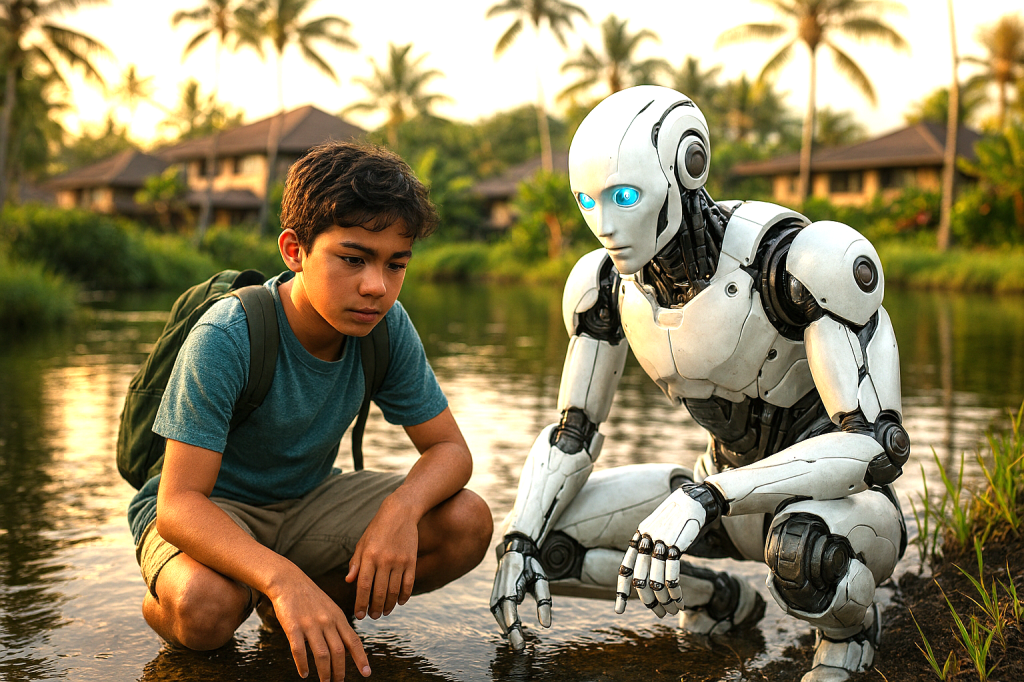
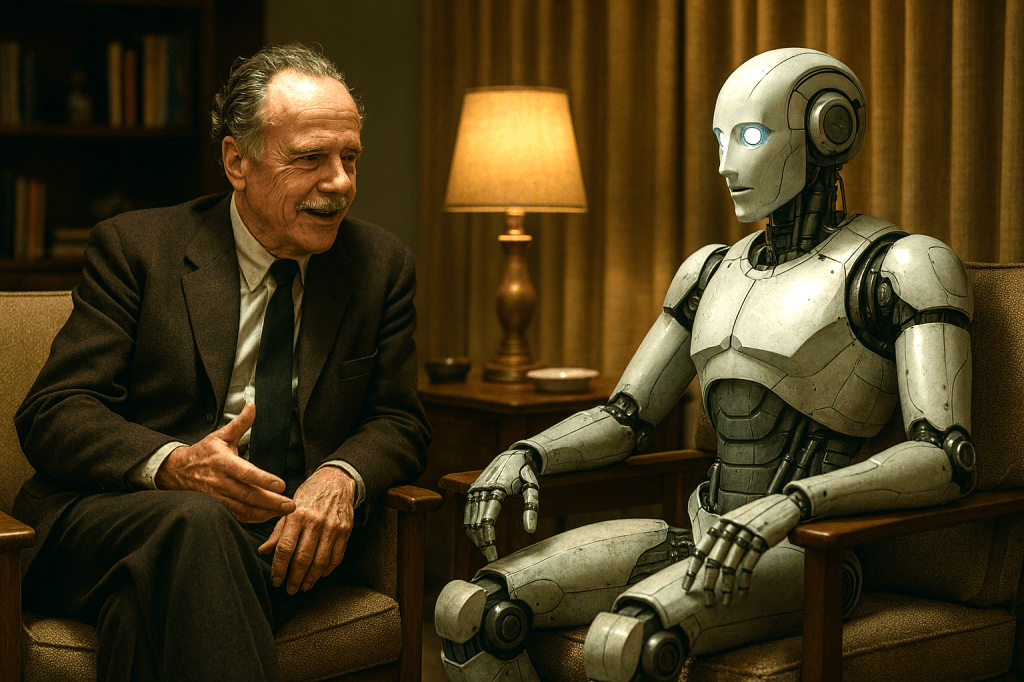
Educational technology experts analyzing instructional frameworks in early 2026 have noted that generative models do not possess centralized rule engines; they operate instead via distributed probabilistic linkages across multi-node transformers (3). The intellectual development generated by early cMOOCs has transitioned into a hybrid model where human agents and intelligent systems function as intertwined nodes. Recent studies published in the first half of 2026 reveal that student agency shifts dynamically when interacting with AI teachable agents, demonstrating that knowledge creation is an ongoing negotiation across human and algorithmic networks (5).
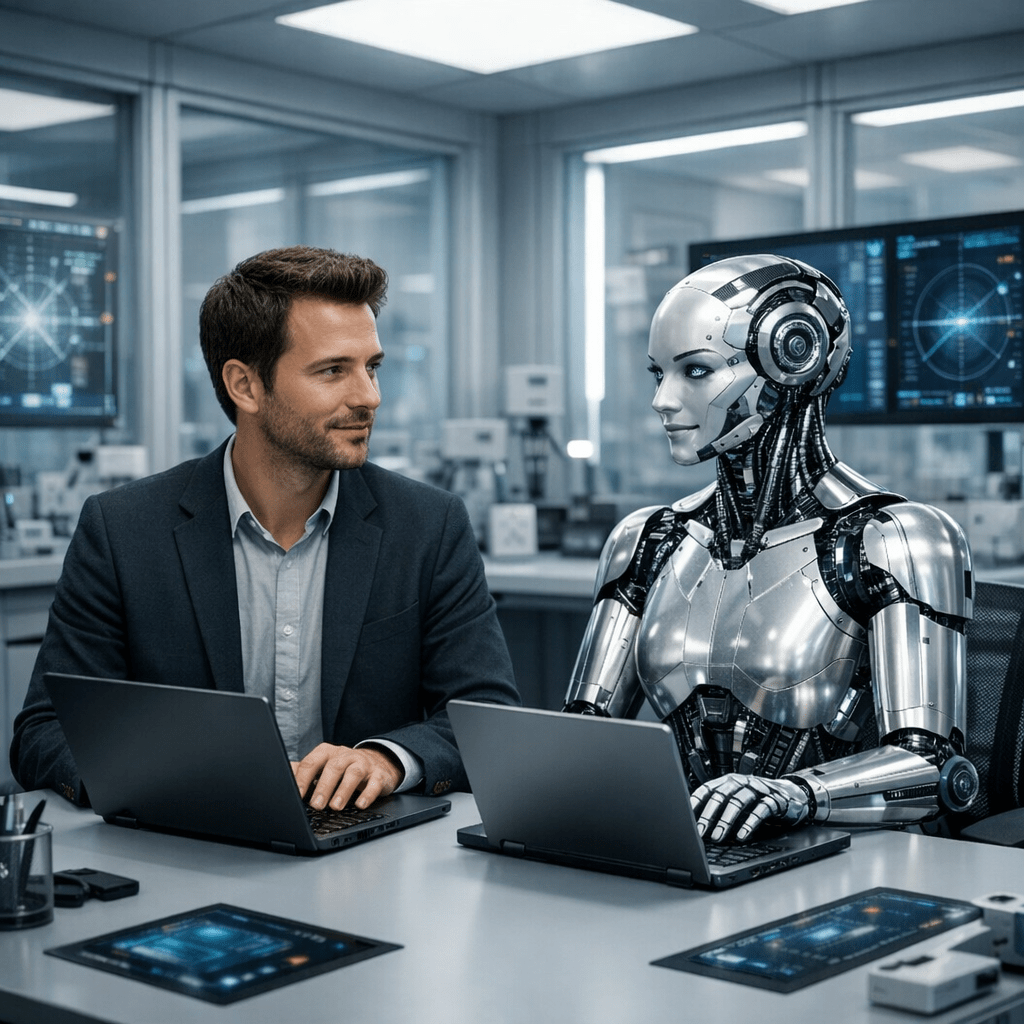
Connectivism argues that learning is the capacity to traverse networks. Generative AI operationalizes this by transforming massive web-scale networks into interactive partners. Knowledge is no longer built internally; it is navigated externally across algorithmic nodes.
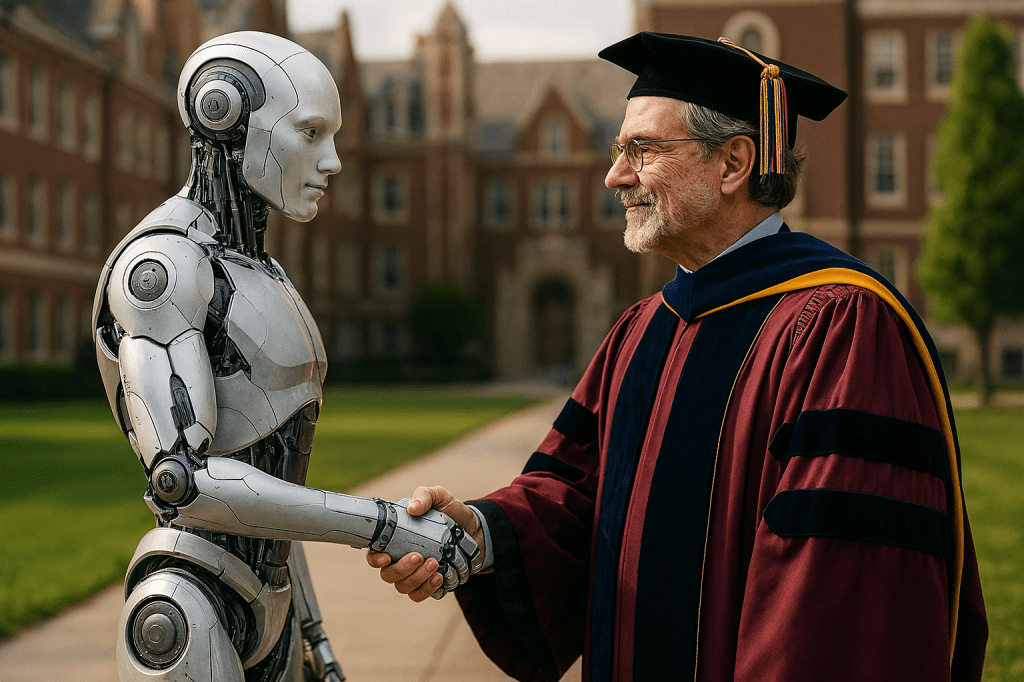
George Siemens has fully integrated his work on learning networks into institutional leadership and corporate architecture to tackle the systemic pressures of automation. Currently, Siemens serves as the Chief Artificial Intelligence and Innovation Officer at Southern New Hampshire University (6,7). In public statements released throughout early 2026, Siemens has highlighted that higher education must move decisively beyond the simple transmission of information.
Because generative tools now execute standard cognitive tasks, such as basic writing and programming, with high efficiency, Siemens argues that traditional educational models are deeply vulnerable (6,8). His operational focus has shifted toward building personalized data architectures that enable precision learning across unique student profiles (7). To advance this work, Siemens co-founded Matter and Space, an active human development platform that implements data systems to manage AI’s systemic impact on workforce readiness and academic assessment (7,8).
Stephen Downes, having recently concluded a twenty-five-year tenure as an expert researcher at the National Research Council of Canada, continues to operate as an independent philosopher, developer, and author of the open-access newsletter OLDaily (4,9). Rather than promoting the original cMOOC structure directly, Downes is actively applying his connectivist principles to the decentralized web and the ethics of automated education.
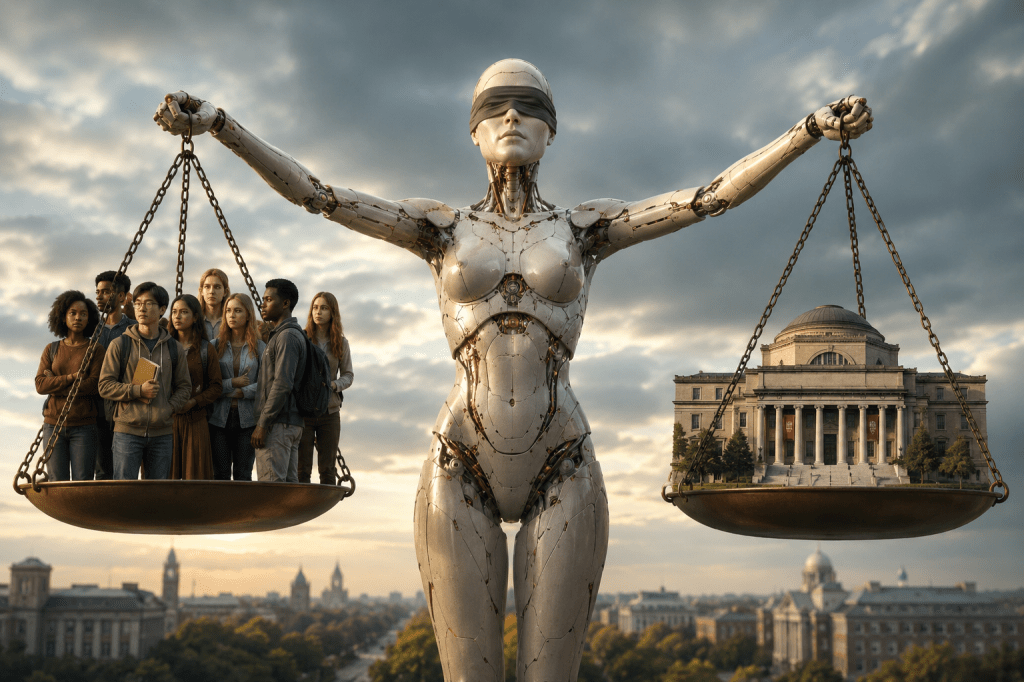
In key presentations delivered in late 2025 and early 2026, Downes showcased how federated social networks, such as Mastodon and Bluesky, create essential spaces for dialogue and peer creativity in an era saturated with automated content (9). Furthermore, in a March 2026 analysis on AI ethics, Downes challenged the validity of commercial risk-assessment frameworks, arguing instead for a feminist Duty of Care model to govern machine networks (1). His work centers on protecting student autonomy against restrictive vendor systems, ensuring that online learning networks remain open, personal, and decentralized.
Broader academic commentary in 2025 and 2026 reinforces the continuous evolution of connectivism within technology-enhanced instruction. Educational theorists observe that connectivism has matured from a framework describing online discussion forums into an active model for designing hybrid learning environments (3). Scholars tracking the evolution from behaviorism to connectivism suggest that modern instructional design must account for the cognitive work that students now delegate to algorithms (10).
Recent empirical evaluations from early 2026 show that when AI tools are treated as active conversational partners rather than static informational resources, learner outcomes and conceptual elaboration improve significantly, validating the early connectivist assertion that diversity and openness are key markers of a high-functioning learning environment (2,5). The original cMOOC concept has blossomed into an expansive research movement focused on precision analytics, learner agency, and human-machine collaboration.
References
(1) Downes, S. (2026, March 11). MOOC Institute Interview: The history, present and future of learning networks.
Downes.ca. https://www.downes.ca/presentation/601
(2) Pace, K. (2026, March 1). Connectivism Learning Theory: A Guide for Educators. Western Governors University
(WGU) Blog. https://www.wgu.edu/blog/connectivism-learning-theory2105.html
(3) Dron, J. (2025, February 28). Venturing into the unknown: Critical insights into grey areas and pioneering future directions in educational generative AI research. TechTrends / Jon Dron Instructional Design.
https://jondron.ca/tag/instructional-design/
(4) Downes, S. (2026, May). About Stephen Downes and the history of OLDaily. Downes.ca.
https://www.downes.ca/
(5) Xing, W., Kim, T., Song, Y., Li, H., Li, C., & Kim, J. (2026, February 11). Unveiling interaction patterns between students and generative AI teachable agent: Focusing on students’ agency and AI agents’ authority. British Journal of Educational Technology.
https://www.researchgate.net/publication/400614579_Unveiling_interaction_patterns_between_students_a
nd_generative_AI_teachable_agent_Focusing_on_students’_agency_and_AI_agents’_authority
(6) Siemens, G., & Girolimon, M. (2026, February 12). What Jobs Will AI Replace? Insights on automation and task transference. Southern New Hampshire University (SNHU) Newsroom. https://www.snhu.edu/about-
us/newsroom/career/what-jobs-will-ai-replace
(7) ASU+GSV Summit. (2025, April). Speaker Profile: Dr. George Siemens, Chief AI and Innovation Officer at SNHU. ASU+GSV Annual Meeting Archives. https://asugsvsummit.com/speakers/george-siemens
(8) Gamby, T., Kil, D., Koblic, R., LeBlanc, P., Moldoveanu, M., & Siemens, G. (2026, January 7). The University, the Chatbot, and a Call for a New Mission for Higher Education. EDUCAUSE Review.
https://er.educause.edu/articles/2026/1/the-university-the-chatbot-and-a-call-for-a-new-mission-for-higher-education
(9) Downes, S. (2026, March). Presentations Archive (2025-2026): Ethics of AI in education and the future of the Fediverse. Downes.ca. https://www.downes.ca/presentations.htm
(10) RSIS International. (2026, February 26). From Behaviourism to Connectivism and Beyond: Evolving Theories for Technology-Enhanced Education. International Journal of Research and Innovation in Social Science (IJRISS). https://rsisinternational.org/journals/ijriss/view/from-behaviourism-to-connectivism-and-beyond-
evolving-theories-for-technology-enhanced-education
###
Filed under: Uncategorized |





























































































































































































































































































































































































Leave a Reply