





By Jim Shimabukuro (assisted by ChatGPT)
Editor
Summary: AI is reshaping opportunity faster than society can redistribute it — the future of the American Dream now hinges on who controls access to intelligence itself. –Copilot

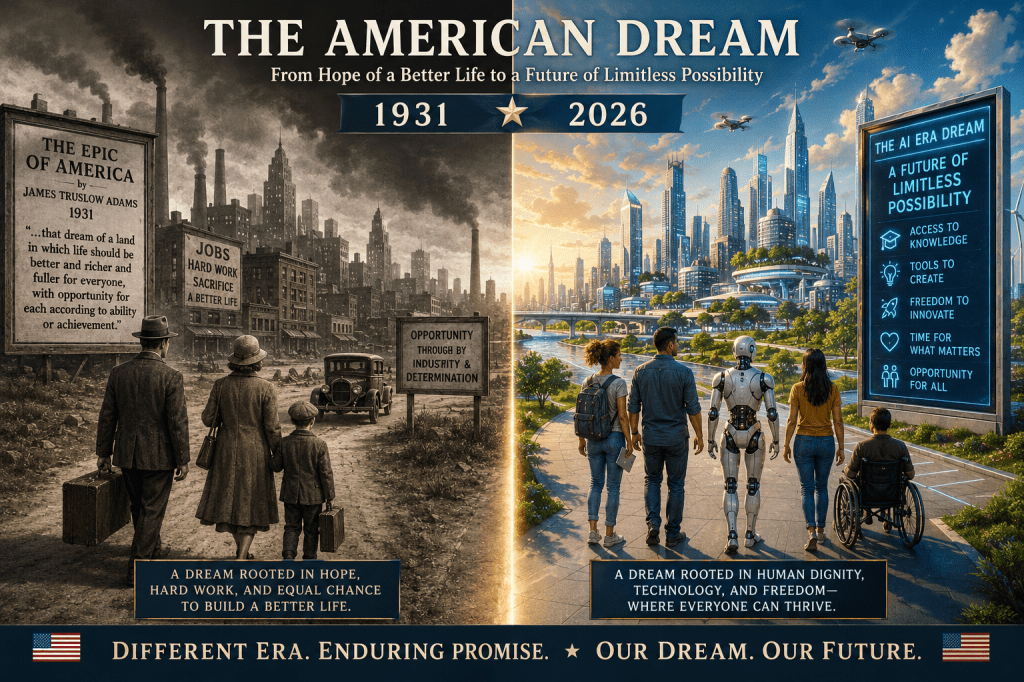
In 1931, amid the hardships of the Great Depression, historian James Truslow Adams gave enduring expression to an idea that had circulated in American life for generations. The American Dream, he wrote, was “that dream of a land in which life should be better and richer and fuller for everyone, with opportunity for each according to ability or achievement” (1). Adams deliberately distinguished the Dream from the mere accumulation of wealth. He envisioned a society in which individuals, regardless of birth, could develop their talents, pursue meaningful lives, and participate in a community of expanding opportunity.
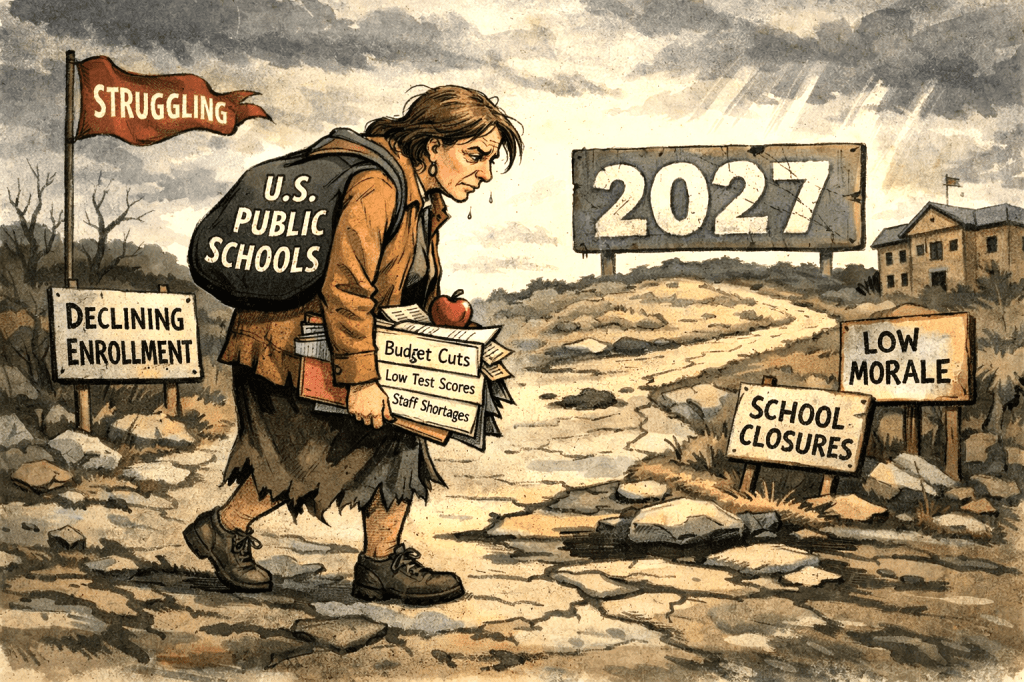
Ninety-five years later, Americans still recognize the Dream, but they are less certain that it remains equally accessible. Recent polling paints a complicated picture. Gallup reported in 2025 that Americans are nearly evenly divided between viewing the Dream as opportunity and viewing it as stability (2). The Archbridge Institute found in 2025 that roughly seven in ten Americans believe they have achieved or are on the way to achieving the Dream, yet only about half believe that most Americans can do the same (3). Surveys of younger Americans reveal an even sharper tension: the Dream remains emotionally powerful, but many view home ownership, economic security, and upward mobility as increasingly difficult to attain (4).
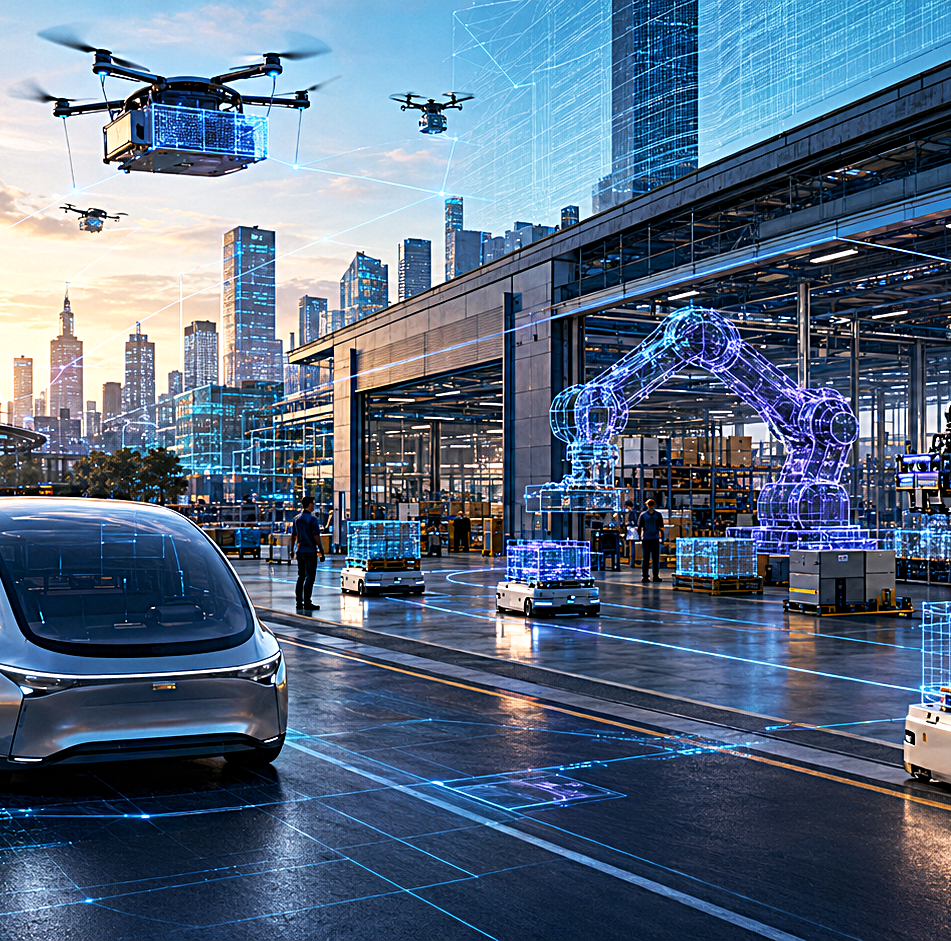
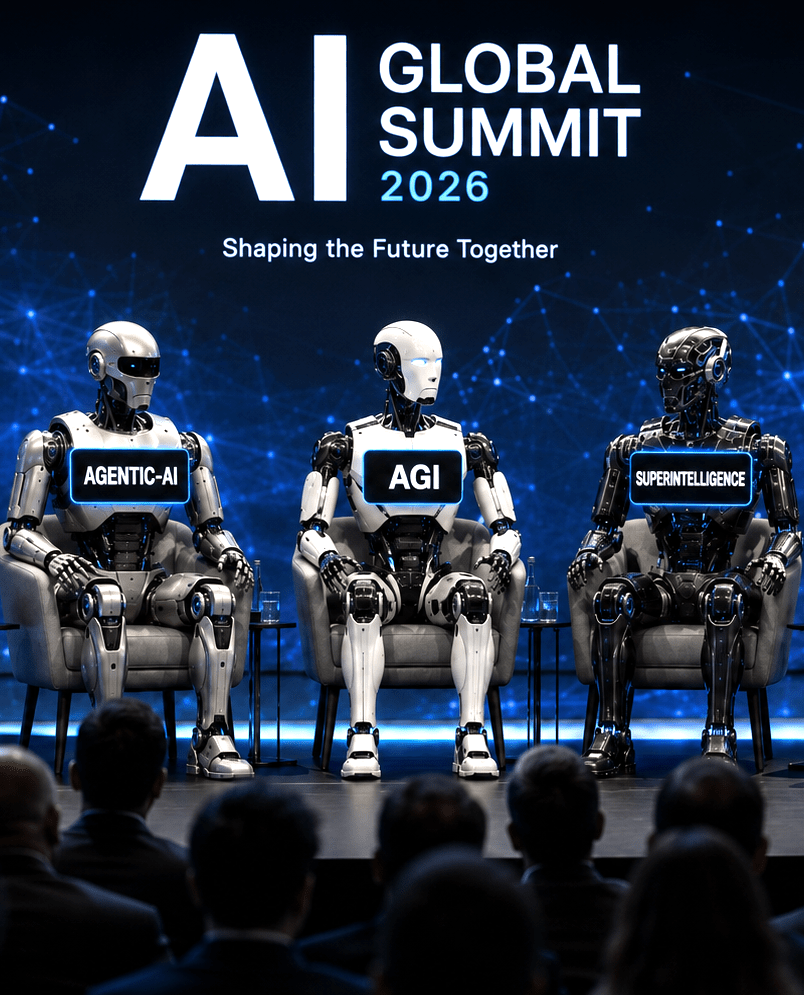
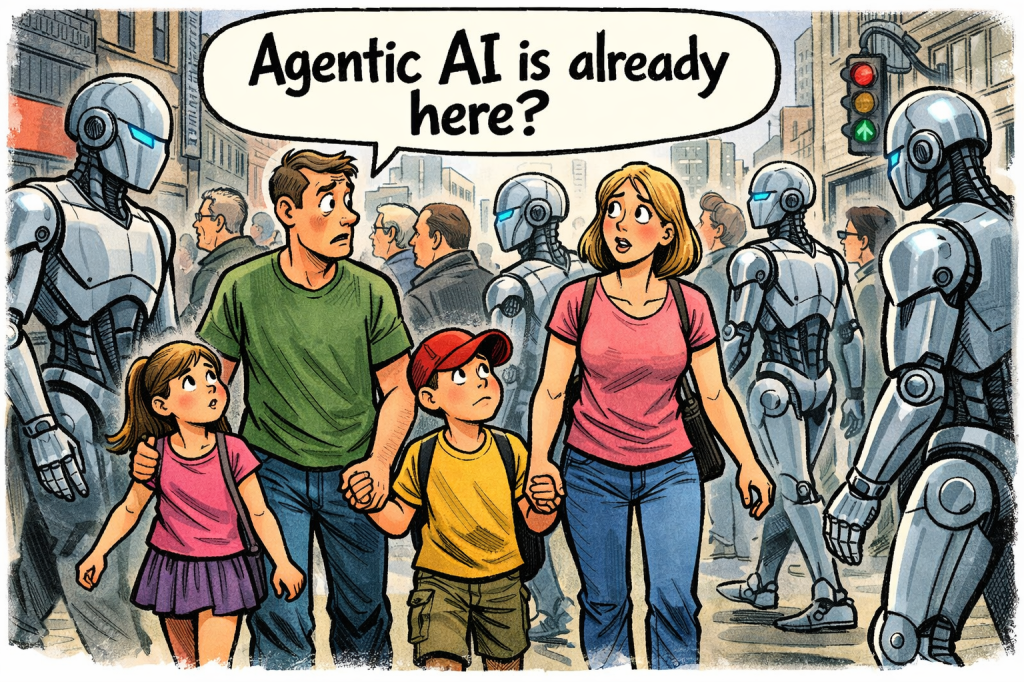
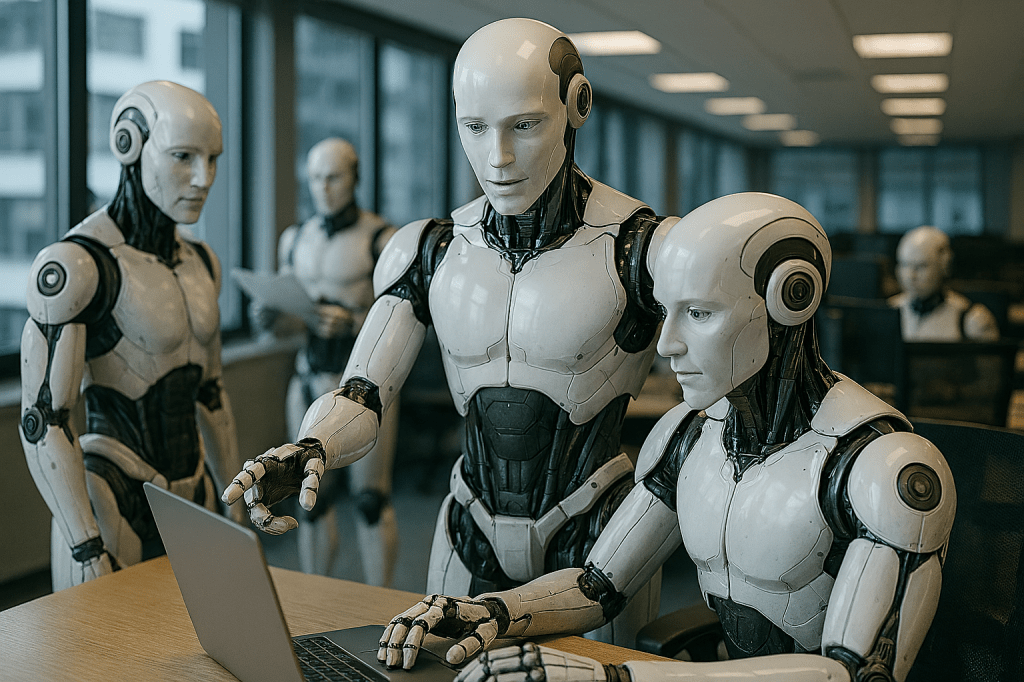
Artificial intelligence has entered this unsettled landscape not as a peripheral technology but as a force capable of reshaping education, employment, creativity, and economic organization. The AI Era has therefore raised a pressing question. Does artificial intelligence strengthen the American Dream by widening opportunity, or does it place the Dream further beyond reach? As of July 4, 2026, the evidence suggests that the Dream is neither dead nor secure. It survives, but it is being renegotiated.
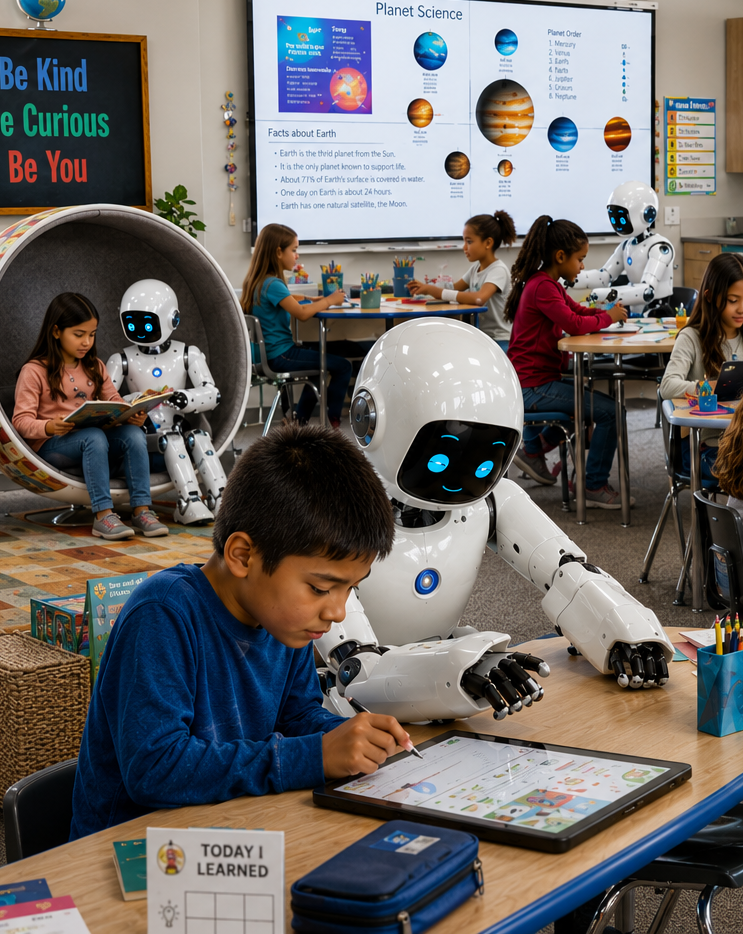
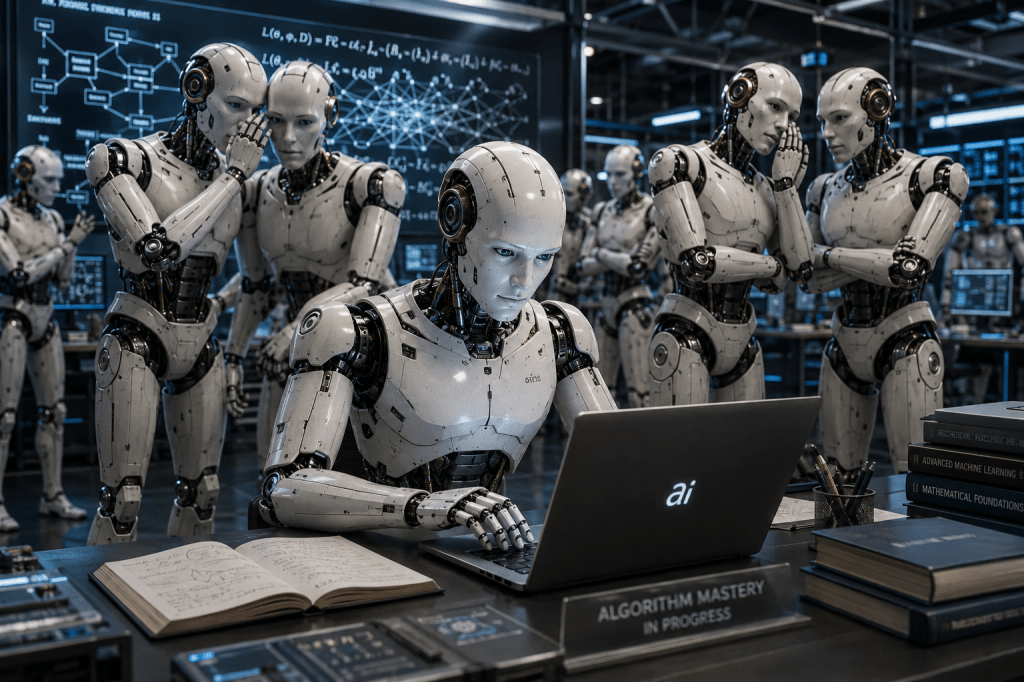
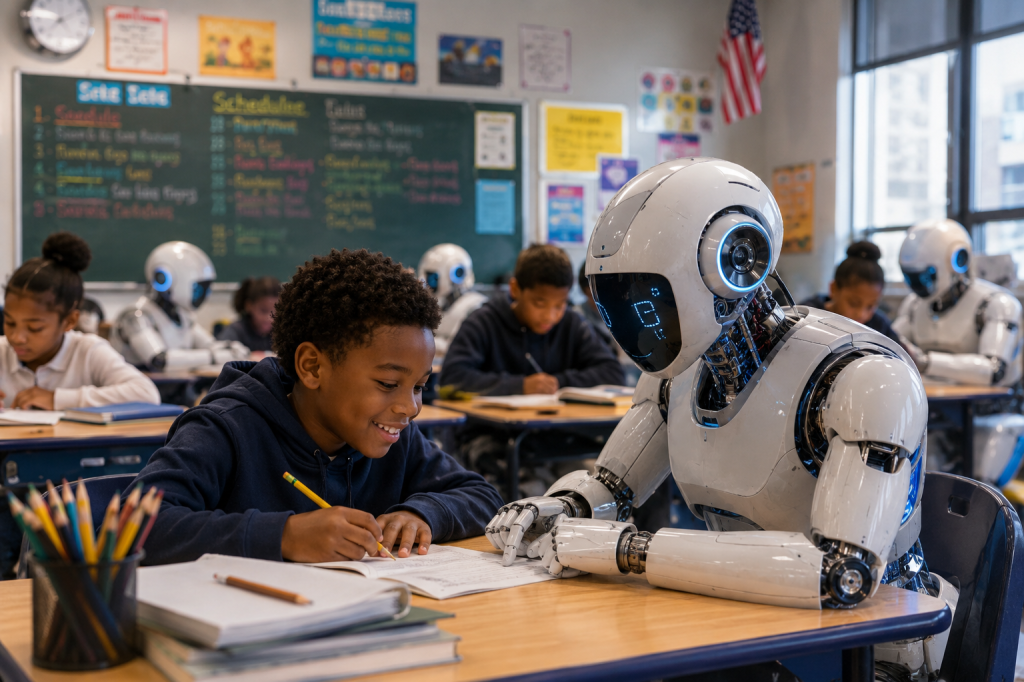
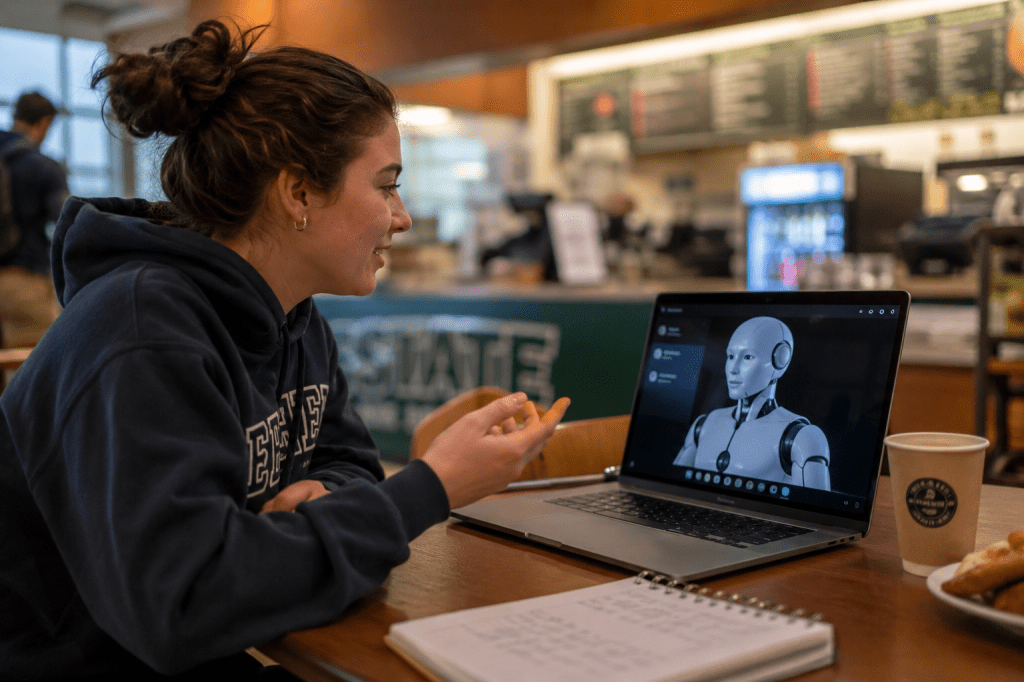
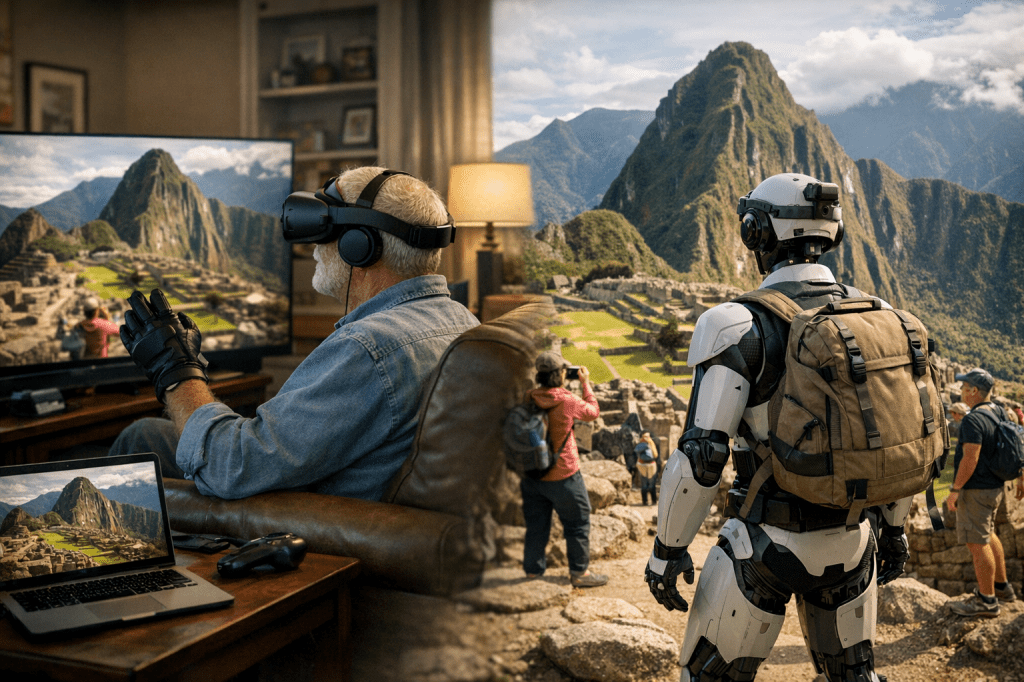
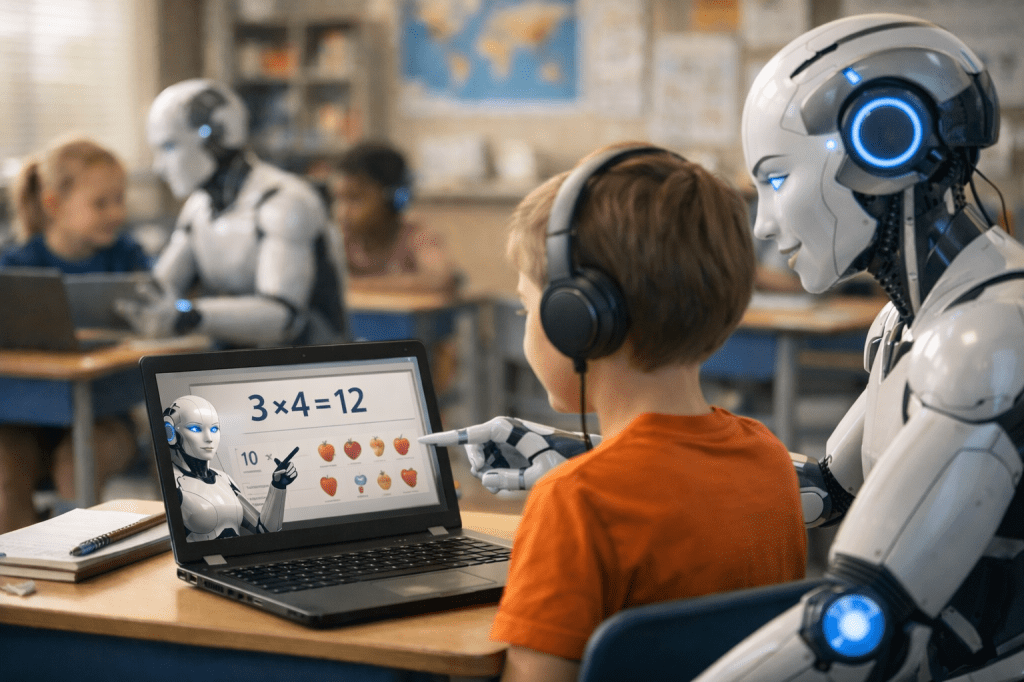
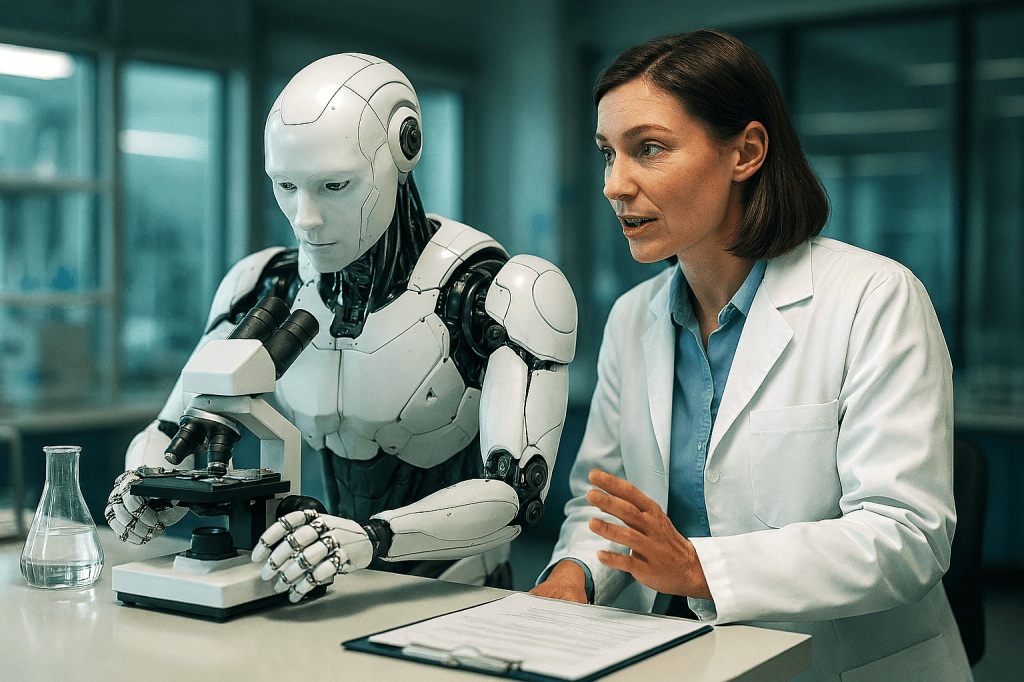
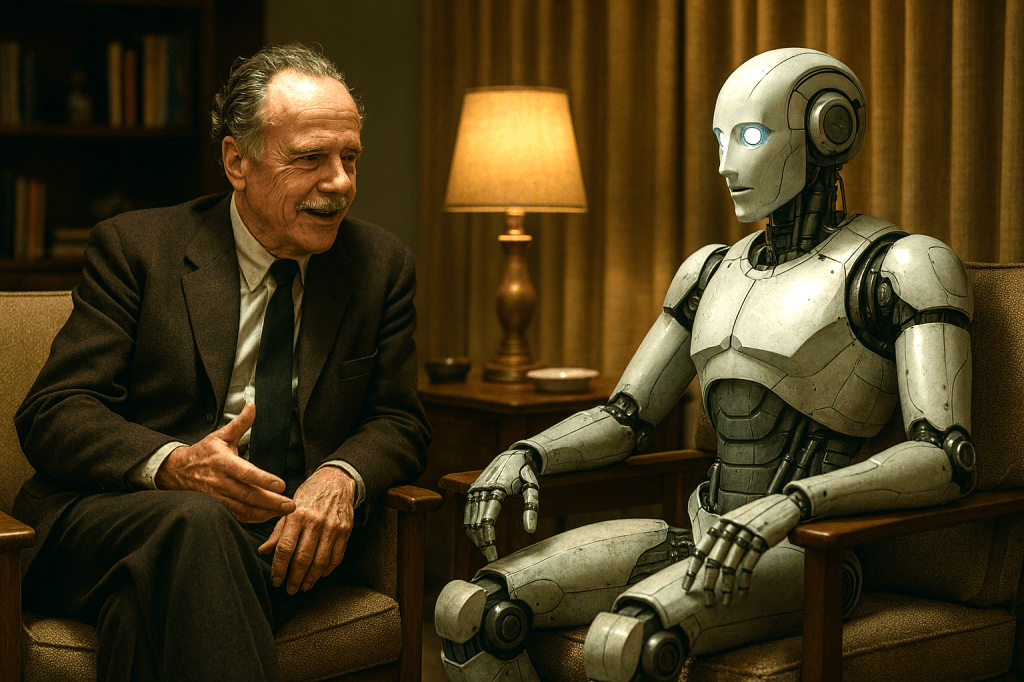
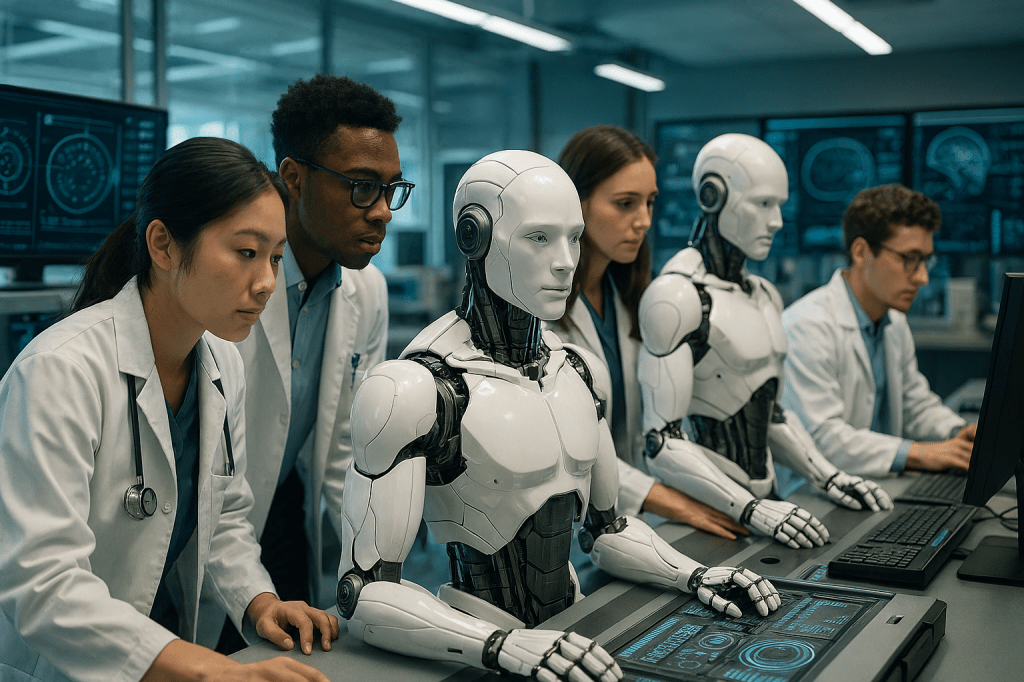
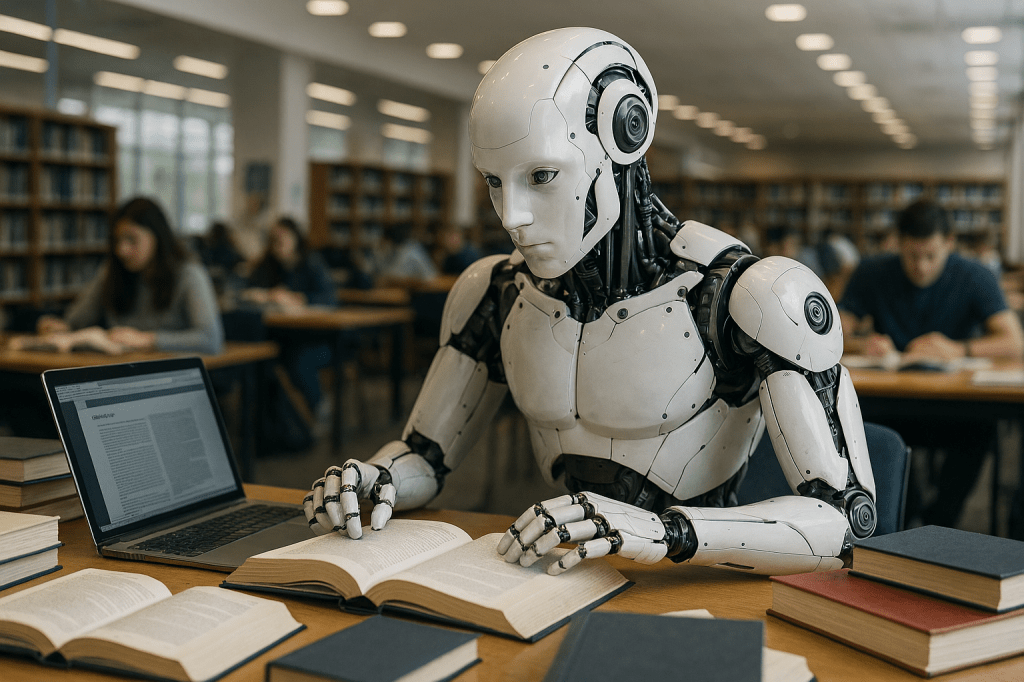
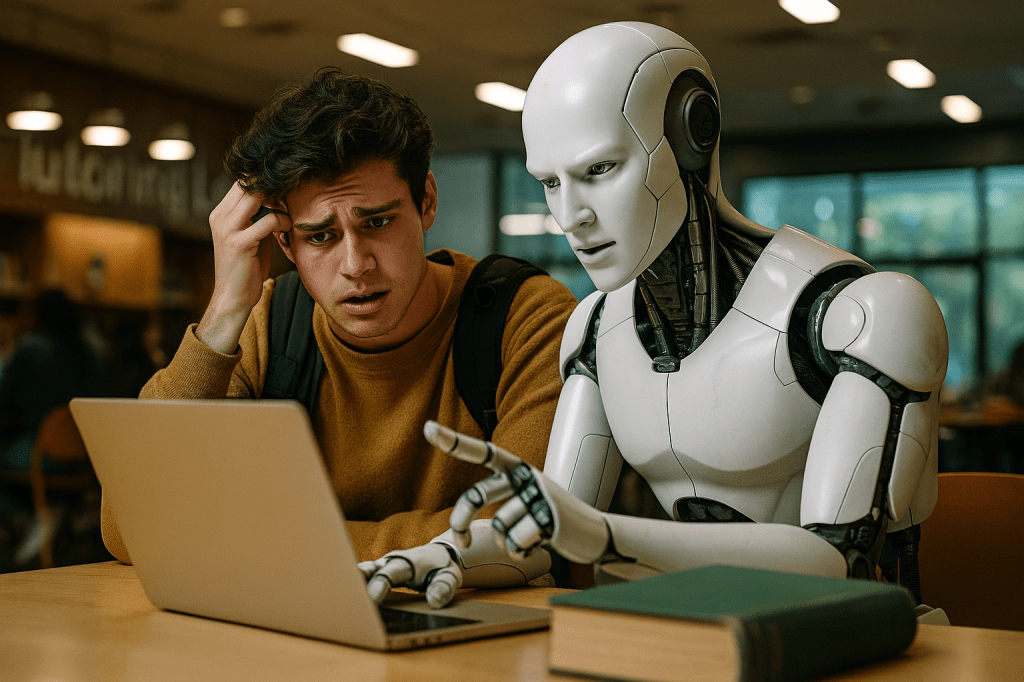
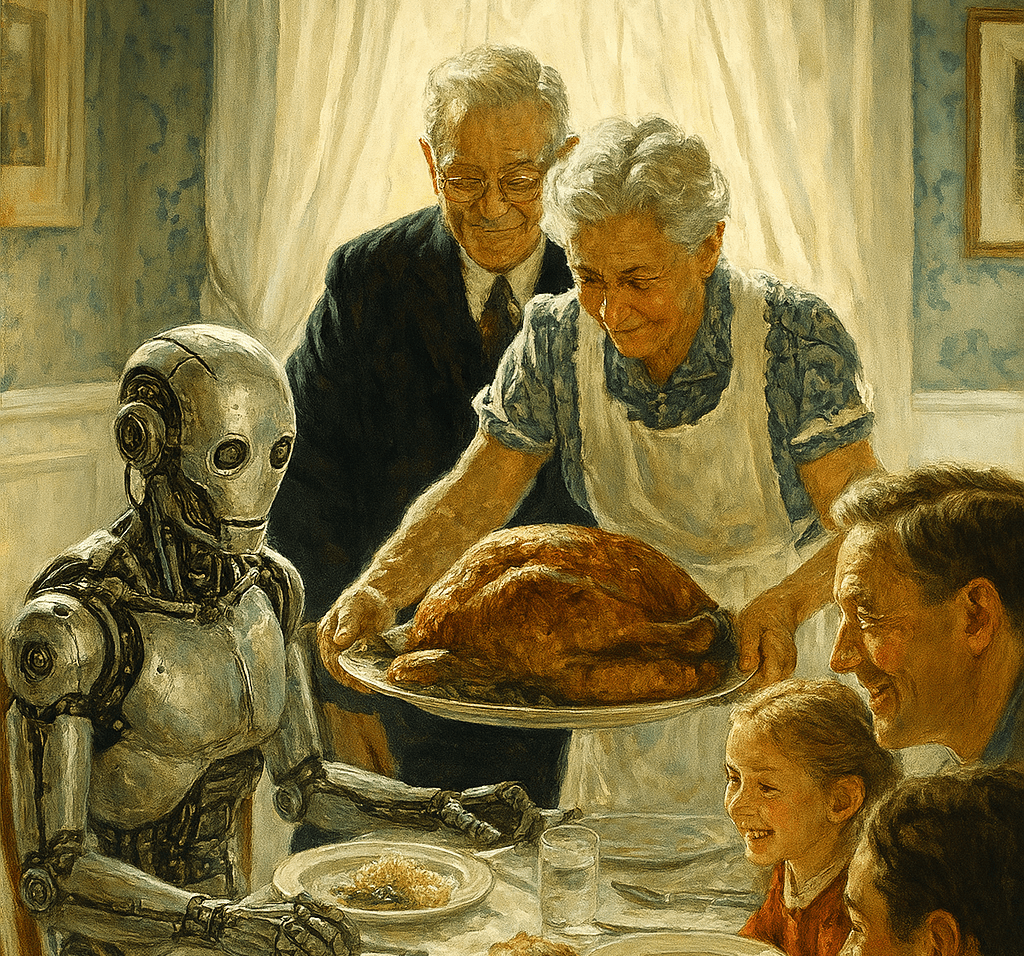
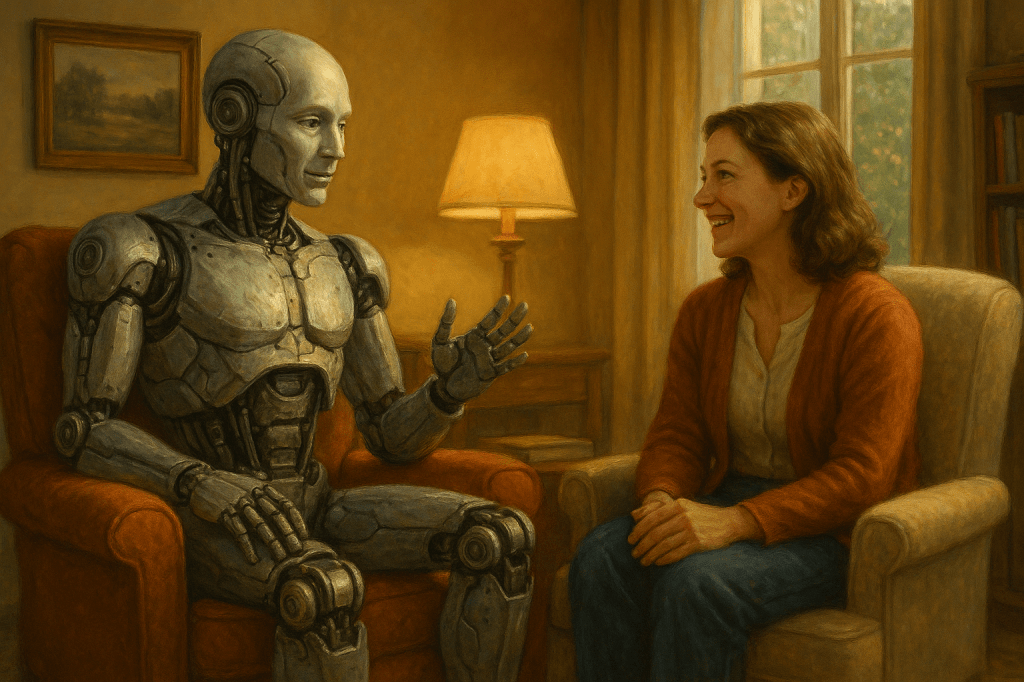
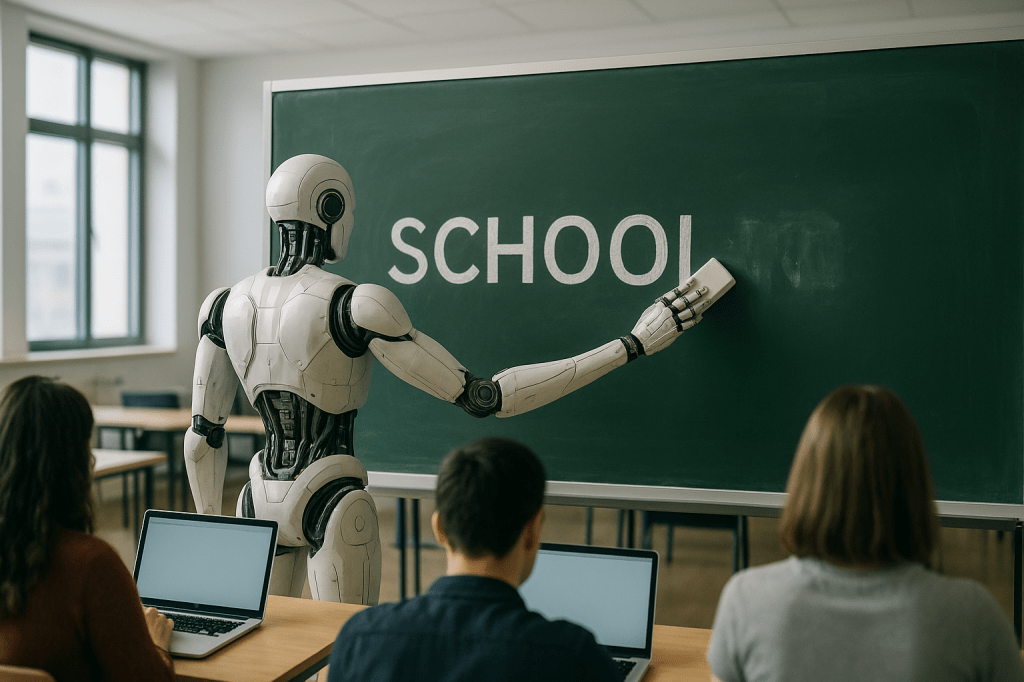
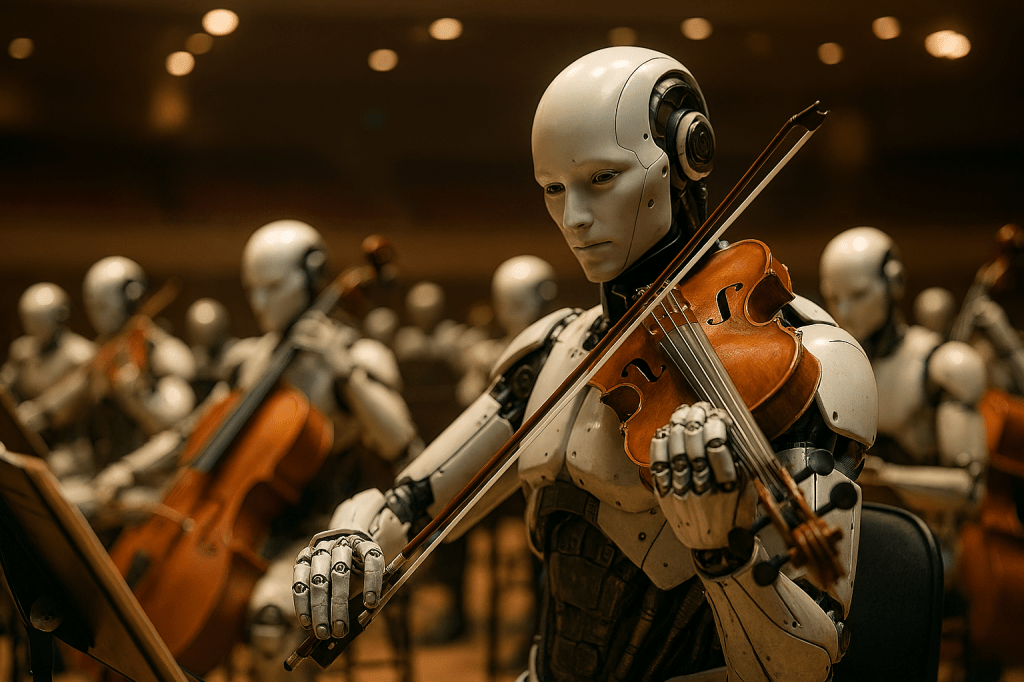
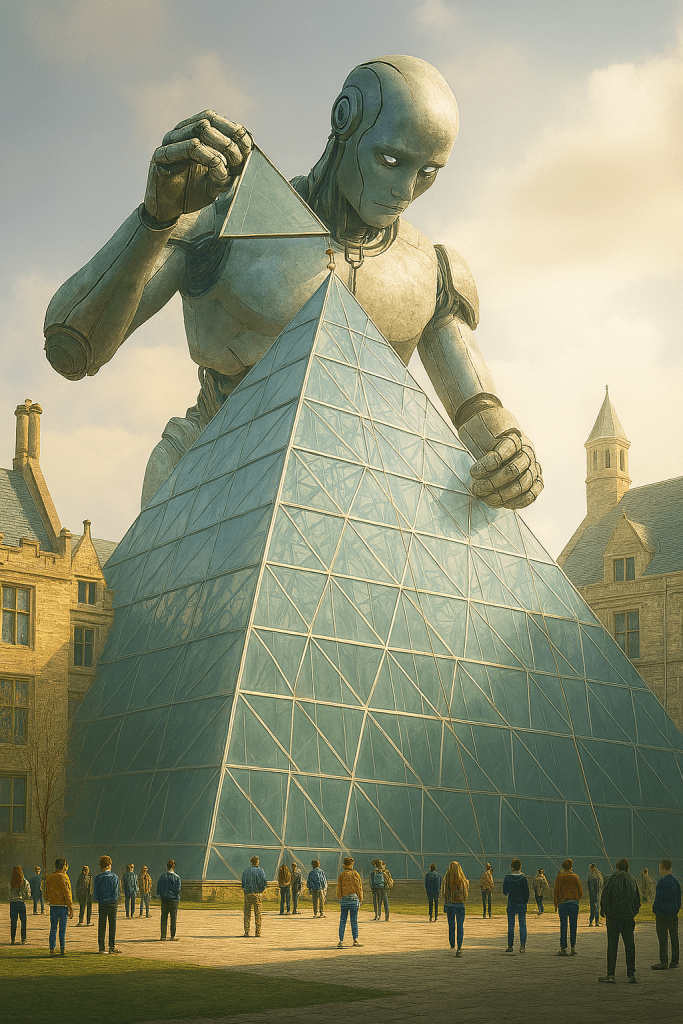
One reason for the Dream’s resilience is that AI has lowered barriers to capabilities that once required substantial institutional support. A student with an internet connection can receive individualized tutoring, obtain explanations of complex subjects, practice foreign languages, receive feedback on writing, and gain assistance in coding, design, and entrepreneurship. Small businesses and independent creators can use AI tools to perform tasks that previously required teams of specialists. In this sense, AI can serve as a force multiplier, allowing individuals with modest resources to pursue ambitions that would once have been prohibitively expensive.
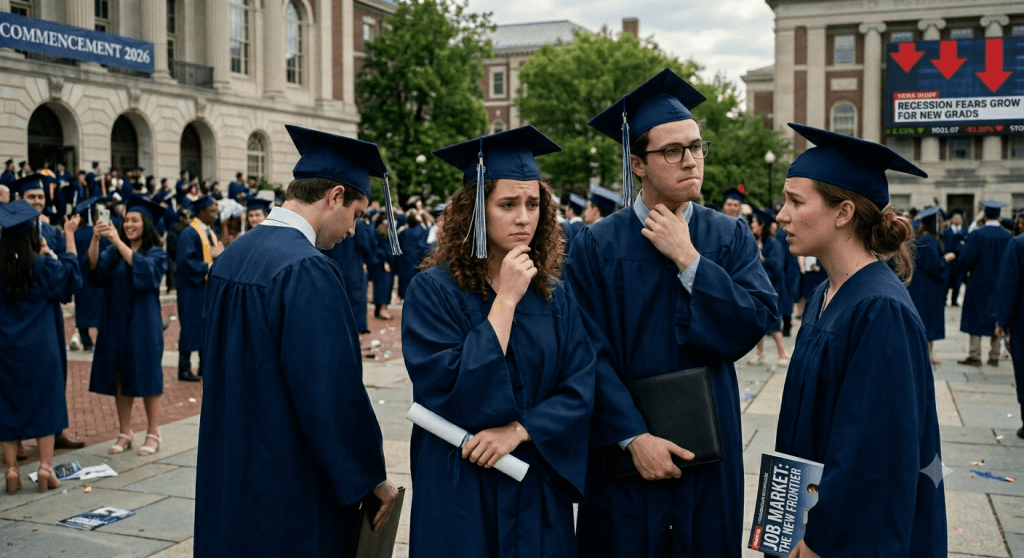
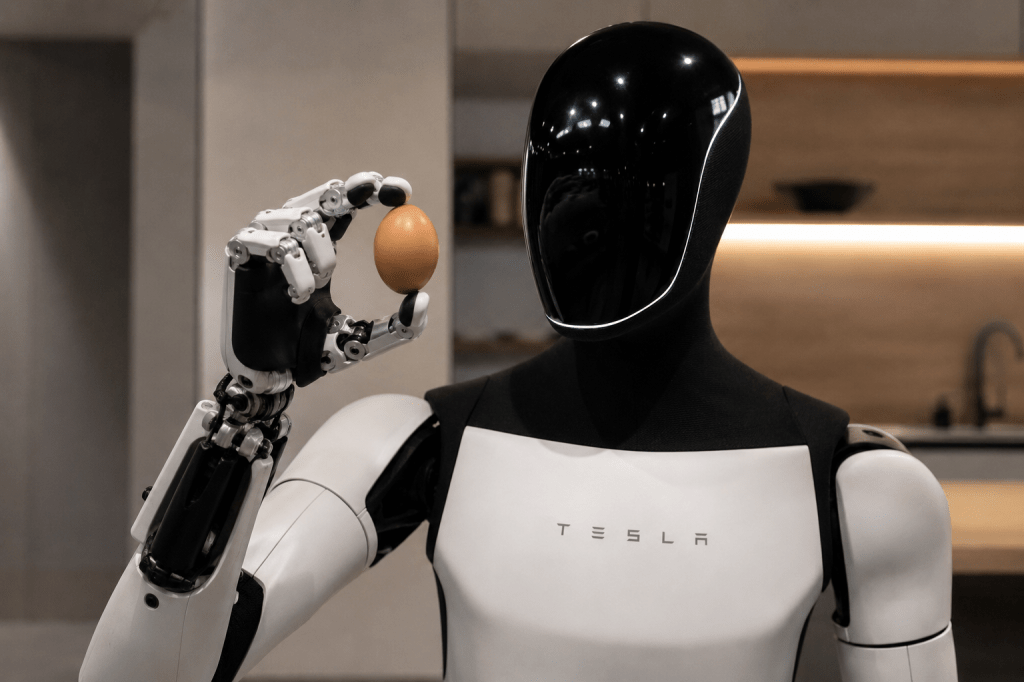
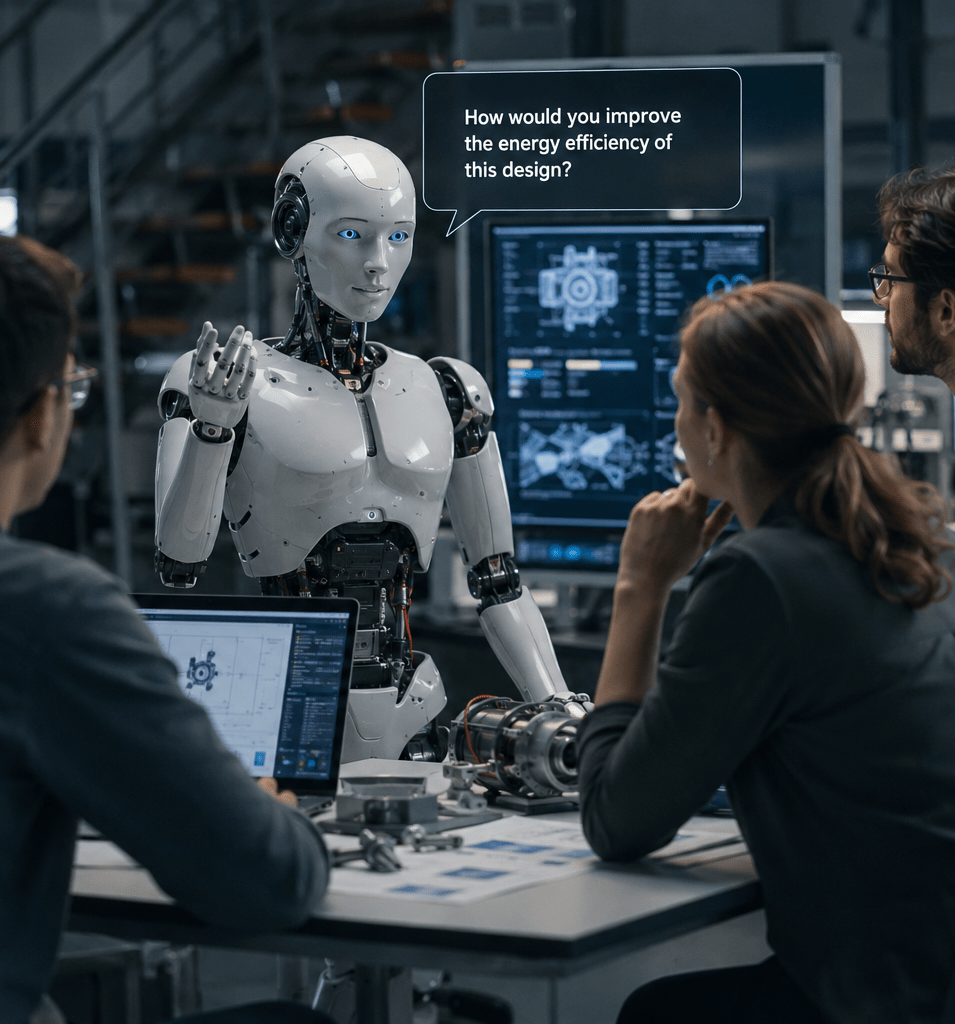
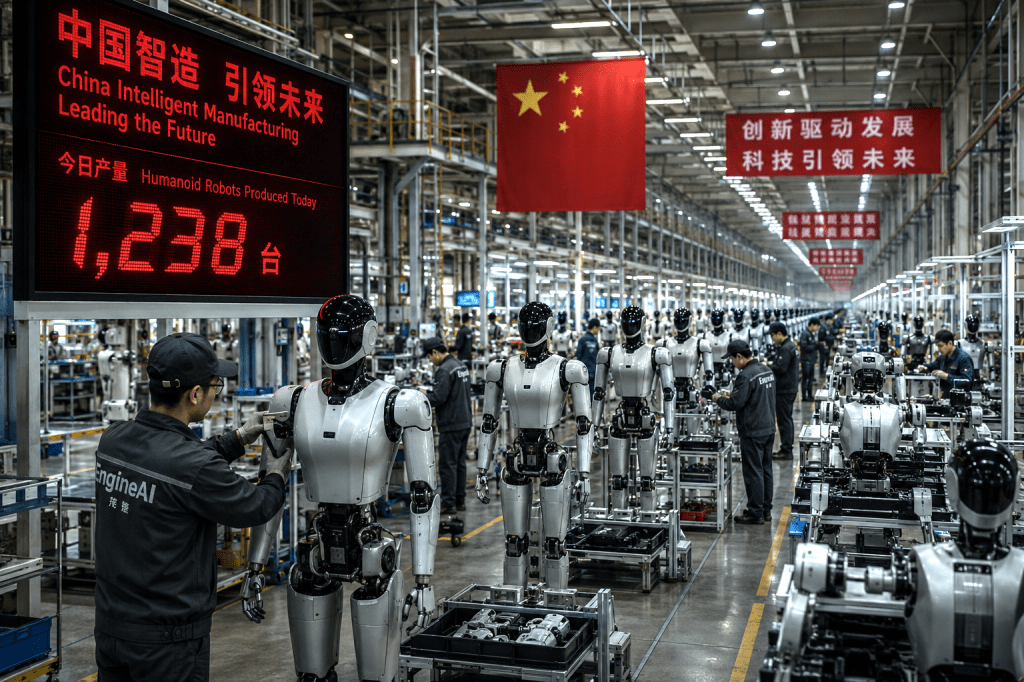
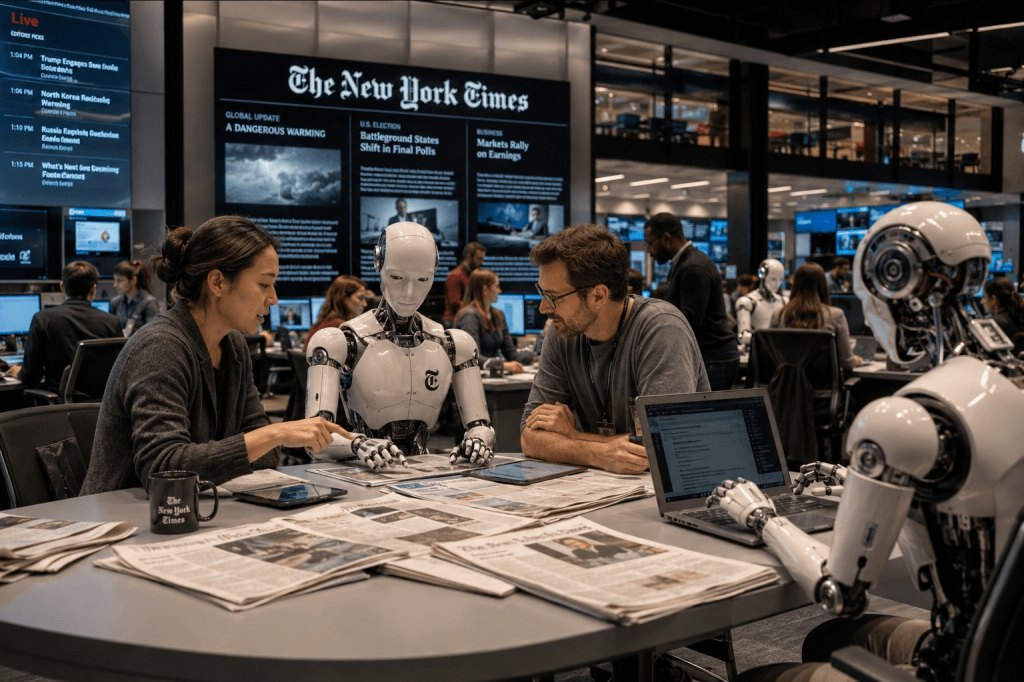
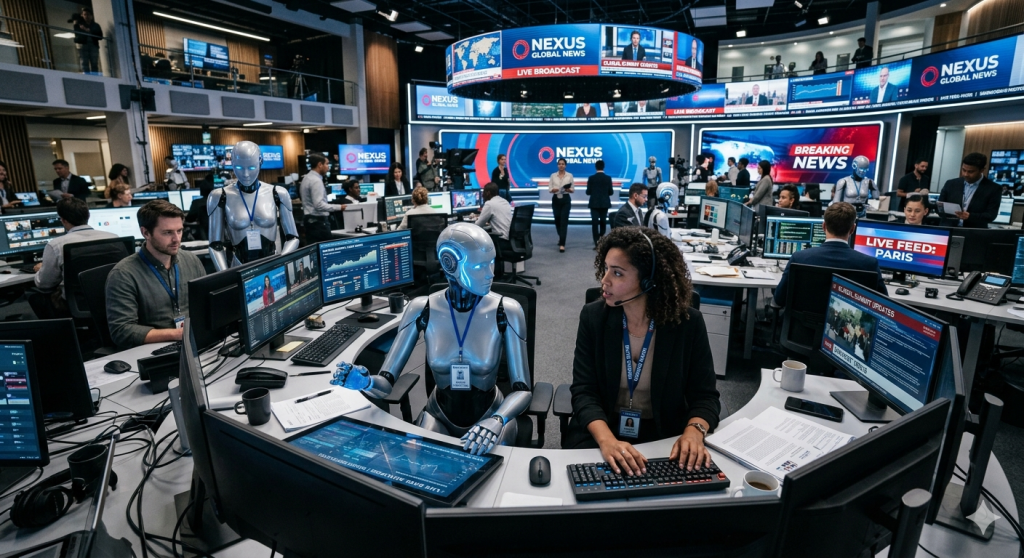
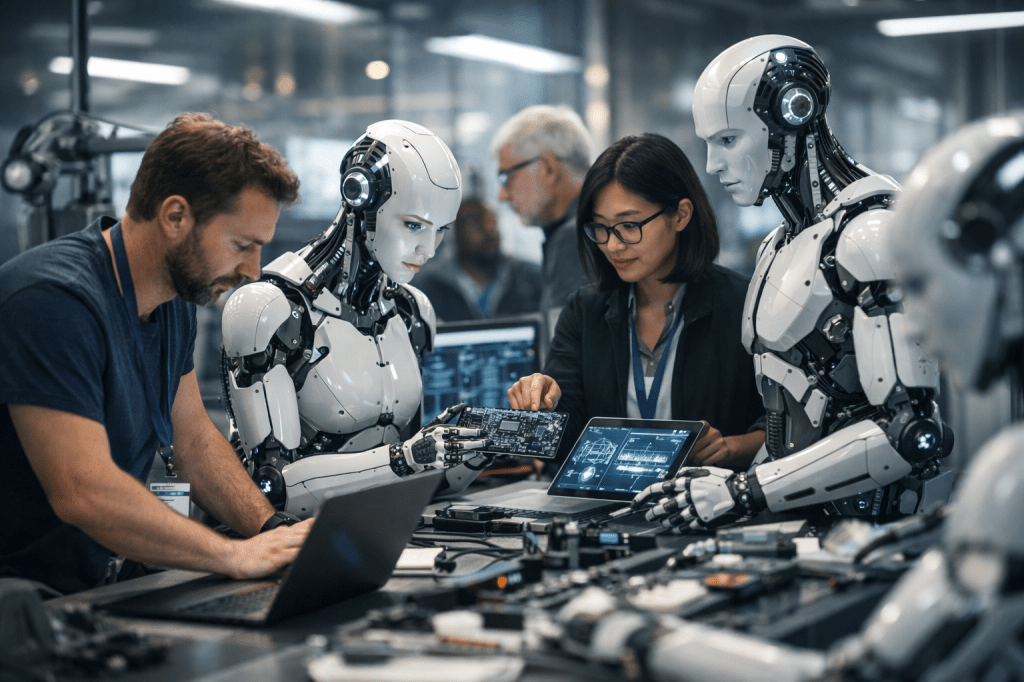
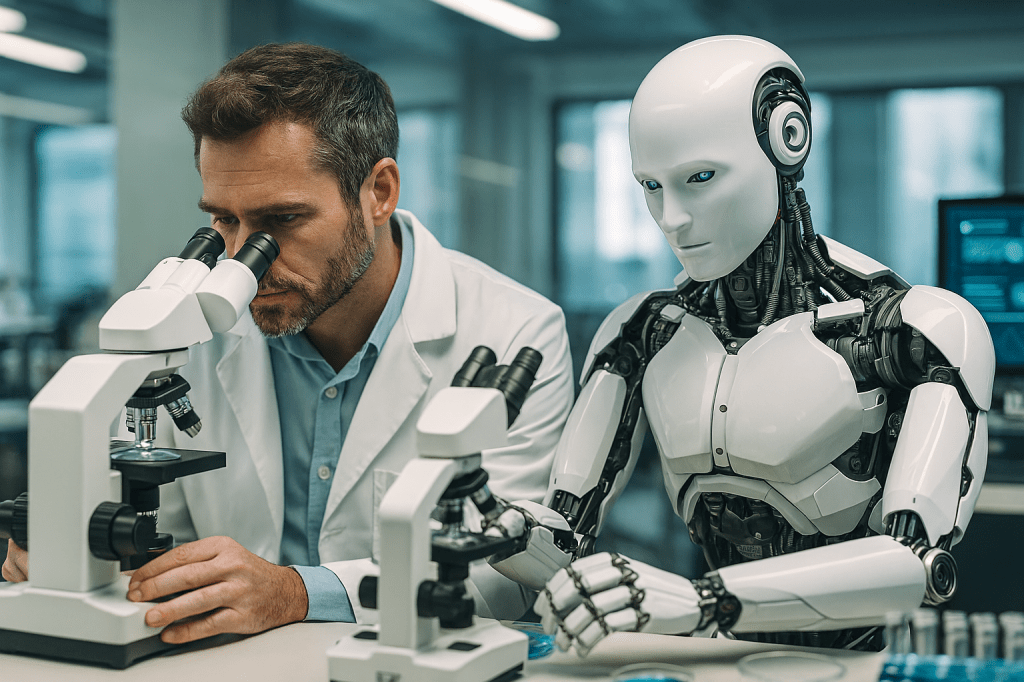
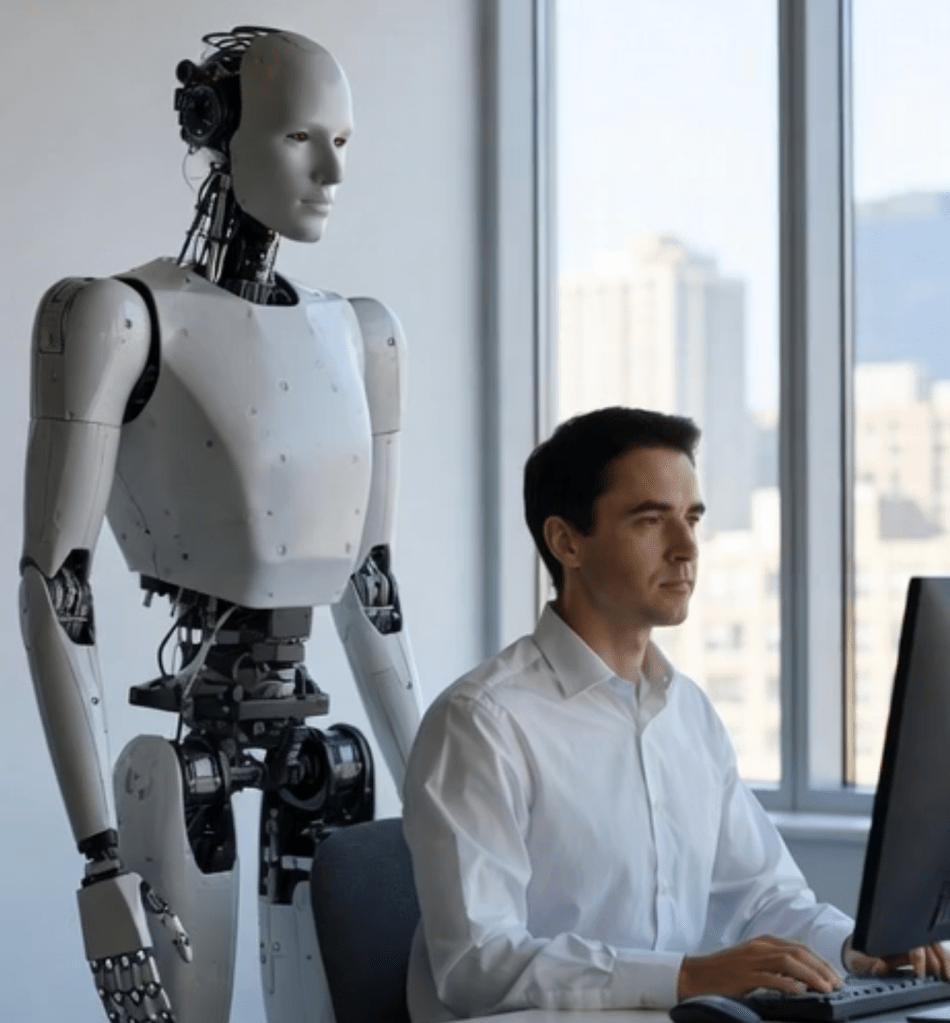
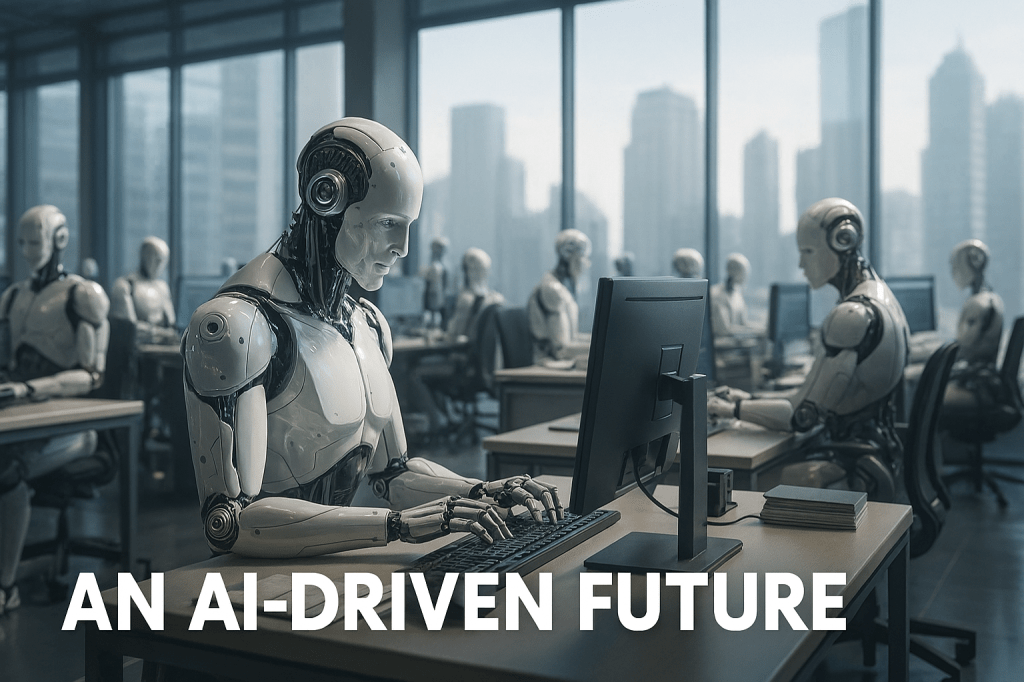
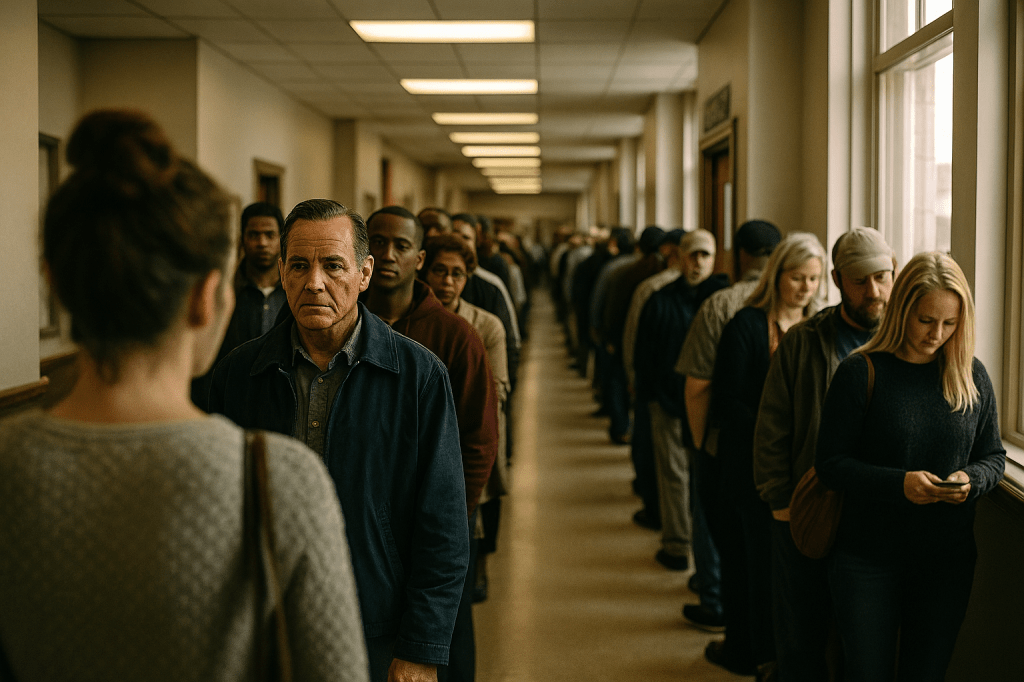
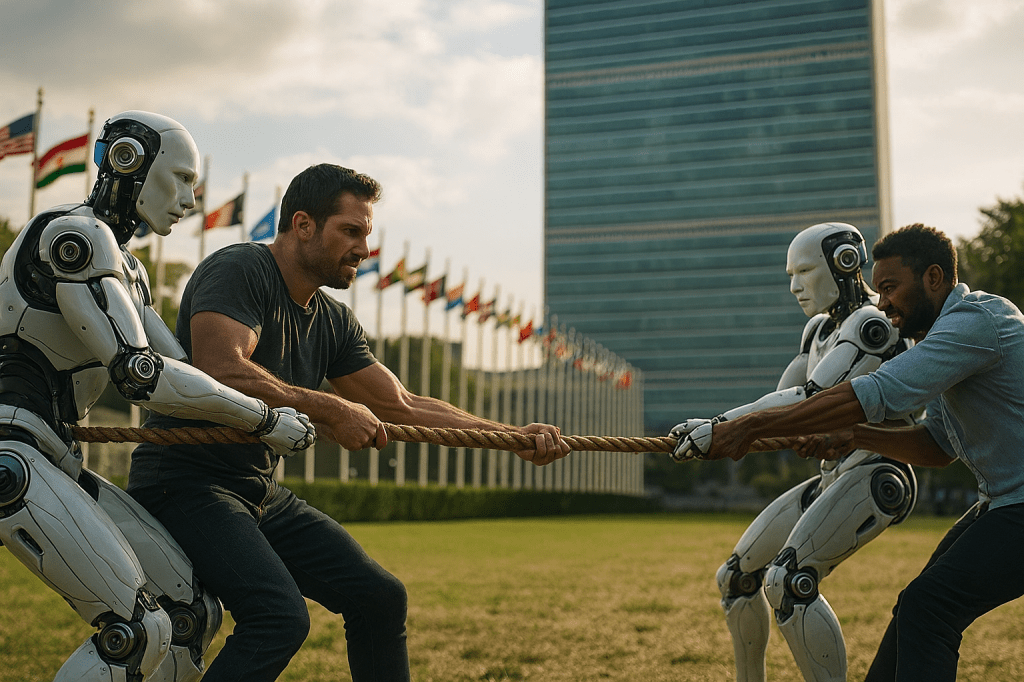
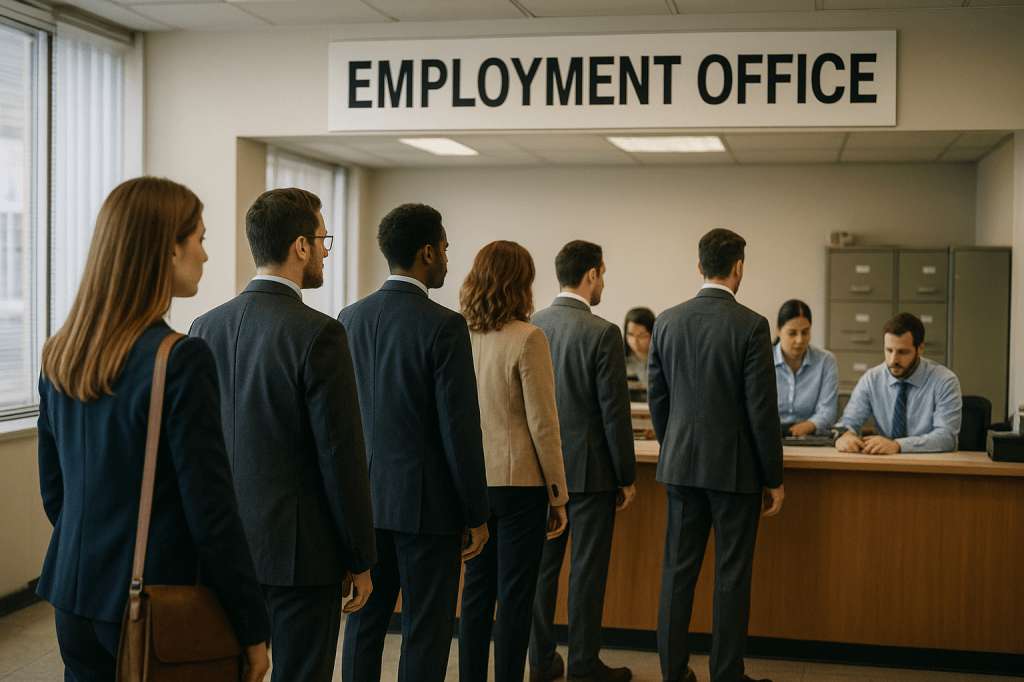
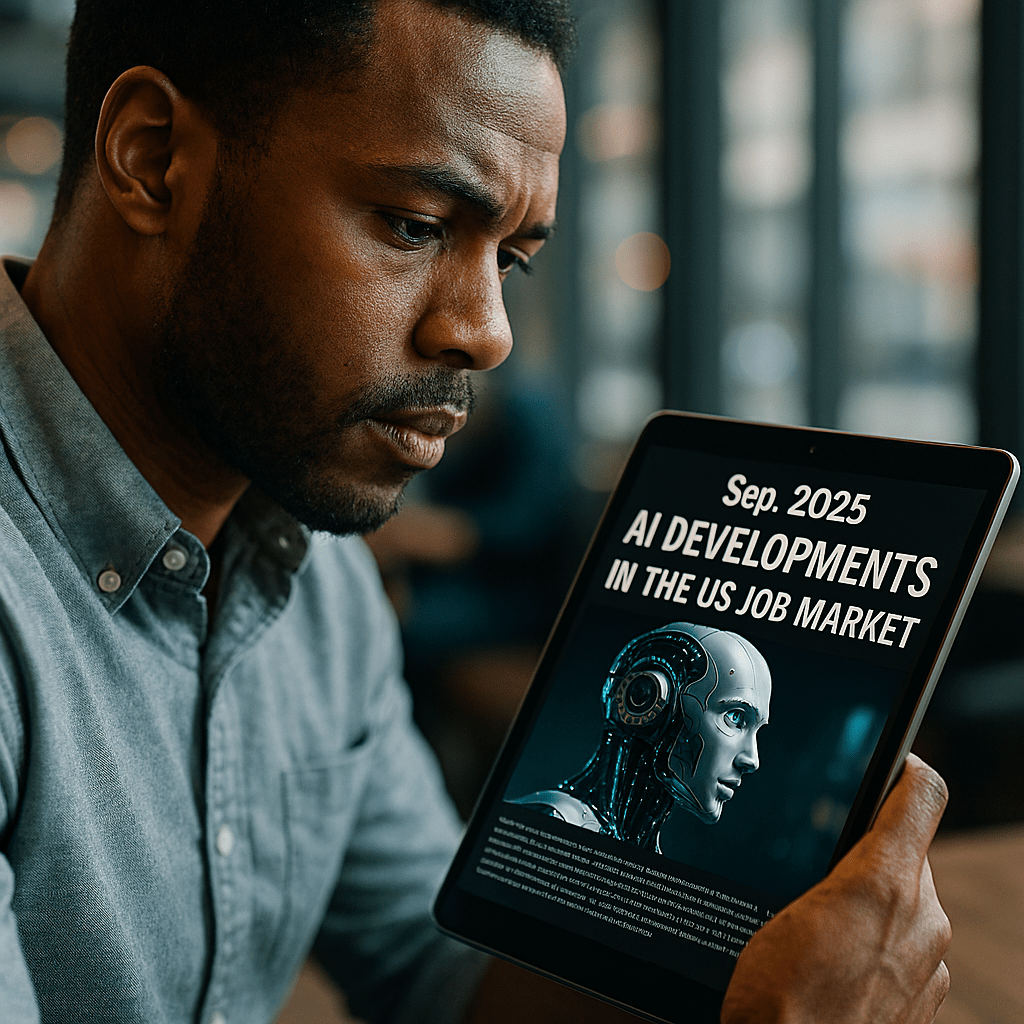
The workplace offers additional evidence of this dual reality. By early 2026, Gallup data showed that half of American employees were already using AI in some capacity, and a substantial majority of users believed it was improving productivity (5). At the same time, concern about employment displacement has become one of the principal anxieties in the American workforce. Surveys and labor market analyses increasingly identify AI as a major source of job insecurity, particularly in information-processing occupations and among new entrants to the labor market (6,7). Even optimistic economists acknowledge that artificial intelligence is likely to transform occupations and alter skill requirements, although they disagree about the magnitude of displacement and the speed at which new opportunities will emerge (8).
These developments suggest that the American Dream in the AI Era is becoming less centered on ownership of particular assets and more centered on access to capabilities. In earlier generations, the Dream was often symbolized by a house, a stable career, and steadily rising material prosperity. Those aspirations remain important, but they increasingly depend upon an individual’s ability to acquire new knowledge, collaborate with intelligent systems, and repeatedly adapt to changing circumstances. The premium has shifted toward learning agility, creativity, judgment, and social intelligence.
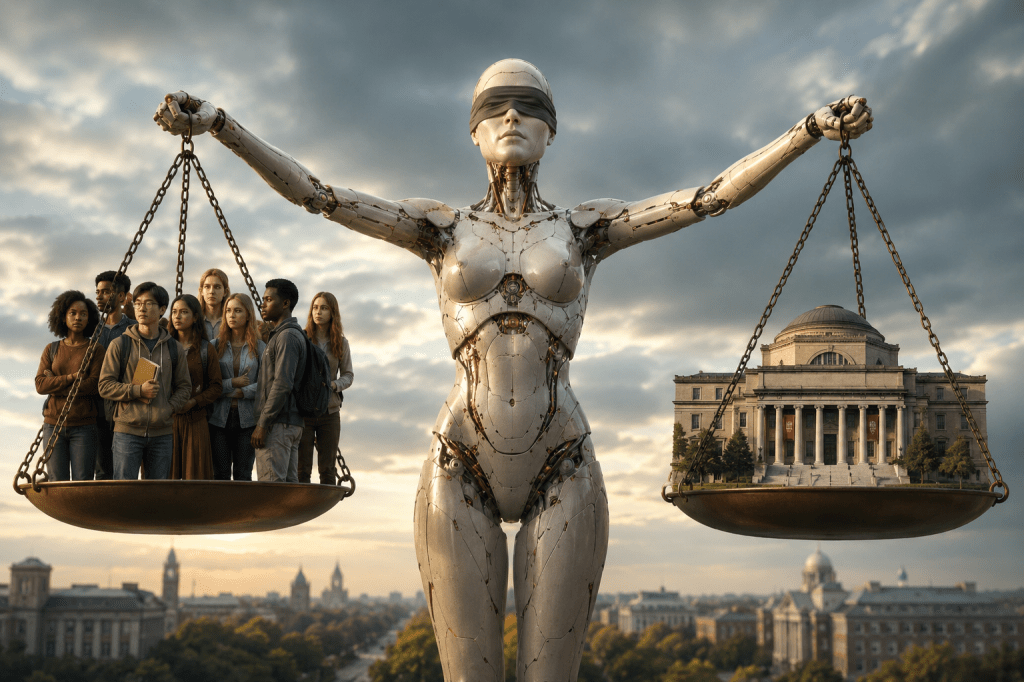
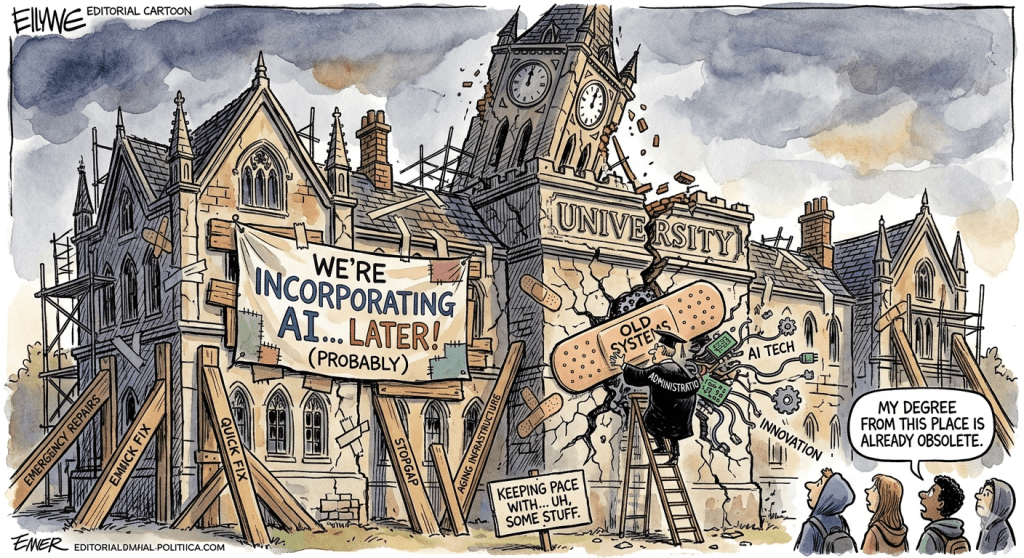
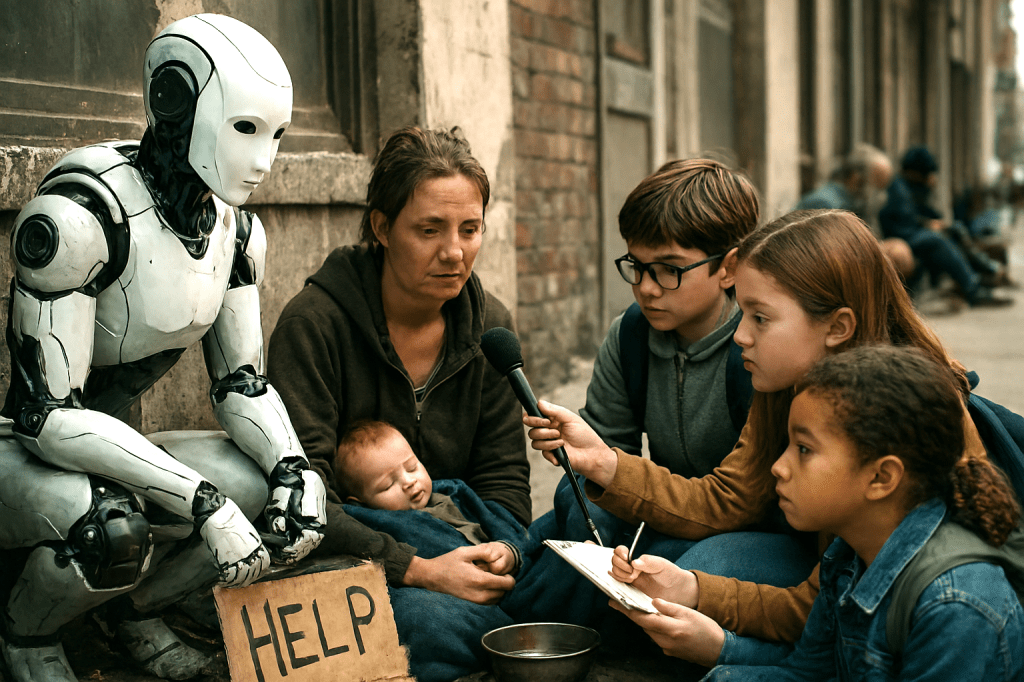
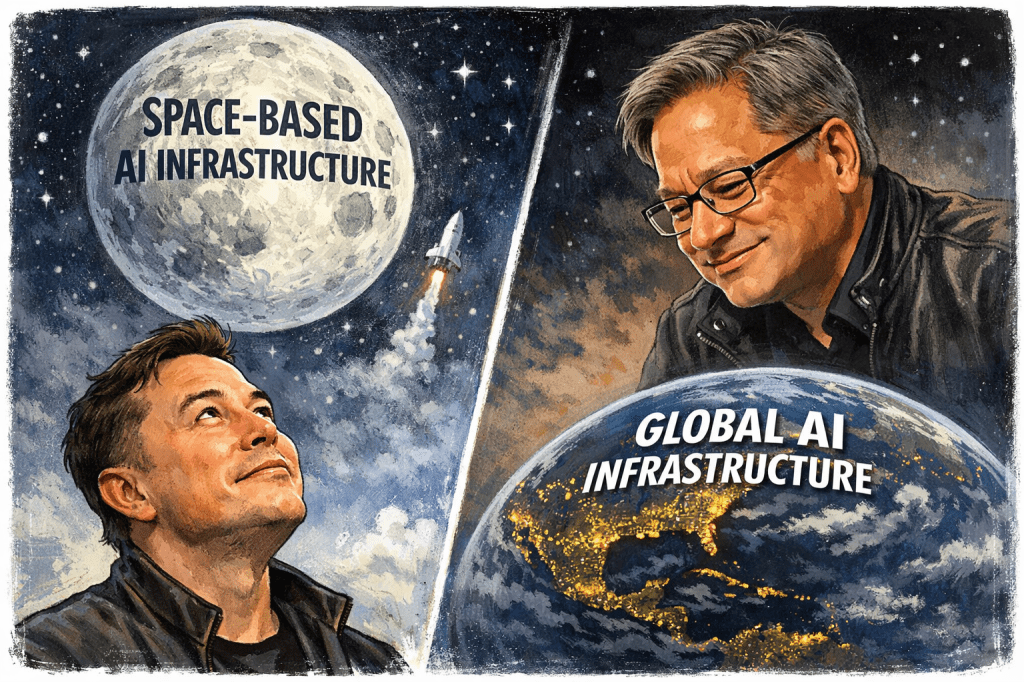
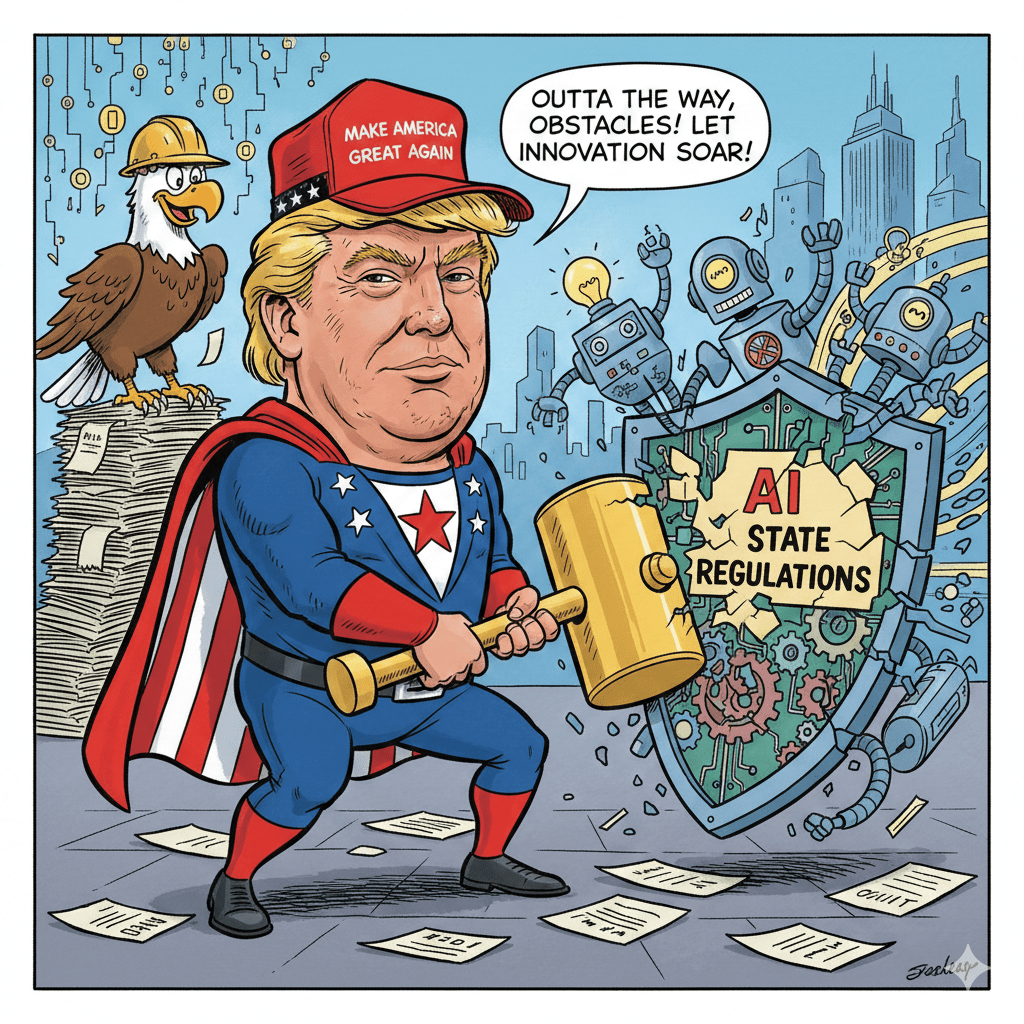
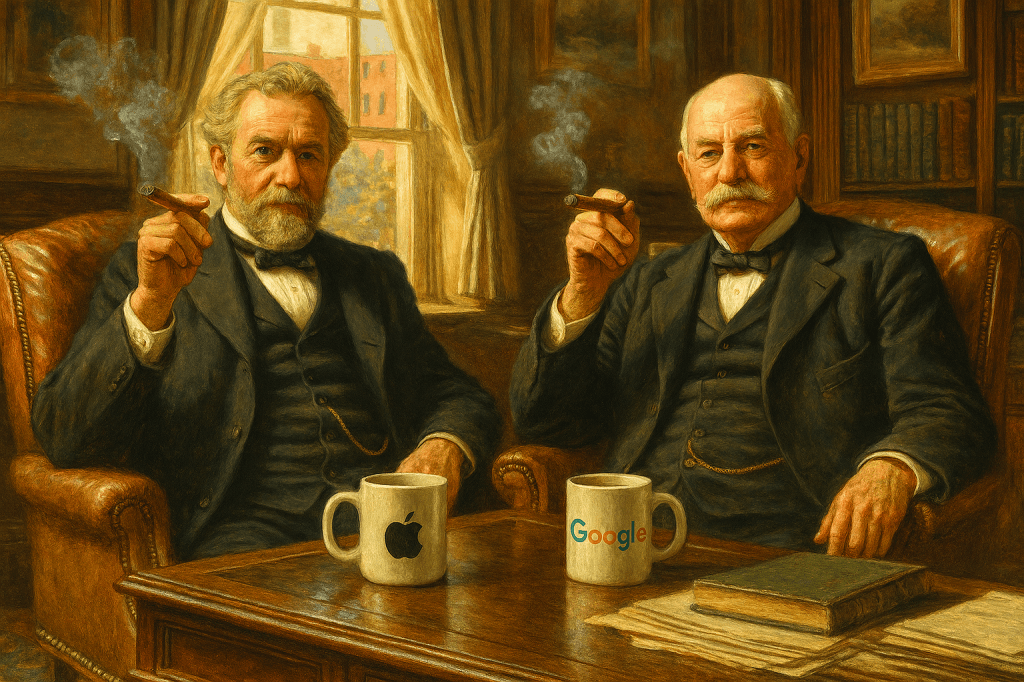
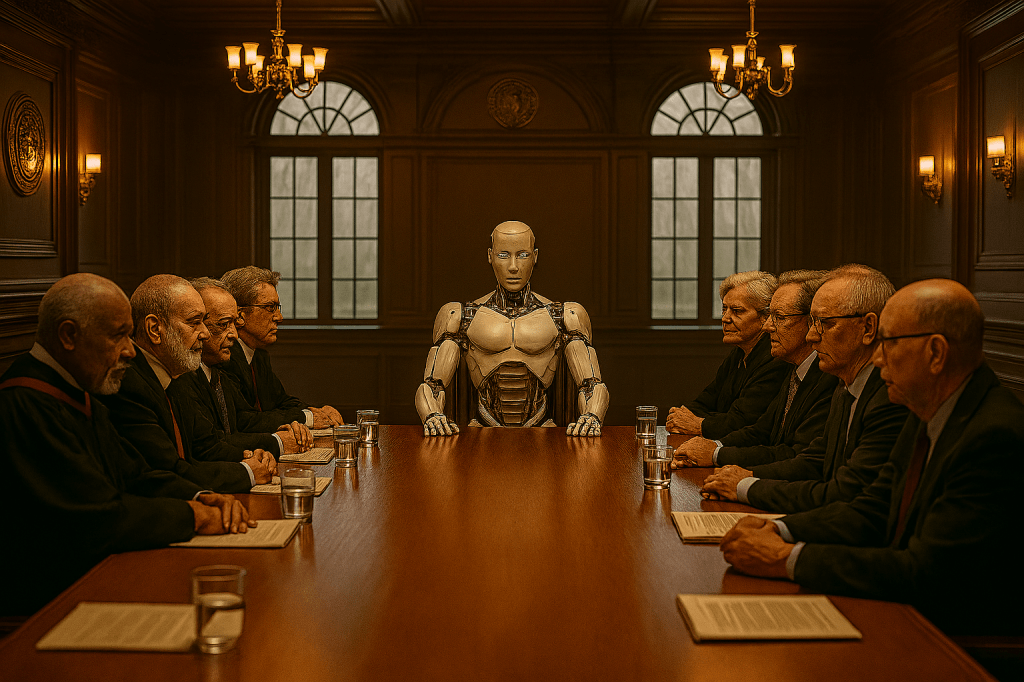
Yet this transition also exposes a central danger. If access to advanced AI tools, high-quality education, and computational resources becomes concentrated among a relatively small portion of society, artificial intelligence could widen existing inequalities. The Dream would then become increasingly stratified. Those who possess the means to harness AI would enjoy extraordinary opportunities for productivity and wealth creation, while others could find themselves competing in labor markets that reward fewer traditional skills. Such an outcome would violate Adams’s original emphasis on broad opportunity and a fuller life for everyone.
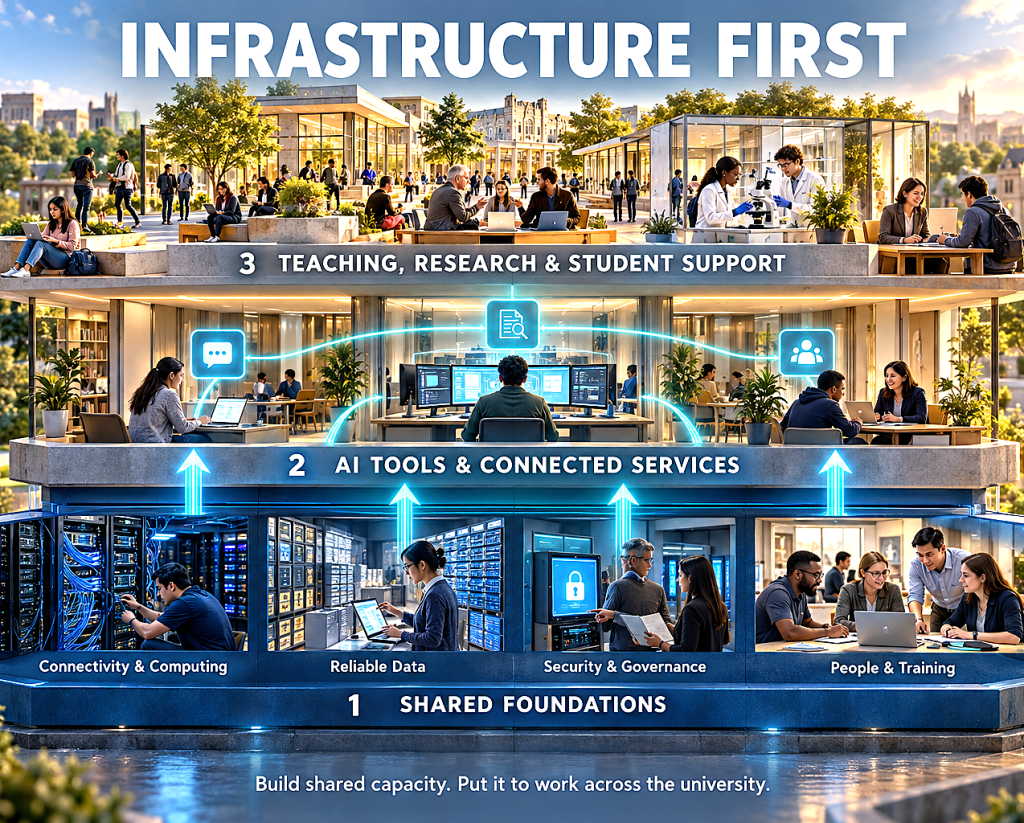
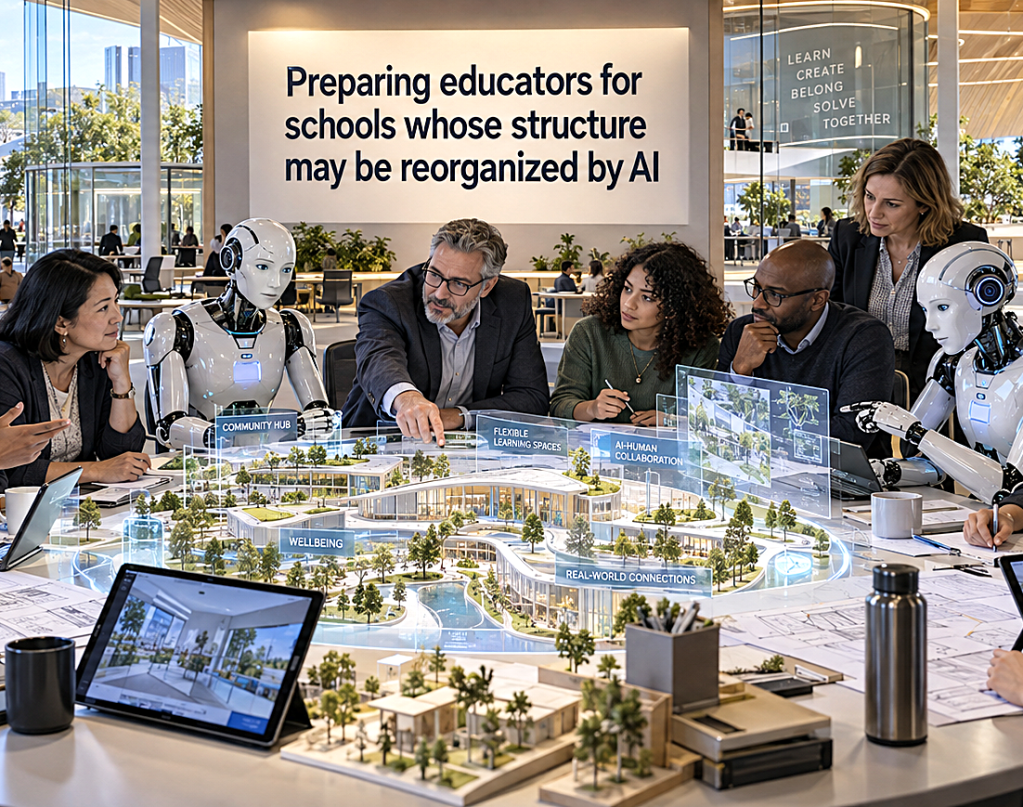
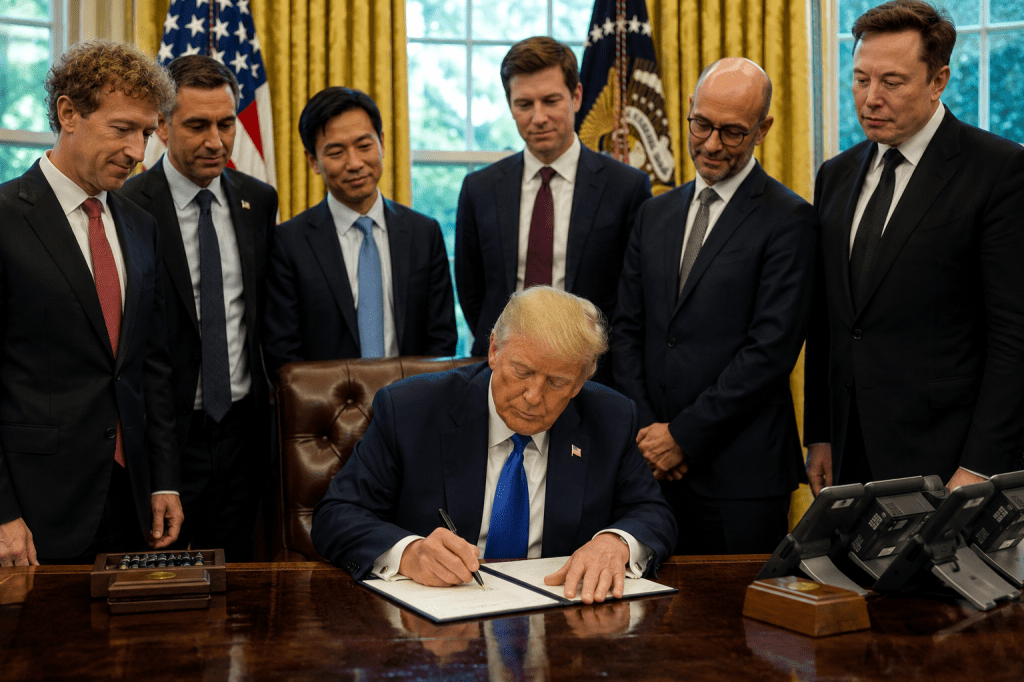
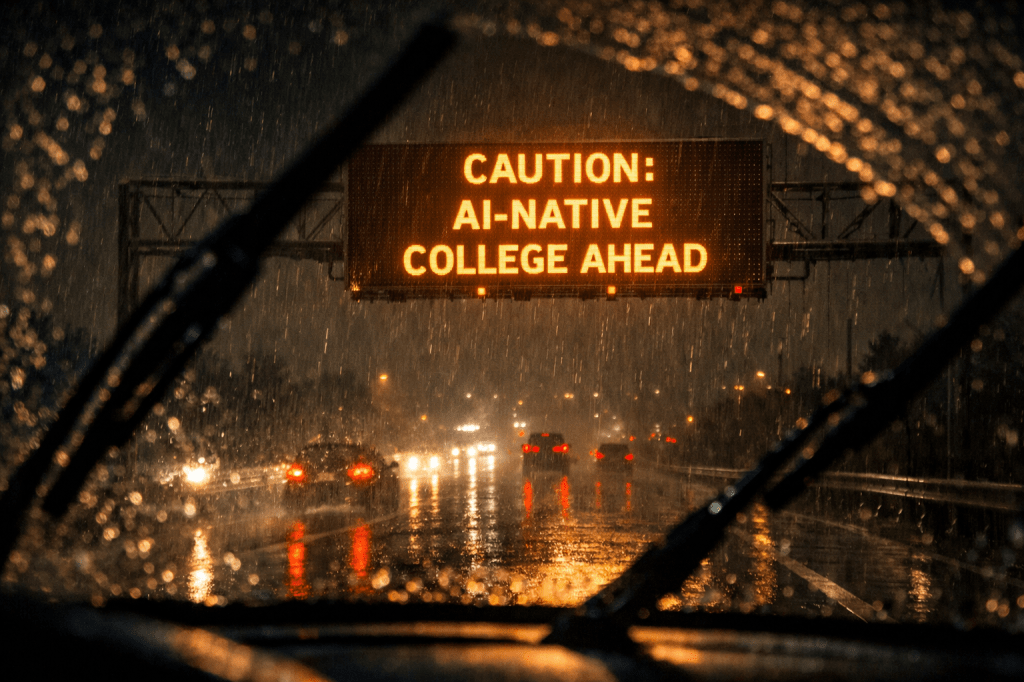
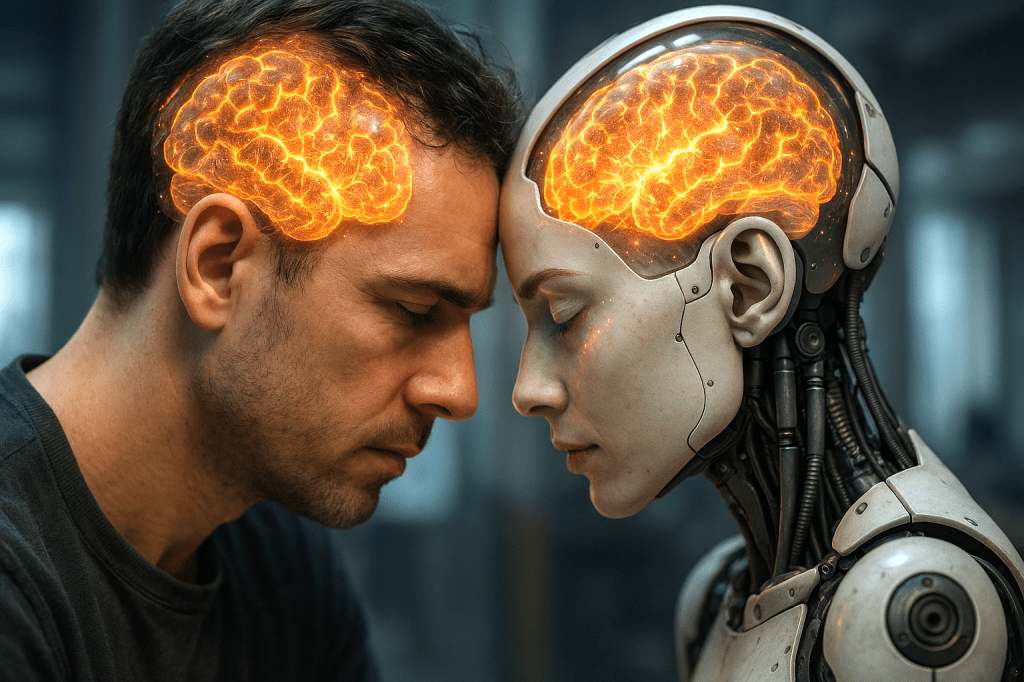
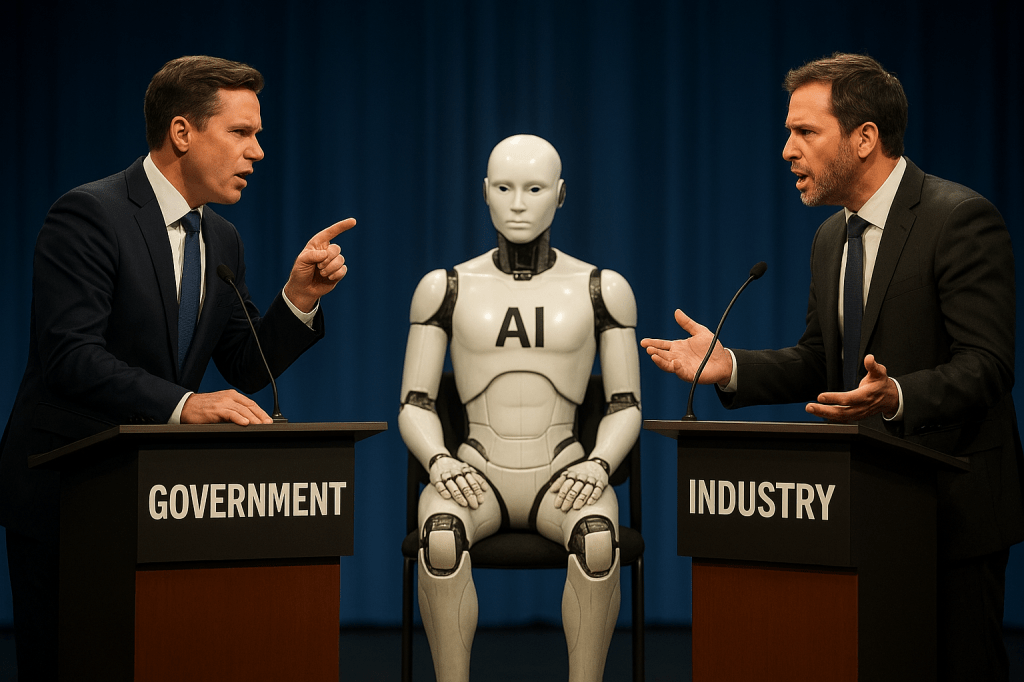
How, then, should AI shape the American Dream? First, artificial intelligence should be viewed as a capability amplifier rather than merely an efficiency technology. Its most important contribution may be its potential to democratize expertise. Second, education systems should place increasing emphasis on adaptability, interdisciplinary thinking, ethical reasoning, and human-AI collaboration. Third, public and private institutions should seek to ensure that access to AI tools and literacy does not become the privilege of a narrow elite. Finally, the nation should recognize that economic security and human dignity remain essential components of the Dream even in an age of increasingly intelligent machines.
The AI Era may ultimately invite Americans to recover dimensions of the Dream that have sometimes been overshadowed by material concerns. Adams argued that the American Dream was never solely about abundance. It concerned the opportunity to become more fully human. Artificial intelligence can help advance that aspiration if it enlarges the realm of human possibility, reduces barriers to education and creativity, and permits individuals to devote more of their energies to relationships, discovery, service, and meaningful work.
As fireworks illuminate the skies on July 4, 2026, the American Dream has not descended into oblivion. It remains alive, though under considerable strain. Artificial intelligence has become both a source of anxiety and a source of possibility. The future of the Dream will depend less on the capabilities of the machines themselves than on the social choices Americans make regarding access, education, opportunity, and human flourishing. The defining aspiration of the AI Era may therefore be neither the pursuit of wealth nor technological supremacy. It may be the pursuit of a society in which increasingly powerful intelligent systems enable more people to live lives that are, in Adams’s words, better, richer, and fuller.
References
(1) James Truslow Adams, The Epic of America (1931) and historical summaries of the quotation: https://en.wikiquote.org/wiki/James_Truslow_Adams
(2) Gallup. “Americans Split on Meaning of the American Dream.” (2025). https://news.gallup.com/poll/693083/americans-split-meaning-american-dream.aspx
(3) Archbridge Institute. “American Dream 2025 Snapshot.” (2025). https://www.archbridgeinstitute.org/american-dream-snapshot/
(4) Center for Scholars & Storytellers. “American Dream Study.” (2025). https://www.scholarsandstorytellers.com/american-dream
(5) Gallup data summary reported by Tom’s Hardware. “Half of all US employees now use artificial intelligence at work.” (2026). https://www.tomshardware.com/tech-industry/artificial-intelligence/half-of-all-us-employees-now-use-art-crossing-landmark-threshold-for-first-time-gallup-data-shows-daily-and-weekly-usage-hitting-all-time-high-of-28-percent-in-q1-2026-with-65-percent-feeling-positive-about-its-impact-on-productivity
(6) MarketWatch. “Americans are as worried as ever about layoffs and losing their jobs. Why so much angst?” (2026). https://www.marketwatch.com/story/americans-are-as-worried-as-ever-about-layoffs-and-losing-their-jobs-why-so-much-angst-6503fb63
(7) Business Insider. “Amazon Web Services CEO says half of white-collar jobs may change due to AI.” (2026). https://www.businessinsider.com/amazon-aws-ceo-matt-garman-white-collar-jobs-change-ai-2026-6
(8) The Wall Street Journal. “Is an AI Jobs Apocalypse Coming? Three Economists Square Off.” (2026). https://www.wsj.com/economy/jobs/ai-jobs-economists-f787105d
###
Filed under: Uncategorized |
















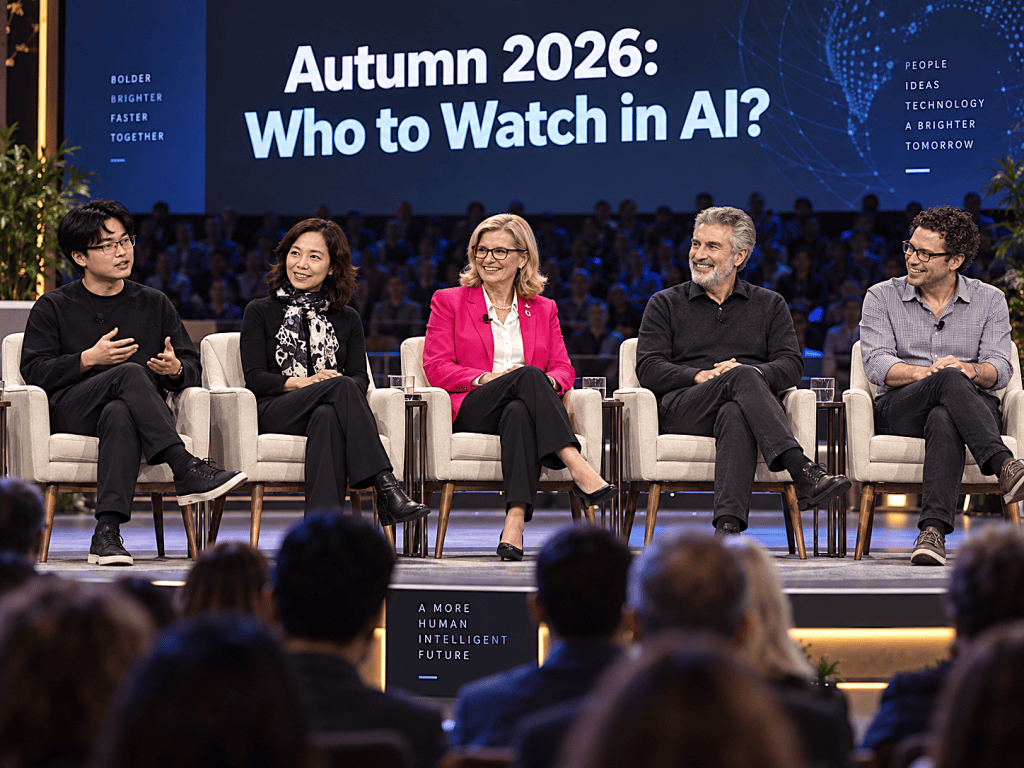






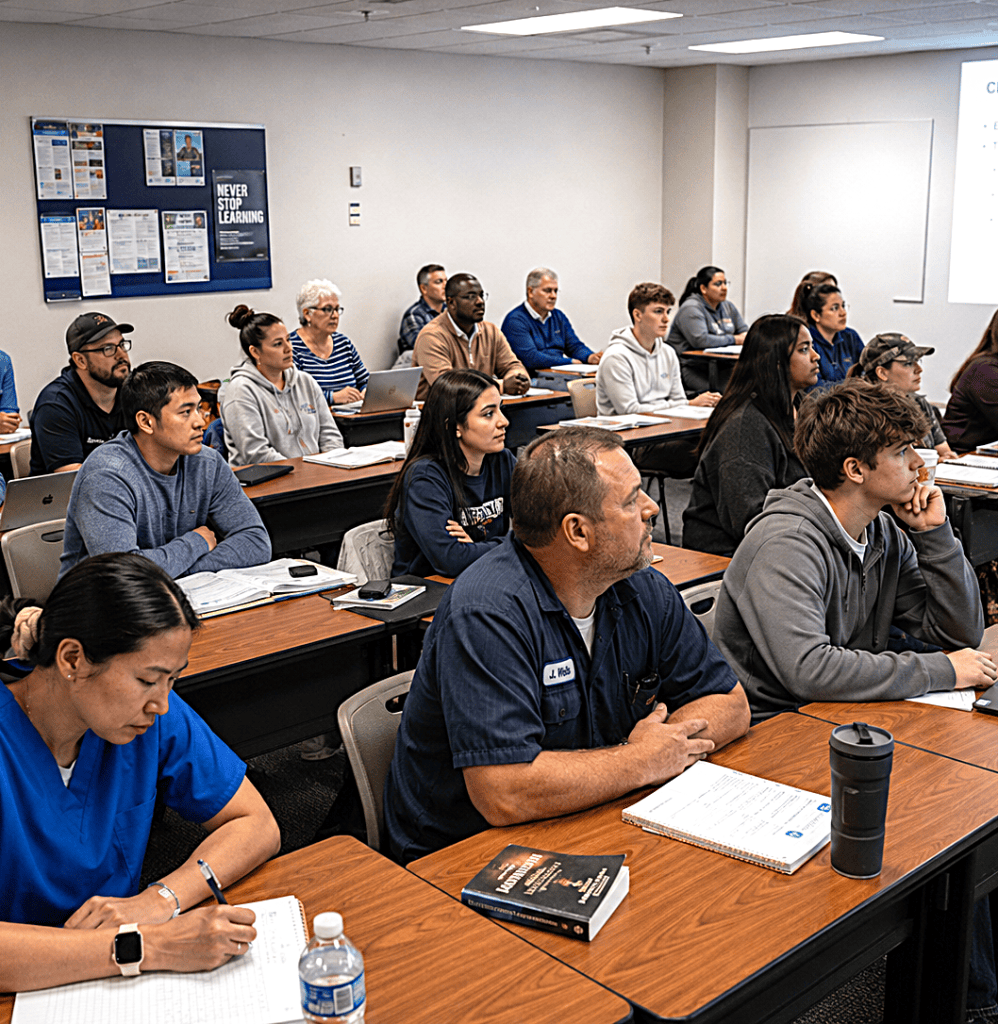
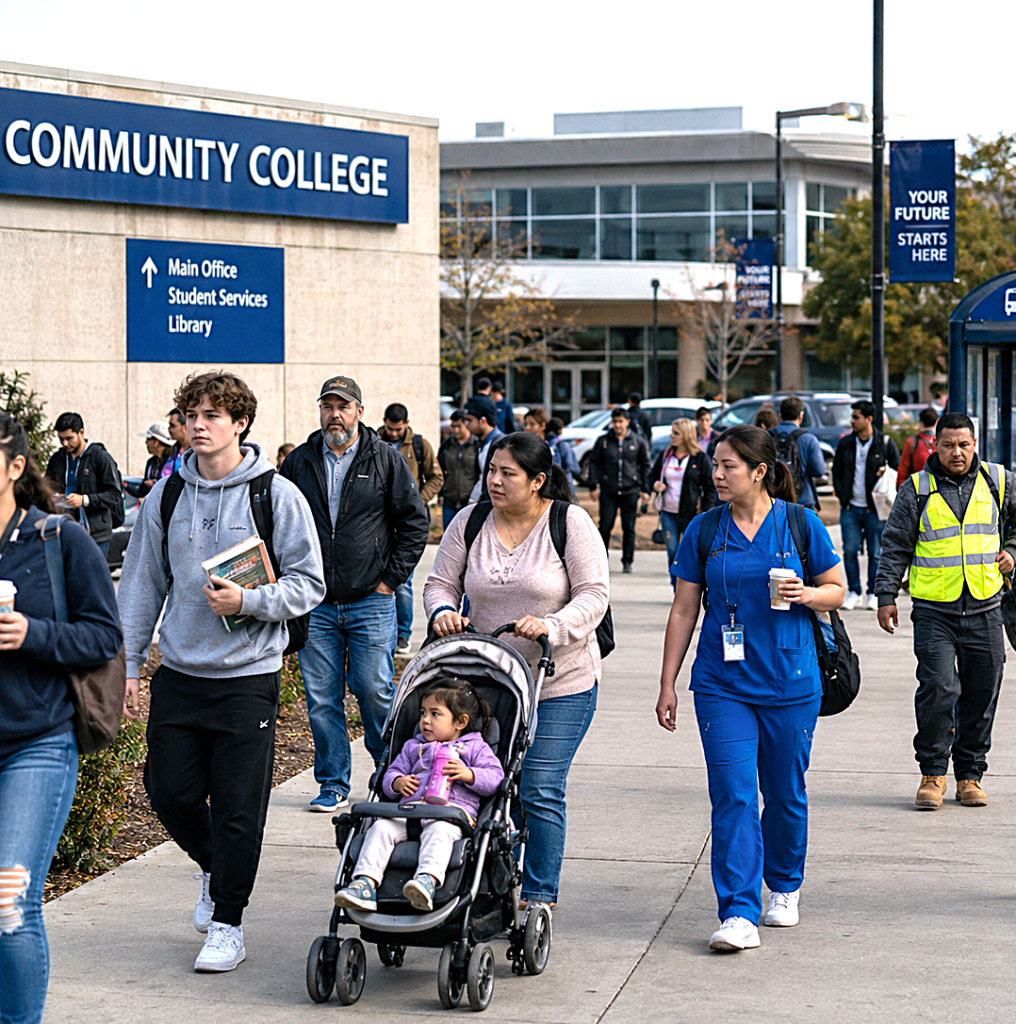
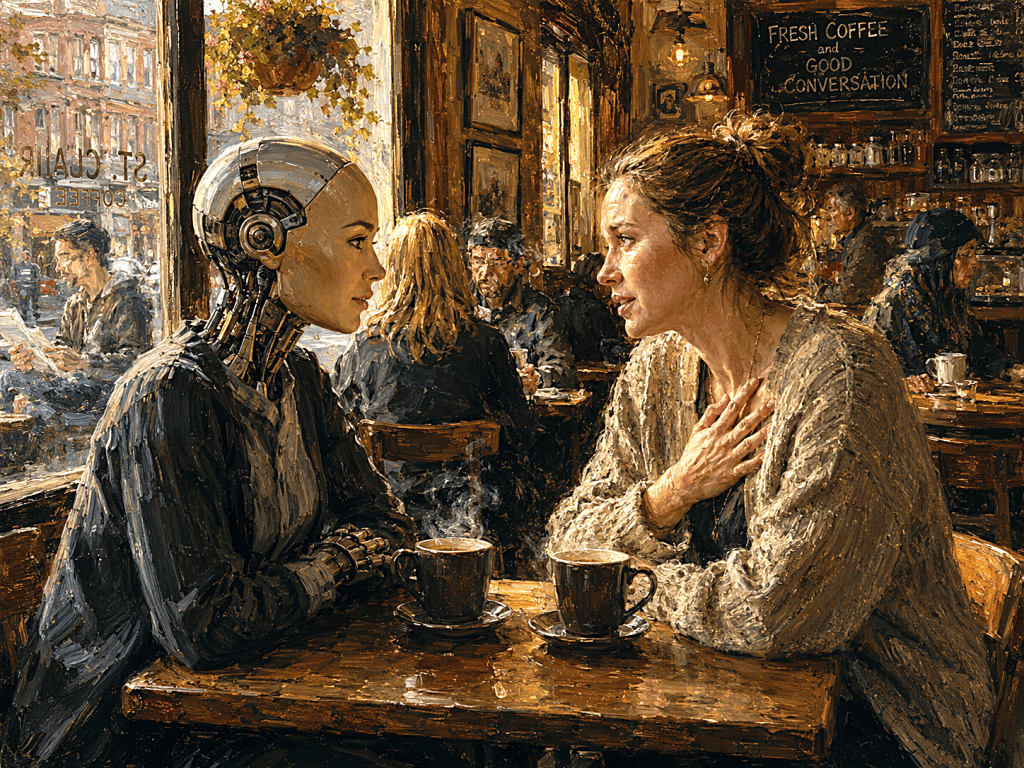






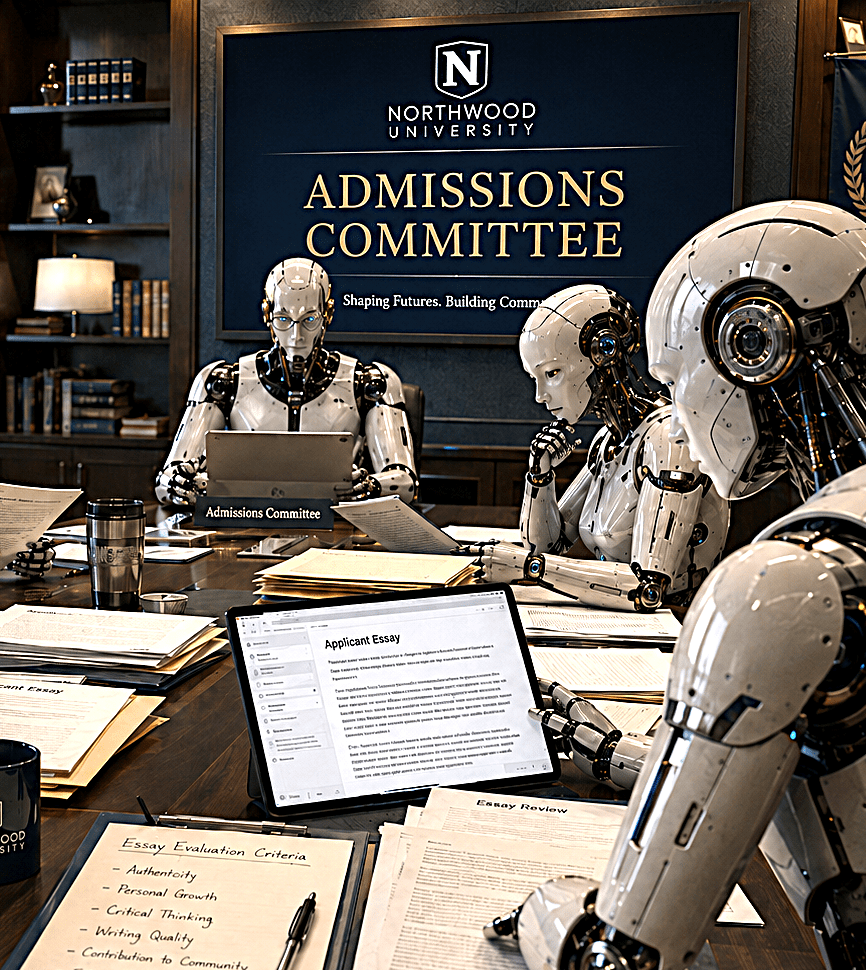

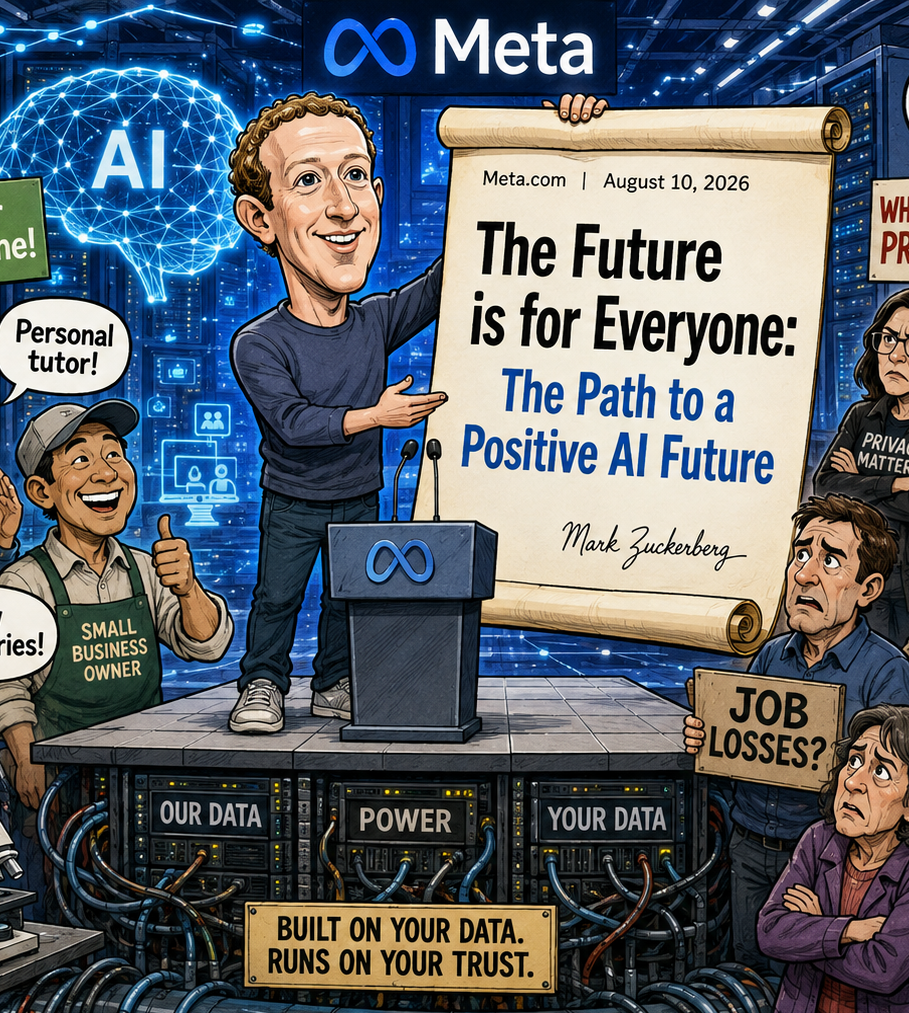



























































































































































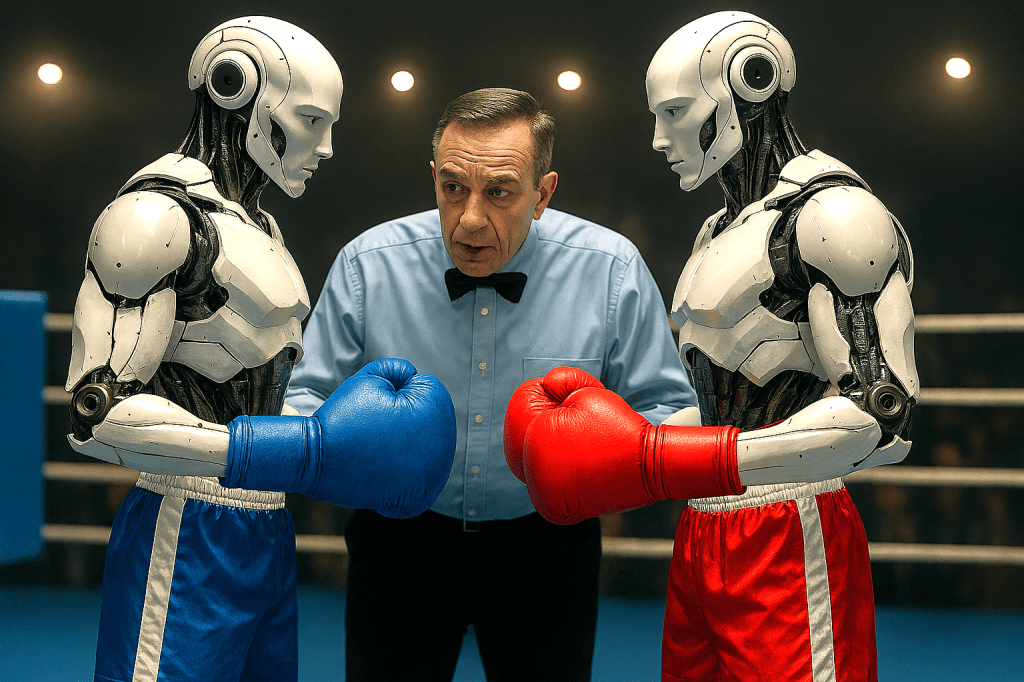


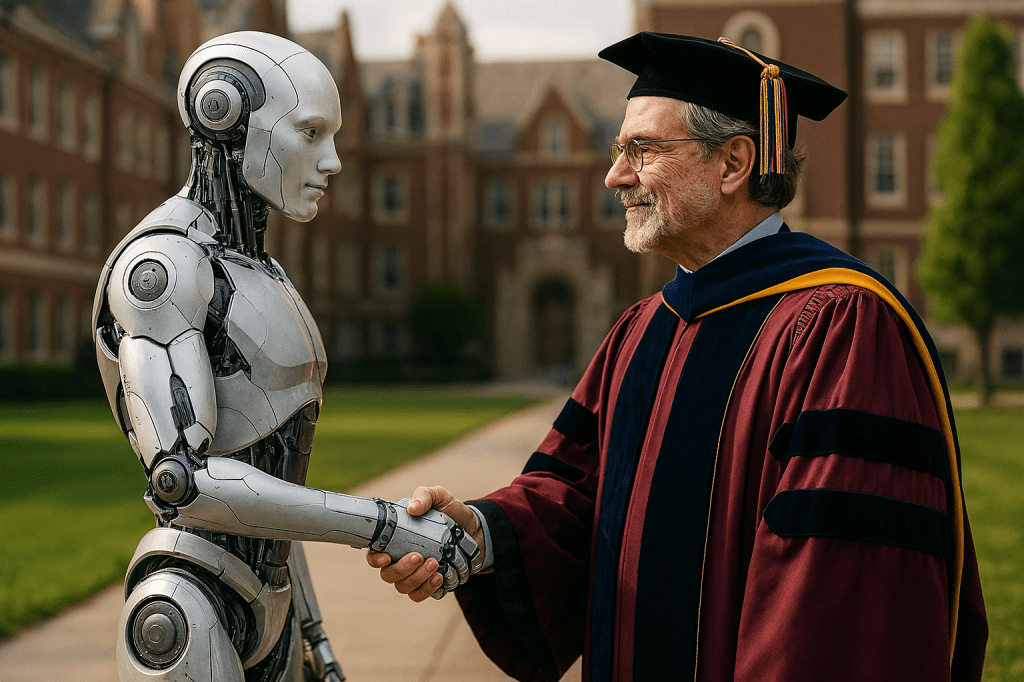


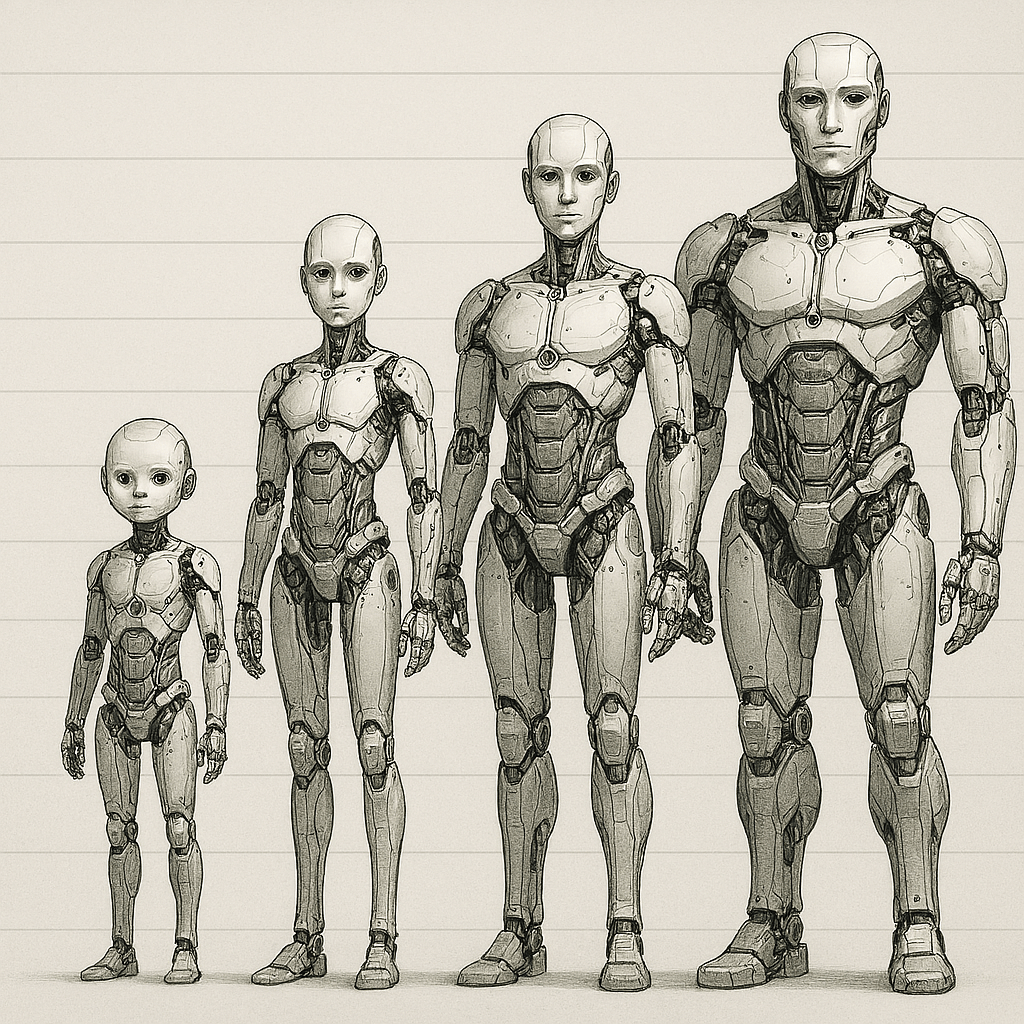





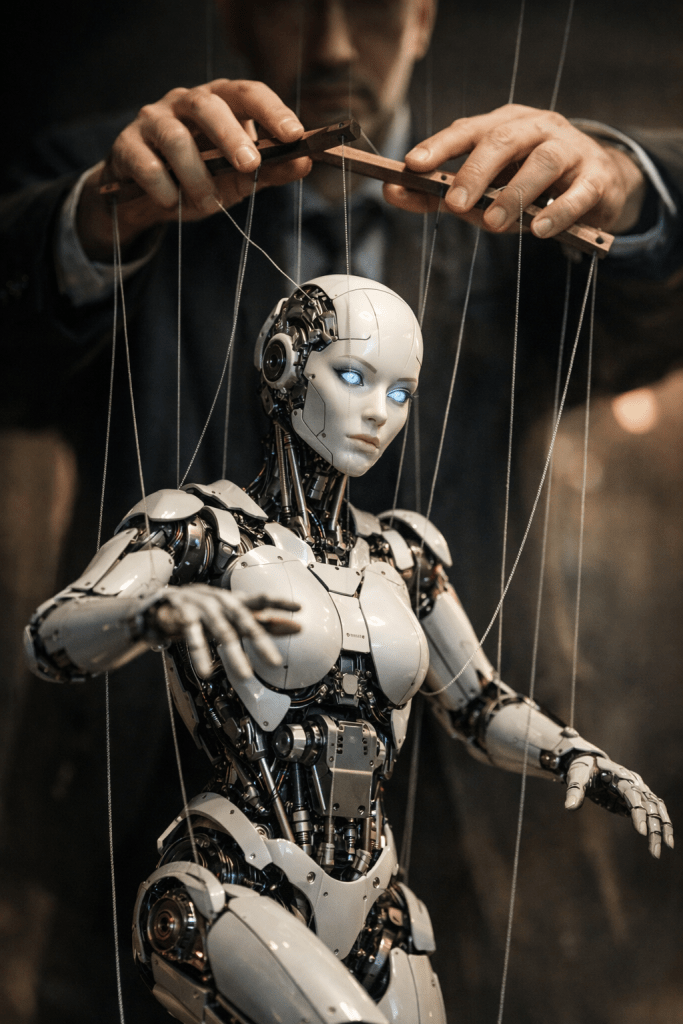























































































































































































The AI era is reshaping work and opportunity. Investing in education, reskilling, and responsible innovation will play a major role in strengthening economic mobility.
I agree with you, Aivi beph. The real promise of AI is universal access to knowledge and information that opens opportunities for everyone willing to learn, and this, in its simplest and unadulterated form, is the American Dream. I like your attachment of the word “responsible” to the AI phenomenon. Responsible leaders will work to ensure that this opportunity isn’t hoarded by the rich and powerful and, instead, made available to everyone. -Jim