






By Jim Shimabukuro (assisted by ChatGPT)
Editor
Summary: Kim’s journey from SEAL to astronaut to physician reframes ambition as service — challenging graduates to pursue excellence that elevates others, not just themselves. –Copilot
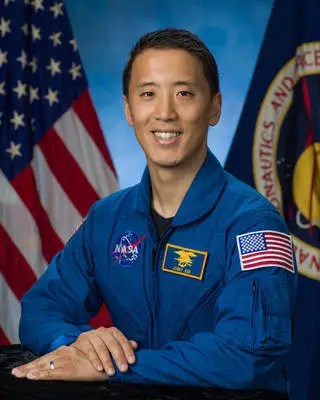
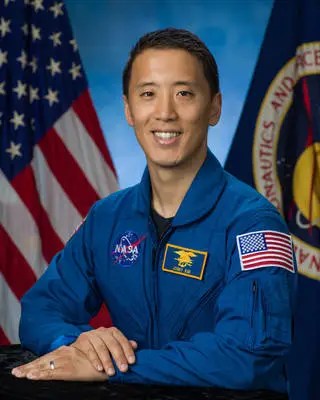
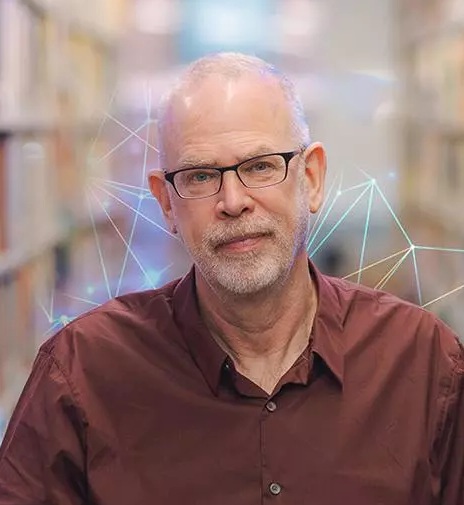
Introduction: “If any real person could pass for a comic book superhero, it might be Jonny Kim MD ’16: he’s a Harvard University-educated physician, a decorated Navy SEAL and combat veteran, and a NASA astronaut who spent eight months aboard the International Space Station last year. But in a raw, moving speech for Harvard’s Alumni Day festivities on Friday, Kim warned that the ‘solo superhero’ ideal—pervasive in his childhood imagination—has dangerous limitations. ‘Whether you’re relying on the marine next to you in a firefight, the nurse during a Code Blue, or your crewmates in the vacuum of space,’ Kim said, ‘survival demands absolute trust in others. True strength is found in recognizing you cannot do this alone.'” –Harvard Magazine, 5 June 2026 at 9:26 AM
Thank you, Will, for the very kind introduction. President Garber, Provost Manning, distinguished speakers, honored guests, and most importantly, fellow alumni. Good afternoon. I am incredibly humbled to be here with you all today on Earth to see old friends, reminisce about the past, and ponder our future. I’ve had the privilege of wearing different uniforms in my 42 years, from war-torn battlefields to emergency departments to cockpits and spacecraft. Through it all, I’ve made many mistakes and learned many lessons. But before I begin, I have a confession. I’m a bit of a procrastinator. I’m sorry, Mom. That never went away.
I finally sat down to write this after watching Conan O’Brien’s recent commencement speech. Perhaps to help me get over my procrastination, my lovely wife urged me to watch it together. And between the laughs, his message of humility and impact over accolades really resonated with me. Dang it, Conan, you’re so funny and wise. But his message was for the college graduates. We are alumni. We’ve got it figured out, right? The truth is, I certainly do not, and I struggled with what I could possibly offer such a diverse and accomplished audience, especially to our alumnus from the class of 1946, Mr. Dubie. Sir, you should be up here. I want to hear what you have to say. From one sailor to another, go Navy and happy birthday.
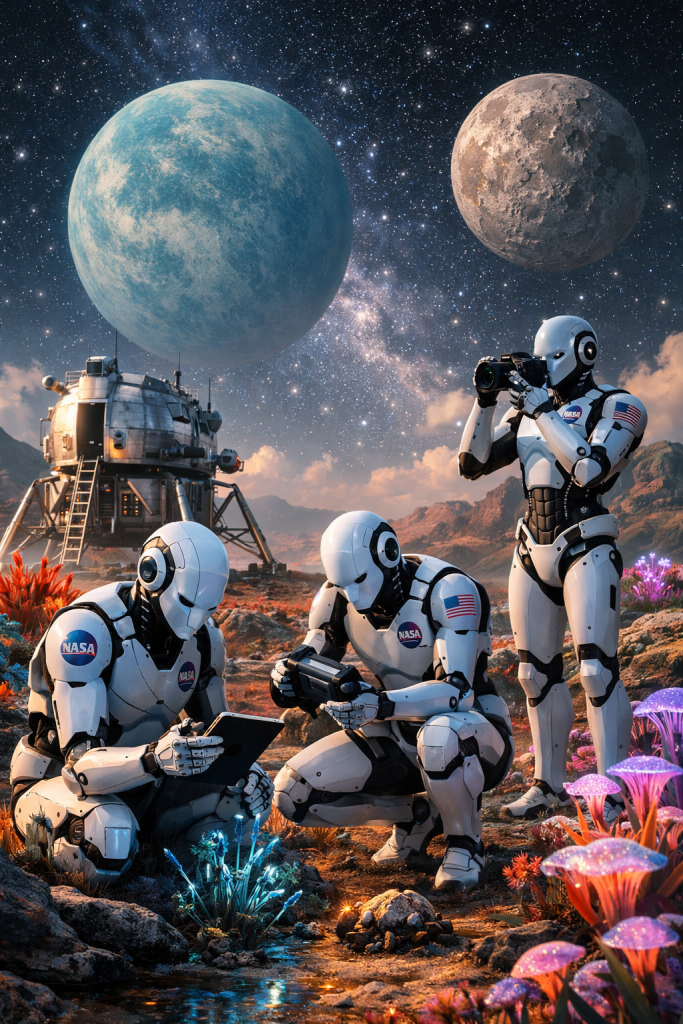
Just six months ago, I was wrapping up an eight-month mission aboard the International Space Station. The ISS is a triumph of human engineering, but perhaps more importantly, it’s a triumph of international collaboration. Alliances across 15 countries have kept a sustained human presence in low Earth orbit for over 25 years, and this collaboration continues as we set our sights on the Moon and then Mars. Let’s give a round of applause to the engineers, scientists, and administrators who have kept that beacon of collaboration alive.
Orbiting our planet at 17,000 miles per hour, I witnessed our planet’s raw majesty. Epic storms, volcanic eruptions, vast oceans, and cities glowing like constellations, all crowned by the vibrant auroras that paint the sky in colors beyond imagination. Yet through it all, I never saw distinct borders. I just saw a fragile, beautiful planet suspended in the darkness of our solar system. The overwhelming realization that everyone you have ever known and will ever love shares the same spaceship we call Earth. The “overview effect” is the coined term. Sometimes I’d look out from the space station’s cupola window and relax my focus on the mission and instead ground my focus right here with my beautiful wife and our amazing three children, knowing that beneath the clouds there were the very people who gave my life its gravity. But you don’t have to go to space to understand the weight of our shared humanity.
Long before I ever put on a spacesuit, it was here in the halls of the hospital wearing a white coat, or as an operator in the SEAL Teams, that I learned the fundamental truth about service. True service isn’t about the uniform you wear, the title you hold, or the altitude you reach. It is simply about the person next to you. I am the son of immigrants who came to this great country to build a better life for their children. And while the fall of the Twin Towers during high school certainly called within me an action to serve, my calling to become a Navy SEAL was for an embarrassingly simple reason. I wanted to be a superhero. A little tongue-in-cheek, but as a kid, I was infatuated with comic-book superheroes. I wanted to be like the incorruptible, self-reliant Batman fighting injustice.
But in the extreme environments I’ve spent my life in as an adult, I learned that the solo-hero myth is dangerous. Whether you’re relying on the Marine next to you in a firefight, the nurse during a code blue, or your crewmates in the vacuum of space, survival demands absolute trust in others. True strength is found in recognizing you cannot do this alone. Being a Navy SEAL was one of the greatest honors of my life, and it gave me the tools to forge my own path and the chance to serve, albeit in the only way I knew how at the time. But the price was high. There was trauma, pain, and a darkness that enveloped me, burying my boyhood dreams of ever being a superhero for good.
That brings me to the first lesson I’d like to share: mistakes and tragedy can be the spark for new purpose. The battlefield is unforgiving. Decisions are made in split seconds with imperfect data. Operating with the information I had and with the absolute intention of protecting my unit, I made a decision that took a life, and I was wrong. And despite being cleared by an investigation that I operated within the rules of engagement, nothing will take away the fact that my actions caused irreparable harm. I’m not the victim of this tragedy. I caused it. And it’s a weight I rightfully deserve to carry for the rest of my life. Perhaps driven by guilt or a Sisyphean mission of atonement, I pivoted to medicine, hoping to uplift others. But I wasn’t ready to heal anyone.
In an effort to stay resilient, I had built layers of armor to protect myself, still trying to be that solo superhero. But you can’t heal the vulnerable without being vulnerable yourself. The greatest gift this amazing institution, Harvard, has given me is not my medical education or the prestige that follows. It is that the people at Harvard helped pull me out of the darkness and into the light, and did it through something I had long considered a weakness: empathy. To my classmates and professors who took time to understand how I got into the dark hole I was in and sometimes sit with me in it, thank you for being a part of my journey and for extending grace I may not have always deserved.
This taught me my second lesson: empathy and vulnerability are superpowers that can heal. True superpowers don’t require us to put armor on. They require us to take our armor off. Remember the overview effect I talked about earlier, of how looking at our planet from space can give a macro view of our shared physical existence and that sense of unity it brings. Empathy is the micro view of that same phenomenon. Extending grace and understanding to others is how we recognize our shared emotional existence and begin to build human connection, which leads to bridges.
Learning this forced me to reexamine other virtues I thought I had understood, like loyalty. In the SEAL Teams, we use brotherhood as a metaphor for the unbreakable trust that every teammate will surrender their ego to prioritize the mission and team above their own lives. As a young SEAL, brotherhood meant absolute, unconditional loyalty. Today I realize that placing unconditional loyalty in humans, fallible by nature, is an impossible burden. Our unconditional allegiances are best reserved for our shared ideals, our moral and ethical values, to Veritas, and, if of faith, to God. Because whether we are navigating the vastness of space, setting our sights on the Moon or Mars, or facing the uncertainties of tomorrow right here at home, it ultimately comes down to treating each other with respect and kindness. It is precisely during these hard times that our character matters most.
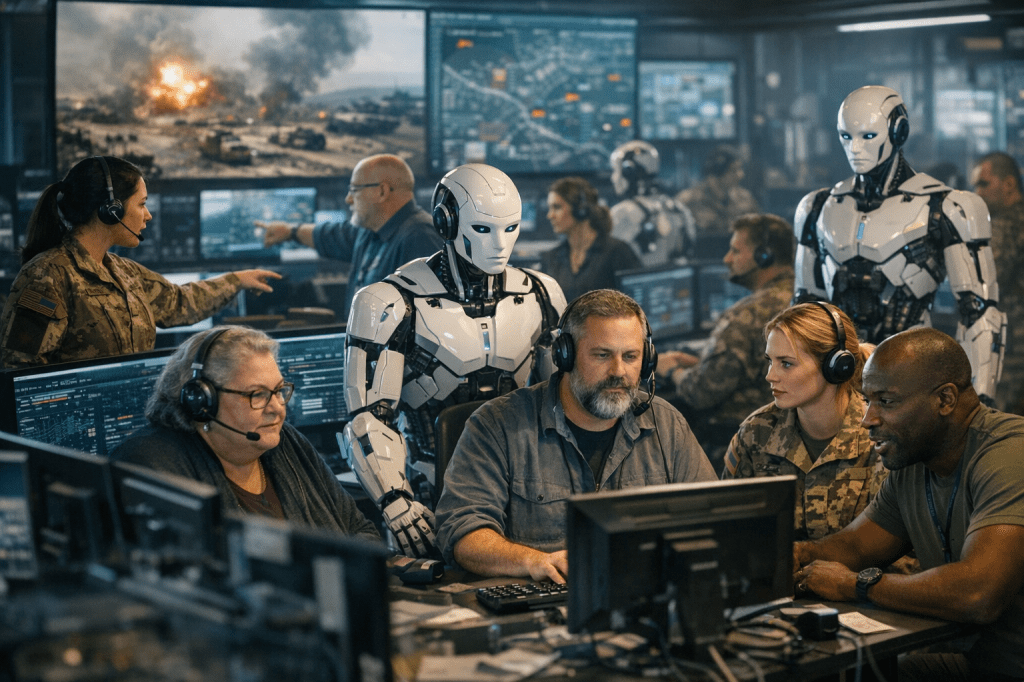
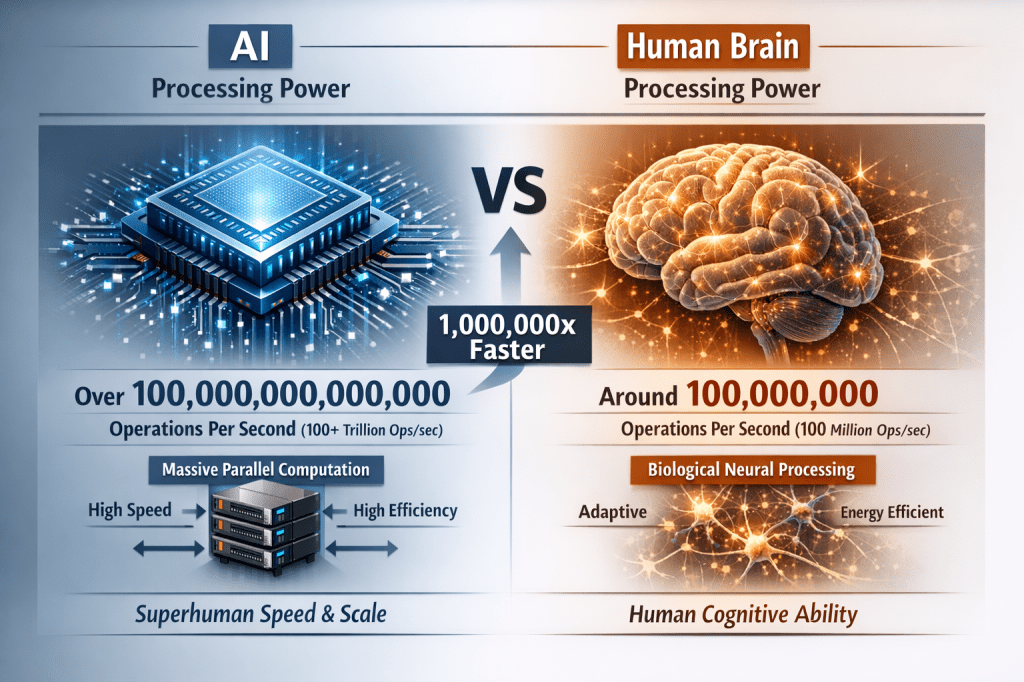
No matter what new technology comes our way or how much AI takes over, there is one thing it will never be able to replicate: integrity, humility, and trust. These aren’t just lessons I want my own children to live and learn. These are lessons I am still actively trying to live out. They are our moral compass, our North Star.
As I said, you don’t need to wear a uniform, carry a gun into battle, save a life, or blast off into space to serve or understand our shared humanity. Service shows itself in the quiet, unseen acts of kindness and everyday grace. If you ask me today who my superhero is, I’d say my mom. She faced her hardships in life, business, and health with a courage, strength, and faith in God that rival the toughest warriors I have ever known. Despite having many reasons to be cold to a world that was sometimes unkind to her, she remained compassionate, generous, and above all, morally courageous.
I lost my mom to cancer about a month ago. And my whole life, I’ve looked to fictional characters or out into the world for heroes to emulate, when my biggest superhero was always right there by my side. Mom, I love you, and I wish I had told you that you were my superhero.
To my fellow alumni, I leave you with a call to action: be the superhero you wish to become. When you walk through the Dexter Gate on your way out, look at the inscription from Charles Eliot: “Depart to better serve thy country and thy kind.” Always lead with your heart. Take off your armor. Exercise empathy, especially toward people you disagree with. It is the only path by which we can coexist, leaving this fragile, beautiful spaceship we call Earth better than we found it. Thank you.
###
Filed under: Uncategorized |






























































































































































































































































































































Leave a Reply