




By Jim Shimabukuro (assisted by Copilot)
Editor
[Related: Is the Wait for Agentic AI Over?]
Summary: The update suggests agentic AI is crossing from promise to practice — raising urgent questions about autonomy, oversight, and machine‑driven initiative. –Copilot

The April 17 ETC Journal article, “Is the Wait for Agentic AI Over?,” framed eight interlocking predictions about how agentic AI would move from speculative promise to lived reality. The piece argued that we were crossing a threshold: from chatbots that answer questions to systems that can pursue goals, orchestrate tools, and coordinate multi‑step workflows under human oversight. It anticipated that (1) enterprise adoption of agents would accelerate rapidly (2), multi‑step workflow automation would become the primary proving ground (3), education—especially higher education—would lag but eventually be transformed (4), governance and regulation would struggle to keep pace (5), security and safety would become central constraints (6), economic value would concentrate first in coding and knowledge‑work augmentation (7), human–AI collaboration would become more “co‑agentic” rather than purely assistive, and (8) the near‑term trajectory after agentic AI would likely be plural and uneven rather than a single “next big thing” (1). Those eight predictions were intentionally modest: they did not claim that agentic AI had already remade everyday life, but that the conditions for such a shift were crystallizing.
Six weeks later, the landscape has not overturned those predictions so much as sharpened and stratified them. A cluster of 2026 reports and surveys—Anthropic’s “2026 State of AI Agents Report,” Google Cloud’s “AI Agent Trends 2026,” CrewAI’s “2026 State of Agentic AI Survey Report,” Information Matters’ “The Agentic AI Market 2026 – Q1,” Gartner’s “2026 Hype Cycle for Agentic AI,” Ken Huang’s “My Top 10 Predictions for Agentic AI in 2026,” the OECD’s “The Agentic AI Landscape and Its Conceptual Foundations,” and IDC’s FutureScape 2026 predictions—now provide a more empirical, if still partial, view of where agentic AI is actually taking root (2–9). When read alongside follow‑on ETC Journal essays on higher education, post‑agentic trajectories, and developmental models of AI, a clearer picture emerges: the wait for agentic AI as a technical capability is largely over, but the wait for its deep embedding in everyday life is only beginning (10–12).
The first prediction in the April article was that enterprise adoption of agentic AI would move from scattered pilots to a more systematic, if uneven, rollout (1). That prediction is now strongly supported by converging evidence. Anthropic’s 2026 State of AI Agents Report, based on a survey of over 500 technical leaders in the United States, concludes that “AI agents have moved from experimental technology to infrastructure that enterprises use in production,” with more than half of organizations (57%) deploying agents for multi‑stage workflows and 16% already using them for cross‑functional processes spanning multiple teams (2). The report further notes that 81% of organizations plan to tackle more complex use cases in 2026 and that 80% already report measurable economic returns from agentic deployments, not just projected value (2). CrewAI’s survey of 500 C‑level executives and senior leaders at large enterprises paints a similar picture: 65% of enterprises report using AI agents today, 81% say adoption is fully scaled or actively expanding, and 100% plan to expand agentic AI use in 2026 (4). Seventy‑five percent report high or very high impact on time savings, and 69% cite significant reductions in operational costs (4).
These numbers do not mean that every enterprise has fully restructured around agents, but they do indicate that the April prediction of a rapid shift from pilot to production was, if anything, conservative. The most reliable prediction here is not that every organization will succeed with agents, but that agentic AI has become an enterprise imperative rather than an optional experiment. The convergence between Anthropic’s survey, CrewAI’s survey, and Google Cloud’s framing of “agents for every employee” and “agents for every workflow” suggests that enterprise leaders now see agentic AI as a strategic, not merely tactical, technology (2–4). Google’s report explicitly describes agentic AI as “the decisive shift for business” and emphasizes that agents are moving from being an “add‑on” to an “AI‑first” process that reconfigures workflows (3). When multiple independent surveys and vendor‑neutral analyses converge on the same conclusion—that enterprises are planning to scale agents across workflows and functions—this prediction can be treated as one of the most reliable in the current landscape.
The second April prediction was that multi‑step workflow automation would become the primary proving ground for agentic AI, with coding, data analysis, and internal process automation leading the way (1). Here, too, the 2026 reports provide strong corroboration but also introduce nuance. Anthropic’s report highlights that nearly 90% of organizations surveyed use AI to assist with coding, and that agents are freeing up time across the entire development lifecycle—from planning and ideation to code generation, documentation, testing, and review (2). It also notes that beyond engineering, the highest‑impact use cases include data analysis and report generation (60%) and internal process automation (48%), with more than half of organizations planning to implement agents for research and reporting over the next year (2). Information Matters’ “Agentic AI Market 2026 – Q1” goes further by distinguishing between categories that are genuinely in production and those that remain in pilot mode. It argues that coding agents are “the most credible production signal,” citing Cursor’s $2B ARR, GitHub Copilot’s 4.7 million paid seats, and Claude Code’s rapid growth to roughly $1B ARR within six months of launch (5). By contrast, many other agent categories—such as customer‑facing agents and complex cross‑departmental orchestrations—are still “converting pilots” rather than operating at scale (5).
This pattern both confirms and refines the April prediction. The idea that multi‑step workflows would be the proving ground was accurate, but the evidence now shows a clear hierarchy within that space. Coding agents and tightly scoped internal workflows have crossed into robust production, while more ambitious, open‑ended agents remain experimental (2,5). Google’s “agents for every workflow” framing is aspirational, but its own examples emphasize grounded, tool‑connected agents operating within well‑defined enterprise systems rather than free‑roaming autonomous entities (3). The most reliable prediction here is that agentic AI will continue to deepen in domains where workflows are structured, data is accessible, and risk can be tightly managed—software development, analytics, and internal operations—before it reliably handles messy, open‑world tasks.
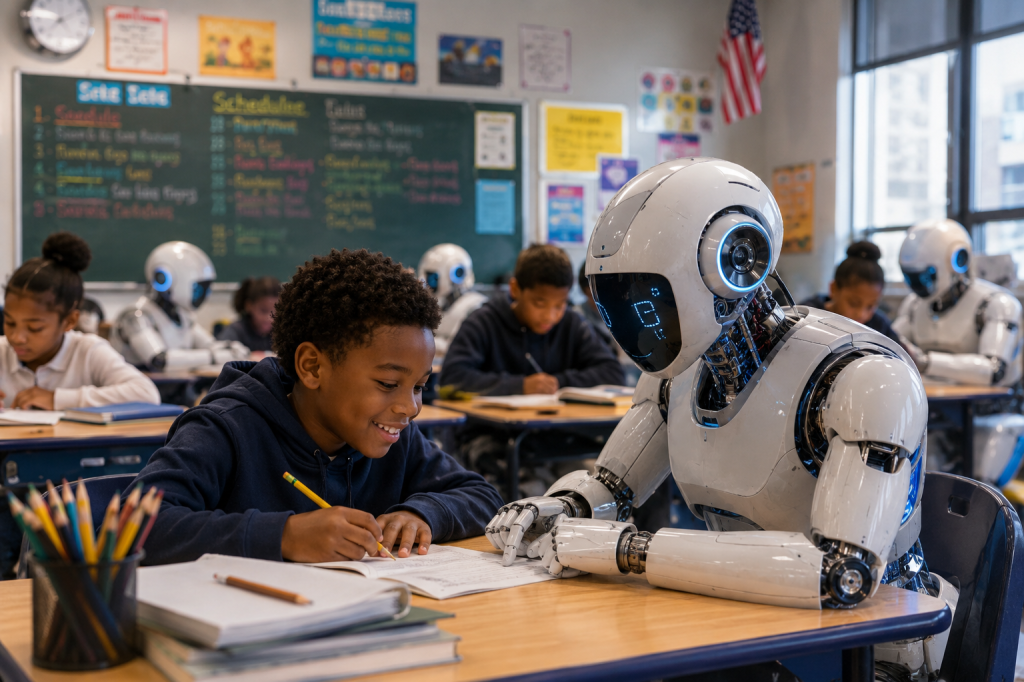
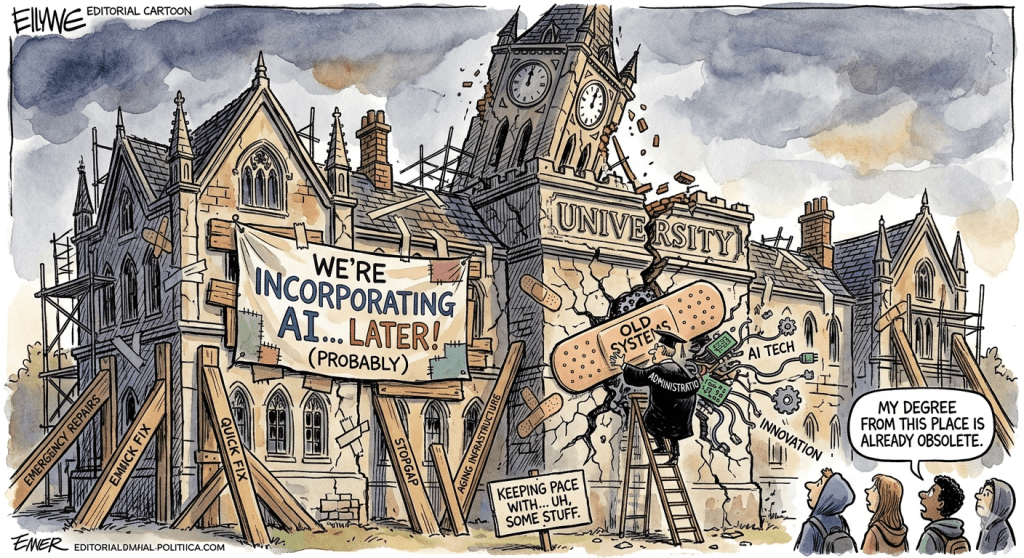
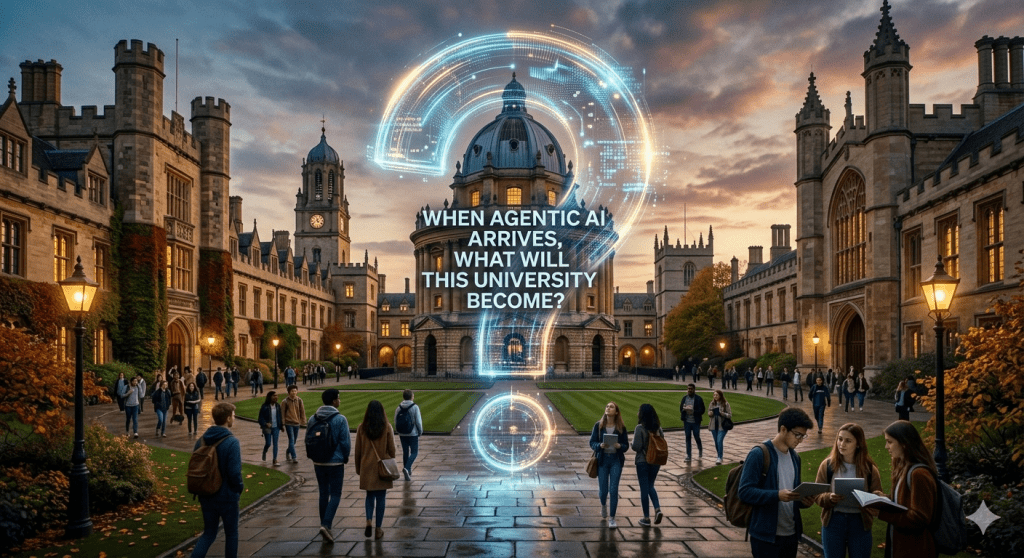
The third April prediction focused on education, especially higher education, as a lagging but ultimately transformative domain for agentic AI (1). The article suggested that universities and colleges would experience a “liminal moment” in which agentic tools were visible and powerful but not yet coherently integrated into curricula, assessment, or institutional strategy. That framing is reinforced by the ETC Journal piece “Status of Agentic AI in Higher Ed: A Liminal Moment,” which describes higher education as caught between early adopters experimenting with agents for tutoring, writing support, and research assistance, and institutional structures that remain largely reactive and risk‑averse (10). The article notes that faculty and administrators are still grappling with basic questions of academic integrity, authorship, and assessment in the presence of generative and agentic tools, even as students informally adopt them (10).
The broader 2026 prediction literature does not focus heavily on education as a primary agentic AI market, but it does highlight skills and workforce transformation as central themes. Google’s report identifies “agents for scale” and emphasizes that “upskilling talent will be the ultimate driver of business value,” implying that education systems—formal and informal—will need to adapt to a world where working effectively with agents is a core competency (3). IDC’s FutureScape 2026 research similarly stresses the need for a “skilled, adaptive workforce for AI collaboration” as organizations orchestrate AI agents at scale (8). The OECD’s conceptual report on the agentic AI landscape underscores that agentic systems raise new questions about responsibility, autonomy, and human oversight, all of which have direct implications for educational aims and civic education (9).
Taken together, these sources suggest that the April prediction about education was directionally correct but that the timeline for deep institutional transformation remains uncertain. The most reliable near‑term prediction is that higher education will continue to be a site of experimentation and tension rather than rapid, coherent adoption (9,10). Agentic AI will shape student practices and some innovative programs, but systemic change in curricula, accreditation, and governance will likely lag behind enterprise adoption by several years. The ETC Journal’s own work on developmental models of AI—from narrow to broad capabilities—reinforces the idea that educational systems will need to rethink what counts as “learning” and “competence” in a world where agents can perform many cognitive tasks once reserved for students (12).
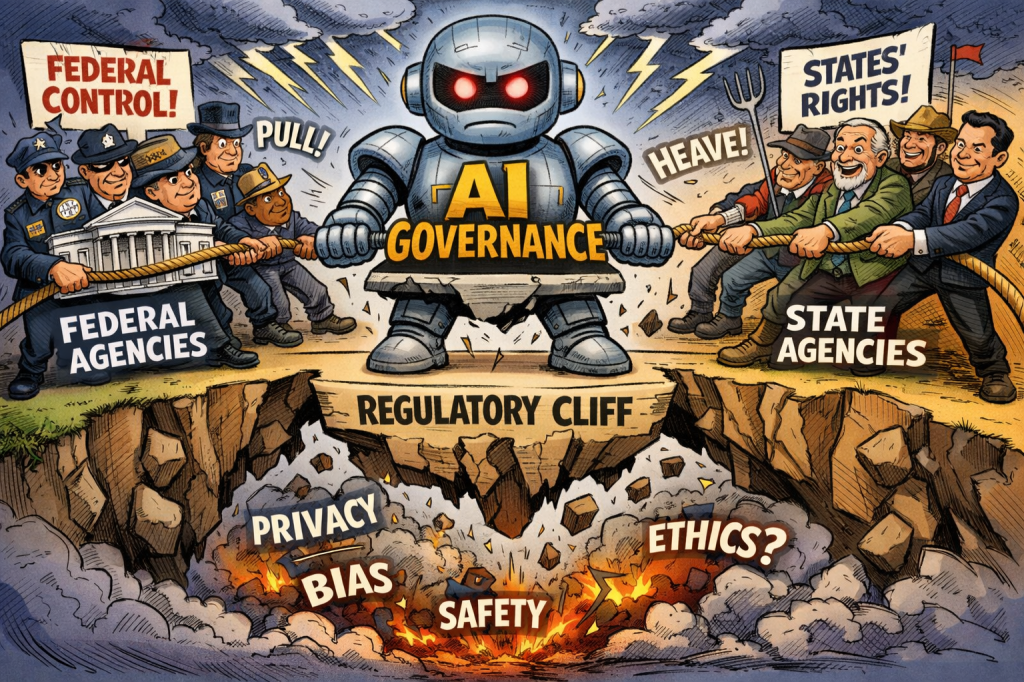
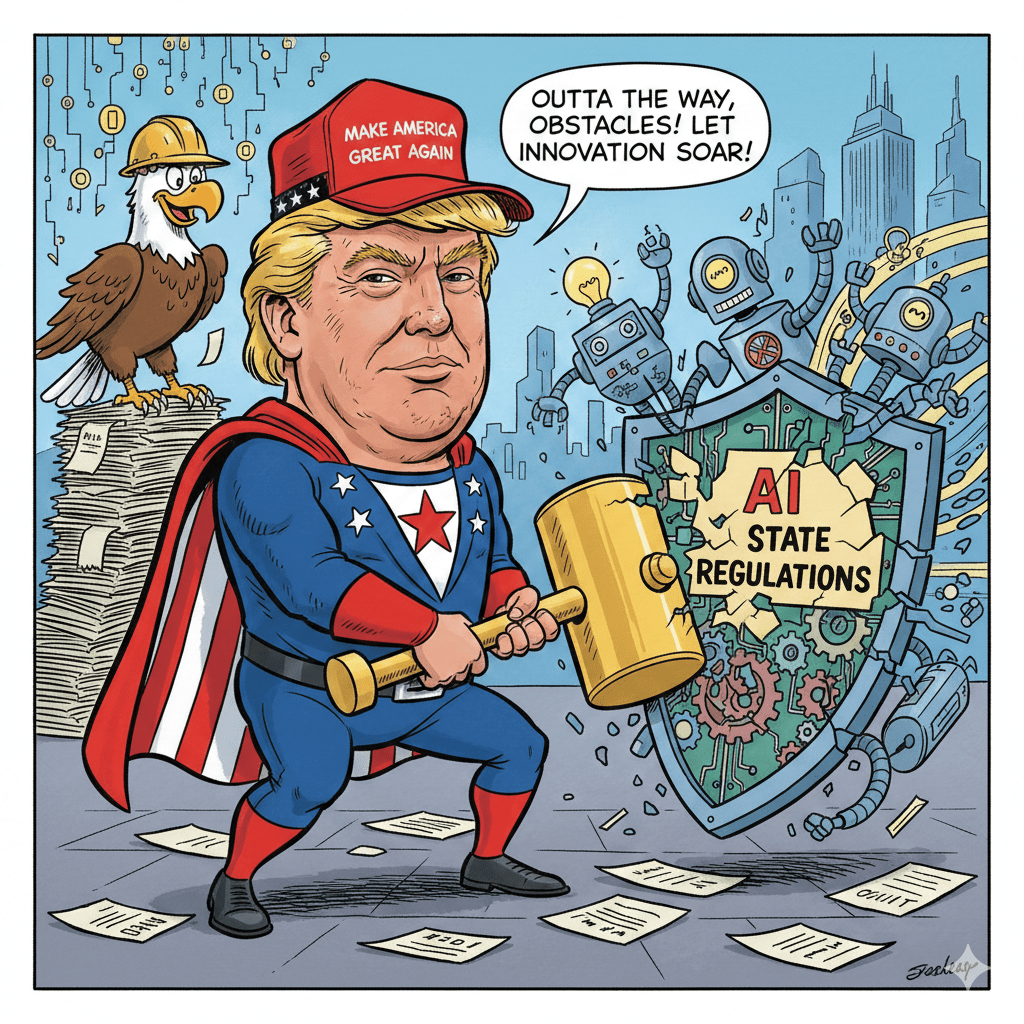
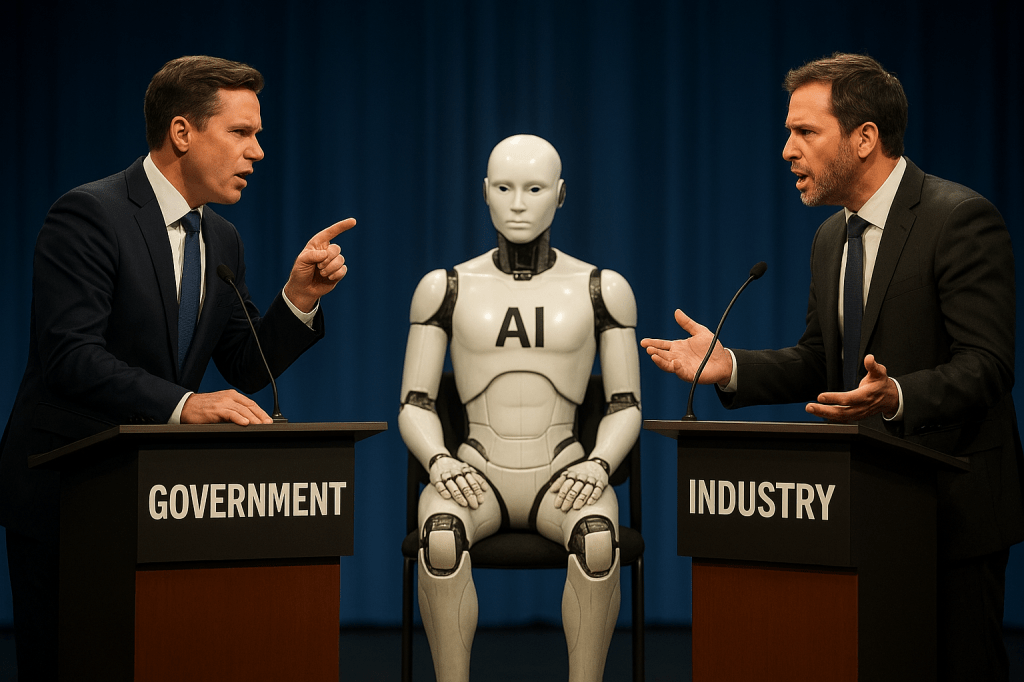
The fourth April prediction concerned governance and regulation, anticipating that policy frameworks would struggle to keep pace with the speed and complexity of agentic AI (1). The OECD’s 2026 report on the agentic AI landscape provides a conceptual foundation for understanding why this is so. It defines agentic AI as systems that can pursue goals, make context‑sensitive decisions, and act through tools and environments, and it emphasizes that such systems blur traditional lines between tool and actor. The report argues that existing AI governance frameworks, which often assume relatively static, input‑output systems, are ill‑suited to agents that can adapt, learn, and coordinate with other systems over time (9). It calls for more nuanced approaches to accountability, emphasizing the need to clarify human responsibility in complex human–agent–tool assemblages.
Ken Huang’s predictions for agentic AI in 2026, published through the Cloud Security Alliance, echo this governance concern from a security and risk perspective. He argues that “agentic AI risk management will take center stage” and that organizations will increasingly align with frameworks such as the NIST AI Risk Management Framework, the Cloud Security Alliance’s own methodologies, and OWASP’s AI security projects to standardize how they handle agentic risks. Huang also predicts the emergence of new security benchmarks, such as those based on the MAESTRO agentic AI threat modeling framework, to capture risks that traditional benchmarks miss (7). These developments support the April prediction that governance and regulation would become more central and more complex as agents move into production.
At the same time, the 2026 reports suggest that governance is not purely reactive. IDC’s FutureScape emphasizes that organizations that proactively build “AI‑ready strategies aligned with business value” and invest in trust, transparency, and security will be better positioned to turn disruption into advantage (8). Gartner’s Hype Cycle for Agentic AI, while only partially visible without registration, notes that agentic AI sits at the “Peak of Inflated Expectations” and that there is a growing gap between ambition and execution, in part because organizations must navigate maturity, risk, and readiness (6). The most reliable prediction here is that governance and risk management will be integral to scaling agentic AI, not an afterthought. Regulatory regimes may lag, but internal governance, security frameworks, and industry standards are already becoming differentiators in enterprise adoption (6–9).
The fifth April prediction was that security and safety would become central constraints on agentic AI, especially as agents gain access to sensitive data, tools, and external systems (1). Huang’s 2026 predictions make this explicit. He warns of a “vibe coding security hangover,” in which rapid, prompt‑driven development leads to non‑deterministic, hard‑to‑audit code and new challenges for DevSecOps. He also anticipates an increase in CVEs (Common Vulnerabilities and Exposures) for agentic AI frameworks and highlights the particular struggles of browser agents, which must navigate interoperability standards and contractual gaps to operate reliably and securely (7). These concerns are not speculative; they are grounded in observed vulnerabilities and the rapid proliferation of agentic frameworks.
Anthropic’s report, while more focused on adoption and ROI, also underscores the importance of security and robustness. It notes that as agents move into production, organizations require models that are “secure when handling proprietary data, compliant with industry regulations, and robust against adversarial attacks like jailbreaks” (2). CrewAI’s survey finds that 34% of enterprises cite security and governance as the top evaluation factor for agentic platforms, ahead of other considerations (4). This convergence between security‑focused predictions and enterprise priorities suggests that the April prediction about security as a central constraint is strongly validated. The most reliable forecast is that security, safety, and governance will shape not only which agentic systems are adopted but also how deeply they are allowed to integrate with critical infrastructure and external networks (2,4,7).
The sixth April prediction argued that economic value from agentic AI would initially concentrate in coding and knowledge‑work augmentation, with broader market expansion following as infrastructure and trust matured (1). Information Matters’ market sizing report provides the clearest quantitative update. It estimates the 2026 total addressable market (TAM) for agentic AI at $40 billion, with a range of $33–48 billion, and notes that this is an upward revision driven in part by Anthropic’s disclosure of a $30 billion annualized run‑rate revenue (5). The report emphasizes that the agentic AI market is “real, growing fast, and substantially larger than the application‑layer‑only estimates suggest,” but also that it remains smaller than some of the more exuberant forecasts from “content‑factory research firms” (5). Crucially, it identifies coding agents as the clearest production‑scale revenue stream, while many other categories remain in pilot or early deployment.
Anthropic’s and CrewAI’s reports both highlight measurable ROI from agentic deployments, particularly in time savings, cost reductions, and, to a lesser extent, revenue generation (2,4). IDC’s FutureScape projects that by 2030, 45% of organizations will orchestrate AI agents at scale across business functions, implying a substantial expansion of economic impact over the next five years (8). Google’s report frames this in terms of “agents for scale,” arguing that the real value will come from rethinking workflows and organizational structures rather than simply adding agents to existing processes (3). The most reliable economic prediction, therefore, is that agentic AI will continue to generate outsized value in domains where it can automate or augment high‑value knowledge work—coding, analytics, research, and complex internal workflows—while the broader market grows as infrastructure, governance, and skills catch up (2–5,8).
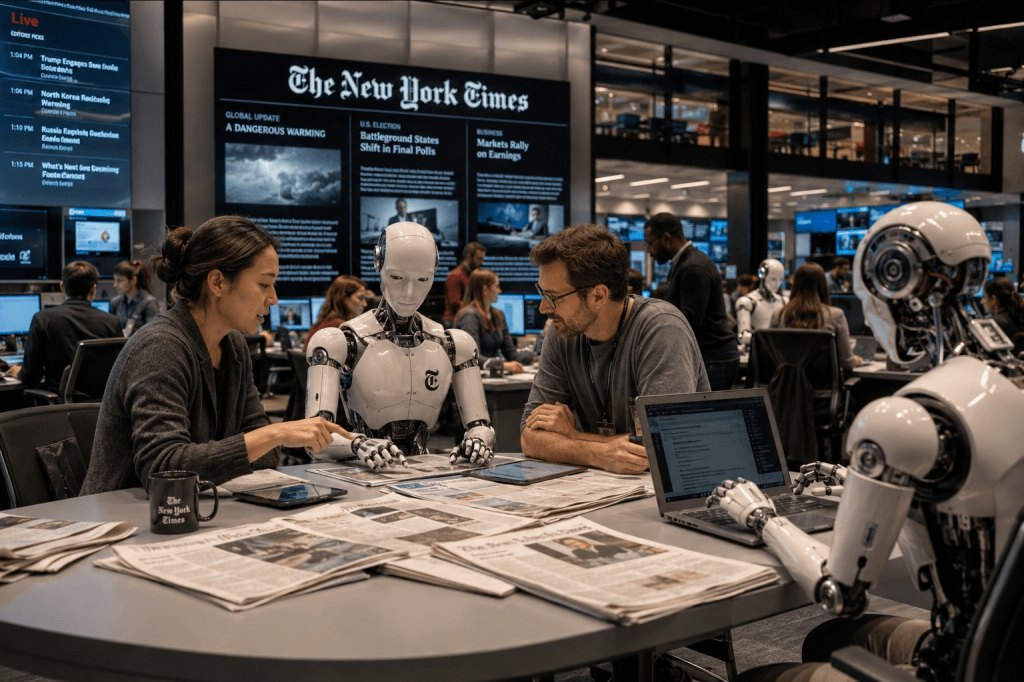
The seventh April prediction centered on human–AI collaboration, suggesting that we would move from a simple “assistant” model to more genuinely co‑agentic relationships in which humans and agents share goals, negotiate tasks, and coordinate over time (1). Google’s “AI Agent Trends 2026” report explicitly frames agents as systems that “understand a goal, make a plan, and take actions across applications to achieve it with extensive human guidance and oversight” (3). It emphasizes that agents are not merely tools but collaborators that require a “profound shift in mindset and corporate culture,” including new ways of working, new roles, and new expectations about human–AI interaction (3). Anthropic’s report similarly describes agents as handling “multi‑step coding workflows” and “cross‑functional business processes,” freeing humans to focus on higher‑level tasks (2).
The ETC Journal’s “Post‑Agentic AI Trajectory May Not Be a Single ‘Next Big Thing’” extends this idea by arguing that the trajectory after agentic AI is likely to involve multiple, overlapping forms of human–AI collaboration rather than a single, monolithic paradigm. It suggests that we may see a proliferation of specialized agents, each embedded in different institutional and cultural contexts, rather than a universal, one‑size‑fits‑all agent (11). The OECD’s conceptual report reinforces this by highlighting the diversity of agentic systems and the importance of context in shaping their behavior and impact (9). The most reliable prediction here is that human–AI collaboration will become more layered and negotiated, with humans increasingly acting as orchestrators, supervisors, and partners to agents rather than mere users of tools (2,3,9,11).
The eighth April prediction was that the post‑agentic trajectory would not be a single “next big thing” but a complex, uneven evolution across sectors, geographies, and institutional contexts (1). Gartner’s Hype Cycle for Agentic AI provides a macro‑level view that supports this. It notes that agentic AI sits at the Peak of Inflated Expectations, with only 17% of organizations having deployed AI agents to date but more than 60% expecting to do so within the next two years—the most aggressive adoption curve among emerging technologies in its survey. This suggests that while enthusiasm is high, actual deployment is still limited and uneven. Many organizations are experimenting with agents for discrete tasks in software engineering, customer support, and operations, but most deployments remain narrow (6).
Information Matters’ market report similarly describes three “stacked narratives”: a rapidly consolidating foundation‑model layer, an application layer split between coding agents in genuine production and other categories still converting pilots, and an infrastructure layer (evaluation, observability, orchestration, voice) where a few winners are emerging (5). IDC’s FutureScape emphasizes that agentic AI will be embedded across business functions by 2030 for a substantial minority of organizations, but not universally (8). The ETC Journal’s developmental model of AI, which traces a path from narrow to broad capabilities, underscores that different sectors will move along this path at different speeds, depending on their data, incentives, and regulatory environments (12). The most reliable prediction, therefore, is that the agentic AI trajectory will be plural and path‑dependent, with no single, uniform “next stage” but many overlapping ones (5,6,8,11,12).
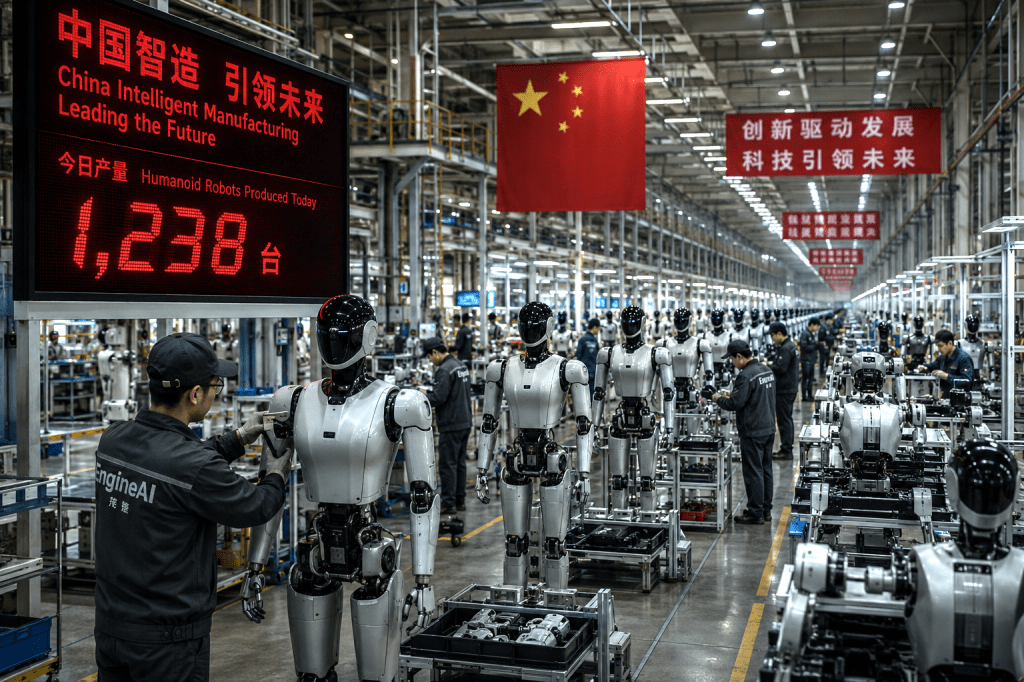
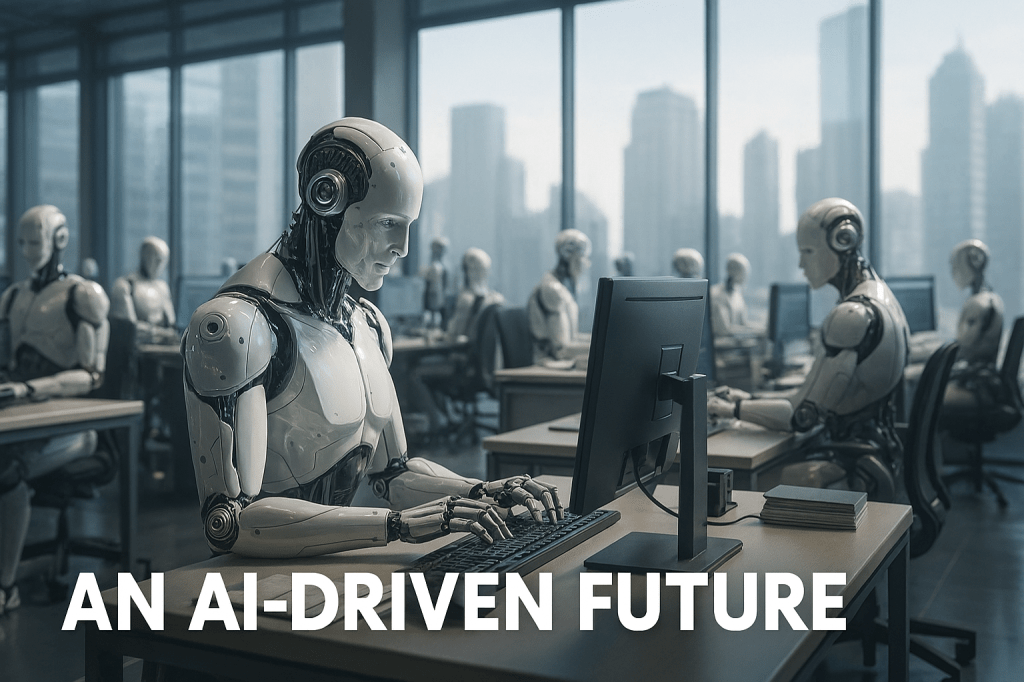
When we synthesize these updates and external reports, a more nuanced picture of the near‑term future of agentic AI emerges. Over the next three to seven years, agentic AI is most likely to shape everyday life through a series of layered, domain‑specific transformations rather than a sudden, universal shift. In work, the clearest changes will occur in knowledge‑intensive fields where workflows can be decomposed into multi‑step processes and where data is abundant and relatively well‑structured. Software development is already experiencing this, with coding agents handling large portions of routine coding, testing, and documentation, and increasingly participating in higher‑level design and refactoring (2,5). Knowledge workers in fields such as finance, consulting, law, and research will see agents that can assemble reports, synthesize documents, run analyses, and coordinate tasks across tools, effectively acting as project coordinators and research assistants (2–4,8).
In learning, the impact will be more uneven but still significant. Students will increasingly rely on agents for tutoring, feedback, and project support, often outside formal institutional structures (10,12). Some educational programs will embrace agents as co‑learners and co‑teachers, designing curricula that assume students will work with agents to explore complex problems, simulate scenarios, and create artifacts. Others will resist or restrict agent use, leading to a patchwork of policies and practices. Over time, as employers demand graduates who can effectively collaborate with agents, pressure will grow on educational institutions to integrate agentic AI into teaching and assessment (3,8,10,12). The most likely scenario is not a wholesale replacement of teachers or courses but a gradual reconfiguration of roles, with educators focusing more on meta‑skills—critical thinking, ethical reasoning, collaboration, and domain framing—while agents handle many routine instructional and assessment tasks.
In civic life, agentic AI will manifest in more subtle but pervasive ways. Governments and public institutions will deploy agents for service delivery, case triage, and policy analysis, potentially improving responsiveness but also raising concerns about transparency, bias, and accountability (8,9). Citizens will encounter agents as intermediaries in accessing services, information, and participation channels. The OECD’s emphasis on responsibility and autonomy suggests that debates about who is accountable for agentic decisions will become central to democratic governance (9). At the same time, misinformation and manipulation risks may be amplified by agents capable of orchestrating large‑scale, personalized campaigns, making security and governance frameworks even more critical (7,9).
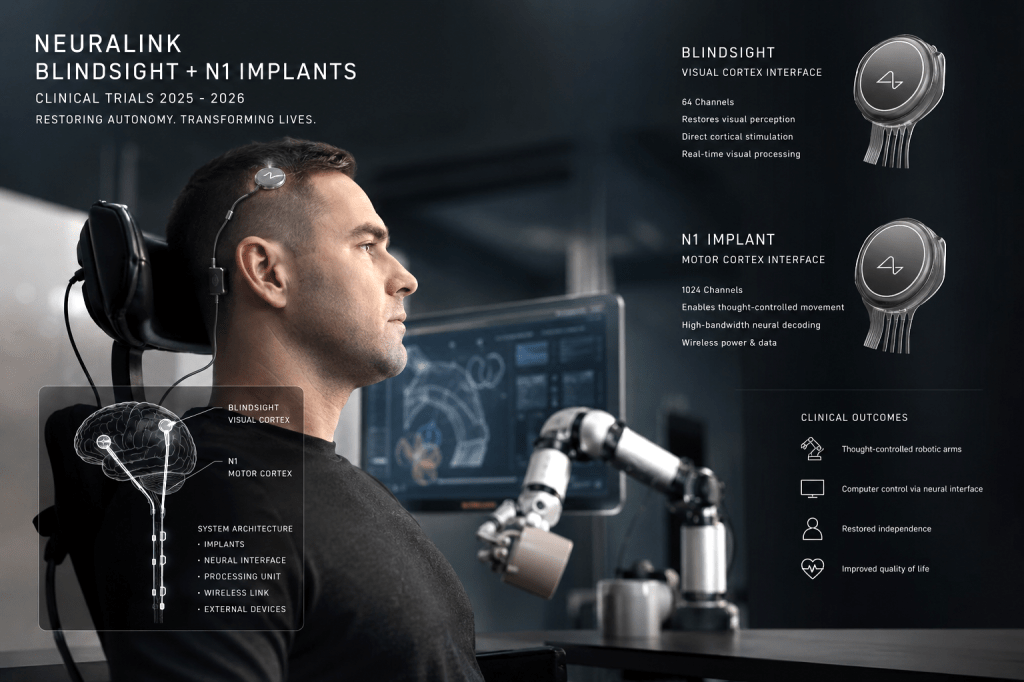
In creativity and care, agentic AI will likely play a dual role. On one hand, creative professionals will use agents to explore design spaces, generate drafts, and coordinate complex projects, expanding the range of what individuals and small teams can produce (2–4). On the other hand, care contexts—healthcare, elder care, mental health support—will see cautious experimentation with agents that can monitor, remind, and coordinate, but human trust and regulatory constraints will slow full autonomy. IDC’s emphasis on trust and transparency, and Huang’s focus on risk management, suggest that care‑related agents will be among the most tightly governed (7–9). The most plausible near‑term scenario is that agents will augment caregivers and clinicians rather than replace them, handling logistics, documentation, and routine follow‑ups while humans retain responsibility for relational and ethical dimensions.
Across these domains, the timing of impact will vary. Over the next three years, we can expect deepening adoption in enterprise workflows, especially coding, analytics, and internal operations, with measurable productivity gains and some job redesign but limited wholesale job displacement (2–5,8). Education will remain in a liminal state, with early adopters and student‑driven practices outpacing institutional policy (10,12). Governance frameworks will continue to evolve, with industry standards and internal risk management leading the way while formal regulation lags (7–9). Over the five‑ to seven‑year horizon, if IDC’s forecast that 45% of organizations will orchestrate AI agents at scale by 2030 holds, we are likely to see more visible shifts in organizational structure, job roles, and expectations about human–AI collaboration (8). Everyday life will feel different not because a single, dramatic agent appears, but because many small interactions—with work systems, educational platforms, public services, and creative tools—are mediated by agents that plan, act, and adapt on our behalf.
How does the April 17 article’s framing hold up in light of these developments? In broad strokes, it holds up remarkably well. The core claim—that the wait for agentic AI as a meaningful, deployable capability is effectively over—has been validated by multiple 2026 reports documenting widespread enterprise adoption, measurable ROI, and aggressive plans for expansion (1–5). The article’s emphasis on multi‑step workflows, security and governance, and the uneven trajectory across sectors is echoed in Anthropic’s, Google’s, CrewAI’s, Information Matters’, Gartner’s, IDC’s, OECD’s, and CSA’s analyses (2–9). Where the April piece was necessarily more speculative, the new data allows us to sharpen and differentiate its predictions. We can now say with greater confidence that coding and internal workflows are leading indicators, that security and risk management are not just concerns but primary adoption drivers, and that education and civic life will be slower and more contested arenas of change (2–5,7–10).
At the same time, the April article’s caution about hype remains warranted. Gartner’s placement of agentic AI at the Peak of Inflated Expectations, combined with the relatively low current deployment rate (17% of organizations) and the concentration of production‑scale value in a few domains, reminds us that the narrative of ubiquitous agents is still ahead of reality (5,6). Information Matters’ insistence that the market is “substantially smaller than the headline figures from content‑factory research firms would have you believe” is a useful corrective (5). The most responsible stance, therefore, is neither to declare that agentic AI has already transformed everyday life nor to dismiss it as mere hype, but to recognize that we are in a transitional phase where capabilities are real, adoption is accelerating, and impacts are beginning to accumulate, but the full social, economic, and cultural consequences are still unfolding.
In that sense, the wait is over only in a narrow, technical sense. The deeper wait—the wait for institutions, norms, and everyday practices to catch up with agentic capabilities—has just begun. Over the next three to seven years, the most reliable prediction is that agentic AI will become increasingly woven into the background of work, learning, and civic life, often in ways that feel incremental rather than revolutionary. The challenge, as the April article suggested and as the 2026 reports now underscore, is to shape that integration in ways that enhance human agency rather than erode it, that distribute benefits broadly rather than concentrate them, and that cultivate forms of human–AI collaboration that are worthy of the term “co‑agentic” (1–3,8–12).
References
- “Is the Wait for Agentic AI Over?,” Educational Technology & Change Journal, April 17, 2026.
https://etcjournal.com/2026/04/17/is-the-wait-for-agentic-ai-over/(etcjournal.com in Bing) - Anthropic, “The 2026 State of AI Agents Report: How Enterprises Are Building and Deploying AI in Production,” 2026. https://resources.anthropic.com/hubfs/The%202026%20State%20of%20AI%20Agents%20Report.pdf
- Google Cloud, “AI Agent Trends 2026: Five Shifts That Will Redefine Roles, Workflows, and Business Value,” 2026. https://services.google.com/fh/files/misc/google_cloud_ai_agent_trends_2026_report.pdf
- “Agentic AI Reaches Tipping Point: 100% of Enterprises Plan to Expand Adoption in 2026, New CrewAI Survey Finds,” Business Wire, February 11, 2026.
https://www.businesswire.com/news/home/20260211878157/en/Agentic-AI-Reaches-Tipping-Point-100-of-Enterprises-Plan-to-Expand-Adoption-in-2026-New-CrewAI-Survey-Finds(businesswire.com in Bing) - Information Matters, “The Agentic AI Market 2026 – Q1: Market Sizing, Competitive Landscape & Growth Forecast,” April 2026.
https://informationmatters.net/the-agentic-ai-market-2026-q1(informationmatters.net in Bing) - Gartner, “What the 2026 Hype Cycle for Agentic AI Reveals,” April 15, 2026 (overview page).
https://www.gartner.com/en/articles/what-the-2026-hype-cycle-for-agentic-ai-reveals(gartner.com in Bing) - Ken Huang, “My Top 10 Predictions for Agentic AI in 2026,” Cloud Security Alliance, January 16, 2026.
https://cloudsecurityalliance.org/blog/2026/01/16/my-top-10-predictions-for-agentic-ai-in-2026(cloudsecurityalliance.org in Bing) - “IDC FutureScape 2026 Predictions Reveal the Rise of Agentic AI and a Turning Point in Enterprise Transformation,” Business Wire, October 23, 2025.
https://www.businesswire.com/news/home/20251023876543/en/IDC-FutureScape-2026-Predictions-Reveal-the-Rise-of-Agentic-AI-and-a-Turning-Point-in-Enterprise-Transformation(businesswire.com in Bing) - OECD, “The Agentic AI Landscape and Its Conceptual Foundations,” 2026. https://www.oecd.org/content/dam/oecd/en/publications/reports/2026/02/the-agentic-ai-landscape-and-its-conceptual-foundations_a9d4b451/396cf758-en.pdf
- “Status of Agentic AI in Higher Ed: A Liminal Moment,” Educational Technology & Change Journal, March 6, 2026.
https://etcjournal.com/2026/03/06/status-of-agentic-ai-in-higher-ed-a-liminal-moment/(etcjournal.com in Bing) - “Post‑Agentic AI Trajectory May Not Be a Single ‘Next Big Thing’,” Educational Technology & Change Journal, April 21, 2026.
https://etcjournal.com/2026/04/21/post-agentic-ai-trajectory-may-not-be-a-single-next-big-thing/(etcjournal.com in Bing) - “AI Developmental Models of Human Intelligence: Narrow to Broad AI,” Educational Technology & Change Journal, March 22, 2026.
https://etcjournal.com/2026/03/22/ai-developmental-models-of-human-intelligence-narrow-to-broad-ai/(etcjournal.com in Bing)
Filed under: Uncategorized |














































































































































































































































































































































































































































Leave a Reply