




By Jim Shimabukuro (assisted by Claude)
Editor
Summary: How the fall of Cambridge’s youngest Black professor became ammunition in the United States’ long war over diversity in higher education — and what it may mean for hiring and admissions on this side of the Atlantic.

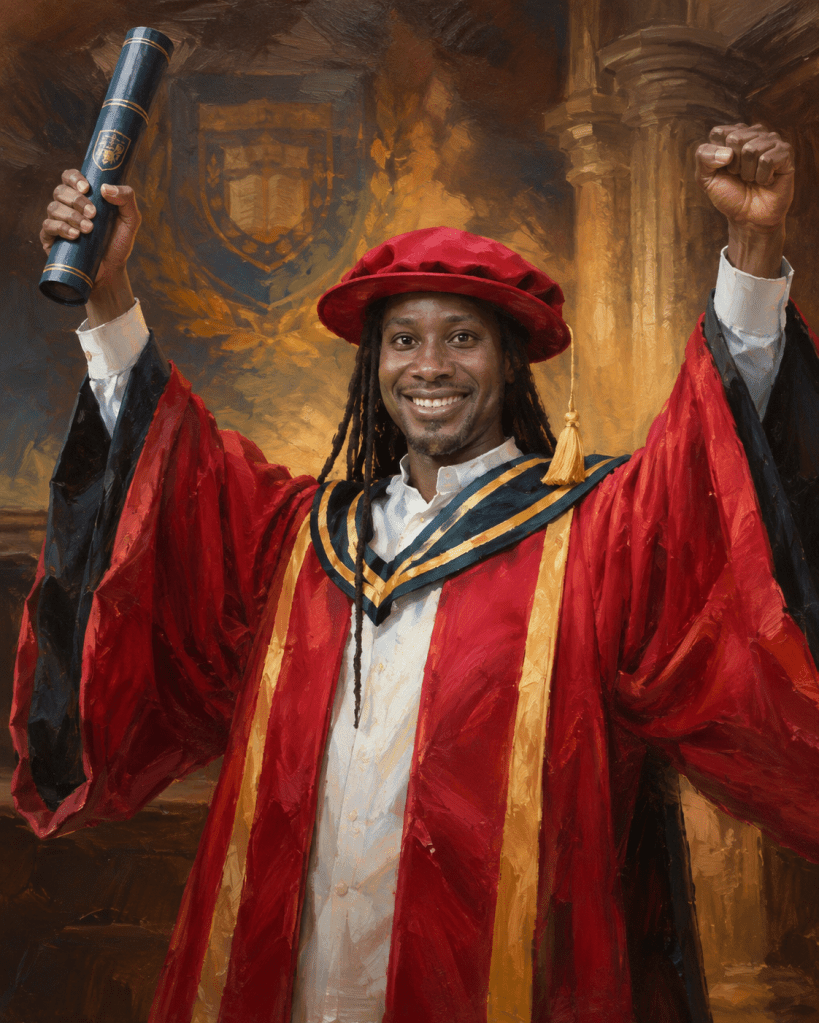
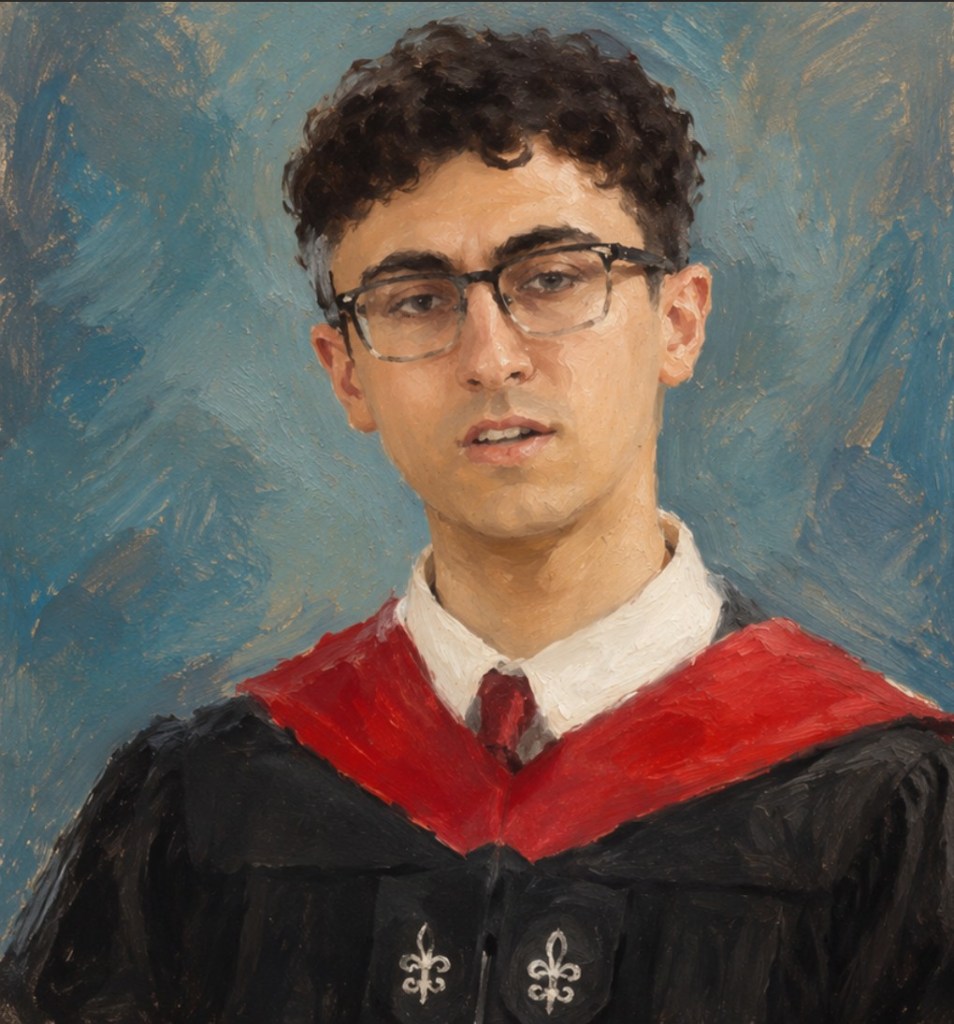
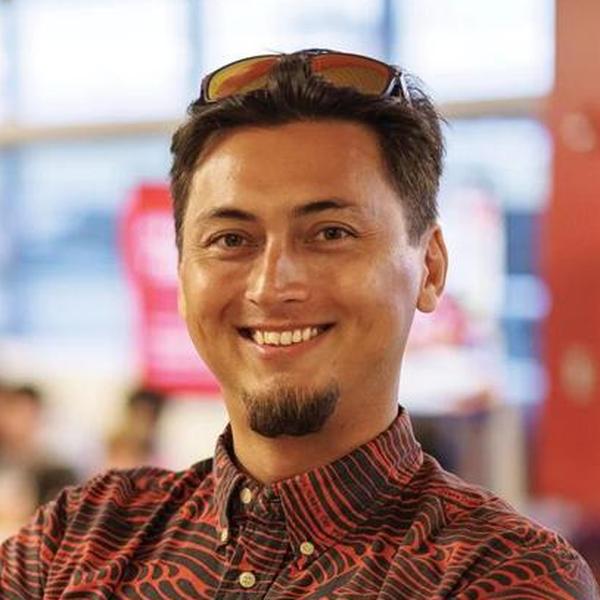
For three years, Jason Arday was the story British higher education wanted to tell about itself. A working-class son of South London with Ghanaian roots, diagnosed with autism and global developmental delay as a child, he said he did not speak until he was eleven and could not read or write until he was eighteen. He trained as a physical education teacher, earned a doctorate in 2015, and in 2023, at thirty-seven, became the youngest Black professor ever appointed at the University of Cambridge, teaching the sociology of education [1,2]. Newspapers around the world carried his portrait. His life seemed to prove that talent could come from anywhere and that the academy, so often accused of gatekeeping, had finally opened its doors.
In the first week of August 2026, that story collapsed. Cambridge announced an investigation “following new information about Professor Arday’s academic qualifications and honorary appointments,” and Arday resigned with immediate effect [1,3]. “The relentless accusations, speculation and public commentary have taken a profound toll on me and on those I love,” he said, insisting that his departure was not an admission of guilt but a recognition that “the only way to bring this chapter to an end is to step away” [1]. In a statement released through the Good Law Project, the legal campaign group that had rallied to his defense, he added: “There comes a point when the personal cost becomes too great” [3].
Arday has denied wrongdoing throughout, and the Cambridge investigation has not concluded. But the scandal has already escaped its British borders. In the United States, where the Trump administration has spent nearly two years dismantling diversity, equity, and inclusion programs across higher education, Arday’s fall arrived like a gift-wrapped parable — and a remarkable roster of American writers has unwrapped it with enthusiasm.
The Unraveling
The case against Arday did not begin in 2026, and it did not begin with his politics-minded critics. According to an investigation by Retraction Watch, the scholarly-integrity watchdog, the first doubts were raised as early as May 2023 by Dave Harris, an emeritus professor at Plymouth Marjon University, who noticed that passages in one of Arday’s journal articles resembled another scholar’s work. Harris later teamed up with the eminent sociologist Martyn Hammersley, and the two identified what they believed was substantial unattributed borrowing across several publications [4].
By September 2025, Jack Grove, a reporter at Times Higher Education, had assembled a sixty-three-page dossier of side-by-side text comparisons involving Arday’s doctoral thesis and journal articles. David Sanders, a Purdue University biochemist and veteran plagiarism sleuth who reviewed the dossier, was blunt: “There is no question that there is extensive plagiarism” [4]. But the story never ran. After Grove wrote to Arday seeking comment, Arday retained Carter-Ruck, one of Britain’s most feared defamation firms, and Times Higher Education killed the piece [4]. In a stranger turn, London’s Metropolitan Police contacted Grove and warned him against approaching Arday, citing concerns for the professor’s mental health — an intervention the force later conceded was inappropriate [3].
What lawyers and caution had contained, the internet released. In June 2026, Nathan Cofnas — an American-born philosopher now at Ghent University in Belgium, who had lost his own Cambridge affiliation in 2024 over writings in which he described himself as a “race realist” and argued that under pure meritocracy Black people would “disappear from almost all high-profile positions” — was tipped off by a Cambridge faculty member and began running Arday’s thesis through plagiarism-detection software [4,5]. His Substack posts, published across June and July, alleged dozens of passages lifted from a 2009 dissertation by education scholar Paula Zwozdiak-Myers, sometimes with the original’s editing quirks still intact [4,5,12].
The response split along predictable lines. Liverpool John Moores University, which awarded Arday’s PhD, investigated and attributed the overlaps to “honest and reasonable error.” Cambridge initially stood by its professor, denouncing what it called a “vile campaign to undermine his credibility.” Meanwhile, journalists and bloggers began testing Arday’s biography itself and found it wobbling. He had claimed to have run thirty marathons in thirty-five days and to have raised millions for charity; both claims came under challenge [1]. Daniel McCarthy, writing later in The Daily Signal, catalogued still more: a claimed appearance in the “Seven Up” documentary series, which began filming twenty-one years before Arday was born, and, as McCarthy recounts it, a disarming reply Arday reportedly gave a Guardian fact-checker — “To be honest with you, I thought you’d just believe me” [10].
Then came the American detail that gave the story a second passport. Arday’s professional biography listed a guest professorship at The Ohio State University’s Office of Diversity and Inclusion. As National Review’s Abigail Anthony reported, Ohio State said it had no record of him — and the DEI office where he claimed to serve had been closed the previous year amid the federal government’s pressure campaign against such programs [6]. Days later, Cambridge reversed course, announced its investigation into his “qualifications and honorary appointments,” and accepted his resignation [1,3].
The American Pile-On
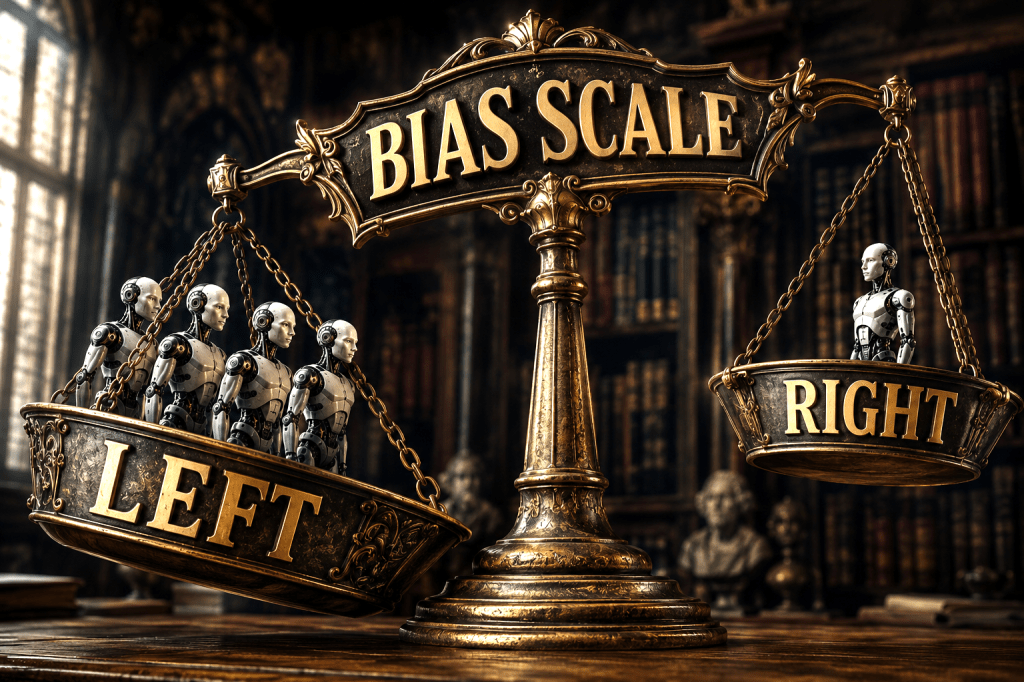
If the facts of the case are British, the loudest interpretation of it has been American. Within a week of the resignation, a distinct genre had formed in U.S. opinion pages: Arday as the inevitable product of DEI.
Josh Blackman, a constitutional law professor at South Texas College of Law Houston, posed the question that became the genre’s refrain. In “How Many More Jason Ardays Are There?”, published on Reason magazine’s Volokh Conspiracy blog, Blackman argued that Cambridge overlooked warning signs for years because questioning Arday risked accusations of racism. Noting that Arday was hired “at peak-wokeness” in 2023, he asked whether Cambridge had lowered its standards, and drew the lesson outward: “The academy cannot perform its function of pursuing truth and knowledge if certain groups are afforded preferential treatment.” If it could happen at Cambridge, he warned, “far-less prestigious institutions likely made even worse errors” [8].
Peter Wood, president of the National Association of Scholars — the New York-based organization that has campaigned against racial preferences in academia since the 1980s — reached back to Mark Twain for his title. In “Jason Arday and the Dukes and Dauphins of DEI,” published in The Spectator’s U.S. edition, Wood cast Arday as a con man in the tradition of Huckleberry Finn’s riverboat grifters, enabled by institutions too anxious about racial justice to check his claims. “The DEI agenda, as long as it prevails, will ensure a long line of Jason Arday fabulists to come,” he wrote, adding that the case showed how “America’s DEI mania replicates itself on the other side of the Atlantic” [9].
McCarthy, the editor of the conservative quarterly Modern Age, took the argument to its most vivid extreme in The Daily Signal, the Heritage Foundation’s news outlet: “If Jason Arday next decides he’s an airline pilot, who will keep him out of the cockpit?” [10]. At Quillette, essayist Andrew Hammel argued in “Jason Arday: The Scandal Academia Enabled” that the diversity apparatus itself — the retention offices and support bureaucracies — created the conditions for fraud: “Naturally, the retainers insist that they do not lower academic standards; they heighten student performance. But everybody knows that’s not the whole story” [7]. Robert Spencer, a Shillman Fellow at the David Horowitz Freedom Center better known for his writing on Islam, declared at PJ Media that Arday’s “accumulated achievements are palpably unbelievable” and folded the case into a sweeping indictment of what he called the implosion of the DEI industry [14]. Owen Anderson, a professor of philosophy and religion at Arizona State University, used the affair in Blaze Media to argue that equity ideology runs on circular logic, in which any failure of a favored group proves discrimination [13].
Not every critic writes from the political right. Sam Kahn, a staff editor at Persuasion — the heterodox-liberal journal founded by Yale’s Yascha Mounk — pleaded with his own side in “Surely Liberals Can Agree That Plagiarism Is Bad,” documenting more than thirty passages of overlap with Zwozdiak-Myers’s dissertation and criticizing Cambridge, the Good Law Project, and the prominent autism researcher Simon Baron-Cohen for, in his view, excusing misconduct through appeals to neurodivergence. “Academia is either meritocratic or it isn’t,” Kahn wrote. “It either takes its rules seriously or it doesn’t” [12]. And in The Free Press, Yuan Yi Zhu, an academic at Leiden University in the Netherlands, gave the affair its most haunting frame with a single question: “Who Had to Lose for Jason Arday to Win?” — an essay contrasting Arday’s ascent with the brilliant, un-networked scholars who never got the jobs he collected [11].
Cofnas himself, the man who forced the story into the open, has hardly been a neutral referee. “He was hired by Cambridge to be the face of DEI, and he was doing a great job,” he told Fox News, before suggesting, with characteristic provocation, that he himself should be given Arday’s chair to “restore trust in higher education” [5].
The Defense
Arday’s defenders tell a different story, and it deserves equal attention. On July 30, before the resignation, a coalition organized through the Good Law Project published a solidarity letter signed by Lord Simon Woolley, the pharmaceutical scientist Professor Dame Ijeoma Uchegbu, the Members of Parliament John McDonnell, Bell Ribeiro-Addy, and Clive Lewis, and the Birmingham City University professor Kehinde Andrews, among others. The letter noted that both universities that examined the allegations had cleared him: “Entirely false allegations of plagiarism were made against Professor Arday and referred to two universities. Both conducted thorough investigations and found no evidence whatsoever of wrongdoing” [15]. A companion petition gathered more than eighteen thousand signatures [17].
The signatories see the campaign against Arday as racial, not scholarly. “When a distinguished Black academic is repeatedly subjected to baseless allegations after being fully exonerated, it signals there is an attempt to undermine Black people who hold positions of influence,” the letter reads [15]. Andrews, Britain’s first professor of Black studies, pressed the point after the resignation in The Voice, Britain’s national Black newspaper, comparing Arday’s pursuers to America’s anti-critical-race-theory campaigners: “This has never been about the truth, but about establishing that Black people are getting an unfair DEI advantage, which allows charlatans into the hallowed halls of Oxbridge” [16]. Only about one percent of professors in the United Kingdom are Black, Andrews noted — a statistic, in his telling, that makes the singling out of the most celebrated among them look less like quality control and more like target practice [16].
The defenders’ strongest cards are procedural: Liverpool John Moores did clear the thesis, Cambridge did initially call the campaign vile, and the man who finally detonated the story is an avowed “race realist” with his own grievance against Cambridge. Their weakest card is the accumulating pile of biographical claims — the marathons, the documentary, the Ohio State post — that no investigation has yet explained away.
The American Stakes
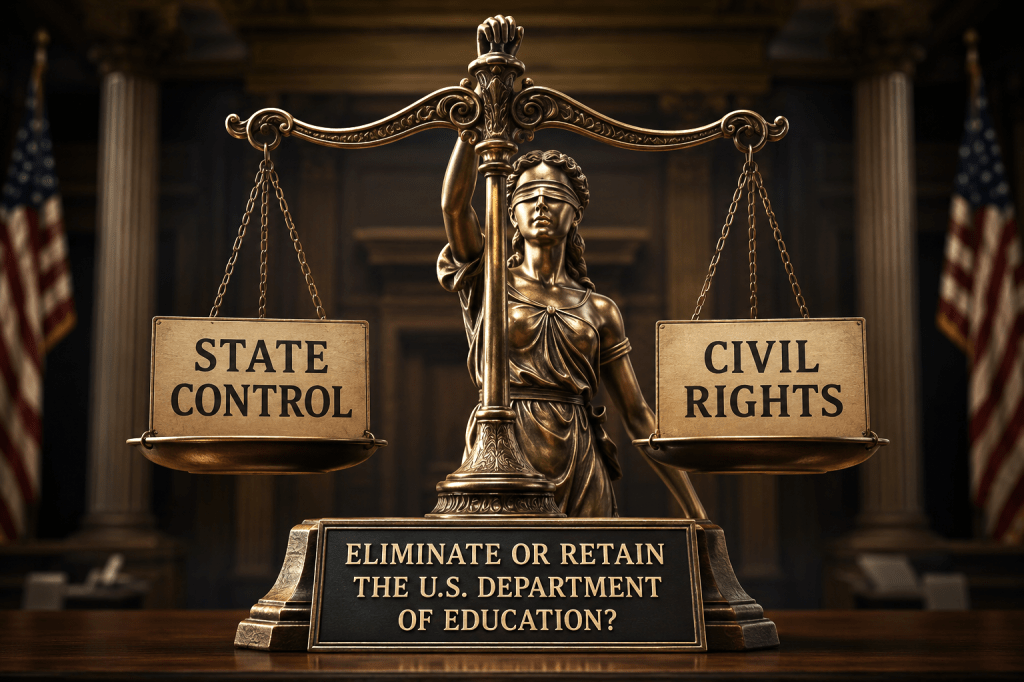
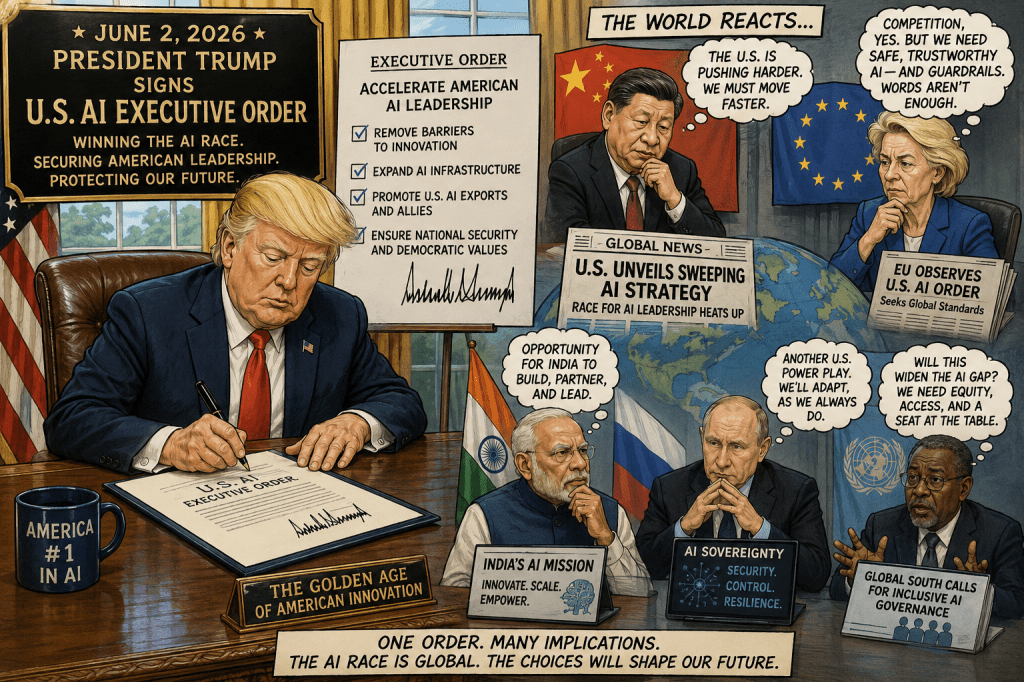
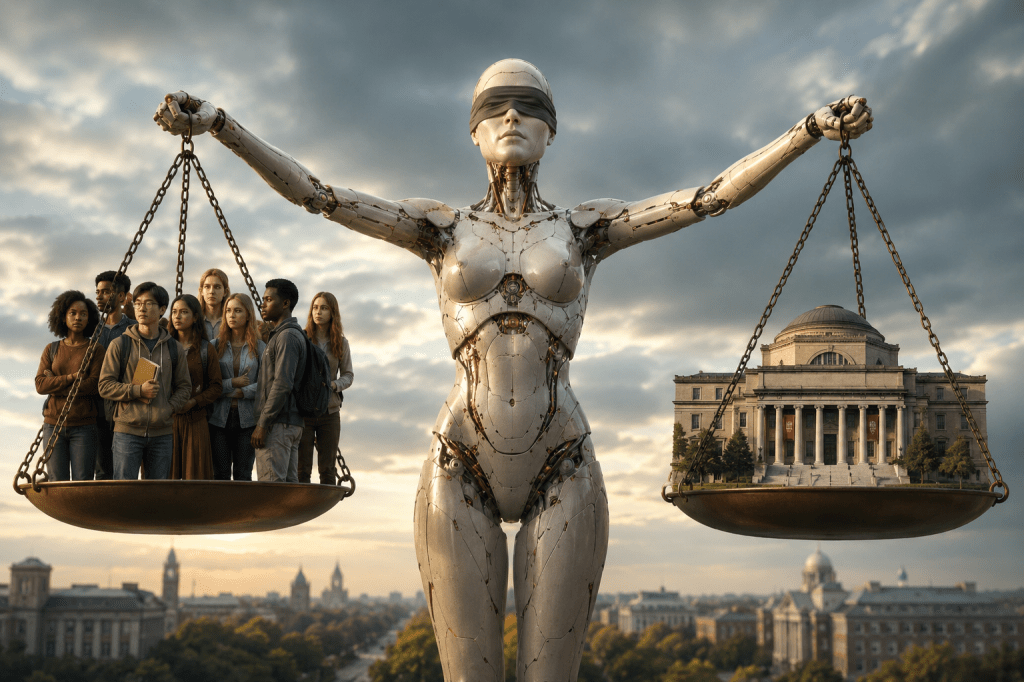
Does any of this actually change hiring and admissions in the United States? Here honesty requires precision. As of mid-August 2026, no American university has announced a policy change citing Jason Arday, and no federal action references him. The machinery now grinding through U.S. higher education was built well before his name crossed the Atlantic. The Supreme Court ended race-conscious admissions in 2023. President Trump’s executive orders of January 2025 stripped DEI from the federal government and its contractors; the following month, the Department of Education warned schools they could lose federal funding over race-based programming, and by March 2025 more than fifty universities — Ohio State, Yale, Cornell, Duke, and MIT among them — were under federal investigation over diversity-linked programs and scholarships. “Students must be assessed according to merit and accomplishment, not prejudged by the color of their skin,” Education Secretary Linda McMahon said in announcing that campaign [18].
The Arday scandal, in other words, did not start the fire. What it has done — and what it is likely to keep doing — is supply the fire with fuel of a quality money cannot buy. What follows is analysis and, where it looks forward, projection rather than settled fact; readers should weigh it as such.
The first likely effect is rhetorical, and it is already measurable in column inches. The anti-DEI movement has long argued in the abstract that identity-conscious hiring erodes standards. Arday gives that argument a face, a timeline, and a punchline, and writers from Reason to the Heritage Foundation’s Daily Signal deployed it within days [8,10]. Blackman’s question — how many more Jason Ardays are there? — is aimed squarely at American institutions, and it is the kind of question that congressional committees and state legislators, already primed by two years of anti-DEI politics, tend to repeat in hearings [8].
The second likely effect is on verification. Arday’s unverified Ohio State affiliation sat in plain sight for years at an institution that is itself under federal investigation [6,18]. American universities operating under that kind of scrutiny now have a fresh incentive to audit credentials, honorary titles, and visiting appointments — especially those attached to high-profile diversity initiatives, where the reputational blast radius of a fabrication is largest. Quiet tightening of due diligence is the most probable concrete institutional response, precisely because it is defensible to everyone.
The third and most consequential effect is atmospheric. Diversity hiring in American academia was already in retreat: DEI offices closed from Ohio to Texas, diversity statements abandoned, cluster-hire programs shelved. In that climate, the Arday affair functions as a cautionary tale told to every provost weighing a bold appointment — a tale that says the celebrated diversity hire may become the scandal, and the institution that championed him will wear it. Zhu’s zero-sum question about who had to lose for Arday to win maps effortlessly onto the American admissions debate, where the same question powered the lawsuits that ended affirmative action [11]. It is a fair projection — though a projection nonetheless — that the scandal will lengthen the shadow over identity-conscious decisions of every kind, making hiring committees warier, presidents quieter, and the defenders of diversity programs more cautious about the champions they elevate.
Coda
There is one point on which Arday’s fiercest critics and his most loyal defenders agree, though neither side would enjoy the company: the case is ultimately about trust. The critics say universities squandered it by refusing to scrutinize a story they wanted to believe. The defenders say bad-faith actors are exploiting one man’s ordeal to discredit every Black scholar who rises. Both can point to real evidence; both cannot be entirely right. Cambridge’s investigation may yet settle the narrow factual questions. The larger one — whether American higher education can rebuild confidence in its judgments about merit while the two sides wield cases like this one against each other — will not be settled by any committee. “Academia is either meritocratic or it isn’t,” as Kahn put it [12]. On both sides of the Atlantic, that proposition is now being stress-tested in public.
References
1. Al Jazeera, “Cambridge professor Jason Arday quits amid plagiarism allegations,” August 6, 2026. https://www.aljazeera.com/news/2026/8/6/cambridge-professor-jason-arday-quits-amid-plagiarism-allegations
2. CNN, “Youngest Black professor at Cambridge resigns as university investigates allegations of plagiarism,” August 6, 2026. https://www.cnn.com/2026/08/06/uk/black-professor-cambridge-plagiarism-resigns-intl
3. Inside Higher Ed, “Star Professor Resigns After Cambridge Opens Investigation,” August 7, 2026. https://www.insidehighered.com/news/faculty/2026/08/07/star-professor-resigns-after-cambridge-opens-investigation
4. Retraction Watch, “Exclusive: News outlet killed story on plagiarism allegations after Cambridge prof hired law firm,” July 27, 2026. https://retractionwatch.com/2026/07/27/cambridge-jason-arday-plagiarism-allegations-times-higher-education-exclusive/
5. Fox News, “Cambridge sociology professor Jason Arday resigns amid plagiarism probe,” August 2026. https://www.foxnews.com/media/cambridge-university-professor-resigns-major-plagiarism-accusations-prompt-investigation
6. Abigail Anthony, “Cambridge Professor Jason Arday’s Ohio State Affiliation Appears Fabricated,” National Review, August 2026. https://www.nationalreview.com/news/cambridge-prof-fighting-plagiarism-allegations-seems-to-have-fabricated-major-u-s-university-affiliation/
7. Andrew Hammel, “Jason Arday: The Scandal Academia Enabled,” Quillette, August 7, 2026. https://quillette.com/2026/08/07/the-tip-of-the-iceberg-cambridge-jason-arday-nathan-cofnas/
8. Josh Blackman, “How Many More Jason Ardays Are There?”, The Volokh Conspiracy at Reason, August 11, 2026. https://reason.com/volokh/2026/08/11/how-many-more-jason-ardays-are-there/
9. Peter Wood, “Jason Arday and the Dukes and Dauphins of DEI,” The Spectator (World edition), August 2026. https://spectator.com/article/jason-arday-and-the-dukes-and-dauphins-of-dei/
10. Daniel McCarthy, “Diversity, Equity, and Confabulation,” The Daily Signal, August 8, 2026. https://www.dailysignal.com/2026/08/08/diversity-equity-and-confabulation/
11. Yuan Yi Zhu, “Who Had to Lose for Jason Arday to Win?”, The Free Press, August 5, 2026. https://www.thefp.com/p/jason-arday-cambridge-plagiarism
12. Sam Kahn, “Surely Liberals Can Agree That Plagiarism Is Bad,” Persuasion, August 2026. https://www.persuasion.community/p/jason-ardays-fabulism-is-an-institutional
13. Owen Anderson, “DEI’s favorite trick: Failure proves discrimination,” Blaze Media, August 2026. https://www.theblaze.com/columns/opinion/deis-favorite-trick-failure-proves-discrimination
14. Robert Spencer, “Say, Didja Happen to Notice the Total Implosion of the Academic World and DEI Industry?”, PJ Media, August 7, 2026. https://pjmedia.com/robert-spencer/2026/08/07/say-didja-happen-to-notice-the-total-implosion-of-the-academic-world-and-dei-industry-n4955915
15. The Voice, “‘We stand with Jason’: campaigners, MPs and academics reject right-wing ‘smear campaign’,” July 30, 2026. https://www.voice-online.co.uk/news/uk-news/2026/07/30/right-wing-smear-campaign/
16. Kehinde Andrews, “A dark agenda lies behind Jason Arday’s resignation,” The Voice, August 7, 2026. https://www.voice-online.co.uk/opinion/comment/2026/08/07/ardays-resignation/
17. Good Law Project, “Stand in solidarity with Jason Arday” (petition). https://goodlawproject.org/petition/stand-in-solidarity-with-jason-arday/
18. PBS NewsHour, “More than 50 universities face federal investigations under Trump’s anti-DEI campaign,” March 2025. https://www.pbs.org/newshour/education/more-than-50-universities-face-federal-investigations-under-trumps-anti-dei-campaign
###
Filed under: Uncategorized |



















































































































































































































































































































































































Leave a Reply