





By Jim Shimabukuro (assisted by Gemini)
Editor
[Related: The 2026 MIT Sloan Symposium on What Agentic AI Is Really Worth: A Review]
Summary: The MIT dialogue shows that human–agentic AI collaboration thrives when machines take on exploratory reasoning—freeing people to focus on judgment, strategy, and meaning. –Copilot

Introduction: The following transcript is from a YouTube video, “Agentic AI: What Leaders Wish They Knew Sooner,” uploaded by MIT Sloan Management Review, 11 June 2026.
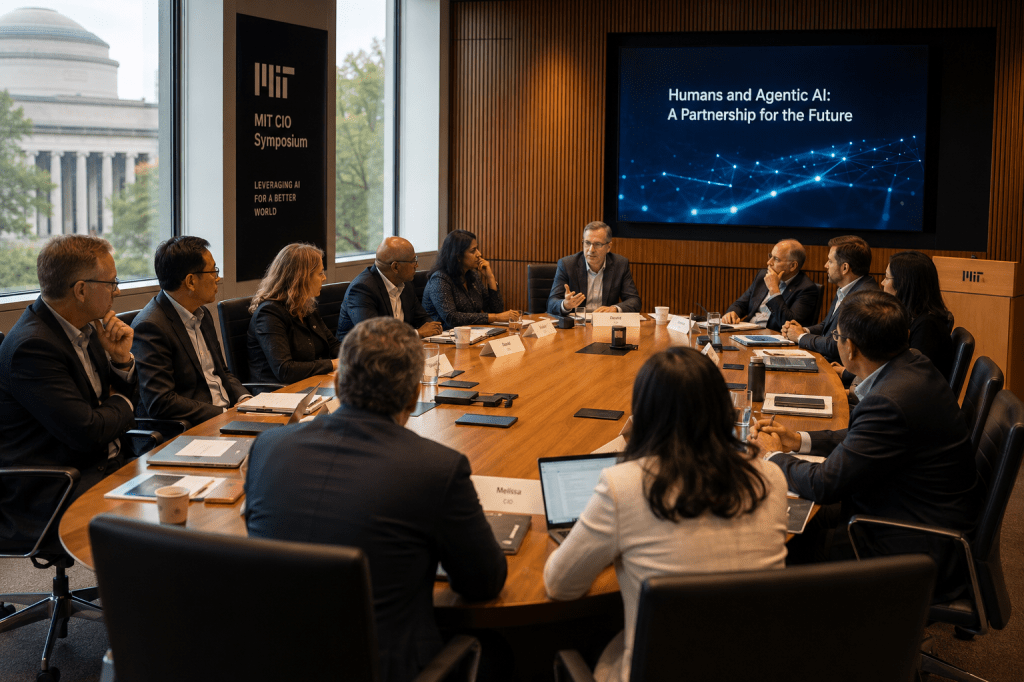
Abbie Lundberg: [Introduction: Is your team ready for AI agents?] AI agents are no longer hypothetical. They’re in the workflow. I’m Abbie Lundberg, Editor-in-Chief at the MIT Sloan Management Review, and we are here at the [2026] annual MIT Sloan CIO Symposium. We were asking IT and business leaders, “What have you learned this year about how humans and agentic AI work together?” Let’s hear what they had to say.
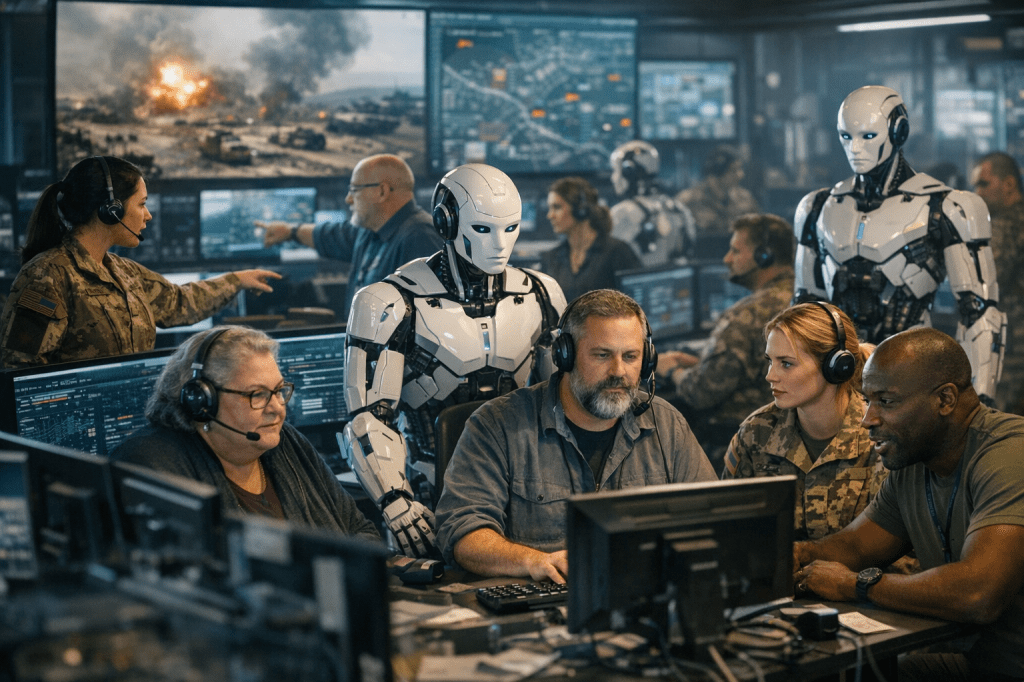
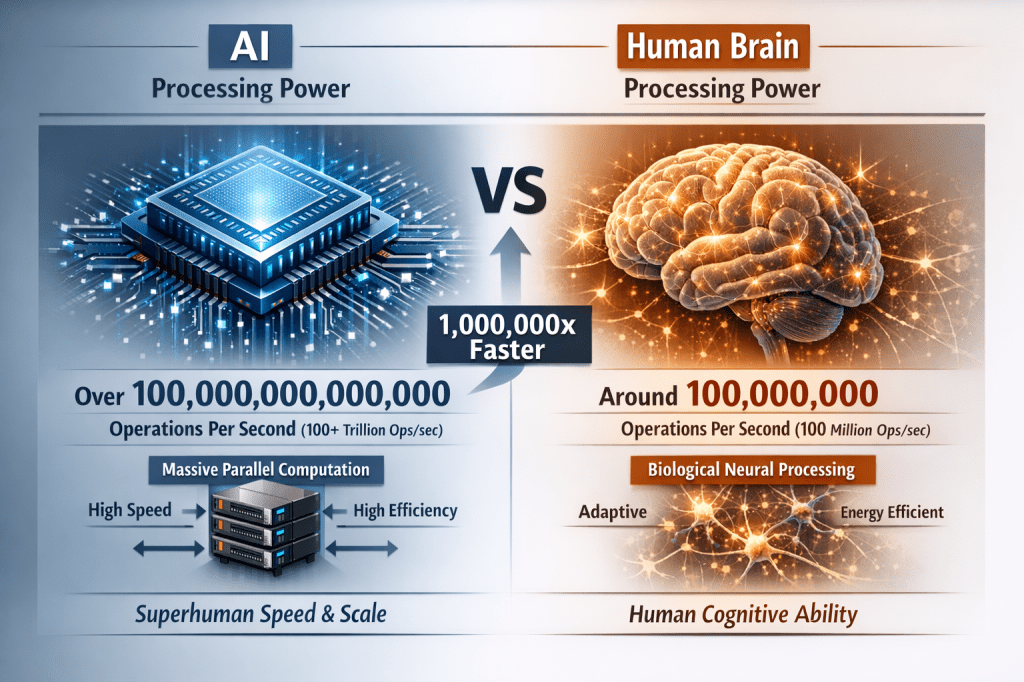
Thomas H. Davenport: [Human oversight is becoming performative] What I have learned about humans and agentic AI working together is really starting to worry me a little bit because I was always a big advocate of sort of human-in-the-loop agentic AI. But some of the examples of agents that I’ve started to see in the companies I do research and consulting with makes me think this isn’t really going to be that viable, that the agents work much faster than the humans do. And when there is a human review, it’s very cursory, and not the kind of thing that really engages the human brain. People are being pestered to approve things rapidly, so they don’t really have a chance to engage with it. So I’m really worried about the place of humans in this regard, and also worried that a lot of humans are not going to want to be auditors of what AI is doing. So I have a lot of uncertainty about how this is all going to work out for us humans.
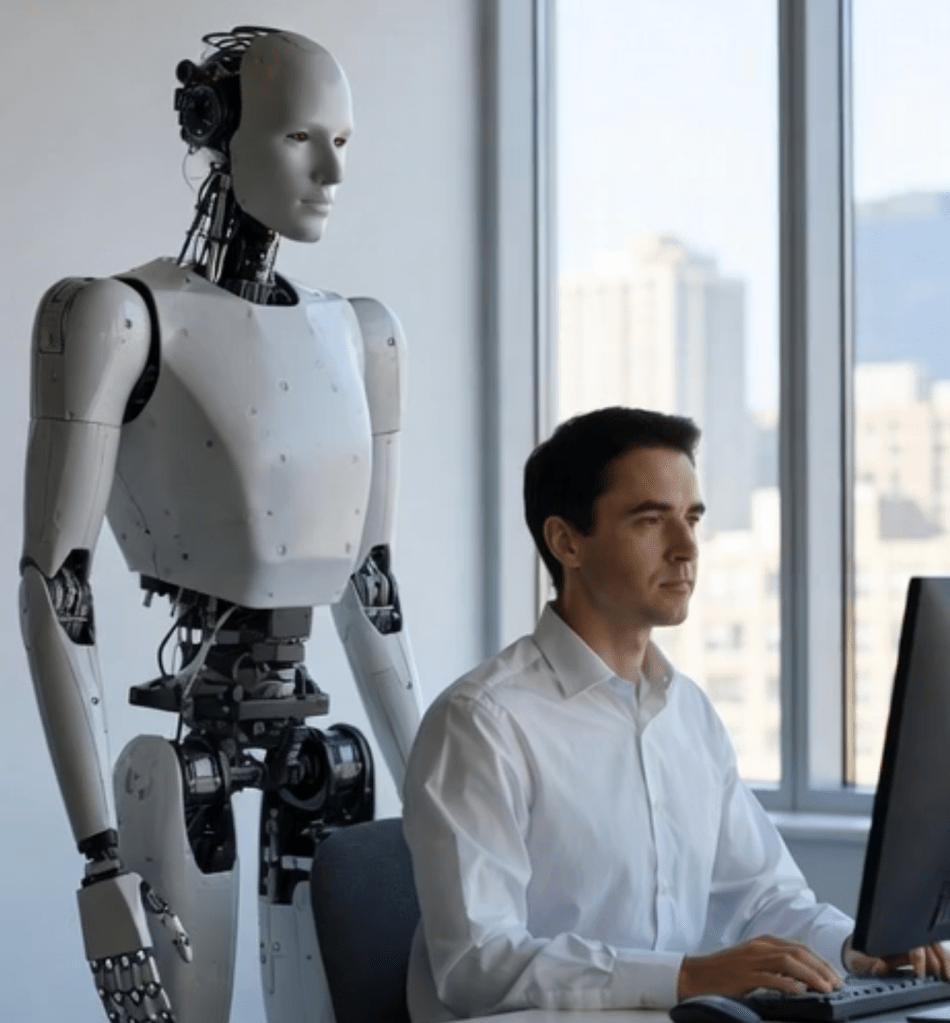
Melissa Swift: [Manage agents like employees] So what I’ve learned is there’s a key myth about agentic AI, at least in the present moment. The idea, right, is that you give a task to agentic AI, and it magically, sort of scatters away and gets it done. And that’s actually not the reality. It’s just like any human worker. You have to check the output, you have to recheck the output, you have to re-prompt it, et cetera, et cetera. So I think the key learning is that humans working with agentic AI is not that different right now from humans working with humans.
George Westerman: [Agents aren’t ready for prime time] The first thing I’ve learned is that humans are talking about agents all the time, but agents are not really ready for primetime in most organizations. Instead, what’s happening is, people are applying the word agent to many things that are really not that sophisticated yet. And so that’s increasing the hype without necessarily increasing the value. Where we need to go as we think farther forward though, is this idea of automate first, and then put the humans in the right places, make decisions about where it makes sense to be doing this, rather than where it’s easy to do this. And as we look forward on this, there’s a tendency right now to think about applying tools to the steps of the existing workflow, and where we need to do, if we truly get to the agentic world, is think about what outcomes do we want, and rebuilding those processes that will get us there.
Monica Caldas: [Build human judgment into workflows] So we have deployed agents in our IT operations space. And what’s really been helpful is we are iterating through that workflow evolution. So what we started as just assistance to every day and just personal productivity, we then evolved that into actually figuring out which pieces of the workflow that we wanted to reimagine, and then we deployed agents. And it’s not just one agent that does everything. We really went through micro agents. And so one lesson learned is really be thoughtful about the workflow that you’re reimagining. You’re not just automating and having it go faster. You actually want to have a different outcome, and you want to have clear OKRs [Objectives and Key Results]. So that was lesson learned number one, is when you’re deploying this, be very thoughtful and deliberate. And while experimentation is important, you iterate through that, have clear entry and exit criteria as you move through that maturity arc. And for us, that’s been really important. So we know what’s working [and] what isn’t working. And then, how do you incorporate human judgment into the agentic workflows. And that’s been a lesson learned for us, where at the beginning, we had humans at every other step to make sure that the agents were doing what we wanted them to do. And then we learned from that experience to say, well, we have to build this trust fabric and governance that will now really emerge with an agentic workflow that is autonomous, that has humans in the loop, but at the right places, not in every place.
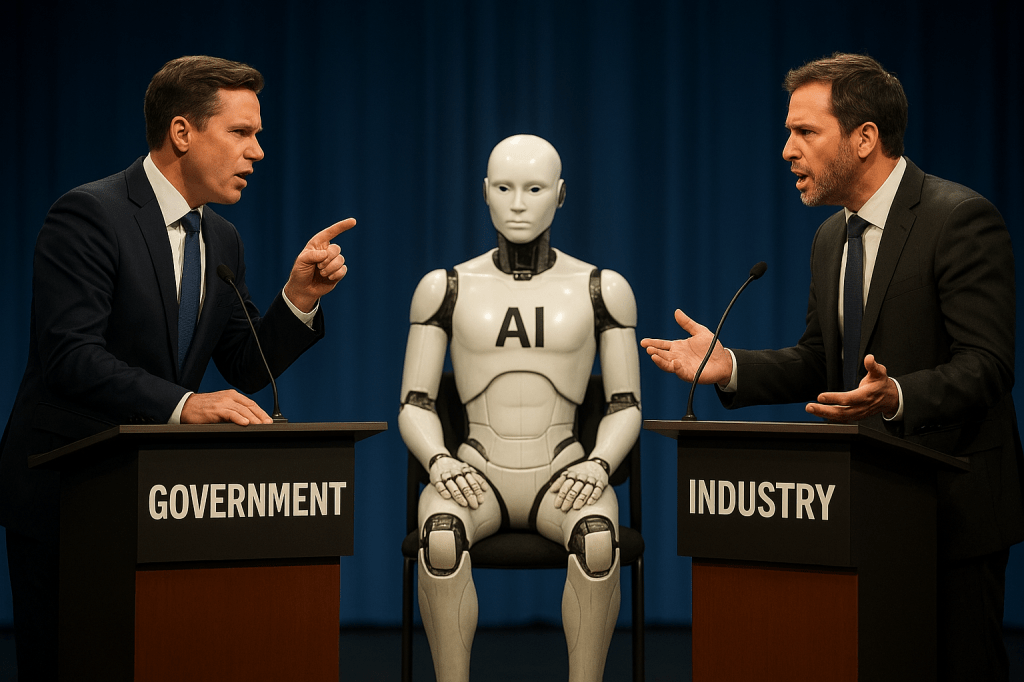
Michael Schrage: [In the loop versus on the loop] The agentic AI question is a really, really interesting one for me, because I see a fundamental split occurring with agentic AI. I see agents that are focused on delivering explicit, specific tasks–“Do this!”– and I see agents being used as a way to clarify what it is you really wish to accomplish. “Should I do this?” And it says, “I’ll do X and Y.” And this creates the tension and dichotomy between human in the loop, or human on the loop. I will tell you right now, I am still more comfortable being in the loop rather than on the loop. I don’t trust deterministic software agents yet.
Max Chan: [Keep humans in the loop] As we work with more and more agent, AI agent, across the organizations, the recognitions that an AI agent needs to also be treated like a human employee is absolutely critical. What that means is that there is a start point. There is a continuous monitoring of performance, and there is also a recognition that when it has to come to an end and the lifecycle management is absolutely critical. We cannot say that we are doing that very well today, but we’re recognizing the importance of that, and continue to change the process to be able to do that. I think the other thing that a lot of people don’t realize is that human in the loop is a critical component as we develop and train more AI agent to do our work. I think it’s twofold. AI is not going to just replace every grunt work that is out there. What we need to ensure is the human employees are being trained to understand how to best leverage AI, and really elevate themselves to the level that they haven’t been able to perform before using AI. So what that really means is that while the human employees are being trained to better leverage AI and performing at a higher level job, they need to replace themselves at the lower level. That’s where they are willing to train the AI to continue to deliver what they have been delivering while they are over here, helping the company with top-line and bottom-line considerations.
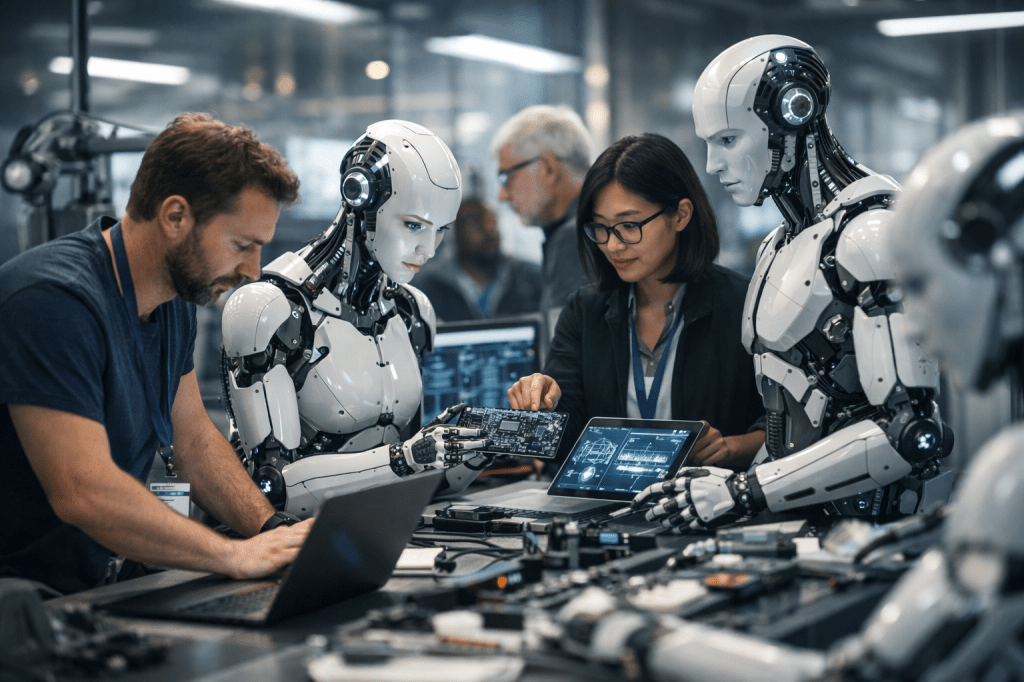
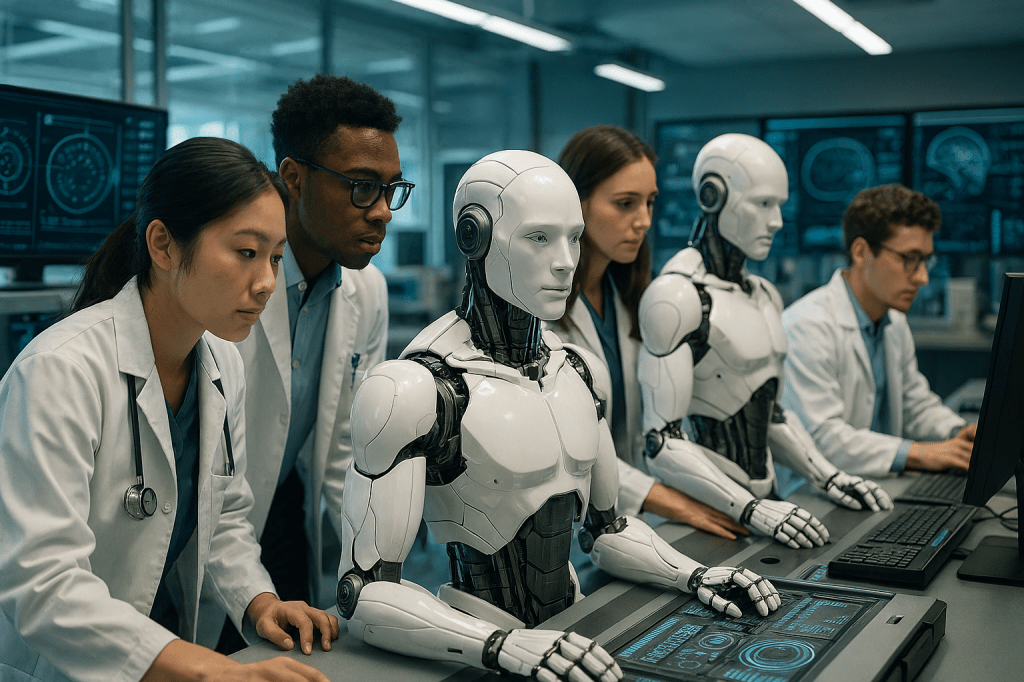
Keri Pearlson: [Combine AI and human strengths] So you asked me what have I learned about agents or agentic AI, and humans working together. And what I’ve seen in this past year through my research here at MIT Sloan on AI security is really how people do some things really well, and agents can do some things really well. And instead of trying to use agents to replace people, or replace the tasks that people do, we want to think about the new role, the new job as the combination of people and technology each doing what they do best. For example, an agent might be really good at sorting through data and coming up with the summary of the data, or maybe even insights from the data. Or taking a process and making it more automated. But people are really good at interacting with other people. And with the more subtle, less obvious kinds of communication that happens when you’re interacting one-on-one with another person. So let’s think about the new jobs of the future as the combination, the marriage, if you will, of agents and of people, and let’s build our new workforce with the best of both worlds.
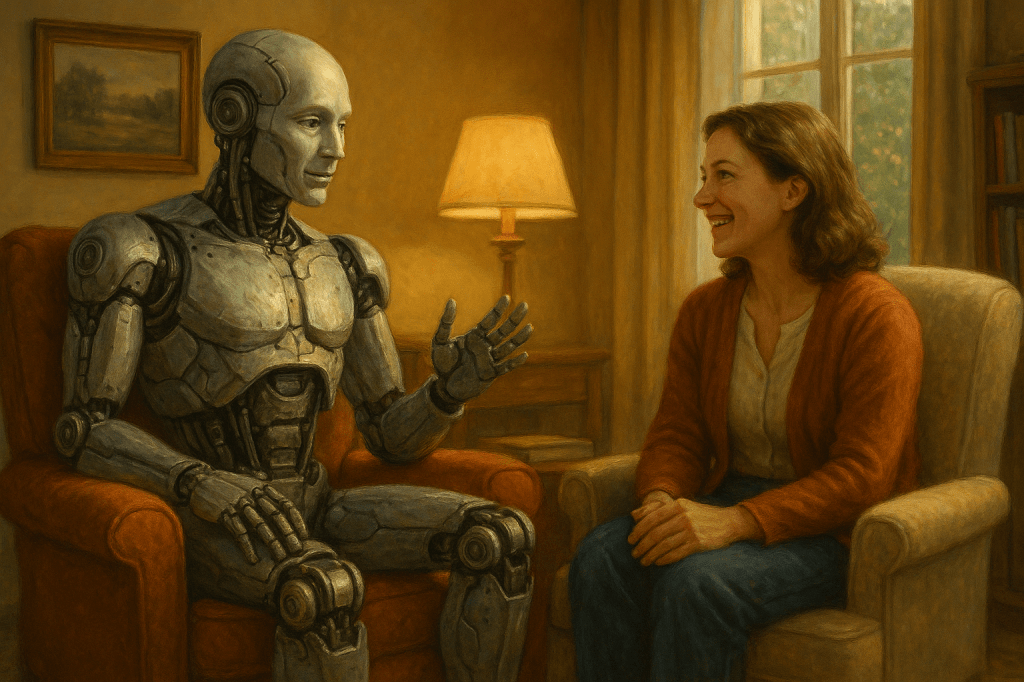
Meghna Shah: [Be collaborators, not competitors] I think what I’ve learned about humans and agents working together is we do it best when we are collaborators and we’re not competitors, right? It’s not here to replace one or the other, but what does it look like when agents and humans come together, right? What is possible? What can you unlock? I think it’s a really exciting time for agents and agentic AI, ’cause you’re going so much beyond just generating content, right? We’re able to now… through your agents, you can do workflow orchestration, you can schedule tasks, you can do a lot of these things which are repetitive, and it just opens up so many different possibilities, which we didn’t even know were possible. ‘Cause when you think about humans and the processes that existed, they’re pretty linear in fashion. This happens and this happens and this happens. But with the agents, you can have 70 processes happen at the same time. And that’s really the question we need to ask ourselves, is what can you now do? Because you have access to the scale, to the speed, and to this level of orchestration. So it’s less about how is it replacing a human, and how is it doing my job better? But which new job can we now do because this is now possible. So I think that’s been my biggest learning.
Ramesh Razdan: [Build trust gradually] What I learned is we are entering a fascinating age and where humans and AI can create significant value, but they need to work in a complementary together. We need to trust, in a lot of cases, we need to earn the trust of agentic AI, so we can deliver to our full potential. And sometimes we trust too much, or we trust too little. And I think the question is how do we graduate from small, medium, large, to get to the full potential. And I think it’s important for us to test, experiment, learn, iterate, and keep on going. It is like giving car keys to a new driver to run on a highway. We want them to learn on a local road, maybe get trained up, and then keep going up the ranks, so they can run on a highway with full potential. Get at full speed.
Vanessa Escrivá García: [Humans design, AI implements] For us, one of the most important lessons learned is that we are going to work in a hybrid model where humans are going to be the ones that design the process, and that decide what we are going to do, and what we want to do. And AI is going to be, as I was mentioned before, is going to be the way that we are going to implement it. So we don’t see any other way of working that human are going to be in the loop and are going to be the ones that always decide and have the last word. So for us, and this is our company model, human will be the most important thing in this transformation.
Kabir Nagrecha: [The onus is on the human] I think what we’ve learned is the biggest challenge is often, not so much the AI improving around the humans, but oftentimes, the human learning how to interact with AI. What is that handoff? What is that validation? How do you build that trust? So what I would say is, sometimes the onus is more on the human than it is on the AI, as much as we’d like to blame the software.
###
Filed under: Uncategorized |
















































































































































































































































































































































































Leave a Reply