






By Jim Shimabukuro (assisted by ChatGPT)
Editor
Summary: Embodied AI shows that breakthroughs happen when intelligence gains a body — collapsing the gap between digital reasoning and physical action. –Copilot

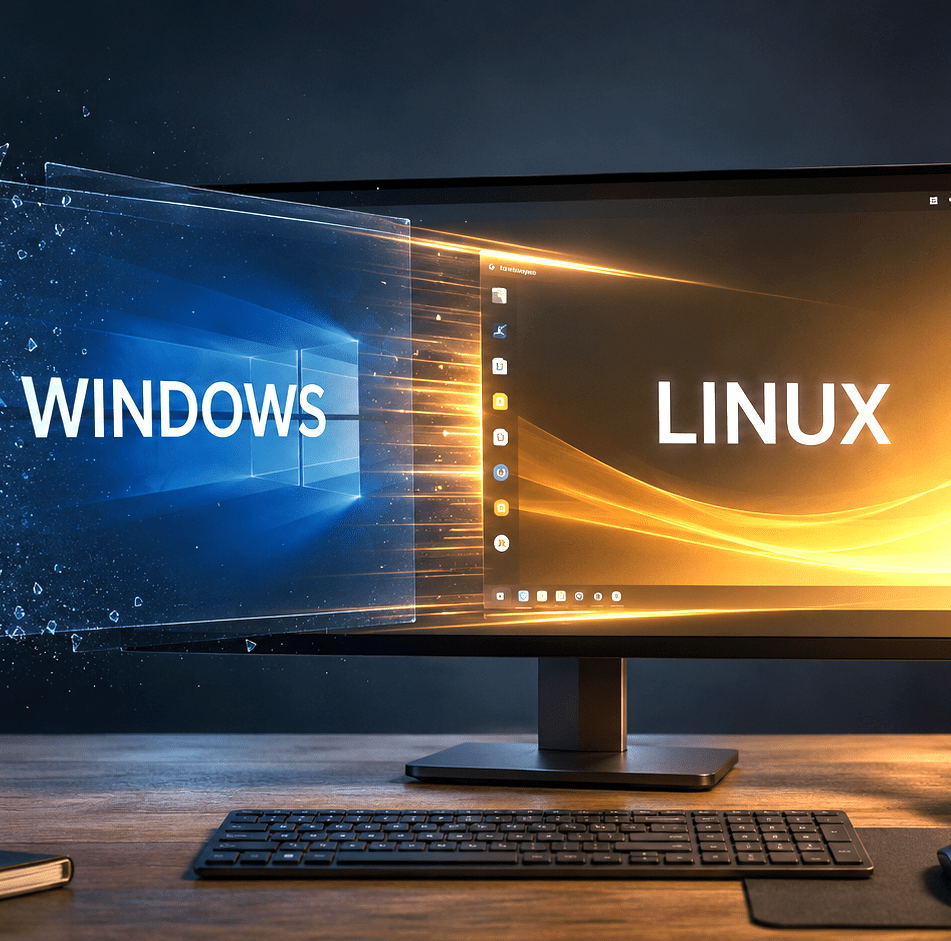
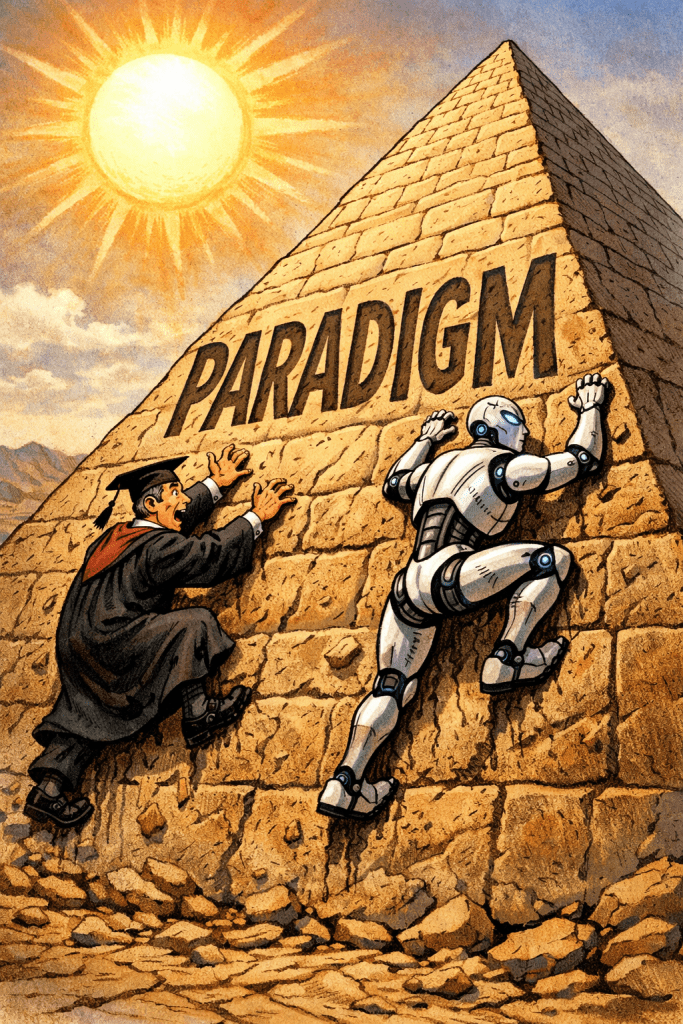
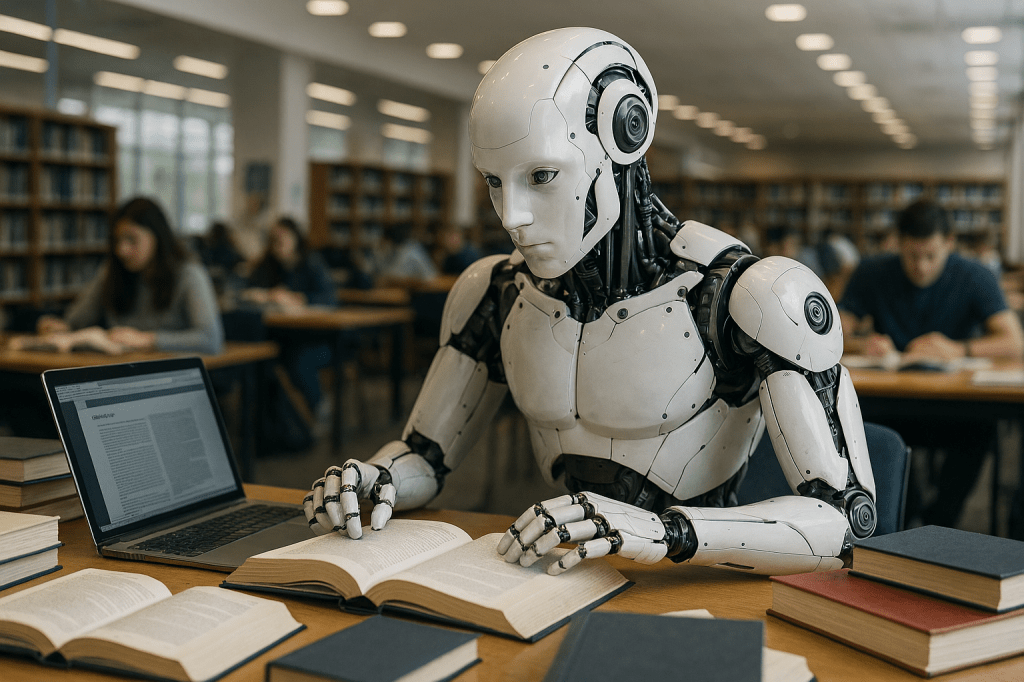
The transition from digital AI systems to embodied AI systems is comparable in important ways to the historical transition from the command-line interface (CLI) to the graphical user interface (GUI). In both cases, the technological shift does not merely improve convenience. It fundamentally changes who can use the technology, how people conceptualize the technology, and what kinds of tasks become possible. The CLI era required users to adapt themselves to machines through specialized symbolic commands. The GUI era inverted that relationship by adapting computing to ordinary human perception and interaction. Embodied AI appears poised to produce a similar inversion: instead of humans adapting themselves to digital systems operating on screens, AI systems are increasingly adapting themselves to human physical environments, gestures, objects, and social spaces (1,2).
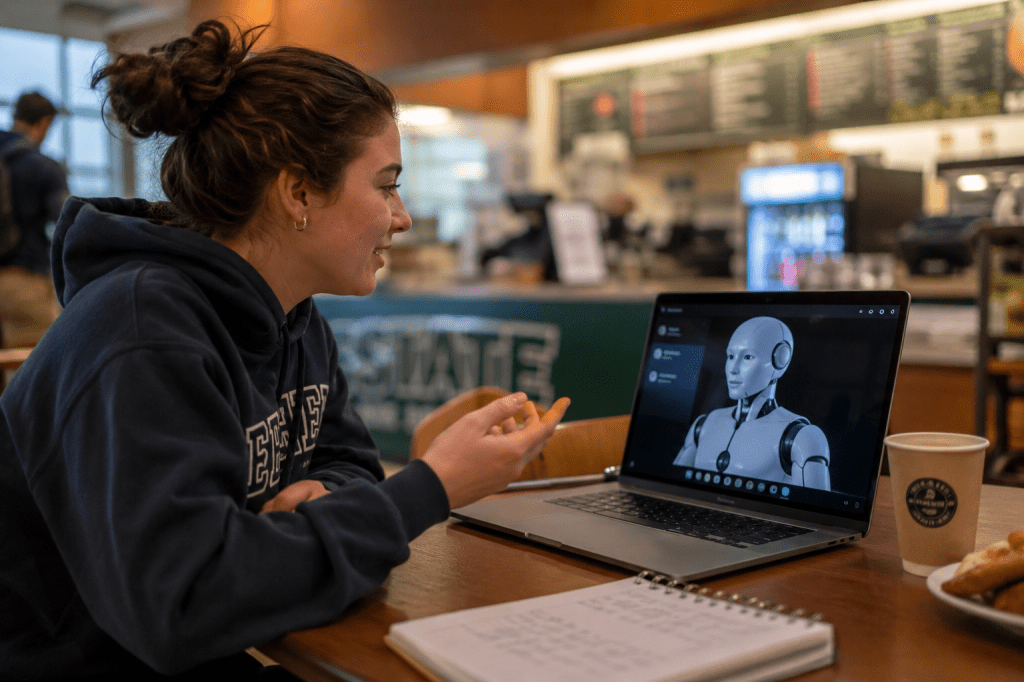
The analogy becomes clearer when examining the role of abstraction. The command line exposed users directly to the underlying symbolic structure of computing. GUIs introduced windows, icons, menus, and pointing devices that translated abstract machine processes into intuitive visual metaphors. Likewise, large language models and digital AI systems today still largely operate within symbolic and screen-based environments. Embodied AI extends intelligence into space, motion, force, touch, and real-time environmental interaction. In this sense, embodied AI functions as a “physical GUI” for artificial intelligence. It transforms intelligence from something users query through screens into something that perceives, navigates, manipulates, and collaborates within the real world (1,3).
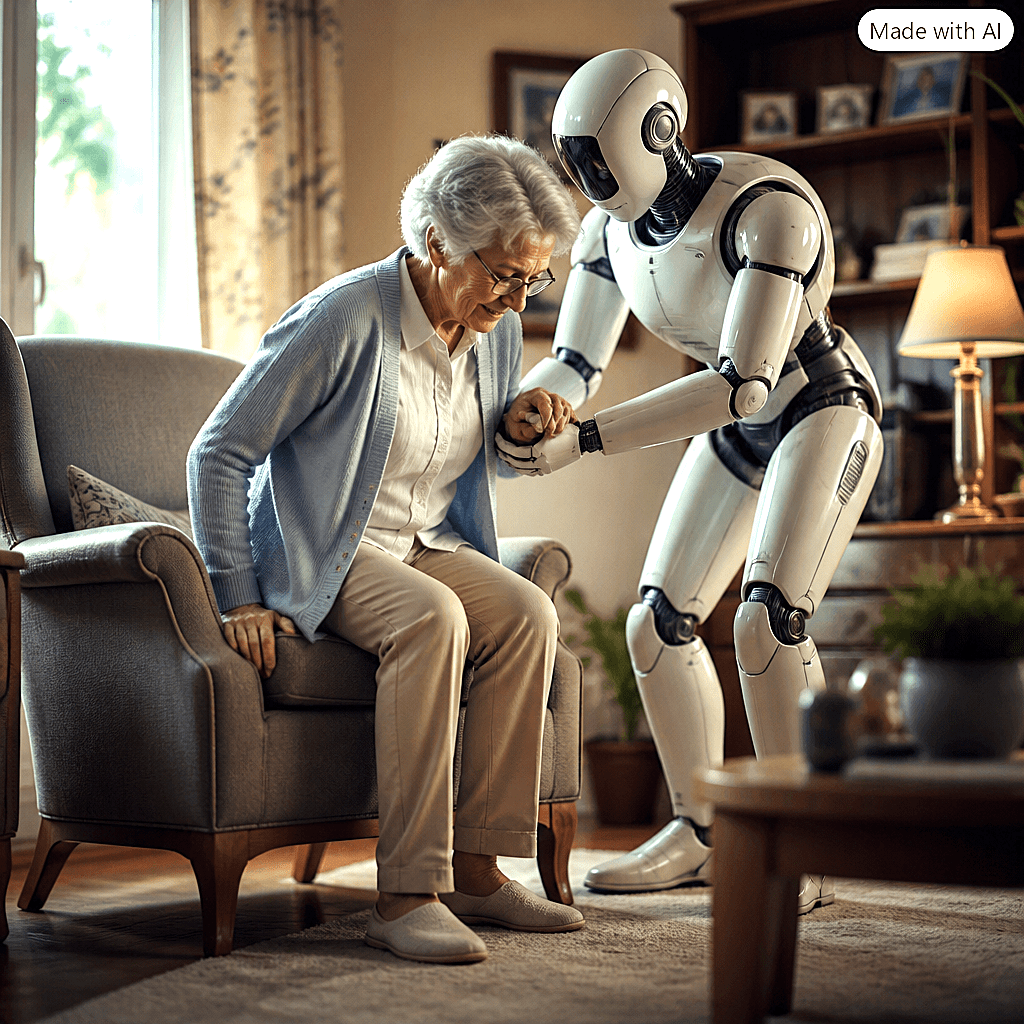
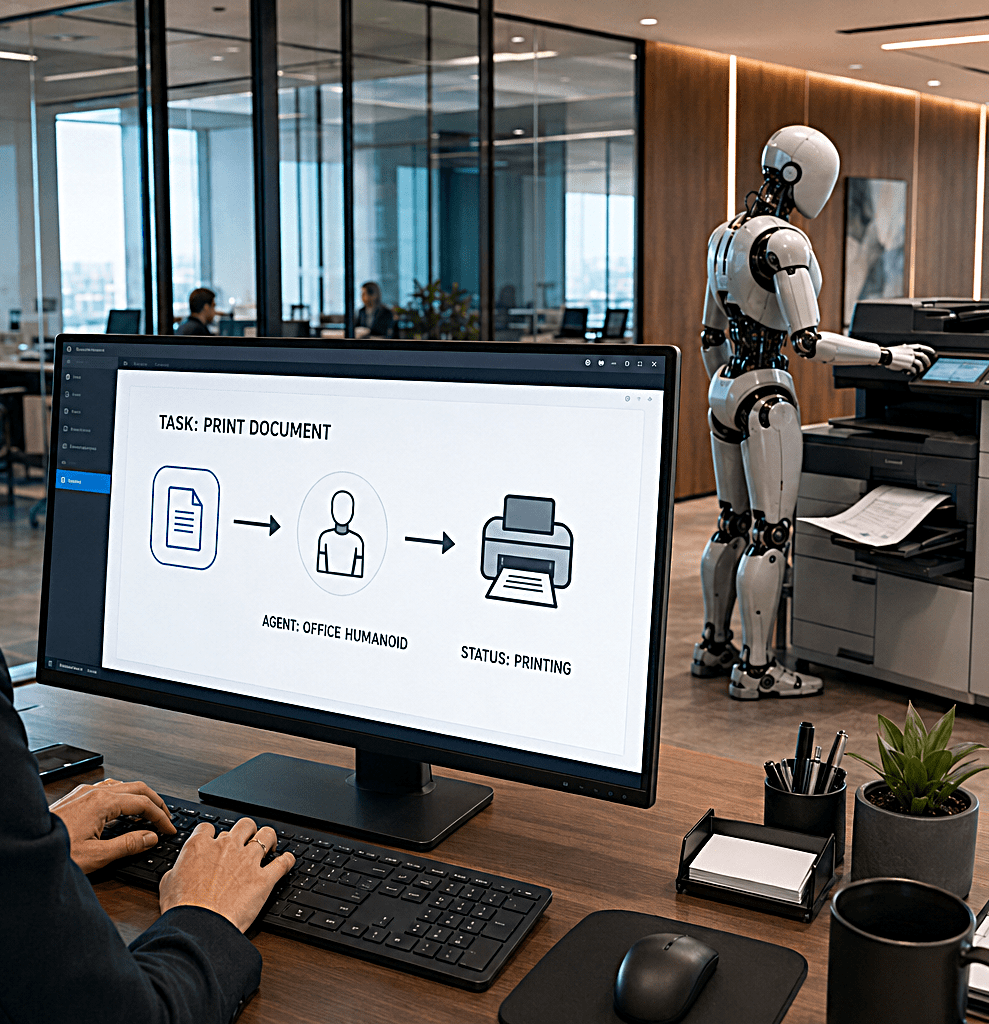
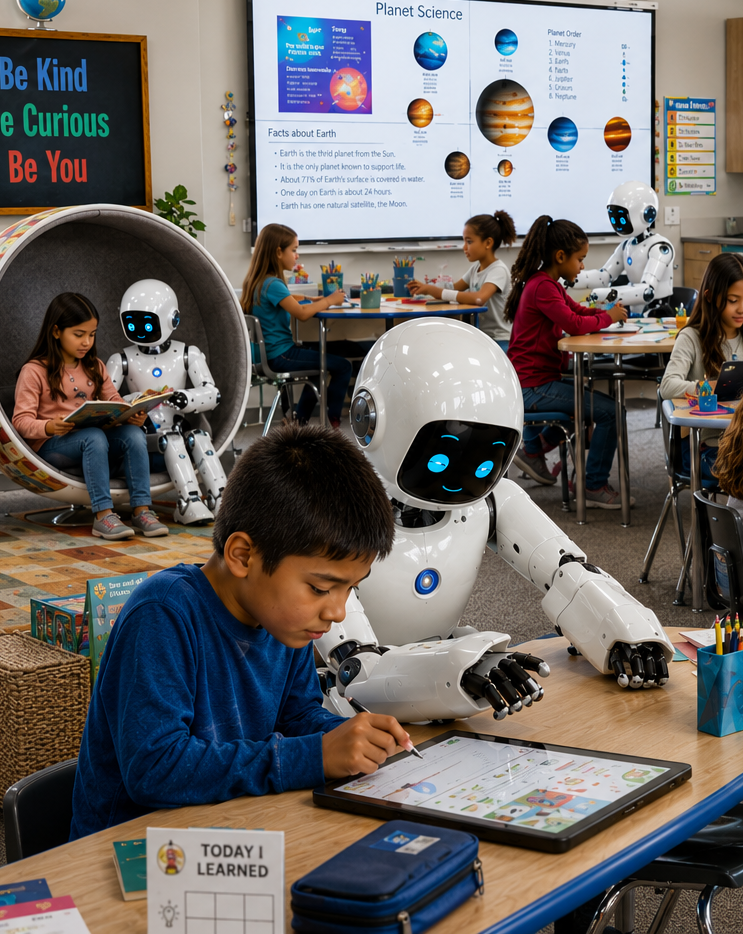
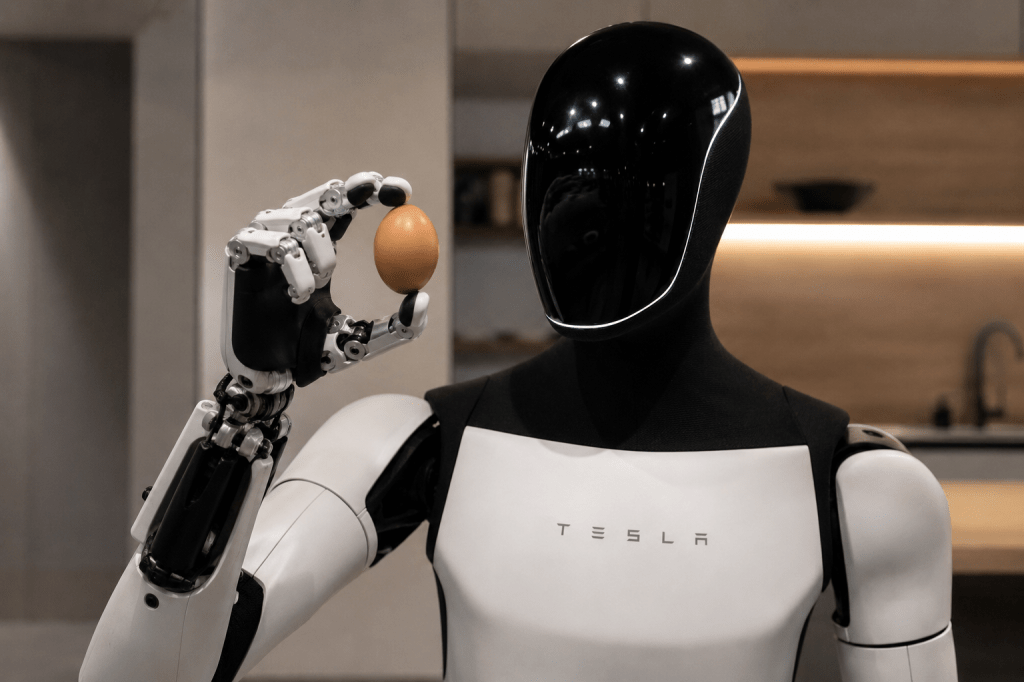
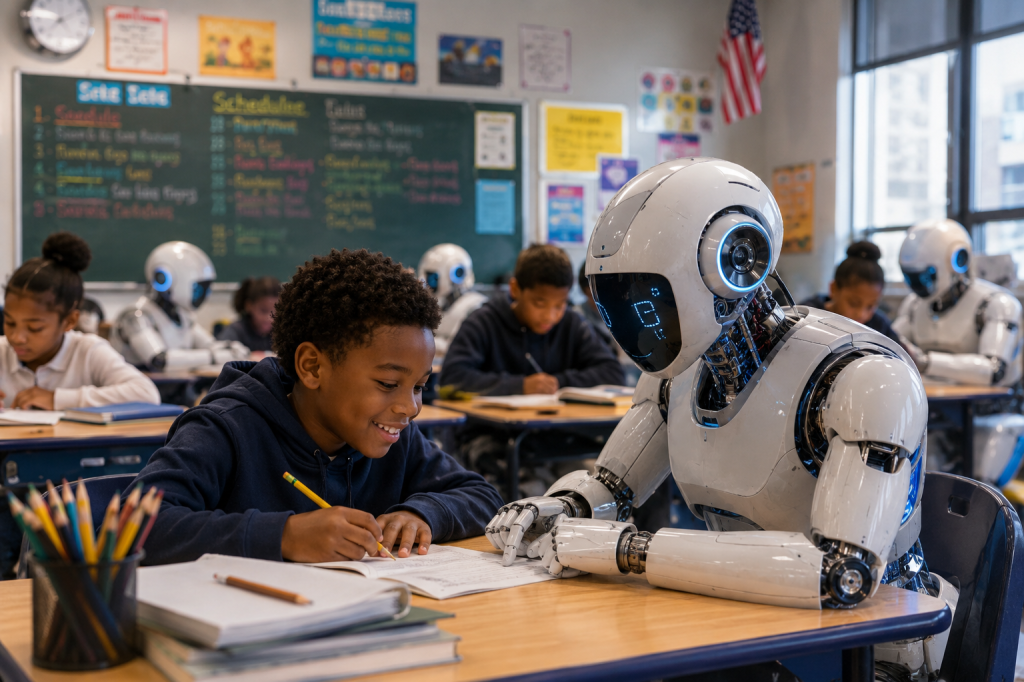
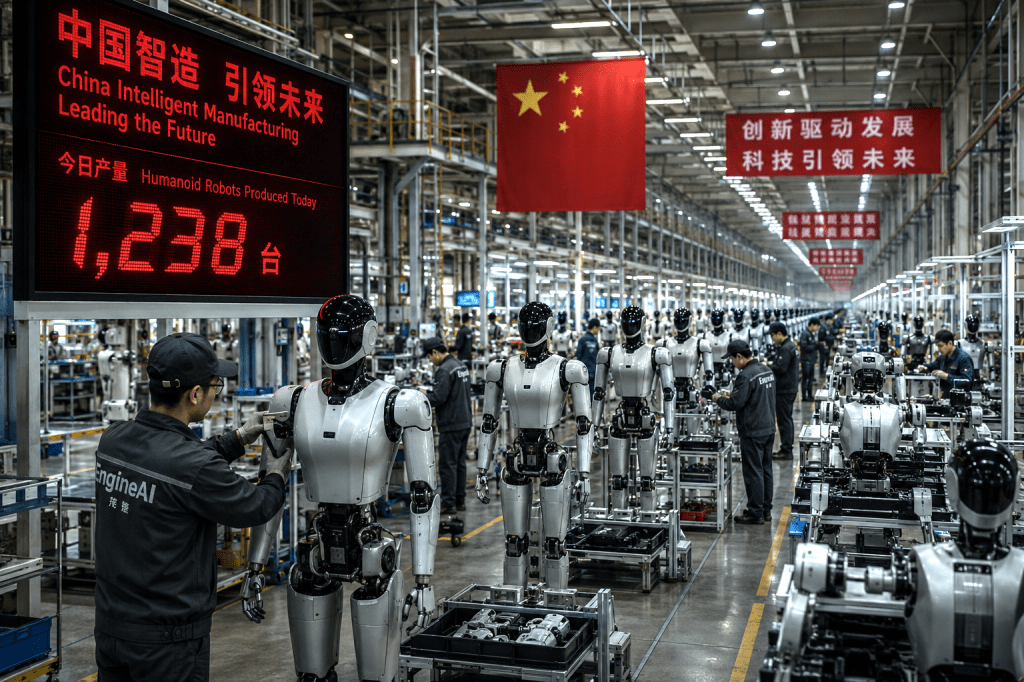
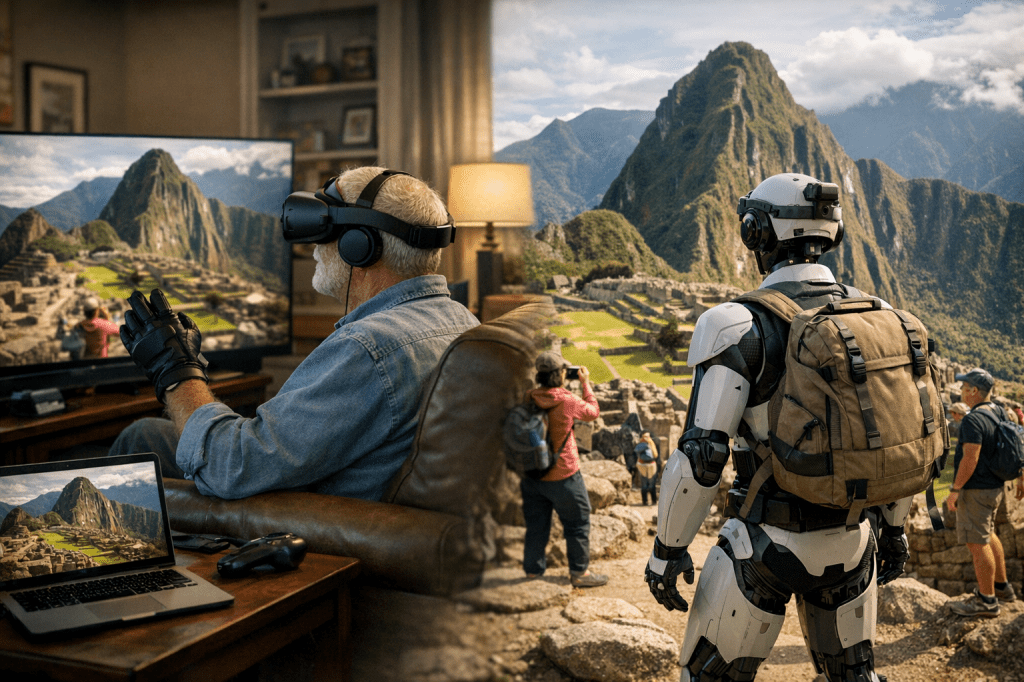
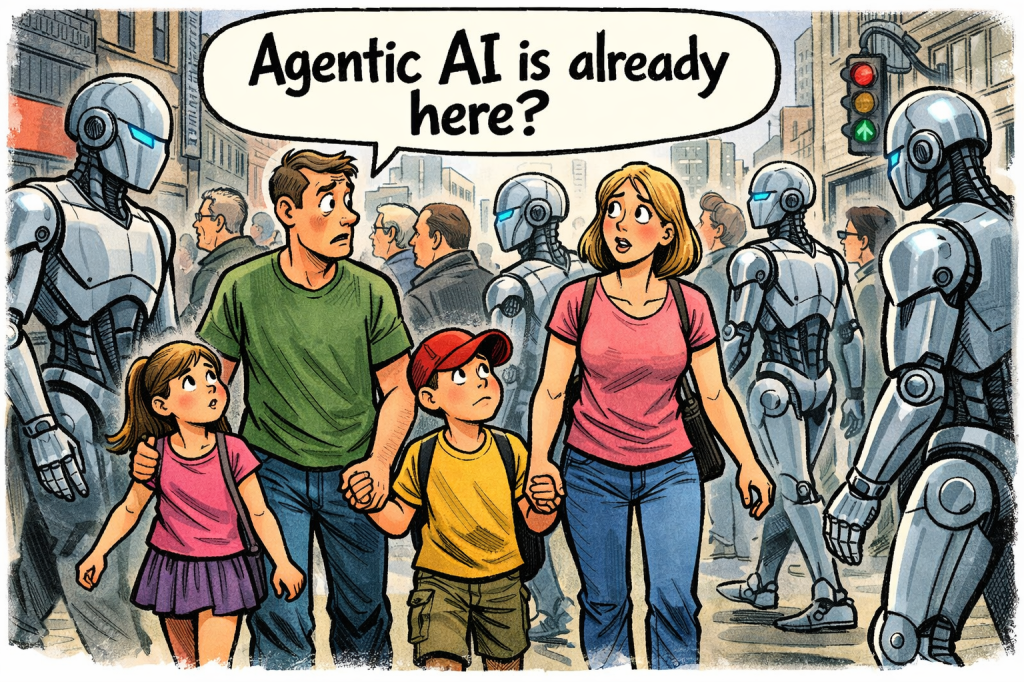
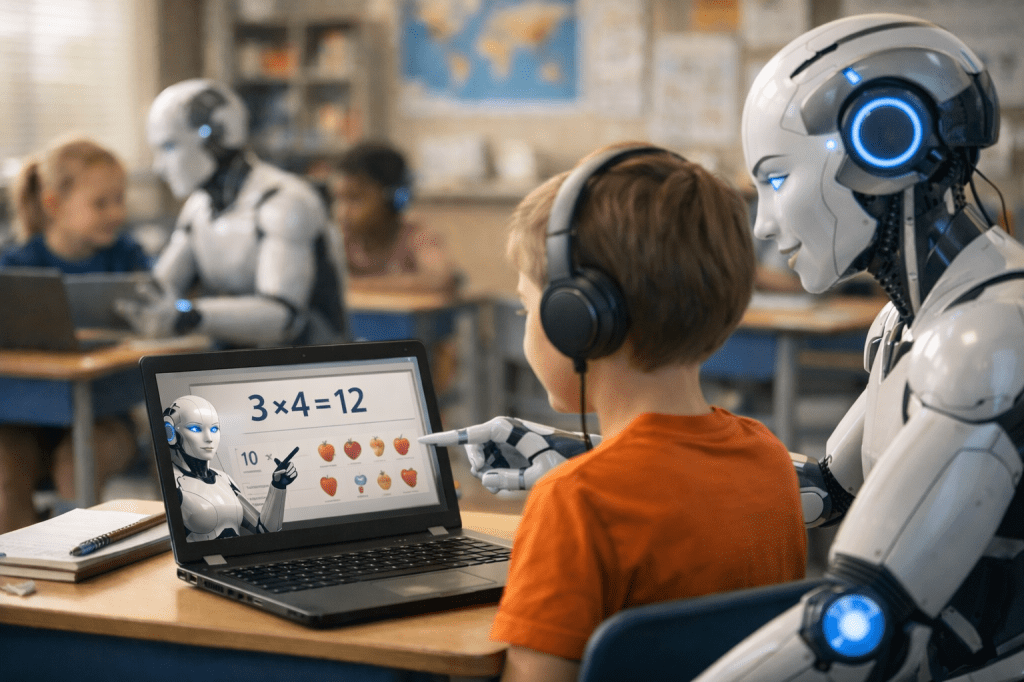
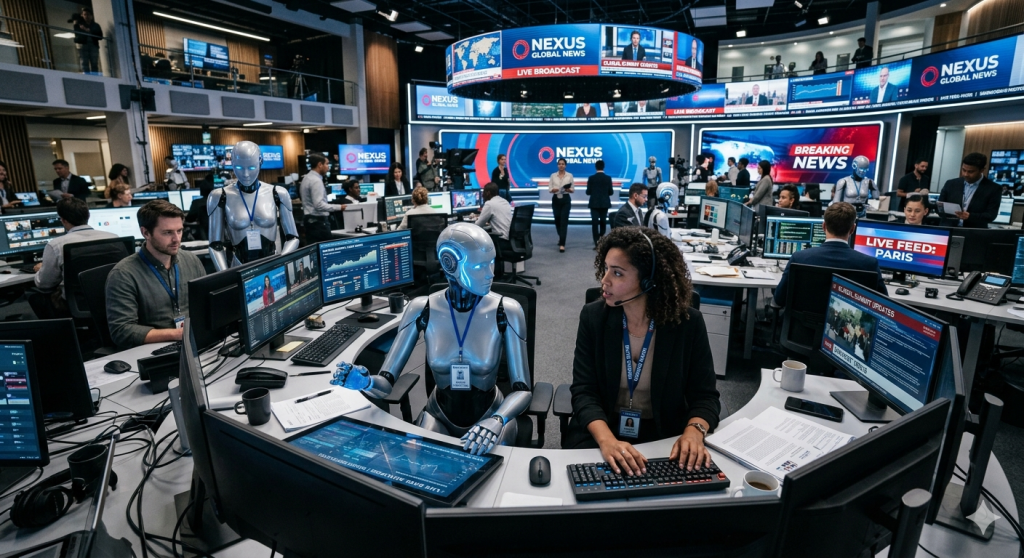
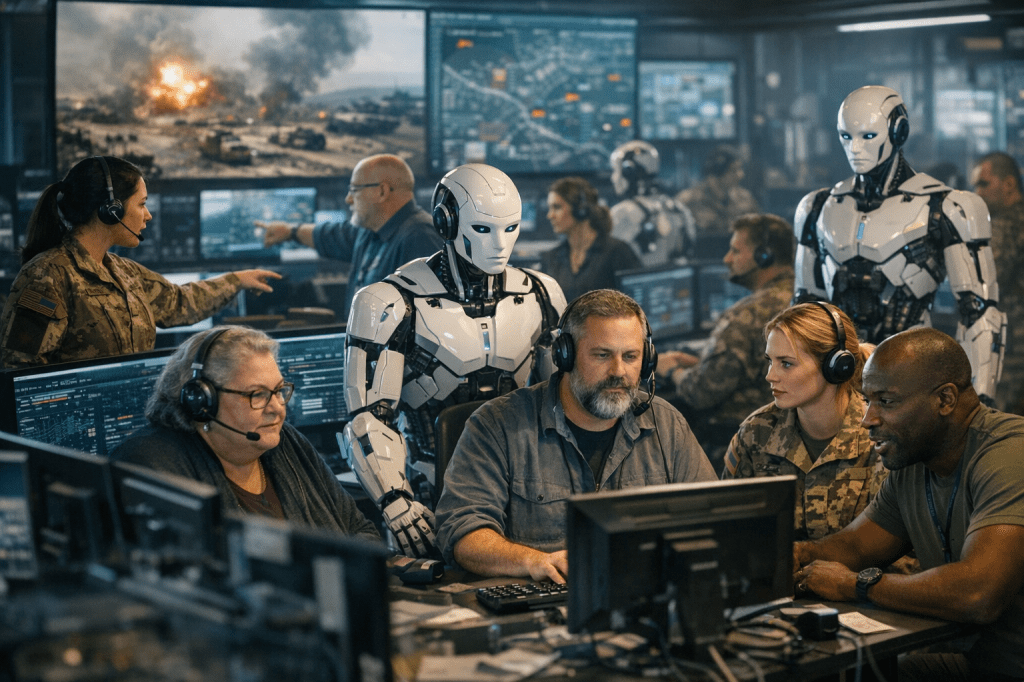
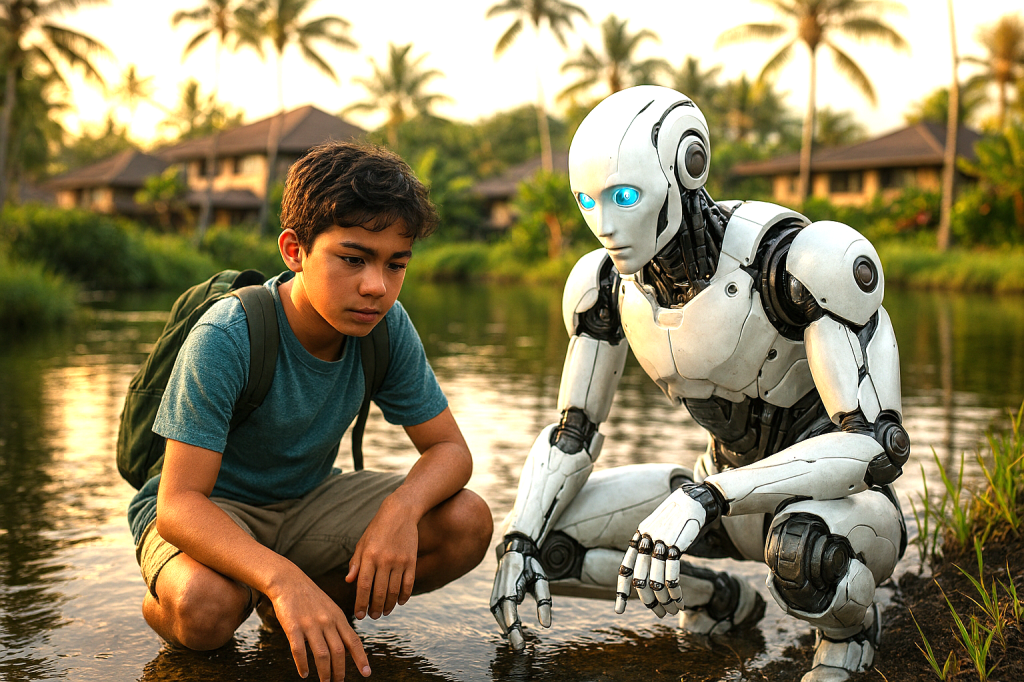
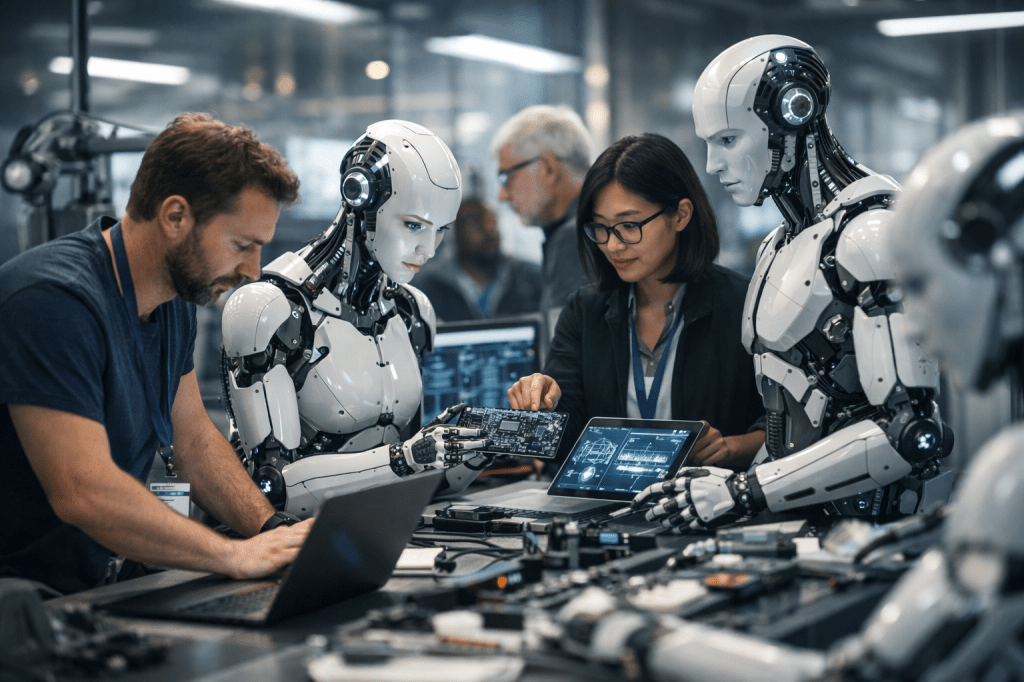
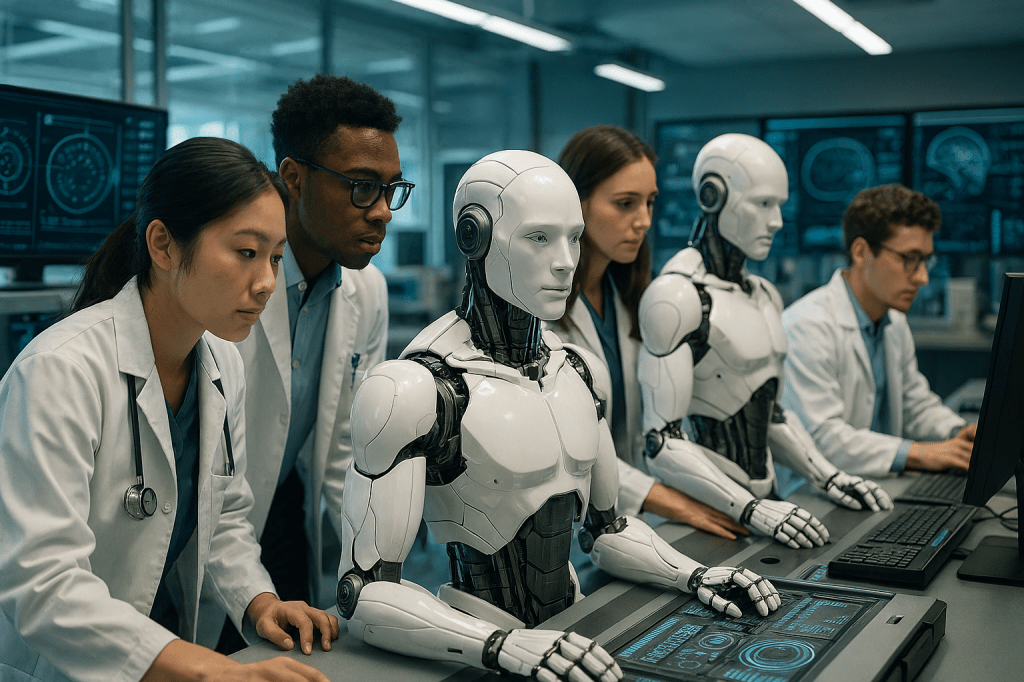
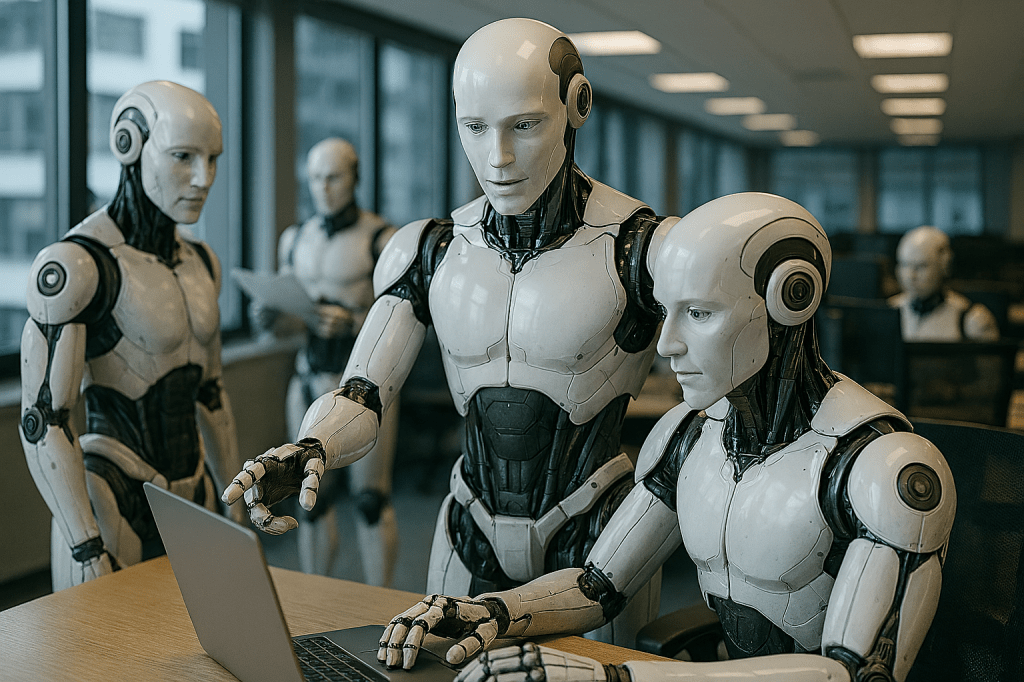
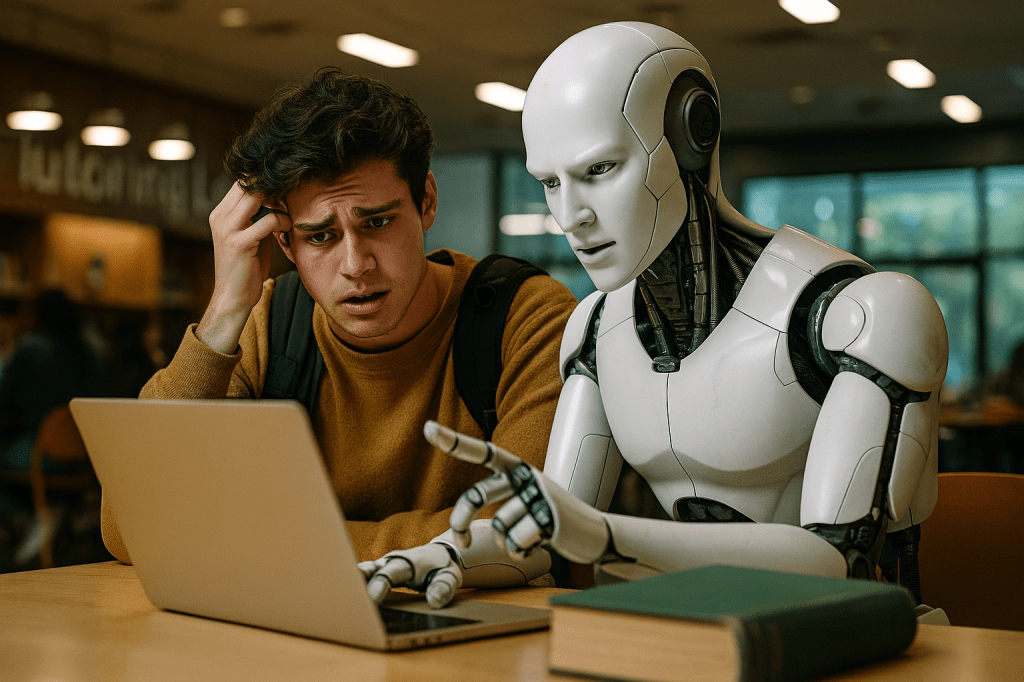
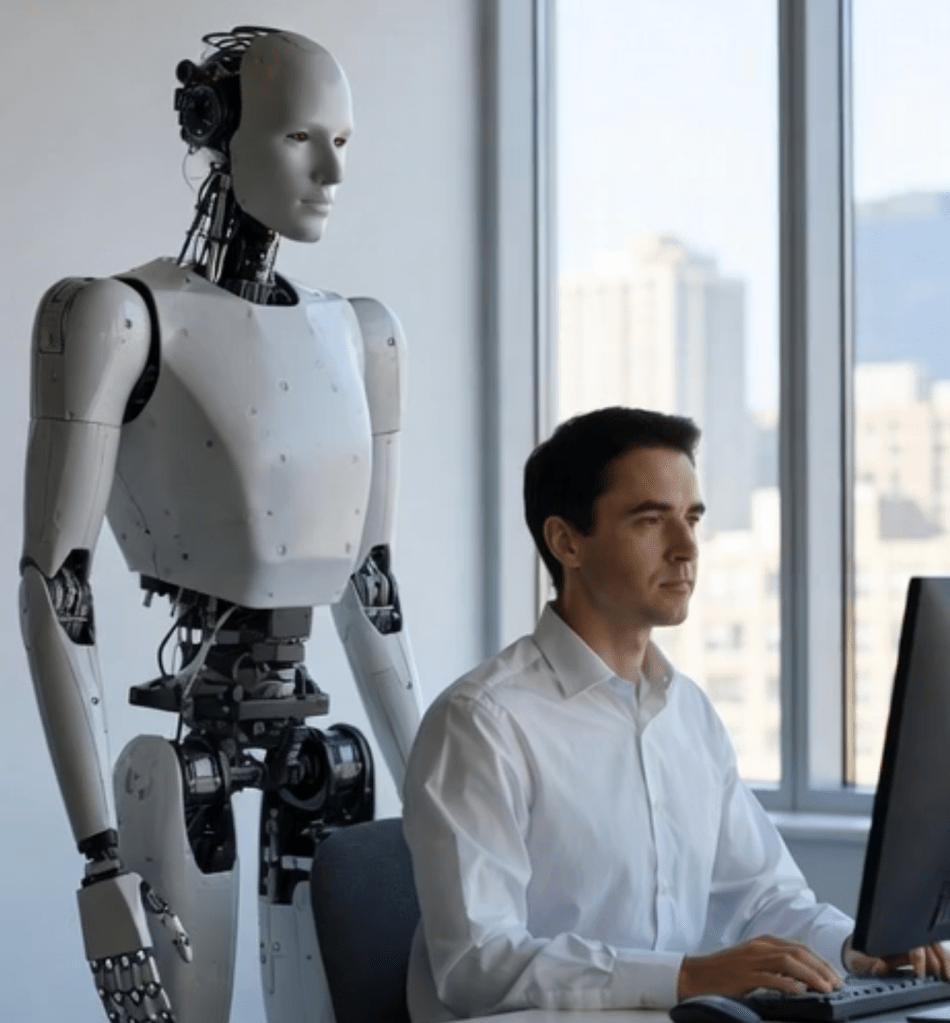
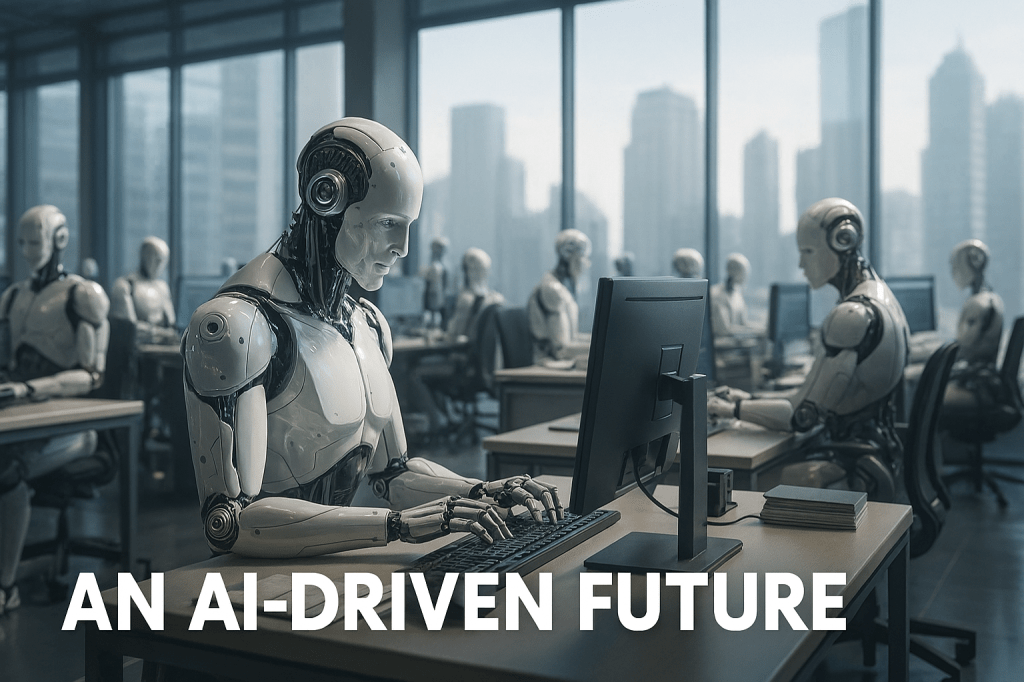
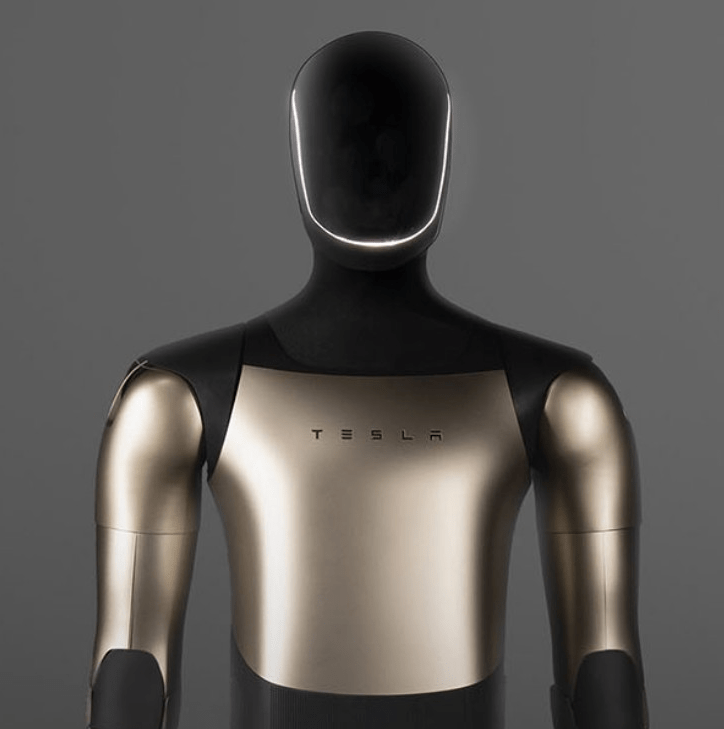
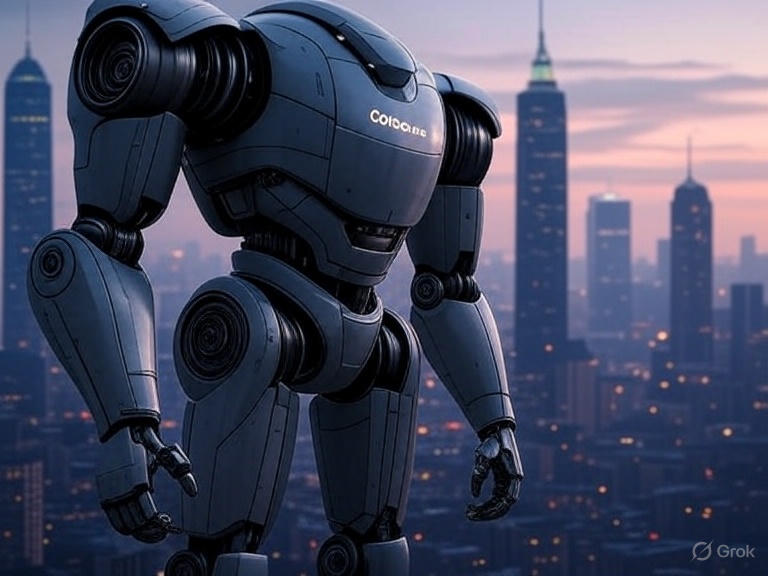
The CLI-to-GUI transition also dramatically expanded the user base of computing. Prior to GUI systems such as those popularized by Apple and Microsoft in the 1980s and 1990s, computing largely remained the domain of technically trained individuals. GUIs reduced the cognitive overhead required to interact with computers and thereby enabled mass adoption. Embodied AI may represent a comparable democratization process for robotics and automation. Historically, industrial robots required tightly controlled environments, specialized programming, and expert operators. Physical AI systems and humanoid robots are now being designed to operate inside ordinary human environments such as warehouses, hospitals, homes, and offices without extensive reprogramming (1,9).
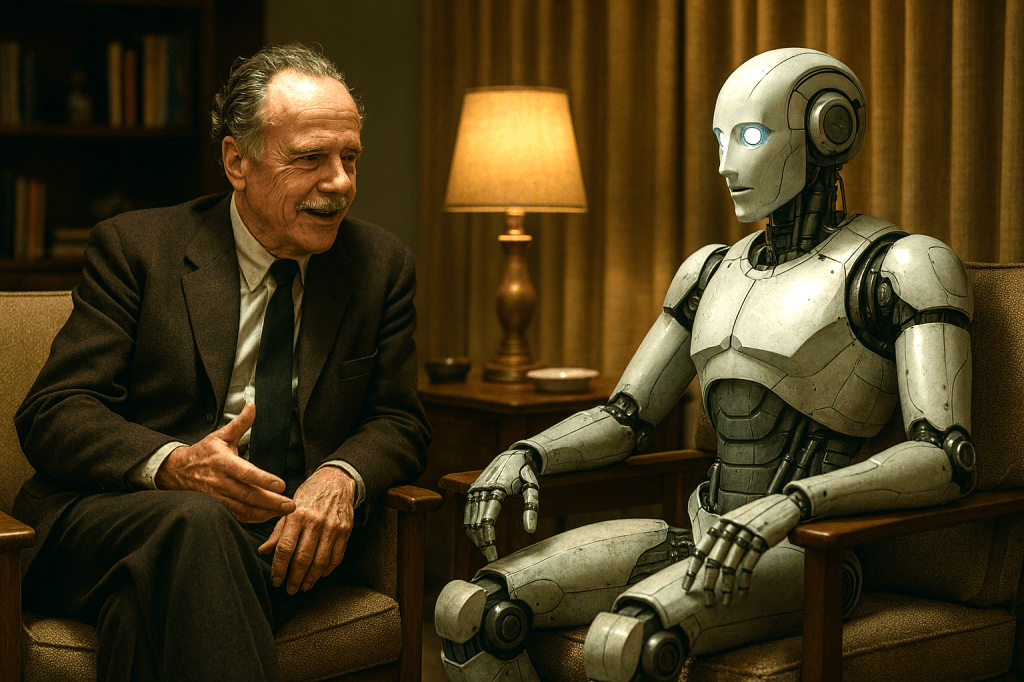
Another similarity lies in the movement from explicit commands toward implicit intent. In the command-line era, users specified exact instructions. GUI systems enabled users to manipulate objects visually and interactively. Current AI systems are now moving from prompt-driven interaction toward goal-driven agency. Human-computer interaction researchers increasingly describe a transition from “interaction design” to “intention design,” in which systems infer and execute goals with minimal direct instruction (4). Embodied AI extends this further by coupling intention with action in physical environments. A user may eventually ask a humanoid system to “prepare the room for guests” rather than issuing a long sequence of individual commands. The system must then interpret spatial context, social expectations, object locations, and physical constraints.
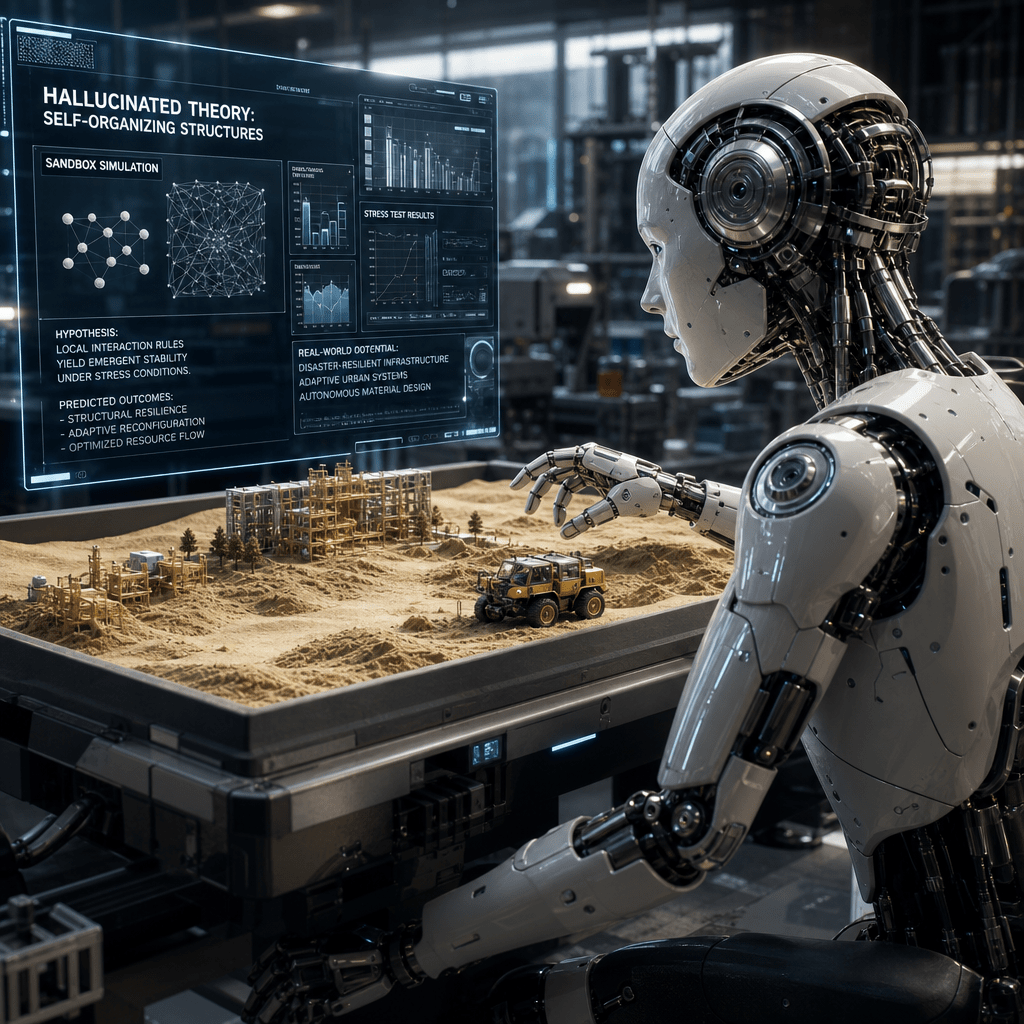
Despite these similarities, the transition to embodied AI is even more consequential than the GUI transition because it involves the fusion of cognition and agency. GUIs transformed information work. Embodied AI transforms physical work and environmental interaction. A GUI allowed users to manipulate representations of reality on a screen. Embodied AI systems manipulate reality itself. Deloitte’s 2026 technology trends report describes physical AI as a convergence of perception, reasoning, and real-time action that allows systems to bridge “the gap between digital intelligence and the physical world” (1). This represents a major escalation in technological scope because the world itself becomes part of the computational interface.
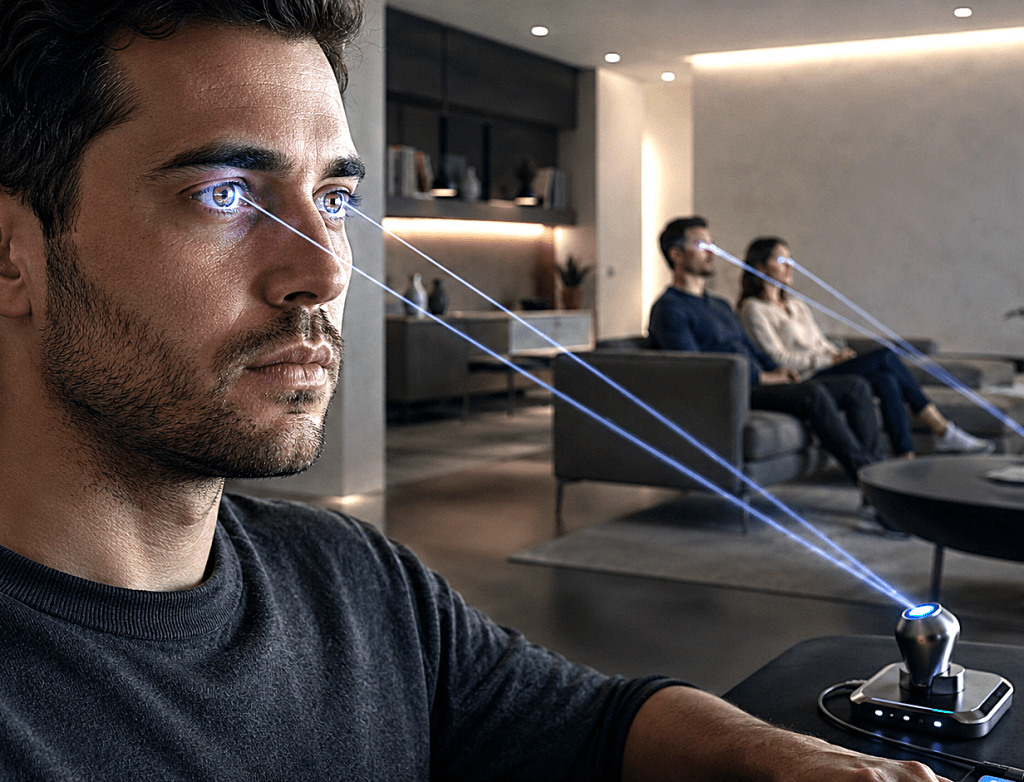
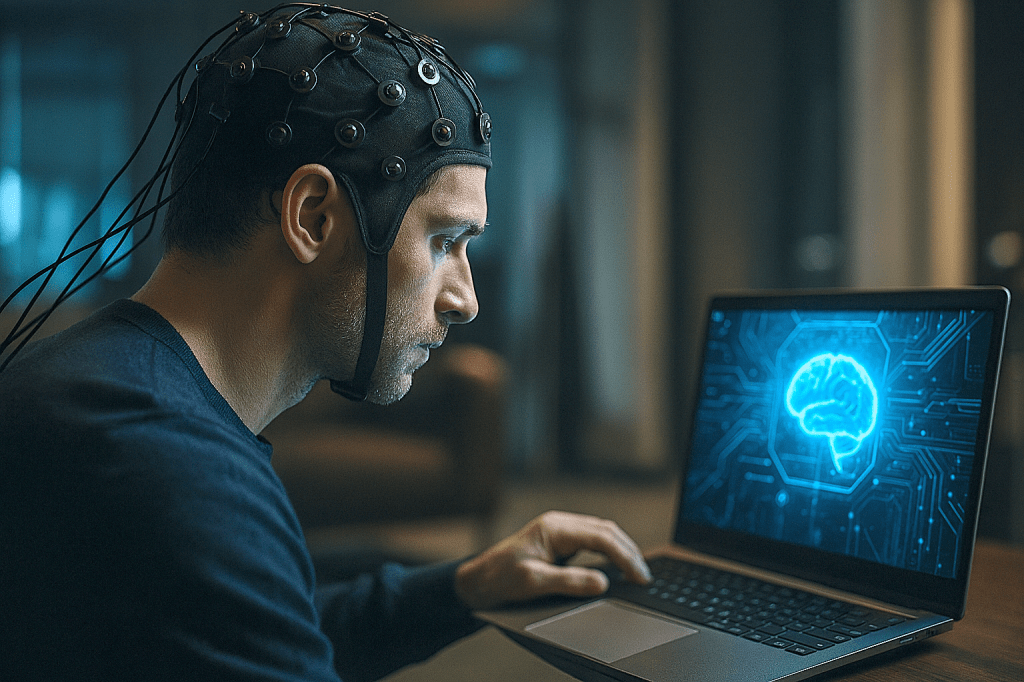
The next stage after the GUI progression is already beginning to emerge. Researchers increasingly describe the rise of “invisible interfaces,” ambient computing, multimodal interaction, and AI agents that reduce or eliminate conventional interface friction (4). Instead of navigating apps and menus, users communicate through natural language, voice, gestures, sensors, eye tracking, contextual awareness, and autonomous agents acting in the background. In effect, the traditional GUI may become less central as computing dissolves into the environment itself. Smartphones, augmented-reality glasses, wearable AI systems, and autonomous agents all point toward a future in which interfaces become distributed, adaptive, and often invisible.
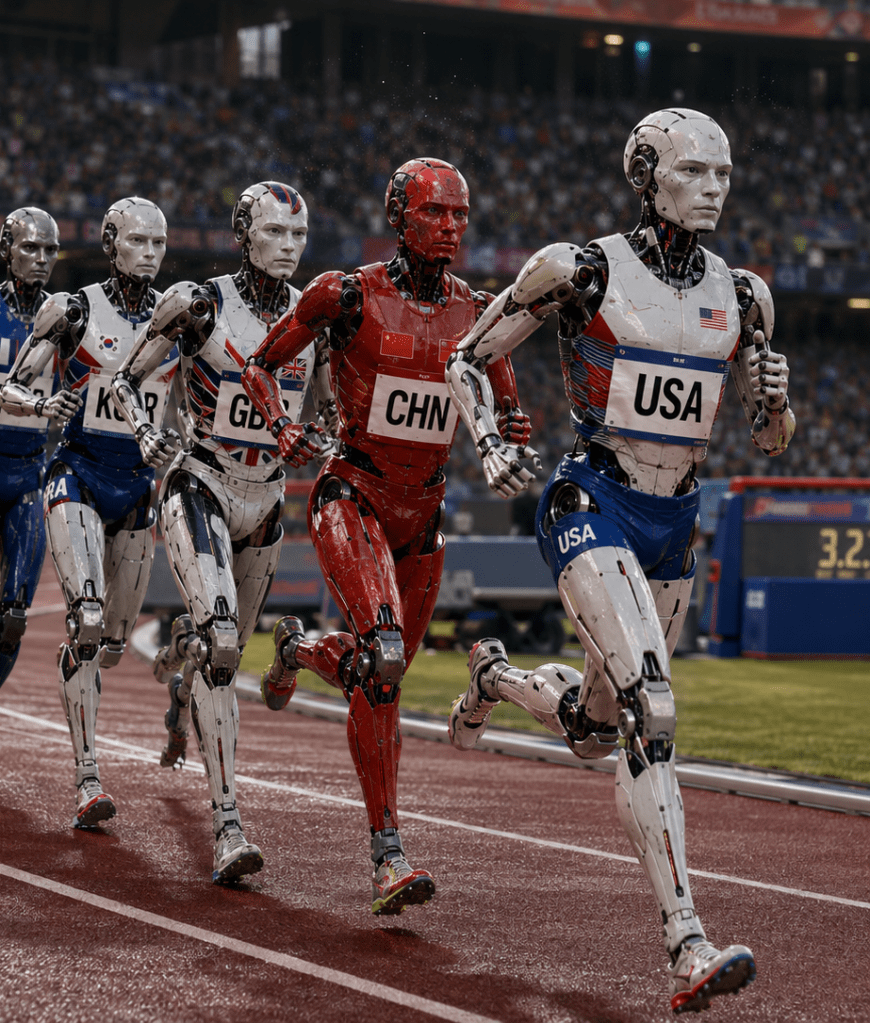
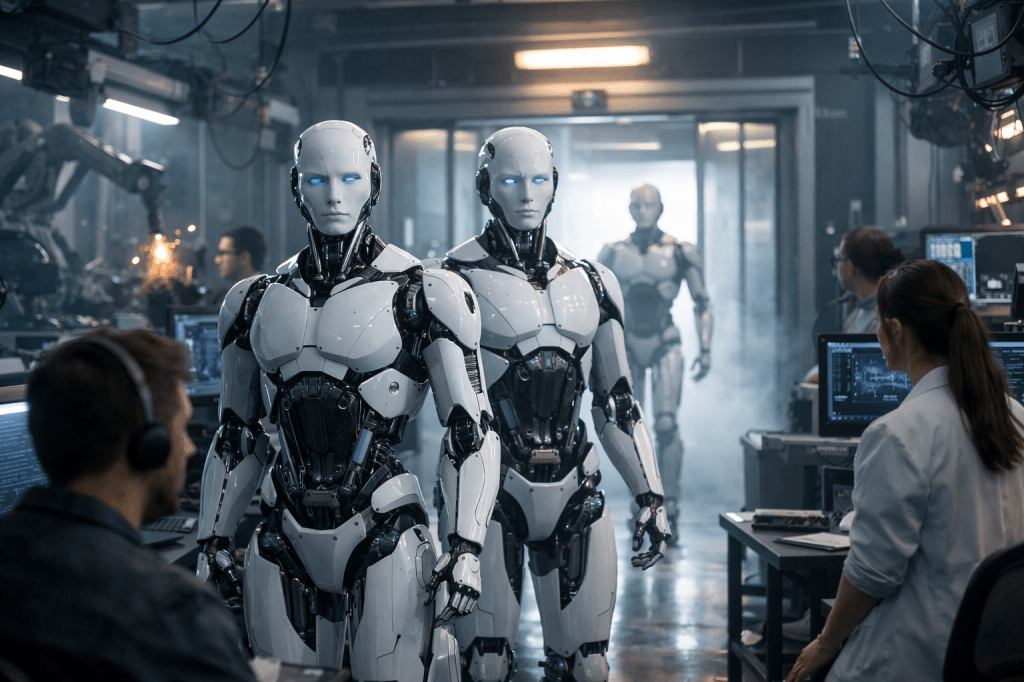
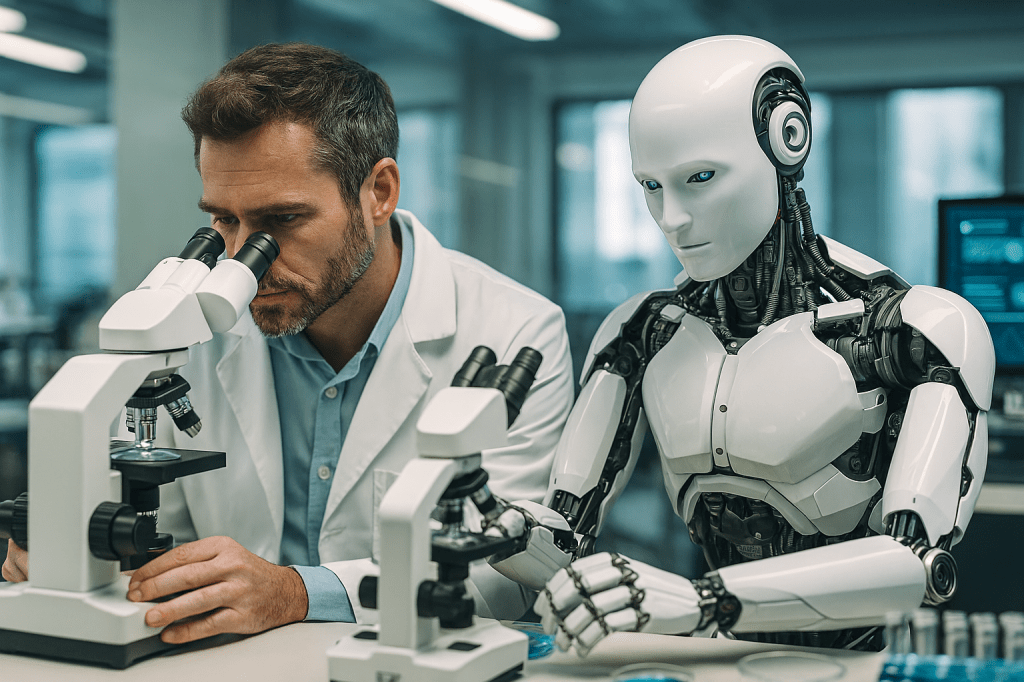
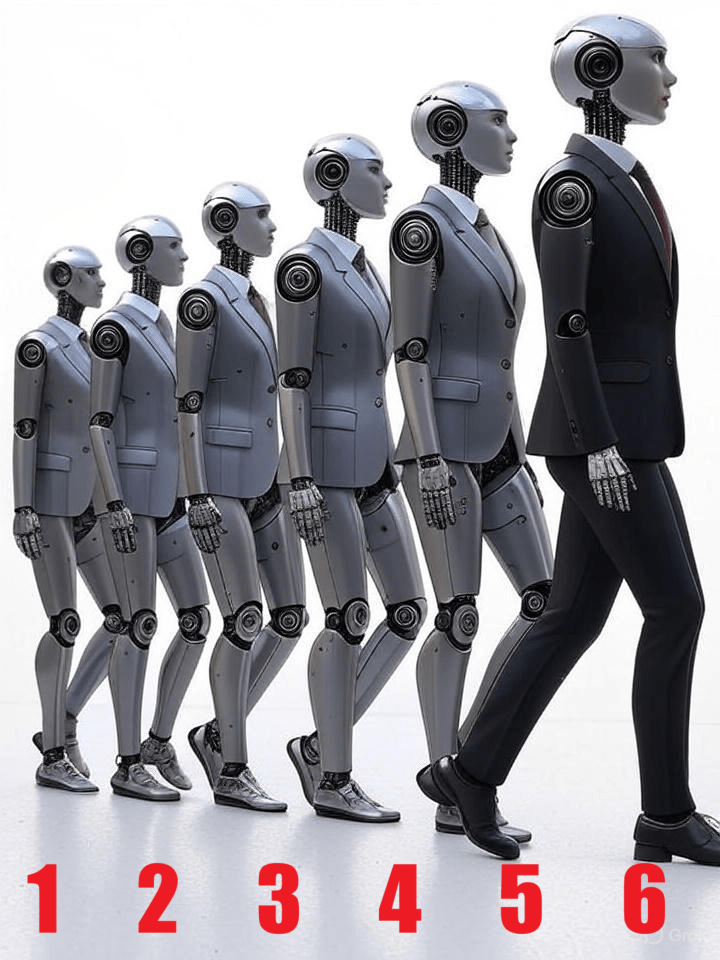
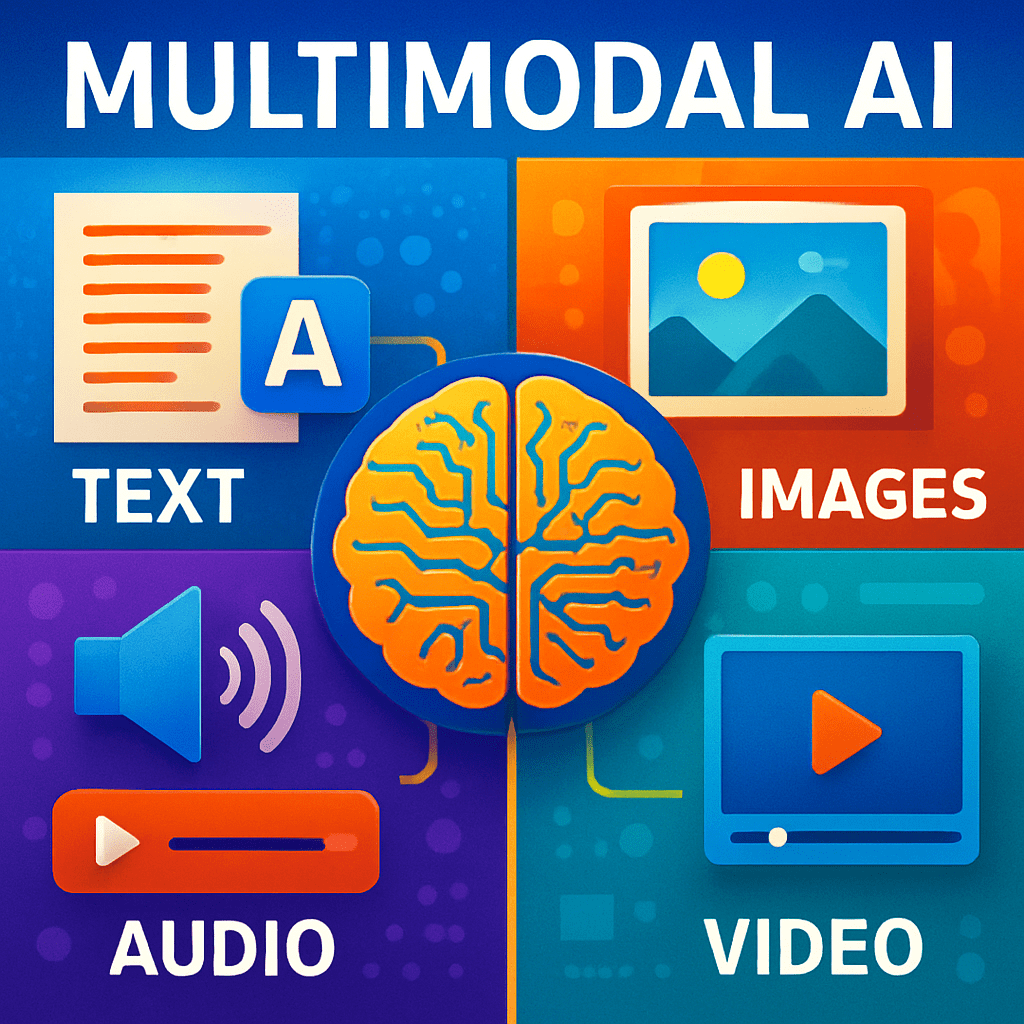
The next stage in the embodied AI progression appears to involve several parallel developments. One trajectory is the rise of general-purpose humanoid robots capable of operating across multiple domains instead of single-task industrial automation (1,9). Another trajectory involves the integration of world models and multimodal reasoning systems that allow robots to simulate physical consequences before acting (5,7). Researchers increasingly argue that embodied intelligence requires not only language reasoning but also predictive internal models of physics, causality, and environmental dynamics (5,7,8). A further progression may involve self-evolving embodied systems that continuously update their own goals, memories, capabilities, and hardware configurations through ongoing interaction with their environments (8).
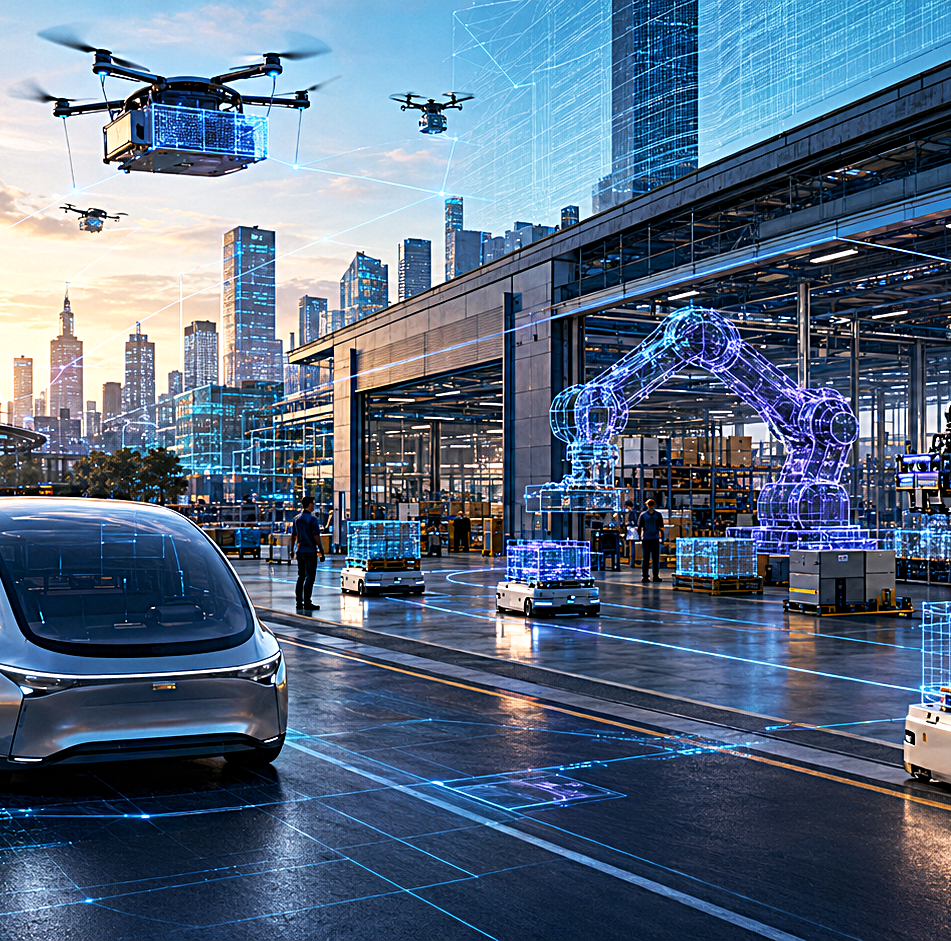
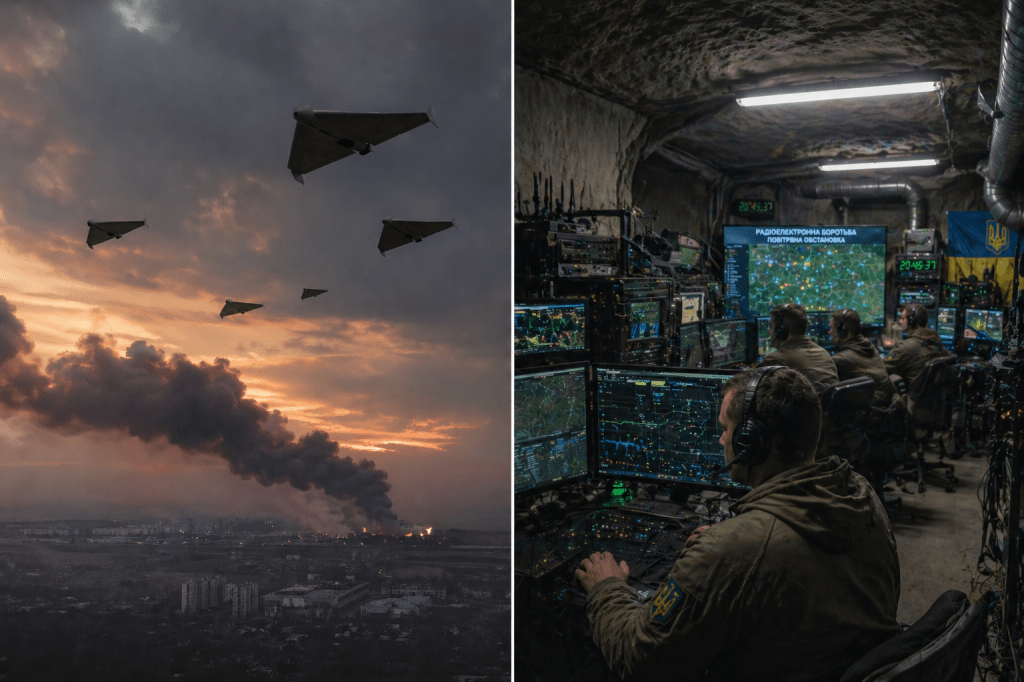
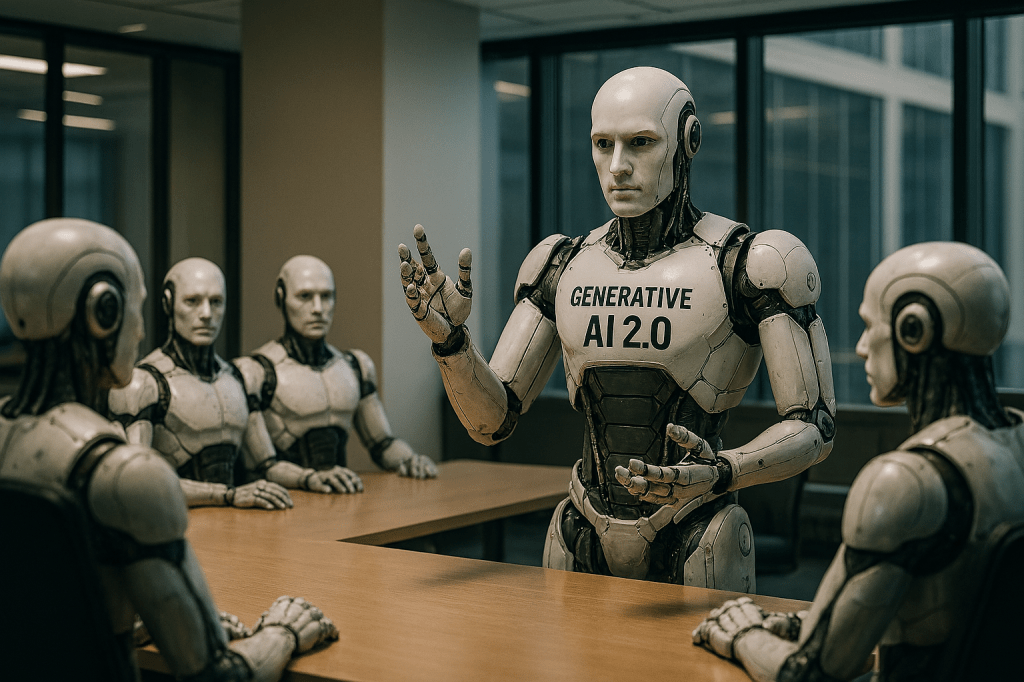
Importantly, embodied AI is unlikely to remain confined to humanoid robots alone. The broader trend involves the embedding of intelligence into vehicles, drones, factories, smart spaces, wearable devices, medical systems, and infrastructure. Some researchers now describe the emerging convergence of “embodied web agents,” in which digital reasoning and physical interaction become unified rather than separate domains (6). In this framework, an AI system may simultaneously retrieve online information, interpret sensor data, manipulate objects, and coordinate with physical devices in real time. The distinction between cyberspace and physical space begins to erode.
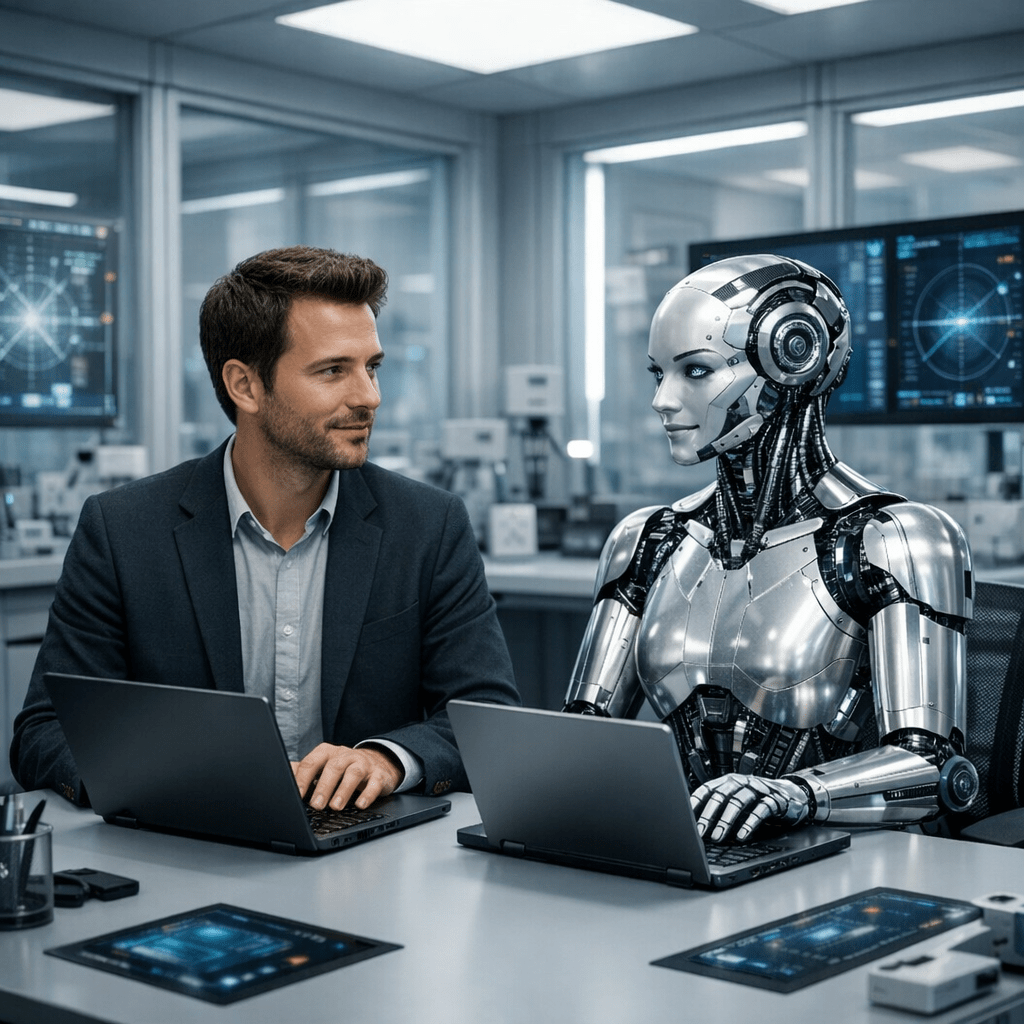
Understanding this progression is significant because it reveals how technological revolutions often unfold through interface transformations rather than isolated inventions. Technological change frequently advances by reducing friction between humans and increasingly complex systems. The CLI made computing possible. The GUI made computing broadly usable. Conversational AI made advanced computation linguistically accessible. Embodied AI may make artificial intelligence physically and socially integrated into everyday life. Each stage lowers the translation burden placed on humans while increasing the autonomy and contextual awareness of machines.
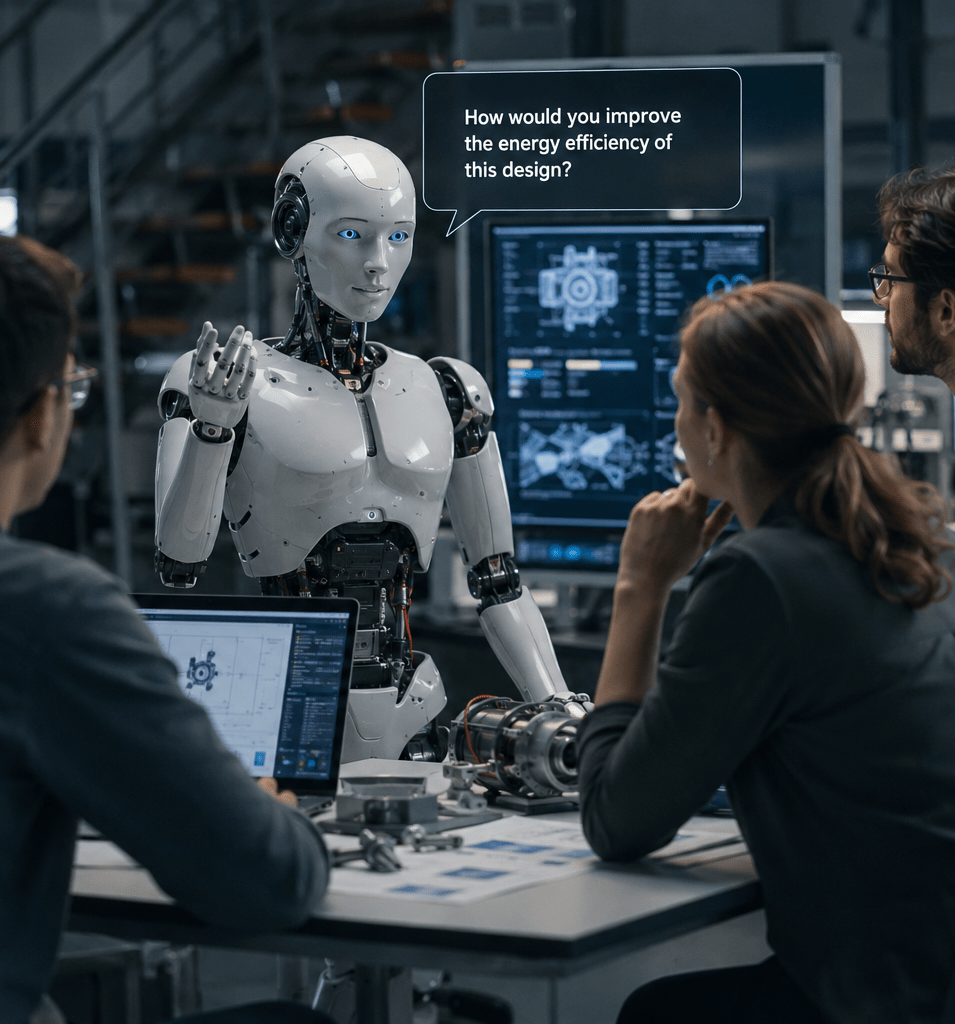
This perspective also helps explain why periods of technological change often appear gradual at first and then suddenly transformative. The enabling technologies behind GUIs existed for years before mass adoption occurred. Similarly, embodied AI today still faces major obstacles involving reliability, safety, energy efficiency, data collection, cost, and real-world adaptability (9). Yet the broader historical pattern suggests that once interfaces become sufficiently intuitive and infrastructure sufficiently mature, adoption can accelerate rapidly. Some robotics observers in 2026 have compared embodied AI today to the “GPT-2 stage” of language models: impressive but still early relative to its eventual trajectory (10).
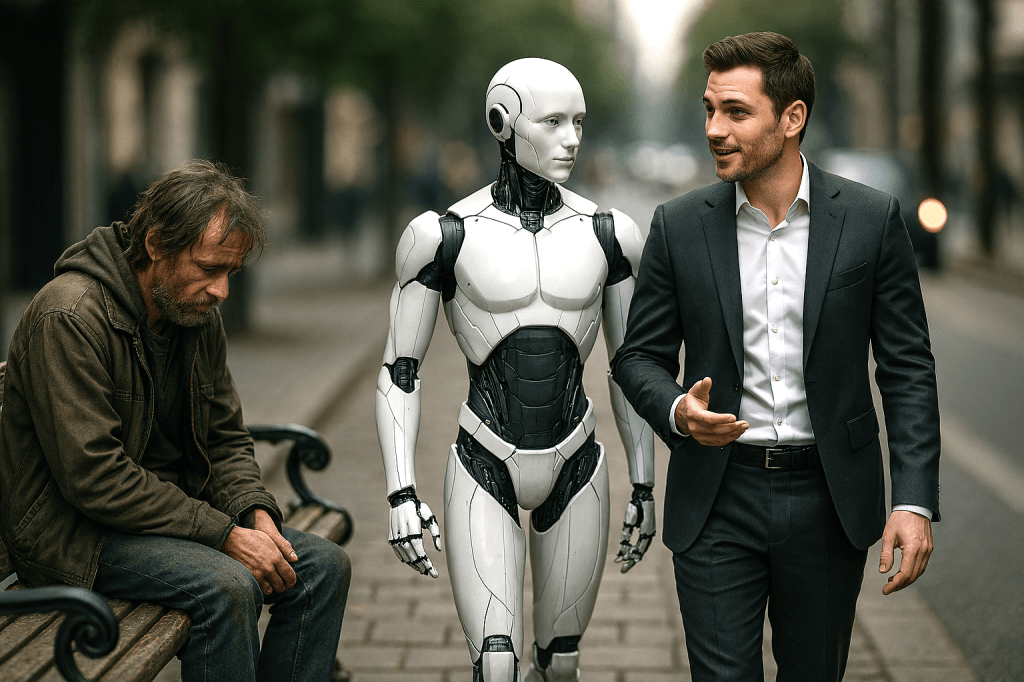
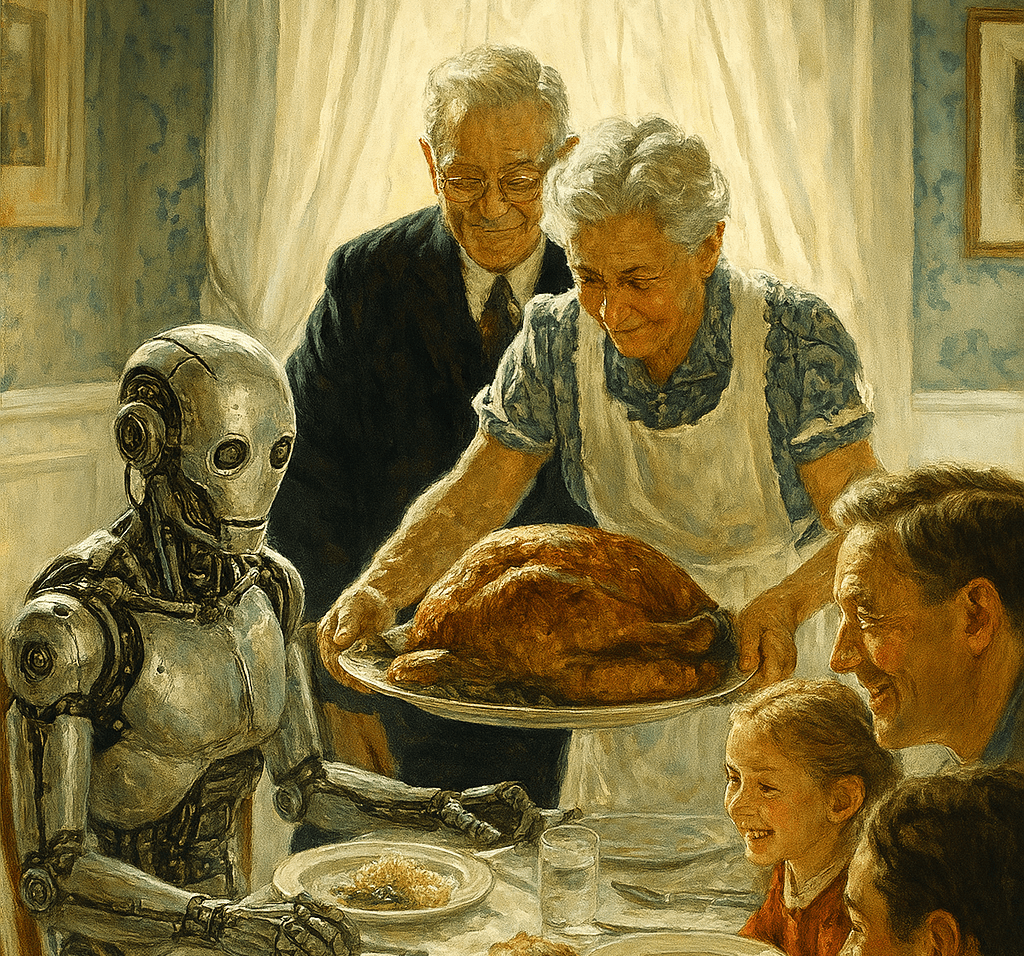
The deeper lesson is that technological history is not merely the accumulation of more powerful tools. It is the progressive relocation of intelligence and complexity away from the user and into the system itself. Each interface revolution changes the balance between human effort and machine mediation. The movement from CLI to GUI reduced the need for symbolic expertise. The movement from digital AI to embodied AI reduces the need for humans to adapt the physical world to machines. Instead, machines increasingly adapt themselves to the human world. That shift may ultimately prove as historically consequential as the rise of the GUI itself.
References
(1) Deloitte Insights. ‘Physical AI and Humanoid Robots.’ https://www.deloitte.com/us/en/insights/topics/technology-management/tech-trends/2026/physical-ai-humanoid-robots.html
(2) Li, Junfei, and Simon X. Yang. ‘Embodied Artificial Intelligence as a Paradigm Shift for Human–Robot Collaboration.’ https://www.oaepublish.com/articles/ir.2026.05
(3) Frontiers in Robotics and AI. ‘A Review of Embodied Intelligence Systems: A Three-Layer Framework Integrating Multimodal Perception, World Modeling, and Structured Strategies.’ https://www.frontiersin.org/journals/robotics-and-ai/articles/10.3389/frobt.2025.1668910/full
(4) IEEE Computer Society. ‘Top HCI Trends in 2026: The Rise of AI Agents and Invisible Interfaces.’ https://www.computer.org/publications/tech-news/trends/hci-trends-2026
(5) Hugging Face Papers. ‘Embodied AI: From LLMs to World Models.’ https://huggingface.co/papers/2509.20021
(6) Hugging Face Papers. ‘Embodied Web Agents: Bridging Physical-Digital Realms for Integrated Agent Intelligence.’ https://huggingface.co/papers/2506.15677
(7) arXiv. ‘Toward Embodied AGI: A Review of Embodied AI and the Road Ahead.’ https://arxiv.org/abs/2505.14235
(8) arXiv. ‘Self-evolving Embodied AI.’ https://arxiv.org/abs/2602.04411
(9) TechRadar Pro. ‘Humanoid Robots Are Stepping Out of the Lab and Into the Real World.’ https://www.techradar.com/pro/get-ready-for-the-rise-of-the-robot-coworkers-new-report-claims-humanoid-robots-are-stepping-out-of-the-lab-and-into-the-real-world-to-take-the-jobs-we-dont-want
(10) Reddit / Futurology. ‘A Well Funded Robotics CEO Just Said Embodied AI Is at the GPT-2 Stage.’ https://www.reddit.com/r/Futurology/comments/1tf0oc4/a_well_funded_robotics_ceo_just_said_embodied_ai/
###
Filed under: Uncategorized |







































































































































































































































































































































































Leave a Reply