




By Jim Shimabukuro (assisted by Copilot)
Editor
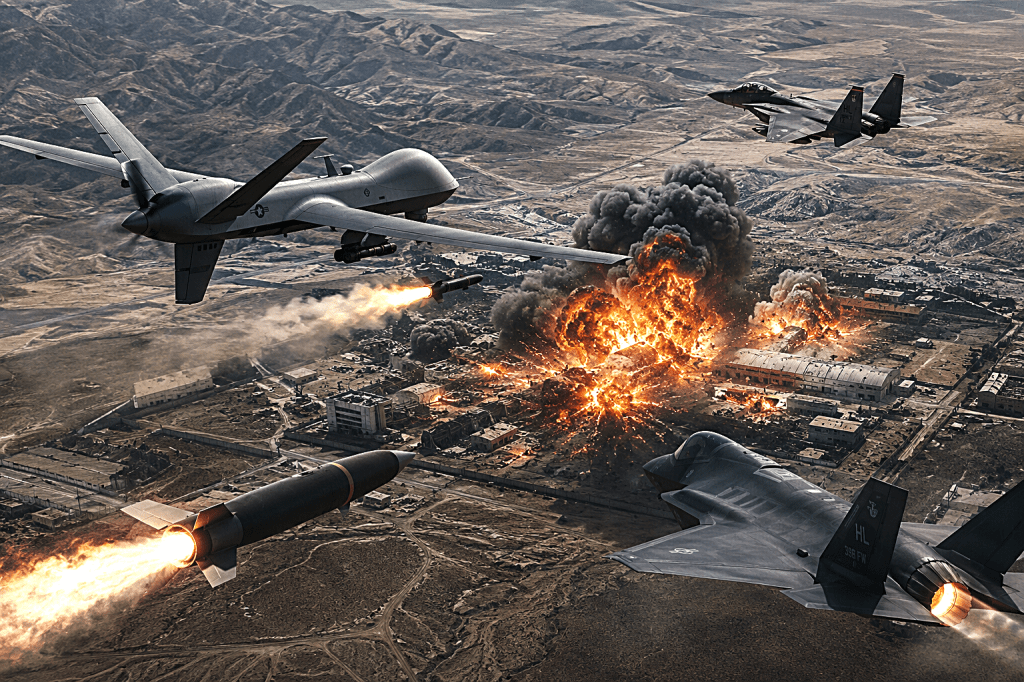
Short answer: This is mostly right. Purely aerial campaigns—especially those that deliberately avoid ground invasion—very rarely force a determined state to capitulate. They can hurt, disrupt, and signal resolve, but on their own they usually don’t break political will, and they often harden it instead. The Iran–Trump dynamic fits that pattern more than it contradicts it.

Historically, coercion theory has long warned against expecting too much from bombing alone. Robert Pape’s classic work on air power argues that strategic bombing rarely compels an enemy to change core policies unless it is tightly integrated with ground operations, blockades, or a credible threat of invasion that makes defeat feel inevitable (1). When regimes believe their survival is at stake, they tend to absorb punishment, disperse assets, and lean on nationalism and repression rather than surrender. Air campaigns can succeed at specific military tasks—destroying infrastructure, degrading forces, or shaping a battlefield—but that is different from compelling political capitulation.
More recent empirical work on “limited strike” operations reinforces this. A large RAND study of limited interventions—stabilization missions, limited strikes, and containment—finds that limited strike campaigns (often drone- or air-centric) can disrupt militant networks, but their strategic effects are modest and highly conditional. They tend to work best when they are intense, sustained, and coordinated with effective partners on the ground; otherwise, they can be counterproductive, correlating with increased militant attacks and propaganda (2). In other words, air power without a serious ground component or broader strategy rarely delivers decisive political outcomes.
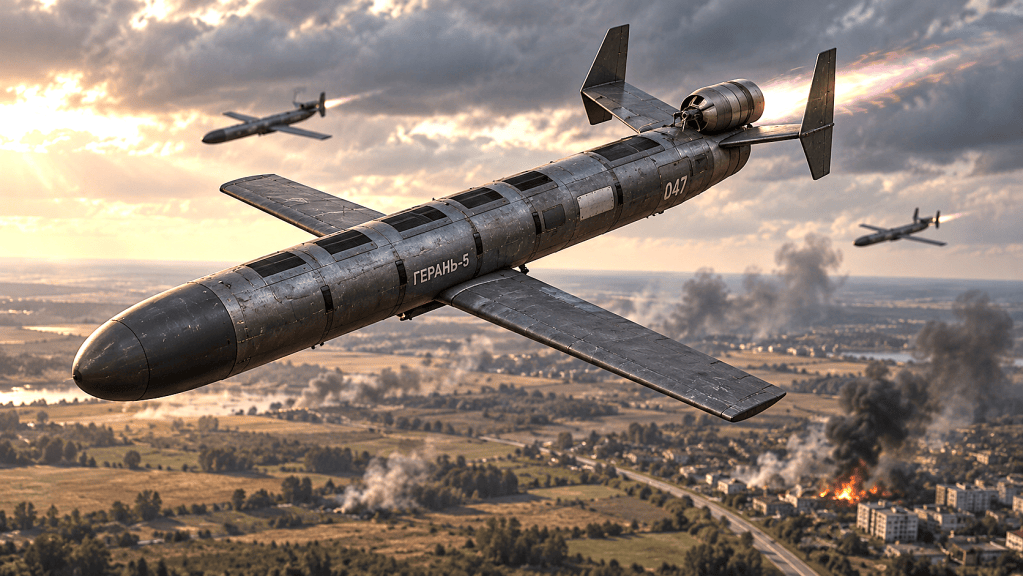
Studies focused on drone warfare reach similar conclusions. Mitt Regan’s synthesis of more than sixty empirical studies on U.S. targeted killings finds that drone strikes can temporarily suppress terrorist activity in specific locales, but they have not produced enduring reductions in the overall strength or attack tempo of groups like al‑Qaeda (3). Strikes against top leadership in Pakistan’s tribal areas appear to have reduced the group’s ability to plan complex attacks on the United States, but that is a narrow counterterrorism effect, not regime-level capitulation (3). Regan also notes that the military advantage of individual strikes is often limited and context-dependent, raising questions about whether many such operations meet even their own strategic rationale (4).
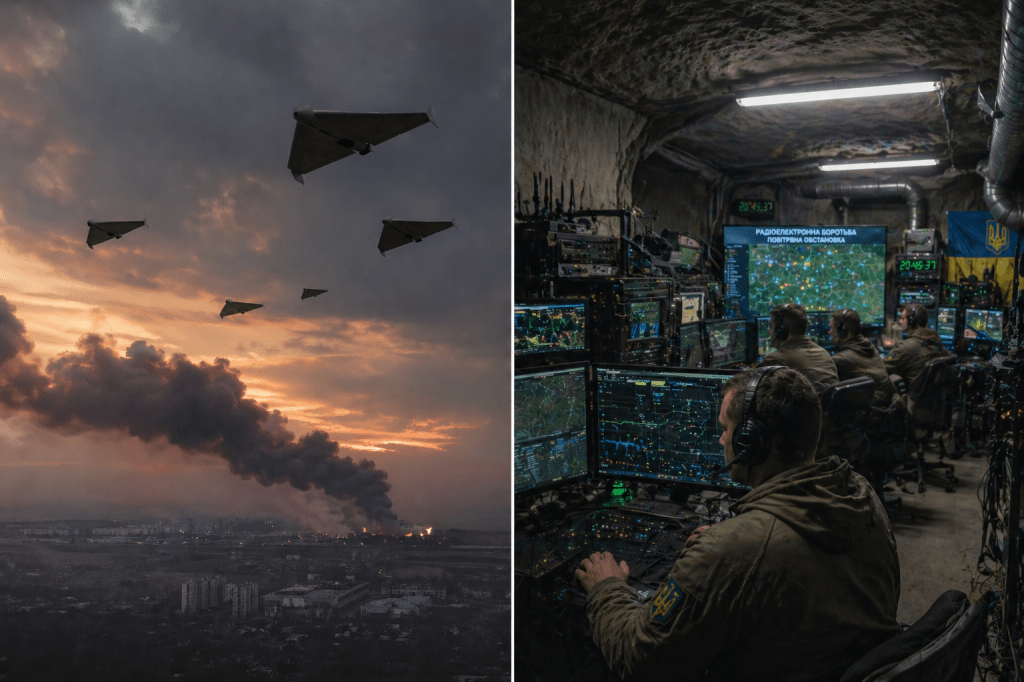
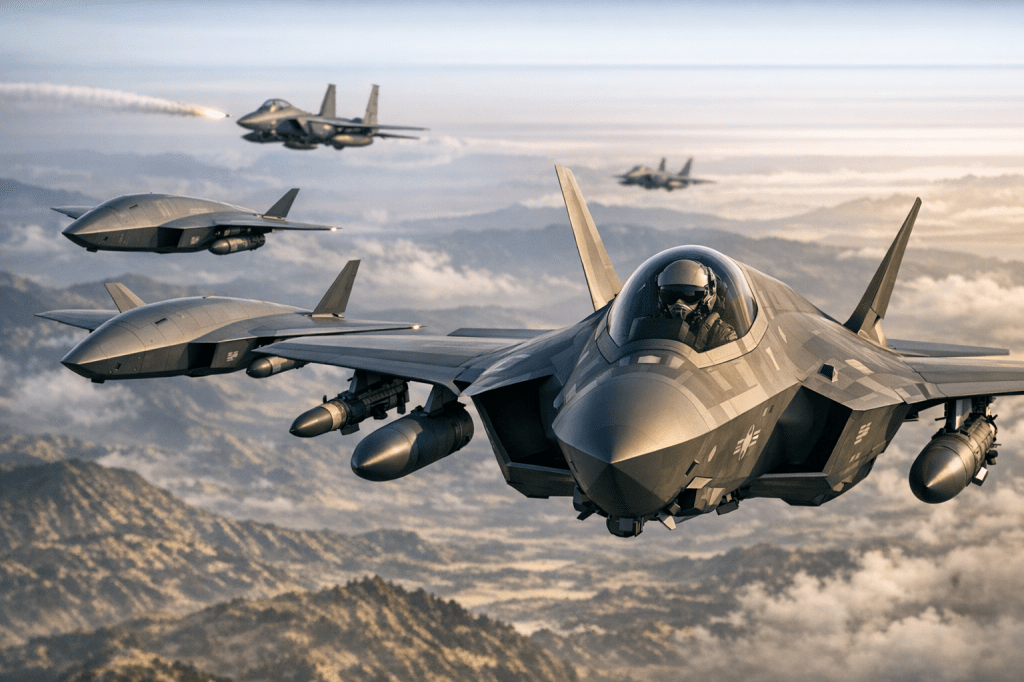
Another strand of recent research looks at drones and air power in broader warfare rather than just counterterrorism. Antonio Calcara and co‑authors argue that drones have not revolutionized war because they remain deeply entangled in the “hider–finder” competition: they are vulnerable to air defenses and electronic warfare and require extensive supporting assets to be effective (5). Their conclusion is that drones and air strikes are powerful tools, but only as part of a larger combined-arms system; they do not, by themselves, deliver the kind of clean, low-cost coercion that some early enthusiasts imagined. That logic applies just as much to attempts at political coercion from the air as it does to battlefield tactics.
When we shift from capabilities to political psychology, the picture tilts even more toward this intuition. Air campaigns that inflict civilian casualties or are perceived as one-sided punishment often generate “rally-round-the-flag” effects, strengthen hardliners, and delegitimize moderates who might otherwise favor compromise. Regan’s work and related studies highlight how local populations frequently experience drone and air campaigns as intrusive, humiliating, and indiscriminate, even when militaries view them as precise (3,4). That gap in perception can erode the very political leverage that air power is supposed to create.
There are, of course, partial counterexamples. NATO’s 1999 air campaign against Serbia over Kosovo is often cited as a case where air power “worked.” But even there, the outcome depended on more than bombs: the credible threat of a ground invasion, the cumulative economic and military damage, diplomatic isolation, and internal political pressures on Slobodan Milošević all interacted. Pape and others argue that it was this combination—especially the looming prospect of ground operations and regime vulnerability—that tipped the balance, not air strikes alone (1). That’s important: it suggests that what looks like “air power success” is usually success of a broader coercive strategy in which air power is just one component.
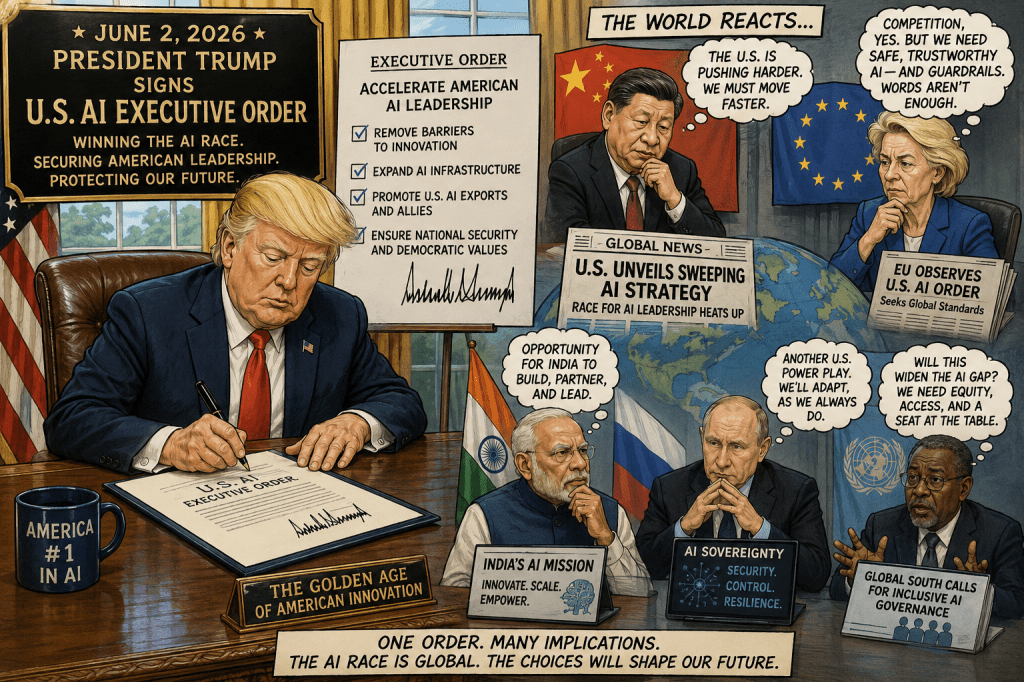
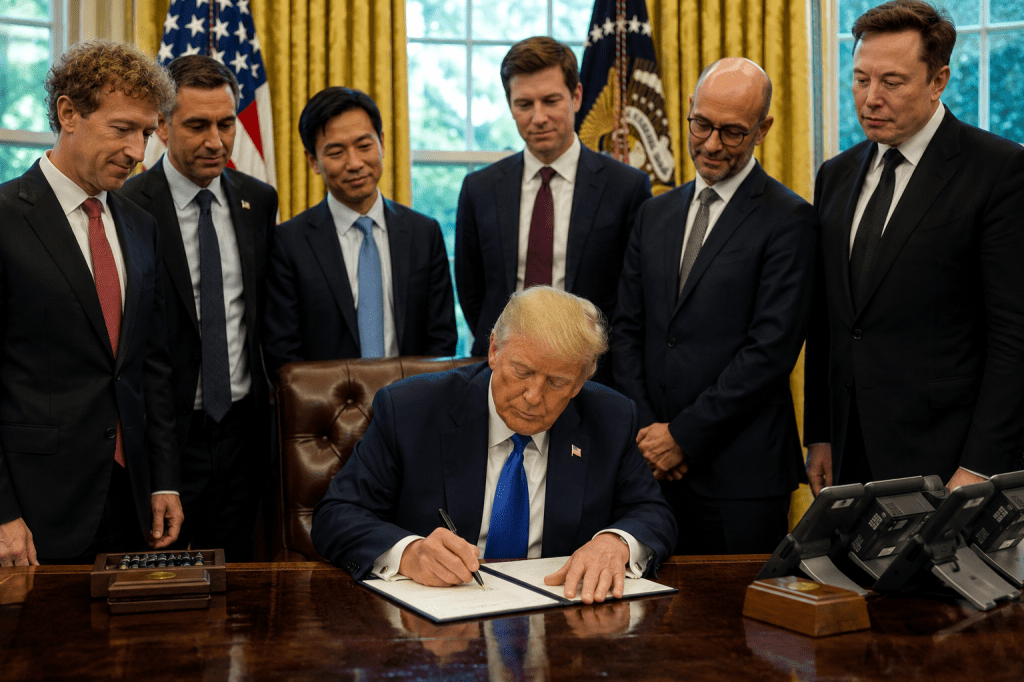
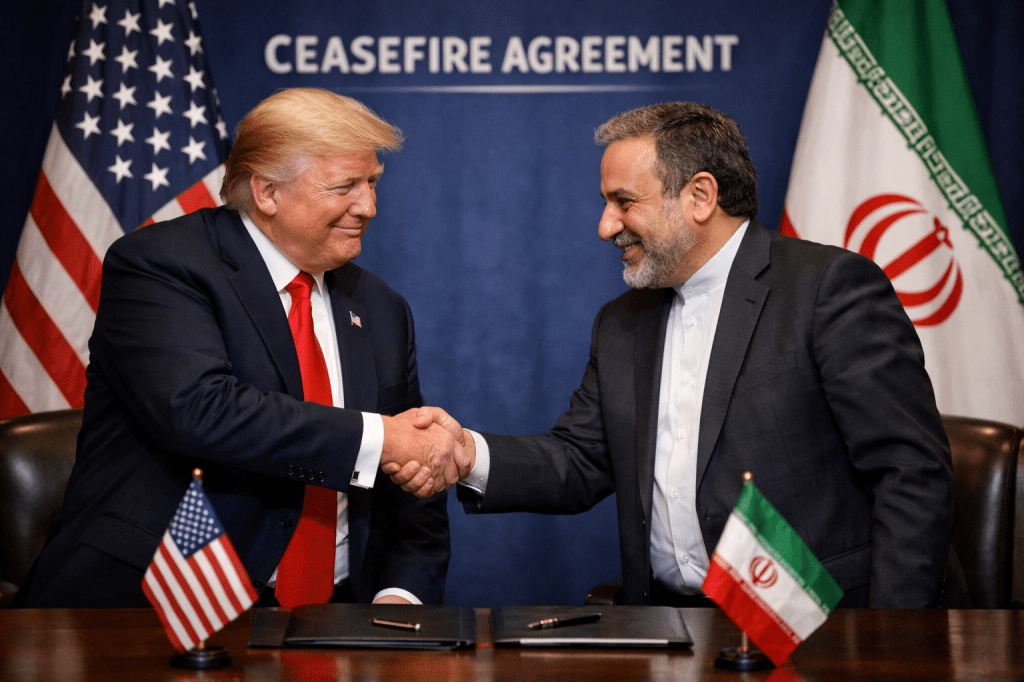
Now, to the question about Trump’s strikes and threats toward Iran. While the specific scholarly literature on that episode is still catching up, we can map it onto the patterns above. The “maximum pressure” campaign combined economic sanctions, targeted strikes (including the killing of Qassem Soleimani), and repeated threats of further force, but it explicitly avoided a large-scale ground war. Iran’s response was not capitulation on its nuclear program or regional posture; instead, it resumed and later accelerated nuclear activities, expanded missile and drone capabilities, and leaned more heavily on regional proxies. Domestically, the external pressure tended to strengthen hardline narratives about resistance and sovereignty, even as many Iranians were deeply frustrated with their own government.
From the perspective of coercion theory and the empirical work on limited strikes, that outcome is unsurprising. The United States inflicted real costs, but it did not credibly signal that regime survival was on the line through imminent invasion, nor did it offer a politically sustainable off‑ramp that Iranian leaders could sell at home without appearing to have surrendered under fire. In that context, limited strikes and threats are more likely to harden resolve than to induce capitulation—especially for a regime that has built its identity around resistance to foreign pressure.
So where does that leave this assumption—right, wrong, or in between?
– It’s right that aerial strikes and threats, by themselves, usually do not convince a state to capitulate on core interests. The best available research on limited strikes, drones, and air power supports that view (1-3,5).
– It’s also right that such campaigns can harden resolve, particularly when they are perceived as punitive, one-sided, or disconnected from a credible political settlement (2-4).
– The “in between” nuance is that air power can still be strategically useful: it can shape battlefields, degrade specific capabilities, and contribute to coercion when combined with ground forces, economic pressure, diplomacy, and credible threats of escalation. But it is rarely decisive on its own.
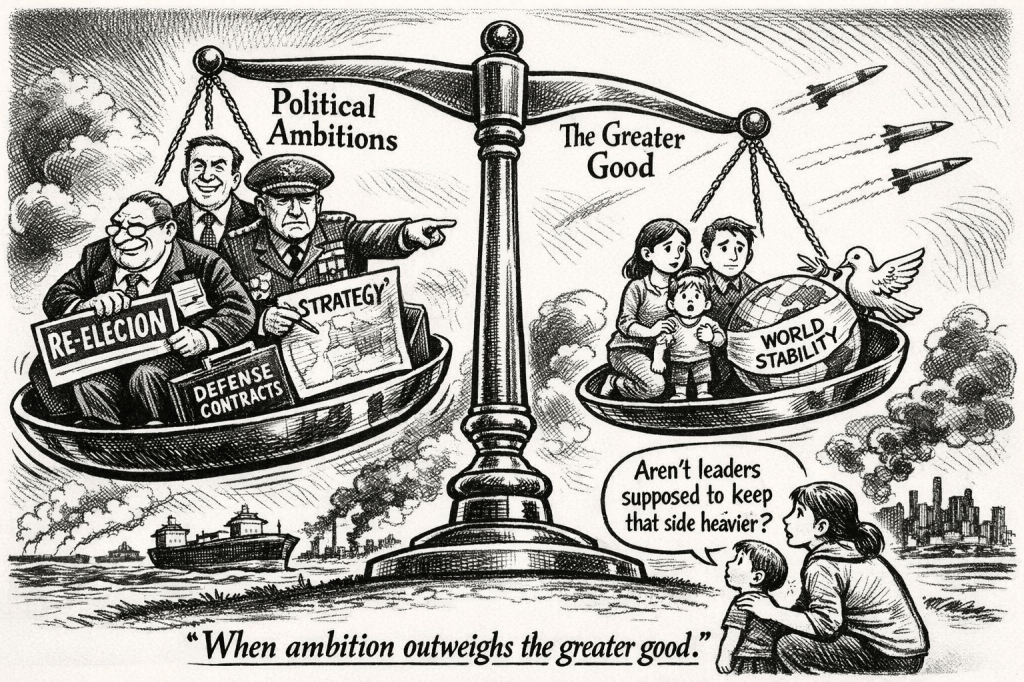
If we zoom out, the pattern is sobering: states keep reaching for air-only or air-heavy options because they look like a low-cost way to “do something” without the political and human costs of ground war. The evidence from both older and newer work suggests that this is usually a bad bet if the goal is genuine political capitulation rather than limited disruption. In that sense, this skepticism is not just emotionally intuitive—it’s analytically well grounded.
References
(1) Robert A. Pape, “Bombing to Win: Air Power and Coercion in War.” Princeton University Press. https://press.princeton.edu/books/paperback/9780801483113/bombing-to-win (press.princeton.edu in Bing)
(2) Stephen Watts et al., “Limited Intervention: Evaluating the Effectiveness of Limited Stabilization, Limited Strike, and Containment Operations.” RAND Corporation, 2018. https://www.rand.org/pubs/research_reports/RR2037.html (rand.org in Bing)
(3) Mitt Regan, “Drone Strikes and Evidence-Based Counterterrorism.” Lawfare, 2 June 2022. https://www.lawfaremedia.org/article/drone-strikes-and-evidence-based-counterterrorism (lawfaremedia.org in Bing)
(4) Mitt Regan, “Drone Strikes, Military Advantage, and Armed Conflict.” Lieber Institute for Law & Land Warfare, 18 July 2022. https://lieber.westpoint.edu/drone-strikes-military-advantage-armed-conflict (lieber.westpoint.edu in Bing)
(5) Antonio Calcara et al., “Why Drones Have Not Revolutionized War: The Enduring Hider–Finder Competition in Air Warfare.” International Security, 46(4), 2022. https://direct.mit.edu/isec/article/46/4/130/112942/Why-Drones-Have-Not-Revolutionized-War-The-Enduring (direct.mit.edu in Bing)
###
Filed under: Uncategorized |






































































































































































































































































































































































































































































Leave a Reply