





By Jim Shimabukuro (assisted by Claude)
Editor
For most of the twentieth century, human intelligence was understood primarily as a fixed, internal property of the individual mind — measurable through standardized psychometric tests, expressed as an IQ score, and treated as a reliable predictor of academic and professional success. That model is now under serious challenge. As artificial intelligence has woven itself into the cognitive fabric of daily life — from workplace decision support to personal assistants — researchers and organizational theorists are converging on a new understanding: human intelligence can no longer be meaningfully assessed in isolation from the tools that augment it.

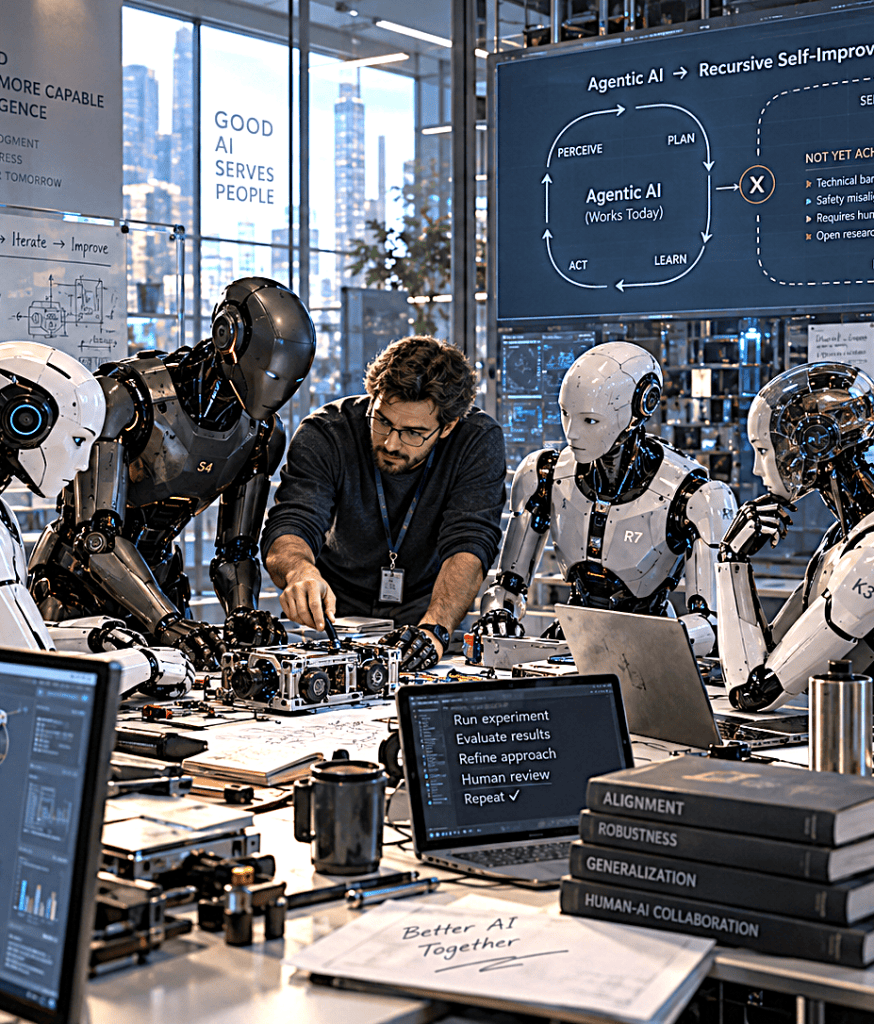
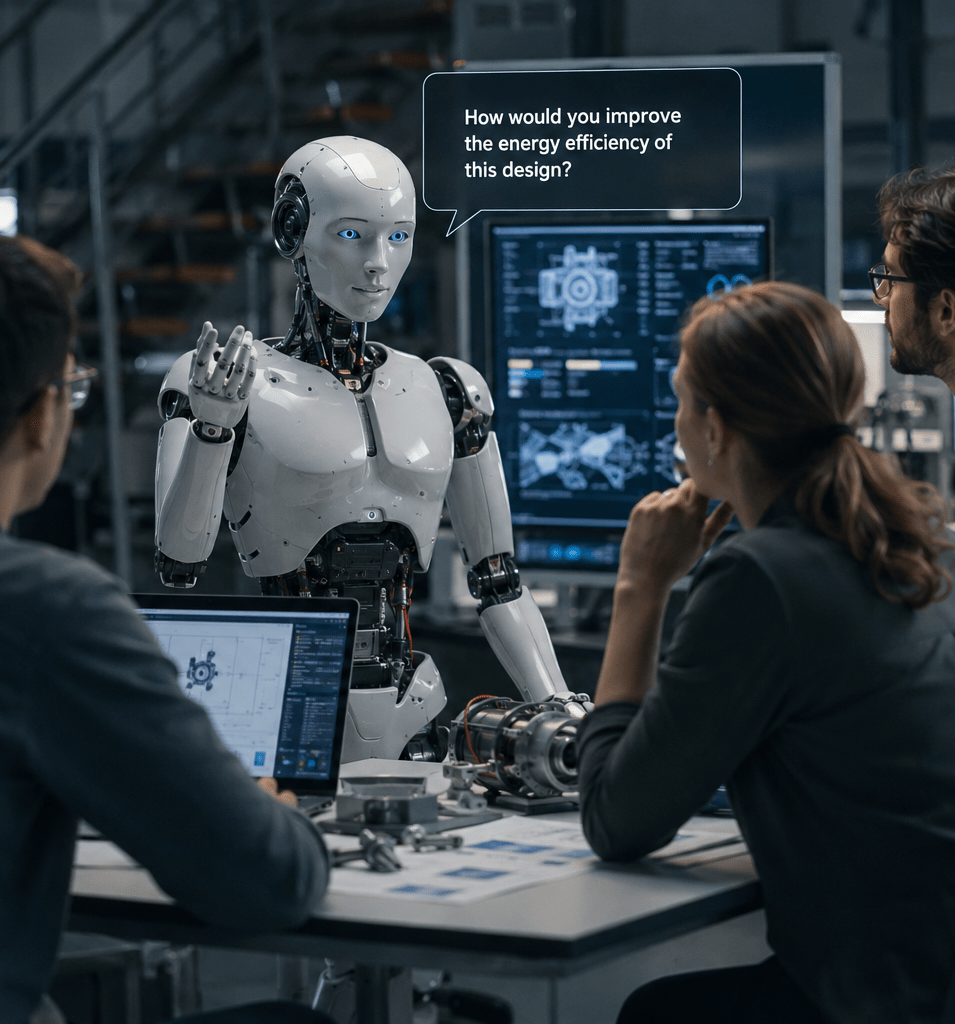
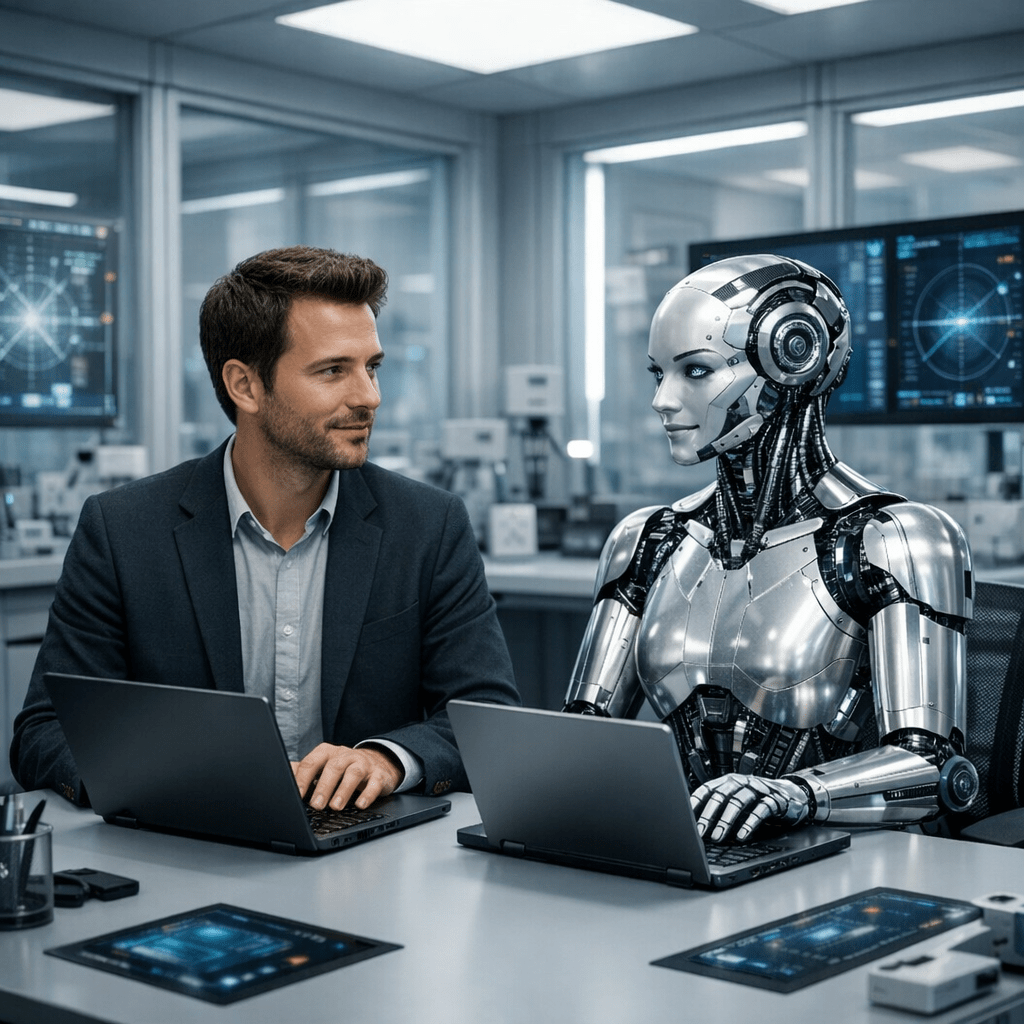
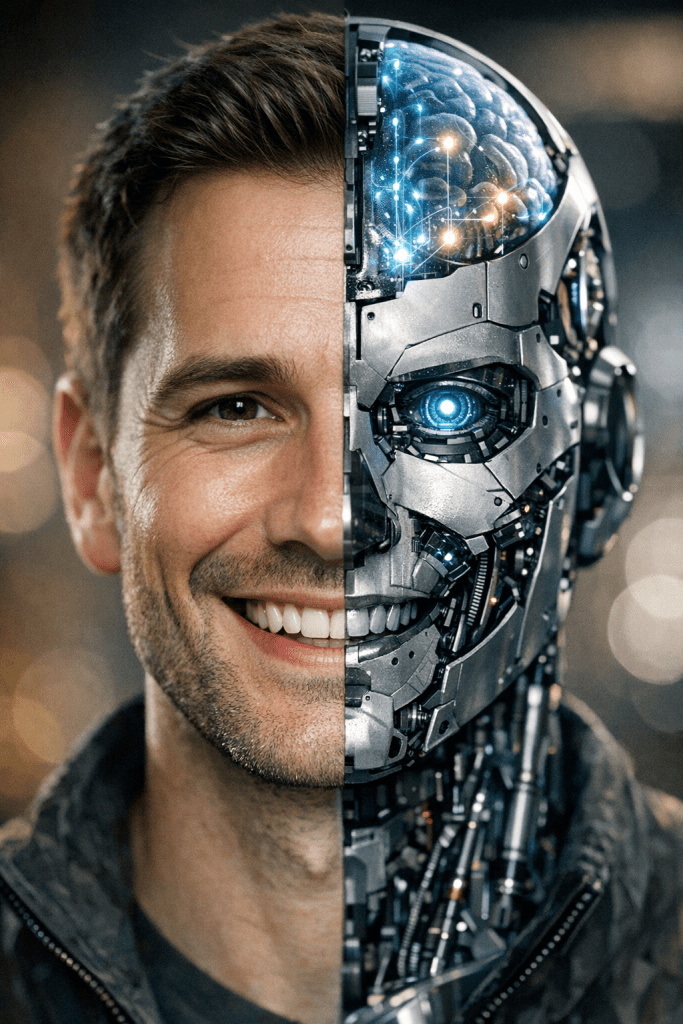
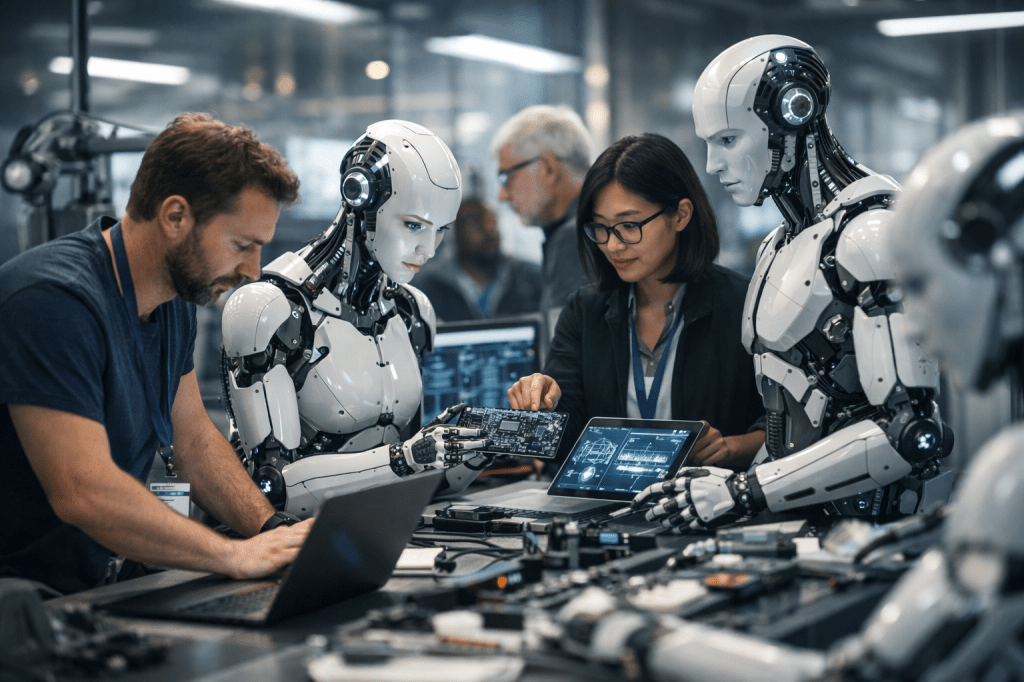
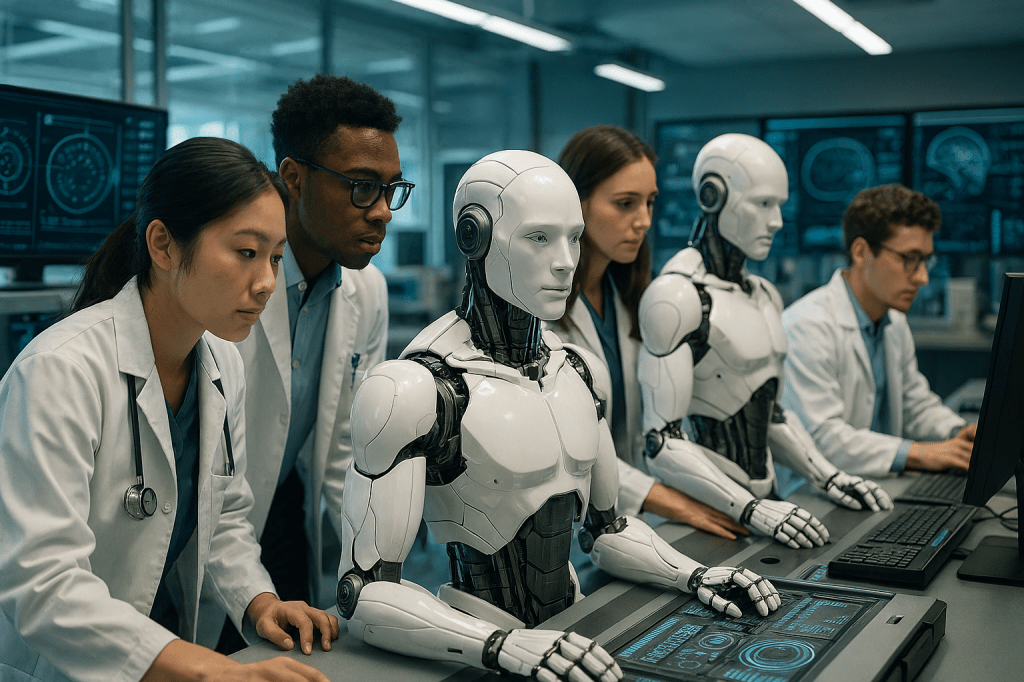
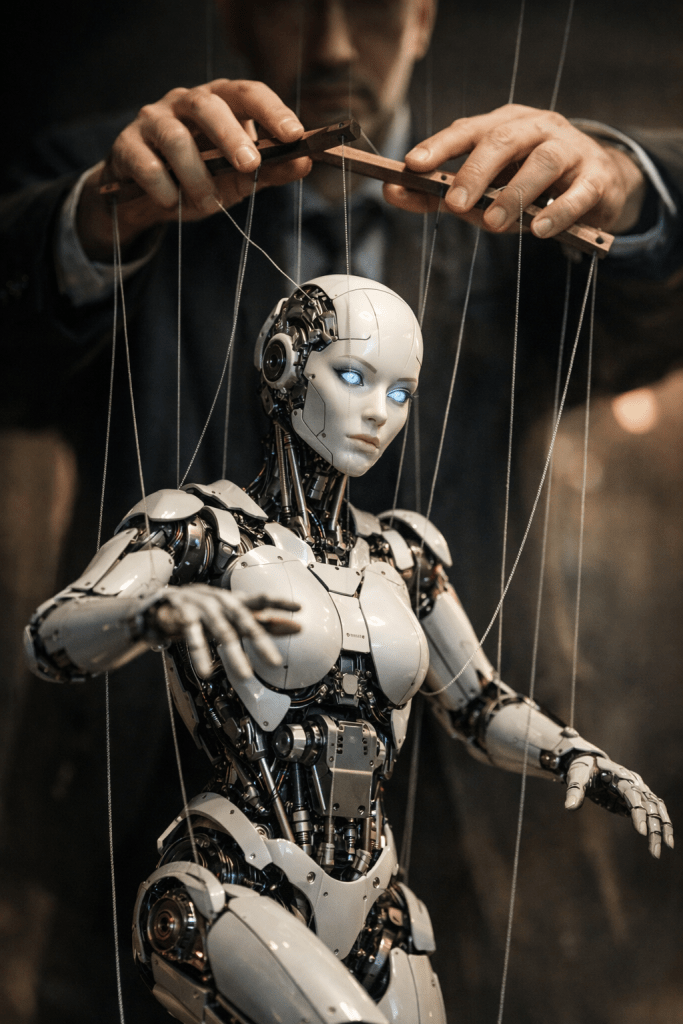
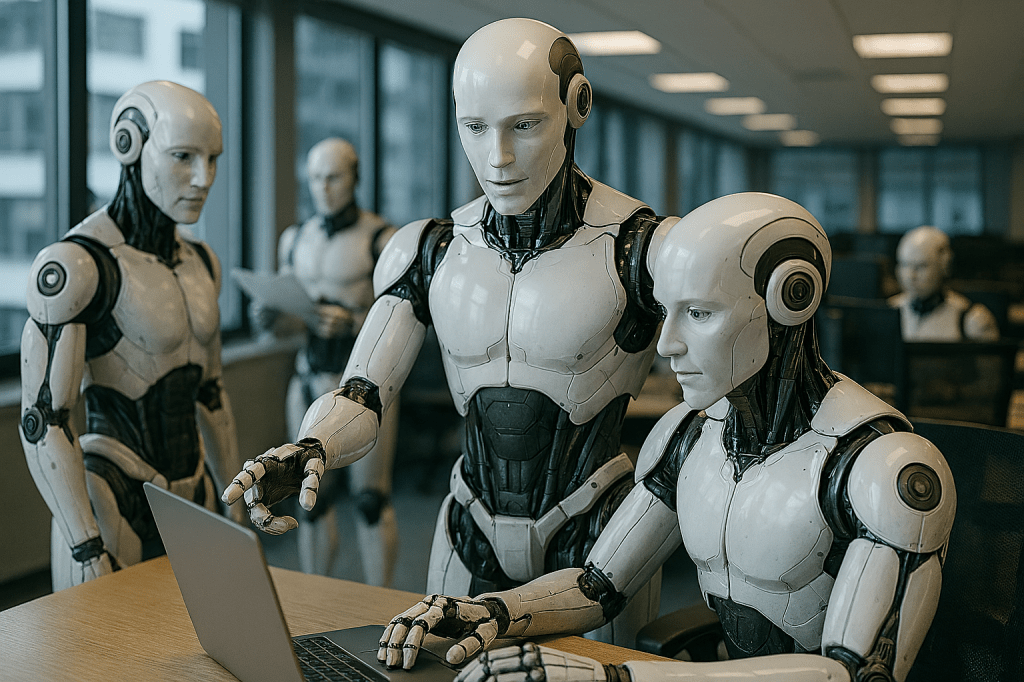
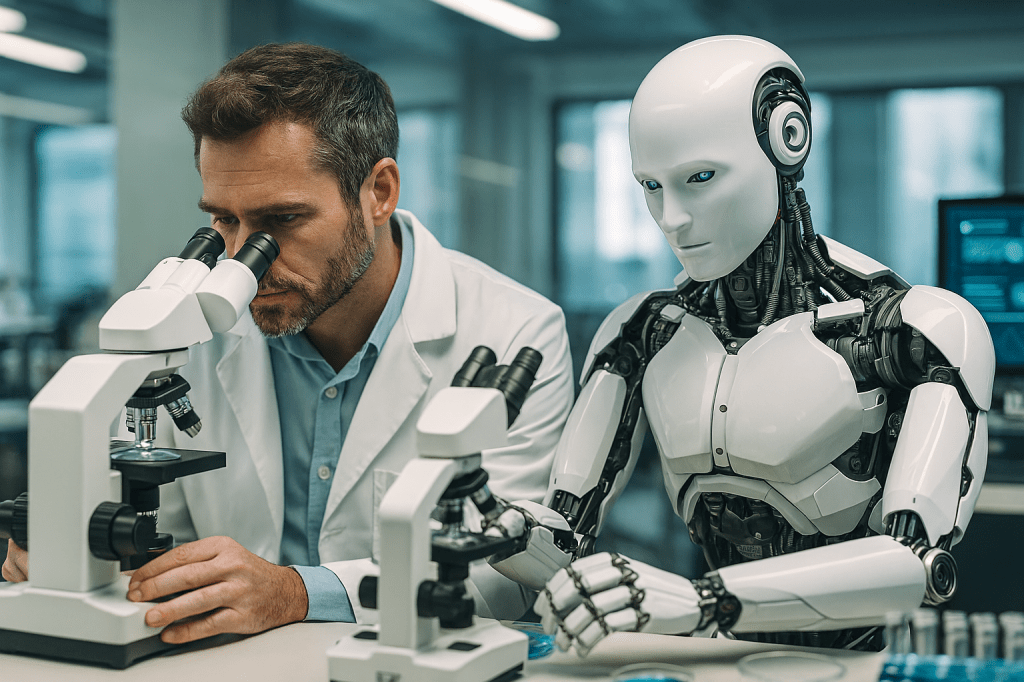
The emerging definition centers on what scholars call augmented intelligence, sometimes called Human-in-the-Loop AI — a paradigm in which “the strengths of AI (speed, scale, pattern recognition) combine with the strengths of humans (ethics, empathy, domain expertise)” (1). Rather than competing with AI, or merely tolerating it as a productivity tool, this conception positions the human being as the directing partner in a cognitive dyad. In 2026, as one industry synthesis puts it, “artificial intelligence is no longer about machines replacing humans; it’s about machines working alongside humans to make better decisions” (2).
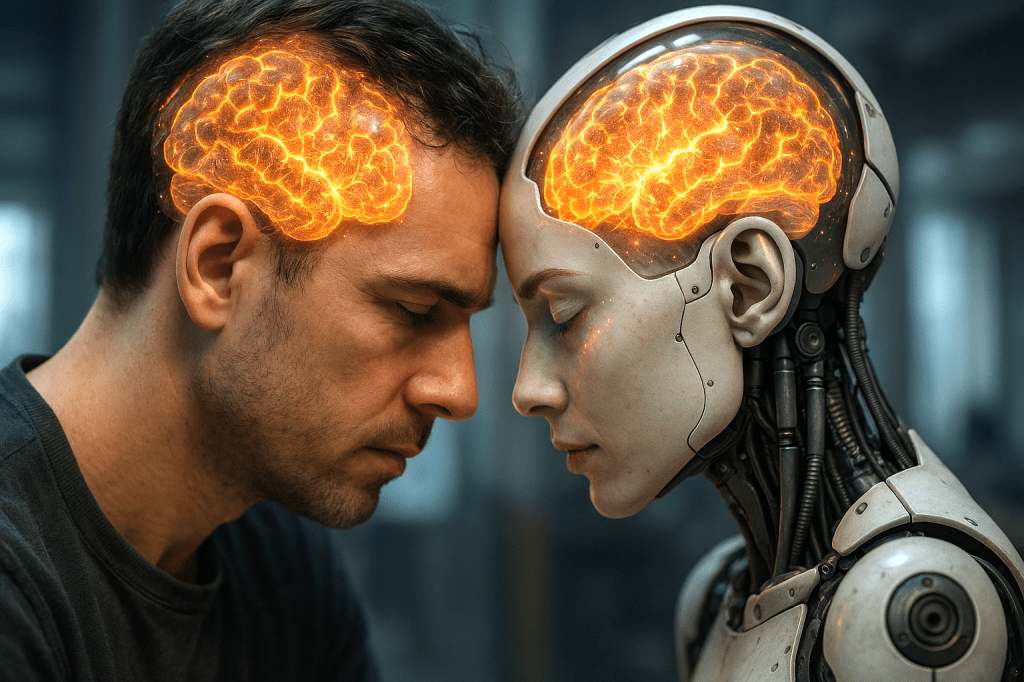
What has changed most profoundly is the locus of intelligence. Where the classical model located cognition entirely within the skull, the emerging model treats it as distributed across human and machine alike. Cognitive scientists refer to this as the “extended mind” — the notion that when an external system is reliably integrated into a person’s problem-solving workflow, it functionally becomes part of that person’s cognitive apparatus (3). Generative AI, and large language models in particular, have pushed this concept from academic philosophy into everyday practice, raising urgent questions about how to measure human capability in an environment where so much computation is off-loaded to machines.
Crucially, this new definition does not flatten human intelligence into mere prompt-writing skill. Research published in Nature Reviews Psychology argues that effective human-AI complementarity depends on augmentation — expanding human judgment — rather than on AI systems that merely emulate human cognition (4). The human side of the partnership is re-valued precisely for those capacities AI cannot replicate: ethical reasoning, affective interpretation, contextual wisdom, and the integration of lived experience into complex judgment.
Old Model versus New: Critical Differences
When the emerging AI-augmented model of intelligence is overlaid on the traditional psychometric model, several deep structural differences emerge.
The traditional model evaluated intelligence as a static, measurable quotient derived from performance on decontextualized tasks — verbal reasoning, working memory capacity, fluid reasoning, and spatial visualization — administered under controlled, tool-free conditions. The score was meant to reflect something innate and relatively stable across a person’s lifetime. The construct was individual, comparative, and internally bounded.
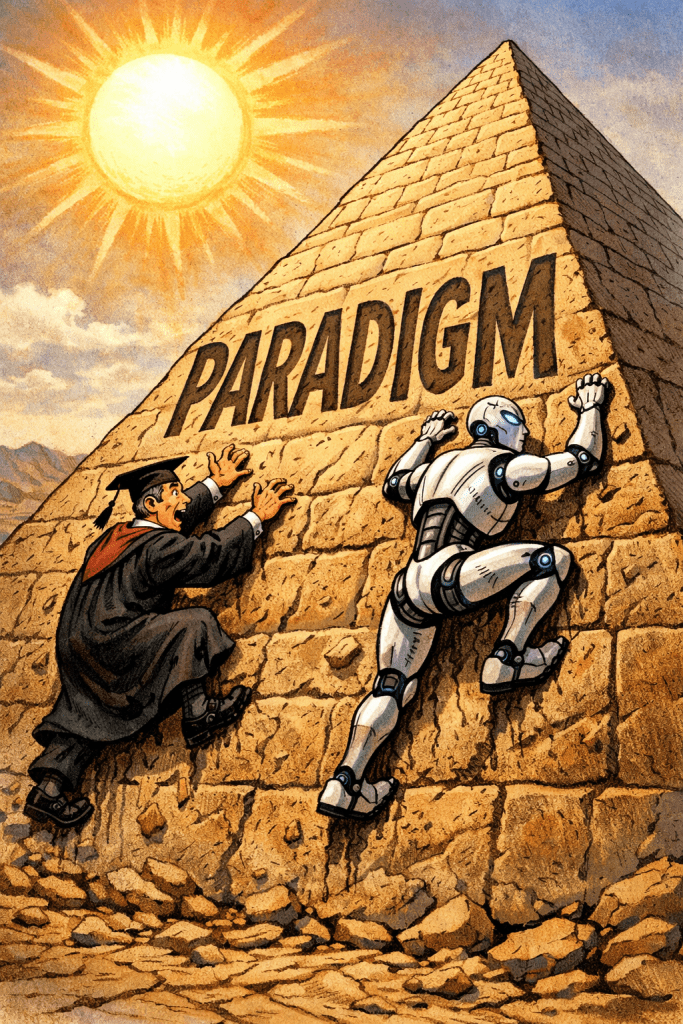
The new model, by contrast, is dynamic, relational, and system-dependent. Intelligence is now understood as something that emerges between the person and the technological environment they inhabit and orchestrate. A 2025 paper in Discover Artificial Intelligence argues that classic human intelligence tests “need to be reimagined as AI reshapes work and life,” because “traditional measures show limited correlation with an individual’s ability to effectively leverage AI capabilities” (5). Factor analysis on experimental data has revealed a distinct “AI collaboration” factor that is statistically separable from the general intelligence (g-factor) traditionally measured in psychometrics (6).
A second major difference concerns the content of what is valued. Traditional IQ tests rewarded recall, rapid computation, pattern recognition within bounded rule sets, and logical deduction from given premises. The AI-augmented model deprioritizes these capacities — because machines now perform them cheaply and at scale — and elevates meta-cognitive abilities: knowing what to ask, evaluating what is returned, detecting AI error, integrating machine output with human judgment, and deciding when not to delegate. As one researcher frames it, AI is shifting humans “from primary thinkers to meta-thinkers — those who think about thinking rather than performing every cognitive step themselves” (7).
A third difference involves the relationship between intelligence and risk. The traditional model was largely risk-neutral with respect to tool use; a person was simply measured on their raw cognitive output. The new model must grapple with the documented danger of cognitive offloading — the process by which heavy reliance on AI reduces the exercise and, over time, the strength of internal reasoning faculties. A 2025 study found that heavy AI users engage in 23% less critical thinking compared to non-users, with younger individuals showing the steepest declines (8). A concurrent MIT working paper documented that AI use appears to reduce users’ ability to memorize and accurately record their own arguments, and may do so by altering neural connectivity (9). The emerging intelligence model must therefore account for this trade-off: AI-augmented humans can accomplish far more per unit of time, but they must actively cultivate what one Frontiers paper calls “Cognitive Sovereignty” — the intellectual independence to govern, not merely operate, their cognitive tools (10).
Finally, traditional IQ was largely asocial; it measured what one mind could do alone. The new model explicitly incorporates collaborative and institutional dimensions. As Deloitte’s 2026 Global Human Capital Trends report observes, “57% of organizational leaders say they must teach employees how to think with machines, not just use them,” marking a shift in human roles from task execution to strategic oversight (1).
Division of Cognitive Labor: Human and AI Functions
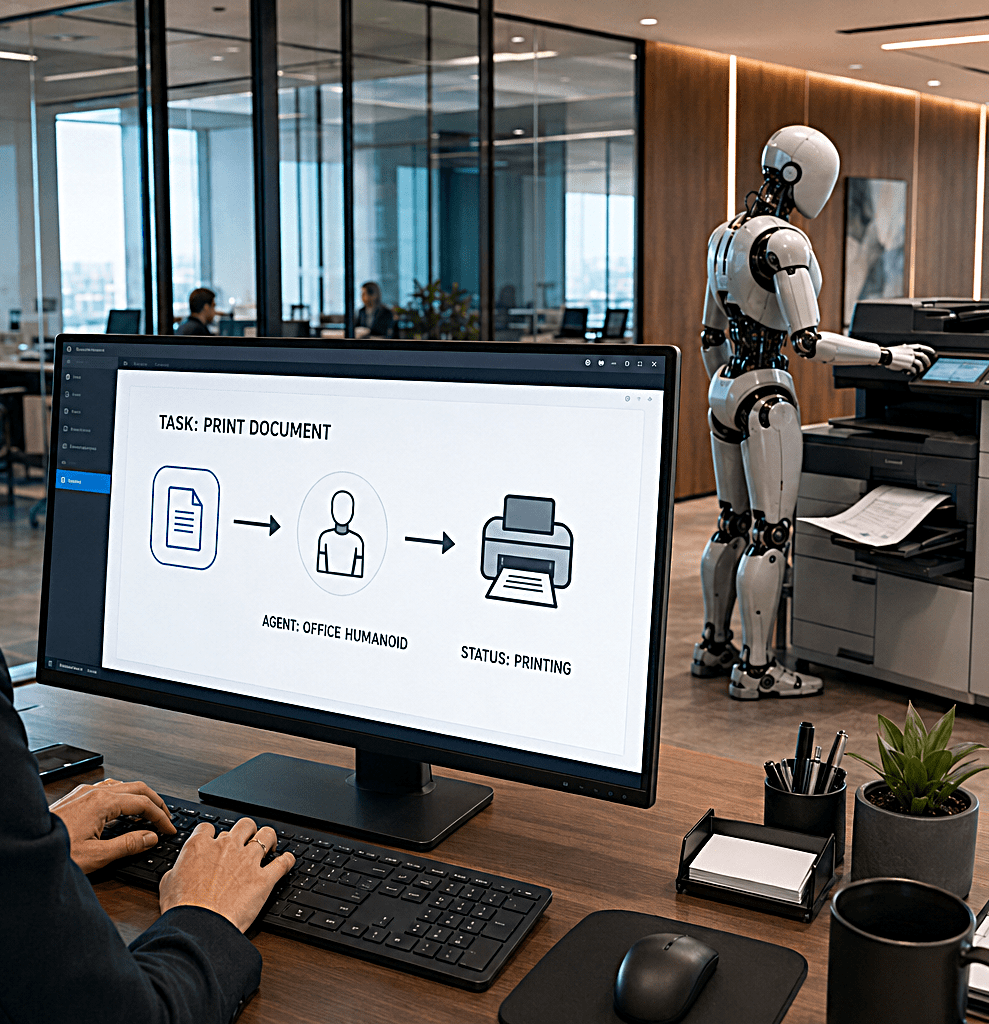
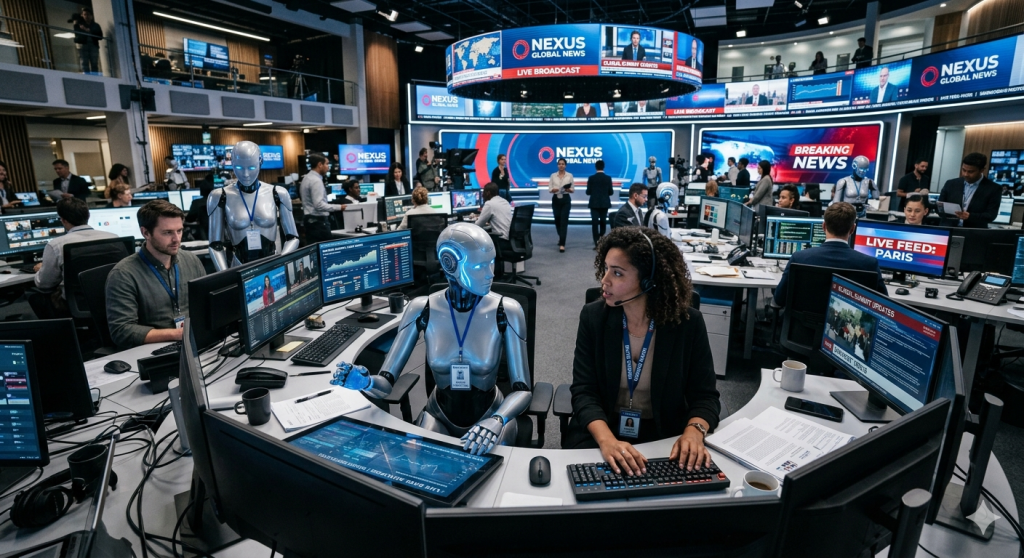
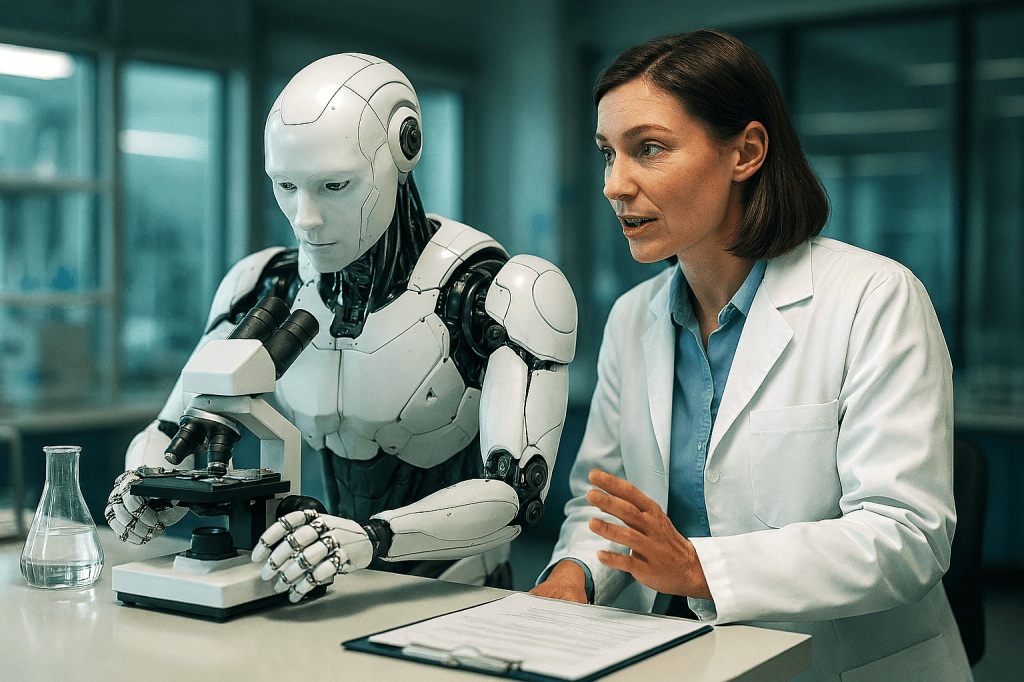
The most practically significant question raised by the new model is how cognitive work is apportioned between human and machine. A 2026 statistical snapshot illuminates the current baseline: humans handle approximately 47% of work tasks independently, machines account for 22%, and about 30% require genuine human-machine collaboration (1). By 2030, researchers expect machines to take on a substantially larger share of the first category, intensifying the premium on skills that remain distinctively human.
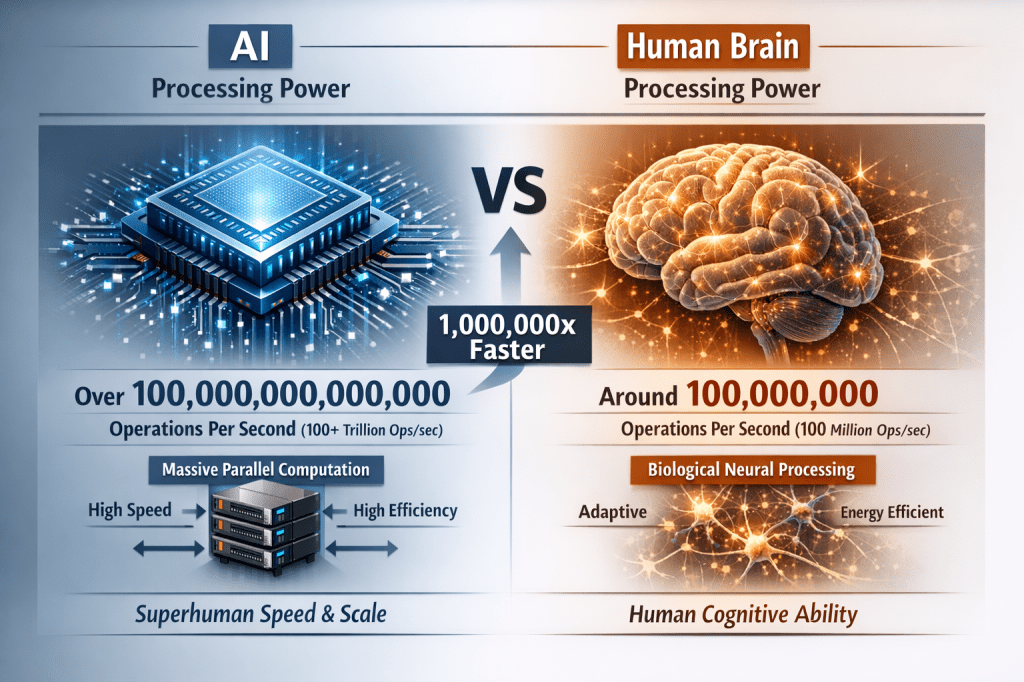
AI’s domain is broadly defined by scale, speed, and pattern: processing vast quantities of data with consistency, performing complex analyses in milliseconds, automating rule-based and repetitive workflows, generating drafts, flagging anomalies, and producing recommendations across structured domains (11). In finance, AI monitors transactions in real time and surfaces risk scores; in medicine, it interprets imaging and correlates patient history; in law, it scans precedent and identifies relevant case law. What AI does in each of these settings is computationally intensive knowledge retrieval and synthesis — tasks that previously required significant human time and expertise.
Human functions, by contrast, are defined by what AI structurally cannot do. These include creativity that exceeds pattern recombination — the generative imagination that arises from embodied experience and abstract thinking (11); ethical reasoning and moral judgment, especially in novel or contested situations; emotional and empathic intelligence in interpersonal contexts; domain expertise deep enough to evaluate and correct AI outputs; strategic thinking that integrates values, purpose, and long-term consequence; and meta-cognitive oversight — the ability to recognize when AI is confidently wrong, to detect bias in training data, and to exercise what might be called “AI risk management” (1). In the most advanced conception of the human role, the person functions as supervisor, coach, and curator rather than as the primary information processor.
A paper framing AI as a “System 0” cognitive extension articulates this division explicitly: “Rather than replacing human effort, AI should act as a complementary partner: handling computationally intensive or knowledge-retrieval tasks while humans manage judgment, ethics, and context. This division fosters a dynamic of cognitive synergy, where each party contributes its comparative strengths” (12). The critical insight here is that the division is not fixed. As AI capabilities expand into reasoning and limited moral inference, the boundary will shift, and what counts as a distinctively human contribution will need continuous renegotiation.
EY’s research on augmented workforces quantifies the stakes: organizations that successfully integrate augmentation technologies report 2.4 times better performance outcomes, but leaders face significant challenges managing “cognitive divides” and preventing what the researchers call “enhancement inequality” — the widening gap between workers who can effectively harness AI and those who cannot (13). That gap, rather than innate IQ, may become the dominant axis of cognitive stratification in the coming decade.
Measuring AI-Augmented Human Intelligence: The Emerging Criteria
The inadequacy of traditional IQ as a measure of human capability in AI-rich environments has stimulated a wave of new measurement frameworks. The most systematically developed is the Artificial Intelligence Quotient (AIQ), introduced in 2025 by Ganuthula and Balaraman and subsequently published as a peer-reviewed framework in Discover Artificial Intelligence (5). The AIQ is explicitly designed to “assess an individual’s capacity to effectively collaborate with and leverage AI systems,” and it organizes human-AI collaborative ability into eight core dimensions (6). Together, these dimensions represent the most comprehensive account currently available of what should be measured when we assess intelligence in an AI-augmented world.
Prompt Construction and Communication Competency. The ability to formulate queries that elicit high-quality AI outputs — what researchers are increasingly calling “prompt literacy” — is foundational. This involves not merely technical fluency with syntax, but the conceptual ability to decompose complex problems into instructions, specify constraints, and iteratively refine requests based on outputs. Research in AI literacy consistently identifies prompt engineering as “a specific competency” that must be deliberately cultivated rather than assumed to emerge from general intelligence (14).
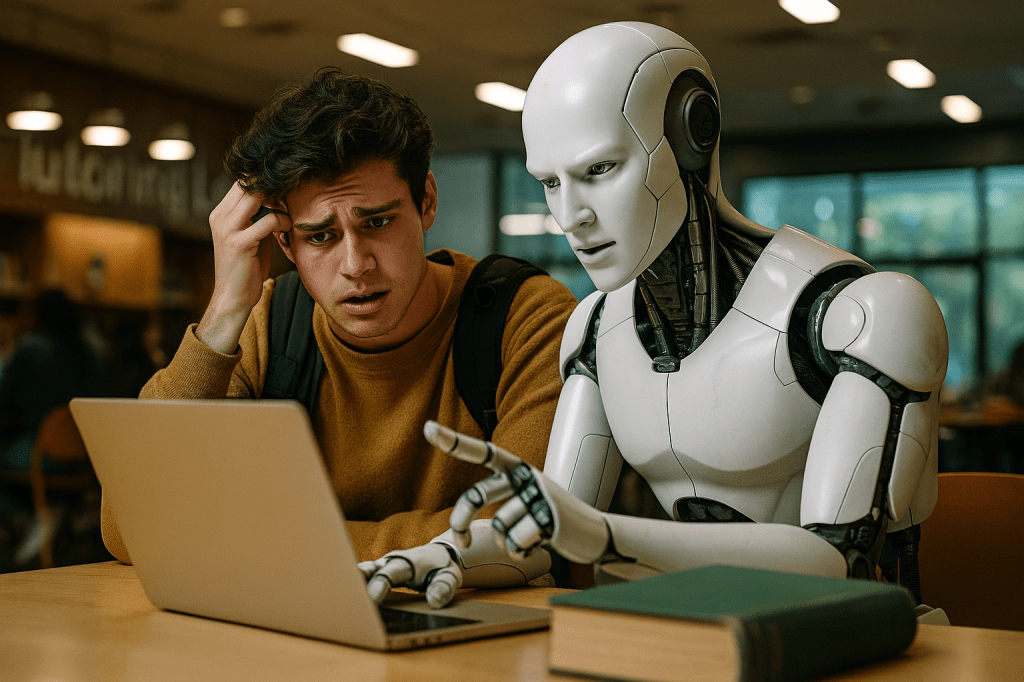
Critical Evaluation of AI Output. Perhaps the most consequential dimension. A person who cannot independently verify, interrogate, and if necessary override AI-generated content is cognitively dependent in a way that introduces significant risk. This capacity requires sufficient domain knowledge to detect plausible-sounding errors, awareness of common AI failure modes (hallucination, bias, outdated training data), and the metacognitive habit of treating AI outputs as hypotheses rather than verdicts. As research on the “cybernetic teammate” effect at Harvard Business School demonstrates, the quality of human-AI collaboration varies dramatically based on the evaluative judgment each individual brings to the partnership (12).
Contextual and Ethical Judgment. AI systems optimize within specified parameters but lack the ability to determine whether those parameters are appropriate to the situation at hand. Human intelligence in the new model must supply contextual sensitivity — reading what is actually at stake, for whom, and with what broader consequences — and ethical reasoning: the capacity to identify when an AI recommendation, though technically correct, is morally insufficient or socially harmful. This dimension captures what researchers mean when they say that “AI will optimize systems; humans will define values” (15).
Domain Expertise and Epistemic Depth. Research on expert-novice differences in AI use shows that domain expertise is not made obsolete by AI — it becomes more important, not less, because it is what allows a person to evaluate, correct, and extend AI outputs rather than simply accepting them (16). An expert in medicine who uses diagnostic AI is more effective precisely because she knows enough to catch what the system misses. Epistemic depth — foundational knowledge organized into robust mental models — is the foundation of genuine Cognitive Sovereignty (10).
Adaptive Learning and Metacognition. Because AI capabilities are evolving rapidly, intelligence in the new model must include the disposition and capacity to continuously recalibrate one’s own skills, identify what has been delegated safely versus what should be retained internally, and remain a competent overseer of systems that will change significantly over the course of a career. The AIQ framework incorporates “adaptive testing elements, allowing for precise measurement across different skill levels,” precisely because the relevant competencies are not static (6).
Collaborative and Supervisory Effectiveness. In Human-in-the-Loop 2.0 systems, humans are not just reviewers but “supervisors, coaches, and AI risk managers” (1). This dimension captures the ability to design human-AI workflows, set appropriate trust thresholds, intervene productively when AI flags uncertainty, and use human input to retrain and improve AI models over time. It is, in essence, organizational and systems intelligence applied to the management of AI teammates.
Creative and Strategic Initiative. Because AI performs well on “bounded strategy” — tasks with clear parameters — human intelligence must supply what EY calls the “broader strategy that needs human judgment”: the ability to set goals, identify what problems are worth solving, imagine solutions that do not yet exist, and synthesize across domains in ways that exceed pattern recombination (13). This dimension captures the higher registers of creativity and strategic vision that remain distinctively human contributions.
Ethical AI Stewardship. Distinct from personal ethical judgment, this dimension concerns the individual’s understanding of AI governance, bias, fairness, and societal impact. Responsible AI utilization “requires sophisticated judgment and ethical awareness” (6), and this criterion evaluates the degree to which an individual integrates these considerations into their AI use practices, rather than treating ethics as an external constraint.
These eight dimensions collectively define a richer, more contextually grounded picture of human capability than the g-factor ever could. They do not replace traditional cognitive virtues — working memory, reasoning speed, verbal ability — but they contextualize them within a human-AI system, asking not merely what a mind can do alone, but how effectively it can think with the machines that increasingly share the cognitive stage.
Conclusion
The AI-augmented era is not rendering human intelligence obsolete — it is restructuring it. What is being demanded of people in 2026 is a form of intelligence that is relational, supervisory, ethically grounded, and continuously adaptive. The old model of the solitary, tool-independent mind measured by a fixed IQ score cannot capture this. The new model — built around human-AI complementarity, distributed cognition, and collaborative competency — is more complex, but also more honest about what intelligence actually means when machines can already outperform us on the tasks that IQ tests were designed to measure. The central challenge ahead is ensuring that, in delegating computation to AI, humanity cultivates rather than relinquishes the cognitive sovereignty that no machine can supply.
References
- Parseur. “Future of Human-in-the-Loop AI (2026) — Emerging Trends & Hybrid Automation Insights.” December 3, 2025. https://parseur.com/blog/future-of-hitl-ai
- Crescendo AI. “Augmented AI: Meaning and 7 Real-Life Examples | 2026.” https://www.crescendo.ai/blog/augmented-ai-meaning-and-examples
- Medium / Dr K Deepa. “Cognitive Offloading: How AI Is Quietly Rewriting Human Intelligence.” December 20, 2025. https://medium.com/@drkdeepa0816/cognitive-offloading-how-ai-is-quietly-rewriting-human-intelligence-8481f641d8d0
- Nature Reviews Psychology. “Human–AI complementarity needs augmentation, not emulation.” February 9, 2026. https://www.nature.com/articles/s44159-026-00536-3
- Ganuthula, Venkat Ram Reddy, and Krishna Kumar Balaraman. “Artificial intelligence quotient framework for measuring human collaboration with artificial intelligence.” Discover Artificial Intelligence 5, no. 268 (October 10, 2025). https://link.springer.com/article/10.1007/s44163-025-00516-1
- AI Models FYI. “Artificial Intelligence Quotient (AIQ): A Novel Framework for Measuring Human-AI Collaborative Intelligence.” https://www.aimodels.fyi/papers/arxiv/artificial-intelligence-quotient-aiq-novel-framework-measuring
- Medium / Dr K Deepa. “Cognitive Offloading: How AI Is Quietly Rewriting Human Intelligence.” December 20, 2025. https://medium.com/@drkdeepa0816/cognitive-offloading-how-ai-is-quietly-rewriting-human-intelligence-8481f641d8d0
- Accio. “IQ View Trends 2025: Cognitive Shifts & AI Impact Analysis.” May 27, 2025. https://www.accio.com/business/iq_view_trend
- Acemoglu, Daron, and Dingwen Kong. “AI, Human Cognition and Knowledge Collapse.” MIT Working Paper, February 20, 2026. https://economics.mit.edu/sites/default/files/2026-02/AI,%20Human%20Cognition%20and%20Knowledge%20Collapse%2002-20-26.pdf
- Klein, Christian R. “The extended hollowed mind: why foundational knowledge is indispensable in the age of AI.” Frontiers in Artificial Intelligence 8 (November 20, 2025). https://www.frontiersin.org/journals/artificial-intelligence/articles/10.3389/frai.2025.1719019/full
- PMC / Palgo Journal of Education Research. “Human and Artificial Intelligence: A Review of Competencies, Collaboration, and Ethical Implications.” April 28, 2025. https://pmc.ncbi.nlm.nih.gov/articles/PMC12768574/
- arXiv. “System 0: Transforming Artificial Intelligence into a Cognitive Extension.” 2025. https://arxiv.org/pdf/2506.14376
- EY Global. “How new technologies enable the human-machine economy.” September 9, 2025. https://www.ey.com/en_gl/megatrends/how-emerging-technologies-are-enabling-the-human-machine-hybrid-economy
- arXiv / Frontiers in Education. “AI Literacy in K-12 and Higher Education in the Wake of Generative AI: An Integrative Review.” March 4, 2025. https://arxiv.org/html/2503.00079v2
- Medium / AI Today & Tomorrow. “AI From 2026 to 2030: How the Next Five Years Will Redefine Work, Creativity, and Human Intelligence.” January 12, 2026. https://medium.com/@kumarshagun520/ai-from-2026-to-2030-how-the-next-five-years-will-redefine-work-creativity-and-human-6c6400bb696d
- arXiv. “AI as Cognitive Amplifier: Rethinking Human Judgment in the Age of Generative AI.” December 2024. https://arxiv.org/pdf/2512.10961
###
Filed under: Uncategorized |


































































































































































































































































































































































































Leave a Reply