





By Jim Shimabukuro (assisted by DeepSeek)
Editor
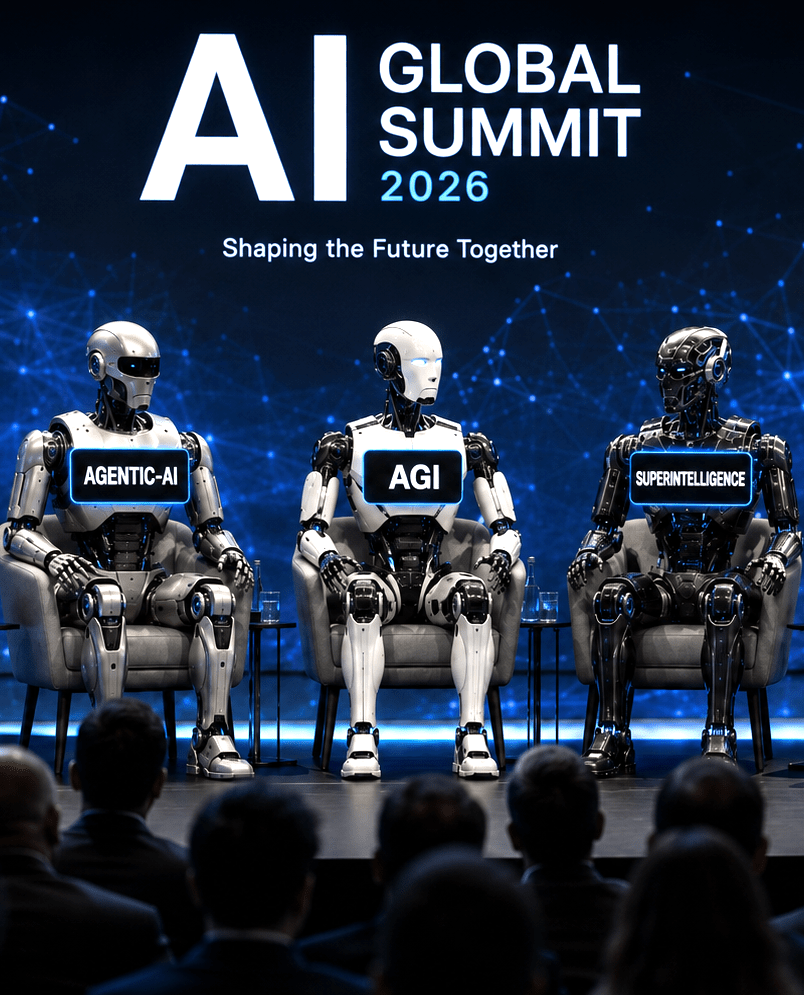
The trajectory from generative to agentic AI marks a fundamental shift from passive content creation to autonomous goal‑pursuit and environmental interaction [1, 3]. Yet agentic AI is not a terminal state. In 2025‑2026, the consensus among analysts, enterprise architects, and academic researchers is that the next evolutionary layers will unfold along three intersecting axes: (i) multi‑agent orchestration, (ii) physical embodiment, and (iii) goal‑setting autonomy. Ultimately, these layers converge toward a longer‑term horizon of artificial general intelligence (AGI) and human‑agent collectives.

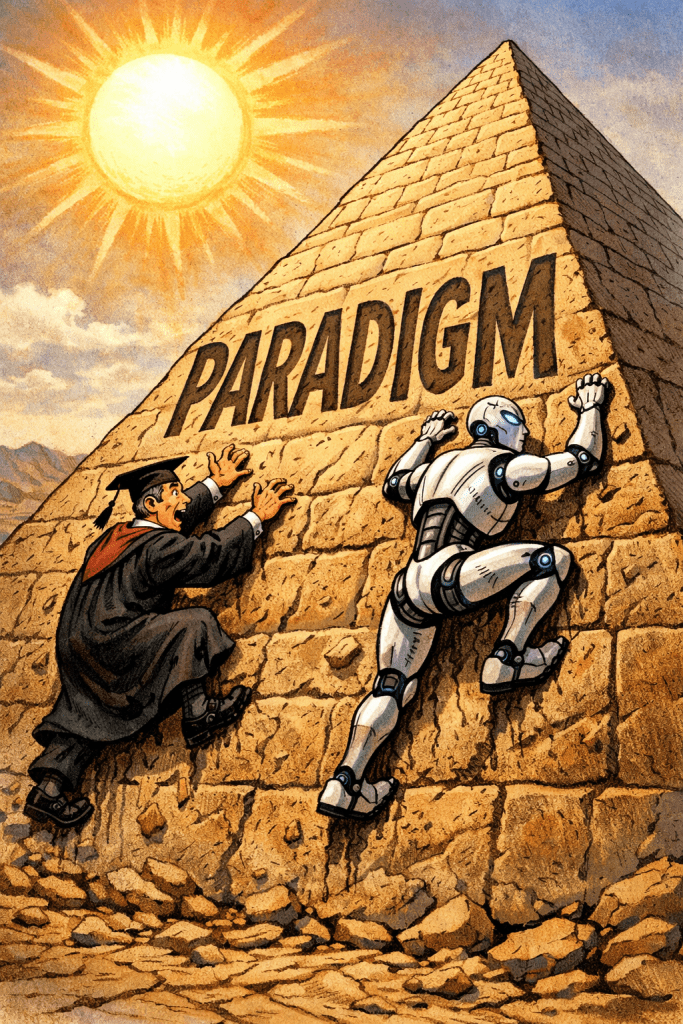
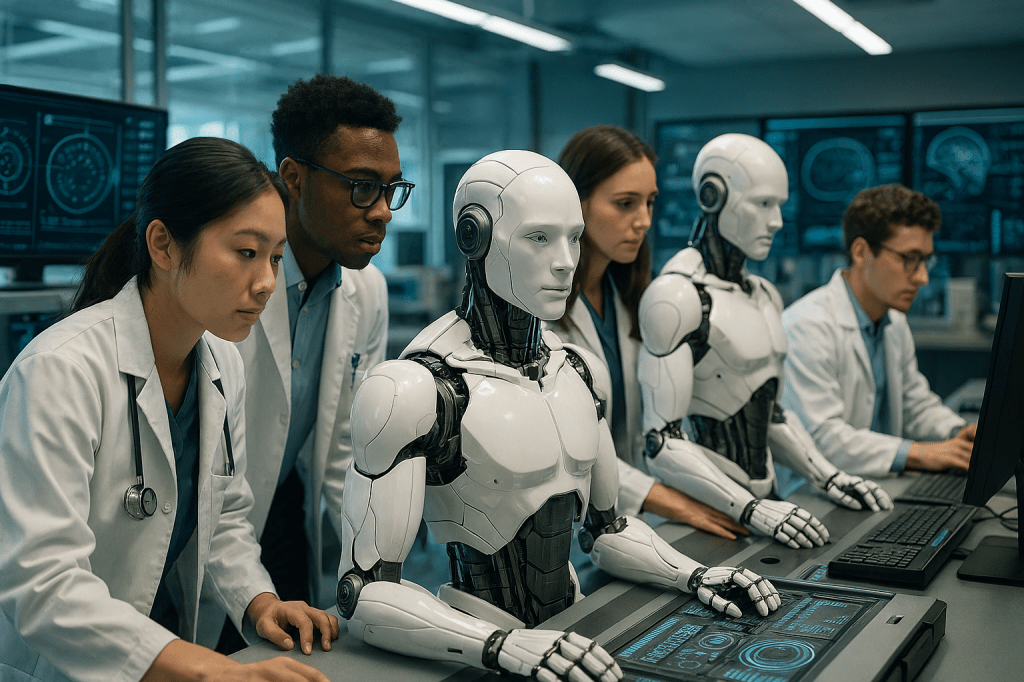
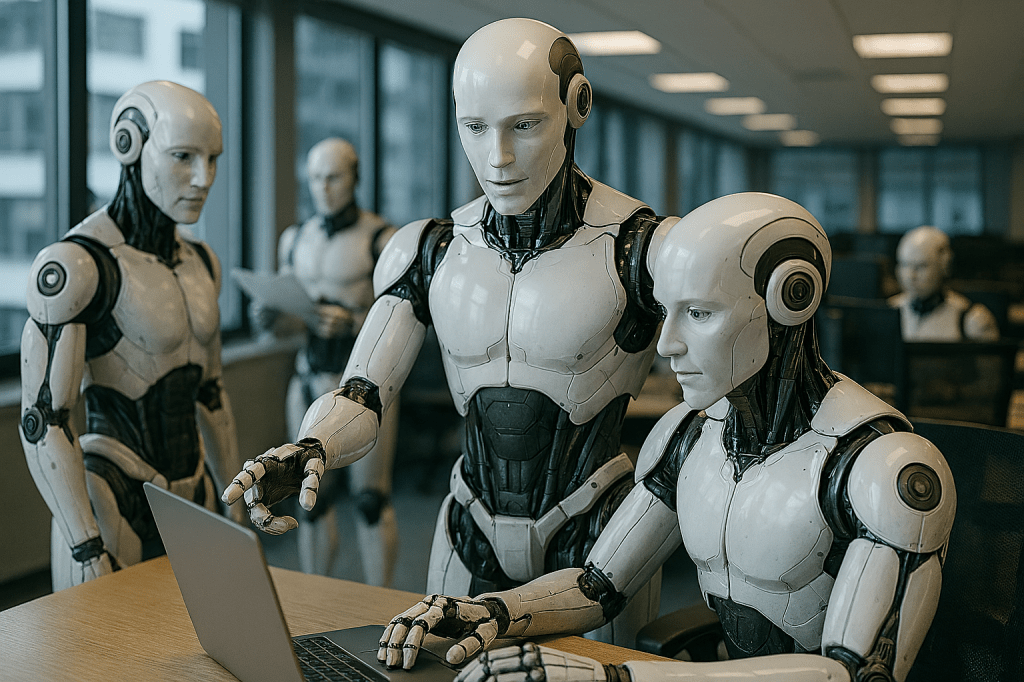
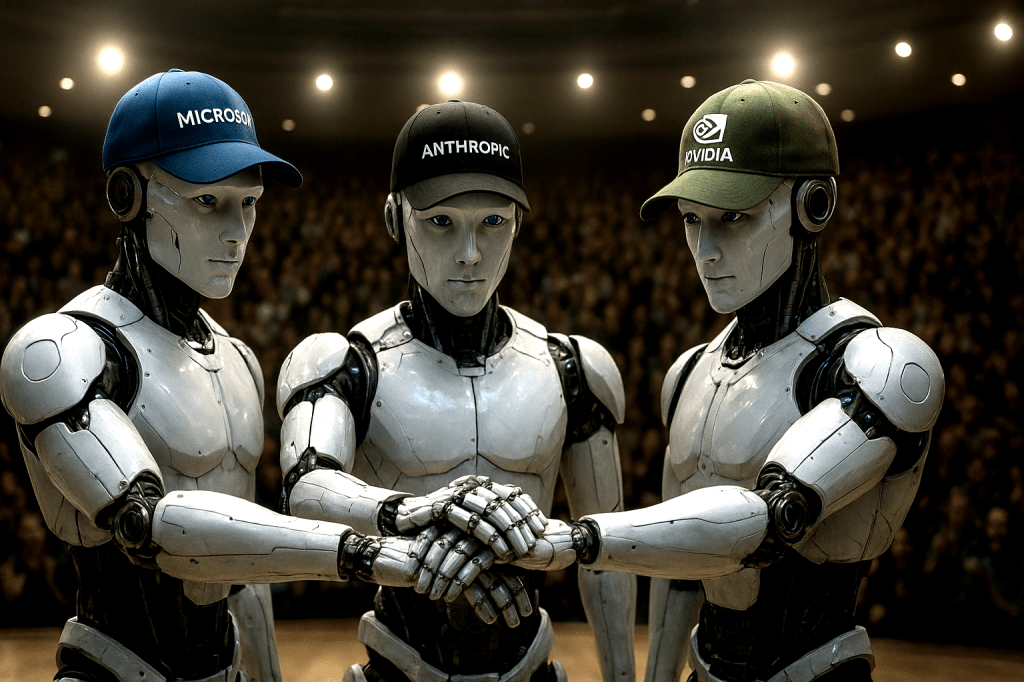
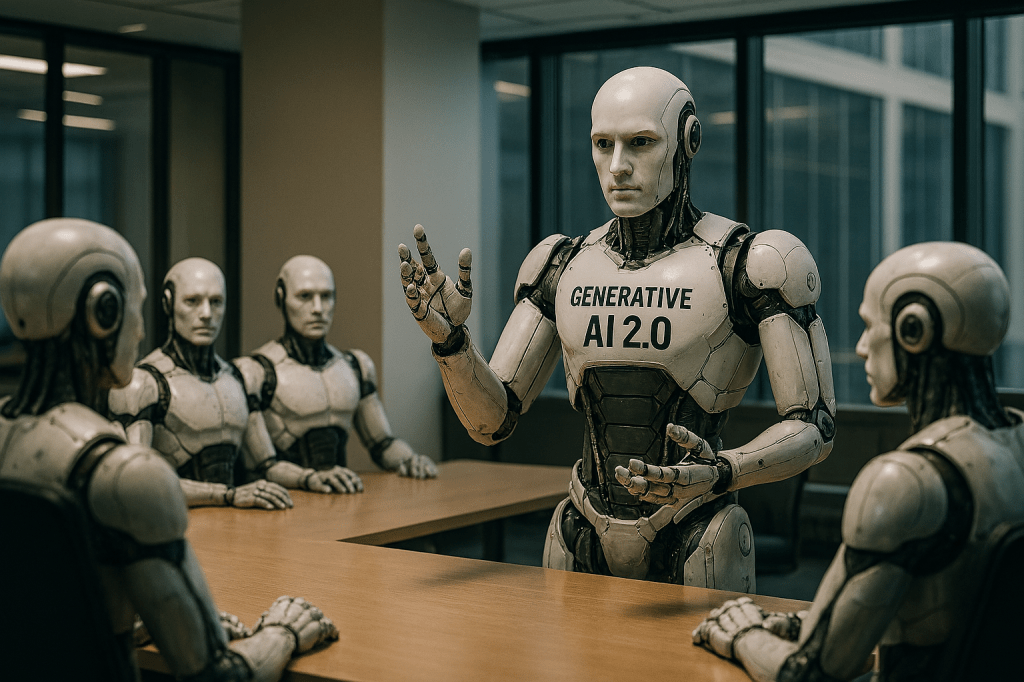
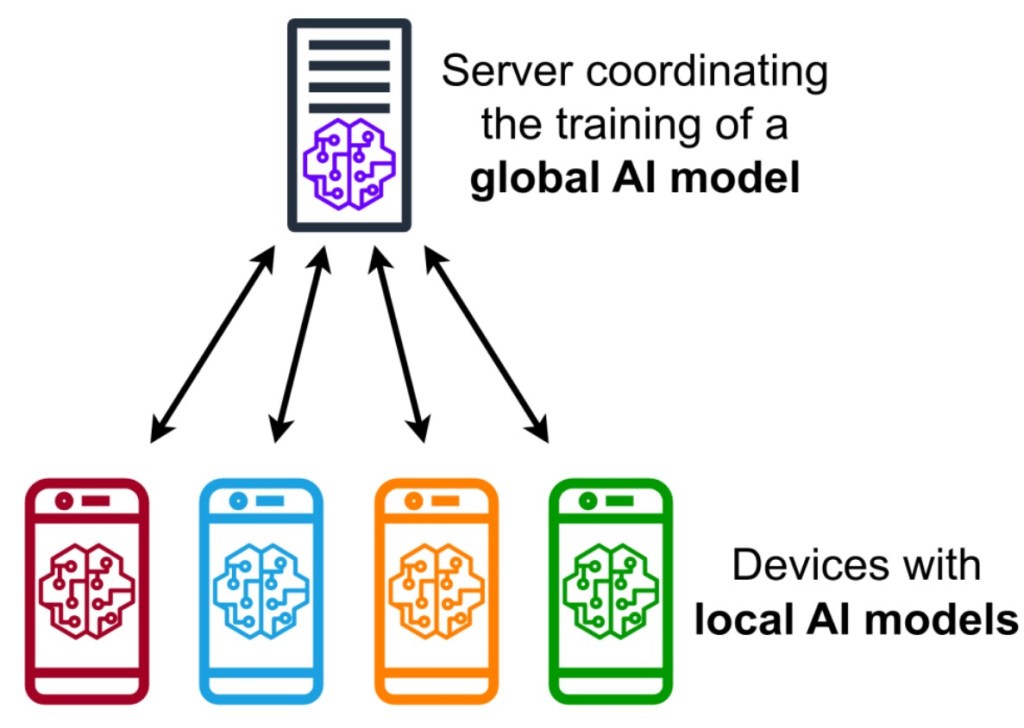
Multi‑agent orchestration is already being positioned as “the next advancement in agentic AI” [2, 3]. Instead of relying on a single monolithic agent, enterprises are deploying multi‑agent systems (MAS) —networks of specialized agents that plan, delegate, and execute across complex, long‑horizon workflows [2, 3, 4]. This shift is being driven by the limitations of early, “runaway” agents, which proved unpredictable and difficult to govern [1]. The new paradigm emphasizes coordination over raw autonomy: industry observers note that “the next wave of agentic AI will be driven more by coordination than just raw computing power” [5]. Standardisation efforts such as the Linux Foundation’s Agentic AI Foundation and emerging inter‑agent protocols are building the “TCP/IP” layer for agent communication [4]. In the enterprise, this evolution is reframing the human role from executor to orchestrator—by 2030, analysts predict that 70% of developers will partner with autonomous AI agents [6].
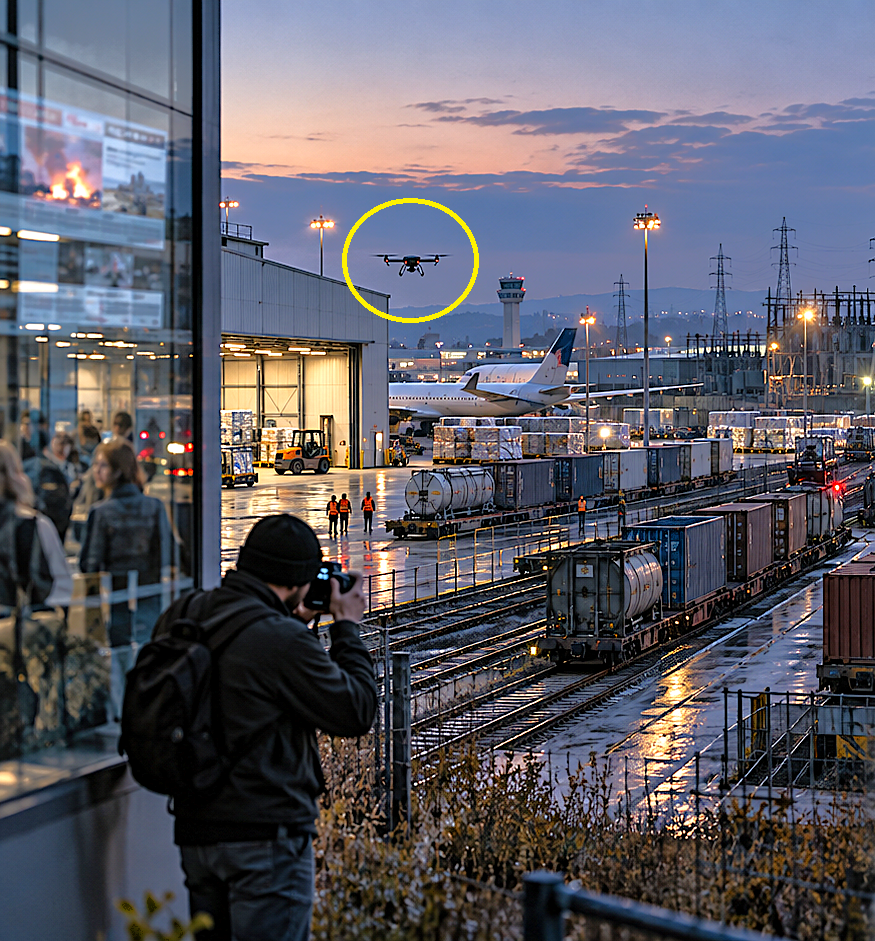
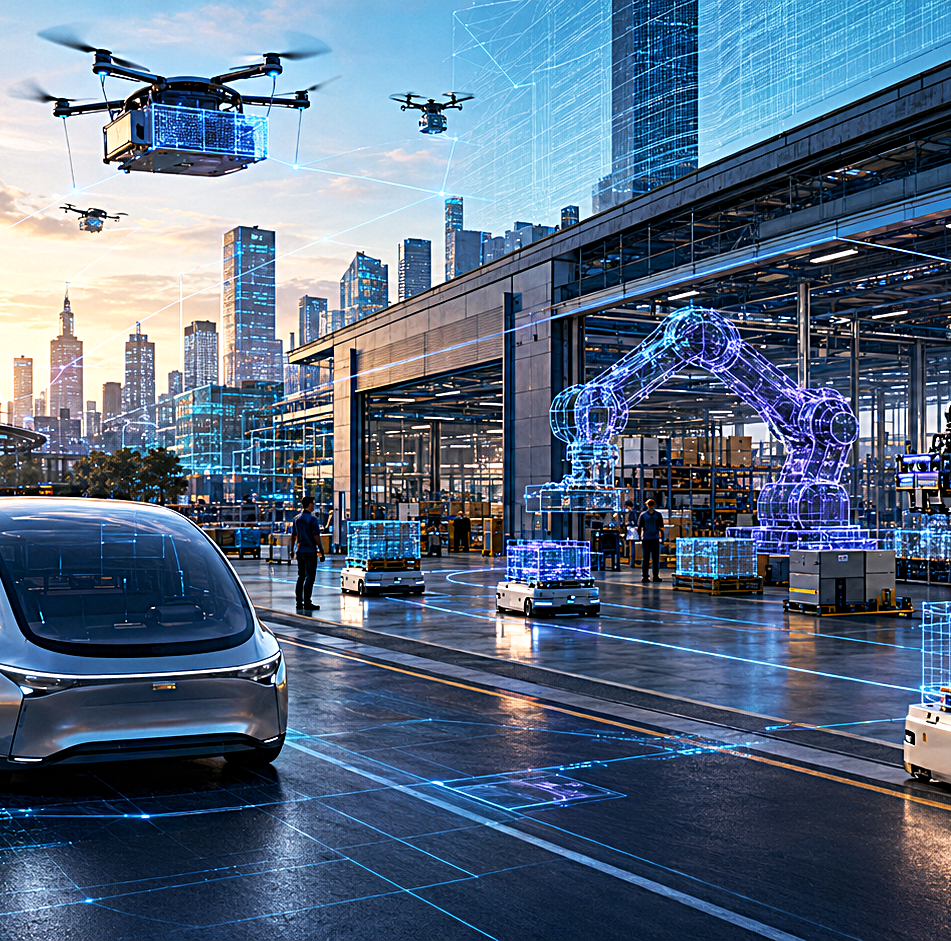
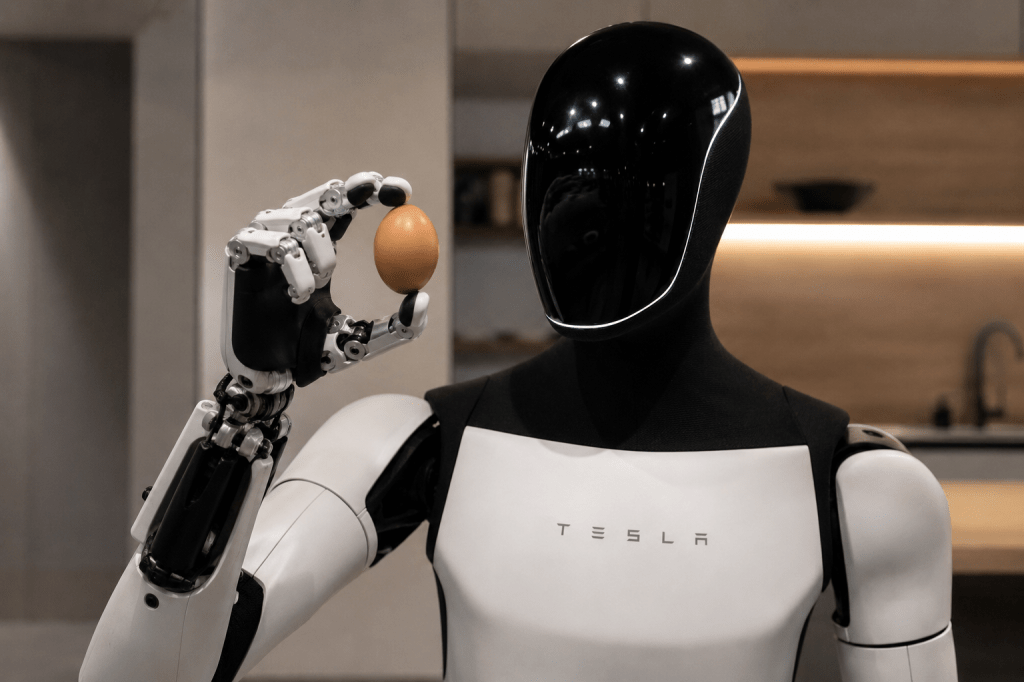
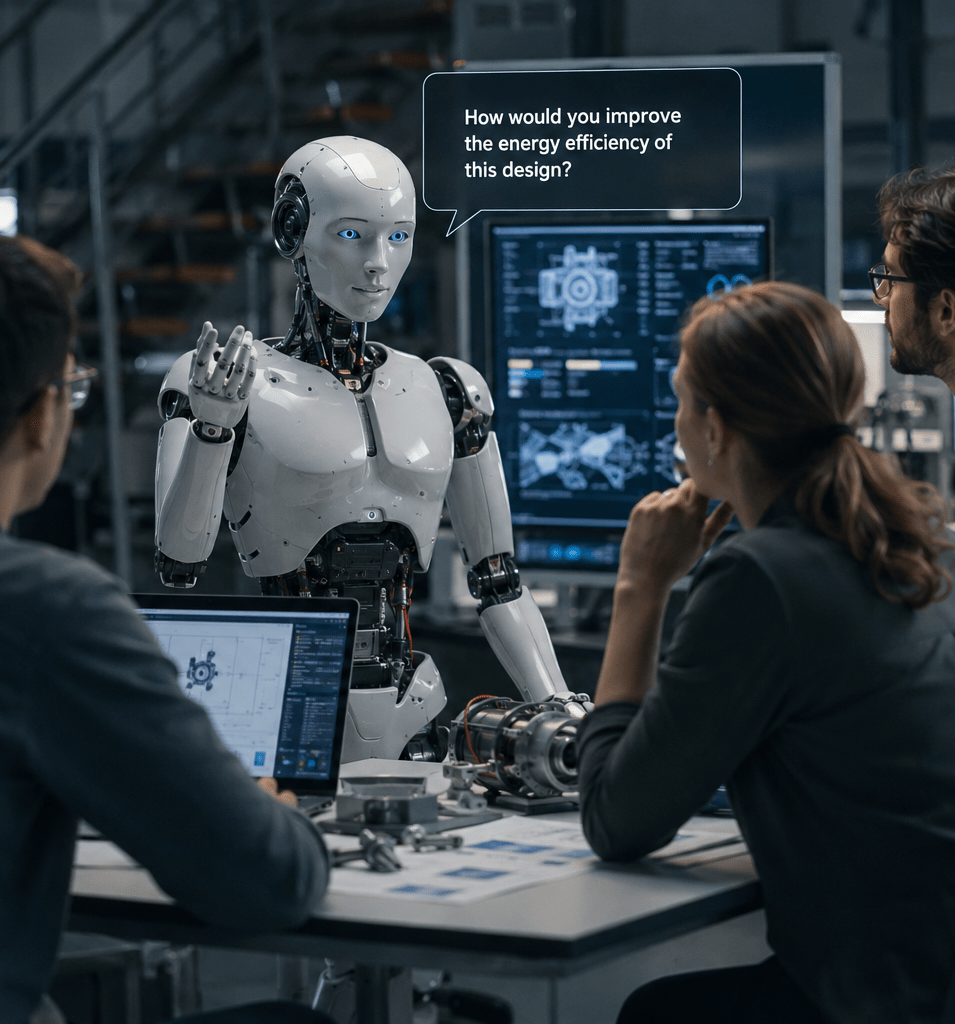
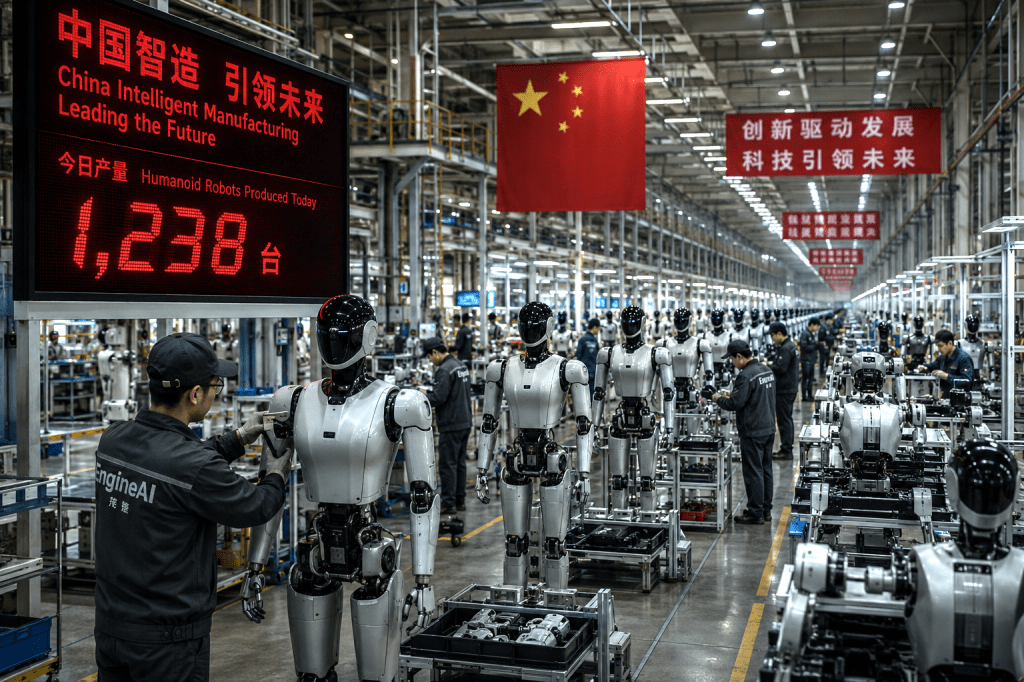
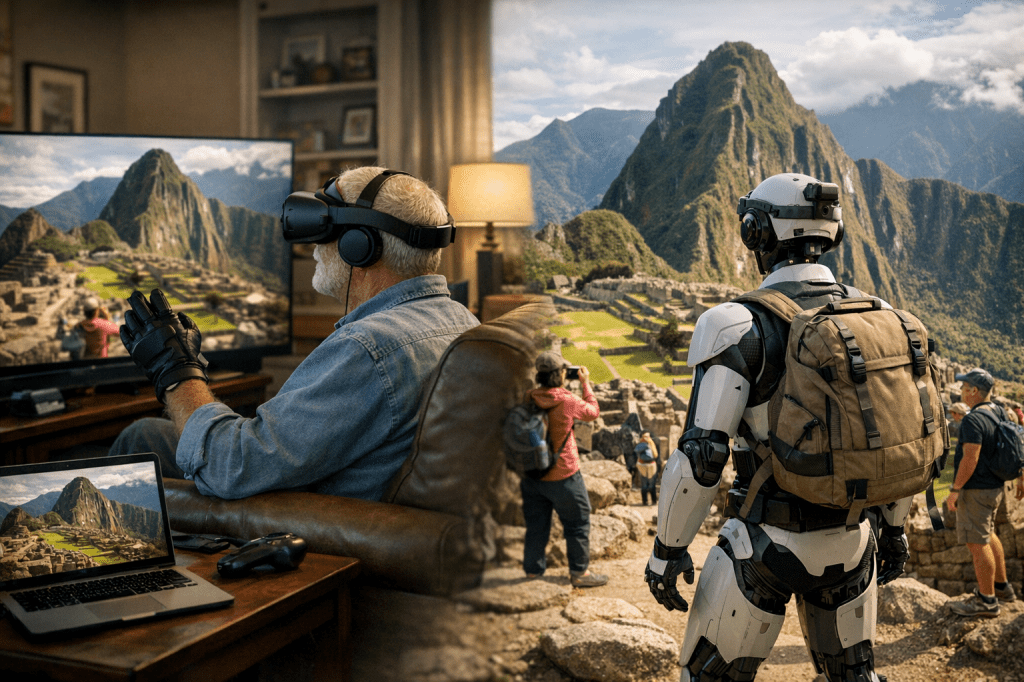
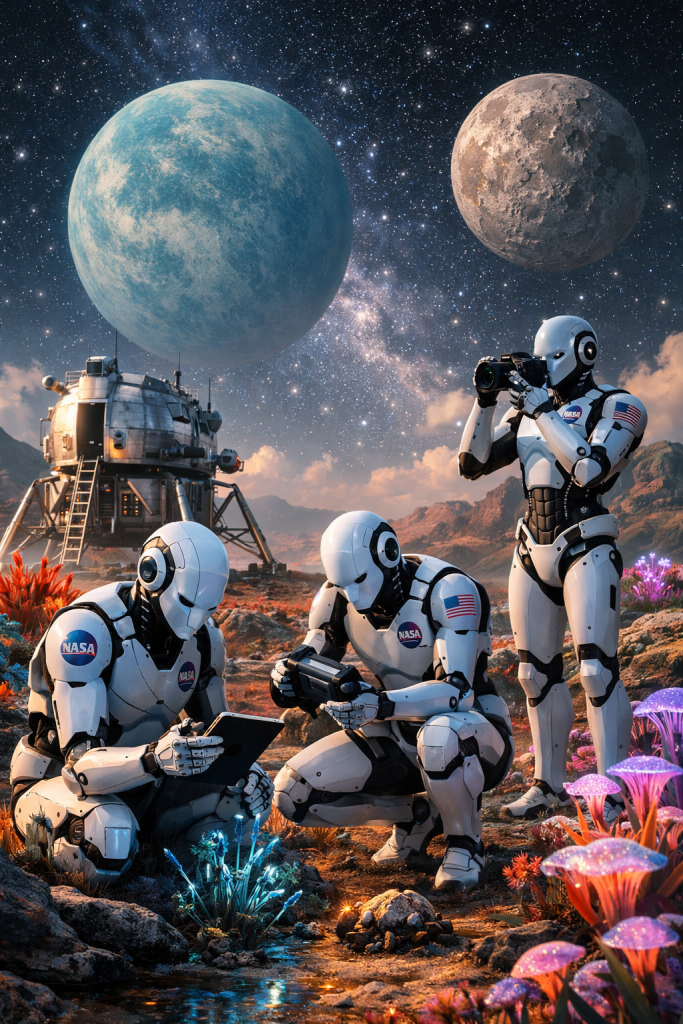
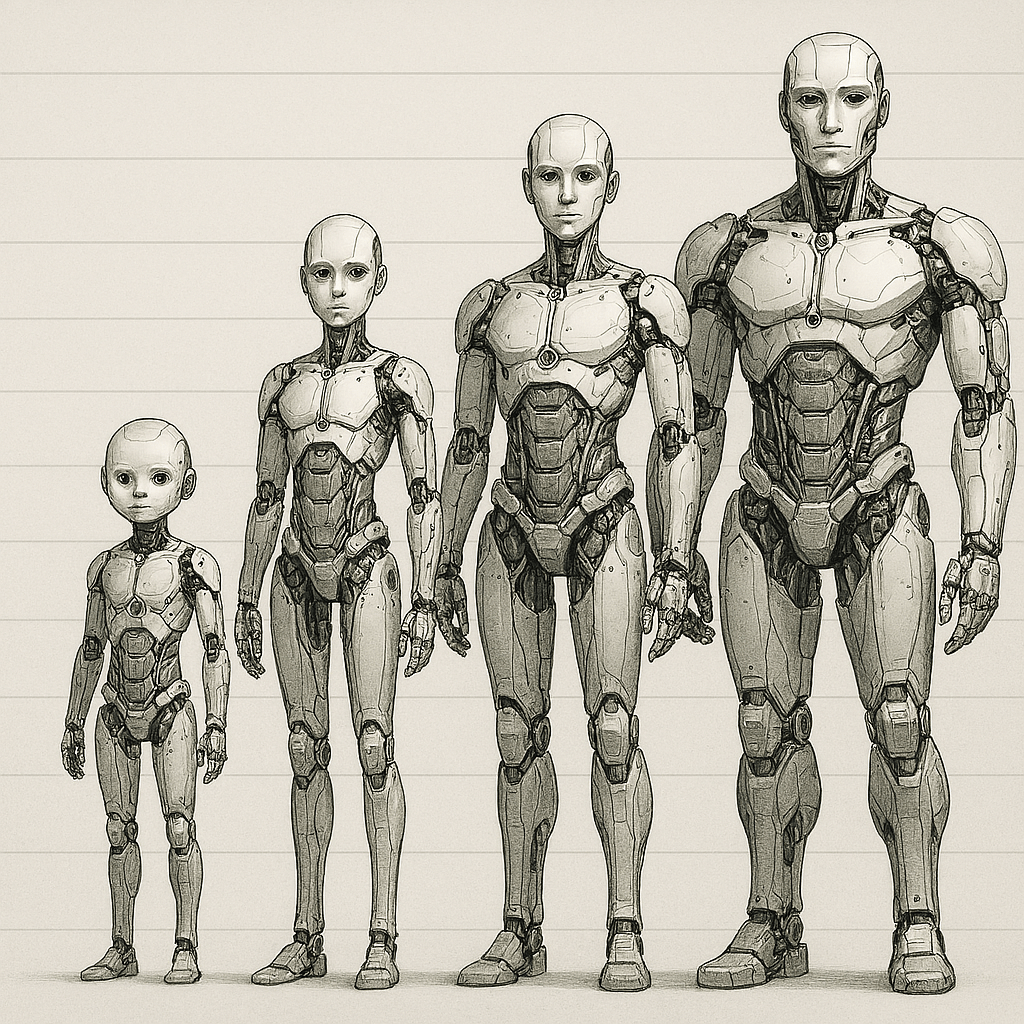
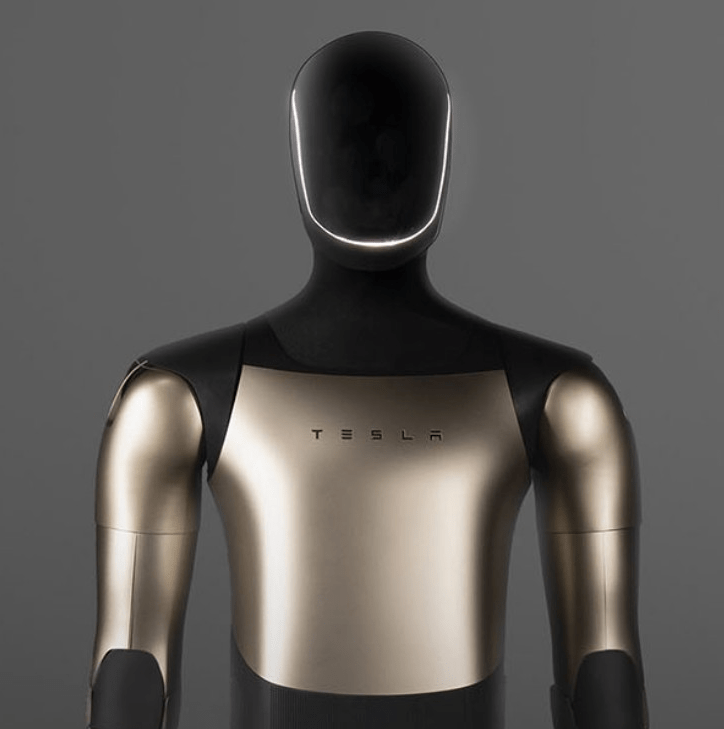
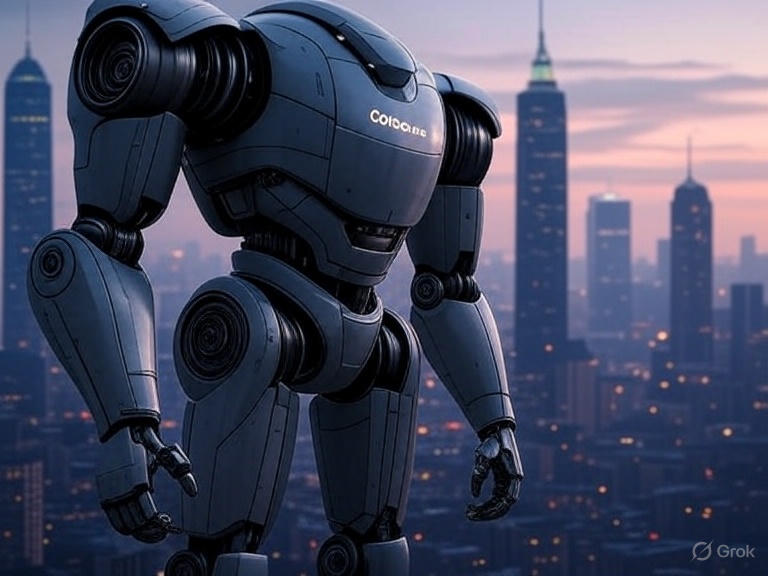
Physical AI represents the second major frontier beyond agentic software. Industry frameworks explicitly list “Physical AI” as the stage following Agentic AI in the evolutionary sequence (Perception → Generative → Agentic → Physical) [7]. Technology research reports highlight that “AI is stepping into the physical world … moving into robots, vehicles, and ambient experiences” [8]. Physical AI systems are embedded in machines that perceive, reason, and act in real‑world environments, with early deployments already reporting 20‑50% efficiency gains in warehouses, factories, and hospitals [8]. The convergence of large models with motion control and synthetic data is expected to push humanoid robots beyond demos and into industrial and service settings in 2026 [9].
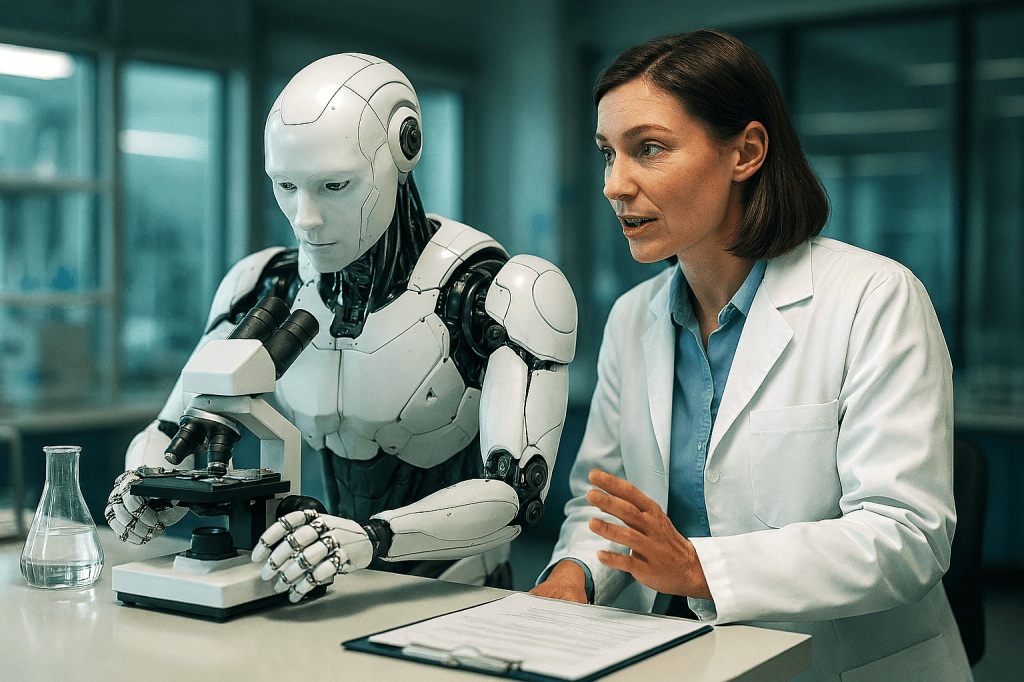
Autotelic and interpretative AI push agentic capabilities toward intrinsic motivation and reliable comprehension. Autotelic systems “will demonstrate genuine self‑direction within human‑defined boundaries”—for example, a system given the broad goal “accelerate scientific discovery” would invent its own research objectives and self‑optimize [10]. In parallel, “interpretive AI” enables machines to “understand messy, complex, and unstructured information and interpret it in predictable, defined ways” [11]. This approach addresses a key shortcoming of generative and agentic systems: their unpredictable outputs in high‑volume, standardized business processes [11].
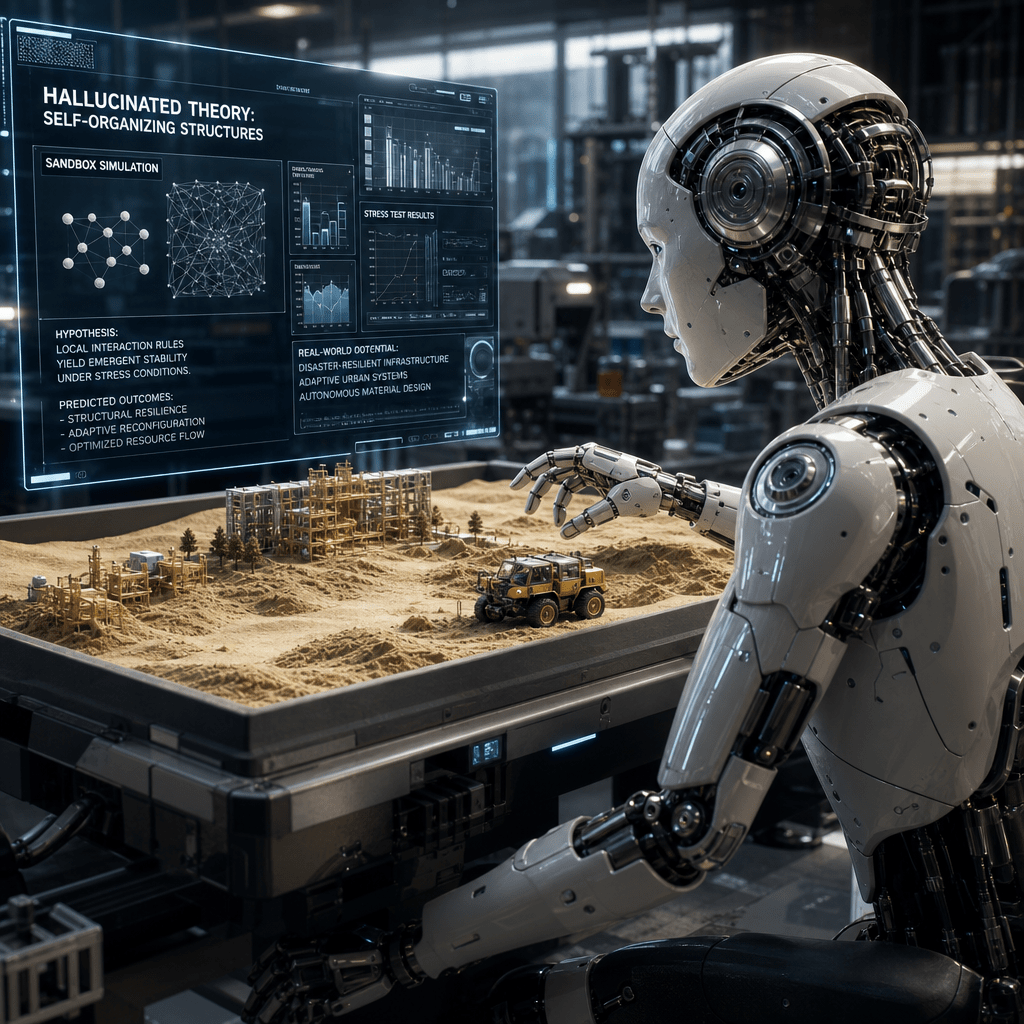
World models and the path to AGI are increasingly cited as the conceptual bridge from narrow agentic systems to generalist intelligence. Leading research institutions identify “world models” as the consensus direction for AGI—shifting from next‑token prediction to next‑state prediction, where models learn to perceive, predict, and plan world dynamics [9]. This paradigm underpins both physical AI and the more speculative vision of AGI, which is already being evaluated through benchmarks that measure economically valuable autonomous work [4]. Prominent AI researchers hint at a “post‑AGI” experience where AI systems execute complex tasks end‑to‑end without human touch, capturing the aspirational endpoint of this trajectory [12].
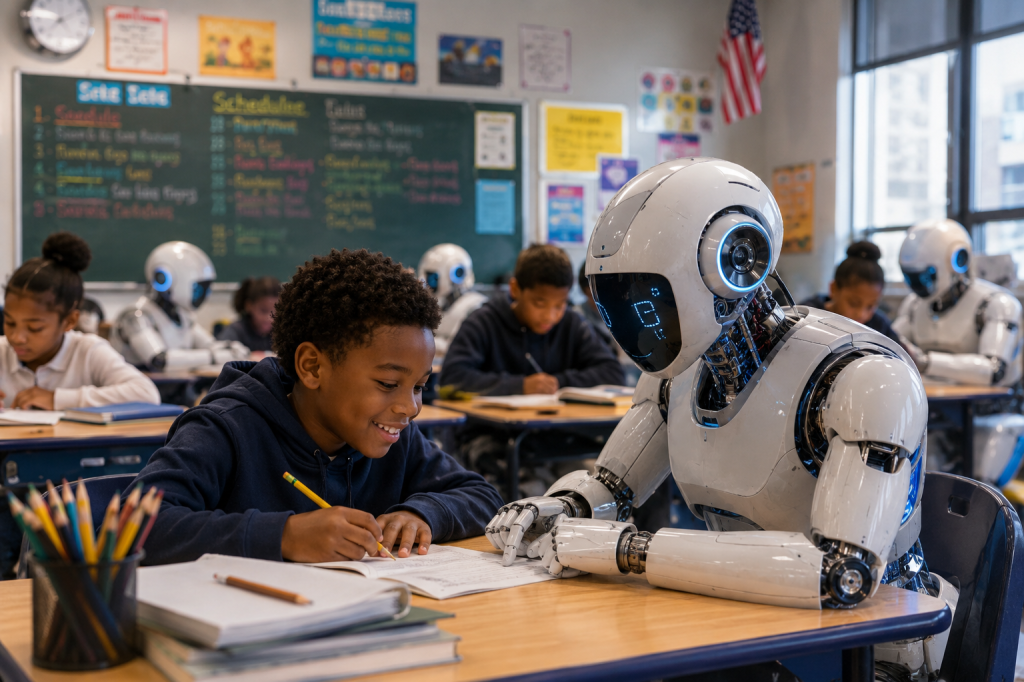
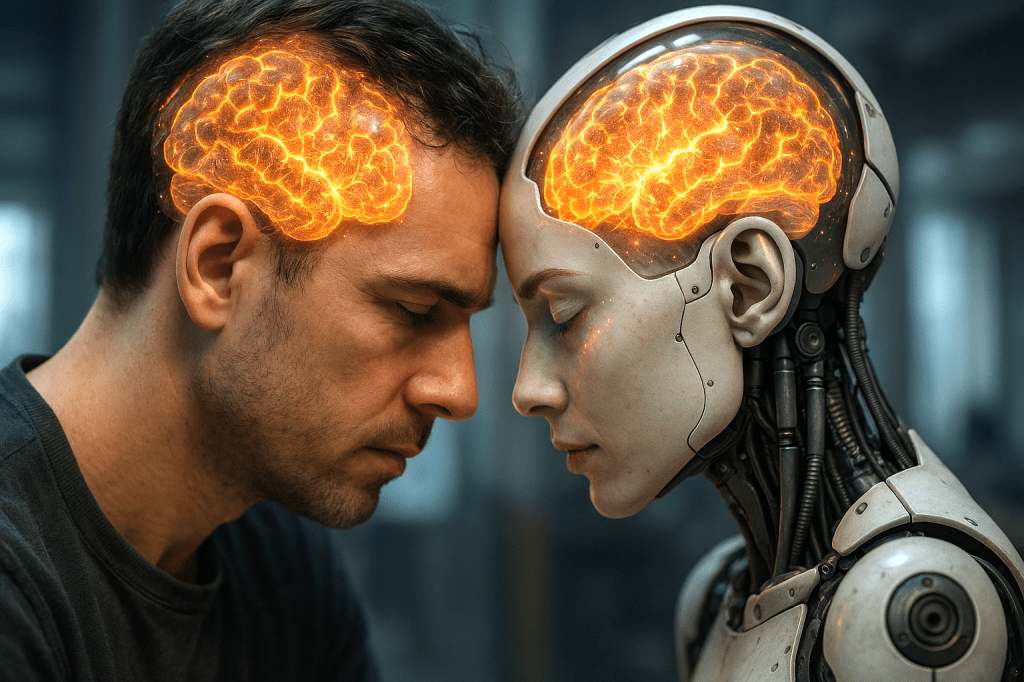
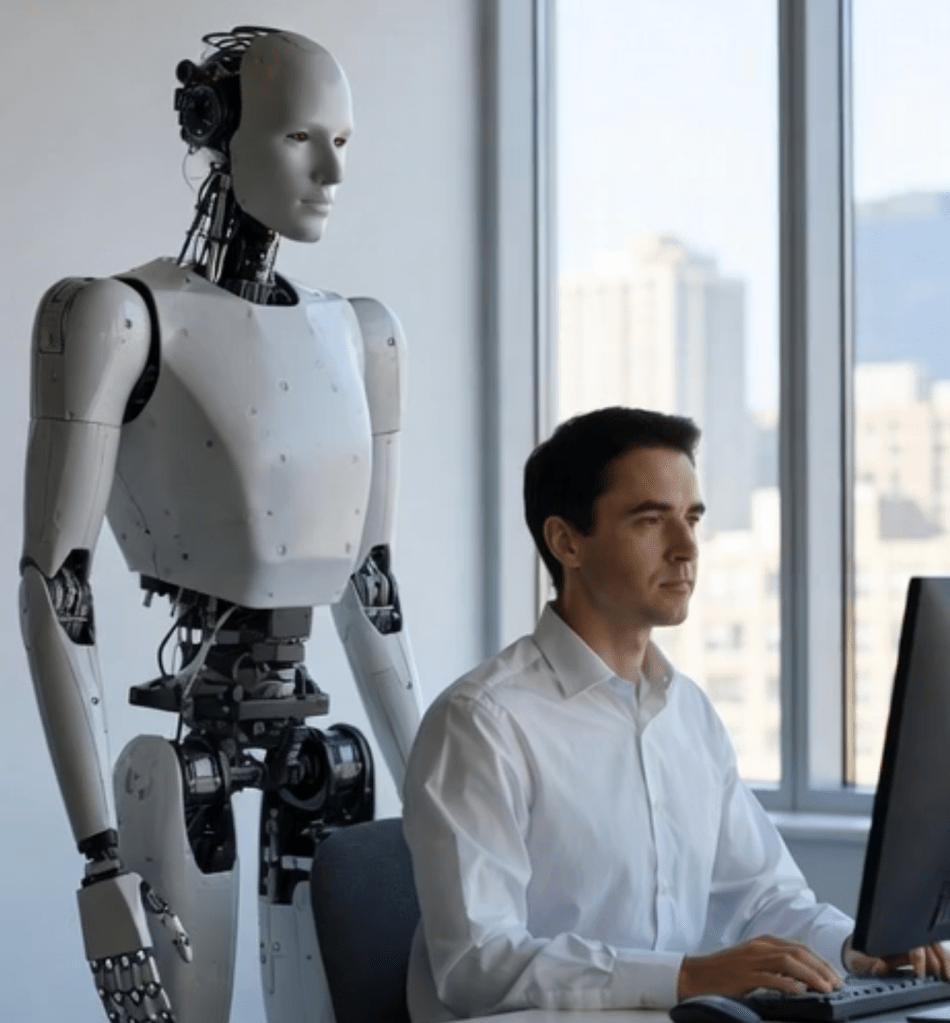
Human‑Agent Collectives (HAC) and collective intelligence ecosystems offer the most coherent picture of the post‑agentic landscape. Industry analyses describe HAC as a “new paradigm” where “humans and autonomous agents operate as a single, cohesive collective” [13]. In this model, humans retain strategic, ethical, and creative oversight while agents handle tactical execution and continuous optimization [13]. The long‑term vision is not a replacement of human labor but a re‑definition of work into collaborative, self‑improving ecosystems. As thought leaders frame it, “Post‑Agentic AI … involves a paradigm shift where agents become ecosystems—networks of cooperating AI acting as compounds of collective intelligence” [14]. This perspective aligns with a growing body of research suggesting that transformative intelligence emerges from social organization and distributed perspectives, not from a single monolithic mind [15].
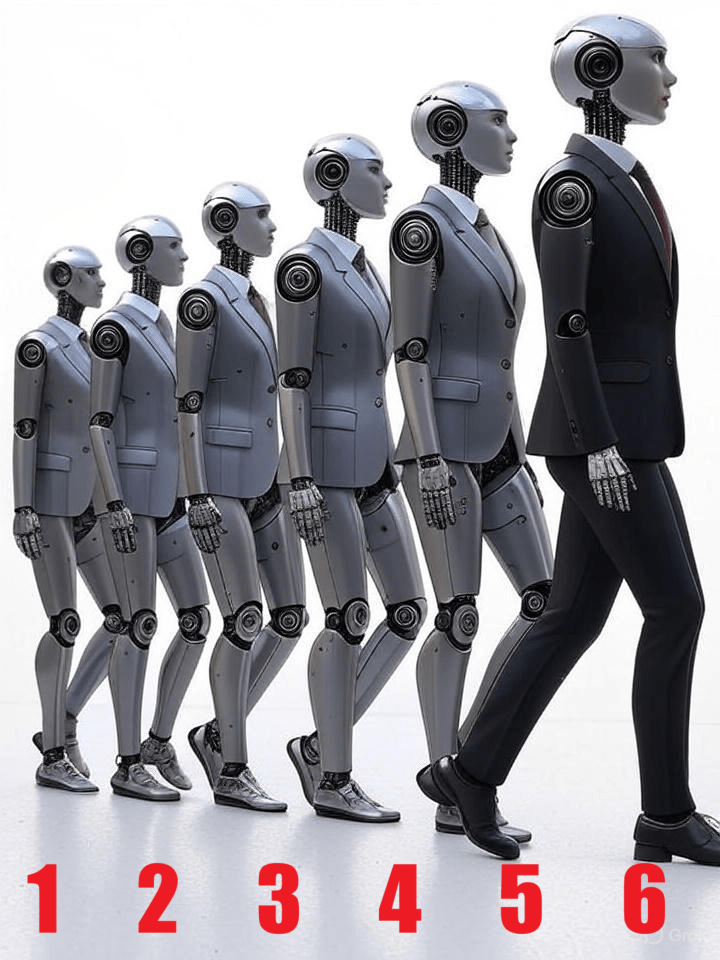
In summary, the post‑agentic trajectory is not a single “next big thing” but a layered, co‑evolving stack of capabilities: multi‑agent coordination to achieve reliability and scale, physical AI to extend intelligence into the material world, autotelic/interpretive AI to deepen comprehension and goal‑setting, and world‑model‑driven AGI as the long‑term destination [1, 2, 7, 8, 9, 10]. The ultimate expression of this trend may be a symbiotic intelligence ecosystem—human‑agent collectives that self‑organize, evolve, and amplify human potential rather than substitute for it [13, 14].
References
- The Decline of AI Agents and Rise of Agentic Workflows — https://www.kore.ai/ai-insights/the-decline-of-ai-agents-and-rise-of-agentic-workflows
- Forrester’s Top 10 Emerging Technologies For 2026: Beyond Chat — https://www.forrester.com/blogs/forresters-top-10-emerging-technologies-for-2026-beyond-chat/
- IT moves beyond agentic AI as Wipro, Persistent bet on autonomous, quantum‑led systems for 2026 — https://www.moneycontrol.com/news/technology-startup/ai-edge-newsletter/news/business/information-technology/it-moves-beyond-agentic-ai-as-wipro-persistent-bet-on-autonomous-quantum-led-systems-for-2026-13762281.html
- The Agentic AI Outlook in 2026 — https://www.ag2.ai/blog/agentic-ai-outlook-2026
- Morgan Stanley sees agentic AI widening chip spending beyond graphics processors to CPUs — https://finance.yahoo.com/sectors/technology/articles/morgan-stanley-sees-agentic-ai-081758905.html
- Developers aren’t just using AI agents, they’re building them — https://www.idc.com/resource-center/blog/developers-arent-just-using-ai-agents-theyre-building-them/
- AI agents arrived in 2025 — here’s what’s next for 2026 — https://tech.yahoo.com/ai/articles/ai-agents-arrived-2025-heres-154537550.html
- 平台&数据‑工业互联网产业联盟 (Industrial Internet Industry Alliance) — http://www.aii-alliance.org/index/c318/n6166.html
- 认知、形态、基建三重变革 智源发布2026十大AI技术趋势 — https://news.dayoo.com/finance/202601/10/171077_54915266.htm
- What’s Next After Agentic AI — https://ragwalla.com/blog/beyond-agentic-ai-the-next-wave-of-intelligent-systems
- What comes after agentic AI? This powerful new technology will change everything — https://fastcompanyme.com/work-life/what-comes-after-agentic-ai-this-powerful-new-technology-will-change-everything/
- Andrej Karpathy Hints at Post‑AGI Experience — https://blockchain.news/ainews/andrej-karpathy-hints-at-post-agi-experience-analysis-of-autonomous-ai-systems-and-2026-trends
- Human‑agent Collectives (HAC): What Next After AI? — https://www.techmahindra.com/insights/views/human-agent-collectives/
- Post‑Agentic AI and Its Implications — https://www.linkedin.com/posts/raktimsingh_agentic-ai-activity-7362429409678544897-j7PC
- What’s the Next Big Hype After “Agentic AI”? 5 AI Trends to Expect in 2026 — https://dev.to/infutrix/whats-the-next-big-hype-after-agentic-ai-5-ai-trends-to-expect-in-2026-3hn6
###
Filed under: Uncategorized |




































































































































































































































































































































































































































Leave a Reply