






By Jim Shimabukuro (assisted by ChatGPT)
Editor
[Revised 20 May 2026, 8:55am HST]
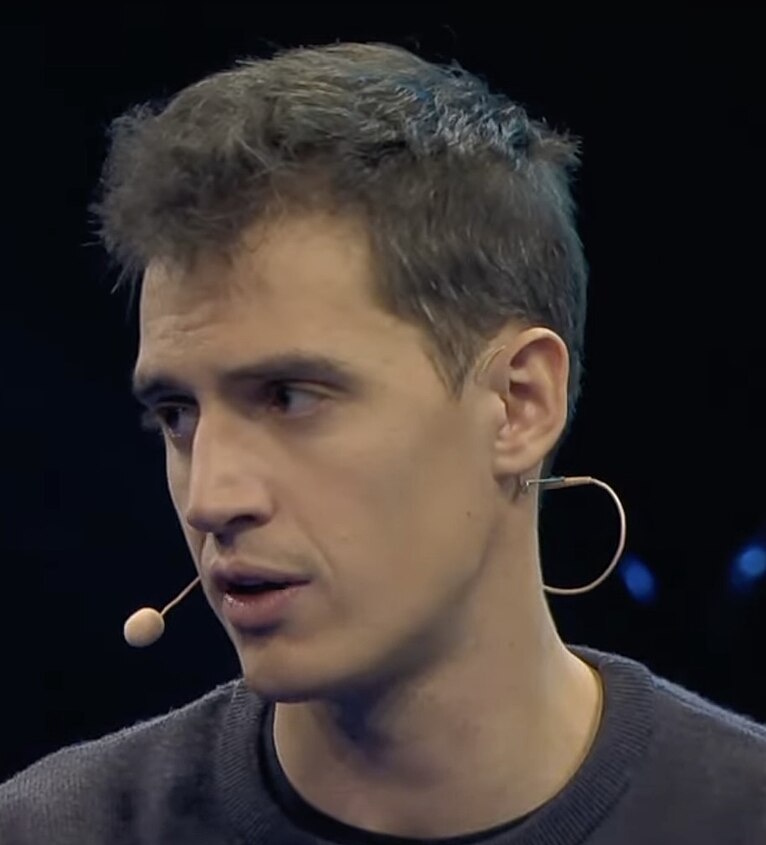
Below is a cleaned and curated transcript containing only the remarks of Jensen Huang from the Stanford Graduate School of Business event, “U.S. Leadership in AI,” held on 9 April 2026. The original event details are available from Stanford Graduate School of Business. (Stanford News)

A few of Huang’s central themes throughout the discussion were:
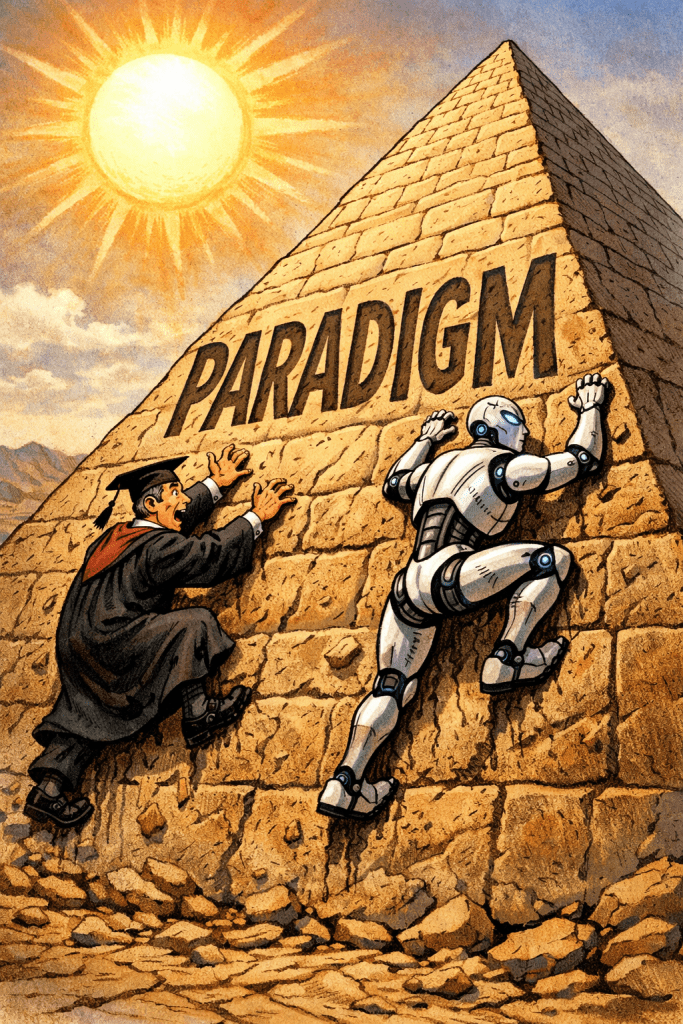
- AI as a new computing paradigm rather than “magic”
- The importance of AI adoption across society
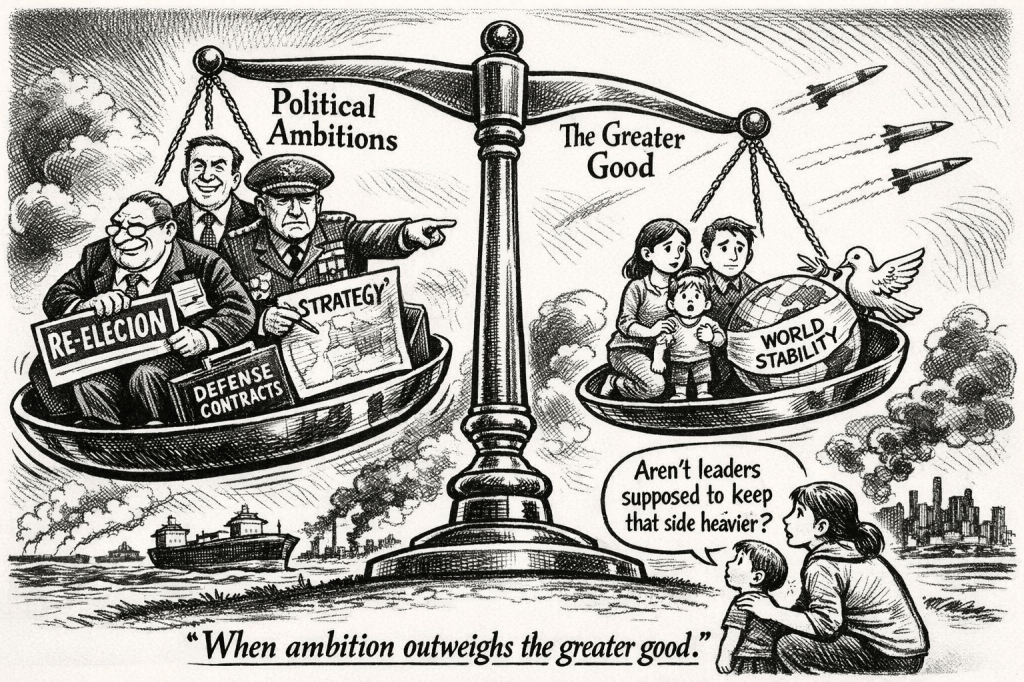
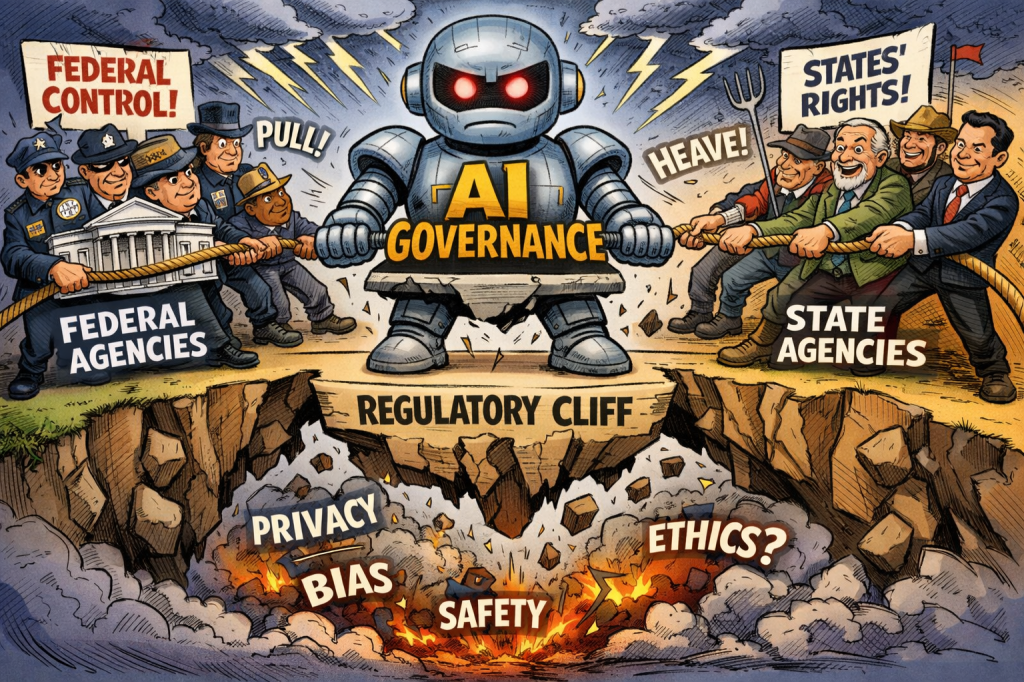
- Opposition to fear-driven overregulation
- AI-driven reindustrialization in the U.S.
- AI augmenting workers more often than replacing them
- Competition with China without xenophobia
- Immigration and global talent as American strengths
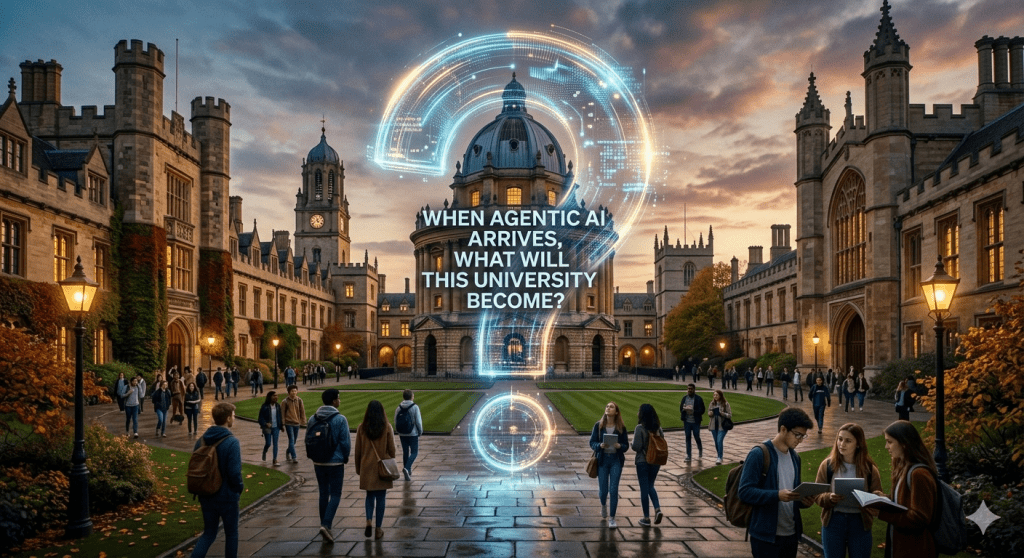
- Optimism for students entering the workforce
[These themes were echoed in Stanford’s post-event coverage. (Stanford News)]
3:49 — What AI Actually Is
“First of all, I think it’s helpful to take a step back and ask ourselves, well, what is it that we did? We have reinvented computing as we know it — how software is developed, how software is written, what software can do, and how software is processed. At its most fundamental level, in a lot of ways, that’s all we’ve done.
“Now, of course, the nature of computing also changed in the sense that the cloud, the way we did computing in the past is what was called retrieval-based computing. All of the content was pre-recorded. You know, you wrote a story, you designed something, or you recorded a video, or you recorded a speech, and you stored it on cloud databases and data centers, and based on how you clicked something, or whatever the recommendation systems are, and, you know, whatever the algorithms are, it would present that pre-recorded content to you.
“The way that computing is done today is called generative. It takes all the context, the prompt, your intentions, and it understands because it now understands, it can perceive, it can understand, it reasons, and it could do something. Write your story, summarize, write software. And so the new type of computing is generative. It therefore seems intelligent. But in the front, when you look under the hood, and you open the data center, and you open up your computer, what you see is software running on top of computers. Okay?
“And so this is a new type of software. It is incredible in that sense, but it’s no more incredible in that sense. It’s not an alien. It didn’t come from outer space.”
5:41 — AI as an Industrial Stack
“It’s not things like that. Okay? And so… So I think that, number one, now because of the nature of this, of this, this—this new computer, everything about the computer industry has changed because it’s so capable and it could do such amazing things. Everything from the nature of companies, the position of companies, and the nature of data centers went from storage of files to now generation of tokens, and I call them factories. You turn electricity into tokens, it’s manufacturing something. The classical data centers used to be a file server, now you have basically token generators. Mm. Well, that takes a lot of computers, and so now the question is, what can it do? Well, I think that it’s fairly clear to all of us that the latest rev of AI, which allowed us to go from perception to generative to now agentic systems, this next click of AI has proven to be incredibly capable. And, and we expected it to be, and it’s doing real, really, really great things. Now, the implications to all the different industries we can go into a little bit later. Um, so the first thing is to understand, number one, what is the technology? From an industrial perspective, what is it?
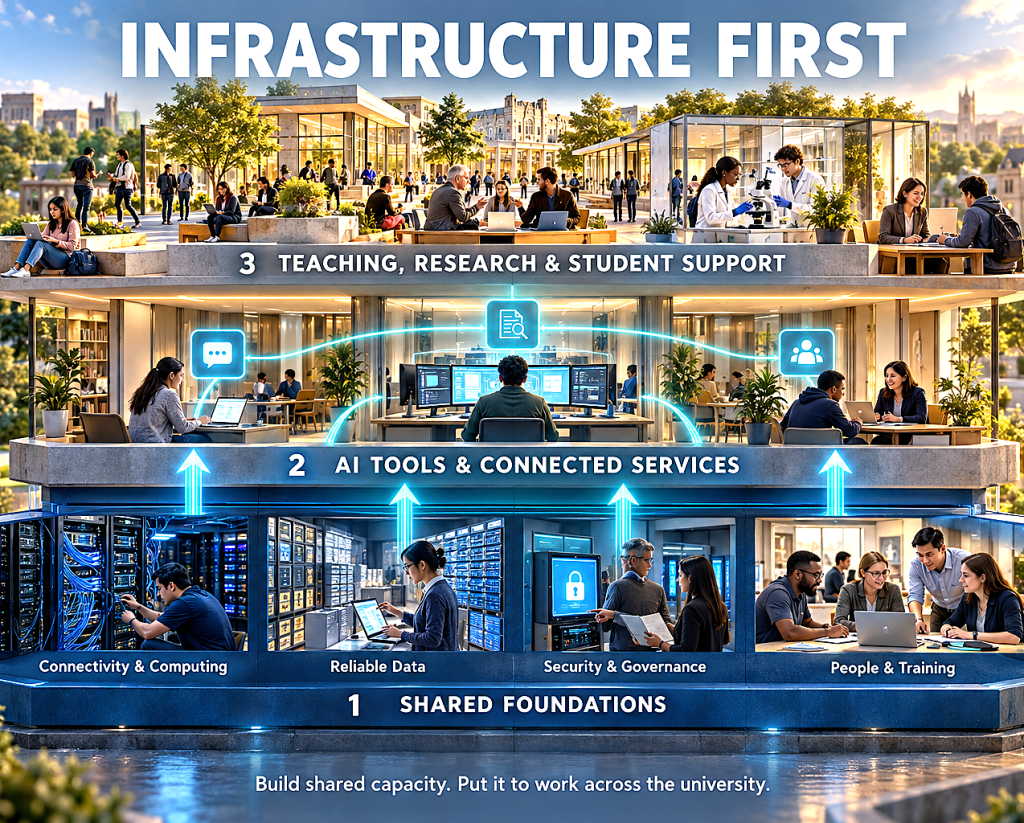
“Well, from an industrial perspective, because of the, the way I described computing, AI is essentially a five-layer stack of an infrastructure. It’s energy on the bottom, chips next, infrastructure like a cloud, AI factory, AI models, and then most importantly, AI applications. And those applications could be in enterprise software or consumer software or drug discovery or robotics or manufacturing, so on and so forth. These five layers, each one of them have industries and markets and lots of different companies. And I think the most important thing to take away is that if the United States wants to, and of course we do, want to stay in the lead, It is vital that we win in every single one of the five layers. And each one of the layers has its own issues. Each one of its layers has its own dynamics. Each one of its layers has different companies in it, but it’s completely vital that we enable every one of those layers to succeed. And then finally, the single most important layer to succeed, and if this layer doesn’t succeed, the flywheel will never happen, and if the flywheel doesn’t happen, the technology will never scale, the industry will never scale.
“The most important thing is that the application layer — is diffused into the United… into society, into our industries, and that AI is actually being used.
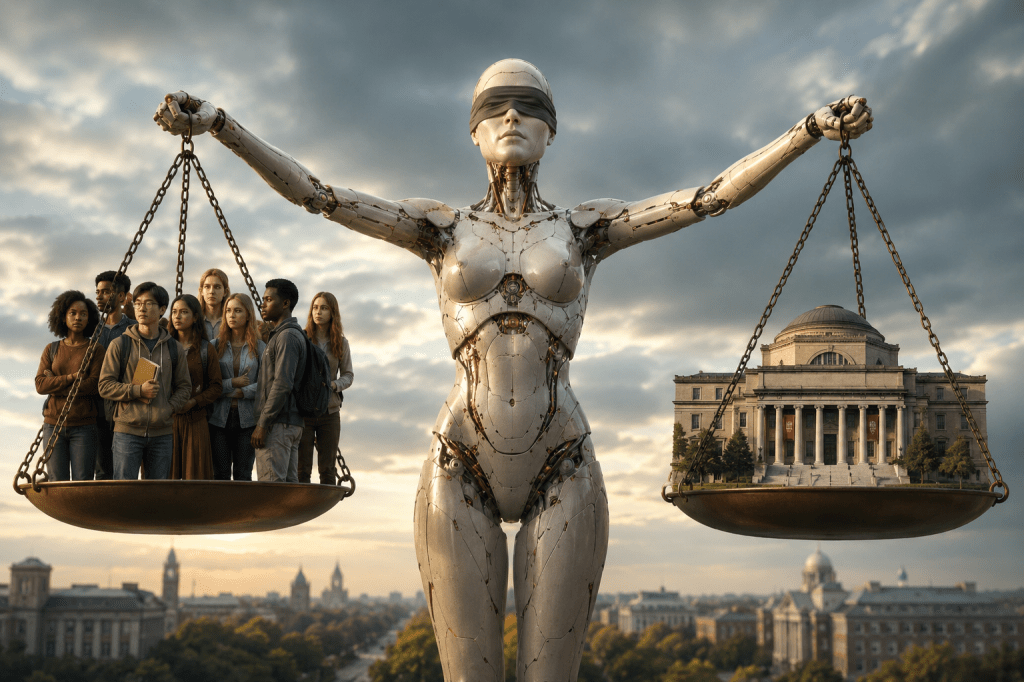
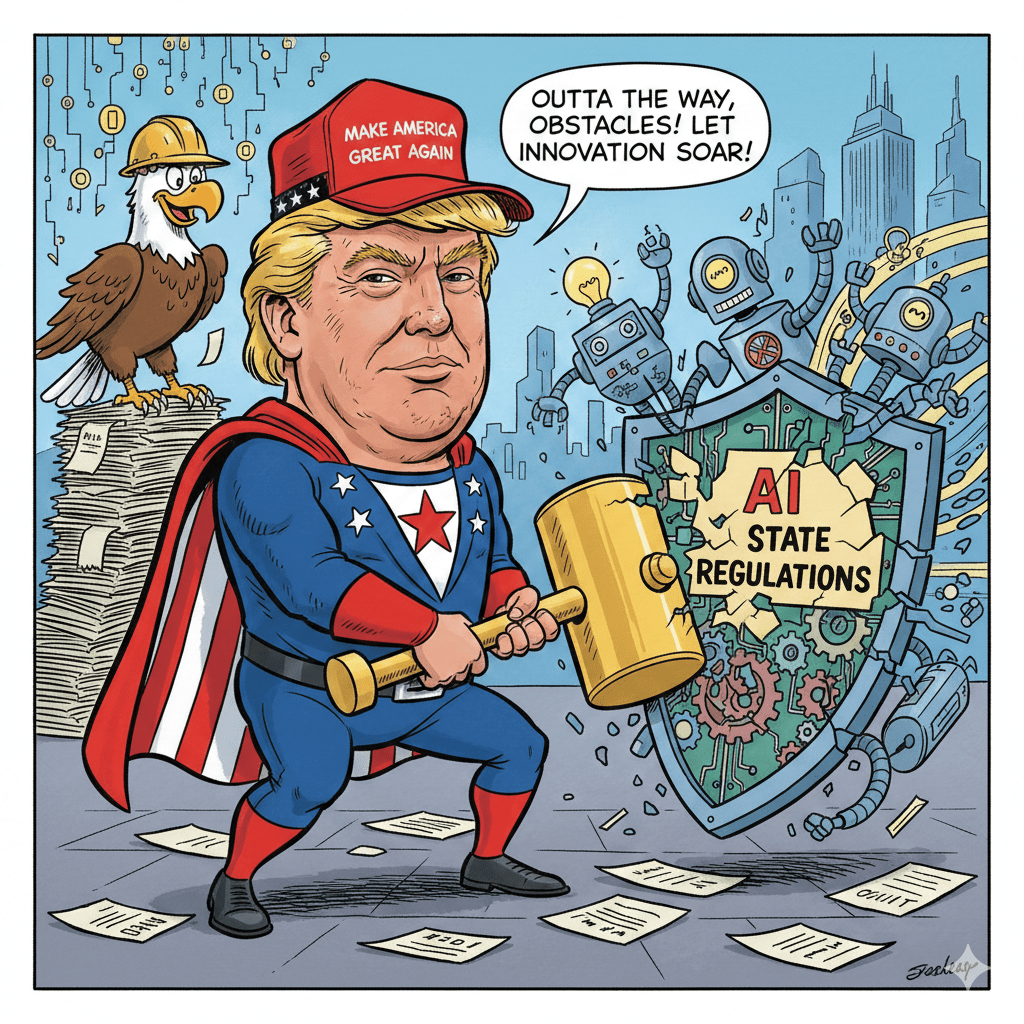
“If we, if we cause ourselves, because of anything that we decided to say, that we decided to do, and it caused our country to be so fearful of AI that we resisted it, that we regulated it out of society, we regulated it out of industry, and we slowed ourselves down, it would be, it would be really quite unfortunate that this industrial revolution that we invented, that we started, that we’re in the across-the-board leadership position at, that somehow we didn’t take advantage of.”
13:47 — AI, Regulation, and China
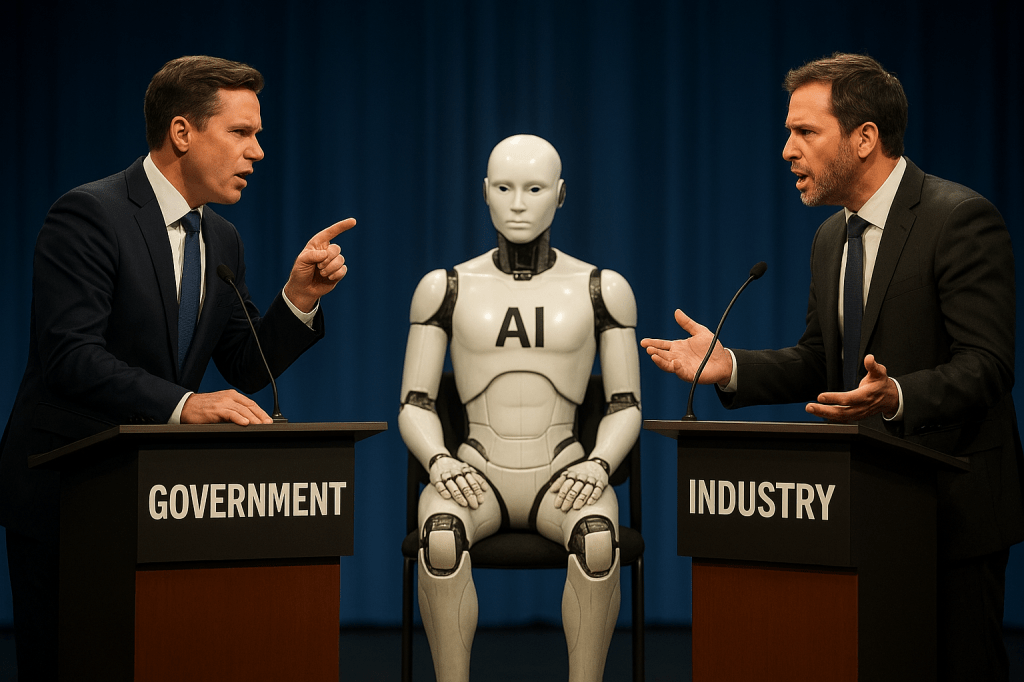
“Our situation’s a little different than most industries. I would say that the computer industry, the computing technology industry is one of America’s national treasures. Unlike all of the other industries, this industry leads the world. Between computing technology, of course, I’m at the epicenter of computer technology education. This is, this is one of our nation’s national treasures, no doubt. The other one, of course, is our financial services industry, the backbone of the world’s economy. Almost every other industry, we need subsidies. Almost every other industry, we need protection. These two, we don’t. These two industries, we thrive, we lead at a level that is, you know, hard for most people to understand. There’s no car company in history that has ever had 95% of the market. Nvidia’s position in China was 95%. And so, in our particular case, in our particular case, regulation is not about helping us succeed. This industry was very successful. And so now the question is, how does regulation affect us?
“First of all, we want the United States, of course, to re-continue to be the world leader. We’re an American company, we want America to win. The question is how to do so in the nature of technology. And this is where we have to think about what is the essence of the technology. When we talk about AI, what are we really talking about? AI is not a model. That’s not what AI is. Computing is not an operating system. You know, it’s not exactly what it is. And so it’s really important to understand what is the AI industry? How do we continue to nurture this industry so that it enhances our national security, so it enhances our economic security, so that we have a thriving industry? If that’s where policy goes to enhance those pillars, it’s really important to then take a step back and understand what is it that we’re regulating, in what way do we want to regulate in such a way that we retain and maybe even enhance our global competitive advantage. And so I think the mistakes that people have about thinking about AI is that AI is a thing. It’s an industry that’s five layers deep.
“And we have interdependencies with many of our adversaries. In order for the United States to advance our AI, we need our energy industry to grow. If we want our energy industry to grow, we need China. If we want our infrastructure industry to grow, we need China. And the reason for that is because the supply chain is so deep, we have so much dependency on them, so much of the core industrial industrial technologies that build up our industries. We just have to be thoughtful about all these different things, think about the big picture, and ultimately optimize toward America winning, but not a particular industry winning or losing.”
20:50 — Reindustrialization and Manufacturing
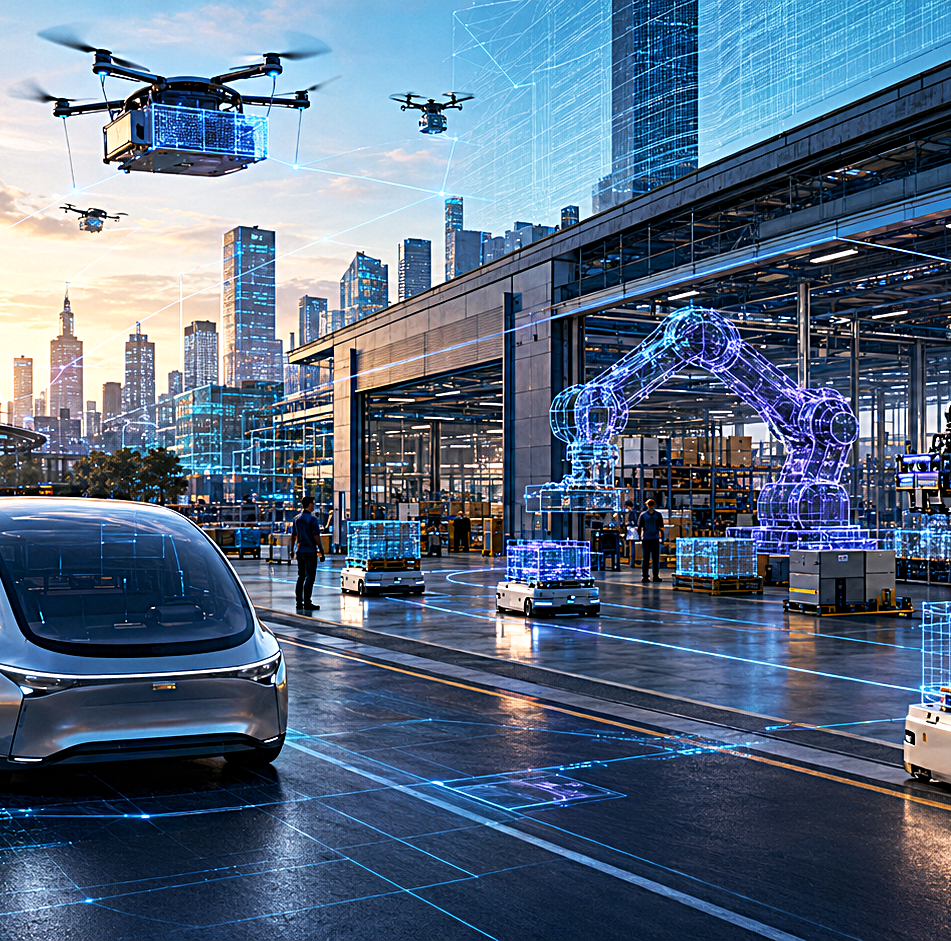
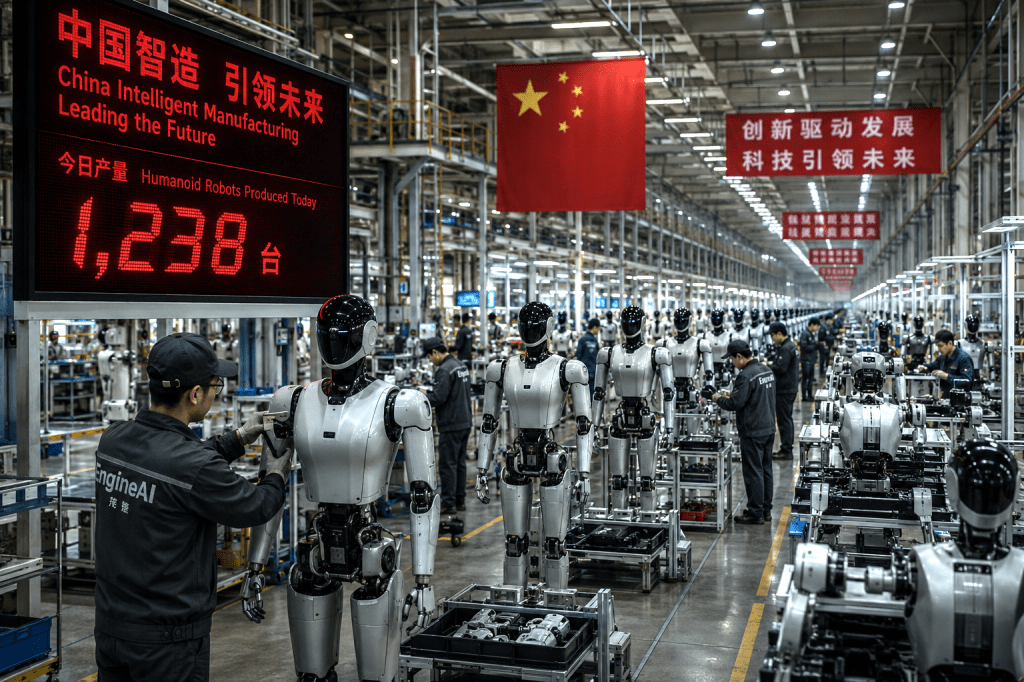
“And as Congressman knows, the AI industry’s growth is the engine that’s enabling the United States to re-industrialize chip manufacturing, computer manufacturing, and building all these AI factories. We are re-industrializing the United States. We’re creating so many manufacturing jobs in plumbing and construction, electricians, fine tool outfitters. Their salaries are doubling, tripling.
“It’s fantastic, but we need a thriving economic engine, a really, really strong, thriving economic engine so that American companies can afford to invest in the United States. We’re going to invest half a trillion dollars in setting up manufacturing of chip plants and computer plants here in the United States. It’s not possible if we don’t have a thriving business. Sure. And so one of the ways is to lean into this and help diversify our reliance of manufacturing and bring it on shore, create a much more balanced economy.
“You know, we can’t just be all carbs. I mean, our company, our country needs to have a great labor force in information, but also in manufacturing, labor, and the crafts. And so we have the opportunity now with a thriving industry to do that. And so everything that we can do to keep that industry, keep the industry thriving is really a good thing to do.”
27:33 — AI and Jobs
“Well, I say to everybody. All right. I say to everybody, ‘Move to California, don’t leave. It’s the highest taxes in the world, but it’s okay.’ But the weather is great.
“First of all, I think the narratives of AI destroying jobs is not going to help America. Yeah. First of all, it’s just false. Of course, with every technology, and every single day that goes by, jobs of the past are changed.”
28:00 — The Radiologist Example
“At the beginning of the AI revolution, one of the smartest and most influential computer scientists, and one of the fathers of AI, modern AI, said that in ten years’ time, the one job you don’t want is radiology. And the reason for that is in a decade, AI is going to completely revolutionize radiology. It will permeate every aspect of it. It will automate radiology and reading scans. Radiologists will be obsolete. This is the one job you shouldn’t go after.
“Well, a decade later, he was completely right. AI has completely permeated every aspect of radiology. Every single radiology scan is now assisted by AI, and the number of scans that are being studied by AI has gone through the roof. He’s completely right.
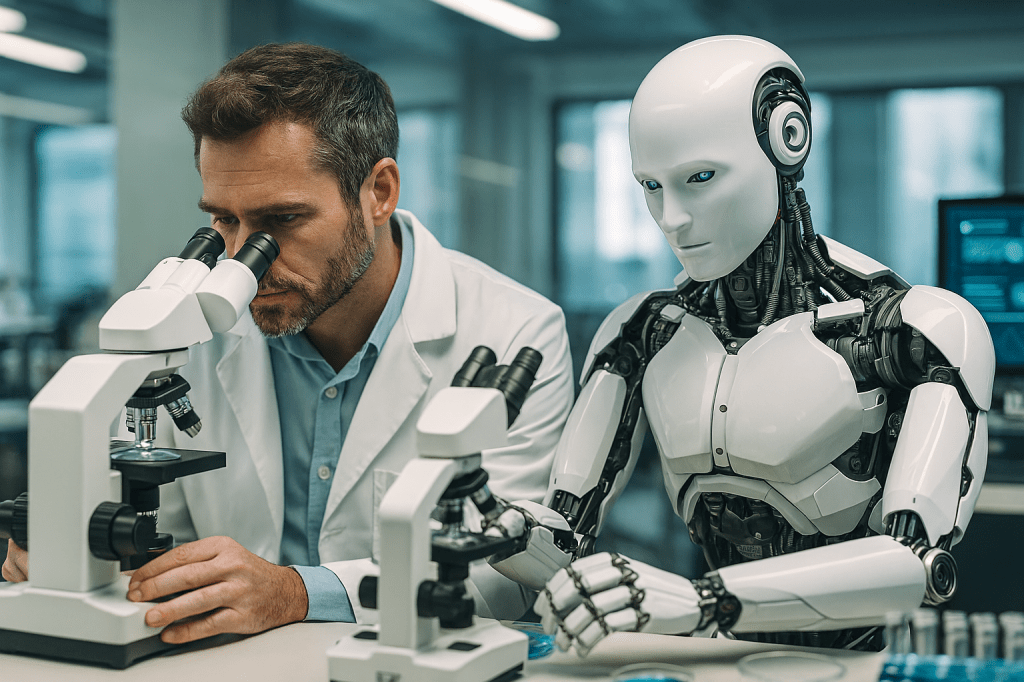
“The part that was exactly opposite is the number of radiologists increased. And so the question is, why is that? It makes absolutely no sense whatsoever that the task that the radiologist does, radiology, was completely automated, and why would they need more radiologists? And the reason for that is obviously very clear. And most, you know, mature people, when you think through it, your job, the purpose of your job and the tasks that you do in your job are related but not the same. And using myself as an example, if they were the same, then somebody would observe that what Jensen does really for a living is typing and talking. And typing and talking have both been automated to a superhuman level by AI. And yet I’m busier than ever. I’m busier than ever. And so I think the first thing is to separate those two ideas. Now, what’s amazing is this. Then you say, “Why did I say we actually did harm?” Well, telling people who want to go into radiology that the future radiology is dead caused the number of people who are developing a career in that field to decline. And so now look what happened. We need more radiologists than ever, and we don’t have enough. The purpose of a radiology is to help diagnose disease, work with patients, work with doctors, diagnose disease. They’re able to admit more patients, study, scan, do more scans, do a better job with healthcare.
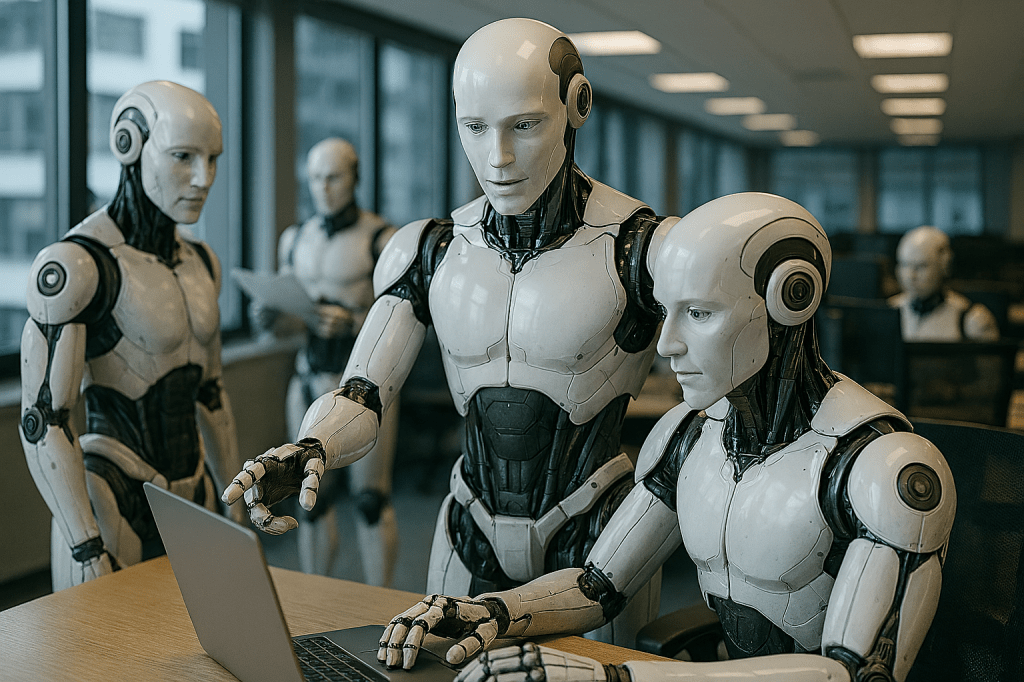
“The hospitals are making more money. They notice the radiology department is doing incredibly well. They hire more radiologists so they can increase their revenues, take care of more patients. That flywheel is only sustainable if we have radiologists, software engineers. Somebody said that AI is going to destroy all of the software engineering jobs. Well, as it turns out, we now have agentic AI inside NVIDIA. It’s everywhere. Every single software engineer is using it. And the one thing that you will observe, two things you observe. Number one, the software engineers who know how to work with AI are the most popular software engineers.”
29:32 — AI and Software Engineers
“The software engineers that know how to use AI, know how to use agentic systems, working with agentic systems, are the most popular and the most successful. Number two, the software engineers are busier than ever. And the reason for that is because back then, they used to have an idea and they would code it, and it would take time to code. Now we have an idea, it takes no time to code. Now, all of a sudden, the computer, the company is waiting for you for the next idea. So you’re in the critical path all the time. And so what we see is agents are contacting software engineers perpetually in text. What’s the answer for my next thing? What’s my- What’s the answer? What do you want to do now? I just fixed that. What’s next?
“Your agents are harassing you, micromanaging you, and you’re busier than ever. And yet our company is able to do more. We’re doing things faster. We’re doing it at a larger scale, we’re thinking about doing things that we never imagined.”
32:18 — “A Trillion Lines of Code”
“And so here’s the flaw. The fundamental flaw, and it drives me nuts that it’s not obvious. The fundamental flaw is that there are people who think that NVIDIA has to write, we have to code, pick our favorite number, a billion lines of code a year. That if we just finish coding one billion lines of code, job done. That’s the definition of a year. And so if we have AI automate that one billion lines of code, and instead of having ten thousand people do it, it only takes one thousand people to do it, all of a sudden, nine thousand people are unnecessary. Well, it turns out that a billion lines of code was all we could do with those many people in the time that we had. I have dreams to write a trillion lines of code.
“And so the fact that we now have AI assistants help us, we could explore more space, do better work, do things at a greater scale, do things more cost-effectively, do things better. And so the jobs didn’t disappear. The task was automated. Now of course, there are some jobs and the task is exactly the same, and those, those jobs where the context doesn’t matter, you know, the world’s always exactly the same, then I think those jobs will be affected. But it is very likely that overall, this is not even, you know, with all technology evolutions, it’s not even, but overall my sense is, my belief is we’re going to create more jobs in the end. There’ll be more people working at the end of this industrial revolution than at the beginning of it. Just like at the end of the last one, the beginning of this one.”
36:03 — “You Won’t Lose Your Job to AI”
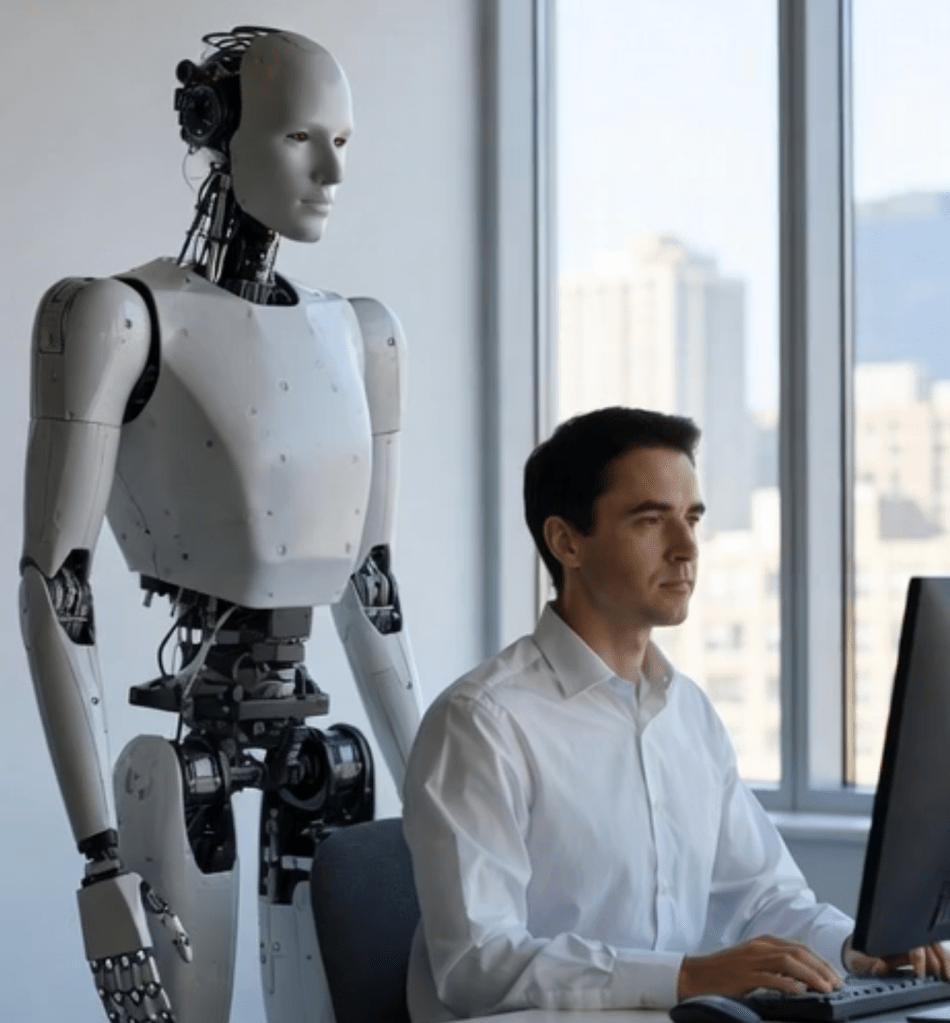
“There’s no question that bringing everybody along is really the single most important thing to do. And the fact of the matter is, it is unlikely most people will lose a job to AI. It is most likely that most people will lose their job to somebody who uses AI. And so we have to make sure everybody uses AI.
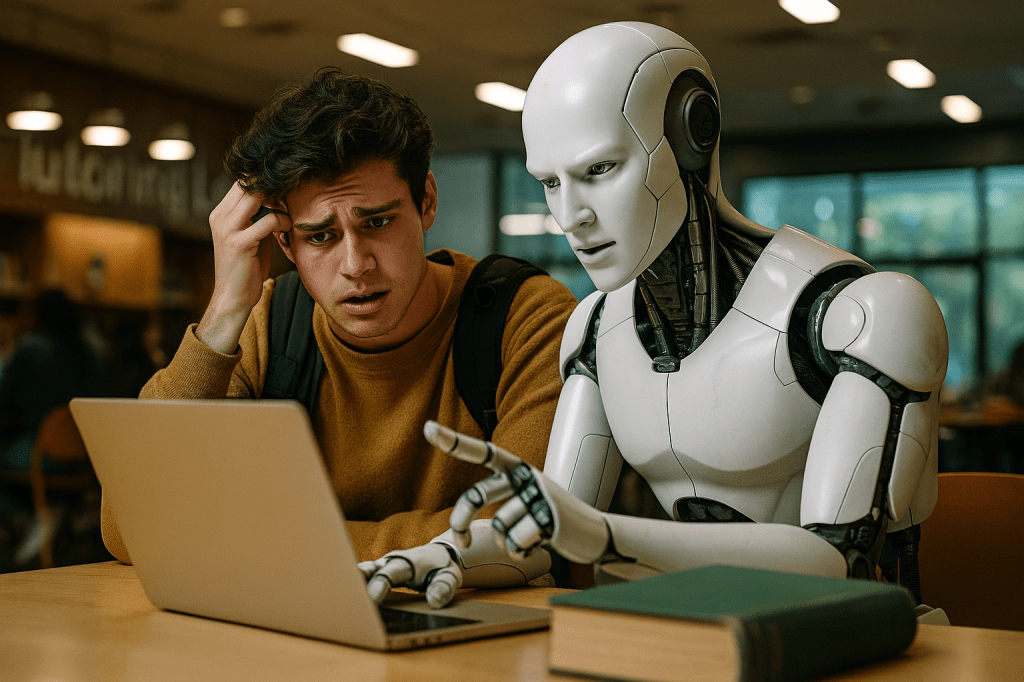
“It is also the case, you hear many examples of this, where somebody used to be a carpenter, but because of AI, they’re now an architect. You know, you could describe things into AI, and it comes out with an incredible design, incredible draft. And they can be interior designers. And so they elevate their craft, they elevate their service, and elevate their business to a level to be able to offer more. And so I think that the first thing that we have to do, and you’re exactly right, we have to make sure that people understand that AI is not this incredible technology that nobody knows how to use. AI is an incredible technology that everybody should know how to use. It’s the reason why it’s the fastest adopted technology in history, because it’s so easy to use. And so we have to lower the barrier of it.
“We have to demystify it. We have to make sure people aren’t afraid of it, so that they take advantage of this tool to enlighten themselves, to enable themselves.”
41:19 — Regulation Philosophy
“We should regulate applications as rigorously as we regulate applications today, applications and industries and use cases. And we just have to be mindful about premature regulation. And so you have to decide, um, and this is the wisdom and the judgment of different cultures. Some countries tend to regulate after something happens, and as they see something happen, some countries tend to regulate before anything can possibly happen, and so they both have their risk, and you got to decide, you know, what is the consequence you want to endure? Do you want your society and your culture to have absolutely no harm come to them, and therefore they take no risk at all, and the industry therefore is suffocated? Or do you want to take a little bit too much industry, got things to mop up? And so, so and I’ve just described, I’ve just described, in fact, two different regions, not the United States. The United States is still kind of somewhere in the middle, but, you know, two different countries in two different regions that have different cultures that way.”
42:22 — Interdependence and Global Competition
“With respect to technology regulation, I think that whoever it is that, whoever the country is that invented the technology, that owns the industry, has the right to decide whether they give their industry head start benefits. And the thing that you have to be mindful with Head Start benefits versus no access regulations is you’ve got to… You have to think through the ramifications of your decision. You know, it turns out that a lot of countries we depend on. It turns out, you know, ASML is not an American country, not an American company. And it turns out just about every one of our energy sectors, every single one of our energy sectors, rely deeply on technology and minerals and whatnot that comes from China. And so depending on what game we wanna play, and we just have to realize, you know, we’re in an interdependent world.
“And when you’re in an interdependent world and there is no absolutes, you know, this is like we’re not playing Tic-Tac-Toe. You know? The world is a lot more complicated than that, and when we wanna simplify that, simplify the world into, “I’m gonna keep everything to myself, I’m gonna take my marbles home, you’re not gonna get any of it.” And you just gotta be a little careful. They have some marbles, too. And so in these interdependent worlds, having a big-picture understanding of how the world and the systems work is helpful, number one. Number two, having maturity and balance, helpful. Having nuance, helpful. Having a long-term mindedness, helpful. And so these things ought to be taken into consideration, but the idea that I’m gonna shut you off and expect that there’s no repercussions is a, a bit naive.
“You know, what I’m saying is that unintended consequences is hard to extrapolate in technologies that are moving as fast as AI.”
47:42 — On Decoupling and Immigration
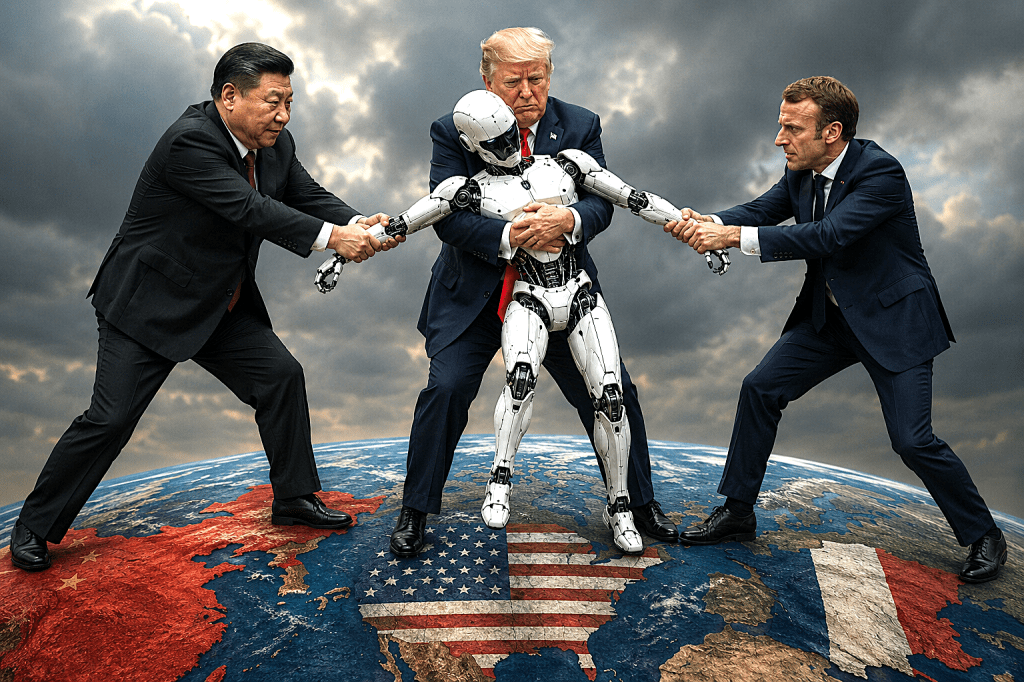
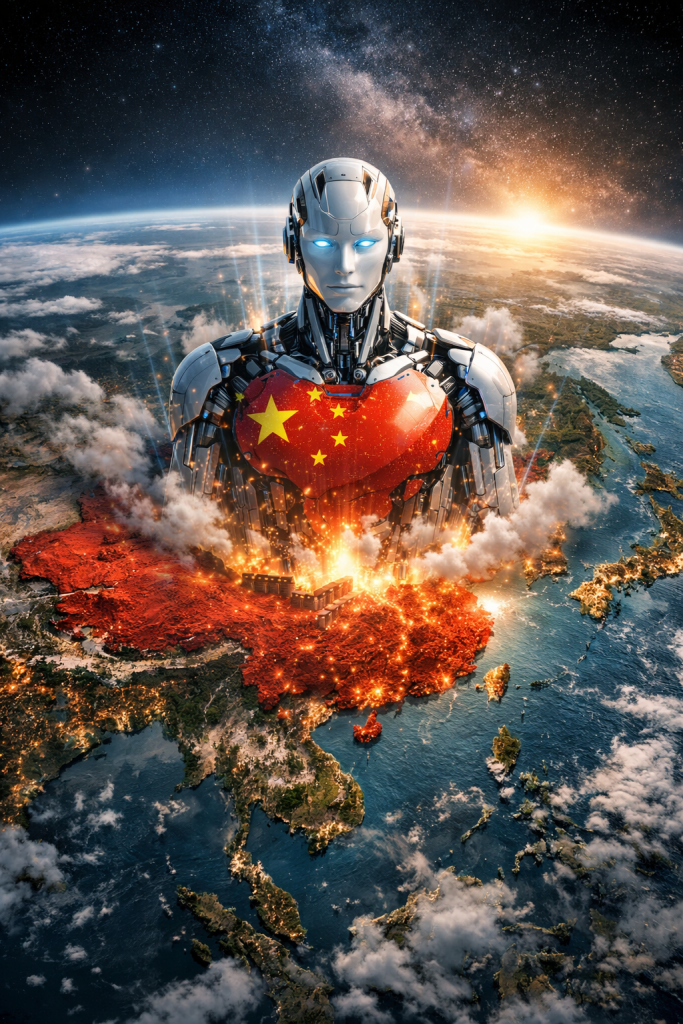
“I agree with the congressman, and I think the place that we have to find ourselves navigating to is not the polar extremes. And it’s not all, it’s not nothing. And the idea that trade is going to be unfettered, without some long-term thinking about the industries we want to protect, not for- Not for any other reason, we need to have domestic tranquility. We need to have a balanced ecosystem. We need to have a balanced industry, balanced economy, and we recognize that we can’t have unfettered trade, and we also recognize we can’t decouple. The concept of decouple, it’s insane. It’s deeply uninformed. And so the world is somewhere in between. And when we realize that the world is somewhere in between, then all of a sudden we can be thoughtful about the fact that we are going to coexist with many countries around the world. We’re gonna compete with China, but we’re not anti-China. We’re gonna compete with China, but we’re not anti-China. We have to be very careful that that there’s a slippery slope between anti-China and being anti-Chinese. And at the moment that you fall into that slippery slope, then the first thing that you mentioned today, the single most important asset of our nation is that we are the place where everybody wants to come.
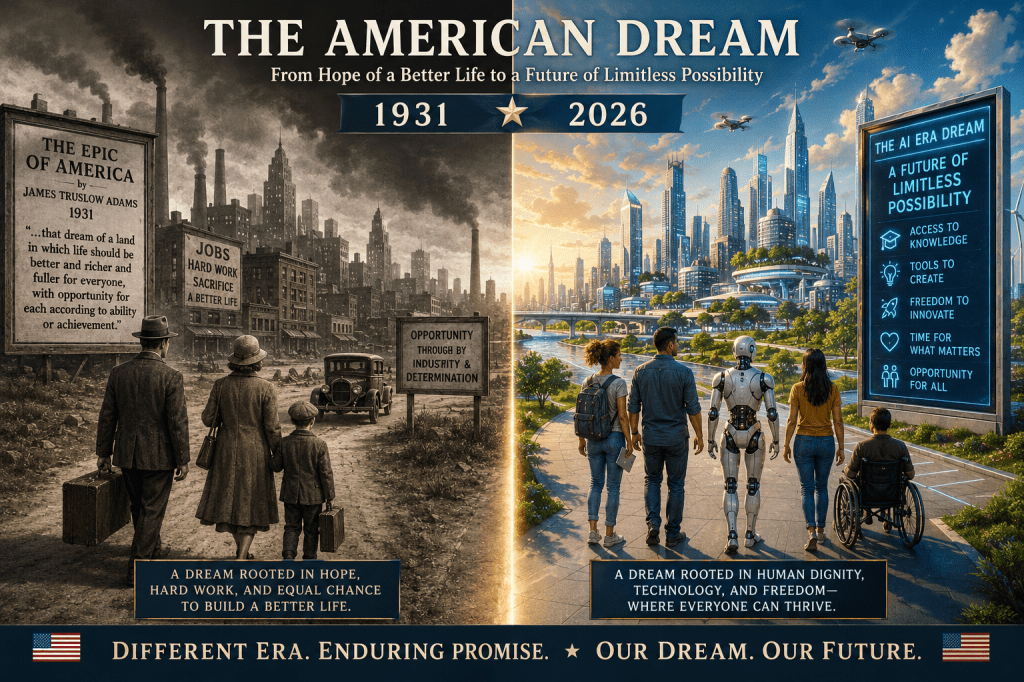
“We’re the only country in the world where there’s a brand called the American Dream. There’s no other country that says something else dream, the Tahiti dream. It doesn’t exist. The American Dream, and everyone wants to come here to enjoy the American, like you and I did. And the fact of the matter is, in order for that to happen, we can’t be anti-this race, anti-that race, anti-this country, anti-that country, because we want all the people to feel welcome here. When we have everybody welcome here, we’re gonna be able to, with everything that you mentioned in the beginning, the university systems, the, the, the freedom of thought, all of those things are gonna play out. Everything that I enjoyed in my life, my lifetime, you know, you look up the American dream in Wikipedia, you might see my picture. And this is the ultimate demon-I am the ultimate demonstration of the American dream. My par- I’m first generation, and so this is an incredible thing. And therefore, I am completely with you. We must protect that. We must nurture that. And to nurture that is not at the extremes. It is not at the extremes. It’s not. We can’t be free for all. On the other hand, we can’t be decoupled. And we can’t be anti-everybody. Um, we are, we’re allowed to compete with everyone with great confidence. When we have confidence, we are delighted to compete. You know, I happen to know a lot about competition. I don’t have to hate anybody. I don’t have to hate anybody. I don’t have to be anti-anybody, and we can compete and win. And that’s America. That’s our industry, and I think we could do that.”
55:25 — Advice to Students
“This is a better time to be in school and graduating from school than ever. I hear the opposite, and I– but I see personally, um, nothing but extraordinary opportunities ahead. As an example, there are more startup companies today than at any time in history. More startups and more industries and more applications solving problems that we thought were never, never possible until now. We understand the language, we nearly understand, using AI, the language of the biological machine for the first time. The ability for us to understand so many different fields of science and different problems at a scale that we never thought possible is right in front of us. This is the best of times to be in school. This is the best of times to be graduating from school because the world is reset. An entire industry, the largest industry in the world, the computer industry, is reset.
“And because every industry in the world is built onto the computer industry, every industry is reset. You are at exactly at the same place as everybody else. Nobody has a head start on you. This is the perfect time to engage the most powerful technology the world’s ever known. It is personalized. Everybody has it on their web browser. It is accessible, obviously, everybody’s using it. And put it to use in service of your career, in service of your dreams to solve great problems. I can’t imagine how excited you must be, and yet I hear sometimes you’re concerned about the future. I just need you to know that what I see on the other side is a welcoming industry looking for new college grads who are expert at using AI. Whether it’s expert at using AI for marketing or finance or engineering or software engineering, we are looking for expert AI users. A whole new generation is going to come into the industry, powered by a new technology that the world’s never seen before. And you are the first generation. It’s an incredible opportunity, and all of us on the other side are waiting for you, looking forward to working with you to build the future together. Thank you.”
###
Filed under: Uncategorized |

















































































































































































































































































































































































Leave a Reply