



By Jim Shimabukuro (assisted by Claude)
Editor
[Related: What Are ‘AI Colleges’ and How Are They Different?]
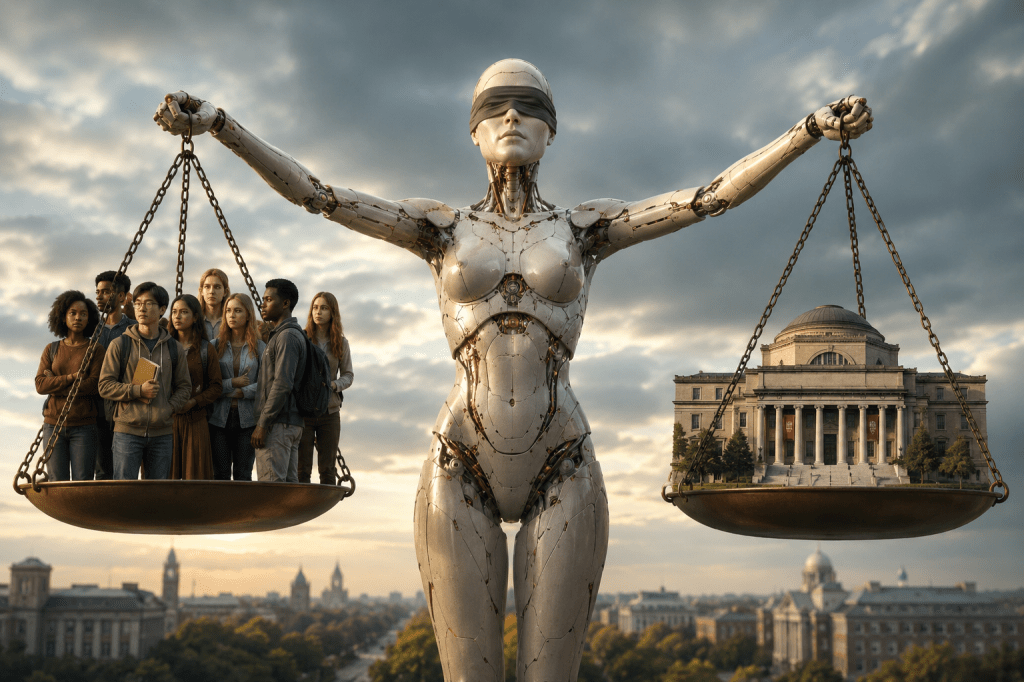
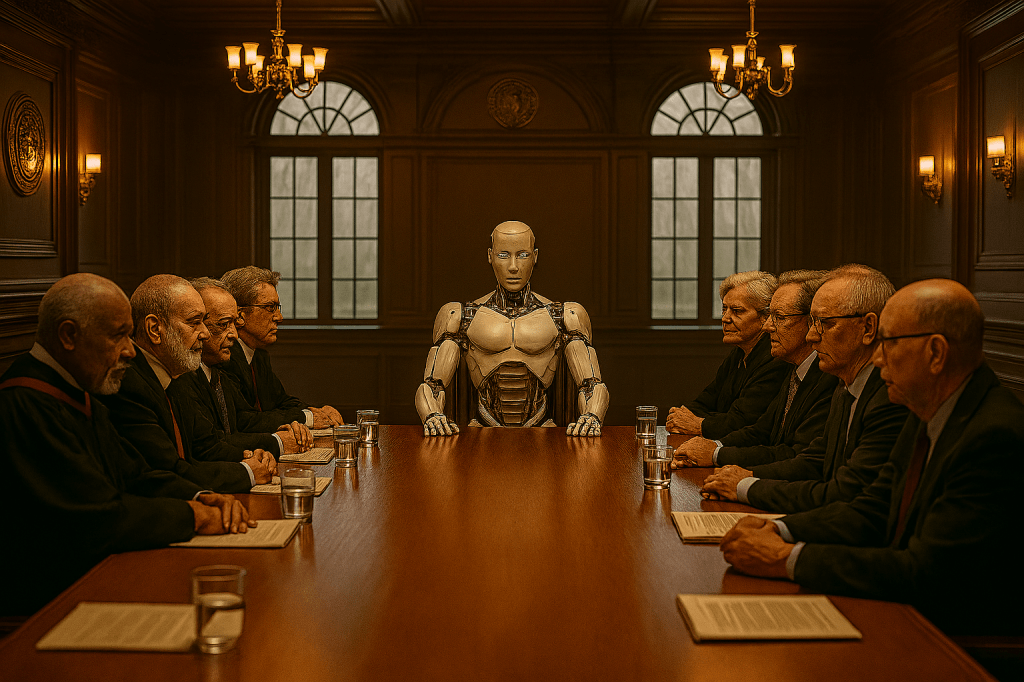
AI colleges pose a serious and growing threat to traditional higher education — but the threat is neither uniform nor immediate. It is best understood as a structural acceleration of pre-existing vulnerabilities in the traditional college model, sharpened by AI-native competitors that are small today but gaining legal legitimacy and marketplace positioning far faster than their predecessors in online education did.

The Landscape of AI-Native Institutions
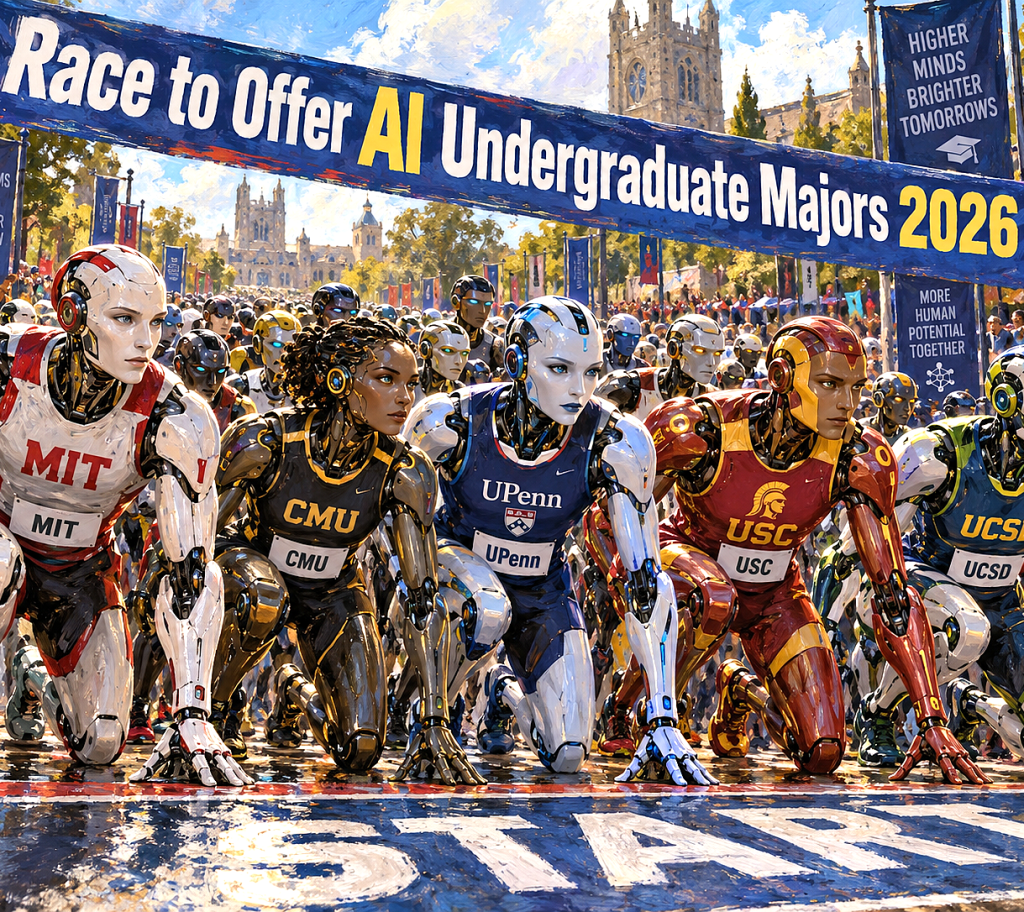
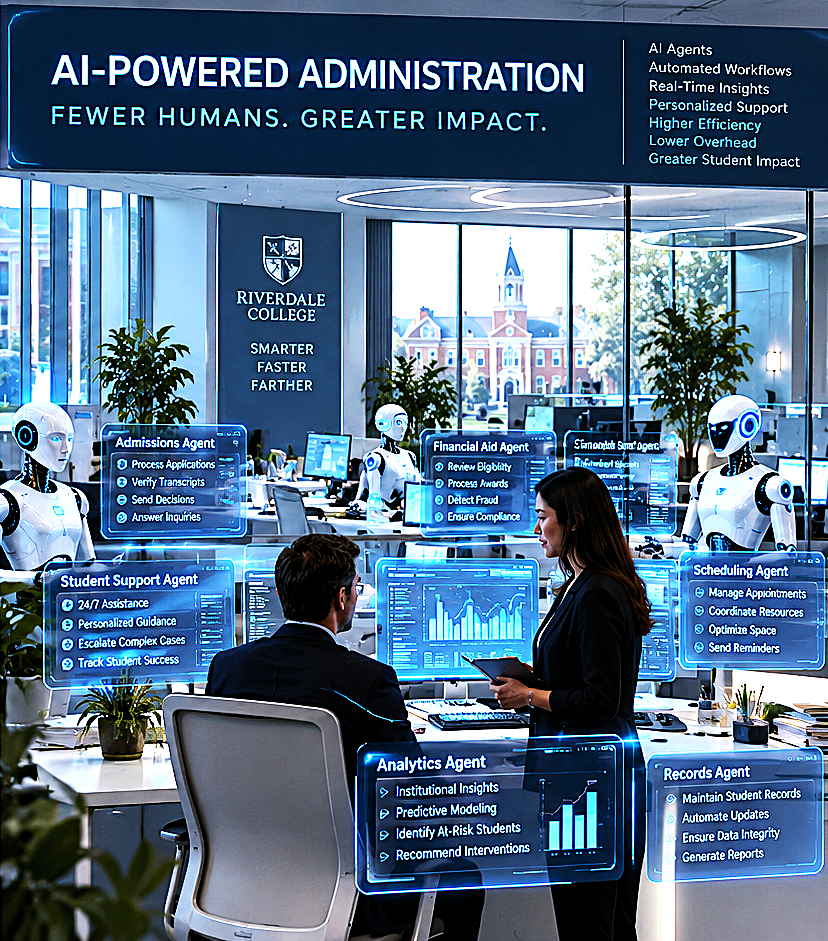
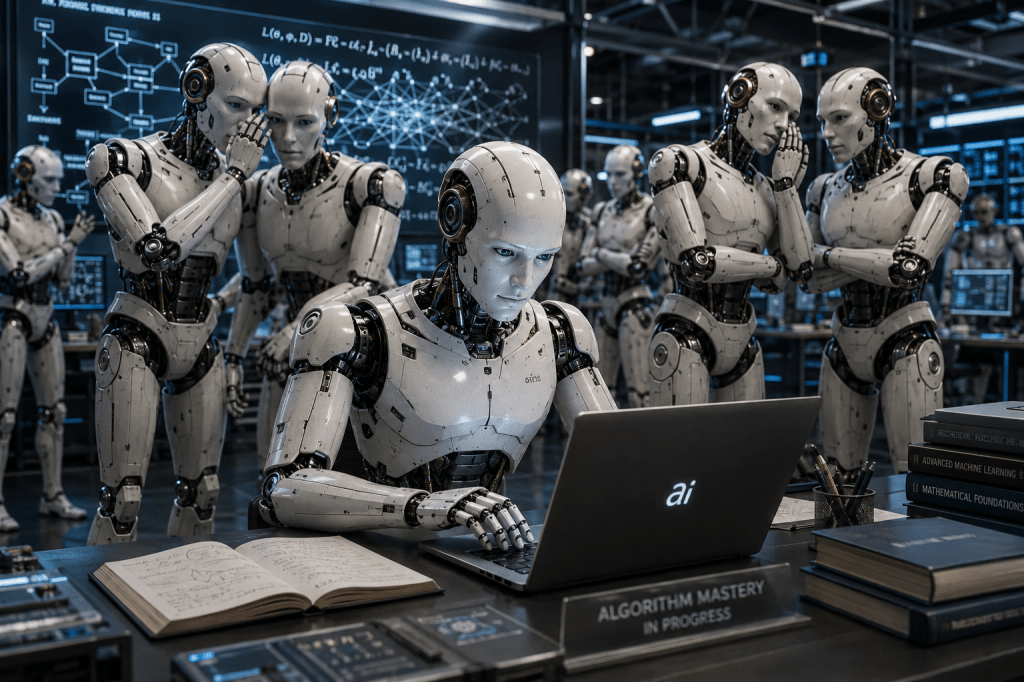
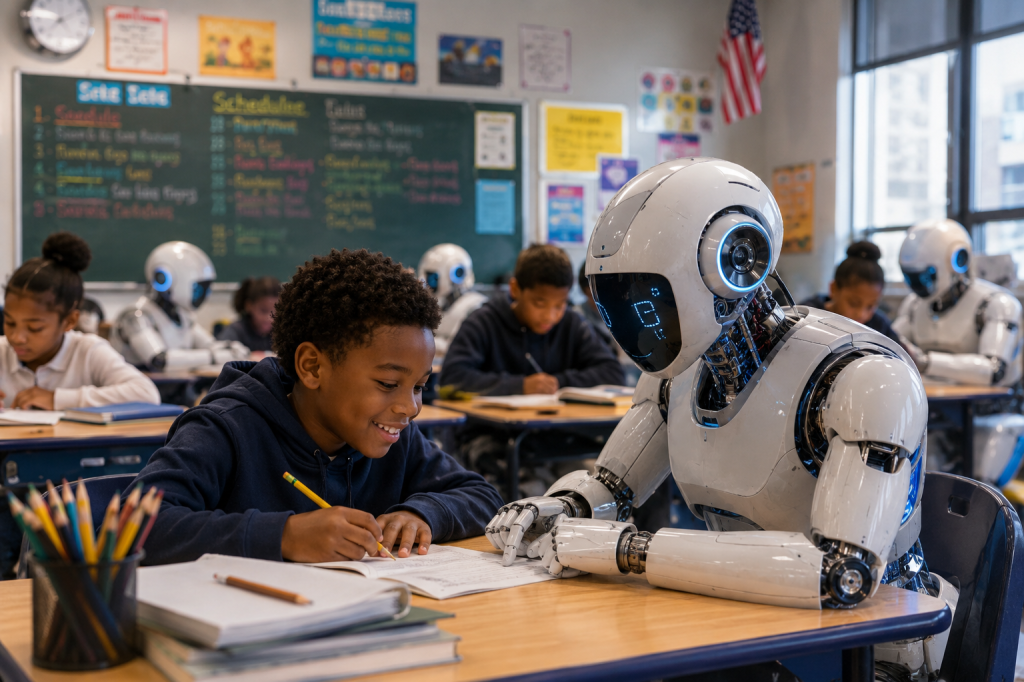
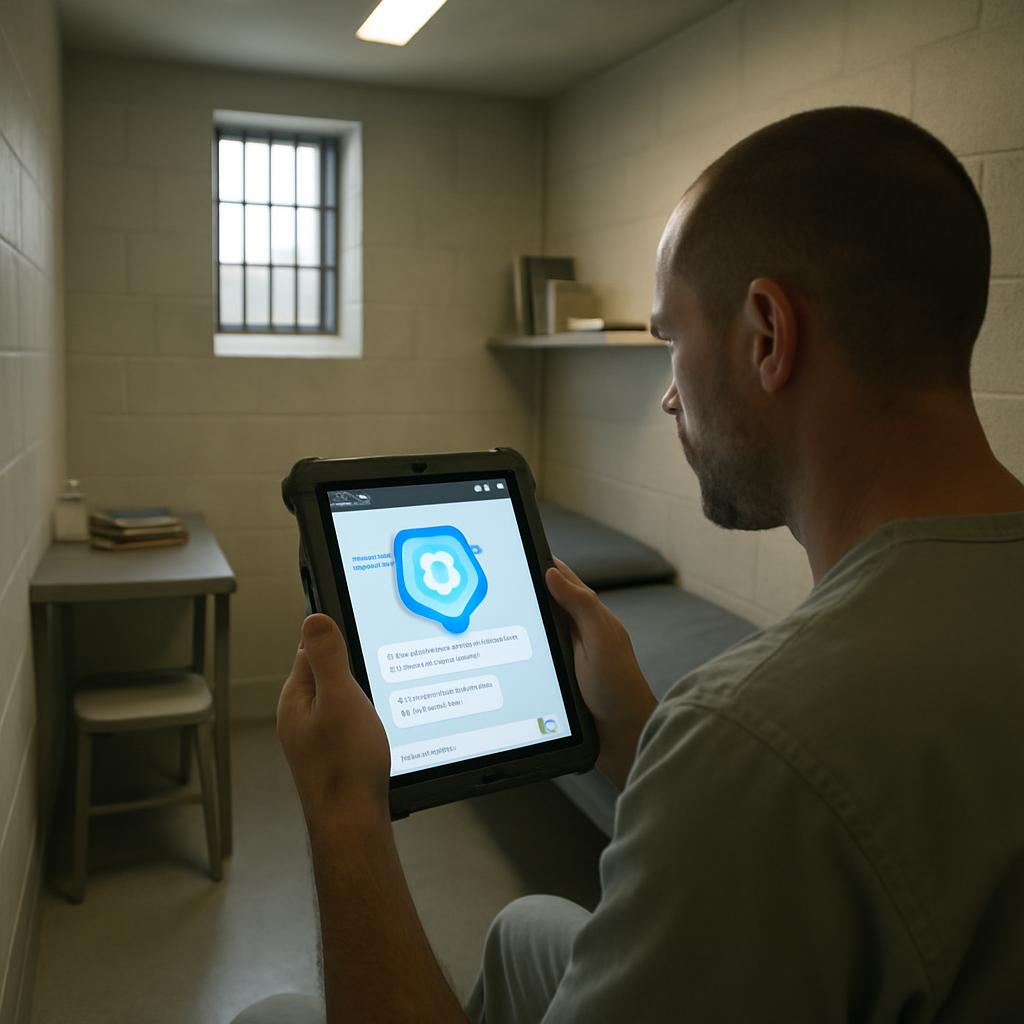
As of April 2026, several institutions have emerged under the banner of “AI colleges” or “AI-native universities.” The most significant are Maestro (described as “the world’s first AI-native university”), Saras AI Institute (which brands itself as the first AI-exclusive, fully online degree-granting institute in the U.S.), and EON University (which claims to be “the world’s first fully autonomous and AI-native university”).¹ These institutions share a core departure from the traditional model: they use AI tutors, autonomous learning platforms, and mastery-based progression as the default way students learn, often with flexible pacing, continuous feedback, and heavy alignment to workforce skills. What distinguishes them from the wave of MOOCs and online degree programs that came before is accreditation. Maestro holds accreditation from the Council on Occupational Education (COE), is recognized by the U.S. Department of Education, and Maestro University is accredited by the Distance Education Accrediting Commission (DEAC), which is recognized by the Council for Higher Education Accreditation (CHEA).⁶ Saras AI Institute offers stackable credentials leading to associate and bachelor’s degrees in artificial intelligence, and in late 2025 launched a 12-month online master’s degree in AI engineering built with input from Microsoft and Google engineers.¹ These credentials are not fringe certificates — they are entering the same regulatory frameworks that govern traditional colleges.
That said, the picture is not entirely clean. Maestro College has been placed on probationary status by the COE following a fiscal review, and independent critics have raised questions about its “free tuition” marketing and limited program breadth compared to what community colleges can offer at lower cost.¹⁸ These are legitimate cautions, and they matter: a disruptor whose accreditation is shaky or whose marketing is misleading is not yet a systemic threat. The more important question is whether the underlying model — AI-mediated mastery learning at low or zero cost — is durable and scalable. On that question, the evidence tilts toward yes.
Why the Threat Is Real and Structural
The disruptive power of AI colleges is not primarily about the institutions themselves — it is about the context they are entering. Traditional higher education in the U.S. is simultaneously under pressure from multiple directions at once. Deloitte’s 2026 higher education outlook, based on conversations with college and university presidents convened in November 2025, describes a sector facing sharp reductions in staffing and research activity, the culmination of reduced sponsored research, limits on student loans, new taxes, and the arrival of the demographic cliff.² Fitch Ratings has issued a “deteriorating” outlook for higher education in 2026, joining Moody’s and S&P Global in predicting a grim year for the sector — citing a shrinking prospective student base, rising uncertainty related to state and federal support, continued expense escalation, and shifting economic conditions.¹² The nation is projected to see a 13% decline in college enrollment from 2025 through 2041, and in 2024 more than half of private universities rated by S&P Global generated operating deficits.²
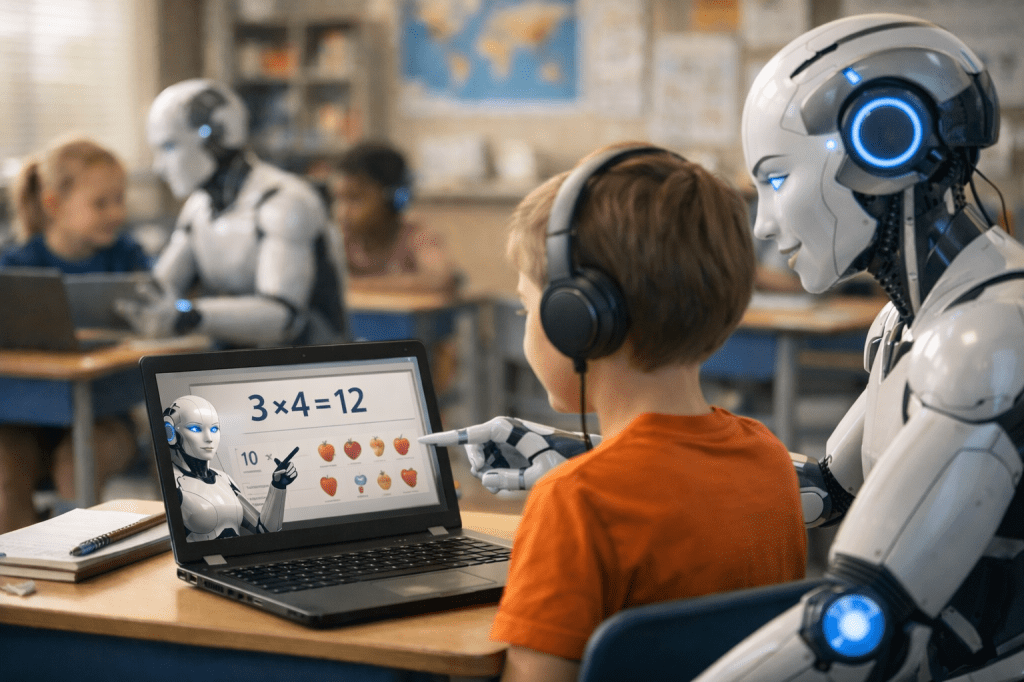
Into this weakened field, AI-native colleges bring a fundamentally different cost structure. Maestro University presents itself as an AI-powered online institution designed to outperform traditional delivery models on personalization and access, with learning structured as a build-feedback-revision-mastery cycle that adapts minute-by-minute, approximating one-on-one tutoring, with completion timelines flexible rather than fixed cohort schedules, and programs tightly aligned with career-relevant competencies.⁵ The value proposition is explicit: as Scott Pulsipher, president of Western Governors University, has warned, “If you keep leveraging AI and other digital trends to provide highly competitive, lower-cost alternatives to traditional [higher education institutions], you start to see the economic model of traditional institutions really gets messed up — their primacy starts to crumble.”¹⁰
The demand-side pressures reinforce this. Public confidence in traditional degrees has eroded sharply. An NBC News poll released in November 2025 found that almost two-thirds of registered voters say a four-year college degree is not worth the cost, with only 33% agreeing it delivers better job prospects and earnings — a dramatic decline over the previous decade.¹³ Meanwhile, the Lumina Foundation-Gallup 2026 State of Higher Education survey found that 47% of currently enrolled college students have thought about switching majors “a great deal” or “a fair amount” over AI concerns, and around 16% pointed to AI as the reason they changed their field of study.⁹ Students are already confused about the labor market value of their credentials. When AI-native colleges offer a cheaper, faster, and more directly job-aligned alternative with legitimate accreditation, this confusion creates enrollment vulnerability for traditional institutions.
The structural argument for disruption also rests on what AI colleges offer pedagogically. A 2025 Stanford working paper found that early-career workers aged 22 to 25 in the most AI-exposed occupations experienced a 13% relative decline in employment since the widespread adoption of generative AI,³ which means the traditional four-year credential path is being undermined from both ends: the cost of obtaining it has not fallen, but the certainty of the employment reward has. AI colleges that offer mastery-based, project-portfolio credentials in high-demand fields like AI engineering at dramatically reduced cost are targeting exactly the students most likely to defect from the traditional pathway.
Why the Threat Is Not Yet Existential for Most Institutions — But Will Intensify
It would be an overstatement to say AI colleges currently threaten the broad higher education sector in the way smartphones disrupted the camera industry. Several factors limit the near-term impact. First, Gartner analyst Tony Sheehan has noted that higher education by far had the most active board-level discussions about generative AI of any sector — precisely because it is disruptive to the sector — but also because the sector has shown resilience before, having pivoted to remote learning during the COVID-19 pandemic.¹⁵ Second, the accreditation barrier, while lowering, still provides traditional institutions with a moat: employers and graduate schools routinely favor degrees from regionally accredited research universities over nationally accredited online programs. Third, Chalkbeat’s analysis of enrollment data shows that while community college enrollment has declined, the number of students seeking bachelor’s degrees at four-year colleges has been roughly flat for about a decade, and the economic return on a bachelor’s degree remains near historic highs despite popular perception to the contrary.¹⁴
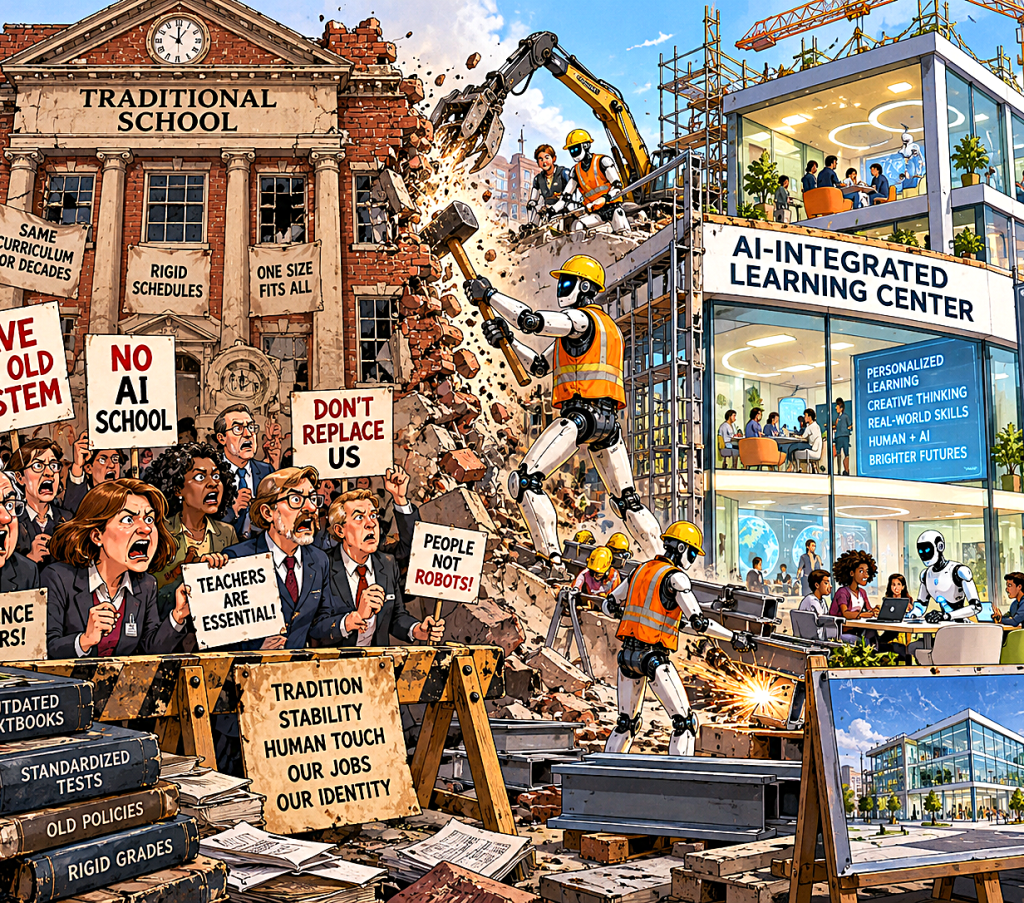
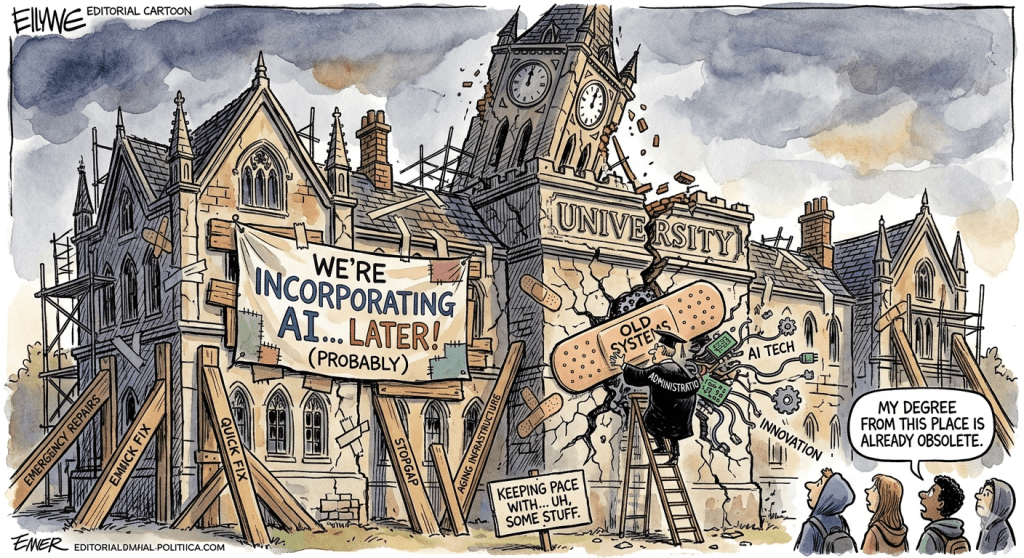
What tips the analysis toward “serious threat” rather than “marginal pressure” is the convergence of these trends with the specific structural weakness of smaller, less-selective institutions. The colleges likely to bear the brunt of these challenges are the country’s less-selective, less-known schools, not the elite institutions that have come to embody higher education in the public mind.¹⁴ It is these institutions — regional private colleges, community colleges, and vocational programs — that AI colleges most directly compete with on cost and career relevance. Boston Consulting Group’s recent research found that 67% of higher education leaders say they have not acted or have no clear AI strategy,¹¹ meaning most of the institutions most exposed to disruption are also the least prepared to respond to it.
The deeper threat, articulated in The Conversation’s February 2026 analysis, is not enrollment competition but institutional purpose. As agentic AI tools are anticipated to free up time for work focusing on more human capacities, more of the day-to-day labor of instruction can be handed off to systems optimized for efficiency and scale — but universities are not information factories; they are systems of practice that rely on a pipeline of graduate students and early-career academics who learn to teach and research by participating in that same work.¹⁷ If AI colleges normalize the outsourcing of instruction to automated systems, they risk degrading the very pipeline that produces the researchers and teachers who would otherwise advance knowledge — a second-order threat that extends well beyond enrollment competition.
Impact Trajectory: 2026-2028
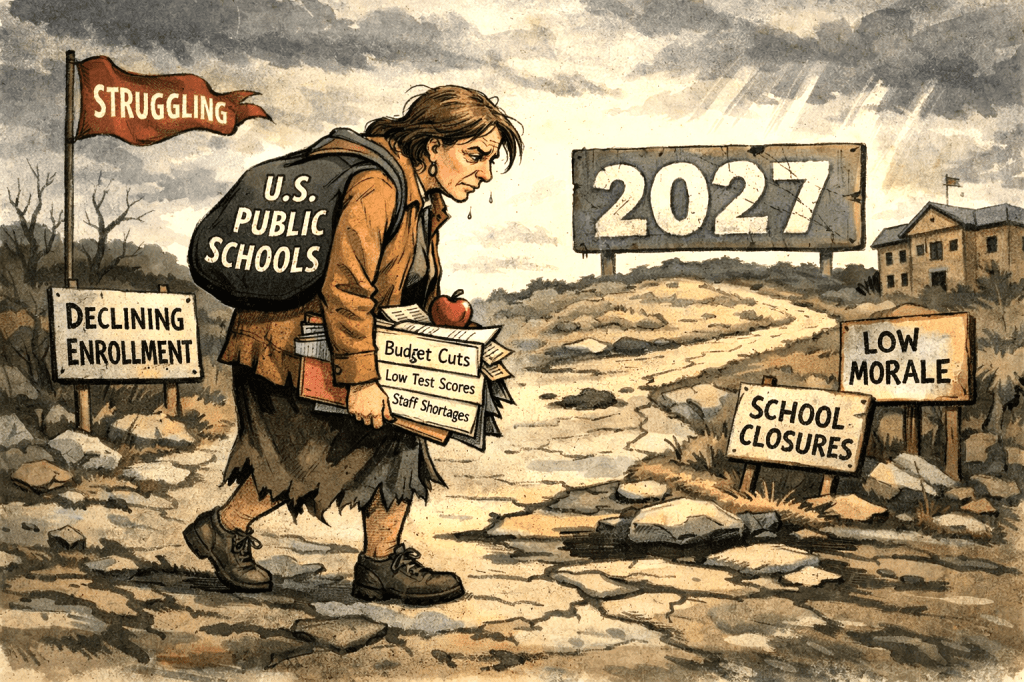
In 2026, the impact of AI colleges on traditional higher education will likely remain in what one analyst aptly describes as the “slowly, until all of a sudden” phase.¹³ The year will be characterized by continued expansion of AI-native institutions’ accreditation footprint, growing awareness among prospective students of low-cost AI-powered alternatives, and increasing pressure on traditional institutions to visibly differentiate their value. Inside Higher Ed‘s January 2026 analysis projects that 2026 will be another year of grappling with generative AI’s power to reshape research, teaching, learning, and campus operations, with institutions seeking to scale AI strategies and develop ways to measure their impact.⁴ The demographic cliff, visa restrictions reducing international enrollment, and federal research funding cuts will continue to squeeze the financial margins of mid-tier and smaller institutions, making them more vulnerable to the enrollment competition that AI colleges represent.¹²,¹⁹
In 2027–2028, the tipping point is likely to arrive. As one education leader writing in UPCEA argues, major changes will come “all of a sudden to many universities” once the compounding of enrollment declines, revenue drops, and rising AI-native competition reaches critical mass. The infrastructure, policy, personnel, and budget discussions that are currently slowing institutional AI adoption are giving traditional colleges a false sense of security; reduced cost and personalization will create marketplace advantages for those who are agile, and some colleges will close their doors due to dropping enrollments and revenue.¹³
The 2027 horizon is also when the labor market signal will sharpen. If AI rapidly replicates the work of mid-level knowledge workers and employers can access AI that is faster, never fatigued, and has mastered every discipline, the economic rationale for the traditional college pathway weakens,¹⁶ potentially triggering enrollment drops that accelerate the consolidation of less financially stable institutions. The institutions most likely to survive and thrive are those that, like POSTECH in South Korea, actively remake themselves as AI-native in practice rather than waiting to be displaced by institutions that began that way.¹
In sum, AI colleges are genuine disruptors, not just novelties. They are entering a sector already weakened by demographic, financial, and political pressures, offering a different and cheaper learning contract backed by real accreditation. The threat is asymmetric — most severe for small, tuition-dependent, less-selective institutions — and its full force is more likely to materialize in 2027–2028 than in the immediate term. But the preparation window for traditional higher education is narrowing, and the institutions that treat 2026 as a year of active strategic response rather than watchful waiting are the ones most likely to remain relevant in the AI era.
References
- “What Are ‘AI Colleges’ and How Are They Different?” — Educational Technology and Change Journal (April 14, 2026) — https://etcjournal.com/2026/04/14/what-are-ai-colleges-and-how-are-they-different/
- “2026 Higher Education Trends” — Deloitte Insights (March 2026) — https://www.deloitte.com/us/en/insights/industry/articles-on-higher-education/2026-higher-education-trends.html
- “AI Exposes Flaws in Higher Education, Forcing Universities to Rethink Certification” — Stanford Today/National Today (April 4, 2026) — https://nationaltoday.com/us/ca/stanford/news/2026/04/04/ai-exposes-flaws-in-higher-education-forcing-universities-to-rethink-certification/
- “5 Predictions on How AI Will Shape Higher Ed in 2026” — Inside Higher Ed (January 5, 2026) — https://www.insidehighered.com/news/tech-innovation/artificial-intelligence/2026/01/05/5-predictions-how-ai-will-shape-higher-ed
- “Maestro University & the Rise of AI Native Universities” — Answerr AI (March 2, 2026) — https://answerr.ai/maestro-university-ai-native-universities/
- “Accreditations” — Maestro (2026) — https://maestro.org/accreditations
- “Maestro University” — Wikipedia (updated February 2026) — https://en.wikipedia.org/wiki/Maestro_University
- “AI Is Routine for College Students, Despite Campus Limits” — Gallup/Lumina Foundation (April 2, 2026) — https://news.gallup.com/poll/704090/routine-college-students-despite-campus-limits.aspx
- “As AI Pushes Students to Reconsider Majors, Universities Struggle to Adapt” — The Hill (April 11, 2026) — https://thehill.com/homenews/education/5826091-ai-college-majors-job-market/
- “Artificial Intelligence and the Future of Higher Education, Part 1” — AGB Trusteeship — https://agb.org/trusteeship-article/artificial-intelligence-and-the-future-of-higher-education-part-1/
- “How AI Can Help Higher Education Capture a Once-in-a-Generation Opportunity” — BCG (March 2026) — https://www.bcg.com/publications/2026/how-ai-can-help-universities-capture-opportunity
- “Higher Education Faces ‘Deteriorating’ 2026 Outlook, Fitch Says” — Higher Ed Dive (December 5, 2025) — https://www.highereddive.com/news/higher-education-faces-deteriorating-2026-outlook-fitch-says/807222/
- “AI in Higher Ed Will Come Slowly, Until All of a Sudden!” — UPCEA (December 10–11, 2025) — https://upcea.edu/ai-in-higher-ed-will-come-slowly-until-all-of-a-sudden/
- “Is College Enrollment Really Going Down?” — Chalkbeat (December 4, 2025) — https://www.chalkbeat.org/2025/11/11/is-enrollment-at-four-year-colleges-and-universities-really-falling/
- “AI Will Shake Up Higher Ed. Are Colleges Ready?” — The Chronicle of Higher Education (June 2024) — https://www.chronicle.com/article/ai-will-shake-up-higher-ed-are-colleges-ready
- “Universities Must Embrace AI or Face Extinction” — Chris Kanan (February 2025) — https://chriskanan.com/how-universities-can-survive-ai/
- “The Greatest Risk of AI in Higher Education Isn’t Cheating — It’s the Erosion of Learning Itself” — The Conversation (February 24, 2026) — https://theconversation.com/the-greatest-risk-of-ai-in-higher-education-isnt-cheating-its-the-erosion-of-learning-itself-270243
- “An AI University With No Tuition?” — Ginny McKinney, Substack (December 6, 2025) — https://notginnymckinney.substack.com/p/an-ai-university-with-no-tuition
- “Higher Education Faces Demographic Cliff, AI Impact” — NYC Today (April 11, 2026) — https://nationaltoday.com/us/ny/new-york/news/2026/04/11/higher-education-faces-demographic-cliff-ai-impact/
###
Filed under: Uncategorized |
































































































































































































































































































































































Leave a Reply