




By Jim Shimabukuro (assisted by ChatGPT)
Editor
Introduction: This is a list of twenty major ways a federal government shutdown can impact average Americans. Information includes context about which populations are particularly exposed, how they feel the impact, and why it matters for the broader social and economic fabric. Some effects overlap or intensify one another, especially if the shutdown lasts weeks or months.

1. Federal employee pay disruptions and financial stress
When the federal government shuts down, many non-essential federal employees are furloughed (i.e. sent home without pay) or in some cases required to work but not paid until after funding is restored. The Government Employee Fair Treatment Act of 2019 mandates retroactive pay for both furloughed and excepted employees once a shutdown ends, but it does not prevent immediate hardship. (Wikipedia)
The demographics most directly affected are those who rely on federal jobs: civil servants across many agencies, administrative staff, analysts, park rangers, grant program employees, and more. Because many federal employees live paycheck to paycheck (especially in high–cost regions), a missing or delayed paycheck can force people to tap into savings, take short-term loans, defer bills, or face housing or food insecurity. In regions with heavy concentrations of federal workers (such as Washington, D.C., parts of Virginia, Maryland, and states housing major federal installations), local economies feel the ripple effects through reduced consumer spending.
This matters because the immediate cash-flow disruption can cascade into debt, defaults, or stress on financial institutions and credit markets, especially if the shutdown persists. It also undermines morale and trust in government employment, potentially driving skilled workers away or reducing retention in public service. Over time, repeated disruptions may raise the “risk premium” demanded by employees for working in government, increasing cost pressures on future hires.
2. Contractors and sub-contractors lose payments and jobs
Beyond direct federal staff, a large swath of Americans work for companies contracted by the federal government: from cleaning services, security guards, IT contractors, building maintenance, to research firms. In a shutdown, contract modifications, new awards, or payments for existing deliverables may be suspended or delayed. (Salud Carbajal)
The demography here is more diffuse: mid- and lower-wage workers in private firms tied to federal contracts, often without the protections that federal employees enjoy. They may not be eligible for back pay or unemployment in the same way (depending on local state rules or contract terms). A delayed contract payment can directly lead to layoffs, and some small businesses rely heavily on federal contracts for cash flow.
This matters because contractors represent thousands of small and medium enterprises whose viability depends on stable government funding. If they fail, it ripples into local economies, supply chains, and employment in sectors that may already be vulnerable. The morbidity of government shutdowns is magnified by these secondary losses, which often do not receive the same political attention as the core federal agencies.
3. Delays in benefit applications and processing
Many federal benefits and programs rely on agency staff to process applications, renewals, and oversight. During a shutdown, non-essential processing halts or slows drastically. This can affect those applying for Social Security, disability benefits, veterans’ benefits, federal student aid, housing assistance, or other federal safety-net programs. (Representative Sarah Elfreth)
The most affected populations are vulnerable groups already relying on benefits or transitioning between jobs or needing support. For example, someone applying for disability benefits, or social services, might see their case freeze or their waiting times lengthen. Students seeking new federal aid may see delays in loan disbursement, interfering with tuition payments or housing in the semester start. People depending on veterans’ benefits or housing grants may have their incomes or support disrupted.
This matters because the delays undermine the reliability of the social safety net. For individuals, uncertainty can lead to missed rent, eviction, disrupted healthcare, or inability to plan. On a social level, it erodes confidence in government as a functioning provider of basic welfare, and may push more people into crisis or homelessness, with downstream costs to states and municipalities.
4. Suspension or reduction of food and nutrition programs
Some federal nutrition and food assistance programs rely on annual appropriations and are vulnerable in a shutdown. One example in recent discussions is WIC (Women, Infants, and Children), which serves low-income mothers and young children. In a prolonged shutdown, WIC’s contingency funding can be exhausted, meaning states might be unable to maintain benefits. (AP News)
The demographics affected are low-income families, infants, toddlers, pregnant and postpartum women, and in some cases elderly recipients of food assistance. If nutrition benefits are reduced or cut, families may face food insecurity, skip meals, or reduce dietary quality, worsening health outcomes especially in growing children.
This matters deeply because nutrition is foundational to child development, maternal health, and population health outcomes. Interrupting these programs even for weeks can have cascading effects on growth, cognitive development, and long-term cost burdens in healthcare and education. From a societal view, failure to safeguard such basic supports during political standoffs reveals fault lines in how social welfare is prioritized.
5. Slower or suspended small business loan programs
The Small Business Administration (SBA) and other federal agencies often back or support loan programs, grants, and technical assistance for entrepreneurs. During a shutdown, new loans or loan modifications may be delayed or frozen, as staff are furloughed. (Salud Carbajal)
The demographic affected includes small business owners, especially those in underserved or rural communities who depend heavily on SBA-backed credit. A business planning to expand or to bridge a cash-flow gap may find its loan application stalled or cancelled. This can jeopardize hiring, inventory purchases, or capital improvements.
This matters because small businesses are a key engine of employment and innovation. If many are forced to postpone or cancel investment due to government inaction, overall economic growth is dampened. Moreover, financial distress in one generation of small firms tends to reduce risk-taking, hurting long-run entrepreneurial dynamism.
6. Flight delays, aviation disruptions, and airport inconvenience
Even though air travel is designated “essential” and air traffic controllers must continue working during a shutdown, employees may experience fatigue, absenteeism, or understaffing. The Federal Aviation Administration (FAA) may operate with fewer staff, leading to delays, cancellations, or less redundancy in safety margins. (Wikipedia)
The demographic impacted is broad: anyone who flies — business travelers, tourists, families, cargo shippers. Especially airports in smaller or less central locations may be more vulnerable if staffing is tight. Delays in baggage handling, air traffic control, or security hold-ups can cascade, causing missed connections, cancellations, and frustration.
This matters because air travel is a backbone of commerce, tourism, and connectivity. Delays inflate costs (fuel, scheduling, wage overtime), reduce reliability, and discourage travel. Over time, repeated disruptions may erode confidence in infrastructure resilience, reduce tourism revenue, and complicate supply chains relying on air cargo.
7. Halted economic data collection and reporting
Critical statistical agencies like the Bureau of Labor Statistics or Census Bureau may suspend data release when staff are furloughed. This means metrics like employment, inflation, consumer confidence, or GDP components may go unreported or delayed. (Wikipedia)
The demographic affected includes economists, policy makers, business leaders, financial markets, and analysts — essentially anyone who relies on timely data to make decisions. Without monthly or quarterly reports, forecasts become murky, markets may overreact to incomplete data, and the Federal Reserve or Treasury may struggle to calibrate policy.
This matters because modern economies depend on information. Decisions about interest rates, business investment, hiring, and public policy all rely on up-to-date statistics. When those vanish, uncertainty rises, volatility increases, and coordination breaks down. A government shutdown thus imposes a hidden “information tax” on the economy before its visible effects manifest.
8. National parks, monuments, and cultural institutions forced to close
Many national parks, monuments, museums, and heritage sites rely on federal staffing and appropriations. In a shutdown, visitor services, maintenance, and staffing may cease, leading to closures or partial closures. For example, the Smithsonian museums or the National Zoo may close. (TIME)
The demographics impacted include tourists, local residents, recreational visitors, educators, and communities dependent on tourism revenue. Families planning visits, school groups arranging field trips, or local economies reliant on park entry fees lose access and income.
This matters because public lands and cultural institutions are part of national identity, education, and tourism economies. Their closure degrades community life, disproportionately affects rural or park-adjacent towns, and causes lost revenue that may not be recoverable. Moreover, lack of maintenance risks environmental damage, vandalism, or infrastructure deterioration, which is costly to reverse.
9. Disruption or slowdown in regulatory and safety oversight
Many regulatory agencies—FDA, EPA, OSHA, food safety inspectors, environmental oversight—rely on funded staff to carry out inspections, approvals, and enforcement. During a shutdown, many non-essential inspection or oversight activities may pause. (Brookings)
The demographic affected includes consumers, industries, farmers, manufacturers, and public health stakeholders. Without inspections, food safety risks may rise, environmental pollution controls may be laxly enforced, or safety certifications delayed. For example, a factory’s safety inspection may be postponed, or a new drug application review delayed.
This matters because the quality of life and health of all Americans depends on strong regulatory oversight. Lapses increase risk of contamination, disasters, or long-term environmental harm. Additionally, industries may game regulatory gaps or shift burdens to local agencies, fragmenting oversight. The cost of catching up later is often much higher than continuing safe operations.
10. Delays in immigration and visa adjudication
Agencies handling immigration—USCIS, the Executive Office for Immigration Review (EOIR), consular operations—may see slowdowns or suspensions of non-essential processes during a shutdown. While essential enforcement functions often continue, many case adjudications are classified non-essential and are delayed. (American Immigration Council)
The populations affected include immigrants awaiting visas, asylum seekers, employers hiring foreign workers, students abroad, and families petitioning for members overseas. Court hearings may be postponed, backlogs worsen, and the pace at which applications are processed slows, making it harder to plan relocation, work, or family reunification.
This matters because immigration is a deeply human and economic process. Delays disrupt businesses relying on foreign talent, students planning academic terms, and families in limbo. On a systemic level, backlog inflation degrades courts’ legitimacy and slows legal migration, reinforcing adversarial sentiments and administrative frustration.
11. Disrupted disaster relief and infrastructure maintenance
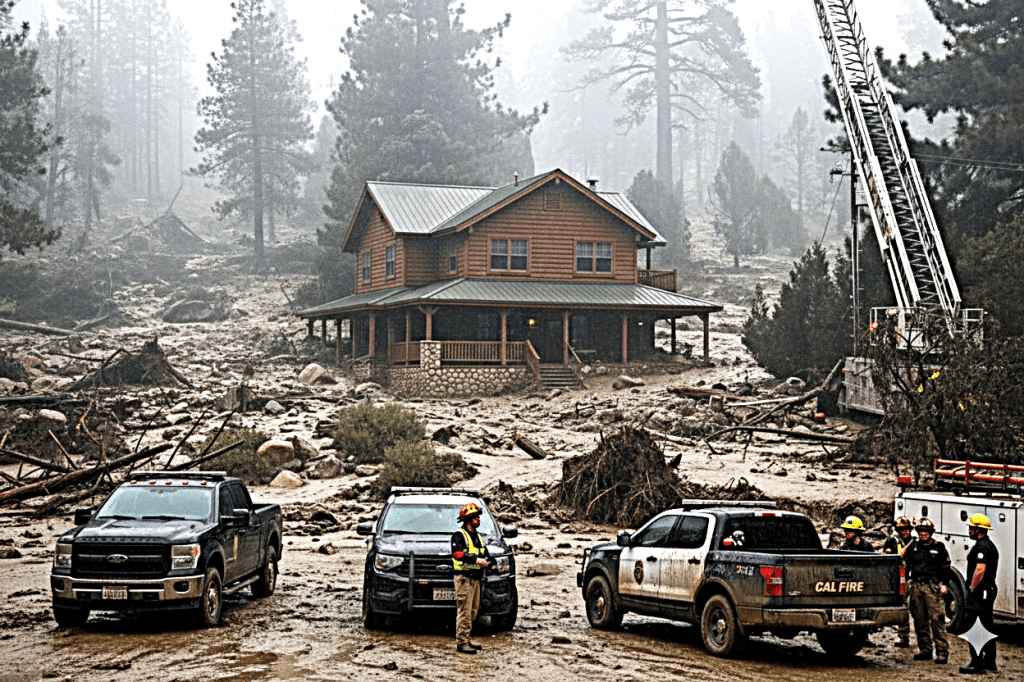
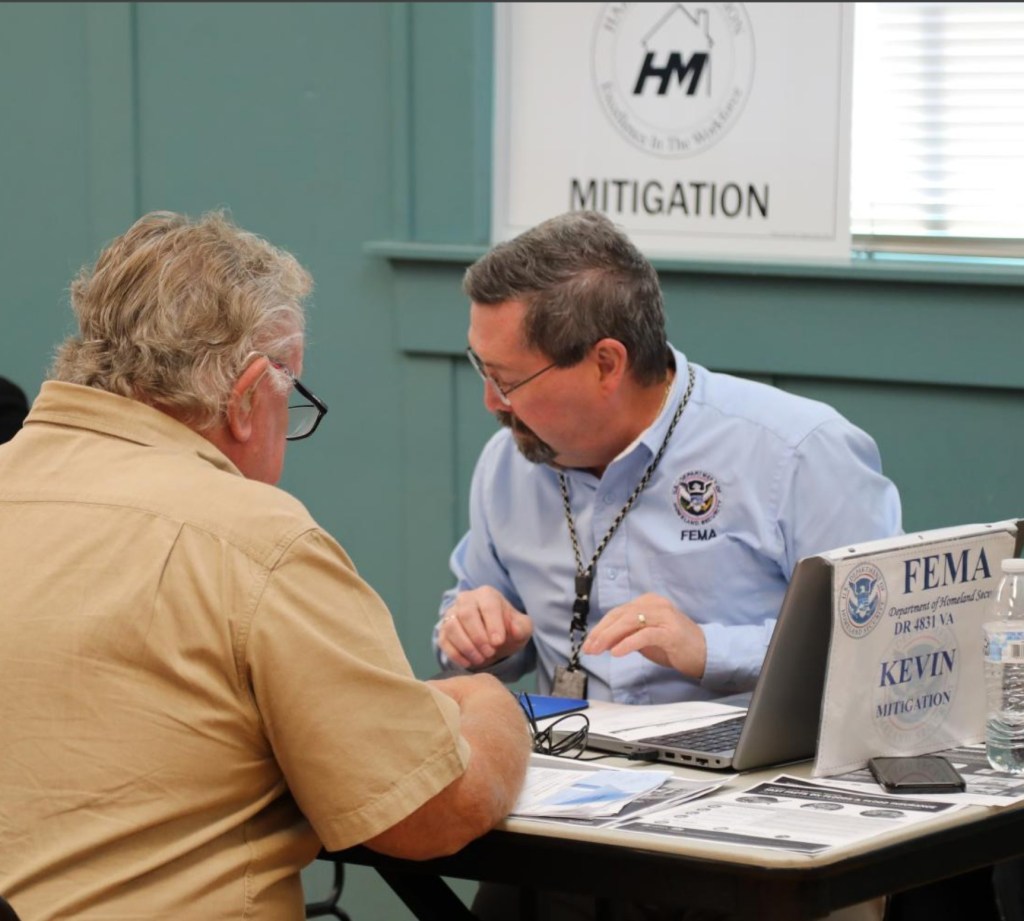
Federal agencies such as FEMA or the Corps of Engineers may continue emergency operations, but maintenance projects, long-term grants, or planning may be delayed. The ability to fund disaster mitigation, recovery grants, or infrastructure inspections may be restricted. (Salud Carbajal)
Populations in disaster-prone zones, low-income or rural communities dependent on federal infrastructure grants, or homeowners expecting aid for repairs are especially vulnerable. For example, after storms or floods, communities expecting federal grants or contracts to rebuild roads or seawalls may see those funds delayed or withheld.
This matters because resilience to natural disasters depends on predictable funding, maintenance, and recovery support. Delay in grants or inspections may leave communities exposed longer, degrade infrastructure, and increase the human cost of disasters. It also undermines trust in federal support in crisis times.
12. Interrupted scientific research and grants
Many federal research agencies (NIH, NSF, NASA, EPA, etc.) fund scientific studies, grants, and oversight that rely on continuous appropriation. A shutdown may pause peer review processes, grant announcements, or lab operations (for non-essential components). (Brookings)
The impacted demographics include scientists, graduate students, university research labs, startups dependent on federal grants, and fields reliant on long-term data (climate, ecology, medicine). A researcher awaiting renewal might lose time or funding; experiments may be paused; staff may be laid off.
This matters because science is cumulative and sensitive to continuity. Interrupting data collection or grant cycles causes lost time, wasted reagents, broken sequences, and institutional instability. In domains like climate change, epidemiology, or environmental monitoring, gaps or discontinuities degrade the value of long-term trends. Over time, scientific ambition may decline, as researchers shy from dependence on unstable funding.
13. Judicial delays, case backlogs, and court system strain
Although courts considered essential may continue handling certain matters, many federal court operations, especially district courts, may curtail non-urgent proceedings or administrative functions. Delays in case scheduling, justice for civil litigants, and backlog growth are common. (Wikipedia)
The populations affected include litigants in civil and criminal cases, small businesses in contract disputes, defendants and plaintiffs, public interest litigants, and attorneys. A delay of months or years can stall enforcement of rights, slow settlements, or prolong uncertainty in family or immigration courts.
This matters because the judicial system underpins rule of law. Delays erode public confidence, increase cost burdens for both parties, and can deny timely justice. Over time, the accumulation of postponed cases taxes court resources, raises legal costs, and invites inequities in access. The legal ecosystem is especially vulnerable to shocks like shutdowns.
14. Impact on military personnel and their families
While active-duty military service is typically funded and uninterrupted (especially in short shutdowns), nonessential support functions, base services, and military family benefits may be affected. If a shutdown extends, there is risk that military paydays might be delayed, unless specially exempted legislation is passed. (National Military Family Association)
The affected demographic includes active-duty service members, reservists, military spouses, and families. Some base services (community centers, commissaries, family support programs) could be paused or scaled back. If pay is delayed, families dependent on regular income may face hardship in budgeting, mortgages, schooling, or medical expenses.
This matters because military readiness and morale depend on stable, predictable compensation. Disruptions can undercut recruitment, retention, and trust in governmental commitment to military personnel. Moreover, many communities (especially around bases) rely on military family spending; disruption spills into local economies.
15. Delays in passport, visa, and consular services
Though many consular and visa services are funded by fees and thus might continue, some services or local passport offices may scale back or limit operations in a shutdown if staffing is affected or if user fees don’t fully cover operations. (Salud Carbajal)
Populations affected include travelers, students going abroad, expatriates, immigrants, and families petitioning visas. Someone needing a renewal, emergency passport, or visa stamping may find longer wait times, reduced appointment slots, or closures.
This matters because travel and migration are time-sensitive. Delays affect business trips, tourism, academic plans, family reunification, and diplomatic scheduling. Unpredictability in travel documents undermines global mobility and can impose costs (rescheduling flights, hotels, work leaves).
16. Diminished trust in government and citizen confidence
One of the less tangible but profound impacts is erosion of public trust and confidence in government competence. Repeated shutdowns or prolonged political standoffs signal that essential public functions are negotiable, generating cynicism or disengagement. Political scientists and public opinion studies often note trust declines after shutdowns. (Brookings)
Every demographic that interacts with or relies on government — which is nearly everyone — may internalize that the state is brittle or unreliable. Citizens who experience delays or see basic services halted may feel disenfranchised or skeptical of democratic institutions.
This matters because stable governance depends not just on laws but on legitimacy and social contract. A weakening of trust may reduce willingness to comply, decrease civic engagement (voting, volunteerism), and make future crises harder to manage. Over time, the state’s ability to mobilize for emergencies or reforms suffers when people expect dysfunction.
17. Negative spillover effects on local and state government budgets
When the federal government cuts or delays funding to states for programs (transportation grants, social services, grants-in-aid), states may have to cut spending, reallocate, or borrow. The uncertainty of federal payments complicates state budgeting. (Congressional Budget Office)
Local governments, school districts, hospitals, and transit agencies relying on federal grants may feel the pinch. They could freeze hiring, delay maintenance, or postpone capital projects. For rural or low-tax jurisdictions, these federal flows are especially significant.
This matters because local governments deliver many essential public services (roads, policing, education, healthcare). If federal funds shrink or are delayed, states and localities may need to scale back or shift burdens to taxpayers. That can increase inequality (richer jurisdictions can absorb shocks, poorer ones cannot), reduce service quality, and strain intergovernmental relationships.
18. Harm to consumer confidence, spending, and economic growth
Beyond direct effects, shutdowns can weaken consumer and business confidence. Households uncertain about job stability or benefits may slash discretionary spending; firms may defer investment. The ripple effect is lower demand, slower GDP growth, and possibly contraction. Indeed, models suggest weekly economic losses accruing. (Politico)
All demographics—workers, retirees, students, homeowners—are affected by a weaker economy. Even those not directly touched by furloughs may feel tightening credit, higher interest rates, or reduced opportunities.
This matters because the macroeconomy is sensitive to confidence. Declines in consumption or investment feed into job losses, budget shortfalls, and reduced tax revenues, thereby magnifying the shutdown’s damage. The cost of recovery is higher than the cost of prevention.
19. Delays in infrastructure, environmental, and maintenance projects
Many infrastructure or public works projects (roads, bridges, parks, water systems) depend in part on federal funding or regulatory approval. In a shutdown, permit reviews, grant approvals, or oversight staff may halt. Maintenance work could stop mid-project. (Congressional Budget Office)
The demographic affected includes communities—in urban, suburban, and rural areas—expecting improvements, commuting, or repairs. Contractors, union workers, utility systems, and residents expecting upgrades or repairs may see delays or increased cost. Bridge inspection or safety projects may languish.
This matters because infrastructure underpins productivity, connectivity, safety, and growth. Delays can lead to cost overruns, safety hazards, and diminished public utility. In the long run, consistent uncertainty discourages investment and degrades the stock of public assets.
20. Risk to credit rating, borrowing costs, and fiscal credibility
If a protracted shutdown drags into debates over debt limits or payment defaults, it can raise the risk that the U.S. might fail to meet obligations. That can threaten the “full faith and credit” of the United States, potentially triggering credit-rating downgrades or higher interest costs. (The Washington Post)
The demographic impacted includes all taxpayers, bondholders, municipal issuers, and future borrowers. If Treasury borrowing costs rise, federal debt servicing becomes more expensive, squeezing budgets. Mortgage, auto loan, or corporate interest rates might drift upward due to systemic risk perception.
This matters because fiscal credibility is the keystone of a sovereign’s ability to borrow and manage economic cycles. A damaged credit rating or loss of confidence elevates borrowing costs, constrains policy flexibility, and can provoke long-term drag on economic growth. The stakes of a shutdown may thus extend far beyond immediate programmatic harm into the realm of national financial stability.
If you like, I can compress these into shorter summaries or focus on the top 5–10 that matter most. Would you prefer I do that?
[End]
Filed under: Uncategorized |































































































































































































































































































































































































































Leave a Reply