





By Jim Shimabukuro (assisted by ChatGPT)
Editor
[Related in this series: AI Wearables and the Future of Prescriptions: 2026-2030 | Neuralink, Xpanceo, Fitbit, Northwestern, Minew | Samsung, Google, Movano, WearOptimo, Ultrahuman | Alva, Proteus, QuantumOp, Nanowear, Apple]
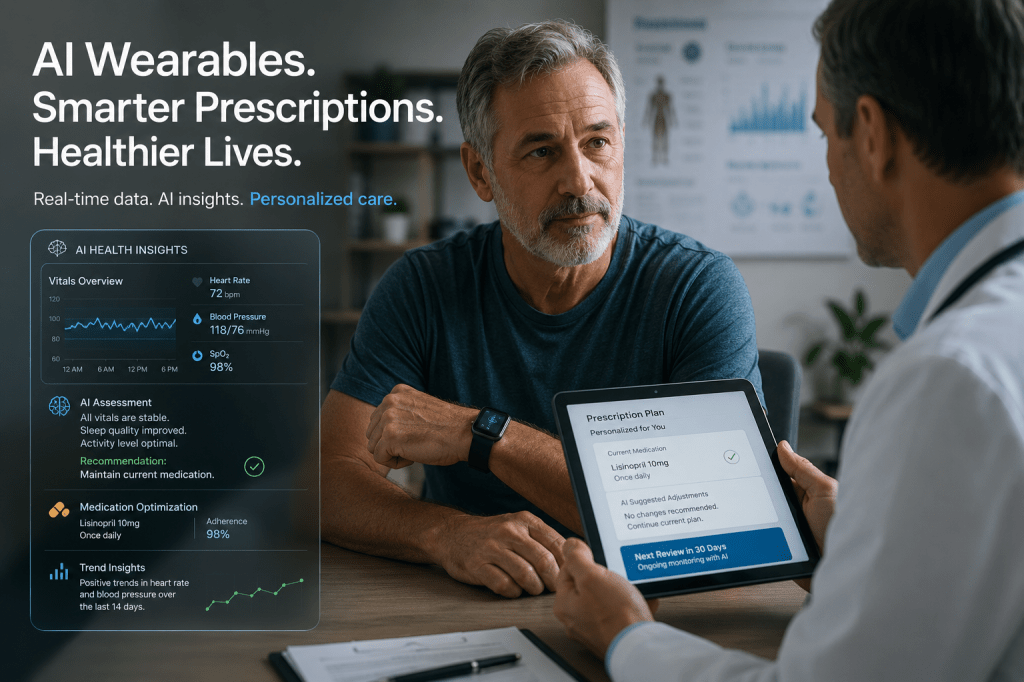
The broader wearable-health ecosystem is evolving rapidly toward continuous, AI-assisted, always-on medical monitoring. Several emerging products from 2025–2026 stand out because they move beyond simple fitness tracking into predictive, clinical-grade, and context-aware healthcare systems. These devices collectively suggest that the next phase of healthcare wearables will emphasize continuous sensing, AI interpretation, remote diagnostics, and proactive intervention rather than episodic measurement.

One of the most important emerging platforms is the ANNE system developed by Sibel Health in Chicago, Illinois. In 2026 the company received FDA clearance for ANNE Maternal, a fully wireless maternal-fetal monitoring platform designed for continuous monitoring of pregnant patients and unborn babies (1). The system uses flexible epidermal sensors that adhere directly to the skin and stream maternal heart rate, respiration, oxygen saturation, temperature, fetal heart rate, and uterine contraction data in real time. Sibel also announced a partnership with LookDeep Health in California to integrate continuous wearable monitoring with bedside AI capable of contextual interpretation of patient conditions (2). This matters because it points toward a future in which hospitals and homes become part of the same continuous monitoring ecosystem. Instead of occasional nurse check-ins or isolated clinic visits, AI systems may continuously watch for deterioration, reducing maternal mortality, detecting complications earlier, and easing the burden on overstretched healthcare systems.
Another important entrant is the cuffless blood-pressure monitoring category led by companies such as Aktiia, headquartered in Neuchâtel, Switzerland. Aktiia’s Hilo blood-pressure band, which received FDA clearance in 2025 and is expected to expand commercially in the United States during 2026, represents a major shift away from traditional inflatable cuffs (3). The significance of this technology is reinforced by the FDA’s new 2026 draft guidance on cuffless blood-pressure devices, which explicitly recognizes the growing importance of continuous, wearable blood-pressure monitoring (4,5). Researchers in late 2025 and early 2026 also demonstrated new AI-assisted calibration-free blood-pressure systems based on electrical bioimpedance and physics-informed machine learning, suggesting that future smartwatches and wristbands may eventually monitor cardiovascular health continuously with clinical-grade precision (6). Hypertension remains one of the world’s leading silent killers, and continuous unobtrusive blood-pressure monitoring could fundamentally change preventive cardiology by enabling earlier detection and individualized treatment.
The fertility and reproductive-health sector is also beginning to experience a wearable revolution. At CES 2026, OTO Fertility introduced Cira, a wrist-worn biosensor that combines biometric monitoring with AI-assisted reproductive analysis (7). The company positions the device as a predictive fertility platform capable of supporting natural conception, IVF, and intrauterine insemination workflows. While fertility tracking apps have existed for years, the innovation here lies in combining continuous physiological sensing with AI interpretation and clinical integration. This suggests a broader trend in which wearable systems evolve into personalized biological forecasting tools capable of predicting fertility windows, treatment readiness, hormonal patterns, and potentially even broader reproductive-health conditions.
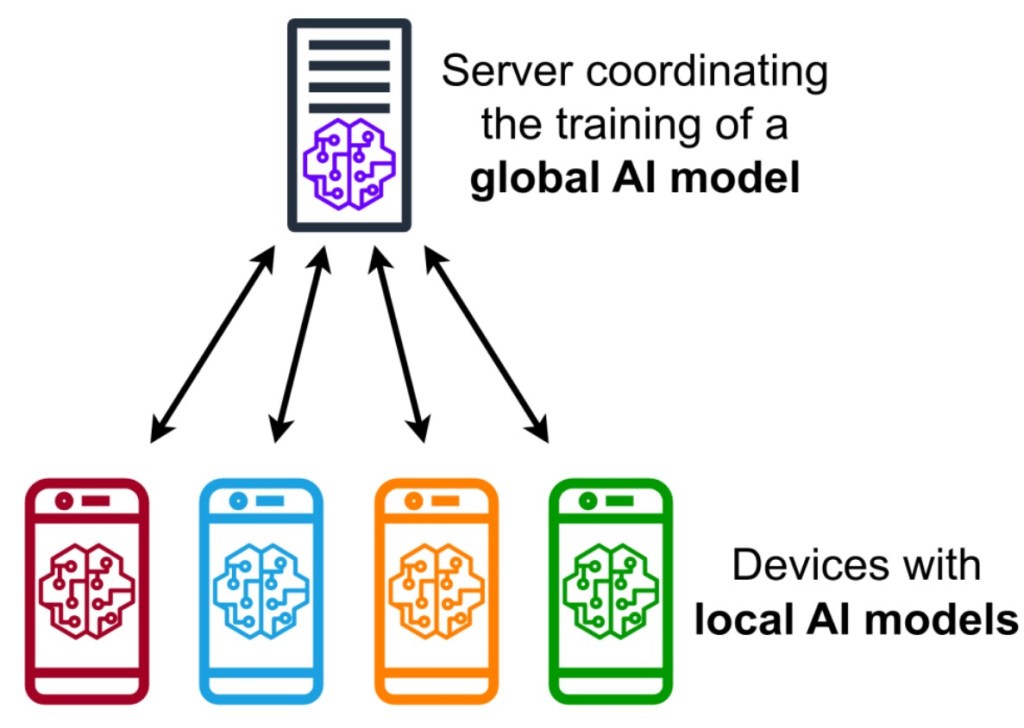
A fourth major development is the rise of AI-native smart rings and multimodal wearable ecosystems. At CES 2026, Chinese technology company Dreame Technology unveiled multiple AI-enabled smart rings and a blood-pressure watch built around large on-device AI health models (8,9). Unlike earlier generations of wearables that mainly collected raw data, these devices aim to function as proactive health companions capable of analysis, alerts, and intervention. The emphasis on local AI processing is particularly important because it reduces latency, improves personalization, and may mitigate some privacy concerns associated with constant cloud transmission. The broader implication is that wearable devices are increasingly becoming distributed AI agents that interpret human physiology in real time rather than merely logging measurements for later review.
Finally, a major enabling technology rather than a single device is emerging from Qualcomm in San Diego, California. Qualcomm’s Snapdragon Wear Elite platform, announced in 2026, is designed specifically for the next generation of AI-powered wearables, including watches, pendants, rings, and smart glasses (10). The platform includes dedicated neural-processing hardware capable of running large AI models directly on wearable devices with improved battery efficiency. This is significant because the future of healthcare wearables may depend less on individual sensors and more on the ability of devices to continuously interpret context, behavior, voice, movement, environment, and physiological signals together. In practical terms, this means future wearables may evolve into persistent health companions capable of detecting stress, illness, cardiovascular anomalies, cognitive decline, medication noncompliance, or emotional distress before users themselves become aware of symptoms.
Taken together, these developments suggest that healthcare wearables are rapidly transitioning from passive trackers into intelligent physiological surveillance systems. The implications are profound. Healthcare may become increasingly preventive rather than reactive. Hospitals may rely more heavily on continuous remote monitoring. AI systems may eventually detect subtle changes invisible to human clinicians. At the same time, these innovations raise difficult questions involving privacy, algorithmic accuracy, informed consent, data ownership, and the psychological effects of continuous biometric observation. The wearables emerging in 2025–2026 therefore represent not merely better gadgets, but the early infrastructure of a continuously monitored and AI-mediated healthcare future.
References
(1) “Sibel Health Receives FDA-Clearance for ANNE® Maternal, a Comprehensive and Fully Wireless Maternal-Fetal Monitoring Platform” — https://finance.yahoo.com/sectors/healthcare/articles/sibel-health-receives-fda-clearance-130000613.html
(2) “Sibel Health and LookDeep Health Announce Strategic Partnership to Combine Continuous Vitals with Real-Time Bedside AI” — https://www.prnewswire.com/news-releases/sibel-health-and-lookdeep-health-announce-strategic-partnership-to-combine-continuous-vitals-with-real-time-bedside-ai–without-lock-in-302696585.html
(3) “Aktiia’s Cuffless Band Is the Future of Blood Pressure Monitoring” — https://www.reddit.com/r/ProactiveHealth/comments/1rgcup8/aktiias_cuffless_band_is_the_future_of_blood/
(4) “Cuffless Non-invasive Blood Pressure Measuring Devices – Clinical Performance Testing and Evaluation” — https://www.fda.gov/regulatory-information/search-fda-guidance-documents/cuffless-non-invasive-blood-pressure-measuring-devices-clinical-performance-testing-and-evaluation
(5) “FDA Drafts Guidance on Cuffless Blood Pressure Measuring Devices” — https://www.raps.org/resource/fda-drafts-guidance-on-cuffless-blood-pressure-mea.html
(6) “Cuffless, Calibration-free Hemodynamic Monitoring with Physics-informed Machine Learning Models” — https://arxiv.org/abs/2601.00081
(7) “OTO Fertility Launches World’s First Diagnostic Wearable and Platform for Predictive Fertility Insight at CES 2026” — https://otofertility.com/ces-2026-oto-fertility-cira-launch/
(8) “Dreame Launches Three Rings and a Watch at CES” — https://www.iotm2mcouncil.org/iot-library/news/connected-health-news/dreame-launches-three-rings-and-a-watch-at-ces/
(9) “Beyond Wearables: Dreame Unveils Your AI-Driven Proactive Health Ecosystem at CES 2026” — https://www.prnewswire.com/news-releases/beyond-wearables-dreame-unveils-your-ai-driven-proactive-health-ecosystem-at-ces-2026-302656157.html
(10) “Qualcomm’s Snapdragon Wear Elite Aims to Power the Next Wave of AI Wearables” — https://www.techradar.com/health-fitness/smartwatches/qualcomms-snapdragon-wear-elite-aims-to-power-the-next-wave-of-ai-wearables-not-just-smartwatches
###
Filed under: Uncategorized |




























































































































































































































































































































































































































































Leave a Reply