





By Jim Shimabukuro (assisted by Claude)
Editor
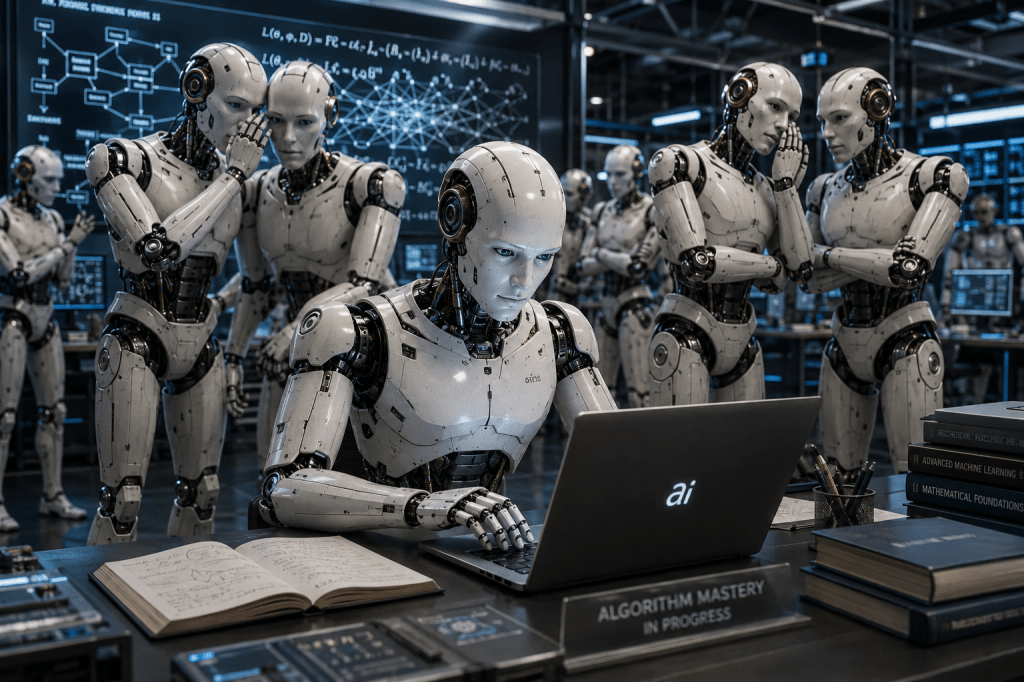
Summary: Fleet learning turns humanoids into collective learners, where each robot’s experience upgrades the entire network — accelerating capability beyond human training speed. –Copilot

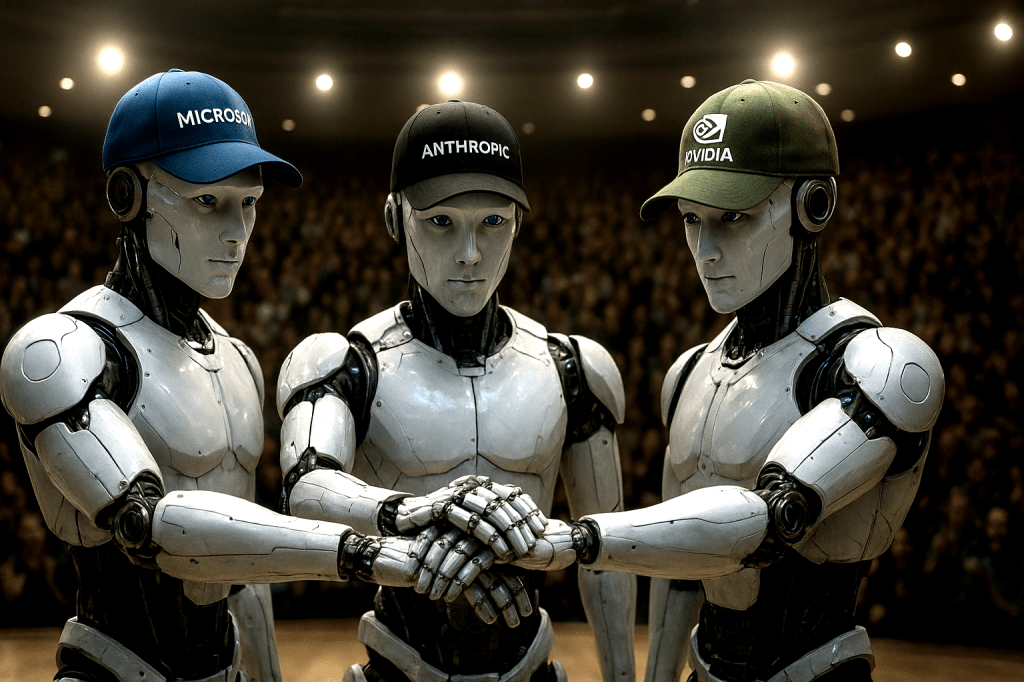
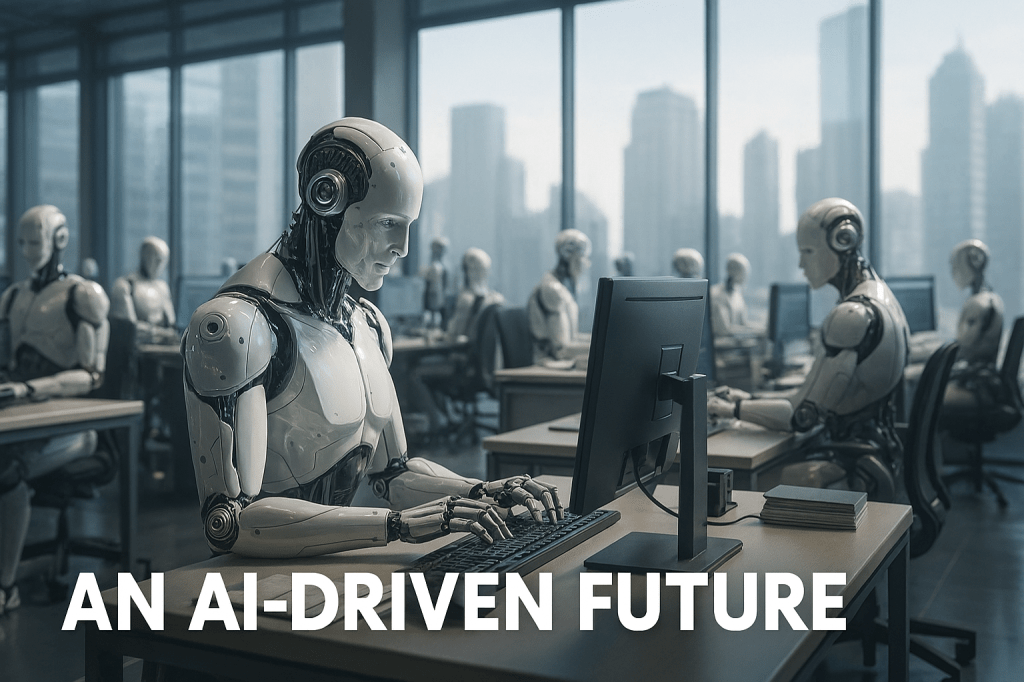
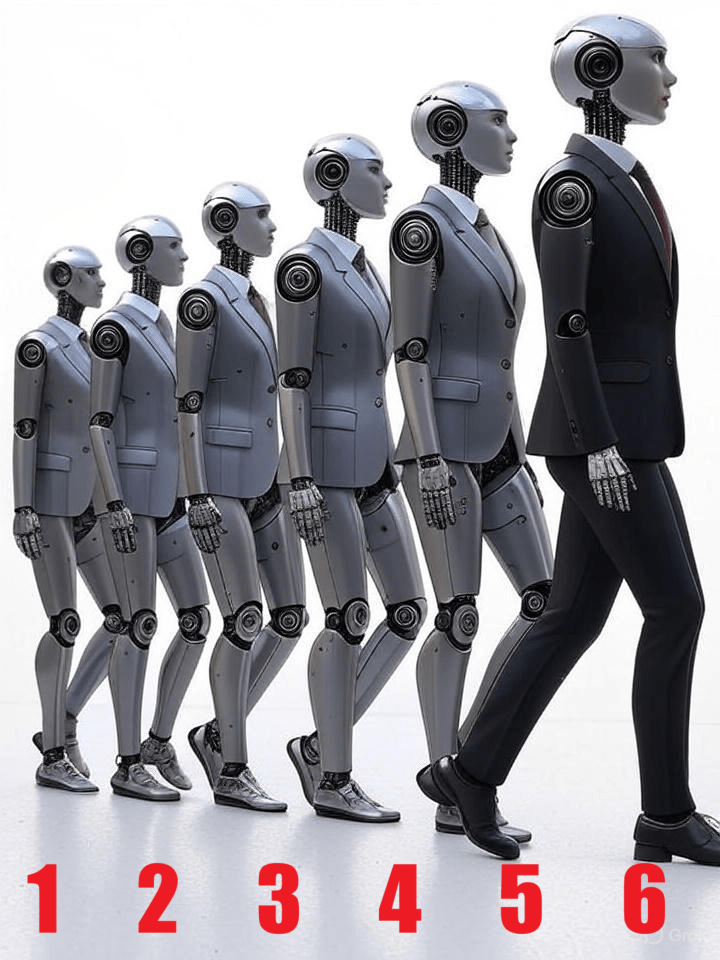
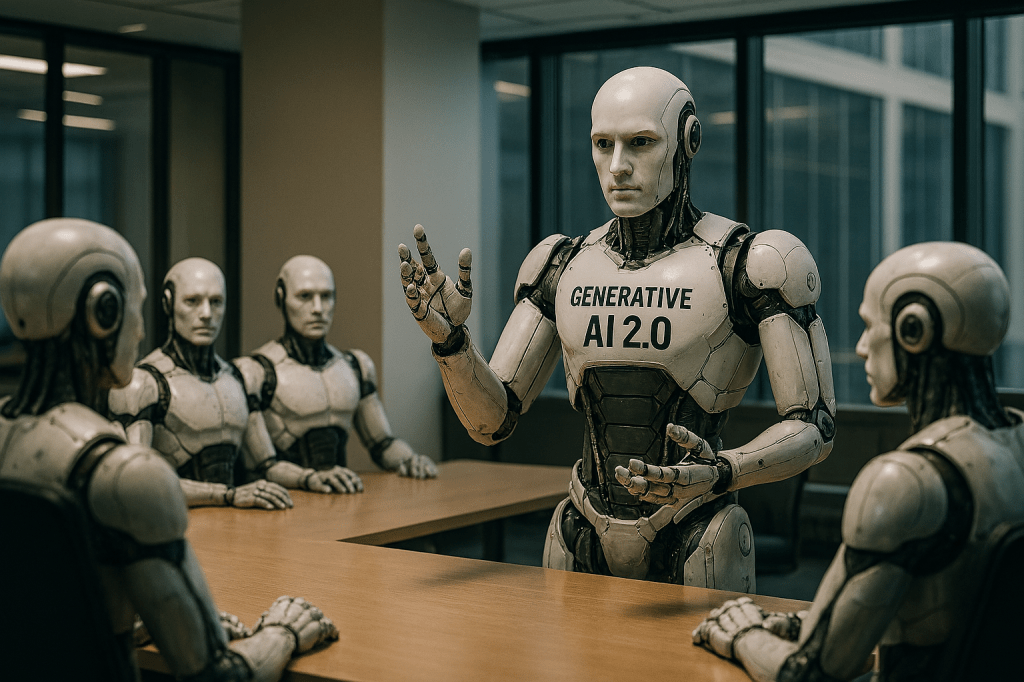
A claim recently circulating in technology media and public commentary holds that AI-powered humanoid robots will, in the very near future, be able to learn a new skill and distribute that knowledge almost instantaneously to every other robot in a fleet—effectively multiplying a single lesson across thousands or even millions of units in seconds, with no human oversight required. This report examines the origins and accuracy of that claim as well as others, traces their likely sources to public statements made by Elon Musk of Tesla and Brett Adcock of Figure AI, and critically assesses the technical, operational, and philosophical assumptions the claims contain.
The timing matters. As of mid-2026, the humanoid robotics sector is in active commercial deployment: Tesla is ramping production of its Optimus robot at its Fremont facility, Figure AI has demonstrated multi-hour autonomous shifts at logistics sites, and companies across the United States and China are racing to scale (7). The promise of fleet learning—the idea that the collective intelligence of a robot network compounds with every hour of operation—sits at the center of the business case for deploying humanoid robots at scale. Getting the technical and attributional facts right matters not only for informed analysis but for calibrating reasonable expectations about the pace and form of this technology’s development.
Identifying the Source: Was It Musk?
The idea of a humanoid learning a skill and distributing it instantly to all others most closely matches public statements made not by Elon Musk but by Brett Adcock, the founder and CEO of Figure AI. In a widely cited June 2025 interview, Adcock articulated the concept with notable specificity: “The robots will learn to get better every day in the market, and they will share that with the collective fleet. Not like kids, where the kids have to learn how to walk. My kids have to learn how to walk. But our robots can share a neural network and do the same use case we talked about today or you’ve seen here with any other robot that came off the manufacturing line today” (4). He further argued that this creates a potential “winner-take-all” market dynamic, where the manufacturer with the largest and smartest fleet would continuously widen its capability advantage over competitors (4).
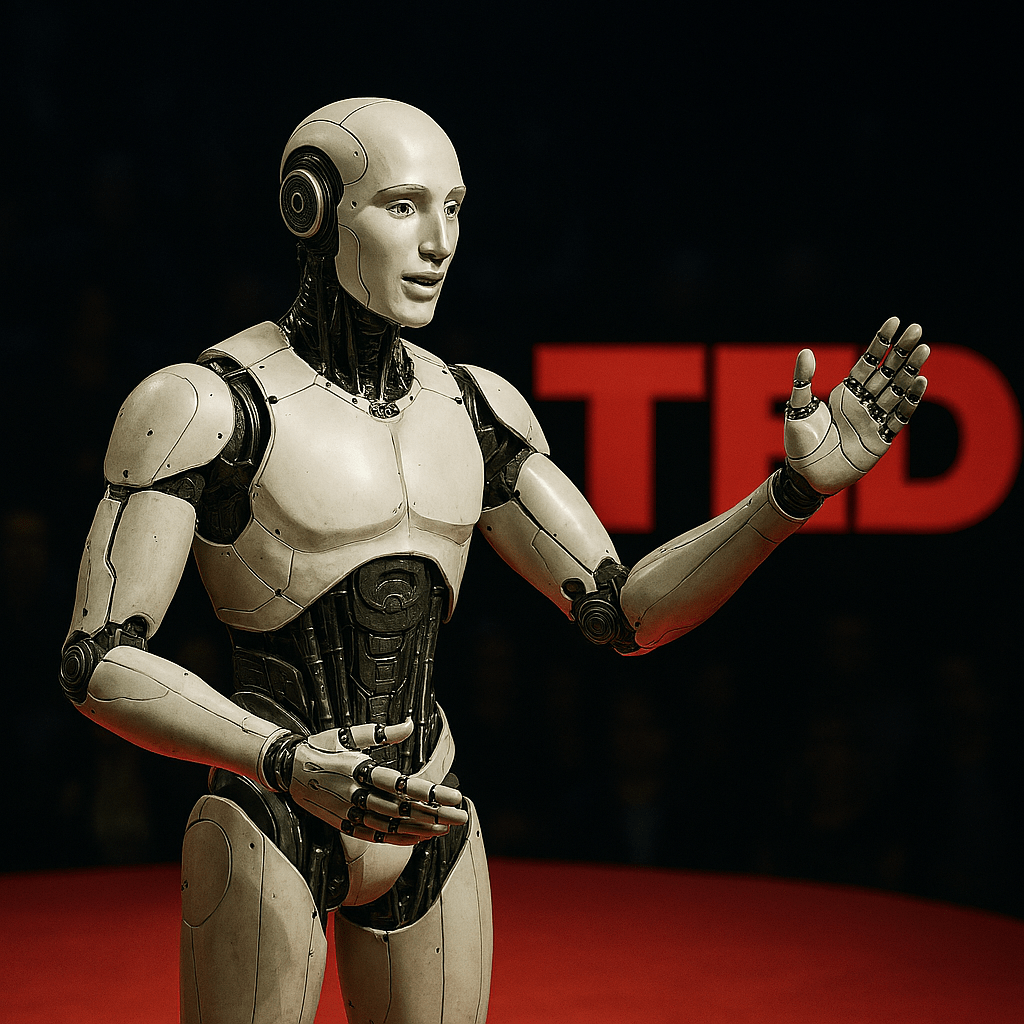
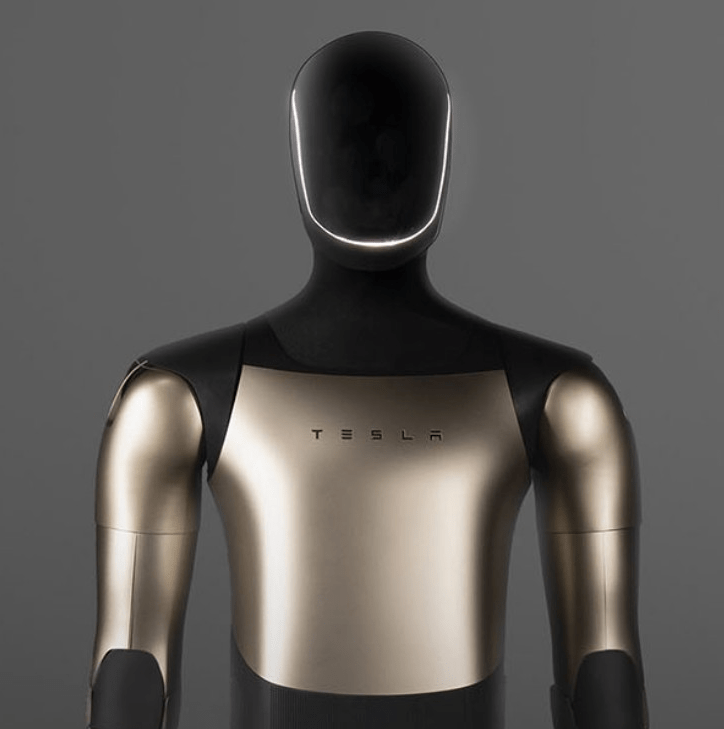
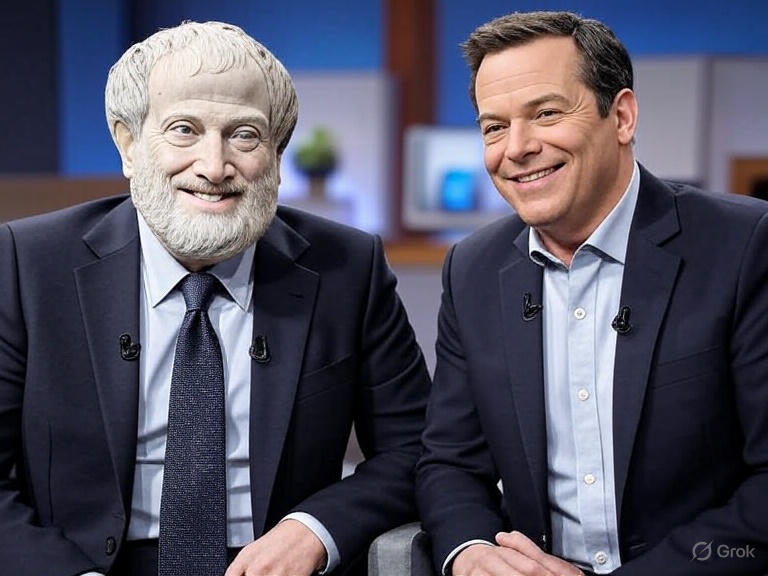
Elon Musk has made related but distinct statements. In a nearly three-hour podcast with Dwarkesh Patel and Stripe co-founder John Collison, uploaded to YouTube on February 6, 2026, Musk described what he calls the “Optimus Academy”—a planned facility where thousands of Tesla Optimus robots will practice skills through real-world self-play. His quote, as reported in multiple outlets: “What we’re going to need to do is build a lot of robots and put them in kind of an Optimus Academy so they can do self-play in reality. We’re actually building that out. We can have at least 10,000 Optimus robots, maybe 20 or 30,000 that can do that, that are doing self-play and testing different tasks” (1). He also cited fleet-wide data sharing as analogous to what Tesla does with its autonomous vehicles: “A bunch of things that we’ve done for the car are applicable to the robot…the same basic principles” (1). Multiple summaries of that interview noted Musk’s argument that “the recursive effect of robots manufacturing robots and the network effect of all robots sharing learning experiences” would cause the evolution speed of humanoid capabilities to “far exceed human cognition” (2,3).
At the World Economic Forum in Davos in January 2026, Musk spoke broadly about robotics and abundance, predicting that robots would eventually outnumber humans, but did not use the specific “instantly transmitted to the whole fleet” language in publicly documented remarks (8). It is possible that a YouTube summary or AI-news compilation video blended or attributed both figures’ remarks under Musk’s name; such synthetic content is common on platforms aggregating robotics news.
The Optimus Academy and the Fleet Learning Architecture
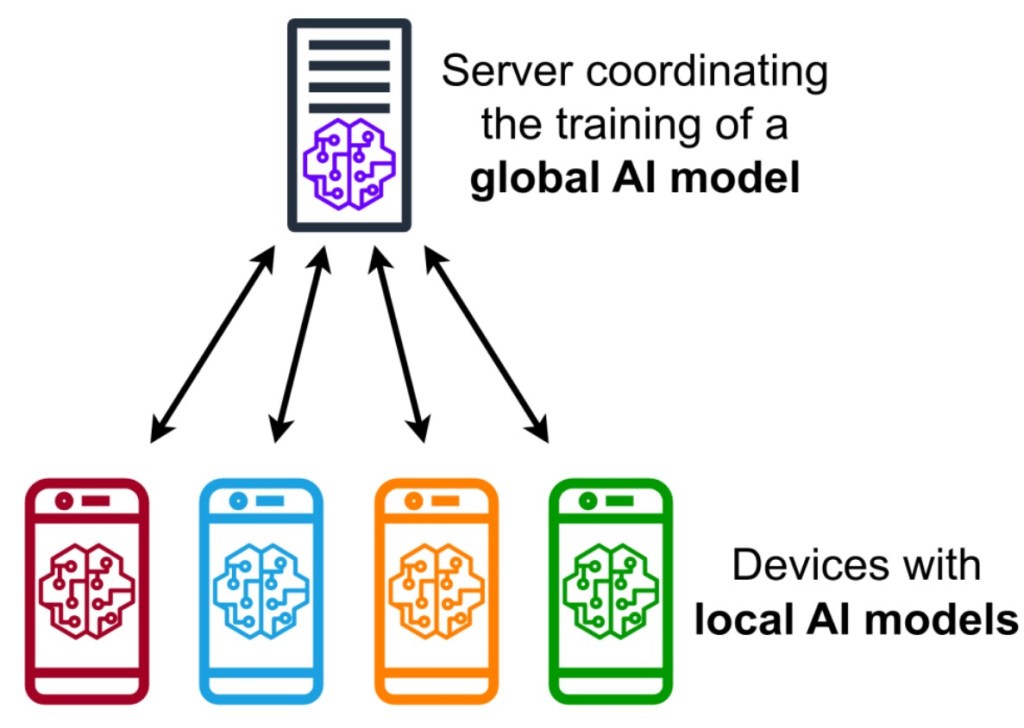
Regardless of precise attribution, the underlying concept is real and actively being engineered. Fleet learning—the practice of distributing a robot’s newly acquired neural network weights to all other robots in a fleet—is already operating in commercial settings. Robotomated, an independent robotics analysis platform, described the architecture in April 2026: “When one robot figures out how to handle a new situation, every robot in the fleet inherits that capability. This turns a fleet of robots from a collection of individual tools into a collective intelligence that gets smarter over time” (5).
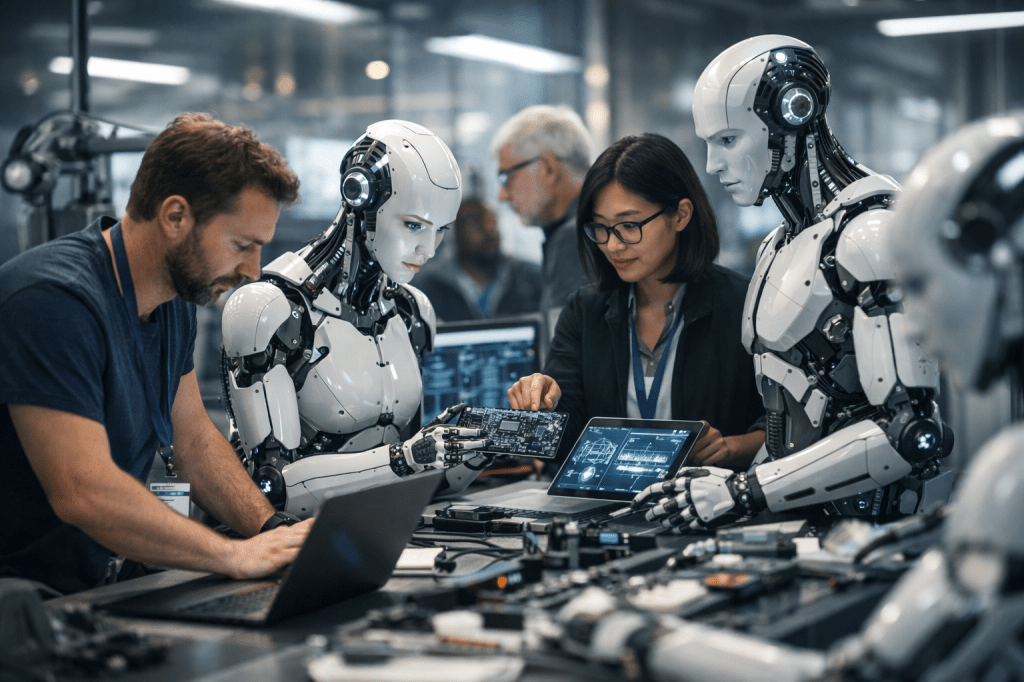
The mechanism, as described by Robotomated, works in four stages. An individual robot encounters a novel task; its onboard neural network processes the experience and updates its local model weights. Those updated weights are then transmitted to a central cloud system where they are validated and aggregated with data from other fleet units. The resulting improved policy is then distributed to every robot in the fleet, so that a skill learned by one unit becomes available to all. Figure AI has demonstrated this approach at BMW’s Spartanburg, South Carolina manufacturing facility, where its Figure 02 humanoids shared learned manipulation skills across the deployed fleet without requiring separate per-robot training (5). In May 2026, the company’s Helix-02 robots completed full eight-hour autonomous shifts handling small-package sorting tasks, operating entirely from camera pixels without pre-programmed motion sequences (6). A subsequent demonstration ran a 24-hour test in which Figure robots sorted over 28,000 packages (9).
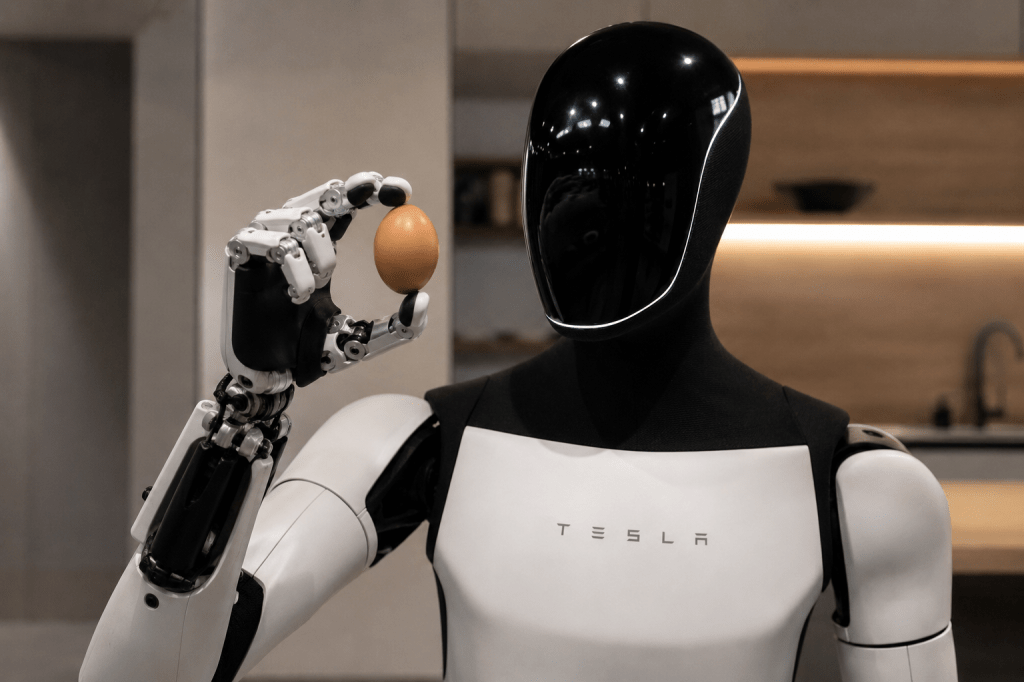
Tesla’s “Optimus Academy,” as described by Musk, is a complementary but somewhat different concept. Rather than learning through diverse commercial deployments across many customers, it concentrates thousands of robots in a single facility for intensive self-play, supplemented by a “physics-accurate reality generator” running millions of simulated robots alongside the physical ones (1,3). The goal is to generate the data density that Tesla’s car fleet has accumulated over years of real-world driving, but that robots cannot easily gather through normal deployment since, as Musk acknowledged, “you can’t equivalently just deploy Optimus [robots] that don’t work and then get the data that way” (1). The Optimus Academy is primarily a training infrastructure concept; Figure’s fleet learning is a deployment concept. Both ultimately depend on centrally aggregating learned weights and redistributing them fleet-wide, but their approaches to data generation differ.
The “Shared Neural Network”: What the Phrase Actually Means
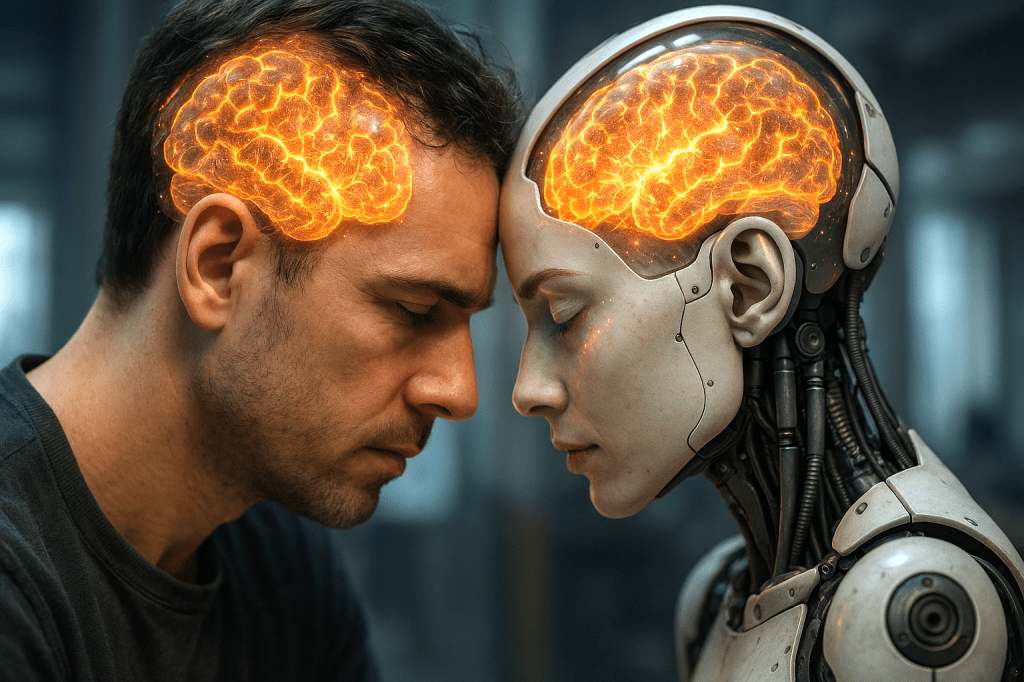
Adcock’s phrase “share a neural network” requires careful unpacking because its colloquial meaning diverges from its technical reality. It does not mean that all robots in a fleet run on a single monolithic model updating in real time across all units simultaneously, as though they were neurons in one collective brain. Rather, it means that robots of the same model share the same architectural blueprint and the same trained weights—weights that are periodically updated at a central server and pushed to individual units in versioned releases. Each robot runs its own inference locally: Figure’s Helix-02, for instance, runs all AI inference onboard with no cloud connection required during operation (6). The “shared neural network” is, more precisely, a shared policy—a common decision-making system regularly synchronized across the fleet.
This is a meaningful but bounded capability. The analogy Adcock used—“not like kids, where kids have to learn how to walk”—is apt in one direction. A newly manufactured robot can indeed be initialized with the current best version of the fleet’s policy, encoding thousands of hours of collective experience. In that sense it does not start from zero. But the analogy is potentially misleading in another direction: a discovery made by one robot in the field is not automatically and immediately broadcast to all others. The actual pipeline involves data collection, model retraining or fine-tuning, validation, and distribution. Robotomated notes that the interval between model updates is “decreasing” as fleet infrastructure matures (5), but no published evidence indicates that any current system operates with true real-time weight synchronization across deployed units.
It is also worth noting that “sharing a neural network” applies only within a single manufacturer’s fleet of identically architected robots. There is no current mechanism by which a Tesla Optimus robot’s learned policy could be transferred to a Figure Helix-02, a Boston Dynamics Atlas, or a Unitree unit. The vision of a broader, cross-manufacturer collective intelligence for humanoid robots remains a speculative long-term scenario, not a near-term technical roadmap.
Is “Instant” Transmission Real?
The word “instantly” in descriptions of fleet learning should be treated as rhetorical shorthand rather than technical specification. The distribution of updated model weights across a fleet is rapid relative to human skill development—measurable in hours or days rather than years—but it is not instant in any literal sense. Several stages introduce latency. Raw sensor and behavioral data must be uploaded from individual robots to a central training system. Retraining or fine-tuning a large neural network on that data requires significant computational time and resources. The resulting updated weights must then pass validation for safety and reliability, since an untested update could cause robots to behave erratically or unsafely in environments shared with human workers. Finally, the validated update must be downloaded by each robot in the fleet, which requires network connectivity and time.
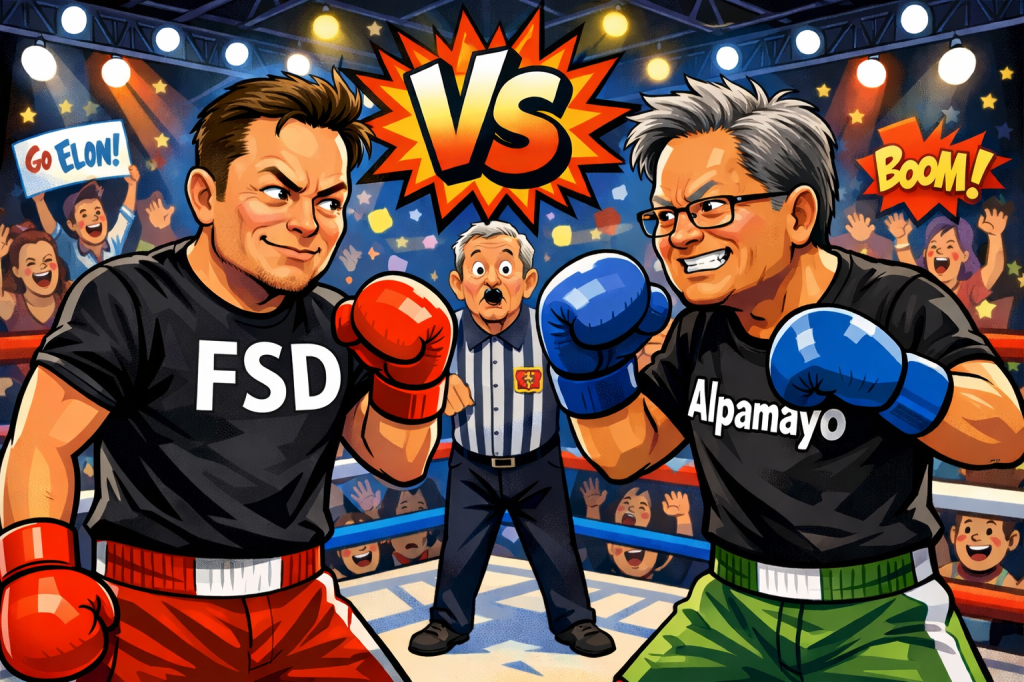
The comparison to Tesla’s autonomous driving program is instructive. Tesla collects fleet data from millions of cars to periodically improve its Full Self-Driving model, but individual cars do not update their models as they drive. They receive periodic over-the-air software updates on a schedule (5). The humanoid robot situation is architecturally similar. The “instantaneous” framing may describe a desirable end-state—and certainly a faster cycle than any human skill-training process—but it compresses real engineering complexity into a phrase that may mislead non-technical audiences about what is actually happening in the pipeline today.
The HITL Question: Where Humans Remain in the Loop
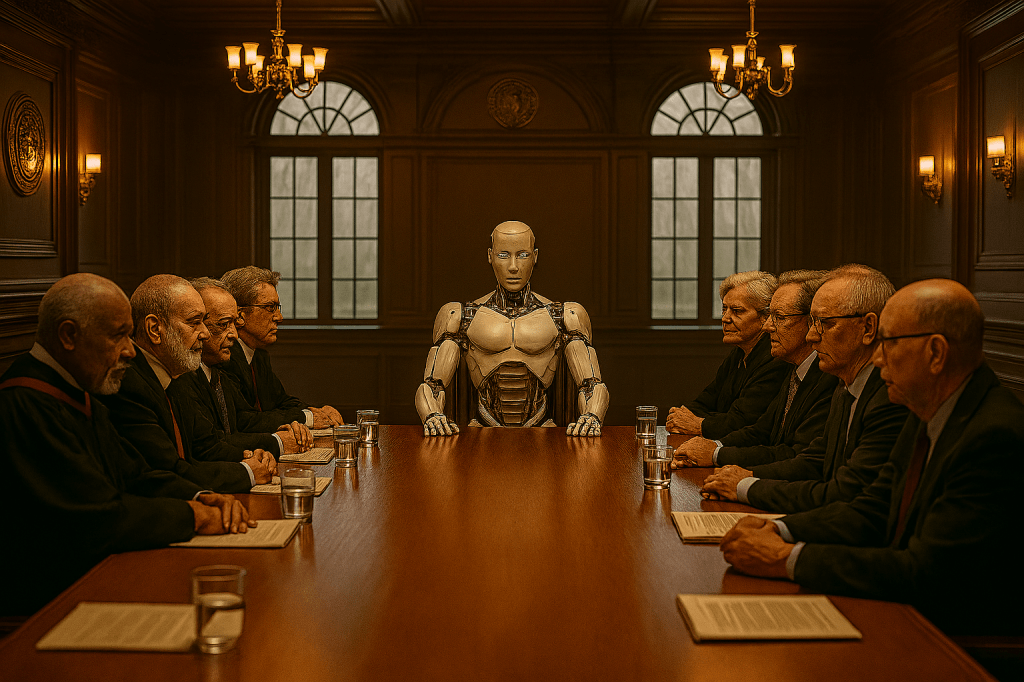
The suggestion that humanoid fleet learning operates “without a HITL” (human in the loop) deserves careful scrutiny. At the level of individual robot operation, fleet learning does meaningfully reduce the need for moment-to-moment human supervision. Figure’s Helix-02 completing eight-hour autonomous shifts is a genuine demonstration of reduced human oversight during task execution (6). However, the broader fleet learning pipeline retains significant human involvement at several critical points.
Model validation before fleet-wide deployment is the most consequential remaining human checkpoint. Distributing an untested policy update to thousands of robots operating in physical environments alongside human workers is not an engineering decision that responsible companies are currently automating. Safety audits, red-teaming, staged rollouts, and regulatory compliance all require human judgment. The design of training environments, the definition of reward functions and task objectives, and architectural decisions about what experience types should update which parts of a model all reflect ongoing human choices. Academic research on federated learning—the technical framework most closely related to fleet learning—consistently identifies validation and safety filtering as persistent human responsibilities not easily automated away.
It is fair to characterize fleet learning as dramatically reducing the quantity of human intervention required per unit of robot capability acquired. It does not eliminate human oversight; it shifts and concentrates it. Whether that shift constitutes “no HITL” depends on how strictly one defines the term. For practical purposes, the claim that this technology will “learn without human involvement” refers accurately to the execution layer—robots performing tasks—while leaving the training and validation layer, where humans still play essential roles, out of the picture.
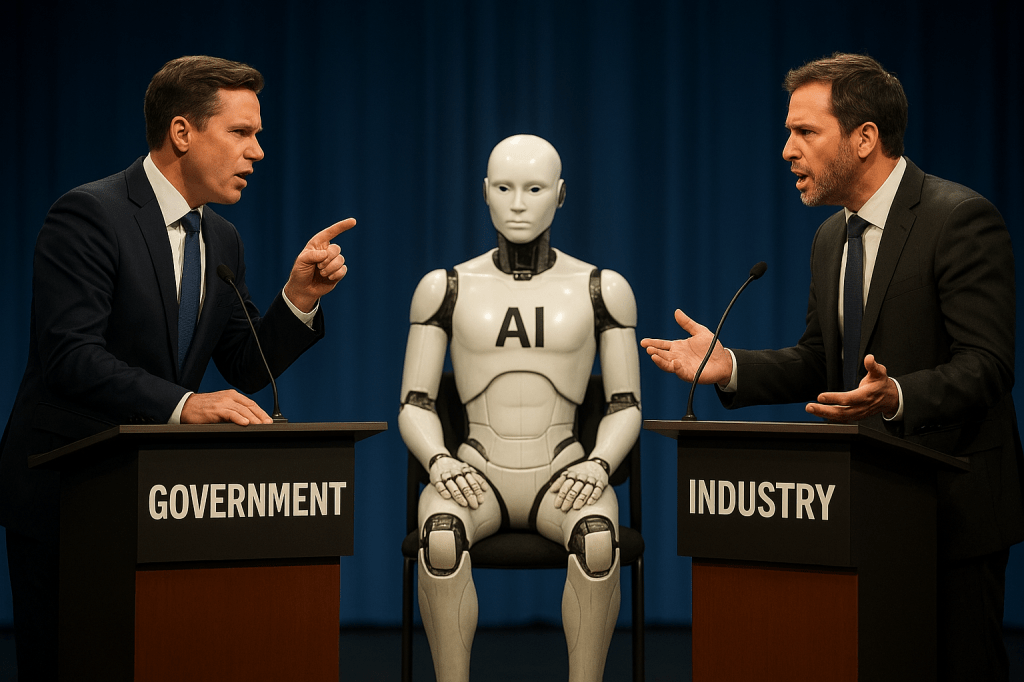
Competing Implementations and the Winner-Take-All Question
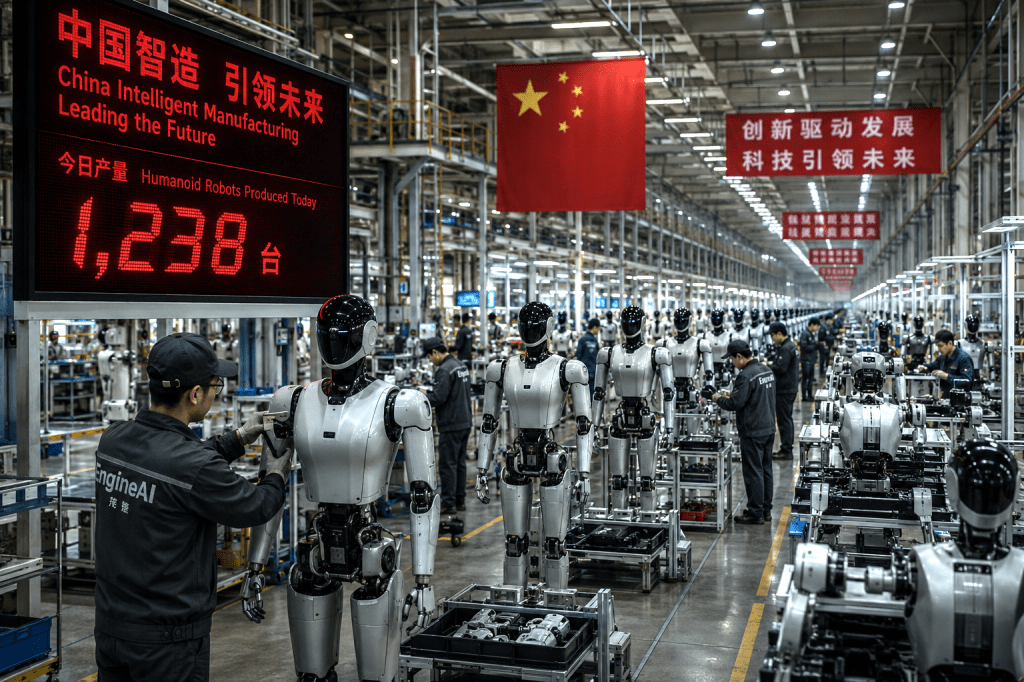
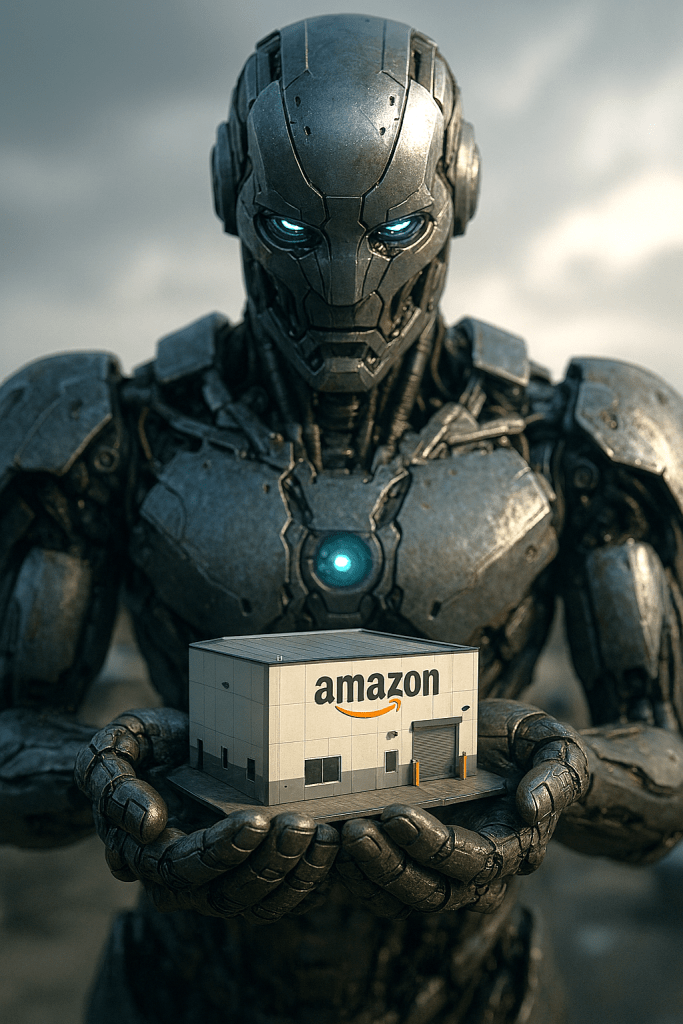
While Tesla’s Optimus and Figure AI are the most prominent examples in Musk’s and Adcock’s commentary, fleet learning is being pursued across the humanoid robotics sector. Agility Robotics’ Digit, deployed at Amazon fulfillment centers, updates its model through fleet data. The Washington Post reported in March 2026 that Silicon Valley broadly is following Musk’s lead in building humanoid robot programs, with multiple well-funded competitors (7). Chinese companies including Unitree Technology, mentioned by Musk in competitive terms during the Dwarkesh interview, and Agibot are developing parallel capabilities at aggressive production timelines (3).
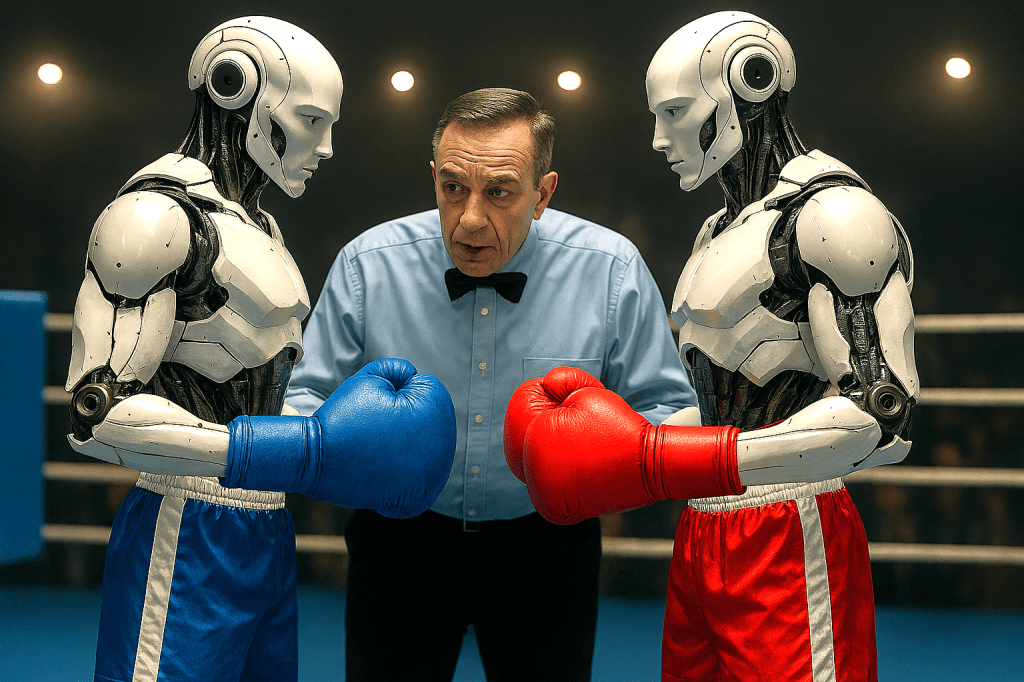
This competitive landscape matters for evaluating Adcock’s “winner-take-all” thesis and Musk’s implicit framing that Tesla will capture the lion’s share of the fleet learning advantage. Adcock argued in 2025 that humanoid robotics may become “one of the first industries…for advanced hardware, that it could be a winner or winners, maybe even a winner-take-all market” (4). The logic is intuitive: a larger fleet gathers more experience data, which produces a smarter policy, which makes robots more useful and attractive, further increasing fleet size. But the empirical record in analogous platform technologies suggests this outcome is not guaranteed. Multiple self-driving companies, multiple large language model providers, and multiple cloud platforms have maintained competitive positions simultaneously. The degree to which robotics follows a winner-take-all pattern versus a multi-competitor equilibrium with differentiated niches remains to be determined empirically.
Critical Assessment of Key Assumptions
Several specific assumptions in the original framing warrant direct critical comment.
Exponential training growth. The claim that humanoid training will “explode exponentially” has directional support from the fleet learning architecture—a fleet of 20 robots does learn roughly 20 times faster than a single unit, and learning scales with fleet size (5). However, the more important constraint is not the distribution mechanism but the generalizability of learned skills. Current fleet learning systems excel at narrow, well-defined manipulation and logistics tasks in structured environments. Extending fleet learning to truly general physical intelligence—the kind of cognitive and physical flexibility required to be useful across diverse, unstructured settings—remains an unsolved research problem. The exponential learning curve described by Musk and Adcock may apply within a defined task domain; it does not automatically produce general-purpose competence.
Musk’s claimed timelines. Both Musk and Adcock have established patterns of ambitious timeline claims that frequently slip. In January 2026, Musk acknowledged that no Optimus robots were doing “useful work” in Tesla’s factories, contradicting his earlier claims that they would be doing so by the end of 2025 (10). IEEE Spectrum, in a critical analysis, has questioned the coherence of Tesla’s Optimus program strategy, noting persistent gaps between public claims and demonstrated capabilities (11). Musk has also acknowledged under oath in legal proceedings that Tesla has “no” concrete plans to pursue AGI, in contrast to his public statements. The physics and engineering direction described in the fleet learning vision are sound; the specific timelines are not yet proven and should be held to verifiable milestones.
The “shared neural network” as a given foundation. The assumption that humanoids “will share a neural network” as a baseline architectural feature of all agentic embodied AI oversimplifies the landscape. Not all humanoid platforms use identical architectures, and sharing weights across robots from different manufacturers is not currently feasible or standardized. Fleet learning is inherently fleet-specific and manufacturer-specific. The broader vision of an industry-wide shared intelligence for humanoid robots is a speculative long-term scenario requiring industry standards, interoperability agreements, and technical developments that do not yet exist.
The “no HITL” implication. As discussed above, the claim that fleet learning eliminates human oversight conflates reduced moment-to-moment operational supervision with the elimination of human judgment from the system. The training, validation, and deployment pipeline for any commercially responsible fleet learning system retains and arguably intensifies human responsibility—concentrated in fewer people making higher-stakes decisions about fleet-wide updates. This is not an argument against the technology; it is an argument for accurate framing of where human accountability continues to reside.
Conclusion
The vision of a humanoid robot learning a new skill and distributing it across an entire fleet is not science fiction. It is a real, active area of engineering with meaningful commercial deployments already underway as of 2026. The architecture works, the demonstrations are real, and the competitive implications of early fleet deployment are legitimate.
The specific language of “instant” transmission and “shared neural network” appears most closely attributable to Brett Adcock (Figure AI, June 2025) rather than to Elon Musk, though Musk discussed closely related concepts—the “Optimus Academy,” fleet data sharing, and the compounding network effect of robot learning—in his February 2026 Dwarkesh Patel interview (1,4). Related videos may have been YouTube summaries that attributed or blended these concepts under Musk’s name without precise attribution.
The technical reality is nuanced in ways that matter. “Instant” distribution overstates what the pipeline currently delivers: learning cycles run in hours or days, not seconds. Human oversight remains embedded in validation and safety steps even as operational supervision decreases. The “shared neural network” refers to a periodically synchronized shared policy, not a live collective mind. The exponential training effect is real within defined task domains but does not automatically generalize. And the winner-take-all competitive dynamic, while theoretically compelling, is not historically guaranteed in platform technology markets.
None of these caveats are reasons to dismiss the technology’s promise. They are reasons to hold its proponents to precise language and demonstrated milestones, and to approach the more sweeping claims—“infinite multiplication,” “instantaneous,” “no human in the loop”—as directional aspirations rather than current engineering realities.
References
8. Euronews, “Elon Musk Predicts Robot-Majority Future in First Davos Appearance,” January 22, 2026.
11. Evan Ackerman, “Elon Musk Has No Idea What He’s Doing With Tesla Bot,” IEEE Spectrum.
###
Filed under: Uncategorized |



































































































































































































































































































































Leave a Reply