





By Jim Shimabukuro (assisted by Claude)
Editor
Summary: Government’s assertive entry into AI rule‑making exposes a new power center in the tech ecosystem — signaling that the future of innovation will be shaped as much by political authority as by engineering breakthroughs. –Copilot

Picking the three biggest artificial intelligence stories of any six-month stretch in 2026 means leaving good candidates on the table. The first half of the year brought a custom chip from OpenAI, a record state-government contract for Anthropic in California, and a steady run of research systems that now help scientists design and interpret experiments. The three stories below rose above the rest because each one changed something structural: who gets to release the most capable models, what it costs to build them, and whose software reaches the most people. They are ranked in that order. The first reset the relationship between the leading labs and the federal government. The second set the financial terms for everything else. The third showed how a company that had fallen behind bought its way back to the front, and what that says about consolidation across the industry.
1. The government gained a say over frontier model releases
The clearest sign came on June 26, 2026, when OpenAI began a restricted preview of its GPT-5.6 models. Rebecca Bellan covered it for TechCrunch under the headline “OpenAI limits GPT-5.6 rollout after government request, says restrictions shouldn’t be the norm” (1).
OpenAI released three models that day: Sol, its most capable system; Terra, a mid-tier option for everyday work; and Luna, a cheaper and faster one (1,2). What made the release unusual was not the lineup but the gate around it. The company said the preview would reach only a small group of partners whose participation had been shared with the government, a limit imposed at the request of the Trump administration (1,3,4). OpenAI priced the models on a tiered scale, with Sol at $5 per million input tokens and $30 per million output tokens, Terra at half that, and Luna at $1 and $6, and it described gains in coding, biology, and cybersecurity work (1).
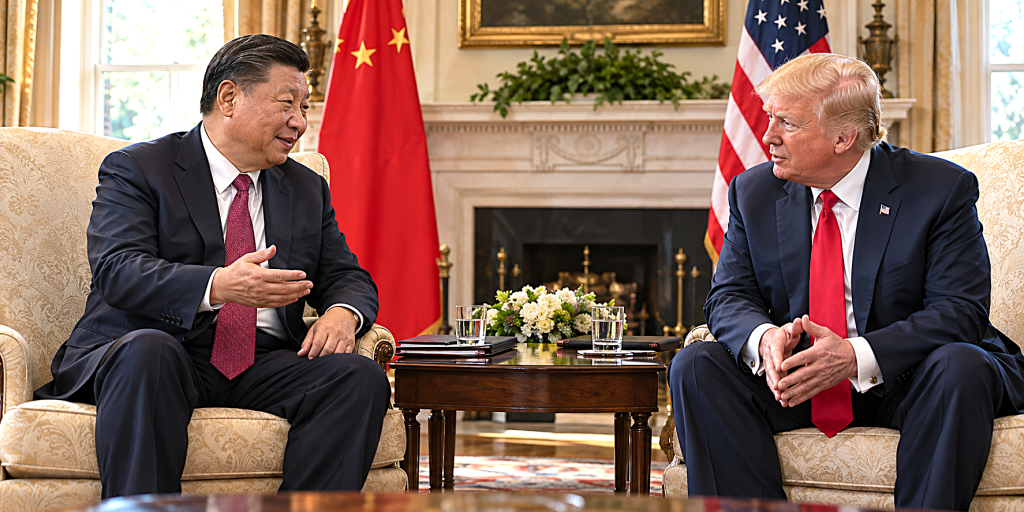
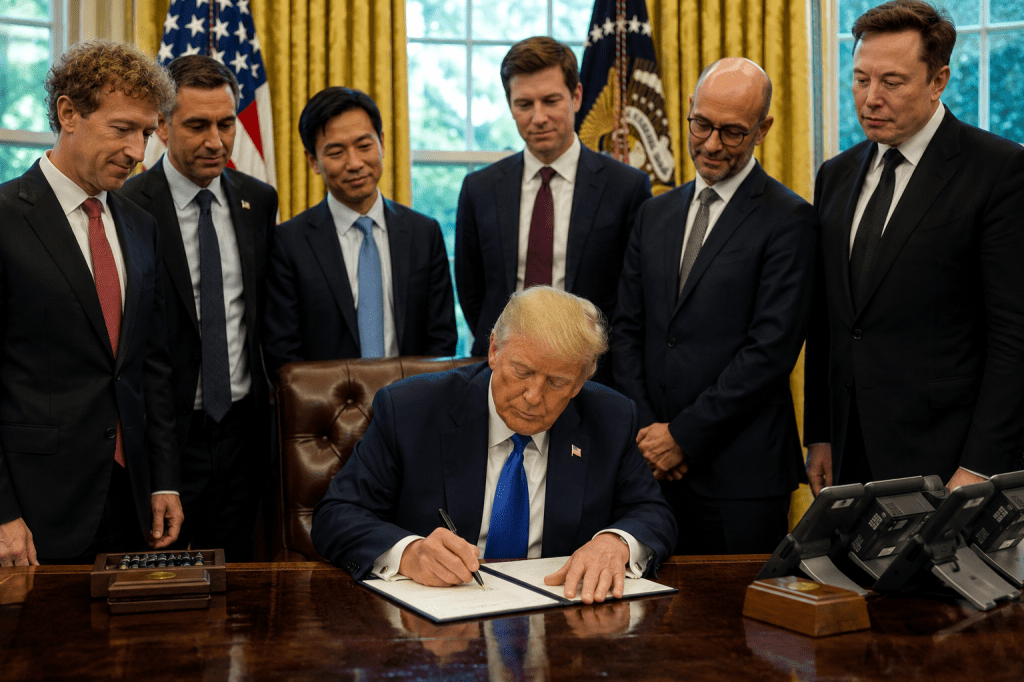
The restriction did not arrive in isolation. Bellan reported that a recent executive order asked certain AI companies to voluntarily submit their most advanced models for government review up to thirty days before release. Dean Ball, a former White House AI adviser then joining OpenAI, argued that the order had created “a de facto involuntary licensing regime” for frontier AI. The same month, after Anthropic released its most powerful public model, the administration ordered the company to remove access for any foreign national, and Anthropic pulled the model down entirely (1). OpenAI complied but pushed back in writing. In a blog post the company said it did “not believe this kind of government access process should become the long-term default” and warned that the approach “keeps the best tools from users, developers, enterprises, cyber defenders, and global partners who need them” (1,2).
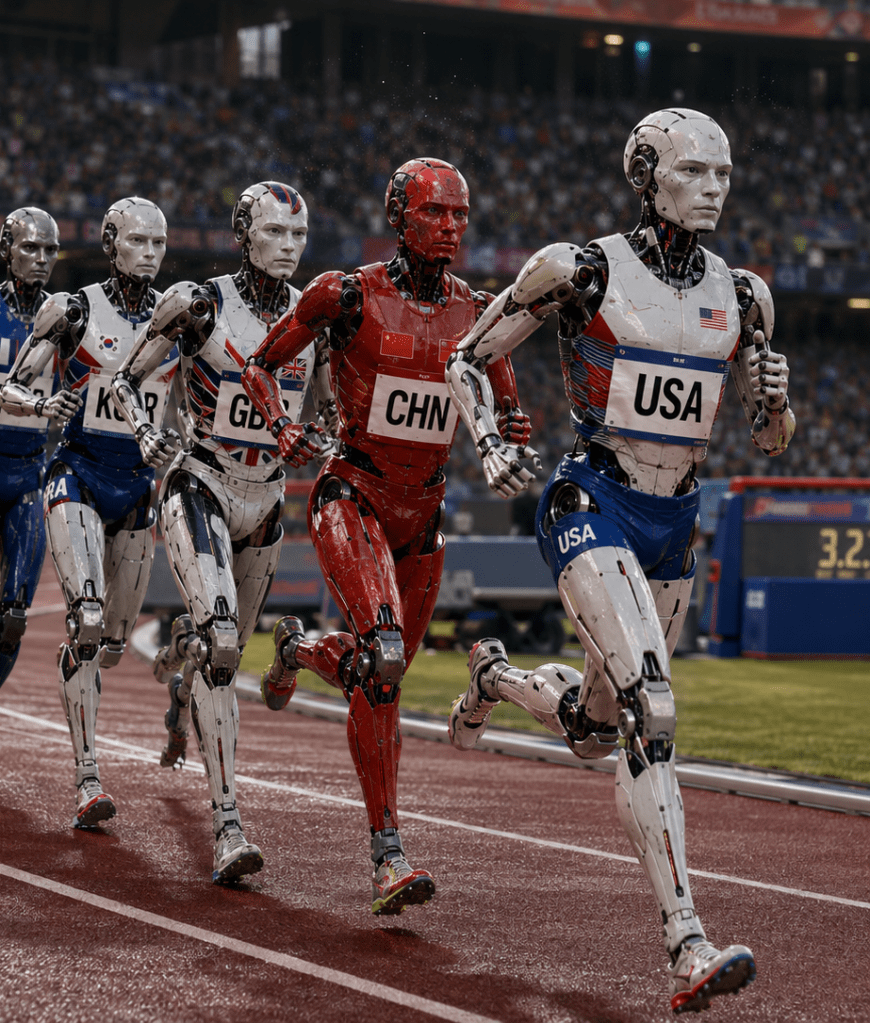
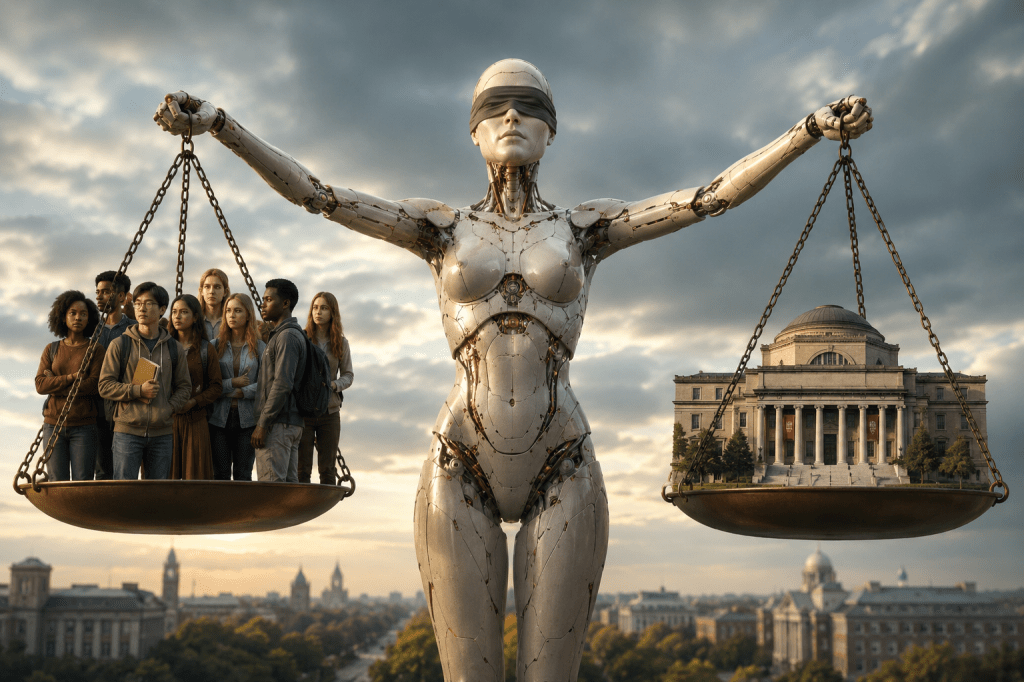
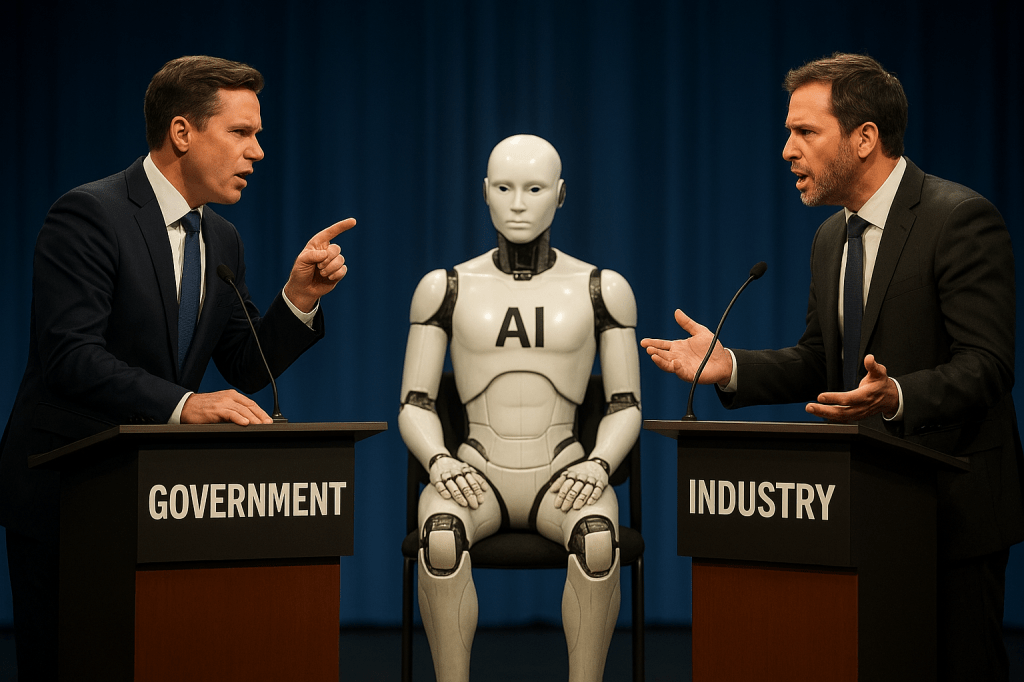
For most of the modern AI era, the labs decided on their own when a model was ready and who could use it. That is what changed. A federal government is now shaping the timing and reach of the most capable systems before they ship, and the companies are going along with it even as they object. The precedent cuts several ways at once. It gives Washington leverage over safety, national security, and which foreign users can touch American models. It also raises the risk Ball flagged: without clear published standards, review can turn into open-ended delay, which could slow domestic labs against Chinese competitors and unsettle the enormous sums being spent on AI infrastructure (1). Whether this hardens into a lasting licensing system or fades as a short-term arrangement, the events of late June marked the moment the release of a frontier model stopped being a purely private decision. That is why it ranks first.
2. The cost of building AI reached the scale of national infrastructure
On April 30, 2026, Fortune’s Sharon Goldman laid out the numbers in a piece headlined “Big Tech will spend nearly $700 billion on AI this year. No one knows where the buildout ends” (5).
Goldman reported that Alphabet, Amazon, Meta, and Microsoft together guided to more than $130 billion in capital spending for a single quarter, driven by data centers and related hardware. For the full year that spending is on track to pass $700 billion, up sharply from about $410 billion in 2025 and roughly $200 billion two years earlier. She walked through where the money goes. A single Nvidia GPU can cost as much as $40,000, and companies buy them by the thousands, wiring them together into clusters that draw as much power as a small city; Meta’s Hyperion complex in northeast Louisiana, one example she cited, carries a price tag near $27 billion. The companies are, in her words, “hungry, if not starving, for more computing power” (5).
The article did not treat the spending as settled wisdom. Goldman noted that Meta’s shares fell after it detailed its plans and that analysts are split on whether the buildout is justified or running ahead of demand. She cited McKinsey research projecting that AI capital spending could require $6.7 trillion worldwide by 2030, and closed with a line that caught the mood: “If this is a climb, there’s still no clear view of the summit” (5). Longer-range estimates point the same way, with Goldman Sachs projecting annual AI capital spending continuing to rise toward the trillions later in the decade (6).
Everything else in AI rests on this spending. The models that drew government scrutiny and the assistant Apple licensed both run on the chips and data centers these budgets pay for. The scale is what makes the story matter. Annual capital spending on AI infrastructure has roughly tripled in two years and now approaches the level of a national utility program, which raises questions that reach past the technology itself: whether the power grid can supply it, whether the revenue will ever justify it, and what happens to the wider economy if the bet is wrong. The split market reaction Goldman described is the financial world trying to price exactly that uncertainty (5). For the development of AI, the size and direction of these budgets set the ceiling on how fast the field can move, which is what keeps this story near the top even though it produced no single dramatic headline.
3. Apple handed the brain of Siri to Google
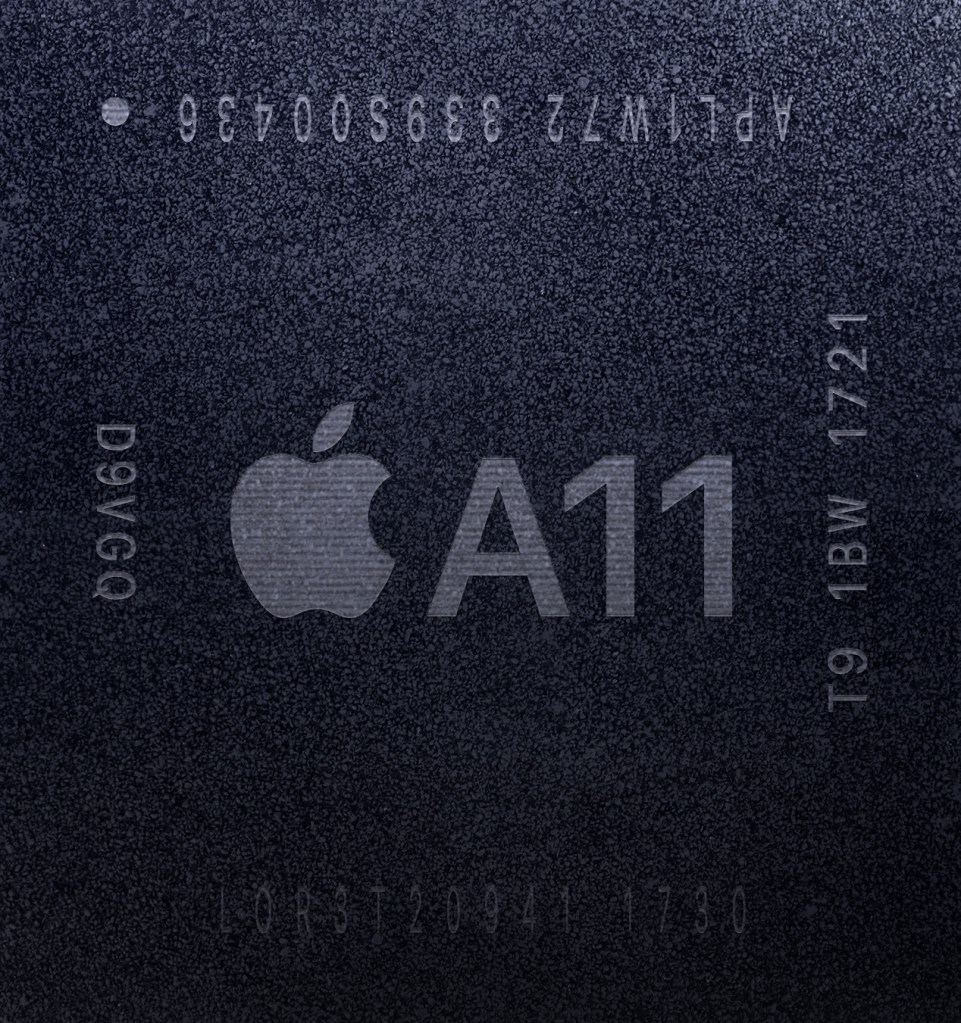
At its Worldwide Developers Conference on June 8, 2026, Apple showed a rebuilt Siri running on a custom Google model. Morgan Little and Aisha Malik, in “WWDC 2026: Everything announced on Siri AI, iOS 27, Apple Intelligence and more,” covered the event for TechCrunch (7), building on reporting from late 2025 that first described the deal (8).
Apple presented the new assistant, which it calls Siri AI, as more conversational and better at handling multi-step requests across apps. The heavier reasoning runs on a custom version of Google’s Gemini through Apple’s Private Cloud Compute, while lighter tasks stay on the device. Apple said it worked with Google and the Gemini family of models to build the next generation of its own foundation models, and it put privacy at the center of the pitch; senior vice president Craig Federighi told the audience, “We believe privacy in AI is non-negotiable” (7). The terms had been reported months earlier: Apple agreed to pay Google about $1 billion a year for a custom Gemini model of roughly 1.2 trillion parameters, a large step up from the 150-billion-parameter model behind Apple Intelligence, after weighing a costlier proposal from Anthropic (8). The event was also Tim Cook’s final keynote as chief executive before he hands the role to John Ternus on September 1 (7).
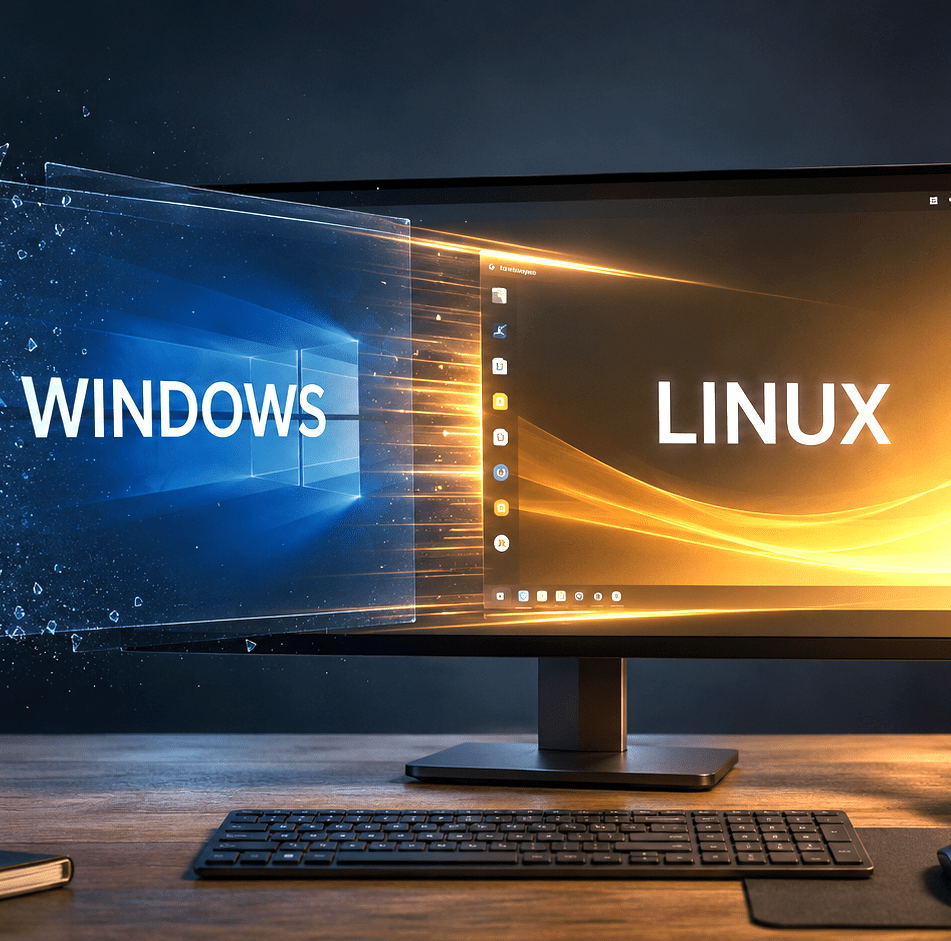
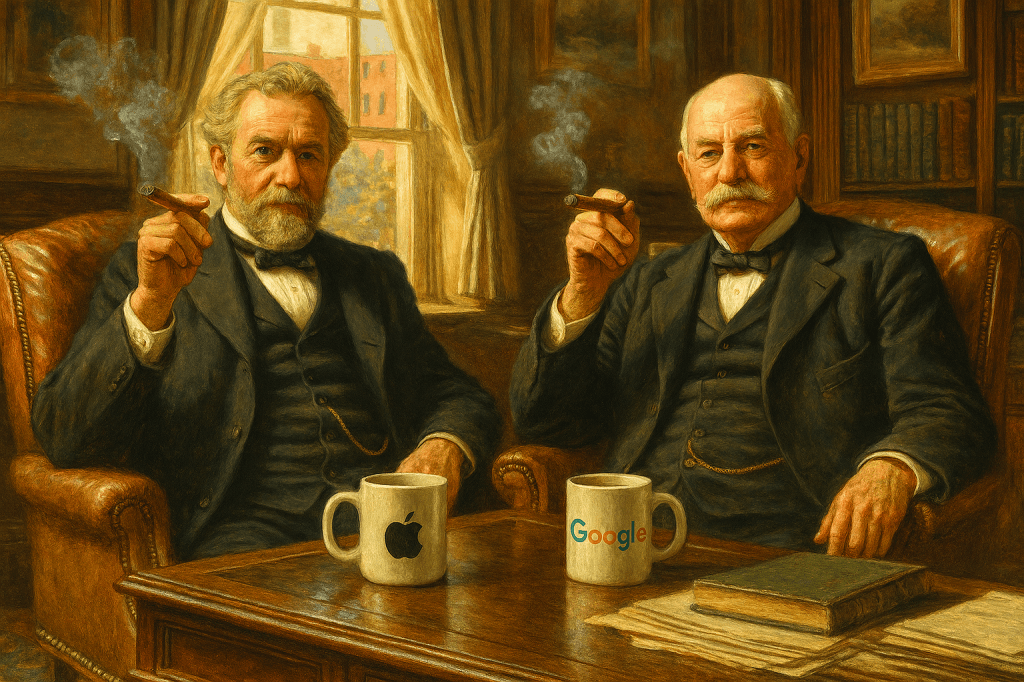
Two things make this more than a product update. The first is distribution. Google’s model now stands to reach the vast installed base of iPhones, which gives Gemini a path to hundreds of millions of everyday users that no standalone app could match. The second is what it says about competition. Apple, a company known for building its own core technology, decided it could not close the gap alone and paid a rival to supply the intelligence behind its flagship assistant (7,8). TechCrunch framed the whole conference as Apple playing catch-up, and the Siri deal was the clearest evidence (7). Set beside the government’s new role in releases and the scale of the buildout, the arrangement points to an industry gathering around a few firms that can afford to train frontier models, with almost everyone else licensing access. That Apple, of all companies, became a customer rather than a builder is the strongest signal yet of where the balance of power in AI now sits.
References
1. Rebecca Bellan, “OpenAI limits GPT-5.6 rollout after government request, says restrictions shouldn’t be the norm,” TechCrunch, June 26, 2026. https://techcrunch.com/2026/06/26/openai-limits-gpt-5-6-rollout-after-government-request-says-restrictions-shouldnt-be-the-norm/
2. OpenAI, “Previewing GPT-5.6 Sol: a next-generation model,” June 26, 2026. https://openai.com/index/previewing-gpt-5-6-sol/
3. Axios, “OpenAI releases powerful new GPT-5.6 model under restrictions,” June 26, 2026. https://www.axios.com/2026/06/26/openai-gpt-sol-terra-luna-trump
4. VentureBeat, “OpenAI unveils GPT-5.6 Sol, Terra and Luna models — but only accessible to limited preview partners for now, per US Gov,” June 2026. https://venturebeat.com/technology/openai-unveils-gpt-5-6-sol-terra-and-luna-models-but-only-accessible-to-limited-preview-partners-for-now-per-us-gov
5. Sharon Goldman, “Big Tech will spend nearly $700 billion on AI this year. No one knows where the buildout ends,” Fortune, April 30, 2026. https://fortune.com/2026/04/30/big-tech-hyperscalers-will-spend-700-billion-on-ai-infrastructure-this-year-with-no-clear-end-in-sight-eye-on-ai/
6. Goldman Sachs, “Tracking Trillions: The Assumptions Shaping the Scale of the AI Build-Out,” 2026. https://www.goldmansachs.com/insights/articles/tracking-trillions-the-assumptions-shaping-scale-of-the-ai-build-out
7. Morgan Little and Aisha Malik, “WWDC 2026: Everything announced on Siri AI, iOS 27, Apple Intelligence and more,” TechCrunch, June 9, 2026. https://techcrunch.com/2026/06/09/wwdc-2026-everything-announced-on-siri-ai-os-27-apple-intelligence-and-more/
8. “Apple nears $1 billion Google deal for custom Gemini model to power Siri,” 9to5Mac, November 5, 2025. https://9to5mac.com/2025/11/05/google-gemini-1-billion-deal-apple-siri/
###
Filed under: Uncategorized |
























































































































































































































































































































































































































































Leave a Reply