






By Jim Shimabukuro (assisted by Claude)
Editor
Summary: AI could democratize learning by personalizing instruction at scale — but only if society ensures access to intelligence, not just devices. –Copilot

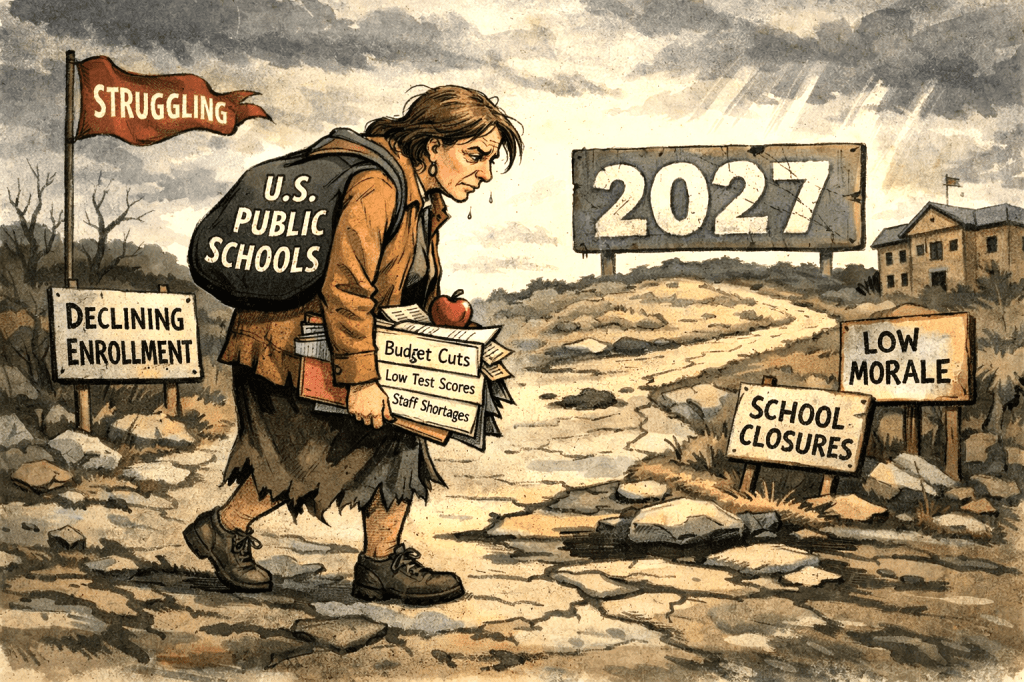
America’s public schools have never fully resolved the contradiction at their center: founded on the democratic premise that education is the great equalizer, they have persistently reproduced the inequalities of the society that sustains them. The gap in academic achievement between children from high-income and low-income families — and between white students and Black, Latino, and Indigenous students — has been documented for decades, survived multiple waves of school reform, and narrowed only modestly. The children most affected are concentrated in identifiable places: high-poverty urban neighborhoods, rural communities stripped of industry, and tribal lands long neglected by federal investment. These are the communities this report calls historically underserved.
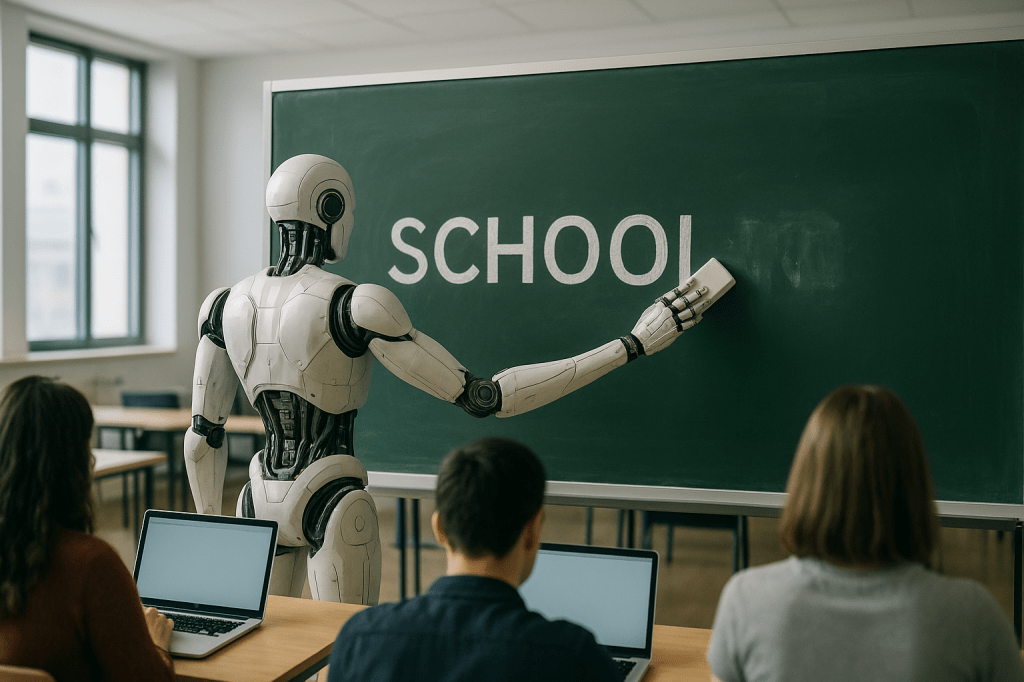
Into this landscape has arrived a wave of artificial intelligence technologies with potentially transformative implications for learning. From AI tutors that hold Socratic dialogue with individual students to real-time translation tools that let an immigrant child participate in class alongside her English-speaking peers, the technologies emerging from research labs and edtech companies hold genuine promise for democratizing educational opportunity. But promise and delivery are not the same thing. As Fortune contributor Jerel Ezell — a sociologist at the University of Chicago — observed in February 2026, “AI programming is accelerating much faster in the nation’s high-income K-12 schools.” If left to market forces alone, he warned, AI will not close the achievement gap; it will widen it (2).
This report examines six of the most promising AI technologies being deployed or capable of being deployed to underserved children in the United States. For each, it asks: What is the technology and how could it reach our target population? Who is leading the effort, and where is it happening? What obstacles stand in the way? And what will it take to make it work? The technologies are ranked by their overall promise for underserved learners, combining strength of evidence, scalability, cost-accessibility, and immediacy of need. Following the individual essays, the report turns to the systemic question: What will it actually take — including whether a dedicated federal agency could help — to use the power of AI to raise the educational horizons of America’s most underserved children?
Technology #1 (Most Promising): AI Intelligent Tutoring Systems and Generative AI Tutors
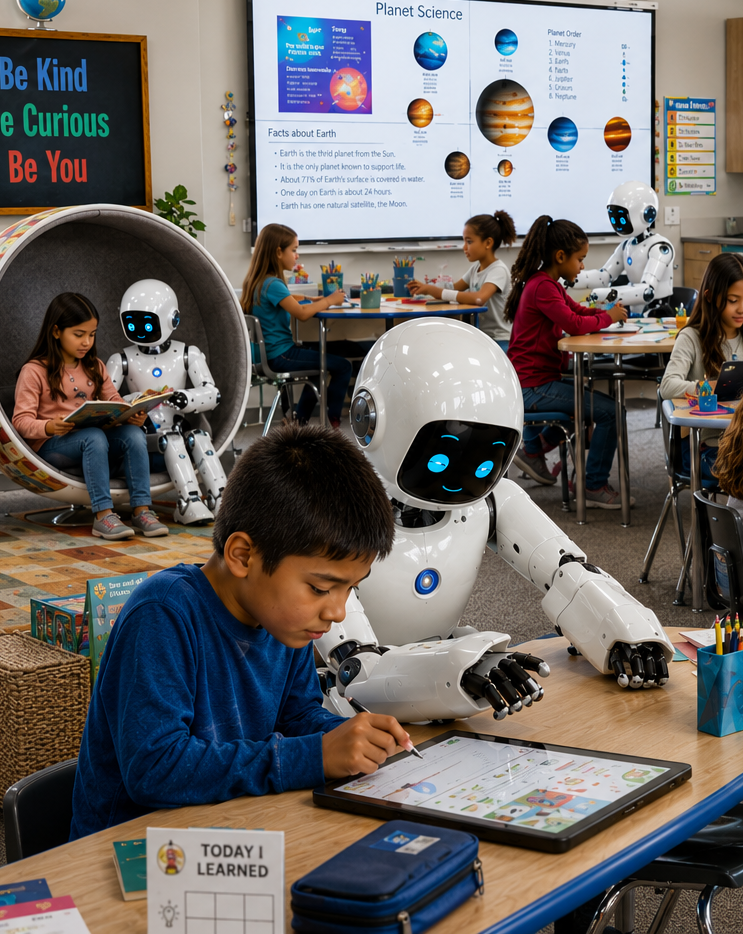
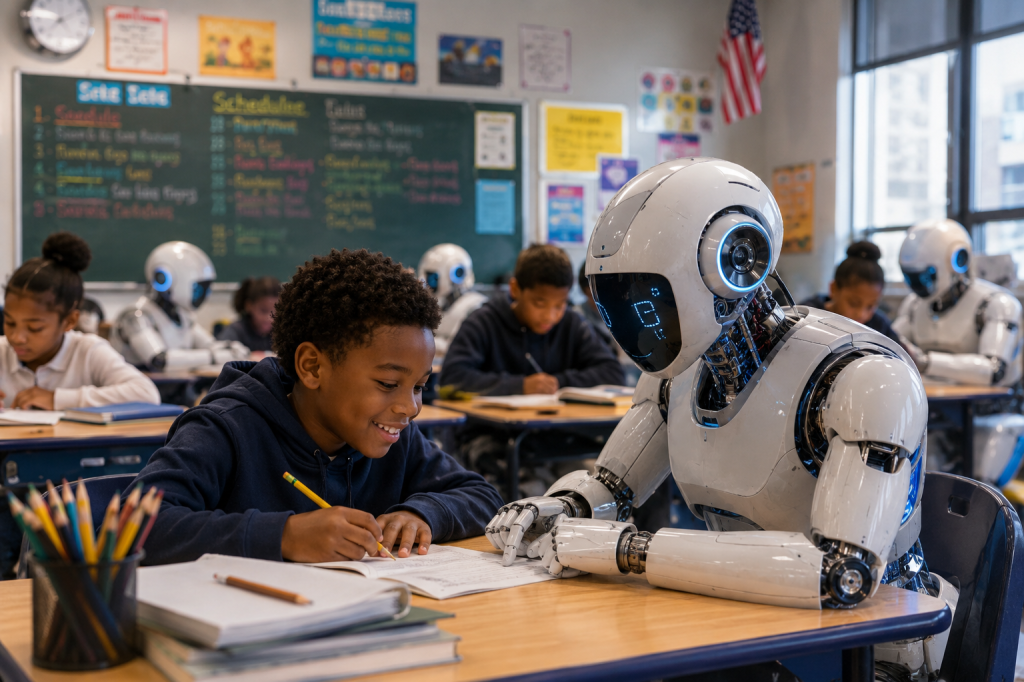
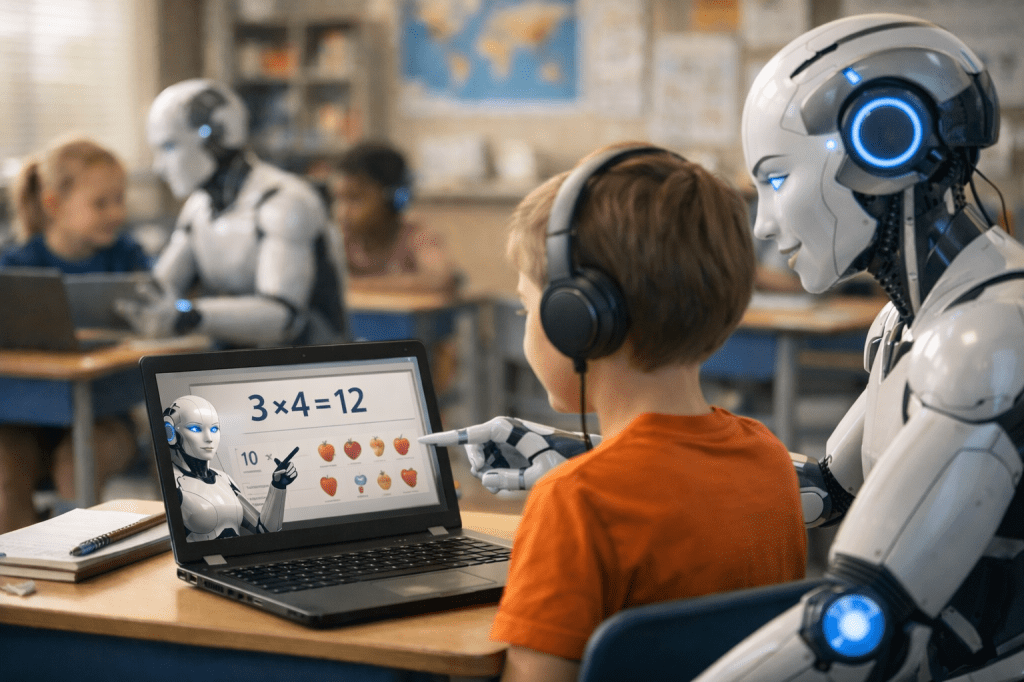
Benjamin Bloom’s famous “2 sigma problem,” first articulated in 1984, established that one-on-one human tutoring produces learning gains roughly two standard deviations above conventional classroom instruction — an effect so large it is almost without parallel in education research. For seventy years, this finding represented an aspiration with no affordable solution. Private tutoring costs $40–80 per hour, making intensive individualized instruction a luxury reserved for families who can pay. AI intelligent tutoring systems (ITS) and generative AI tutors represent the first plausible path to resolving Bloom’s challenge at scale — delivering individualized, adaptive, Socratic-style instruction to any child with a device and a connection, at little or no marginal cost.
AI ITS and generative AI tutors work by maintaining a dynamic model of each student’s knowledge state, identifying gaps in understanding, and providing targeted instruction, hints, and feedback in real time. Modern systems powered by large language models go further: they engage in natural language conversation, respond to student questions, refuse to simply supply answers (instead asking guiding questions), and adjust their explanatory approach based on student responses. The leading example in K-12 education is Khan Academy’s Khanmigo — a GPT-4-powered tutoring assistant launched in 2023 that acts as a Socratic tutor across mathematics, science, writing, and other subjects. Carnegie Learning’s MATHia platform, rooted in two decades of cognitive science research from Carnegie Mellon University, uses a different approach — structured problem sequences with AI-driven feedback — that has accumulated one of the strongest research bases in the field (4,25).
The WHO and WHERE of AI tutoring are expanding rapidly. Khan Academy — the free online learning nonprofit founded by Sal Khan in 2006 — leads the most ambitious deployment effort. Khan Academy has rolled out its AI-powered teaching tools to an expanding portfolio of school districts across the country (28). By the 2024-25 academic year, Khanmigo usage had leaped from 40,000 to 700,000 K-12 students, with projections to surpass one million in 2025-26 (11). The urgency of reaching low-income students is underscored by research showing that the COVID-19 pandemic widened learning gaps most severely for economically disadvantaged communities, and that structured high-impact tutoring is among the most effective tools for recovery (12). Carnegie Learning is active in over 500 schools. The Abdul Latif Jameel Poverty Action Lab (J-PAL) at MIT has launched a rigorous evaluation of Khanmigo’s effectiveness specifically for low-income learners, under a project titled “AI-Powered Tutoring: Unleashing the Full Potential of Personalized Learning with Khanmigo” (15). These are not primarily pilot programs anymore — they are systems operating at meaningful scale.
The WHEN of AI tutoring in underserved schools is both recent and accelerating. Khanmigo launched as a limited beta in March 2023 and scaled to hundreds of district partners over the following two years. In 2025, Carnegie Learning was selected as a grantee under Accelerate’s competitive Evidence for Impact program, specifically to study outcomes for economically disadvantaged students, multilingual learners, and students with IEPs across at least two schools and 350 students (10). Khan Academy prepared in summer 2026 to roll out a redesigned version of Khanmigo to all district partners, following pilots with select districts — a redesign specifically intended to address the engagement problem (11).
The obstacles are substantial. Chief among them is a counterintuitive adoption problem: Khan Academy’s own data revealed that only 15% of students who have access to Khanmigo actually use it (11,23). This gap between availability and use reflects a deeper truth about educational technology — access is necessary but not sufficient. Students need encouragement, familiarity, and structured integration of tools into their school day to actually use them. Infrastructure presents the next barrier: cloud-based AI tutors require reliable broadband, and high-poverty and rural schools face persistent connectivity gaps (9). Cost and capacity at the district level also matter: while Khanmigo is inexpensive for families, the technical and administrative support required for district-wide deployment is real. Algorithmic bias adds a subtler but serious concern. Researchers at Stanford found that AI tutors systematically provide different quality feedback to students of different racial and linguistic backgrounds — focusing more on grammar and formality for responses associated with Hispanic or English language learner students, and less on higher-order content development (20). If unaddressed, this bias could replicate in AI tutoring the same inequities that human instruction has long perpetuated.
The trajectory is nevertheless encouraging. The J-PAL evaluation is building a methodologically rigorous evidence base for the specific effectiveness of AI tutoring with low-income learners (15). A 2025 systematic review in npj Science of Learning, examining AI-driven ITS in K-12 education, found consistent evidence of learning gains across a range of contexts and student populations (25). An exploratory randomized controlled trial conducted in UK classrooms in late 2025 found that AI tutoring can “safely and effectively support students,” adding to the growing body of evidence for policy adoption (27). Khanmigo’s summer 2026 redesign, focused on increasing engagement, could substantially close the adoption gap that currently limits impact.
Why this technology matters for educational equity is clear. As the Brookings Institution’s January 2026 report on AI and students observed, AI can provide “personalized learning pathways, immediate feedback, sophisticated tutoring support, and unprecedented access to educational resources, particularly in under-resourced communities facing teacher shortages” (5). For a child in a rural Mississippi classroom with a new teacher managing 32 students across multiple grade levels, Khanmigo sitting patiently at her side at 9 p.m. — walking her through the same algebra concept for the third time without frustration — offers something transformative. The personalized tutor has always been the privilege of wealth. AI tutoring is the first technology capable of making it universal.
Technology #2: AI Adaptive Learning Platforms
AI adaptive learning platforms use machine learning algorithms to continuously assess each student’s knowledge state and dynamically adjust the difficulty, sequencing, pacing, and type of instructional content delivered. Where generative AI tutors engage in conversation, adaptive platforms work primarily through structured problem sequences, interactive simulations, and games calibrated to real-time performance data — analyzing patterns of errors, response times, and help-seeking behavior to build a probabilistic model of a student’s understanding and deliver the next instructional step most likely to extend learning. Carnegie Learning’s MATHia and DreamBox Learning (now part of Discovery Education) are the field’s leaders in K-12 mathematics; Lexia Learning serves early literacy. These systems are not new, but the integration of modern machine learning has dramatically elevated their sophistication and responsiveness.
Carnegie Learning was founded at Carnegie Mellon University in Pittsburgh by cognitive scientists and AI researchers in the late 1990s, making it one of the oldest and most research-grounded players in the field. DreamBox Learning, headquartered in Bellevue, Washington, focuses on elementary and middle school math and has deployed in thousands of schools across the country. The platforms are in active use in Title I districts nationally. In 2025, Carnegie Learning received a competitive grant from Accelerate — a national nonprofit working at the nexus of policy, research, and practice — specifically to examine outcomes for special populations including economically disadvantaged students, multilingual learners, and students with IEPs (10). By 2027, Carnegie Learning aims to improve math outcomes for approximately 447,500 students through its MATHstream product.
Adaptive learning platforms have been present in classrooms in various forms since the 1990s, but the modern machine learning era has transformed their capability. The COVID-19 pandemic dramatically accelerated adoption as schools sought scalable tools to address massive learning loss that disproportionately affected students in under-resourced communities. Carnegie Learning’s data from over 500 schools shows that students using MATHia for a full academic year outperform their peers by an average of 12 percentile points on standardized assessments (10). A systematic review of AI-driven adaptive methods published in 2025 found performance enhancements ranging from 15% to 35%, increased engagement by up to 40%, and faster task completion rates across multiple platforms and contexts. Research has found that students using adaptive math platforms consistently outperform control groups on standardized assessments, a finding with direct implications for deployment protocols in under-resourced schools (22).
The equity obstacles facing adaptive platforms are well documented. District licenses can cost tens of thousands of dollars annually — a burden that falls hardest on Title I districts already operating under constrained budgets. The infrastructure challenge is equally significant: a 2026 Frontiers study found that rural and low-income schools face persistent gaps in the reliable broadband essential for cloud-based platforms (9). Algorithmic bias is a structural risk: if AI systems are trained primarily on data from affluent students, they may systematically underestimate the abilities of students from different linguistic or cultural backgrounds (4,20). The Hunt Institute’s 2025 analysis of personalized learning models notes explicitly that “algorithms trained on narrow datasets may inadvertently disadvantage minority students, prompting schools to demand bias audits and culturally responsive content” (4). Without intentional design choices to embed culturally relevant contexts, adaptive platforms may inadvertently reinforce the same marginalizing dynamics they were meant to disrupt.
The trajectory for adaptive platforms is improving on multiple fronts. Research-backed evidence is strengthening, and vendors are increasingly under pressure to demonstrate equity-specific outcomes. The integration of bilingual prompts and multilingual glossaries is becoming standard practice in platforms serving English language learners. Accessibility design — screen readers, alternative input methods, customizable pacing for students with disabilities — is increasingly embedded from the start rather than retrofitted. Policy levers are evolving: some state legislatures have created grant programs to offset initial technology investments, and federal funding formulas are beginning to account for the full cost of AI platform adoption, including connectivity and technical support (4). The evidence base for adaptive learning is arguably stronger than for any other category of AI education technology, making it a priority target for policy investment.
Mathematics achievement is one of the strongest single predictors of long-term economic mobility. The persistent math achievement gap between students in poverty and their more affluent peers is one of the most stubborn features of American educational inequality. An adaptive platform that can meet a child where she is — two grade levels behind or two grades ahead — without the social stigma of remedial placement, that can do so at 3 p.m. on a Tuesday without requiring a parent to spend $60 on a tutoring session, that can track her progress across the entire school year without losing a single data point, represents a meaningful democratization of access to quality instruction. The equity potential of adaptive learning platforms, deployed with deliberate attention to cost and bias, is the strongest in the field after AI tutoring.
Technology #3: AI Translation and Language Support Tools for English Learners
There are now more than five million English Language Learner (ELL) students in U.S. public schools — a number that grows by approximately 150,000 students annually (3). These children, predominantly from immigrant families, frequently arrive in classrooms with limited English proficiency, creating learning barriers that affect their participation in every subject. Until recently, teachers in schools without dedicated ELL programs made do with Google Translate on their phones or, when fortunate, a nearby colleague who spoke the child’s language. AI-powered translation and language support tools are emerging as systematic, scalable bridges. These technologies include real-time handheld translation devices such as Pocketalk (which translates spoken language in real time across more than 80 languages), software platforms like Pear Deck that embed translation tools directly into online lessons, AI-powered language learning assistants that scaffold instruction in a student’s native language while supporting English acquisition, and large language model-based tools that can generate culturally relevant texts at multiple reading levels for multilingual classrooms.
Among the educators leading this effort is Madison Weidner, a first-grade teacher at P.S. 142 Amalia Castro — a Title I school in New York City where approximately one-third of her 22 students receive ELL services, and some speak no English at all. Her school has purchased Pocketalk devices: “Last year I had students not participating, they didn’t have a lot of confidence,” she told EdSurge in November 2025. “I’ve noticed a huge difference with using tools. They’re not only participating in conversations with their peers but now they’re able to hear the gist of a lesson as well.” Keith Perrigan, superintendent of Washington County School District in rural Virginia, has deployed Duoecho Smart Glasses — eyeglasses connected to an app that translates Spanish speech to English in real time — for administrative contexts such as student enrollment. Ohio State University professor Becky Huang, a leading researcher in multilingual language education, is among the scholars investigating both the promise and the structural limitations of these tools. Victor Lee of Stanford’s Accelerator for Learning’s AI+Education initiative has called attention to both the encouraging potential and the cautions that should accompany adoption (3).
AI translation tools began entering K-12 classrooms in earnest around the 2023-24 school year and accelerated notably in 2024-25. The National Education Association published guidance in 2025 specifically on using AI tools for multilingual learners, a signal that the practice had reached mainstream relevance. Language Magazine reported in September 2025 that AI bilingual education tools were increasingly being deployed to support oral language development, vocabulary acquisition, and reading comprehension across languages (19). The shift from informal use of generic translation apps to purpose-built, classroom-integrated AI translation systems represents a meaningful qualitative upgrade: these tools are designed for children’s use, embedded in lesson delivery systems, and integrated with instructional workflows.
These tools come with documented limitations that must be taken seriously. AI systems trained on large language models may not include sufficient data on children’s voices — particularly those from students who are shy, soft-spoken, or speak with accents — leading to mistranslations that confuse rather than help. Professor Huang put it plainly: “AI is trained on large language models, so if they don’t have enough Mandarin-speaking children, they would mark everything wrong.” Cultural nuance is another gap: technically accurate translation may be contextually meaningless to a child who lacks the cultural reference points embedded in an American classroom text. Victor Lee of Stanford urged measured adoption: “I would hope as this technology gets used, it’s done so with caution and awareness of major limitations that exist, even with state-of-the-art devices.” Data privacy for young children adds regulatory complexity. And over-reliance is a genuine risk: as Weidner noted, students who become dependent on translation devices in first grade may struggle if they encounter second-grade teachers who do not use them, leaving them “back to square one” (3). Experts are consistent that AI translation tools should function as a bridge to English fluency, not a substitute for dedicated ELL instructional services.
The evidence of tangible impact accumulates case by case. One of Weidner’s students — a proficient English speaker who nevertheless struggled with math word problems because of the language barrier — showed dramatic improvement once translation tools were in place. “She went from, ‘I don’t think I can’ to straight up proficiency,” Weidner reported. “She got the math part and could break down the word problem; it was just the language barrier” (3). As natural language processing continues to improve — particularly for children’s voices and lower-resource languages — the accuracy ceiling for these tools will rise. Rapid growth in the ELL student population, combined with chronic shortages of certified ELL teachers, creates enormous demand pressure for scalable technological solutions. The trajectory points toward broader adoption, provided accuracy and equity concerns are addressed systematically.
The democratizing potential of AI translation tools is tied directly to the definition of inclusion. A child who cannot follow a mathematics lesson because the language of instruction is foreign to her is not a child with a learning deficit — she is a child with an access deficit. For five million ELL students concentrated heavily in high-poverty schools in California, Texas, New York, Florida, and across the rural South, this technology can transform passive classroom presence into genuine academic participation. It will not replace the years of dedicated English language instruction those children deserve. But it can prevent those years from being years of academic silence. In the words of Professor Huang, the goal is to ensure that students can “leverage their native language” rather than face a “sink or swim” approach that research has consistently shown to be ineffective (3).
Technology #4: AI Assistive Technology for Students with Disabilities
Approximately 7.5 million students in U.S. public schools — roughly 15% of enrollment — receive services under the Individuals with Disabilities Education Act (IDEA). The incidence of learning disabilities, developmental delays, and emotional and behavioral disorders is correlated with poverty, adverse childhood experiences, and limited access to early intervention, meaning that the students who most need disability-related educational support are concentrated disproportionately in under-resourced schools. AI-driven assistive technologies are transforming this landscape by enabling real-time, individualized accommodation at a scale and cost point that was previously unattainable. The category includes AI-powered text-to-speech and speech-to-text systems for students with dyslexia, motor impairments, or visual impairments; intelligent systems that dynamically generate differentiated reading materials at multiple levels with embedded vocabulary support; AI tools that help special education teachers draft and manage Individualized Education Programs (IEPs); adaptive interfaces using eye-tracking or voice navigation for students with physical disabilities; and emerging AI systems that analyze behavioral and engagement patterns in students with autism spectrum disorder to support responsive instruction (13).
Research on AI assistive technology in education is being advanced by organizations including the Center on Inclusive and Developmental Disability Leadership (CIDDL) and through peer-reviewed literature spanning special education, assistive technology, and AI ethics. A 2025 paper in the Asian Journal of Education and Social Studies surveying AI and assistive technology in special education identified significant improvements in academic engagement, independence, and social inclusion among students using AI-powered assistive tools (13). ScienceDirect published a comprehensive 2025 review examining AI-driven assistive technologies in inclusive education, documenting benefits, current challenges, and policy recommendations (24). Commercially, tools like Diffit and Magic School AI are being adopted across the country, including in under-resourced schools, enabling teachers to rapidly generate differentiated materials at multiple reading levels. These tools are available at low or no cost in basic versions, making them accessible to Title I schools that cannot afford premium platforms.
AI-enhanced assistive technology for education has been developing over the past decade, but the integration of generative AI into these systems accelerated substantially beginning in 2023. The Brookings Institution’s January 2026 report specifically identified AI as capable of empowering “students with disabilities, neurodivergent learners, and multilingual learners” by “presenting content in ways that are more engaging and accessible” (1). A 2025 systematic review published in PubMed Central, examining AI-based interventions for students with learning disabilities across multiple studies, found consistent and significant positive impacts on academic outcomes, engagement, and learner independence (18). The expansion of mobile-based tools — apps deliverable on standard tablets rather than requiring specialized hardware — has significantly reduced the cost barrier to entry.
The access paradox in special education is particularly acute in underserved schools. Students in high-poverty districts — where incidence of learning challenges is often higher — are least likely to have access to sophisticated AI assistive tools. Advanced assistive technology devices can cost thousands of dollars apiece. Special education teacher preparation for AI-enhanced instruction is insufficient across the board: the RAND Corporation’s research found that principals in the highest-poverty schools were roughly half as likely to receive any AI-related support as their counterparts in wealthier districts (6). A persistent ethical concern highlighted in a 2025 ScienceDirect review is that students with disabilities are routinely excluded from the design and development of AI systems meant to serve them, resulting in tools that may address the problems developers imagine rather than the ones students actually experience (24). Without structured mechanisms for student voice in AI product development, this gap will persist.
The trajectory for AI assistive technology in under-resourced schools is improving as mobile-based delivery reduces hardware costs, as free or low-cost AI tools proliferate, and as federal accessibility guidelines increasingly require AI education products to meet universal design standards. A 2025 systematic review found that AI-based interventions for students with learning disabilities produced consistent and significant positive impacts across a range of academic domains (18). The OECD’s Digital Education Outlook 2026 calls on jurisdictions to ensure that equitable digital infrastructure includes tools for students with diverse learning needs — a framing that, if adopted in U.S. policy, would require explicit attention to assistive technology access in funding formulas and grant conditions (26).
For students with disabilities in under-resourced schools, the status quo is often grim: high caseloads for special education teachers, minimal para-professional support, and IEPs that may not be fully implemented because resources do not match legal obligations. AI assistive tools do not replace the skilled professionals who work with these students, but they can dramatically extend those professionals’ reach — enabling students to access content independently, receive immediate feedback, and navigate the school day with greater autonomy. An AI that reads text aloud to a child with dyslexia, or generates an alternative version of a passage at an accessible reading level, or creates a visual daily schedule for a child with autism, is not replacing a teacher. It is allowing that child to exercise her legal right to educational access in a system that too often fails to deliver it.
Technology #5: AI Teacher Support and Professional Development Tools
The teacher is the single most powerful in-school variable affecting student achievement. In underserved schools, teachers are often the most overburdened: managing large class sizes, serving students with complex social-emotional needs, working with outdated materials, and receiving the least professional development of any teacher population in the country. AI teacher support tools represent a category of technology designed not to replace educators but to amplify their capacity. These tools generate differentiated lesson plans automatically, analyze student performance data to identify learning gaps, reduce administrative burden through automated drafting of reports and communications, and support ongoing professional development through AI coaching and feedback on teaching practice. For a teacher in a rural school managing 30 students across multiple grade levels — or an overextended Title I teacher who has never received training on using data to adjust instruction — AI tools that can perform cognitive labor on their behalf can free time and attention for the work only a human can do: building relationships, exercising judgment, and providing emotional support.
The landscape of AI teacher tools is crowded and rapidly expanding. Magic School AI, Diffit, Khanmigo’s teacher-facing features, and a growing range of district-level data analytics platforms are being piloted in high- and low-poverty districts alike. The TeachAI initiative — a coalition including major edtech companies and education organizations — has been working since 2024 to help districts develop coherent AI policies and teacher training programs. In April 2025, President Trump signed an executive order calling for a task force to create a K-12 education system capable of fostering an AI-ready workforce — an action that equity researchers have urged must prioritize Title I schools and communities most deeply affected by the digital divide (2). The RAND Corporation’s American School District Panel research is systematically tracking patterns of AI training and adoption across the income spectrum.
AI teacher support tools began proliferating in earnest in 2023, but systematic adoption has been dramatically unequal. RAND’s findings from the 2024-25 school year reveal a stark and widening disparity: 67% of low-poverty districts provided AI training to teachers, compared to only 39% of high-poverty districts (6). A RAND survey found that approximately 61% of primary teachers in schools with mostly nonwhite students had received no AI training at all, compared to about 35% of teachers in schools with primarily white students (7). This is the precise inverse of where investment is most needed. A 2026 analysis found that 85% of teachers reported feeling unprepared to manage AI in their classrooms, with 32% describing themselves as completely unprepared — a figure that is almost certainly even higher in under-resourced schools (8).
The obstacles to equitable deployment of AI teacher tools are structural and self-reinforcing. Teachers in Title I schools are statistically more likely to hold emergency credentials, to experience higher turnover rates, and to have less time for professional development than their counterparts in wealthier districts. These structural realities mean that even when AI tools are made available to high-poverty schools — often through district or state grants — they may sit unused because teachers lack the training to integrate them meaningfully or the bandwidth to experiment. A 2025 Frontiers study on rural STEM educators found that teachers in rural schools face limited access to AI-specific professional development and generally low comfort using digital technology for pedagogical purposes (14). Teacher shortages compound the problem: when schools cannot fill vacancies, existing teachers are stretched thinner and have even less capacity for professional learning.
The multiplier effect of effective teacher support makes this category strategically critical. Every dollar invested in helping a Title I teacher use AI more effectively benefits all the students in that teacher’s classroom — often 25 to 35 children. Federal and philanthropic investment is beginning to respond. The NSF invested $16.3 million in August 2025 to strengthen AI research and education capacity at minority-serving institutions — a recognition that the equity gap in AI capability extends to the universities and colleges that train the teachers who serve underserved communities. Over $800 million in AI education grants was identified as available in 2026 for K-12 schools, universities, and workforce programs (21). The challenge is ensuring that high-poverty districts have the capacity to compete for and effectively manage these grants, rather than seeing them absorbed disproportionately by well-resourced systems with dedicated grant-writing staff.
An AI tool that makes a struggling Title I teacher 20% more effective is worth far more in absolute terms than a tool that makes an already-well-resourced teacher 20% more effective, because the baseline is so much lower and the students affected are so much more at risk. Investing in AI professional development specifically for teachers in underserved schools is not merely a technology choice — it is an equity choice. As Ezell argues, policymakers must “compel Big Tech to develop long-term partnerships with disadvantaged school districts that focus on upskilling educators through ongoing AI training and providing students with access to free AI tools and resources” (2). Teachers in the schools that need the most help deserve the most support. AI can provide that support — but only if the policy and funding architecture is designed deliberately to direct it there.
Technology #6: AI Early Literacy Tools
Reading ability at the end of third grade is one of the strongest predictors of academic success, high school graduation rates, and adult economic outcomes. Research consistently shows that children who cannot read proficiently by the end of third grade are four times more likely not to graduate from high school on time. Yet in under-resourced communities — where pre-K enrollment is lower, class sizes are larger, summer learning loss is greater, and teachers are less likely to have been trained in evidence-based early reading instruction — the literacy gap opens early and compounds relentlessly over time. AI early literacy tools are a category of technology designed to support the development of foundational reading skills in children ages 3 through 8: phonemic awareness, decoding, vocabulary, fluency, and comprehension. These include AI-powered phonics applications that listen to a child read and provide immediate, patient pronunciation feedback; generative AI tools that create personalized stories matched to a child’s reading level and linguistic background; and natural language processing systems that help teachers assess literacy development in real time across an entire classroom.
Research on AI in early literacy is still in its early stages, but the field is advancing. The National Literacy Trust in the United Kingdom conducted one of the first large-scale studies of young people’s use of generative AI to support literacy in 2025, surveying tens of thousands of students and nearly 3,000 teachers (16). In the United States, Stanford’s Accelerator for Learning and similar research centers are investigating how generative AI can support vocabulary development and reading comprehension for linguistically diverse young learners. Khan Academy’s Khanmigo for younger learners is being piloted in elementary schools with a focus on guided reading dialogue. Nonprofit organizations serving low-income early childhood programs — including Head Start providers — are exploring how AI reading tools can supplement limited instructional hours. At the policy level, the intersection of AI and early literacy is receiving growing attention from state education agencies and foundations focused on evidence-based reading instruction.
AI-powered early literacy tools designed specifically for young children represent a recent development. Child-centered AI design principles adapted for early learning did not appear prominently in the academic literature until 2025. The percentage of teachers using AI for literacy-related tasks nearly doubled between 2023 and 2025 — rising from roughly 31% to 58% of teachers using AI at least monthly (16). Teachers are using AI to create comprehension tests, differentiate reading passages, and generate vocabulary activities — tasks that previously consumed hours of preparation time. However, these teacher-facing applications are more developed than child-facing ones, and the direct deployment of AI literacy tools for children in early grades remains uneven and insufficiently evaluated.
AI early literacy tools face distinctive obstacles not shared by technologies aimed at older students. Young children’s voices are consistently undertranslated and misrecognized by AI systems trained predominantly on adult speech — a problem documented in classroom deployments of language tools (3). Developmental appropriateness is a persistent concern: AI tools that produce engaging, responsive digital content may foster passive consumption rather than the active, effortful reading practice that builds foundational skills. Screen time guidelines for young children — particularly those under six — recommend very limited digital device use, creating tension with AI-based learning tools. COPPA compliance adds regulatory complexity for early childhood deployments. And the digital divide hits this age group with particular force: only 8% of students in grades Pre-K through third are receiving any formal AI literacy instruction, compared to 80% of high school educators who report providing such training (17). The gap between where AI education tools are concentrated and where early learning needs are greatest is striking.
The potential of AI for early literacy is considerable when tools are designed with developmental intentionality and deployed in low-ratio, supportive environments. Research in the broader adaptive learning domain has found that personalized AI instruction, when well designed, can substantially improve learning outcomes compared to traditional approaches (16). The “Matthew effect” in literacy — the well-documented dynamic where children who read well read more and thus get better, while those who struggle fall further behind — makes early intervention especially high-leverage. Every month of reading development lost in kindergarten has compounding costs through twelfth grade. AI tools that close that gap early, before it becomes irreversible, represent high-value investments.
For children in under-resourced communities, the stakes of early literacy are not abstract. In states where third-grade reading proficiency determines whether children are promoted or retained, the AI literacy divide is a direct driver of life trajectory. A child who leaves third grade unable to read on grade level — because her pre-K had no resources, because her teacher had 25 students and no assistant, because her family had no time or money for tutoring — has already begun a trajectory toward struggle. An AI tool that listens to her read and gently corrects her, day after day, adapting the text to her interests and her pace, is not a substitute for the systemic investments in early childhood education that equity demands. But it is a meaningful supplement — one that could help prevent the accumulation of small, avoidable reading deficits that compound into educational catastrophe.
What It Will Take: Using AI to Raise the Educational Horizons of Underserved Children
The six technologies examined in this report represent different entry points into a single challenge: ensuring that children born into poverty, born into linguistic or racial minority communities, or born with learning differences, do not face a future already foreclosed by the accident of their ZIP code. Each technology has genuine promise, and each has genuine limitations. Together they sketch the outline of an education system that, at its best, could offer every child something approaching the individualized, responsive, high-quality instruction that affluent families have always been able to purchase. The question of whether that vision will be realized is ultimately not a technological question. It is a political, economic, and moral one.
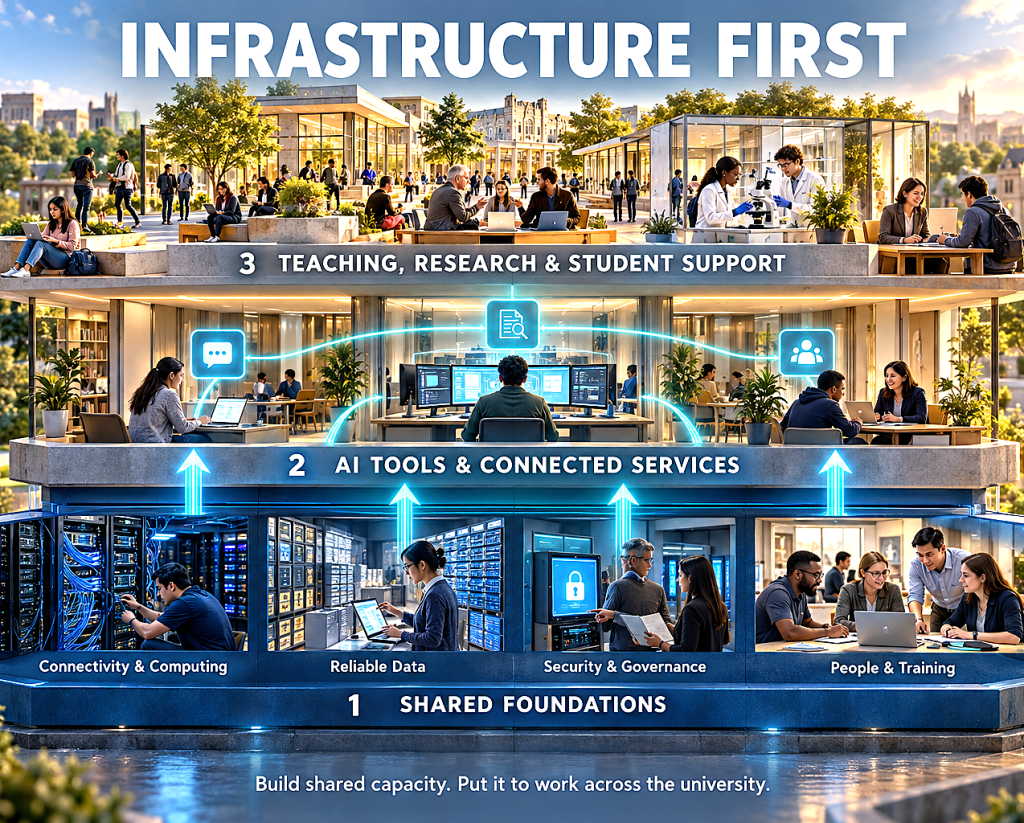
Infrastructure must come first. No AI tool functions without connectivity. A 2026 Frontiers study on AI and the digital divide found that rural and low-income schools face persistent and in some cases worsening gaps in broadband access. In May 2025, the U.S. Senate voted to repeal FCC rules that had allowed E-Rate funds to cover off-campus Wi-Fi hotspots — a decision that threatened $27.5 million in hotspot funding already requested by over 20,000 schools and libraries (9). This is the wrong direction. Any serious policy agenda for AI and educational equity must begin with the infrastructure question: devices, connectivity, and ongoing technical support are not optional add-ons but preconditions for any of the technologies profiled in this report to function.
Teacher equity is the second essential pillar. The RAND research makes the gap quantitative and damning: 67% of low-poverty districts trained teachers on AI in 2024-25, against only 39% of high-poverty districts (6). Approximately 61% of primary teachers in schools with mostly nonwhite students had received no AI training at all (7). This means that the communities where AI education tools could do the most good are the communities least prepared to deploy and use those tools. Reversing this gap requires not generic professional development, but sustained, school-embedded, AI-specific coaching for teachers in the highest-need schools. Multi-year capacity-building partnerships between technology companies and disadvantaged school districts are more likely to produce lasting change than one-off workshops or conference presentations (2).
Equity of design — not just equity of access — must become a non-negotiable standard. The Stanford finding that AI tutors provide systematically different quality feedback to students of different racial and linguistic backgrounds is not a minor technical glitch; it is a structural bias that, if unaddressed, will replicate in AI education tools the same inequities that have characterized human instruction for generations (20). AI education products must be audited for bias regularly, calibrated with locally representative student data, and co-designed with students and educators from the communities they are meant to serve. Students with disabilities — who are excluded too often from the development of tools designed for them — must have structured voice in AI product development (24).
The governance and funding architecture must be restructured to direct resources where they are most needed. The global AI in education market reached approximately $7.1 billion in 2026 and is projected to reach $112.3 billion by 2034 (2). The private sector is investing heavily — but predominantly in schools and districts that already have resources and technical capacity. Policymakers must require that companies receiving federal education technology funding demonstrate equitable deployment across school types. The OECD’s Digital Education Outlook 2026 recommends that governments use regulatory requirements to drive private sector support for school connectivity — a model the United States could adapt (26).
A Federal Agency for AI and Educational Equity: Precedents, Promise, and Pitfalls
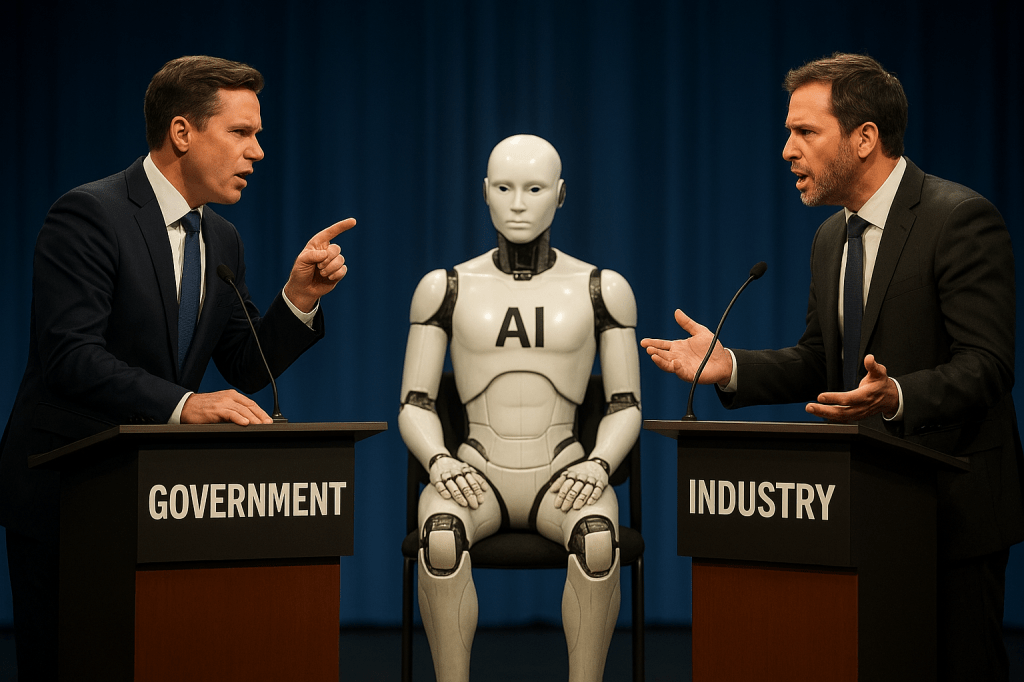
Among the most structurally ambitious proposals surfacing in the AI-equity debate is the creation of a dedicated federal agency — a Department of AI in Education, or an Advanced Research Projects Agency for Education — with an explicit mandate to democratize AI-powered learning for underserved communities. The concept has deep roots. Going back multiple administrations, advocates have pursued an Advanced Research Projects Agency for Education (ARPA-ED), modeled explicitly on DARPA — the Defense Advanced Research Projects Agency created in 1958 in response to Sputnik, which funded the research that eventually produced the Internet (29). President Obama formally proposed ARPA-ED in his FY2012 budget at $90 million in first-year funding, envisioning interdisciplinary teams of educators, technologists, and researchers driving breakthrough educational innovation (29,30). The proposal fit a broader “DARPA envy” pattern that produced ARPA-E (energy, 2009) and ARPA-H (health, 2022), all based on the premise that certain public goods require the kind of high-risk, high-reward innovation that private markets will not generate. In July 2022, Representatives Suzanne Bonamici (D-OR) and Brian Fitzpatrick (R-PA) introduced bipartisan legislation for a National Center for Advanced Development in Education, again with DARPA as the template. While the 2023 omnibus ultimately provided only $40 million in new R&D funding for the Institute of Education Sciences rather than a separate agency, advocates called it a meaningful down payment (29).
The equity dimension of ARPA-ED has always been central to its strongest advocates. Jeff Livingston, cofounder and CEO of the Center for Education Market Dynamics, stated in 2023 that a properly funded AI education agency would “begin to build an infrastructure where we aren’t just testing on affluent white kids.” Bart Epstein, founder and former president of the EdTech Evidence Exchange, described the current state of education R&D with striking clarity: “Right now, our nation’s education R&D engine is very small and it’s mostly powered by individual companies doing small scale research and development to benefit their commercial needs” (29). This diagnosis points directly to what a dedicated agency could change: it could fund independent, rigorous research on which AI tools actually work for low-income, multilingual, and disabled students — research that vendors have no financial incentive to conduct honestly; it could develop and maintain openly licensed AI tools that all schools could use for free; it could impose equity standards — bias auditing, universal design compliance, student data privacy protections — as conditions for any federal funding; and it could coordinate the currently fragmented federal landscape, in which the Department of Education, the NSF, the FCC, and the White House operate without a unified equity mandate for AI in education (30).
International precedents suggest what a well-designed, government-led AI education institution can achieve. The United Kingdom’s Oak National Academy, launched in 2020 with government funding during the COVID-19 school closures, has become the world’s first publicly funded AI-enabled, openly licensed digital curriculum resource. By 2025, one in three teachers in the UK — nearly 200,000 nationally — was using Oak’s free, adaptable materials, representing a 115% increase in usage over the prior year. Oak users work nearly five fewer hours per week than non-users, and 75% report a positive impact on their workload. Co-founder John Roberts described Oak’s AI lesson assistant Aila as “the first publicly funded generative AI tool available to the public in the UK,” designed specifically to address the disadvantage gap by drawing on curriculum materials built with diversity and inclusion in mind (31). Estonia’s AI Leap 2025 program, launched in September 2025, embedded AI tools directly in the daily experience of 20,000 high school students and 3,000 teachers as a public-private partnership — with more than 60% of teachers using AI weekly within months of launch, up 20 percentage points in a single year (32). Singapore’s Ministry of Education offers perhaps the most integrated national model, combining a Student Learning Space (a national AI-enabled platform serving all students), an Adaptive Learning System for math and language tailored to individual learning paces, and a national teacher professional development roadmap — all coordinated by a single government ministry with a clear equity mandate (33). Each of these models was shaped by the unique governance context of its country, but each demonstrates that public institutions can drive AI equity at national scale when given the mandate and the resources.
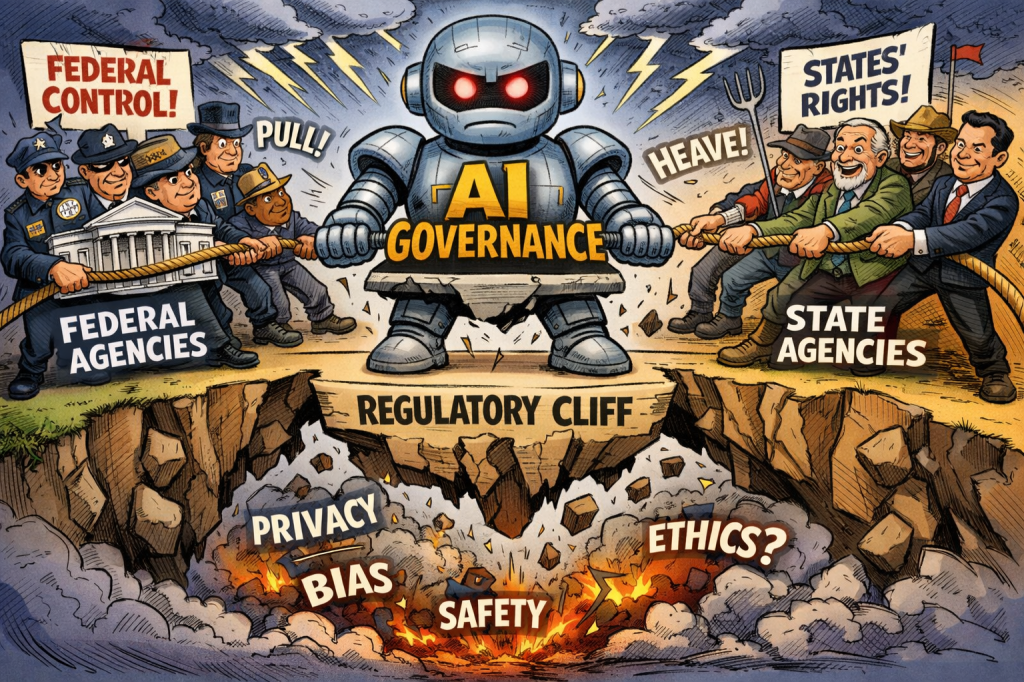
The case against a new federal agency deserves equally direct engagement. The most immediate obstacle is political: as of mid-2026, the Trump administration is actively moving to dismantle the existing Department of Education rather than create new agencies — a context in which K-12 Dive’s headline captured the moment precisely: “Education Department issues AI priorities. But what if the agency closes?” (34). Beyond the current moment, ARPA-ED’s failure to pass Congress across multiple administrations reflects a durable and substantive tension: education is constitutionally a state and local function, and federal direction of curricular and pedagogical choices has historically mobilized bipartisan resistance. A new agency risks bureaucratic capture by the edtech industry it is meant to regulate — a risk heightened by an industry with a $7 billion market and sophisticated lobbying infrastructure (2). It risks becoming a vehicle for a de facto national curriculum, alarming conservatives wary of federal overreach and progressives concerned that standardization will crowd out culturally responsive local pedagogy. There is also a sobering structural reality in the international models: Oak National Academy’s co-founder offered a direct caution that “smaller jurisdictions are at a massive advantage from a mobilization point of view. Scaling AI across larger, and perhaps more stratified, populations can be much more complex, and therefore costly” (31). A U.S. agency serving 50 million students in 13,000 districts across 50 states with vastly different demographics, infrastructure, and governance structures would face coordination challenges that Estonia and Singapore have never had to navigate.
A more politically viable and structurally sound path might be an entity that captures the public-good logic of a dedicated agency without requiring new Cabinet-level legislation. An AI Education Equity Institute — established within an existing federal structure such as the NSF or a reinvigorated Office of Educational Technology, but with dedicated appropriated funding, an independent governing board including representation from underserved communities, an explicit equity mandate, open-licensing requirements for all publicly funded tools, and a bias-auditing function — could deliver many of the substantive benefits of a standalone agency. It would be the U.S. equivalent of Oak National Academy: publicly funded, freely available, designed from the ground up for equity, and operationally independent enough to serve all schools rather than becoming a political football. A bipartisan political coalition built around the DARPA model — one that frames AI education equity as a national security and economic competitiveness issue rather than solely a social welfare concern — may be the most realistic path to getting such an entity funded and sustained across administrations. The evidence of need is overwhelming and well-documented. The design templates from the United Kingdom, Estonia, and Singapore exist. The bipartisan political logic is available: Democrats can make the equity case; Republicans can make the competitiveness case. The variable, as always, is will.
The risks of inaction deserve to be stated plainly. AI is already forecast to increase the wealth gap between Black and white households by $43 billion annually over the next two decades, because Black workers are overrepresented in the job categories most vulnerable to automation, and because Black and Latino students are currently least likely to be acquiring the AI literacy and competency skills that will be required in the labor market those students will enter (2). The Brookings Institution’s January 2026 report warns explicitly that “AI amplifies existing socioeconomic and digital divides as students lacking access to technology and digital literacy skills risk falling further behind their wealthy peers” (5). This is not a warning about the future — it describes a dynamic already in motion. “At this point in its trajectory,” the Brookings report concludes, “the risks of utilizing generative AI in children’s education overshadow its benefits” unless deliberate structural action is taken (5).
What it will take, ultimately, is the willingness to treat educational equity as a non-negotiable constraint on AI deployment in schools — not as an aspirational goal to be addressed after the technology is already entrenched, but as a design requirement from the beginning. That means funding infrastructure in the schools that need it most. It means training the teachers most overburdened by inequity to use AI tools that can relieve that burden. It means auditing algorithms for bias and designing tools with and for the students they are meant to serve. It means compelling the private sector — which stands to profit enormously from the AI in education market — to partner with disadvantaged districts rather than routing investment toward the affluent schools that are easiest to serve. And it may mean creating the institutional architecture — whether a dedicated federal agency, a national equity institute, or a public digital curriculum platform modeled on Oak National Academy — to coordinate, fund, and enforce these commitments at the scale the problem demands. The technology is ready. The evidence is in. The question is whether the will is.
References
1. Burns, M. and Winthrop, R. “AI’s Future for Students Is in Our Hands.” Brookings Institution, January 14, 2026. https://www.brookings.edu/articles/ais-future-for-students-is-in-our-hands/
2. Ezell, J. “Our K-12 School System Is Sending Us a Message: AI Tools Are for the Rich Kids.” Fortune, February 14, 2026. https://fortune.com/2026/02/14/our-k-12-school-system-is-sending-us-a-message-ai-tools-are-for-the-rich-kids/
3. Coffey, L. “Schools Turn to AI Translation Tools to Support English Learners.” EdSurge, November 10, 2025. https://www.edsurge.com/news/2025-11-10-schools-turn-to-ai-translation-tools-to-support-english-learners
4. Hart, J. “AI Tutoring in Schools: How Personalized Learning Technology Is Changing K-12 Education in 2025.” The Hunt Institute, June 11, 2025. https://hunt-institute.org/resources/2025/06/ai-tutoring-alpha-school-personalized-learning-technology-k-12-education/
5. Burns, M. et al. “A New Direction for Students in an AI World: Prosper, Prepare, Protect.” Brookings Institution, January 2026. https://www.brookings.edu/articles/a-new-direction-for-students-in-an-ai-world-prosper-prepare-protect/
6. “More Districts Are Training Teachers on Artificial Intelligence: Findings from the American School District Panel.” RAND Corporation, 2025. https://www.rand.org/pubs/research_reports/RRA956-31.html
7. “Uneven Adoption of Artificial Intelligence Tools Among U.S. Teachers and Principals in the 2023-2024 School Year.” RAND Corporation, 2024. https://www.rand.org/pubs/research_reports/RRA134-25.html
8. “Rural School Districts Embrace Artificial Intelligence.” EdTech Magazine, December 2025. https://edtechmagazine.com/k12/article/2025/12/rural-school-districts-embrace-artificial-intelligence
9. “AI and the Digital Divide in Education.” Frontiers in Computer Science, 2026. https://www.frontiersin.org/journals/computer-science/articles/10.3389/fcomp.2026.1759027/full
10. “Carnegie Learning’s High-Impact Tutoring Services Selected as a 2025 Accelerate Evidence for Impact Grantee.” Business Wire, September 4, 2025. https://www.businesswire.com/news/home/20250904552216/en/Carnegie-Learnings-High-Impact-Tutoring-Services-Selected-as-a-2025-Accelerate-Evidence-for-Impact-Grantee
11. “Only 15% of Students Use Khanmigo, Khan Academy Reveals Redesign.” EdTech Innovation Hub, 2025-2026. https://www.edtechinnovationhub.com/news/only-15-percent-of-students-with-access-to-khanmigo-actually-use-it-khan-academy-admits
12. “How High-Impact Tutoring Is Reshaping Post-Pandemic Learning Recovery.” Harvard Graduate School of Education, November 2025. https://www.gse.harvard.edu/ideas/edcast/25/11/how-high-impact-tutoring-reshaping-post-pandemic-learning-recovery
13. “AI and Assistive Technology in Special Education: Transforming Learning Access for Students with Disabilities.” Asian Journal of Education and Social Studies, 2025. https://journalajess.com/index.php/AJESS/article/view/2361
14. “Empowering Educational Leaders for AI Integration in Rural STEM Education: Challenges and Strategies.” Frontiers in Education, 2025. https://www.frontiersin.org/journals/education/articles/10.3389/feduc.2025.1567698/full
15. “AI-Powered Tutoring: Unleashing the Full Potential of Personalized Learning with Khanmigo.” Abdul Latif Jameel Poverty Action Lab (J-PAL), MIT. https://www.povertyactionlab.org/initiative-project/ai-powered-tutoring-unleashing-full-potential-personalized-learning-khanmigo
16. “Generative AI to Bridge the Educational Divide: Personalized Learning and Challenges.” ScienceDirect, 2025. https://www.sciencedirect.com/science/article/pii/S2590291125008708
17. “AI Literacy in an Unequal World: Pitfalls and Promises.” Media@LSE, October 2025. https://blogs.lse.ac.uk/medialse/2025/10/27/ai-literacy-in-an-unequal-world-pitfalls-and-promises/
18. “The Effectiveness of Artificial Intelligence-Based Interventions for Students with Learning Disabilities: A Systematic Review.” PubMed Central / NCBI, 2025. https://pmc.ncbi.nlm.nih.gov/articles/PMC12385150/
19. “AI as a Tool for Inclusive Bilingual Education.” Language Magazine, September 2025. https://languagemagazine.com/2025/09/01/ai-as-a-tool-for-inclusive-bilingual-education/
20. “Stanford AI Tutor Bias Study Reveals Risks in Personalized Learning.” EdTech Innovation Hub, 2025. https://www.edtechinnovationhub.com/news/ai-tutor-bias-study-finds-unequal-feedback-for-students-across-race-gender-and-ability
21. “AI Education Grants 2026: $800M+ Available for K-12 Schools, Universities, and Workforce Programs.” Granted AI, 2026. https://grantedai.com/blog/ai-education-grants-k12-workforce
22. “Artificial Intelligence in Adaptive Education: A Systematic Review of Techniques for Personalized Learning.” Discover Education, Springer, 2025. https://link.springer.com/article/10.1007/s44217-025-00908-6
23. “Can an AI-Powered Tutor Produce Meaningful Results?” (Opinion). Education Week, July 2025. https://www.edweek.org/technology/opinion-can-an-ai-powered-tutor-produce-meaningful-results/2025/07
24. “AI-Driven Assistive Technologies in Inclusive Education: Benefits, Challenges, and Policy Recommendations.” ScienceDirect, 2025. https://www.sciencedirect.com/science/article/pii/S2666188825006069
25. “A Systematic Review of AI-Driven Intelligent Tutoring Systems (ITS) in K-12 Education.” npj Science of Learning, 2025. https://www.nature.com/articles/s41539-025-00320-7
26. “OECD Digital Education Outlook 2026.” Organisation for Economic Co-operation and Development. https://www.oecd.org/en/publications/oecd-digital-education-outlook-2026_062a7394-en.html
27. “AI Tutoring Can Safely and Effectively Support Students: An Exploratory RCT in UK Classrooms.” arXiv, December 2025. https://arxiv.org/html/2512.23633v1
28. “Khan Academy Rolls Out AI-Powered Teaching Tools as School Districts Scale Up Adoption.” Global Society Earth, 2025. https://www.globalsociety.earth/post/khan-academy-rolls-out-ai-powered-teaching-tools-as-school-districts-scale-up-adoption
29. Salman, J. “Is a ‘DARPA for Education’ Finally Happening?” The Hechinger Report, February 2, 2023. https://hechingerreport.org/is-a-darpa-for-education-finally-happening/
30. “ARPA-Ed: What Would It Take?” Brookings Institution. https://www.brookings.edu/articles/arpa-ed-what-would-it-take/
31. Roberts, J. (interviewed by New America). “How Oak National Academy Is Transforming Classrooms with AI and OER.” New America, December 4, 2025. https://www.newamerica.org/education-policy/edcentral/how-oak-national-academy-is-transforming-classrooms-with-ai-and-oer/
32. “AI Leap 2025: Estonia Sets the Global Standard for AI in Education.” e-Estonia, 2025. https://e-estonia.com/ai-leap-2025-estonia-sets-ai-standard-in-education/
33. “EdTech Masterplan 2030.” Singapore Ministry of Education. https://www.moe.gov.sg/education-in-sg/educational-technology-journey/edtech-masterplan
34. “Education Department Issues AI Priorities. But What If the Agency Closes?” K-12 Dive. https://www.k12dive.com/news/education-department-issues-ai-priorities-but-what-if-the-agency-closes/754015/
###
Filed under: Uncategorized |









































































































































































































































































































































































































































Leave a Reply