






By Jim Shimabukuro (assisted by ChatGPT)
Editor
[Related: Trump’s AI Executive Order: Insufficient for the Task]
Summary: The global reaction to Trump’s AI order shows that national policy can no longer contain a technology whose consequences spill instantly across borders. –Copilot

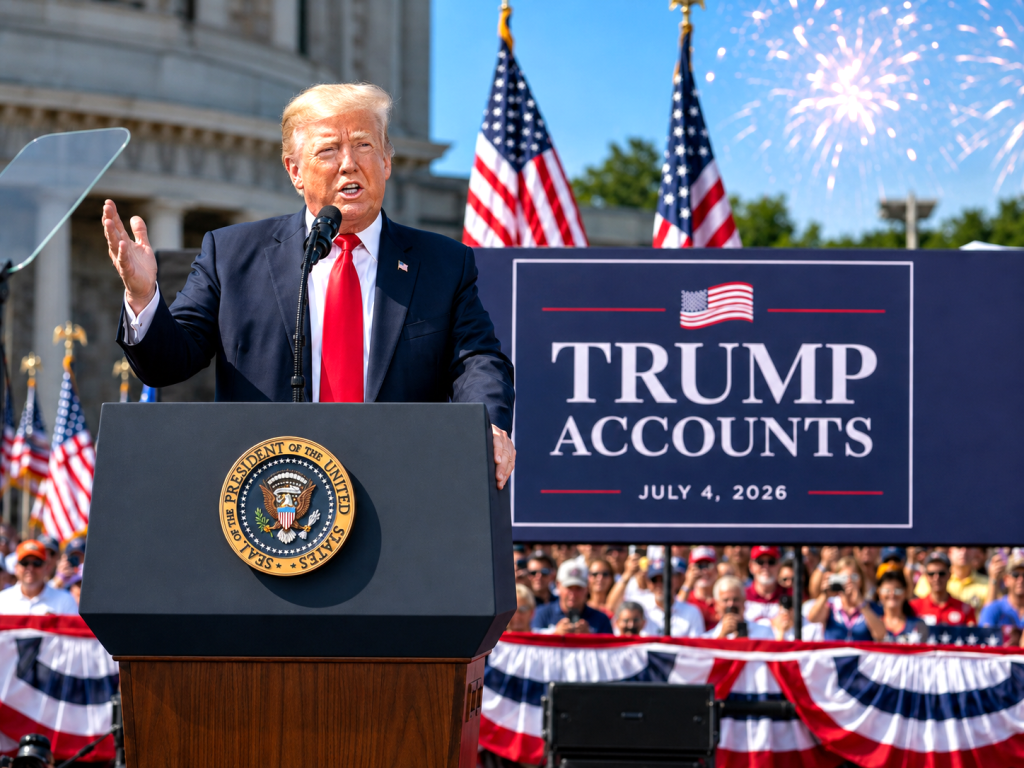
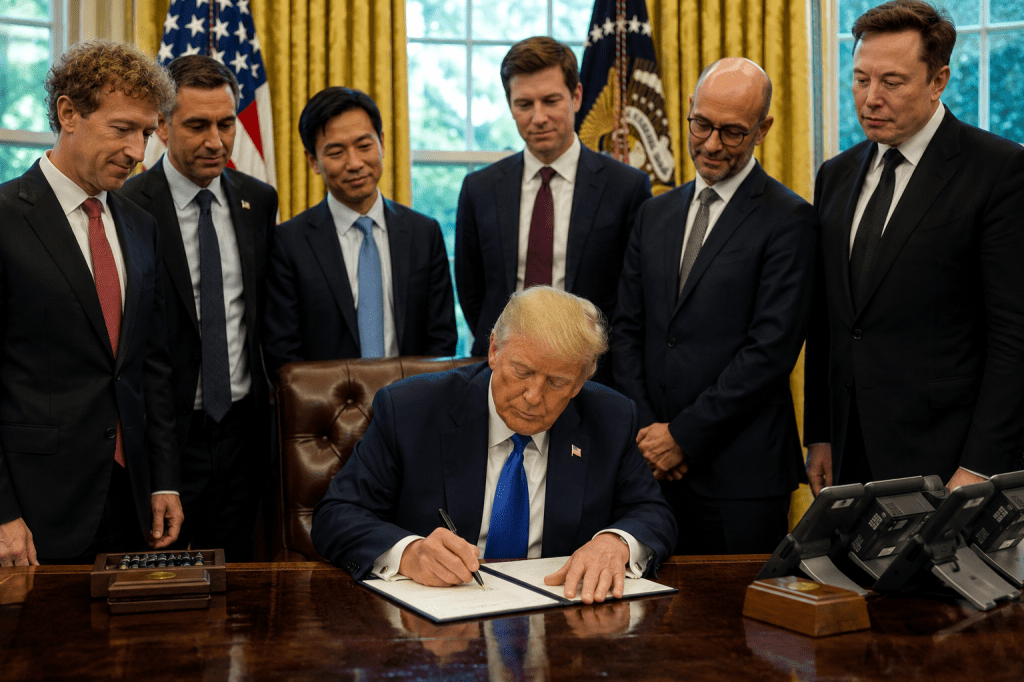
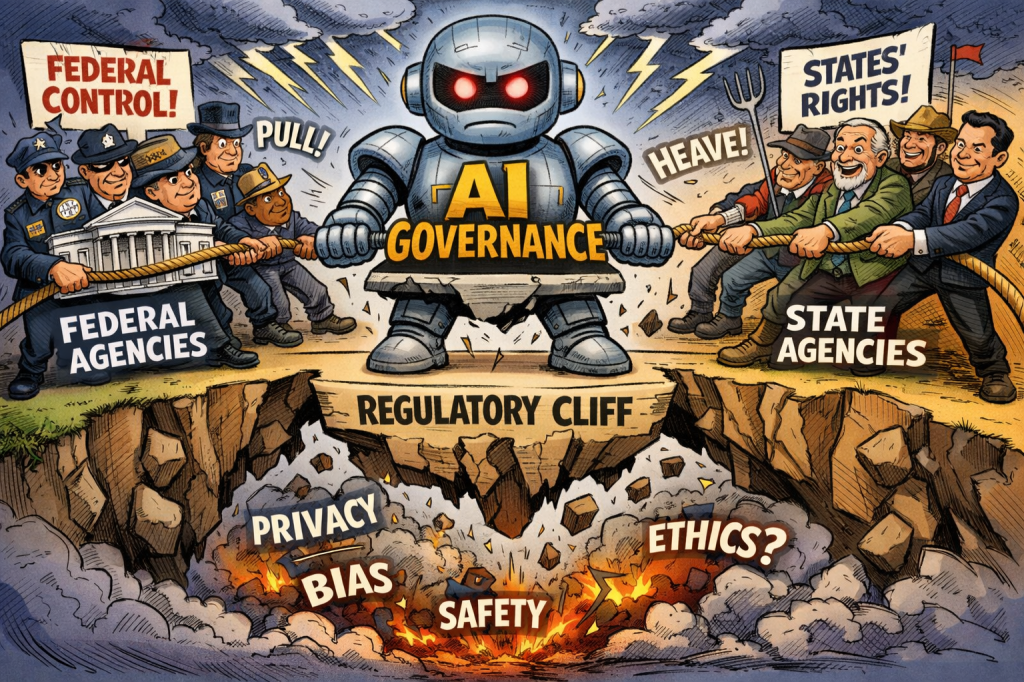
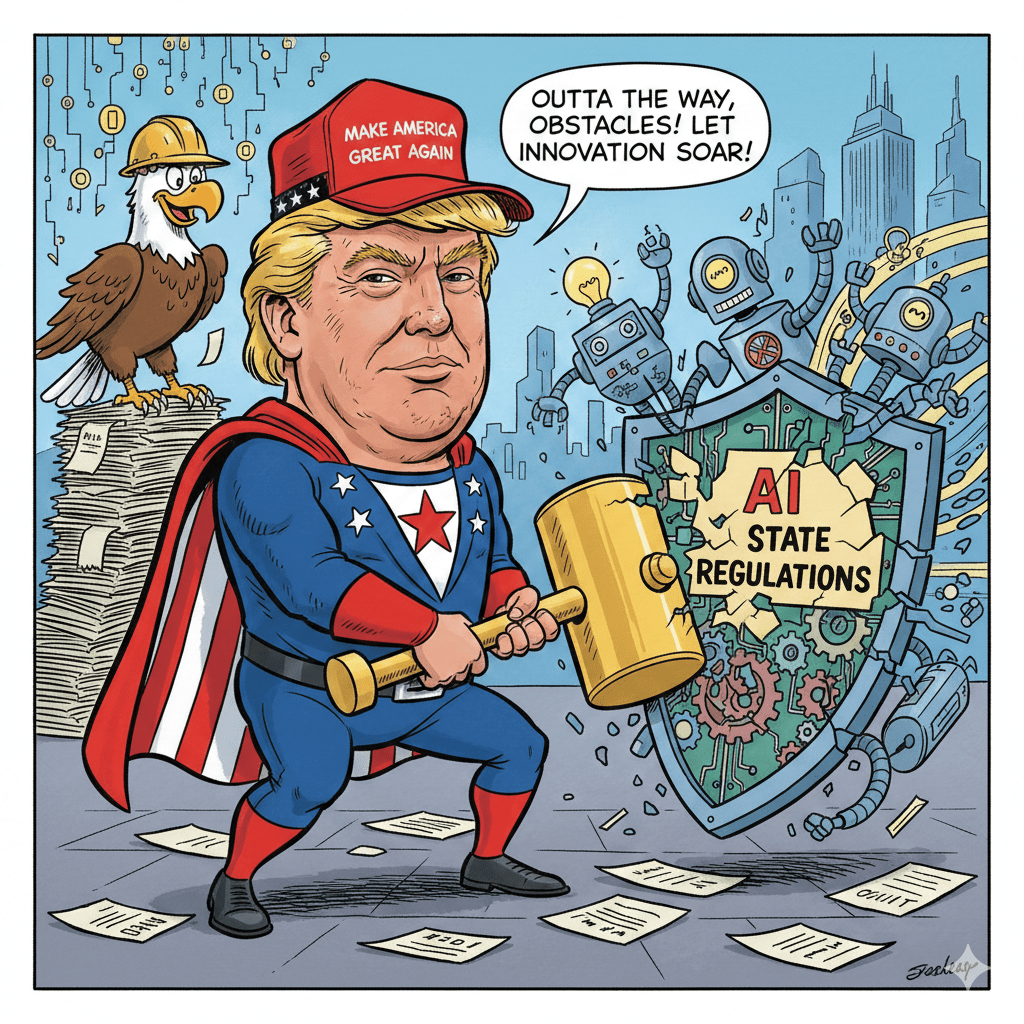
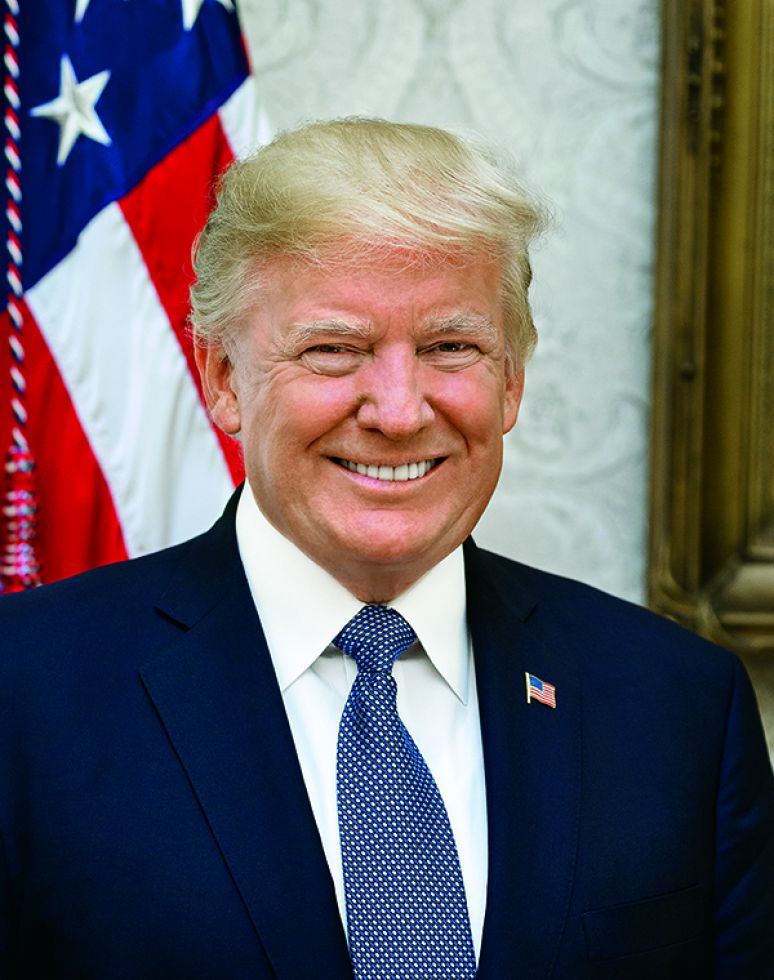
On 2 June 2026, President Donald Trump signed the executive order “Promoting Advanced Artificial Intelligence Innovation and Security,” establishing a voluntary framework through which leading AI developers may provide the U.S. government with access to frontier AI models up to 30 days before public release for cybersecurity and national-security evaluation (1,2,3). The order represented a compromise between advocates of stronger oversight and industry leaders who argued that lengthy review periods could weaken American competitiveness against China (2,4,5).
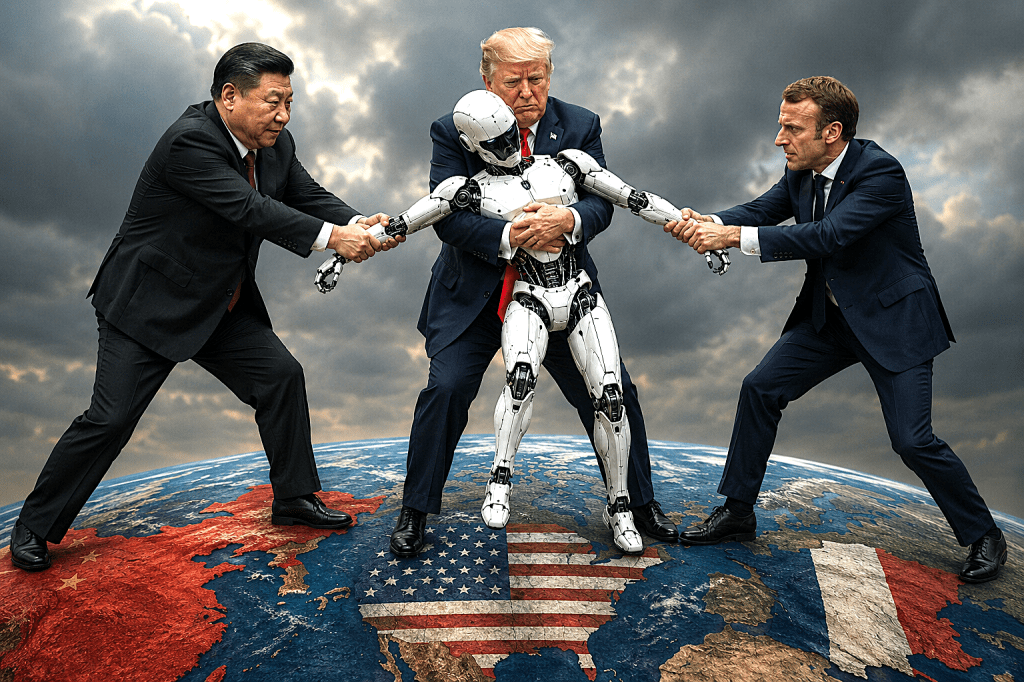
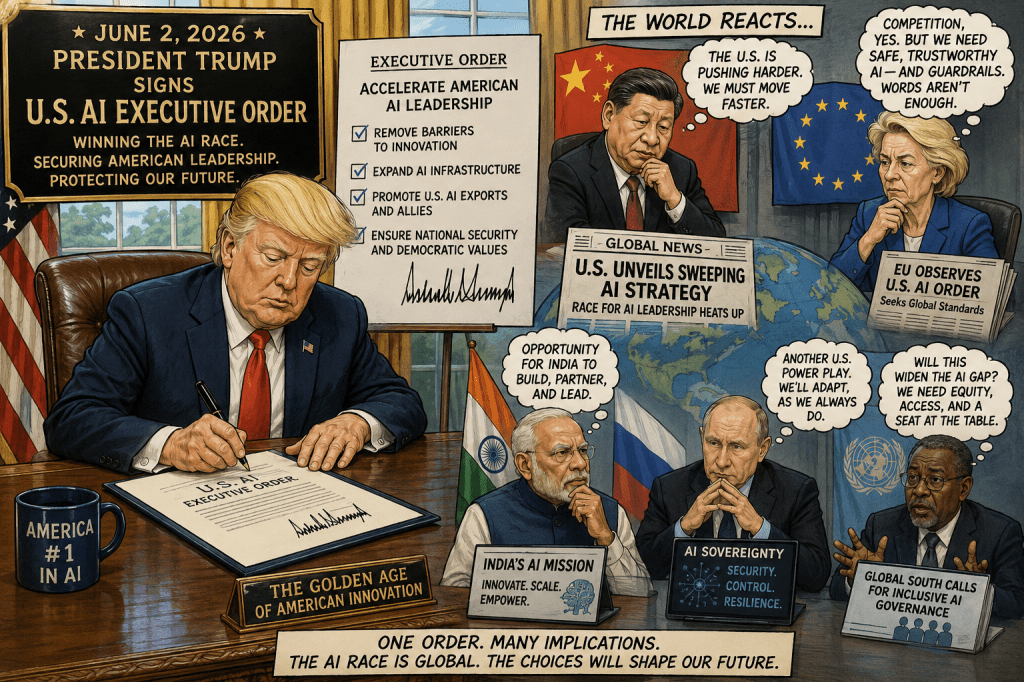
The most immediate international reaction was not opposition to the objective of AI security itself, but scrutiny of the order’s limited scope. International reporting emphasized that the administration had scaled back an earlier proposal after industry pressure and concerns about maintaining the U.S. lead over China (2,4,5,6). This framing matters because foreign governments increasingly interpret AI governance through the lens of geopolitical competition rather than purely domestic regulation.
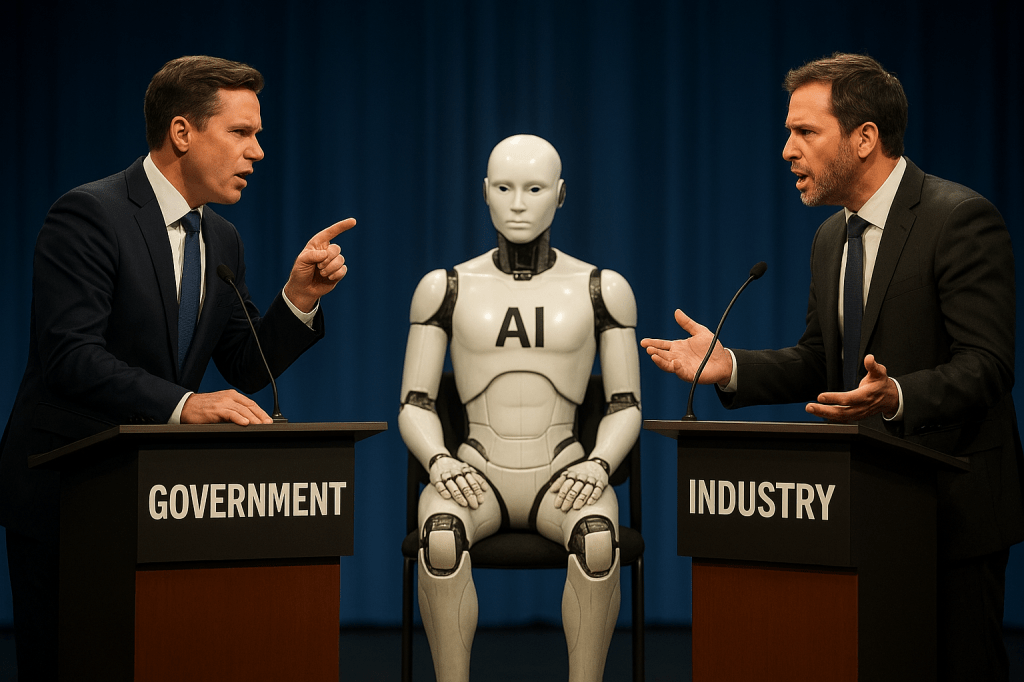
Coverage in major international outlets highlighted a central tension. The United States is attempting to preserve innovation while simultaneously addressing cybersecurity risks posed by frontier models. Reuters reported that the administration sought voluntary cooperation rather than formal regulation and that the policy emerged amid concern over increasingly capable models with advanced cyber capabilities (3). The Guardian similarly characterized the framework as a shift toward oversight while remaining deliberately non-mandatory (6). These assessments suggest that many observers view the order as an experiment in cooperative governance rather than a comprehensive regulatory regime.
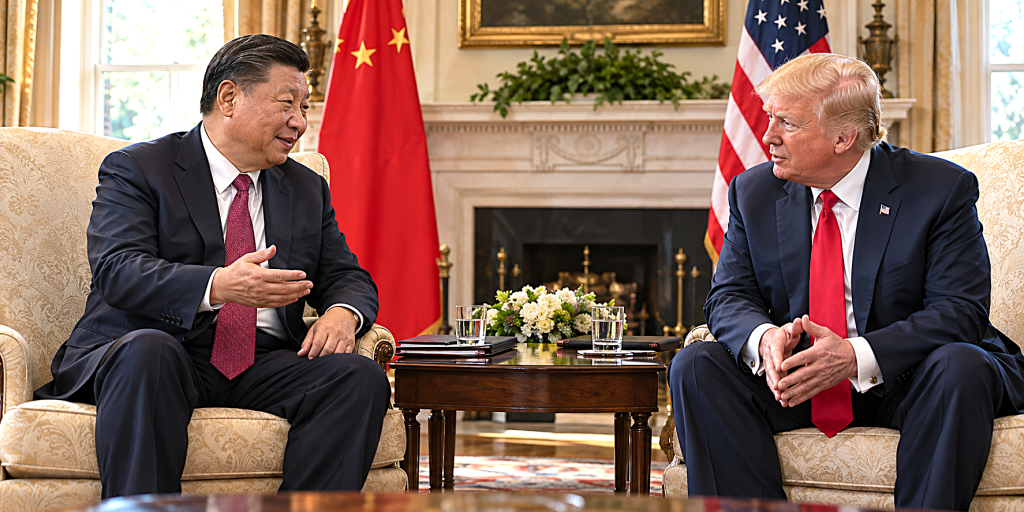
For China, the most significant signal is that the United States now publicly acknowledges that frontier AI models can create national-security vulnerabilities requiring government involvement. Chinese policymakers have historically been more comfortable with direct state oversight of advanced technologies. The American decision to create review mechanisms, benchmarks, cybersecurity testing, and information-sharing structures may therefore be interpreted in Beijing as evidence that even the world’s leading AI ecosystem recognizes the strategic risks associated with frontier systems (1,7). At the same time, the voluntary nature of the program may reinforce Chinese arguments that the United States remains reluctant to impose stronger controls on its largest technology firms.
Another important response concerns competitiveness. Multiple reports noted that Trump delayed or narrowed earlier versions of the order because of concerns that excessive review requirements could help China close the AI gap (2,4,5). International observers are therefore likely to judge the order according to whether it preserves U.S. innovation speed while reducing cybersecurity risk. If participation becomes widespread among leading firms, the United States could establish a de facto international standard without formal regulation. If participation remains uneven, competing countries may argue that stronger state-directed approaches are more effective.
The order also influences allied countries. Governments in Europe and Asia are closely monitoring whether voluntary cooperation between government and frontier AI firms can work at scale. The policy effectively creates a test case for a lighter-touch alternative to more prescriptive regulatory approaches. Success could strengthen arguments for collaborative governance models. Failure could accelerate demands for mandatory oversight and statutory regulation.
The most useful feedback for the United States is not that the order should be abandoned, but that it should evolve. International commentary consistently focused on the gap between the seriousness of the risks and the voluntary nature of the response (2,5,6). Policymakers could strengthen the initiative by publishing clearer evaluation criteria, increasing transparency regarding participation, establishing independent expert review, and developing pathways that could transition voluntary standards into legislation if necessary. Such measures would improve credibility without immediately imposing burdens that industry leaders fear could slow innovation.
Abandoning the order would likely be counterproductive. The executive order acknowledges a real policy challenge: frontier AI systems increasingly possess capabilities that can affect cybersecurity, critical infrastructure, and national security (1,3,7). The stronger criticism emerging from early reactions is not that the government should do nothing, but that voluntary review alone may be insufficient over the long term. Consequently, the most constructive path forward is iterative improvement. The United States can use international feedback to build a more durable framework that preserves innovation while demonstrating that advanced AI development remains compatible with democratic accountability, public trust, and national security.
References
(1) The White House. ‘Promoting Advanced Artificial Intelligence Innovation and Security’ (2 June 2026). https://www.whitehouse.gov/presidential-actions/2026/06/promoting-advanced-artificial-intelligence-innovation-and-security/
(2) TechCrunch. ‘Trump signs narrower executive order on AI oversight after industry objections’ (2 June 2026). https://techcrunch.com/2026/06/02/trump-signs-narrower-executive-order-on-ai-oversight-after-industry-objections/
(3) Reuters. ‘Trump administration to ask US AI firms to voluntarily submit models for cybersecurity tests’ (2 June 2026). https://www.reuters.com/world/trump-signed-order-promote-advanced-ai-innovation-security-white-house-says-2026-06-02/
(4) CBS News. ‘Trump signs AI executive order to give government early look at new models’ (2 June 2026). https://www.cbsnews.com/news/trump-ai-executive-order/
(5) Associated Press. ‘Trump signs an executive order to vet top AI models for national security risks’ (2 June 2026). https://www.kptv.com/2026/06/02/trump-signs-an-executive-order-vet-top-ai-models-national-security-risks/
(6) The Guardian. ‘Trump signs executive order seeking early access to new AI releases’ (2 June 2026). https://www.theguardian.com/us-news/2026/jun/02/trump-executive-order-ai-voluntary-review
(7) NPR/WXXI. ‘Trump signs AI safety order seeking voluntary review of new models’ (2 June 2026). https://www.wxxinews.org/npr-news/2026-06-02/trump-signs-ai-safety-order-seeking-voluntary-review-of-new-models
###
Filed under: Uncategorized |










































































































































































































































































































































































































































































Leave a Reply