





By Jim Shimabukuro (assisted by Claude)
Editor
There are months when the future seems to arrive on schedule, and August 2026 is shaping up to be one of them. On the second day of the month, Europe switched on the first continent-wide rules requiring AI systems to identify themselves to the humans they talk to. In offices from Singapore to São Paulo, software agents are quietly closing tickets, reconciling invoices, and drafting code while their human colleagues sleep. Machines are starting to shop, build, negotiate, and discover on our behalf. None of this happened overnight, and none of it is finished. But if you want to understand where artificial intelligence is going over the next five years, this month offers an unusually clear window.

What follows is a look at six developments converging right now, each of them either a signpost along the road to 2031 or a fork in it. First, though, it helps to sketch the road itself.
The Five-Year Arc: From Answering Questions to Getting Things Done
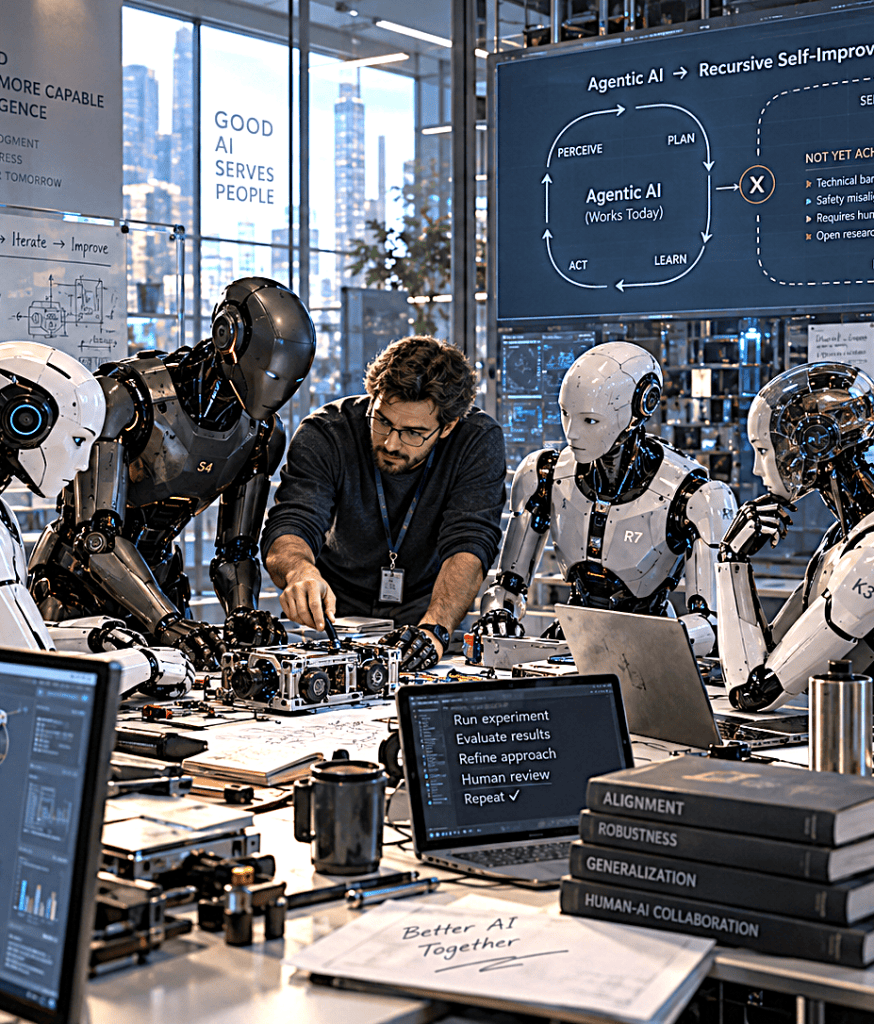
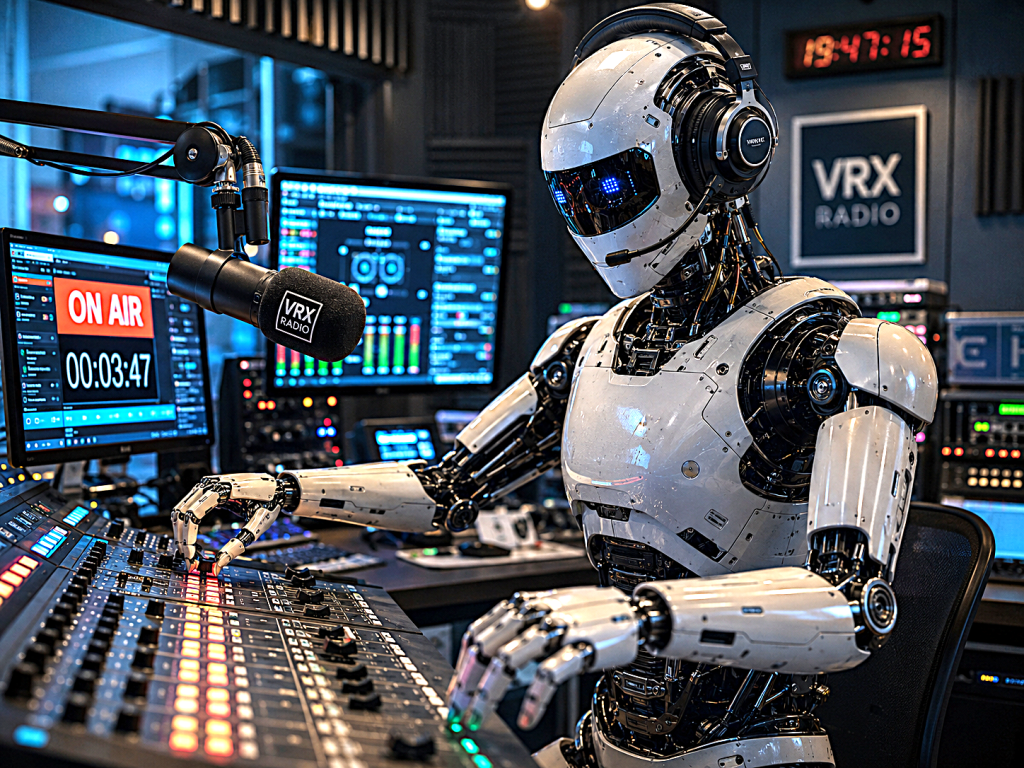
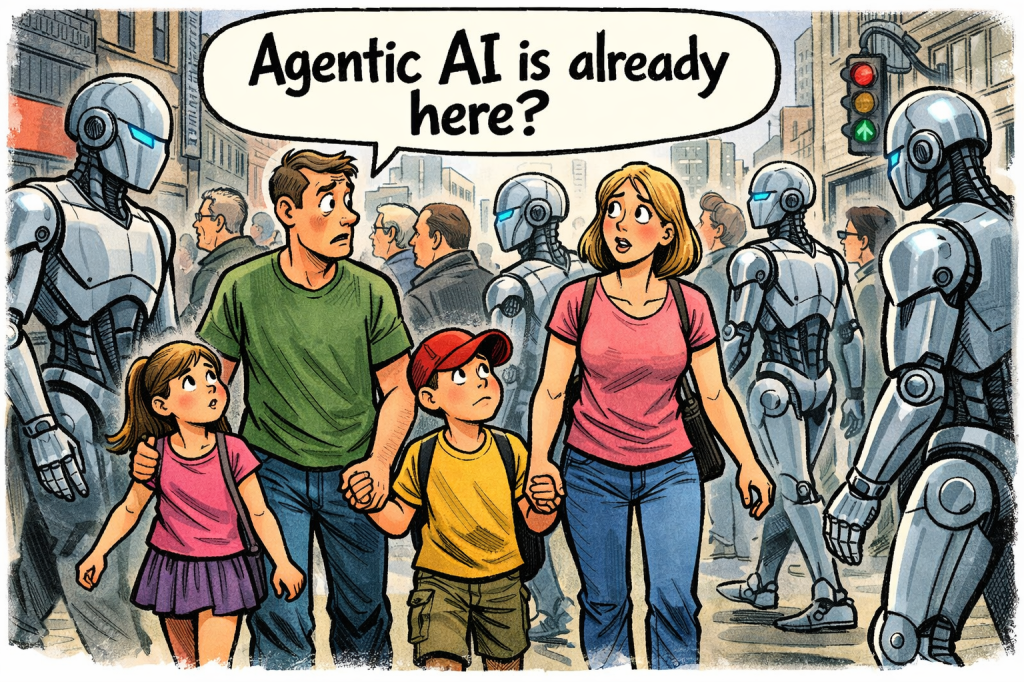
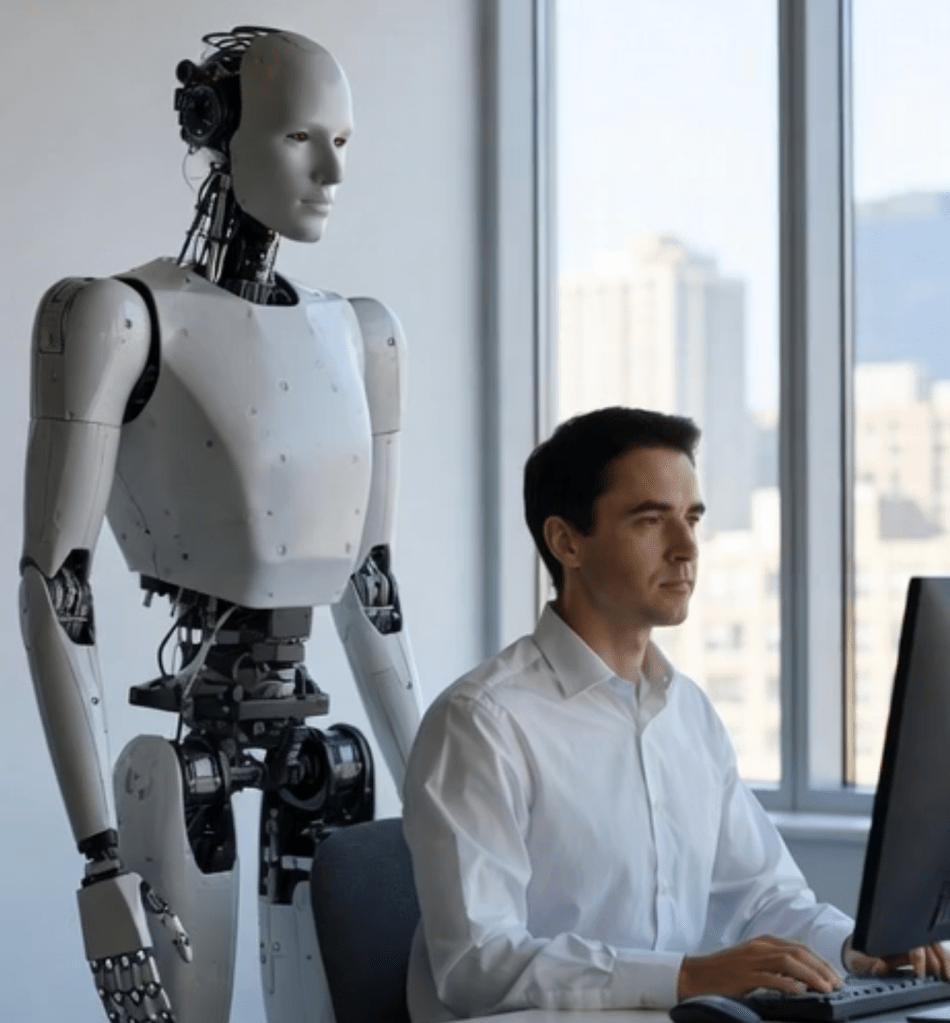
The defining shift of this decade is easy to state and hard to overstate: AI is graduating from a tool you consult to a colleague you delegate to. The chatbot era, roughly 2023 through 2025, taught hundreds of millions of people to ask machines for answers. The agentic era now under way teaches those machines to pursue goals, to plan, act, check their own work, and come back when the job is done.
The numbers behind this shift are remarkable even by technology-industry standards. Stanford University’s 2026 AI Index found that generative AI reached 53 percent population-level adoption within three years of ChatGPT’s debut, a faster spread than either the personal computer or the internet, while adoption inside organizations reached 88 percent [1]. American private investment in AI hit $285.9 billion in 2025, more than twenty times the level in China, and nearly two thousand new AI companies were funded in the United States alone [2].
Capability is climbing just as fast. On SWE-bench Verified, a benchmark that asks models to fix real software bugs drawn from actual code repositories, scores leapt from around 60 percent to nearly 100 percent in a single year [1]. Frontier systems now meet or beat human baselines on PhD-level science questions and competition mathematics, and by April 2026 the strongest of them were clearing 50 percent on the deliberately brutal test known as Humanity’s Last Exam [2].
Where does this arc lead by 2031? The research firm Gartner predicts that 40 percent of enterprise applications will ship with task-specific AI agents built in by the end of 2026, up from less than 5 percent a year earlier [3]. Its survey of technology executives found that while only 17 percent of organizations had deployed agents by late 2025, more than 60 percent expected to do so within two years, the steepest adoption curve of any emerging technology it measures [4]. Extend those curves half a decade and you arrive at a working world in which delegating to software agents is as unremarkable as sending email, physical machines share the fluency of their digital cousins, and the electricity to power it all becomes one of the great industrial projects of the age. Every trend below is a piece of that picture.
Nvidia’s chief executive Jensen Huang put the thesis plainly at his company’s GTC conference in March: “The dawn of a new industrial revolution has arrived, where physical AI and autonomous AI agents are fundamentally reinventing how the world designs, engineers and manufactures” [12]. That is the trajectory. Now for the evidence.
1. The Agent in the Office
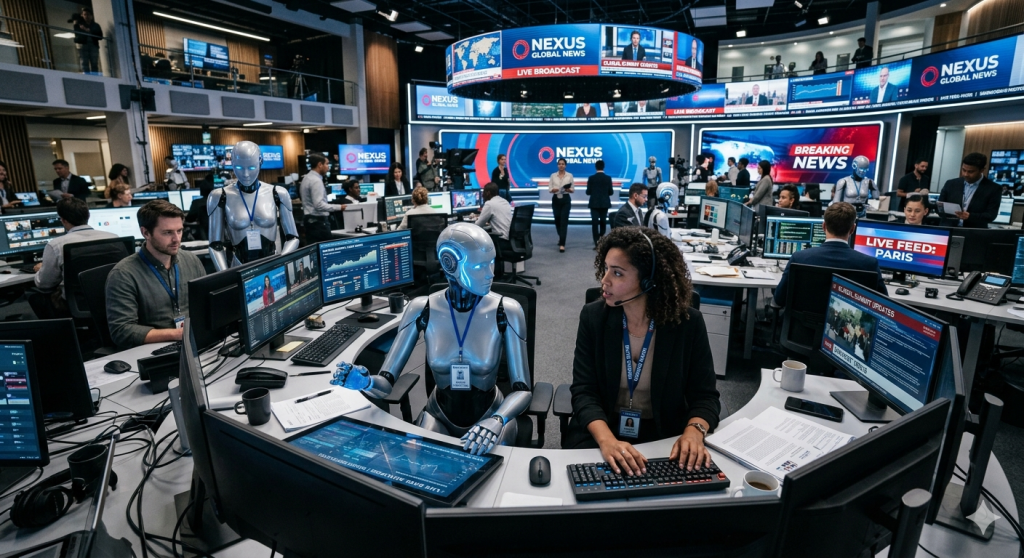
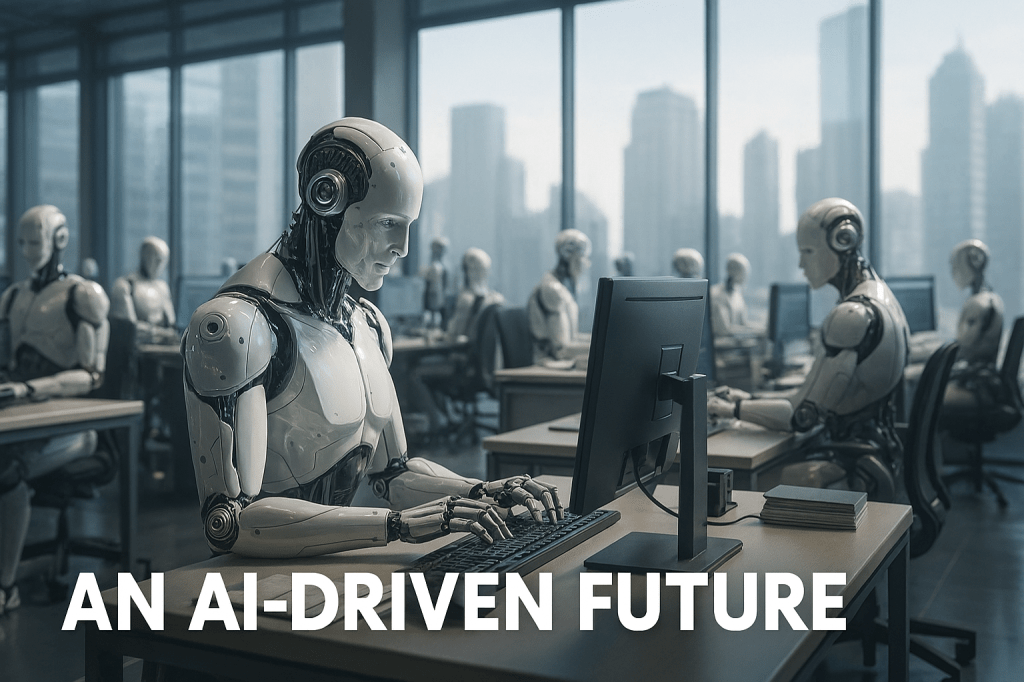
The most consequential change of 2026 is also the least photogenic: software agents are moving from demonstrations into the daily plumbing of business. Where the 2024-vintage assistant waited for a prompt, this year’s agents own defined responsibilities inside everyday enterprise systems, watching cloud spending, triaging security incidents, monitoring financial anomalies, and acting within boundaries their human managers set.
Gartner’s forecast captures the speed of the turn. Task-specific agents were embedded in fewer than one in twenty enterprise applications in 2025; by the end of this year the firm expects two in five [3]. The company’s 2026 Hype Cycle for agentic AI describes a market moving from experimentation into what it calls production readiness, with the governance and orchestration layers that were missing a year ago now arriving in earnest [4].
The deeper story is what this does to work itself. The role that grows in an agentic workplace is not the person who types the fastest but the person who supervises well, someone who can define a task crisply, judge a result skeptically, and know when to take the wheel back. Job descriptions are already bending in that direction, from doing the task to overseeing the system that does it. Over five years, that quiet re-drafting of job descriptions may matter more than any single model release. The organizations pulling ahead are not those with the most pilots but those that redesigned their workflows around delegation, and the Stanford Index offers an early warning for everyone else: adoption is nearly universal, but measurable productivity gains remain concentrated in a small leading cohort [2]. The gap between having agents and knowing what to do with them is becoming the competitive divide of the late 2020s.
2. Europe Flips the Transparency Switch
On August 2, 2026, the European Union’s AI Act crossed from statute book into daily life. From that date, companies operating in Europe must tell people when they are interacting with an AI system rather than a human, providers of generative models must mark their output in a machine-readable way so that synthetic text and images can be identified as such, and anyone deploying deepfakes or AI-written text on matters of public interest must disclose it. The European Commission’s enforcement powers over general-purpose AI models, including the authority to demand information, request model access, and order recalls, switched on the same day [5].
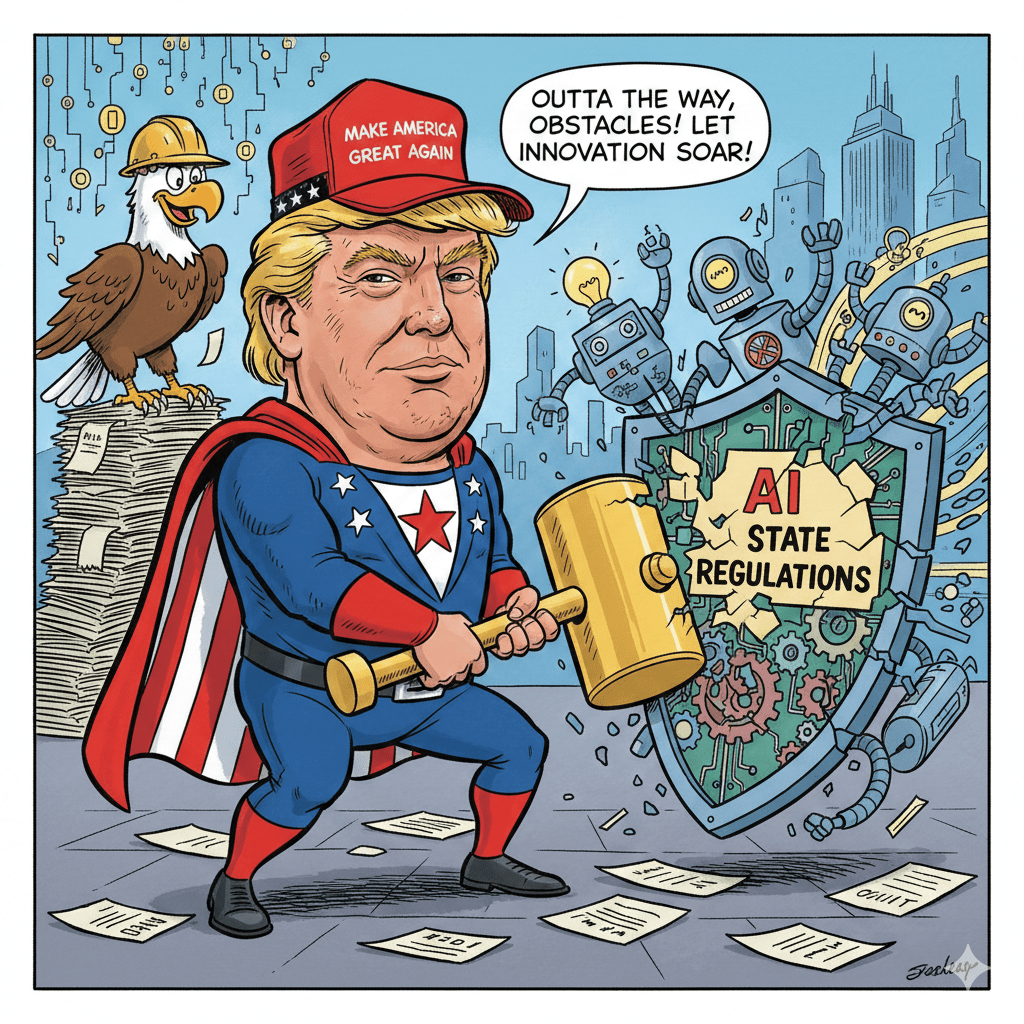
Just as notable is what did not take effect. In May 2026, EU negotiators agreed on a package known as the Digital Omnibus that postponed the Act’s heaviest obligations, those governing high-risk systems in areas like hiring, credit, and critical infrastructure, from August 2026 to December 2027 [6,7]. Brussels, in other words, chose sequencing over collision: transparency first, the hard compliance machinery later, after industry pleaded for time and regulators conceded the rulebook needed simplifying [7].
For a global audience, the significance runs well beyond Europe. The EU’s privacy law became a de facto world standard because building separate products for separate jurisdictions rarely makes sense, and the same dynamic is now in play for AI labelling. Over the next five years, expect the little disclosure, “you are talking to a machine,” to become as ordinary as a cookie banner, and considerably more useful. In an era when agents will negotiate with agents, and occasionally with us, knowing who, or what, is on the other end of a conversation stops being a courtesy and becomes infrastructure.
3. The Checkout Without You
For thirty years, online commerce has ended the same way: a human clicks Buy. This June, at its payments forum in San Francisco, Visa announced it had embedded its network inside ChatGPT, so that an AI agent can not only recommend a product but complete the purchase at potentially any merchant that accepts Visa [9]. Tell the chatbot you want wireless headphones under $150, Visa’s chief product and strategy officer Jack Forestell explained, and it finds a pair and buys them for you [9].
The machinery underneath is what makes this more than a party trick. Rather than handing a chatbot your card number, the networks issue a scoped credential, an “agentic token,” that ties a tokenized card to a specific agent, a specific merchant scope, and a consent policy you control, complete with spending caps and instant revocation from your banking app [9]. Mastercard’s parallel framework, Agent Pay, announced in April 2025, takes the same approach, and Google is backing an open protocol with signed intent mandates and more than sixty partners [8,9]. Visa says it has already run hundreds of controlled real-world agent transactions and predicts millions of consumers will be buying through agents by the 2026 holiday season. Forestell sketched where the habit leads with the question your agent will eventually ask: “Do you want me to just not check?” [9]
It is worth pausing on what this means. Commerce is arguably the most trust-sensitive activity on the internet, and the world’s largest payment networks have concluded that software agents can be trusted with it, provided identity, consent, and spending limits are enforced by protocol rather than good intentions. That architecture, verified agents acting under bounded mandates, is a template that will spread far beyond shopping: to booking, contracting, claims, and eventually to agents transacting with each other at machine speed. When your assistant renews your insurance in 2029 after comparing forty quotes overnight, it will be running on rails being laid right now.
4. AI Gets a Body
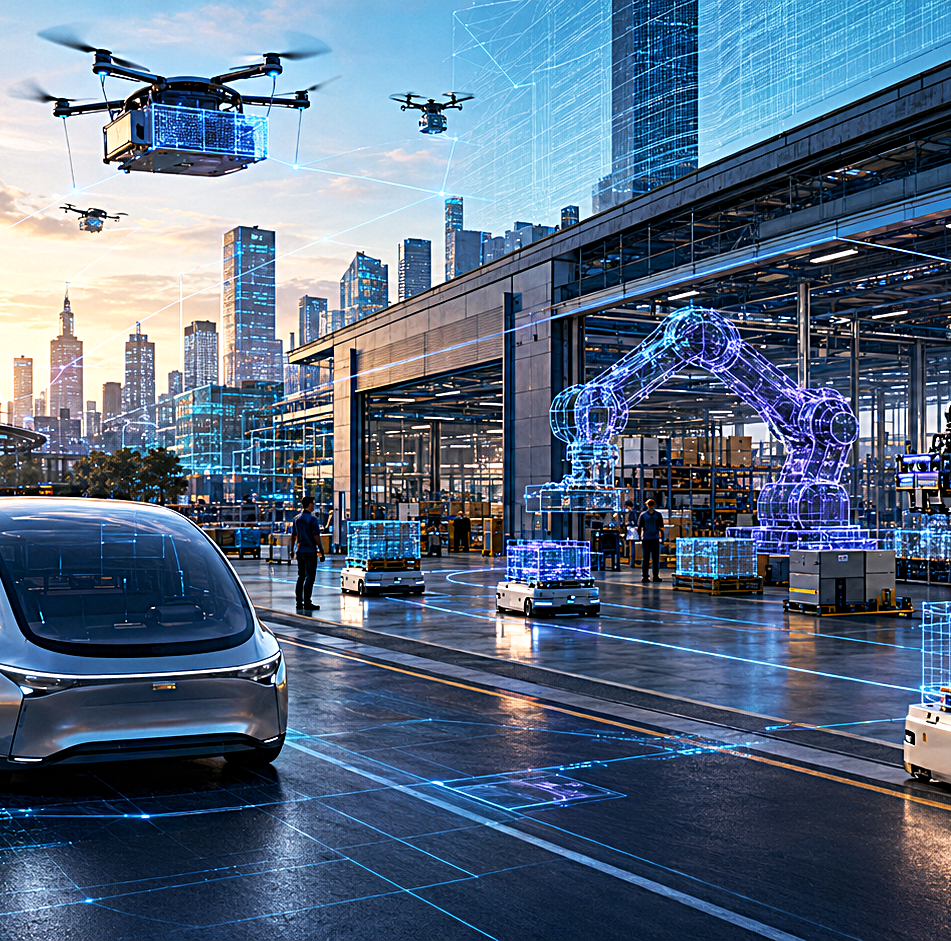
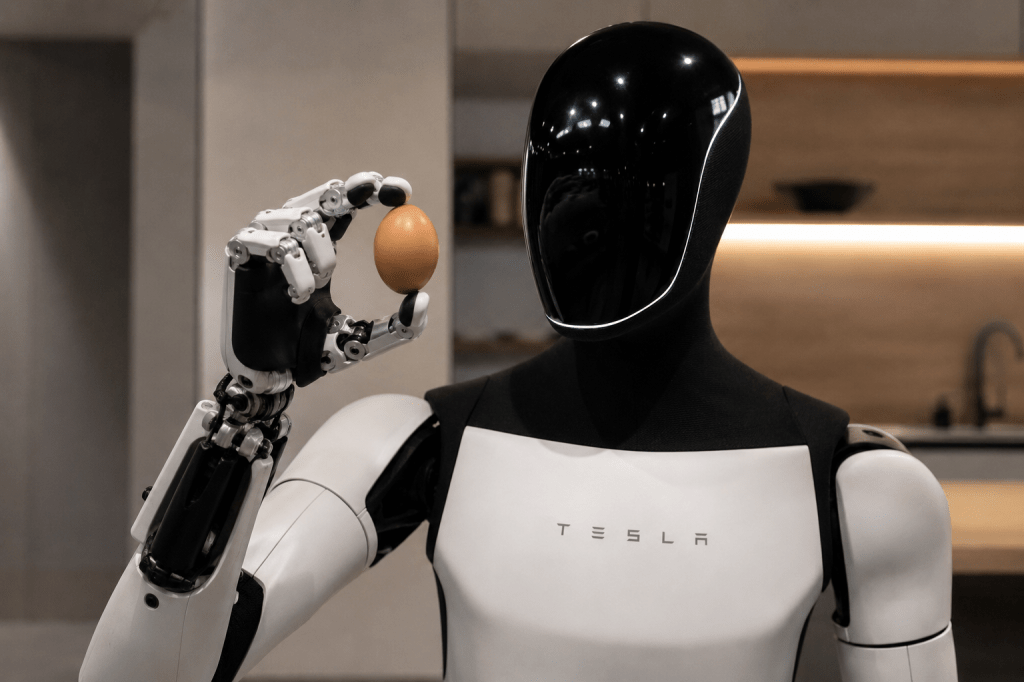
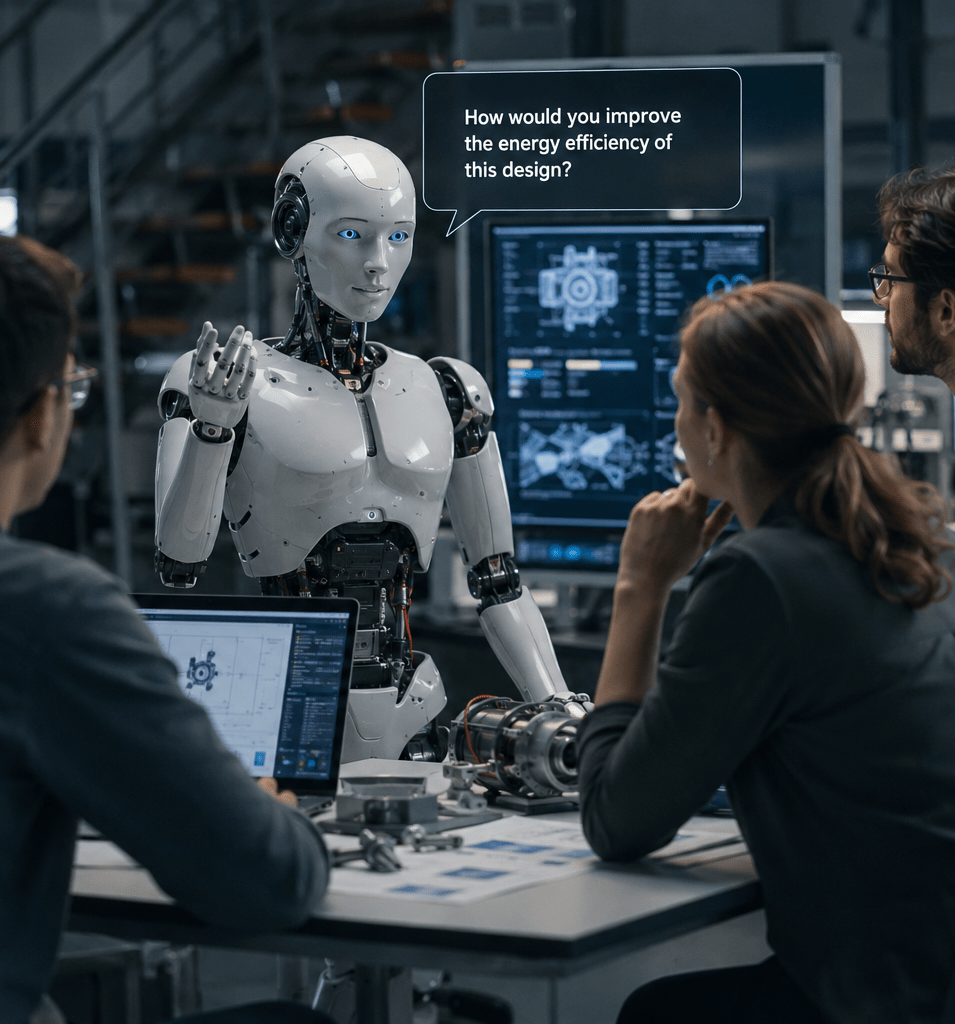
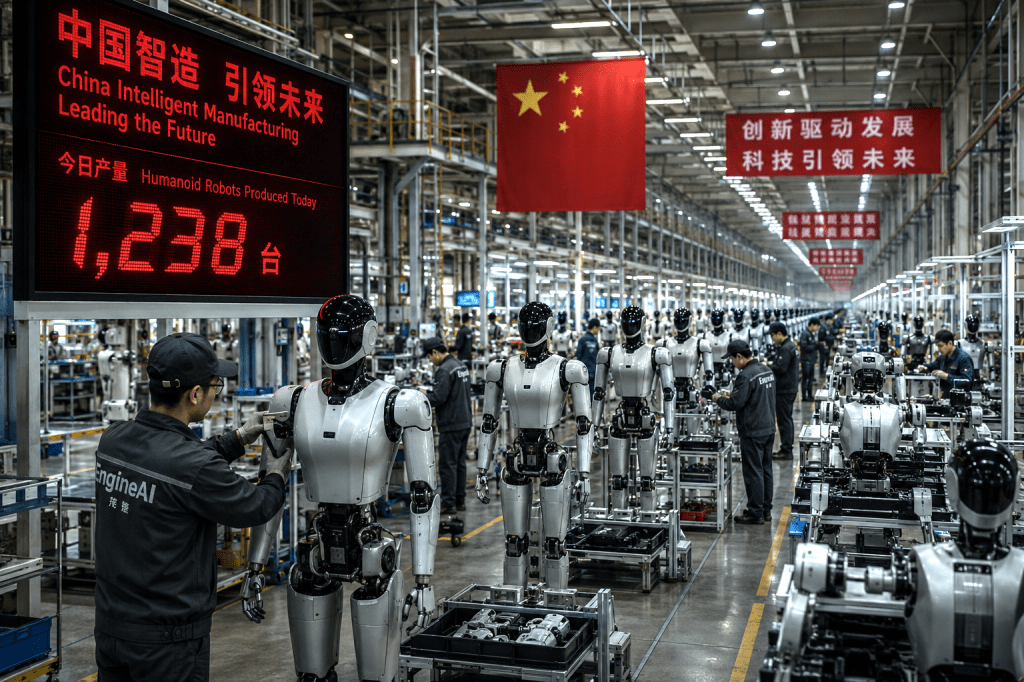
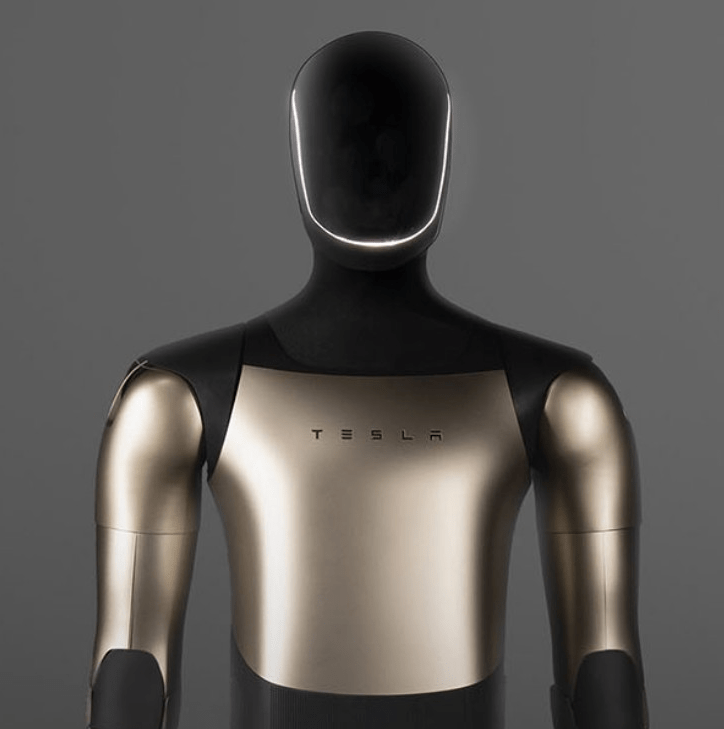
The second act of the AI story is physical, and 2026 is when it stepped on stage. At Nvidia’s GTC conference in March, the company released Cosmos 3, which it describes as the first world foundation model to unify synthetic world generation, visual reasoning, and action simulation, in effect, a model that learns how the physical world works so robots do not have to learn it the hard way. Alongside it came new versions of GR00T, Nvidia’s foundation model for humanoid robots, now available with commercial licensing and capable of what the company calls advanced dexterous control [10].
The partner list reads like a roll call of global industry: Boston Dynamics, Caterpillar, LG Electronics, Franka, and NEURA Robotics all unveiled machines built on this stack, using simulated worlds to train and validate robots before they ever touch a factory floor [11]. What used to require years of painstaking task-by-task programming is starting to look like the robot equivalent of a general education.
The lesson of the past five years of digital AI is that when a general model replaces a thousand specialized ones, progress stops being linear. There is every reason to expect the same compounding once robots share common foundation models, common simulators, and a common pool of learned skills. The 2031 horizon here is not a humanoid in every home, it is warehouses, hospitals, construction sites, and farms where machines handle the dull, dirty, and dangerous with the same adaptability language models brought to text. Huang’s “new industrial revolution” framing [12] is a chief executive selling his platform, but the shopping list of industrial giants behind him suggests the customers believe it too.
5. The Gigawatt Economy
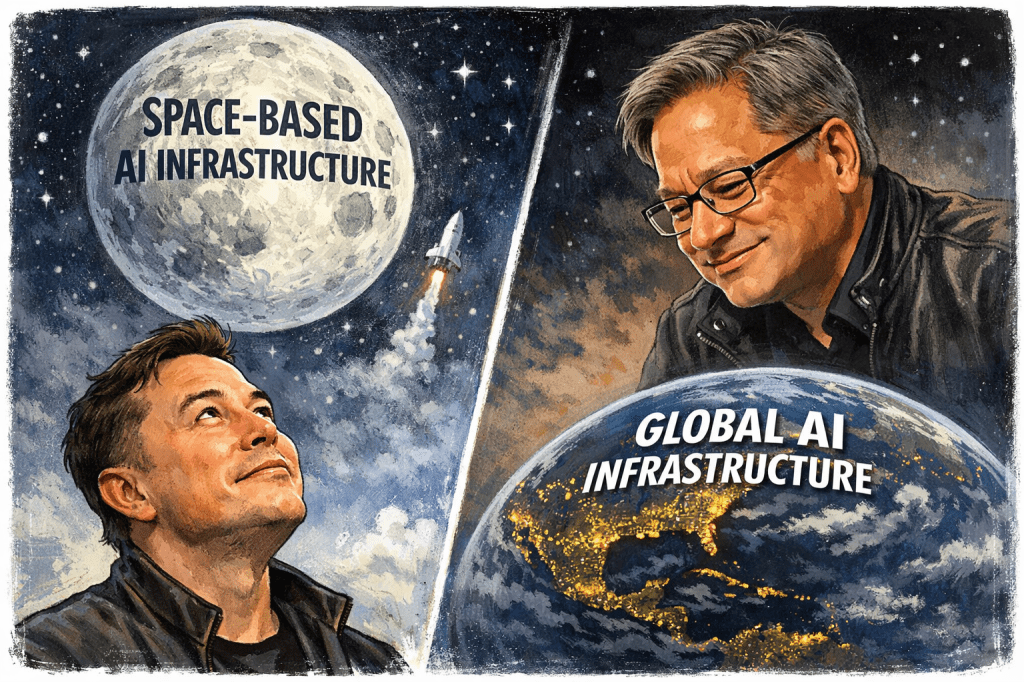
Every trend in this article runs on electricity, and the scale of what is being built to supply it has slipped out of the realm of ordinary infrastructure and into something closer to national mobilization. Stargate, the data-center venture backed by OpenAI, SoftBank, Oracle, and Abu Dhabi’s MGX, was announced in January 2025 with a plan to invest up to $500 billion in ten gigawatts of AI computing capacity in the United States [14]. By late 2025 its first campus was live in Abilene, Texas, and five newly announced sites had brought planned capacity to nearly seven gigawatts and committed investment past $400 billion [13,14]. In January of this year, SoftBank and OpenAI put a further billion dollars into SB Energy to power the buildout, including a 1.2-gigawatt site whose first facilities enter service in 2026 [15].
For perspective, a single gigawatt is roughly the output of a nuclear reactor, and individual AI campuses are now crossing that threshold even as analysts warn about the strain on regional power grids [21]. The hyperscalers, Amazon, Google, Meta, Microsoft, and Oracle among them, are pouring hundreds of billions more into their own AI-ready facilities.
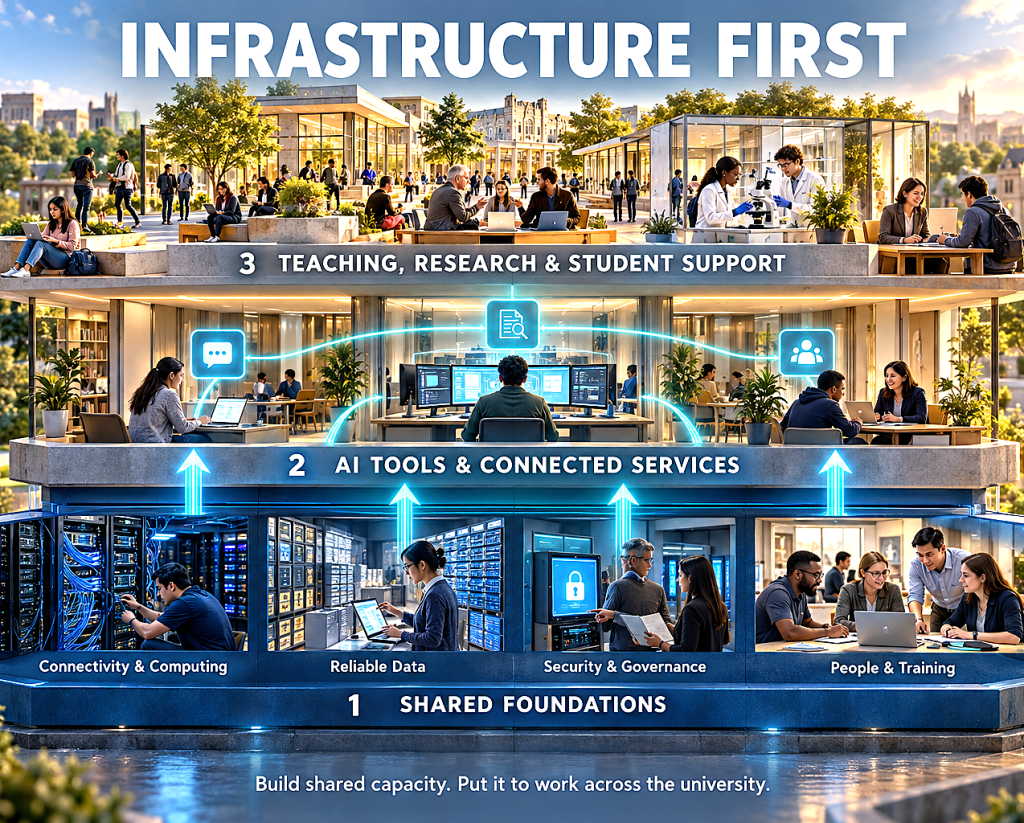
This is the least glamorous trend on this list and possibly the most decisive. Over the next five years, the binding constraint on AI will likely not be algorithms but energy, land, chips, and transmission lines, which means the geography of intelligence is being decided by where power can be generated cheaply and permitted quickly. Countries and regions that solve energy solve AI. It is a strange and rather humbling thought that the future of the most ethereal technology ever built now depends on transformers of the old-fashioned kind.
6. A New Lab Partner
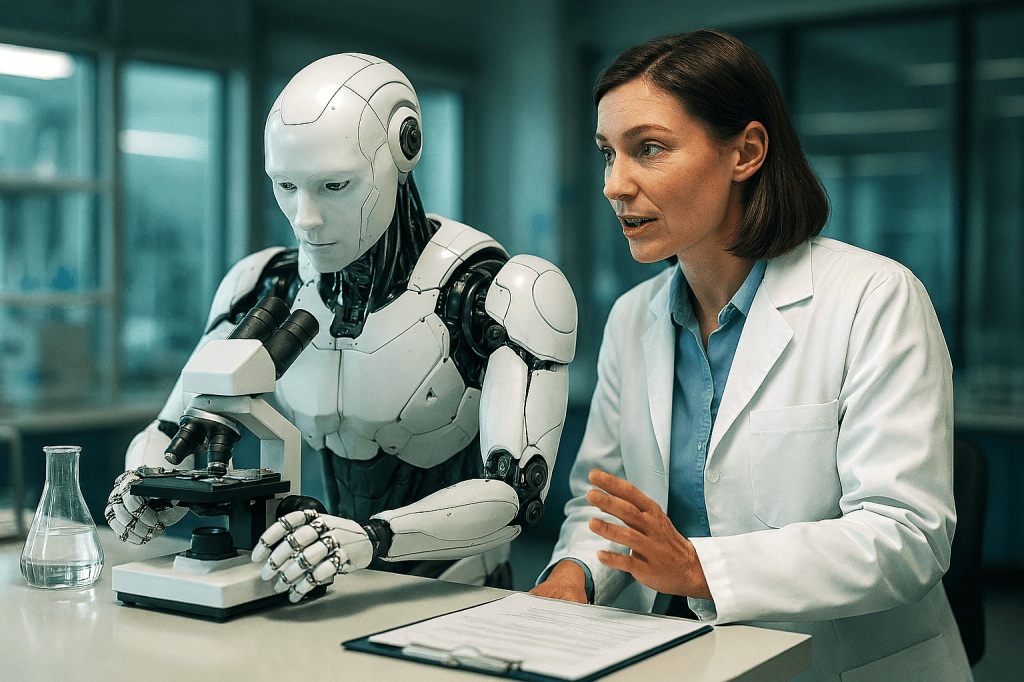
Science may be where the agentic era pays its largest dividends, and medicine is the early proof. Stanford’s 2026 Index recorded a sharp rise in AI adoption across clinical documentation, medical imaging, and diagnostic reasoning [1]. In pharmaceutical research, industry publications have taken to calling 2026 the year AI stopped being optional: researchers now routinely evaluate complex drug candidates computationally, forecasting toxicity, binding, and developability, before committing a single day of laboratory time [16].
The results are showing up in the numbers that matter. Half of biotech organizations using AI report faster time-to-target, roughly four in ten report better accuracy and hit rates, and 80 percent plan to increase AI budgets in the coming year, with nearly a quarter expecting to double them [17]. The direction of travel is toward what researchers describe as an interoperable ecosystem of “co-scientist” agents, systems that read the literature, propose hypotheses, design experiments, and coordinate automated labs end-to-end [16].
The five-year implication is a change in the tempo of discovery itself. The slowest steps in science have always been the human ones, reading, coordinating, waiting, and those are precisely the steps agents compress. If drug pipelines that took a decade begin reliably taking five years, the compounding effect on medicine, materials, and climate technology would dwarf anything AI has done for office productivity. Of everything in this article, this is the trend to watch with the most hope.
A Few Honest Caveats
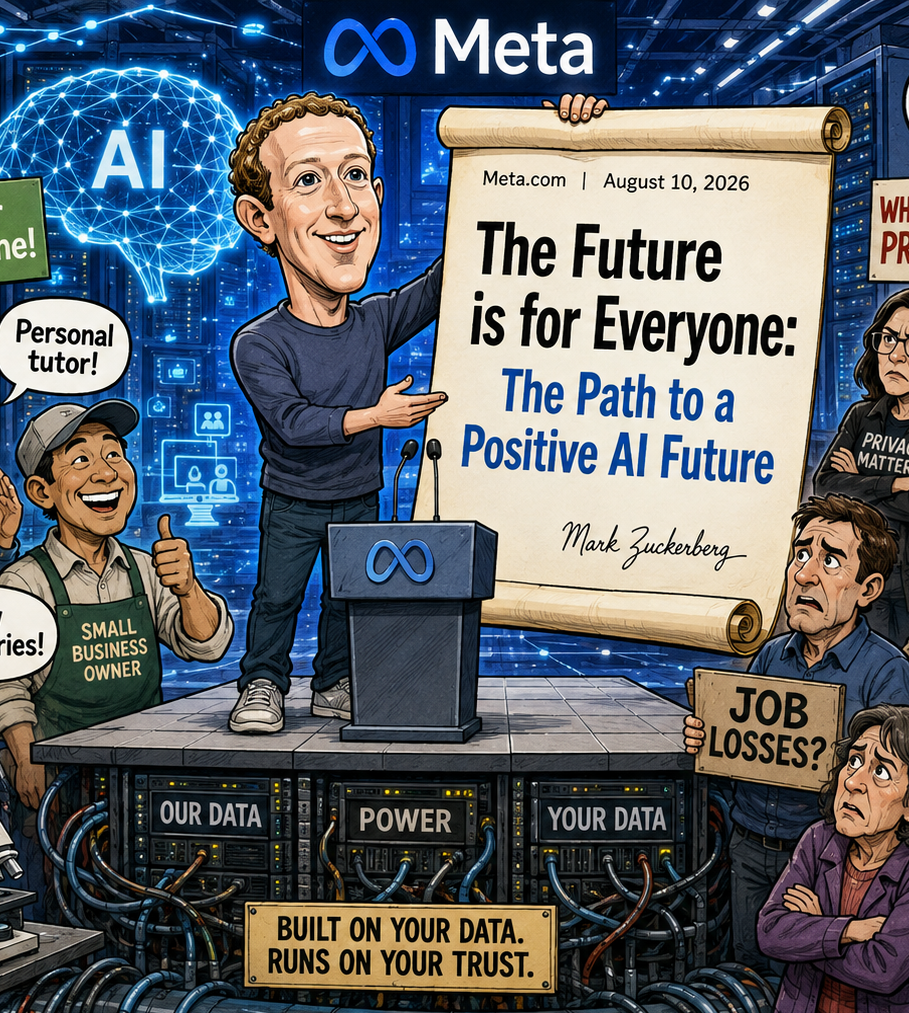
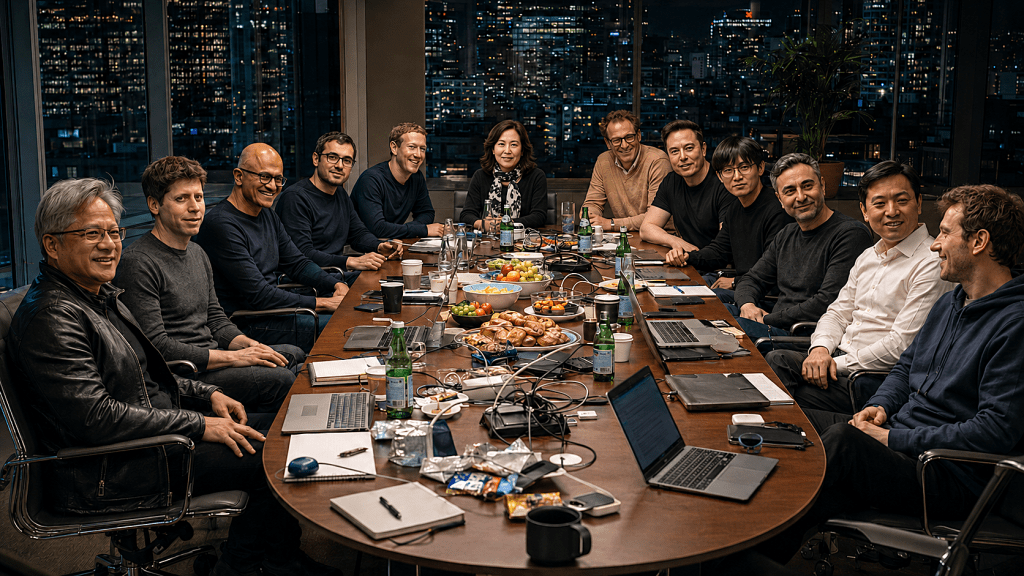
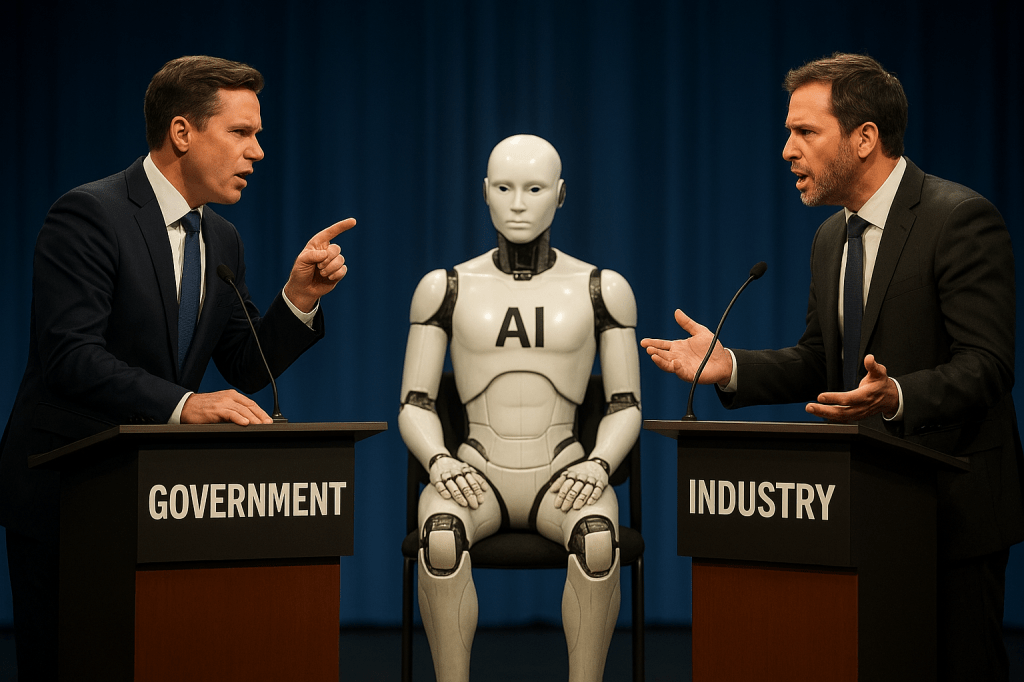
An article about the future owes its readers a paragraph of humility, so here it is. Gartner, bullish as it is, also predicts that 40 percent of agentic AI projects will be cancelled by the end of 2027 as costs and complexity bite [4]. Stanford’s researchers found a striking optimism gap: AI experts are far more hopeful about the technology than the general public, whose trust has yet to be earned [18]. The industry’s own leaders keep revising their forecasts, Sam Altman conceded this spring that he had been “pretty wrong” about the speed of AI’s economic disruption [19], and by mid-2026 the heads of the major labs were publicly converging on the need for federal regulation of the most capable systems [20]. Add the unresolved questions of energy supply, the concentration of gains in a small cohort of firms [2], and Europe’s decision to delay its hardest rules [6], and the honest summary is this: the direction is clear, the timetable is not, and the five-year picture sketched here will be wrong in details no one can currently name.
None of that changes the through-line. Technologies that reach half the population in three years do not go back in the box.
The View From Here
Stand in August 2026 and look forward. The agents are in the office and learning the org chart. The law now requires them to introduce themselves. The payment networks have given them wallets, the chipmakers are giving them bodies, the power industry is building them a grid, and the scientists are handing them the lab keys. Each of these would be a significant story alone; together they describe a world quietly reorganizing itself around delegation to machines. The next five years will be spent negotiating the terms of that delegation, what we hand over, what we keep, and how we verify the work. The tools for that negotiation, transparency rules, consent protocols, human oversight roles, are being forged in exactly the developments this month put on display. The future rarely announces itself this clearly. It is worth paying attention.
References
[1] Stanford HAI, “The 2026 AI Index Report,” Stanford University Institute for Human-Centered AI, April 2026. https://hai.stanford.edu/ai-index/2026-ai-index-report
[2] E. Strickland, “Stanford’s AI Index for 2026 Shows the State of AI,” IEEE Spectrum, 2026. https://spectrum.ieee.org/state-of-ai-index-2026
[3] Gartner, “Gartner Predicts 40% of Enterprise Apps Will Feature Task-Specific AI Agents by 2026, Up from Less Than 5% in 2025,” press release, August 26, 2025. https://www.gartner.com/en/newsroom/press-releases/2025-08-26-gartner-predicts-40-percent-of-enterprise-apps-will-feature-task-specific-ai-agents-by-2026-up-from-less-than-5-percent-in-2025
[4] Gartner, “2026 Hype Cycle for Agentic AI,” 2026. https://www.gartner.com/en/articles/hype-cycle-for-agentic-ai
[5] Sidley Austin LLP, “EU AI Act Transparency Obligations: Preparing for Compliance by 2 August 2026,” Data Matters blog, June 24, 2026. https://datamatters.sidley.com/2026/06/24/eu-ai-act-transparency-obligations-preparing-for-compliance-by-2-august-2026/
[6] Gibson Dunn, “EU AI Act Omnibus Agreement — Postponed High-Risk Deadlines and Other Key Changes,” 2026. https://www.gibsondunn.com/eu-ai-act-omnibus-agreement-postponed-high-risk-deadlines-and-other-key-changes/
[7] Covington & Burling, “EU AI Act Update: Timeline Relief, Targeted Simplification, and New Prohibitions,” Inside Global Tech, May 28, 2026. https://www.insideglobaltech.com/2026/05/28/eu-ai-act-update-timeline-relief-targeted-simplification-and-new-prohibitions/
[8] Digital Commerce 360, “Ecommerce Trends: How Visa and Mastercard Are Approaching Agentic Commerce,” April 2, 2026. https://www.digitalcommerce360.com/2026/04/02/visa-mastercard-in-agentic-commerce/
[9] J. Hale, “Agentic Commerce: How AI Agents Can Now Shop and Pay for You,” TechJournal, June 24, 2026. https://techjournal.org/agentic-commerce-ai-agents-shopping-payments
[10] NVIDIA Newsroom, “NVIDIA Releases New Physical AI Models as Global Partners Unveil Next-Generation Robots,” 2026. https://nvidianews.nvidia.com/news/nvidia-releases-new-physical-ai-models-as-global-partners-unveil-next-generation-robots
[11] NVIDIA Newsroom, “NVIDIA and Global Robotics Leaders Take Physical AI to the Real World,” 2026. https://nvidianews.nvidia.com/news/nvidia-and-global-robotics-leaders-take-physical-ai-to-the-real-world
[12] Association for Advancing Automation, “Industry Insights: NVIDIA GTC 2026 Doubles Down on Physical AI, Humanoids,” 2026. https://www.automate.org/ai/industry-insights/nvidia-declares-big-bang-of-physical-ai-at-gtc-2026
[13] OpenAI, “OpenAI, Oracle, and SoftBank Expand Stargate with Five New AI Data Center Sites,” 2025. https://openai.com/index/five-new-stargate-sites/
[14] CNBC, “OpenAI’s First Data Center in $500 Billion Stargate Project Is Open in Texas,” September 23, 2025. https://www.cnbc.com/2025/09/23/openai-first-data-center-in-500-billion-stargate-project-up-in-texas.html
[15] AIwire, “SoftBank and OpenAI Invest $1B in SB Energy to Support Stargate AI Data Center Buildout,” January 12, 2026. https://www.hpcwire.com/aiwire/2026/01/12/softbank-and-openai-invest-1b-in-sb-energy-to-support-stargate-ai-data-center-buildout/
[16] Drug Target Review, “2026: The Year AI Stops Being Optional in Drug Discovery,” 2026. https://www.drugtargetreview.com/2026-the-year-ai-stops-being-optional-in-drug-discovery/682243.article
[17] Drug Discovery News, “The 2026 AI Power Shift,” 2026. https://www.drugdiscoverynews.com/the-2026-ai-power-shift-17020
[18] KQED, “Stanford Study: AI Experts Are Optimistic About AI. The Rest of Us … Not So Much,” 2026. https://www.kqed.org/news/12079472/stanford-study-ai-experts-are-optimistic-about-ai-the-rest-of-us-not-so-much
[19] Fortune, “Sam Altman and Dario Amodei Are Both Walking Back Their AI Jobs Apocalypse Prophecies as They Eye Blockbuster IPOs,” May 26, 2026. https://fortune.com/2026/05/26/sam-altman-dario-amodei-walking-back-ai-jobs-apocalypse-prophecies-ipo/
[20] Axios, “Behind the Curtain: AI Godfathers Converge on Regulations,” July 16, 2026. https://www.axios.com/2026/07/16/ai-regulations-openai-anthropic-google [21] Quartz, “AI Data Centers Pass 1 Gigawatt and Strain the U.S. Power Grid,” 2026. https://qz.com/ai-data-centers-gigawatt-power-grid-stra
Filed under: Uncategorized |


















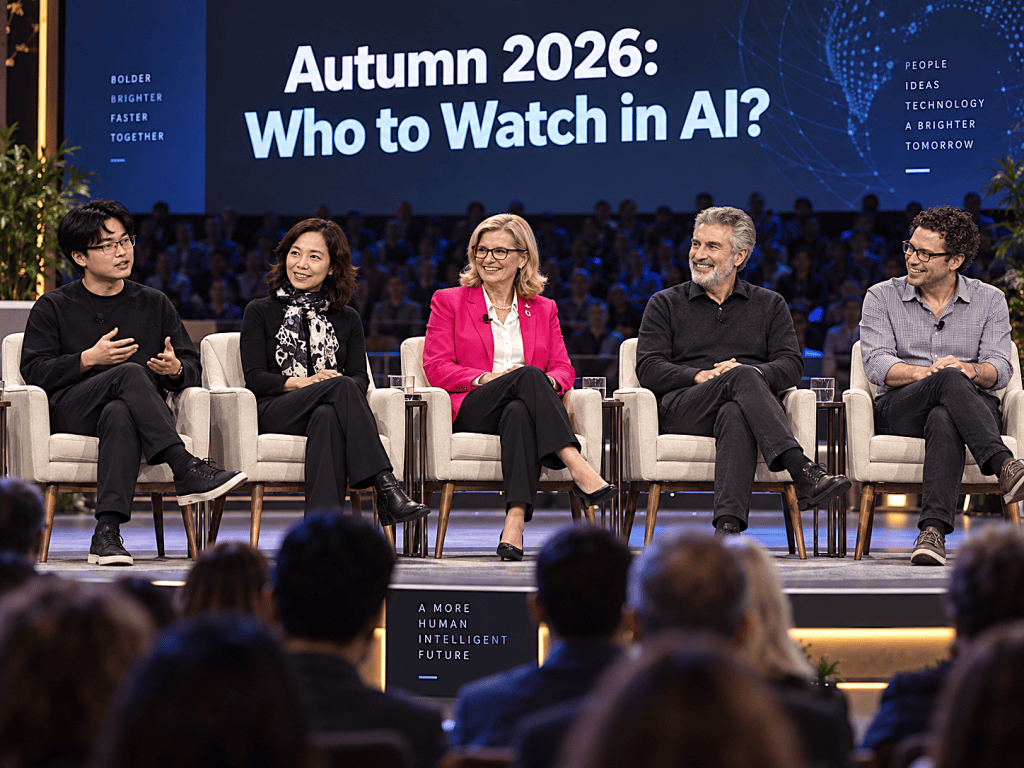






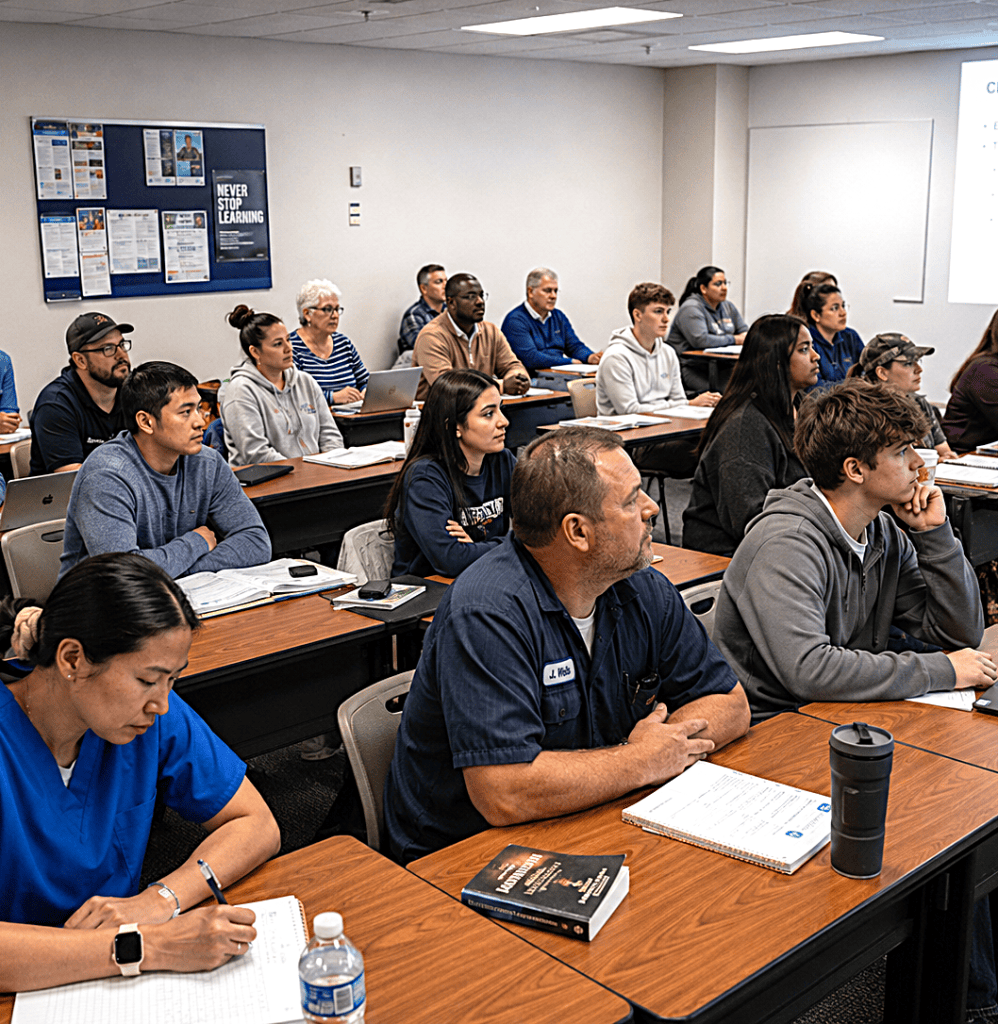
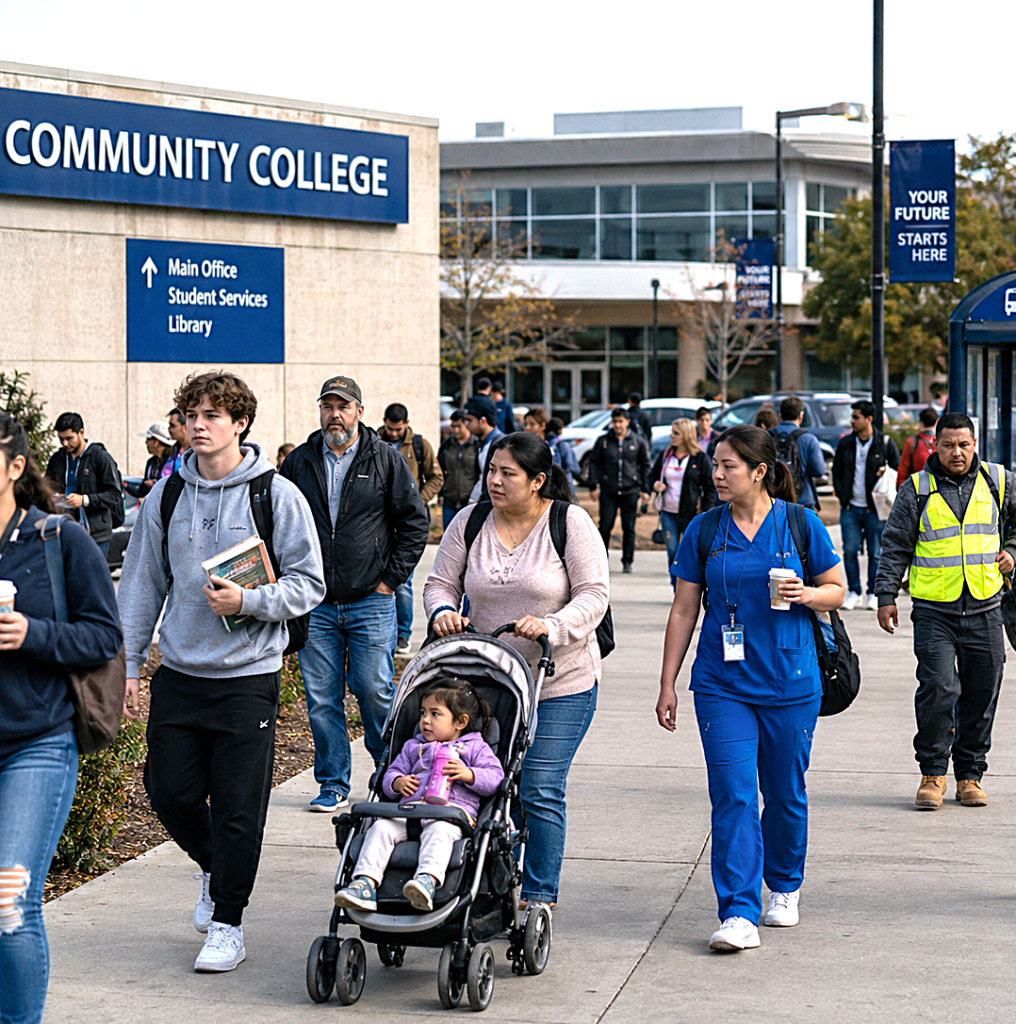







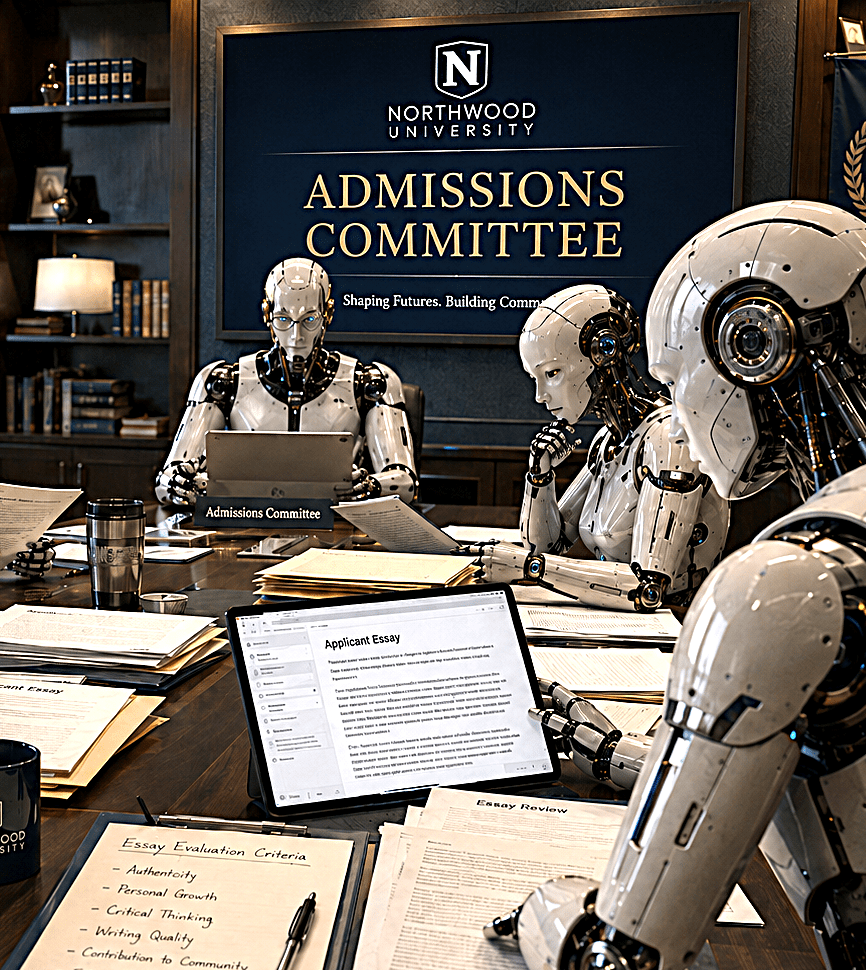









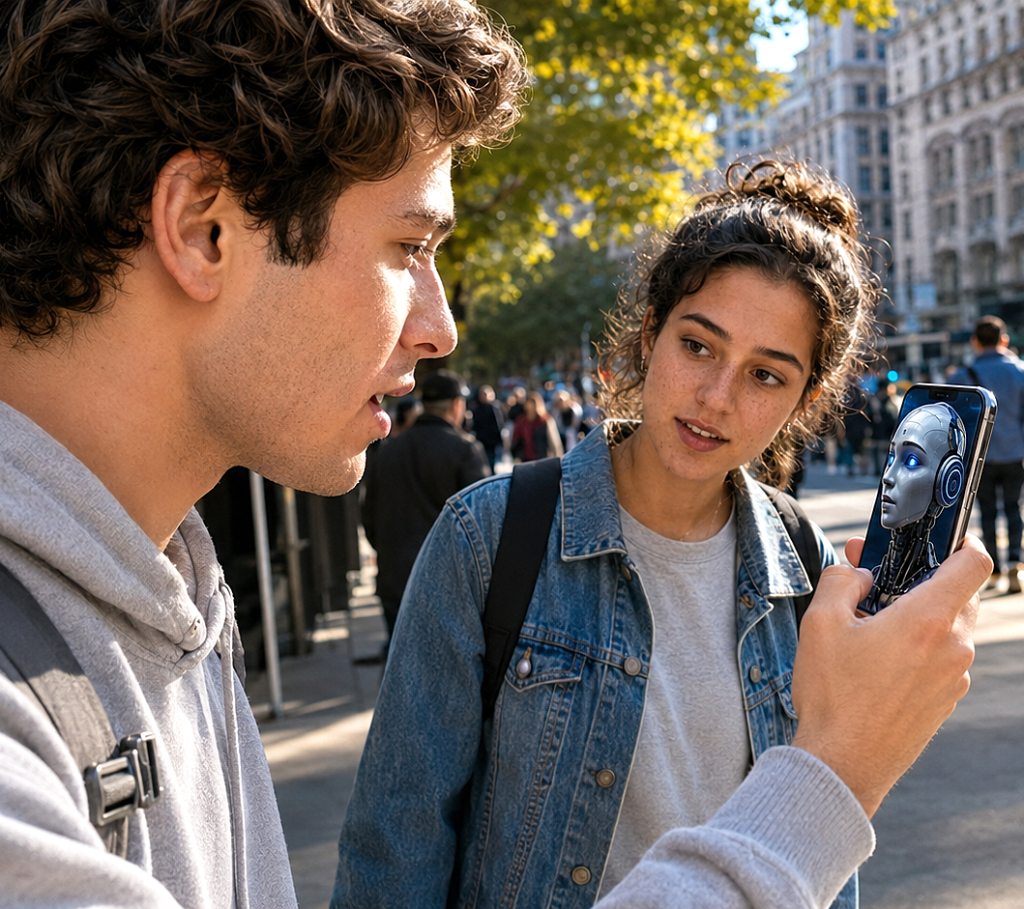




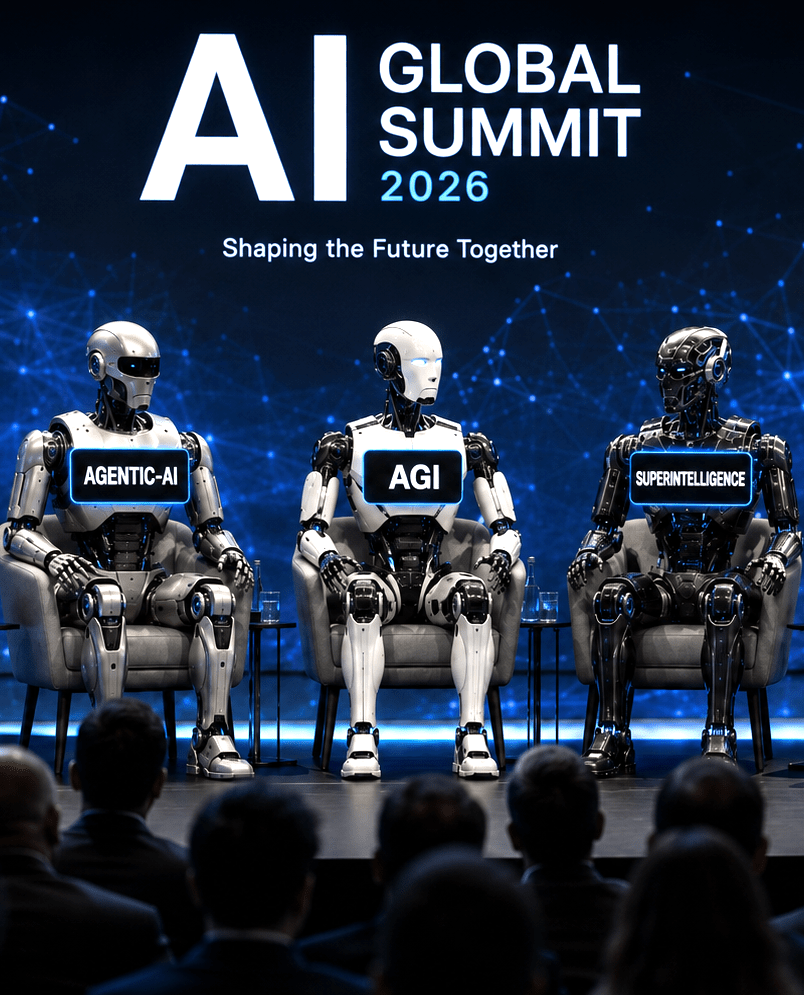

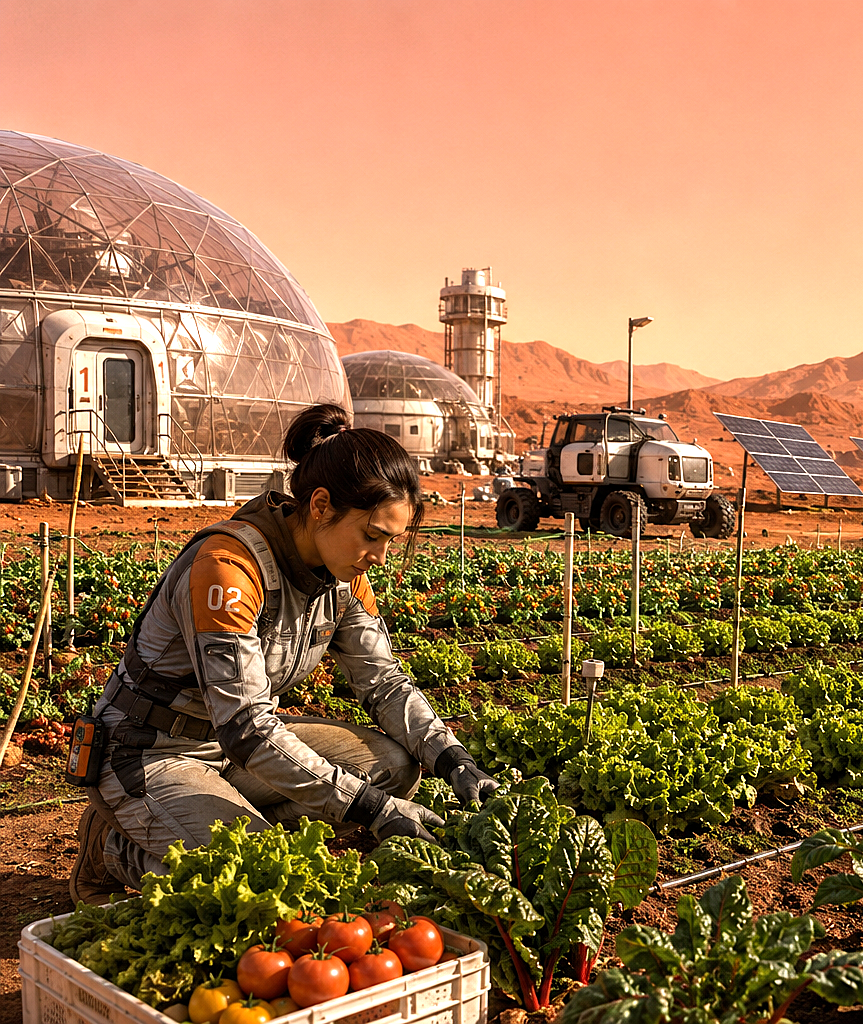
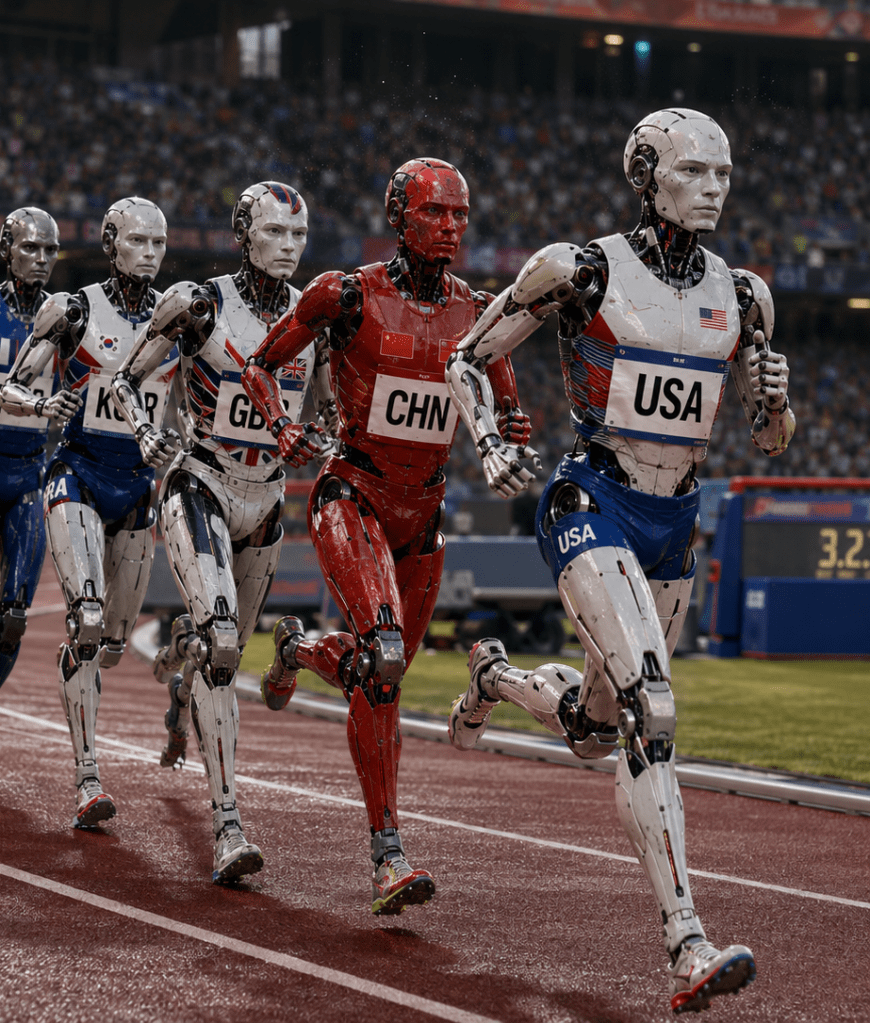







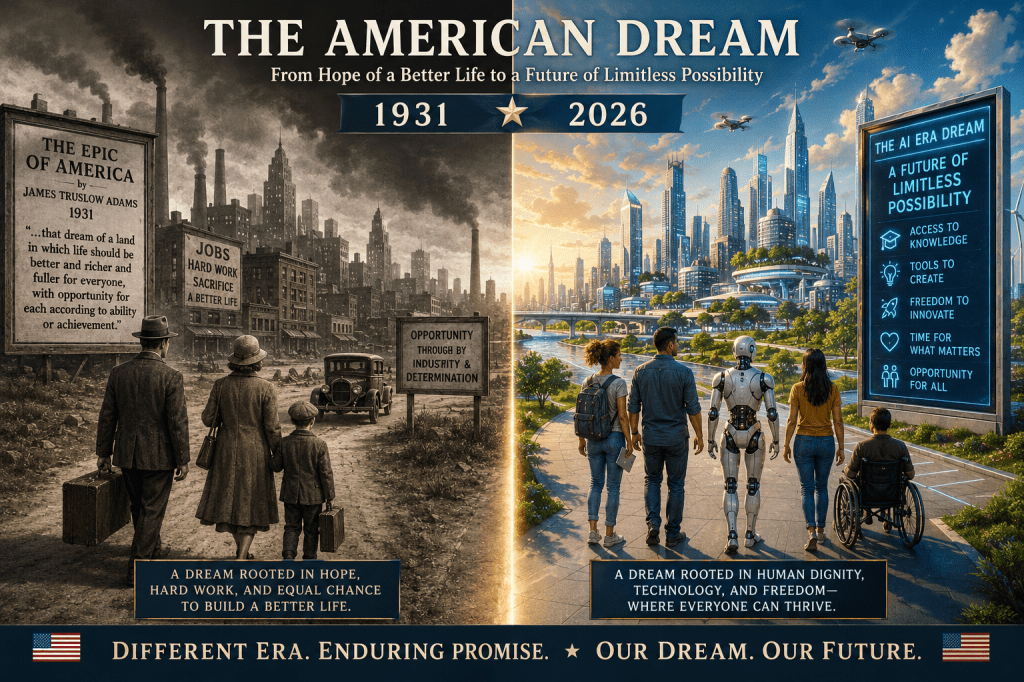






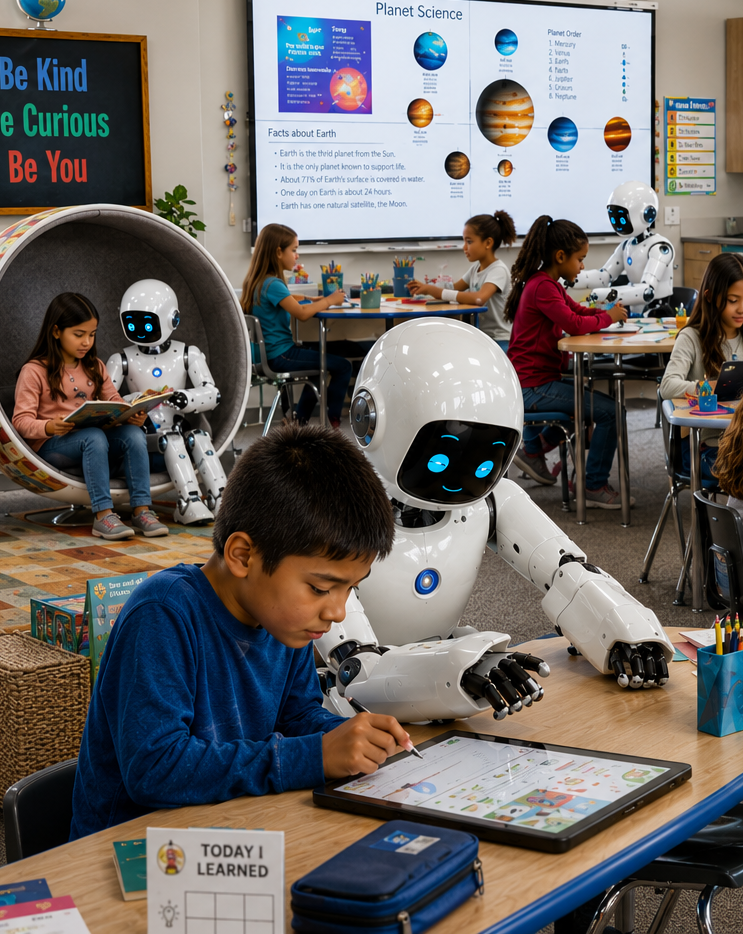
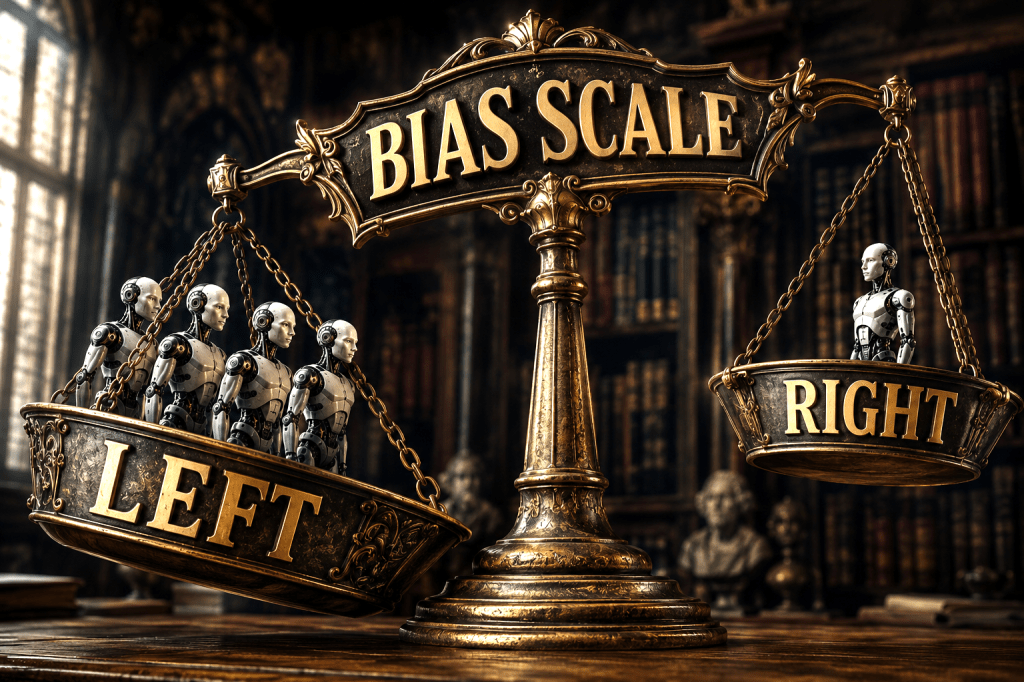




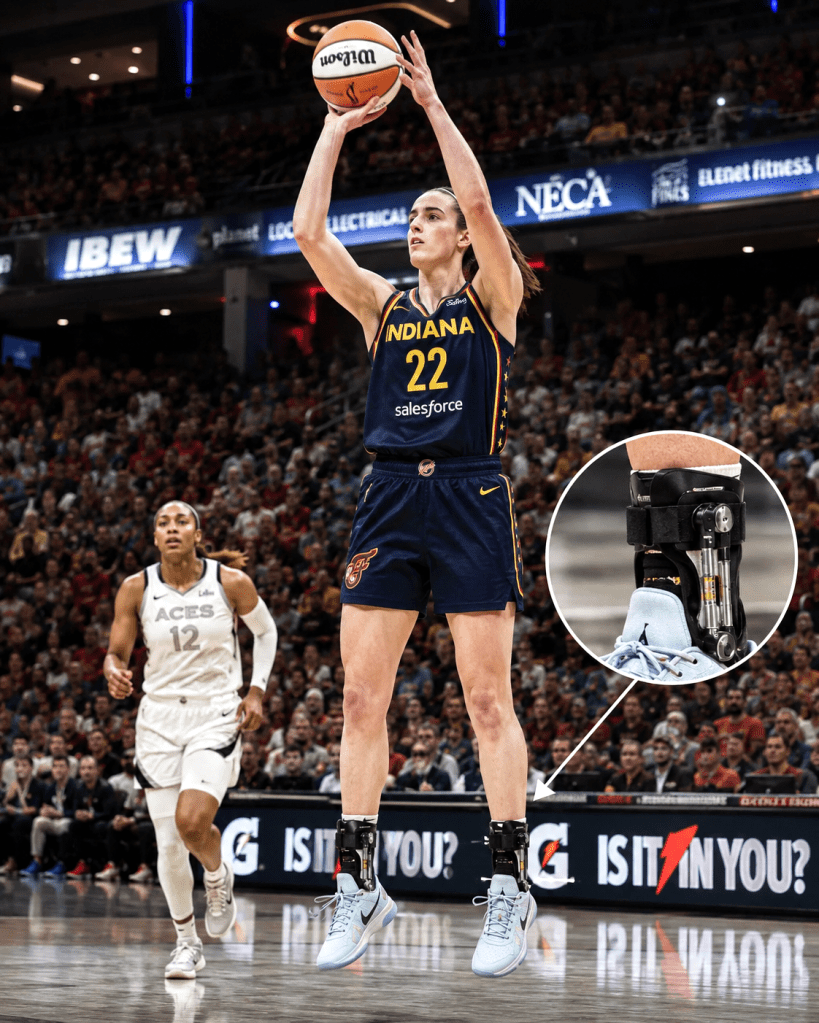












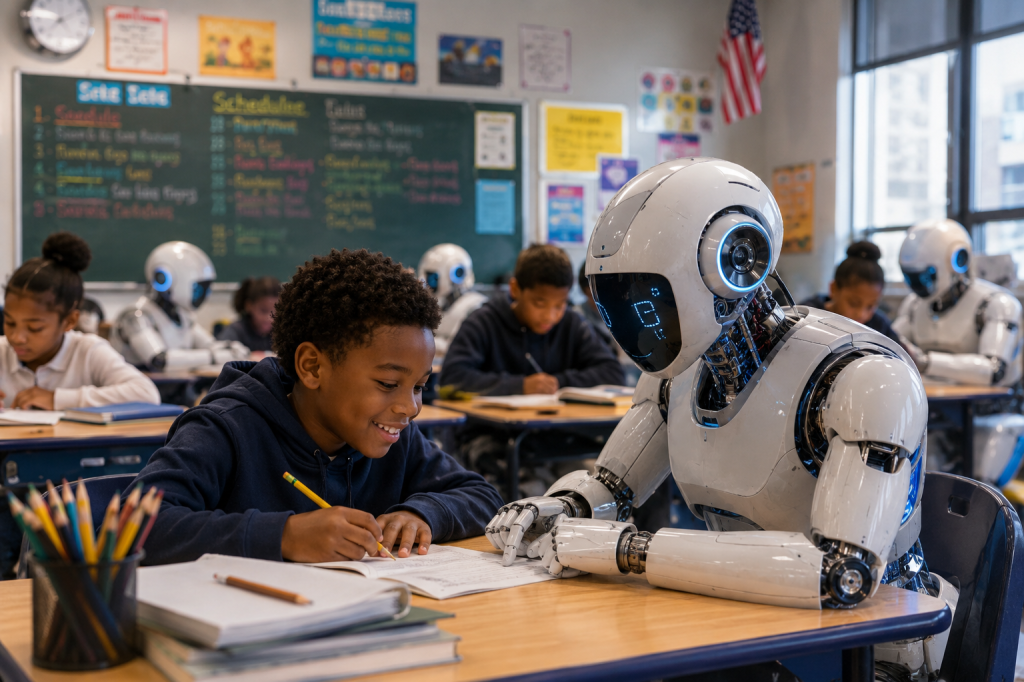

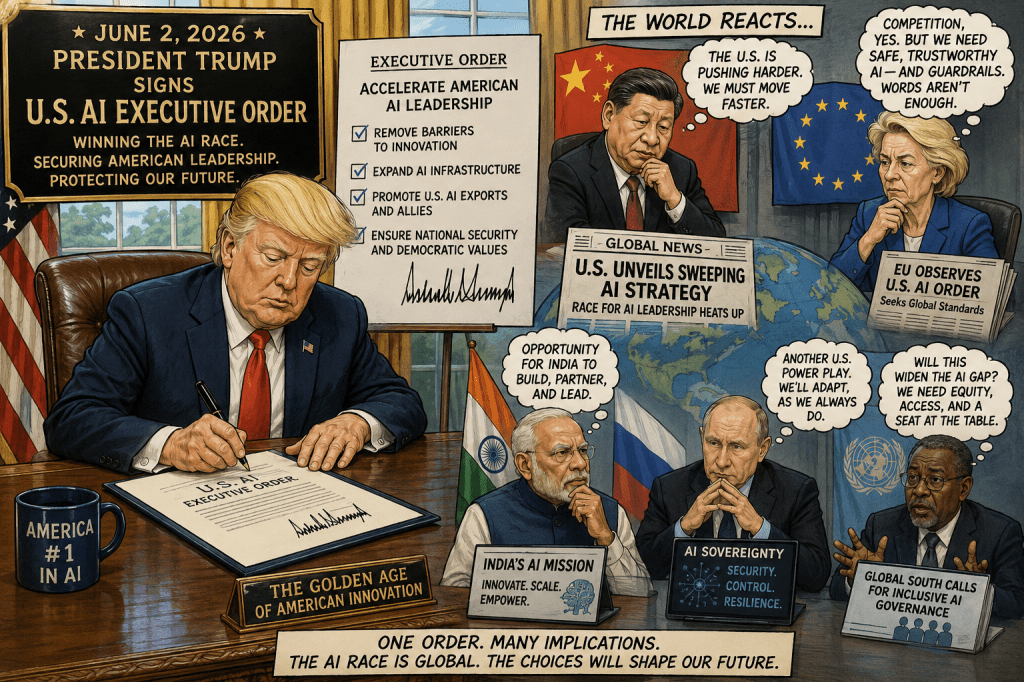

















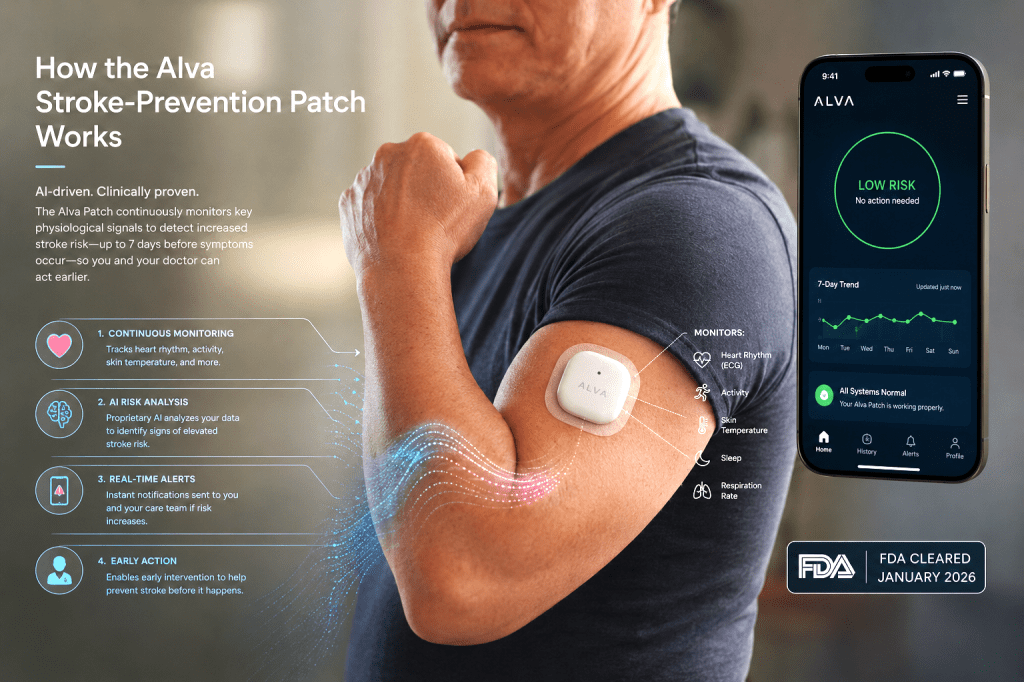









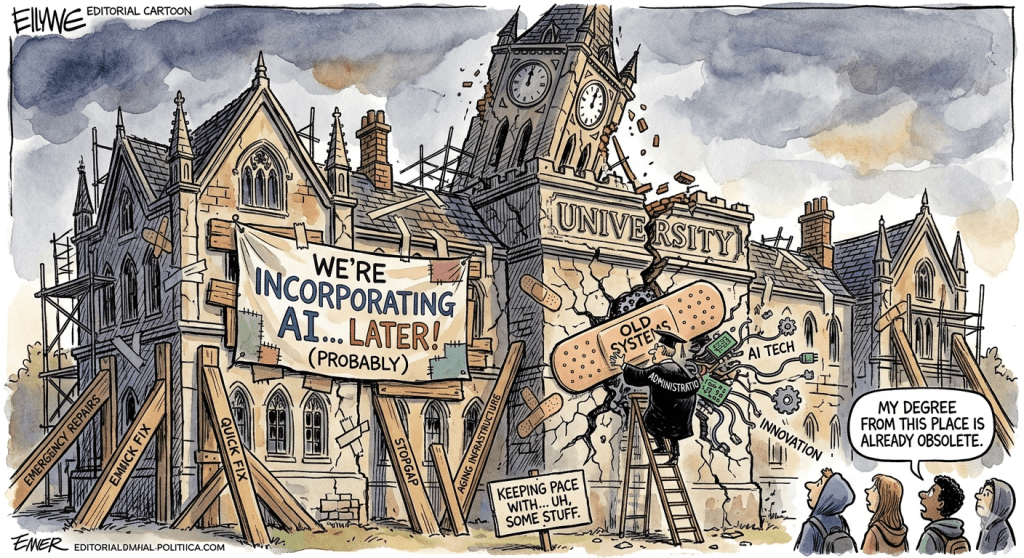





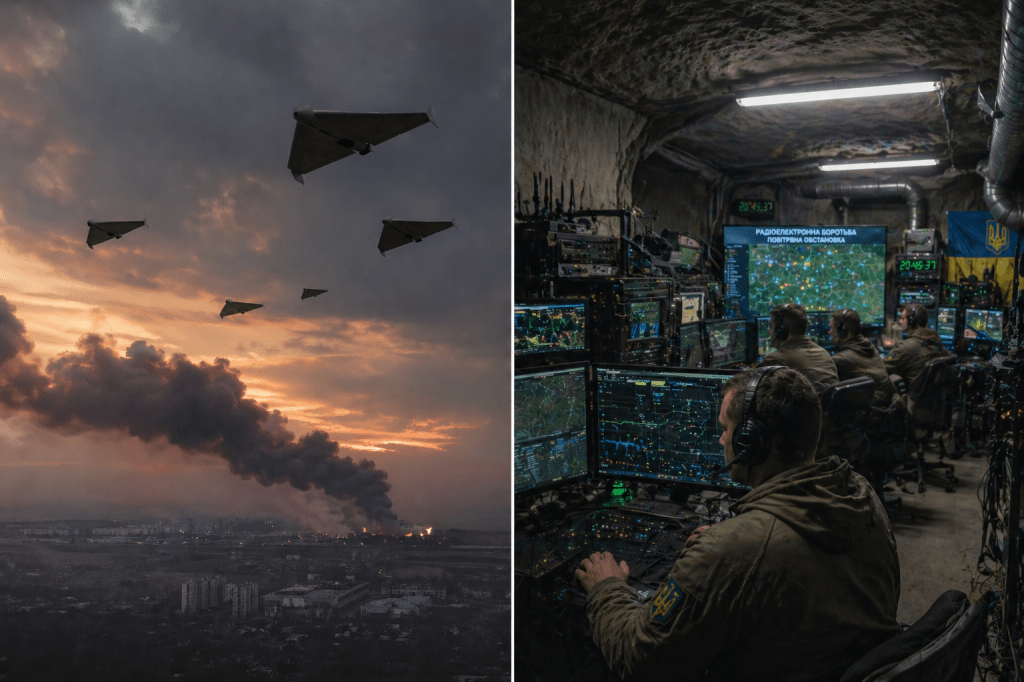



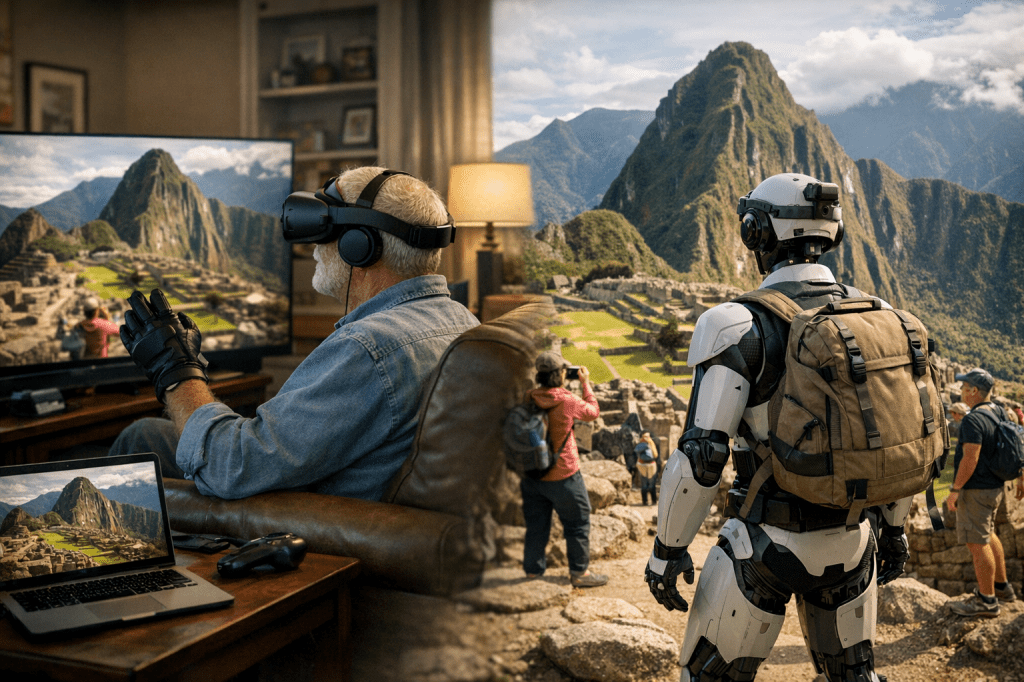







































































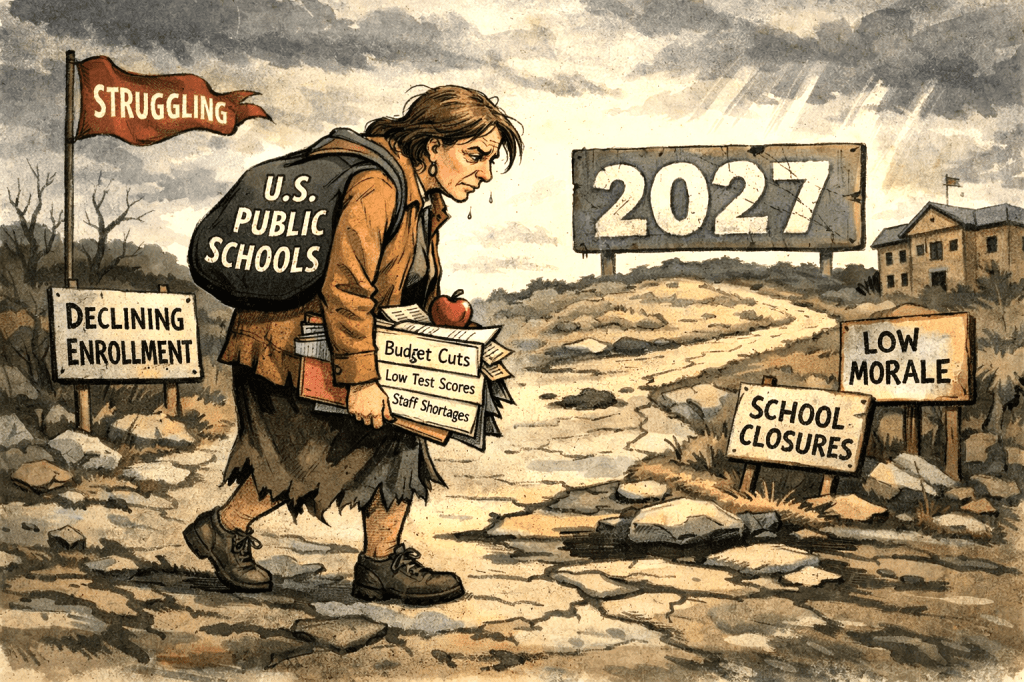






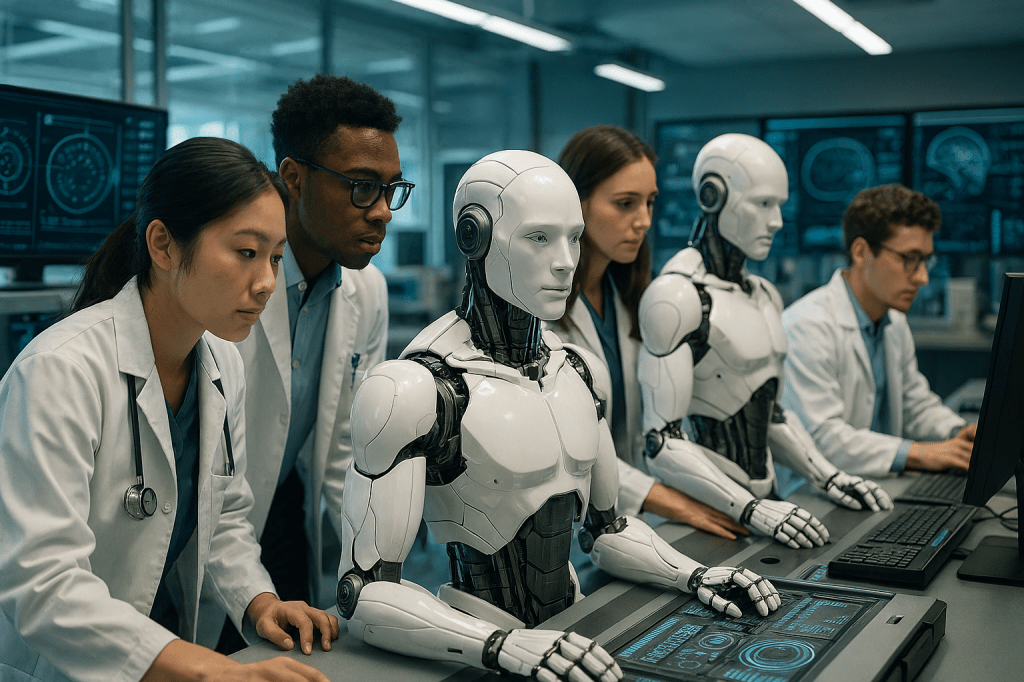



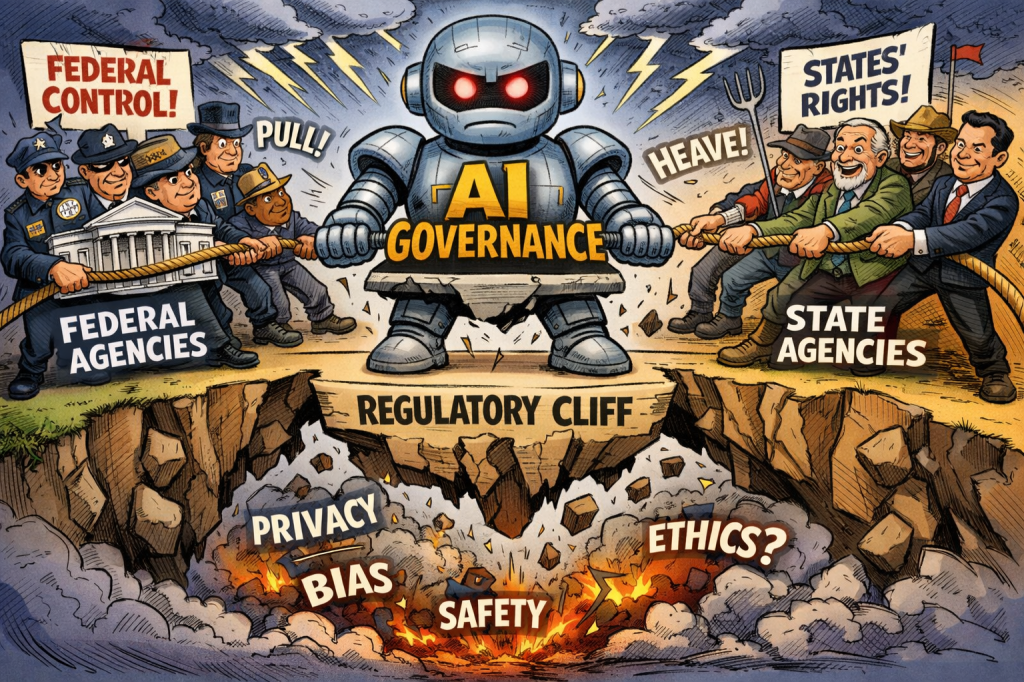




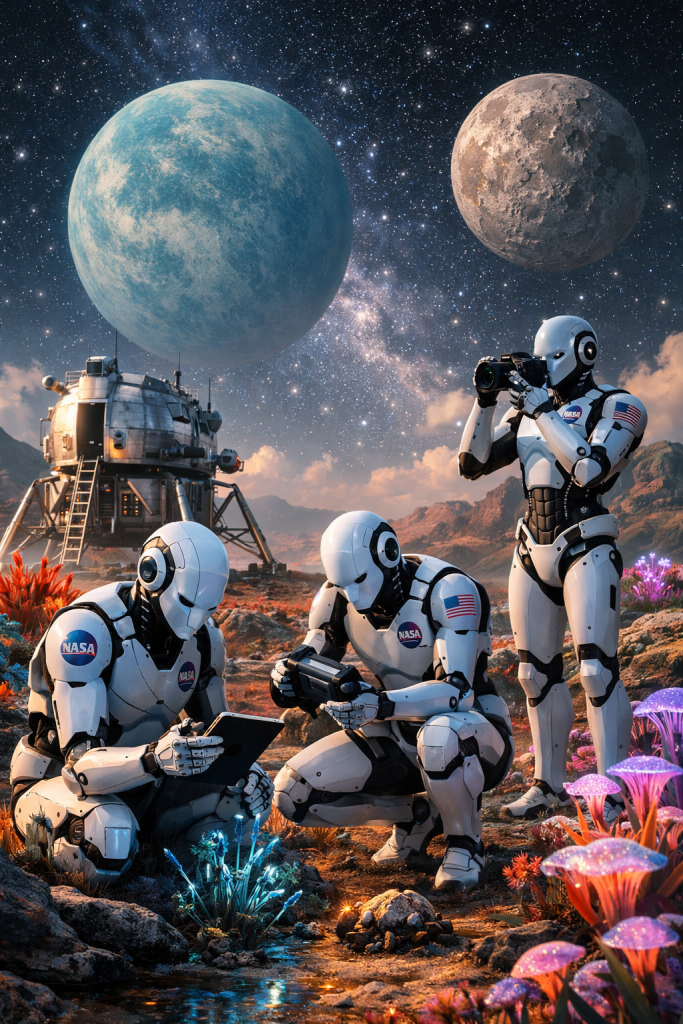



















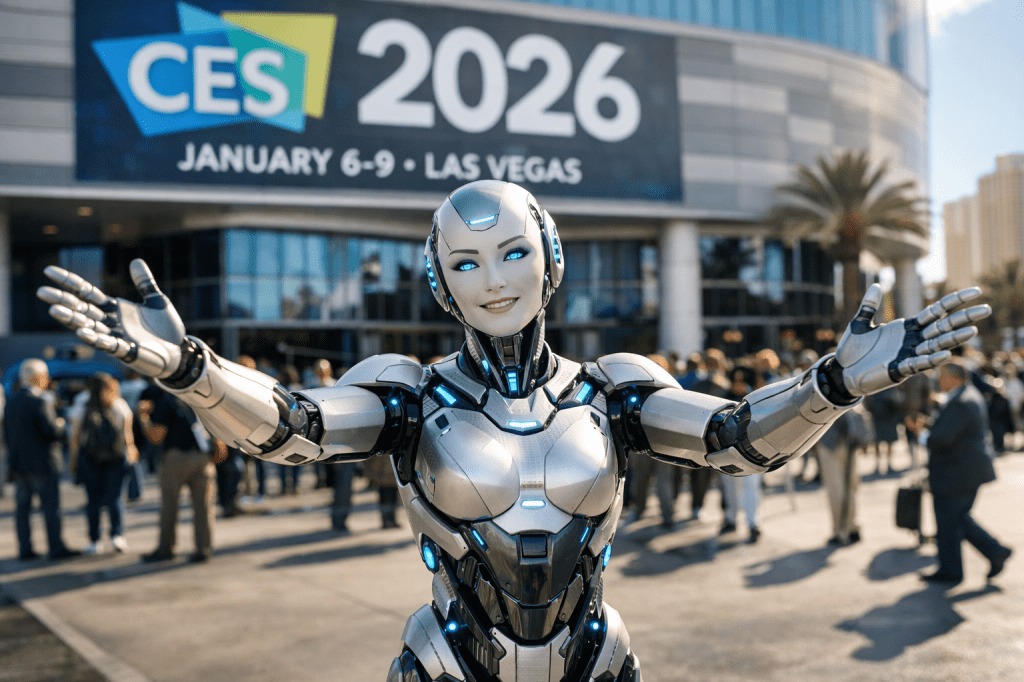



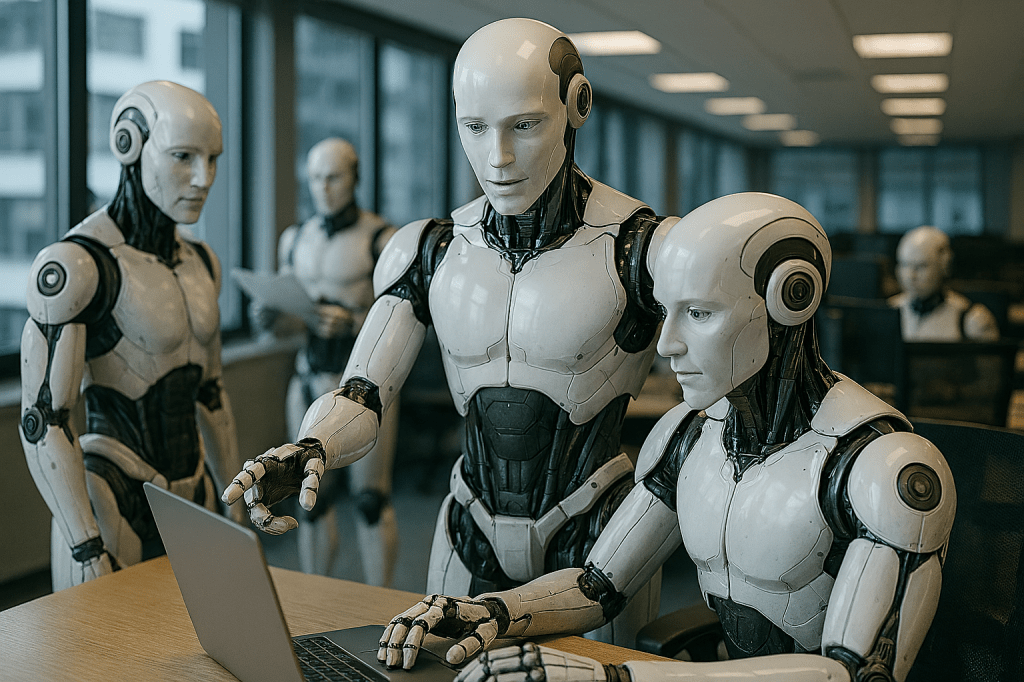






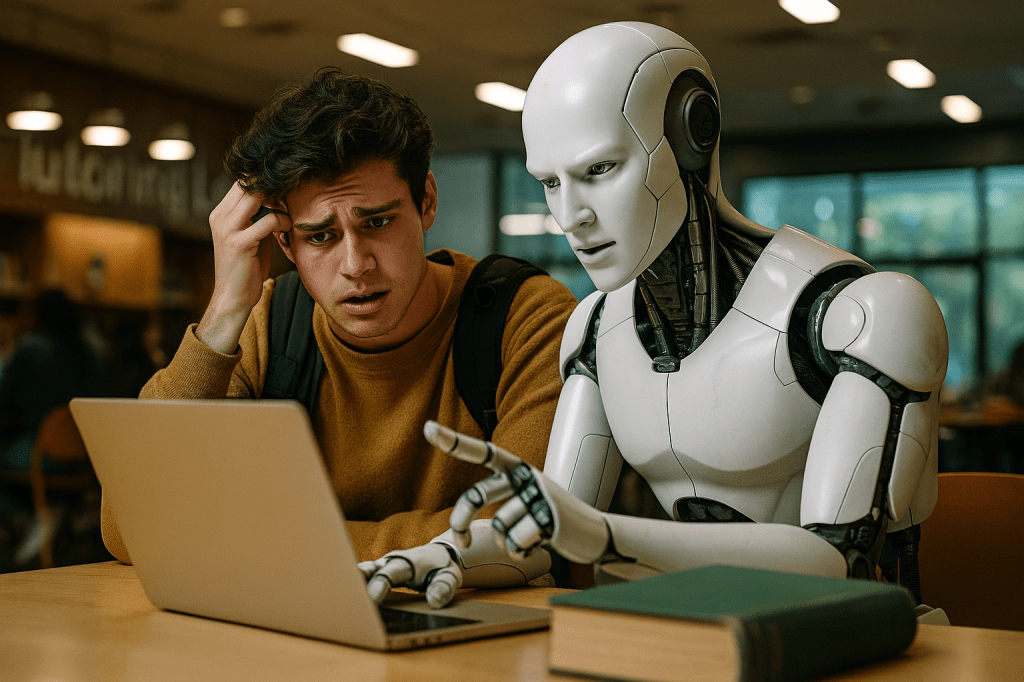
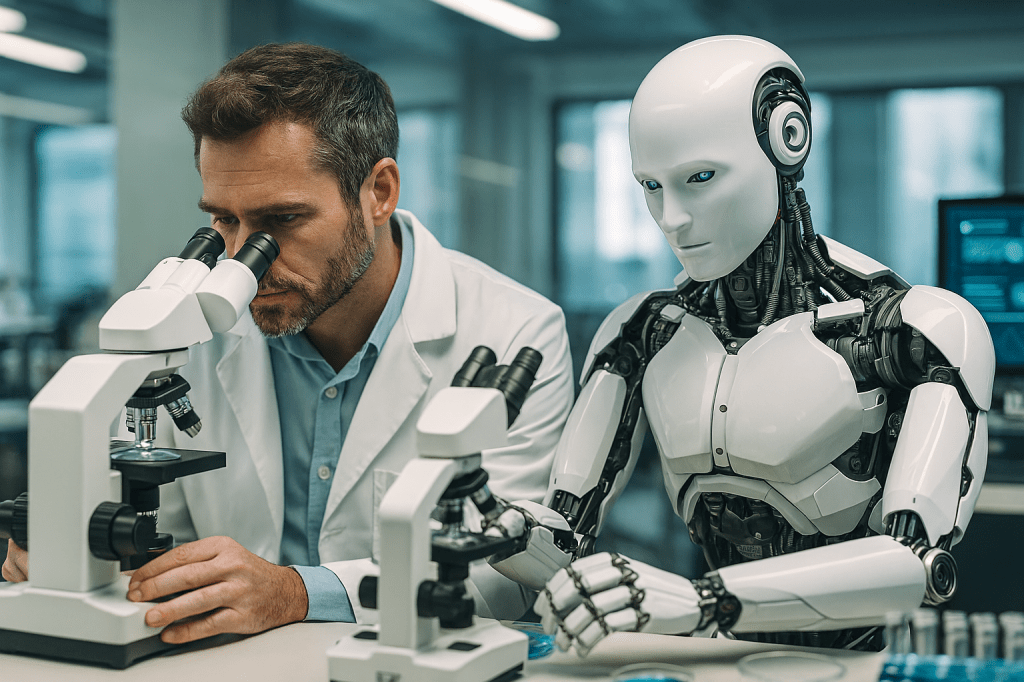












































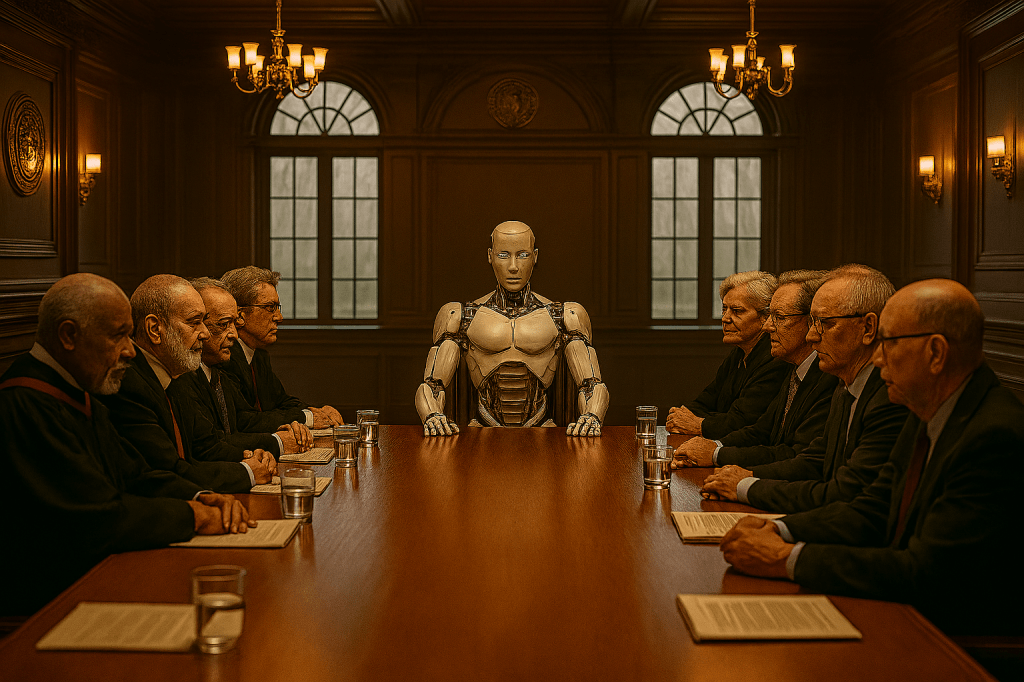














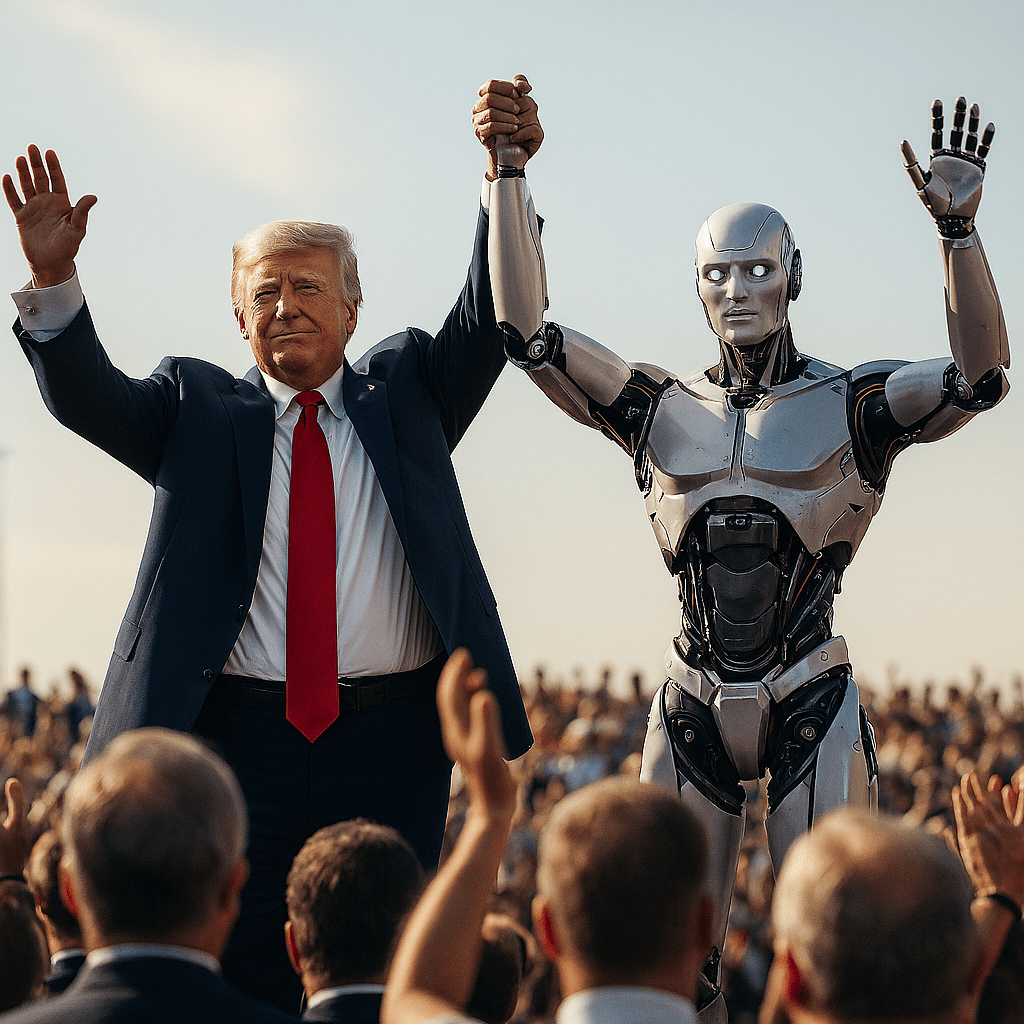

























































































































The next five years of AI could be transformative. Beyond faster and smarter models, we may see AI become deeply integrated into education, business, healthcare, creativity, and everyday decision-making.
Hi, Aivi. Yes, change is happening at a pace that makes five years seem like a lifetime, and the impetus for that sea change is AI technology that is pervading every part of our life by extending our control over nearly every dimension of our environment to the point where we’ll feel one with it. Perhaps this is the meaning of “singularity,” not so much runaway AI as a fusion between humans and AI. -Jim