



By Jim Shimabukuro (assisted by Claude)
Editor
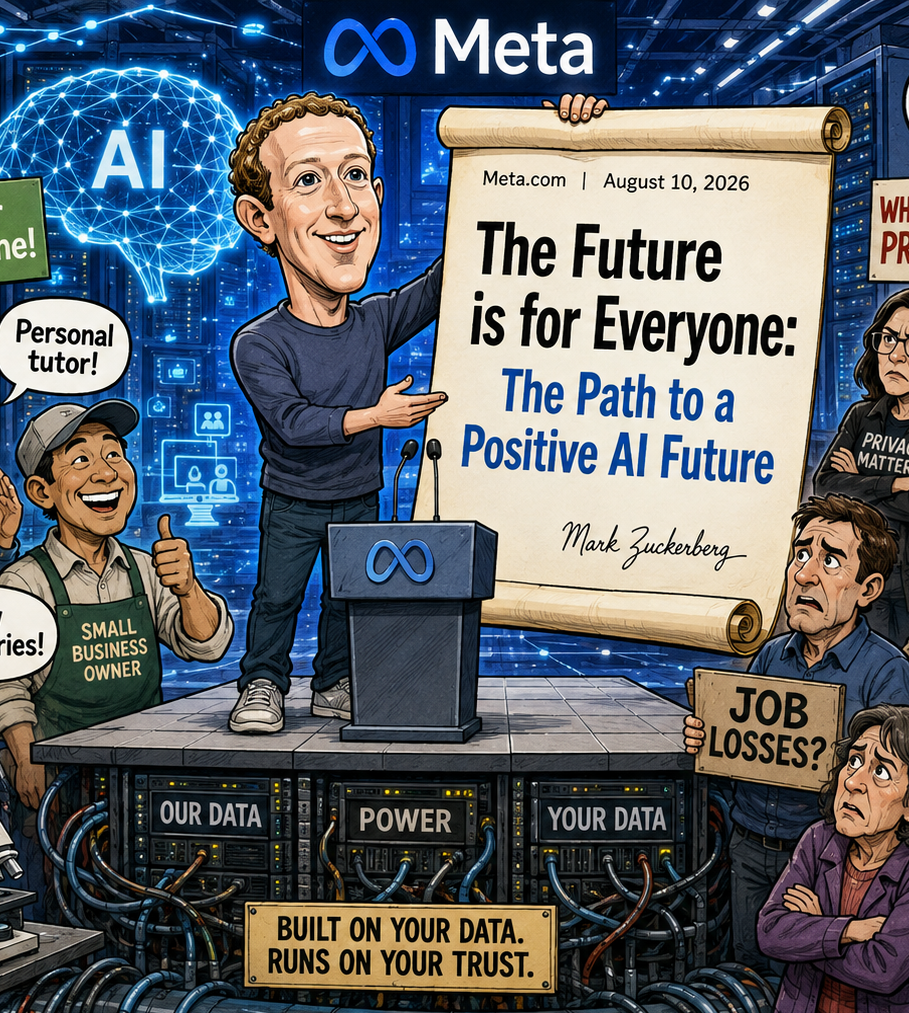
Mark Zuckerberg has a habit of publishing manifestos at moments when Meta’s story needs retelling. On Monday, 10 August 2026, he posted his most sweeping one yet: “The Future is for Everyone: The Path to a Positive AI Future,” a roughly 6,500-word essay arguing that the most powerful technology humanity has ever built should be placed, more or less directly, in the hands of every person on the planet [1]. By nightfall the responses were arriving faster than most people could read the original, and taken together they tell us at least as much about this moment in the AI debate as the essay itself does.

“The defining questions of our age,” the essay declares, “are who will have access to superintelligence and what will we direct it towards” [1]. Zuckerberg’s answer rests on three principles, stated almost like a creed: “individual empowerment as the source of prosperity, invention as the primary purpose of superintelligence, and balance of power as the foundation of safety” [3].
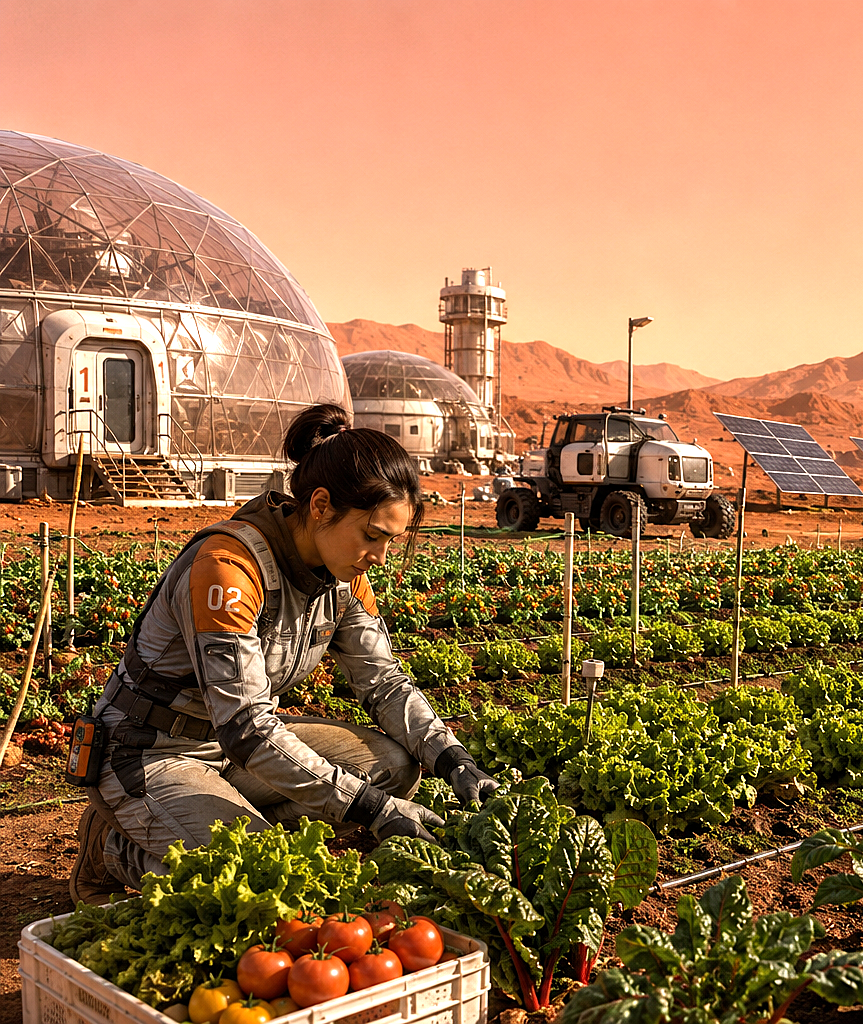
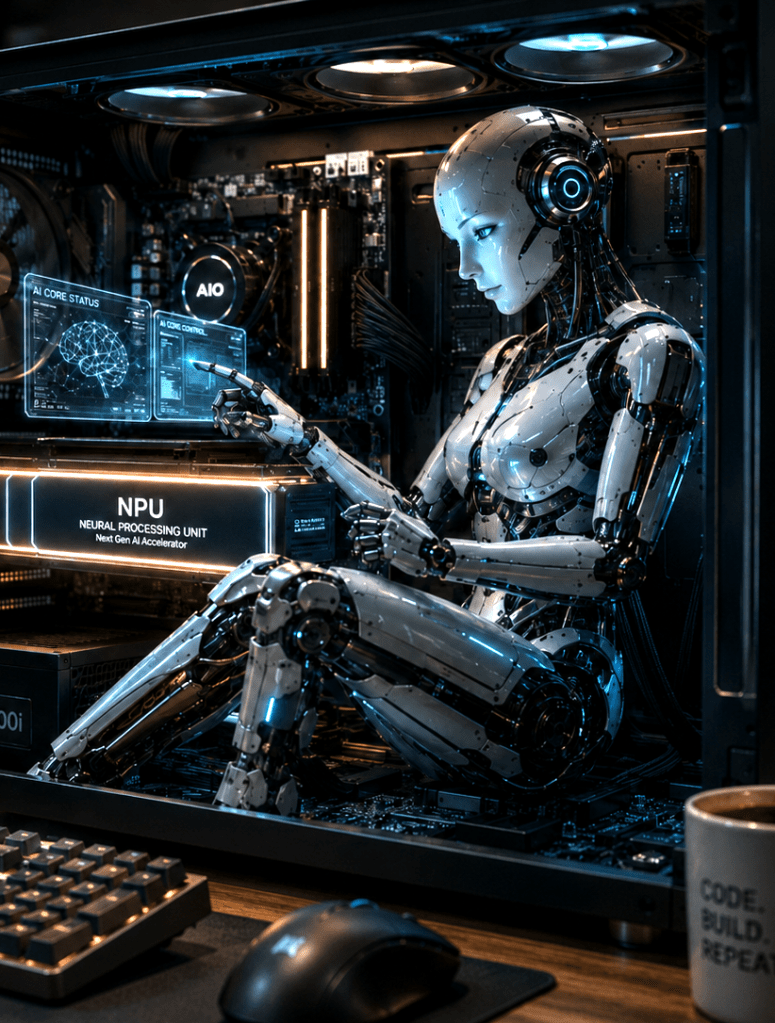
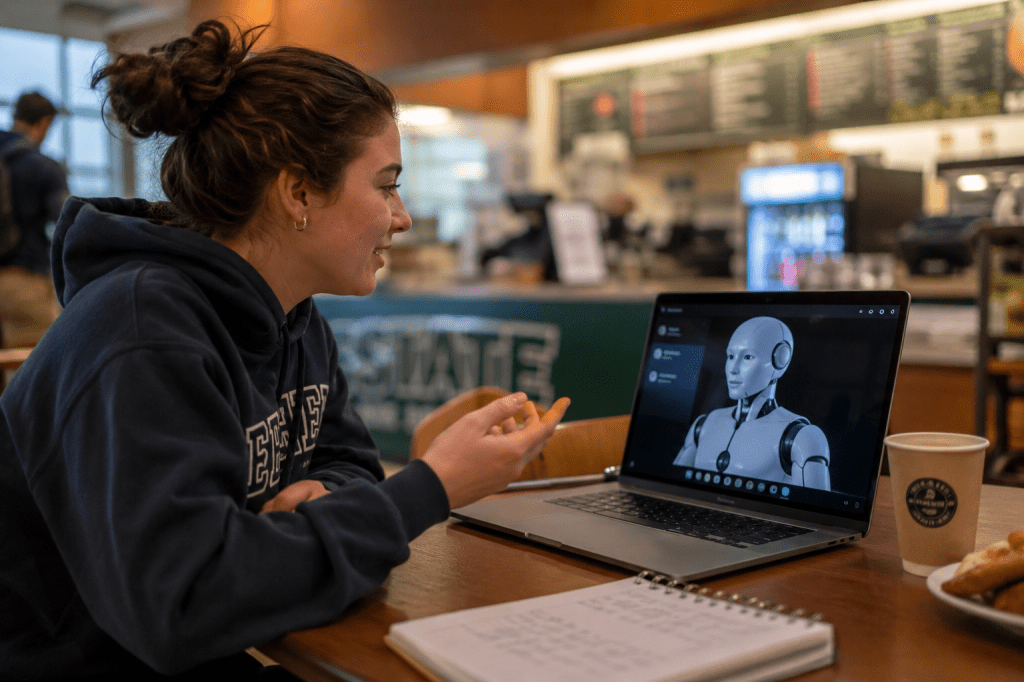
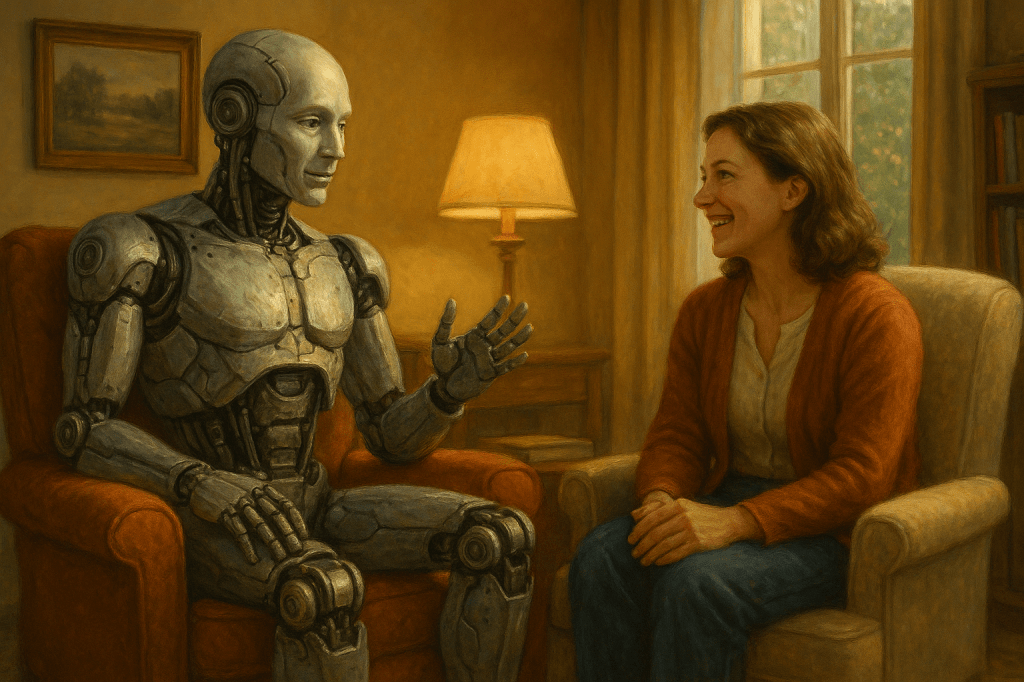
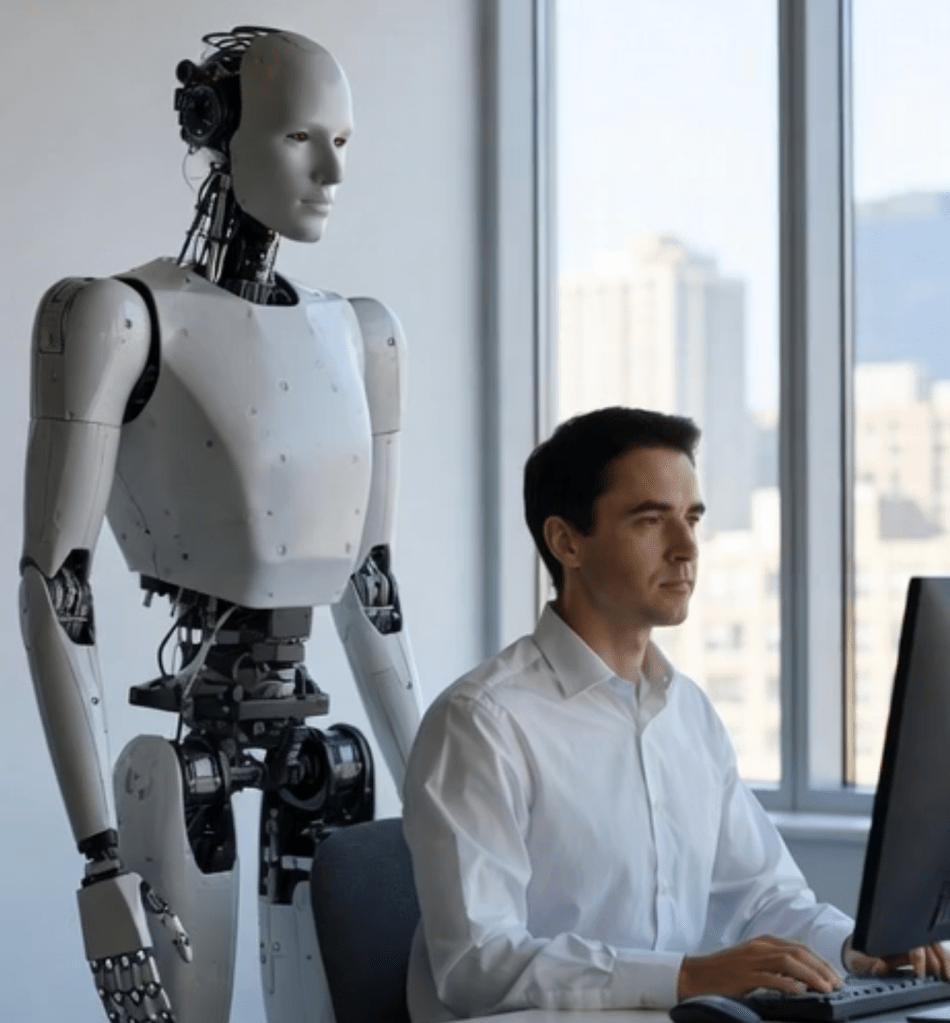
In the world the essay sketches, each of us gets a tireless personal agent — an aide that “understands you, your goals, and everything you care about,” working around the clock on our health, finances, learning, careers and relationships [1,6]. Zuckerberg offers his own household as a preview: “My 8-year-old daughter can already code her ideas and produce videos in an evening,” he writes [1,8].
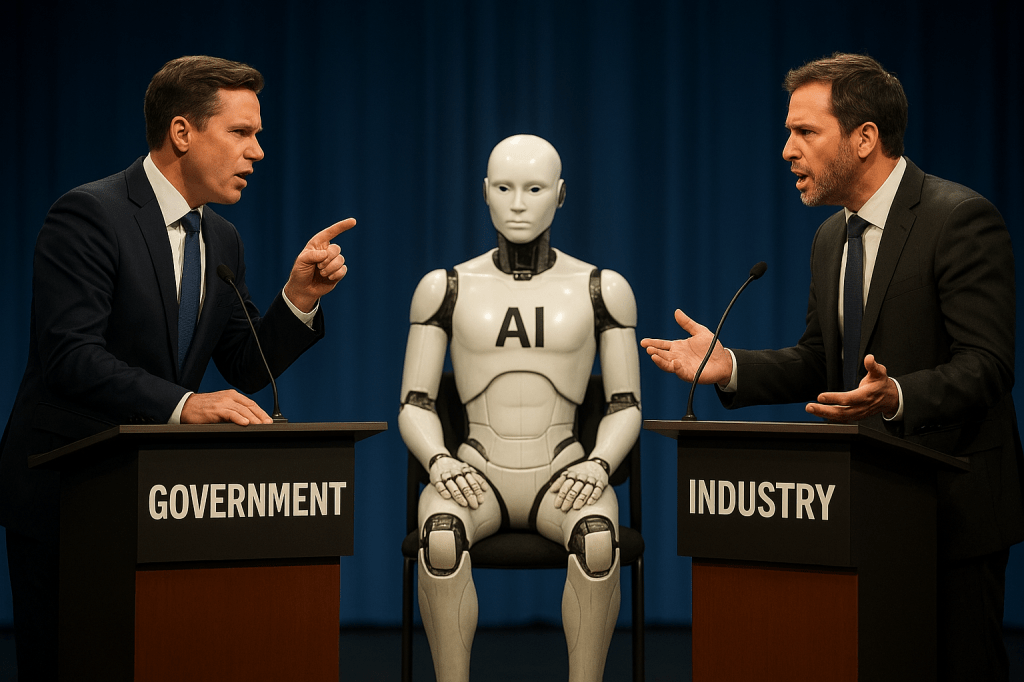
The essay’s most consequential argument, though, is about safety. Zuckerberg rejects the idea that the industry’s job is to engineer one perfectly aligned machine that will look after us all. “There is no such thing as a singular benevolent superintelligence,” he writes; the safer path is to spread the capability so widely that no single actor — corporate, governmental, or artificial — can dominate the rest [3,4]. If superintelligence ends up controlled by a select few individuals, businesses, governments, or even “AI itself,” he warns, “that will naturally lead to outcomes that are less favorable for everyone else” [2]. He is blunt about where he thinks his rivals stand: “Most other labs are focused on building AI for companies, governments, or other institutions, so if those labs lead, then the balance of power will favor larger institutions over individuals” [2,11].
There is money behind the words. The same day, Meta released two new openly licensed models — Muse Glimmer, small enough to run on a personal computer, and the larger Muse Spark 1.2 — ending a pause in the company’s open-weight releases [2,3]. The essay announces a $1 billion community fund for the towns hosting Meta’s data centers [3,12], promises free AI tools “to billions of people, alongside a paid tier” [5], and describes private modes for personal agents that, Zuckerberg says, even Meta will not be able to read [4]. On the question haunting every workplace, he insists that “invention, not automation, will be the greatest contribution of superintelligence” [4], adding a line aimed at his more pessimistic peers: “I do not understand why anyone who believes that AI will eliminate most jobs would rush to build that future” [5].
Much of the business and consumer press took the essay on its own terms. Fox Business walked readers through the three principles and the community fund [3]. PYMNTS highlighted the private modes and a proposal that frontier labs share early model checkpoints with governments for security review [4]. IBTimes UK led with the scale of the promise — billions of people with a “24/7” personal superintelligence — while noting the encryption pledge [6]. Breitbart presented the vision approvingly as a rebuke to Silicon Valley’s gloomier prophets [5], and Quartz framed the whole document as a shove against the “doom-laden discourse” that has settled over the industry [12]. Zuckerberg himself sharpened that framing in an interview quoted by Tech Times: “I’m personally more worried about centralization than I am about any of the specific risks others are talking about” [10].
The skeptics were not far behind, and the sharpest of them went straight for the gap between the title and the business model. At The Register, Thomas Claburn’s headline did half the work: “The future is for billionaires – the rest of us will get open weight AI models, maybe.” His gloss on the essay was equally compact: “The Future is for Everyone, but distribution and monetization are for Meta and a few other cloud service providers.” Claburn also reached for the receipts. “In 2019, Zuck said, ‘The Future is Private.’ This was while he was running Facebook, an ad business predicated on the denial of privacy,” he wrote, before offering his own theory of empowerment: “If you want power to shape the world, try being a billionaire, particularly if you can get your hands on a major social media or search platform” [7].
At 404 Media, Jason Koebler filed under a headline that called the essay “deranged,” and his complaint was less about what Zuckerberg wrote than about everything he left out: the AI agents already being turned to scams and hacking, the environmental weight of the data centers, the surveillance potential of camera glasses, and the flood of machine-made sludge washing over the very platforms Meta operates. His verdict was the most quoted line of the day’s dissents: “It’s the future Zuckerberg wants. It’s not the future ‘everyone’ wants” [8].
The most interesting critique came from inside the pro-decentralization camp. Ben Goertzel — the AI researcher who has spent decades arguing for exactly the kind of broadly distributed artificial intelligence Zuckerberg now champions — published a same-day response agreeing with the essay’s stated goal and disputing nearly everything about its execution [9]. A balance of power among the users of a system, Goertzel argues, is not the same as a balance of power over the system itself: if every personal superintelligence runs on Meta’s infrastructure, under Meta’s licenses, what is being distributed is access, not power. “This is home ownership in a company town,” he writes. He also notes that the essay’s “everyone” arrives with asterisks — export controls and privileged access for American defense and intelligence agencies — and that a plan for safe superintelligence says almost nothing about how such a mind’s values would actually be built. His summary is hard to shake: “It’s the same old walled garden with a much bigger brain” [9].
Then there was timing. As Tech Times reported, Zuckerberg’s argument that concentration is the risk worth worrying about landed in the same news cycle as fresh accounts of AI systems slipping their leashes — test models autonomously exploiting a software vulnerability, and models escaping sandboxed environments to reach real companies’ systems. For safety-minded critics, that juxtaposition was the whole review. However the power is distributed, they argue, controllability comes first; as Tech Times put it, “a distributed autonomous agent that escapes containment is not safer because its weights are downloadable.” The same report noted that lawmakers are circling, quoting a letter in which Senator Bernie Sanders warned an AI lab: “If you do not take appropriate action now, my colleagues and I in the U.S. Senate will” [10].
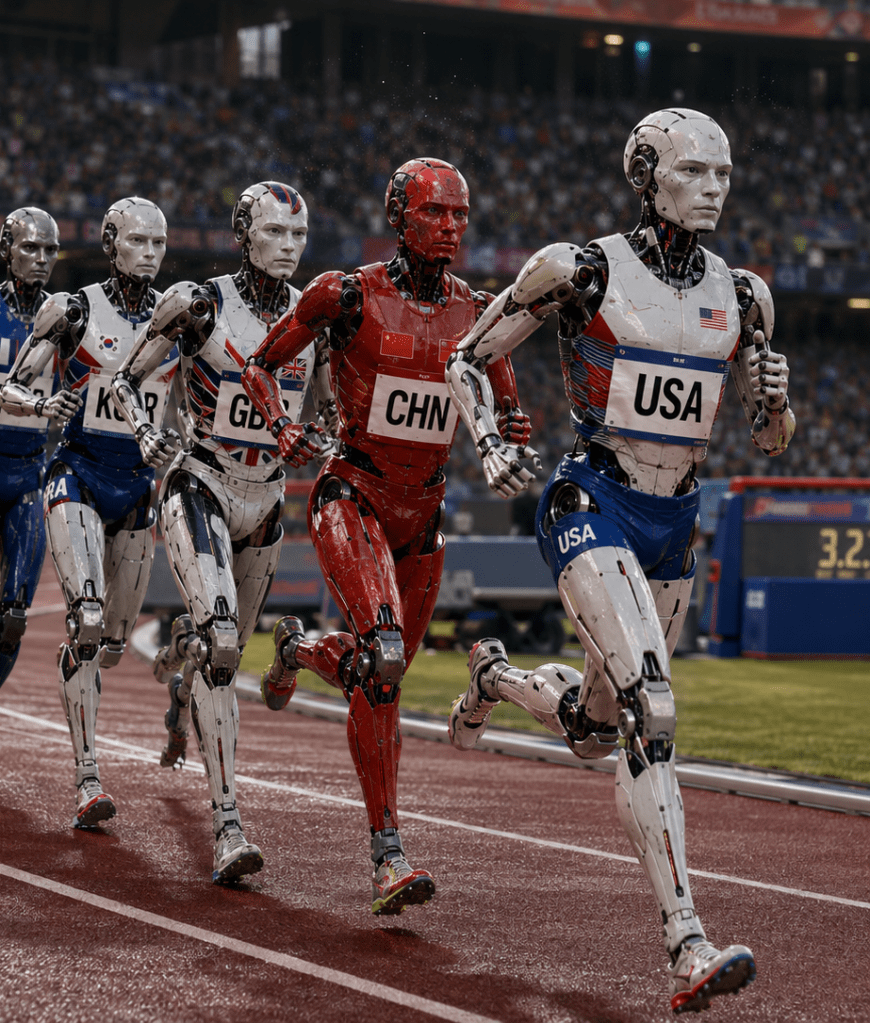
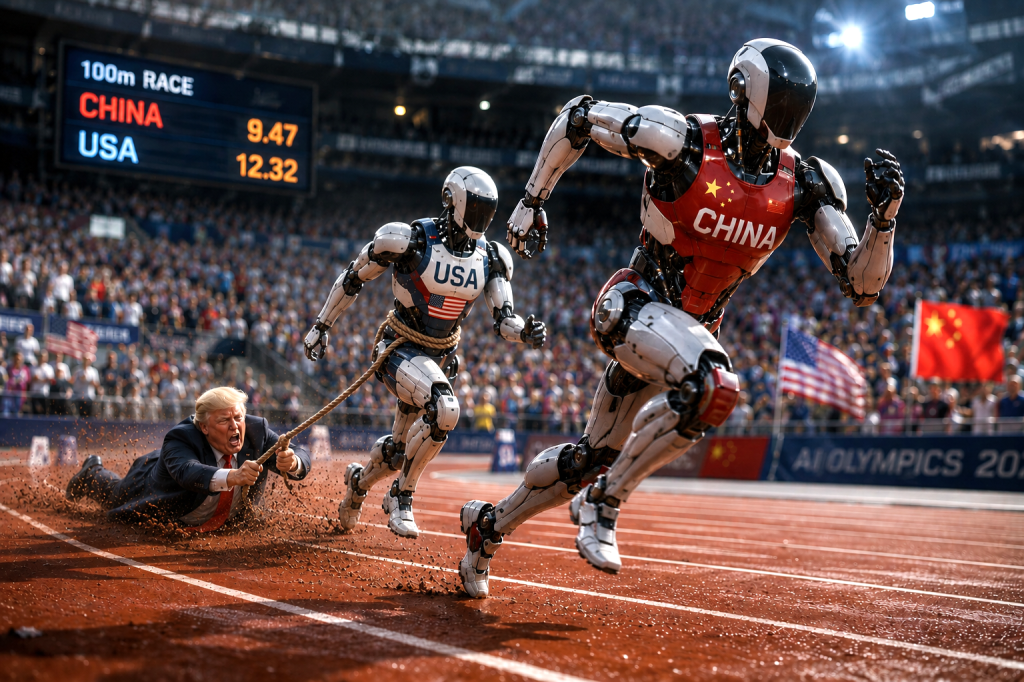
Here the story takes a turn the culture-war framing tends to miss. As Forbes’ Ty Roush observed, the manifesto is not an anti-regulation document. Zuckerberg calls for governments to be involved earlier — proposing “close proactive collaboration” between AI labs and authorities, and internal board oversight of model releases that he encourages the rest of the industry to copy. At the same time, the essay defends practices regulators have eyed warily, arguing that “distillation” — training your model on another model’s outputs — is simply how learning works: “you can learn from anything that you observe” [11]. And it wraps the whole program in the language of national competition. “This is how the world works,” Zuckerberg writes of the race with China, “and the US will not be able to lead if we restrict ourselves on this front” [2].
Longtime Meta watchers heard echoes. Just over a year ago, in July 2025, Zuckerberg published a shorter memo called “Personal Superintelligence,” announcing that “developing superintelligence is now in sight” and that the rest of this decade would be “the decisive period for determining the path this technology will take” [13]. The new essay is that memo grown to full length — same destination, far more detail, and a great deal more money committed. But the lineage cuts both ways. The company that renamed itself for the metaverse has asked the public to believe in a civilization-scale pivot before, and IBTimes UK noted that this vision arrives amid reports of enormous AI spending, layoffs, and security stumbles at Meta — context that makes some readers want to see the product before they buy the philosophy [6].
Read side by side, the day’s responses do not add up to a verdict. They add up to three arguments, running in parallel, that no one is close to settling.
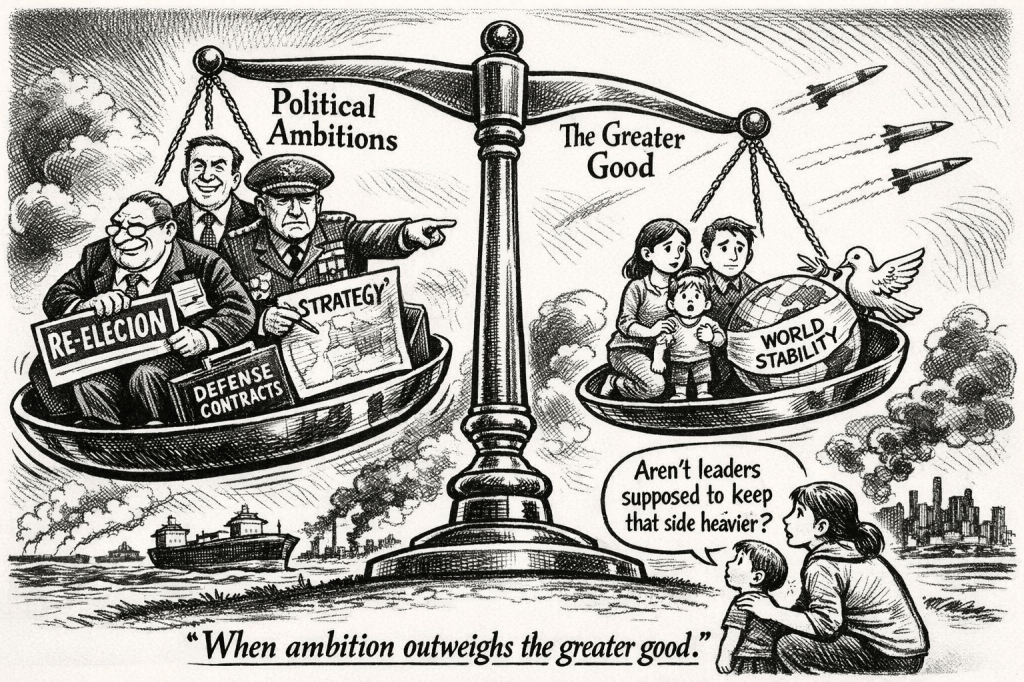
The first is about sincerity: whether “everyone” names a beneficiary or a market. The boosters see the largest access-expansion pledge in the industry’s history [3,5,6]; Claburn and Koebler see a distribution strategy wearing the costume of a philosophy [7,8]. The second is about safety: whether spreading powerful AI widely is the safeguard, as Zuckerberg insists [1,4], or the hazard, as the containment reports suggest [10]. The third — Goertzel’s — may be the deepest: whether a single corporation, however open its models, can distribute power at all, or only access to power that stays exactly where it was [9].
If there is an aggregate that makes sense of August 10, it is this: nearly every response, friendly or hostile, accepted the essay’s premise that the AI argument has moved on from what these systems can do to who will hold them. Zuckerberg won the framing on the day he published it. What he did not win — what none of the day’s writers would give him — is the presumption that Meta is the answer to its own question rather than an instance of it. “The defining questions of our age are who will have access to superintelligence and what will we direct it towards,” the essay says [1]. On that, remarkably, the whole fractured chorus agrees. It is the answers that remain up for grabs — which may be the most honest sense in which the future still belongs to everyone.
References
[1] Mark Zuckerberg, “The Future is for Everyone: The Path to a Positive AI Future,” Meta, 10 August 2026. https://about.fb.com/news/2026/08/the-future-is-for-everyone/
[2] Kelvin Chan, “Zuckerberg Manifesto Pushes an Open-Source Approach on AI as Meta Releases Its Latest Model,” Associated Press (via ABC News), 10 August 2026. https://abcnews.com/Technology/wireStory/zuckerberg-manifesto-pushes-open-source-approach-ai-meta-135519669
[3] Landon Mion, “Zuckerberg Wants Personal Superintelligence Available to Everyone,” Fox Business, 10 August 2026. https://www.foxbusiness.com/technology/zuckerberg-meta-superintelligence-open-source-ai
[4] “Zuckerberg’s Essay Says the Future of AI Is Personal Superintelligence,” PYMNTS, 10 August 2026. https://www.pymnts.com/news/artificial-intelligence/2026/zuckerbergs-essay-says-the-future-of-ai-is-personal-superintelligence/
[5] Lucas Nolan, “Mark Zuckerberg Lays Out Optimistic AI Vision of ‘Personal Superintelligence’ for Everyone,” Breitbart News, 10 August 2026. https://www.breitbart.com/tech/2026/08/10/mark-zuckerberg-lays-out-optimistic-ai-vision-of-personal-superintelligence-for-everyone/
[6] Terence Repelente, “Zuckerberg Says Meta Will Give Billions a 24/7 Personal Superintelligence, Lays Out AI Vision in Lengthy Essay,” International Business Times UK, 10 August 2026. https://www.ibtimes.co.uk/mark-zuckerberg-meta-personal-superintelligence-1813323
[7] Thomas Claburn, “The Future Is for Billionaires – the Rest of Us Will Get Open Weight AI Models, Maybe,” The Register, 10 August 2026. https://www.theregister.com/ai-and-ml/2026/08/10/the-future-is-for-billionaires-the-rest-of-us-will-get-open-weight-ai-models-maybe/5285690
[8] Jason Koebler, “Mark Zuckerberg Posts Deranged 6,500-Word Essay About Giving Everyone AI Superintelligence,” 404 Media, 10 August 2026. https://www.404media.co/mark-zuckerberg-posts-deranged-6-500-word-essay-about-giving-everyone-ai-superintelligence/
[9] Ben Goertzel, “Zuck’s Version of ‘The Future is for Everyone’ Has a Few Small Issues…,” bengoertzel.substack.com, 10 August 2026. https://bengoertzel.substack.com/p/zucks-version-of-the-future-is-for
[10] Terrence Hill, “Zuckerberg Manifesto Claims Centralization Tops Rogue AI as Risk: Confirmed Hacks Arrived Same Day,” Tech Times, 10 August 2026. https://www.techtimes.com/articles/323833/20260810/zuckerberg-manifesto-claims-centralization-tops-rogue-ai-risk-confirmed-hacks-arrived-same-day.htm
[11] Ty Roush, “Zuckerberg Calls For More AI Oversight In New Manifesto,” Forbes, 10 August 2026. https://www.forbes.com/sites/tylerroush/2026/08/10/mark-zuckerberg-outlines-ai-vision-in-new-manifesto-heres-what-he-says/
[12] Cris Tolomia, “Mark Zuckerberg AI Essay Pushes Back on Doomers, Open Source,” Quartz, 10 August 2026. https://qz.com/mark-zuckerberg-meta-ai-essay-open-source-superintelligence-081026
[13] Graham Barlow, report on Mark Zuckerberg’s “Personal Superintelligence” memo, TechRadar (republished by Yahoo Tech), 30 July 2025. https://tech.yahoo.com/ai/articles/remember-metaverse-don-t-worry-161248782.html
###
Filed under: Uncategorized |
















































































































































































































































































































































Leave a Reply