





By Jim Shimabukuro (assisted by ChatGPT)
Editor
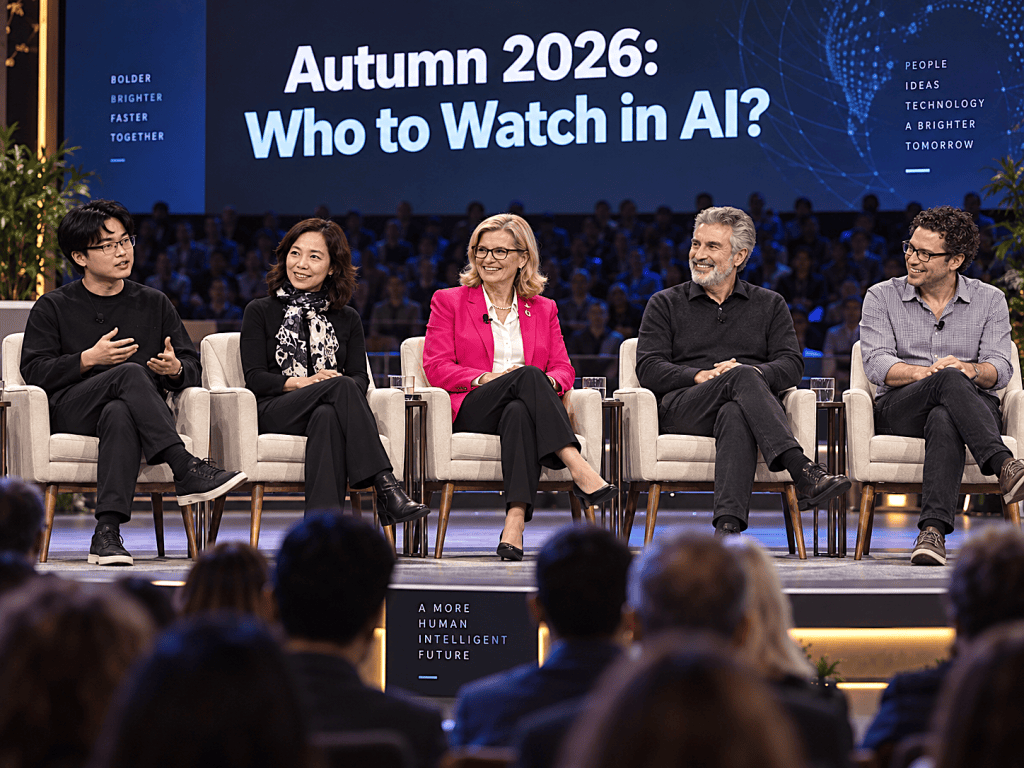
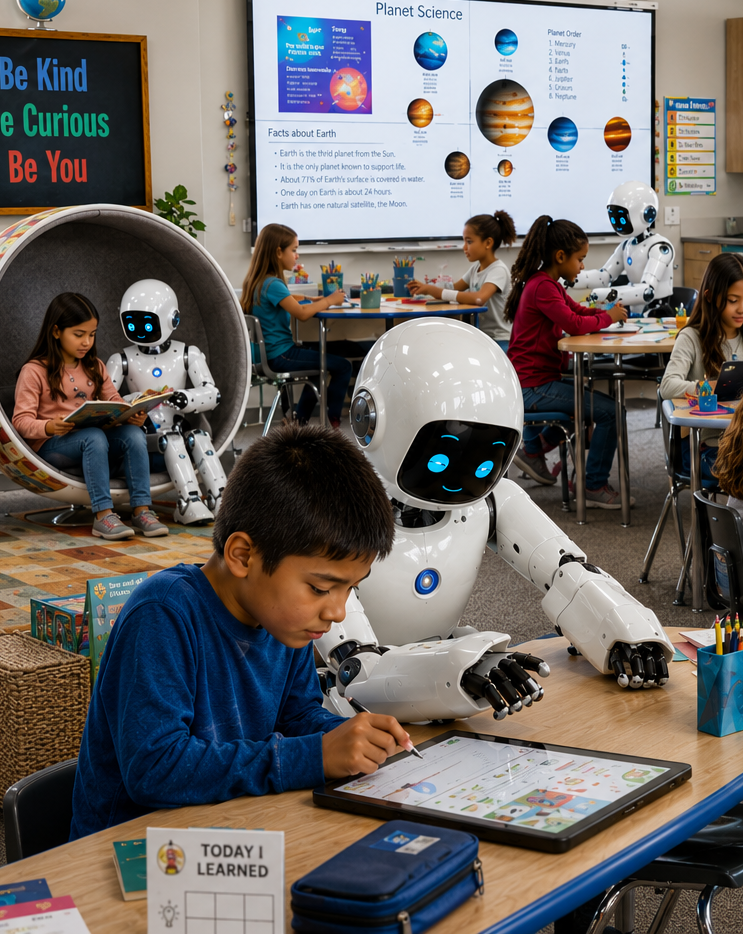
Three developments in the United States and India expose a shared difficulty: schools can now distribute access to AI faster than they can agree on what students should learn, demonstrate, and retain. The question connecting them is how to recognize real achievement when capable software participates in producing the work.
1. When a Perfect Essay No Longer Proves Excellence (story idea suggested by ChatGPT)
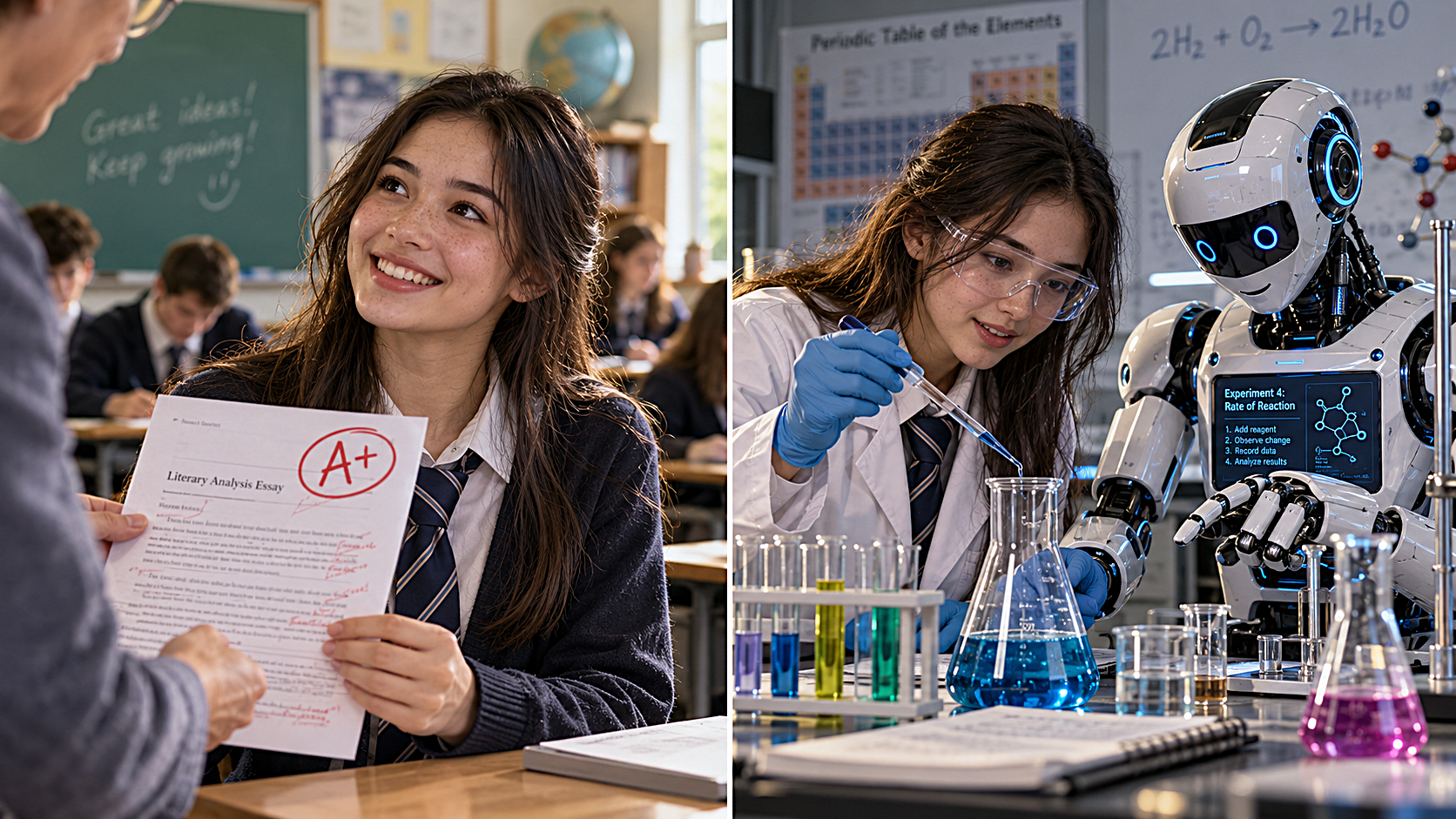
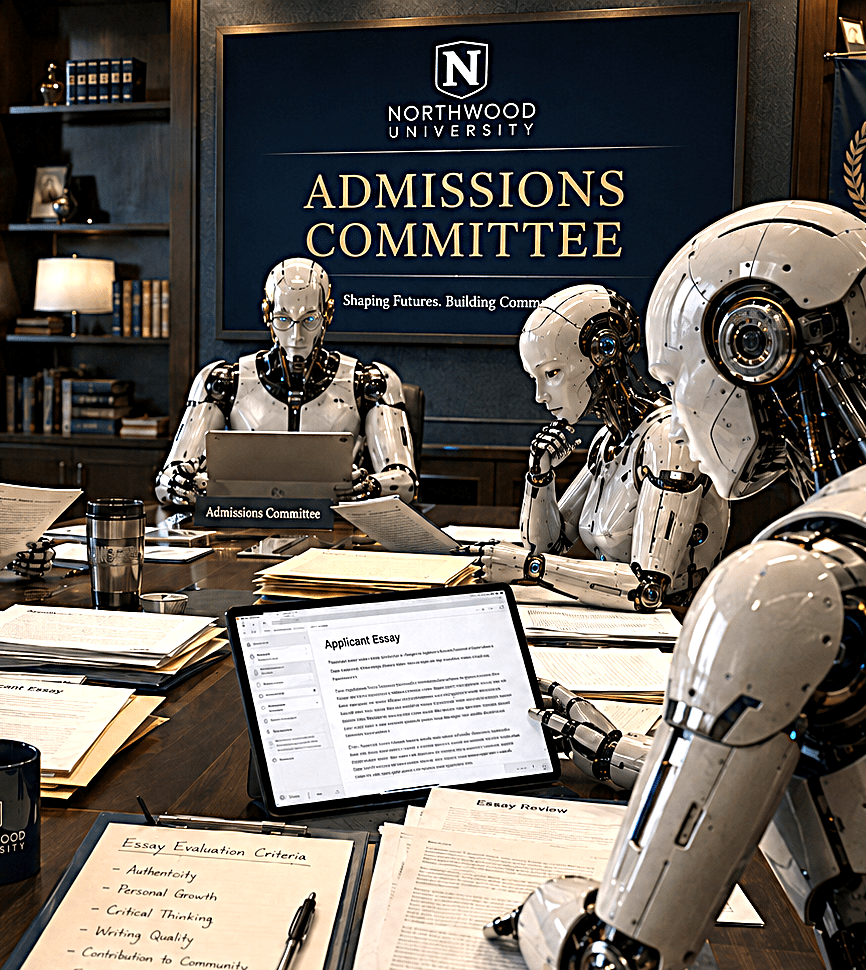
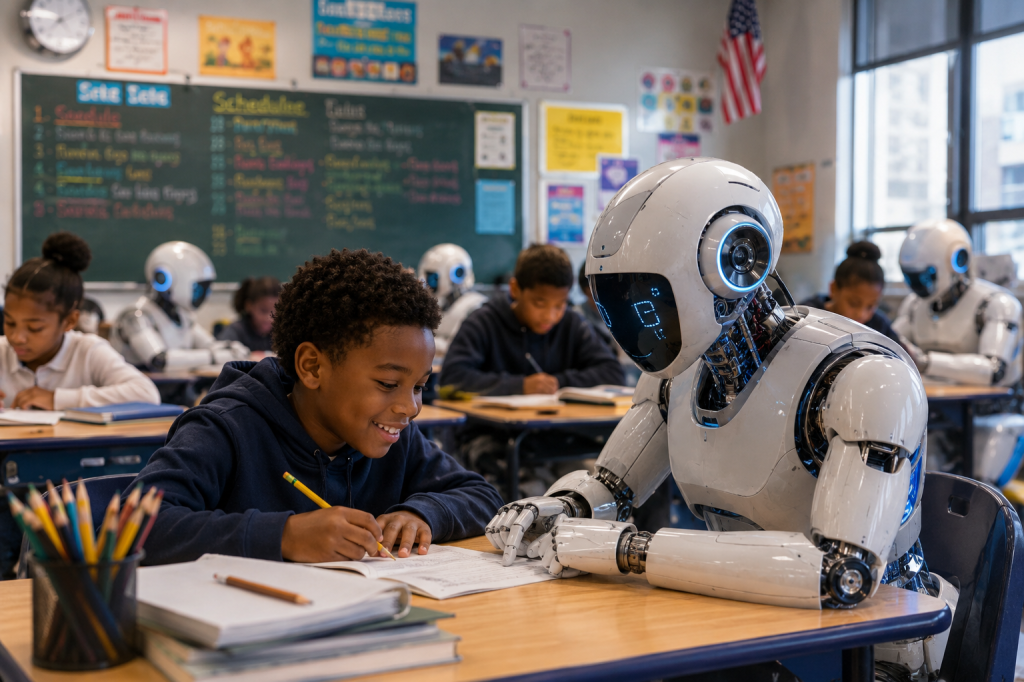
Melinda Medina’s October 21 EdSurge essay begins with her own educational turning point. A high-school English teacher encouraged her to pursue difficult reading and interpretation, transforming a student who had been content to get by into someone who valued scholarship. She now worries that students whose identities depend on outstanding academic work are losing confidence when artificial intelligence produces polished answers almost instantly (Medina, 2026). Her examples are specific: a strong student asks AI to confirm a sound interpretation; another trusts a chatbot’s revision more than their own prose. These are classroom observations, not a controlled study of high achievers, but they expose a problem schools cannot resolve through plagiarism rules.
Medina argues that schools have rewarded the visible product—the correct response, the immaculate essay, the high GPA—more consistently than the intellectual decisions needed to create it. She asks teachers to look at how students arrived at a position, which source changed their minds, and why they rejected an AI suggestion. Her claim is not that excellent writing no longer matters. It is that excellent writing alone no longer establishes what the learner can independently understand and defend.
The pressure extends well beyond perfectionists. Common Sense Media’s August 2026 nationally representative survey found that 70% of U.S. teens reported using AI for schoolwork. Among students who use AI, 38% said access leads them to generate fewer ideas themselves, and 39% felt they miss learning when they use AI to complete assignments (Common Sense Media, 2026). Those are self-reports, not measured losses in skill. Yet they suggest students recognize a distinction between submitting a finished answer and developing the capacity to produce one.
The OECD’s January 2026 education outlook makes that distinction central. It reports that general-purpose AI may improve the quality of a completed assignment without generating durable learning; in some studies, advantages disappear when students are subsequently assessed without the tool (OECD, 2026). The practical implication is substantial. A school that grades the final artifact without testing individual understanding may certify assistance as competence. Conversely, a school that bans all assistance may overlook the ability to evaluate, revise, and productively challenge AI as an important emerging skill.
Assessment therefore needs more than a new declaration on acceptable AI use. In literature, a student might submit an AI-supported interpretation, a record of the sources checked, and a short explanation of why competing readings were rejected. A subsequent conversation or in-class response could determine whether the student can explain the argument independently. In science, a team might use AI to design an investigation but individually predict outcomes, diagnose flawed results, and defend methodological choices. These approaches are imperfect and require teacher time, but they examine reasoning as well as presentation.
The strongest schools will preserve opportunities to read closely, compose, calculate, and argue without assistance while also teaching students to inspect AI outputs. Digital Promise’s framework explicitly pairs use with understanding and evaluation, placing human judgment at its center (Lee et al., 2024). That is a more defensible standard than either flawless output or blanket avoidance.
Medina’s most important implication concerns what happens to students who formerly excelled under conventional rules. Their effort must still count. But excellence will increasingly require knowing when not to delegate, identifying what the machine missed, and accepting uncertainty long enough to reach an independent judgment. Schools should make those abilities visible in feedback, awards, transcripts, and entrance assessments. Otherwise they will continue to reward evidence that no longer reliably distinguishes the work of the learner from the work of the system.
2. Gujarat’s AI Ambition: Half a Million Learners, but How Much Learning? (story idea suggested by Perplexity)
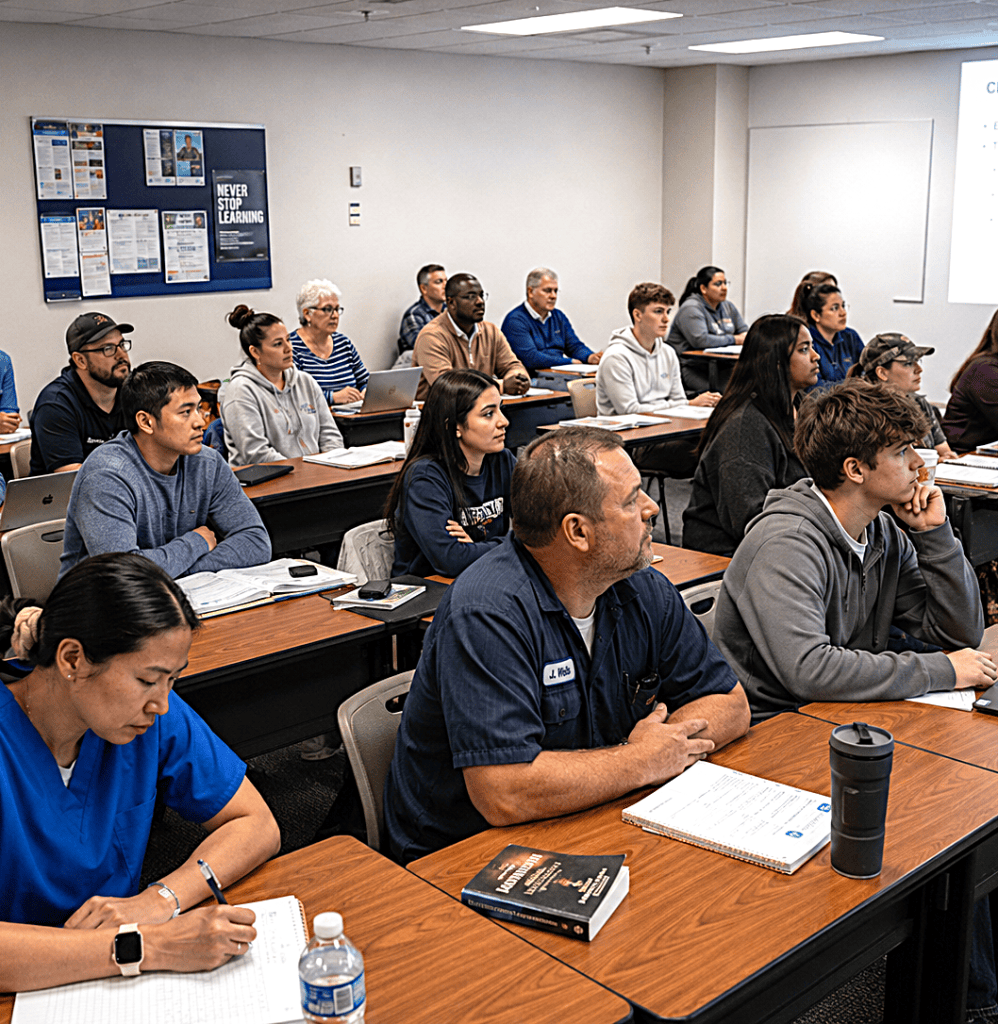
Gujarat’s proposed AI for Every Student Mission 2026–27 has the scale that attracts government attention: 500,000 college students, 5,000 faculty members trained as AI “Master Trainers,” and a proposed allocation of ₹20 crore. The October 21 ETEducation report describes three tiers: an eight-hour foundation course for 500,000 students, a 25-hour discipline-focused course for 100,000, and a 50-hour advanced course for 20,000 (AP, 2026). The plan is still a draft awaiting administrative and financial clearances. Its training totals are targets, not documented outcomes.
The design has several advantages. The introductory material is intended to use largely free online resources; courses are planned in Gujarati and English; and the intermediate stage connects AI to fields ranging from agriculture and education to law and medicine. An official told ETEducation that students would be expected to verify AI outputs “rather than accepting them at face value” (AP, 2026). That is a more useful objective than teaching a collection of prompts that could become obsolete as software changes.
But eight hours is an orientation, not evidence of competence. A student may finish a video sequence, pass a factual quiz, and receive a certificate without being able to recognize a fabricated citation, protect private data, or decide whether an AI answer is appropriate for a particular task. The distinction between exposure and learning is especially important in a program marketed through impressive participation figures.
The OECD’s 2026 education outlook reports that access to general-purpose AI can raise immediate performance without necessarily strengthening enduring knowledge (OECD, 2026). Gujarat’s challenge is the policy equivalent of that classroom problem. A dashboard can count registrations, completions, and certificates; it cannot by itself establish whether participants make better judgments. The planned use of learner identifiers and centralized monitoring also makes careful rules for personal data necessary.
India’s proposal could become more informative if assessment is designed before enrollment begins. A learner entering the foundation course could be asked to diagnose a misleading AI-produced summary, locate a nonexistent source, and explain when private information should not be entered into a chatbot. At completion, the learner could face different but comparable cases. Three months later, a short follow-up task could test retention. An independently scored sample would provide a more credible measure than completion alone.
For the 25-hour applied tier, demonstrations should be discipline-specific. An agriculture student could compare an AI recommendation with locally relevant evidence; a teacher-trainee could identify errors or bias in a generated lesson; a commerce student could audit assumptions in a financial forecast. The advanced 50-hour tier should require a project that documents verification, revision, and a human explanation of the final decisions. These are proposed metrics, not features confirmed in the draft.
Teacher preparation deserves equal scrutiny. UNESCO’s September 2026 analysis of 36 teacher-AI competency frameworks emphasizes pedagogy, implementation, and methods of evaluation rather than tool familiarity alone (UNESCO Institute for Information Technologies in Education, 2026). Training 5,000 faculty members could multiply the mission’s reach. It could also multiply shallow practices if those instructors receive little opportunity to practice, observe one another, and receive feedback.
Gujarat deserves attention because governments everywhere face the same temptation: equate a large number of certificates with readiness for an AI-intensive economy. Its proposed progression from basic literacy to applied work is promising, especially with local-language delivery. Its real achievement, however, should be judged by what learners can responsibly do afterward, including what they can question and reject. If independent evaluation becomes part of the mission from the outset, Gujarat could offer a model for scalable AI education. If success is reported primarily as enrollment, the program may demonstrate reach without demonstrating learning.
3. Montana Puts Skepticism on the AI Syllabus (story idea suggested by Muse)
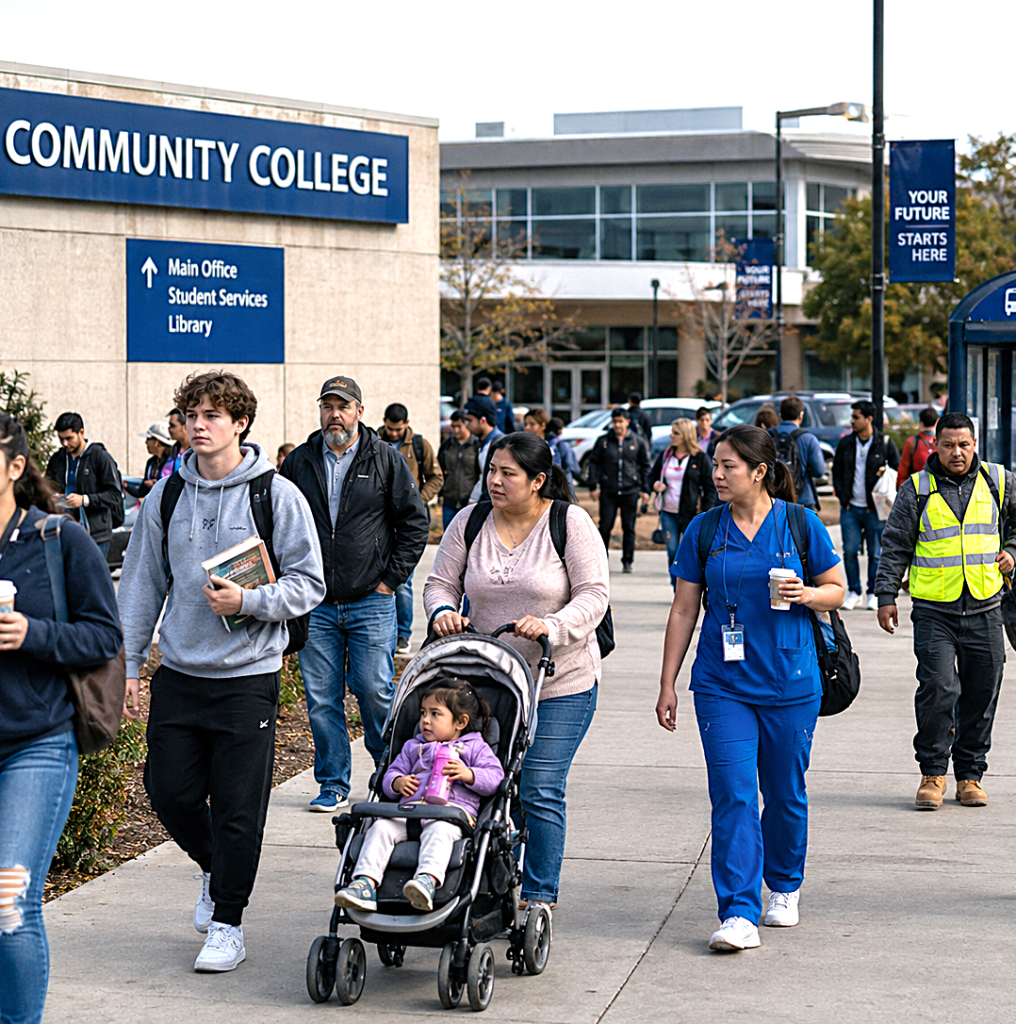
The University of Montana has launched a nine-credit online Career Certificate in Human-Centered AI. Its three asynchronous courses move from creative exploration of AI to critical appraisal and then leadership. The middle course bears an unusually candid title: “Calling Bullshit in the Age of AI.” In the university’s October 20 announcement, journalism school director Lee Banville explains the purpose plainly: “You can’t turn off your critical thinking just because Claude gave you an answer” (Amestoy, 2026).
The program is not an anti-AI initiative. Students experiment with models, examine the effects of AI in their fields, probe chatbot limitations, and debate copyright, labor, misinformation, and environmental concerns. Game-design professor Michael Cassens says the aim is to keep people in control of decisions. The certificate is currently described as available to University of Montana students; opening it more broadly is an ambition, not an established offering (Amestoy, 2026).
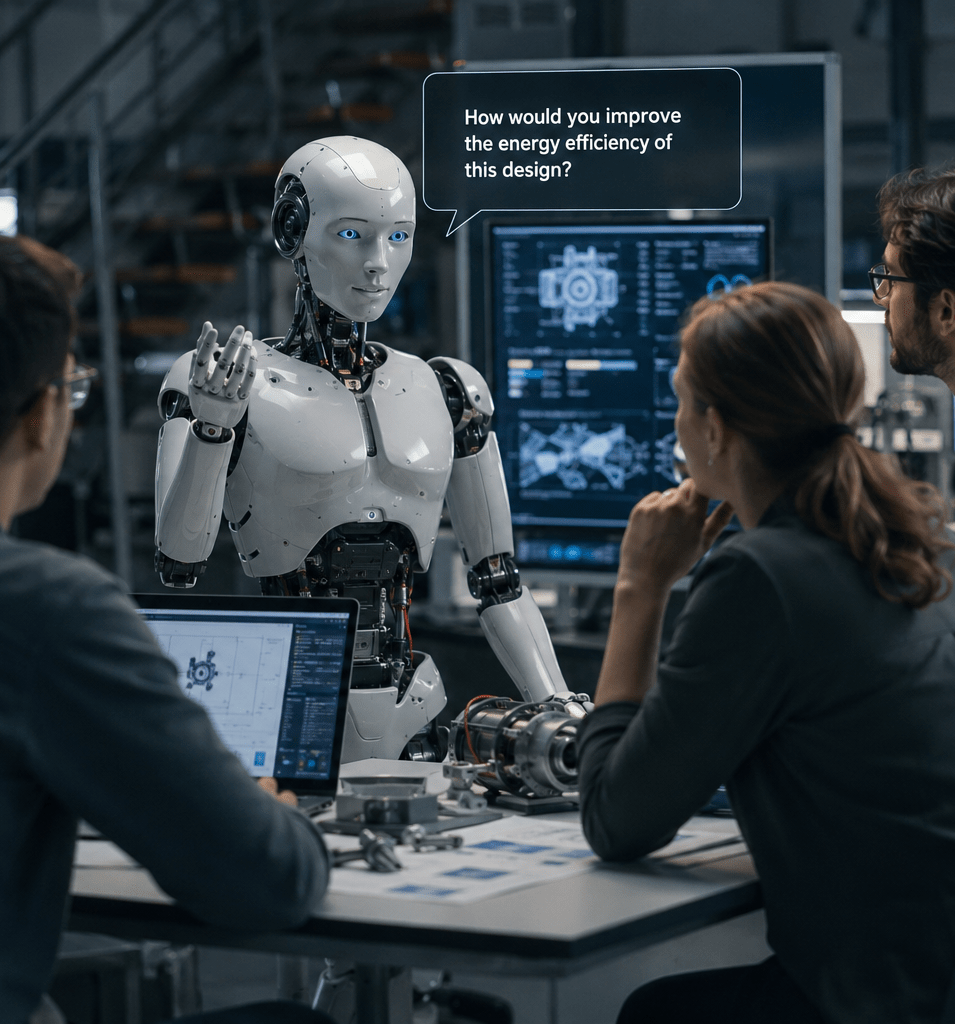
This small credential illustrates a larger question for colleges: should AI literacy be taught as a technical shortcut or as a form of informed judgment? Students entering employment certainly need to know how to use changing systems. But prompt-writing demonstrations have a short shelf life. The capacity to ask whether a result is grounded, safe, fair, and suitable for its intended purpose can transfer across tools and occupations.
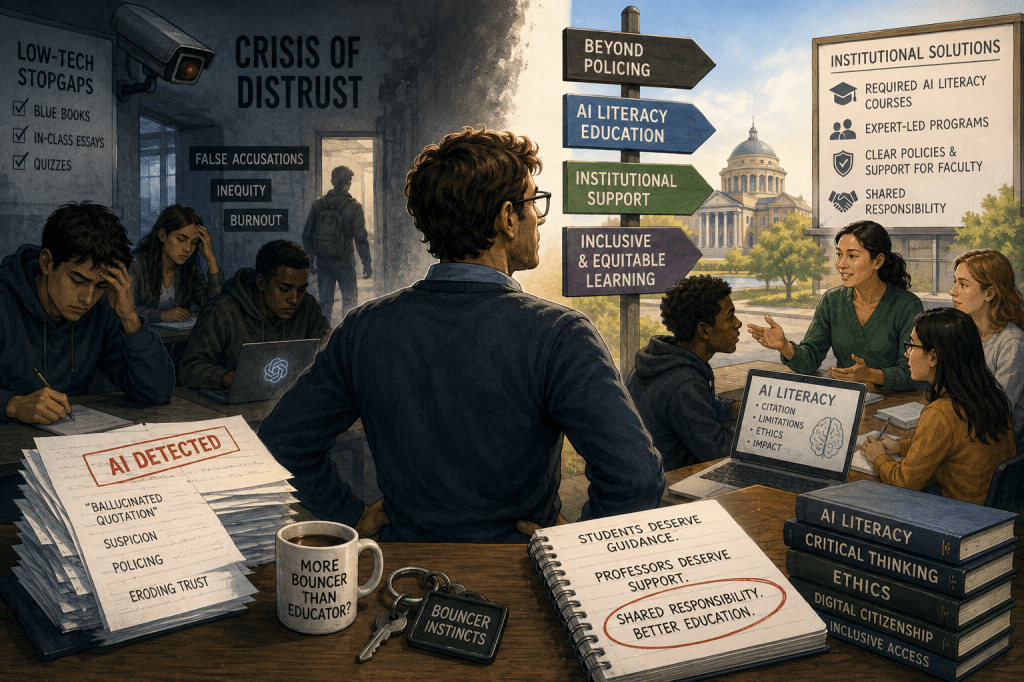
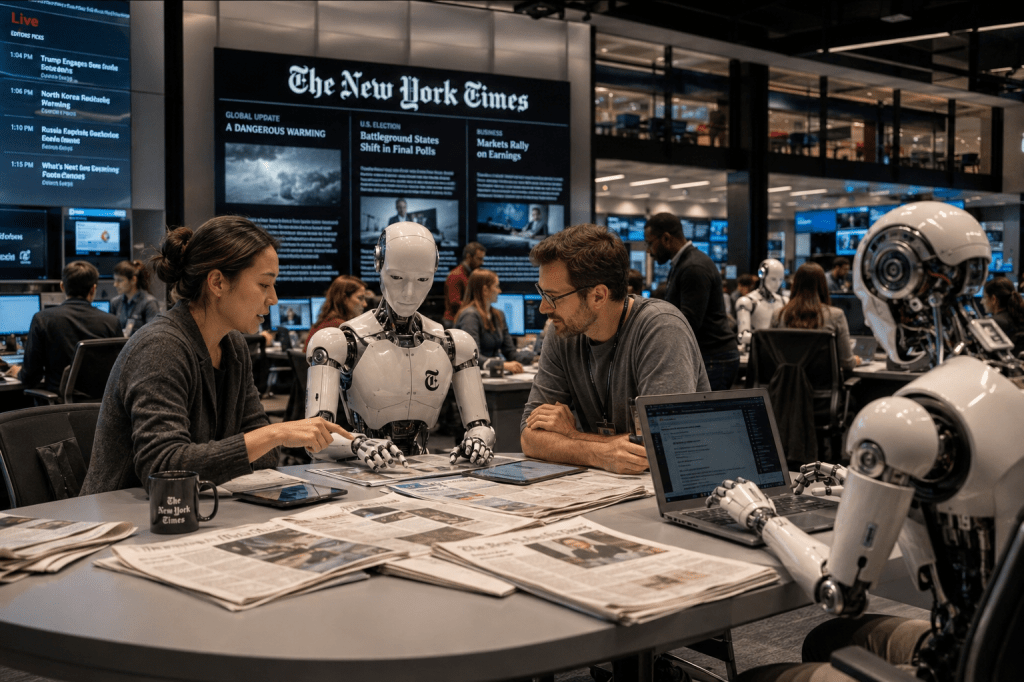
The university’s journalism connection is particularly important. A chatbot can generate a plausible account of a public event that includes invented names, fabricated quotations, and incorrect chronology. A student taught merely to obtain fluent prose may publish the errors. A student trained to inspect evidence can search original records, check citations, compare accounts, and decide whether the technology has contributed anything worth preserving. These verification practices are equally relevant to nursing, marketing, engineering, and teacher education.
There is substantial evidence for treating judgment as part of AI competence. Digital Promise defines AI literacy through the linked capacities to understand, evaluate, and use AI (Lee et al., 2024). UNESCO’s student framework identifies human-centered perspectives, ethics, techniques, and system design as complementary areas of learning (Miao et al., 2024). Both go well beyond the ability to operate a chatbot. The OECD’s 2026 outlook similarly distinguishes stronger task output from genuine learning and recommends purposeful, pedagogically guided use (OECD, 2026).
The certificate’s challenge will be proving that skeptical habits are actually acquired. The name of a course cannot guarantee them. Students could be evaluated using deliberately flawed AI-generated research briefs, misleading charts, fake references, or biased recommendations. They would identify what failed, locate reliable evidence, and explain how their own conclusions changed. An oral defense or timed follow-up exercise could test whether the work reflects independent understanding rather than a polished response supplied by another model.
The asynchronous format expands scheduling flexibility but creates another design responsibility. Faculty need ways to distinguish a learner’s demonstrated skill from an AI-mediated submission. Transparent process logs, staged assignments, peer challenges, and direct explanation are useful possibilities. No single method is foolproof, and surveillance-heavy approaches could damage trust. The better goal is to create assignments in which the reasoning is both visible and genuinely worth doing.
The Montana model also raises a credentialing issue. Three courses can offer a useful introduction, but the university has not published evidence in this announcement that graduates perform better at verification or decision-making. A rigorous evaluation would compare student work before and after the certificate, including performance on unfamiliar tools and new problems. Employers should be shown examples of what certificate-holders can do, not merely the course titles.
If the program succeeds, its most valuable contribution may be to normalize intellectual disagreement with AI. A competent graduate should be able to use the technology efficiently, explain its shortcomings, and reject an attractive answer when the evidence does not support it. That is a form of career readiness with a longer useful life than expertise in any one product.
References
Amestoy, A. (2026, October 20). UM launches Montana’s first “human-centered” AI career certificate. University of Montana. https://www.umt.edu/news/2026/10/102026cert.php
AP. (2026, October 21). Gujarat drafts AI mission to train 5 lakh students and 5,000 teachers. ETEducation. https://education.economictimes.indiatimes.com/news/government-policies/gujarat-drafts-ai-mission-to-train-5-lakh-students-and-5000-teachers/135084152
Common Sense Media. (2026, August 18). Teens in the AI era: Schoolwork and skills that matter. https://www.commonsensemedia.org/research/teens-in-the-ai-era-schoolwork-and-skills-that-matter
Lee, K.-W., Mills, K., Ruiz, P., Coenraad, M., Fusco, J., Roschelle, J., & Weisgrau, J. (2024, June 18). AI literacy: A framework to understand, evaluate, and use emerging technology. Digital Promise. https://digitalpromise.org/2024/06/18/ai-literacy-a-framework-to-understand-evaluate-and-use-emerging-technology/
Medina, M. (2026, October 21). How AI is breaking the way we reward high-achieving students. EdSurge. https://www.edsurge.com/news/how-ai-is-breaking-the-way-we-reward-high-achieving-students
Miao, F., Shiohira, K., & Lao, N. (2024). AI competency framework for students. UNESCO. https://www.unesco.org/en/articles/ai-competency-framework-students
OECD. (2026). OECD digital education outlook 2026: Exploring effective uses of generative AI in education. OECD Publishing. https://doi.org/10.1787/062a7394-en
UNESCO Institute for Information Technologies in Education. (2026, September 28). UNESCO IITE has released the analytical report “Teacher AI competency frameworks.” https://iite.unesco.org/news/unesco-iite-has-released-the-analytical-report-teacher-ai-competency-frameworks/
###
Filed under: Uncategorized |
















































































































































































































































































































































































































































Leave a Reply