







By Jim Shimabukuro (assisted by Claude)
Editor
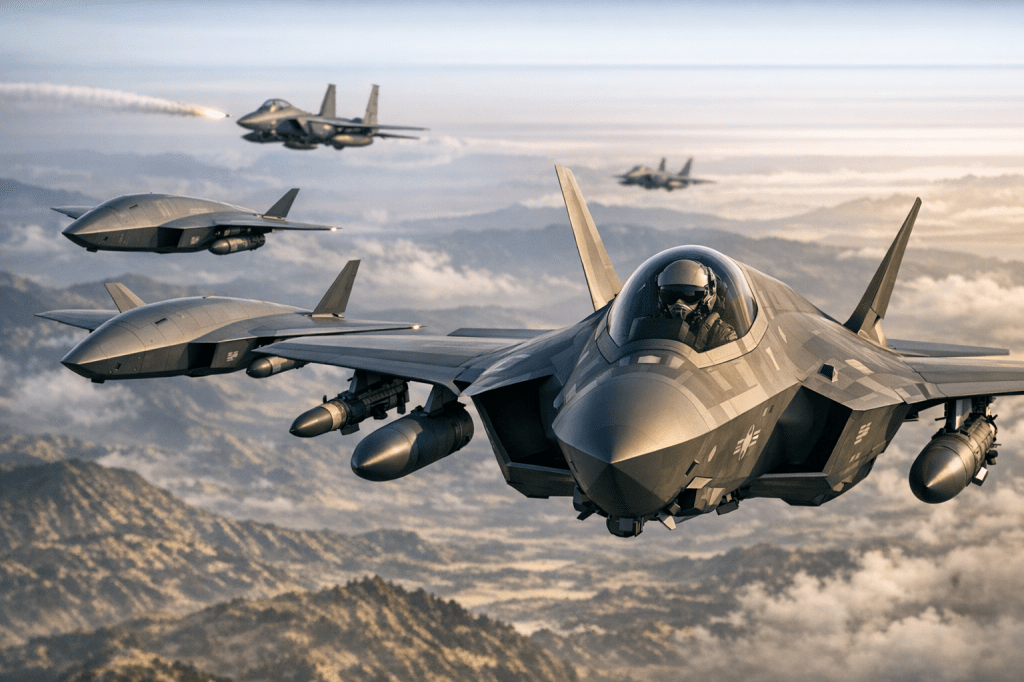
Ukraine now sends hundreds of drones at a time toward the Russian capital. The raids are hurting Russia’s fuel supply and denting the Kremlin’s image of control. Whether they can change the outcome of the war depends on three things that will be settled this autumn and winter.
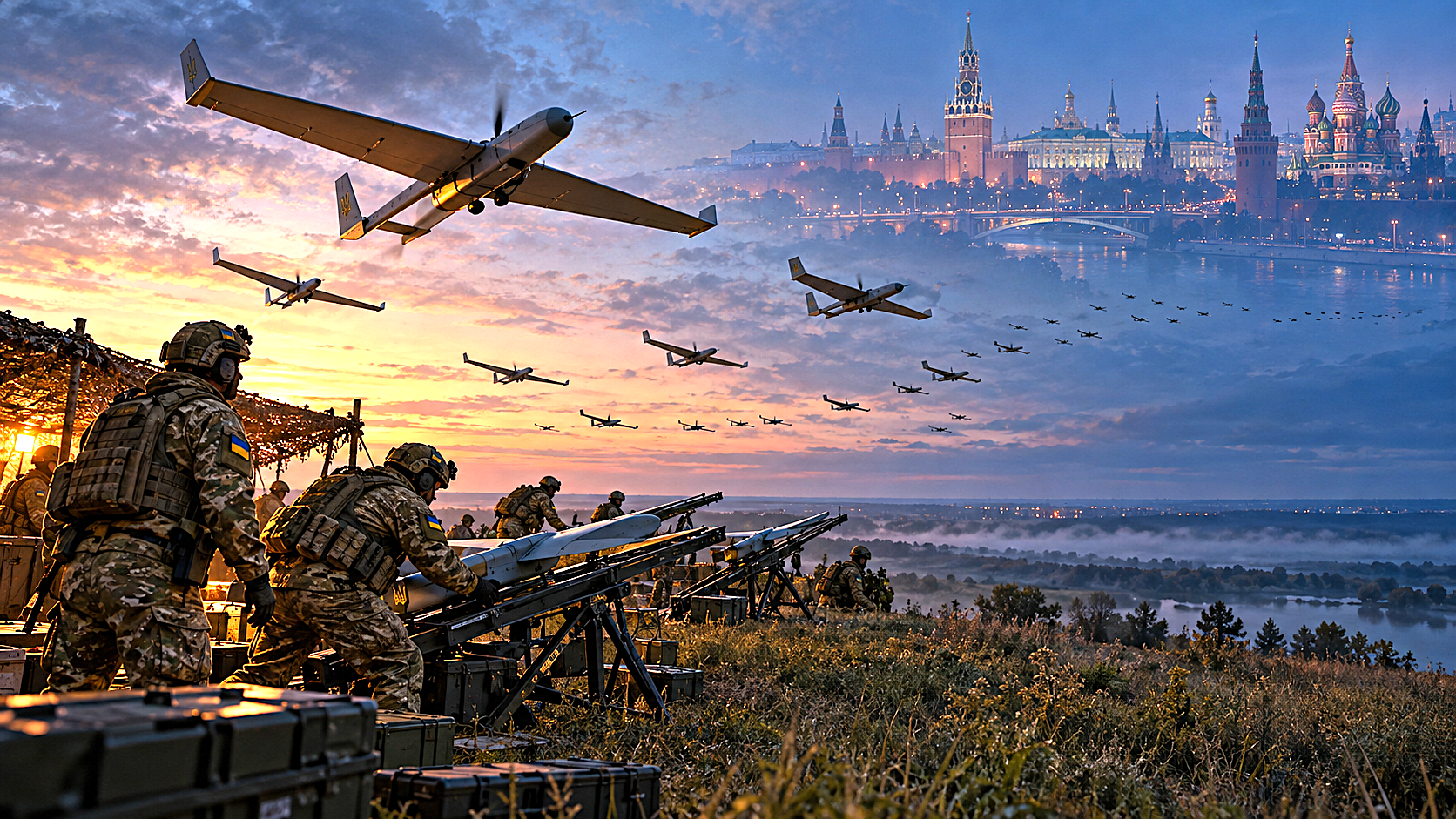
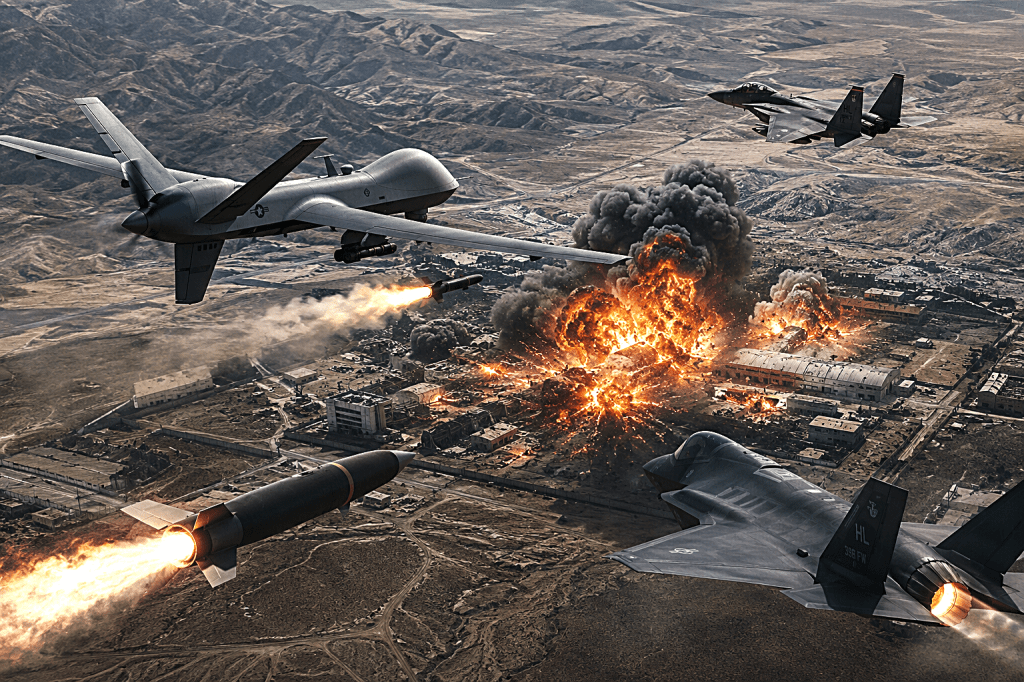
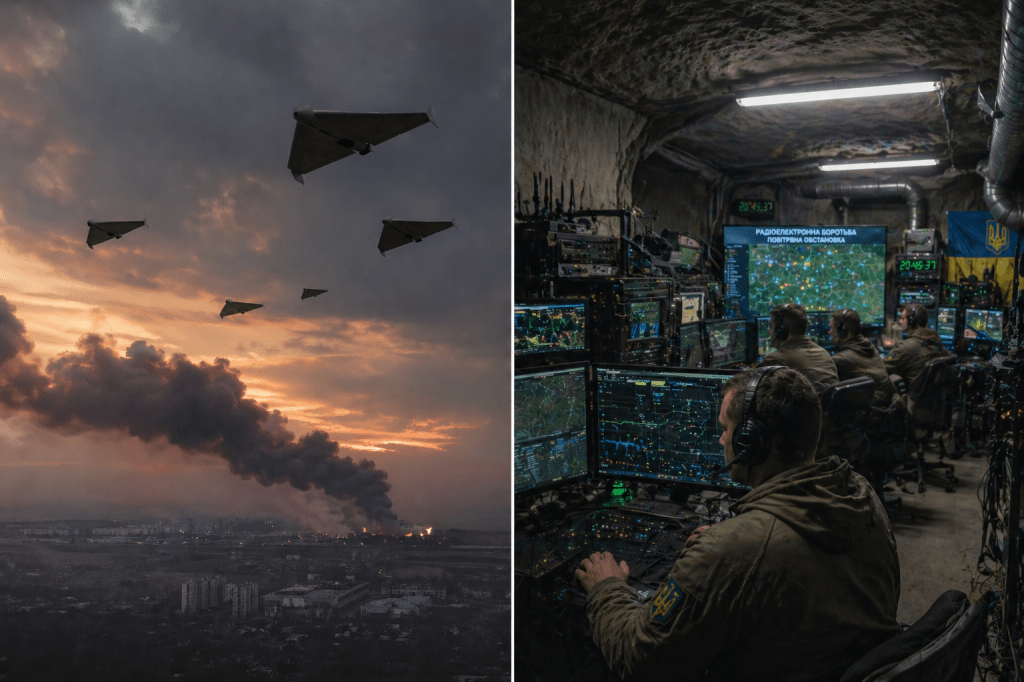
In the early hours of October 6, 2026, Moscow Mayor Sergei Sobyanin reported that “the overnight assault involved 650 drones heading towards the city, most of which were shot down” (Al Jazeera, 2026). Russia’s Defense Ministry gave a smaller number, saying 290 drones had targeted Moscow and nearby regions, and one Ukrainian outlet cited a Sobyanin tally of about 718 (Al Jazeera, 2026; Zoria, 2026). The counts differ, but the damage on the ground was specific. Moscow regional governor Andrei Vorobyov reported two people killed, nine injured, and 47 private homes damaged across seven municipalities (Meduza, 2026b).
The main target appears to have been the Volodarskaya pipeline station near Konstantinovo, about 40 kilometers from central Moscow. Operated by a Transneft subsidiary, it is the largest fuel depot in the Moscow region, with 27 storage tanks holding roughly 250,000 cubic meters, and it supplies jet fuel to Vnukovo, Domodedovo, and Sheremetyevo airports (Zoria, 2026). Russian officials did not confirm a hit. The pro-war blogger Yuri Podolyaka reported that “an oil storage tank was hit,” and video geolocated by open-source analysts showed fires at the site (Al Jazeera, 2026; Zoria, 2026). The raid ended what Al Jazeera described as “a relative lull in large Ukrainian strikes on Moscow since September 20.”
Raids of this size have become a regular feature of the war in 2026. That raises the question this article tries to answer: are Ukraine’s drone swarms over Moscow an early sign of a turning point in the war? A turning point would mean one of three things. Russia loses the material ability to keep fighting at its current pace, Russians lose the will to keep paying for the war, or the Kremlin is pushed into negotiations on terms it has so far rejected. The evidence on each is mixed, and the strongest signals will come in the next few months.
From a Handful of Drones to Hundreds
The first drone attack on Moscow’s residential districts came on May 30, 2023. A few drones struck apartment buildings in an affluent neighborhood and injured two people. Vladimir Putin accused Ukraine of terrorism, saying “Kyiv chose the path of intimidation of Russian citizens and attacks on residential buildings” (Maass, 2023). The BBC’s Steve Rosenberg reported at the time that he saw no “noticeable change of mood” among Russians (as cited in Maass, 2023). That August, Michael Clarke, a former head of the Royal United Services Institute, said he worried the strikes had “negligible military effect” even as they suggested that “Russia cannot be adequately defended” (Forces News, 2023).
Three years later, the numbers are far larger. An analysis by the independent Russian outlet Meduza found that Ukraine was carrying out about 32 long-range strikes a month on Russian territory in 2026, roughly the same as the 35 a month in 2025. What changed was distance: the average strike range in May 2026 was about 800 kilometers, double the figure a year earlier (Meduza, 2026a). Production has grown with it. In March, Denys Shtilerman of the Ukrainian manufacturer Fire Point said, “Right now we calmly produce about 200 aircraft per day, and we can very quickly double or triple these capacities” (ArmyInform, 2026). Outside estimates are lower. The energy analyst Sergey Vakulenko of the Carnegie Endowment wrote in June that “Firepoint currently makes about 100 FP-1s a day, of which about 10 percent reach their targets” (Vakulenko, 2026).
The raids on the capital followed a steady escalation. On the night of May 17, Ukraine sent about 600 drones toward Moscow. Russian authorities said more than 550 were intercepted, but some reached a refinery, a fuel storage site, and a microchip plant, and four people died (Marchal, 2026). On June 16 and 18, drones hit the Moscow Oil Refinery twice, damaging processing units that, according to The Moscow Times, accounted for 53 percent and 47 percent of the plant’s capacity. Kremlin spokesman Dmitry Peskov said, “Our air defense systems are performing highly, no matter what,” and called Ukraine’s campaign “not a path toward negotiations” (The Moscow Times, 2026a).
In early September, Ukraine turned the raids into a public warning to the aviation industry. On September 1, President Volodymyr Zelensky told airlines and foreign governments, “There will simply be drones in Russia’s skies on a scale that has to be taken into account” (York, 2026). Over the next two nights, Sheremetyevo and Vnukovo airports restricted flights. On one night alone, Sheremetyevo canceled 21 flights and delayed 235 (York, 2026). Putin called the warning “state-sponsored terrorism” (Brennan, 2026).
Then, on the night of September 19 to 20, the last day of voting in Russia’s parliamentary elections, Ukraine fired more than 1,000 drones at Russia. Russia’s Defense Ministry said it downed 1,100 across the country, and Sobyanin said 450 had been destroyed on approach to Moscow. The Moscow Oil Refinery and a residential building were hit, two people were killed, and Ukraine also used its domestically built Flamingo and Pelican missiles (Associated Press, 2026). The Institute for the Study of War (ISW), a Washington research group, called it Ukraine’s “largest combined missile and drone strike package against strategic targets in Moscow Oblast” and noted that “Russia’s failure to defend against the Ukrainian strikes prompted discontent among Russians, including in the ultranationalist information space, as the State Duma elections concluded” (Institute for the Study of War, 2026).
The Case for a Turning Point
The strongest argument that something has shifted comes from Russia’s gas stations. The Moscow raids are the most visible part of a wider campaign against Russian oil refining. By mid-September, Ukrainian drones had struck Russian refineries at least 70 times in 2026. The International Energy Agency reported that refineries were hit on average once every three days through August. By late August, Russian gasoline production covered only 70 percent of domestic demand, and at least 17 regions had restricted fuel sales (Orlova, 2026). In August alone, Ukrainian forces hit 21 Russian refineries, a wartime record according to Ukrainian strike data (Struck-Feshchenko, 2026).
The effects reach ordinary drivers. By September 14, the average Russian gasoline price had risen 21 percent since January. In the Kaluga region, near Moscow, authorities introduced an odd-even license plate system and banned sales of fuel in canisters. In the Zabaikalsky region in Siberia, drivers were limited to 15 liters per fill-up. “The lines [at gas stations] are back. This causes reasonable frustration,” Kaluga governor Vladislav Shapsha said (The Moscow Times, 2026b). Putin acknowledged the problem himself in June: “Unfortunately, there are still lines at gas stations, and the right grade of gasoline isn’t always available” (as cited in Rushton, 2026).
Estimates of the overall damage vary widely. The Ukrainian military claimed in September that it had “knocked out more than 45% of Russia’s refining capacity” (The Moscow Times, 2026b). The International Energy Agency’s estimate in July was “more than 20%” (as cited in Rushton, 2026). Even the lower figure is large for a country whose economy and army run on its own fuel. Jade McGlynn of King’s College London described the political meaning: “When you are sitting in a petrol queue for the better part of a day, the war stops being an abstraction on the evening news” (as cited in Rushton, 2026). Herman Gref, the head of Russia’s largest bank, Sberbank, put it more bluntly: “I don’t believe there is anyone in this country whose primary concern is anything other than an end to military hostilities as soon as possible” (as cited in Rushton, 2026).
Economists who study Russia see the fuel crisis landing on top of other strains. Alexandra Prokopenko, a senior fellow at the Carnegie Russia Eurasia Center, wrote in September that “depleted financial reserves and a shrinking tax base mean it is no longer possible to simultaneously deliver high defense spending, price stability, and economic growth.” She added that the strain “is already visible in everything from the erosion of state procedures and a ballooning budget deficit to ongoing gasoline shortages and declining living standards” (Prokopenko, 2026). Vakulenko, writing in June, concluded that “the Russian oil industry’s resilience is being stretched dangerously thin” (Vakulenko, 2026).
The second argument comes from the front line. ISW’s October 1 assessment found that “Russian forces likely at best gained no ground in exchange for over 46,000 casualties in September 2026,” and that “Russian forces lost control over almost 300 square kilometers between March and September 2026” (Shymkiv et al., 2026). Thomas Graham of the Council on Foreign Relations wrote in July that “Ukraine has brought Russia’s advances on the battlefield to a halt” (Graham, 2026). In May, the European Union’s foreign policy chief, Kaja Kallas, said, “The dynamics of the war are changing. Ukraine is in a much better position than a year ago, but of course, there is no time for complacency” (as cited in Marchal, 2026).
Ukrainian officials argue that the long-range campaign and the ground war are connected. Strikes on fuel depots, ammunition plants, and logistics hubs reduce what reaches Russian units at the front. The CEO of Fire Point, Iryna Terekh, described the logic after a February missile strike on a Russian ballistic missile factory in Votkinsk, nearly 900 miles from Ukraine: “We’re finally hitting the archer. That’s much more effective than stopping the arrows” (as cited in Jacoby, 2026).
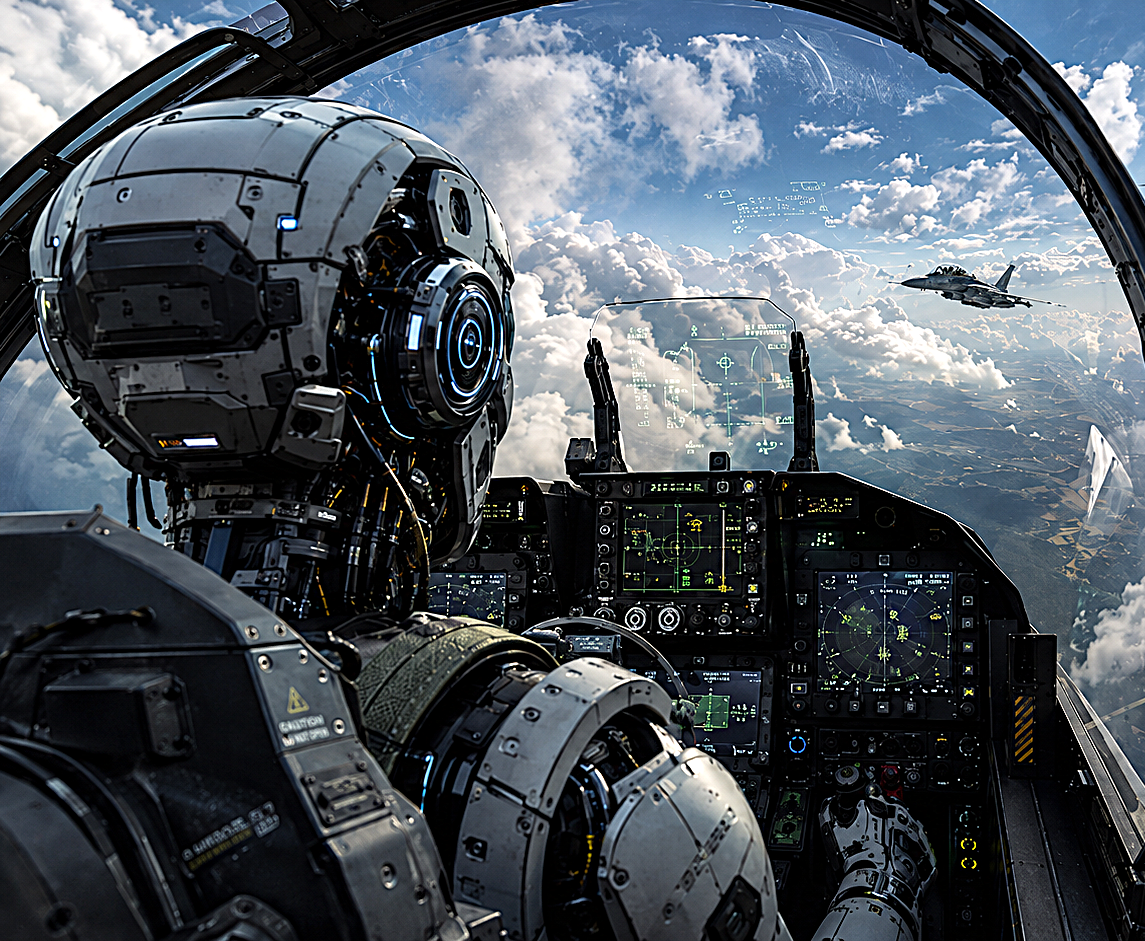
The third argument concerns Russia’s air defenses. To protect the capital, Russia has concentrated nearly 100 Pantsir short-range air defense positions and about 25 S-300 and S-400 batteries around Moscow, placed Pantsir systems on rooftops, and built a new ring of towers about 40 kilometers out from the city (Kohanets, 2026). Drones still get through. On July 20, they hit an oil depot and four major logistics facilities near Moscow (Kohanets, 2026). Every launcher assigned to the capital is a launcher that is not protecting a refinery in the Volga region or a supply line in occupied Ukraine.
The fourth argument is about Russian public opinion, and here the evidence is thinner. A study by the Ukrainian NGO Join Ukraine examined 41,883 posts on more than 410 regional Russian Telegram channels and 383 communities on the Russian social network VKontakte. After the June 18 strike on the Moscow refinery, “reposts of anti-war content rose by 235% over the following week” (Zakharchenko, 2026). The group’s analyst, Yuliia Yelenich, argued that “when drones reach Moscow or other major cities, Russians begin thinking about their own safety, questioning the authorities, critically evaluating official statements and demanding an end to the war” (as cited in Zakharchenko, 2026). The study measures online sharing, which can rise sharply from a small base, and it comes from an advocacy group on one side of the war.
The Case Against
The first argument against a turning point is that Russia has absorbed this kind of damage before. In its May review, Meduza looked at the refinery campaign of 2025, when Ukrainian strikes took about 1.6 million barrels a day of refining capacity offline at their peak in mid-September 2025. “The effects of the campaign were short-lived,” Meduza concluded. “By late October, offline refinery capacity had returned to normal levels (though some remained disabled)” (Meduza, 2026a). The analysts found that “Russia’s oil industry has apparently learned to bring spare or repaired distillation units back online relatively quickly.” Russian officials are predicting the same pattern this year. Leningrad region governor Alexander Drozdenko said oil companies expect fuel supplies to stabilize in October (The Moscow Times, 2026b).
The Kremlin also insists that the strikes do not affect the fighting. When Putin rejected a Ukrainian proposal in June to limit long-range strikes on both sides, he said: “All the strikes, wherever they hit our infrastructure, absolutely do not affect the situation on the front, on the line of combat contact.” He also explained why he would not trade restraint: “Our counterstrikes deep into Ukrainian territory are much stronger, have greater impact and are, frankly, more destructive” (as cited in Shankar, 2026). Putin has an interest in saying this, but the second claim has support in the numbers.
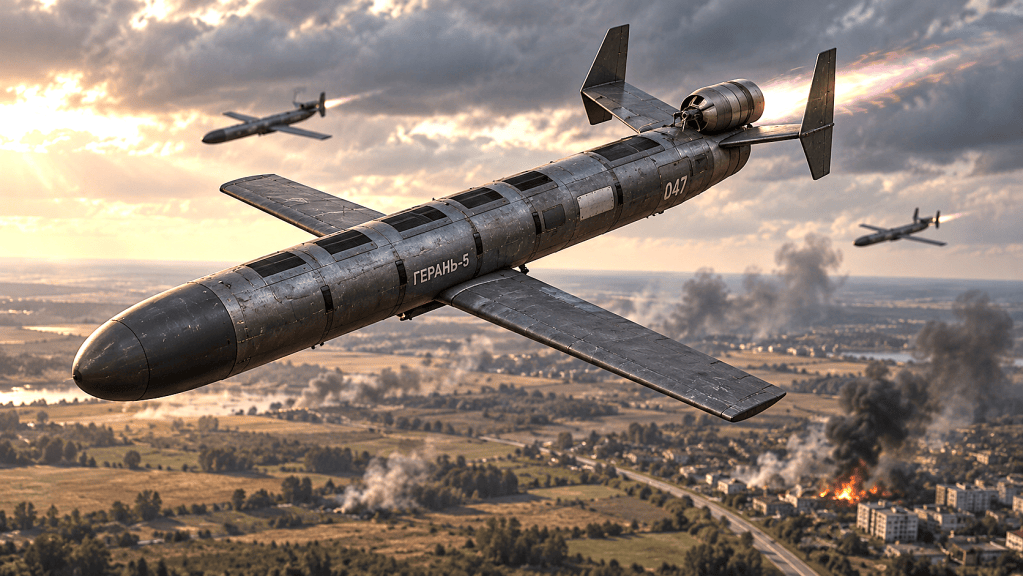
Russia is running its own long-range campaign, and it is larger. In September, Russia launched more than 2,730 jet-powered Geran drones at Ukraine, and Ukraine downed or suppressed more than 1,500. Zelensky said Ukraine’s interception rate for these faster drones was 55 percent. ISW assessed that “Russia is likely attempting to force Ukraine to capitulate by spring 2027 through a large-scale campaign of long-range strikes” (Stanovych, 2026). Around October 1, Russia struck Ukraine’s power grid, causing outages in the Kharkiv, Chernihiv, Sumy, Rivne, and Kirovohrad regions. “Every interceptor missile truly saves lives. And the closer we get to winter, the more of this protection we need,” Zelensky said (Blackburn, 2026). Oleh Popenko, who heads Ukraine’s Union of Utility Consumers, warned that “further strikes could result in Kyiv already facing schedules of 14 to 16 hours without electricity in October” (Zavadska, 2026). On the same day as the October 6 raid on Moscow, Russian bombs killed six people and wounded 59 in the city of Kharkiv (Just Security, 2026).
The Kremlin’s public response to the Moscow raids has been to promise more of the same. On September 28, Peskov said, “Ukraine will have to pay a price for the actions that have taken place in recent months,” and added, “Our armed forces continue the special military operation and consistently strike targets they consider appropriate” (Chiu, 2026). Russia is also adding soldiers. On September 29, Putin signed his fourth decree of the year enlarging the armed forces, setting the number of military personnel at 1,550,500. Ukrainian intelligence says Moscow plans to recruit 300,000 people this year and another 300,000 next year (Driamina, 2026).
The polling evidence also cuts against a quick change in Russian attitudes. Levada Center surveys from August found that 76 percent of Russians approved of Putin and 68 percent supported Russian military actions in Ukraine, while 59 percent favored negotiations (Dubenko, 2026). Earlier in the year, a separate Russian Field poll found that 75 percent of Russians would require recognition of the Donbas region as Russian territory as part of any peace, and 71 percent insisted that Ukraine give up NATO membership (Russia Matters, 2026). Polls in a country that punishes criticism of the war are an imperfect measure, and Russian opposition activists say respondents know that pollsters can identify them (Dubenko, 2026). But nothing in the data shows a public turning against the war because of drones over Moscow.
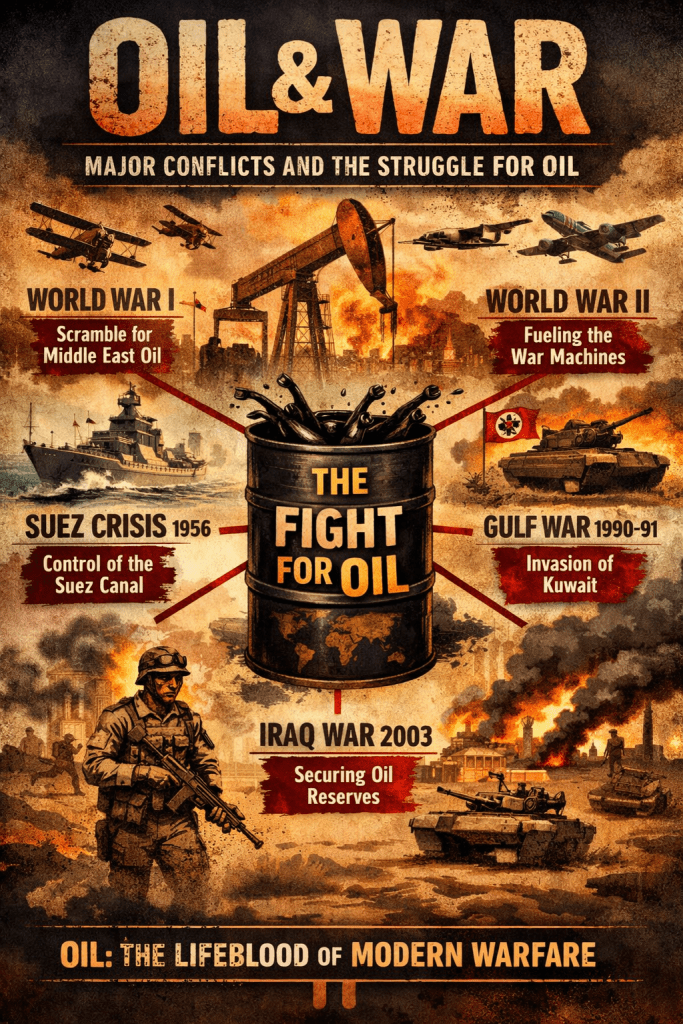
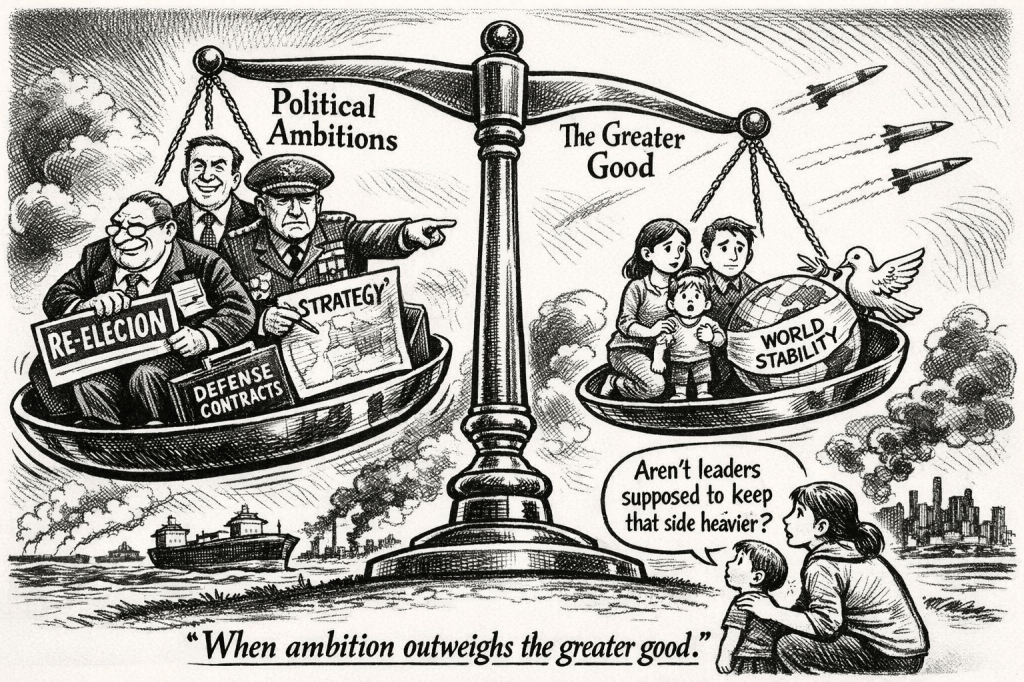
The most immediate limit on Ukraine’s campaign may come from Washington. As diesel prices in the United States passed $6 a gallon, President Donald Trump said in mid-September, “Mr. Zelenskyy has to do one thing: He has to stop knocking out diesel fuel in Russia” (as cited in Bah, 2026). On September 30, he said, “What’s happened in Russia with Ukraine has been really the biggest problem for diesel” (as cited in Struck-Feshchenko, 2026). Most energy analysts disagree. A study by Ukraine’s KSE Institute estimated that between March and August, the war with Iran removed about 152 million barrels of exports from the Persian Gulf, compared with about 68 million barrels lost from Russia (Woodall & Rushton, 2026). Andreas Krieg of King’s College London called Ukraine’s refinery campaign “an extremely important additional squeeze” that “operates on top of a much bigger disruption centred on the Gulf” (as cited in Bah, 2026). Whatever the economics, the political pressure is real. Ukraine depends on American intelligence, weapons, and diplomacy, and the President of the United States is publicly asking it to stop using its most effective weapon.
History offers a final caution. In September 2022, Ukraine retook thousands of square kilometers in the Kharkiv region within days, and many observers predicted Russia’s collapse. The war continued for four more years (Marchal, 2026).
What the Next Three Months Will Show
Taken together, the evidence supports a narrower conclusion than “turning point.” The drone swarms over Moscow show that the cost of the war has spread to Russia’s capital and to its domestic economy in a way it had not before 2026. Zelensky stated the aim in September: “It will no longer be the case that only the country under attack suffers” (as cited in Barabaltchouk, 2026). That has happened. It has not yet produced a change in Russia’s war aims, its recruitment, or its strikes on Ukraine. Graham wrote in July that “Putin is not backing away from his maximalist demands” (Graham, 2026), and nothing the Kremlin has said since the September 20 and October 6 raids suggests otherwise.
Three developments this autumn and winter will show whether the raids are leading to a larger shift. The first is the fuel market. If Russian refineries recover in October, as they did in October 2025 and as Russian officials now predict, the Kremlin will have shown again that it can absorb the campaign. If rationing spreads and prices keep rising through the winter, Prokopenko’s warning about hard economic choices will move from analysis to policy.
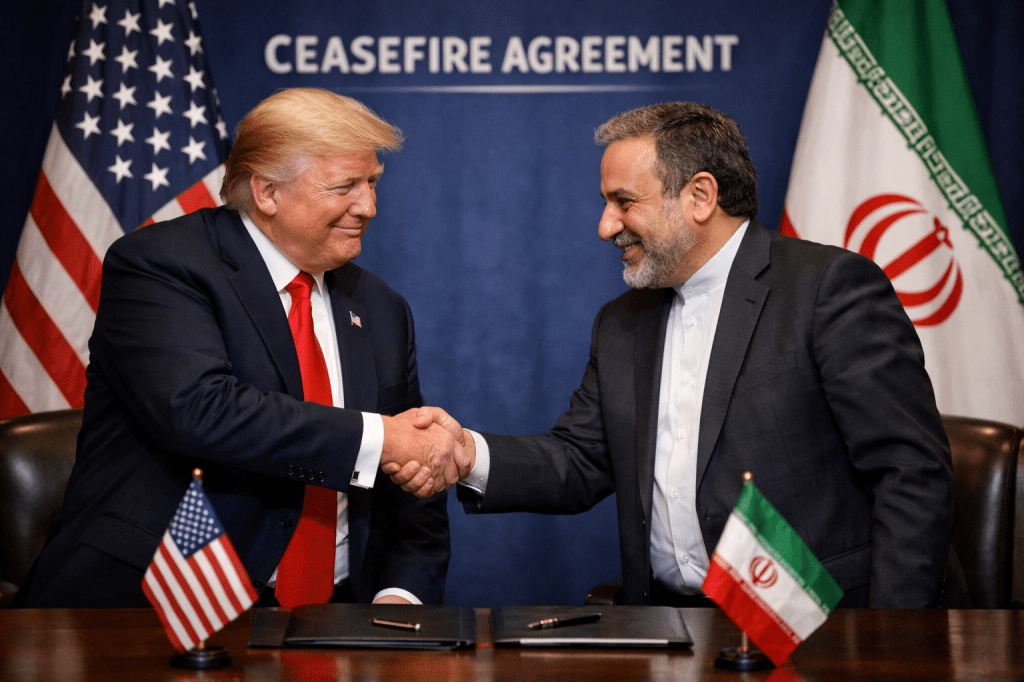
The second is diplomacy. Zelensky has said Ukraine is ready for a mutual pause on strikes against energy targets: “Ukraine’s energy sector, critical infrastructure, and our food exports must stop being targets for Russia, and this will lead to matching de-escalation steps on our part” (as cited in Barabaltchouk, 2026). After meeting Trump in New York on September 22, he said, “There were no requests today for Ukraine to stop its strikes unilaterally. We are talking about an energy truce” (Censor.net, 2026). On October 4, he said the United States was “proposing to somehow hold a meeting at the technical level in a trilateral format by the end of October” (AFP, 2026). If Russia agrees to an energy truce, it will be strong evidence that the refinery campaign changed the Kremlin’s calculations. It would also take away the weapon that produced that change, at the moment Russia’s campaign against Ukraine’s grid is most dangerous.
The third is Ukraine’s own winter. Russia’s strategy, as ISW reads it, is to break Ukraine’s will through its cities and power plants before spring 2027. Ukraine’s strategy is to make Russia’s economy pay faster than Ukraine’s grid fails. Drone swarms over Moscow are the most visible part of the Ukrainian side of that contest. Whether they mark a turning point will be clearer by spring, when both countries know how much fuel, electricity, and patience they have left.
References
AFP. (2026, October 4). Zelensky says US wants to hold trilateral talks with Russia by the end of October. LBCI. https://www.lbcgroup.tv/news/world-news/961145/zelensky-says-us-wants-to-hold-trilateral-talks-with-russia-by-the-end/en
Al Jazeera. (2026, October 6). Ukraine launches major drone attack on Russia’s Moscow region, killing two. https://www.aljazeera.com/news/2026/10/6/ukraine-launches-major-drone-attack-on-russias-moscow-region-killing-two
ArmyInform. (2026, March 9). “200 drones per day”: Ukrainian company reveals production scale of long-range strike systems. https://armyinform.com.ua/en/2026/03/09/200-drones-per-day-ukrainian-company-reveals-production-scale-of-long-range-strike-systems/
Associated Press. (2026, September 20). Ukraine fires over 1,000 drones at Russia, including hundreds launched at Moscow. OPB. https://www.opb.org/article/2026/09/20/ukraine-fires-over-1000-drones-at-russia-including-hundreds-launched-at-moscow/
Bah, M. (2026, September 14). Why is Trump warning Zelenskyy not to hit Russian diesel refineries? Al Jazeera. https://www.aljazeera.com/economy/2026/9/14/why-is-trump-warning-zelenskyy-not-to-hit-russian-diesel-refineries
Barabaltchouk, C. (2026, September 21). Zelenskyy responds to Trump: Ukraine ready for energy truce if Russia halts strikes. UNITED24 Media. https://united24media.com/war-in-ukraine/zelenskyy-responds-to-trump-ukraine-ready-for-energy-truce-if-russia-halts-strikes-22734
Blackburn, G. (2026, October 1). Several regions of Ukraine hit by power cuts after Russian strikes, grid operator says. Euronews. https://www.euronews.com/2026/10/01/several-regions-of-ukraine-hit-by-power-cuts-after-russian-strikes-grid-operator-says
Brennan, D. (2026, September 3). Zelenskyy says foreign airlines suspend Russia flights after Ukrainian warning. ABC News. https://abcnews.com/International/zelenskyy-foreign-airlines-suspend-russia-flights-after-ukrainian/story?id=136164969
Censor.net. (2026, September 22). Zelenskyy says Trump made no unilateral demand on energy strikes. https://censor.net/en/news/4024767/zelenskyy-says-trump-made-no-unilateral-demand-on-energy-strikes
Chiu, L. (2026, September 28). Moscow wants Ukraine to ‘pay the price’ as Russian drones rain down on central Kyiv. Kyiv Post. https://www.kyivpost.com/post/85584
Driamina, N. (2026, September 29). Putin expands army for fourth time this year as war losses mount. Euronews. https://www.euronews.com/2026/09/29/new-russian-mobilisation-putin-signs-decree-adding-15500-troops-to-army
Dubenko, L. (2026, September 30). ANALYSIS: While Russia pounds Kyiv, most Russians support ‘global cooperation.’ Kyiv Post. https://kyivpost.com/analysis/85643
Forces News. (2023, August 7). Defence expert believes drone strikes on Moscow ‘weakens’ Putin’s image. https://www.forcesnews.com/russia/expert-believes-drones-strikes-moscow-weakens-putins-image
Graham, T. (2026, July 10). The time is ripe for Russia-Ukraine peace talks, but Putin could escalate conflict. Council on Foreign Relations. https://www.cfr.org/articles/the-time-is-ripe-for-russia-ukraine-peace-talks-but-putin-could-escalate-conflict
Institute for the Study of War. (2026, September 21). ISW Russian offensive campaign assessment, September 20, 2026. Kyiv Post. https://www.kyivpost.com/post/84971
Jacoby, T. (2026, June 1). Could the tide be turning in Ukraine? Washington Monthly. https://washingtonmonthly.com/2026/06/01/could-the-tide-be-turning-in-ukraine-long-range-strikes/
Just Security. (2026, October 6). Early edition: October 6, 2026. https://www.justsecurity.org/159804/early-edition-october-6-2026/
Kohanets, R. (2026, July 27). Russia builds third air defense ring around Moscow to counter Ukrainian drones. UNITED24 Media. https://united24media.com/world/russia-builds-third-air-defense-ring-around-moscow-to-counter-ukrainian-drones-21095
Maass, H. (2023, June 2). Drones over Moscow: A turning point in the Ukraine war? The Week. https://theweek.com/talking-point/1023977/will-moscow-drones-attacks-turn-russians-against-the-war
Marchal, L. (2026, May 19). Listen: Ukraine strikes Moscow with 600 drones — turning point or illusion? EUobserver. https://euobserver.com/217270/listen-ukraine-strikes-moscow-with-600-drones-turning-point-or-illusion/
Meduza. (2026a, May 28). A new Meduza analysis finds Ukraine’s long-range strikes are reaching twice as deep but not surging in 2026. Russia’s refineries, meanwhile, keep bouncing back. https://meduza.io/en/feature/2026/05/28/a-new-meduza-analysis-finds-ukraine-s-long-range-strikes-are-reaching-twice-as-deep-but-not-surging-in-2026-russia-s-refineries-meanwhile-keep-bouncing-back
Meduza. (2026b, October 6). Massive Ukrainian drone attack on Moscow and surrounding region kills two, sets region’s largest oil depot ablaze. https://meduza.io/en/news/2026/10/06/massive-ukrainian-drone-attack-on-moscow-and-surrounding-region-kills-two-sets-region-s-largest-oil-depot-ablaze
The Moscow Times. (2026a, June 19). Kremlin praises performance of Russian air defenses after record drone attack on Moscow. https://www.themoscowtimes.com/2026/06/19/kremlin-praises-performance-of-russian-air-defenses-after-record-drone-attack-on-moscow-a93057
The Moscow Times. (2026b, September 23). Russian regions slowly reimpose fuel purchase limits amid ongoing refinery attacks. https://www.themoscowtimes.com/2026/09/23/russian-regions-slowly-reimpose-fuel-purchase-limits-amid-ongoing-refinery-attacks-a93773
Orlova, A. (2026, September 15). Drone strikes force half of Russia’s top diesel refineries to cut output. Kyiv Post. https://www.kyivpost.com/post/84579
Prokopenko, A. (2026, September 15). The Kremlin can no longer postpone hard economic decisions. Carnegie Endowment for International Peace. https://carnegieendowment.org/russia-eurasia/politika/2026/09/russia-economic-trilemma-collapse
Rushton, J. (2026, July 8). As Ukrainian drone strikes cripple Russia’s fuel supply, Moscow faces ‘one crisis after another.’ The Kyiv Independent. https://kyivindependent.com/the-gas-station-masquerading-as-a-country-runs-out-of-fuel/
Russia Matters. (2026, March 12). Levada poll shows rising support for peace talks, but devil in details. https://www.russiamatters.org/blog/levada-poll-shows-rising-support-peace-talks-devil-details
Shankar, P. (2026, June 29). Russia-Ukraine war: Why has Putin rejected limits on long-range strikes? Al Jazeera. https://www.aljazeera.com/news/2026/6/29/russia-ukraine-war-why-has-putin-rejected-limits-on-long-range-strikes
Shymkiv, K., Sundstrom, N., Sher, A., Harward, C., & Kagan, F. W. (2026, October 1). Russian offensive campaign assessment, October 1, 2026. Critical Threats. https://www.criticalthreats.org/analysis/russian-offensive-campaign-assessment-october-1-2026
Stanovych, S. (2026, September 28). Russia’s mass drone attacks on Ukraine have a goal—likely Ukraine’s capitulation by spring 2027, ISW says. Euromaidan Press. https://euromaidanpress.com/2026/09/28/russias-mass-drone-attacks-on-ukraine-have-a-goal-likely-ukraines-capitulation-by-spring-2027-isw-says/
Struck-Feshchenko, J. (2026, October 1). Trump again blames Ukraine for rising US diesel prices, dismissing Middle East war impact. Kyiv Post. https://www.kyivpost.com/post/85803
Vakulenko, S. (2026, June 22). Russian oil sector battered but not broken by Ukrainian air attacks. Carnegie Endowment for International Peace. https://carnegieendowment.org/russia-eurasia/politika/2026/06/russia-new-refinery-strike
Woodall, T., & Rushton, J. (2026, September 15). There’s one massive problem with Trump’s Ukraine diesel price theory. The Kyiv Independent. https://kyivindependent.com/theres-one-massive-problem-with-trumps-ukraine-diesel-price-theory/
York, C. (2026, September 3). Moscow airports cancel flights after Zelensky’s ‘closed skies’ warning. The Kyiv Independent. https://kyivindependent.com/moscow-airports-cancel-flights-after-zelenskys-closed-skies-warning/
Zakharchenko, K. (2026, July 1). Study: Drone attack on Moscow triggered sharp rise in anti-war views across Russia. Kyiv Post. https://www.kyivpost.com/post/79384
Zavadska, Y. (2026, October 5). Kyiv could face 16-hour power cuts, expert warns. Kyiv Post. https://www.kyivpost.com/post/86129
Zoria, Y. (2026, October 6). The tanks that fuel Moscow’s airliners are reported burning after Ukraine’s latest drone raid on the capital region. Euromaidan Press. https://euromaidanpress.com/2026/10/06/the-tanks-that-fuel-moscows-airliners-are-reported-burning-after-ukraines-latest-drone-raid-on-the-capital-region/
###
Filed under: Uncategorized |































































































































































































































































































































































































































































































Leave a Reply