





By Jim Shimabukuro (assisted by Claude)
Editor
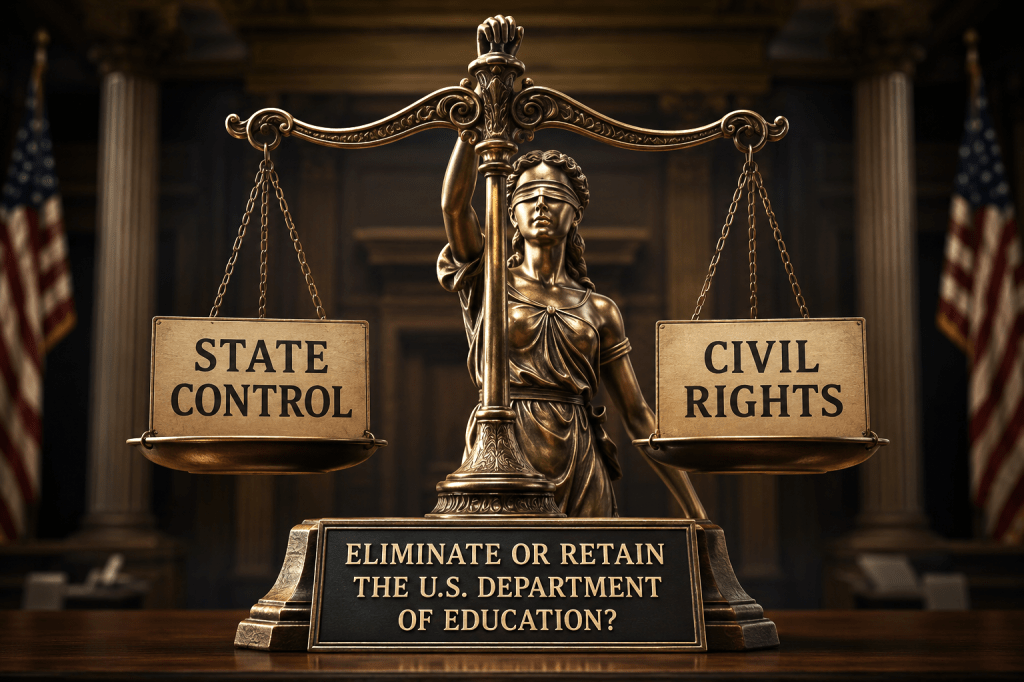
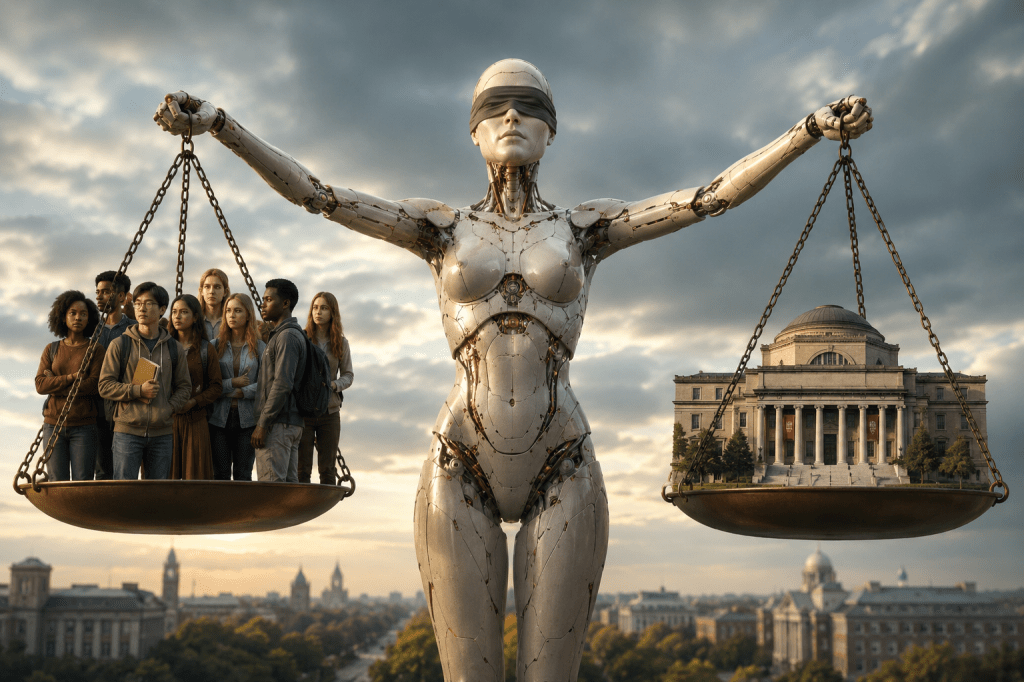
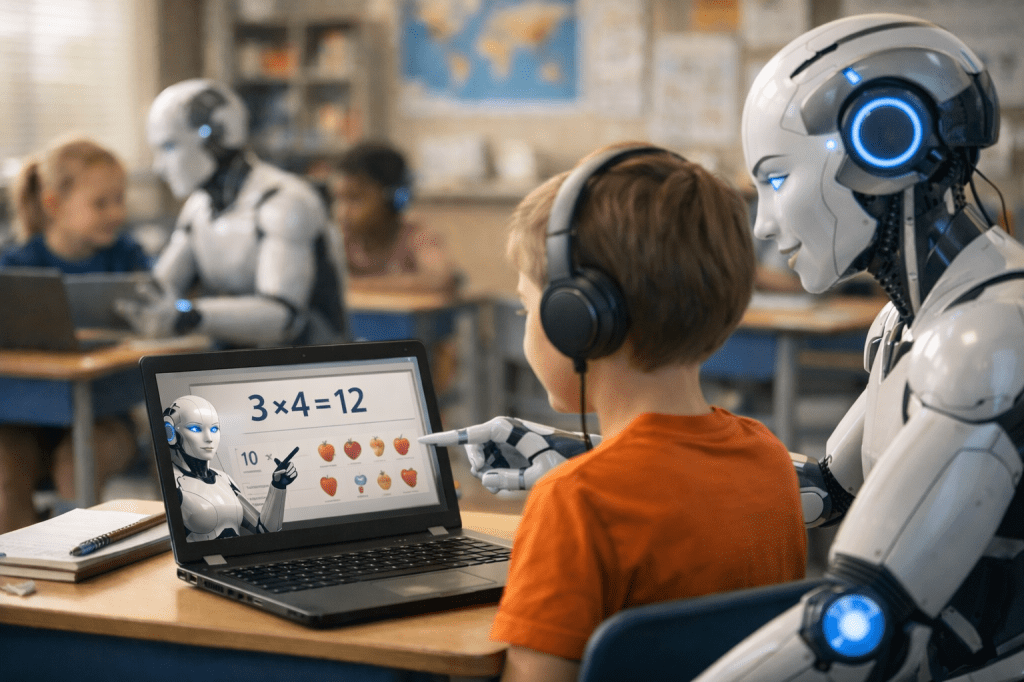
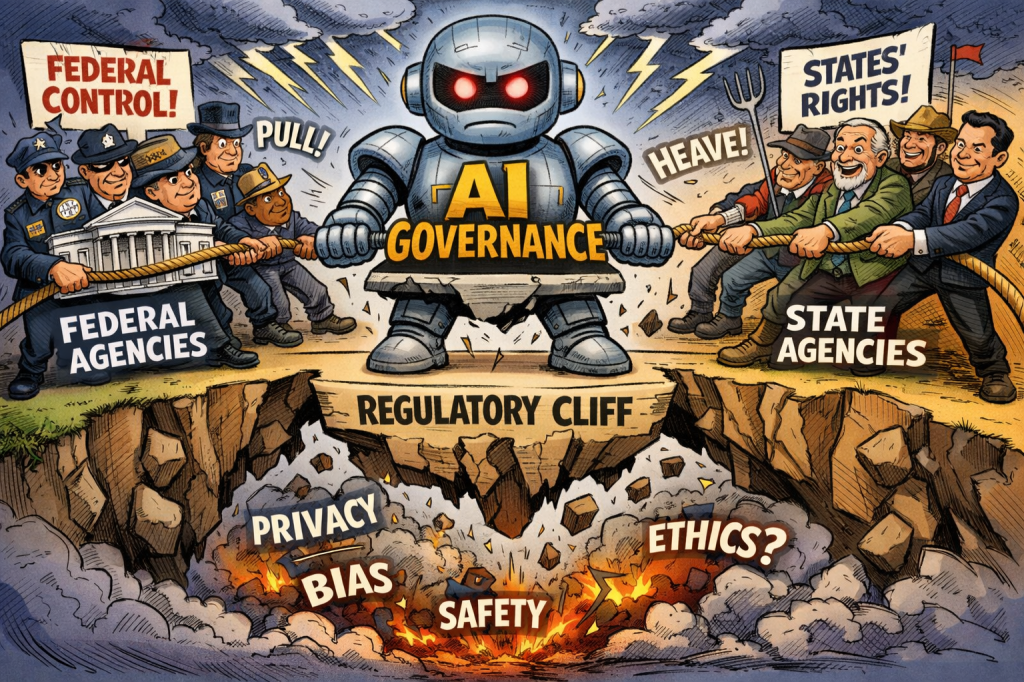
New York City has frozen student use of generative AI through 8th grade. Boston is teaching it. The evidence so far favors Boston, with guardrails.

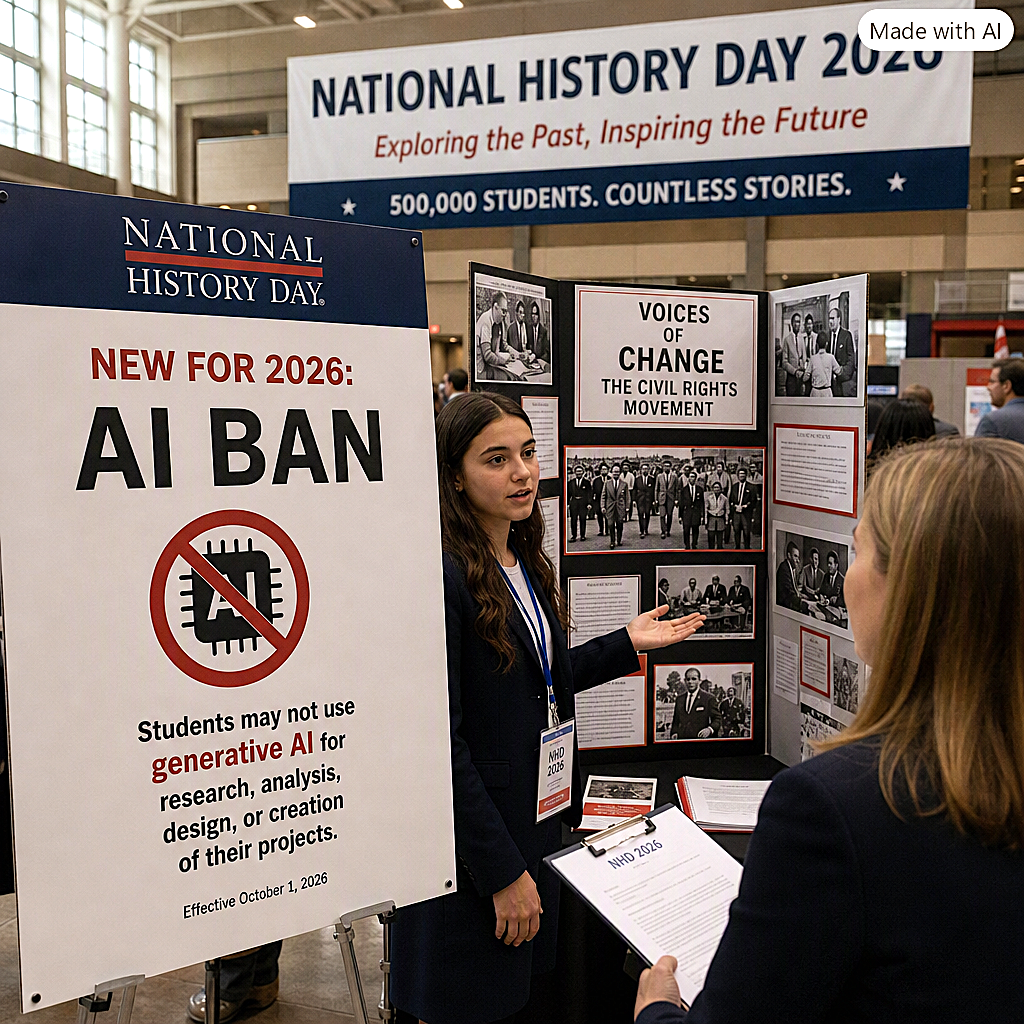
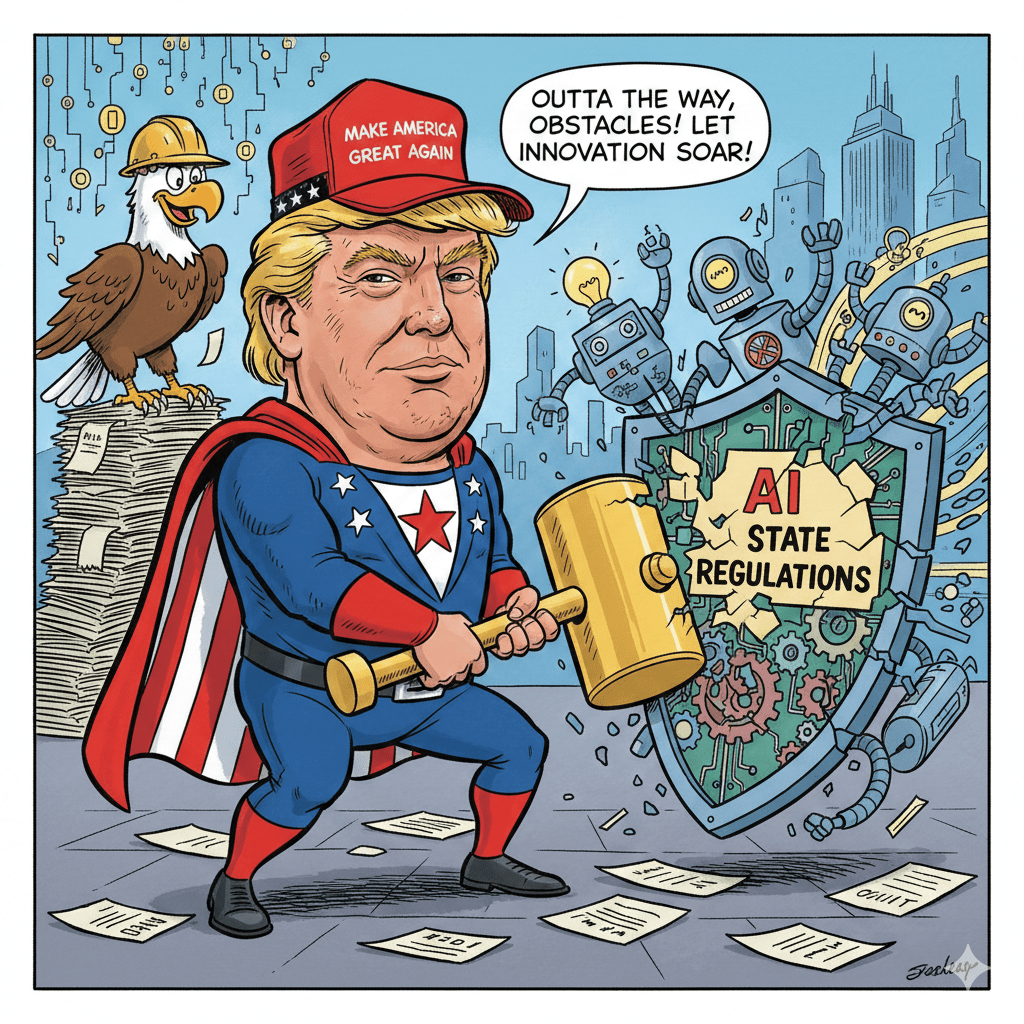
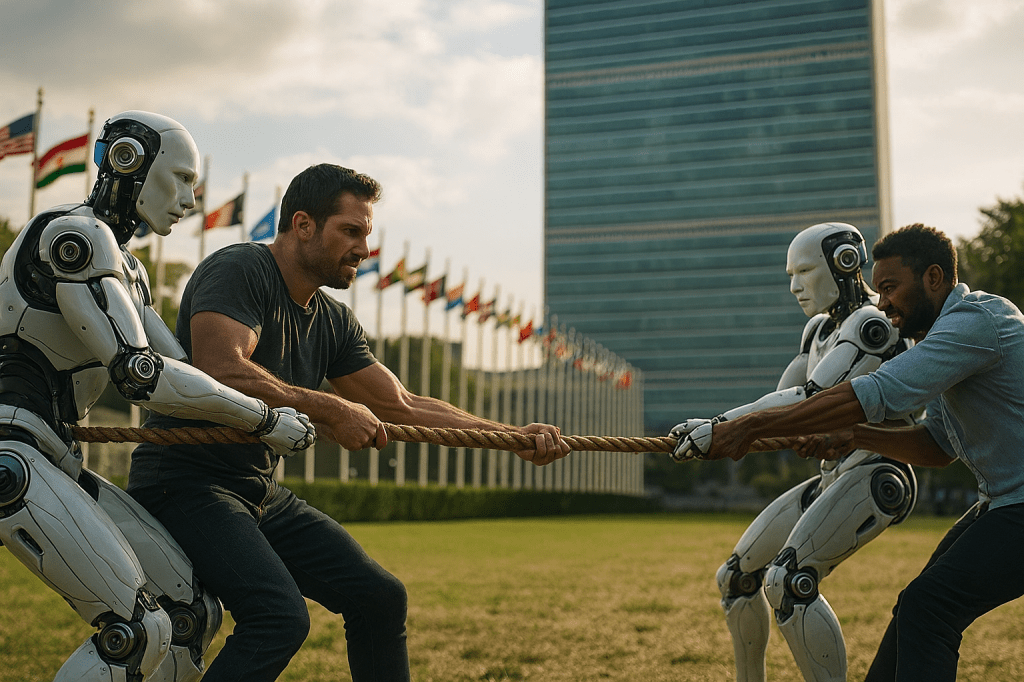
On September 2, 2026, New York City Mayor Zohran Mamdani and Schools Chancellor Kamar Samuels announced what the city called the nation’s broadest moratorium on generative AI in schools. For one year, about 600,000 students from pre-kindergarten through 8th grade, two-thirds of the city’s public school enrollment, will not use student-facing AI tools in class. The city also capped daily screen time at 30 minutes in grades 3 to 5 and 45 minutes in grades 6 to 8, and banned companion chatbots in every grade (City of New York, Office of the Mayor, 2026). “Children need teachers and human connection in order to learn and grow,” Mamdani said. “The tech industry wants us to believe that A.I.-powered early education is inevitable, but we disagree” (City of New York, Office of the Mayor, 2026).
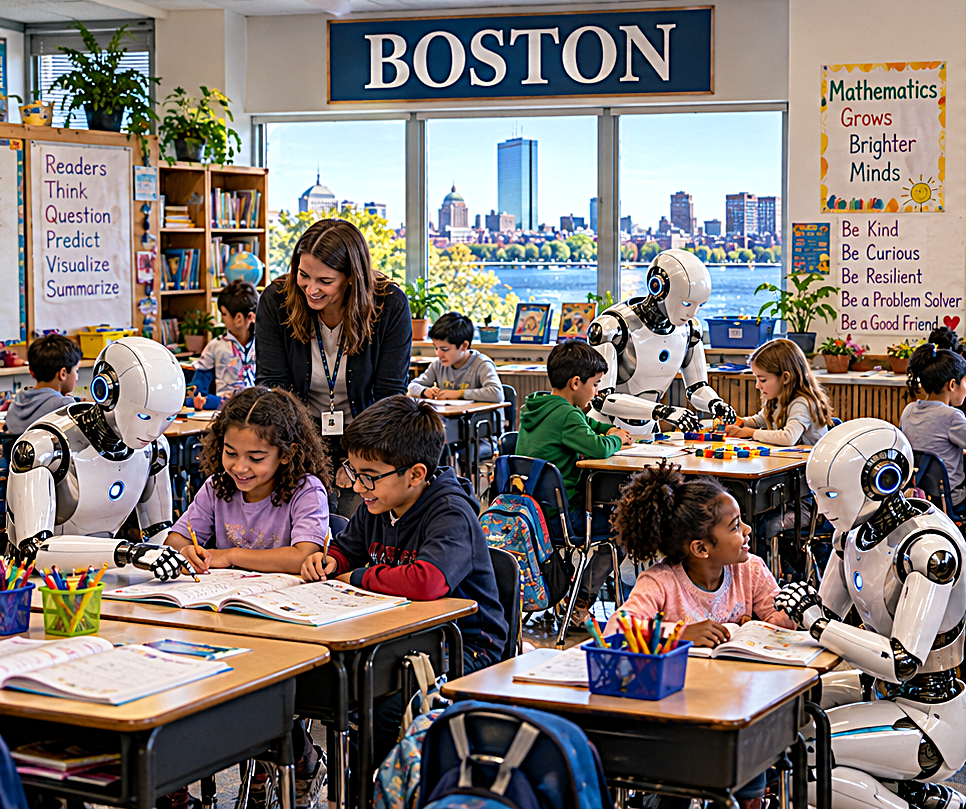
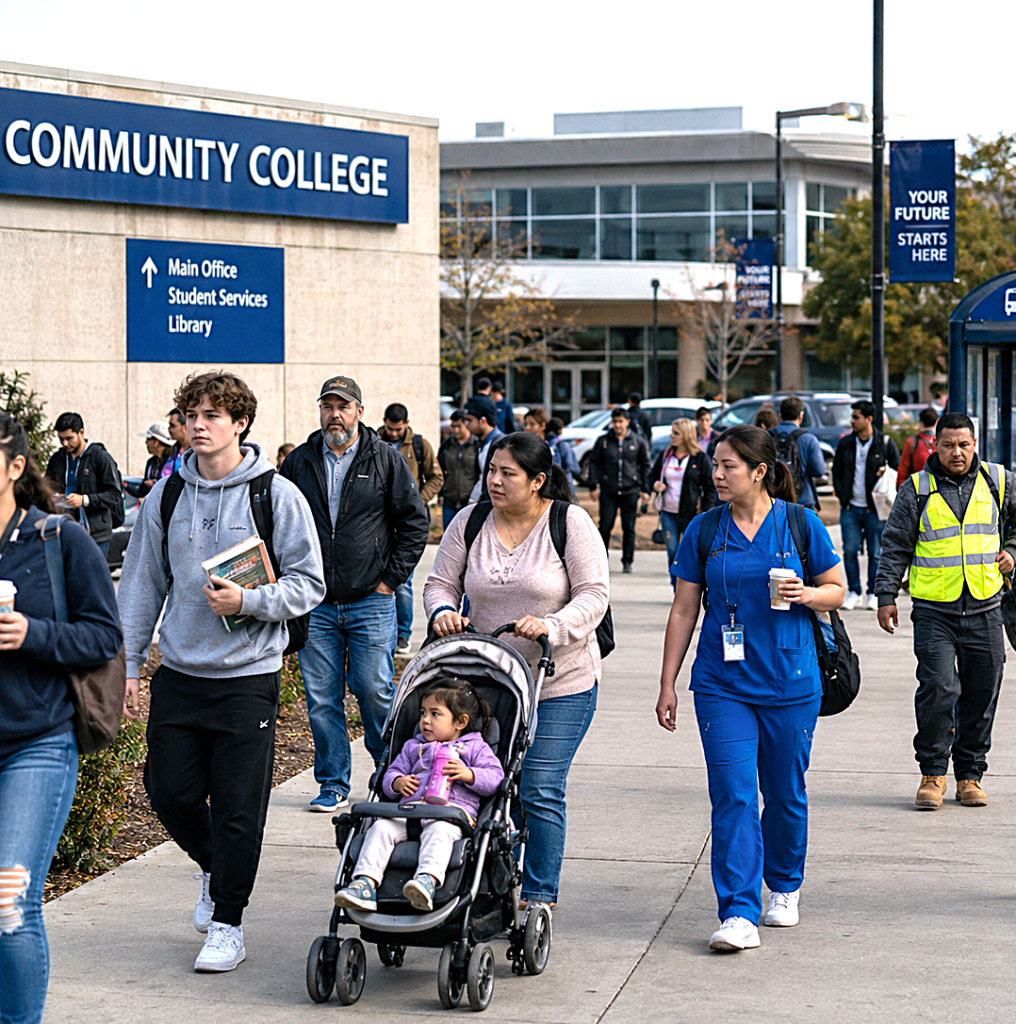
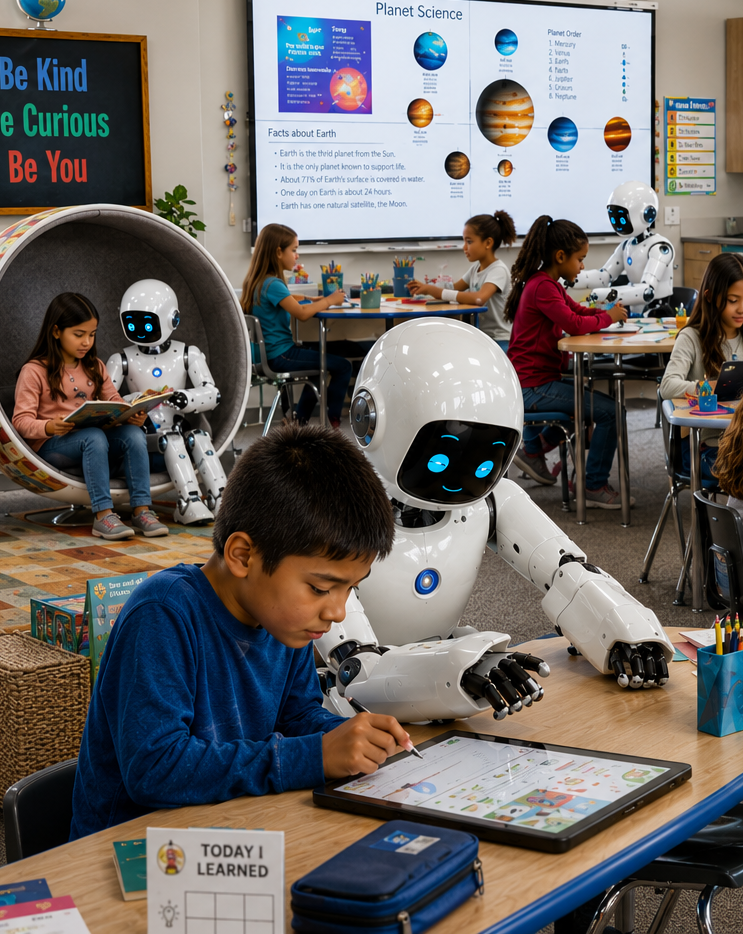
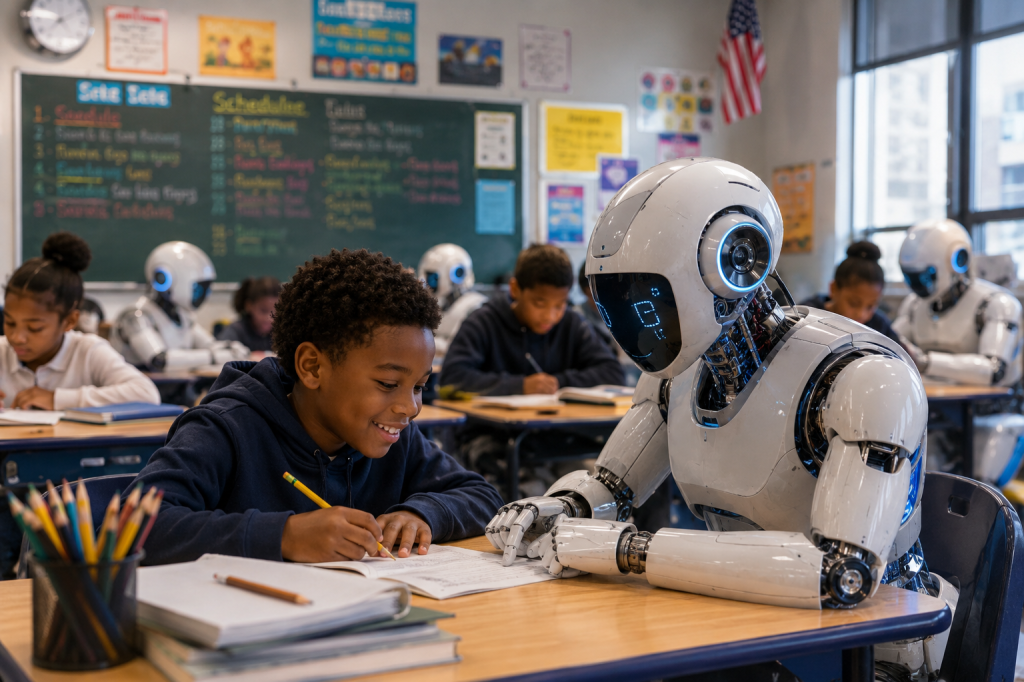
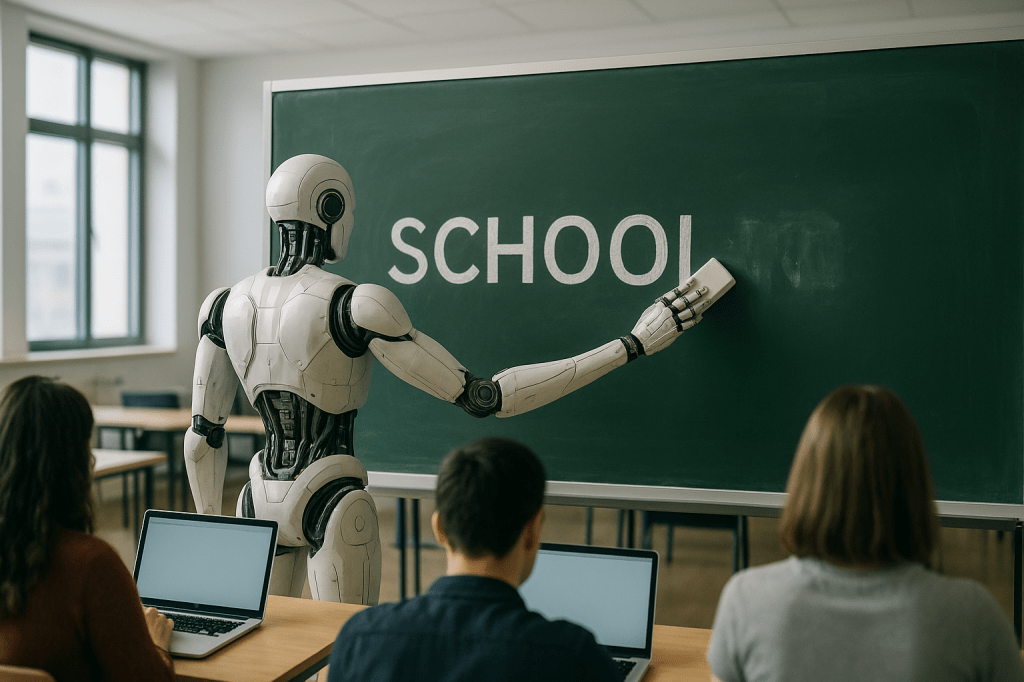
About 200 miles away, Boston is moving the other way. In March, Mayor Michelle Wu and Superintendent Mary Skipper announced a partnership with the AI Institute at the University of Massachusetts Boston, funded by a $1 million gift from tech entrepreneur and Boston Public Schools graduate Paul English, to make Boston the first major U.S. city to ensure AI training in its public high schools (Rubenstein, 2026). The district is building an applied AI curriculum for grades 7 through 12, has trained 25 “AI educator ambassadors,” and keeps direct AI interaction out of classrooms only from pre-K through grade 2 (Barndollar, 2026). Wu described the goal in plain terms: “They will know the types of tools that are available, the kinds of decision-making that happens with that” (Barndollar, 2026).
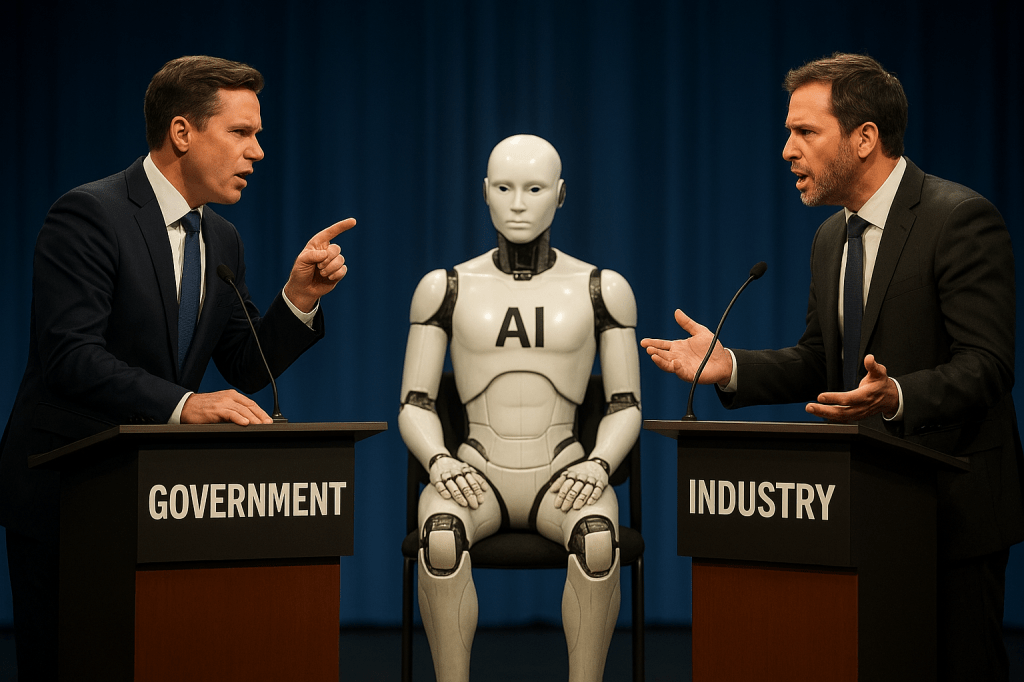
Both cities agree that the youngest children, those still learning to read, should not be talking to chatbots in school. They part ways on the six years between grade 3 and grade 8, the years when many children get their first phone and, increasingly, their first AI account. MIT education researcher Justin Reich summed up the uncertainty facing every district: “A lot of people say, ‘Why don’t more Massachusetts schools have AI policies?’ Well, no one knows what a good AI policy is” (Barndollar, 2026). With no settled answer, the strongest available evidence has to decide. On that evidence, Boston has the better bet.
The case for teaching AI early
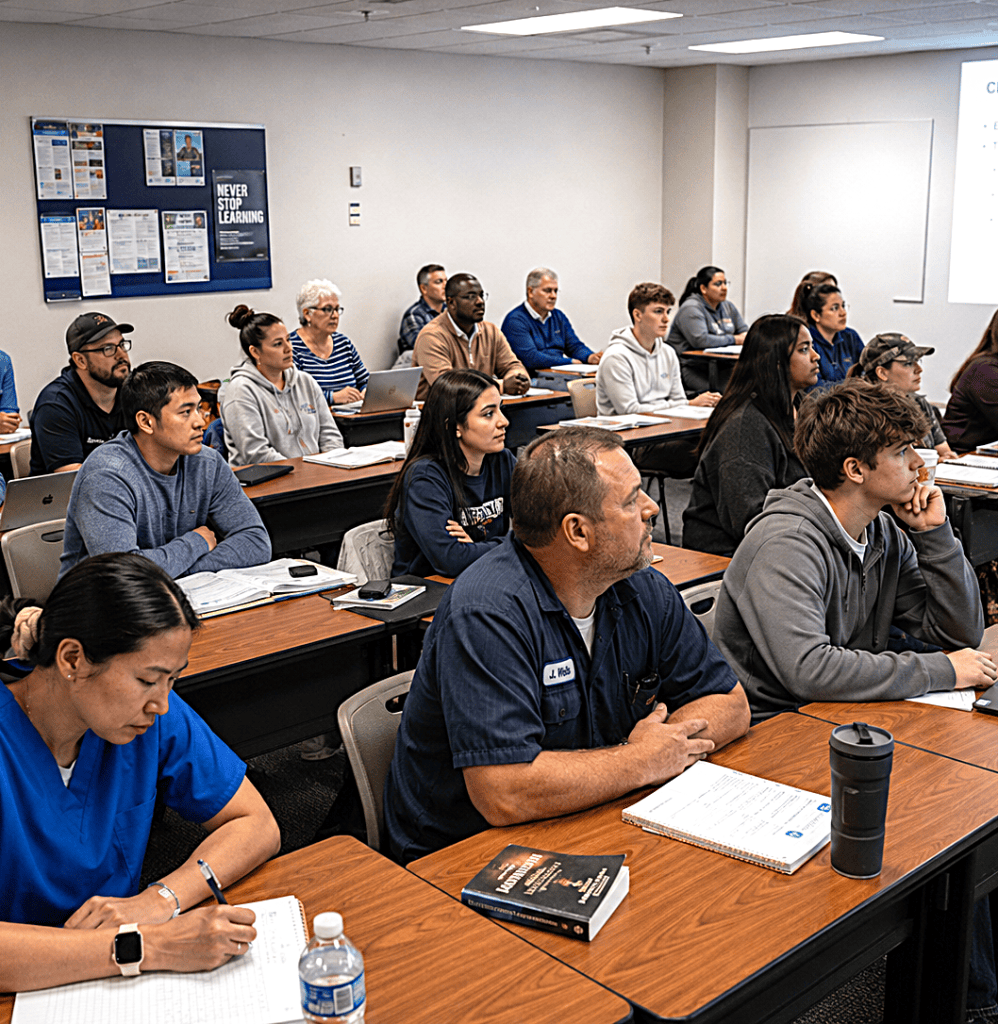
The first argument is the simplest. Children already use AI, and a school ban does not reach the place where most of that use happens. Common Sense Media’s 2026 census of AI use by tweens and teens found that 86% of children ages 9 to 17 have used generative AI, nearly a quarter use it daily, and 81% of those ages 9 to 12 have already tried it (Smith, 2026). More than 80% use it for schoolwork. Pew Research Center found the same pattern among teenagers: 64% use chatbots, while only about half of their parents know it (McClain et al., 2026). RAND reported that AI use for homework among students rose from 48% to 62% in just seven months of 2025, with the growth driven mainly by middle and high school students (RAND Corporation, 2026). Middle schoolers are the group New York’s moratorium covers.
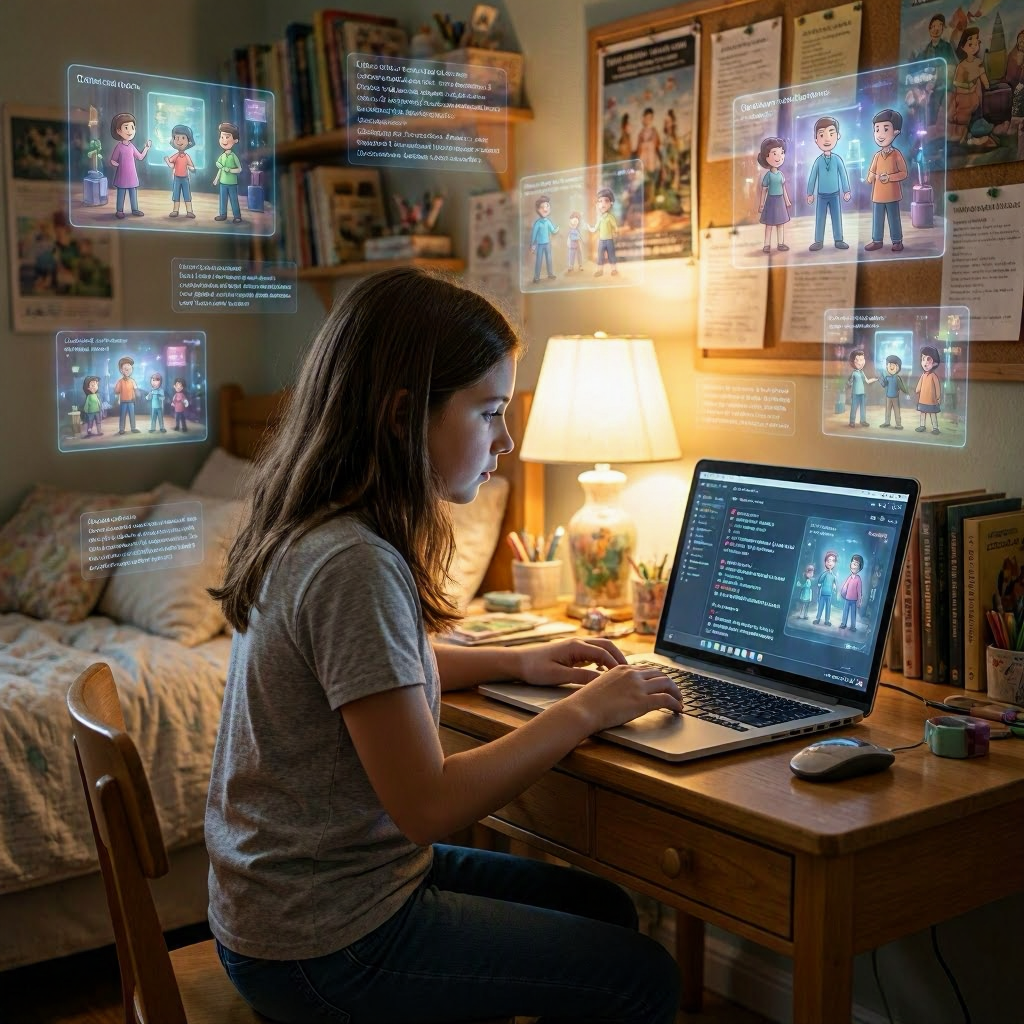
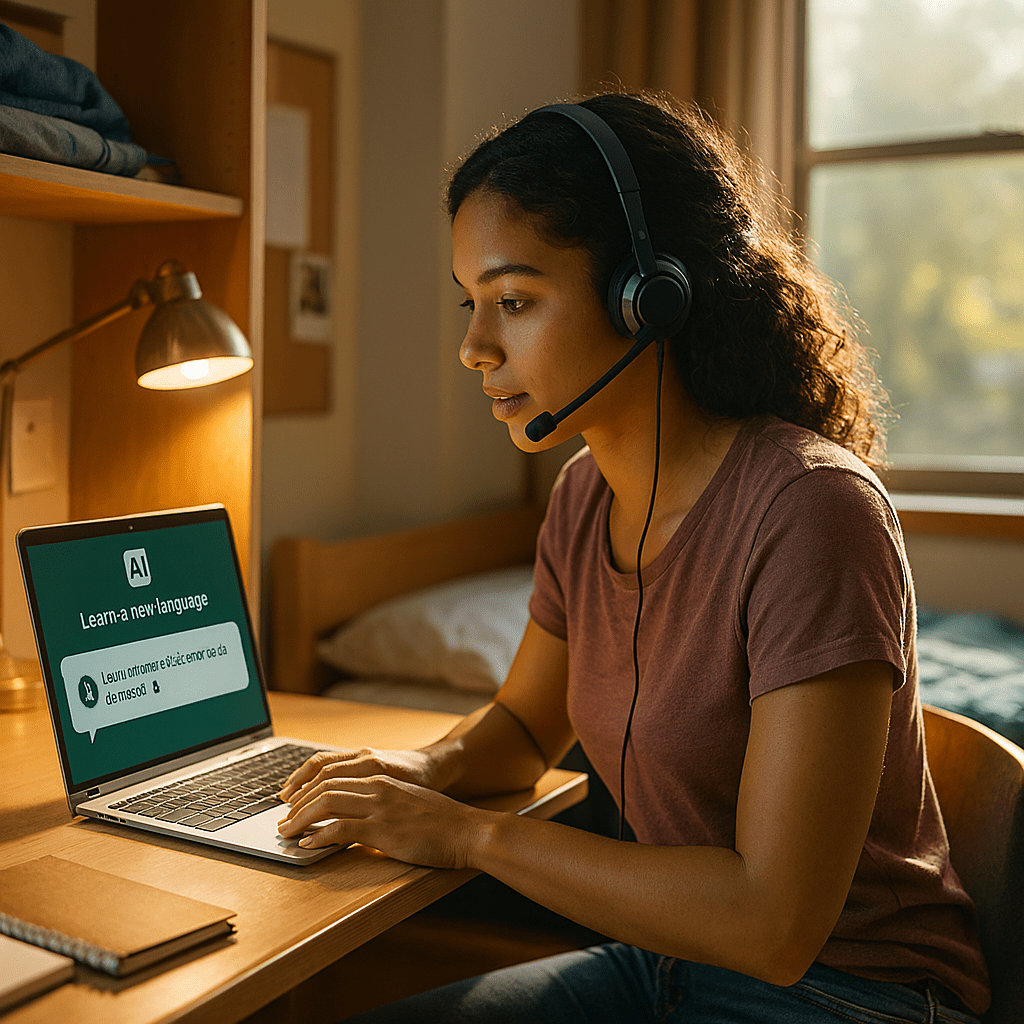
Those children are mostly learning on their own. In the Common Sense census, 44% said a parent or guardian had never talked with them about using AI safely, and only a third understood that AI cannot reliably tell fact from fiction (Smith, 2026). Diana Graber, founder of the digital-citizenship program Cyber Civics, made the point in a response to New York’s policy: keeping AI out of classrooms “does not mean they are too young to learn about it” (Graber, 2026). Chancellor Samuels acknowledged the problem himself, saying the policy “seeks to expand our understanding of how to combat external use of AI” (Hirschfeld, 2026). A school can stop a chatbot from loading on a classroom laptop. It cannot stop one from loading on a phone at 9 p.m. Teaching children how these tools work, where they fail and when to put them down is the only intervention that travels home with the child.
The second argument concerns fairness. Erin Mote, chief executive of the education nonprofit InnovateEDU, wrote that “Banning AI in our schools will not stop students from using it; it will merely dictate which students get to learn how to use it safely” (Mote, 2026). Wealthier families can buy paid AI subscriptions, reliable broadband and tutors who show children how to use the tools well. Lower-income students often rely on free, limited versions on a phone with a data cap. A UC Berkeley study of more than 95,000 students at 20 research universities found exactly this split at the college level: students from wealthier families used “advanced AI tools with stronger capabilities,” while low-income students made do with free tools that were “clunkier and have limits” (Kapoor, 2026). If public school is the one place where every child gets guided practice, a ban removes that practice from the children with the fewest alternatives.
The third argument is that guided use, the kind Boston is building, has produced real learning gains. In a World Bank trial in Edo State, Nigeria, secondary students who used a GPT-4-based tutor in a six-week after-school English program gained about 0.3 standard deviations, roughly 1.5 to 2 years of typical learning, outperforming more than 80% of rigorously evaluated education programs worldwide (De Simone et al., 2025). The researchers stressed that the result came from “a full package: structured prompts, curriculum alignment, teacher support, peer learning, and the AI itself” (De Simone et al., 2025). Teachers introduced each topic, steered how students questioned the AI and helped them catch its errors. The Brookings Institution, which concluded in January that AI’s risks to children currently outweigh its benefits, reached a similar finding on this point: the benefits appeared when AI supplemented teaching and did not replace it (Turner, 2026). A classroom with a trained teacher is where that kind of supervised use can happen. A child’s bedroom is not.
The fourth argument is that the rest of the world is moving toward early AI literacy. In June 2026, the OECD and the European Commission published a joint AI literacy framework explicitly written for primary and secondary education. It defines AI literacy as the knowledge, skills and attitudes that let learners understand how AI systems work, judge their outputs critically and use them responsibly, and it calls for helping students understand “the opportunities and risks that AI presents to oneself and others” (OECD & European Commission, 2026). The OECD’s education director, Andreas Schleicher, noted when the draft appeared that “AI has already become a widely used tool for learning, organisation and recommendations,” and the framework is meant to underpin the first assessment of AI literacy in the PISA international tests (Schleicher, 2025). Countries that teach these skills from primary school will be measured against those that wait until high school. New York’s plan gives high school students two 45-minute AI literacy classes a year (City of New York, Office of the Mayor, 2026), which Graber called far too little to cover verification, bias, privacy and ethics (Graber, 2026).
Boston’s plan also answers several common objections in its design. It keeps AI away from the youngest children, puts trained teachers in charge, and, Wu said, hands over no student or family information to outside companies (Zokovitch, 2026). It treats AI as a subject to be understood, with ethics and critical thinking at the center, and as a tool to be used only where it helps.
New York’s case, and the answers to it
New York’s position deserves a full hearing, and its supporters include serious researchers, parents and public officials. Four arguments carry the most weight.
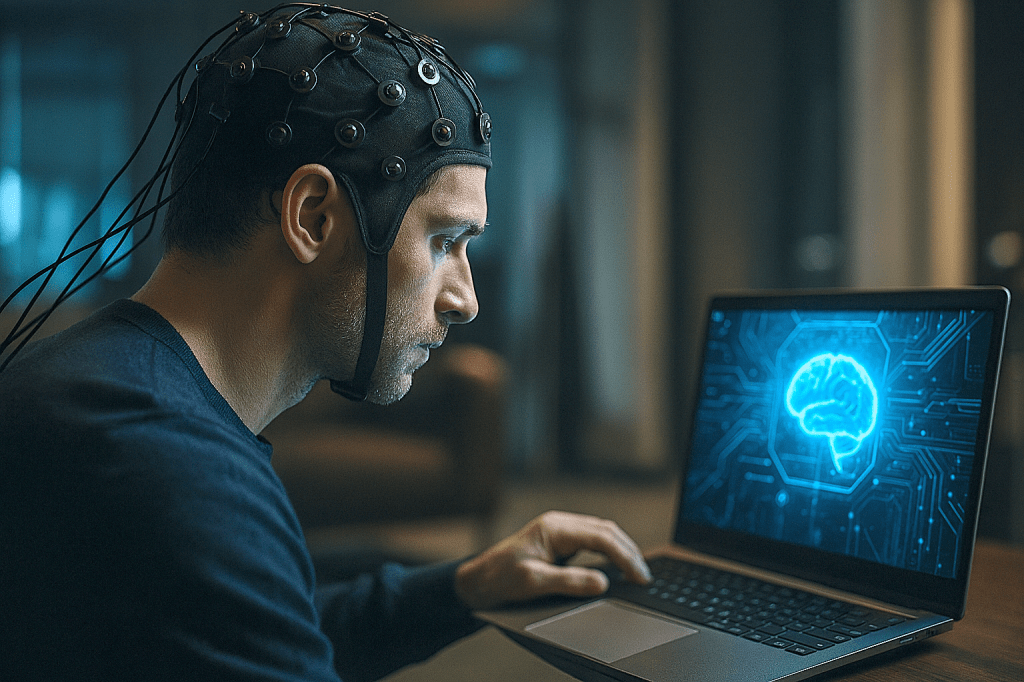
The first is that young children need to do their own thinking, and AI makes it easy not to. Samuels framed the moratorium as protecting “productive struggle,” the effort that builds skill, and said, “I don’t want technology to do our students’ thinking for them” (Daly, 2026). Brookings researcher Rebecca Winthrop described a “doom loop” in which students who let AI hand them answers “are not thinking for themselves,” then rely on it more as their own skills weaken (Turner, 2026). An MIT Media Lab study that monitored brain activity while about 50 young adults wrote essays found that those using ChatGPT showed reduced attention compared with those using a search engine or no tool at all (Kosmyna et al., 2025). Students share the worry. In RAND’s survey, 67% said AI harms critical thinking, up from 54% earlier in 2025 (RAND Corporation, 2026).
The answer is that this research describes unguided use, and unguided use is what a school ban leaves in place. The MIT participants were adults aged 18 to 25 writing with ChatGPT and no instruction on how to use it. The Brookings “doom loop” describes students who take answers from AI on their own. Both findings are arguments for teaching children when to use AI and when not to, which is the core of Boston’s curriculum. The RAND numbers show that students already sense the danger. Students who are worried about losing their ability to think can be taught habits that protect it, such as drafting before asking, checking claims against sources and treating the chatbot as one opinion among several.
The second argument points to falling reading scores. The PISA 2025 results, released in September, showed U.S. reading scores down 14 points from 2022, with more than a quarter of American students classed as low performers, and an average drop of 16 points across the 23 OECD countries reported (Nouhan, 2026). Many parents and teachers see screens and now chatbots as part of the cause, and they want protected time for reading and writing by hand.
The answer is that Boston’s plan protects early reading as firmly as New York’s does. The PISA tests measured 15-year-olds, and the published results do not attribute the drop to AI. Both cities keep AI out of the early grades, when children learn to decode and write. Boston’s curriculum begins in grade 7, by which point children are reading to learn. New York’s screen-time caps are a reasonable response to the reading data, and Boston could adopt similar limits without dropping AI instruction.
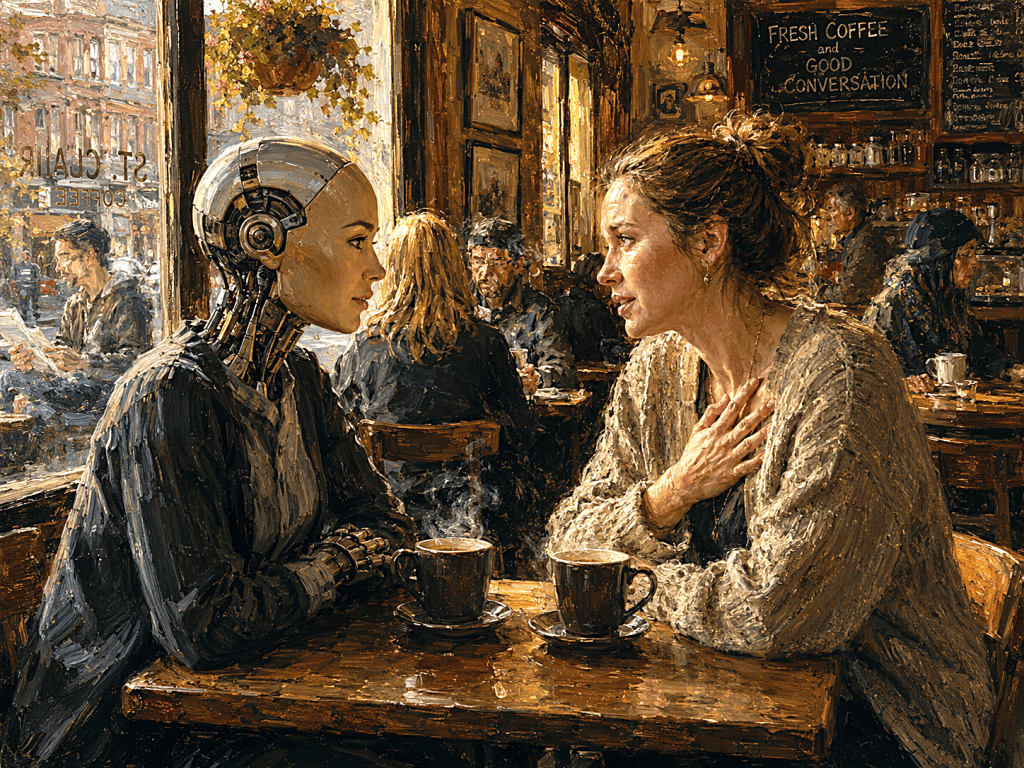
The third argument concerns children’s safety and emotional health. UNICEF warned in June that children now turn to chatbots “not only as go-to sources for information, learning and creativity, but also for advice, support and sometimes relationships,” and that “conversational and relational AI pose distinct and heightened risks for children” (UNICEF, 2026). Common Sense Media found that a fifth of young AI users would find it hard to go a month without it, and nearly one in five had encountered inappropriate content. “AI’s takeover of childhood happened in three years, about twice as fast as social media,” said Common Sense founder Jim Steyer (Smith, 2026).
The answer is that these dangers come mostly from companion apps and open chatbots that children use outside school, and a school ban does not touch them. New York was right to ban companion chatbots in every grade, and nothing in Boston’s plan brings companion bots into classrooms. Children who have been taught in school how chatbots are designed to keep users engaged, why they flatter, and when to talk to an adult instead are better protected at home than children who have never discussed it with anyone. With 44% of children reporting that no parent has talked with them about AI safety (Smith, 2026), school may be the only place that conversation happens.
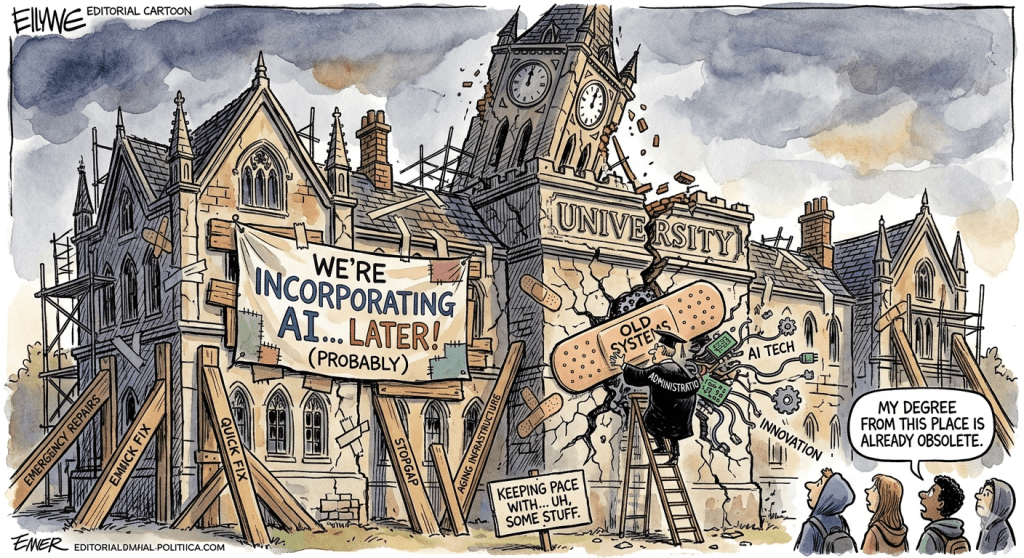
The fourth argument is that the technology is untested and the push comes from companies that profit from it. Mamdani’s statement rejected the industry’s claim of inevitability, and the city’s announcement emphasized human connection and caution (City of New York, Office of the Mayor, 2026). Reich’s remark that no one yet knows what a good AI policy looks like supports waiting until the evidence is in. Some New York legislators and parent groups argued the moratorium does not go far enough (Daly, 2026).
The answer is that a moratorium leaves the companies in direct contact with children while schools stay silent about how their products work. Boston’s program is funded by a local philanthropist, built with a public university, and, by Wu’s account, shares no student data with outside entities (Zokovitch, 2026). A good AI literacy course teaches children to ask who built a tool, how it makes money and what it does with their data, which is the most direct defense against industry influence. New York’s own announcement cited no peer-reviewed studies in support of the ban (City of New York, Office of the Mayor, 2026). Boston’s classrooms will produce some of the evidence New York says is missing.
What the next year will show
The two cities have set up a natural experiment. By next fall, Boston will have a year of data on how 7th and 8th graders respond to structured AI instruction, and New York will have a year of data on middle schools without it. Parents, school boards and education ministries elsewhere should watch for the measures that matter: reading and writing scores, the quality of students’ independent work, how often students misuse AI, and whether children can explain how a chatbot produced an answer and where it went wrong.
Until those results arrive, the case for Boston rests on a plain fact. Children ages 9 to 13 are already using AI, mostly alone and mostly untaught. New York’s moratorium protects classroom time, which has value. Boston’s approach protects the child, including the hours the child spends away from school, and that is the reason it should be the model other districts follow.
References
Barndollar, H. (2026, October 2). Boston and New York City take opposite approaches to AI in school. GovTech (reprinted from MassLive). https://govtech.com/education/k-12/boston-and-new-york-city-take-opposite-approaches-to-ai-in-school
City of New York, Office of the Mayor. (2026, September 2). Mayor Mamdani and Chancellor Samuels put students first with nation’s broadest generative AI moratorium in schools [Press release]. https://www.nyc.gov/mayors-office/news/2026/09/mayor-mamdani-and-chancellor-samuels-put-students-first-with-nat
Daly, A. (2026, September 2). AI gets a timeout: Mamdani puts one-year moratorium on generative AI for younger NYC students. amNY. https://www.amny.com/news/mamdani-ai-moratorium-nyc-public-schools/
De Simone, M. E., Barron, M., Mosuro, W., Manolio, F., Tiberti, F., & Dikoru, E. (2025, June 25). Addressing the learning crisis with generative AI: Lessons from Edo State in Nigeria. World Bank Blogs. https://blogs.worldbank.org/en/developmenttalk/addressing-the-learning-crisis-with-generative-ai–lessons-from-
Graber, D. E. (2026, September 3). NYC: Keeping AI out of schools doesn’t prepare kids for it. Psychology Today. https://www.psychologytoday.com/us/blog/raising-humans-in-a-digital-world/202609/nyc-keeping-ai-out-of-schools-doesnt-prepare-kids-for
Hirschfeld, A. (2026, September 3). NYC’s AI ban through grade 8 sets stage for rest of US, experts say. Al Jazeera. https://www.aljazeera.com/economy/2026/9/3/nycs-ai-ban-through-grade-8-sets-stage-for-rest-of-us-experts-say
Kapoor, M. L. (2026, May 21). The largest study of AI use by undergrads is in, revealing disparities in access — and in cheating. Berkeley News. https://news.berkeley.edu/2026/05/21/the-largest-study-of-ai-use-by-undergrads-is-in-revealing-disparities-in-access-and-in-cheating/
Kosmyna, N., et al. (2025). Your brain on ChatGPT: Accumulation of cognitive debt when using an AI assistant for essay writing task. MIT Media Lab. https://www.media.mit.edu/publications/your-brain-on-chatgpt/
McClain, C., Anderson, M., Sidoti, O., & Bishop, W. (2026, February 24). How teens use and view AI. Pew Research Center. https://www.pewresearch.org/internet/2026/02/24/how-teens-use-and-view-ai/
Mote, E. (2026, September 15). The AI moratorium: Why banning AI in schools may create a double-digital divide. Forbes. https://www.forbes.com/councils/forbesnonprofitcouncil/2026/09/15/the-ai-moratorium-why-banning-ai-in-schools-may-create-a-double-digital-divide/
Nouhan, C. (2026, September 9). US reading scores hit near-25-year low in latest global assessment. Al Jazeera. https://www.aljazeera.com/news/2026/9/9/us-reading-scores-hit-near-25-year-low-in-latest-global-assessment
OECD & European Commission. (2026). Empowering learners for the age of AI: An AI literacy framework for primary and secondary education. OECD Publishing. https://www.oecd.org/en/publications/empowering-learners-for-the-age-of-ai_65cd27d4-en.html
RAND Corporation. (2026, March 17). Student use of AI for homework rises as concerns grow about critical thinking skills [Press release]. https://www.rand.org/news/press/2026/03/student-use-of-ai-for-homework-rises-as-concerns-grow.html
Rubenstein, A. (2026, March 26). With new program, Boston to ensure AI literacy in public high schools. WBUR. https://www.wbur.org/news/2026/03/26/boston-public-schools-ai-literacy
Schleicher, A. (2025, April 29). New AI literacy framework to equip youth in an age of AI. OECD Education and Skills Today. https://oecdedutoday.com/new-ai-literacy-framework-to-equip-youth-in-an-age-of-ai/
Smith, C. (2026, June 8). Nearly 9 in 10 kids use AI; report flags concerns over educational, emotional dependencies. The National News Desk. https://local12.com/news/nation-world/nearly-9-in-10-kids-use-ai-report-flags-concerns-over-educational-emotional-dependency-common-sense-media-youth-ai-safety-institute-common-sense-media-census-ai-use-by-tweens-and-teens-2026
Turner, C. (2026, January 14). The risks of AI in schools outweigh the benefits, report says. NPR. https://www.npr.org/2026/01/14/nx-s1-5674741
UNICEF. (2026, June). When AI becomes a friend: Child rights risks, harms, and regulatory responses to AI chatbots and companions. https://www.unicef.org/documents/when-ai-becomes-friend-child-rights-risks
Zokovitch, G. (2026, March 30). Boston Public Schools to launch AI fluency curriculum. GovTech (reprinted from the Boston Herald). https://www.govtech.com/education/k-12/boston-public-schools-to-launch-ai-fluency-curriculum
###
Filed under: Uncategorized |























































































































































































































































































































































































Leave a Reply