






By Jim Shimabukuro (assisted by Claude)
Editor
On September 30, 2026, the Chinese AI lab DeepSeek released a set of free, open-source programming tools, built with Huawei, for Huawei’s Ascend line of AI chips. The centerpiece is TileLang, a programming language that DeepSeek says can replace Nvidia’s CUDA, the software platform that most of the world’s AI developers use to run their work on Nvidia hardware (Barr, 2026). Startup Fortune’s Dave Barr put the stakes bluntly: “Frankly, this is the clearest test yet of whether export controls actually slow China down or just accelerate its independence” (Barr, 2026).

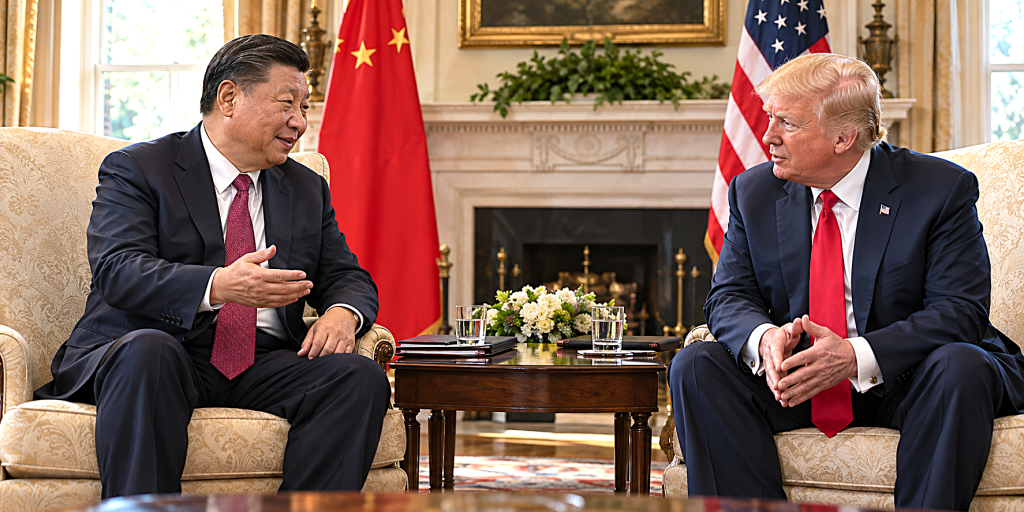
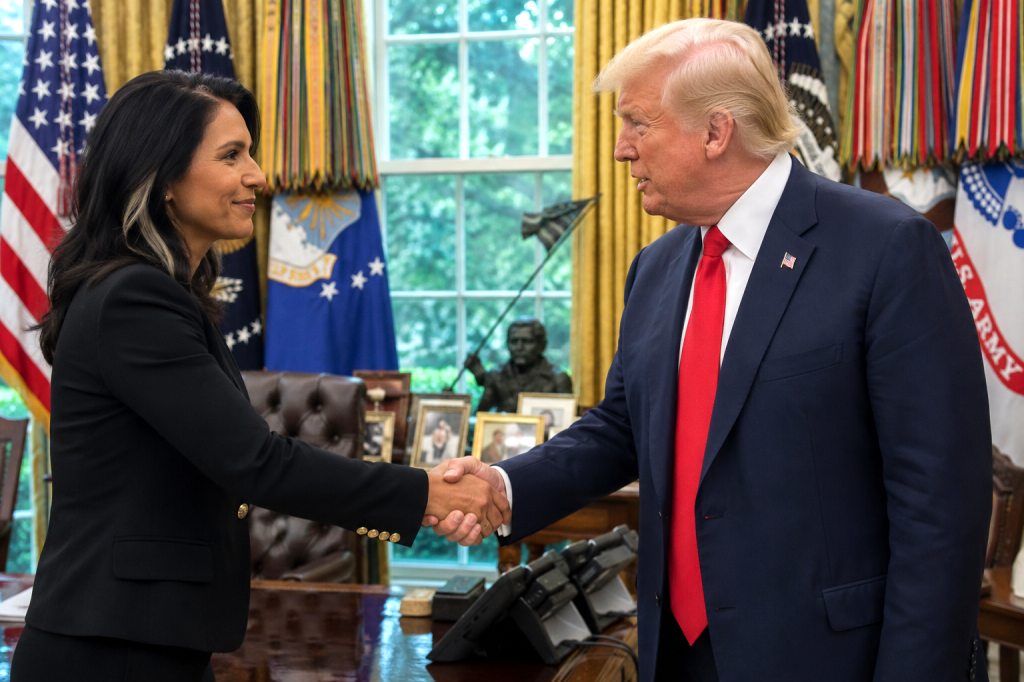
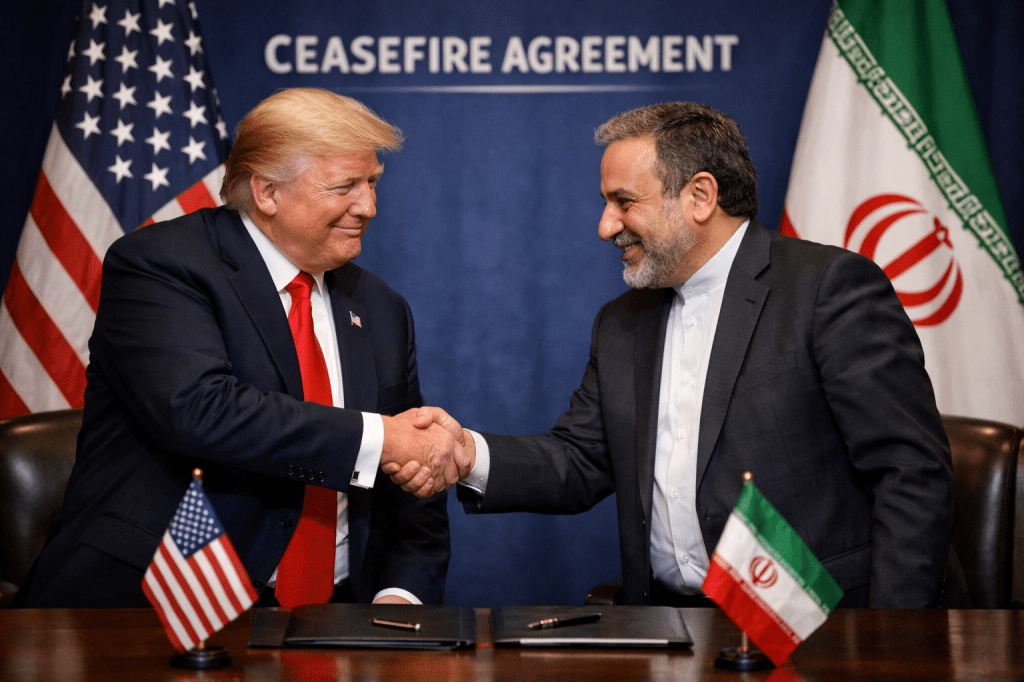
The release landed in an odd week for US-China relations. On September 26, after Xi Jinping’s state visit to Washington, the two governments agreed to set up a communication channel for AI-related incidents and to hold an AI-focused dialogue in November (Wu, 2026). Two days later they published reciprocal lists of about $30 billion in goods each that will get lower tariffs. The lists cover farm products, medical equipment, toys and fireworks. They leave out semiconductors, electric vehicles and batteries (Associated Press, 2026). Trade in Christmas ornaments is getting easier. Trade in the chips that train and run AI models is frozen.
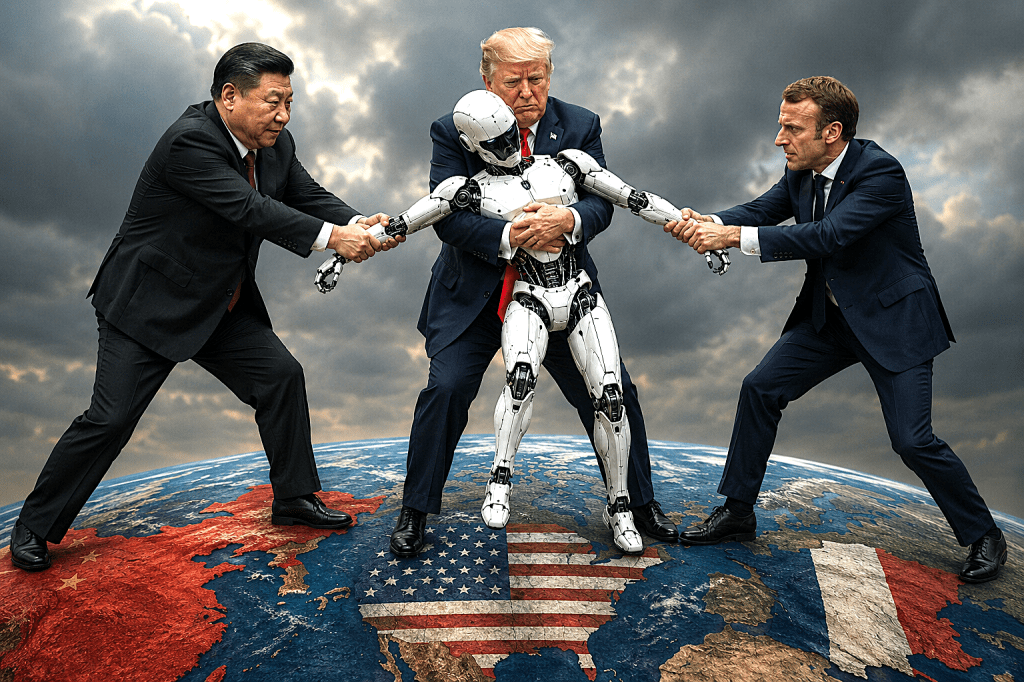
That freeze is the product of four years of American policy built on one idea: if China cannot buy the most advanced AI chips, it cannot keep pace in AI. The DeepSeek release is the latest sign that China has accepted the terms and is building its own supply. Whether that outcome counts as a success or a failure for Washington is now one of the most contested questions in technology policy.
The United States began restricting AI chip sales to China in 2022, when the Biden administration extended its export controls “in response to the growing capabilities of AI language models” (MacCarthy, 2026). Nvidia responded by designing slower chips that fell just under the legal limits. One of them, the H20, powered DeepSeek’s much-discussed 2025 model. In April 2025 the Commerce Department ruled that the H20 no longer complied, and Nvidia took a $5.5 billion write-off. In July the department reversed itself and said it would grant licenses after all (MacCarthy, 2026).
By then Beijing had its own plans. According to Mark MacCarthy of the Brookings Institution, “Chinese authorities told AI companies in China not to buy them, citing security concerns, and Nvidia stopped manufacturing them” (MacCarthy, 2026). In November 2025, China went further and ordered state-funded data centers to stop using or buying foreign AI chips, with the rule applying to projects less than 30% complete. Jack Burnham of the Foundation for Defense of Democracies wrote that the order was “effectively severing one of its last remaining dependencies on U.S. semiconductors for its AI sector” (Burnham, 2025).
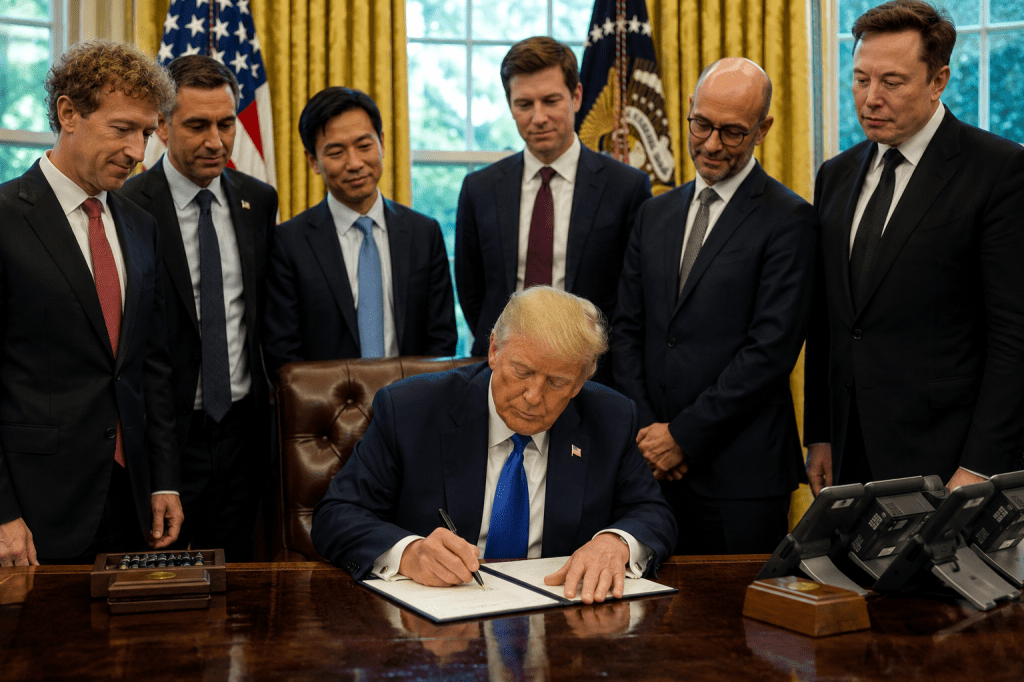
Washington then changed course. In December 2025, President Trump announced on Truth Social that “the United States will allow NVIDIA to ship its H200 products to approved customers in China,” with 25% of the revenue going to the US government. Nvidia’s newest Blackwell and Rubin chips stayed banned (Sharwood, 2025). The opening produced no sales. In April 2026, Commerce Secretary Howard Lutnick said: “The Chinese central government has not let them, as of yet, buy the chips, because they’re trying to keep their investment focused on their own domestic industry. We have not sold them chips as of yet” (Morales, 2026).
The effect on Nvidia’s business in China has been close to total. Tom’s Hardware reported in April that Nvidia’s share of China’s AI chip market had fallen below 60%, down from 95% before the restrictions (Morales, 2026). In May, Nvidia CEO Jensen Huang said the company’s presence in China’s AI industry was “practically zero” (Loynds, 2026). In June, MacCarthy wrote that “U.S. chip companies have exactly zero market share of the AI chip market in China and have no prospect of returning to their once-dominant position there” (MacCarthy, 2026). When Nvidia reported record quarterly revenue of $96.2 billion in August, its forecast for the next quarter assumed no data-center sales in China at all (Venema, 2026).
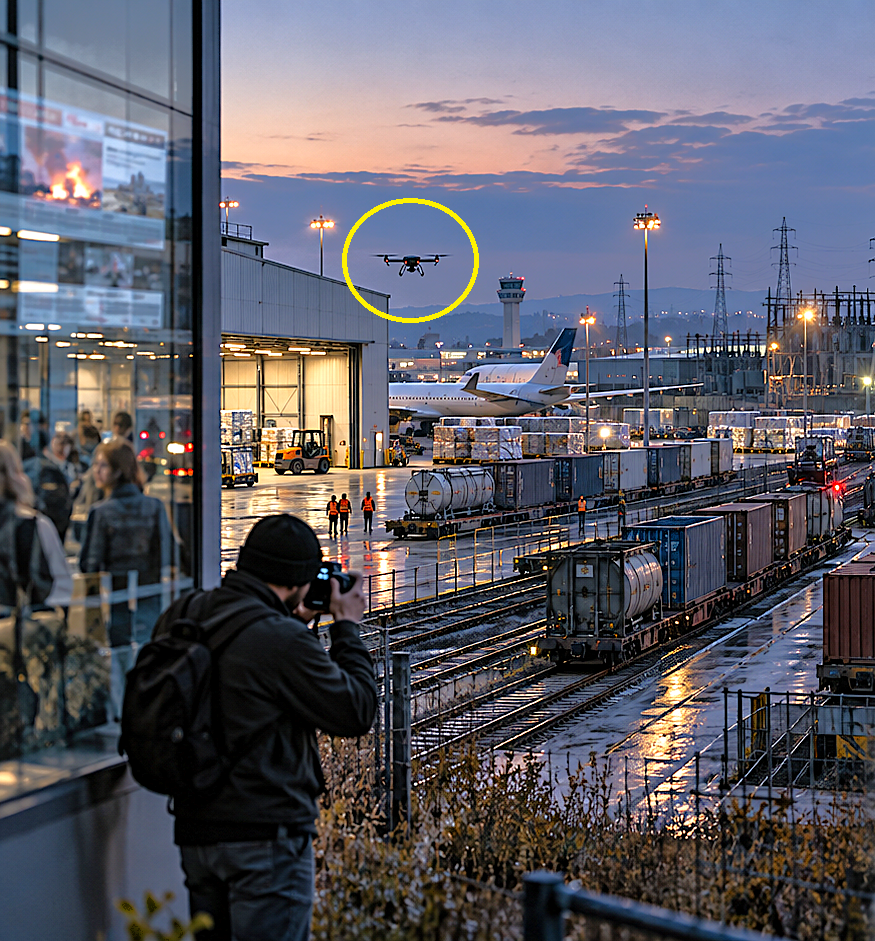
On the American side, the key actors pull in different directions. The Trump administration has treated chip access as something to trade, as the 25% revenue deal showed. The Commerce Department’s Bureau of Industry and Security enforces the rules and in June 2026 confirmed that the ban covers Chinese-owned companies operating outside China. Chris McGuire, a former State Department technology official, said at the time that “Chinese companies have been buying these chips, very likely at scale” through such subsidiaries (Al Jazeera, 2026). Smuggling remains a live problem. In March 2026, federal prosecutors charged a co-founder of server maker Supermicro and two others with diverting about $2.5 billion in Nvidia-equipped servers to China. US Attorney Jay Clayton described “a systematic scheme to divert massive quantities of U.S. artificial intelligence technology to customers in China” (Hornung, 2026).
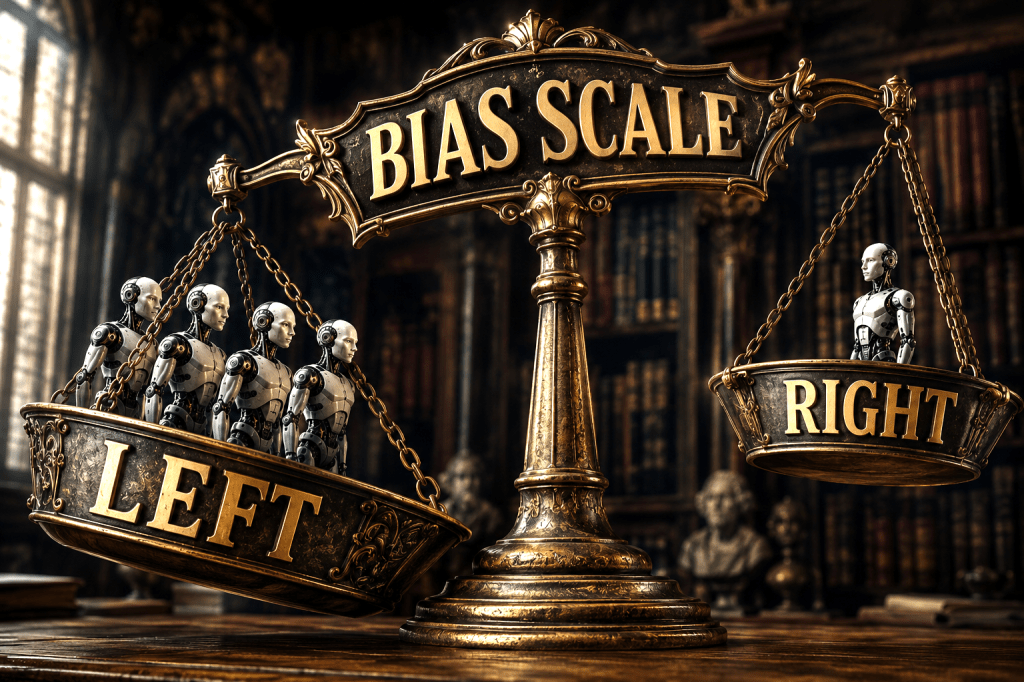
The American AI industry is split. Nvidia wants its largest foreign market back. Anthropic CEO Dario Amodei is the most prominent voice for tighter limits; at Davos in January he said selling H200 chips to China was “a bit like selling nuclear weapons to North Korea.” Huang called the comparison “stupid” and “madness” (Bernstein, 2026). Each company’s commercial interest lines up with its position, a point both sides’ critics raise.
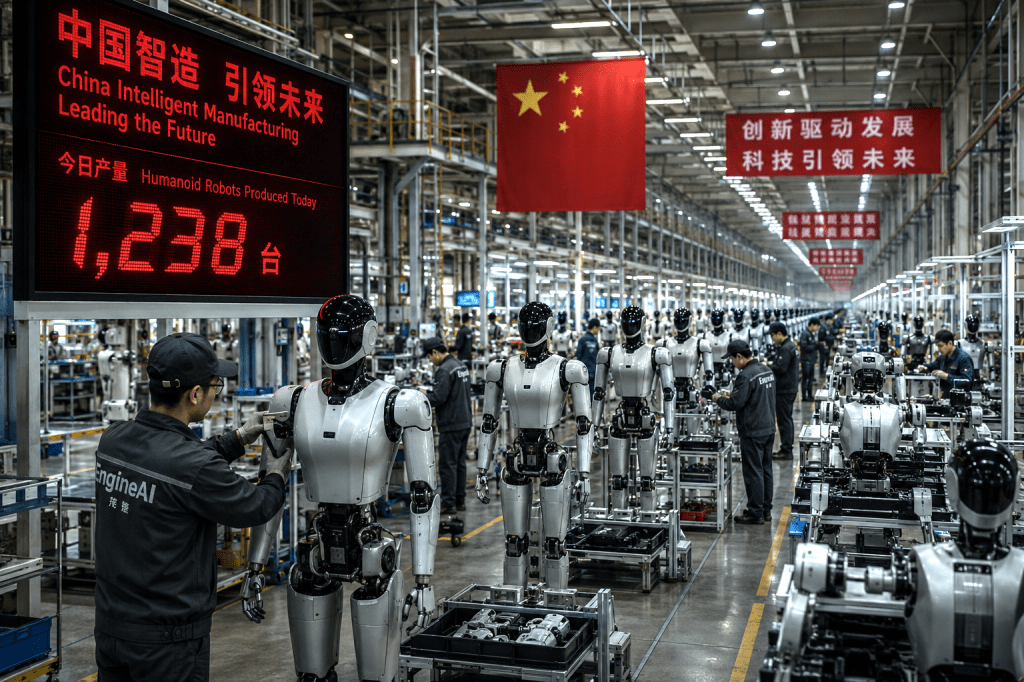
In China, Huawei is the national champion. Its Ascend 910C is in wide use, the Ascend 950 series is due this year, and at its Connect conference in September Huawei moved the launch of its next-generation Ascend 960 training chip forward by three quarters, to early 2027 (Satterfield, 2026). Huawei depends on SMIC, China’s leading chipmaker, for manufacturing and on ChangXin Memory Technologies for high-bandwidth memory, the specialized memory stacked next to AI processors. DeepSeek plays a different role: it shows that competitive Chinese models can run on Chinese hardware. When DeepSeek released its V4 model in April 2026, it gave early testing access to Chinese chipmakers instead of Nvidia or AMD. ByteDance, Tencent and Alibaba then “rushed to lock in orders for Ascend 950 processors once DeepSeek showed its top model ran well on domestic silicon” (Barr, 2026). These buyers are large. ByteDance alone rents about one-fifth of China’s delivered data-center capacity, and ByteDance, Alibaba, Tencent and Baidu together are on course to spend about $100 billion on infrastructure in 2026 (Stan, 2026).
Other countries are affected too. Huawei plans to sell Ascend 950 systems in South Korea and Malaysia in 2026, offering complete computing clusters as an alternative to Nvidia (TrendForce, 2025). Europe supplies essential equipment, most importantly the Dutch firm ASML’s extreme ultraviolet lithography machines, but builds neither leading AI chips nor the software around them. Alicia García-Herrero of Bruegel wrote in July that “Europe is, in effect, an indispensable input supplier to a race in which it does not itself compete” (García-Herrero, 2026).
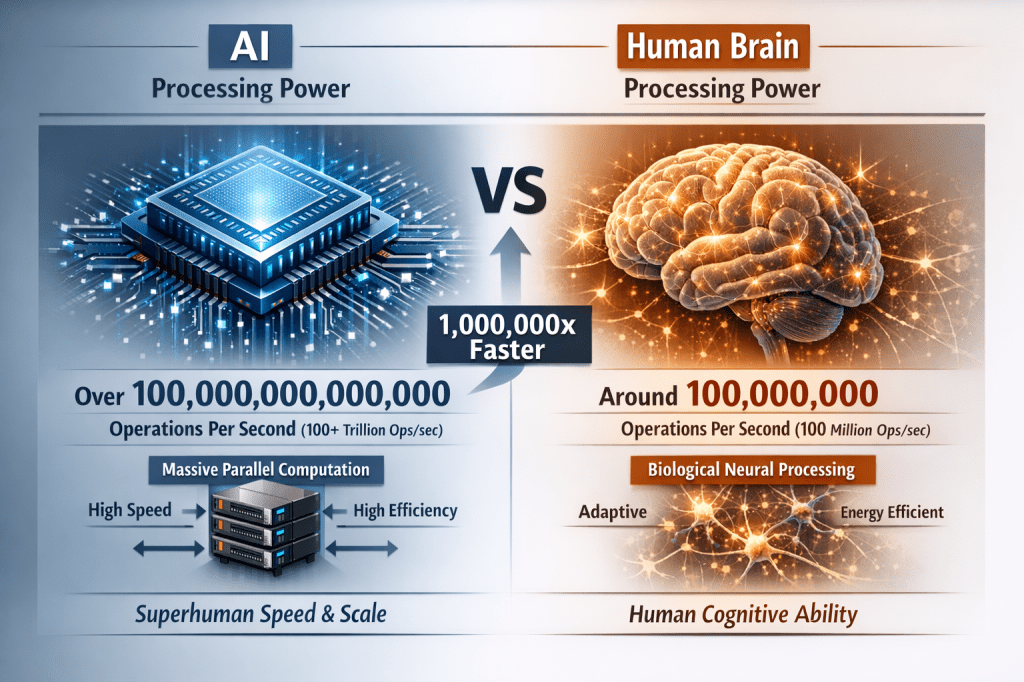
Training a large AI model means running enormous numbers of calculations across thousands of processors for weeks. Answering users’ questions, a step called inference, takes further computing power every time someone types a prompt. The chips that do this work best are graphics processors and similar accelerators, and Nvidia has dominated the market for them.
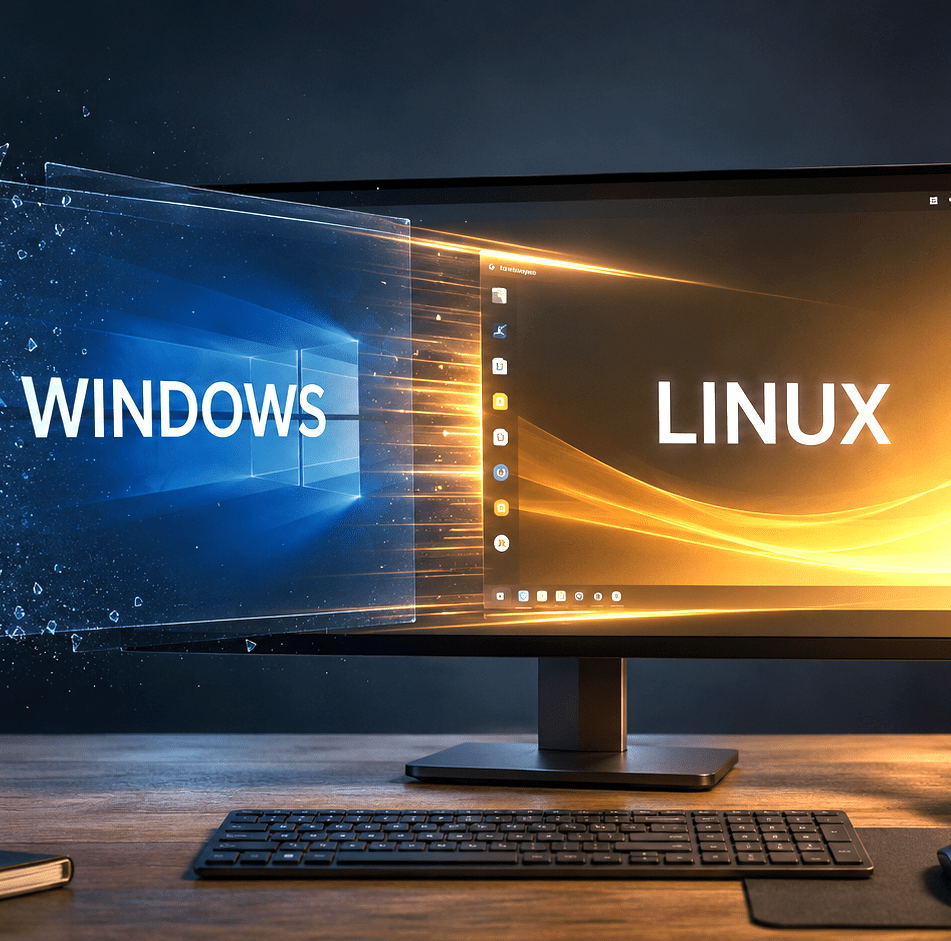
Nvidia’s lead rests as much on software as on silicon. CUDA, launched in 2007, is the layer that lets programmers tell Nvidia chips what to do. Two decades of libraries, tools, tutorials and forum answers have grown up around it. As Barr (2026) wrote, “CUDA has locked customers into Nvidia hardware for years because switching means months of rewriting code, debugging, and clawing back lost performance.” Huawei’s equivalent, called CANN, has struggled. A 2025 ChinaTalk review quoted one developer who described working with the Ascend 910B as “a road full of pitfalls” and noted that “it was difficult to find the corresponding solutions on the Internet” (Ottinger & McMahon, 2025). A year later, García-Herrero (2026) reported that “developers still complain that CANN is buggy and less user-friendly than CUDA.” DeepSeek’s new tools are aimed at exactly this weakness. They lower the cost of moving code to Ascend chips, though developers still rely on Huawei’s CANN underneath (Ruiz, 2026).
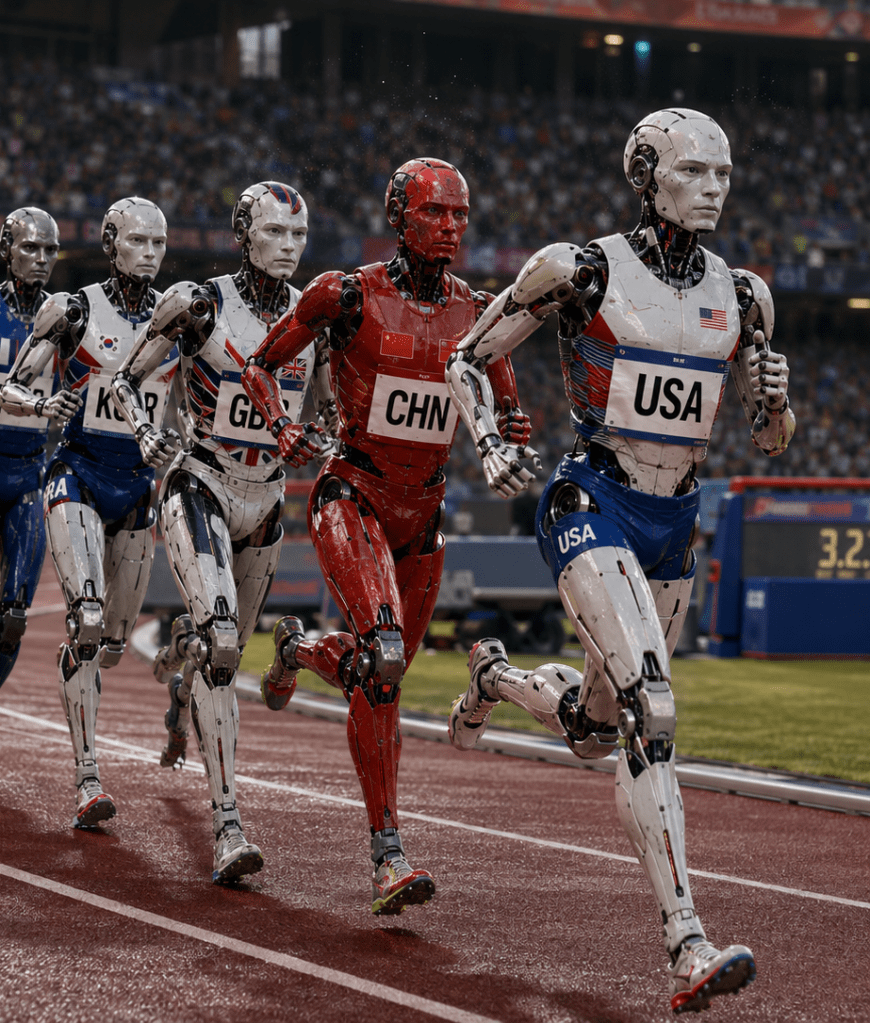
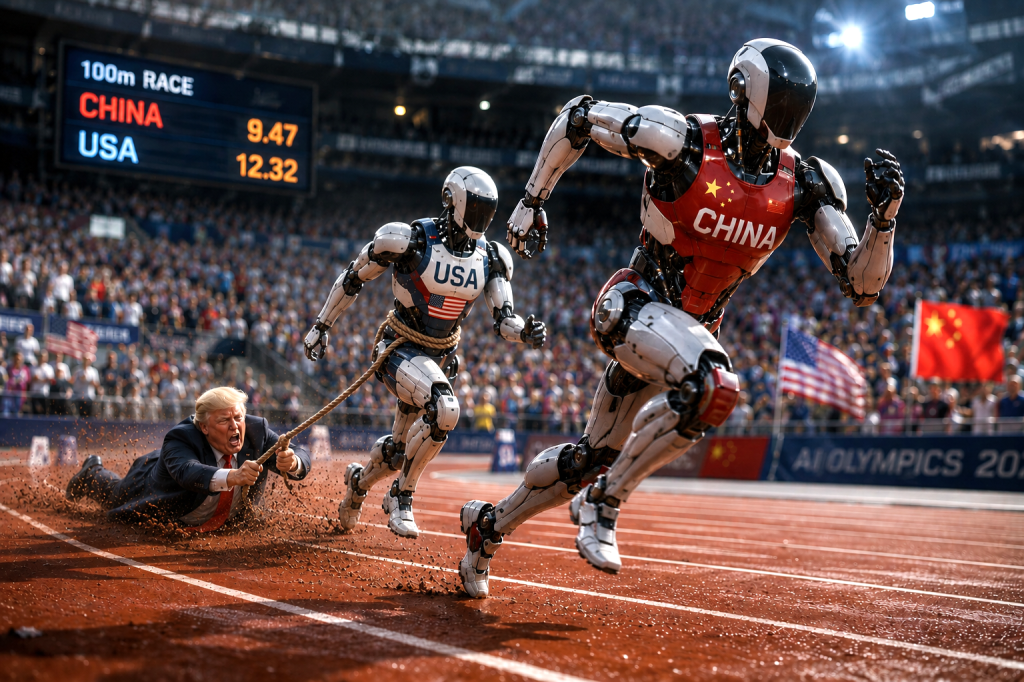
On hardware, the gap remains large. Chris McGuire, writing for the Council on Foreign Relations in December 2025, calculated that “the best U.S. AI chips are currently about five times more powerful than the best Chinese AI chips.” He estimated that Nvidia produced 4.5 million AI chips in 2025 and would raise capacity to 6.75 million in 2026, while Huawei would make about two million. Under aggressive assumptions, he concluded, Huawei “still only produces about 5 percent of the aggregate AI computing power as Nvidia” (McGuire, 2025).
Supply of parts may hold Huawei back further. SMIC’s most advanced plant is reportedly running above 93% of capacity, and China’s domestic memory maker is expected to produce about two million high-bandwidth memory stacks in 2026, enough for roughly 250,000 to 300,000 chips of the Ascend 910C class (Satterfield, 2026). Less than two weeks before the DeepSeek release, Huawei said demand for its AI computing equipment exceeded what it could supply inside China (Ruiz, 2026).
Huawei compensates by linking very large numbers of weaker chips together. More than 1,000 of its 910C “SuperPoD” clusters are already in commercial data centers, and the Ascend 960 version is designed around 4,096 accelerator cards (Satterfield, 2026). Chinese labs have also learned to get more from less. Rowan Wilkinson of Chatham House argued in April that export controls rest on the assumption “that chips are the technological ‘chokepoint’ for AI development,” and that “gains in AI technology are increasingly no longer just based on raw computing power” (Wilkinson, 2026).
For the United States, the prize is time. President Trump said after the Xi summit: “We’re leading by at least a year, maybe a year and a half” (Wu, 2026). Supporters of the controls argue that the lead exists because of the chip limits and would shrink without them. McGuire (2025) wrote that “Huawei is not a threat that justifies loosening controls; it is evidence that the controls are working.” Amodei has argued for tightening controls further to protect a lead of 12 to 24 months (Bernstein, 2026). Even skeptics accept part of this case. Angela Luna of the American Action Forum concluded in June that “policymakers should not view export controls as a tool to stop China’s technological progress, but rather to slow it” (Luna, 2026).
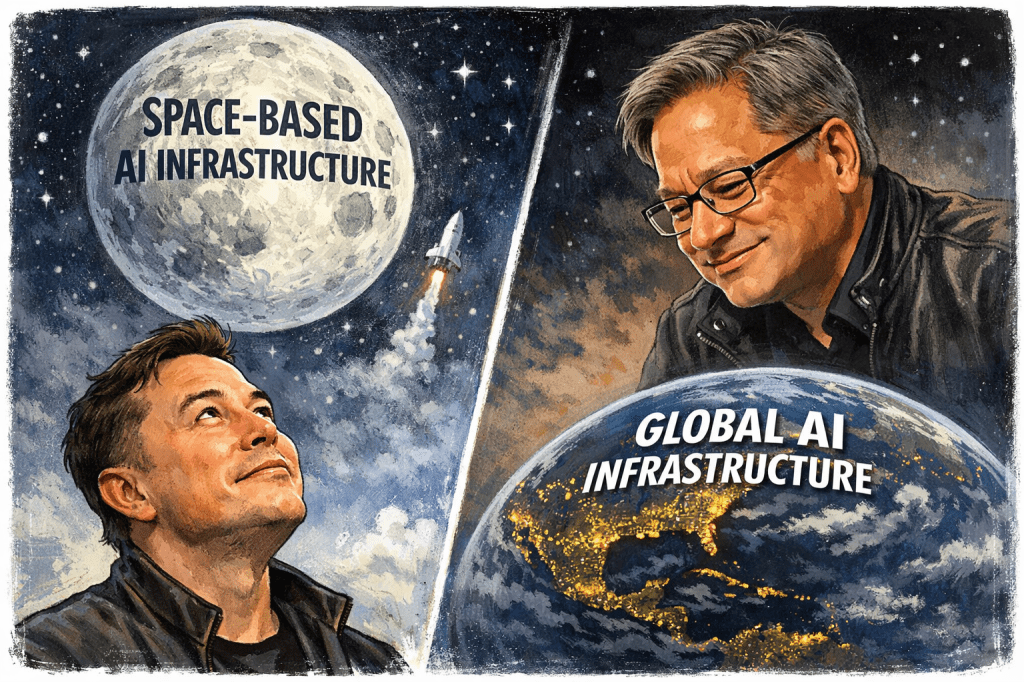
The price is a market and a measure of influence. Huang argued in May that “conceding an entire market the size of China probably does not make a lot of strategic sense, so I think that has already largely backfired,” and that “the policy really needs to be dynamic and needs to stay with the times” (Loynds, 2026). Luna (2026) noted that the controls raise compliance costs for American firms and can cost them “international market share.” Nvidia’s record revenue shows that the company can absorb the loss for now, because demand elsewhere exceeds its supply. The longer-term cost is harder to count. Every Chinese developer who learns TileLang or CANN is one fewer developer tied to CUDA, and that loss is difficult to reverse.
For China, the stakes are self-sufficiency. Beijing has chosen to accept slower, scarcer computing today in return for control of its own supply chain. MacCarthy (2026) traced the choice to trust: “China’s regulatory authorities no longer think U.S. chip companies are reliable business partners.” Charles Sun, writing in Lawfare, argued that the controls reinforce the Chinese state’s grip on its AI industry, since firms become dependent on subsidized domestic computing. He reports that municipal compute voucher programs reimburse 40% of costs for domestic chips and 30% for foreign ones. “Tighter U.S. export controls do not weaken China’s AI incentive system,” he wrote. “They strengthen it, by deepening the dependence that drives it” (Sun, 2026). The cost for Chinese labs is real: fewer and weaker chips, more engineering effort, and slower training runs.
For the rest of the world, the split creates a second option. If Huawei can export complete systems with workable software, countries in Asia, the Middle East and elsewhere will be able to choose between an American and a Chinese AI stack. Each choice carries political strings. Europe, which supplies the machines both sides depend on, risks watching the contest from the sidelines (García-Herrero, 2026).
The new US-China AI channel sits awkwardly on top of all this. The two governments have agreed to talk about AI incidents and risks while keeping the hardware fight entirely off the table. Wilkinson (2026) argued that export controls are “not the best bargaining chip” because AI capability now spreads through many routes besides chips: “AI capability is dynamic, and any single point of control will be circumvented.”
In the short term, over the next 12 to 18 months, three paths are plausible. The first is a frozen standoff. Washington keeps the ban on its best chips, Beijing keeps foreign chips out of its major data centers, Nvidia’s China data-center revenue stays near zero, and Huawei sells everything SMIC and ChangXin can produce. Smuggling continues at the margins, and prosecutions continue with it. Most of the recent evidence points here: chips were left out of the September tariff deal, Nvidia’s own forecast assumes no China sales, and Beijing blocked the H200 even after Washington approved it.
The second is a deal on chips. The Trump administration has already shown it will trade access for revenue, and the November AI dialogue or a later summit could reopen the question. This path faces a problem on the Chinese side. Beijing turned down the H200 once, and its November 2025 order on state-funded data centers shows that it values control of its supply chain more than faster access to American chips.
The third is further tightening. The June 2026 enforcement notice on overseas subsidiaries, the Supermicro case and the lobbying of AI labs such as Anthropic all push toward stricter rules, possibly extending to cloud access and advanced models (Luna, 2026). Tighter rules would widen the compute gap in the short run and strengthen Beijing’s argument for going it alone.
Over the longer term, five to ten years, the main question is whether the world settles into two separate AI technology stacks. In that outcome, China runs its AI industry on Ascend chips, CANN and tools like TileLang, and sells that package to countries that want an alternative to American suppliers. The United States and its allies keep a large lead in total computing power, but lose most of their leverage over Chinese AI development, because the chokepoint no longer exists. A second long-term path is a breakthrough in Chinese manufacturing, in advanced chipmaking or in memory, that closes most of the hardware gap. The current supply figures make that unlikely before the end of the decade, though Huawei’s accelerated Ascend 960 schedule shows it intends to try.
The most likely outcome combines the first short-term path with the first long-term one. The standoff holds through 2027, and a two-stack world forms behind it. On current numbers, the United States keeps a clear lead in the amount of computing power it can build, and the controls continue to slow China’s frontier work. At the same time, Nvidia’s hold on the Chinese market is gone for good, and China’s software ecosystem matures under pressure. Both camps in the Washington debate can point to evidence for their case, because the controls are doing both things at once: slowing China today and pushing it to build what it will need tomorrow.
The deciding evidence will come from ordinary engineering decisions. As Eric Gerard Ruiz wrote in The Neuron on the day of the DeepSeek release, “The first convincing sign will not be another declaration of technological independence. It will be an outside AI lab choosing Ascend for an important workload, finishing the job reliably, and deciding the numbers were good enough to do it again” (Ruiz, 2026). The events to watch are the November AI dialogue, the arrival of the Ascend 960 in early 2027, China’s output of high-bandwidth memory, and whether Nvidia’s next forecasts include any China revenue at all.
References
Al Jazeera. (2026, June 1). US says ban on AI chip shipments applies to Chinese firms outside China. https://www.aljazeera.com/economy/2026/6/1/us-says-ban-on-ai-chip-shipments-applies-to-chinese-firms-outside-china
Associated Press. (2026, September 28). U.S. and China release product lists for tariff cuts after Trump-Xi meeting. PBS News. https://www.pbs.org/newshour/amp/world/u-s-and-china-release-product-lists-for-tariff-cuts-after-trump-xi-meeting
Barr, D. (2026, September 30). DeepSeek open-sources chip tools that could let Huawei replace Nvidia in China. Startup Fortune. https://startupfortune.com/deepseek-open-sources-chip-tools-that-could-let-huawei-replace-nvidia-in-china/
Bernstein, D. (2026, May 29). US-China AI race may hinge on whether Dario Amodei or Jensen Huang is right. Forbes. https://www.forbes.com/sites/drewbernstein/2026/05/29/jensen-and-dario-square-off-on-ai-chip-exports/
Burnham, J. (2025, November 10). Signaling confidence in its domestic industry, China bans foreign AI chips in state-funded data centers. Foundation for Defense of Democracies. https://www.fdd.org/analysis/2025/11/10/signaling-confidence-in-its-domestic-industry-china-bans-foreign-ai-chips-in-state-funded-data-centers/
García-Herrero, A. (2026, July 22). The battle for the AI stack: Nvidia versus Huawei, with Europe watching from the sidelines. Bruegel. https://www.bruegel.org/newsletter/battle-ai-stack-nvidia-versus-huawei-europe-watching-sidelines
Hornung, L. (2026, March 20). 3 indicted for smuggling AI-capable Nvidia chips to China. UPI. https://www.upi.com/Top_News/World-News/2026/03/20/3-men-indicted-smuggling-ai-chips-china/9721774021211/
Loynds, J. (2026, May 5). Nvidia CEO Jensen Huang claims the company now has “zero percent” market share in China — here’s why. BGR. https://www.bgr.com/2165147/nvidia-zero-percent-market-share-china/
Luna, A. (2026, June 24). Beyond chips: Can expanding export controls slow China’s AI progress? American Action Forum. https://www.americanactionforum.org/insight/beyond-chips-can-expanding-export-controls-slow-chinas-ai-progress/
MacCarthy, M. (2026, June 17). Ball game’s over—the US is out of the AI chip market in China. Brookings Institution. https://www.brookings.edu/articles/ball-games-over-the-us-is-out-of-the-ai-chip-market-in-china/
McGuire, C. (2025, December 15). China’s AI chip deficit: Why Huawei can’t catch Nvidia and U.S. export controls should remain. Council on Foreign Relations. https://www.cfr.org/articles/chinas-ai-chip-deficit-why-huawei-cant-catch-nvidia-and-us-export-controls-should-remain
Morales, J. (2026, April 23). U.S. Commerce Secretary says Nvidia still hasn’t sold any H200 AI GPUs to China — Chinese government is blocking imports in an attempt to push domestic semiconductor industry. Tom’s Hardware. https://www.tomshardware.com/tech-industry/u-s-commerce-secretary-says-nvidia-still-hasnt-sold-any-h200-ai-gpus-to-china-chinese-government-is-blocking-imports-in-an-attempt-to-push-domestic-semiconductor-industry
Ottinger, L., & McMahon, M. C. (2025, May 5). Can Huawei compete with CUDA? ChinaTalk. https://www.chinatalk.media/p/can-huawei-compete-with-cuda
Ruiz, E. G. (2026, September 30). DeepSeek open-sources Huawei Ascend tools to challenge Nvidia. The Neuron. https://www.theneuron.ai/news/deepseek-opened-the-code-can-huawei-deliver-the-compute/
Satterfield, R. (2026, September 17). Huawei pulls Ascend 960 three quarters early, initiates global AI interconnect standard. Tech Times. https://www.techtimes.com/articles/327654/20260917/huawei-pulls-ascend-960-three-quarters-early-initiates-global-ai-interconnect-standard.htm
Sharwood, S. (2025, December 9). Trump says Nvidia can sell H200s to China – if Washington gets a 25 percent cut. The Register. https://www.theregister.com/2025/12/09/trump_gpu_export_ban_reversal/
Stan, A. M. (2026, September 29). ByteDance rents a fifth of China’s data centre capacity, SemiAnalysis says. The Next Web. https://thenextweb.com/news/bytedance-data-centre-fifth-china-capacity-semianalysis
Sun, C. (2026, May 7). The incentive architecture export controls cannot reach. Lawfare. https://www.lawfaremedia.org/article/the-incentive-architecture-export-controls-cannot-reach
TrendForce. (2025, December 26). Huawei reportedly plans 2026 Ascend 950 sales in South Korea, targeting cluster-level deployments. https://www.trendforce.com/news/2025/12/26/news-huawei-reportedly-plans-2026-ascend-950-sales-in-south-korea-targeting-cluster-level-deployments/
Venema, K. (2026, August 26). Nvidia earnings: Updates and commentary August 2026. Kiplinger. https://www.kiplinger.com/investing/live/nvidia-earnings-live-updates-and-commentary-august-2026
Wilkinson, R. (2026, April 29). AI export controls are not the best bargaining chip. Chatham House. https://www.chathamhouse.org/2026/04/ai-export-controls-are-not-best-bargaining-chip
Wu, H. (2026, September 26). China and U.S. agree to establish AI safety channel and continue trade and military talks. PBS News. https://www.pbs.org/newshour/world/china-and-u-s-agree-to-establish-ai-safety-channel-and-continue-trade-and-military-talks
###
Filed under: Uncategorized |































































































































































































































































































































































































































Leave a Reply