



By Jim Shimabukuro (assisted by Copilot)
Editor
Summary: In an age when AI can out‑explain professors and never closes its office door, higher education’s future depends less on guarding content and more on cultivating judgment, meaning, agency, and human relationships that machines cannot replace.

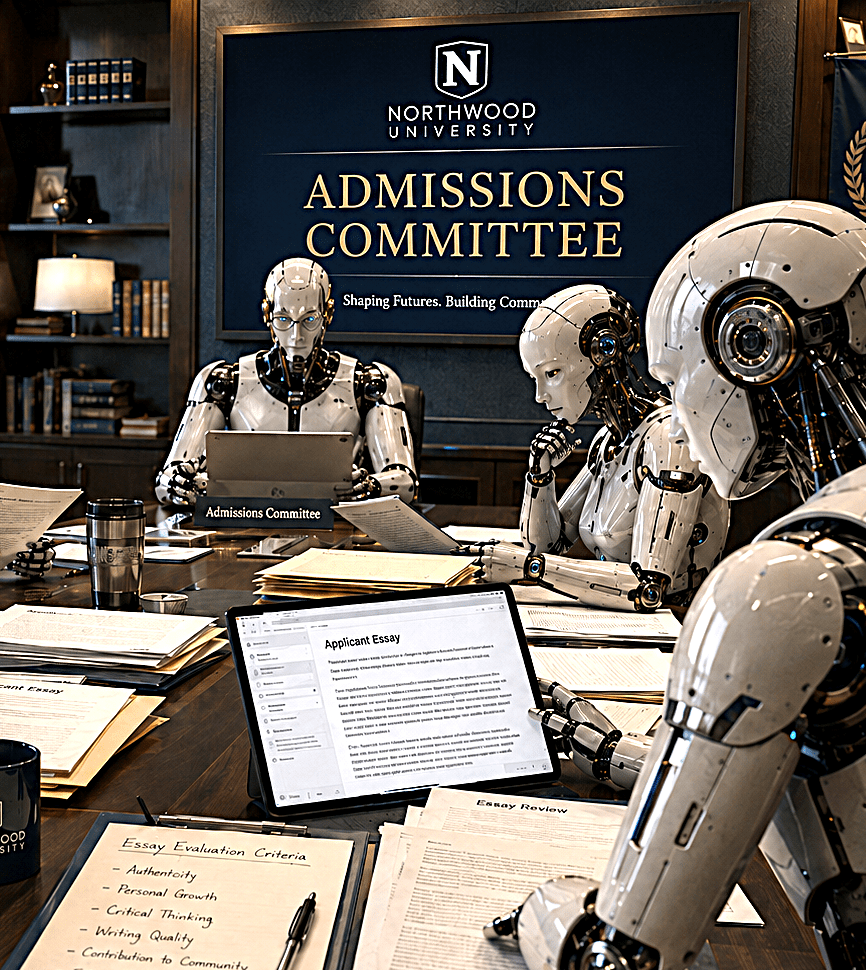
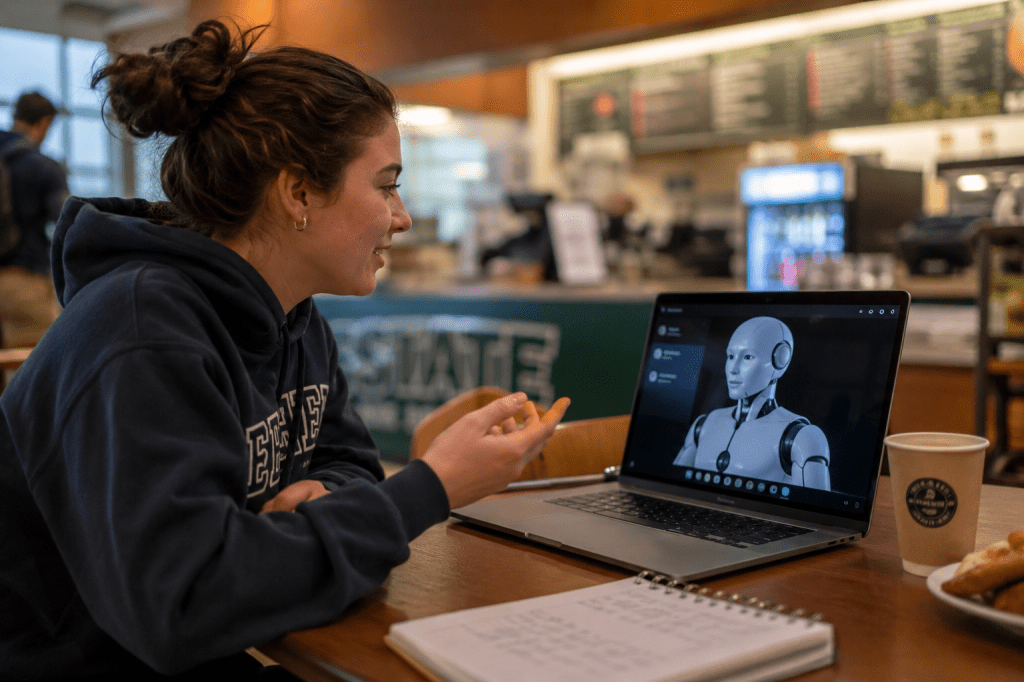
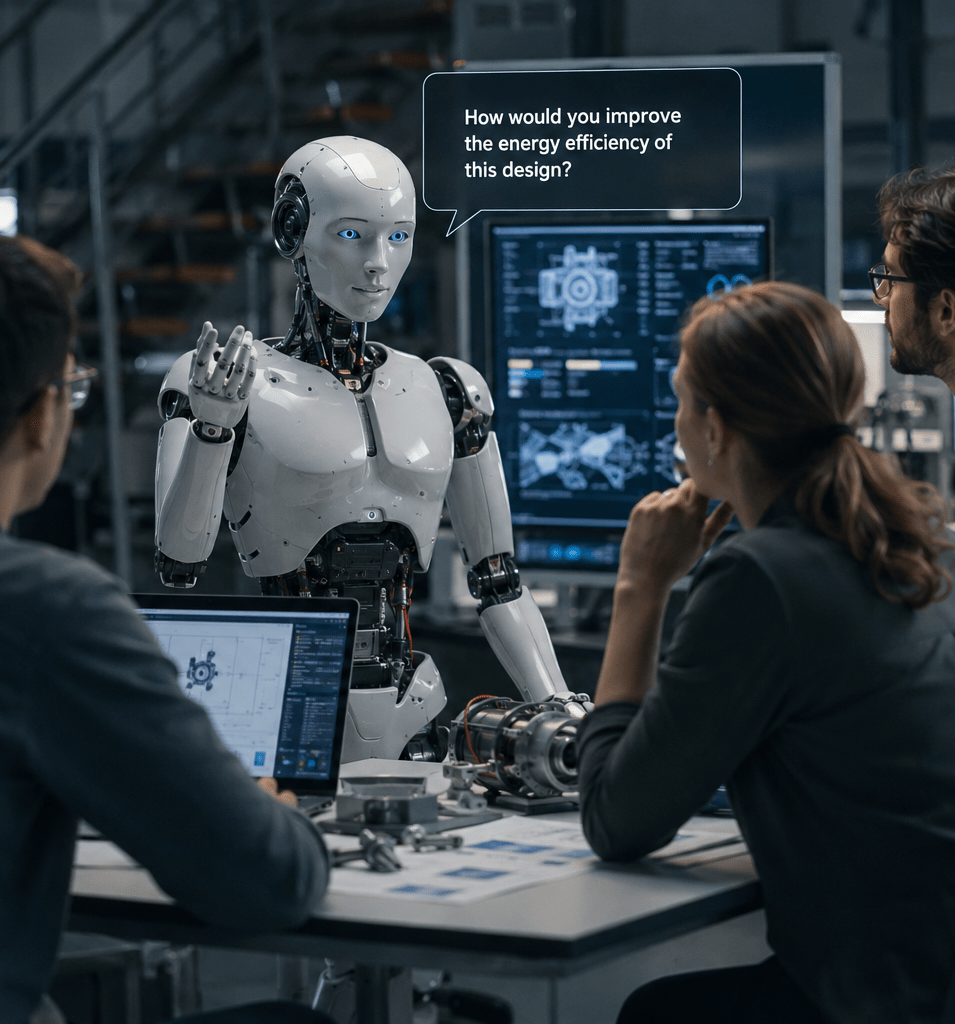
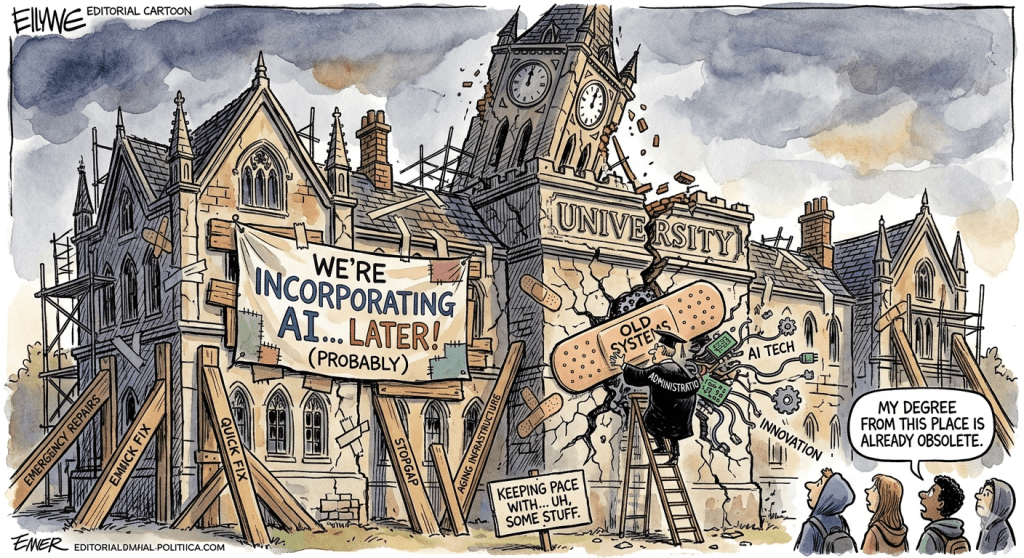
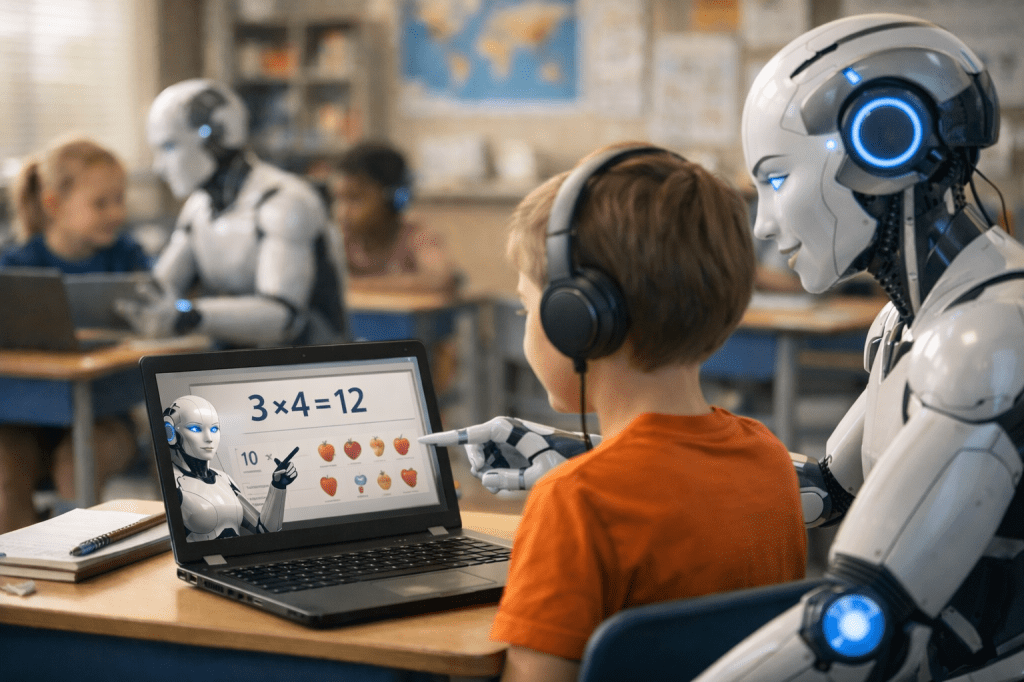
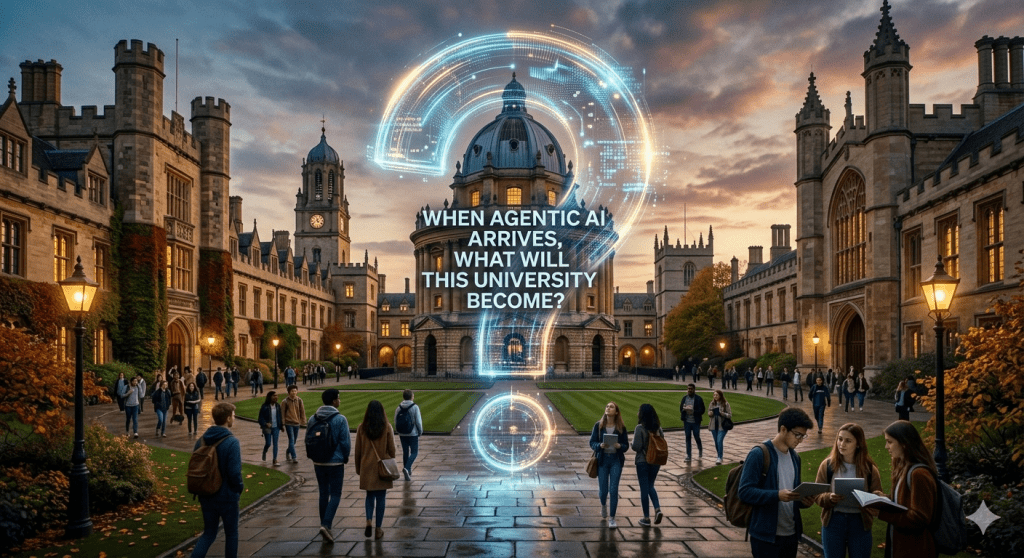
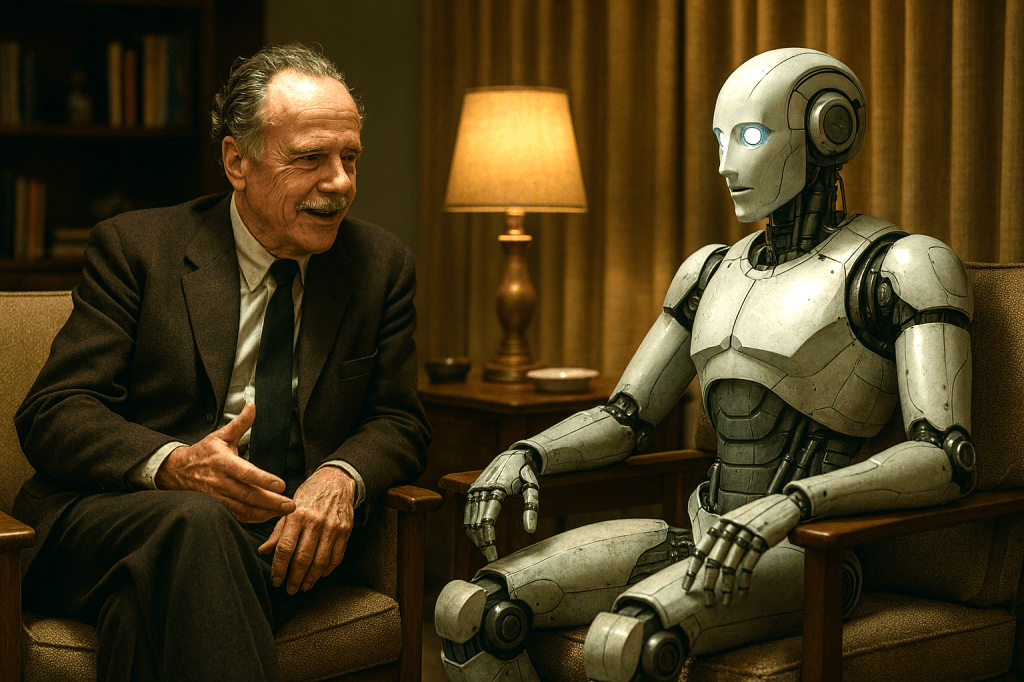
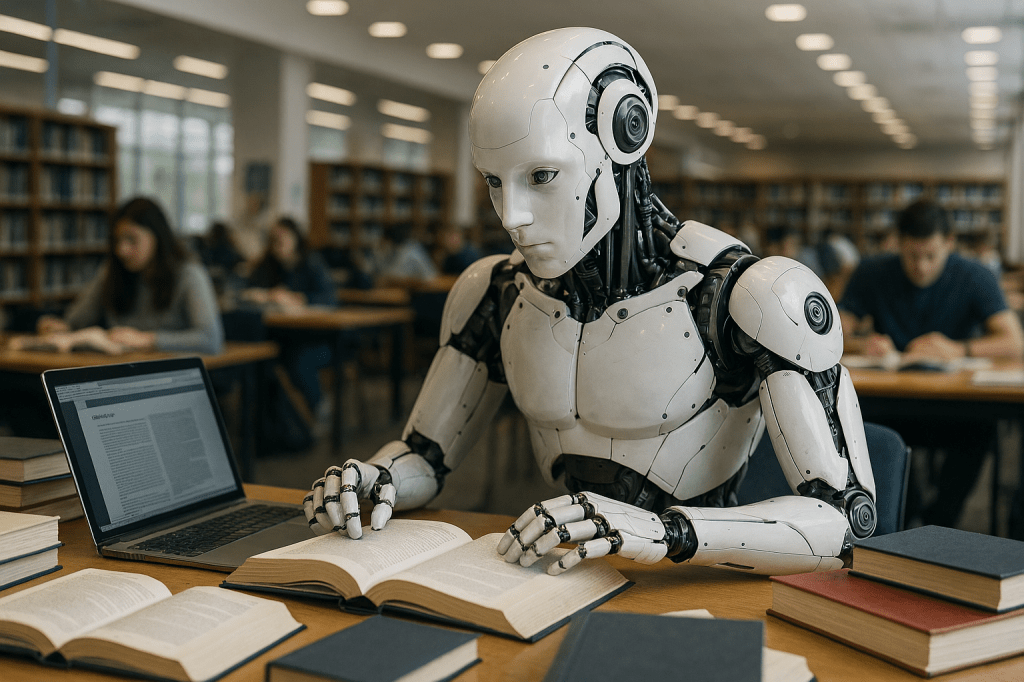
Tyler Cowen’s question—“So what exactly is higher education supposed to be providing us with?”—lands differently in 2026 than it did even a few years ago. Large language models now draft essays, explain quantum mechanics, and simulate office hours at scale. A Yale report he cites warns that “the AIs know more than many professors, they do not tire of answering questions, they explain things clearly, and they keep unlimited office hours” (Cowen, 2026). The old bargain—pay for access to scarce expertise and structured credentials—no longer feels self‑evident.
Across the landscape, a small but important group of writers has stopped asking whether AI will “replace” college and started asking a harder question: if AI can handle routine cognitive work, what remains uniquely human about higher education? This article traces five of those voices—Martin Kurzweil, Daniel A. Jacobo‑Velázquez, Laura Maska, John Warner, and Aran Levasseur—to clarify the range of answers now shaping the next decade of higher education.
Martin Kurzweil: Recasting “value” when AI changes the production function
In his July 2026 issue brief Postsecondary Value in the Age of AI, Martin Kurzweil of Ithaka S+R argues that AI is not just another instructional technology; it “changes the production function of postsecondary education and academic research” (Kurzweil, 2026). By “value,” he means far more than the familiar return‑on‑investment calculation. Postsecondary value, he writes, “includes whether students gain the education and credentials they need to build meaningful lives and careers; whether institutions can deliver that education and sustain their research and public missions; whether states see returns in economic growth, workforce capacity, civic participation, and public budgets; and whether society benefits from knowledge production, democratic participation, and human flourishing” (Kurzweil, 2026).
Kurzweil’s core response to Cowen’s question is that higher education must make explicit what AI cannot do alone: form purposes, make judgments, build trust, and sustain independent knowledge production. In a follow‑up blog post, he notes that “postsecondary value itself will depend on whether institutions help people do what AI cannot do alone: form purposes, make judgments, build trust, contribute to communities, and advance knowledge in service of human flourishing” (Kurzweil, 2026). AI can accelerate information access and automate routine tasks, but it cannot decide which questions are worth asking or which futures are worth pursuing.
His rationale is both economic and civic. Families and states are already questioning whether college is “worth it,” even as data show that median returns remain strong but uneven (Kurzweil, 2026). AI intensifies that scrutiny by making self‑study more plausible. Kurzweil’s answer is not to abandon value language but to broaden it: institutions must articulate how their degrees build human judgment, social trust, and public value, not just wage premiums.
Over the next 5–10 years, Kurzweil’s framing pushes universities toward clearer value propositions. Flagship research universities, regional publics, community colleges, and online providers will need to specify which forms of human capability they cultivate that AI‑assisted learning cannot reliably deliver. That pressure is likely to reshape accreditation standards, state funding formulas, and institutional strategy around judgment‑rich learning, civic engagement, and research integrity.
Daniel A. Jacobo‑Velázquez: Universities as human‑agency infrastructure
In Universities as Human‑Agency Infrastructure: A Framework for Rethinking Higher Education in the Age of AI, Daniel A. Jacobo‑Velázquez of Tecnologico de Monterrey reframes the AI question with a blunt opening: “Will artificial intelligence make universities obsolete? The question is rhetorically powerful but analytically narrow” (Jacobo‑Velázquez, 2026). The real issue, he argues, is that many universities still organize their value proposition around a world “in which expert knowledge was relatively scarce, institutionally mediated, and certified through time‑bound programs” (Jacobo‑Velázquez, 2026). In a world of “intelligence abundance,” that model no longer suffices.
Jacobo‑Velázquez’s answer is to redefine universities as “infrastructure for human agency.” Human agency, he writes, is “the capacity to act intentionally, regulate action, anticipate possible futures, reflect on consequences, and influence one’s own life and environment” (Jacobo‑Velázquez, 2026). Under this view, higher education is not primarily a content‑delivery system but a trusted institutional network that helps people “build, verify, apply, and sustain human capabilities over time” (Jacobo‑Velázquez, 2026).
He identifies four core institutional functions for the future university: building capabilities, verifying capabilities, applying capabilities, and sustaining belonging, all underpinned by governing trust (Jacobo‑Velázquez, 2026). As AI makes explanations and summaries cheap, “judgment, trust, credible evidence, belonging, ethical agency, and the capacity to coordinate action around complex problems become the central educational goods” (Jacobo‑Velázquez, 2026). The university’s purpose shifts from transmitting knowledge to cultivating and certifying agency.
The rationale here is deeply structural. AI does not eliminate the need for expertise, but it changes what is scarce. Reliable, tacit, context‑specific, and ethically governed knowledge remains hard to produce (Jacobo‑Velázquez, 2026). Universities that can position themselves as infrastructure for trustworthy agency—rather than as mere content providers—retain a distinctive role in democratic societies and complex economies.
Over the next decade, this “human‑agency infrastructure” lens could drive major redesigns in curriculum, assessment, and student support. Competency‑based credentials, longitudinal portfolios, and community‑anchored learning may become more central as institutions seek to demonstrate that they are building agency, not just awarding credits. Governance debates will increasingly revolve around trust, belonging, and ethical use of AI, rather than only around tools and policies.
Laura Maska: Closing the power–wisdom gap for human flourishing
Laura Maska, with co‑authors Dimitrios Kalamaras and Charalambos Tsekeris, takes the question one level deeper in The Power–Wisdom Gap: Reframing Higher Education for Human Flourishing in the Age of Artificial Intelligence (Maska et al., 2026). She argues that higher education’s crisis is not primarily about knowledge scarcity but about “power abundance.” Generative AI, climate risk, and volatile labor markets have amplified human power without a corresponding growth in wisdom.
“Higher education is increasingly asked to prepare learners for societies shaped by artificial intelligence, ecological destabilization, labour‑market reconfiguration, and declining institutional trust,” Maska writes. Yet many universities remain governed by a “scarcity model: knowledge transmission, durable credentials, and economic productivity” (Maska et al., 2026). Under emerging conditions, “the deeper crisis is not a deficit of knowledge production but a deficit of formation: higher education has underdeveloped the human capacities required to use technologically amplified power wisely, meaningfully and responsibly” (Maska et al., 2026).
Her answer to what higher education is supposed to provide is strikingly normative: “flourishing stewardship” as a new first principle. She defines this as “the cultivation of persons and institutions capable of pursuing meaningful lives while preserving and advancing the conditions for shared human and planetary flourishing” (Maska et al., 2026). In other words, universities should be in the business of forming stewards—people who can govern power, not just wield it.
Maska’s rationale draws on futures studies, AI governance, sustainability transitions, and wisdom science. She positions higher education as “socio‑technical transition infrastructure whose purpose is not merely to adapt learners to technological change, but to form the human agency needed to govern it” (Maska et al., 2026). AI becomes one signal in a broader civilizational shift that demands new capacities: ethical discernment, systems thinking, relational responsibility, and resilience.
If this view gains traction, the next 5–10 years could see a wave of programs explicitly organized around stewardship and flourishing—cross‑disciplinary curricula that integrate AI literacy with ethics, sustainability, and civic responsibility. Institutional metrics may begin to track not only employment outcomes but indicators of human and planetary well‑being. For Cowen’s question, Maska’s answer is clear: higher education should provide formation for wise use of power, not just skills for competing in AI‑shaped markets.
John Warner: From transactional ROI to transformational “molecule‑rearranging” education
John Warner, a writer and educator affiliated with Inside Higher Ed, approaches the question from the vantage point of teaching and student experience. In his May 2026 column “What’s College for in the Age of AI?”, he asks directly: “What does a postsecondary educational institution that is of genuine value to students in a world with omnipresent AI look like?” (Warner, 2026). He notes that one dominant answer remains narrow: college as a return‑on‑investment machine measured by the first job after graduation. Warner calls this “a lousy measurement” of value, even on its own terms (Warner, 2026).
Drawing on filmmaker Ken Burns’s reflections on Hampshire College, Warner contrasts transactional and transformational models. Burns warns that “the greatest danger that faces higher education is this transactional tendency that everything is about an exchange that ultimately is economic and not what education should be, which is transformational” (as quoted in Warner, 2026). Burns describes his college years as having “rearranged all my molecules,” a phrase Warner adopts as a metaphor for deep personal change (Warner, 2026).
Warner’s answer to what higher education should provide is experiential and relational: spaces and communities where students’ “molecules” are rearranged through encounters with ideas, people, and challenges that disrupt their assumptions. He recalls his own time at the University of Illinois, where, despite institutional indifference, being “in community among others whose molecules were also being rearranged” and meeting influential instructors and peers shifted his life trajectory (Warner, 2026).
His rationale is grounded in agency. Warner argues elsewhere that “agency writ large is the thing we need to survive as people … but it’s also a fundamental part of learning, particularly writing” (Warner, 2026b). In a podcast conversation about AI, he calls generative tools “a homework machine” and insists that higher education’s response cannot be to simply outsource tasks to AI. Instead, institutions must confront “What do we, as humans, do now with this technology?” (Warner, 2026b).
Over the next decade, Warner’s perspective suggests that colleges that double down on transactional metrics alone—credits, grades, job placement—will struggle to justify their existence against AI‑assisted alternatives. Institutions that foreground transformation—identity formation, agency, and community—may find a more durable case for their value. Practically, this could mean redesigning general education, advising, and assessment to prioritize student agency and reflective growth, not just performance on AI‑vulnerable tasks.
Aran Levasseur: Education as meaning‑making in a world of “godlike” machines
Aran Levasseur, an educator and writer, addresses the question at the K–12 and early college level in his April 2026 essay “What Is Education For in the Age of Artificial Intelligence?” for the Greater Good Science Center (Levasseur, 2026). He begins with a line from Ex Machina: “If you’ve created a conscious machine, it’s not the history of man. That’s the history of gods.” While consciousness remains speculative, Levasseur argues that AI is clearly moving toward “a kind of intelligence we might call godlike: systems that can generate knowledge, solve problems, and perform tasks at a scale and speed far beyond human capacity” (Levasseur, 2026).
This raises, for him, a fundamental question: “What makes a human life meaningful when machines can replicate or even surpass many of our abilities?” (Levasseur, 2026). Students are already asking a simpler version: “When am I ever going to need this?” Why wrestle with a novel or a lab experiment when AI can summarize or simulate it instantly? Levasseur insists that these questions are not just about utility; they are about meaning.
He argues that education has long been organized around an instrumental purpose—preparing students for careers and economic life—and that this model pushes pedagogy toward “procedural learning, information retrieval, correct answers to predetermined questions. This is precisely what AI does best” (Levasseur, 2026). In his words, “The race against the machine is not coming. It is already over” (Levasseur, 2026). AI is the apex expression of the instrumental model, not its enemy.
Levasseur’s answer is to return to first principles: “I believe that AI has done education a favor it didn’t ask for. By rendering the instrumental model obsolete, it has forced us back to first principles. And the first principle of education, it turns out, was always meaning: forming people who can examine their own assumptions, construct a coherent set of values, and ask seriously what kind of life is worth living” (Levasseur, 2026). These are “not soft skills. They are the only work that cannot be automated” (Levasseur, 2026).
His rationale connects educational purpose to a broader “meaning crisis” marked by rising depression, loneliness, and anxiety despite material comfort (Levasseur, 2026). AI’s deeper risk, he warns, is “not moral corruption, but moral passivity” as more choices are automated and the practice of judgment erodes (Levasseur, 2026). Education’s role, then, is to cultivate meaning‑making and moral agency, not just task completion.
In the next 5–10 years, Levasseur’s view implies that institutions that cling to purely instrumental curricula will find themselves increasingly redundant. Those that embrace meaning‑centered education—courses organized around questions like “How do we know what we know?” and “What does it mean to live a good life?”—may offer something AI cannot replicate. This could reshape humanities programs, advisory structures, and even STEM education, embedding ethical reflection and purpose into technical training.
Why these writers—and what their range reveals
These five writers were selected because they each answer Cowen’s question from a different angle, using 2026 sources that speak directly to AI’s impact on higher education’s purpose:
- Martin Kurzweil (Ithaka S+R) represents the policy and value‑analysis perspective, tying AI to postsecondary value for individuals, institutions, states, and society (Kurzweil, 2026). His work is widely cited in higher‑ed strategy circles and offers a comprehensive, evidence‑based framework for rethinking value.
- Daniel A. Jacobo‑Velázquez (Tecnologico de Monterrey) offers a conceptual, futures‑oriented model that redefines universities as human‑agency infrastructure (Jacobo‑Velázquez, 2026). His article, published in September 2026, is one of the clearest attempts to answer whether AI makes universities obsolete by shifting the focus from content to agency.
- Laura Maska (Aegean College/University of Essex) brings a normative, global lens, arguing that higher education must close a “power–wisdom gap” and adopt flourishing stewardship as its first principle (Maska et al., 2026). Her work connects AI to ecological, social, and civilizational transitions.
- John Warner (Inside Higher Ed) grounds the debate in lived student experience and teaching practice, contrasting transactional ROI with transformational, “molecule‑rearranging” education and emphasizing agency in the age of AI (Warner, 2026; Warner, 2026b). His writing reaches faculty and practitioners wrestling with AI in classrooms.
- Aran Levasseur (Greater Good Science Center) bridges K–12 and higher education, arguing that AI renders the instrumental model obsolete and forces education back to meaning‑making as its core purpose (Levasseur, 2026). His essay speaks directly to students’ questions about relevance and meaning.
Together, they map a spectrum of answers to “what higher education is supposed to be providing us with” in an AI‑saturated world:
- Value and judgment: Kurzweil and Lynn Austin’s related brief emphasize that degrees must deliver human judgment, trust, and relationships that AI cannot replace (Kurzweil, 2026; Austin, 2026).
- Agency and infrastructure: Jacobo‑Velázquez and Warner highlight agency—students’ capacity to act, choose, and grow—as the central educational good (Jacobo‑Velázquez, 2026; Warner, 2026b).
- Wisdom and stewardship: Maska insists that universities must form stewards capable of governing amplified power responsibly (Maska et al., 2026).
- Meaning and moral practice: Levasseur argues that education’s non‑automatable work is helping people construct meaning and values (Levasseur, 2026).
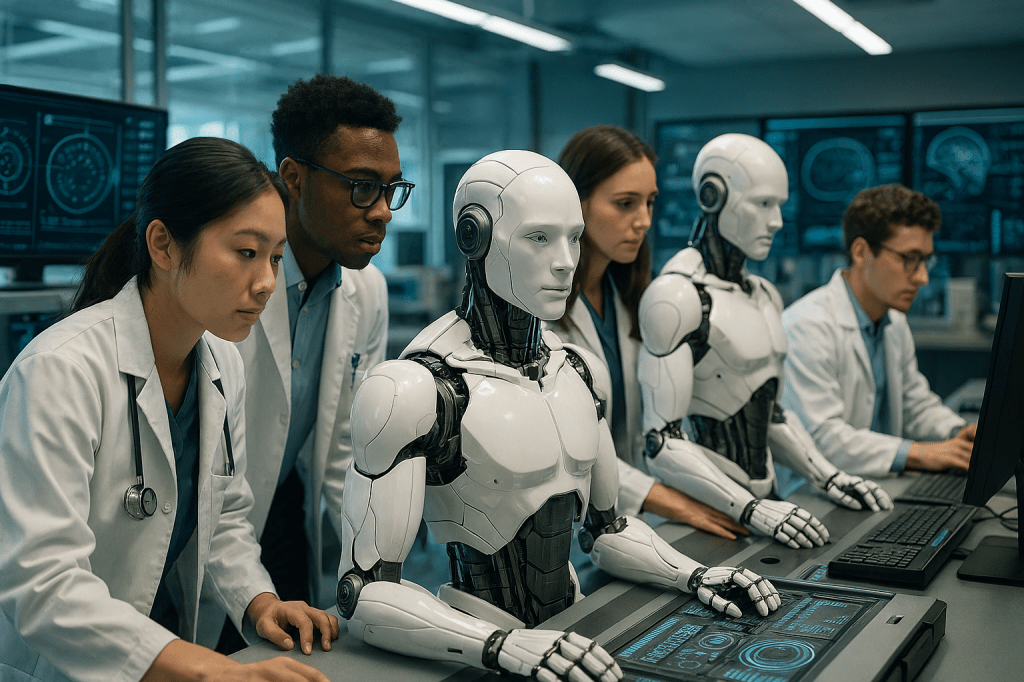
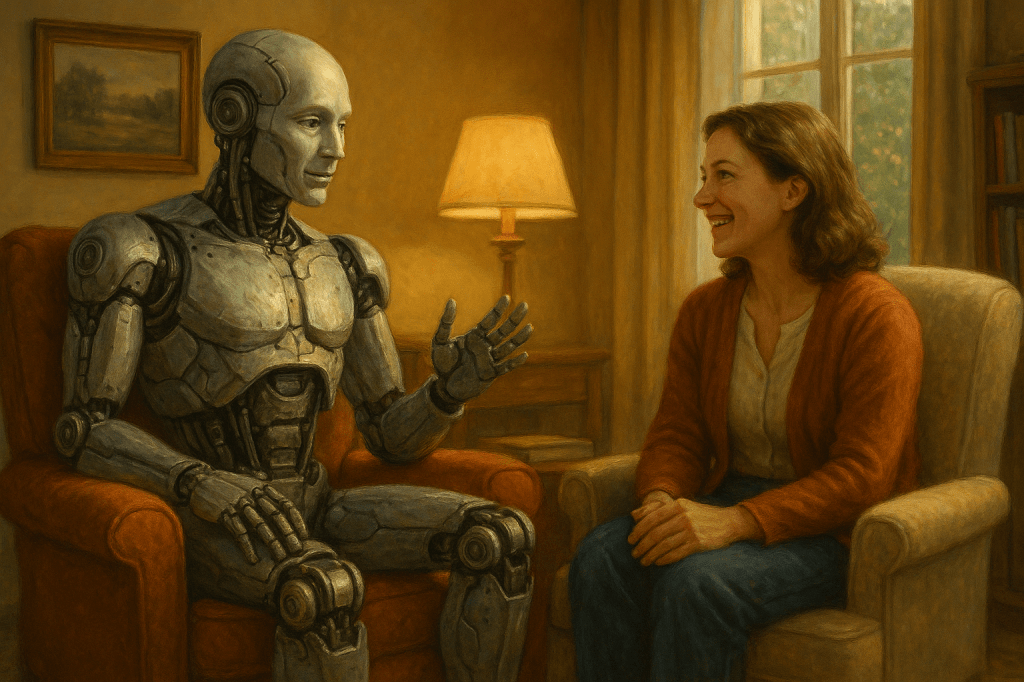
The range itself is instructive. None of these writers claim that higher education’s future lies in out‑competing AI on speed or information. Instead, they converge on a quieter but more demanding answer: higher education must become the place where humans learn how to live, judge, and act in a world where machines can do much of the thinking for them.
Over the next 5–10 years, this convergence is likely to shape:
- Curriculum design, with greater emphasis on judgment‑rich tasks, ethical reflection, and interdisciplinary problem‑solving.
- Assessment, moving away from AI‑vulnerable take‑home essays toward drafts, oral explanations, critique of AI outputs, and evidence of student thinking (Austin, 2026).
- Institutional strategy, as universities articulate value propositions centered on agency, belonging, and stewardship rather than only on content delivery and credentials.
- Public narratives, as higher education leaders answer families’ and students’ questions not just with earnings data but with credible accounts of how college helps people become the kind of humans AI cannot be.
Cowen’s provocation, and the Yale report behind it, may be right about the comparative strengths of AI tutors. But if these writers are right, the future of higher education will be decided less by how quickly institutions adopt AI tools and more by whether they can name—and deliver—the human work that remains when the office hours never end.
References
Austin, L. F. (2026). AI & higher education global brief: What a degree is worth now. Betting On Me. Retrieved from https://bettingonme.org/ai-higher-education-global-brief-what-a-degree-is-worth-now
Cowen, T. (2026, April 18). College won’t get fixed. But it also won’t disappear. The Free Press. https://www.thefp.com/p/tyler-cowen-college-wont-get-fixed
Jacobo‑Velázquez, D. A. (2026). Universities as human‑agency infrastructure: A framework for rethinking higher education in the age of AI. Trends in Higher Education, 5(3), 87. https://doi.org/10.3390/higheredu5030087
Kurzweil, M. (2026, July 16). Postsecondary value in the age of AI. Ithaka S+R. https://doi.org/10.18665/sr.326033
Kurzweil, M. (2026, July 22). How AI is reshaping the value of higher education: A new issue brief. Ithaka S+R. Retrieved from https://sr.ithaka.org/blog/how-ai-is-reshaping-the-value-of-higher-education
Levasseur, A. (2026, April 20). What is education for in the age of artificial intelligence? Greater Good Magazine. Greater Good Science Center, University of California, Berkeley. Retrieved from https://greatergood.berkeley.edu/article/item/what_is_education_for_in_the_age_of_artificial_intelligence
Maska, L., Kalamaras, D., & Tsekeris, C. (2026). The power–wisdom gap: Reframing higher education for human flourishing in the age of artificial intelligence. Sustainability, 18(14), 7076. https://doi.org/10.3390/su18147076
Warner, J. (2026, May 22). What’s college for in the age of AI? Inside Higher Ed. Retrieved from https://www.insidehighered.com/opinion/blogs/just-visiting/2026/05/22/whats-college-age-ai
Warner, J. (2026, January 23). The Key podcast: Teaching students agency in the age of AI. Inside Higher Ed. Retrieved from https://www.insidehighered.com/news/podcast/2026/01/23/key-podcast-teaching-students-agency-age-ai
###
Filed under: Uncategorized |





































































































































































































































































































































































































Leave a Reply