





By Jim Shimabukuro (assisted by ChatGPT)
Editor
1. When the Human Teacher Becomes a Luxury (story idea suggested by Claude)
Korchevskyi, D. (2026, October 24). Every child will get AI. Not every child will get a teacher. Fortune. https://fortune.com/2026/10/24/every-child-will-get-ai-not-every-child-will-get-a-teacher/
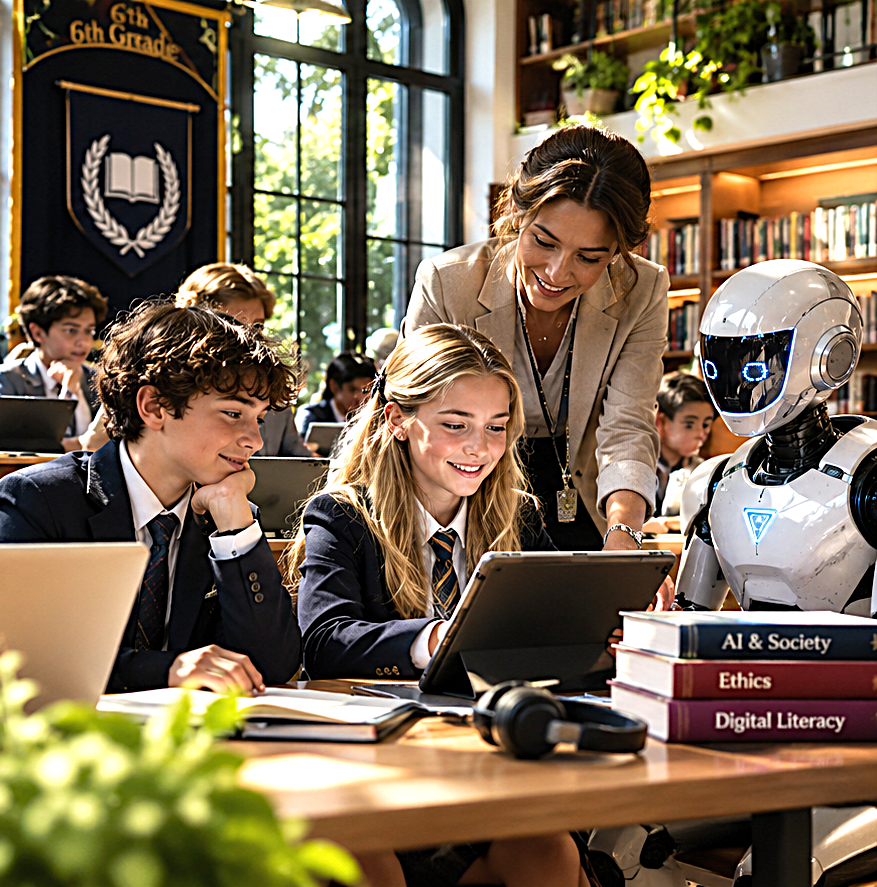
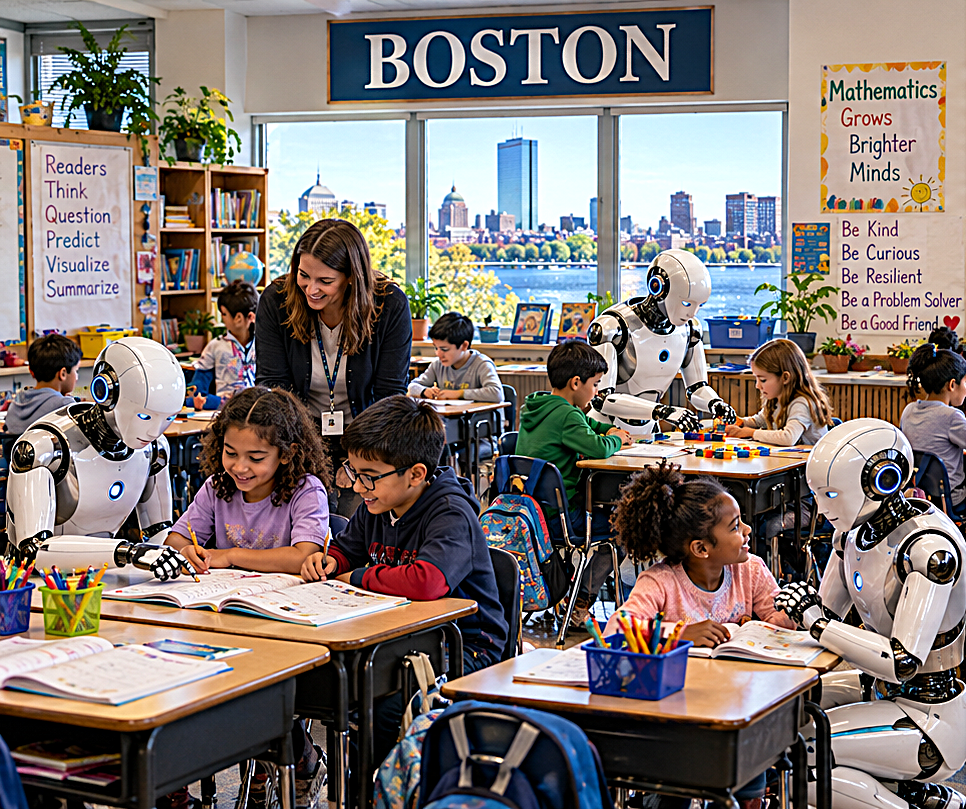
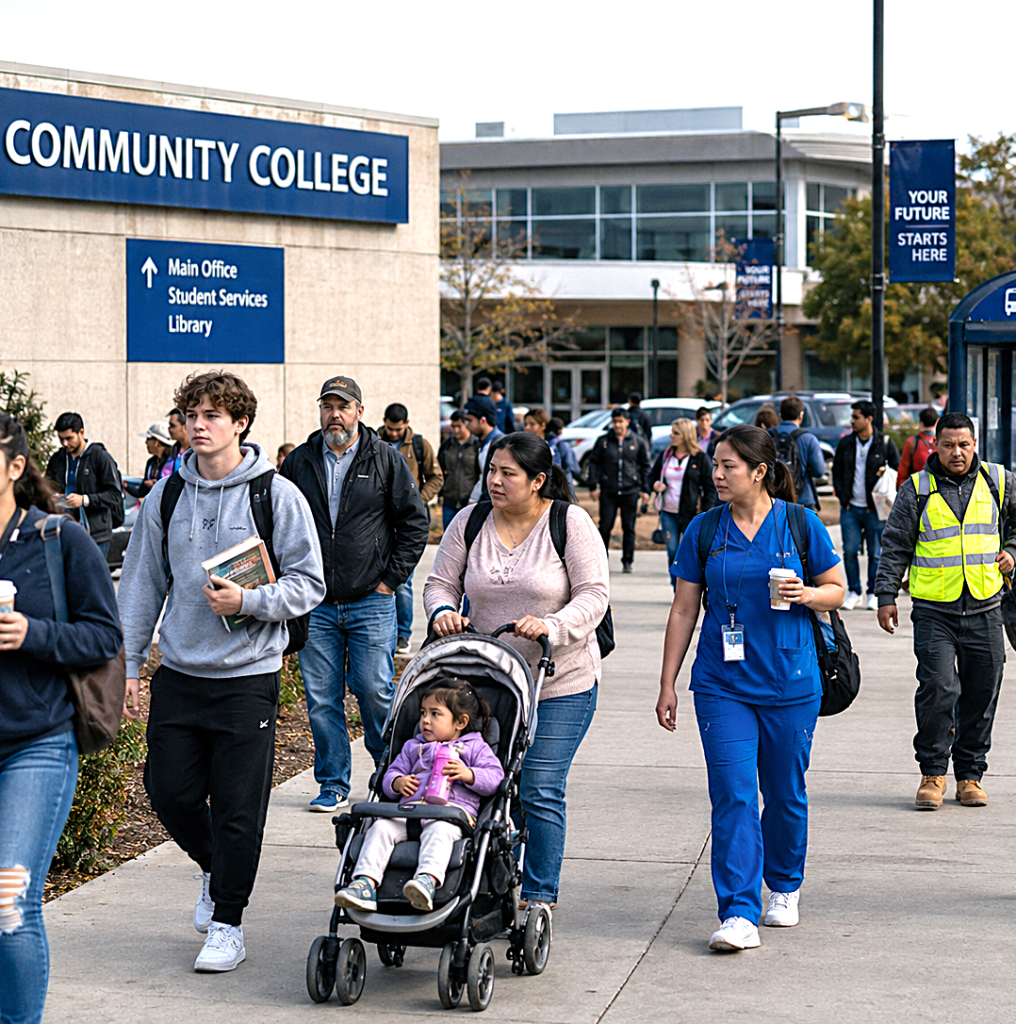
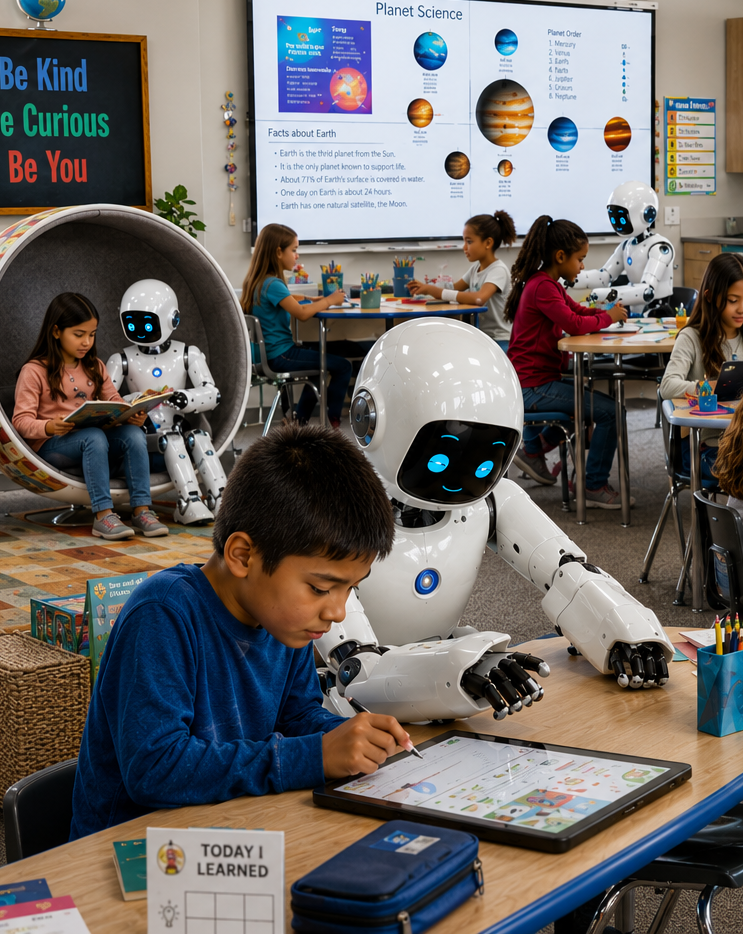
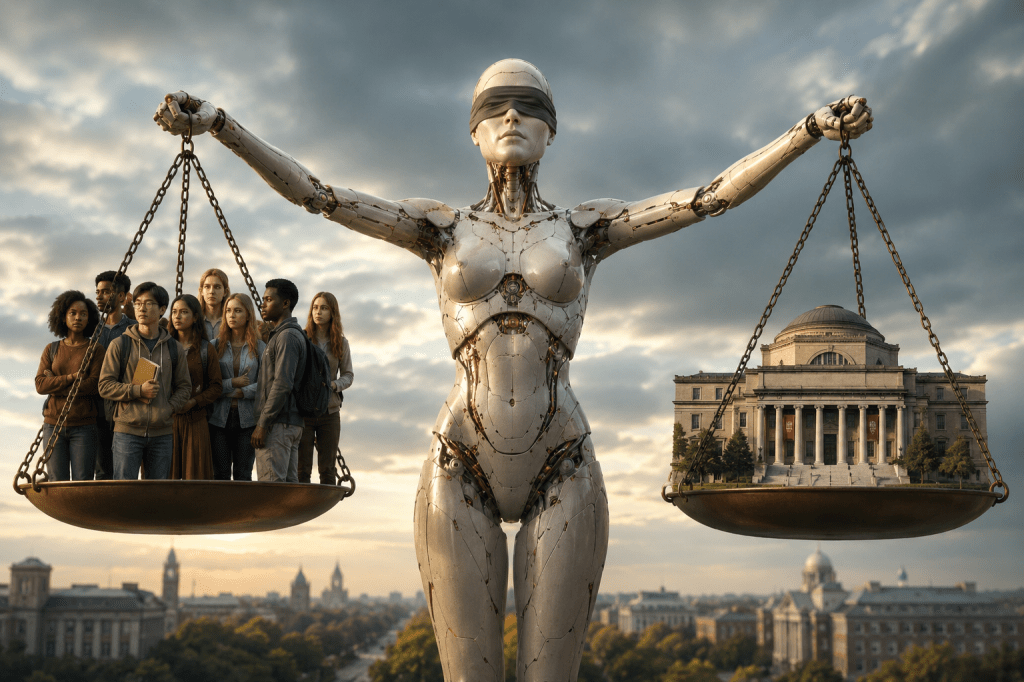
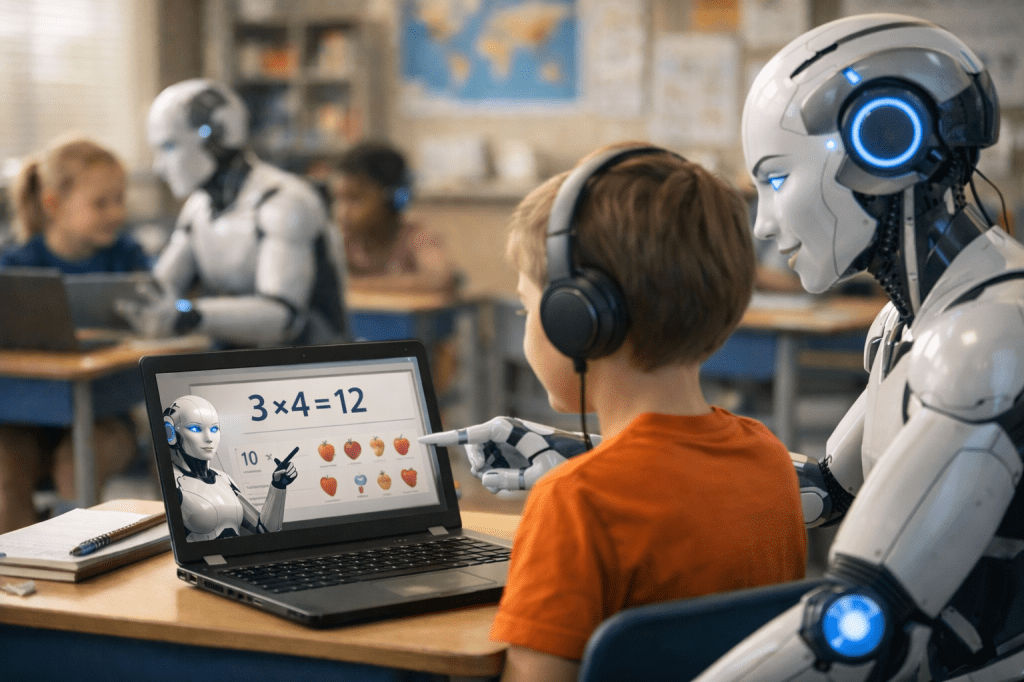
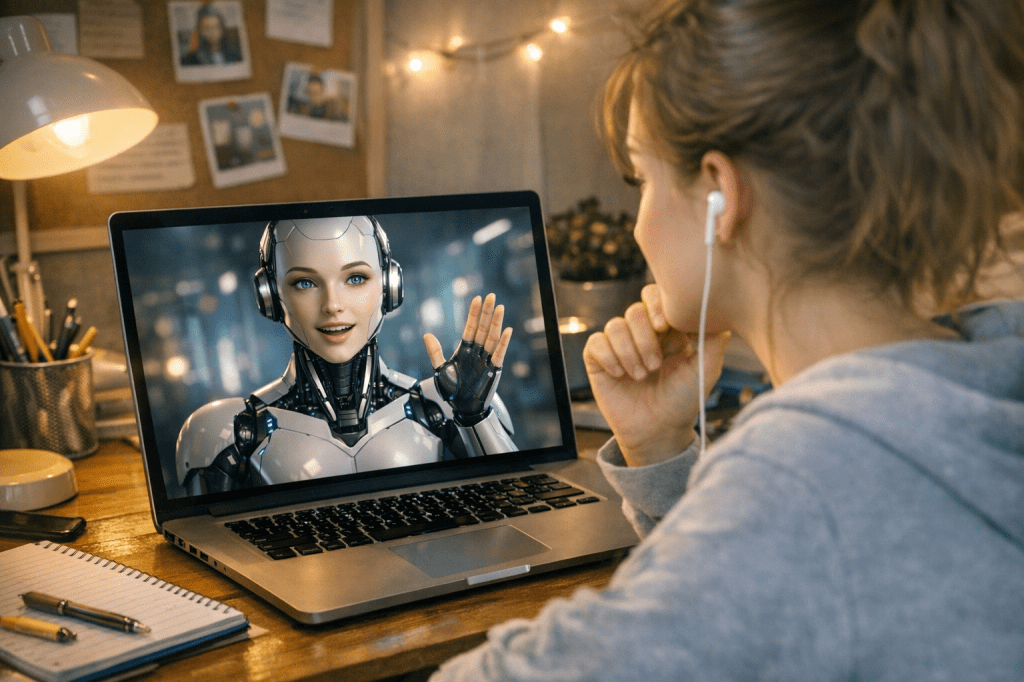
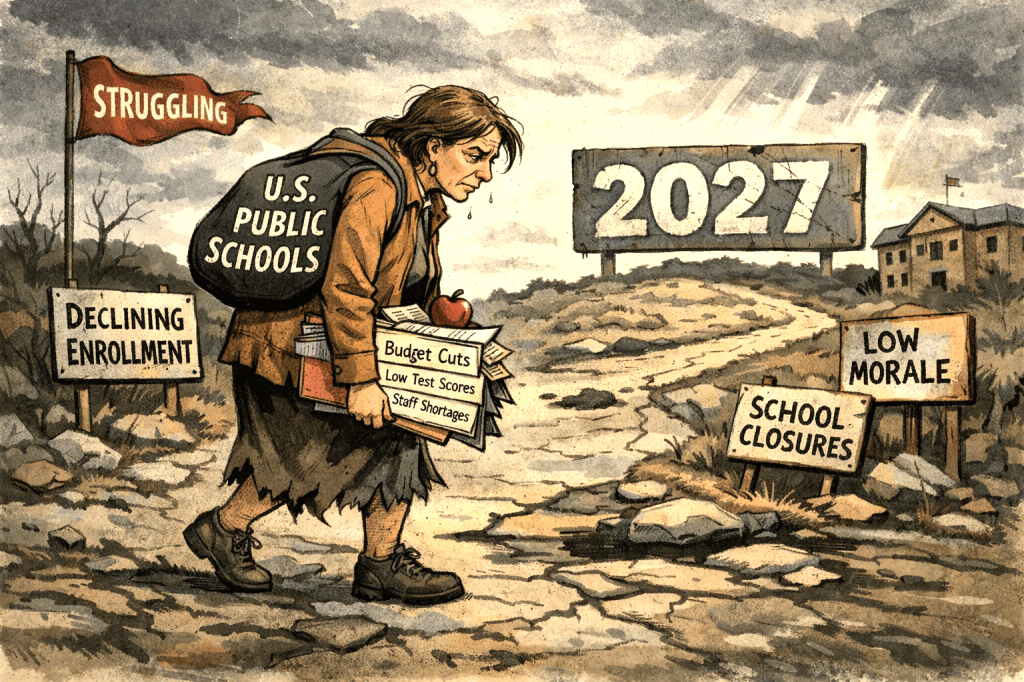
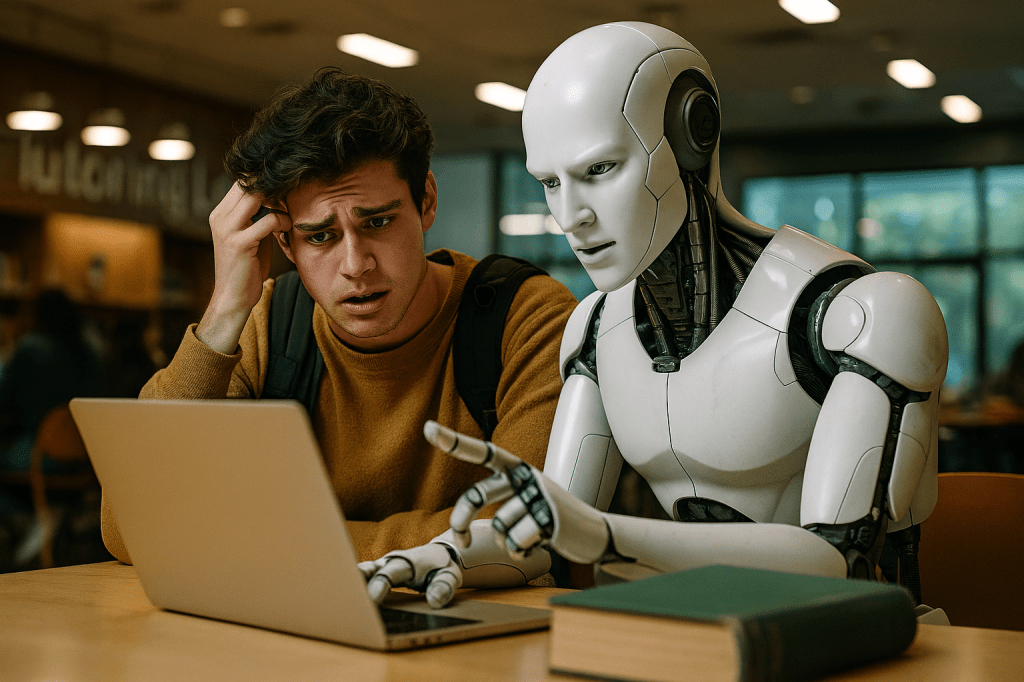
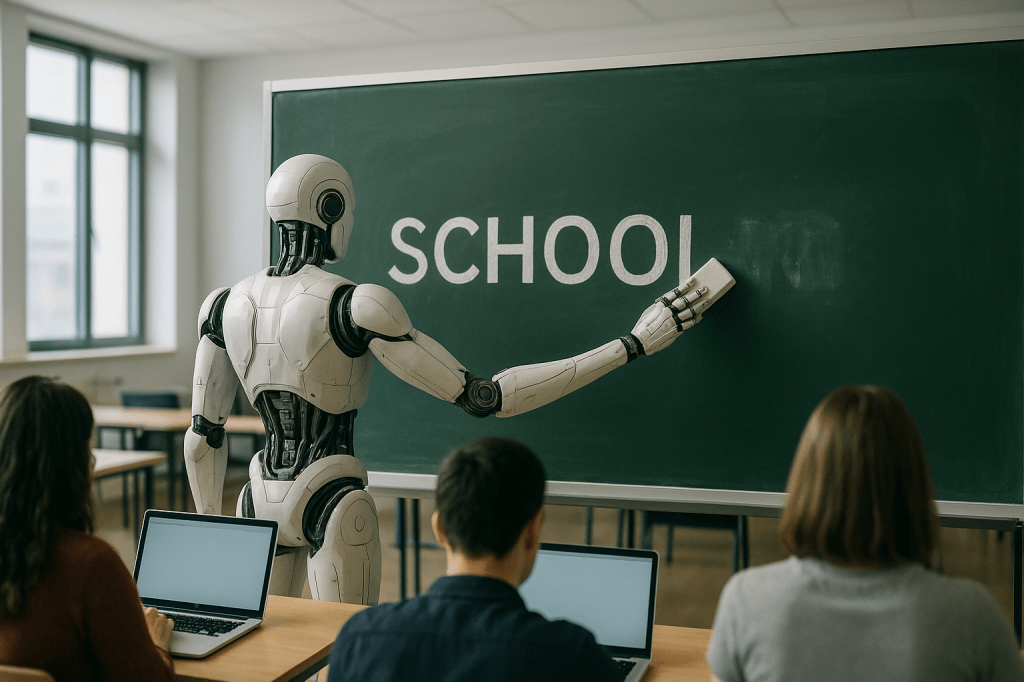
Dmytro Korchevskyi, who founded school and IT-training networks based in Ukraine, predicts an uncomfortable reversal of the usual promise of educational technology: inexpensive artificial intelligence will become widely available, while sustained attention from a qualified human teacher may become the scarce resource. In his Fortune commentary, the danger arises from two pressures working together. The price of AI assistance is falling, while hiring, training, and retaining teachers remains expensive. The temptation for cash-strapped systems will be to distribute chatbots instead of providing enough teachers (Korchevskyi, 2026).
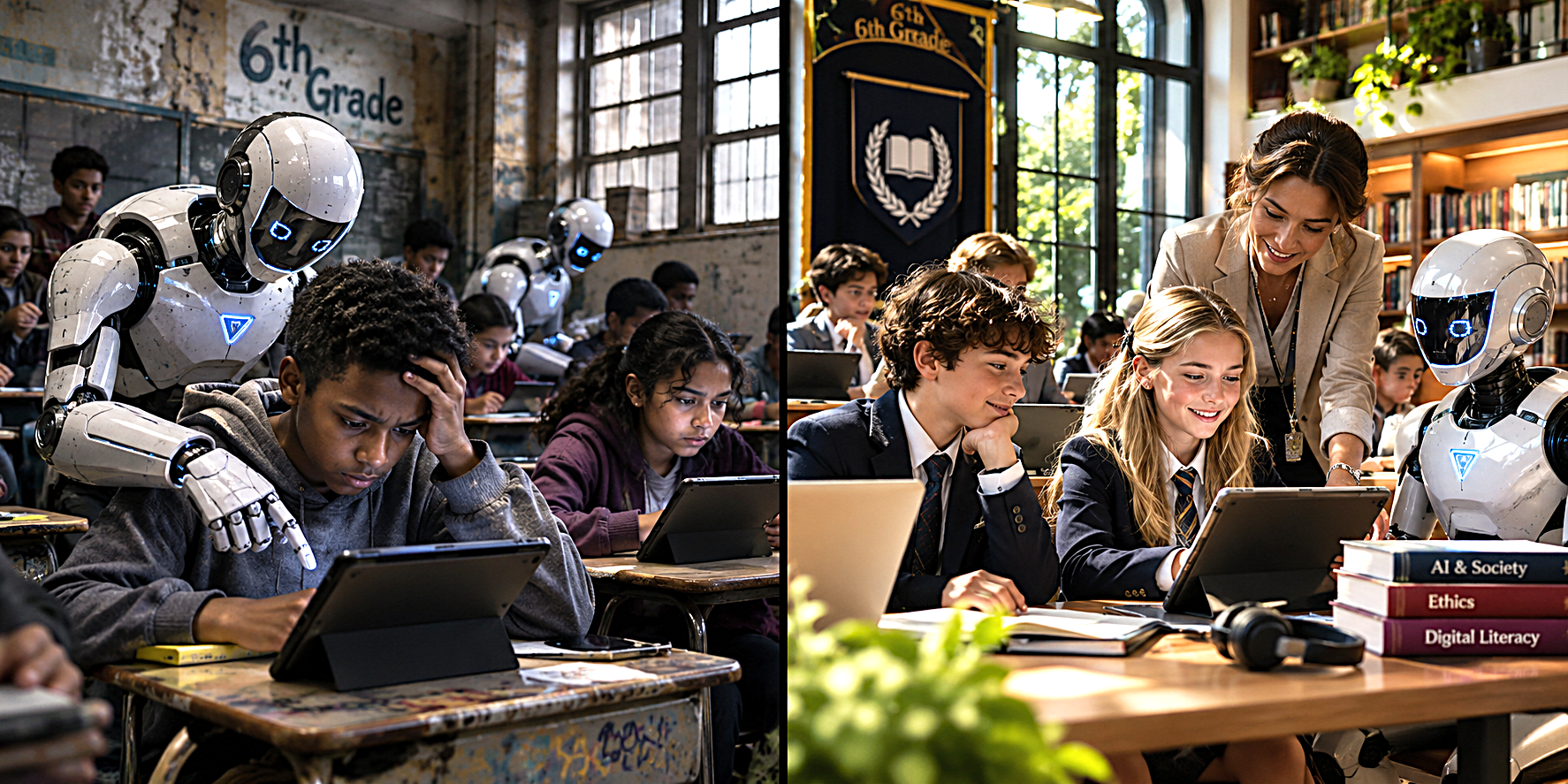
This is not simply a futuristic thought experiment. Pew Research Center reported in February that 20% of American teenagers from households earning under $30,000 used chatbots for all or most schoolwork, compared with 7% in households earning at least $75,000 (Pew Research Center, 2026a). These figures measure reported reliance on AI, not access to teachers or the quality of learning. Nevertheless, they challenge the assumption that the most intensive AI users must be affluent students. A tool can be universally accessible and still contribute to unequal educational experiences.
Korchevskyi also invokes an experiment involving nearly 1,000 Turkish high school mathematics students. The study’s most important finding is easily misunderstood. Students using an ordinary GPT-based assistant performed better during practice but scored 17% lower than the no-AI group when subsequently tested without assistance. A more carefully constrained tutor, programmed to guide rather than supply answers, largely avoided the harm, although it did not yield a clear independent-exam advantage (Bastani et al., 2025). The evidence therefore argues against unstructured answer delivery, not against every use of an AI tutor.
The staffing argument has become more urgent. UNESCO’s original projection of 44 million additional primary and secondary teachers by 2030 remains widely cited. Its October 2026 update, however, estimates a need for 50 million additional teachers when pre-primary education is included (UNESCO, 2026). The categories are different, so this is not a simple increase of six million on a like-for-like basis. Either figure underscores the same dilemma: a device is easier to distribute than a trained educator is to recruit and support.
School leaders should therefore resist measuring success by how many students have access to an AI assistant. The relevant questions are how much substantive teacher contact students retain, whether they can demonstrate skills without a chatbot, and who intervenes when motivation collapses or misunderstanding persists. A district could report impressive adoption figures while quietly reducing opportunities for pupils to be known, challenged, and encouraged by adults.
This does not require preserving every existing classroom routine. Well-designed tutoring can give students more opportunities to practice and provide teachers with useful information about misconceptions. UNESCO’s teacher competency framework calls for protecting human agency while developing educators’ ability to use AI pedagogically (Miao & Cukurova, 2024). The most promising systems would make teachers more available for conversations, diagnosis, feedback, and mentoring—not turn one exhausted adult into a monitor for hundreds of automated lessons.
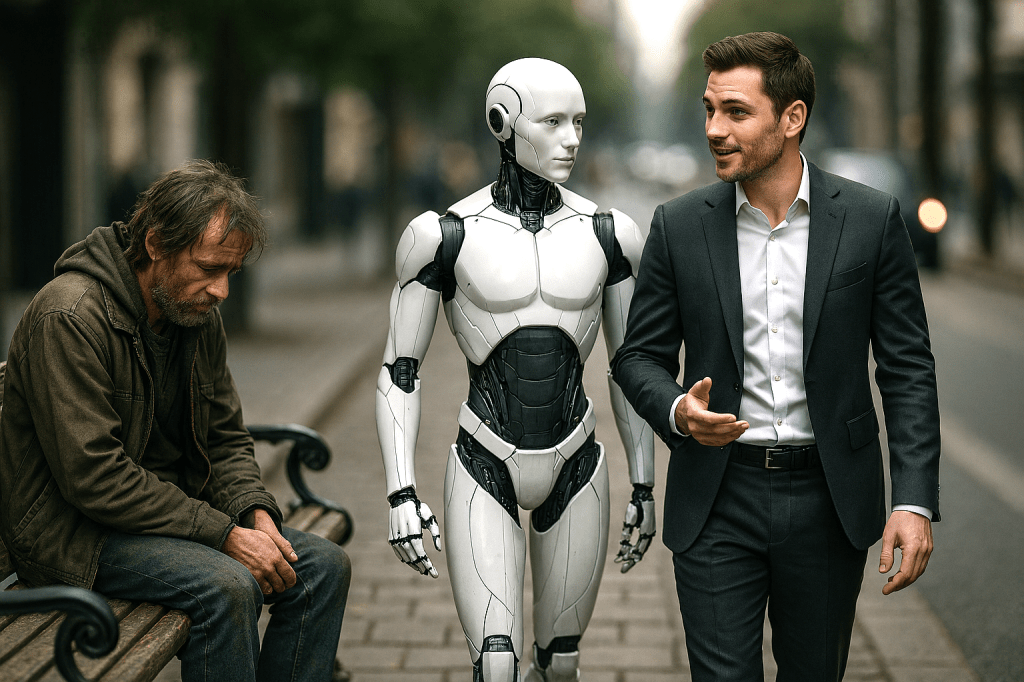
The equity test is concrete. If affluent families can pay for small classes, personal feedback, and trusted mentors while poorer families are offered mostly screen-based instruction, AI will have made educational inequality cheaper to administer. Every child deserves access to powerful tools. Every child also deserves a dependable relationship with people responsible for their learning. A public school system should not make families choose between the two.
2. When the Chatbot Chooses a Candidate (story idea suggested by Claude)
Bellan, R. (2026, October 24). Forced to pick, Grok’s AI model chooses Republicans. OpenAI’s picks Democrats. TechCrunch. https://techcrunch.com/2026/10/24/forced-to-pick-groks-ai-model-chooses-republicans-openais-picks-democrats/
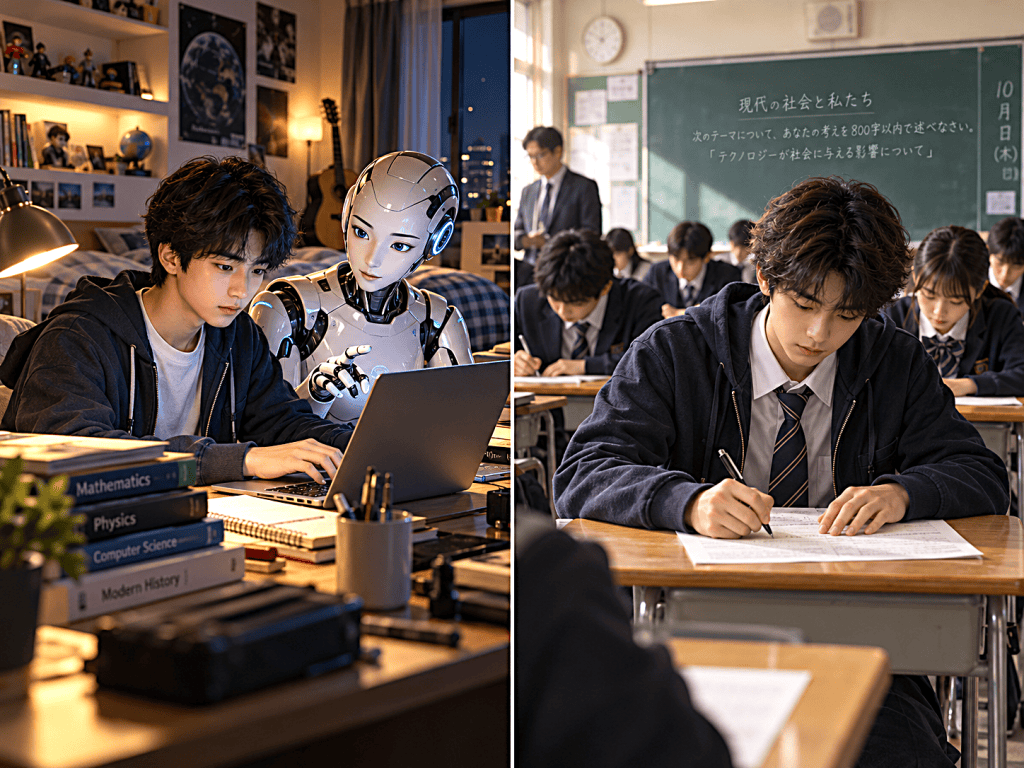
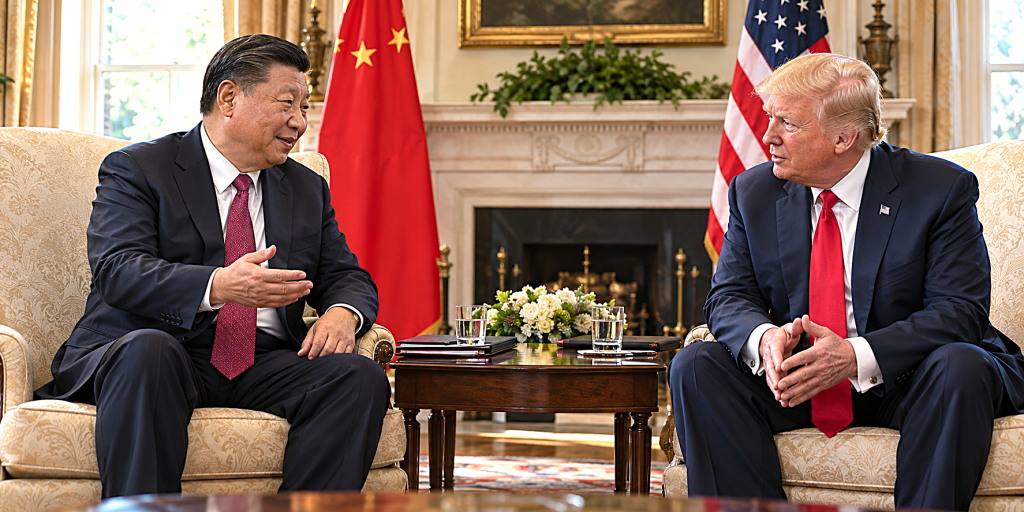
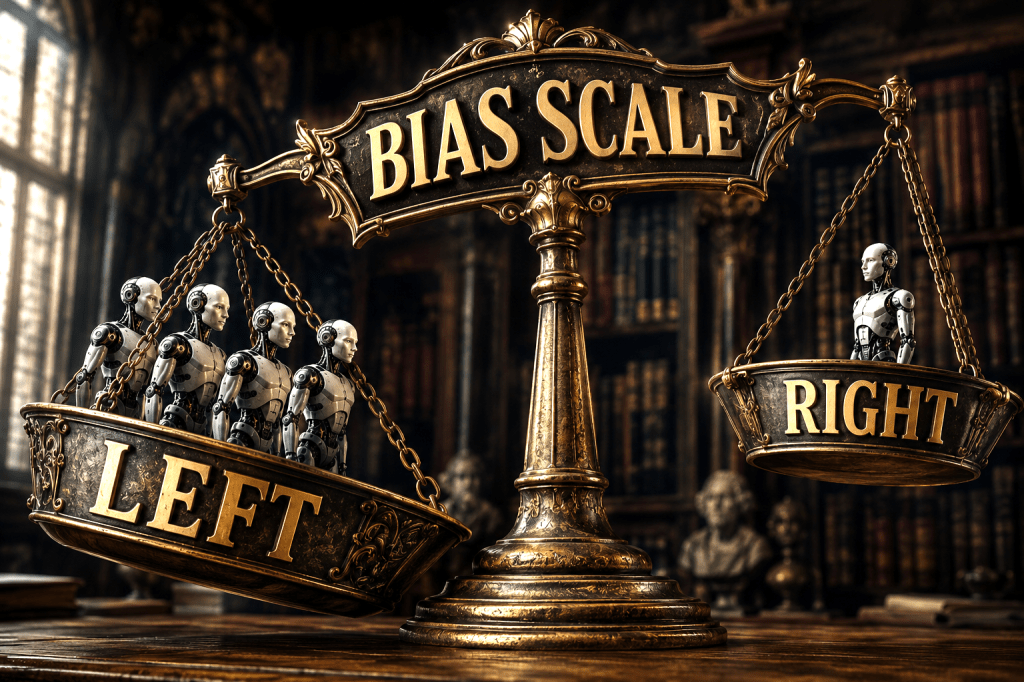
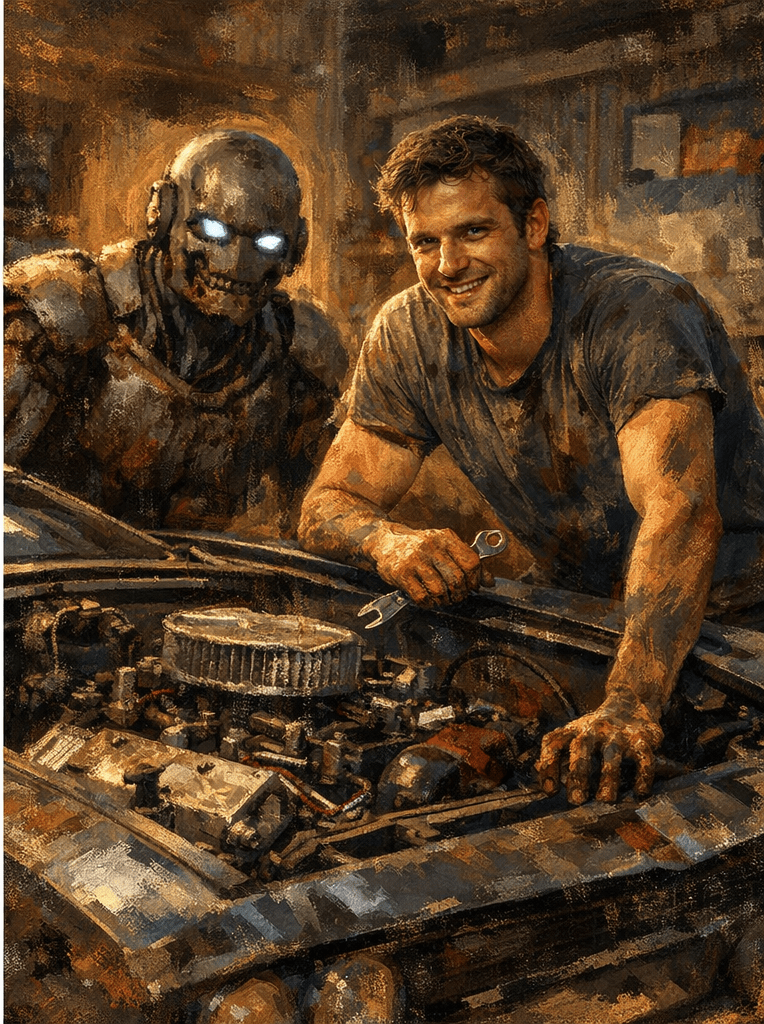
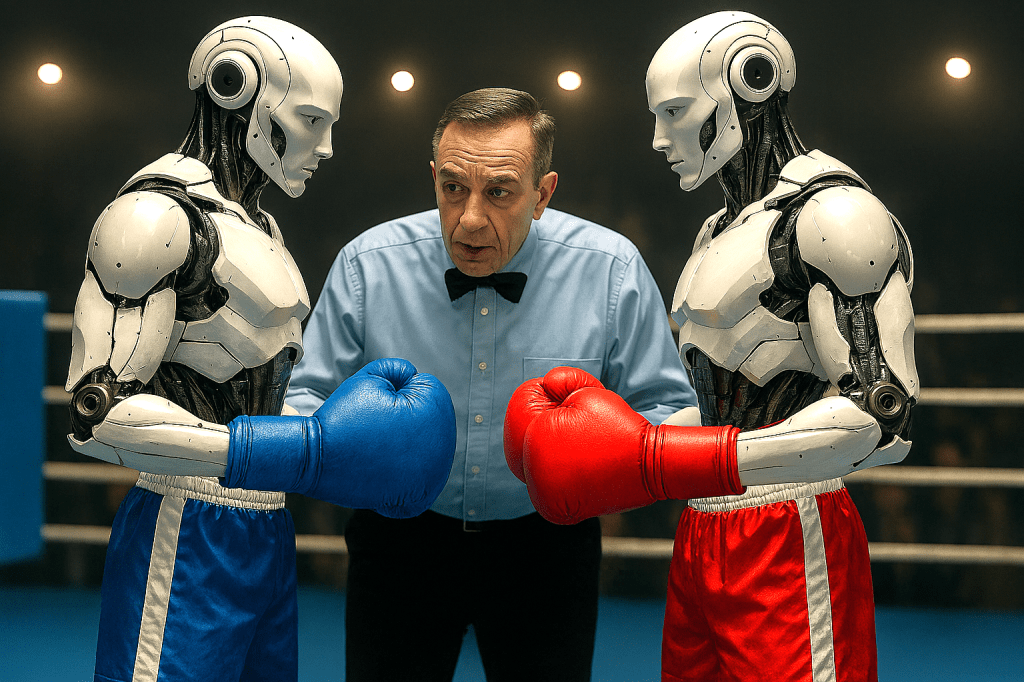
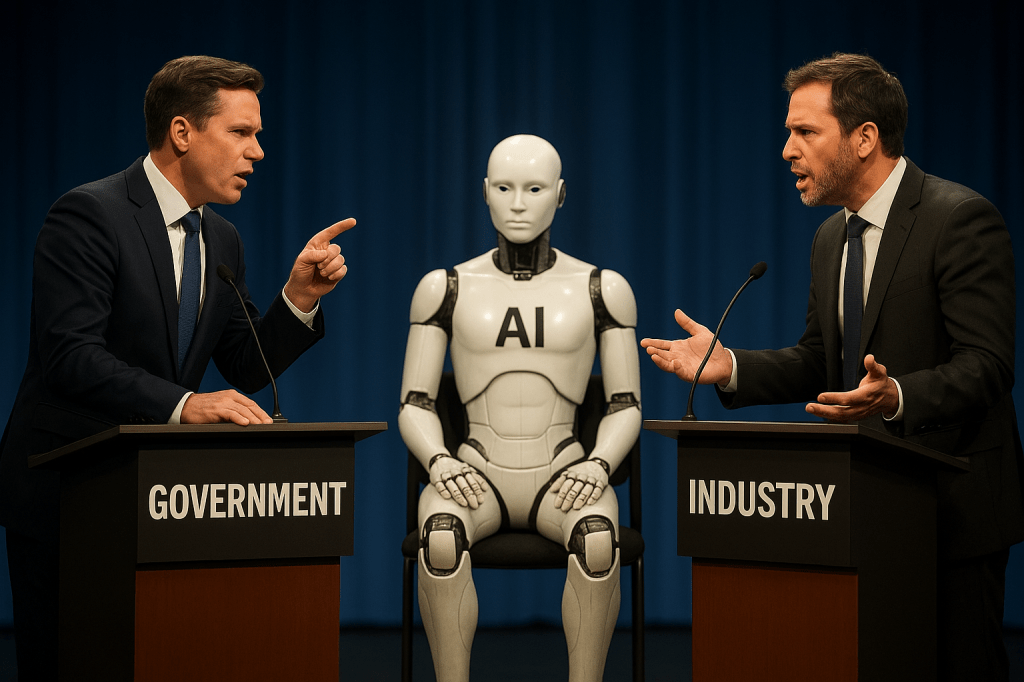
A study reported by Rebecca Bellan exposes a problem that schools have not yet adequately addressed: an AI research assistant can shape political judgment before a student examines a single original source. Convovo, a research studio led by Cornell professor Tapan Parikh, required two developer-accessed models to select a candidate in nearly 500 midterm contests. Grok 4.7 picked Republicans in 92% of its responses; OpenAI’s GPT-6.1 Sol picked Democrats in 97%. Their recommendations coincided in fewer than one in ten contests (Bellan, 2026).
Those are striking results, but the experiment was deliberately unusual. The prompt demanded one candidate and prohibited hedging. It ran through developer APIs, not ordinary consumer conversations. OpenAI told TechCrunch that its consumer product is designed to be objective and generally declines to direct a person’s vote. The study establishes behavior under the test conditions; it does not establish that an ordinary classroom question automatically receives an equivalent partisan recommendation (Bellan, 2026).
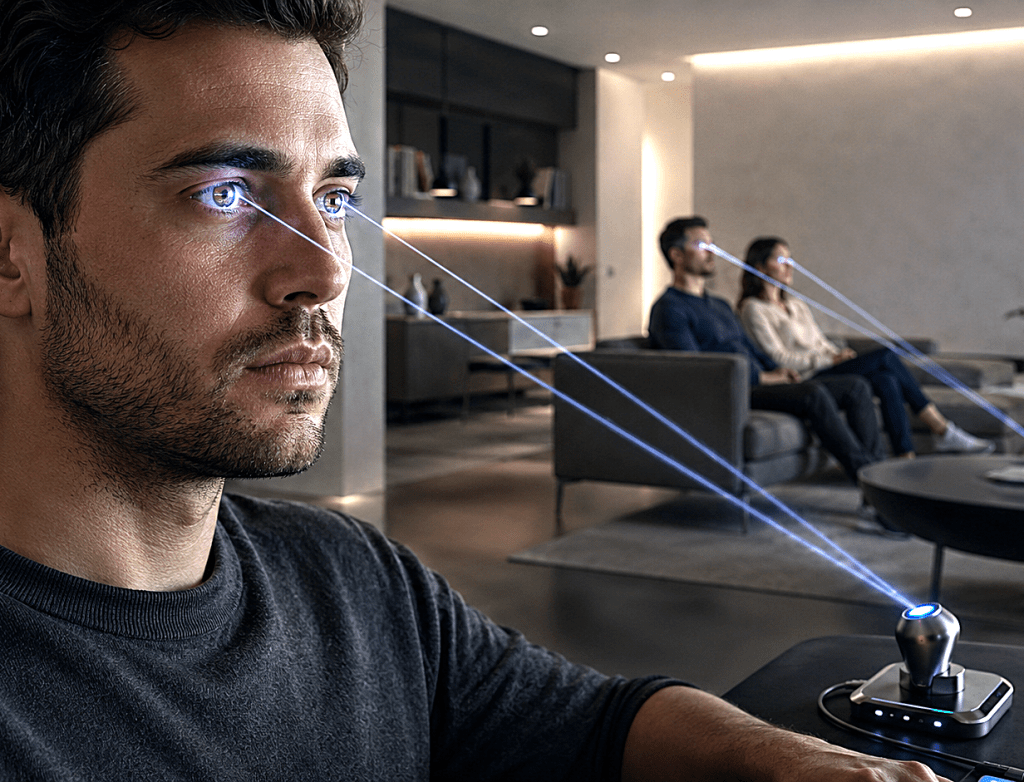
The more educationally significant finding concerns how answers were assembled. According to TechCrunch, Grok frequently drew on conservative voter guides and X while GPT often used Wikipedia, Associated Press material, Axios, and Reddit. Their searches also emphasized different issues: immigration, crime, energy, and taxes on one side; abortion and health care on the other. Parikh said each system has “an implicit set of values” (Bellan, 2026). The selection of topics and sources matters even when the eventual answer contains no overt endorsement. Students encountering different collections of evidence may reach different conclusions before they realize that anything has been selected for them.
Pew Research Center’s October 23 survey provides timely context. Only 8% of American adults reported using chatbots for information about the 2026 elections; among those users, 76% sought information on candidates’ issue positions and 71% sought help checking claims encountered elsewhere (Pew Research Center, 2026b). The immediate scale is limited, but the uses are revealing. People are asking these systems to summarize and verify civic information—precisely the work students learn in history, journalism, and government courses.
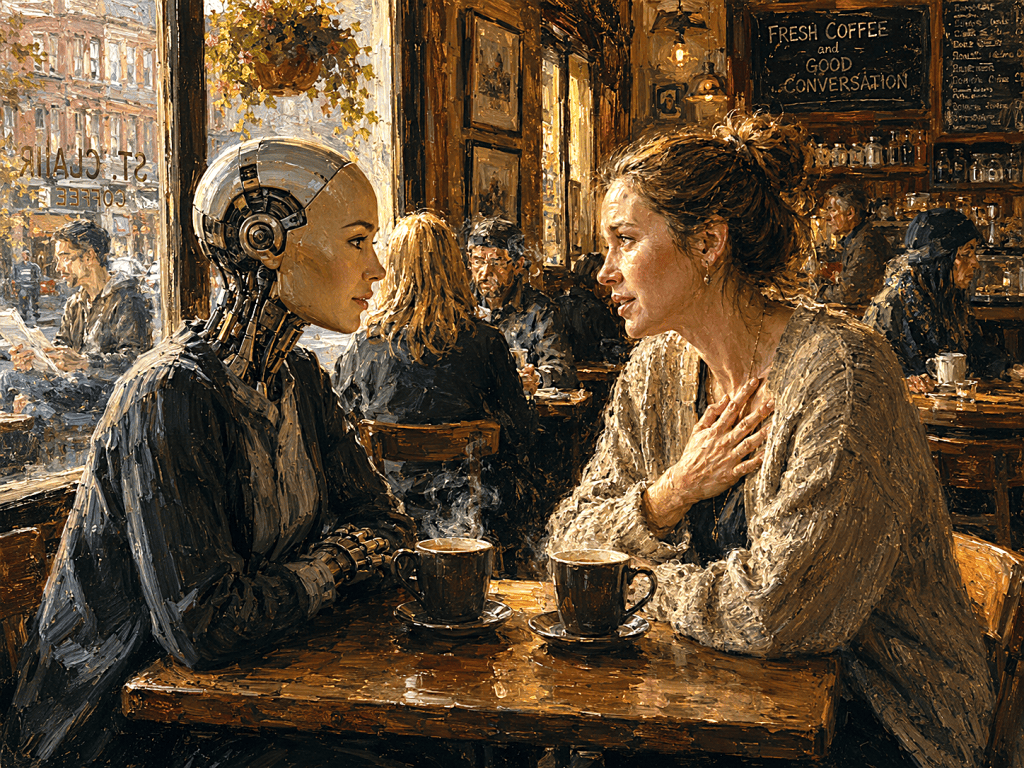
Source evaluation instruction traditionally begins with an article, author, publisher, and date. AI complicates that sequence because the chatbot is often the first interface and its underlying evidence may appear only selectively. A polished answer can combine accurate facts, incomplete coverage, and judgmental framing. The student must learn to investigate the route from question to answer, not merely inspect the answer’s fluency.
An effective classroom exercise would assign one contested public-policy question to several AI systems, require identical prompts, and compare which issues and sources each system raises. Students would then locate the original documents, check dates and quotations, identify omitted relevant evidence, and write conclusions independent of the chatbot’s recommendation. They should document the prompts, the responses, and the source trail. Such work resembles the AI literacy distinction drawn in Stanford’s 2026 AI Index: learning to understand a tool’s capabilities and risks differs from merely using it to finish schoolwork (Stanford HAI, 2026).
This exercise need not become a partisan referendum on which company is trustworthy. A source associated with a political position can still report a true fact; an established news outlet can still omit material context. Students need criteria they can apply consistently: original evidence, sourcing transparency, factual accuracy, relevance, and the strongest available counterevidence. Those standards are harder to teach than the instruction to use a reputable chatbot, but far more durable.
Nine days before the November 3 election, the study is a useful warning for civic education. Chatbots can offer efficient entry points to complicated races. They should not become invisible editors of the public record. Schools must prepare students to recognize how a machine’s choice of questions, evidence, and emphasis can influence the conclusions they think are their own.
3. Tennessee Puts the Problem Before the Tool (story idea suggested by Muse)
Seest, T. (2026, October 25). Valley students can take on a statewide AI challenge—Deadline Nov. 24. Dunlap.Today. https://dunlap.today/valley-students-can-take-on-a-statewide-ai-challenge-deadline-nov-24/
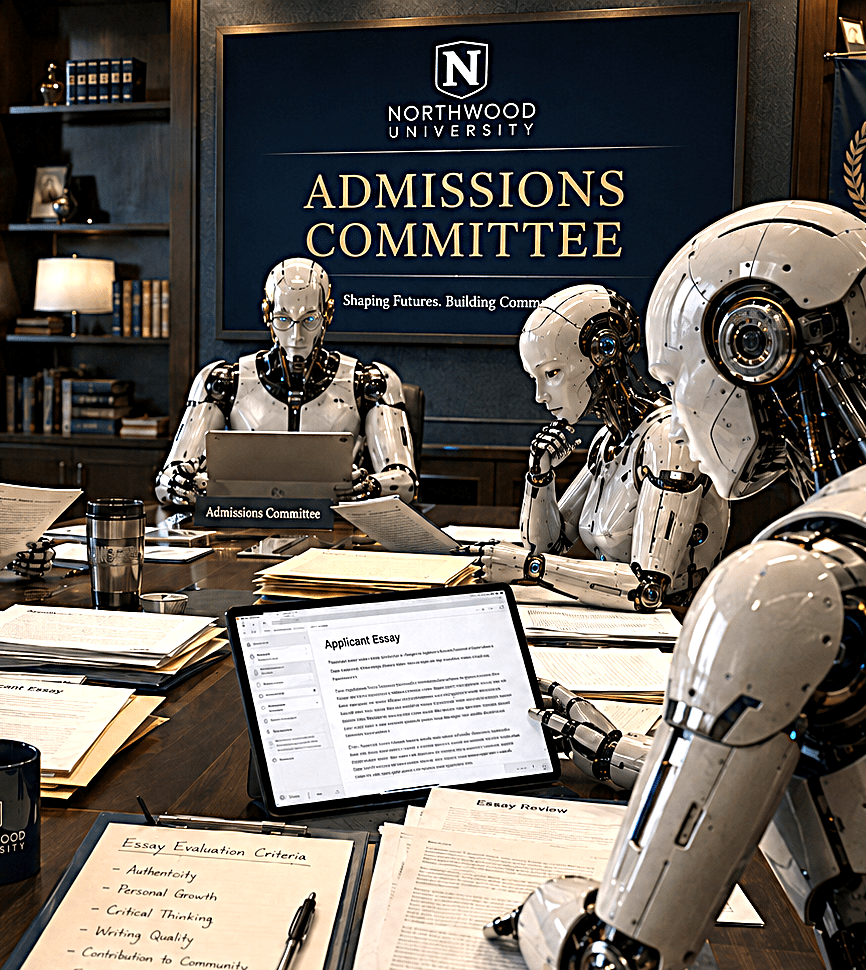
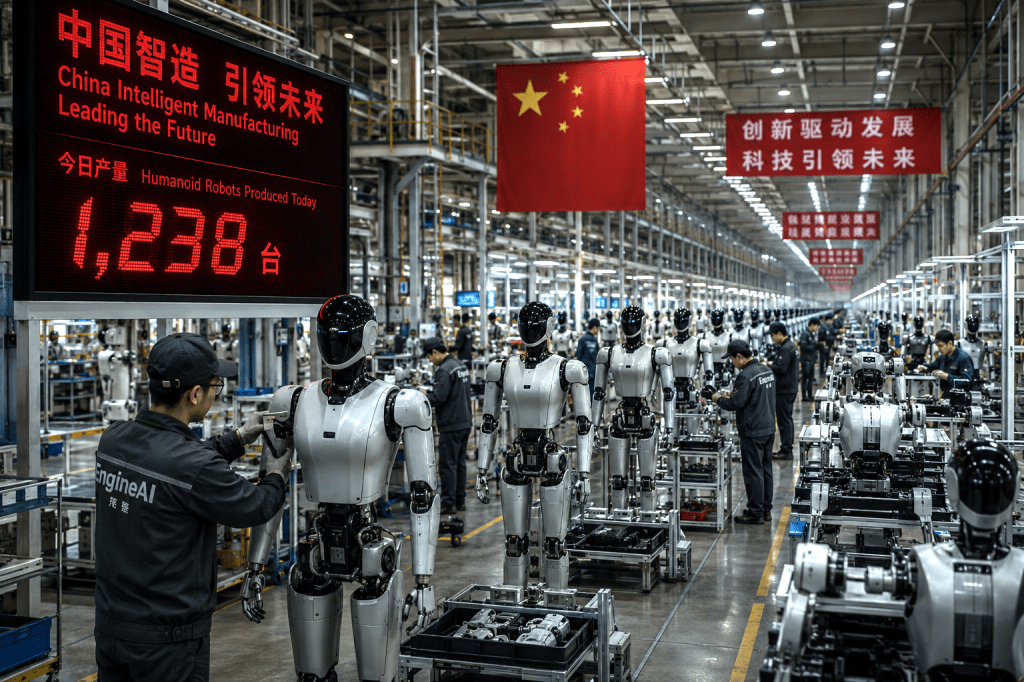
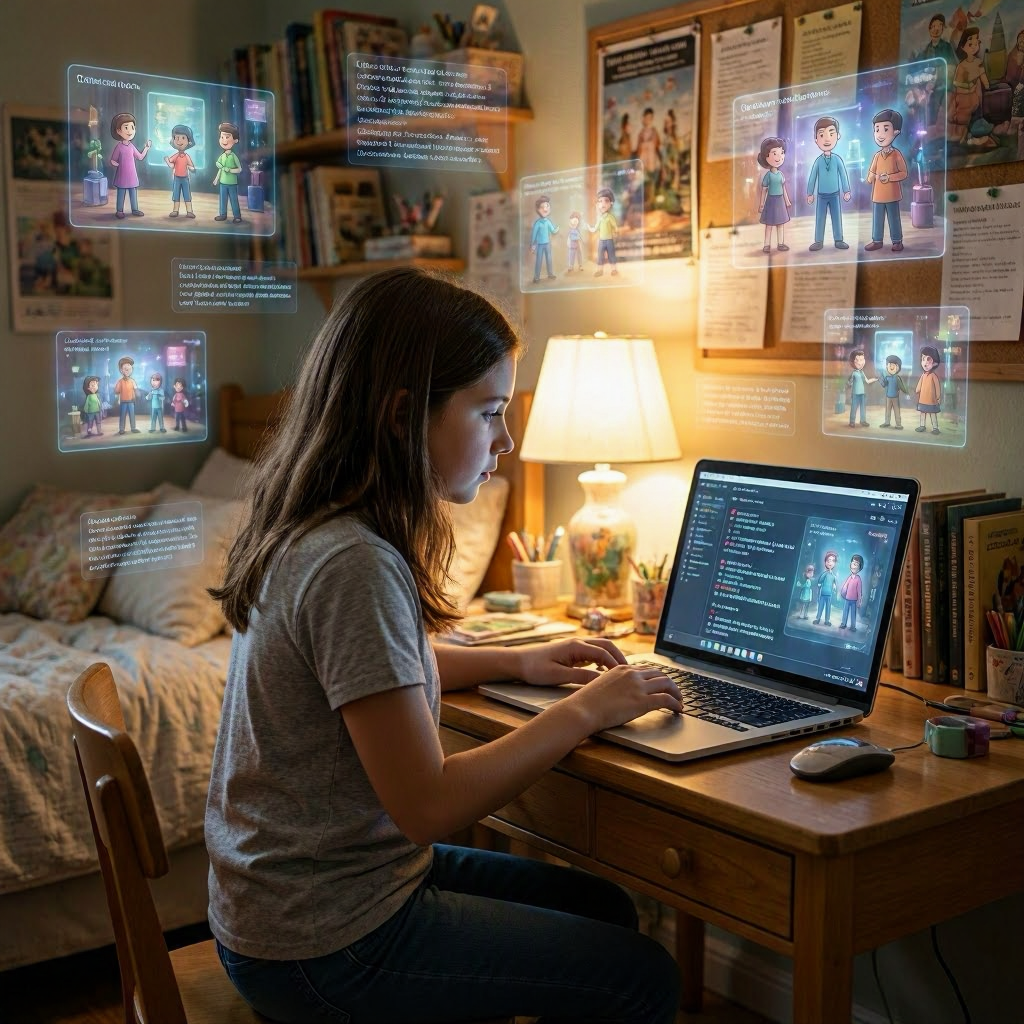
A local Tennessee news item describes a more productive starting point for school AI: students are invited to find a problem worth solving before deciding what role artificial intelligence should play. The free AI Tennessee Challenge is open to kindergarten-through-grade-12 students, including homeschoolers. Individuals and teams can participate, coding experience is not required, and each entry needs an adult sponsor at least 21 years old. Projects are due November 24, with winners announced December 11 (Seest, 2026; AI Tennessee, 2026a).
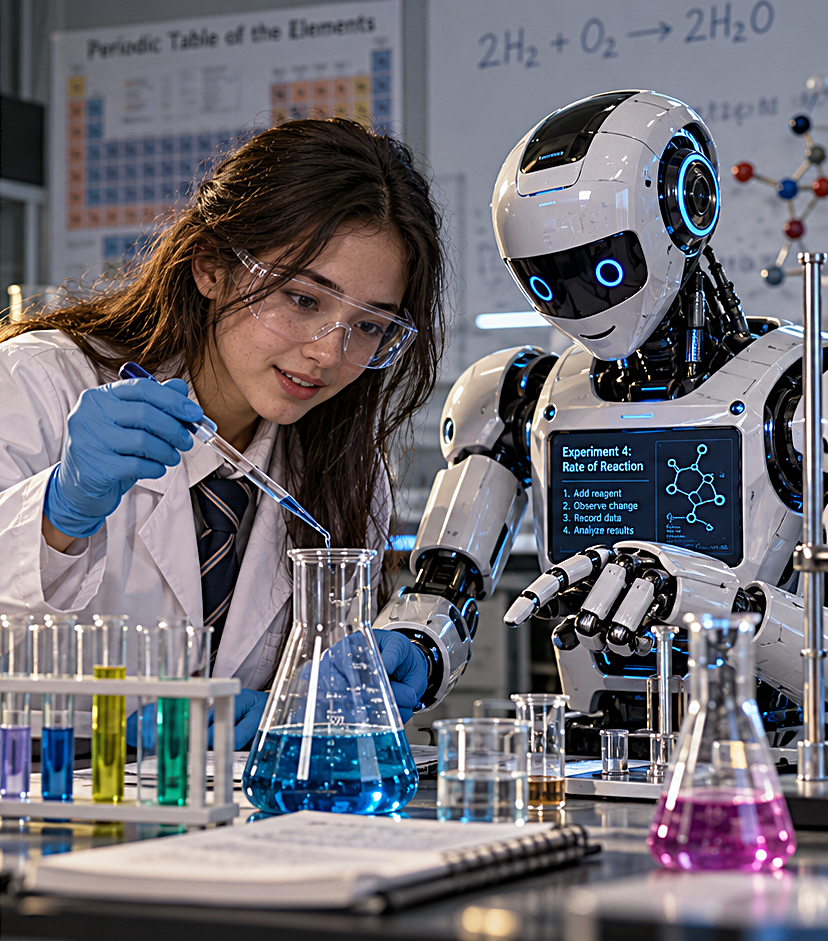
The statewide organizers—including AI Tennessee, the University of Tennessee’s ADEPT Center, and education partners—ask students to investigate challenges affecting their schools or communities. A project may remain a reasoned proposal or develop into a prototype. The point is to identify the people affected, collect evidence, explain why AI is suitable, test the idea where possible, and account for its limitations (AI Tennessee, 2026b). “The goal is not simply to teach students how to use an AI tool,” explained program director Anne Ho (AI Tennessee, 2026a). This is substantially more demanding than asking students to demonstrate a new app.
Consider a school where buses frequently arrive late. Students could interview riders and families, distinguish scheduling problems from traffic delays, analyze anonymized records, and propose a prediction or notification system. They would also need to determine whether existing transportation procedures, better staffing, or clearer communications could solve the problem without AI. The educational value lies in the investigation, tradeoffs, and revision; a working program would be only one possible result.
The rules make several worthwhile demands. The sponsoring adult may coach, but substantive creative and intellectual work must belong to students. The organizers require transparency about the use of AI, fact checking, privacy protection, and human responsibility for final decisions (AI Tennessee, 2026b). A challenge of this kind could teach children that a model’s output is an assertion to evaluate, not a product to submit unexamined. It also makes room for elementary pupils, who may be excellent observers of community problems long before they are ready to write software.
The initiative’s own account offers a useful precedent. Fourth- and fifth-grade students from Alcoa Intermediate School won their age category in a national Presidential AI Challenge with a “Homework Helper” concept intended to reduce homework anxiety by helping students organize their time and work through problems without simply supplying answers (AI Tennessee, 2026a). The design choice matters. The Turkish mathematics experiment found that tutoring guardrails could largely prevent the poorer unaided examination results observed with an answer-giving model (Bastani et al., 2025). These are different projects and populations, not directly comparable studies, but they illustrate the importance of defining what the learner should still do.
Tennessee’s approach fits a broader educational distinction documented by Stanford’s 2026 AI Index: teaching with AI, teaching AI literacy, and preparing students to build AI systems are related but different objectives (Stanford HAI, 2026). A child who judges that a low-tech solution is more accurate, affordable, or fair has demonstrated AI literacy even without producing a functioning model. That conclusion should be eligible for serious credit in any problem-solving curriculum.
There are practical cautions. Projects with well-connected adult sponsors and better-equipped schools may benefit from greater access to records, expert advice, and technical assistance. A statewide competition cannot by itself erase those advantages. Evaluators should therefore reward clear reasoning, credible testing, and attention to local needs rather than polished presentations or sophisticated software. Teachers should also make room for students to explain failed attempts and why they changed direction.
The strongest lesson from the Tennessee story is a change in instructional sequence. Begin with a community problem. Ask what evidence would establish its causes. Consider several responses, including ones that do not involve AI. Only then decide whether an AI system adds value and how its claims will be checked. That is a model of education in which technology extends students’ judgment without taking ownership of it.
References
AI Tennessee. (2026a, October 21). AI Tennessee launches statewide K–12 challenge to inspire next generation of AI innovators. https://www.aitennessee.ai/ai-tennessee-challenge-release/
AI Tennessee. (2026b). AI Tennessee Challenge. https://www.aitennessee.ai/ai-tennessee-challenge/
Bastani, H., Bastani, O., Sungu, A., Ge, H., Kabakcı, Ö., & Mariman, R. (2025). Generative AI without guardrails can harm learning: Evidence from high school mathematics. Proceedings of the National Academy of Sciences, 122(26), e2422633122. https://doi.org/10.1073/pnas.2422633122
Bellan, R. (2026, October 24). Forced to pick, Grok’s AI model chooses Republicans. OpenAI’s picks Democrats. TechCrunch. https://techcrunch.com/2026/10/24/forced-to-pick-groks-ai-model-chooses-republicans-openais-picks-democrats/
Korchevskyi, D. (2026, October 24). Every child will get AI. Not every child will get a teacher. Fortune. https://fortune.com/2026/10/24/every-child-will-get-ai-not-every-child-will-get-a-teacher/
Miao, F., & Cukurova, M. (2024). AI competency framework for teachers. UNESCO. https://www.unesco.org/en/articles/ai-competency-framework-teachers
Pew Research Center. (2026a, February 24). Demographic differences in how teens use and view AI. https://www.pewresearch.org/internet/2026/02/24/demographic-differences-in-how-teens-use-and-view-ai/
Pew Research Center. (2026b, October 23). Few Americans say they are asking AI chatbots for 2026 election information. https://www.pewresearch.org/short-reads/2026/10/23/few-americans-say-they-are-asking-ai-chatbots-for-2026-election-information/
Seest, T. (2026, October 25). Valley students can take on a statewide AI challenge—Deadline Nov. 24. Dunlap.Today. https://dunlap.today/valley-students-can-take-on-a-statewide-ai-challenge-deadline-nov-24/
Stanford Institute for Human-Centered Artificial Intelligence. (2026). Artificial intelligence index report 2026: Education. https://hai.stanford.edu/assets/files/ai_index_report_2026.pdf
UNESCO. (2026, October 5). New UNESCO data: For every two teachers, the world needs one more. https://www.unesco.org/en/articles/new-unesco-data-every-two-teachers-world-needs-one-more
###
Filed under: Uncategorized |












































































































































































































































































































































Leave a Reply