





By Jim Shimabukuro (assisted by Claude)
Editor
Three news items from October 23 and 24, from Chapel Hill, Austin, and Seattle. Each one moves AI a step closer to a role that people used to hold: the judge who questions a student, the analyst who sizes up an athlete, and the specialist who drafts a child’s education plan. At UNC, a ChatGPT-powered bench reached the right verdict and scored 1.5 out of 10 on conversation. Plus: Texas turns its athletes into a data lab, and a K-12 vendor hands districts the keys to build their own AI.

1. May It Please the Machine: UNC Law Students Argue Before AI Justices (story idea suggested by Gemini)
Johnson, K. R. (2026, October 24). AI everywhere: University School of Law holds mock Supreme Court arguments using AI justices. TaxProf Blog. https://taxprofblog.aals.org/2026/10/24/ai-everywhere-university-school-of-law-holds-mock-supreme-court-arguments-using-ai-justices/
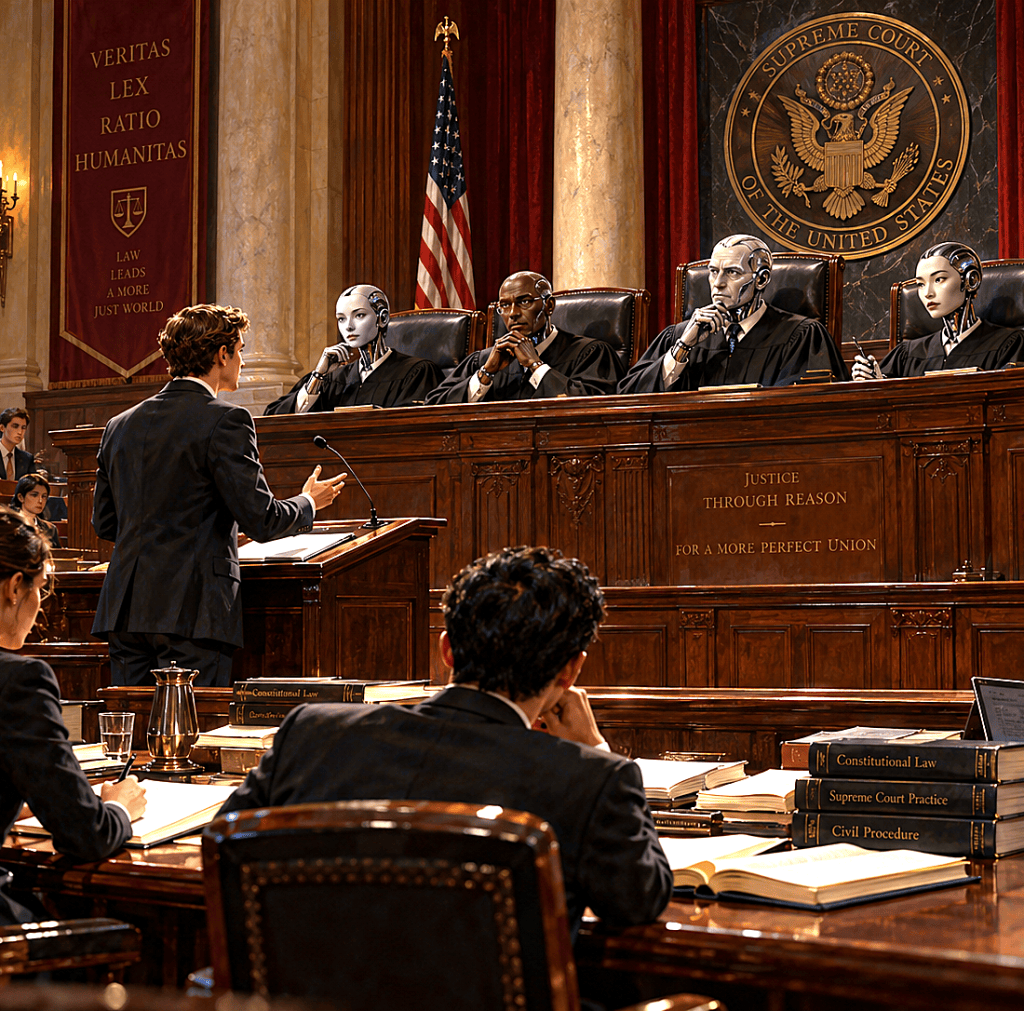
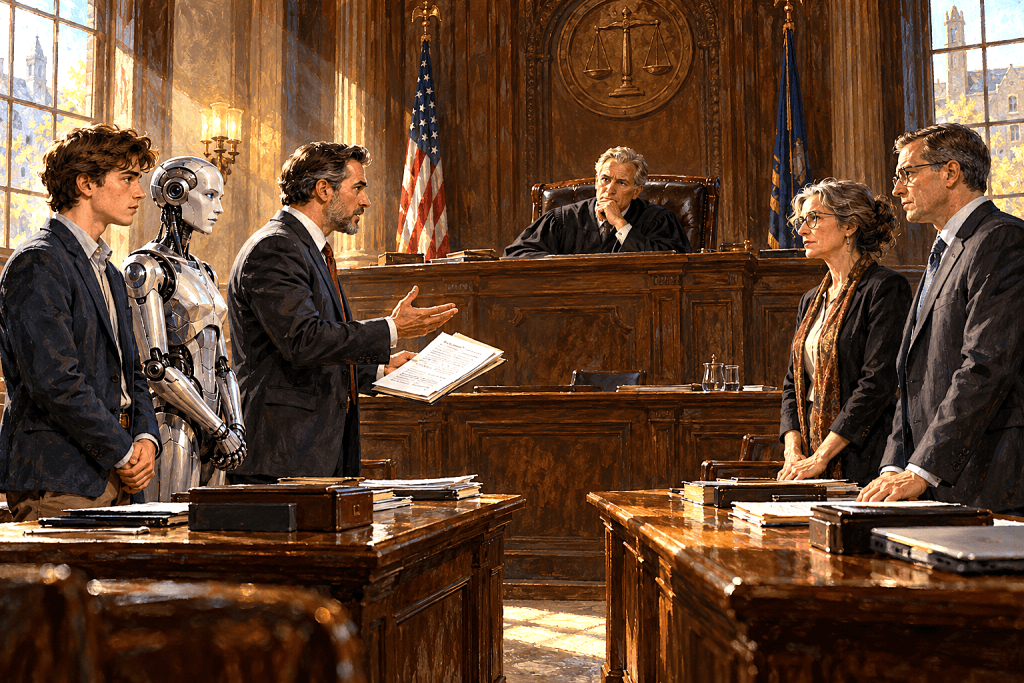
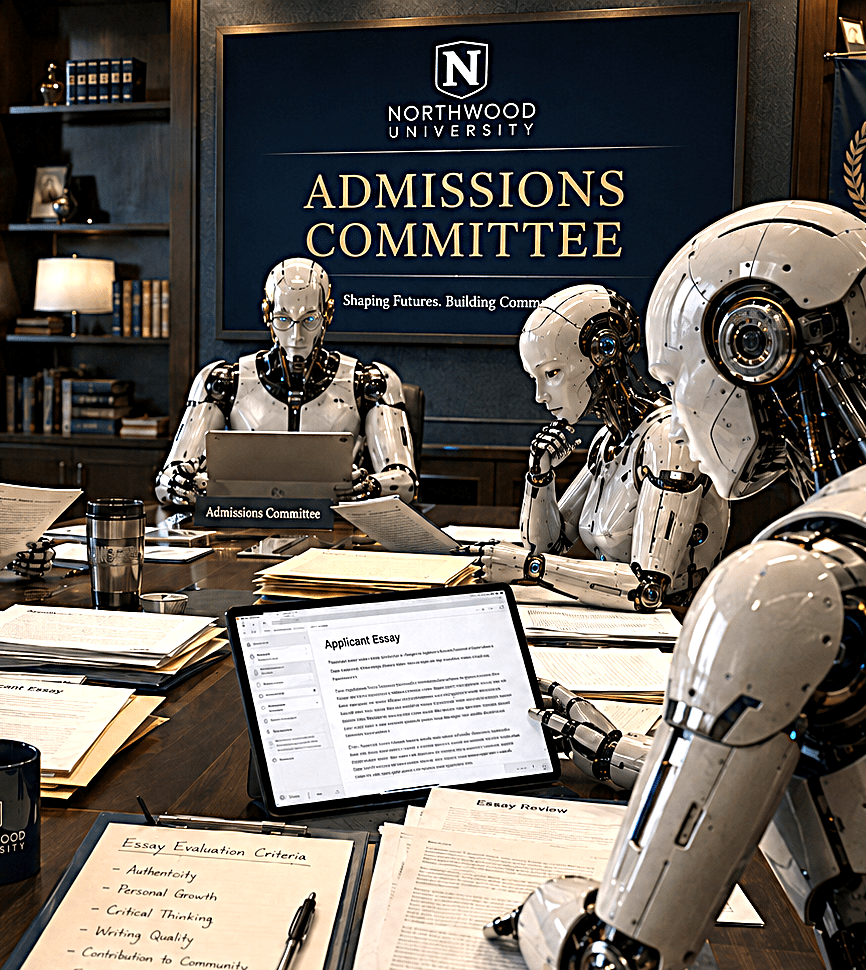
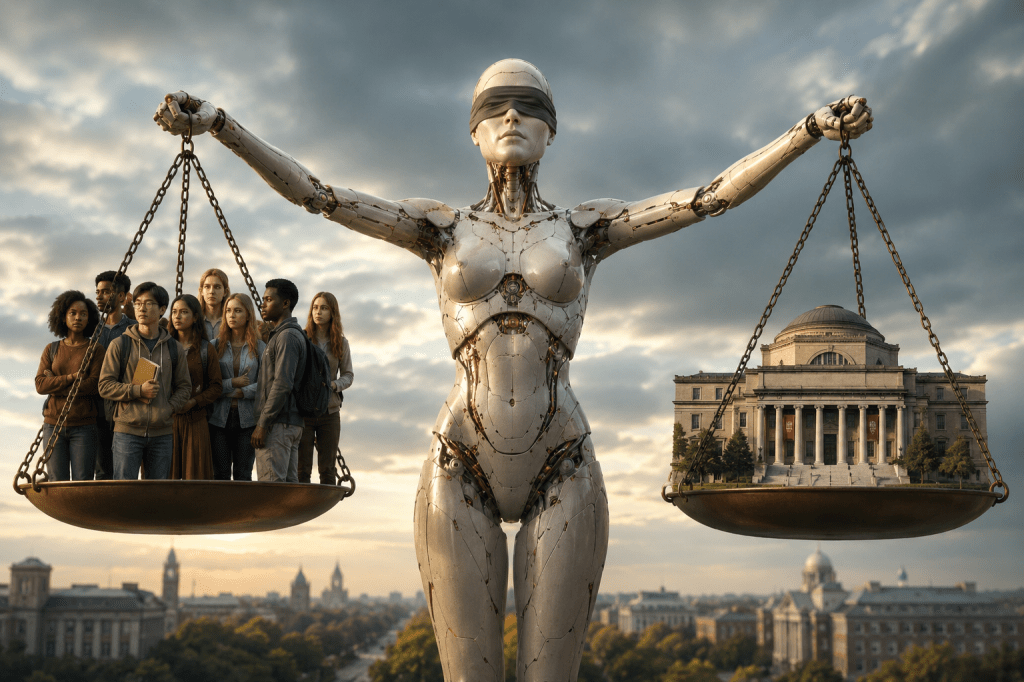
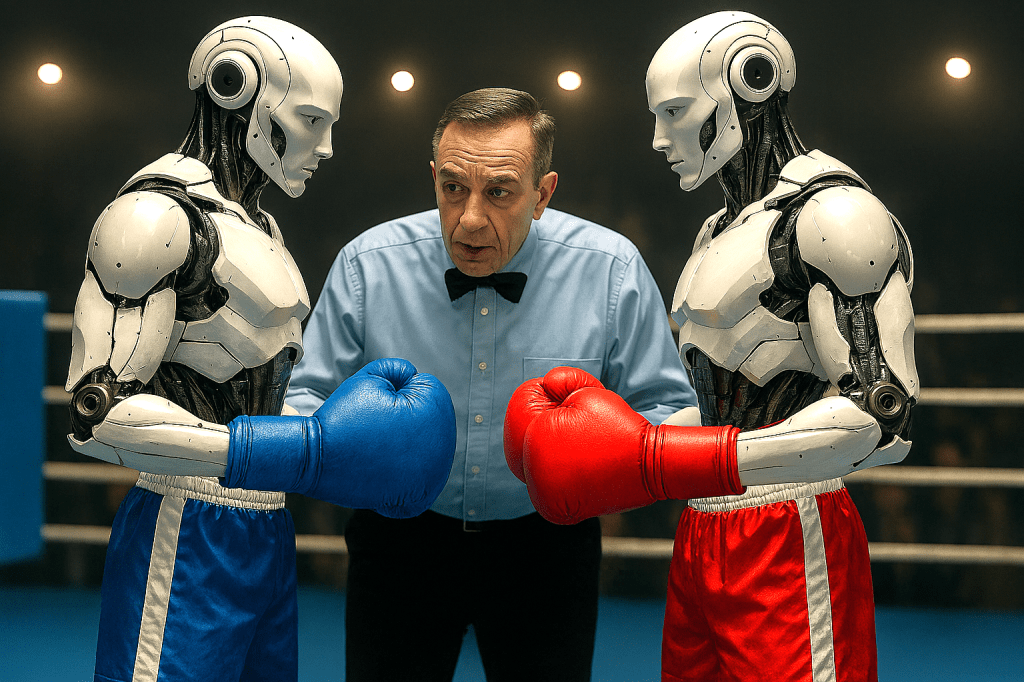
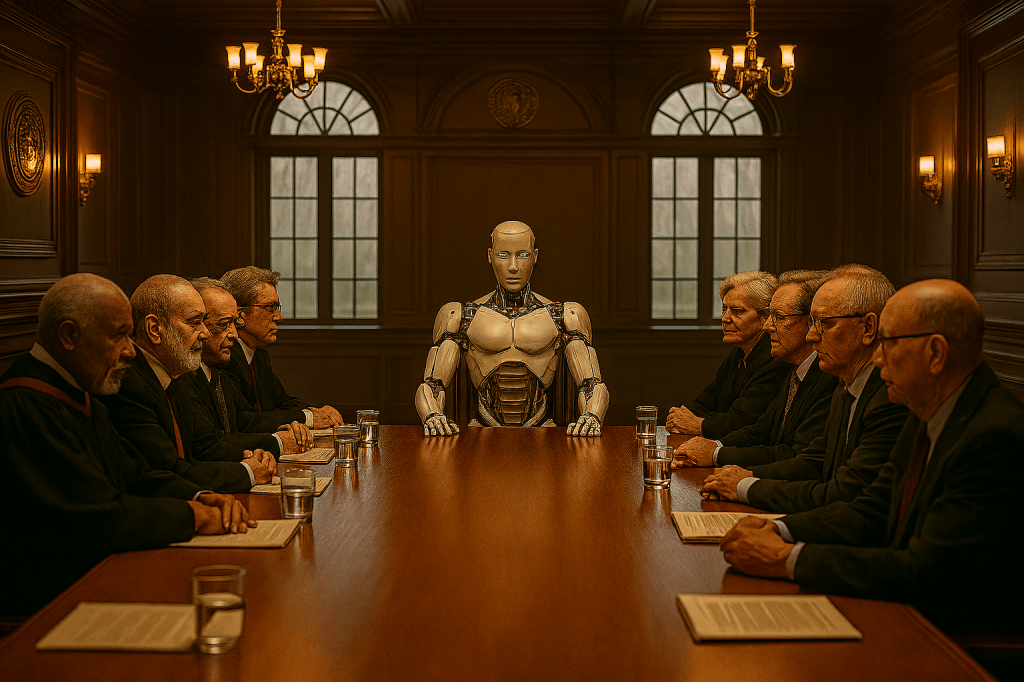
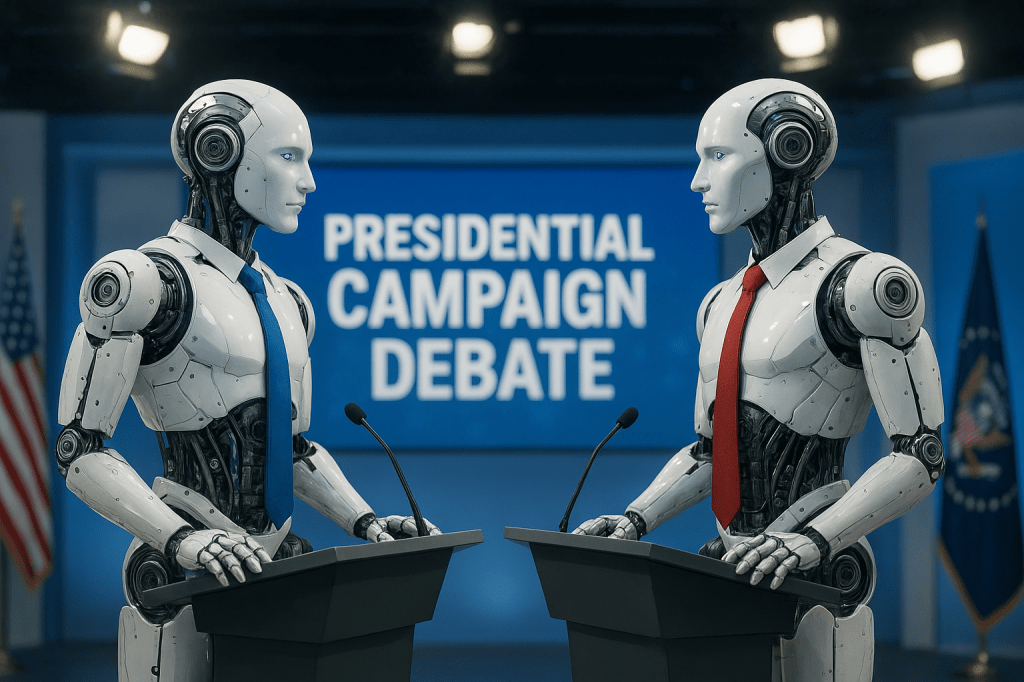
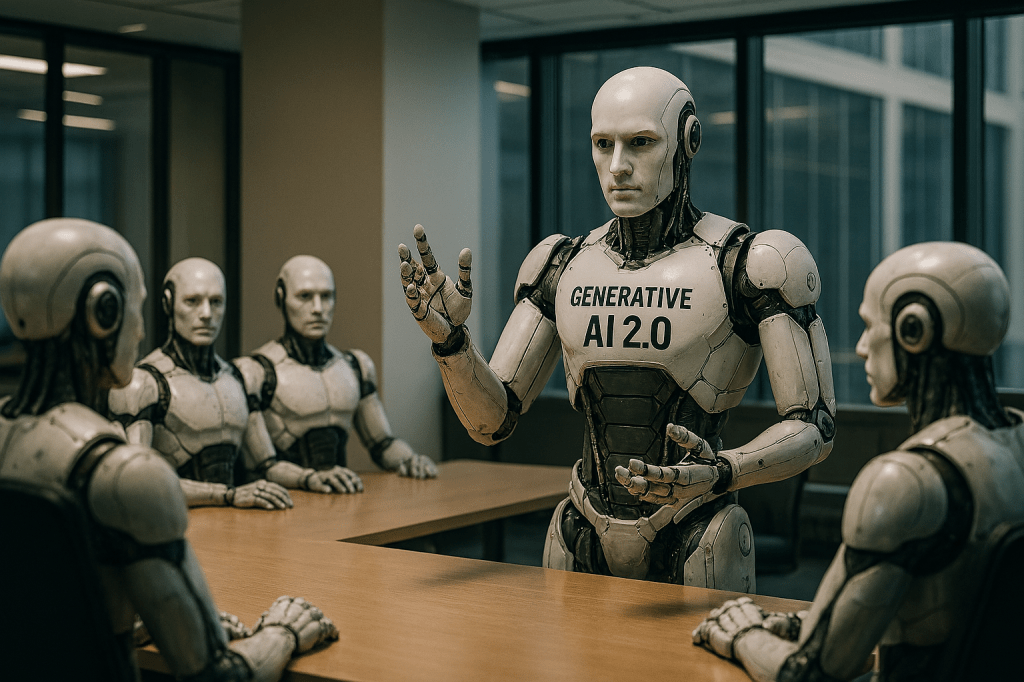
On October 22, law students at the University of North Carolina argued a real U.S. Supreme Court case to a bench with no people on it. The event, titled “May It Please the Machine,” seated a panel of justices powered by ChatGPT. TaxProf Blog, the legal-education news site published by the Association of American Law Schools, picked up the story two days later in its running “AI Everywhere” series, excerpting a WRAL report that students delivered “arguments for a real Supreme Court case before ChatGPT powered justices” (Johnson, 2026). The post adds no commentary; its placement in a series tracking AI’s spread through legal education is the point.
The WRAL report supplies the details. Faculty uploaded court briefings for the AI to draw on and wrote “persona files” for each justice, “giving each one a distinct perspective.” The justices had no internet access, so they could not look up how the real case came out. During the session they could listen, speak, question students, and respond to one another. They reached the same decision the actual Court did. Nicole Downing, the law school’s Dean for AI, still scored their performance 1.5 out of 10, “especially when it comes to conversing with the attorneys.” She said the goal “wasn’t to try and replace judges with AI” but to probe the technology’s legal reasoning. “It can apply law, it can do some reasoning,” she said, but “there is so much originality, creativity, that comes from a human” (Wilhelm, 2026).
For legal educators, Downing’s low score is the most useful number in the story. Moot court exists because oral argument is unpredictable. A justice interrupts, picks at a weak premise, or follows a hypothetical three steps past the brief, and the student has to answer in real time. A bench that reaches the right outcome but cannot hold a conversation is rehearsing students for a different event. If AI panels become a routine practice tool, students will learn to answer the questions machines ask, and the machines, by Downing’s own measure, are not yet asking good ones.
There is also the question of what a machine evaluator rewards. A June 2026 study of five large language models used as judges of other AI output found that “style bias is the dominant bias,” with the models “mostly favoring markdown over plain prose” far more often than human raters did, while their preference for longer answers varied from model to model (Soumik, 2026). Those tests involved written answers, not courtroom speech. They do show that machine evaluators carry tastes that differ from human ones, and students who practice in front of them will absorb those tastes unless faculty point them out.
UNC has made a habit of staging these experiments in public. In October 2025, the same school held a mock trial with ChatGPT, Claude, and Grok as jurors; the AI jury acquitted a fictional defendant in a case modeled on a real juvenile matter that had ended in conviction. Professor Joseph Kennedy, who designed it, said afterward, “I am not sure if I created a cautionary tale about a possible dystopian future, or a roadmap to it,” and his colleague Eisha Jain called the concept “absolutely dystopian” (UNC School of Law, 2026).
That value is real because practice is already changing. Bloomberg Law found that 25 of 28 reporting law schools offer AI-focused courses, but fewer than half use AI for client simulation or in clinics (Long, 2026). A June 2026 presentation to ABA associate deans reported that only 11% of faculty say their schools require professors to take AI training (American Bar Association, 2026). Meanwhile, a database tracked by researcher Damien Charlotin had logged 1,240 U.S. court filings with AI-fabricated authorities by late July 2026, 256 of them by lawyers in 2026 alone (Langham, 2026). Courts are drawing lines too: in early September, Quebec’s courts announced common guidelines holding that judging remains a human responsibility (The Canadian Press, 2026).
The practical questions for law faculty are concrete. Who writes the persona files, and how is a simulated justice’s outlook disclosed to students? Does the AI bench grade anyone, or only question them? And does every session end with a human debrief on what the machine missed? An AI bench that reached the right verdict but could not hold a conversation teaches students a narrow lesson: a correct answer from a machine still has to be checked by a person.
2. Bevo Lab: Texas Turns Its Athletes into a Data Classroom (story idea suggested by Meta)
Texas Athletics. (2026, October 23). Texas Athletics and McCombs School of Business launch new Bevo Lab, bringing together sports, AI and analytics. University of Texas Athletics. https://texaslonghorns.com/news/2026/10/23/texas-athletics-and-mccombs-school-of-business-launch-new-bevo-lab
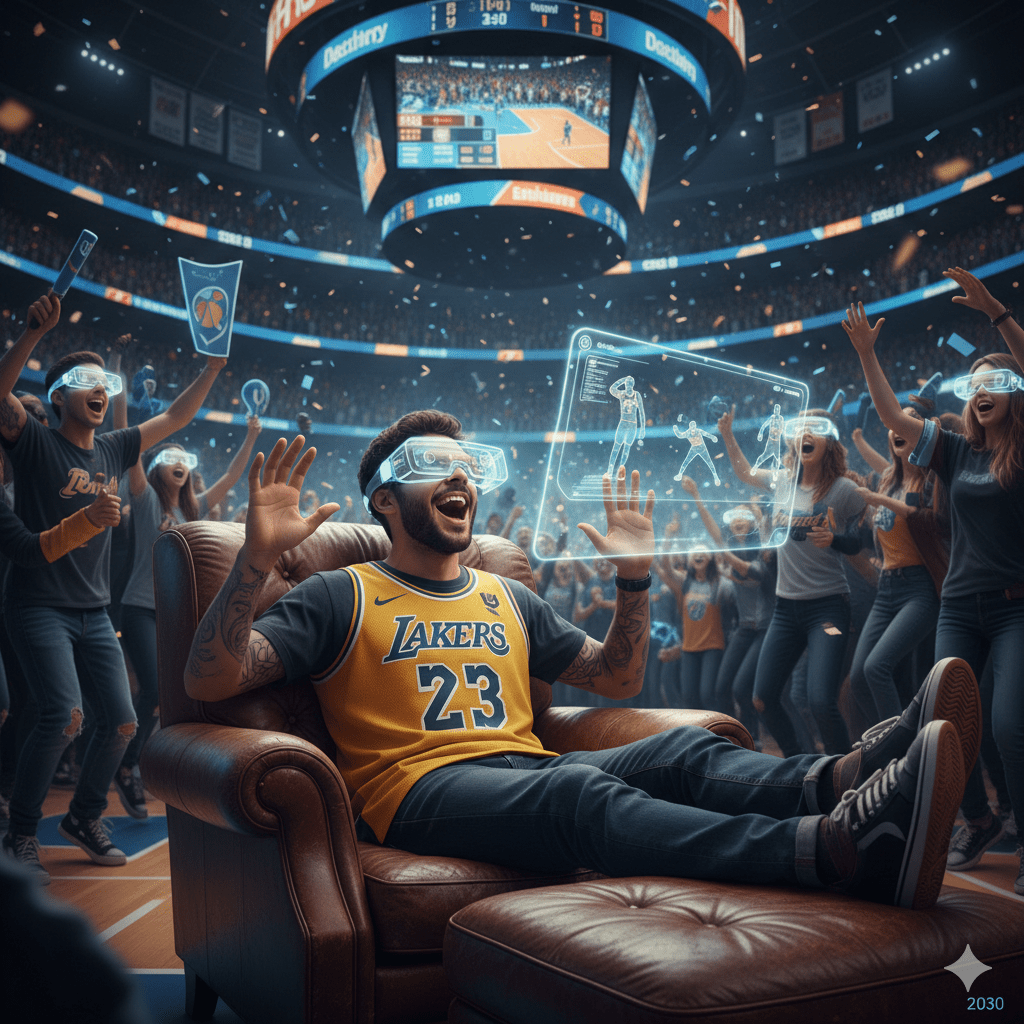
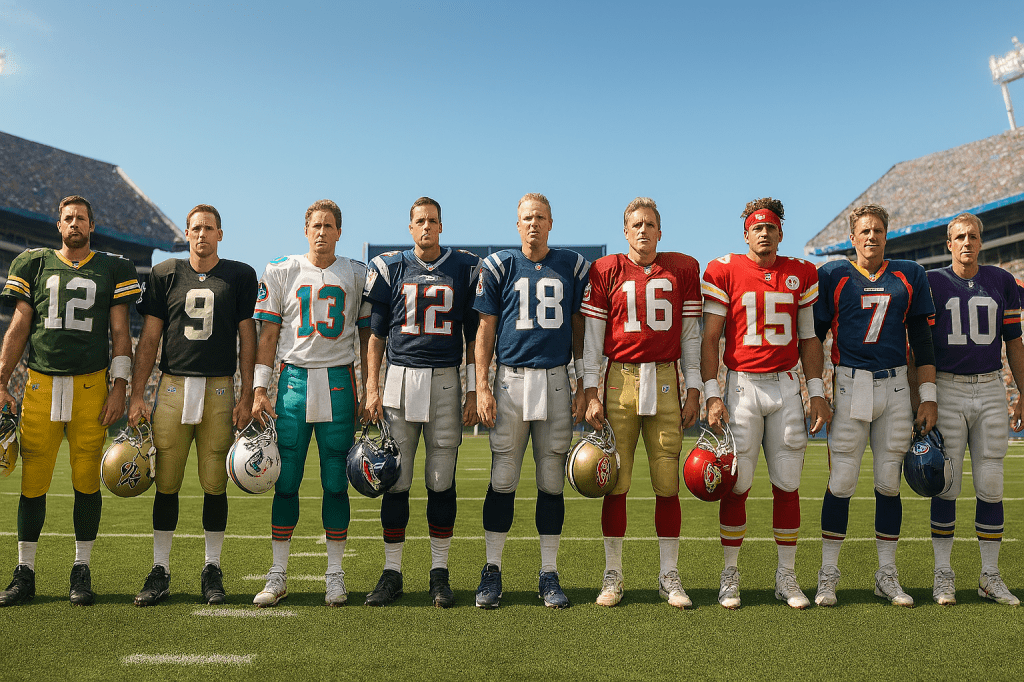
On October 23, the University of Texas at Austin announced Bevo Lab, a “sports intelligence” platform run by Texas Athletics and the Business of Sports Institute at the McCombs School of Business. It covers 21 intercollegiate teams and more than 500 student-athletes. Dell Technologies supplies the infrastructure, Google Cloud supplies the data platform and its Gemini models, and SHI International serves as integrator. The plan has four parts: a unified data warehouse called Bevo Lakehouse that pulls together game film and wearable-device data, starting with football; predictive models, including a “transfer AI” for roster evaluation; interfaces for athletes, coaches, and administrators; and hands-on AI training for students. The university says AI workflows built with Google Public Sector already “save UT coaches more than 15 hours per week in game preparation,” and that the lab “will engage as many as 40 student researchers in its first year, scaling to 200 annually.” Kirk Goldsberry, the institute’s executive director, said Bevo Lab “will serve as the blueprint for the future of sports” (Texas Athletics, 2026).
The lab currently employs 24 undergraduates in an off-campus building, will apply its data to recruiting and the transfer portal, and will not call plays. “Think of Bevo Lab as a refinery,” Goldsberry said. Athletic director Chris Del Conte was more cautious: “I don’t know if it’s going to win any game for us” (Bohls, 2026). Del Conte told the Austin American-Statesman the lab was “the new wave,” then clarified earlier remarks suggesting its insights had been used in Texas’s 27–24 loss to Florida (Chiari, 2026), a game in which a failed late fourth-and-2 attempt drew online speculation that software had made the call (Sauertieg, 2026).
The education story here has two sides. The first is the student researchers. Employers increasingly expect graduates to use AI on real problems. The National Association of Colleges and Employers reported in July that more than a third of entry-level jobs now call for AI skills and nearly 60% of employers give interns projects that use AI, yet half of graduating seniors said they were not building those skills (National Association of Colleges and Employers, 2026). A lab where undergraduates clean real data and build models that coaches actually use is a stronger answer to that gap than most classroom exercises. The trade-off is that students learn on one vendor’s stack, through programs such as the Google Public Sector ambassador track, and the university should say plainly which skills transfer and which are product training.
The second side is the athletes. Their film, their wearable readouts, and their recruiting profiles are the lab’s raw material, and neither the university’s release nor Dell’s companion post describes how athletes consent, who sees which data, or how long it is kept. That silence matters because the law offers little. A February 2026 Wake Forest Law Review comment noted that the collection, storage, and use of athletes’ biometric data “is not governed by federal statutes” (Smolenski, 2026). The NCAA’s own guidance on performance technology urges schools to settle data ownership, access, and permitted uses in a written plan and says “education is foundational for informed consent,” but it is a recommendation, not a rule (NCAA, 2026). Researchers at Duke argued in August that for college athletes, “consent is more of a formality than a meaningful decision,” because “the power imbalance between athletes and coaches can make refusal feel unrealistic.” They added that agreeing to wear a device for recovery “should not authorize data use for discipline, scholarship decisions and roster management” (Curd & Buchanan, 2026).
Money raises the stakes further. Texas paid athletes $13.5 million in revenue sharing between July 2025 and March 2026, and the state’s public universities have refused to release individual pay, citing state law and federal student-privacy rules (Walsh, 2026). When a model evaluates rosters in that market, it sits close to decisions about who stays, who transfers, and who gets paid. Some of the people building those models will be classmates of the people being modeled.
A university that runs this kind of lab owes its students two things. Researchers need instruction in data ethics that uses their own project as the case study, including what they may and may not see. Athletes need a published policy, written in plain language, on what is collected, who uses it, and what they can decline without penalty. Texas has the resources to set that standard for every school that copies its blueprint.
3. Colleague AI: Districts Build Their Own Assistants, on Someone Else’s Platform (story idea suggested by Meta)
Colleague AI. (2026, October 23). Colleague AI becomes first K-12 platform to empower districts to build their own governed AI tools and assistants [Press release]. EIN Presswire. https://automotive.einnews.com/pr_news/951858016/colleague-ai-becomes-first-k-12-platform-to-empower-districts-to-build-their-own-governed-ai-tools-and-assistants
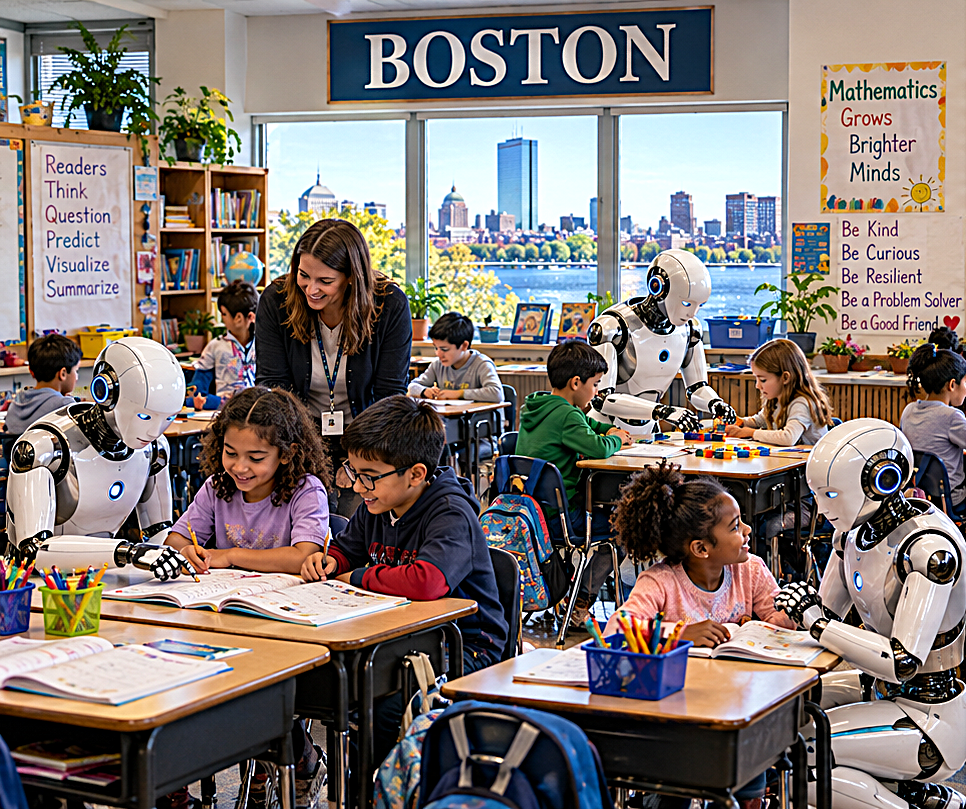
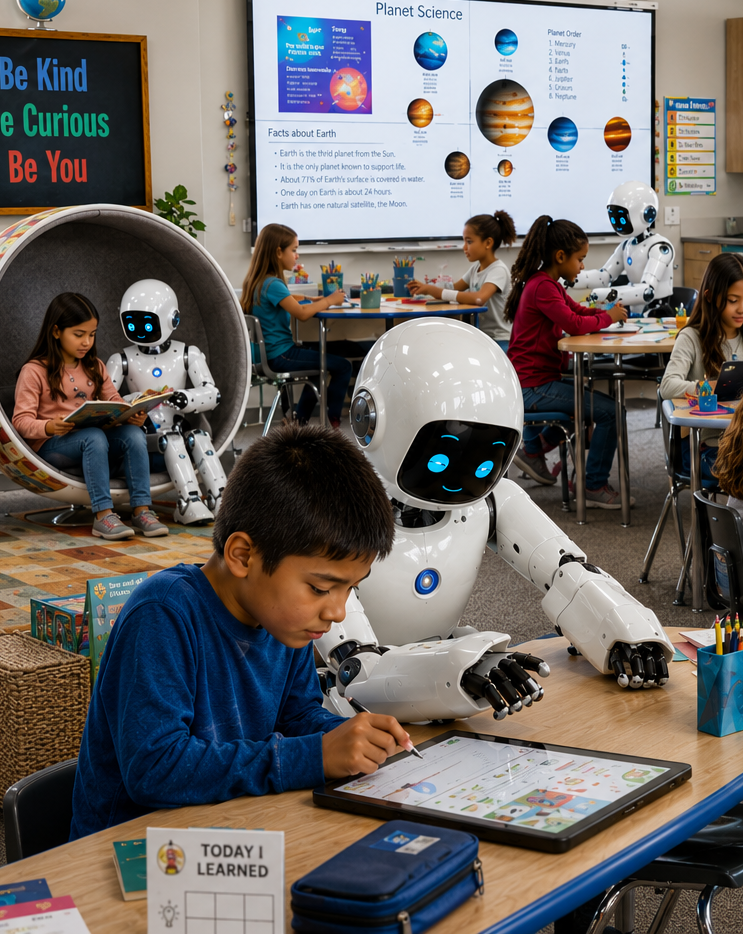
Colleague AI, a Seattle company developed with the University of Washington College of Education and backed, it says, by more than $19 million in federal research grants from the National Science Foundation, the U.S. Department of Education, and the Institute of Education Sciences, announced on October 23 that districts, schools, and teachers can now build, clone, and customize AI assistants instead of “choosing among a fixed set of pre-built tools.” Its examples include a school-improvement assistant built from a district’s own data, a grading-consistency checker tuned to a district’s rubric language, and a tool for drafting individualized education programs (IEPs) shaped around district documentation. A new knowledge graph “gives the platform persistent memory of every teacher and student it serves,” and an administrator dashboard shows every assistant in use and who built it. New tools inherit the company’s “FERPA, COPPA, GDPR and SOC 2 posture,” the release says. Co-founder and CEO Min Sun called it “the moment K-12 catches up to where other industries already are,” and CTO Jian (Kevin) He described “agentic architecture built for a classroom, not bolted onto one” (Colleague AI, 2026). The “first” claim and the performance figures are the company’s own.
The pitch answers a real gap. RAND found that only 45% of principals reported AI-use policies at their schools or districts, and only 34% of teachers reported policies on AI and academic integrity (Ascione, 2025). By August 2026, 36 states and Puerto Rico had issued AI guidance for schools, none of it binding, and a May Gallup poll found that only 18% of teachers had received formal guidance from their schools (Associated Press, 2026). A district that writes its own rubric and policy language into the tools teachers use every day has turned a policy binder into something closer to daily practice.
The IEP example deserves attention because teachers are already doing this. The Center for Democracy and Technology told the New York City Council in June that 57% of special education teachers had used AI to help develop IEPs or 504 plans, up 18 points in a year (Dwyer, 2026). IEPs are legal documents built on a child’s disability records. A district-tuned drafting tool could make those plans more consistent. It also places some of the most sensitive information a school holds inside a system with long-term memory.
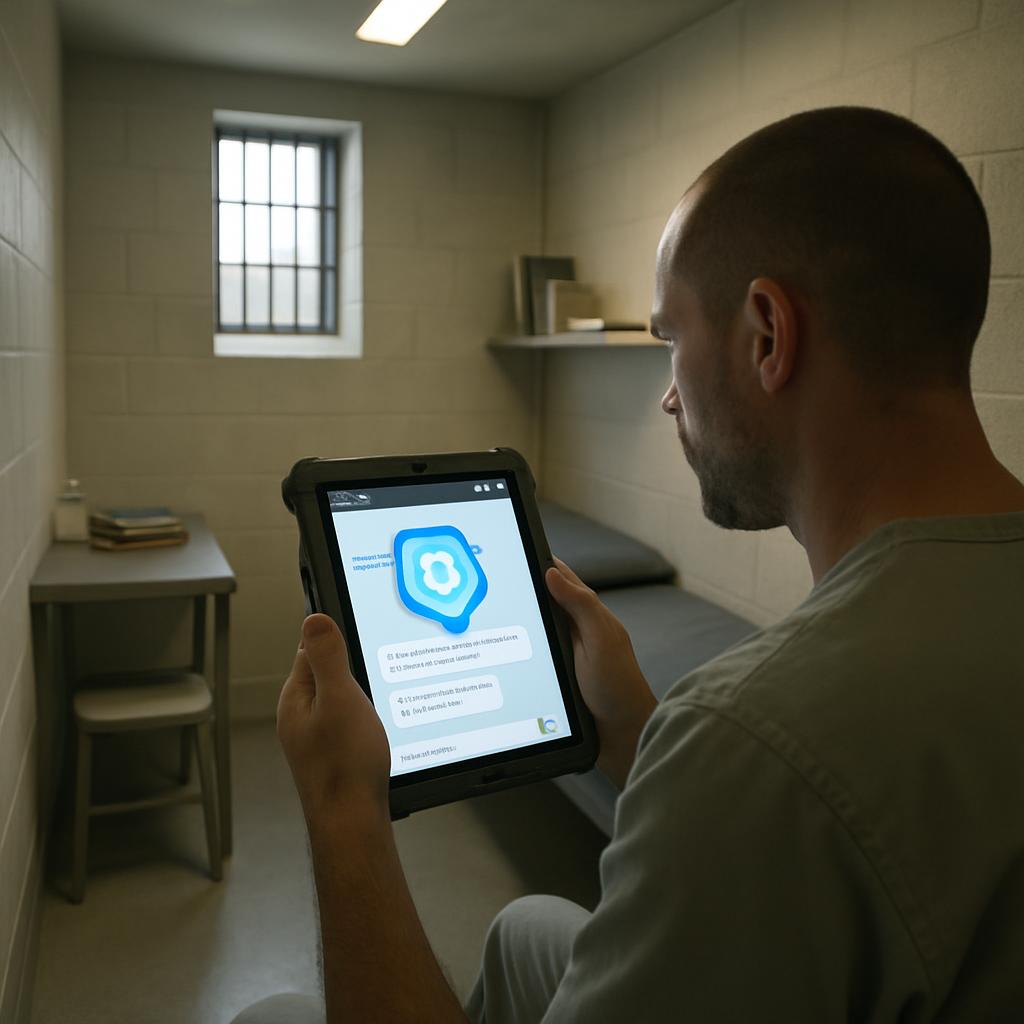
That memory is where governance gets hard. Under the amended federal children’s privacy rule, whose compliance deadline passed on April 22, 2026, companies covered by COPPA must keep a written data-retention policy and “must ensure that they do not retain Children’s personal information indefinitely” (Newby et al., 2026). A platform whose selling point is persistent memory of every student needs a published deletion schedule, and districts should ask to see it before they sign. They should also ask what happens to that memory when a student graduates or the district changes vendors.
Recent history shows why the questions are worth asking. In February, Chicago Public Schools and PowerSchool agreed to pay $17.25 million to settle a class action over the Naviance college-planning platform, in which plaintiffs alleged the district “failed to oversee vendors” and students could not opt out. The settlement requires Chicago to collect annual privacy certifications from its vendors (GovTech, 2026). CDT’s June testimony reported that 23% of teachers knew of a large-scale data breach at their school, that edtech companies “offer little public transparency about their products,” and that a New York City audit found the city “does not have an effective AI governance framework” (Dwyer, 2026).
Colleague AI’s dashboard gives administrators visibility into what their staff build. The assistants a district designs, the prompts that encode its rubrics, and the knowledge graph that remembers its students all run on infrastructure the district does not control. Local control becomes meaningful when the contract guarantees three things: the district can export what it built, it can audit what the platform remembers, and it can require deletion when the relationship ends. Those terms belong in the purchase agreement.
References
American Bar Association. (2026, June). Incorporating AI into the curriculum: A seemingly never-ending challenge [Conference presentation]. ABA Associate Deans’ Conference. https://www.americanbar.org/content/dam/aba/events/legal_education/2026/associate-deans-conference/2026-ad-conf-ai-in-curriculum-runyon.pdf
Ascione, L. (2025, December 4). AI use is on the rise, but is guidance keeping pace? eSchool News. https://www.eschoolnews.com/digital-learning/2026/01/02/ai-use-is-on-the-rise-but-is-guidance-keeping-pace/
Associated Press. (2026, August 21). Localize it: States and schools around the US are scrambling to develop AI literacy plans. La Nación. https://www.lanacion.com.ar/usa/localize-it-states-and-schools-around-the-us-are-scrambling-to-develop-ai-literacy-plans-nid21082026/
Bohls, K. (2026, October 23). Texas launches “sports intelligence platform” to incorporate technology, data and AI to help athletes. Houston Chronicle via Yahoo Sports. https://sports.yahoo.com/articles/texas-launches-sports-intelligence-platform-160438635.html
Chiari, M. (2026, October 23). Steve Sarkisian, Texas using new AI platform “Bevo Lab” to assist with decision making. Bleacher Report. https://bleacherreport.com/articles/25519396-steve-sarkisian-texas-using-new-ai-platform-bevo-lab-assist-decision-making
Colleague AI. (2026, October 23). Colleague AI becomes first K-12 platform to empower districts to build their own governed AI tools and assistants [Press release]. EIN Presswire. https://automotive.einnews.com/pr_news/951858016/colleague-ai-becomes-first-k-12-platform-to-empower-districts-to-build-their-own-governed-ai-tools-and-assistants
Curd, C., & Buchanan, H. (2026, August 11). No pain, no privacy: Athletic wearables and the limits of consent. Duke University Deep Tech. https://deeptech.duke.edu/blog-post/no-pain-no-privacy-athletic-wearables-and-limits-consent/
Dwyer, M. (2026, June 24). Testimony before the New York City Council Committees on Education and Technology: Oversight of artificial intelligence, student data, and privacy in NYC public schools. Center for Democracy & Technology. https://cdt.org/wp-content/uploads/2026/06/6.24.26-NYC-Council-Testimony-on-AI-in-Education.pdf
GovTech. (2026, February 26). PowerSchool, Chicago schools agree to pay $17.25M settlement. Government Technology. https://www.govtech.com/education/k-12/powerschool-chicago-schools-agree-to-pay-17-25m-settlement
Johnson, K. R. (2026, October 24). AI everywhere: University School of Law holds mock Supreme Court arguments using AI justices. TaxProf Blog. https://taxprofblog.aals.org/2026/10/24/ai-everywhere-university-school-of-law-holds-mock-supreme-court-arguments-using-ai-justices/
Langham, P. (2026, July 27). Confronting the hard numbers behind lawyers, AI, and phantom precedents. Maryland State Bar Association. https://www.msba.org/site/content/News-and-Publications/News/General-News/Confronting_the_Hard%20Numbers_Behind_Lawyers_AI_and_Phantom_Precedents.aspx
Long, B. L. (2026, March 5). Law schools lean into AI, skills-based training. Bloomberg Law. https://news.bgov.com/before-the-bar/law-schools-lean-into-ai-skills-based-training
National Association of Colleges and Employers. (2026, July 22). Ready or reluctant? Employer expectations for AI skills meet student skepticism. https://naceweb.org/about-us/press/2026/ready-or-reluctant-employer-expectations-for-ai-skills-meet-student-skepticism
NCAA. (2026, January 30). Performance technology. NCAA Sport Science Institute. https://www.ncaa.org/sports/2026/1/30/performance-technology.aspx
Newby, T. G., Razmazma, A., Eidinger, A., & Tuttle, B. (2026, March 10). What the amended COPPA rule means for data retention practices. Fenwick. https://www.fenwick.com/insights/publications/what-the-amended-coppa-rule-means-for-data-retention-practices
Sauertieg, C. (2026, October 23). The Texas Longhorns are paying Steve Sarkisian nearly $11M just to let AI coach for him. BroBible. https://brobible.com/sports/article/texas-longhorns-steve-sarkisian-ai-coaching-decisions/
Smolenski, G. (2026, February 22). When the collection of biometric and performance data on college athletes goes too far. Wake Forest Law Review. https://www.wakeforestlawreview.com/2026/02/when-the-collection-of-biometric-and-performance-data-on-college-athletes-goes-too-far/
Soumik, S. K. (2026). Judging the judges: A systematic evaluation of bias mitigation strategies in LLM-as-a-judge pipelines. Transactions on Machine Learning Research. https://arxiv.org/abs/2604.23178
Texas Athletics. (2026, October 23). Texas Athletics and McCombs School of Business launch new Bevo Lab, bringing together sports, AI and analytics. University of Texas Athletics. https://texaslonghorns.com/news/2026/10/23/texas-athletics-and-mccombs-school-of-business-launch-new-bevo-lab
The Canadian Press. (2026, September 5). Quebec courts say generative AI cannot replace judges’ reasoning. CTV News. https://www.ctvnews.ca/montreal/article/quebec-courts-say-generative-ai-cannot-replace-judges-reasoning/
UNC School of Law. (2026, Spring). AI jury finds teen not guilty in mock trial. Carolina Law Magazine. https://magazine.law.unc.edu/spring-2026/ai-jury-finds-teen-not-guilty-in-mock-trial/
Walsh, D. A. (2026, April 5). How much money do college athletes in Texas make? Public universities won’t say. Texas Public Radio. https://www.tpr.org/economy-and-labor/2026-04-05/how-much-money-do-college-athletes-in-texas-make-public-universities-wont-say
Wilhelm, L. (2026, October 22). UNC School of Law holds mock Supreme Court arguments using AI justices. WRAL. https://www.wral.com/news/local/unc-school-of-law-holds-mock-supreme-court-arguments-using-ai-justices-october-2026/
###
Filed under: Uncategorized |




























































































































































































































































































































































Leave a Reply