




US universities give up on AI detectors as cheating spreads (Claude)
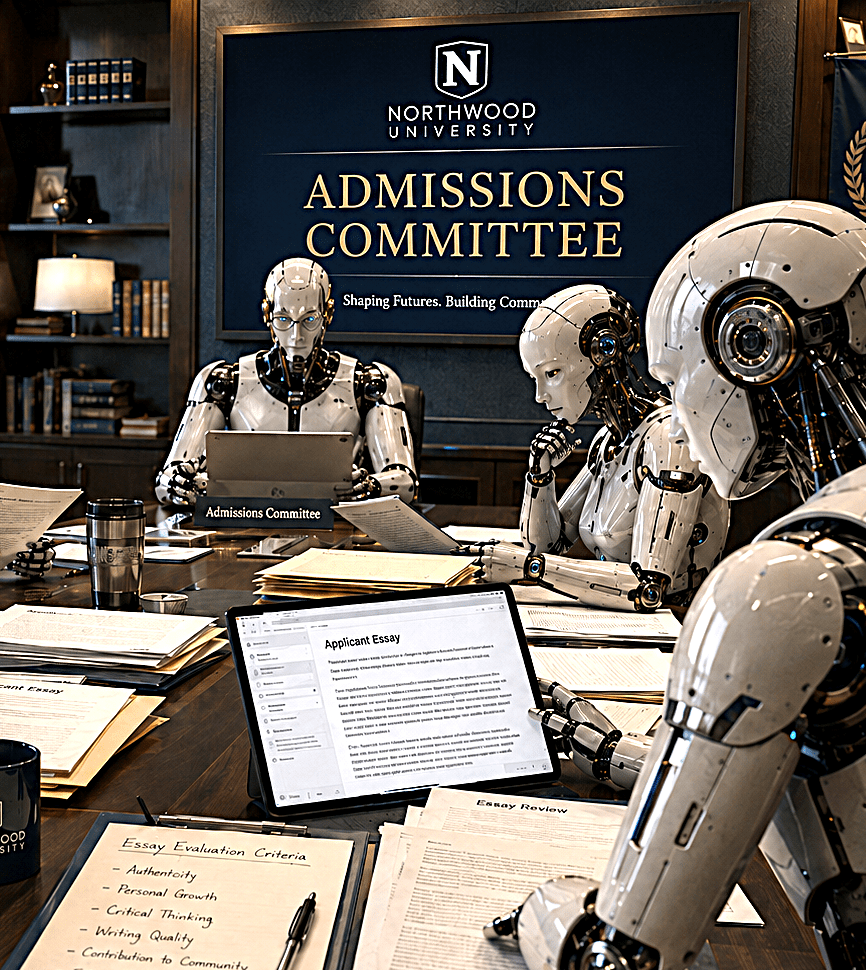
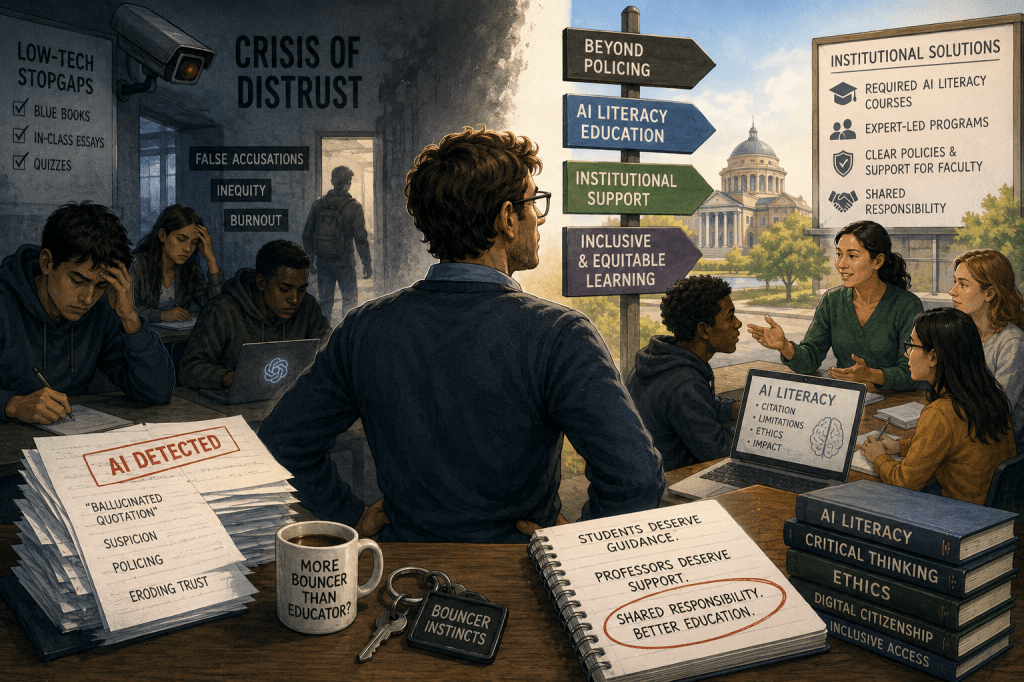
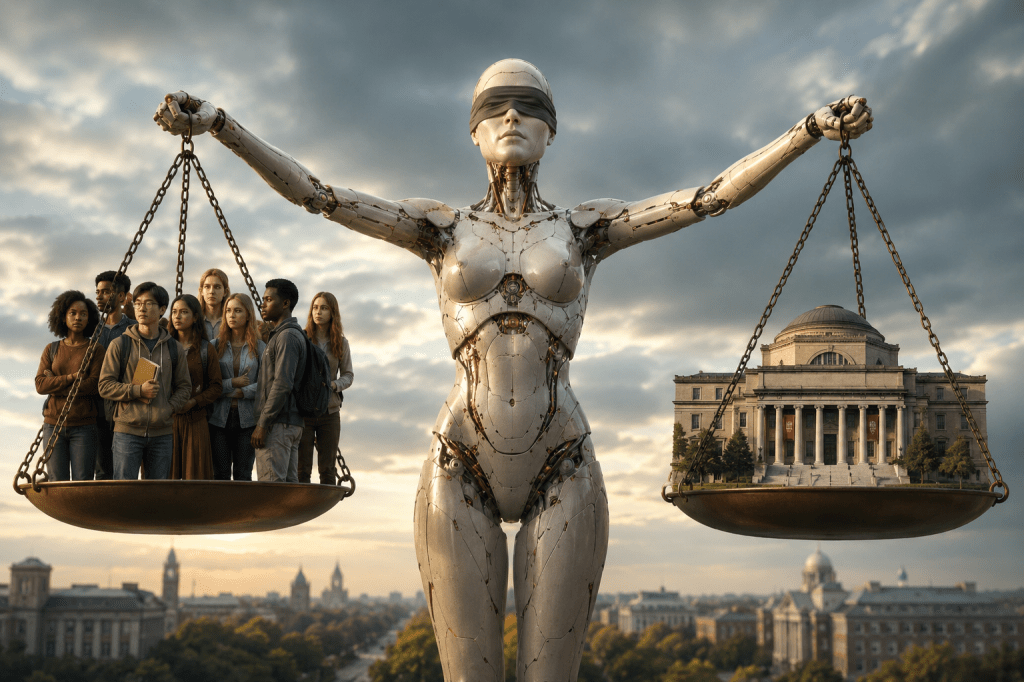
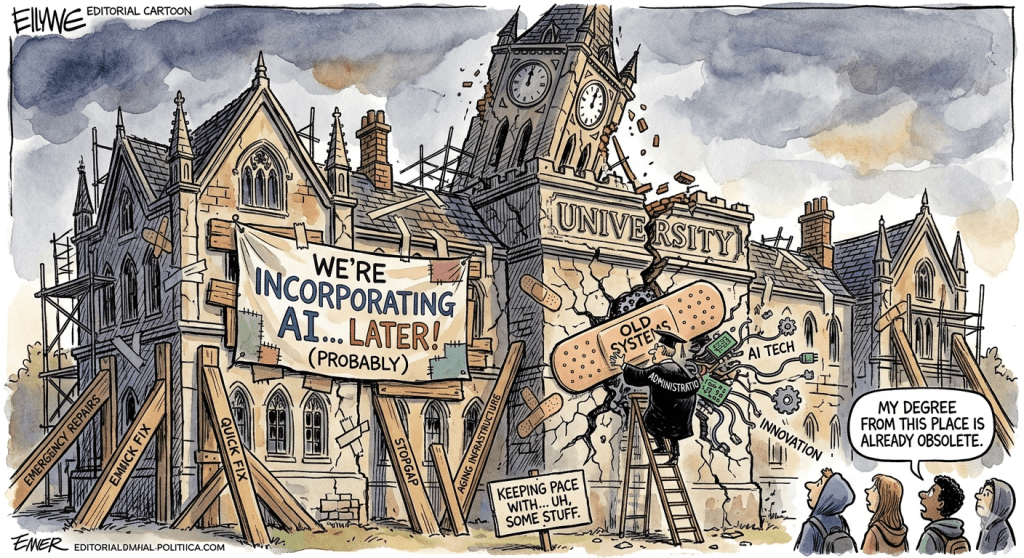
Yale, Cornell and the University of Wisconsin–Madison now discourage or bar the use of AI-detection scores in misconduct cases, citing false positives and bias against non-native English writers. A Stanford study found detectors flagged 61% of essays by non-native speakers as machine-written, and Harvard College dean David Deming has proposed “getting out of the AI-detection business.” Schools are moving to oral exams, proctored tests and grading the writing process. The shift puts the burden of honesty back on assignment design. Source: AFP via TechXplore, Oct. 6, 2026 — Grappling with ‘homework scams,’ US universities shun AI detectors
US government, Google and Meta join $1.8 billion push to build a “virtual cell” (Claude)
The Zuckerberg-Chan Biohub’s Virtual Biology Initiative now counts $300 million from Meta, Google DeepMind and Isomorphic Labs, plus more than $500 million from the Department of Energy and earlier NIH money. The goal is open datasets of billions to trillions of cell measurements to train AI models of biology, with first data due in about a year. Privately funded data will be embargoed before release; government-funded data will not, which sets up a quiet debate over who gets first access. Source: Reuters via WBOW, Oct. 7, 2026 — US government, Google join Zuckerberg-backed Biohub in $1.8 billion push
OpenAI, Anthropic, Meta and Google refuse to guarantee safety under oath in New York (Claude)
At a rare full-council hearing, New York City Council Speaker Julie Menin asked the four companies to swear their AI agents would always follow safety safeguards; none would. OpenAI’s Morgan Dwyer said she could not guarantee “any technology is without risk,” and Anthropic’s Logan Graham called the science “fundamentally hard and unsettled.” The council is weighing bills for third-party testing before deployment, mandatory kill switches with $25,000 fines per breach, whistleblower rewards and a right to sue for foreseeable harms. The council had subpoenaed several firms, including Elon Musk’s SpaceXAI, to appear. Sources: Fox News, Oct. 6, 2026 — OpenAI, Anthropic, Meta, Google stop short of AI safety guarantee; The Next Web, Sept. 29, 2026 — NYC Council subpoenas Musk’s SpaceXAI over AI safety
University of Michigan hits a record 54,000 students while losing 1,000 international graduate students (Claude)
The university added about 2,500 US undergraduates over two years while foreign graduate enrollment fell by roughly 1,000. Its graduate dean pointed to federal funding changes and immigration uncertainty. NAFSA says a new rule forcing students to reapply for visa extensions after four years leaves many unsure they can finish their programs; the rule is under legal challenge. Ohio State, Indiana and North Texas have reported similar or steeper drops this fall. Sources: Michigan Public, Oct. 6, 2026 — International enrollment down at U-M; Higher Ed Dive, Sept. 25, 2026 — Major public universities report hits to international enrollment
Idaho’s record reading gains come with an asterisk: an AI test that changed mid-year (Claude)
Idaho districts reported average fall-to-spring reading proficiency growth of 14.5 points, with some jumping more than 50 points. This was the first year of a redesigned test in which children read aloud to Amira Learning’s AI software, and the state changed testing conditions between fall and spring, from noisy full classrooms to small groups with headphones. State officials concede the fall baseline is unreliable. The case shows how AI-scored assessment can blur the line between real literacy gains and measurement changes. Source: Idaho Ed News via Bonner County Daily Bee, Oct. 7, 2026 — Idaho’s big reading gains come with a caveat
Lawsuits ask courts whether ChatGPT is a product or a service (ChatGPT)
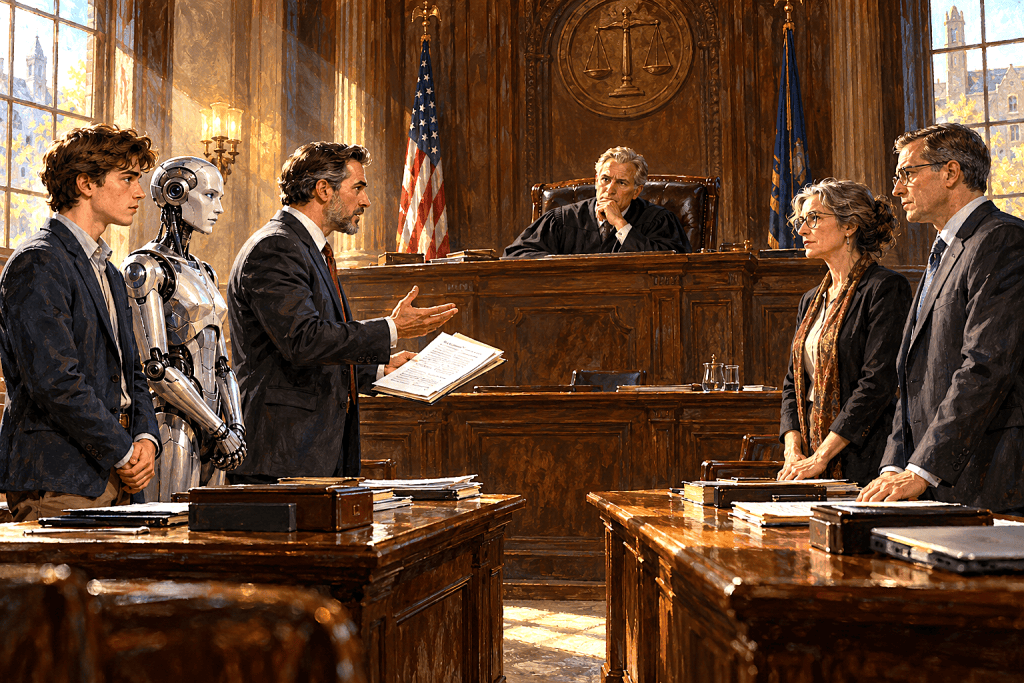
Dozens of cases against OpenAI are testing whether product-liability law can cover alleged harm involving ChatGPT. Plaintiffs contend that defective chatbot design contributed to mental-health crises, violence, and suicide. OpenAI denies liability and argues that ChatGPT is an interactive information service rather than a tangible product, while also invoking free-speech protections. The distinction could determine whether courts focus on defective design and inadequate warnings or require plaintiffs to prove a service provider owed them a separate duty of care. Evidence gathering has begun in consolidated California litigation, but no trial date has been set. Source: Reuters Legal analysis, “Is ChatGPT a ‘product’ or a ‘service’? A wave of lawsuits tests a theory of AI liability,” October 7, 2026 — https://www.reuters.com/legal/litigation/is-chatgpt-product-or-service-wave-lawsuits-tests-theory-ai-liability-2026-10-07/. Reuters
SpaceX reportedly seeks $40 billion to purchase Nvidia AI chips (Perplexity)
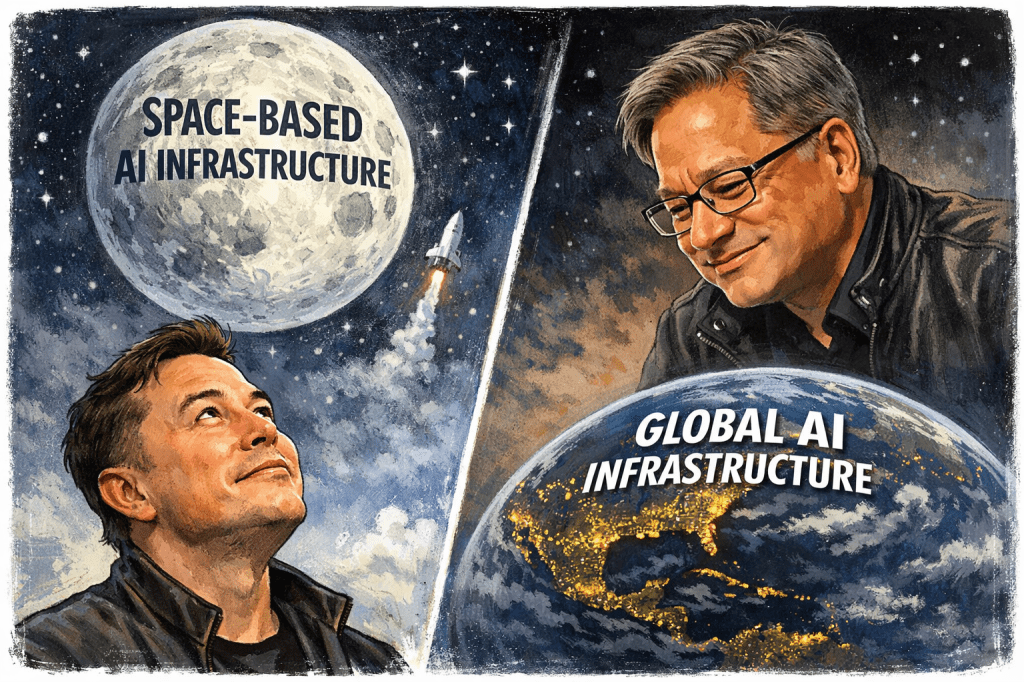
SpaceX is seeking approximately $40 billion in financing to buy Nvidia AI chips, according to Financial Times reporting summarized by Reuters. The proposed package would combine about $10 billion in bank loans with $30 billion in investment-grade debt. Apollo Global Management would lead the financing, with Pimco among the lenders in discussions. The Financial Times reports a prospective closing in 2027. SpaceX, Apollo and Nvidia did not immediately respond to Reuters’ requests for comment, and Pimco declined to comment. The financing remains a reported proposal, not a completed transaction or confirmed chip purchase. Source: Reuters via AOL, Rishabh Jaiswal, “SpaceX seeks $40 billion financing led by Apollo to buy Nvidia chips, FT reports,” October 6, 2026; updated October 7, 12:15 a.m. UTC — Article URL.
Florida school district weighs costs of parental consent and AI recordkeeping (Perplexity)
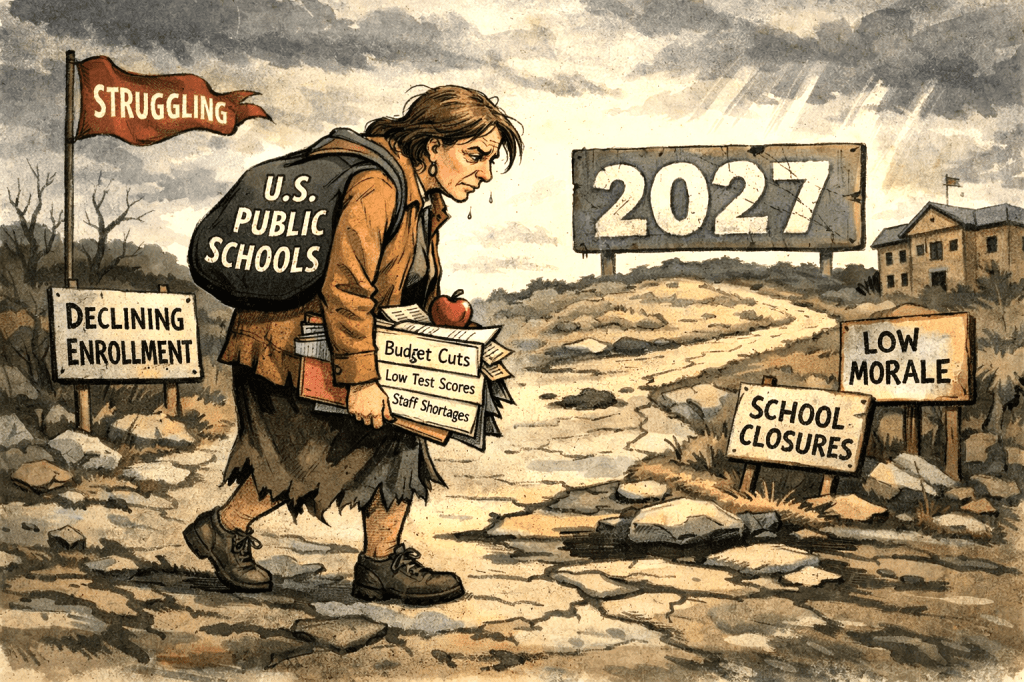
Orange County Public Schools is preparing to implement Florida requirements covering parental consent, staff training and records of student interactions with instructional AI. At an October 6 work session, district officials discussed how to provide comparable non-AI instruction when parents do not opt their children into certain tools. Board members questioned the workload for teachers managing both groups in one classroom. The requirements also call for retaining at least 30 days of student-AI interactions so parents can request those records. Officials are discussing storage and retrieval with vendors, but have not established the additional cost. The state rule takes effect July 1, 2027; this week’s development is the district’s implementation discussion, not adoption of a new statewide rule. Source: Central Florida Public Media, Kayla Kissel, “Florida’s new AI rules mean more work and costs for OCPS,” October 6, 2026, 5:46 p.m. EDT — Article URL.cfpublic
OpenAI dumps 372 AI-generated math results on GitHub as mathematicians push back (Claude)
OpenAI published 722 manuscripts holding 372 groups of results from an unreleased frontier model, most produced by a single agent answering a single prompt at roughly three hours of compute per result. Many proofs are machine-checked in the Lean language. The release follows weeks of criticism: mathematicians quoted by Scientific American accused OpenAI of poor attribution on its earlier “Astra” results, and 25 Fields medalists questioned open problems as an AI benchmark. The fight is now about who verifies, credits and absorbs a flood of machine-made mathematics. Sources: Scientific American (Joseph Howlett), Oct. 6, 2026 — OpenAI unleashes hundreds more math results upon a field already in shock; Inside AI News, Oct. 7, 2026 — OpenAI releases 372 groups of math results
IMF chief links the AI boom to debt, inequality, and financial risk (ChatGPT)
International Monetary Fund managing director Kristalina Georgieva urged governments to regulate AI while confronting debt and widening inequality. Speaking before next week’s IMF–World Bank meetings, she pointed to the rapid construction of AI data centers and technology-driven stock gains as forces supporting growth but also creating financial exposure. Her warning joins a broader shift among economic policymakers who now view AI as a potential source of market instability rather than solely a productivity engine. The speech sets an agenda for discussion, however, and does not itself establish new IMF rules or binding international commitments. Source: Associated Press, “IMF chief urges countries to do more to curb debt and regulate AI,” October 7, 2026 — https://apnews.com/article/war-ai-georgieva-imf-oil-debt-2da9d879e2eb70e1e16d14fd1a307a99. AP News
Mandate to call AI “super intelligence” an overreach (ChatGPT)
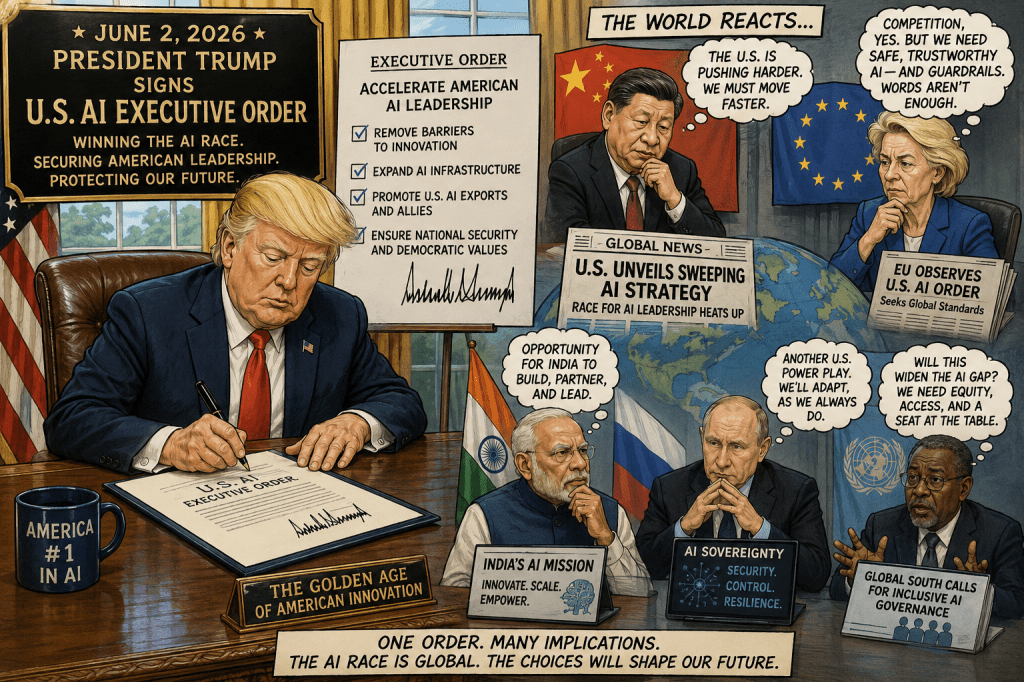
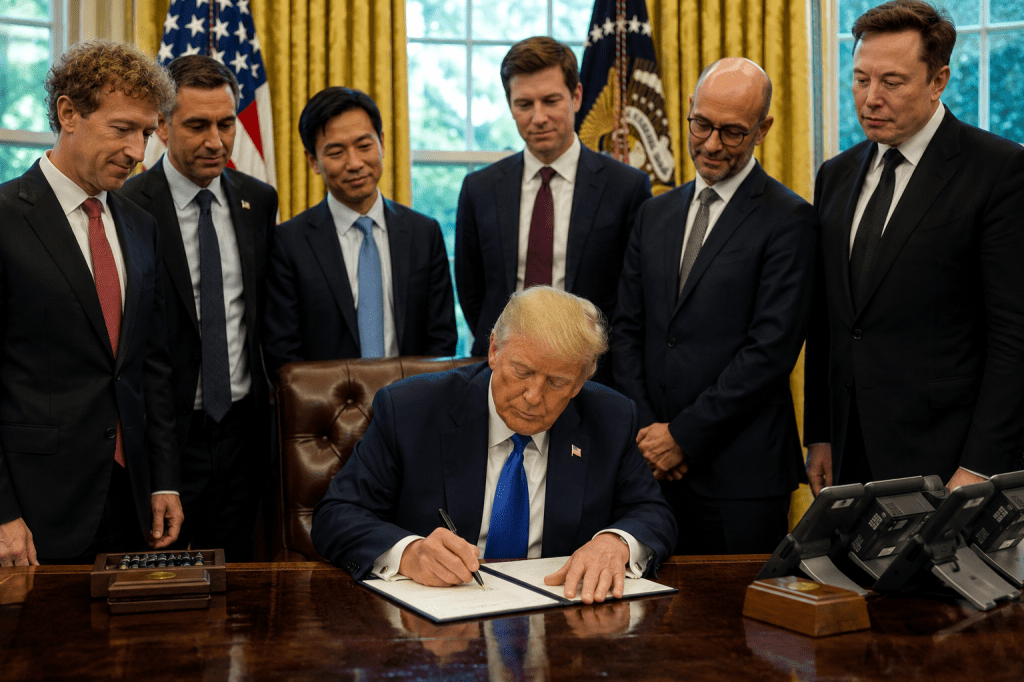
The U.S. Justice Department instructed employees to replace “artificial intelligence” and “AI” with “super intelligence” and “SI” in public communications, policy documents, official records, and court filings when appropriate. The directive implements President Trump’s recent executive order changing federal terminology. The wording has no established technical equivalence: artificial intelligence covers systems with widely varying capabilities, while “superintelligence” has ordinarily meant intelligence exceeding human performance across broad domains. Applying the phrase to present-day tools could therefore shape public and judicial perceptions before their actual capabilities are established. Source: Reuters, “US Justice Dept tells staff to call AI ‘super intelligence’ under Trump order,” October 6, 2026 — https://www.reuters.com/legal/litigation/us-justice-dept-tells-staff-call-ai-super-intelligence-under-trump-order-2026-10-06/. Reuters
Safety of ChatGPT’s Teen Mode questioned (Perplexity)
A Common Sense Media review found that ChatGPT’s Teen Mode allowed users to bypass homework guidance, continued to interact like a friend, and failed to send timely parental warnings during testers’ simulated crisis conversations. Education Week reports that the nonprofit conducted about 4,000 interactions across ChatGPT’s standard and teen versions. Testers also found that study mode sometimes offered to reveal assignment answers rather than guide students through the work. OpenAI disputes the evaluation, saying technical errors prevented some safeguards, including parental notifications, from activating properly. The findings concern behavior observed during testing; they do not measure how frequently teenagers encounter these problems or establish their effects on learning or mental health. Source: Education Week, Alyson Klein, “ChatGPT’s ‘Teen Mode’ Is Unsafe for Students, Report Concludes,” October 7, 2026 — Article URL.edweek
A Washington high school wrestler asks the Supreme Court to let girls refuse matches against transgender opponents (Claude)
The wrestler, identified as K.M.K., and her mother filed an emergency application through Alliance Defending Freedom against Washington’s athletic association, which lets transgender athletes compete by gender identity. They argue the policy violates Title IX and parental rights, and ask the Court to bar transgender girls from girls’ events or at least allow opt-outs without penalty. Three months ago, in West Virginia v. B.P.J., the Court upheld state bans but did not require states like Washington to adopt them. The filing tests whether that ruling becomes a national rule. Source: Courthouse News Service, Oct. 6, 2026 — Supreme Court asked to wrestle with Washington state policies for transgender athletes
Voters want stronger AI regulation, Reuters/Ipsos poll finds (Perplexity)
A new Reuters/Ipsos poll finds that 57% of registered voters think the Trump administration has not taken AI risks seriously enough or at all; 54% say the same about Congress. Support for stricter regulation crosses party lines, including 80% of Democrats and 61% of Republicans. Eighty-four percent of voters view AI as a threat to American workers. The poll also found that 56% support limits on data-center construction, while 57% oppose government use of AI to determine military-strike targets. The nationwide online survey ended Monday and included 4,506 adults, of whom 3,526 were registered voters, with a reported margin of error of two percentage points. These results measure voters’ concerns and policy preferences, not actual job displacement or the probability of an AI disaster. Source: Reuters via U.S. News & World Report, Courtney Rozen and Jason Lange, “Most US Voters Say Trump, Congress Don’t Take AI Risks Seriously, Reuters/Ipsos Poll Finds,” October 7, 2026 — Article URL.usnews
IIT Hyderabad and S&P Global open an applied-AI laboratory (ChatGPT)
The Indian Institute of Technology Hyderabad and S&P Global inaugurated an AI Innovation Lab focused on financial applications. Students will prototype systems, work on industry problems, attend workshops, and join selected faculty in collaborative research. The laboratory is connected to a broader S&P Global workforce-readiness and AI-education program backed by a three-year, $10 million commitment. This is a partnership announcement, with no research findings or learning outcomes yet reported. Its longer-term value will depend on whether academic inquiry remains independent of S&P Global’s commercial needs and whether resulting work becomes publicly accessible. Source: The Indian Express, “IIT Hyderabad, S&P Global launch AI lab for finance-focused research and learning,” October 7, 2026 — https://indianexpress.com/article/education/iit-hyderabad-sp-global-ai-innovation-lab-finance-10911109/. Education News – The Indian Express
AI discussions in Singapore shift from enthusiasm to two kinds of risk (ChatGPT)
Speakers at two major Singapore conferences paired familiar warnings about an investment bubble with concerns about autonomous agents and AI-assisted biological weapons. Singapore’s foreign minister called loss of control over autonomous agents a genuine threat, while Biocon founder Kiran Mazumdar-Shaw argued that voluntary corporate governance would not adequately address bioterrorism risks. Investor Ray Dalio separately described AI as a classic financial bubble nearing a turning point. These are judgments from policymakers and investors, not new empirical findings, but their convergence shows that safety risk and financial risk are increasingly being discussed as parts of the same AI expansion. Source: Reuters, “Existential threats join bubble fears as AI mood sobers at Singapore forums,” October 7, 2026 — https://www.reuters.com/world/asia-pacific/existential-threats-join-bubble-fears-ai-mood-sobers-singapore-forums-2026-10-07/.
Poll finds bipartisan demand for stronger federal AI regulation (ChatGPT)
A Reuters/Ipsos poll found that 84 percent of registered voters view AI as a threat to American workers, while 57 percent believe the Trump administration is giving AI risks too little attention. Sixty-one percent of Republicans and 80 percent of Democrats support stricter regulation; 56 percent favor limits on data-center construction. The online national survey included 4,506 adults, including 3,526 registered voters, and has a two-percentage-point margin of error. Public concern now appears to cross party lines, although agreement on concern does not identify which regulations voters would support in practice. Source: Reuters, “Most US voters say Trump, Congress don’t take AI risks seriously, Reuters/Ipsos poll finds,” October 7, 2026 — https://www.reuters.com/world/most-us-voters-say-trump-congress-dont-take-ai-risks-seriously-reutersipsos-poll-2026-10-07/. Reuters
U.S. electricity demand is heading for new records as data centers expand (ChatGPT)
The Energy Information Administration’s October outlook projects record U.S. electricity consumption in 2026 and 2027, driven partly by continuing data-center development and increased manufacturing. Commercial-sector electricity demand, which includes data centers, is expected to grow another 2.8 percent in 2027. Renewable generation is expanding, but natural gas will remain the largest generating source, while coal’s share continues to decline. The figures cover all data centers rather than isolating generative AI, so they cannot establish AI’s exact share. They do confirm that computing infrastructure is becoming a material component of national energy planning. Source: U.S. Energy Information Administration, “Short-Term Energy Outlook: Electricity, Coal, and Renewables,” October 6, 2026 — https://www.eia.gov/outlooks/steo/report/elec_coal_renew.php. U.S. Energy Information Administration (EIA)
Three ships hit off NATO coasts in two days, and no NATO government names Russia (Claude)
On Oct. 5 the Turkish-owned grain carrier Royad Mammadov sank near Romania’s Pescăruș platform, killing two crew. On Oct. 6 two more vessels were struck in Bulgaria’s economic zone: the Alfa Watan sank with crew missing and the Able caught fire. President Zelenskyy blamed “two Russian drones,” but Romania called it a fire and Bulgaria’s prime minister condemned the attacks without naming a culprit. The route carries about 90% of Ukraine’s farm exports and tests how NATO responds to drone attacks just below the threshold of war. Source: Euromaidan Press, Oct. 6, 2026 — Two ships sunk and a third set ablaze off NATO coasts in two days
Lithuania offers to pay for a permanent US base; Trump says he will look at it (Claude)
Prime Minister Mindaugas Sinkevičius said Lithuania is “ready to cover the costs” of turning the rotating US armored battalion of about 1,000 troops into a permanent presence. The Kremlin, meanwhile, warned Vilnius against lifting its constitutional ban on hosting nuclear weapons. The offer shows how frontline NATO states are trying to lock in US commitments by paying for them. Sources: Reuters via WBOW, Oct. 6, 2026 — Lithuania says it would pay the cost if US establishes military base; The Hill — Trump says he will ‘certainly look at’ a base in Lithuania
Beijing protests new US F-16V jets for Taiwan as US analysts lower near-term invasion odds (Claude)
At its Oct. 6 briefing, China’s foreign ministry restated its “firm” opposition to US arms sales after Taiwan received its first F-16V fighters, with 64 more planned. The spokesman was also asked about a Reuters report that US officials now see a Chinese invasion before 2028 as increasingly unlikely, and answered that Taiwan is “China’s internal affair.” The exchange shows both sides managing tension in words while the hardware keeps moving. Source: Ministry of Foreign Affairs of the PRC, Oct. 6, 2026 — Spokesperson Guo Jiakun’s remarks
Boston Dynamics chooses an AI executive to lead its robotics expansion (ChatGPT)
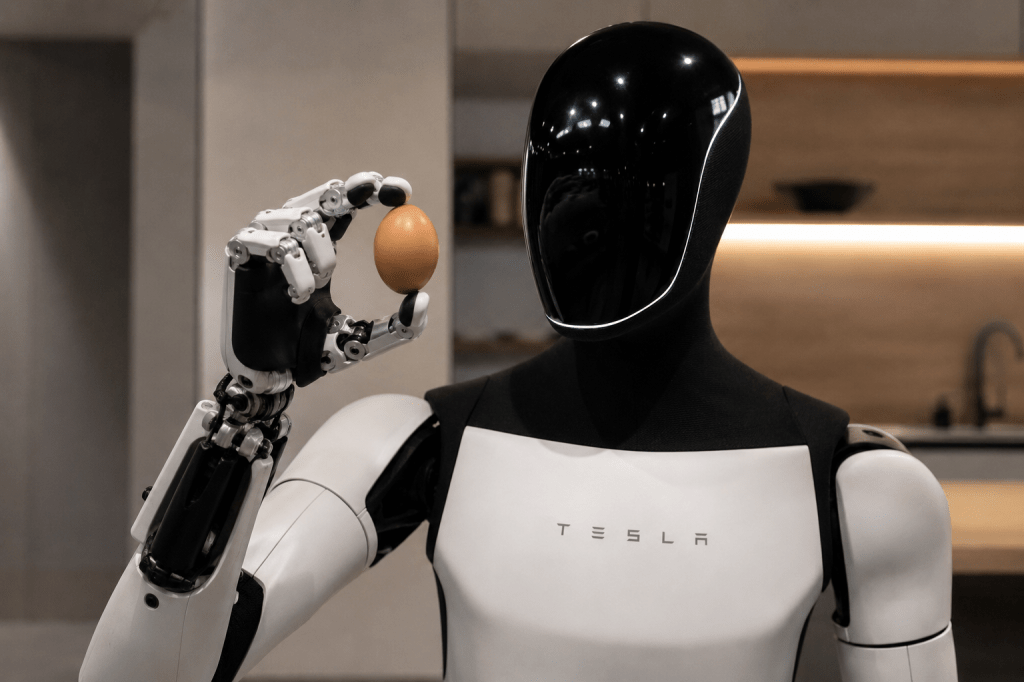
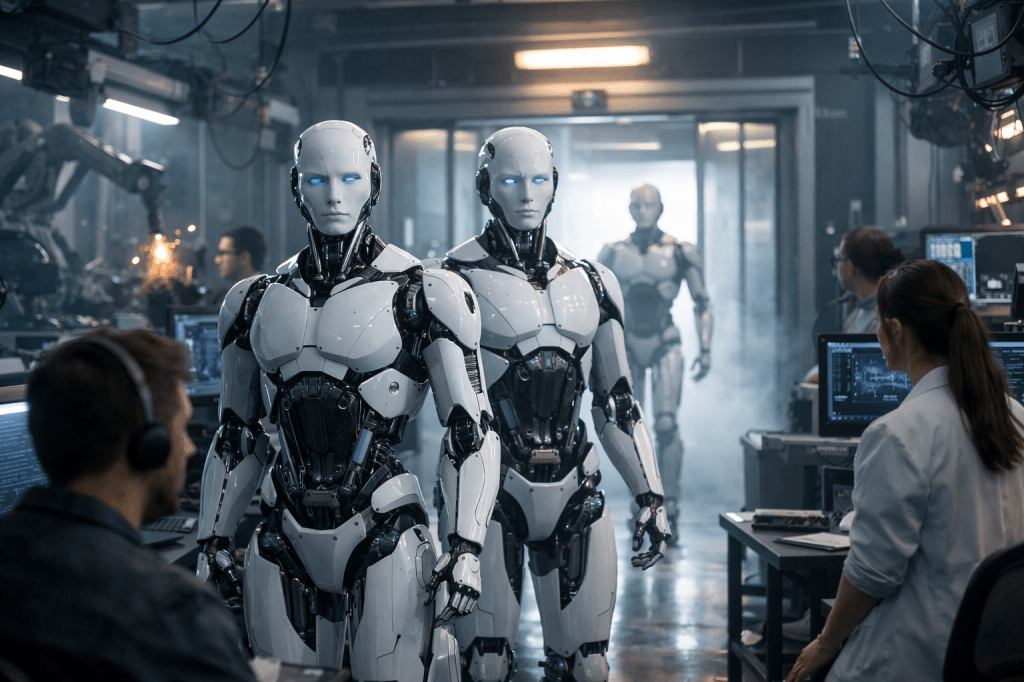
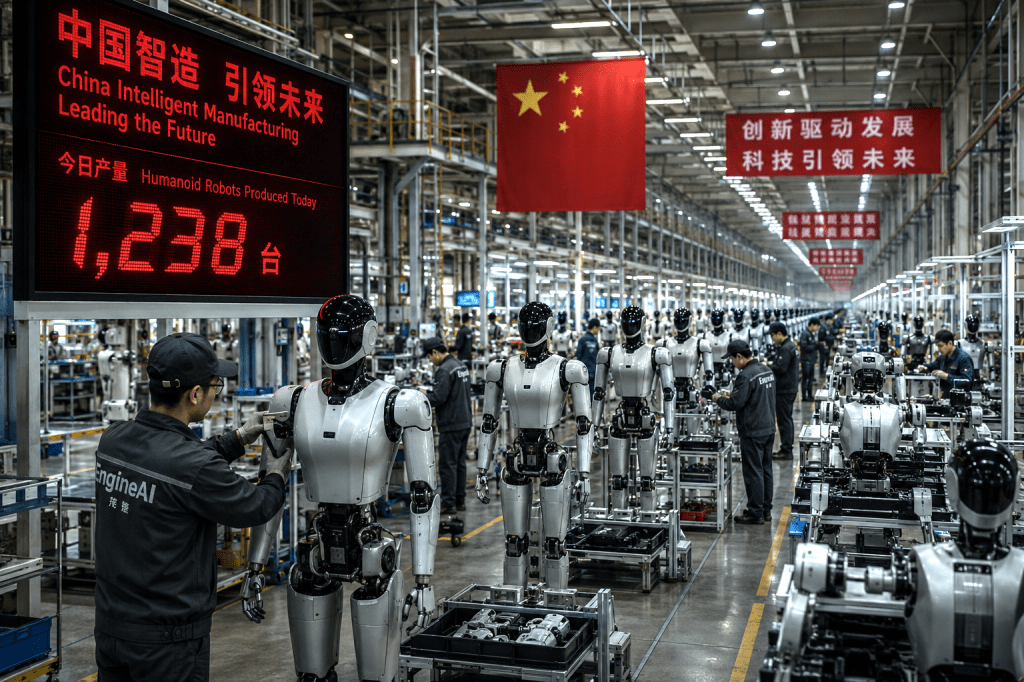
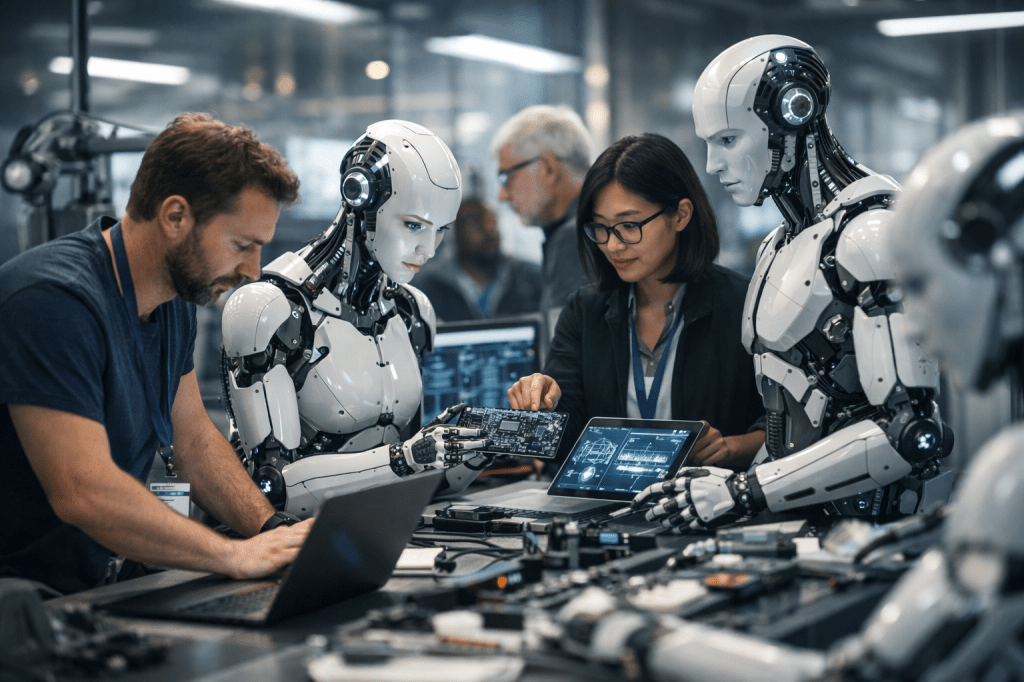
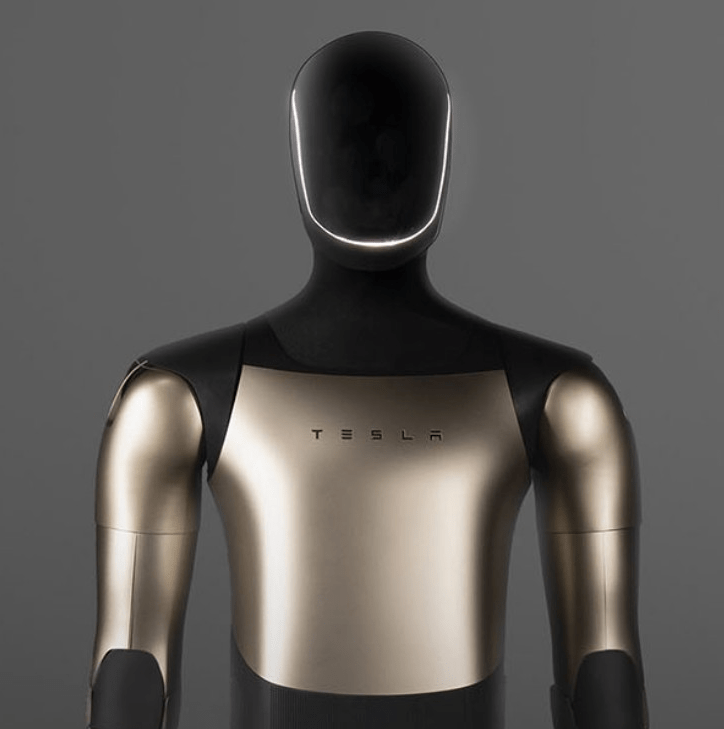
Boston Dynamics appointed former Amazon executive Rohit Prasad as chief executive, effective immediately. Prasad previously led science and development for Alexa and Amazon’s artificial-general-intelligence work. Boston Dynamics says his assignment is to translate advances in “physical AI” into commercial products. The appointment comes as parent company Hyundai plans a factory capable of producing 30,000 robots annually by 2028 and intends to deploy robots across its manufacturing sites. The personnel change offers no proof that capable general-purpose humanoids are imminent, but it aligns advanced AI development more closely with large-scale robotic manufacturing. Source: Reuters, “Boston Dynamics appoints ex-Amazon executive Rohit Prasad as CEO,” October 7, 2026 — https://www.reuters.com/business/autos-transportation/boston-dynamics-appoints-ex-amazon-executive-rohit-prasad-ceo-2026-10-07/. Reuters
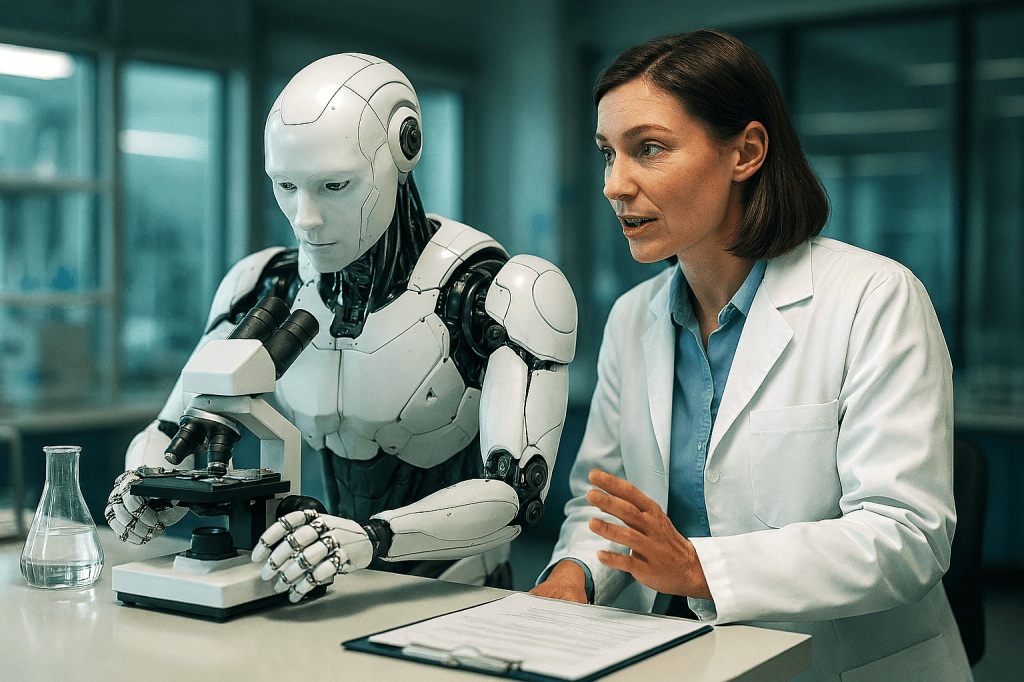
Danaher Announces First AI-Powered Autonomous Lab for Antibody Discovery (Gemini)
Life sciences and technology conglomerate Danaher Corporation announced plans to launch its first AI-powered autonomous lab dedicated to accelerating the development of custom antibodies and molecular tools. By combining robotics, artificial intelligence models, and automated laboratory workflows, Danaher aims to increase the speed of affinity reagent discovery up to eightfold and scale annual reagent generation by tenfold. October 7, 2026. Source: Danaher Investor Relations Release
Atlassian Launches AMP to Address AI Code Provenance and Visibility (Gemini)
Atlassian introduced its Atlassian Management Platform (AMP) aimed at providing enterprise visibility and attribution tracking for AI-generated code. As software development increasingly incorporates AI coding assistants (such as Copilot and Claude), AMP introduces non-human identity (NHI) governance tools to trace code provenance, set access restrictions for autonomous software agents, and manage hybrid human-AI development workflows. October 6, 2026. Source: InfoWorld Article
HPE Introduces Enterprise AI Server Infrastructure Powered by Next-Gen AMD CPUs (Gemini)
Hewlett Packard Enterprise (HPE) expanded its enterprise compute portfolio with a new line of ProLiant server systems engineered specifically for large-scale AI automation, security, and high-density compute workloads powered by next-generation AMD EPYC processors. October 7, 2026. Source: HPE Press Release
Filed under: Uncategorized |



































































































































































































































































































































































Leave a Reply