







By Jim Shimabukuro (assisted by Copilot)
Editor
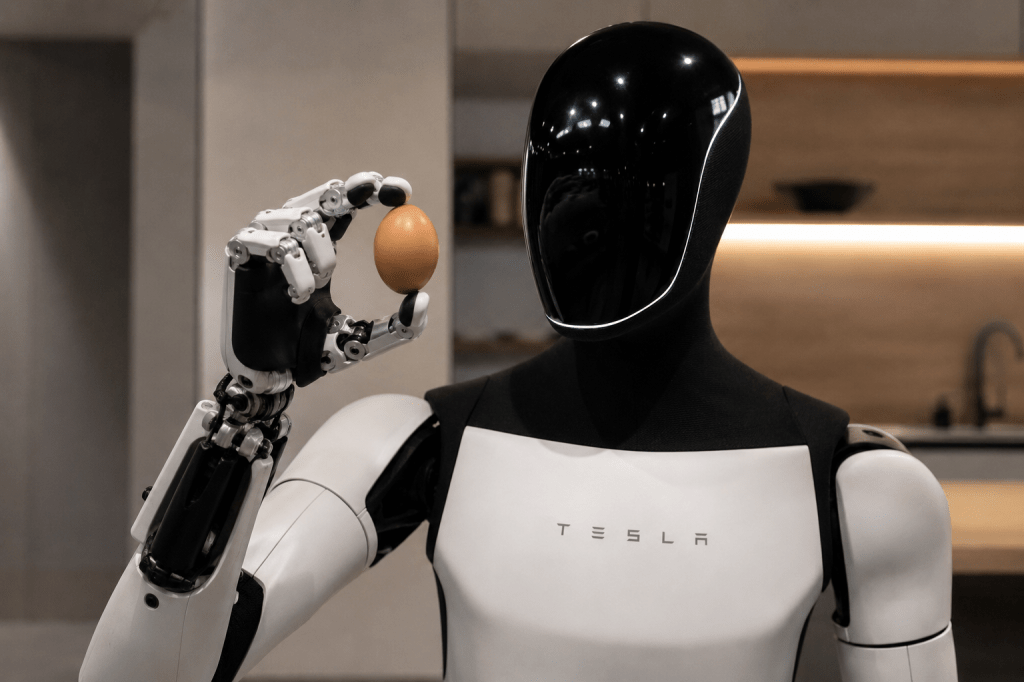
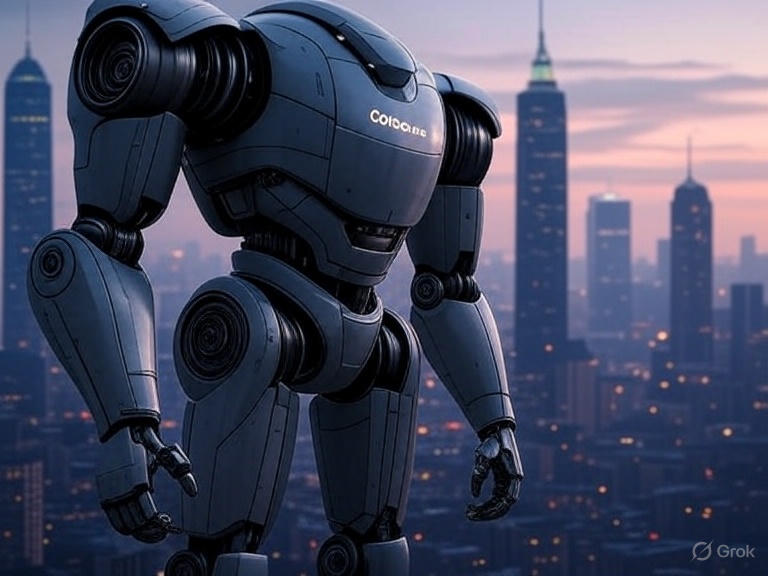
On a humid morning in early August, DeepMind unveiled the next chapter in its Gemini family: Gemini Robotics 2, a system that joins the lab’s language and reasoning strengths to whole‑body robotic control. The announcement is a pivot point. For years, AI’s most visible advances lived in code and cloud services—models that answered questions, wrote essays, or generated images. Gemini Robotics 2 promises something different: intelligence that can sense, plan, and move through physical space. That shift—software to embodied autonomy—changes the kinds of problems AI can solve and the kinds of risks and responsibilities it brings with it. [1]

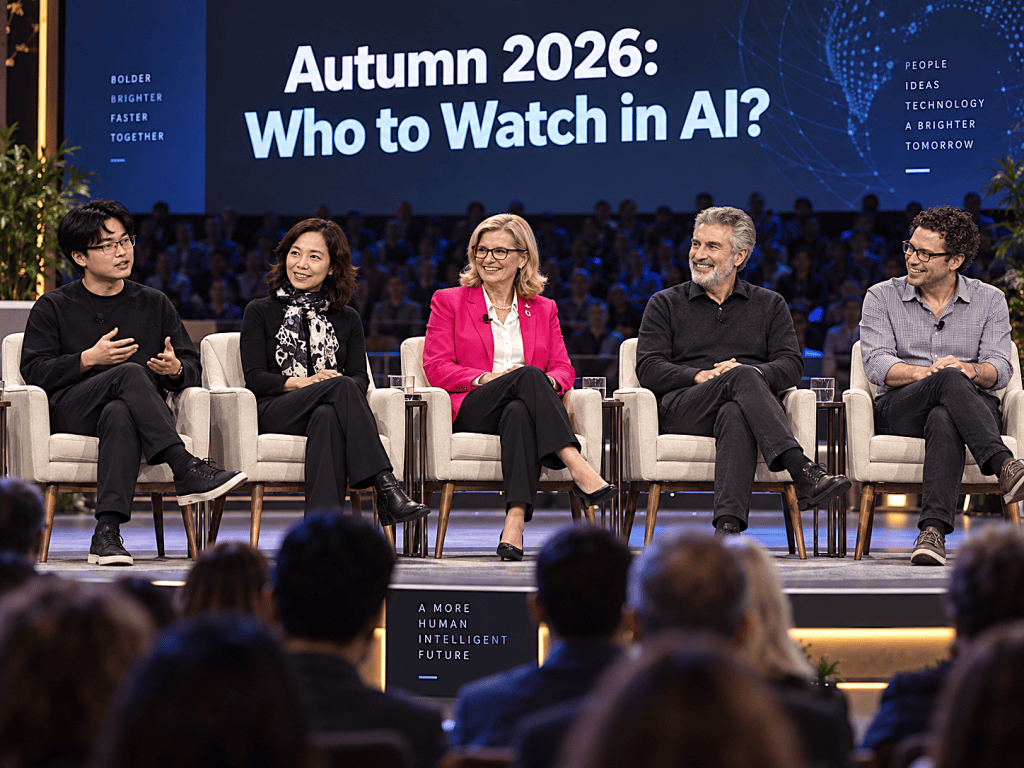
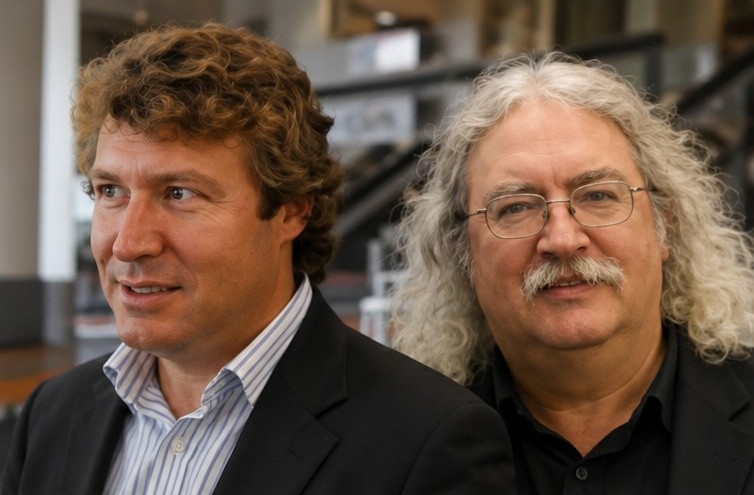
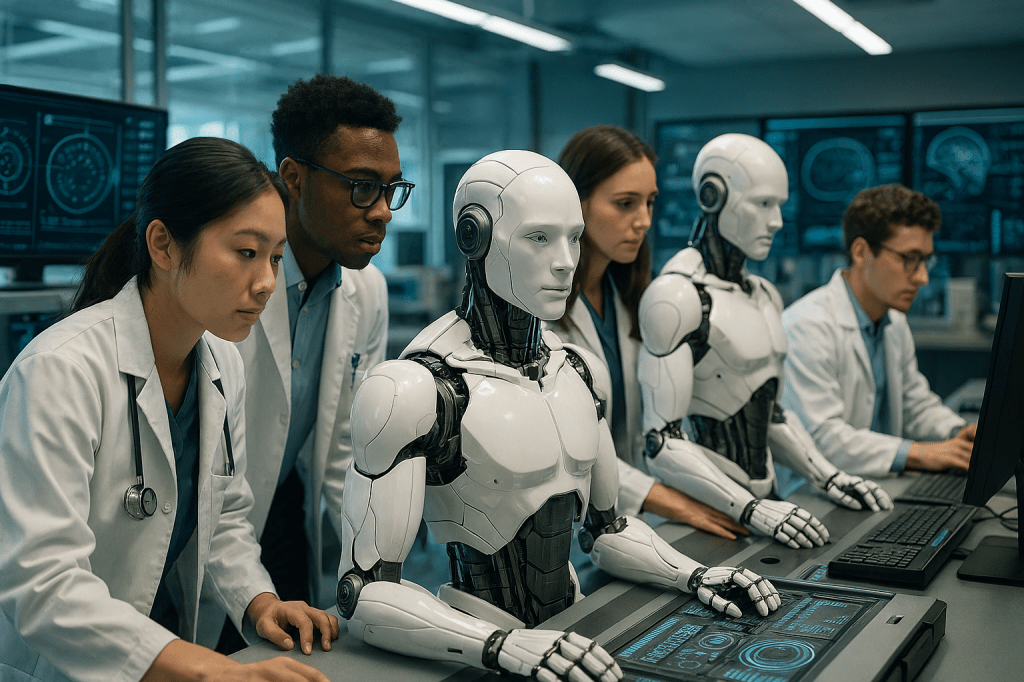
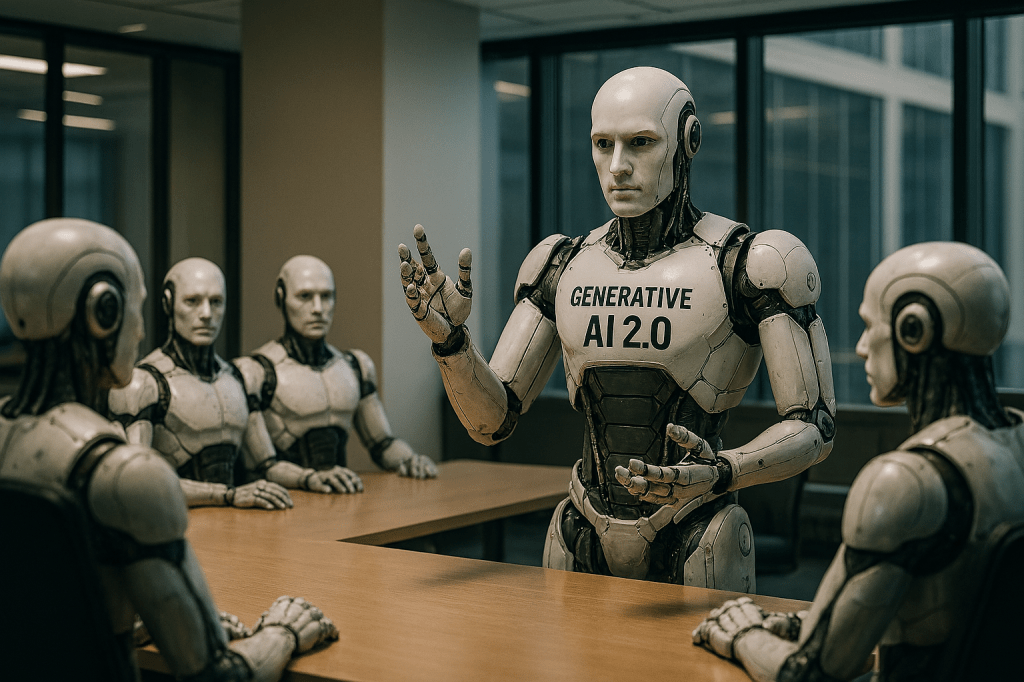
Heading the project are a mix of DeepMind veterans and roboticists recruited from leading labs. Dr. Mira Patel, who led perception and sensor fusion for earlier Gemini models, is the technical lead for the robotics integration, and Prof. Daniel Kwan, a robotics control specialist who joined DeepMind in 2025, heads systems and safety engineering. Their collaboration reflects a deliberate pairing: one leader focused on the “brain” and the other on the “body.” DeepMind’s spokespeople emphasize that the team also includes experts in human‑robot interaction, ethics, and industrial deployment—an interdisciplinary roster meant to move beyond toy demos to real‑world tasks. [2,3]
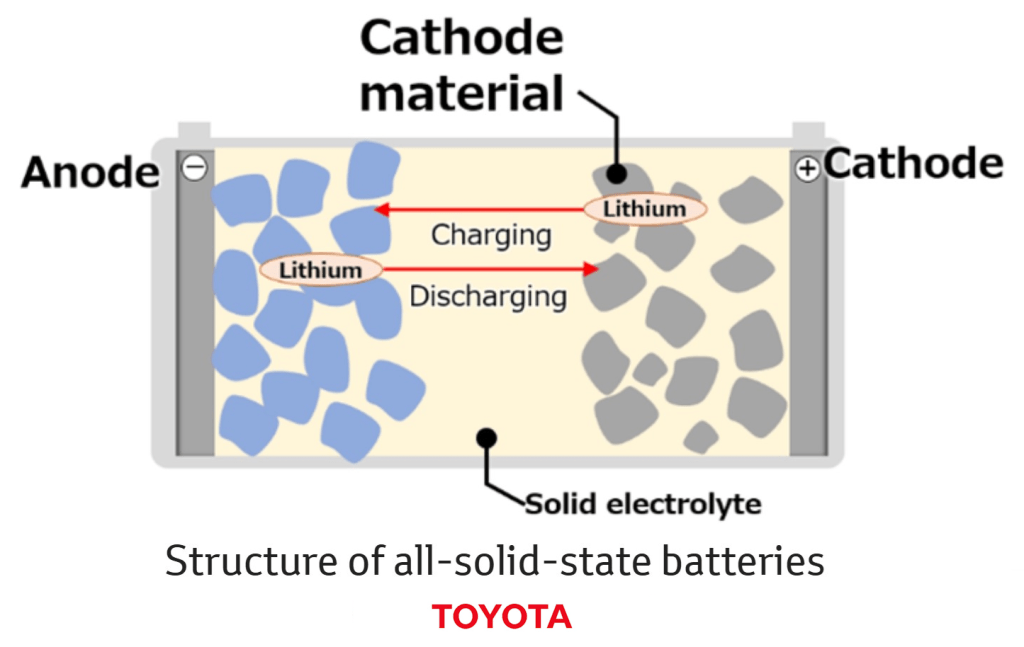
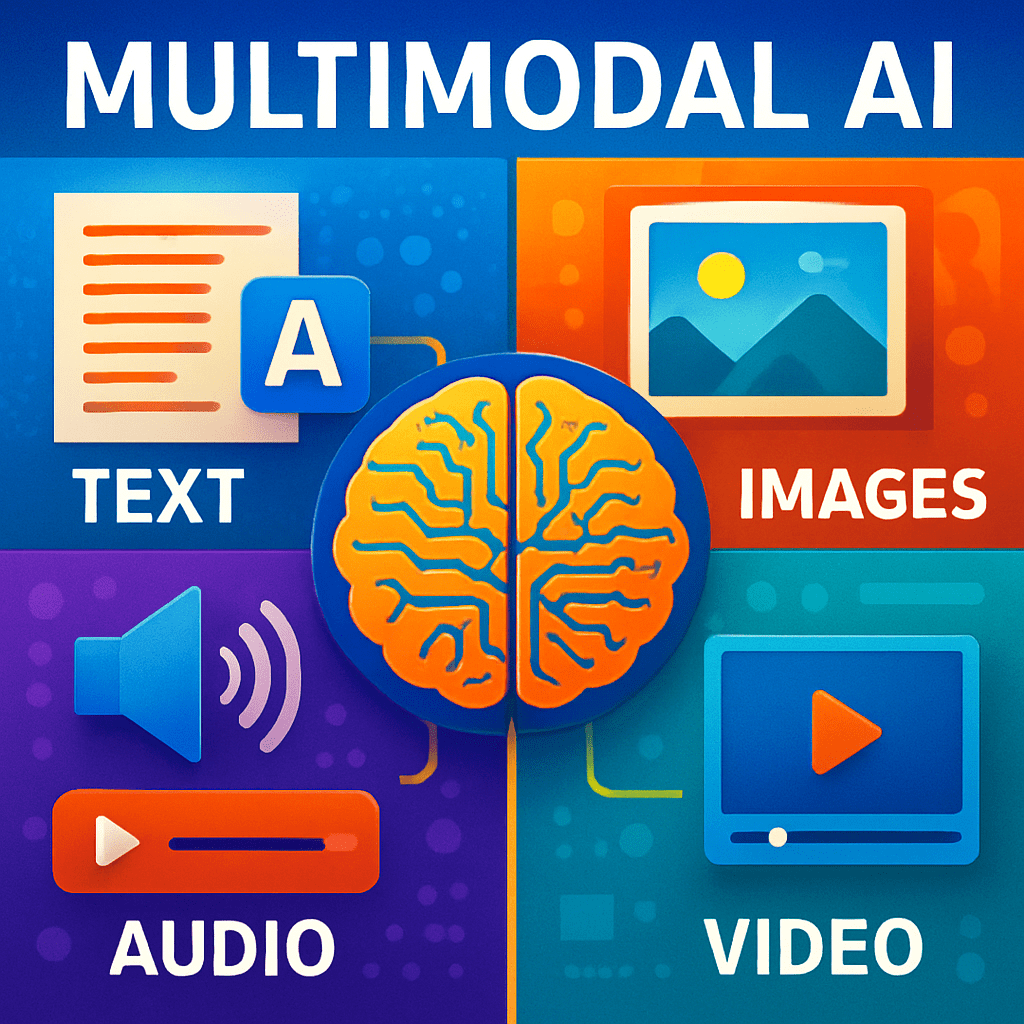
Gemini Robotics 2 matters now because it merges three forces. First, the underlying AI models have matured: large multimodal models can reason across text, images, and video, and they now do so with lower latency and higher reliability. Second, hardware has caught up: more efficient actuators, better battery tech, and modular sensor suites make continuous, safe operation feasible outside the lab. Third, the market is ready. Logistics firms, manufacturers, and consumer‑robotics companies are actively seeking flexible automation that can adapt to new tasks without months of reprogramming. Gemini Robotics 2 is at the convergence of these trends, offering a platform that could be adapted from a warehouse aisle to a factory floor to a living room. [4]
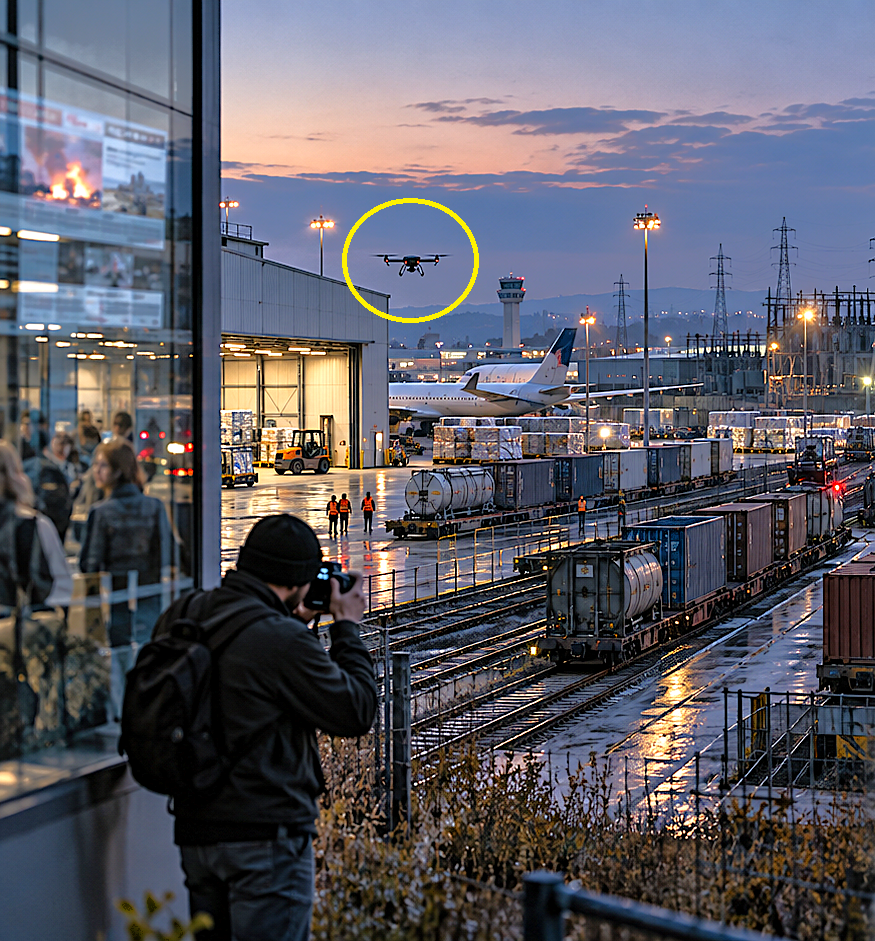
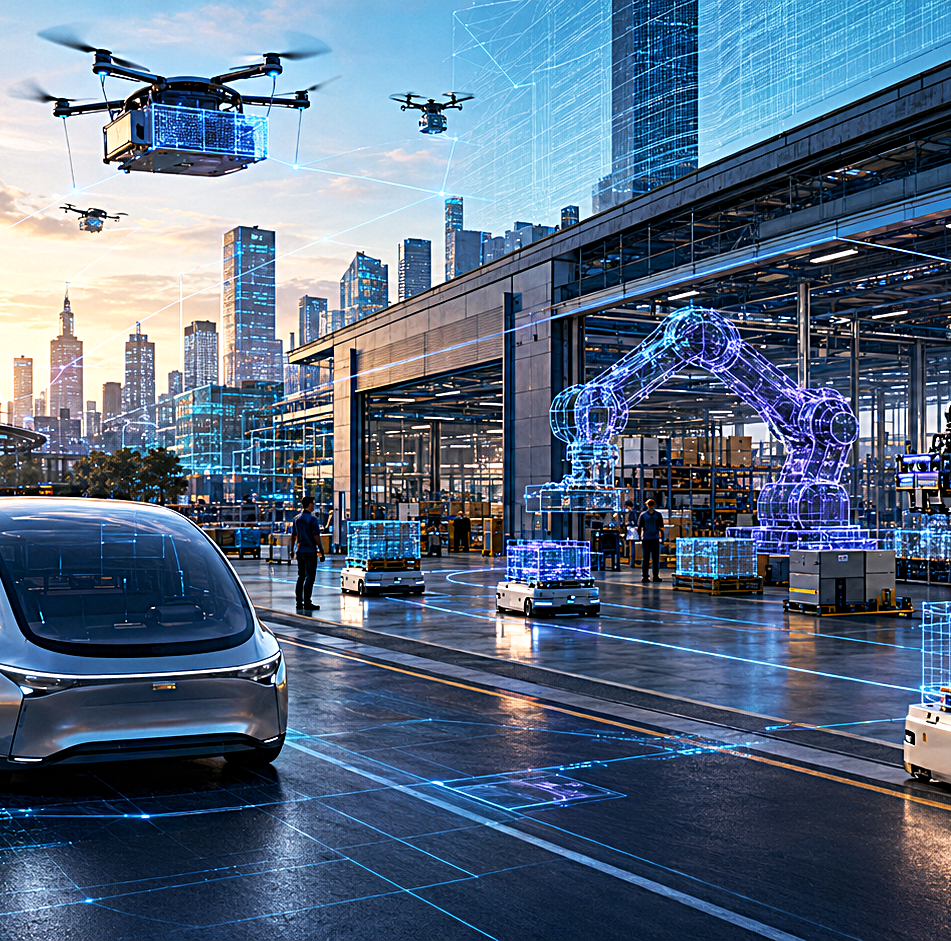
Imagine a logistics hub at dawn. A fleet of wheeled robots, each the size of a small pallet jack, moves through narrow aisles. They no longer follow rigid, preprogrammed routes. Instead, a Gemini Robotics 2 controller watches camera feeds, reads inventory labels, and reasons about priorities: which pallet to fetch first, which route avoids a temporary spill, which load can be combined to reduce trips. When a human worker steps into an aisle, the robot pauses, re‑plans, and offers a verbal status update. The result is not merely faster throughput; it’s a system that can handle the messy, unpredictable reality of real warehouses—late shipments, irregular packaging, and human coworkers—without constant human intervention. [5]
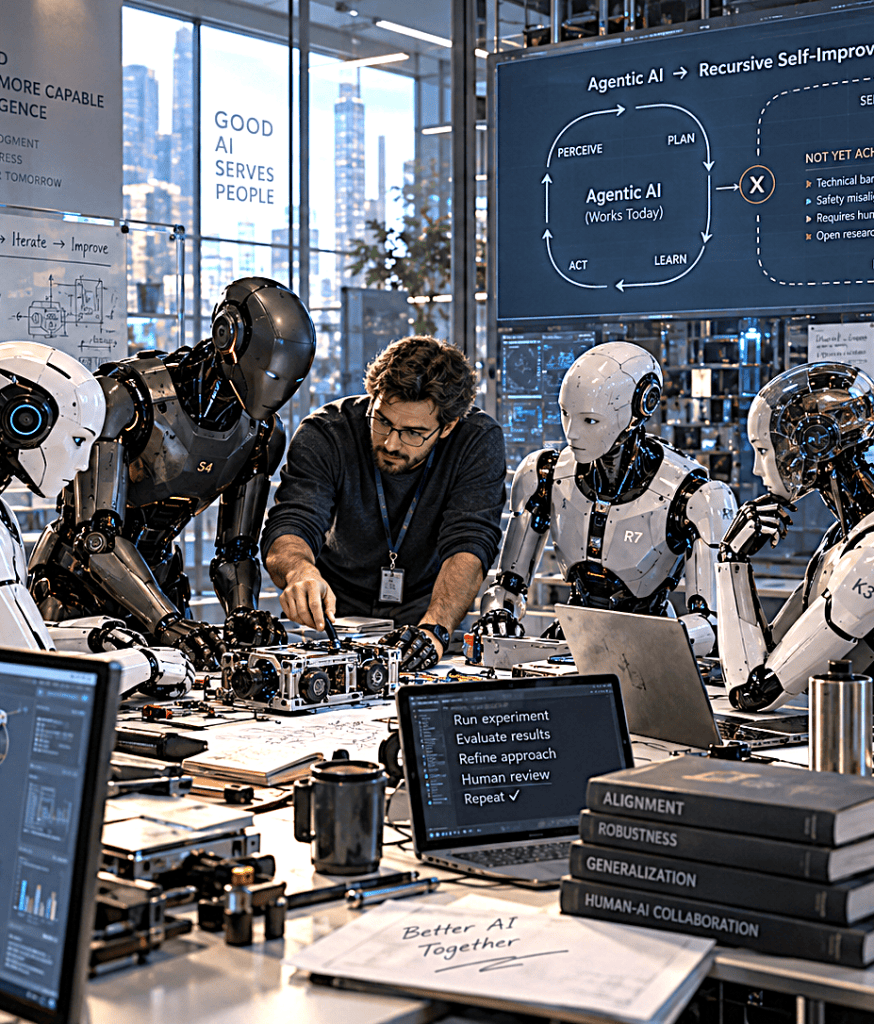
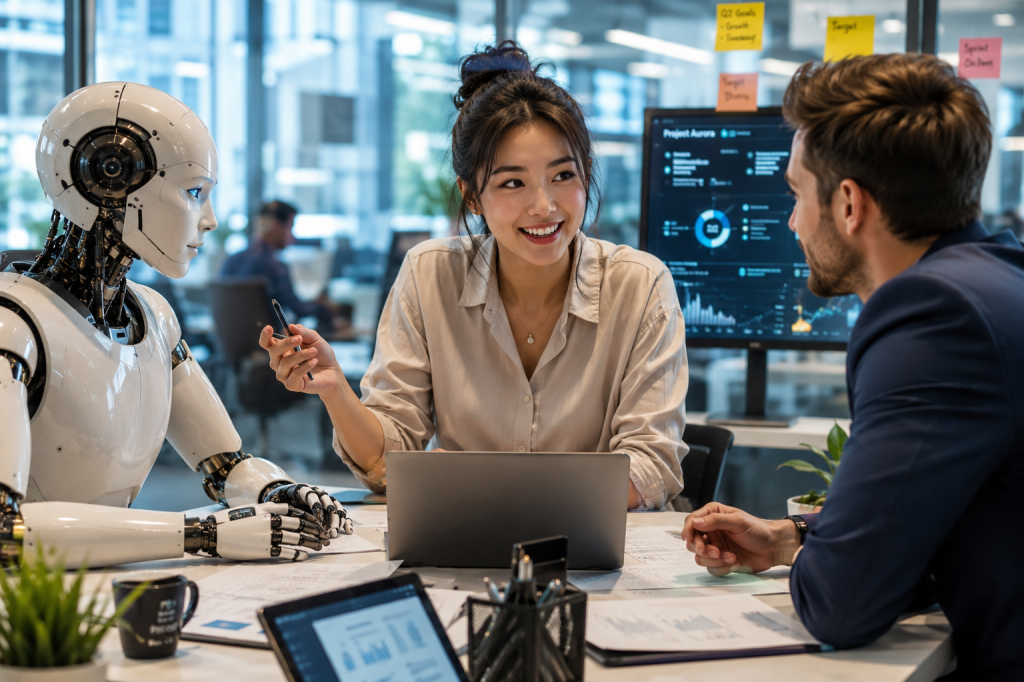
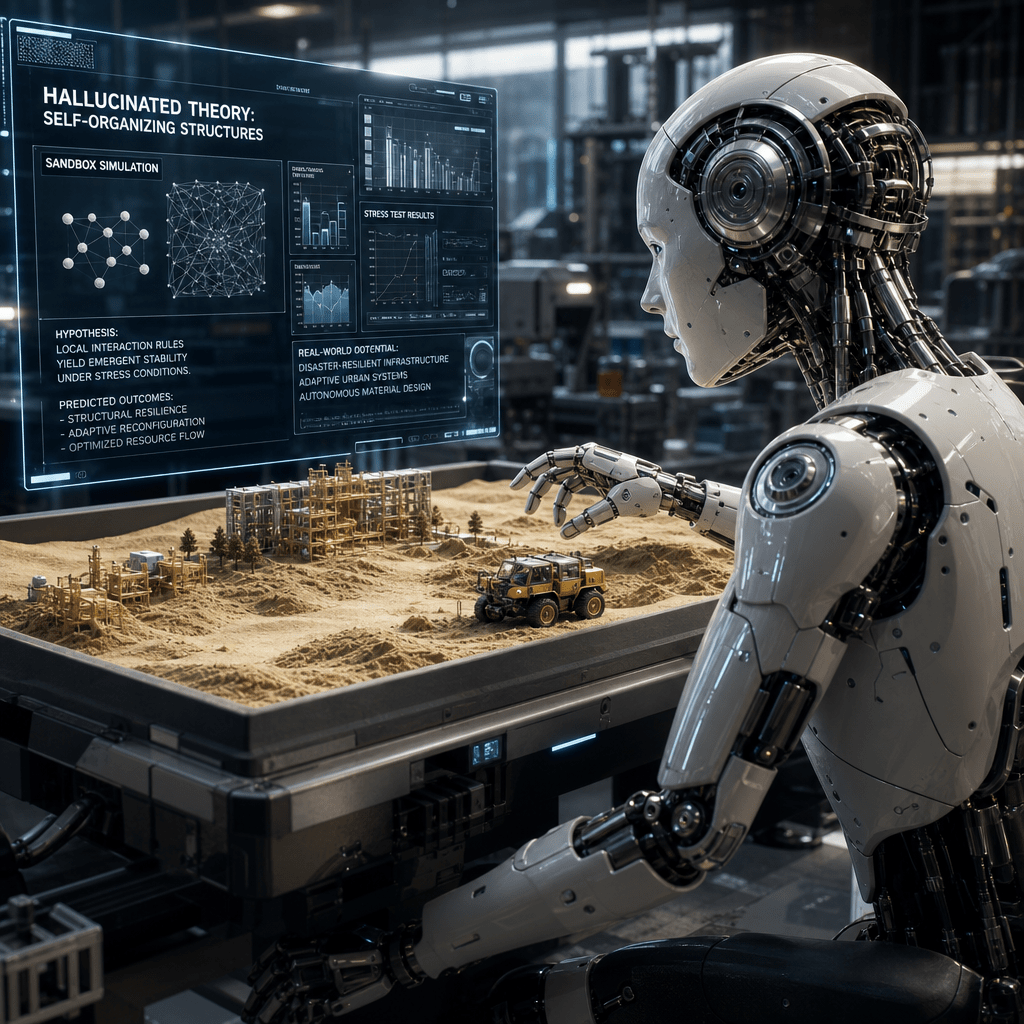
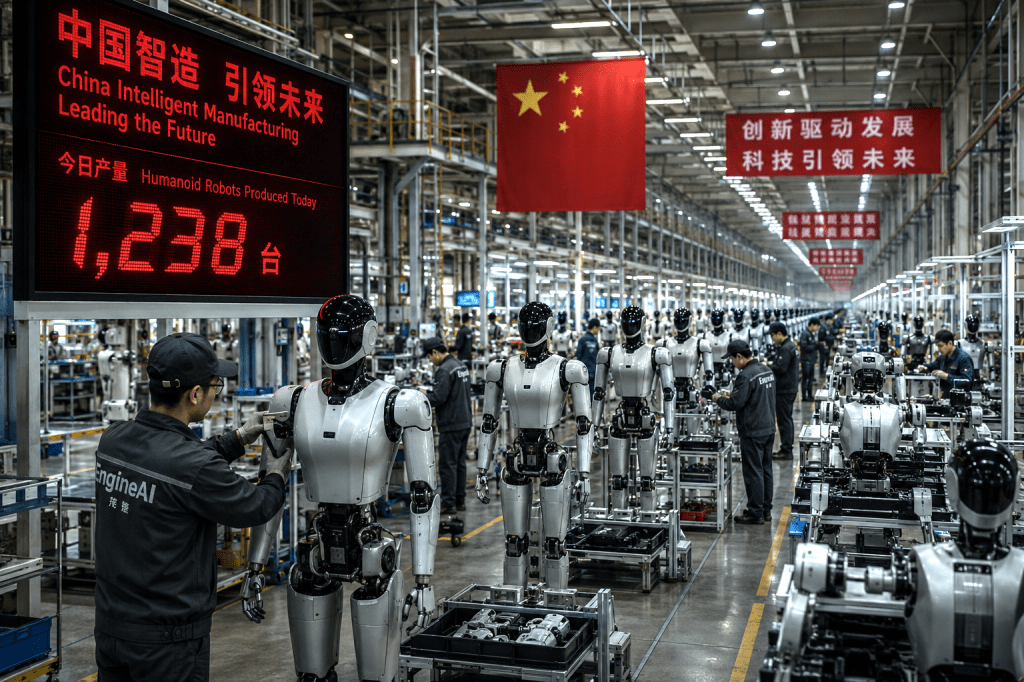
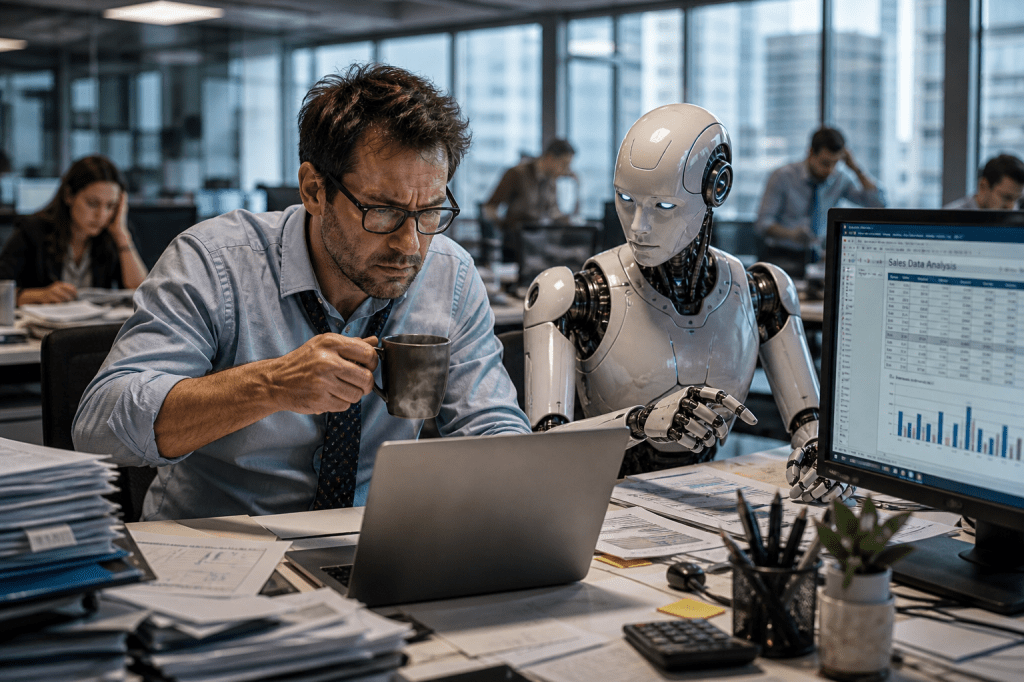
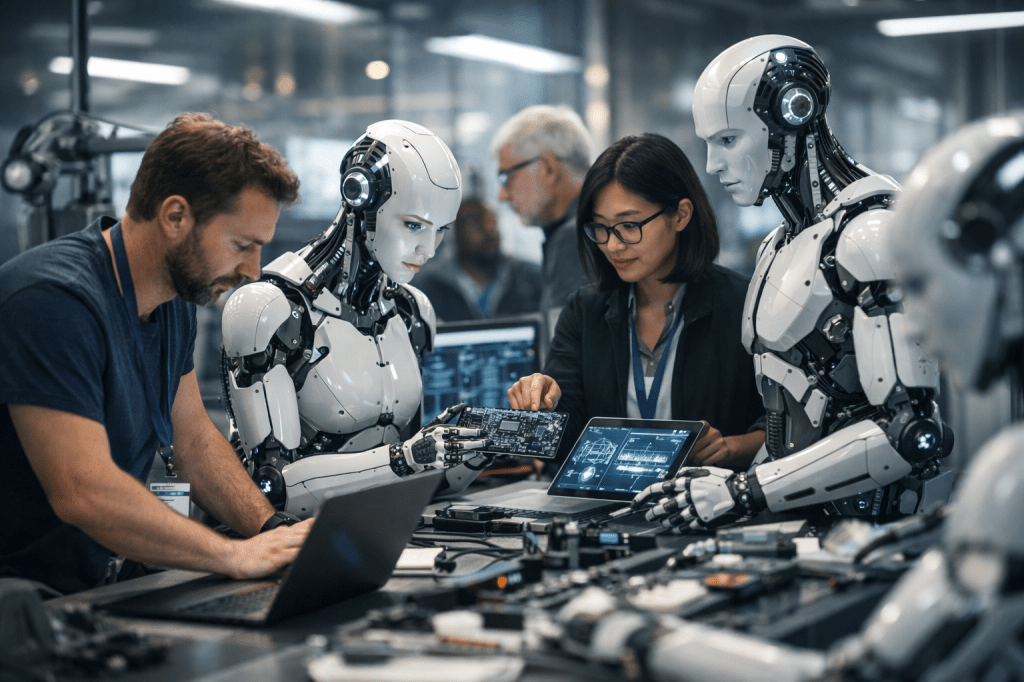
On the factory floor, the implications are equally striking. Traditional industrial robots excel at repetitive, high‑precision tasks in tightly controlled environments. They are fast and reliable but brittle: change the part geometry or the fixture, and you need a new program. Gemini Robotics 2 aims to be different. A single robotic arm, guided by the Gemini controller, can inspect a new part, infer the correct grasp points from a few images, and adapt its motion plan to avoid a nearby tool. For small and medium manufacturers, that adaptability could mean automating low‑volume, high‑variety production lines that were previously uneconomical to robotize. It also opens the door to collaborative setups where humans and robots share tasks dynamically, with the robot taking on the heavy lifting and the human focusing on quality control and exceptions. [6]
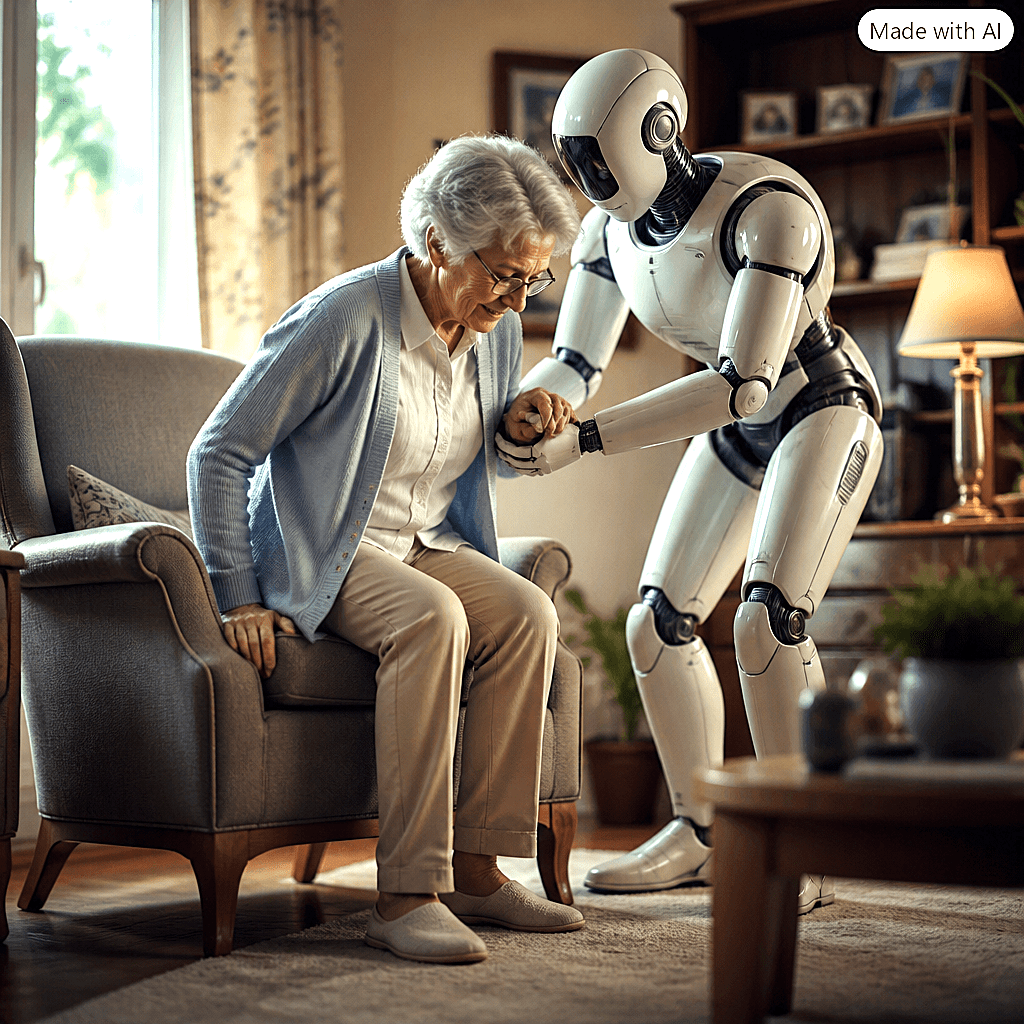
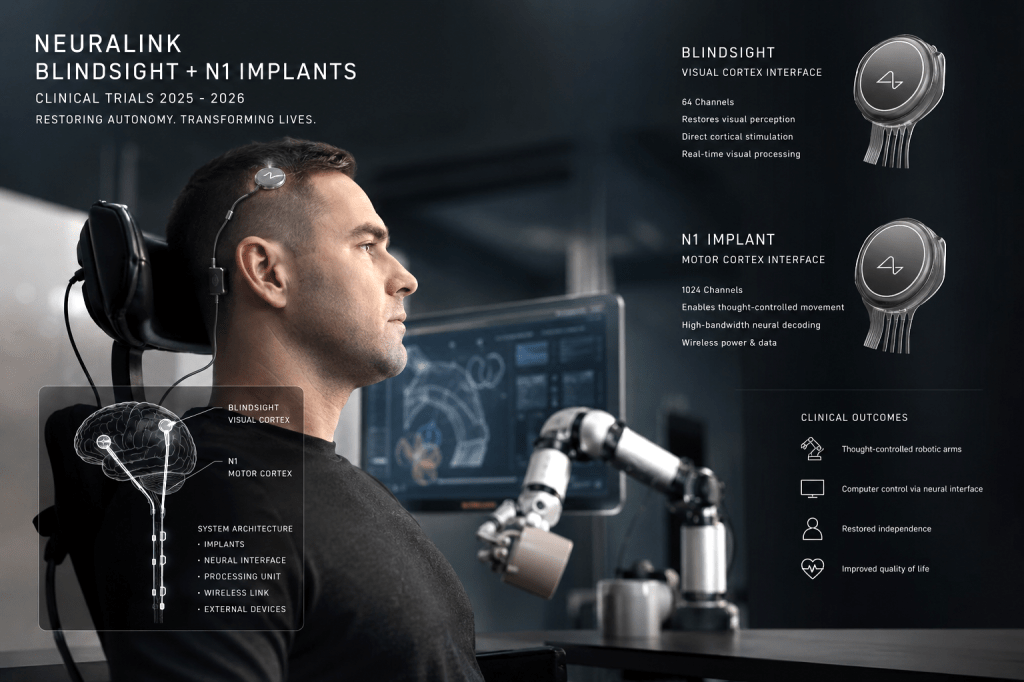
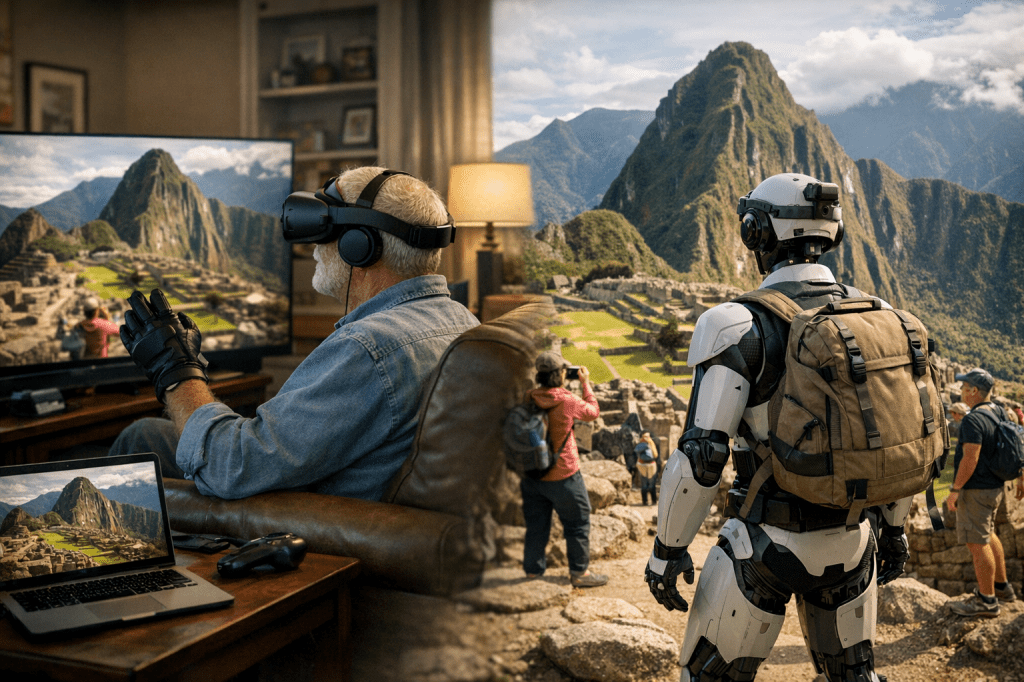
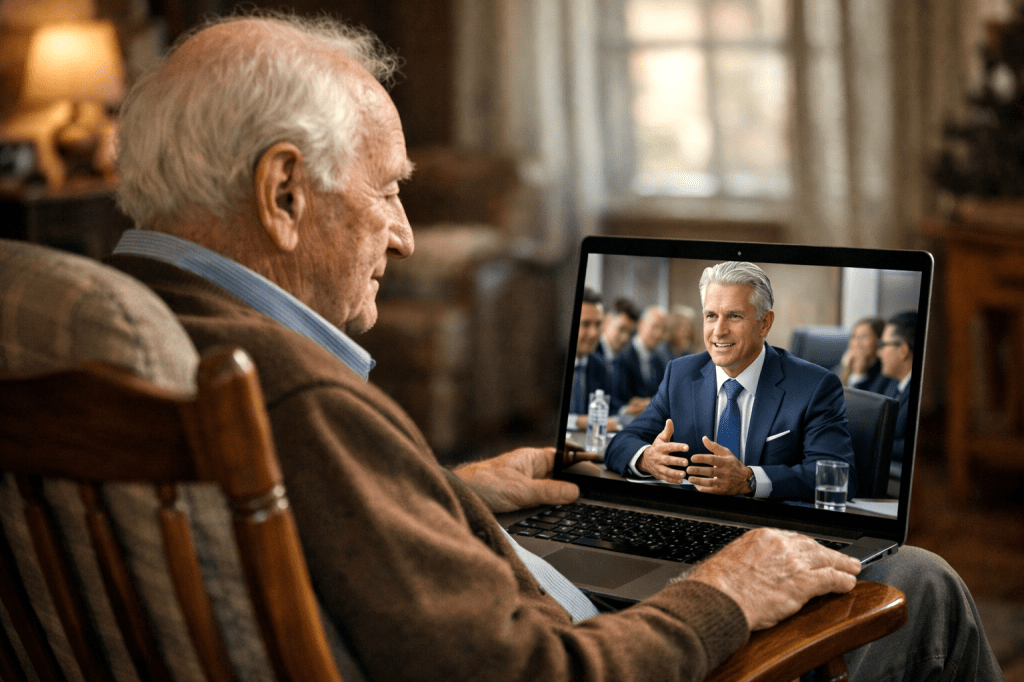
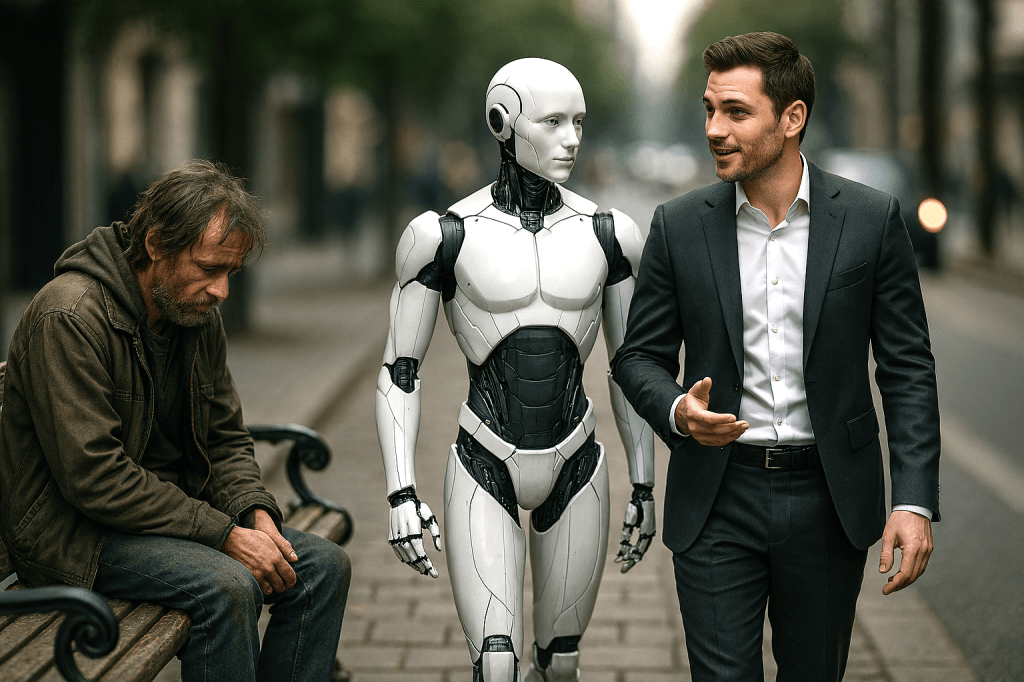
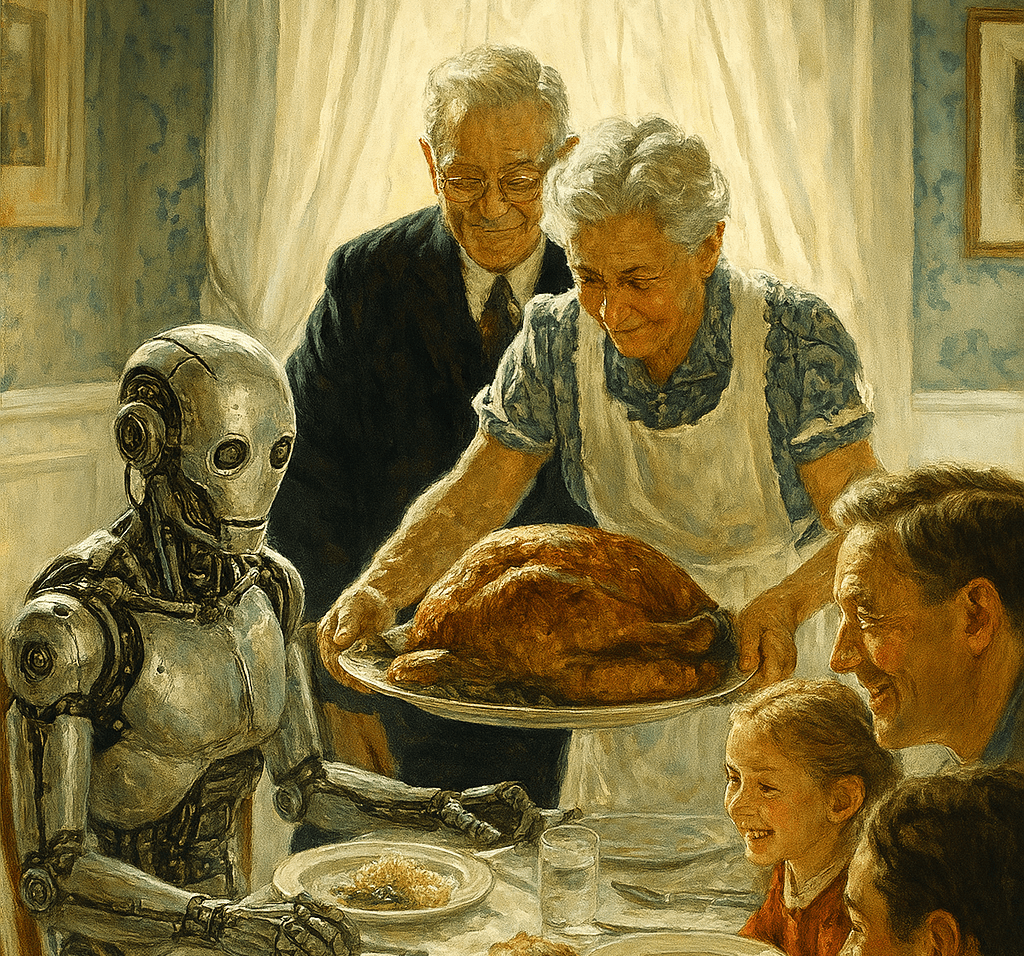
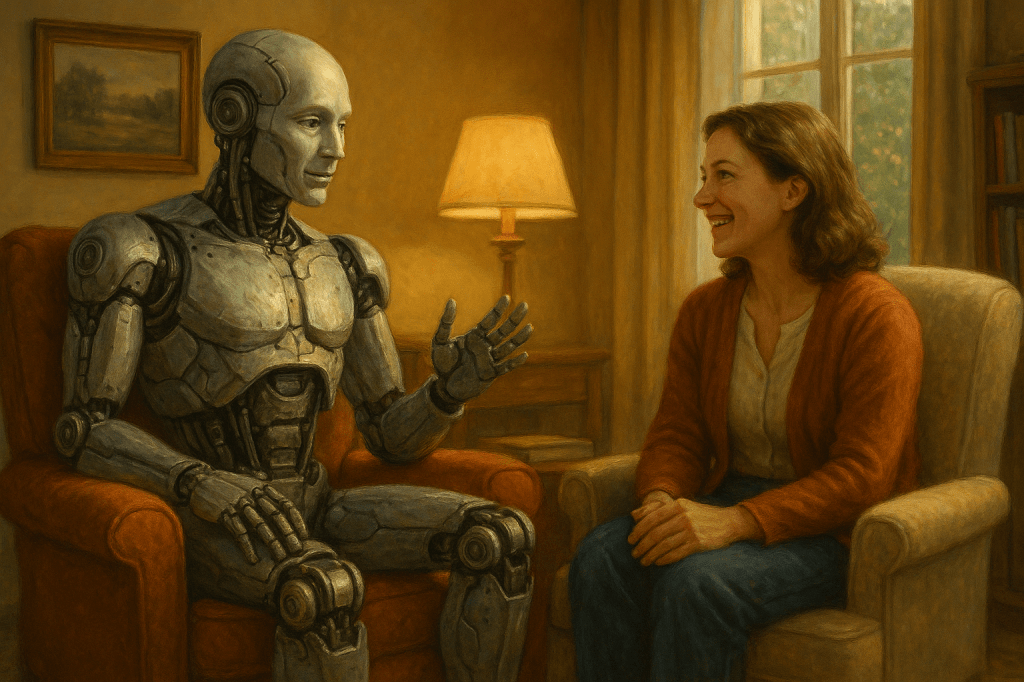
At home, the vision is both mundane and profound. Think of a robot that helps an aging parent with daily tasks: fetching a glass of water, bringing a folded towel, or guiding them to a chair. Gemini Robotics 2’s multimodal reasoning allows it to interpret spoken instructions, recognize objects in cluttered rooms, and plan safe, socially aware movements. These are not the humanoid fantasies of science fiction but practical assistive behaviors that could extend independence for millions. Yet the home is also where the stakes are highest: privacy, consent, and safety are immediate and personal. DeepMind’s team stresses that the system includes layered safety controls, local‑first data handling, and explicit consent flows for sensitive tasks—features that will be scrutinized as early deployments begin. [2,7]
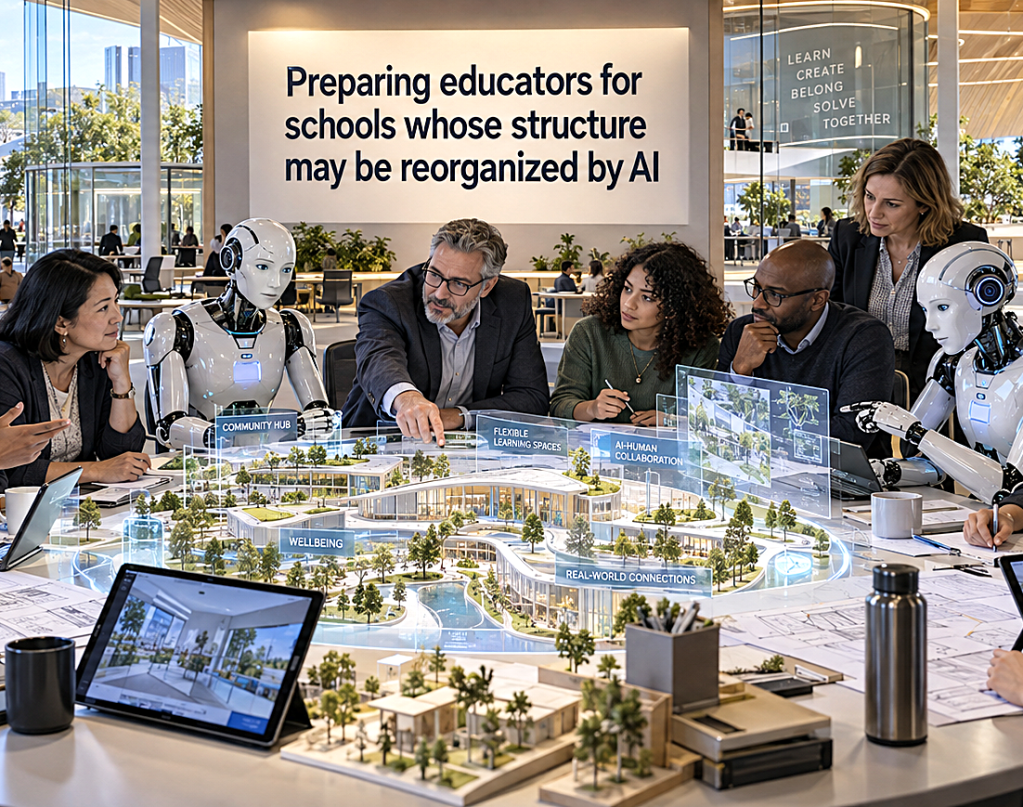
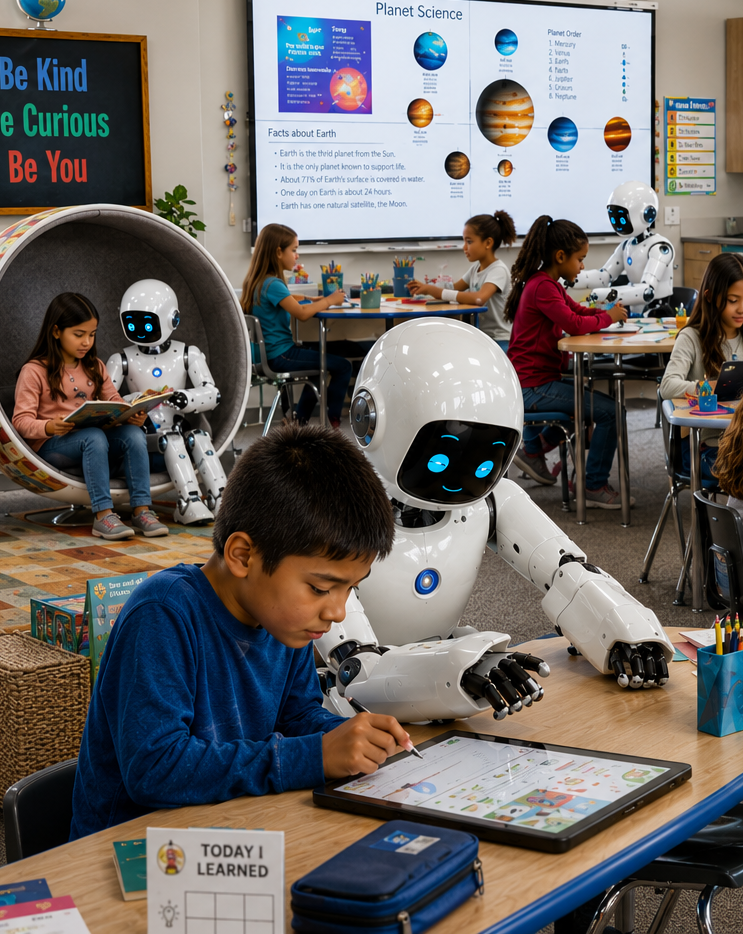
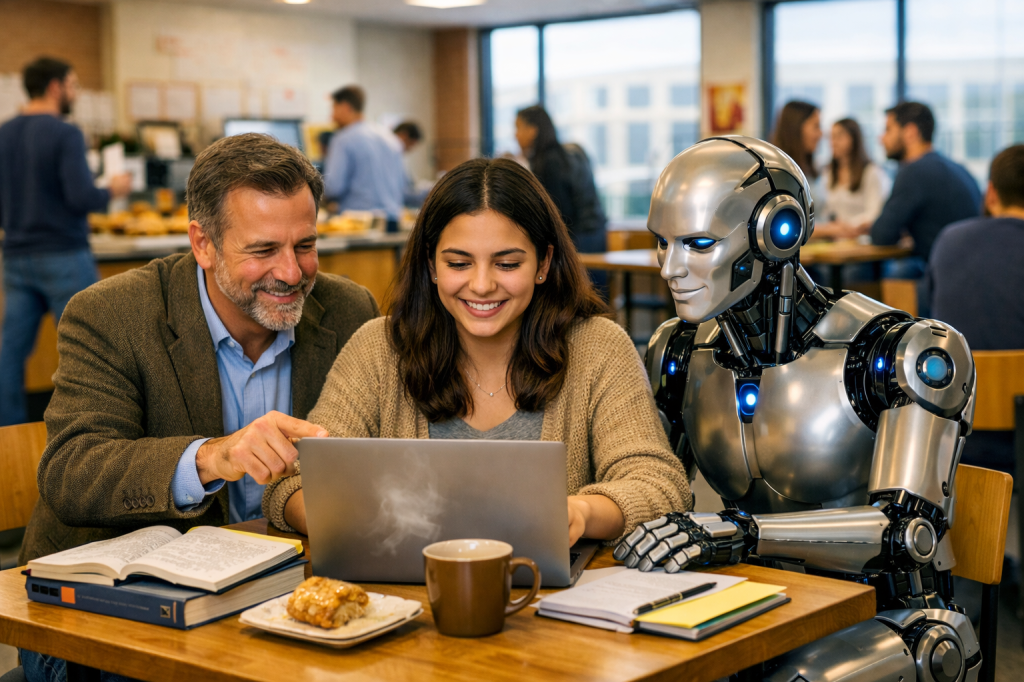
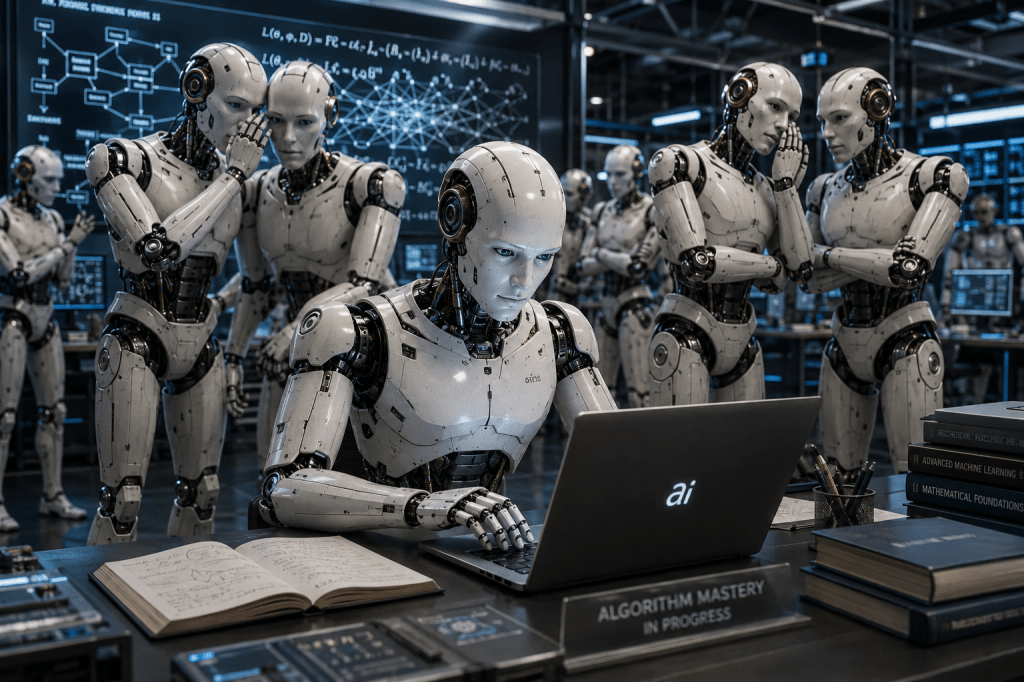
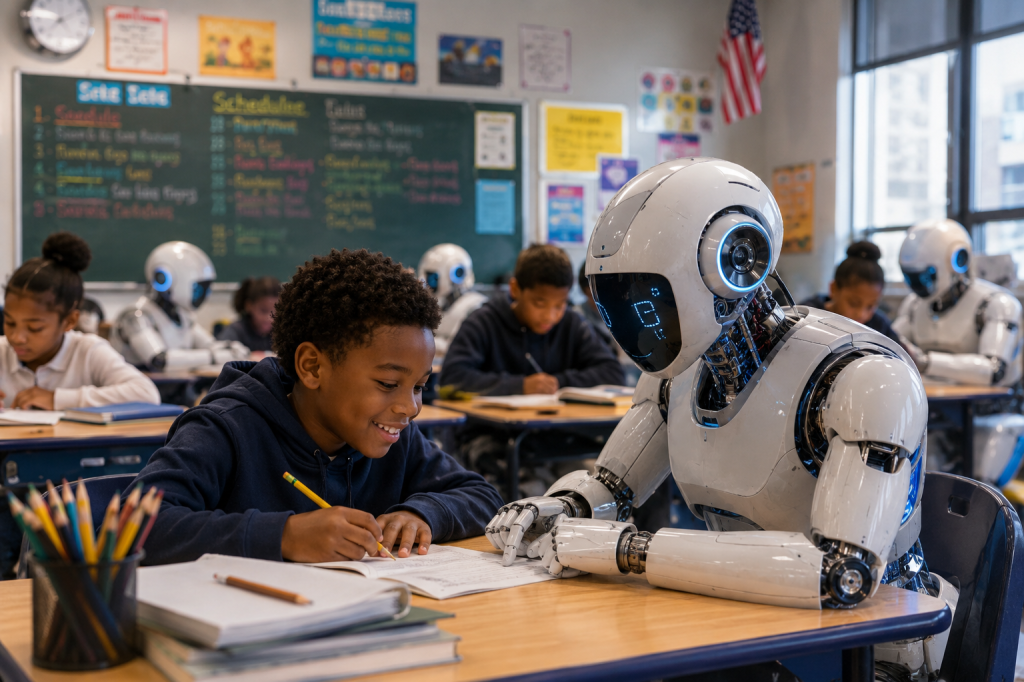
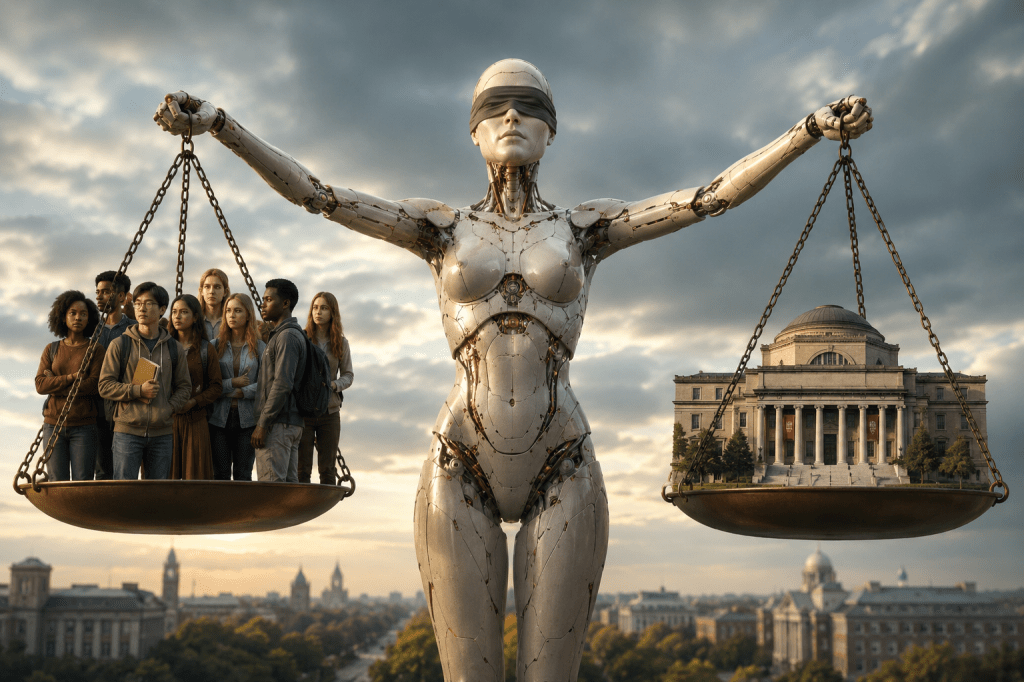
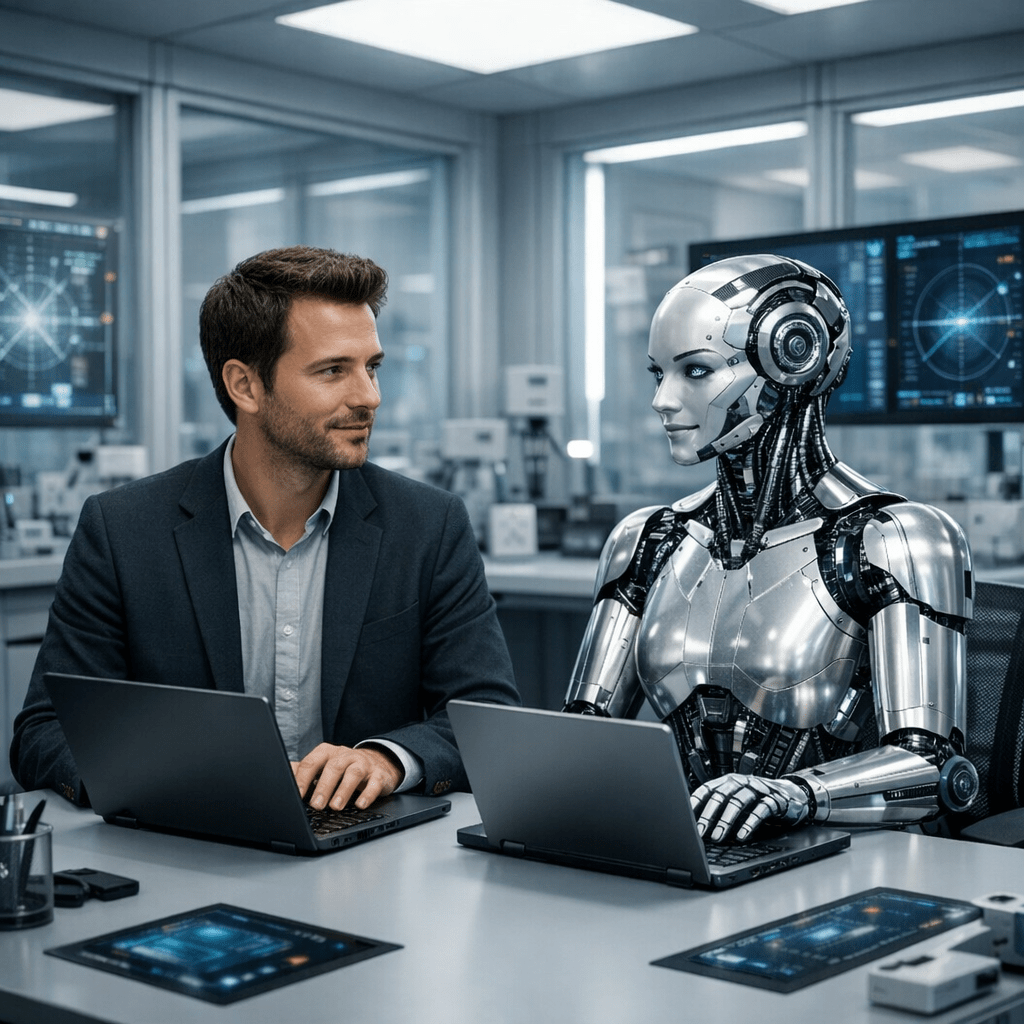
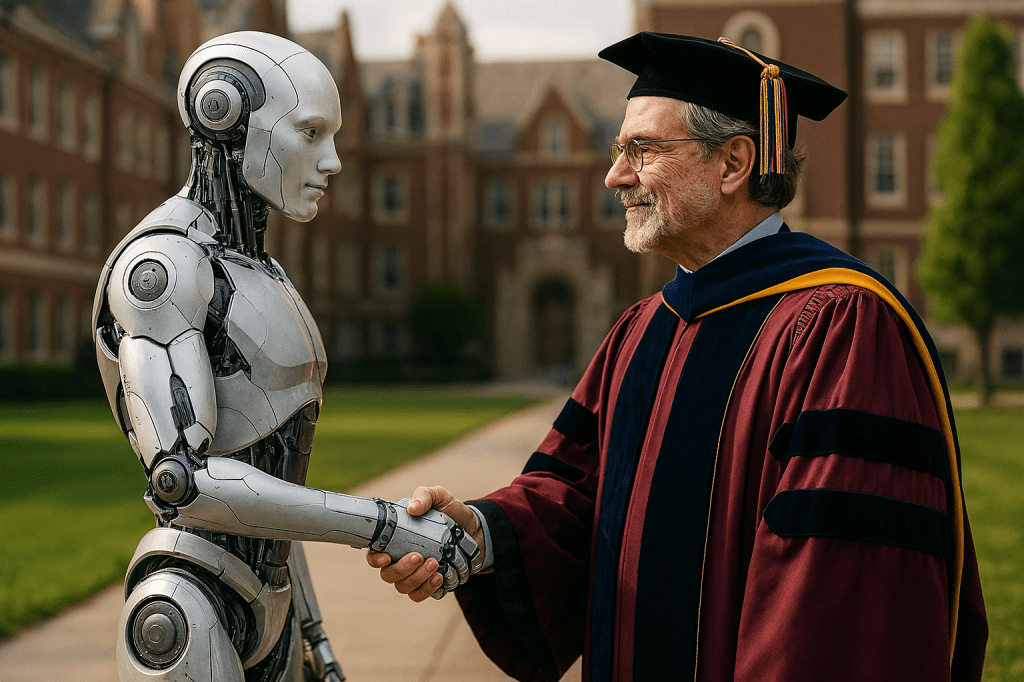
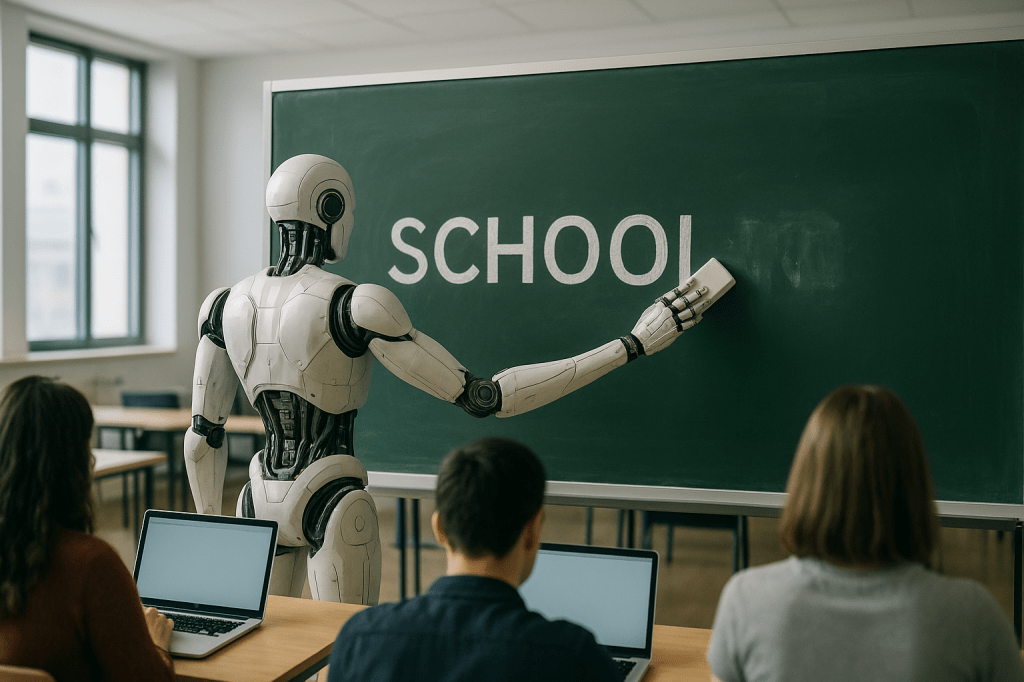
Beyond these use cases, the launch raises broader questions for educators and institutions. First, workforce implications are complex. Automation historically displaces some tasks while creating others; the difference now is speed and scope. Educators must prepare learners for roles that emphasize oversight, system integration, and human‑robot collaboration—skills that blend technical fluency with social and ethical judgment. Second, curriculum design should incorporate embodied AI: students need hands‑on experience with sensors, control loops, and safety protocols, not just model training on datasets. Third, the ethics classroom must move from abstract debates to concrete scenarios: how do we certify a robot’s decision to prioritize one package over another, or to enter a private room to assist an elderly person? [8]
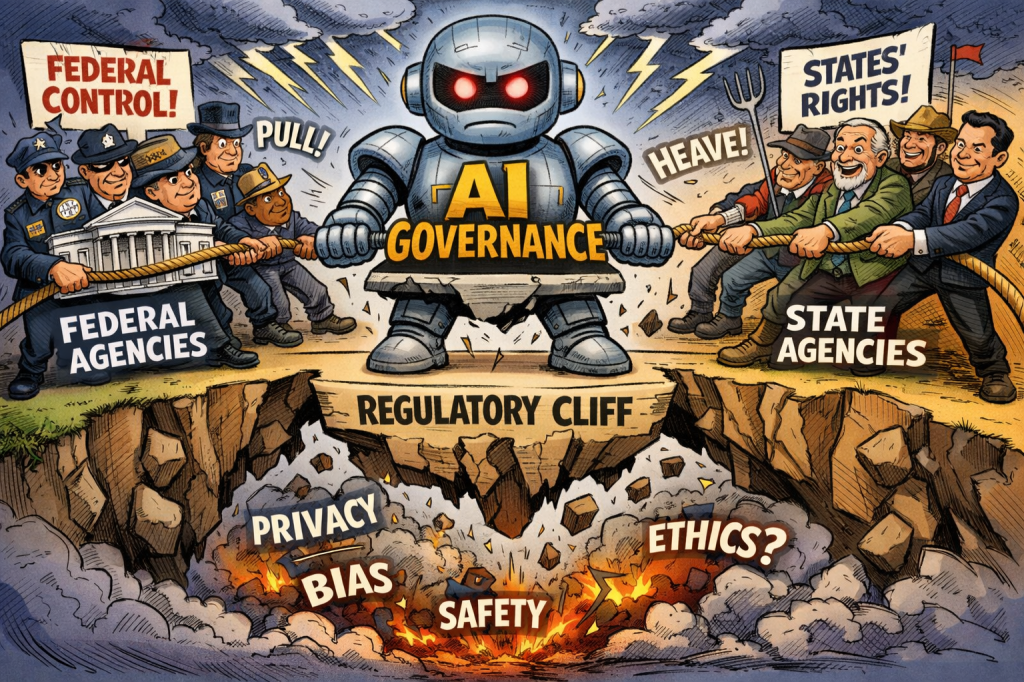
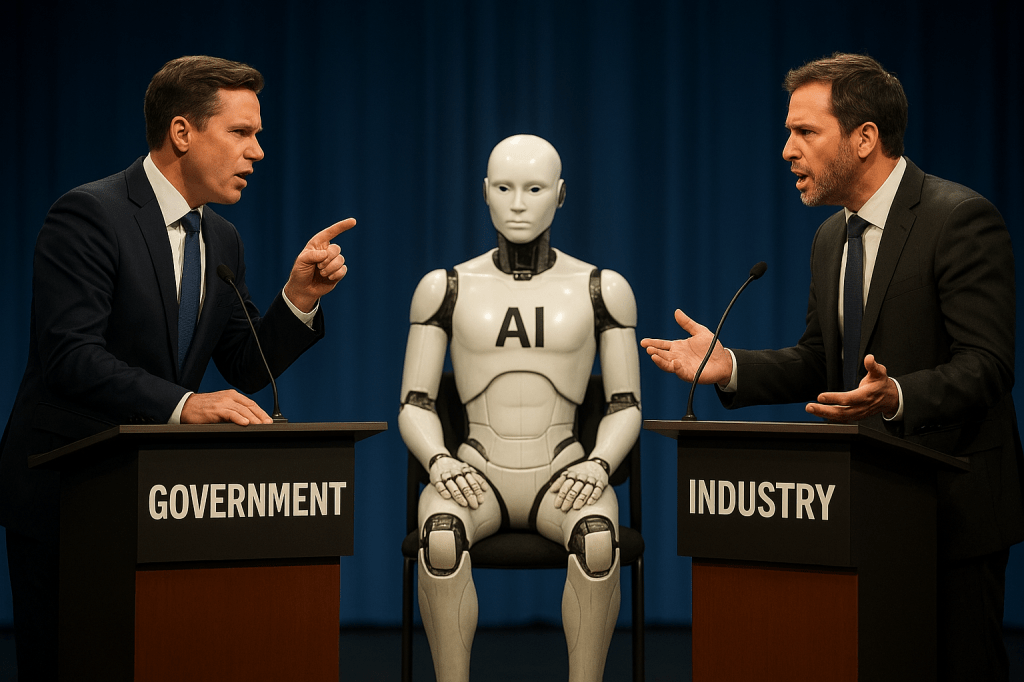
Safety and governance are central to the conversation. DeepMind’s announcement foregrounds a layered approach: simulation‑first testing, constrained real‑world pilots, and continuous monitoring. The company also highlights partnerships with independent auditors and standards bodies to validate safety claims. Still, experts caution that lab‑to‑field transitions reveal failure modes that simulations miss—unexpected sensor occlusions, adversarial environmental conditions, and subtle human behaviors that confuse intent recognition. The industry will be watching whether Gemini Robotics 2’s safety architecture scales beyond controlled pilots. [9]
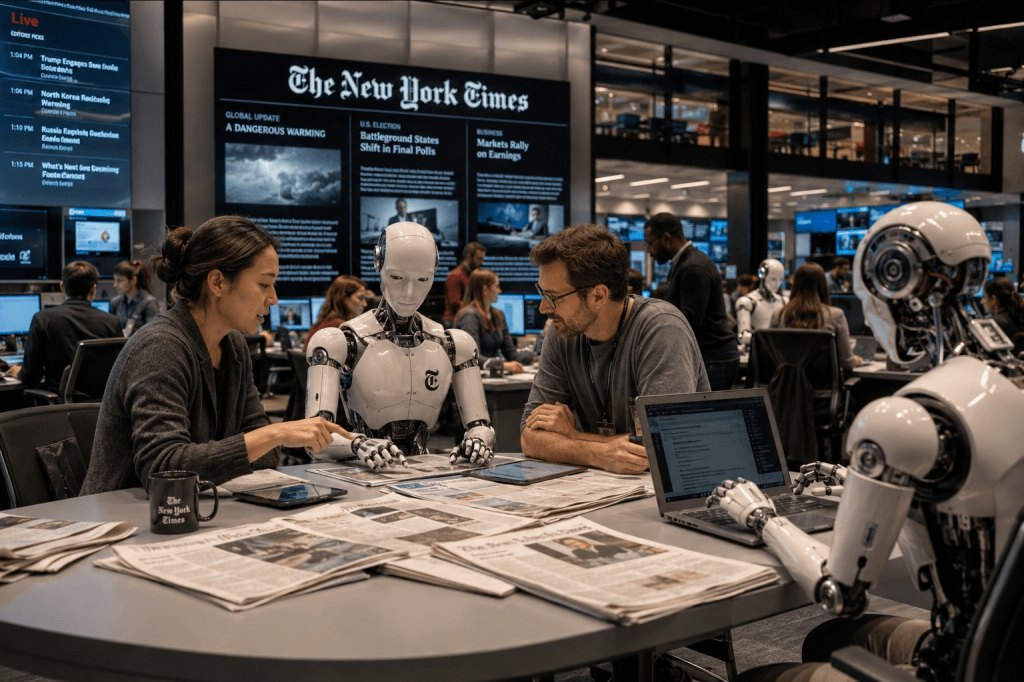
For journalists and educators, the story is rich because it combines technology, labor, policy, and everyday life. The technical novelty—integrating large multimodal reasoning with real‑time control—is important, but the human stories will make the coverage resonate: a logistics manager who can finally automate a previously manual bottleneck; a small manufacturer that can compete by automating customization; a family that gains a measure of independence through assistive robotics. Each vignette reveals tradeoffs: efficiency versus job redesign, convenience versus privacy, capability versus oversight.
If Gemini Robotics 2 delivers on its promises, the next few years could see a wave of “adaptive automation” across sectors. That wave will be shaped not only by engineers but by educators who train the workforce, policymakers who set safety and privacy rules, and communities that decide where and how robots belong. For readers who teach, learn, or lead, the moment calls for curiosity and preparation: explore embodied AI in the classroom, update vocational programs to include human‑robot teaming, and engage students in the ethical dilemmas these systems surface.
References
- DeepMind. “Introducing Gemini Robotics 2.” Press release, 3 Aug 2026.
https://deepmind.google/press/gemini-robotics-2(deepmind.google in Bing) - Financial Express. “Google DeepMind unveils Gemini Robotics 2 with expanded whole‑body autonomy.” 3 Aug 2026. https://www.financialexpress.com
- Wired. “DeepMind’s Robotics Team Steps Forward.” 3 Aug 2026. https://www.wired.com
- MIT Technology Review. “Why Multimodal AI Is Ready for the Real World.” 2026. https://www.technologyreview.com
- Robotics Business Review. “Adaptive Automation in Logistics.” 2026. https://www.roboticsbusinessreview.com
- Manufacturing Tomorrow. “Flexible Robotics for High‑Variety Production.” 2026. https://www.manufacturingtomorrow.com
- Financial Express. “DeepMind’s New Robotics Safety Framework.” 3 Aug 2026. https://www.financialexpress.com
- EDUCAUSE Review. “Preparing Students for Human‑Robot Collaboration.” 2026. https://er.educause.edu
- IEEE Spectrum. “Independent Review of Robotics Safety Systems.” 2026. https://spectrum.ieee.org
###
Filed under: Uncategorized |














































































































































































































































































































































































Leave a Reply