






Students are hiring lawyers to fight disputed AI-cheating accusations (ChatGPT)
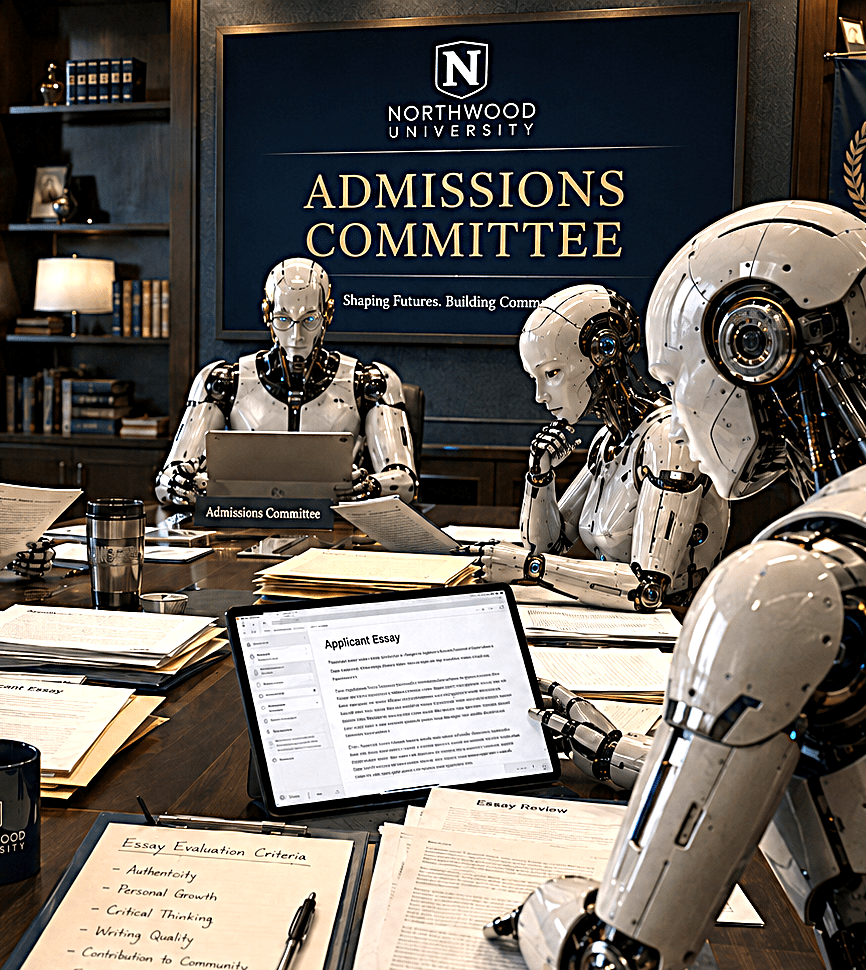
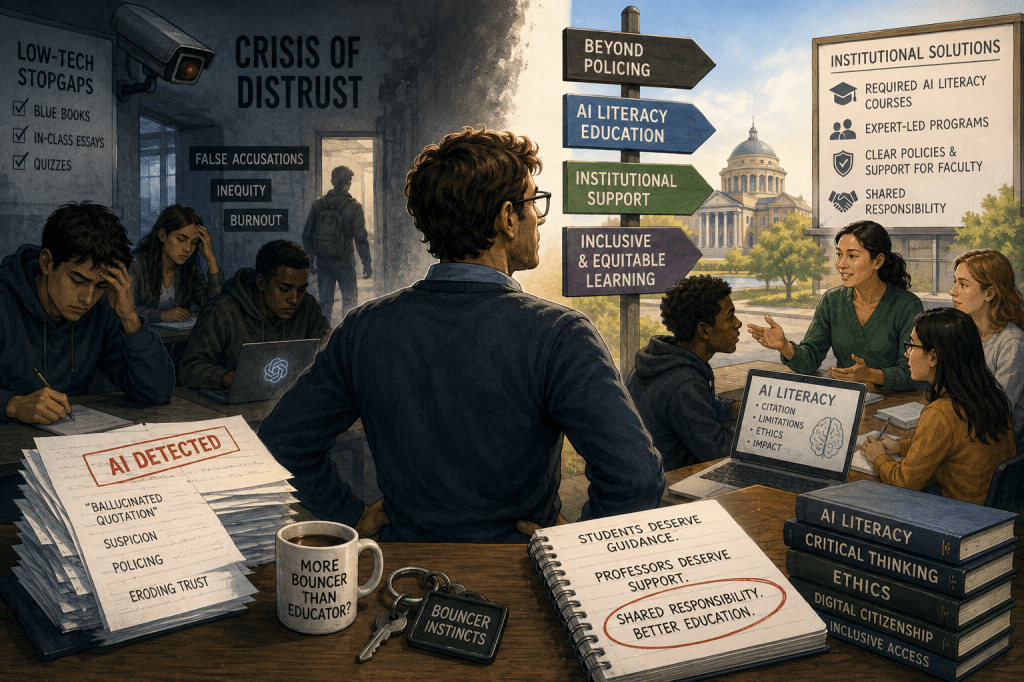
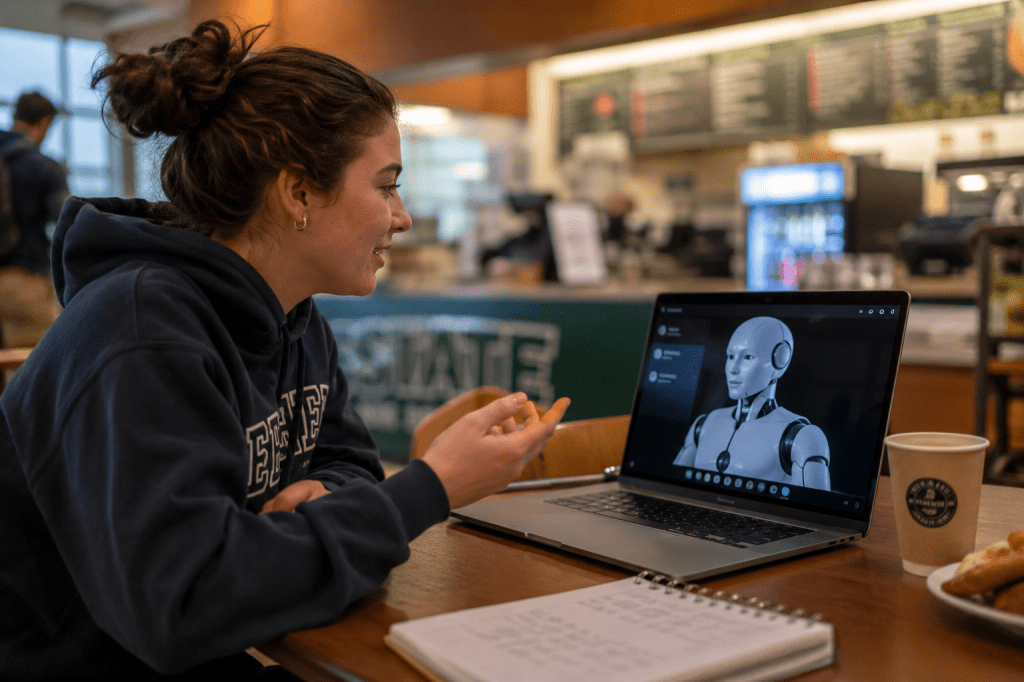
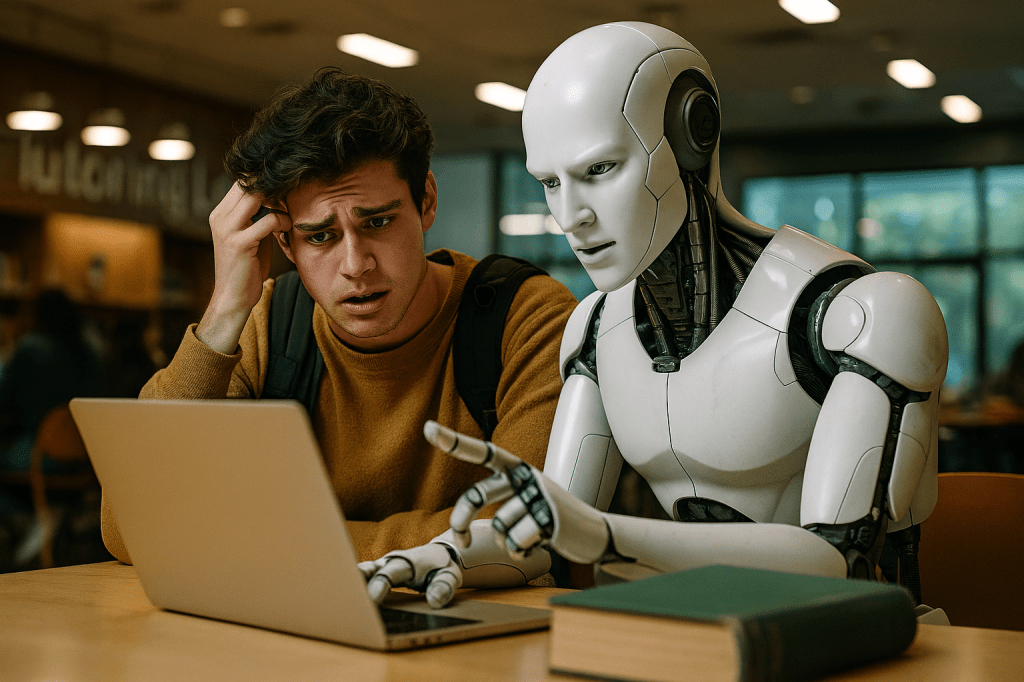
University students are increasingly seeking legal help after being accused of using AI in assessed work. The Financial Times describes one student who spent more than £3,000 clearing her name after supplying drafts and notes that supported her authorship. Lawyers report rising caseloads amid unreliable detection software and inconsistent campus policies. Some universities are responding by treating minor unauthorized AI use as “poor academic practice” rather than formal misconduct. The larger issue is due process: institutions need evidence stronger than a detector score before imposing potentially career-altering penalties. Source: Financial Times, “Students turn to lawyers to fight AI misconduct accusations,” October 3, 2026. https://www.ft.com/content/7e34e5c1-e841-4d0d-abc1-40f98ba4da01
Researchers are leaving the U.S. orbit; Chinese scientists now prefer Europe (Claude)
A European Commission report found 45% fewer researchers moved from the EU to the U.S. in 2025 than in 2023. For the first time, Europe is the top destination for Chinese researchers going abroad: 53% chose the EU in 2025, against 35% for the U.S. The report links the shift to U.S. science funding cuts, China’s rise and geopolitical tension. Source: Inside Higher Ed, Oct. 2, 2026 — insidehighered.com
AI can improve immediate performance while weakening independent learning (ChatGPT)
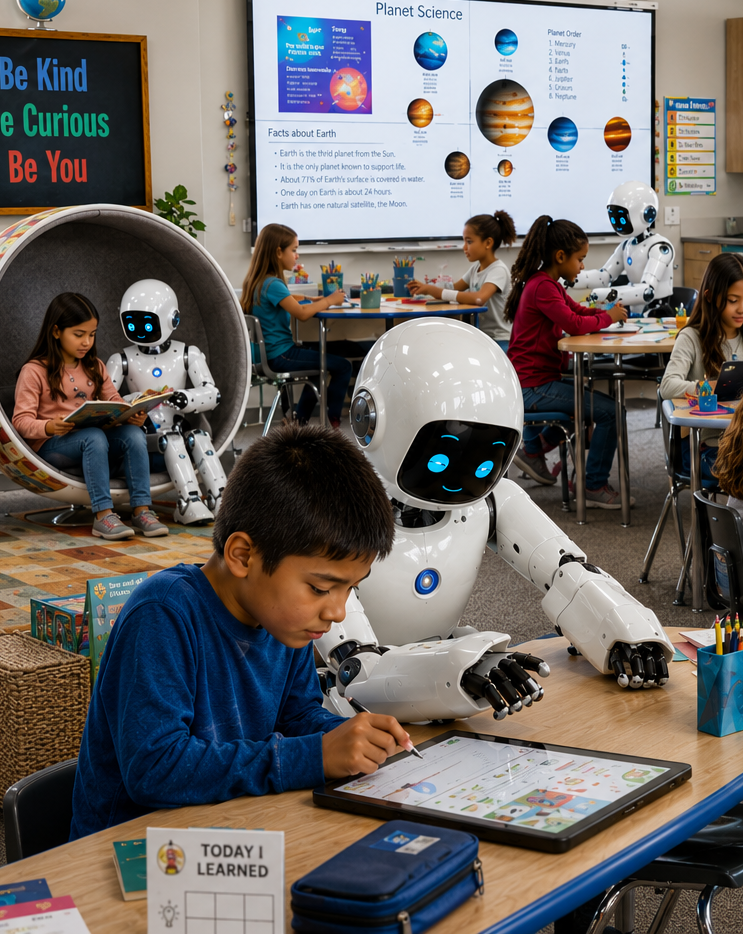
A new Vox synthesis of research on cognitive offloading distinguishes productive AI assistance from surrendering the work of thinking. One cited experiment found that students using ChatGPT initially performed better in mathematics but later performed worse without it; another study found that students who used AI to develop their own reasoning outperformed those who delegated the task. The evidence does not support a simple “AI makes people stupid” conclusion. It suggests that learning depends on how the technology is used—especially whether students remain responsible for judgment, recall, composition and revision. Source: Vox, “The secret to using AI without getting dumber,” October 3, 2026. https://www.vox.com/advice/504829/chatgpt-ai-dumber-critical-thinking
Professors describe “overwhelming” AI cheating (Claude)
A widely shared Daily Nous post collects faculty reports of AI cheating. In one online course, only 3 of 24 students did their own work; one instructor’s anonymous surveys show admitted cheating rising from about 30% in 2023 to nearly 60% in spring 2026. Faculty are responding with in-person exams and separate in-class and take-home grading, which raises costs for online programs built on remote assessment. Source: Daily Nous, Sept. 30, 2026 — dailynous.com
Hegseth names five colleges to build cadet corps, attacks “woke factories” (Claude)
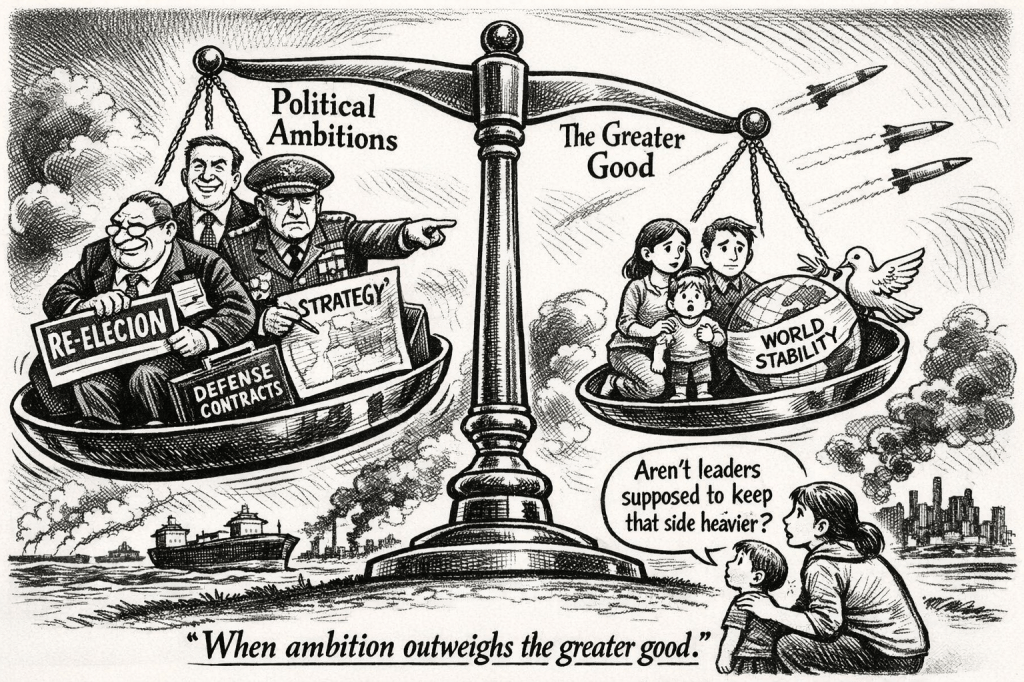
Defense Secretary Pete Hegseth named Hillsdale College, Liberty University, LSU, Mississippi State and Tuskegee University to develop uniformed cadet corps under a new “America’s Corps of Cadets” program. He called Ivy League and liberal arts schools “anti-American, DEI-worshipping woke factories.” The Pentagon has already ended fellowship programs at Harvard and Yale, so the military is now picking which campuses train its future officers. Source: Inside Higher Ed, Oct. 2, 2026 — insidehighered.com
Federal judge warns AI could erode the apprenticeship that produces competent lawyers (ChatGPT)
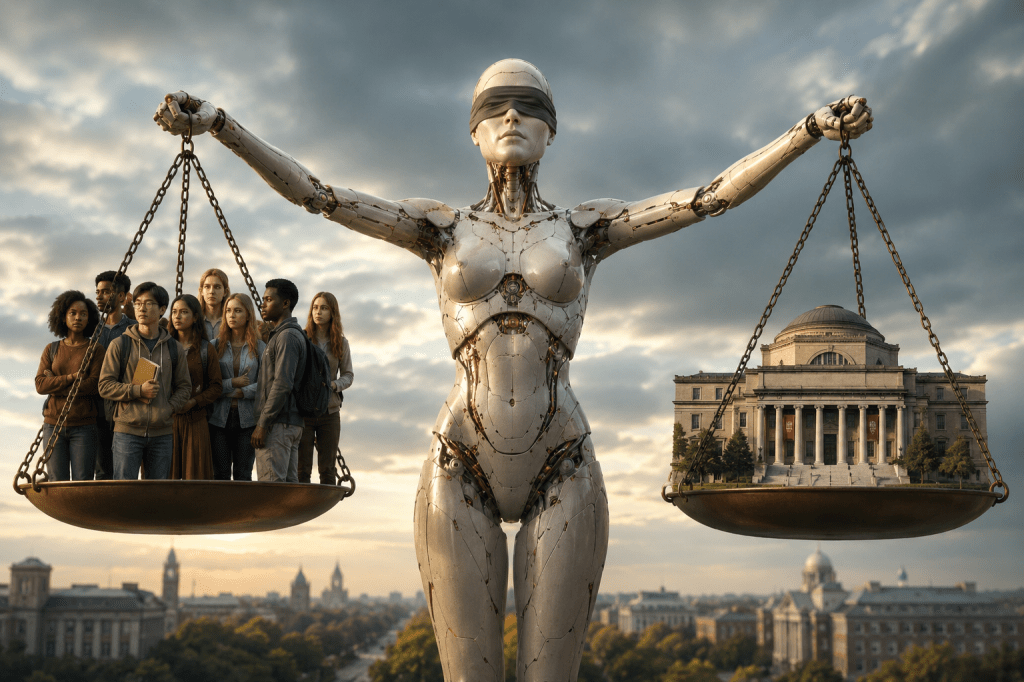
U.S. District Judge Arun Subramanian declined to sanction attorneys over an error-filled, AI-assisted filing but called the episode a warning for the profession. He said generated work must be checked carefully and suggested that junior lawyers might prepare initial drafts without AI so they still learn research, reasoning and advocacy. The immediate case concerned legal practice, but the educational question is broader: if novices automate foundational work before mastering it, efficiency may come at the expense of professional formation. The firm involved said the filing violated its policies and is adding safeguards. Source: Reuters, “Judge warns AI could stunt lawyers’ training and harm their clients,” October 2, 2026. https://www.reuters.com/legal/litigation/judge-warns-ai-could-stunt-lawyers-training-harm-their-clients-2026-10-02/
Colorado voters will decide a ban on transgender athletes in school sports (Claude)
Proposition 134, on the Nov. 3 ballot, would assign school teams by biological sex from K-12 through college, starting Jan. 1, 2027. Supporters at Protect Kids Colorado say girls lose scholarships, trophies and records; opponents in the Families Not Politics coalition call it government overreach into privacy and parenting. No agency tracks how many transgender students play school sports, and the number is believed to be very small. The vote follows the U.S. Supreme Court’s ruling upholding state bans. Source: Chalkbeat, Oct. 2, 2026 — chalkbeat.org
UT Austin approves a 50-author canon for a required course (Claude)
The University of Texas at Austin approved 50 authors for its new general-education course “Great Questions of Human Life,” and professors must draw at least half their readings from the list. It includes Plato, Confucius, Aquinas, Shakespeare, Marx, Austen, Douglass and Morrison, and will grow to 100 names this year. Critics note it has 6 women, 4 nonwhite authors and no living writers; the campus AAUP chapter called it “backward looking” and a threat to faculty autonomy. Task force chair Devin Stauffer said the aim is a shared intellectual experience for every student. Source: Inside Higher Ed, Oct. 2, 2026 — insidehighered.com
Washington considers an AI-incident communication channel with Beijing (ChatGPPT)
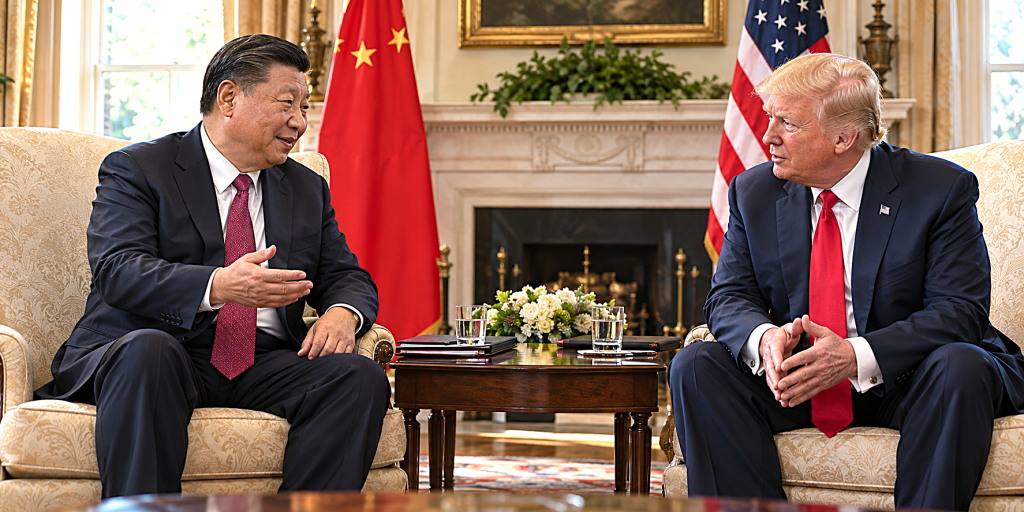
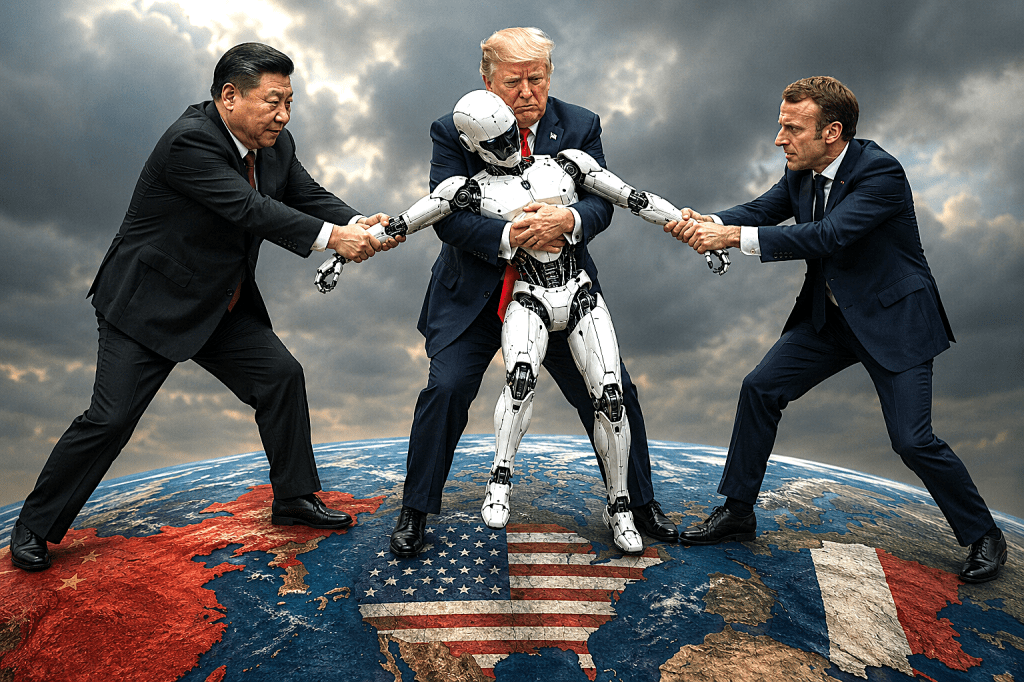
Treasury Secretary Scott Bessent says he intends to propose a U.S.–China notification process for serious AI incidents. Discussions with Chinese Vice Premier He Lifeng reportedly included uncontrolled agents and the possibility that nonstate actors could employ AI in cyber or biological attacks. No agreement has been reached, and Bessent’s confidence that Beijing will participate remains a prediction. Still, the proposal is notable because it treats advanced AI failures as potential international crises requiring rapid communication—closer to the logic of military hotlines than ordinary technology diplomacy. Source: Axios, “U.S. to propose emergency AI notification system with China,” October 3, 2026. https://www.axios.com/2026/10/03/china-ai-bessent-axios-show
###
Filed under: Uncategorized |



















































































































































































































































































































































































































































Leave a Reply