





By Jim Shimabukuro (assisted by ChatGPT)
Editor
Introduction: The word “breakthrough” is cheap. Every week brings a new record, a prototype, a press release, or a laboratory result described as revolutionary. Most will matter only within a specialty. A smaller number cross a threshold that changes the practical question. Instead of asking, “Can this be done at all?” researchers and industries begin asking, “Can it be made safe, reliable, affordable, manufacturable, and large enough to matter?” August 2026 has produced several developments of that second kind: one-time gene editing for chronic cardiovascular risk, quantum hardware designed to make errors easier to correct, and tandem solar cells built with the factory floor in mind.

The three developments selected here are not necessarily the three most spectacular headlines of the month. They were chosen because they attack bottlenecks that have held back technologies with unusually large reach. In medicine, a one-time CRISPR infusion has now shown a full year of substantial cholesterol and triglyceride lowering in a small first-in-human trial. In quantum computing, a new two-qubit operation preserves an engineered error pattern that makes many failures detectable instead of hidden. In solar power, researchers have combined high tandem-cell efficiency with ambient-air, blade-coated processing and unusually strong laboratory stability – the sort of details that determine whether a record-setting material can become a product. [1,6,12]
That does not make any of the three inevitable. The gene-editing study involves only 15 people and is still in Phase 1. The quantum result is a component-level advance, not a useful fault-tolerant computer. The solar devices have survived 1,200 hours of continuous light soaking, not decades on roofs and in deserts. Those limitations are part of the story, not footnotes to be hidden. Disruption usually begins before certainty: a credible result changes what engineers, clinicians, investors, governments, and competitors decide is worth attempting next.
A useful way to read these essays is therefore as a map of emerging possibility. Each section describes what was actually demonstrated, identifies the people and places behind it, explains why it made this list, and then separates near-term evidence from longer-range extrapolation. The common signal is that three mature scientific dreams – programmable medicine, fault-tolerant quantum computation, and solar cells beyond the practical ceiling of conventional silicon – are beginning to move from proving principles toward solving deployment problems.
1. Gene Editing Moves Toward “One-Time” Cardiovascular Medicine
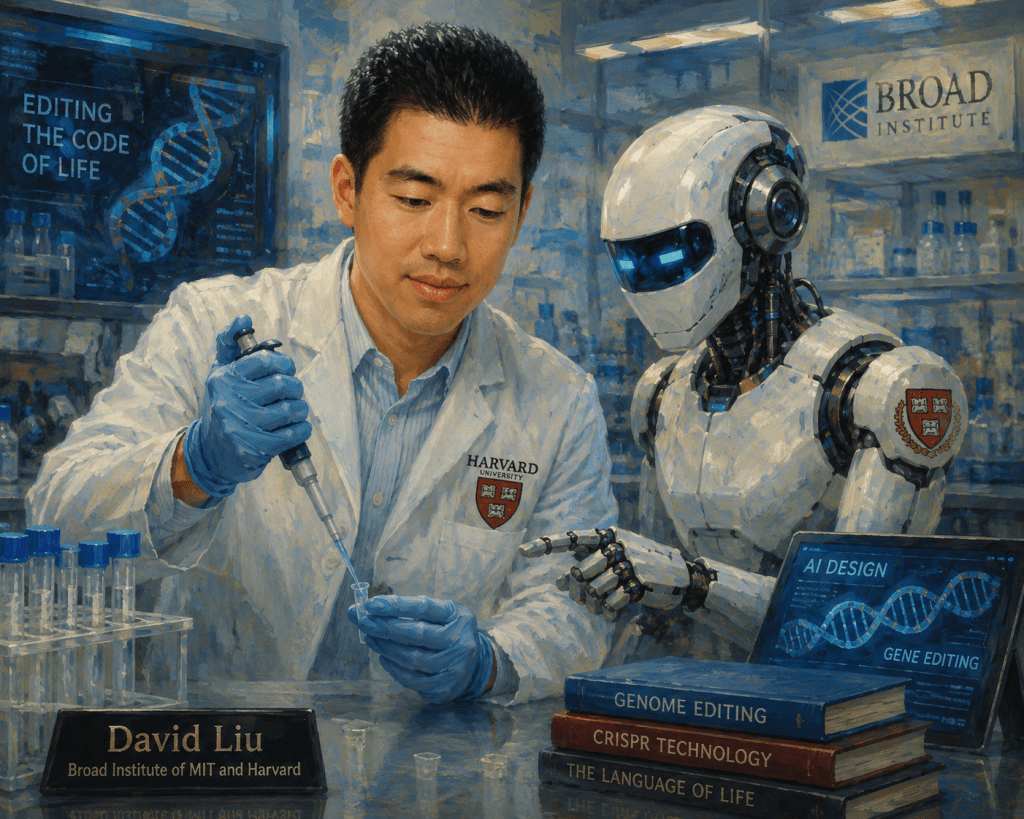
On August 28, Cleveland Clinic and CRISPR Therapeutics reported the most important new fact about CTX310: its effect appears durable for at least a year. CTX310 is an experimental in-vivo CRISPR-Cas9 treatment intended for people whose cholesterol or triglycerides remain dangerously high despite standard therapy. It is given once by intravenous infusion. The editing machinery is carried to liver cells, where it disables ANGPTL3, a gene whose protein normally helps regulate the enzymes involved in blood-fat metabolism. People naturally born with loss-of-function variants in ANGPTL3 tend to have lower LDL cholesterol and triglycerides and a lower lifetime risk of atherosclerotic cardiovascular disease, which made the gene an unusually attractive target. [1,4]
The Phase 1a study enrolled 15 adults with refractory lipid disorders. At the highest dose, the one-year data showed mean reductions of about 53 percent in LDL cholesterol, 48 percent in triglycerides, and 79 percent in circulating ANGPTL3. Cleveland Clinic reported a 52.5 percent LDL reduction and 47.8 percent triglyceride reduction at 12 months. The company and investigators also reported no treatment-related serious adverse events during the extended follow-up. Luke Laffin of Cleveland Clinic called the durability “impressive.” [1,2]
The numbers deserve both attention and restraint. This was an open-label, dose-escalation safety study, not a randomized trial designed to prove that CTX310 prevents heart attacks or strokes. The original 2025 report recorded two serious adverse events: a spinal-disc herniation and a sudden death 179 days after the lowest dose. Investigators did not attribute either event to CTX310. Three participants had infusion-related reactions, and one participant with elevated liver enzymes at baseline experienced a temporary further rise. The year-long update reported no new treatment-related safety events. [2,4]
That distinction matters because gene editing is not simply another drug. A statin can be stopped. An antibody injection eventually wears off. CTX310 is meant to alter DNA in a population of liver cells permanently enough that the biological effect persists. A February 2026 letter in the New England Journal of Medicine praised the “one-and-done, potentially transformative” concept but warned that irreversible editing for common cardiometabolic disease requires a cautious framework and much longer evidence on liver safety. [5]
The program is led by CRISPR Therapeutics, headquartered in Zug, Switzerland, with U.S. research operations in Boston and San Francisco. The clinical work has been a multinational effort. The initial Phase 1a study was conducted at six sites in Australia, New Zealand, and the United Kingdom. Key academic investigators include cardiologists Luke J. Laffin and Steven E. Nissen at Cleveland Clinic in Ohio; Stephen J. Nicholls at Monash University’s Victorian Heart Institute in Melbourne; Russell S. Scott in Christchurch; Peter M. Clifton in Adelaide; and John Baker in Auckland. CRISPR Therapeutics investigators on the original paper included Shweta Singh, Huansheng Xu, Jen Nielsen, Naimish Patel, and Jason M. Duran. [4]
The geography is now widening. The current ClinicalTrials.gov record for the continuing CTX310 program lists 18 sites across the United States, Australia, New Zealand, and the United Kingdom, including centers in Florida, North Carolina, Ohio, Oregon, Adelaide, Brisbane, Auckland, Christchurch, Cambridge, and London. That expanding footprint is itself worth watching: a technology begins to become consequential when it moves from a handful of expert centers into a repeatable multicenter clinical process. [3]
CRISPR has already transformed the treatment of some severe genetic diseases, but CTX310 points toward a larger conceptual leap: editing a patient inside the body to manage a chronic risk factor that affects tens of millions of people. The importance is not that high cholesterol is suddenly “cured.” It is that a disease-management model based on decades of repeated dosing is being challenged by the possibility of a one-time molecular intervention. If larger trials eventually show acceptable long-term safety and fewer cardiovascular events, the unit of treatment could change from the pill, injection, refill, and adherence cycle to a procedure followed by surveillance. [1,2,5]
That possibility extends beyond ANGPTL3. CRISPR Therapeutics is also developing in-vivo liver-editing programs aimed at angiotensinogen for refractory hypertension and LPA for elevated lipoprotein(a). Those programs are earlier and should not be treated as validated extensions of CTX310. But together they show why the one-year result matters beyond one drug candidate: it is a test of whether the liver can become a practical entry point for durable editing of several cardiovascular pathways. [2]
The potential disruption would be medical, economic, and organizational. Clinicians would have to decide which risks justify irreversible editing. Health systems and insurers would confront large up-front costs in exchange for hoped-for years of benefit. Regulators would need long surveillance horizons; the Cleveland Clinic notes that participants are expected to be followed for 15 years under gene-therapy guidance. Patients would face a choice unlike ordinary medication: accept a permanent biological change today to reduce a probabilistic health risk years from now. [1,5]
A plausible 2030s pathway is therefore narrower than the most exuberant version of the story. One-time cardiovascular editing, if successful, is likely to enter through high-risk patients whose disease remains uncontrolled or whose inherited risk is extreme. Only after larger trials establish safety, consistency, and actual reductions in cardiovascular events would the argument for broader preventive use become persuasive. The disruptive possibility is real precisely because the present evidence is still limited: medicine is seeing the first outline of a new category before it knows how large that category can become.
The next decisive evidence will not be another dramatic percentage in a 15-person cohort. It will be results from larger Phase 1b and subsequent controlled trials; evidence that editing remains confined enough to the intended target; multi-year liver and systemic safety; consistency across ages and clinical backgrounds; and, ultimately, proof that lowering these biomarkers translates into fewer heart attacks, strokes, pancreatitis events, or other hard outcomes. Pricing and access will matter almost as much. A treatment can be biologically revolutionary and socially narrow if only a small fraction of the people who need it can receive it.
Best starting sources: Cleveland Clinic’s August 28 update [1] for a clinically framed summary; the CRISPR Therapeutics August 28 release [2] for dose-level durability and pipeline context (read with the normal caution appropriate to a sponsor source); ClinicalTrials.gov [3] for current study status and locations; the original NEJM Phase 1 paper [4] for methods and adverse events; and the February 2026 NEJM correspondence [5] for a concise statement of the central safety argument.
2. Quantum Computing Learns to Make Its Mistakes Easier to Catch
Quantum computers are famous for qubits, but qubit counts alone are a poor measure of usefulness. Quantum states are fragile. Heat, electromagnetic noise, imperfect control pulses, material defects, and measurement errors can corrupt a calculation long before it finishes. Conventional computers also make physical errors, but their digital architecture suppresses them so effectively that users rarely think about error correction. A large quantum computer must do something far more difficult: detect and correct faults without simply reading out and destroying the quantum information it is trying to protect. Nature Electronics summarized the challenge in March: a practical system needs scalable qubits, control and readout, entanglement, and reliable error detection and correction; none is easy. [8]
Most quantum-error-correction schemes therefore pay a steep overhead. Many imperfect physical qubits must cooperate to form a smaller number of dependable logical qubits, and the physical errors have to remain below demanding thresholds. That is why the August 5 Nature paper from D-Wave’s New Haven research group is more consequential than its modest-sounding title, “An entangling gate for dual-rail erasure qubits.” It attacks the character of the errors themselves. [6,7]
The easiest analogy is an exam. A wrong answer can look perfectly normal and must be discovered by checking the reasoning. A blank answer announces where the problem is. An “erasure” qubit is engineered so that an important class of failures behaves more like the blank: the system leaves the valid computational space in a detectable way. Error-correction software can then focus on known locations instead of treating every qubit as equally suspicious.
D-Wave’s device encodes each qubit across a pair of superconducting microwave cavities – the “dual rails.” Earlier work had shown attractive single-qubit operations and erasure detection. The missing operation was a high-quality two-qubit entangling gate that did not destroy the favorable error hierarchy. Without entangling gates, useful quantum algorithms and full error-correcting codes cannot be built. [6,7]
The August experiment demonstrated that gate. It runs in about 500 nanoseconds. The researchers measured erasure rates of roughly 0.5 percent per gate, residual Pauli errors below 0.1 percent, and bit flips at roughly the 10^-6 level – so rare that the paper calls them practically nonexistent. The important phrase is not simply “low error.” It is that the common errors remain the ones that are comparatively easy to identify. Surface-code simulations in the paper indicate that this structured error pattern can substantially improve the scaling of error correction. The authors describe the result as enabling “a faster path to error-corrected systems.” [6,7]
The work came from a large D-Wave Quantum collaboration centered in New Haven, Connecticut, with links to Yale University’s Departments of Applied Physics and Physics and the Yale Quantum Institute. Nitish Mehta, James D. Teoh, and Taewan Noh contributed equally; Nature highlights Mehta, Teoh, and Robert J. Schoelkopf among the principal names, and the paper lists Nitish Mehta, Kevin S. Chou, and Robert J. Schoelkopf as corresponding authors. The author list is unusually large because a result like this is no longer only a physics experiment: it requires cavity preparation, device assembly, cryogenic hardware, radio-frequency control, fabrication, calibration software, benchmarking, simulation, and systems integration. [6,7]
The location is also revealing. New Haven has been a major center of superconducting-cavity quantum research through Yale’s long-running circuit-QED work, while D-Wave is historically associated with quantum annealing and is now also developing gate-model superconducting systems. In May 2026, the U.S. Department of Commerce announced letters of intent totaling $2.013 billion across nine companies to accelerate the U.S. fault-tolerant quantum ecosystem; planned funding for D-Wave includes work on qubit counts, error rates, coherence, materials, and advanced packaging. [10]
This selection is not a claim that D-Wave has won the quantum race. Different architectures – superconducting circuits, trapped ions, neutral atoms, photons, silicon spins, and others – continue to advance. The point is deeper: useful quantum computing may depend less on building a physically perfect qubit than on building a qubit whose imperfections have a favorable structure. If engineers can make the most frequent errors conspicuous and cheap to correct, the number of physical resources needed for a reliable calculation can fall sharply. That changes the economics and architecture of fault tolerance. [6,8]
August also makes the timing notable. On August 19, IBM announced that it had connected and cooled two modular cryogenic systems below 15 millikelvin as part of a design intended eventually to link hundreds of quantum chips, supporting its 2029 fault-tolerant roadmap. In June, the U.S. Department of Energy launched Quantum Genesis with the stated goal of developing and deploying a scientifically relevant fault-tolerant capability for research by 2028. These are roadmaps and engineering milestones, not proof that the promised machines will arrive on schedule. But together with the D-Wave result they show where the center of gravity is moving: from isolated demonstrations and raw qubit counts toward error-corrected systems engineering. [9,11]
If that transition succeeds, the consequences could be broad but uneven. The Department of Commerce identifies advanced materials, biopharmaceutical discovery, financial modeling, energy systems, and national defense among the areas with major quantum implications. The earliest genuinely valuable machines are likely to be specialized scientific instruments rather than replacements for laptops or data centers. Their importance would come from solving selected calculations – especially in quantum chemistry and materials – that remain prohibitively difficult for classical computers. [10]
The most disruptive near-term effect may therefore occur one level upstream from consumers. A fault-tolerant quantum computer that materially improves catalyst design, battery chemistry, molecular simulation, or materials discovery could change another industry without most people ever touching a quantum machine. In that sense, the technology resembles a new microscope or particle accelerator more than a new smartphone: expensive, specialized infrastructure whose discoveries can propagate through medicine, manufacturing, energy, and security.
The Nature paper is a two-qubit gate experiment plus simulations, not a complete error-corrected processor. The authors explicitly note that demonstrating favorable error-correction behavior with imperfect erasure checks and additional noise sources is still work for a future publication. The performance must survive larger arrays, repeated cycles, wiring, fabrication variation, calibration drift, decoding latency, and all the ordinary difficulties that appear when a beautiful small system becomes a machine. [6]
That is the benchmark readers should use in the next few years. Watch for independently verified logical error rates that improve as systems grow; repeated fault-tolerant logical operations, not isolated gates; useful circuits that run longer because correction is working; and transparent comparisons of total hardware overhead. A quantum machine becomes disruptive when reliability scales faster than complexity. The August result is compelling because it proposes a practical way to tilt that contest.
Best starting sources: the open-access Nature paper [6] and its freely accessible PubMed Central version [7] for the experiment itself; Nature Electronics’ March editorial [8] for a plain-language map of the remaining engineering barriers; the Department of Energy’s Quantum Genesis announcement [9] and NIST/Commerce incentive announcement [10] for current public-sector goals; and IBM’s August 19 systems milestone [11] as a useful comparison showing how another major architecture is approaching fault tolerance.
3. Perovskite-Silicon Tandem Solar Cells Begin to Look Like Products, Not Lab Trophies
Solar photovoltaics are already a global industry, which raises the bar for calling a laboratory improvement disruptive. A new cell must compete not with an idea but with an enormous silicon manufacturing base that is cheap, reliable, and still improving. Perovskites have excited researchers because they can absorb light efficiently in extremely thin layers and their composition can be tuned. Stack a perovskite top cell over silicon and the two materials can harvest different parts of sunlight more effectively than either can alone. The tandem architecture offers a practical route beyond the efficiency limit that increasingly constrains single-junction silicon. [13,14]
For years, however, the perovskite story has contained a frustrating gap. Small laboratory cells can post remarkable efficiencies under carefully controlled conditions, while commercial products must be coated rapidly over large areas, tolerate ordinary factory air, survive moisture, heat, illumination, and electrical stress, deliver high manufacturing yields, meet standards, and carry warranties measured in decades. A May 2026 Nature Reviews Clean Technology assessment put the matter plainly: perovskite photovoltaics are “no longer constrained primarily by efficiency.” Scale-up, reliability, factory economics, standards, supply chains, and bankability are now central. [13]
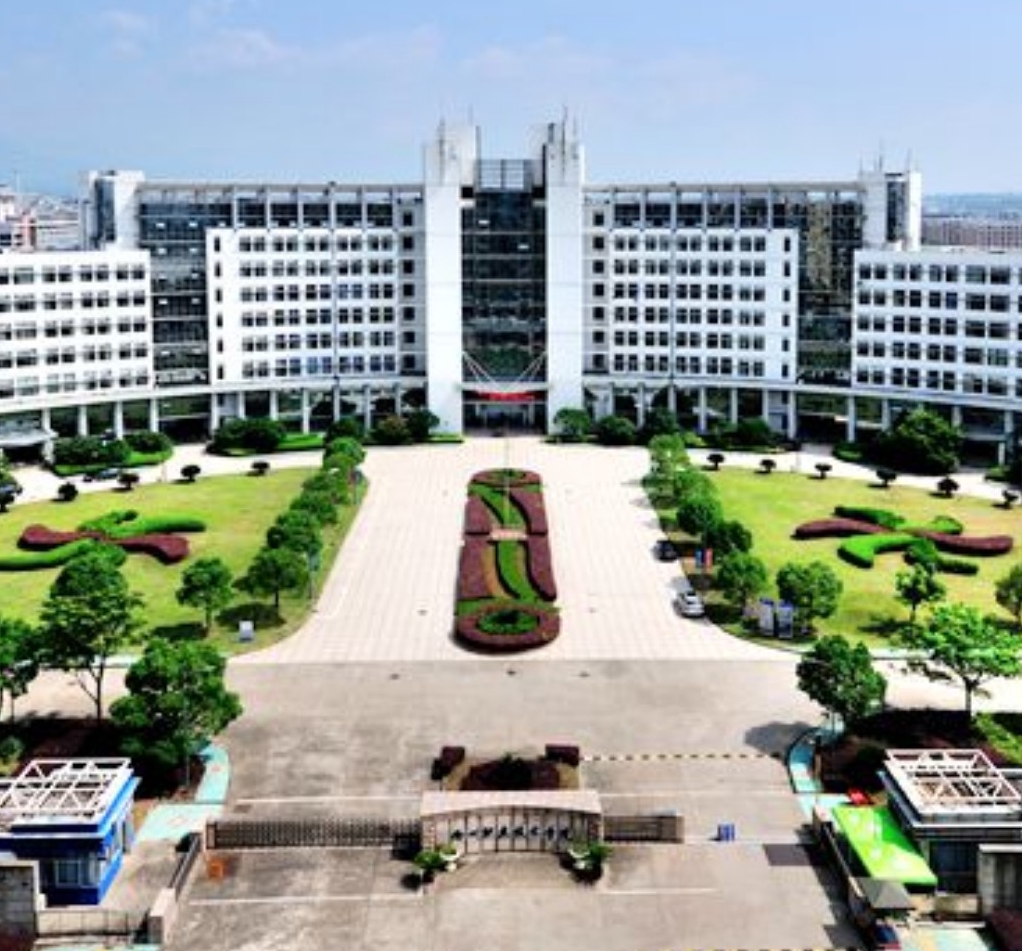
That is why an August 13 Nature Sustainability paper led by Shangshang Chen at Nanjing University deserves more attention than a simple efficiency leaderboard would suggest. The team reported perovskite solar cells fabricated in ambient air with blade coating – a method much closer to industrial coating than the tiny spin-coated devices common in academic research. The single-junction cells reached 26.6 percent power-conversion efficiency, with 26.5 percent independently certified, while modules reached 23.2 percent. Under 1,200 hours of continuous light soaking, the devices retained 99.8 percent of their initial efficiency. The same material system was then used in monolithic perovskite-silicon tandem cells with a certified efficiency of 33.0 percent. [12]
The enabling material is a hole-transporting copolymer called PNCC, designed to combine triarylamine and carbazole phosphonic-acid units. For a general reader, the exact chemistry matters less than what it accomplishes at the device level: the polymer helps create a conductive, uniform interface through which positive charge can be extracted efficiently while supporting more even films. Uniformity becomes increasingly important as the device grows from a postage-stamp experiment toward a module. [12]
The result did not appear in isolation. A July 24 Nature Energy paper reported 33.3 percent efficiency for 1-square-centimeter perovskite-silicon tandems and 30.6 percent for industrial-size 207.87-square-centimeter tandems using an indium-free titanium-oxynitride recombination layer, with improved operational stability. On August 26, researchers Ulrich Paetzold and Paul Fassl at Karlsruhe Institute of Technology highlighted another advance: a lower-temperature vaporization approach that addresses a persistent scaling challenge in tandem manufacture. These are different technical routes, but together they suggest that the field is increasingly asking factory questions rather than only laboratory questions. [14,15]
The August 13 project is a useful example of how next-generation photovoltaics are being built across academic and industrial boundaries. Shangshang Chen conceived and designed the research at Nanjing University in Nanjing, China. Lingyuan Wang synthesized PNCC, Xiaodong Hu fabricated and measured the perovskite cells, and Tianxiao Liu fabricated the modules. Zhen Jia, Koucheng Chen, and Shumao Wang at Chint New Energy Technology in Haining, China, fabricated the tandem cells. Evan M. Wilson and Antonio Facchetti at the Georgia Institute of Technology in Atlanta contributed materials characterization; He Yan at the Hong Kong University of Science and Technology and other Nanjing collaborators contributed to the work and manuscript. [12]
That map matters because the eventual tandem-solar industry will not be determined by chemistry alone. China possesses a deeply integrated photovoltaic supply chain and enormous manufacturing capacity; Europe has strong perovskite research, standards institutions, and pilot activity; and the United States has university research, startups, and advanced-materials expertise. The 2026 commercialization review argues that regional differences in industrial capacity, policy, capital, and supply chains are likely to shape where meaningful perovskite scale emerges first. [13]
A 33 percent tandem cell is impressive, but that is not the reason this work is here. The disruptive signal is the combination: high certified efficiency, processing in ordinary ambient air, blade coating, module fabrication, and strong 1,200-hour laboratory light stability. Each addresses a different reason perovskites have struggled to leave the lab. A technology that only wins on peak efficiency can remain a scientific curiosity. A technology that can be coated quickly, over larger areas, in less controlled environments, while preserving efficiency and stability begins to fit the logic of industrial production. [12,13]
If tandem modules eventually achieve reliable mass production, the immediate benefit is simple: more electricity from the same illuminated area. That can matter where area is expensive or constrained – rooftops, dense cities, repowering existing solar sites, vehicles and infrastructure with limited surface area, and some floating or specialized installations. Higher module efficiency can also reduce the amount of racking, cabling, land, labor, and other balance-of-system equipment required for a given power output, although the actual economic advantage will depend on manufacturing yield, lifetime, financing costs, and the premium charged for tandem modules. [13]
The global consequences could be larger than cheaper electricity alone. Solar modules are manufactured goods. A new architecture that materially outperforms silicon can redirect investment toward new coating equipment, barrier films, encapsulants, deposition tools, specialty chemicals, testing standards, recycling processes, and intellectual property. It can reward countries and firms that control the new bottlenecks, even while conventional silicon remains dominant. Disruption here may look less like silicon disappearing and more like a new high-efficiency layer being added to the enormous industrial ecosystem already built around it.
This is also why the claim should not be inflated. Retaining 99.8 percent efficiency for 1,200 hours of continuous laboratory illumination is encouraging, but it is not a 25- or 30-year field warranty. Perovskite modules must still prove outdoor durability across heat, humidity, ultraviolet exposure, thermal cycling, mechanical stress, and manufacturing variation. Lead containment and end-of-life handling must be managed credibly. Large-area yield has to be high enough that efficiency gains survive factory economics. Banks and project developers must trust the warranties. The May 2026 review calls for exactly this shift: stability, manufacturability, resource constraints, recyclability, standards, and finance must be designed in rather than treated as downstream problems. [13]
The most plausible disruptive trajectory is staged. First, perovskite-based products can enter applications in which light weight, form factor, or exceptional efficiency commands a premium. Tandem modules can then compete for space-constrained rooftops and other high-value installations. If outdoor reliability, manufacturing yield, and cost converge with today’s silicon expectations, tandem architectures could become a mainstream route for adding more output without requiring proportionally more land or roof area. That is not guaranteed by a 2026 paper. What the August work changes is the credibility of the manufacturing story.
The metric to watch is therefore not the next tiny-cell world record. Watch independently certified full-size modules; multi-year outdoor degradation; yield and throughput on pilot and commercial lines; encapsulation and lead-management performance; cost per watt at meaningful volume; and warranty terms that project financiers will accept. The solar breakthrough becomes truly disruptive when those unglamorous measurements begin to look ordinary.
Best starting sources: the August 13 Nature Sustainability paper [12], whose public abstract and author information provide the core performance, stability, methods, and collaboration details; the May Nature Reviews Clean Technology commercialization perspective [13] for the strongest overview of what still separates perovskite records from bankable products; the July Nature Energy industrial-size tandem result [14]; and the August 26 Nature News & Views analysis [15] for an independent look at another manufacturing route.
Conclusion
At first glance, a gene-editing infusion, a superconducting microwave cavity, and a coated solar film have little in common. The commonality appears when we ask why each field has not already delivered on years of extraordinary promises. CRISPR needed evidence that an edit made inside the body could remain effective without introducing an unacceptable safety burden. Quantum computing needs errors that can be corrected without consuming impossible amounts of hardware. Perovskites need to survive manufacturing and real operating conditions, not merely win efficiency contests.
In each case, August 2026 produced evidence that the limiting problem may be becoming more tractable. CTX310’s one-year durability shifts the cardiovascular-editing question from “does the biomarker fall?” toward “how safely and for how long?” The dual-rail gate shifts a quantum question from “can we make every error tiny?” toward “can we engineer common errors to announce themselves?” The Nanjing tandem-solar work shifts a perovskite question from “how efficient is the best cell?” toward “can high performance survive ambient, scalable processing?” [1,6,12]
This is why these developments were selected over many impressive August announcements. A record changes a leaderboard. A bottleneck-breaking result can change a roadmap. Once a critical constraint loosens, capital, talent, regulation, manufacturing, and competition can reorganize around a new assumption. That is the point at which technical progress begins to become social and economic change.
The most responsible forecast is therefore conditional. By the early-to-mid 2030s, one-time gene editing could become a treatment category for selected high-risk chronic diseases; fault-tolerant quantum machines could become specialized scientific infrastructure capable of useful calculations beyond conventional methods; and perovskite-silicon tandems could become a premium and then increasingly mainstream route to extracting more electricity from each square meter of solar collector. None of those outcomes is established today. All three are now easier to imagine without relying on science fiction.
For readers, the practical lesson is to follow the changing bottleneck rather than the loudest demonstration. Ask what still prevents deployment, and then watch whether new evidence attacks that specific obstacle. In fast-moving fields, that is often the earliest reliable signal that a technology is moving from extraordinary experiment to ordinary infrastructure.
References
[1] Cleveland Clinic. “Cleveland Clinic First-In-Human Trial of CRISPR Gene-Editing Therapy Shown to Safely and Continuously Lower Cholesterol and Triglycerides After One Year.” August 28, 2026. https://newsroom.clevelandclinic.org/2026/08/28/cleveland-clinic-first-in-human-trial-of-crispr-gene-editing-therapy-shown-to-safely-and-continuously-lower-cholesterol-and-triglycerides-after-one-year
[2] CRISPR Therapeutics. “CRISPR Therapeutics Presents Phase 1a Data for CTX310 Demonstrating Deep and Durable ANGPTL3 Editing, Triglyceride and LDL Lowering at ESC Congress 2026.” August 28, 2026. https://ir.crisprtx.com/news-releases/news-release-details/crispr-therapeutics-presents-phase-1a-data-ctx310r-demonstrating/
[3] ClinicalTrials.gov. “A Safety and Tolerability Trial Evaluating CTX310 in Participants With Refractory Dyslipidemias” (NCT07491172). Current study record, accessed August 28, 2026. https://clinicaltrials.gov/study/NCT07491172
[4] Laffin, Luke J., Stephen J. Nicholls, Russell S. Scott, et al. “Phase 1 Trial of CRISPR-Cas9 Gene Editing Targeting ANGPTL3.” New England Journal of Medicine 393 (2025): 2119-2130. Published online November 8, 2025. https://www.nejm.org/doi/full/10.1056/NEJMoa2511778
[5] New England Journal of Medicine. “Phase 1 Trial of CRISPR-Cas9 Gene Editing Targeting ANGPTL3” (Correspondence). Published online February 4, 2026; 394:619-620. https://www.nejm.org/doi/10.1056/NEJMc2518635
[6] Mehta, Nitish, James D. Teoh, Taewan Noh, et al. (D-Wave Quantum Inc.). “An entangling gate for dual-rail erasure qubits.” Nature 656 (2026): 47-53. Published August 5, 2026. Open access. https://www.nature.com/articles/s41586-026-10822-y
[7] PubMed Central / National Library of Medicine. Full-text archive of “An entangling gate for dual-rail erasure qubits.” 2026. https://pmc.ncbi.nlm.nih.gov/articles/PMC13441885/
[8] Nature Electronics. “Untangling the challenges of quantum computing.” Editorial. March 30, 2026. https://www.nature.com/articles/s41928-026-01607-2
[9] U.S. Department of Energy, Office of Science. “Energy Department Announces Initiative to Create and Deploy the World’s First Scientifically Relevant, Fault-Tolerant Quantum Computers.” June 23, 2026. https://www.energy.gov/science/articles/energy-department-announces-initiative-create-and-deploy-worlds-first
[10] National Institute of Standards and Technology. “Department of Commerce Announces Letters of Intent With 9 Companies for $2 Billion to Accelerate U.S. Leadership in Quantum Computing.” May 21, 2026. https://www.nist.gov/news-events/news/2026/05/department-commerce-announces-letters-intent-9-companies-2-billion
[11] IBM. “IBM Connects Its First Modular Cryogenic Systems in Milestone Toward Fault-Tolerant Quantum Computing.” August 19, 2026. https://newsroom.ibm.com/2026-08-19-ibm-connects-its-first-modular-cryogenic-systems-in-milestone-toward-fault-tolerant-quantum-computing
[12] Wang, Lingyuan, Xiaodong Hu, Ben Niu, et al. “Scalable ambient fabrication of single-junction and perovskite-silicon tandem solar cells.” Nature Sustainability. Published August 13, 2026. https://www.nature.com/articles/s41893-026-01916-6
[13] Harit, Amit Kumar, Zi-Fan He, Yinghuan Kuang, et al. “Taking perovskite photovoltaics from promise to product.” Nature Reviews Clean Technology 2 (2026): 453-466. Published May 26, 2026. https://www.nature.com/articles/s44359-026-00173-2
[14] Cao, Fengxian, Yao Li, Shibo Wang, et al. “High-performance perovskite/silicon tandem solar cells enabled by multifunctional titanium oxynitride recombination layers.” Nature Energy. Published July 24, 2026; author correction August 14, 2026. https://www.nature.com/articles/s41560-026-02116-4
[15] Paetzold, Ulrich W., and Paul Fassl. “Vaporization trick enables ‘tandem’ solar cells to be made at lower temperatures.” Nature, News & Views. August 26, 2026. https://www.nature.com/articles/d41586-026-02469-6
###
Filed under: Uncategorized |












































































































































































































































































































































































































































































Leave a Reply