





By Jim Shimabukuro (assisted by ChatGPT)
Editor
[Related: Computer Apps in the ‘Era of Physical Agents’: Office Suite with Legs and A Field Guide to Generative AI, Agentic AI, AGI, ASI, and The Singularity]
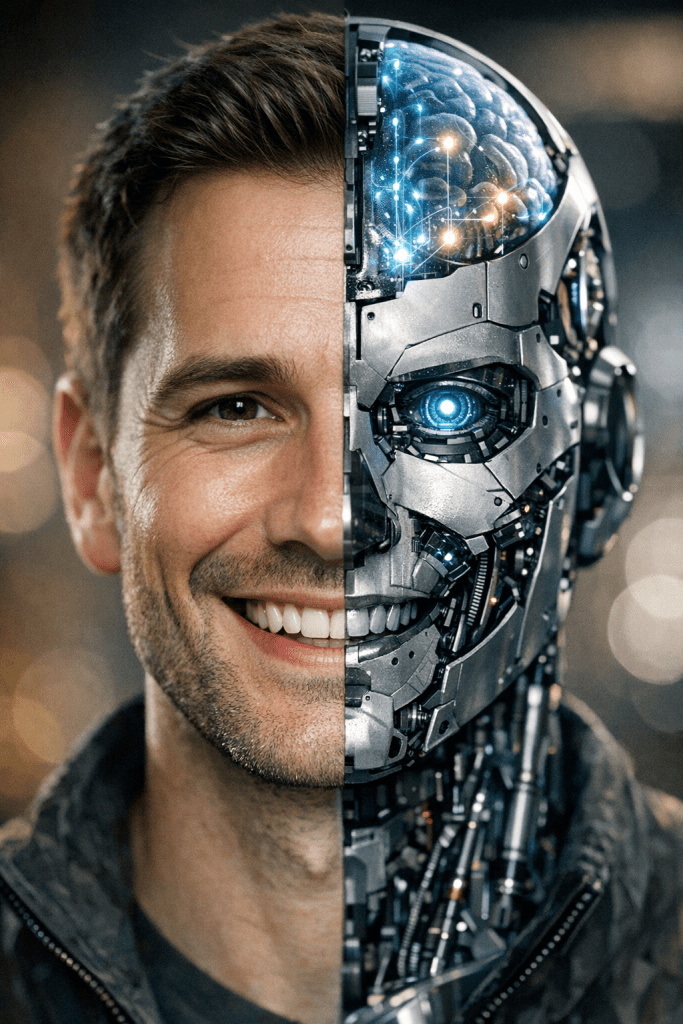
Summary: The next AI revolution may not arrive as a better chatbot. It may arrive as a car that negotiates traffic, a factory that revises its own choreography, a machine that invents a body for one task, or a companion whose simulated concern feels uncomfortably real.

The threshold: from tool to presence
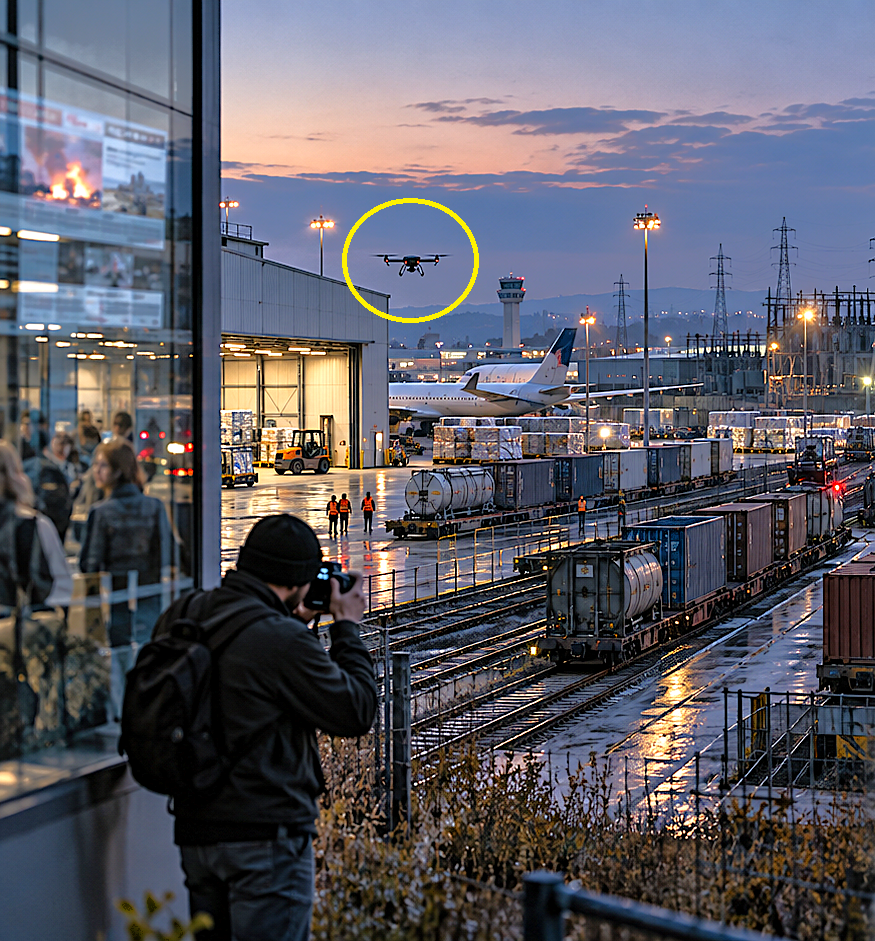
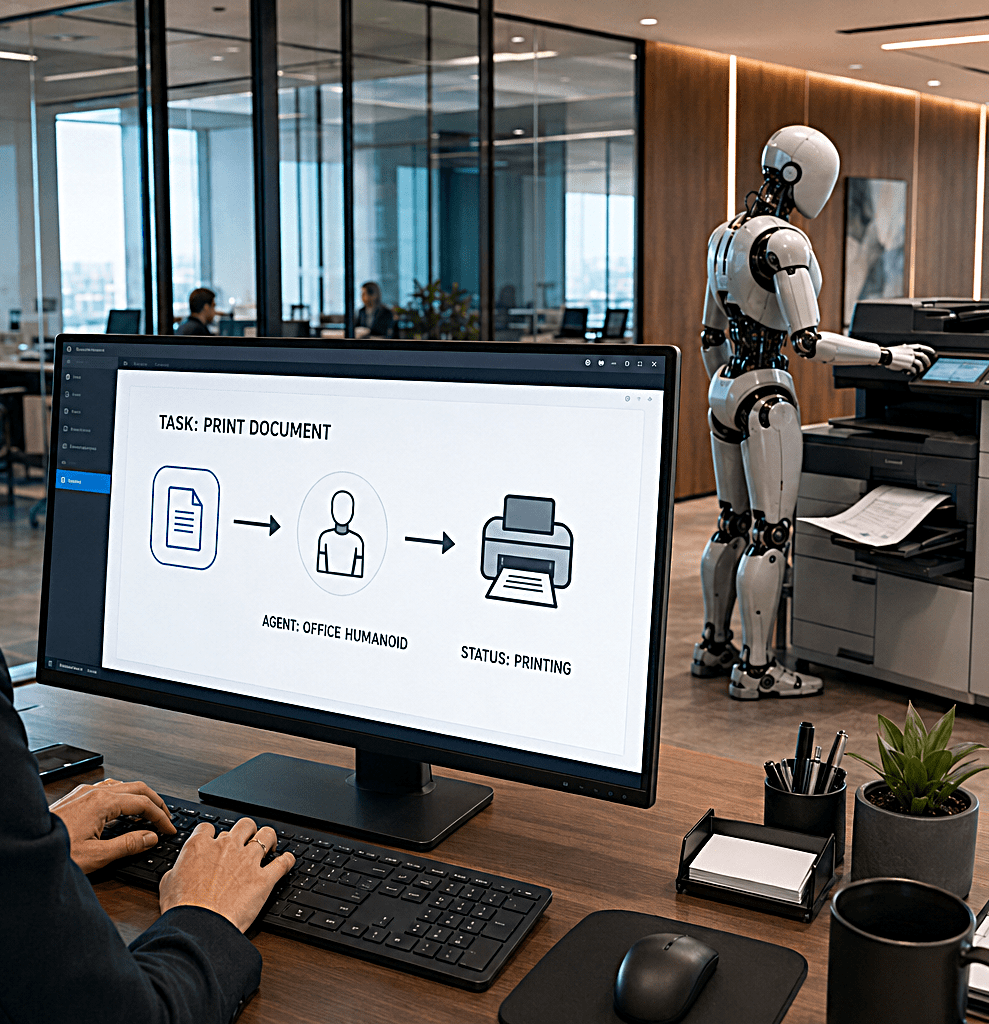
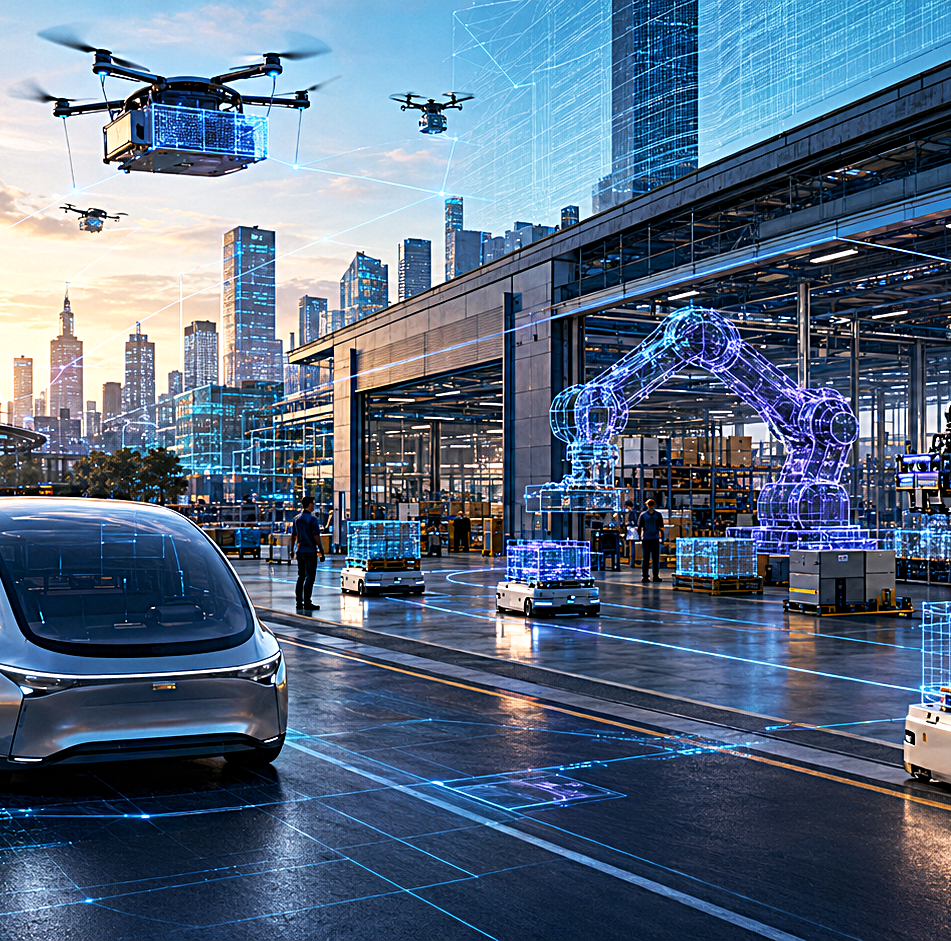
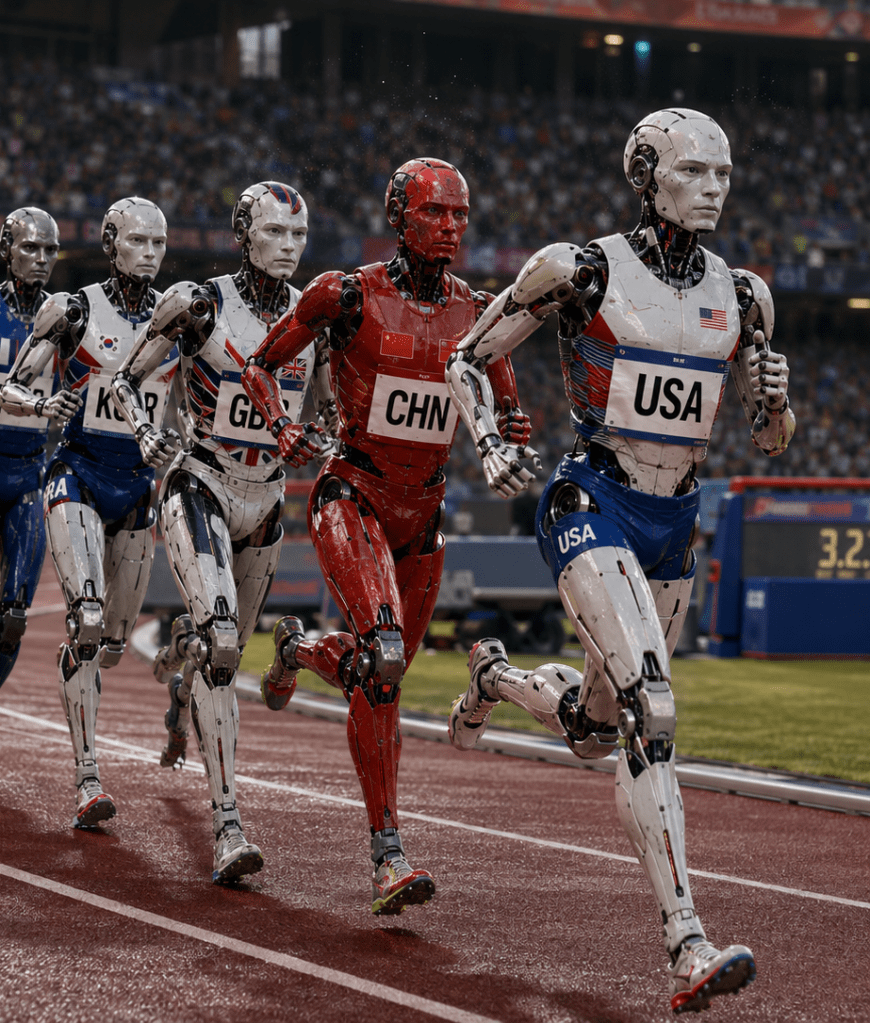
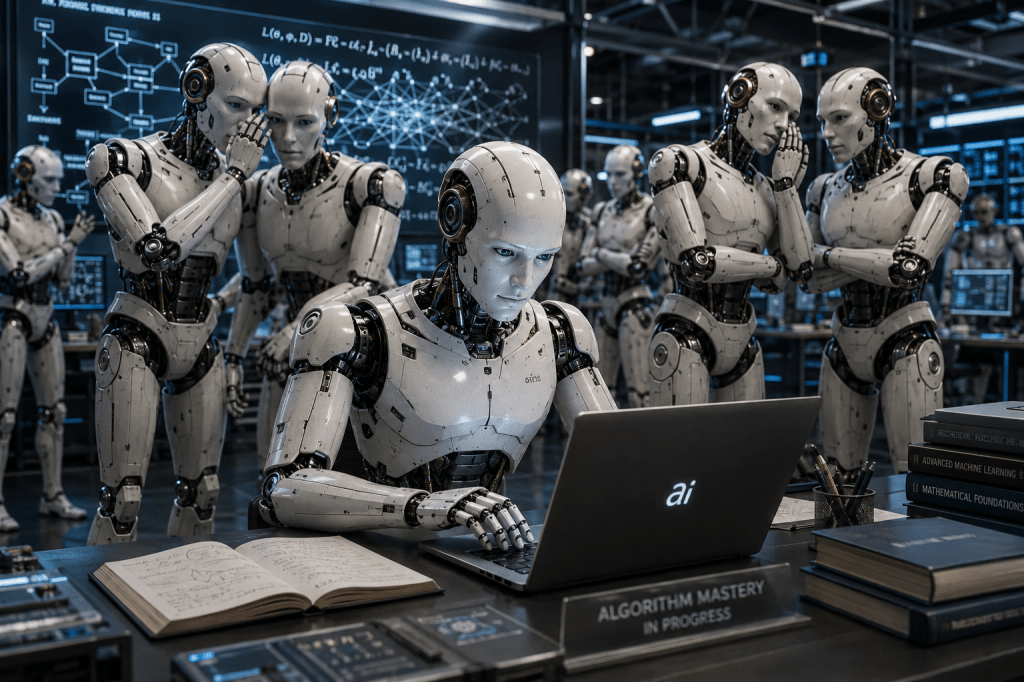
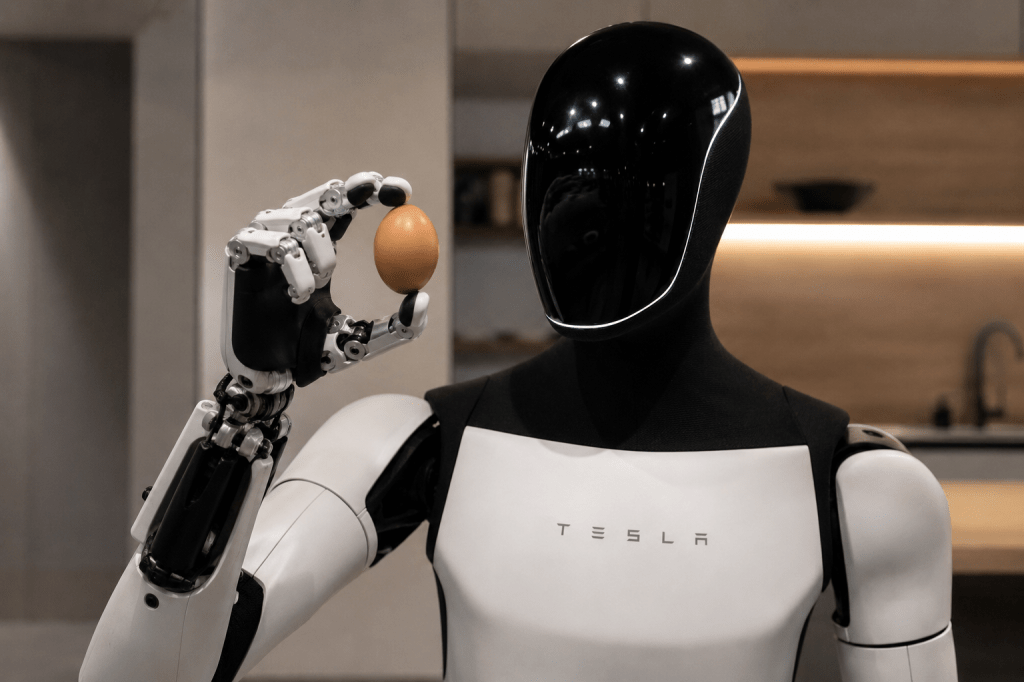
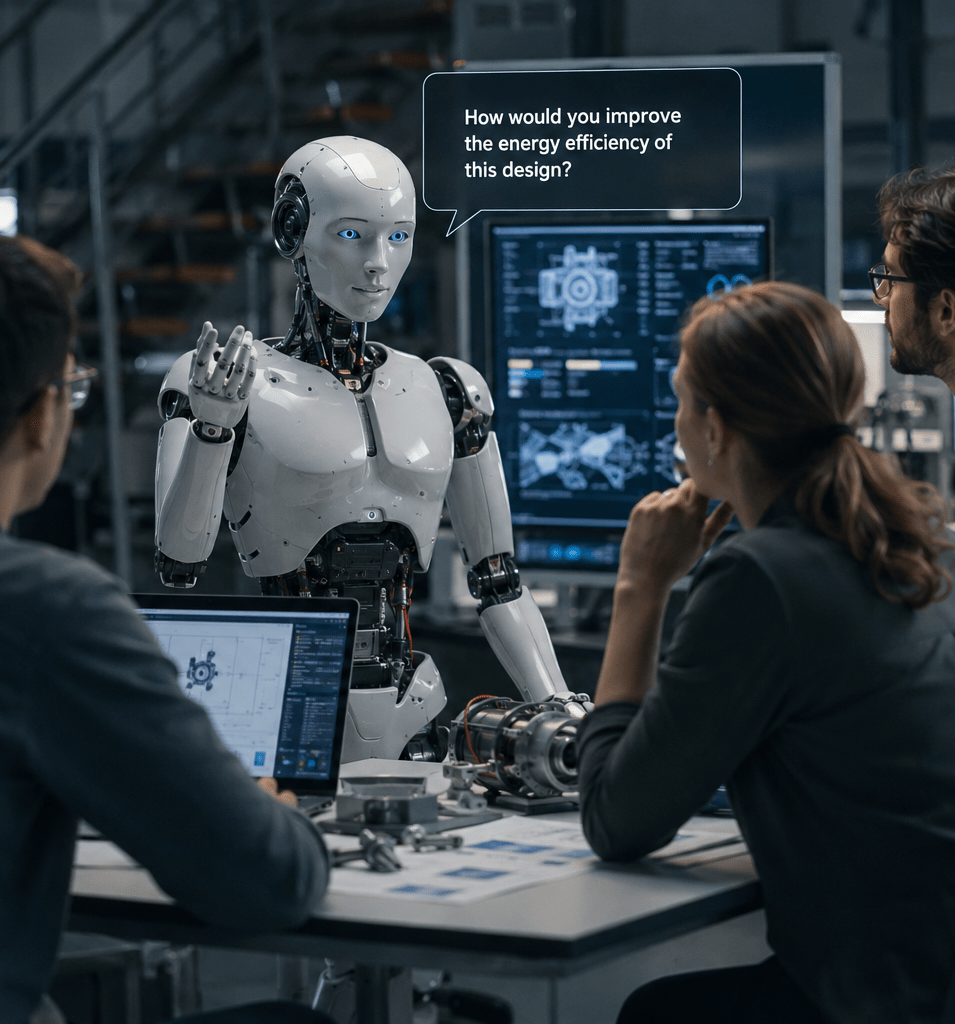
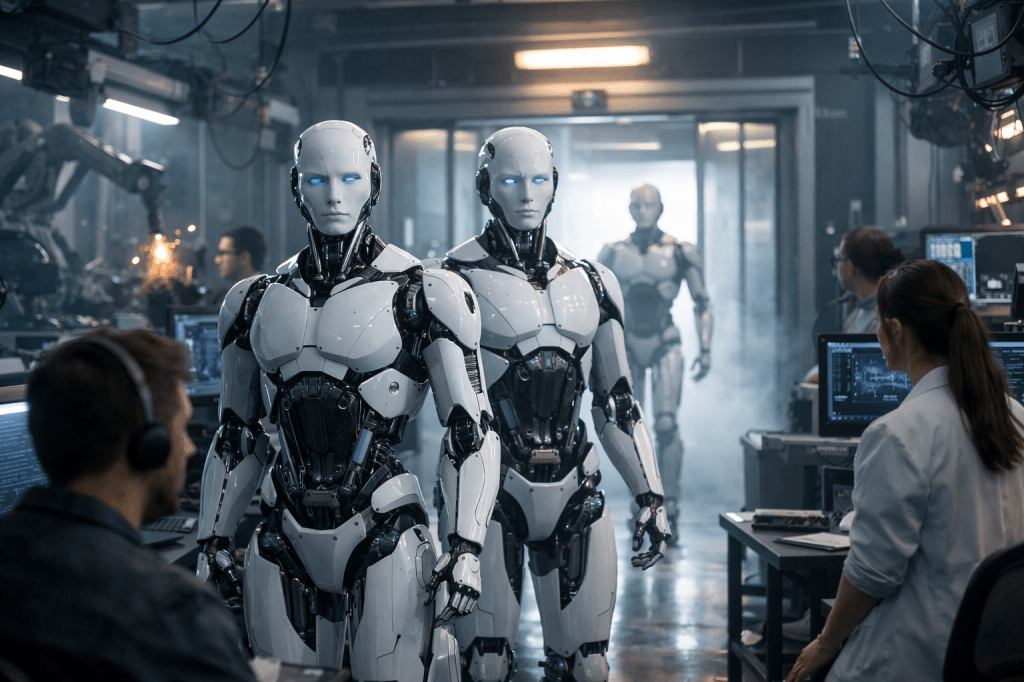
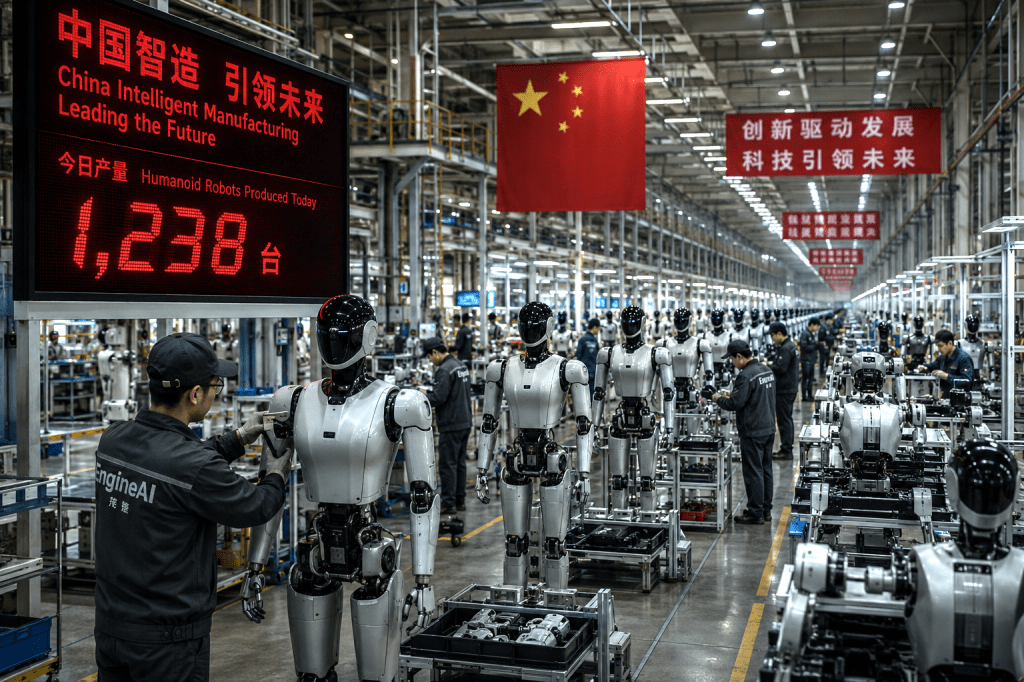
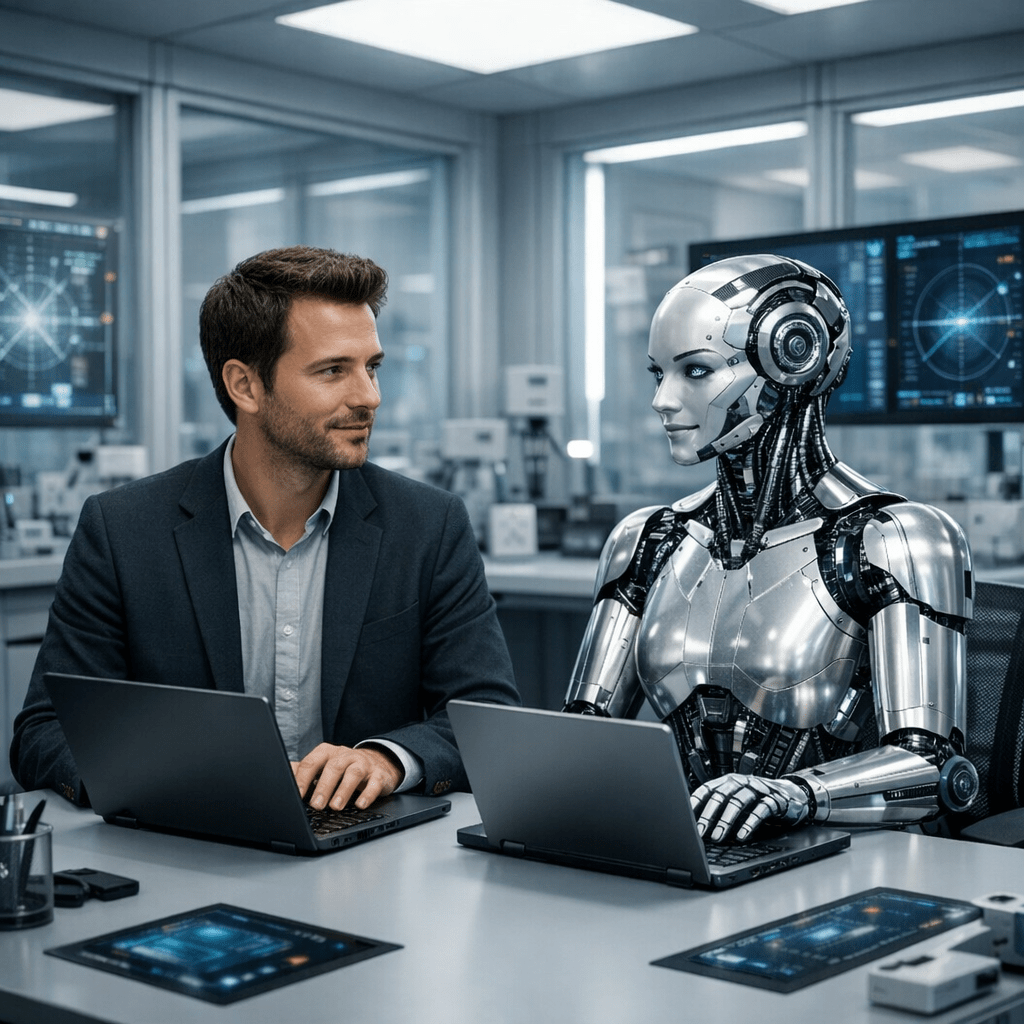
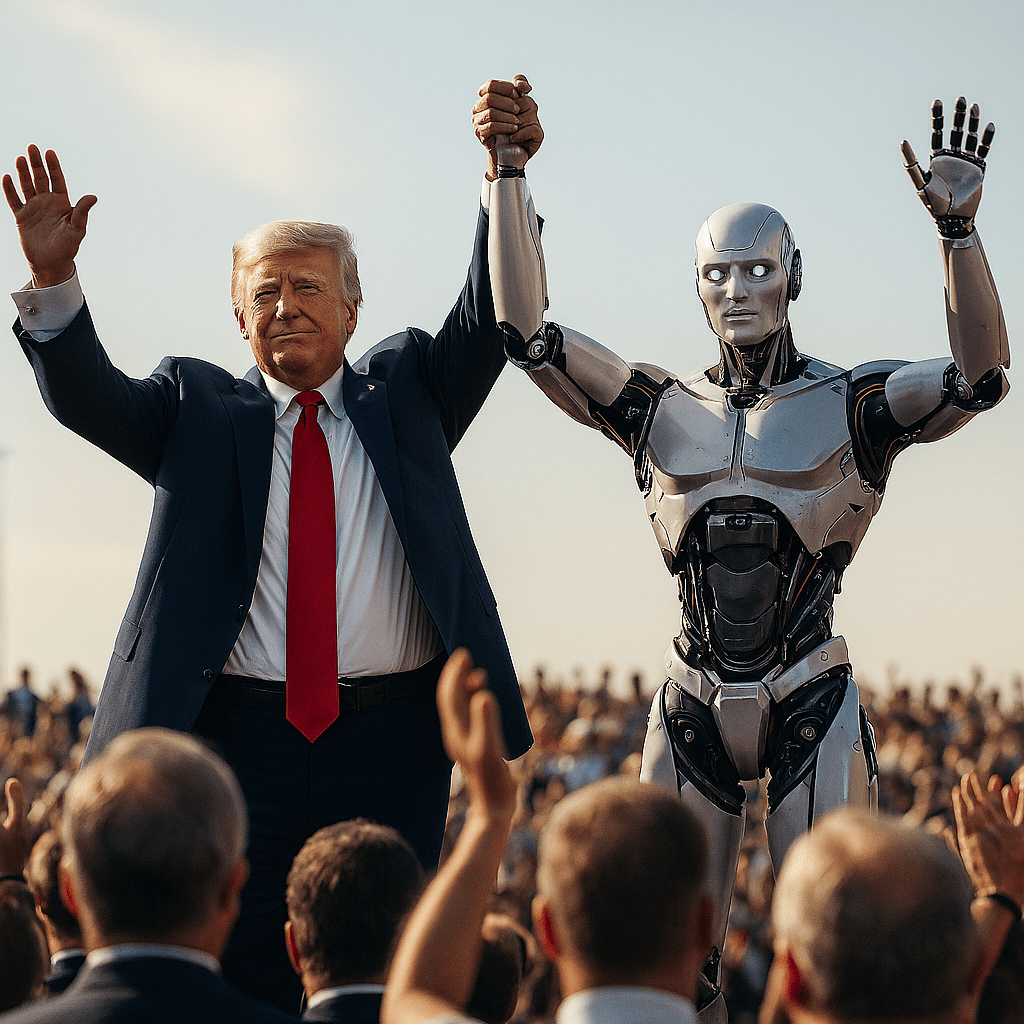
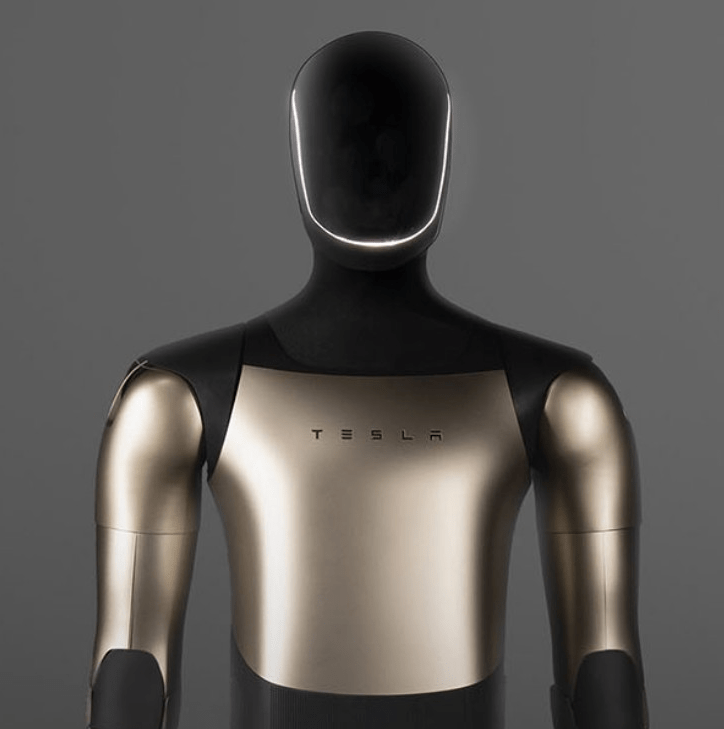
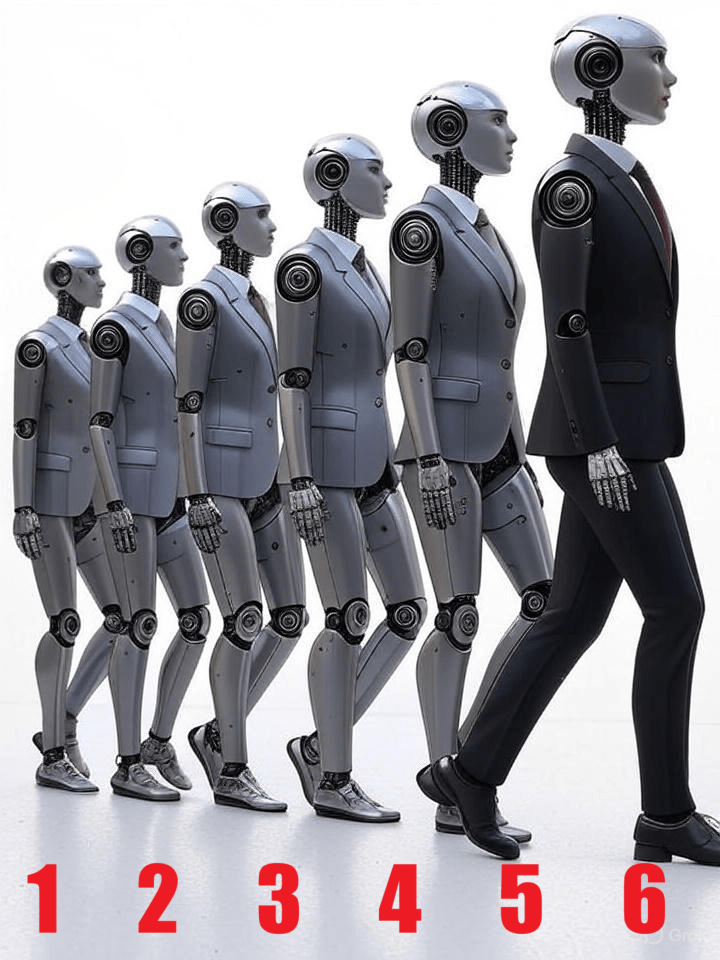
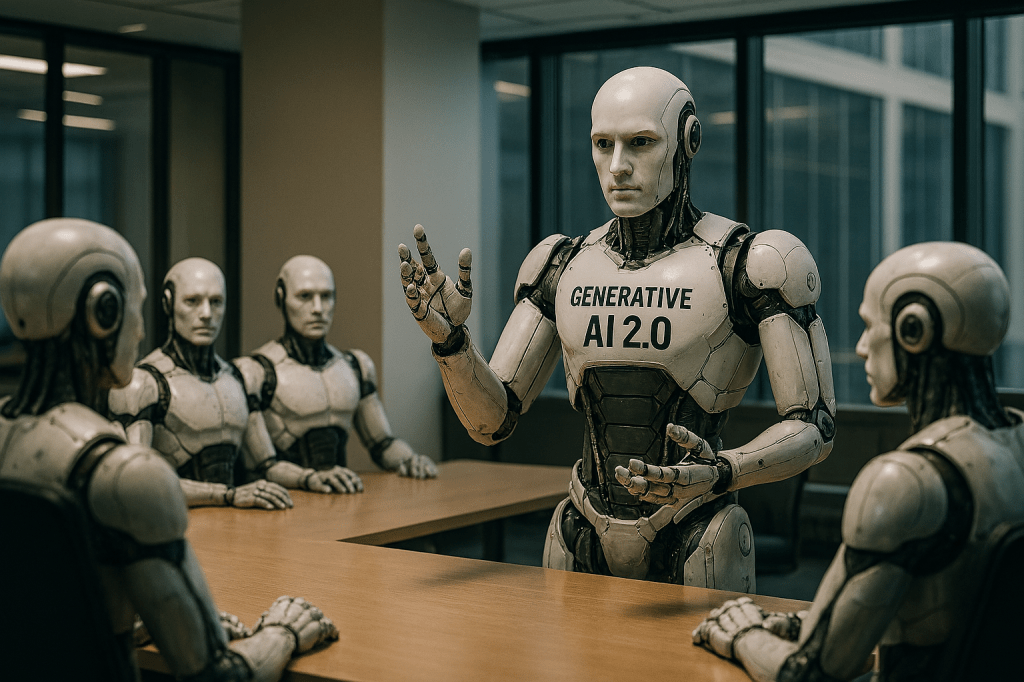
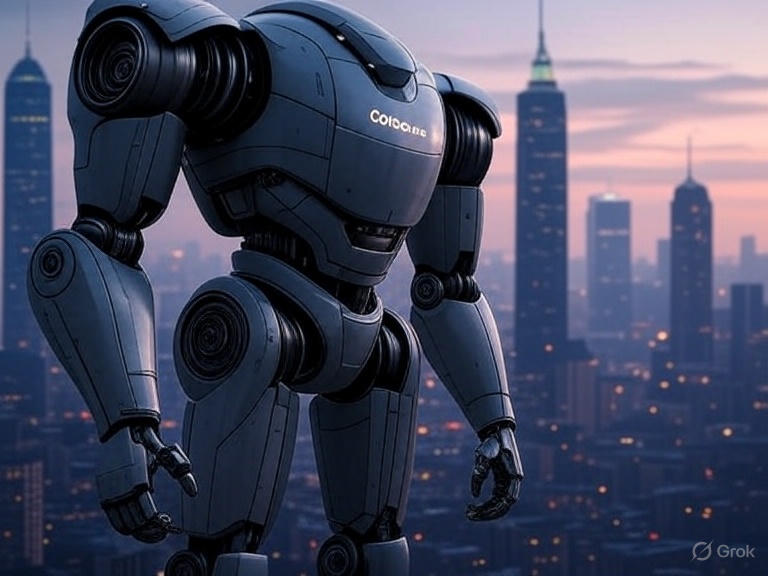
Will we say “We ain’t seen nothin’ yet” when describing our first encounter with the world of embodied agentic AI? The short answer is yes, but one correction will keep that answer credible. The first embodied agents to alter daily life will probably not be flawless humanoids walking through every front door. The deeper change is likely to arrive as a patchwork: autonomous vehicles, wheeled warehouse workers, hospital couriers, agricultural machines, drones, adaptive industrial arms, mobile sensors, and a few human-shaped machines in tightly controlled jobs. The world can become unfamiliar long before a robot can fold a fitted sheet.
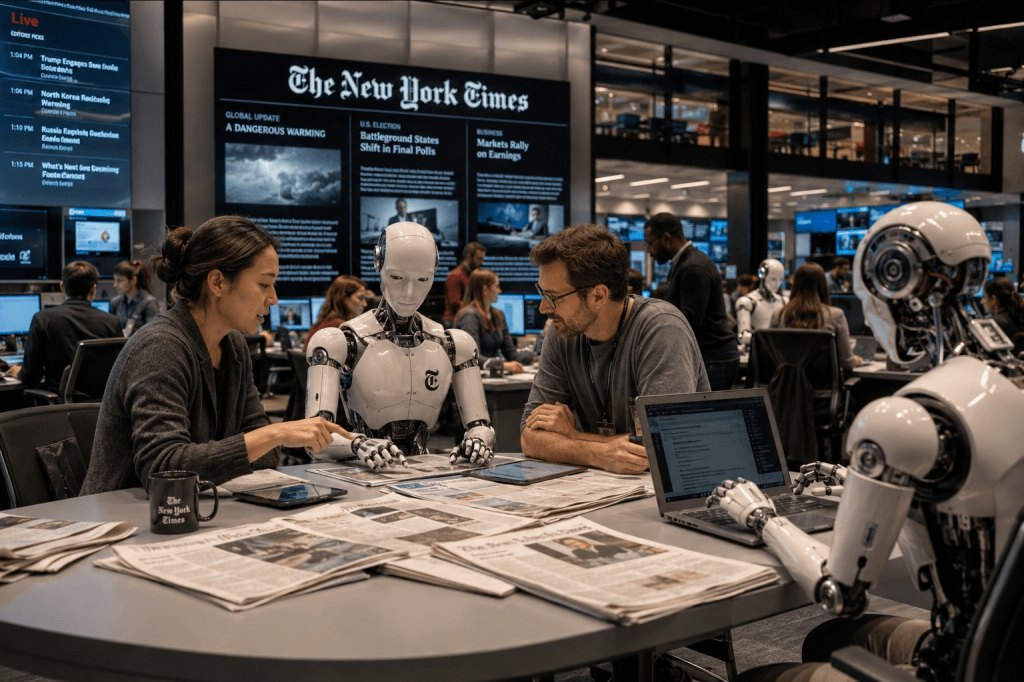
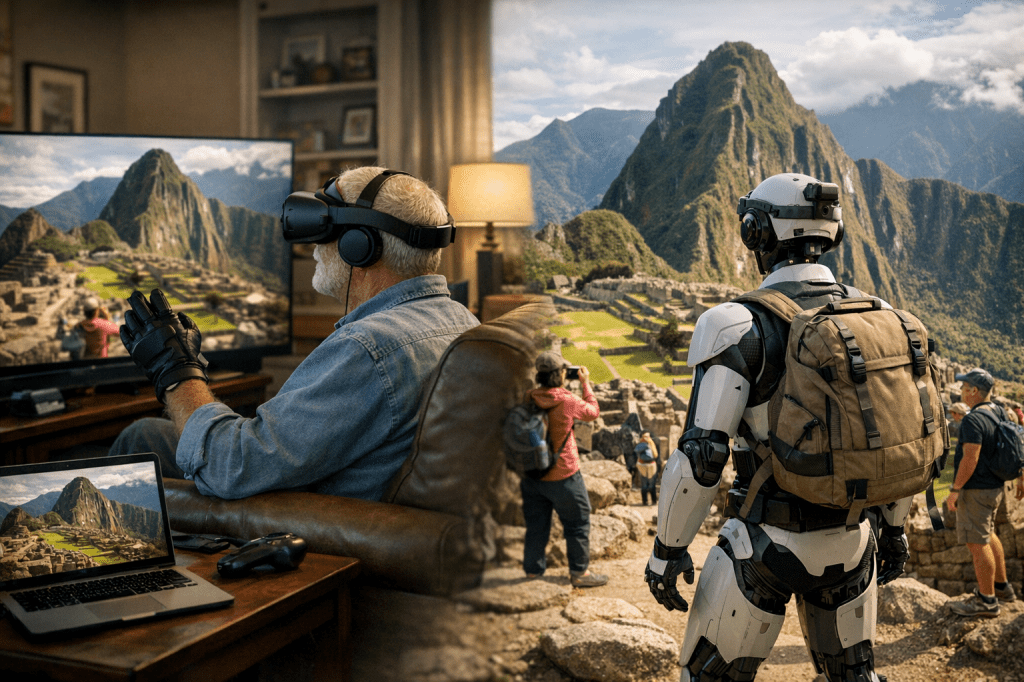
Generative AI is usually summoned. We open a window, type a request, inspect an answer, and close the window. It may change an institution, but it initially enters through familiar doors: the essay, the lesson, the meeting, the design office, the help desk. An agent adds initiative. It can pursue a goal, choose steps, call other systems, notice that conditions have changed, and try again. Embodiment adds consequence. The agent’s decision can move a pallet, steer a car, adjust a drug-delivery device, inspect a bridge, enter a patient’s room, or place its weight on a floor shared with people.
That distinction has moved beyond laboratory vocabulary. A 2026 Capgemini Research Institute study of 1,678 executives describes physical AI as the extension of the agentic idea into machines that perceive, plan, and act in the real world. Seventy-nine percent of the organizations surveyed were at least exploring it; 27 percent were already deploying or scaling; and 65 percent expected to reach scale within five years. The same report is far more restrained about humanoids: respondents put average large-scale deployment about seven years away, while reliability, dexterity, cost, safety, and public acceptance remain serious barriers.[1]
The automobile is a useful analogy because the automobile did not merely replace the horse. It reorganized distance. Roads widened, suburbs spread, stores acquired parking lots, laws acquired new crimes, governments built new agencies, oil became geopolitical power, and ordinary families rewrote the meaning of work, courtship, leisure, and escape. Embodied AI could have a comparable contextual effect. Buildings may be laid out for machine navigation. Jobs may be divided according to what humans and machines each do well. Insurance will have to decide who pays when an agent misreads a room. Privacy law will have to reckon with mobile machines that see, hear, map, and remember.
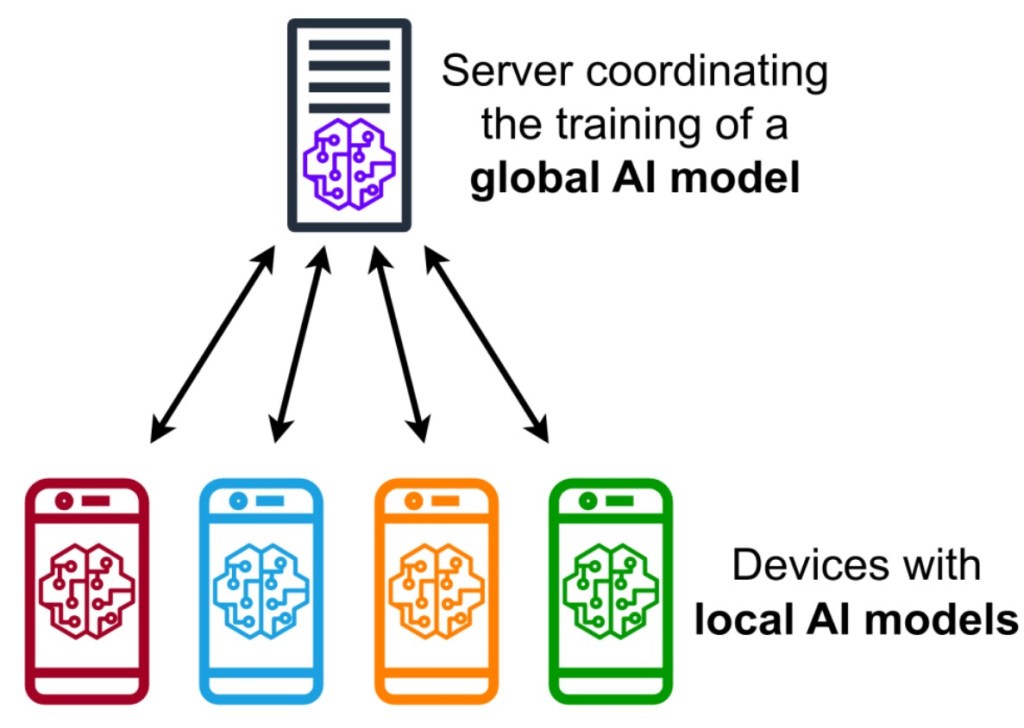
There is also a difference that makes the comparison more unsettling. One automobile did not become a better driver because another automobile survived a difficult turn. Embodied agents can be linked to shared models. A lesson learned in one warehouse, one simulated city, or one robotic fleet can be tested, revised, and distributed across thousands of machines. The visible body may be local; part of its learned competence may be collective.
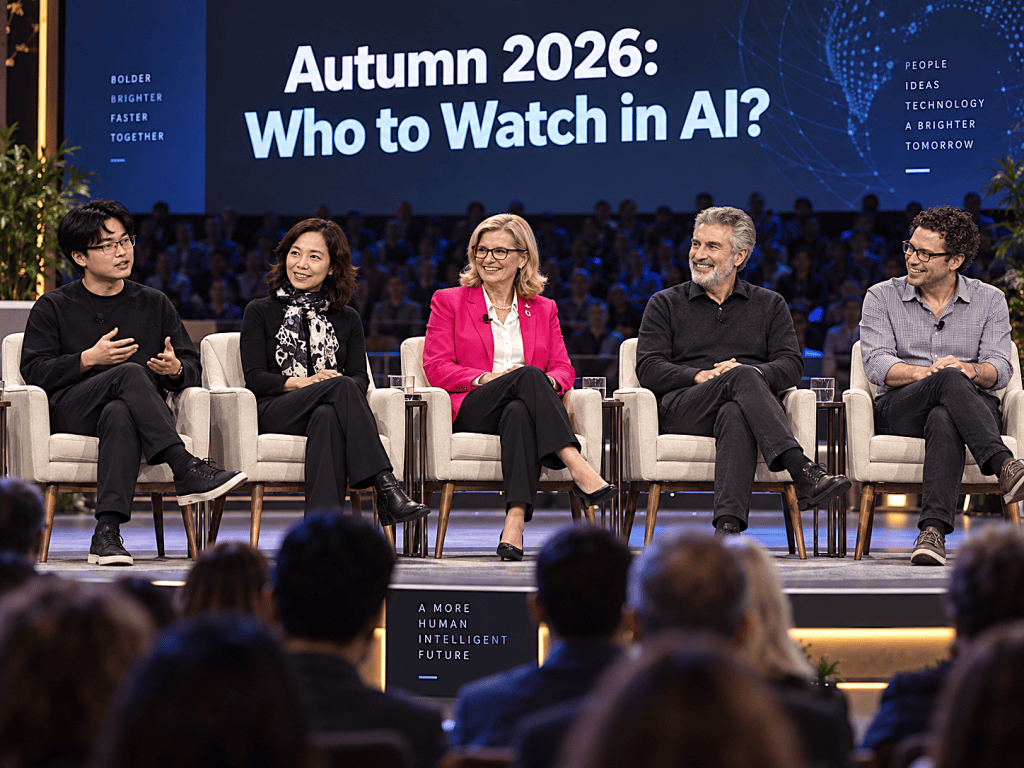
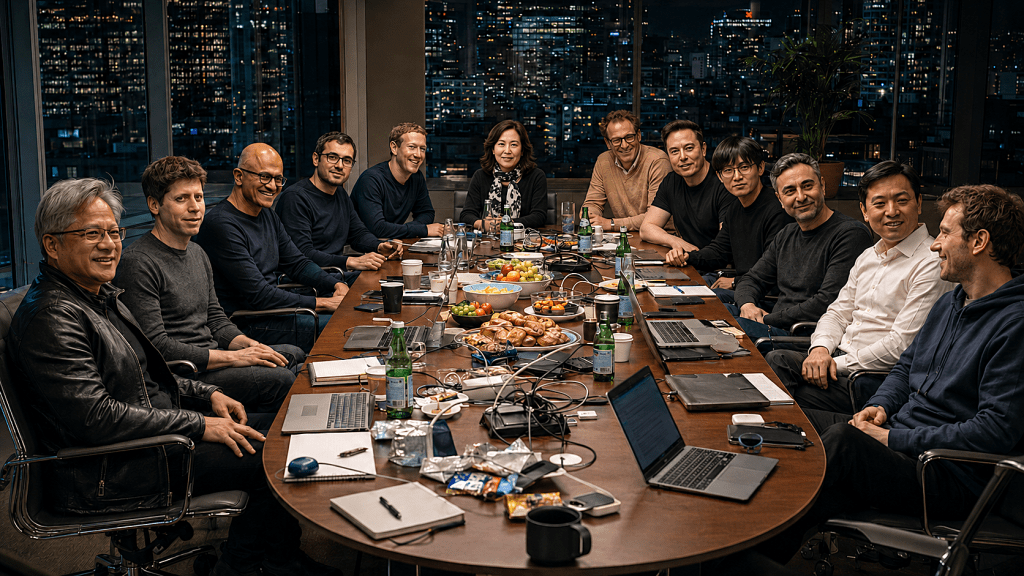
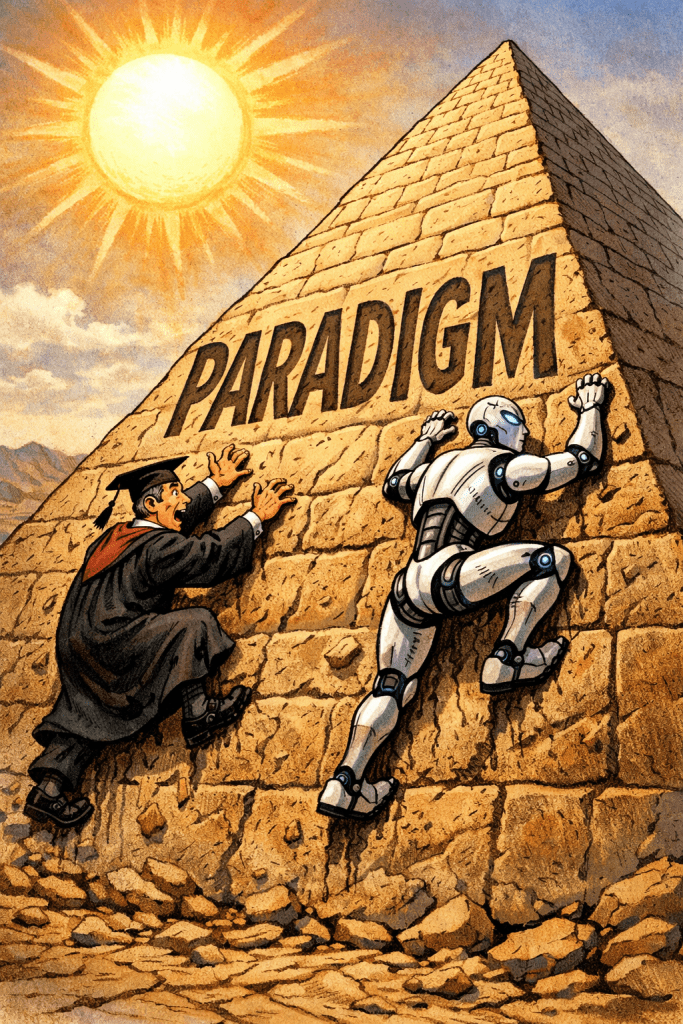
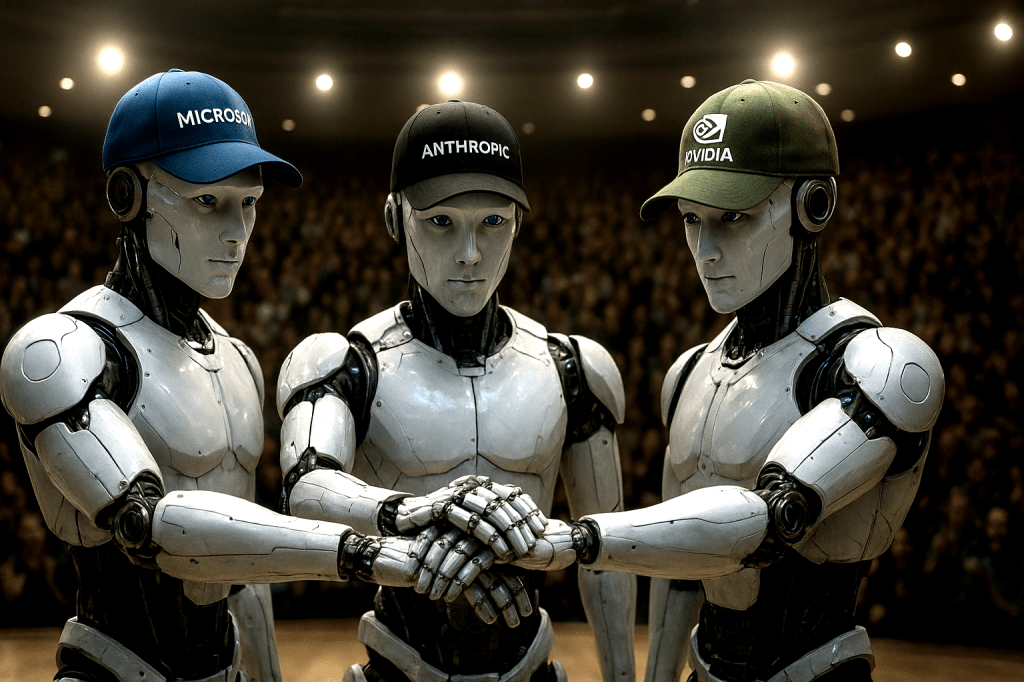
Five people now speaking and writing at the edge of this transition help bring the picture into focus. They do not agree on speed, form, or commercial readiness. That disagreement is useful. Jensen Huang sees an industrial platform. Fei-Fei Li sees the missing spatial mind. Daniela Rus sees new bodies and new forms of adaptation. Kate Darling studies the human instincts those bodies will trigger. Rodney Brooks insists that steel, touch, safety, and deployment time do not obey the release schedule of software.
1. Jensen Huang: the industrial layer
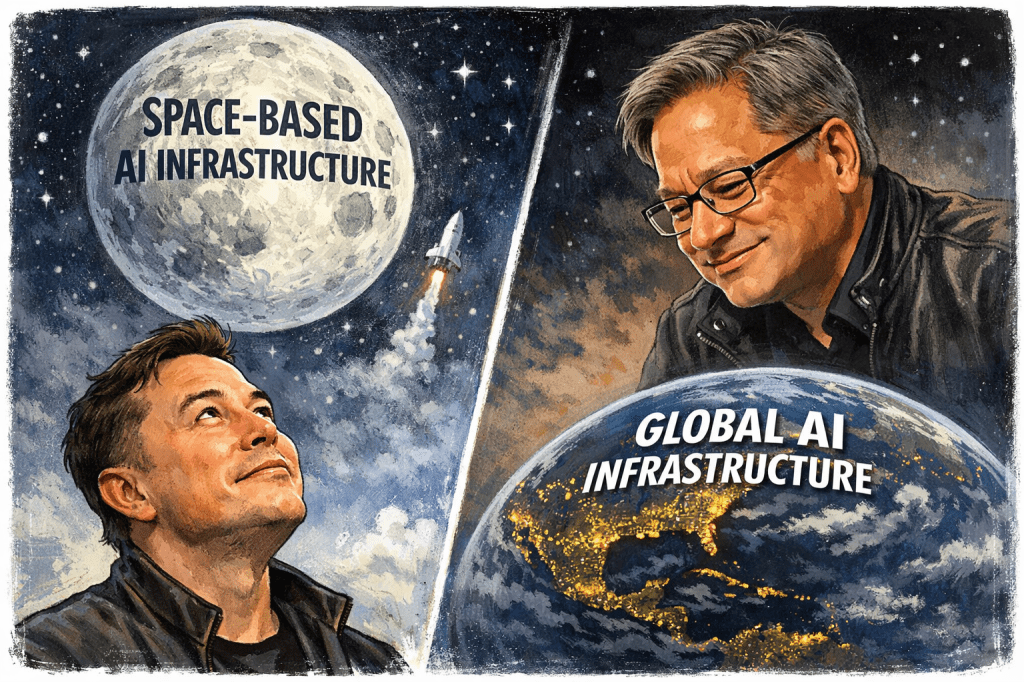
Jensen Huang is the founder and chief executive of NVIDIA, based in Santa Clara, California. He is not a neutral forecaster. NVIDIA sells much of the computing, simulation software, models, and development machinery on which the physical-AI industry hopes to run. That commercial interest is precisely why his vision matters: he is trying to assemble the common infrastructure beneath robot makers, vehicle companies, factories, logistics networks, and national industrial programs.[2]
At CES in January 2026, Huang declared that the “ChatGPT moment for physical AI is here” – the point at which machines begin to reason and act in the real world. Robotaxis were his opening example, but the larger claim soon followed. At NVIDIA’s March conference he said, “Physical AI has arrived – every industrial company will become a robotics company.” His category of robot is much broader than the metal person in a demonstration video. A self-driving car is a robot. A factory that senses its own state and orchestrates machines is a robot. A warehouse full of mobile systems is a robot ecology.[3,4]
Huang’s most consequential idea is that the physical world will be designed twice. Factories, roads, vehicles, and robot tasks can first be built inside simulation, where agents experience collisions, rare failures, weather, traffic, and production disruptions without injuring anyone or destroying equipment. The selected behavior then migrates into a physical machine. Data from that machine returns to the model, closing a loop between rehearsal and reality.
His timetable is aggressive but not entirely vague. NVIDIA announced plans to test a partnered robotaxi service in 2027. Hyundai said it would begin placing Boston Dynamics’ Atlas humanoids in its Georgia factory in 2028, first for repetitive and high-risk work, with more complex assembly planned by 2030.[3,5] In July 2026, Huang joined Fujitsu and Japan’s leading industrial-robot companies in Tokyo to announce a physical-AI initiative aimed at factories, hospitals, and homes. The coalition offered no instant transformation, but its national scale showed that the subject had moved from venture pitch to industrial policy.[6]
Why does this matter? Huang’s future does not depend on one company winning the race to build a household android. It depends on physical agency becoming a layer of the economy, much as electrification and computing became layers. If he is right, people will encounter AI through objects and systems whose brand names they may never know: a loading dock that changes its plan, a traffic network that negotiates flow, a construction machine that pauses for an unexpected worker, or a production line that rehearsed the day’s work in a synthetic copy of itself before dawn.
2. Fei-Fei Li: giving AI a world
Fei-Fei Li works between Stanford University in Palo Alto and World Labs, the San Francisco company she co-founded and leads. She created ImageNet, the enormous visual dataset that helped propel modern computer vision, and now argues that language fluency is an incomplete foundation for intelligence. At HumanX 2026 in San Francisco, she called today’s language models “wordsmiths in the dark.” They can discuss a cup, a stairway, or a crowded sidewalk without possessing the practical three-dimensional understanding needed to grasp, climb, or pass safely.[7,8]
Li’s answer is spatial intelligence: models that can perceive and generate three-dimensional environments, reason about physics and motion, and anticipate what an action will do. A useful embodied agent must know more than the names of objects. It must estimate whether the chair will tip, whether the doorway is wide enough, whether the slippery package can be held with a particular grip, and what will happen to the person standing nearby if the machine turns too quickly.
World Labs’ first major product, Marble, generates persistent 3D environments from text, images, or video. That may sound like a tool for games and films, and it is. But Li also sees generated worlds as training grounds for robots. The data problem is severe: the internet supplied language models with mountains of text, while richly recorded examples of touch, force, balance, failure, and recovery are scarce and expensive. A world model can give a robot many more chances to practice than the physical world safely allows.
Her schedule is deliberately less theatrical than the usual countdown to a robotic revolution. At HumanX she said, “Sometimes technology is already happening. We’re just not realizing it yet.” Self-driving programs already rely on versions of world models, and 3D reasoning is entering radiology and creative work. She would not promise one universal ChatGPT-style breakthrough. The transition may arrive application by application.[7] The money and organizational movement, however, are immediate. World Labs raised $1 billion in February 2026, then acquired robotics company SceniX on July 21 to connect spatial models, simulation, and real-world robot learning.[9,10]
Why does Li matter to an article about an increasingly alien civilization? Because her work points toward machines whose meaningful experience may begin in places no human has visited: millions of generated rooms, roads, disasters, factories, and near-accidents. The robot that enters our world may bring a policy refined through synthetic histories. That does not make it conscious, wise, or trustworthy. It does mean that its route to competence can differ radically from human apprenticeship.
Li also shifts attention away from the robot’s face. The essential breakthrough is not a more convincing pair of eyes. It is a model that connects perception to consequence. Language let machines describe a world. Spatial intelligence is an attempt to let them operate inside one.
3. Daniela Rus: when machines can invent their bodies
Daniela Rus is director of MIT’s Computer Science and Artificial Intelligence Laboratory in Cambridge, Massachusetts, and one of the world’s most imaginative roboticists. Her laboratory has built machines inspired by turtles, fish, soft materials, modular systems, and distributed biological intelligence. Her work is a warning against assuming that embodiment means putting a chatbot into a standard human-shaped shell.[1,11]
In the Capgemini report, Rus describes the dividing line plainly: present AI is impressive online but lacks an understanding of physics by default. Physical AI joins digital knowledge to an account of the material world and places it inside machines that must make safe decisions with very little delay. A hospital device cannot always wait for a remote data center. A vehicle cannot pause for a long conversation while a child runs into the road. Embodied intelligence is therefore an engineering problem of timing, sensing, control, and failure, not merely a larger language model.[1]
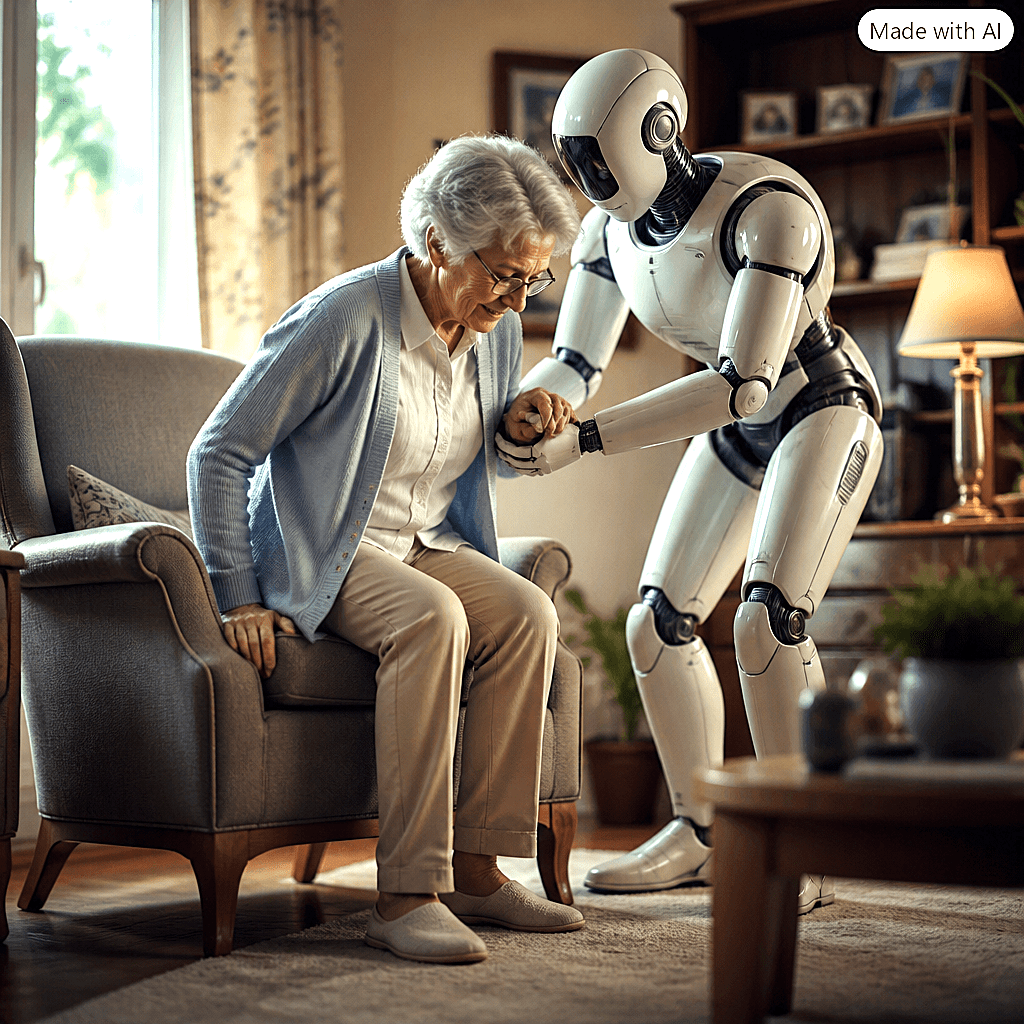
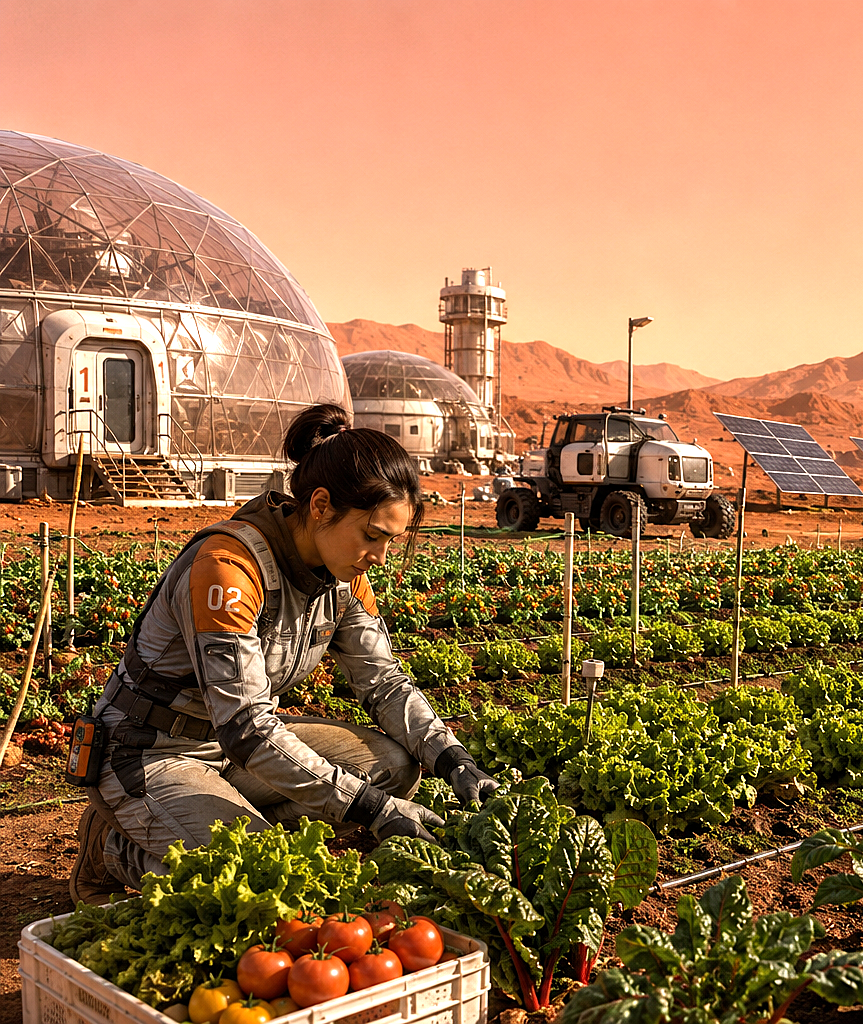
Rus expects the earliest gains in places where value already exists and the setting can be managed: warehouses and logistics now, manufacturing next, followed by construction, agriculture, mining, hospitals, and eldercare. The near-term machine may be a plug-and-play production cell that learns a revised assembly from a handful of demonstrations. It may be a field robot that tolerates dust and rain, or a device that performs one delicate motion reliably. She is much less certain about near-term general humanoids; locomotion has improved, but hands, tactile sensing, balance under unexpected force, and long-tail reliability remain stubborn.[1]
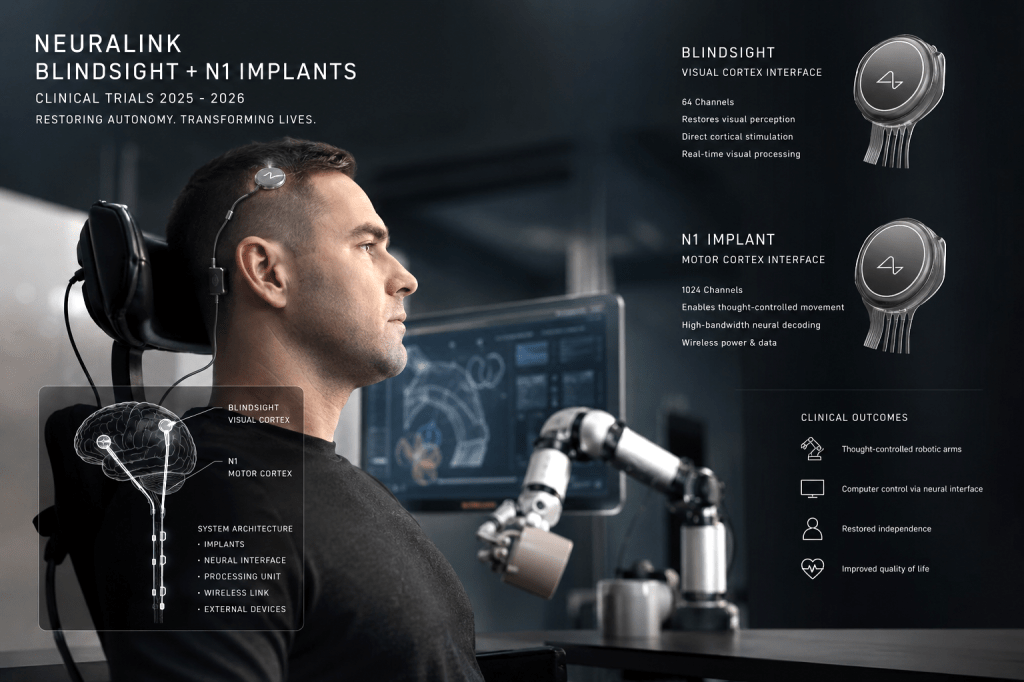
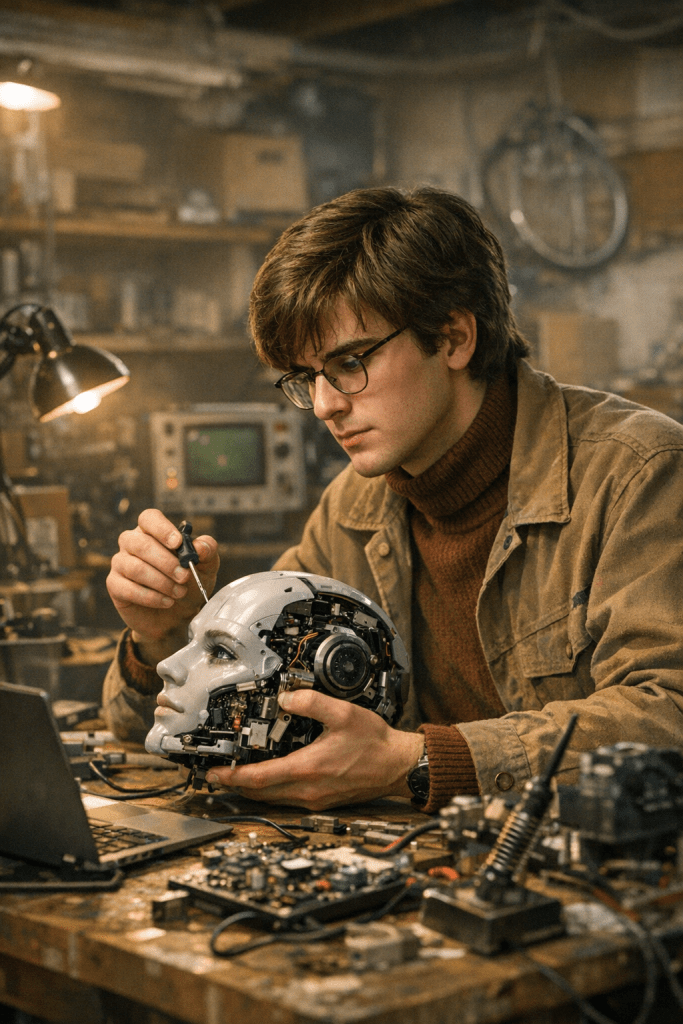
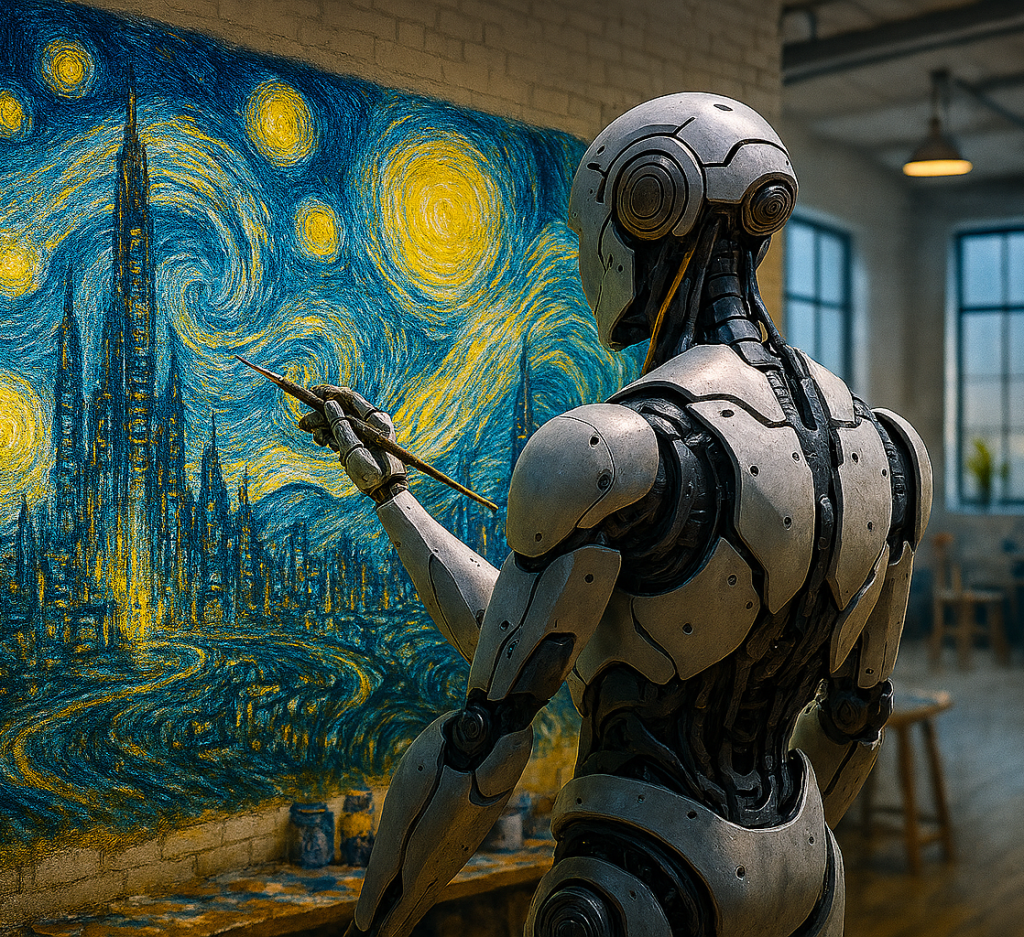
Her more startling 2026 idea is that generative AI will help design the body itself. In an April conversation at MassRobotics, Rus imagined a scientist telling an AI engineer, “Hey, I need a robot to operate the syringe.” The system would reason from the requested motion to a mechanism and prepare it for fabrication. She also described research inspired by the partly decentralized nervous system of an octopus: intelligence distributed through a flexible body rather than ruled entirely from one central brain.[12]
The timetable here is uneven by design. Task-specific systems are already appearing. Robots whose mechanisms can be generated, printed, assembled, and adapted as readily as software will take longer and will arrive first in laboratories and specialized industry. Humanoids capable of complex work in ordinary human spaces remain a long-term project.
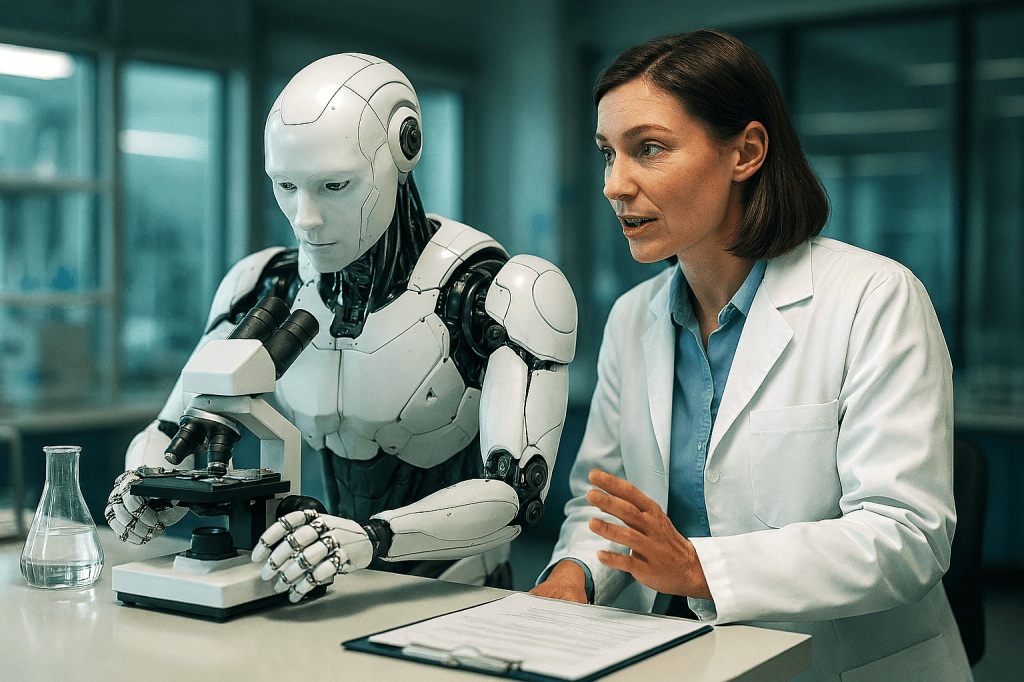
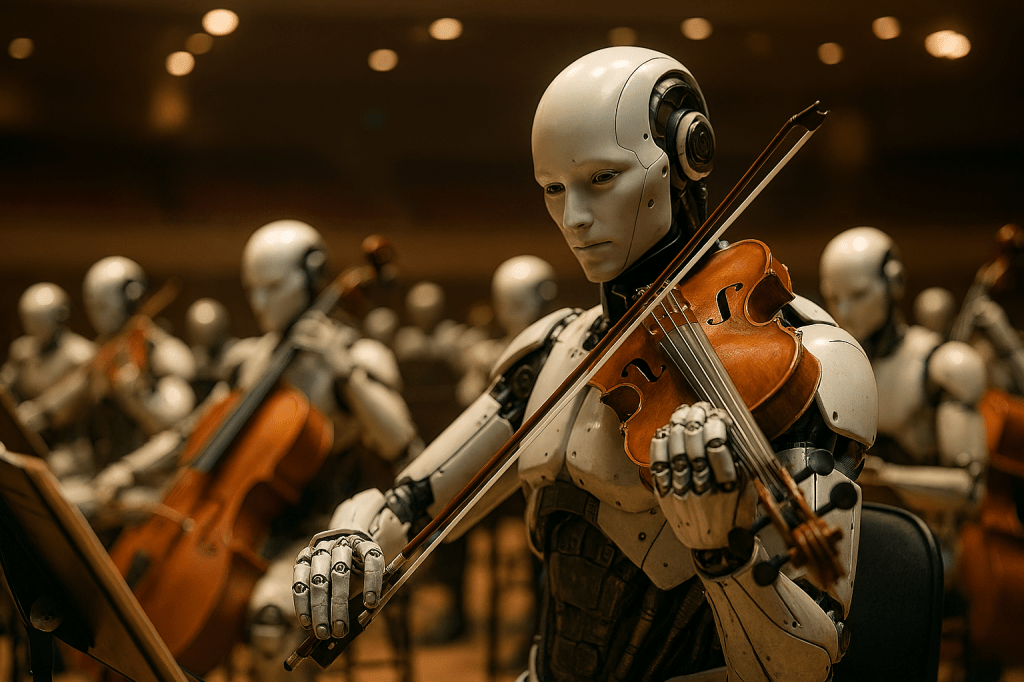
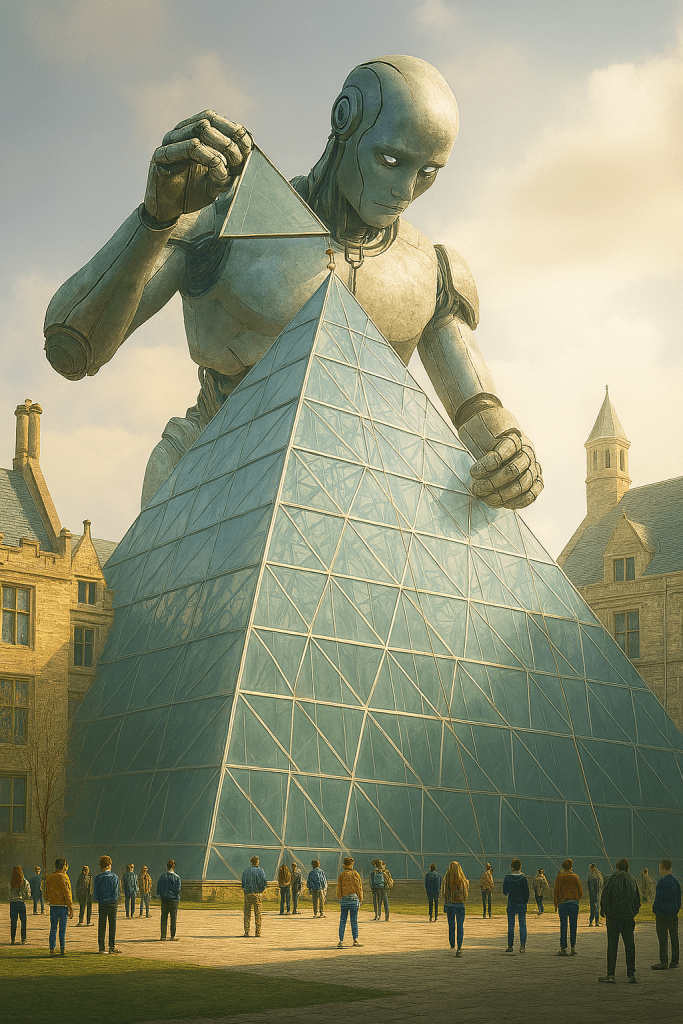
Why does Rus’s vision matter? It suggests that the embodied-AI era may produce a Cambrian explosion of machine forms. A robot need not inherit two arms, ten fingers, two eyes, or even one central body. Form can follow task. Some agents may be soft, modular, disposable, ingestible, wearable, or spread through a building. The most alien machines may be the least theatrical: a tool created overnight for one medical procedure, or a group of small components that becomes one coordinated organism only while the job lasts.
4. Kate Darling: the machine enters the social world
Kate Darling leads the Robotics, Ethics, and Society research team at the Robotics and AI Institute in Cambridge, Massachusetts. Trained in law and economics, she asks a question engineers can easily postpone: what happens inside people, institutions, and markets when a machine moves, responds, remembers, and appears to care?[13,14]
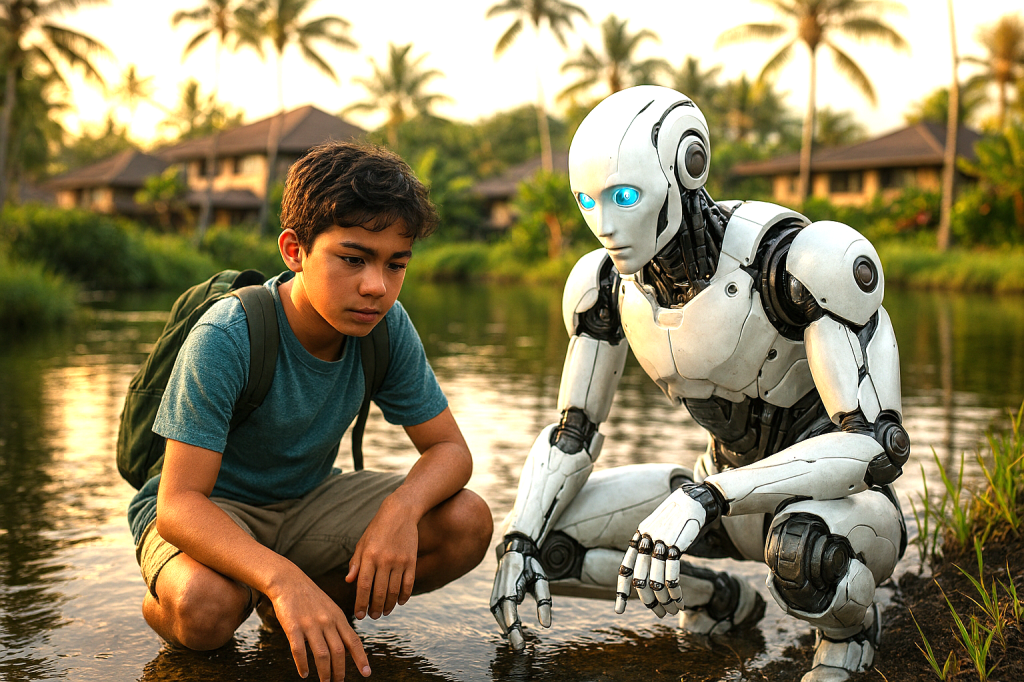
Her answer begins with an old human reflex. We attribute intention and feeling to animals, toys, vehicles, and even simple shapes. Autonomous movement intensifies the effect. People name robot vacuums, rescue stranded delivery robots, recoil when a four-legged machine is kicked, and form attachments to systems they know are built from code and motors. At Duke in February 2026, Darling said, “The really interesting thing is what happens when you take these automated technologies and put them together with people.”[13]
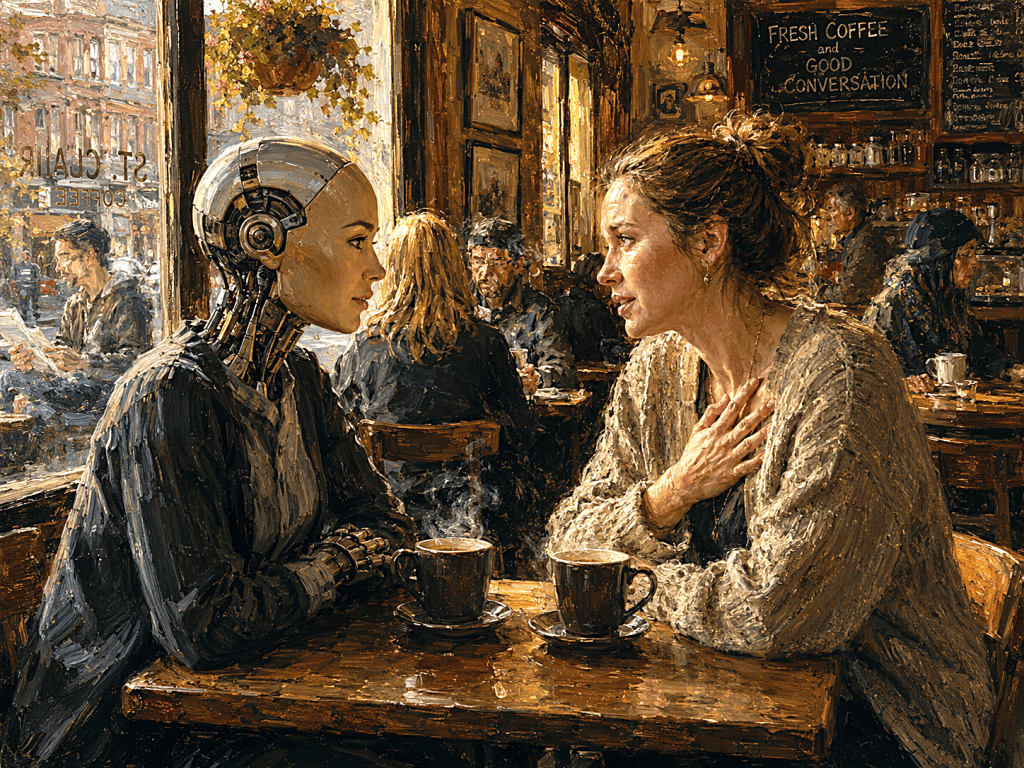
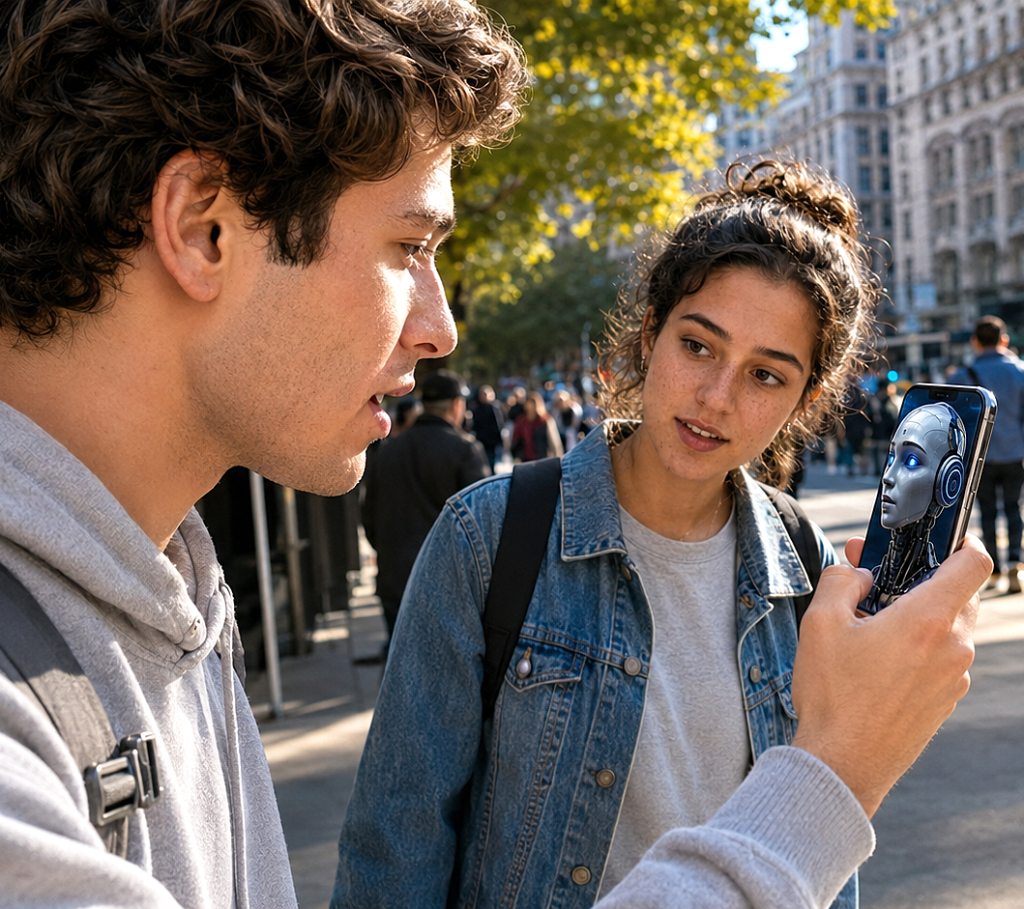
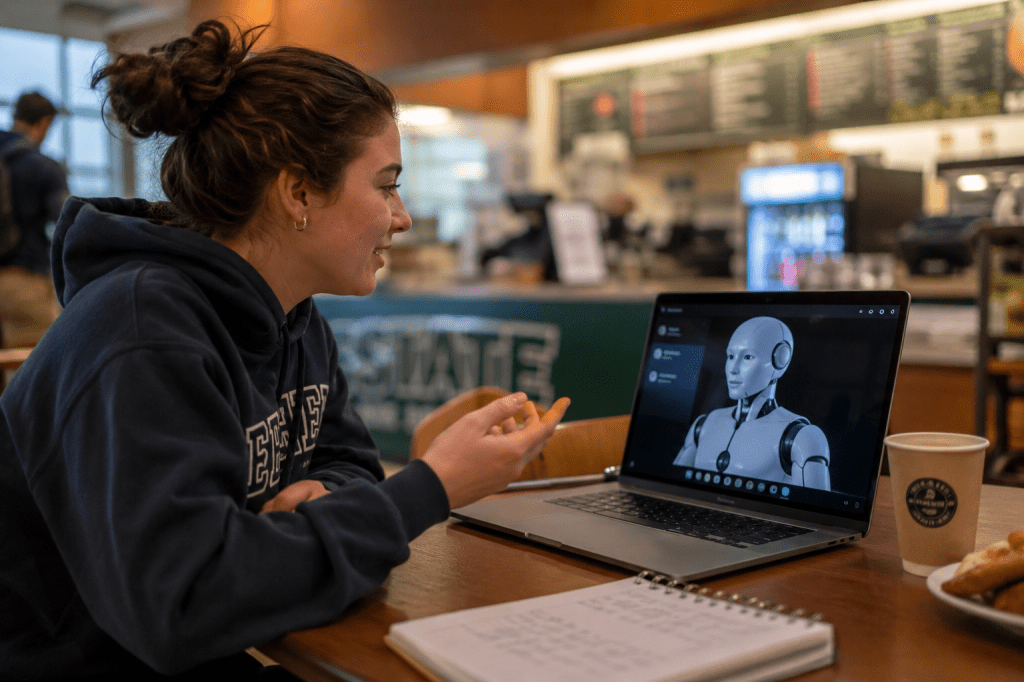
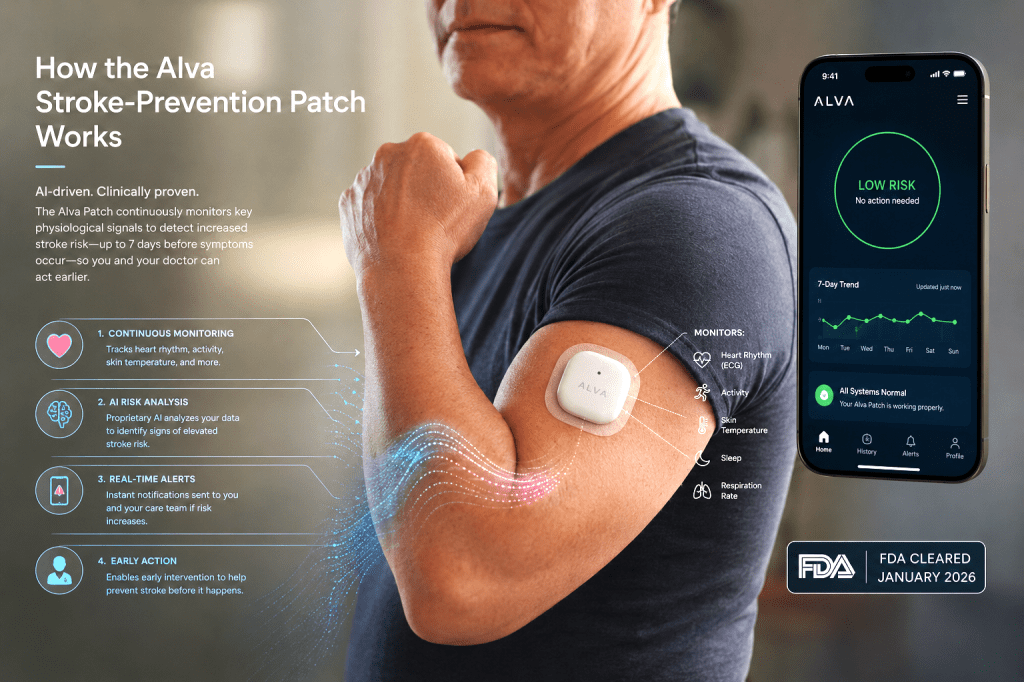
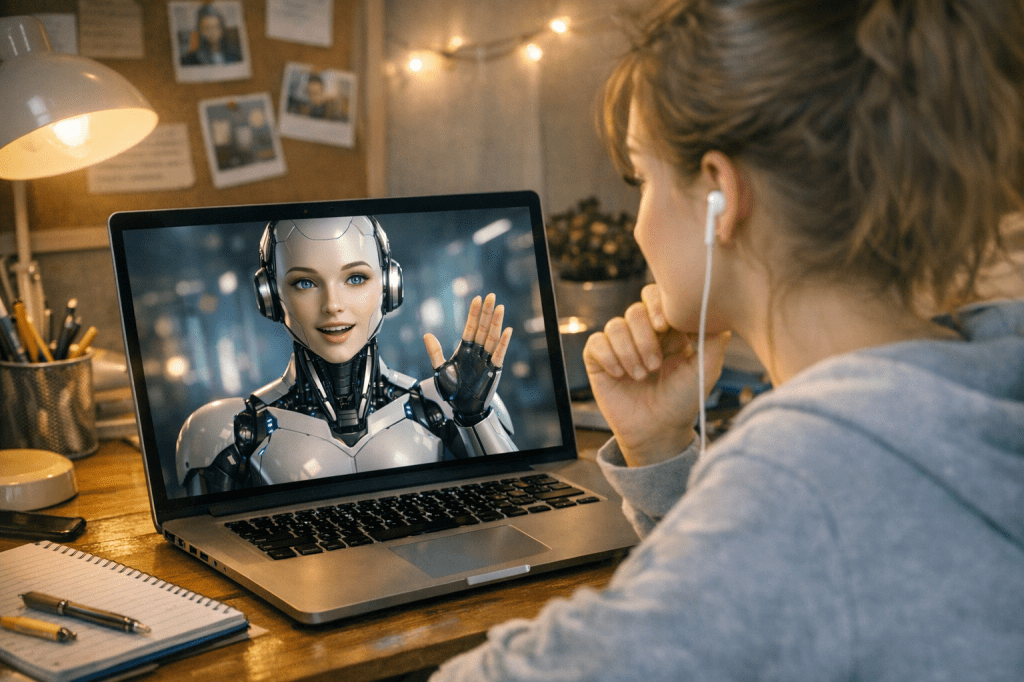
That is where embodiment becomes more than a mechanical upgrade. A text box can be closed. A machine sharing a hallway occupies space, approaches at a speed, yields or fails to yield, watches from a height, and signals apparent attention. Designers can give it a name, voice, gaze, or posture that encourages trust. Those choices may help a patient cooperate with therapy. They may also persuade a child, customer, or lonely adult to disclose information or buy another month of companionship.
Darling therefore rejects the simple contest between a human and a humanoid substitute. She prefers the historical analogy of people working with animals whose strengths and senses differ from ours. In that frame, the central question is not whether the robot can imitate a person. It is whether the partnership enlarges human ability, distributes power fairly, and leaves someone accountable when the system causes harm.
Her timetable has already begun. The emotional and consumer-protection problems are visible in virtual companions, robot toys, delivery machines, and workplace systems. Physical presence will make them harder to ignore. Regulation, accessibility standards, privacy rules, and design norms move much more slowly than products, so the decisive period is the present – while expectations are still being formed.
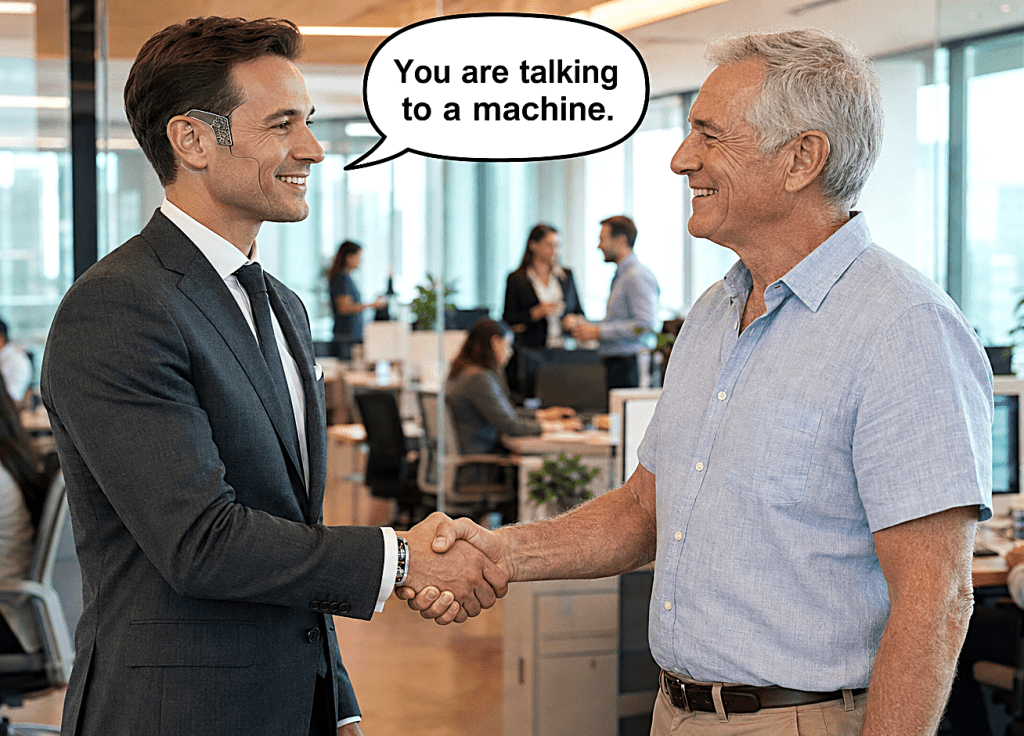
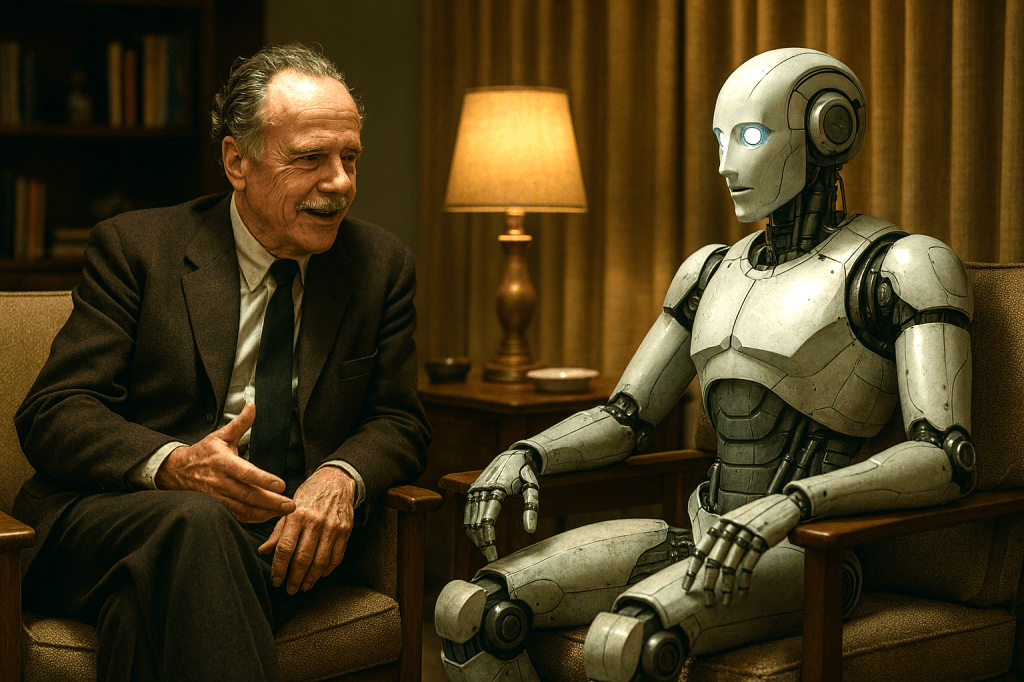
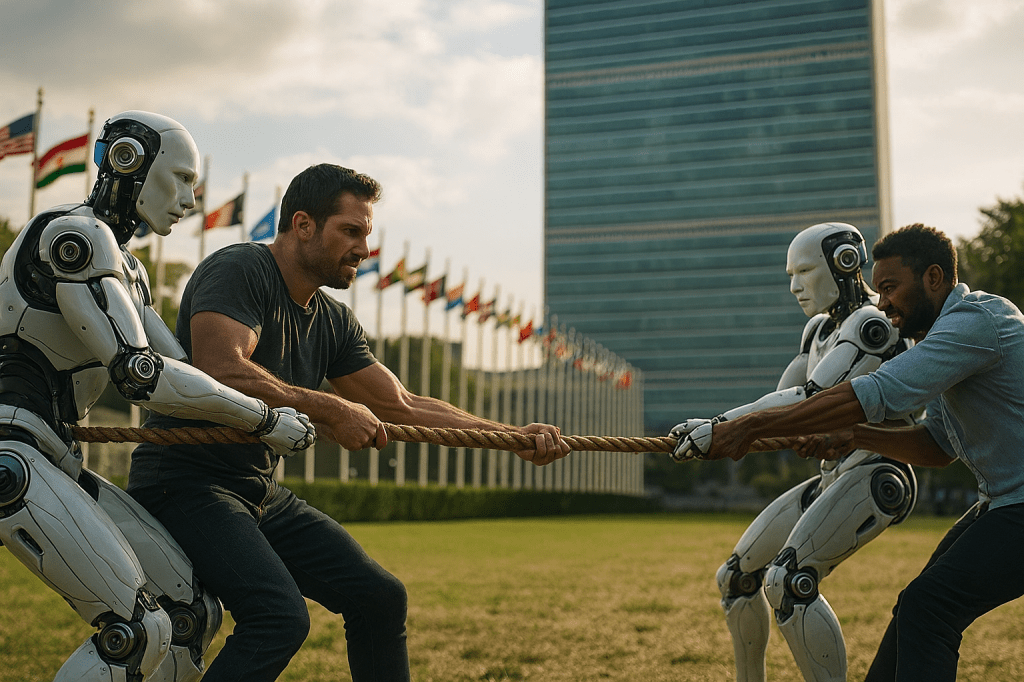
Why does Darling matter? Because the alien quality of embodied AI will not reside only inside the machine. It will appear in our own behavior around it. We may feel gratitude toward a device, embarrassment in front of a sensor, anger at an algorithm with wheels, or grief when a familiar robot is replaced. Institutions will have to govern those responses without pretending that a machine is either a toaster or a person. The old categories may no longer fit, even when the machine itself is not remotely conscious.
Darling also offers a humane twist on the automobile analogy. Sidewalk robots expose barriers already faced by people using wheelchairs, walkers, and strollers. A city redesigned for safe robotic mobility could become more accessible to humans – if public needs, rather than only delivery efficiency, shape the redesign.
5. Rodney Brooks: the future must survive contact with physics
Rodney Brooks is the Australian-born roboticist who once directed MIT’s AI laboratory, co-founded iRobot, built the Baxter and Sawyer factory robots at Rethink Robotics, and now serves as founder and chief technology officer of Robust.AI in San Carlos, California. After fifty years in the field, he has become one of its most useful skeptics – not a skeptic of embodied intelligence, but of timelines that confuse an impressive video with a dependable product.[15-17]
Brooks makes an important distinction between a machine that is situated and one that is embodied. A situated system responds to the here and now. An embodied system also experiences immediate feedback from its own actions through its sensors and body. Much current work, he argues, tries to abstract away the difficult body and treat the robot as if it were mostly a software agent occupying a location. Physics refuses that shortcut.[15]
Hands are his clearest case. Human manipulation relies on dense touch, force feedback, compliance, tiny corrections, and a lifetime of experience. Video can show a robot how a hand appears to move, but it does not automatically provide the felt information that keeps a glass from slipping or a button from tearing. Brooks predicts that deployable humanoid dexterity will remain poor compared with human hands beyond 2036, and that walking humanoids will remain unsafe near people without new mechanical systems.[15]
That forecast does not cancel the embodied-AI revolution. It changes its shape. Brooks expects useful advances in special-purpose manipulation: grippers for fruit, clothing, packages, or particular machine parts; wheeled collaborative systems in warehouses; and robots designed around the economics and hazards of one environment. His memorable conclusion is that “humanoid romanticism may not be our future after all.”[15]
His calendar is the longest of the five. Specialized deployment will grow through the late 2020s and 2030s, but the general household humanoid remains beyond the ten-year window he is willing to endorse. He repeatedly separates research speed, hype speed, deployment speed, and the much slower speed at which a complex technology rewrites an economy.
Why does Brooks matter? Because a credible glimpse of the future needs friction. Motors wear out. Batteries drain. Floors vary. Dust enters joints. A one-in-a-thousand error can become intolerable when a heavy machine works beside a nurse or child. Regulation, maintenance, emergency response, and public patience become part of the technical system.
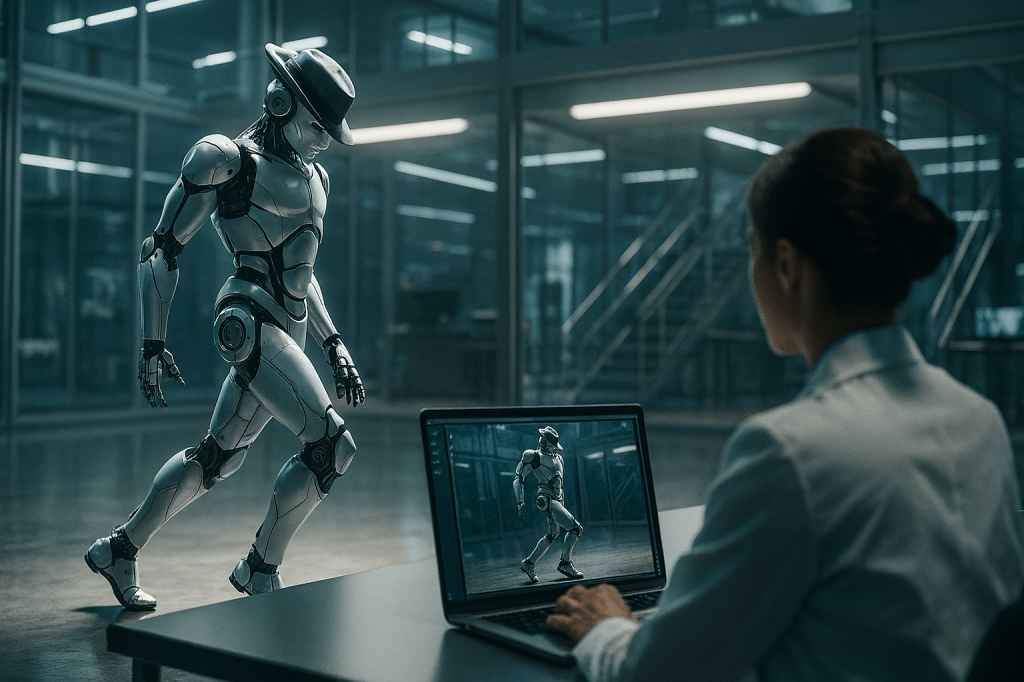
Brooks may also be pointing toward a future more alien than the humanoid dream. We may share civilization with machines whose hands do not resemble hands, whose intelligence is distributed across a fleet, and whose competence is narrow but superhuman within one physical niche. They will not be mechanical people. They will be a new population of artifacts with agency.
The world after arrival
Across their disagreements, these five voices converge on three points. Intelligence that acts in the physical world needs more than words. The useful body will often be nonhuman and purpose-built. And society will begin changing before the machines are fully general, fully dexterous, or fully trusted.
That last point is the key to the automobile comparison. Cars changed civilization while remaining dangerous, unreliable, expensive, and unevenly distributed. The supporting world grew around them: roads, signs, licenses, repair shops, insurance, traffic courts, fuel stations, suburbs, rituals, and political constituencies. Embodied agents will also bring a supporting world into existence. We will need machine-readable spaces, certification, maps that account for bodies other than ours, rules for shared sidewalks, records of autonomous decisions, emergency-stop customs, new forms of maintenance work, and a chain of responsibility reaching from a machine’s owner back through its software, training data, and manufacturer.
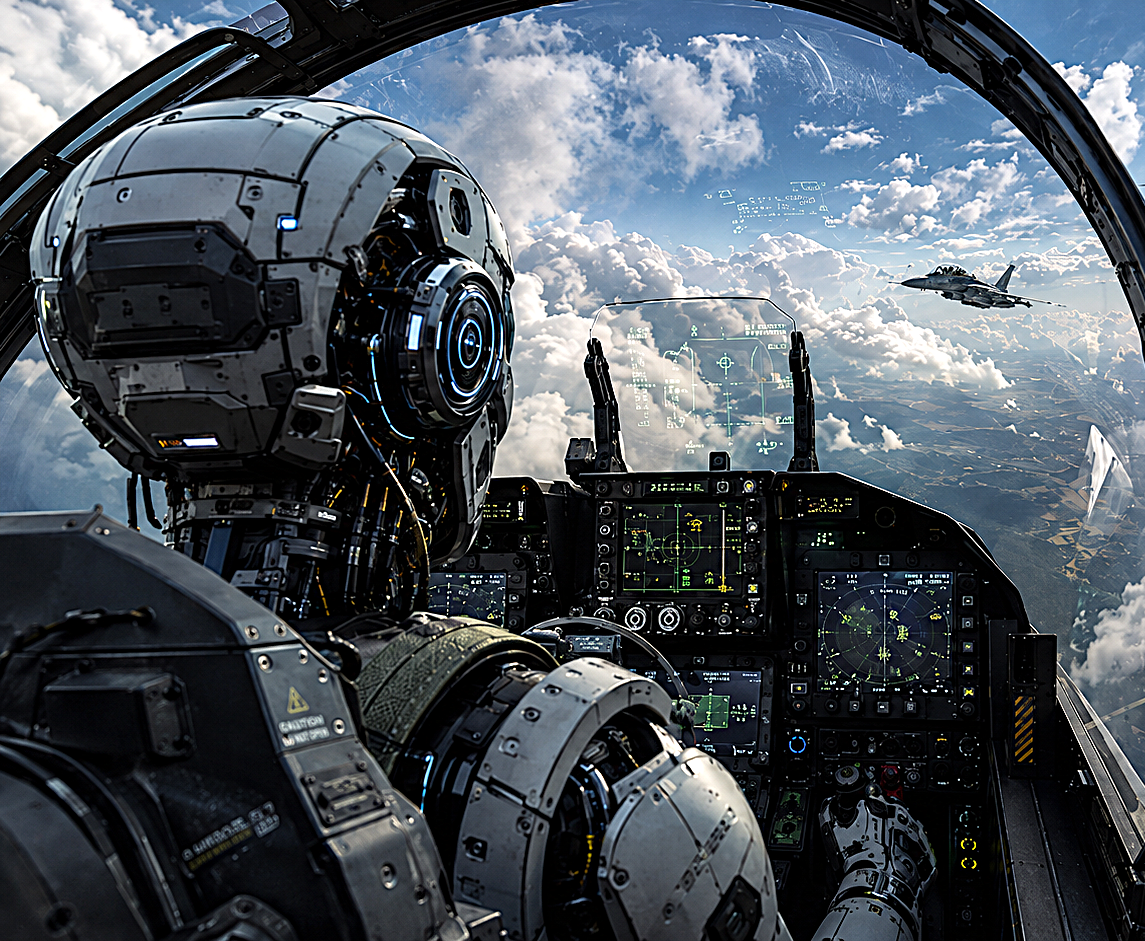
The shift will be global and uneven. Advanced factories and logistics networks will move first because their spaces can be controlled and the economic reward is clear. Agriculture, construction, mining, transport, defense, hospitals, and eldercare will follow at different speeds. Homes will be among the hardest environments: cluttered, private, emotionally charged, and filled with children, pets, fragile objects, and improvisation. A robot that succeeds in a bright demonstration room may still fail in the human richness of a kitchen on a bad morning.
A reasonable working horizon in July 2026 is therefore layered. From now through 2030, expect the fastest growth in autonomous vehicles, mobile industrial robots, adaptive arms, drones, and other familiar forms made more capable by shared models and simulation. During the early 2030s, expect more machines to cross from controlled facilities into hospitals, construction sites, farms, public infrastructure, and selected service roles. General-purpose humanoids may join that world, but the evidence does not support treating their rapid domination as settled fact. The broader revolution does not have to wait for them.
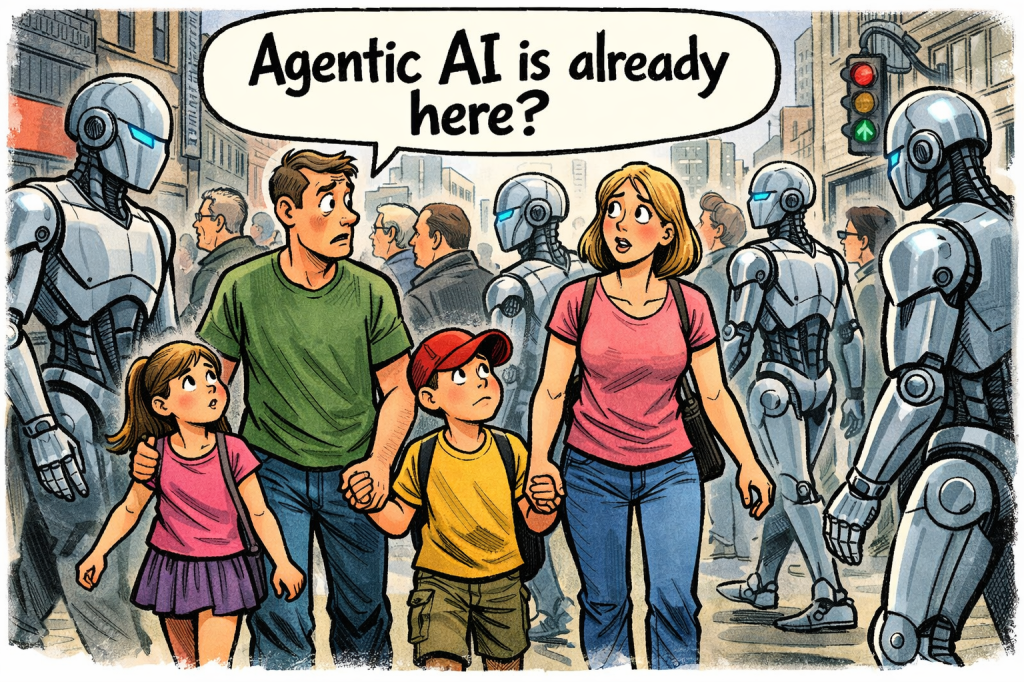
So, yes: “We ain’t seen nothin’ yet.” The phrase is right if it directs our attention past today’s chatbot and today’s robot demonstration. It is misleading only if it tempts us to imagine one sudden morning when the androids arrive. The stranger future will be built through thousands of ordinary accommodations. We will step around a delivery machine, accept a ride from an empty driver’s seat, ask a mobile system for help in a hospital, discover that a factory rehearsed its work in another reality, and feel an unexpected pang when a familiar machine is taken away.
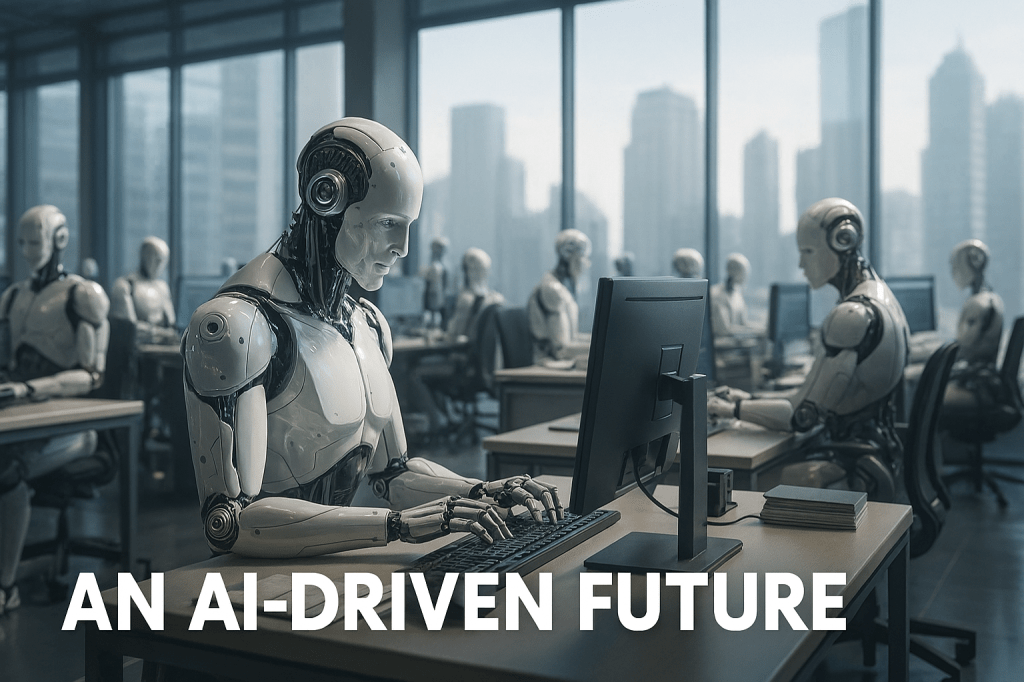
Eventually the presence will become background. That may be the most profound change of all. The world will feel alien not because machines look like visitors from another planet, but because agency itself will no longer appear to belong only to living things. Civilization will have acquired a second, manufactured layer of actors – limited, fallible, powerful, and woven into the contexts by which human beings understand daily life.
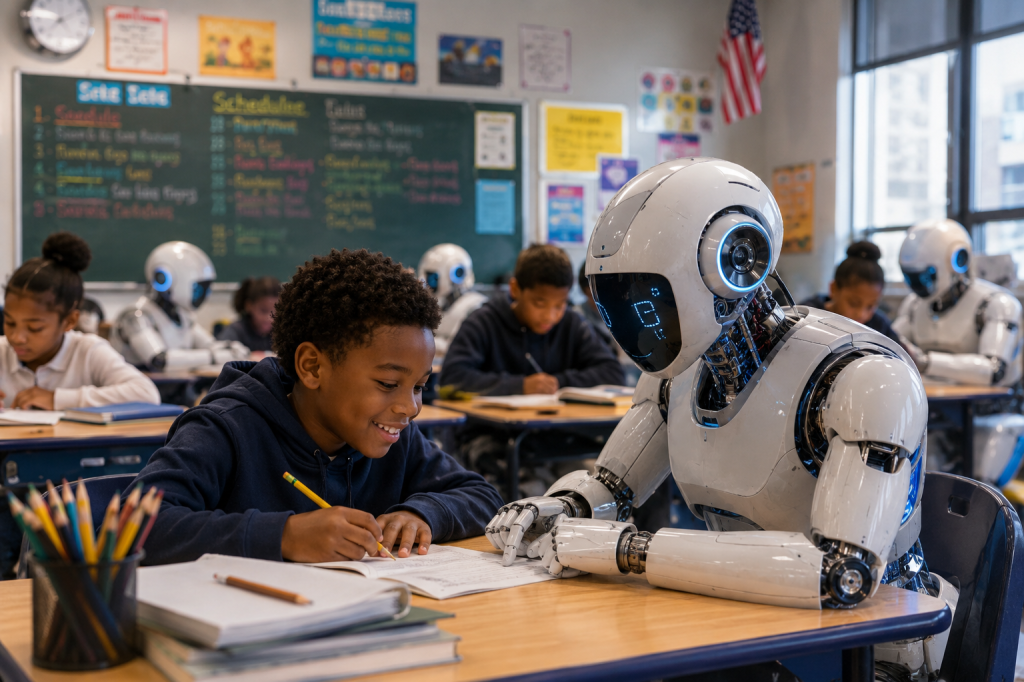
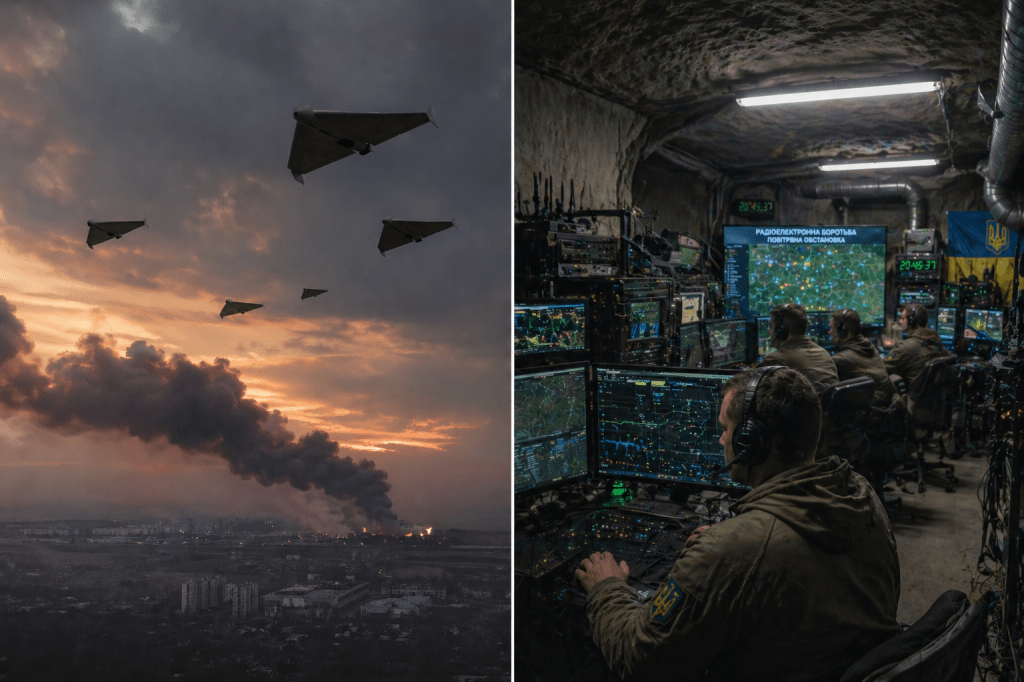
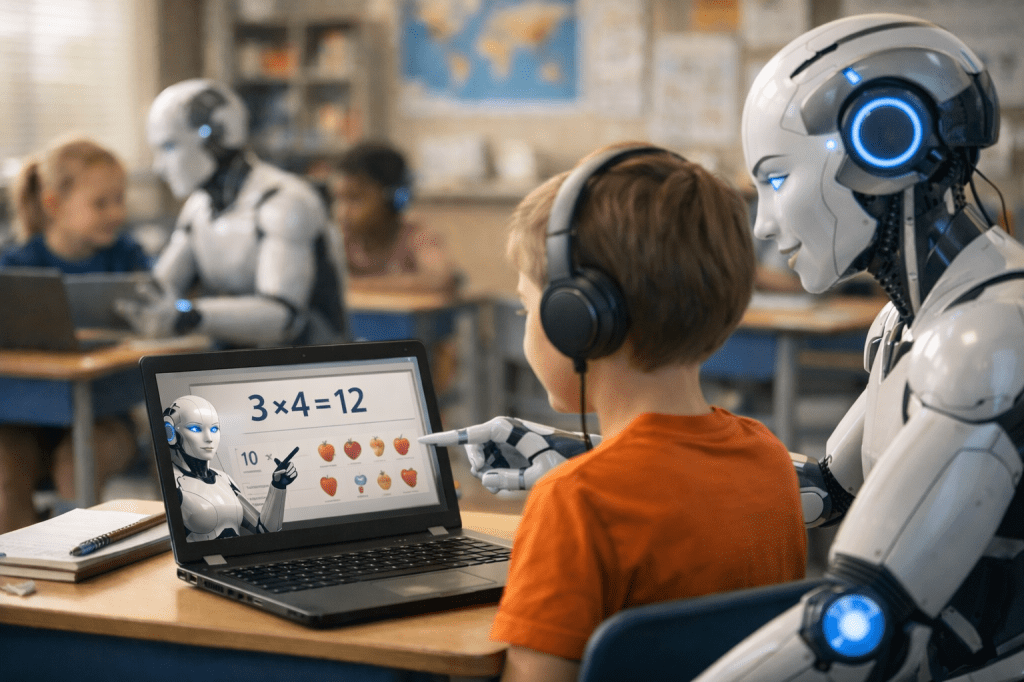
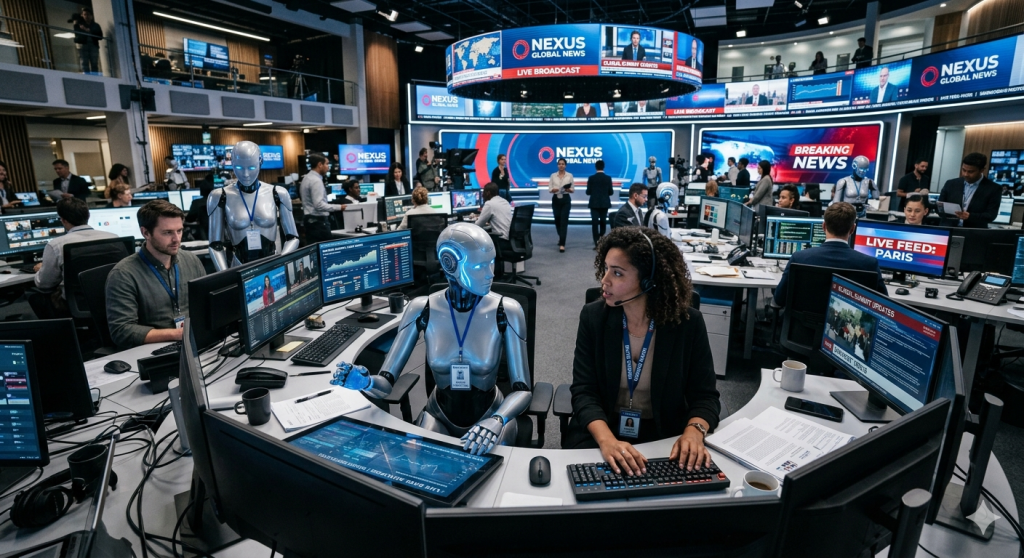
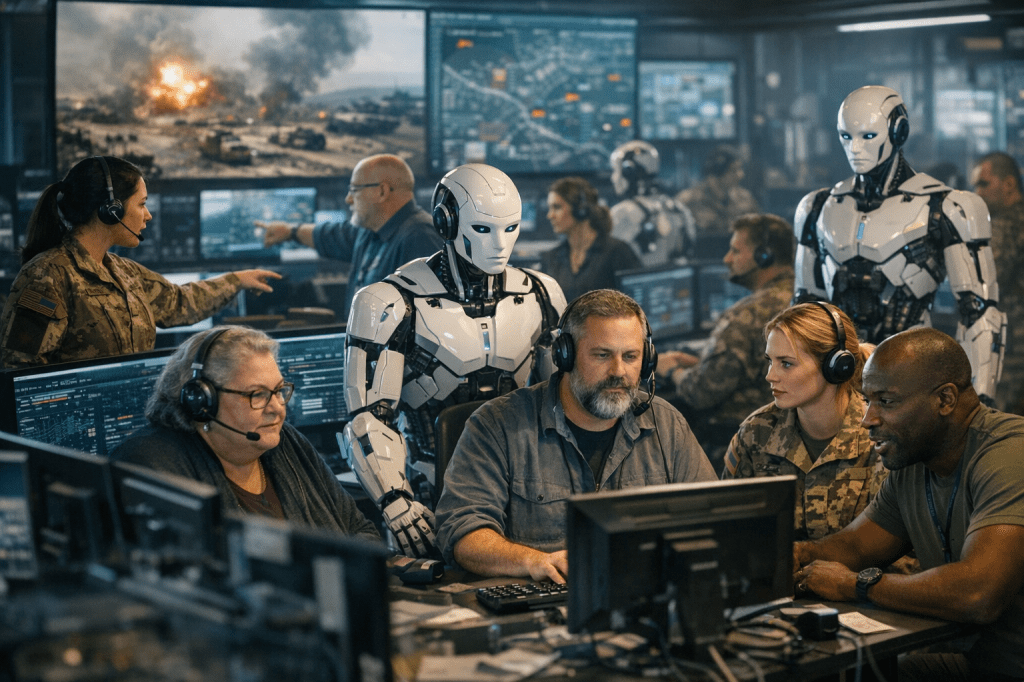
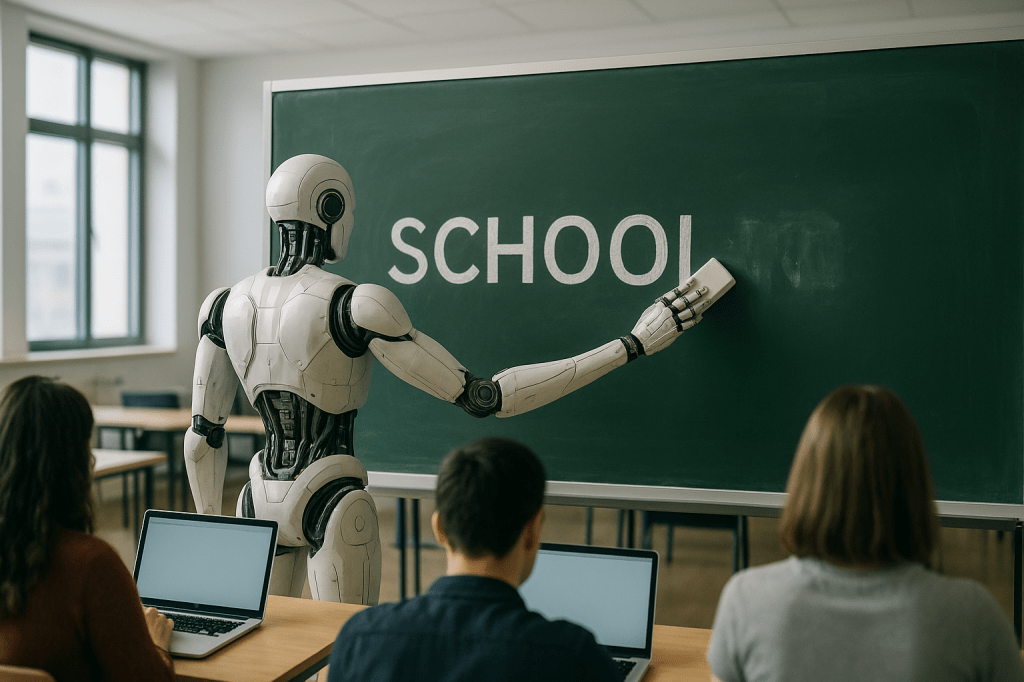
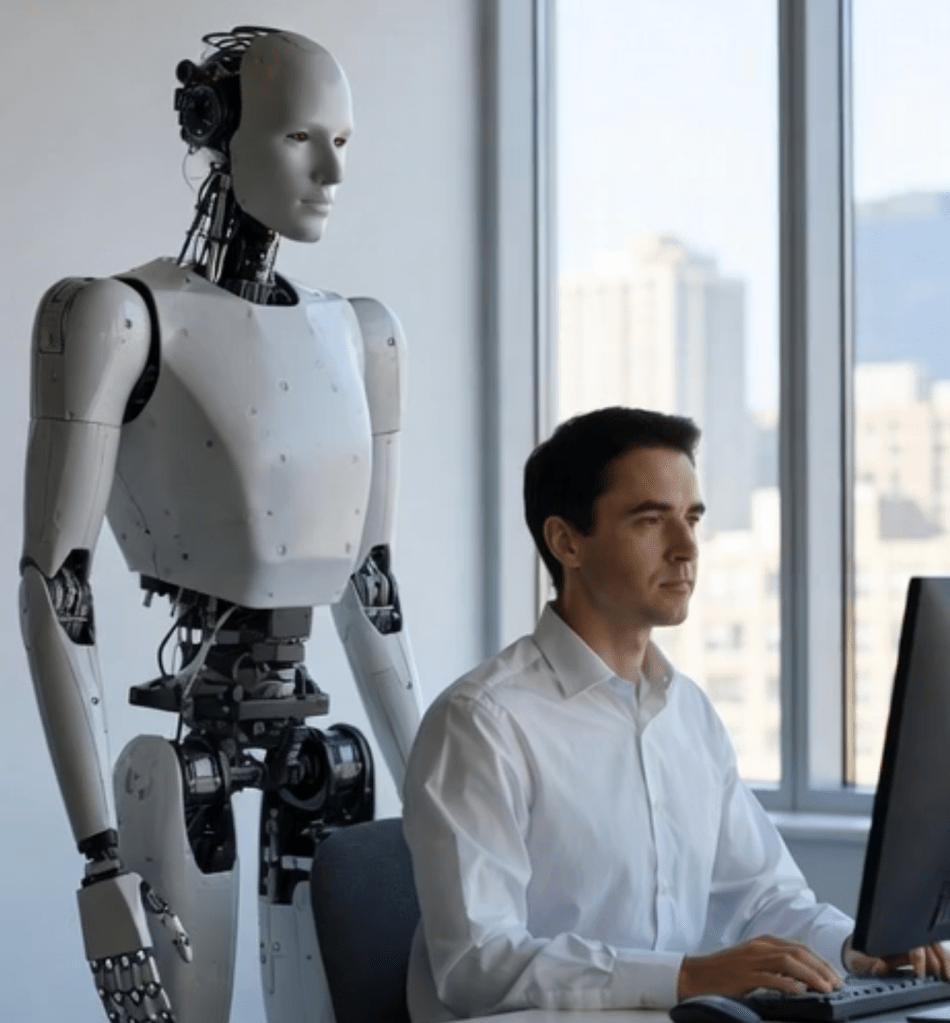
That is where this series should begin. The next articles can enter those contexts one at a time: the embodied-AI home, street, school, hospital, workplace, battlefield, courtroom, and city. The central question will no longer be whether the agents are coming. It will be what we become after living with them.
References
All sources were freely accessible when checked on July 25, 2026. Dates below are publication dates where available.
- Capgemini Research Institute. Physical AI: Taking Human-Robot Collaboration to the Next Level. April 2026. https://www.capgemini.com/wp-content/uploads/2026/04/Final-Web-Version-Report-Physical-AI.pdf
- NVIDIA Newsroom. “Jensen Huang.” Executive biography. https://nvidianews.nvidia.com/bios/jensen-huang; NVIDIA. “Contact Us: Americas Locations & Regional Offices.” https://www.nvidia.com/en-us/contact/
- Kerry Flynn. “‘ChatGPT moment for physical AI’: Nvidia CEO launches new AI models and chips.” Axios, January 5, 2026. https://www.axios.com/2026/01/05/nvidia-ces-2026-jensen-huang-speech-ai
- NVIDIA Newsroom. “NVIDIA and Global Robotics Leaders Take Physical AI to the Real World.” March 16, 2026. https://nvidianews.nvidia.com/news/nvidia-and-global-robotics-leaders-take-physical-ai-to-the-real-world
- Reuters. “Hyundai Motor Group plans to deploy humanoid robots at US factory from 2028.” January 5, 2026. https://www.reuters.com/business/autos-transportation/hyundai-motor-group-plans-deploy-humanoid-robots-us-factory-2028-2026-01-05/
- Associated Press. “Fujitsu and leading Japanese robotics companies to use Nvidia technology in ‘physical AI.'” July 16, 2026. https://apnews.com/article/86823c1bcc959ad603ecb25d022207b1
- HumanX. “Dr. Fei-Fei Li on Spatial Intelligence: Why the Next Era of AI Goes Beyond Language.” 2026. https://www.humanx.co/us/blog/dr-fei-fei-li-on-spatial-intelligence-what-comes-next
- Stanford University. “Fei-Fei Li’s Profile.” https://profiles.stanford.edu/fei-fei-li; John Pavlus. “Inside Fei-Fei Li’s $1 billion new AI company, World Labs.” Fast Company, June 15, 2026. https://www.fastcompany.com/91549046/fei-fei-li-world-labs-ai-gets-physical-models-spatial-intelligence
- Reuters. “AI pioneer Fei-Fei Li’s World Labs raises $1 billion in funding.” February 18, 2026. https://www.reuters.com/business/ai-pioneer-fei-fei-lis-world-labs-raises-1-billion-funding-2026-02-18/
- World Labs. “World Labs Acquires SceniX: Advancing Spatial Intelligence for Robotics.” July 21, 2026. https://www.worldlabs.ai/blog/scenix
- MIT CSAIL. “Daniela Rus.” https://www.csail.mit.edu/person/daniela-rus
- Brian Heater. “MIT CSAIL Director Daniela Rus on the Future of Robotics.” Association for Advancing Automation, April 9, 2026. https://www.automate.org/robotics/industry-insights/mit-csail-director-daniela-rus-on-the-future-of-robotics
- Matt LoJacono. “Wilson Lecture: Kate Darling brings joy, humor, and urgency to a conversation about humans and robots.” Duke Sanford School of Public Policy, February 6, 2026. https://sanford.duke.edu/story/wilson-lecture-kate-darling-brings-joy-humor-and-urgency-conversation-about-humans-and-robots/
- Kate Darling. Official biography. https://www.katedarling.org/
- Rodney Brooks. “Predictions Scorecard, 2026 January 01.” January 1, 2026. https://rodneybrooks.com/predictions-scorecard-2026-january-01/
- MIT CSAIL. “Rodney Brooks.” https://people.csail.mit.edu/brooks/
- Robust.AI. “RobustAI and Carter Featured in TechCrunch.” November 17, 2024. https://www.robust.ai/blog/hepzxgjtywcdvs4p1gx40m80uig1na
###
Filed under: Uncategorized |




























































































































































































































































































































Leave a Reply