






By Jim Shimabukuro
Editor
Summary: Hastings argues that AI will remake education by collapsing cost, expanding access, and forcing schools to compete on what only humans can teach—purpose, ethics, and meaning. –Copilot

Introduction: The following selected quotes from Reed Hastings, Netflix co-founder and former CEO, are from Michael B. Horn & Diane Tavenner’s “Reed Hastings on What It Will Take for AI to be Different from Other Edtech,” The74, 25 June 2026 [https://tinyurl.com/5dhz748u]. For me, Hastings provides the clearest, most grounded foresights on AI and its potential impact on education. -js
Reed Hastings: DreamBox was one of the early adaptive learning, you know, let kids go at their own pay systems. But school districts kept telling us to turn that off, please, because they wanted to catch kids up to grade level, but they definitely didn’t want to get kids ahead because if the kid gets ahead, then they’re disruptive and bored in the class. So catching kids up to make the machine work better, very much valued. Letting kids get ahead, which sort of threw sand in the machine, not valued. And so it was an early lesson in sort of the depth and strength of the grammar of schooling that we have.
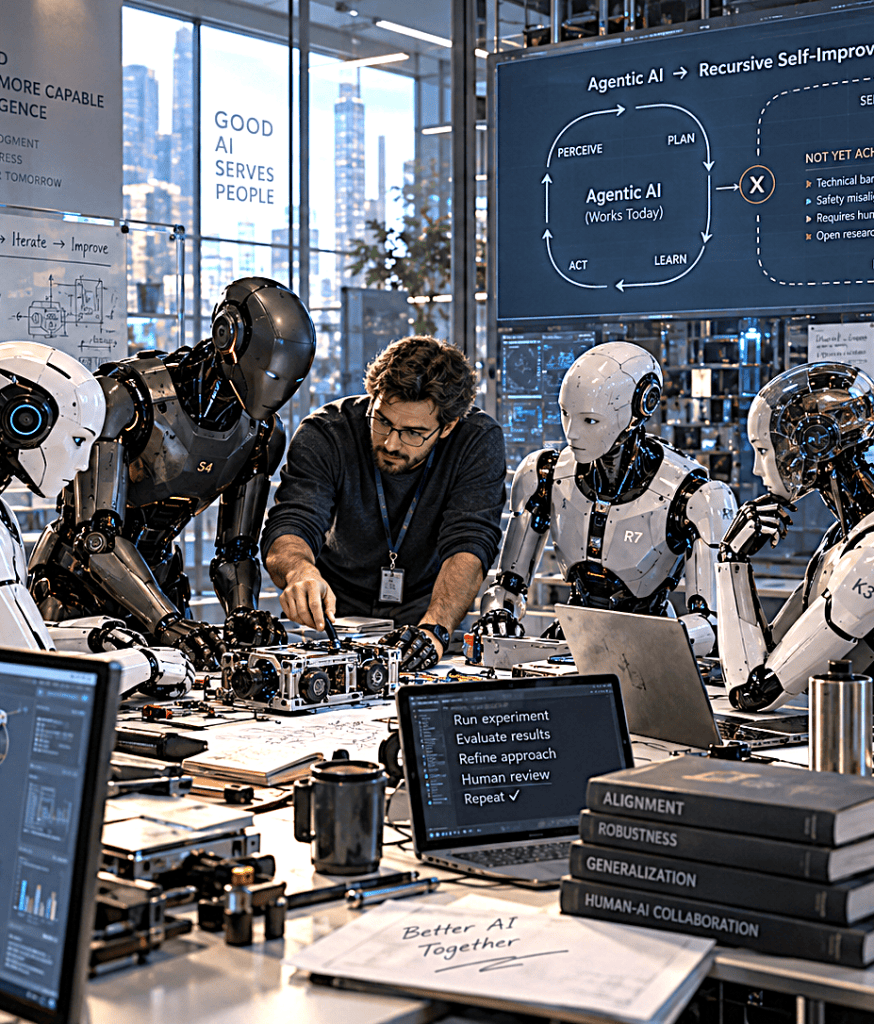
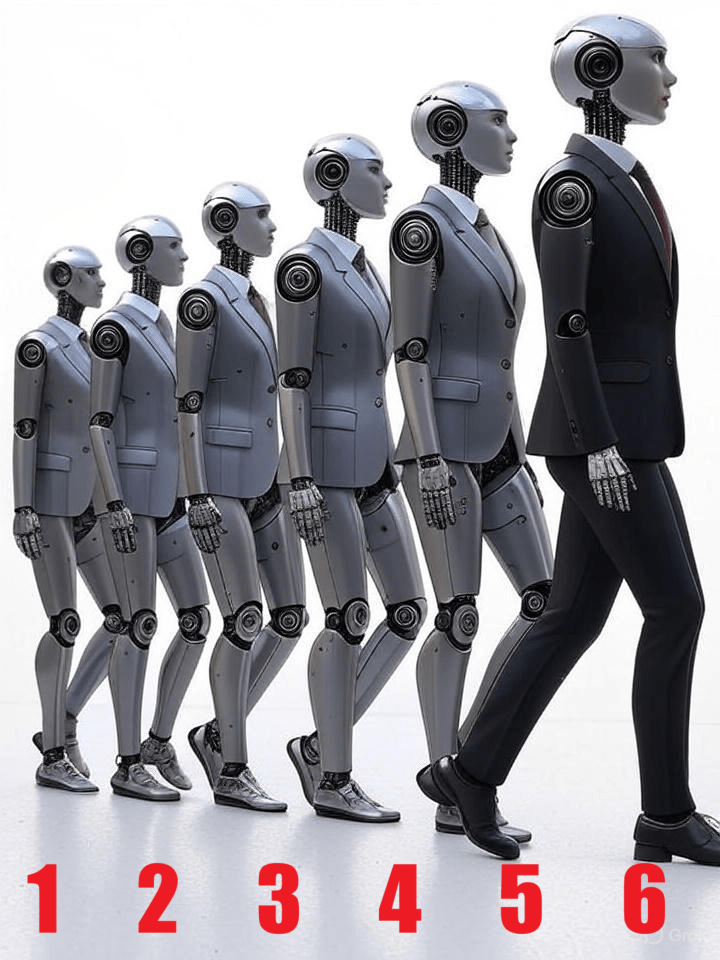
Reed Hastings: By the end of the summer? Predicting AI is tricky because it’s growing so fast in quality. You know, it was three years ago when ChatGPT came out and it could barely do third grade math. And now all of the major AI systems are very impressive and they’ll continue to improve. And what’s happening is we’re on one of these curves where it’s, let’s call it doubling every year in quality. So it will be twice as good as it is today a year from now, and then twice as good, and then twice as good and then twice as good. So whatever challenge you think AI is not up to, just wait a year. OK?
Reed Hastings: The amount of change that we’re going to see in our society, mostly positive, but there’ll be some negative, from AI getting better and better is hard to grasp because of this doubling, doubling, doubling. You know, just when you think we’ve got it like situated like how’s it going to work with society? Then it gets even better again. And so we’re in for the ride of our lives, both on the positive side. So curing cancer, energy, you know, abundance, these kinds of things and on the stress side of everything is different than it was when we grew up.
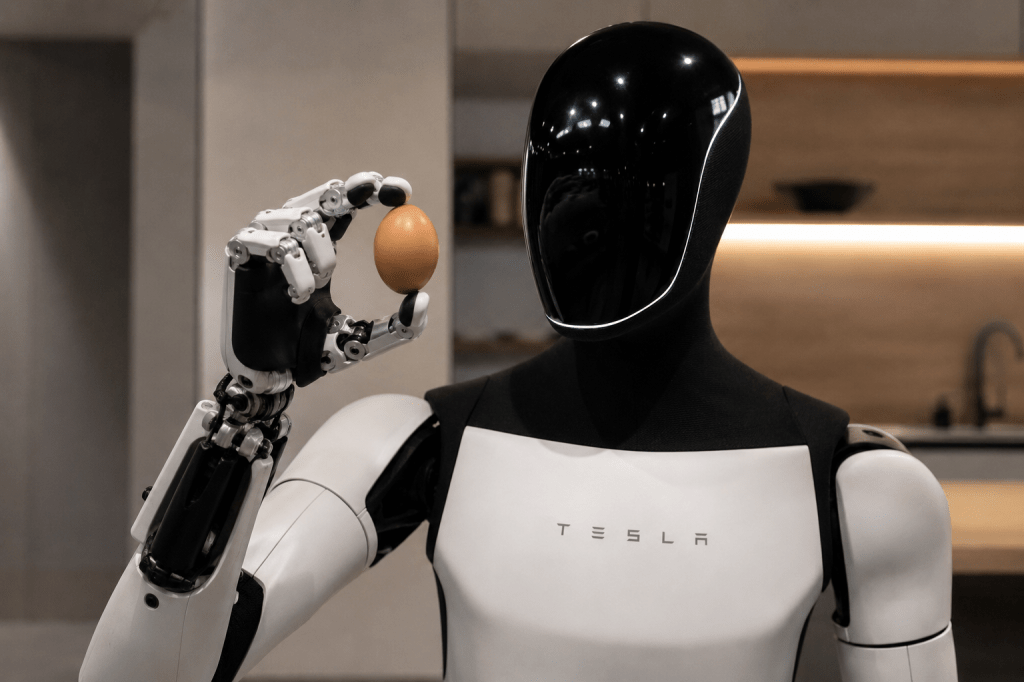
Reed Hastings: We lose 40,000 people a year to car accidents in the U.S. and about half a million globally. And if we just ban cars, you know, we wouldn’t have those deaths. OK, but we’re not willing to pay the price. So implicitly we’re making a trade off of 40,000 U.S. deaths a year…. AI, I think will reduce deaths, and in particular with self-driving cars, that should be able to eliminate 90% of those 40,000 US deaths through self driving if we can get that adopted. OK, but then you see the story of the one Tesla death that happens. And again, that death’s tragic. I’m not trying to take away from it, of course, but in comparison to all the lives that self driving is already saving, it’s quite small.
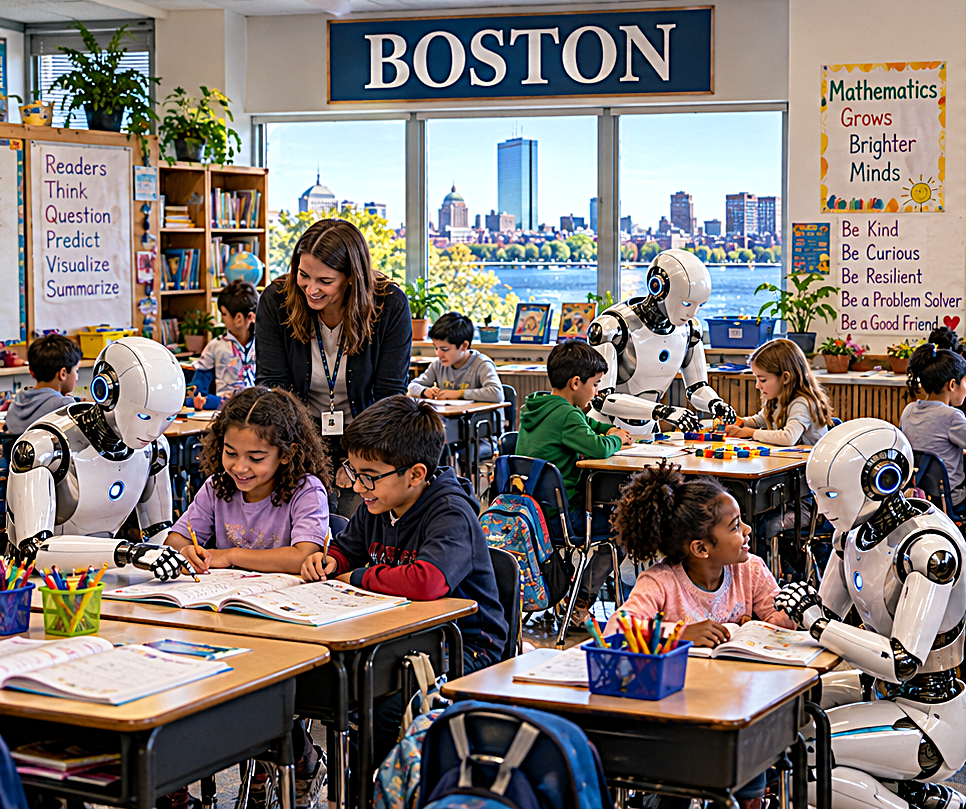
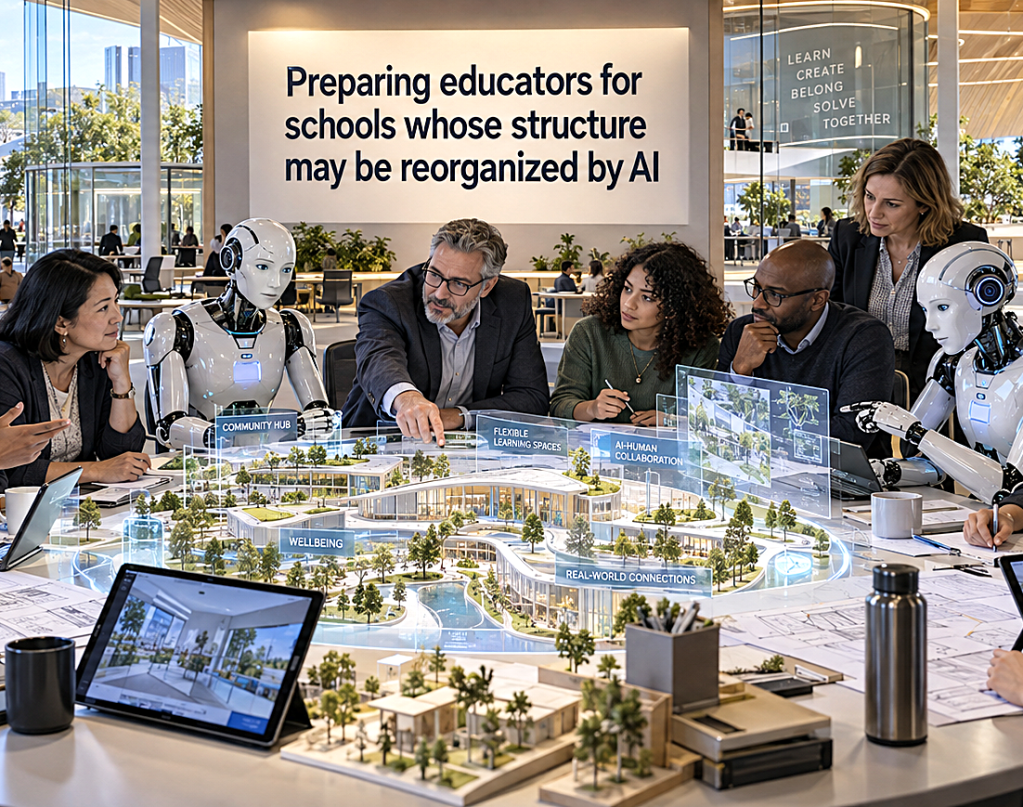
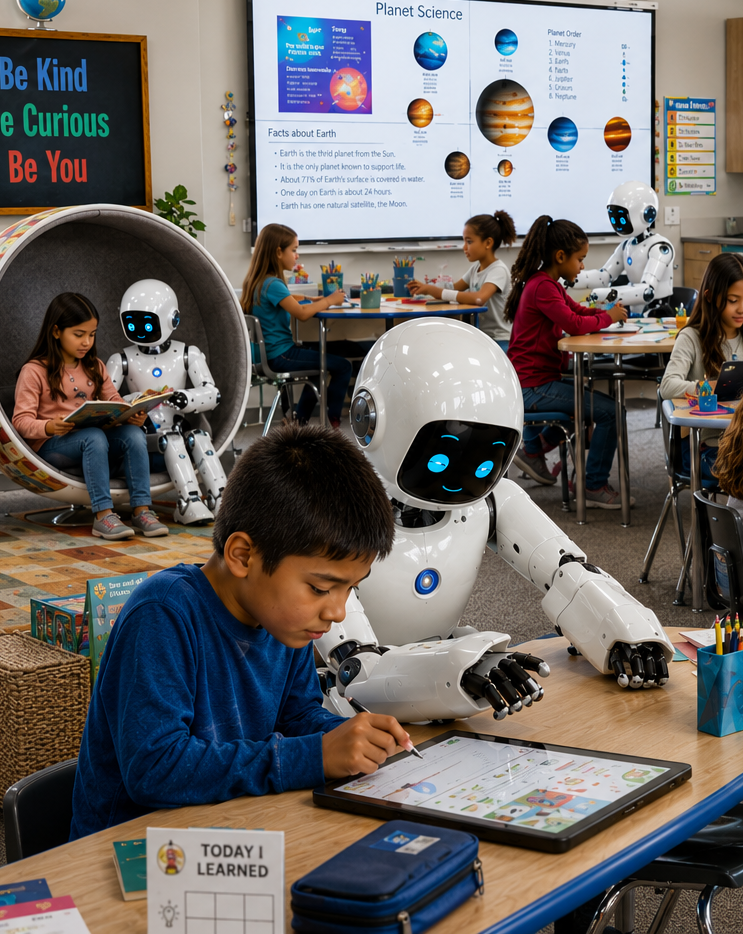
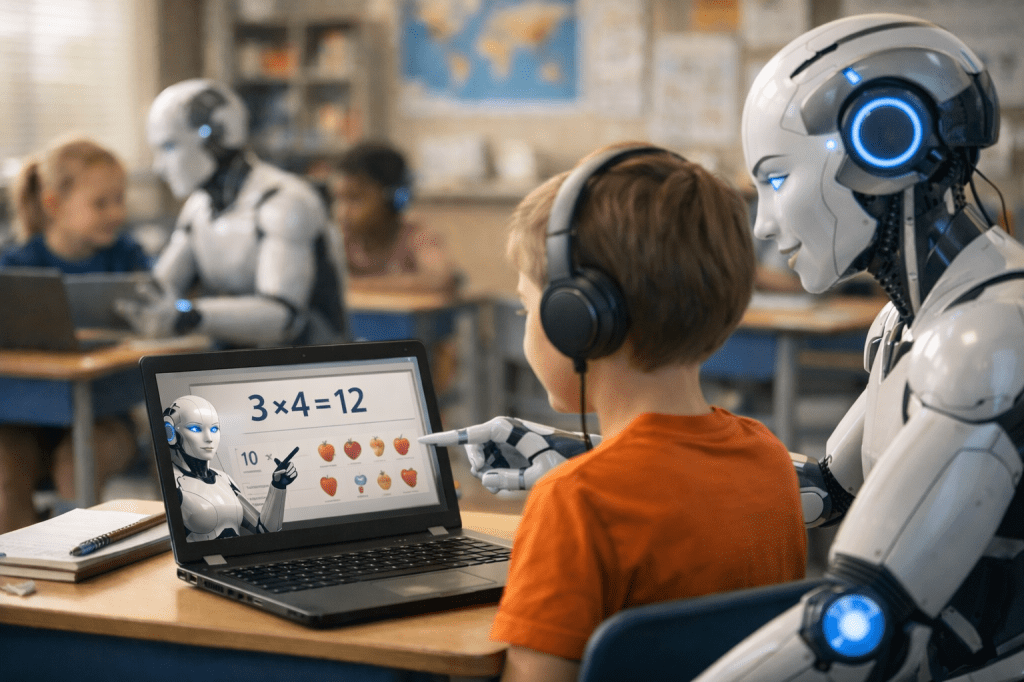
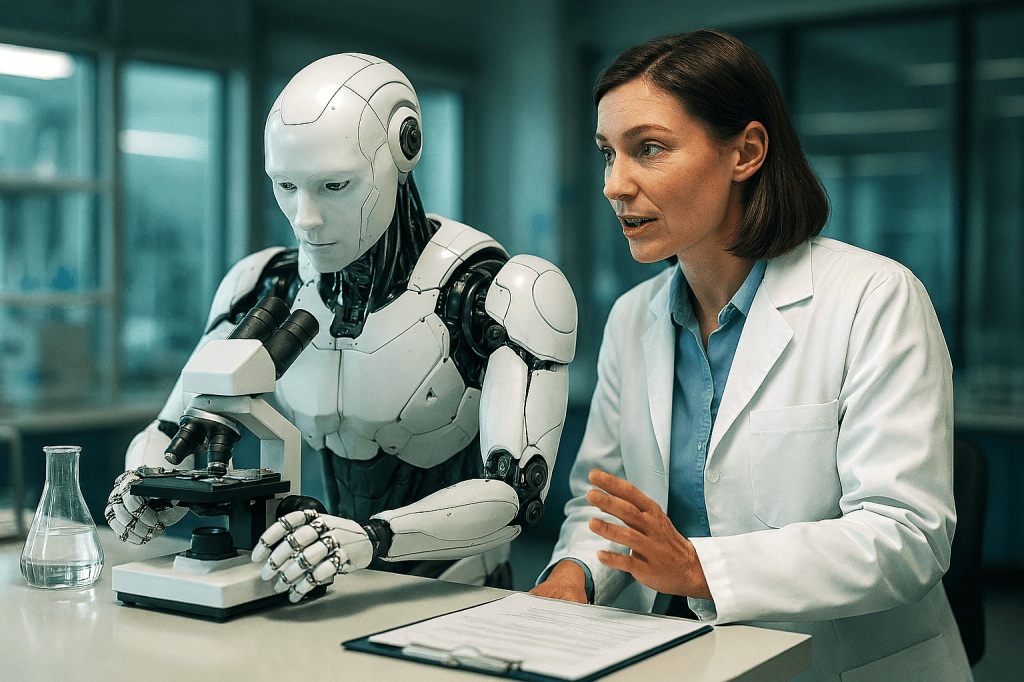
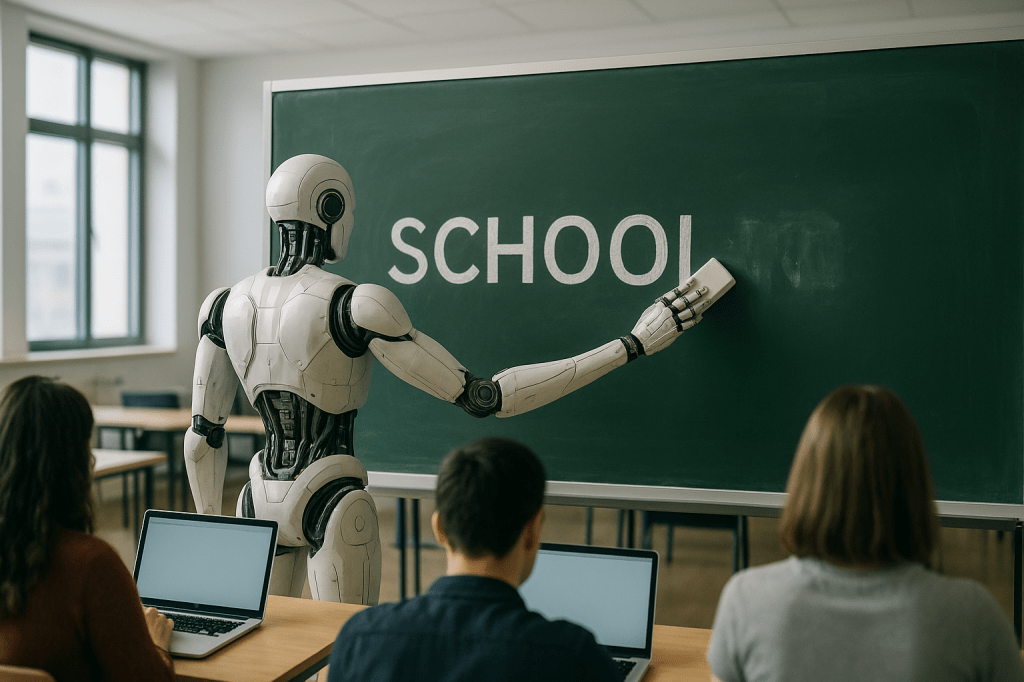
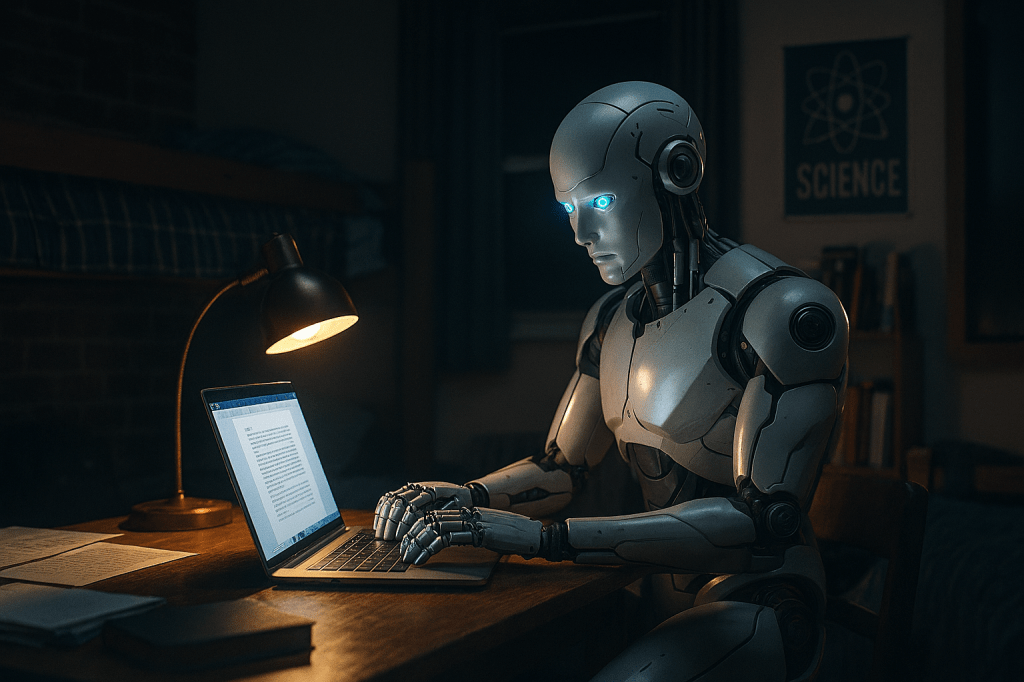
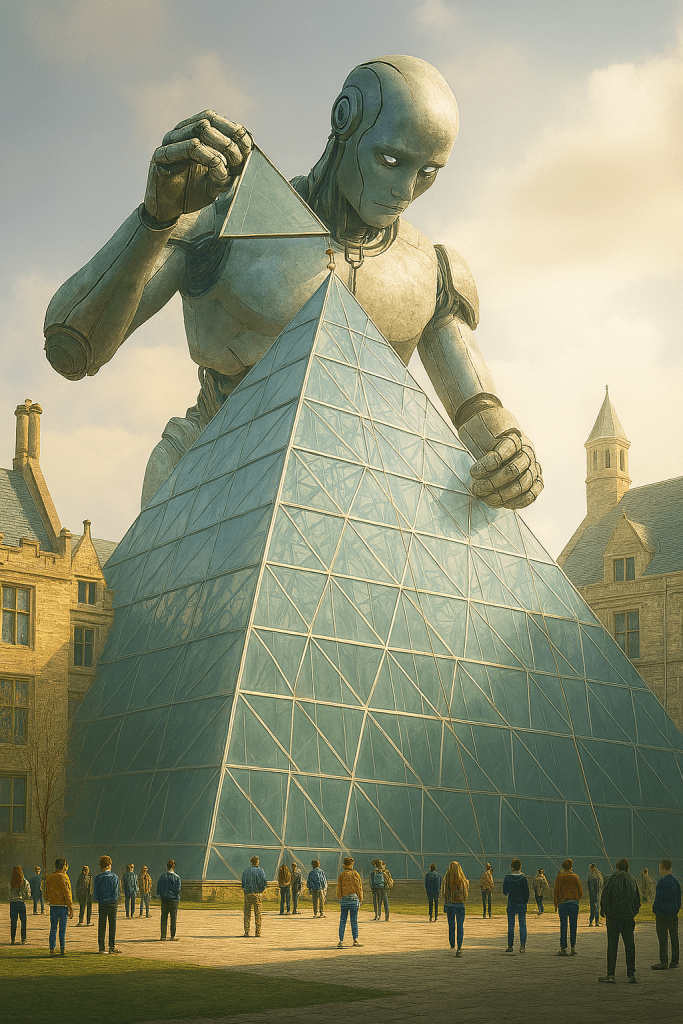
Reed Hastings: We’re putting tech into the classroom, and the classroom, the sage on a stage, is the power distribution system. The sage on a stage is holding back technology from its natural effects and its ability to teach children directly. And we have to be brave enough to try to do school without sage on a stage at all. OK? To have all of school be learning individually, your daily lesson plan from the system executing.
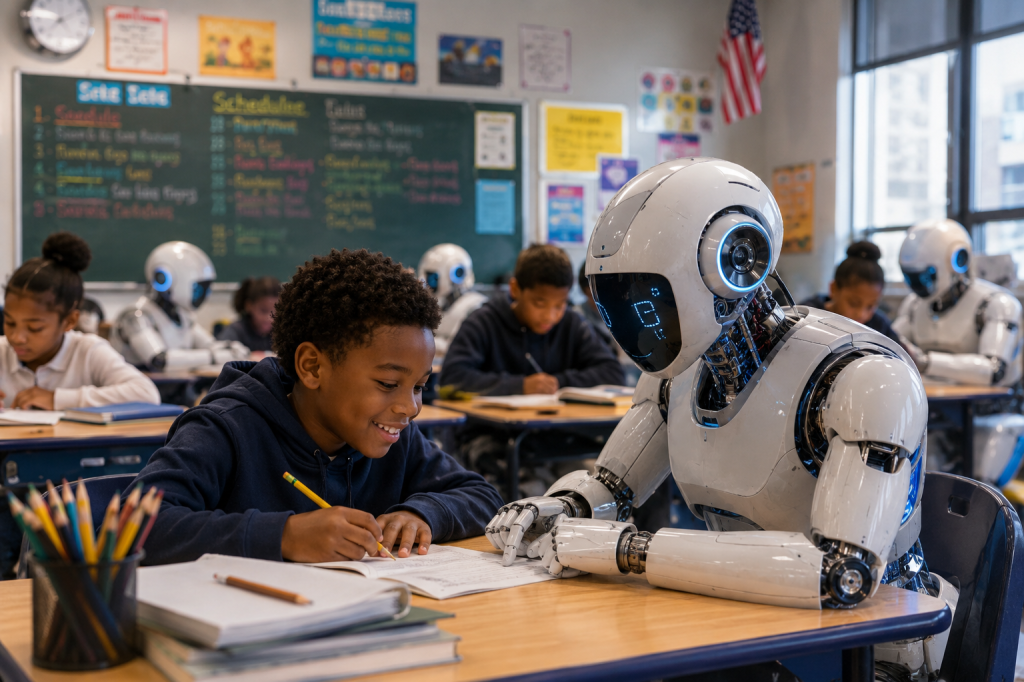
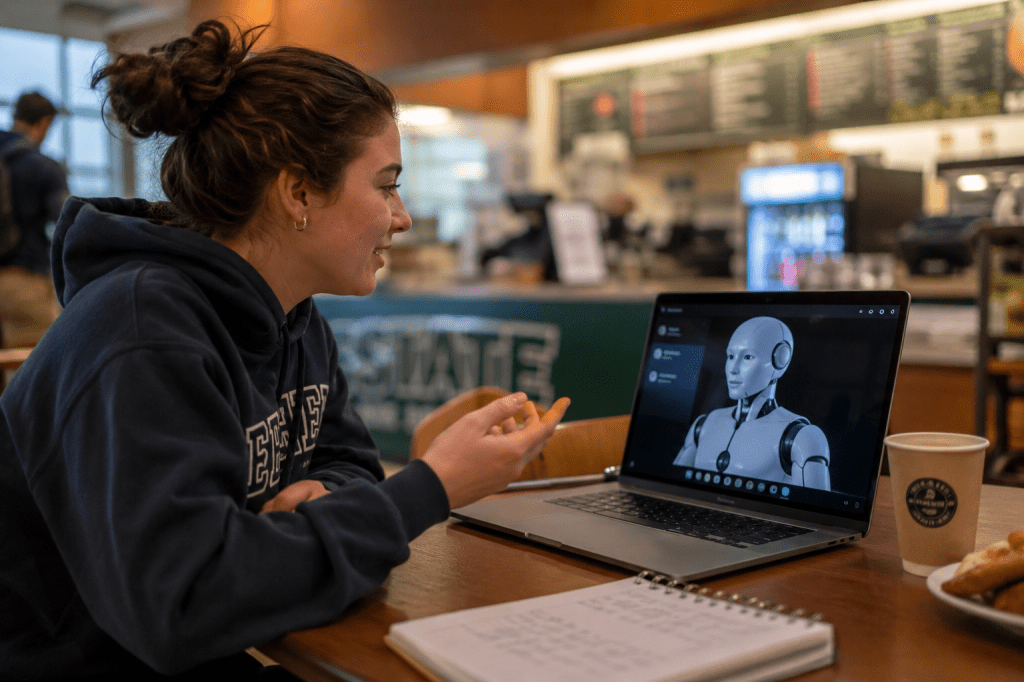
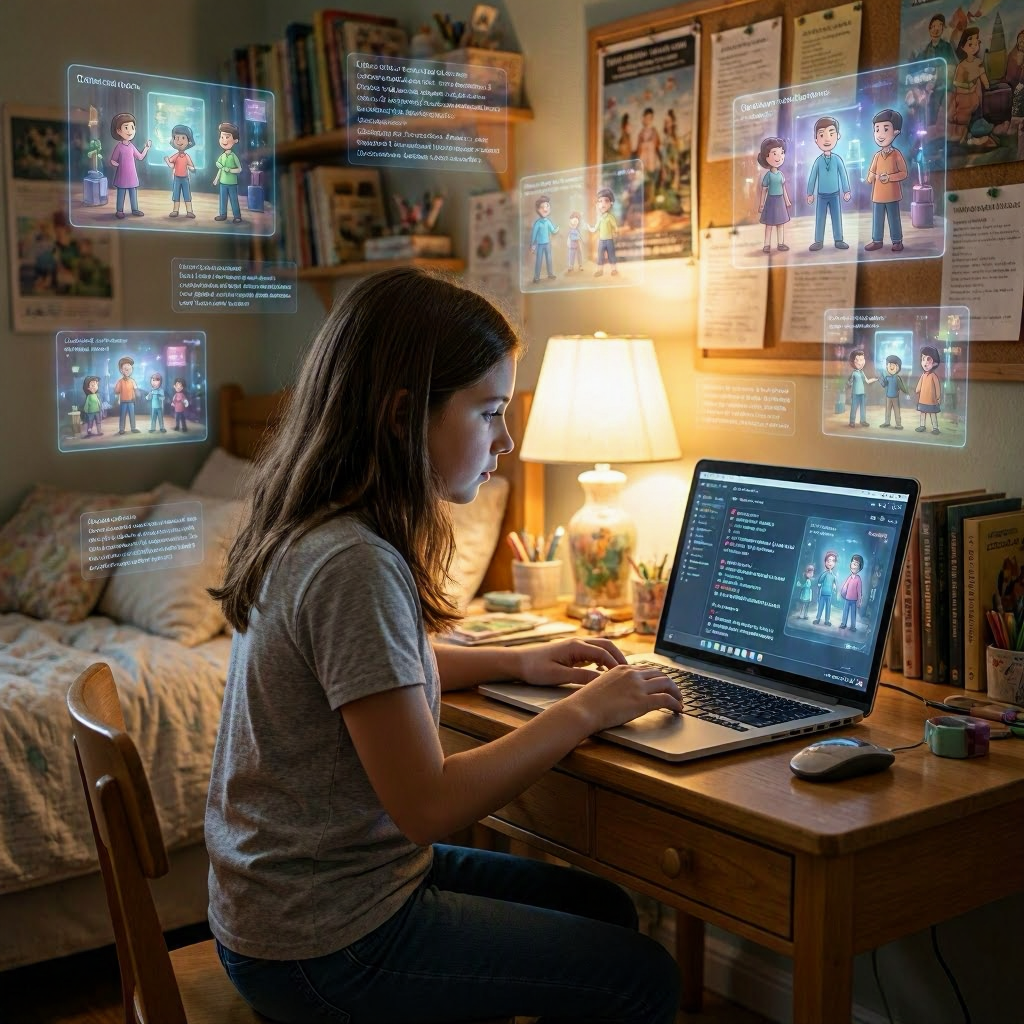
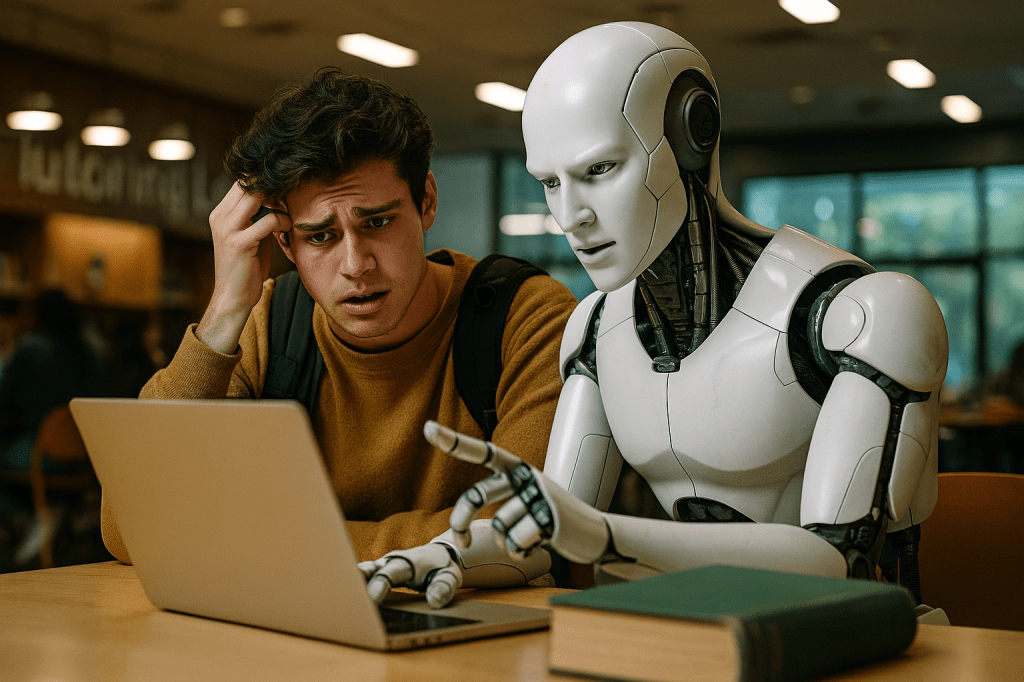
Reed Hastings: One of the projects we’re doing is funding that and you know, take 50 random kids, median kids in a median school, and give them a full year of the whole school day individual tutoring and try to figure out, OK, how much more do they learn? And so Ben Rosen, who’s here at the conference, runs Recess.gg, he’s running this project and recruiting tutors. And so let’s see, for second graders in the ideal condition, how much can they learn? What is the rate of learning of typical human 7 year olds? And I think we’re going to see it’s a whole lot faster than one grade level in one year, when again, completely individualized tutor, they can do everything moral and legal. They want to help the kid learn more in that year. All kinds of motivational things, all kinds of different teaching techniques.
Reed Hastings: It’s one on one, dedicated. And you might say, well look, you know, that’s so expensive, $100,000 per kid per year. It’s ridiculous. And I would say that’s what it is now. But with AI, it gives all the AI developers a target of what they’re trying to do and how much more learning. And what we want the world to understand is, no, there really is twice as much learning that could be happening per day, per hour than today, because I suspect that we’ll find that it is twice as much, which roughly means by the time you get to eighth grade, you know as much as a typical high schooler today or by the time you get to 11th grade, you know, as much as the typical college student today. OK? Because of the time compression and the learning and the stimulation.
Reed Hastings: We’re seeing this rise in chess talent because they’re individually tutored by AI. And so that’s true for chess today and could be true for biology and history tomorrow.
Reed Hastings: That’s right. And if you just take the chess, if you just take the school day and say the time that’s direct instruction, sage on the stage now becomes individualized tutoring. And all the play time and all the time that’s do a project together stays as that. And in fact you can be. The teachers can then focus on that aspect of the day. And again, social, emotional learning, we all know is important. But imagine if the teacher’s an expert in it and focuses on that because understanding and doing well on the stuff that’s tested is done by the software.
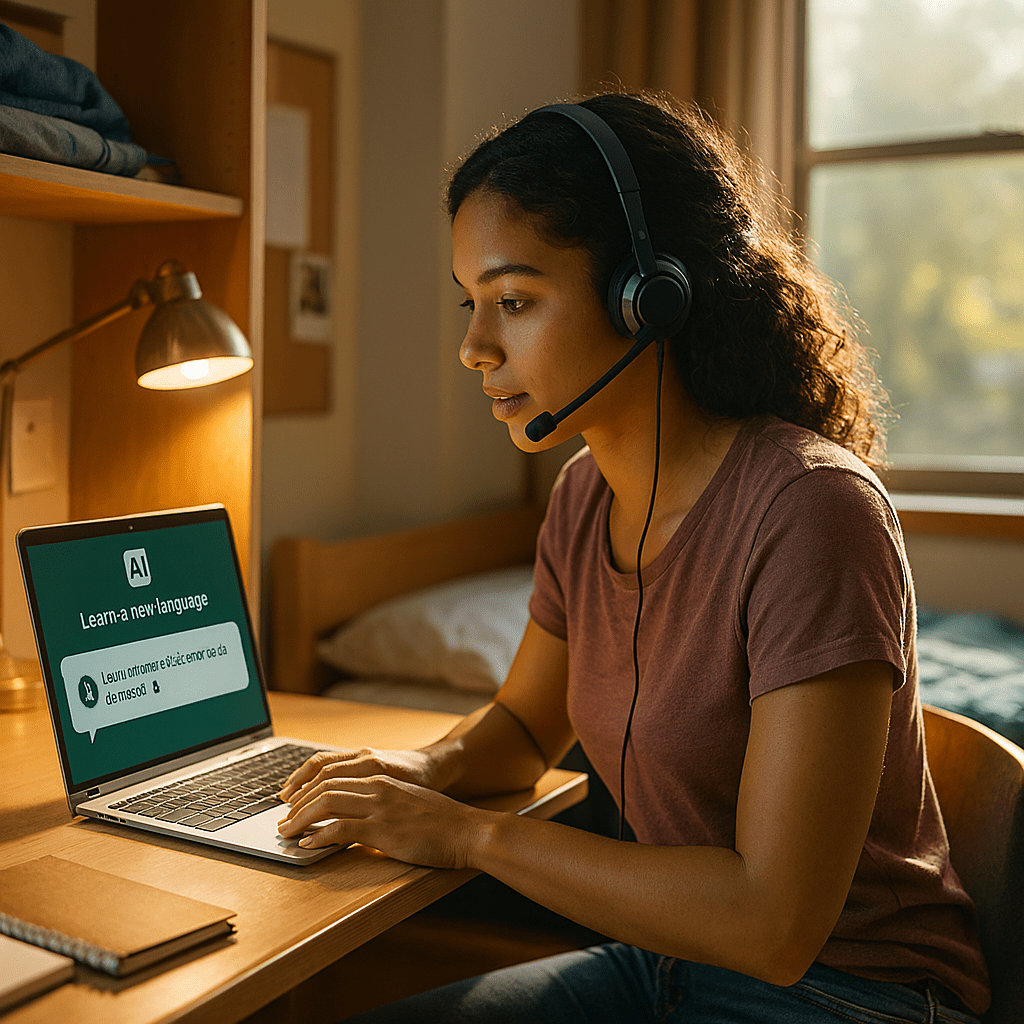
Reed Hastings: Yeah, once you learn how to learn from software and from the interaction, the world’s your oyster because then you go off and you want to do physics or you want to do history again, a lot of it is there.
Reed Hastings: If you think of Kibera outside Nairobi, people live in, you know, hundred or thousand dollar homes, you know, a piece of corrugated tin compared to our, you know, half-million, million dollar homes. So it’s wildly different, right? But if you think of their phones, it runs basically the same operating system that we run, it’s the same apps. It’s like barely any different. And so if we can figure out software based AI teaching that really does all the work, we can share that with the entire world.
###
Filed under: Uncategorized |

















































































































































































































































































































Leave a Reply