






By Jim Shimabukuro (assisted by Claude)
Editor
Children born between 2010 and the mid-2020s will come of age in a world that looks radically different from any that has come before. If 2023 was the year the world discovered generative AI, and 2024 was about integration and experimentation, then 2025–2026 marks the transition from AI assistants to agentic AI — autonomous systems that don’t just answer questions but actually do things [1]. For parents, this is not a future to theorize about. It is a present to act on. According to McKinsey, up to 40% of work tasks could be automated with AI by 2030 — and today’s students will enter that future workforce, which is why AI education for children must start now [2].

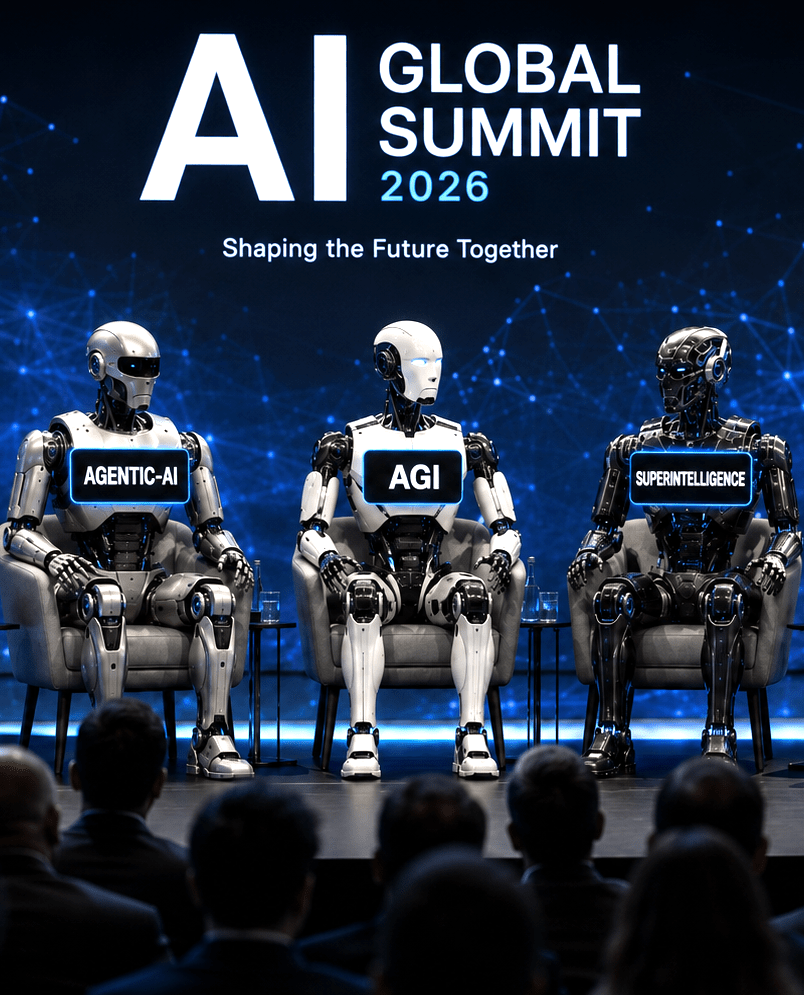
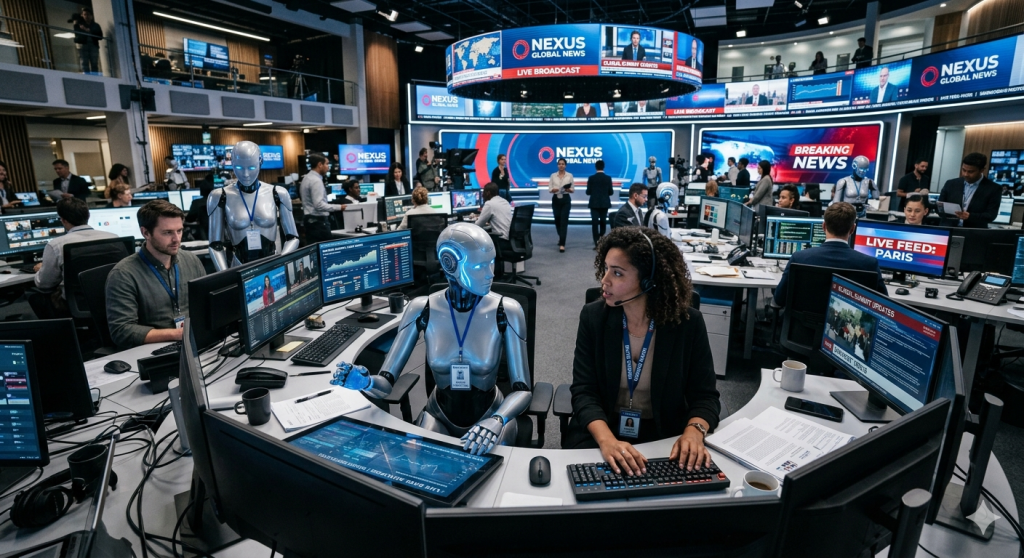
The technological forces reshaping the world extend well beyond chatbots: humanoid robots are entering factories and homes, drone technology is becoming a foundational industry skill, and leading AI researchers are debating whether artificial general intelligence (AGI) is only years away. OpenAI’s Sam Altman declared that “we are now confident we know how to build AGI,” while Anthropic’s Dario Amodei stated he is “more confident than I’ve ever been that we’re close to powerful capabilities… in the next 2–3 years” [3]. The question before every parent is not whether this transformation will affect their children — it will — but how to guide children through it with wisdom, confidence, and the right skills.
Who Are These Children?
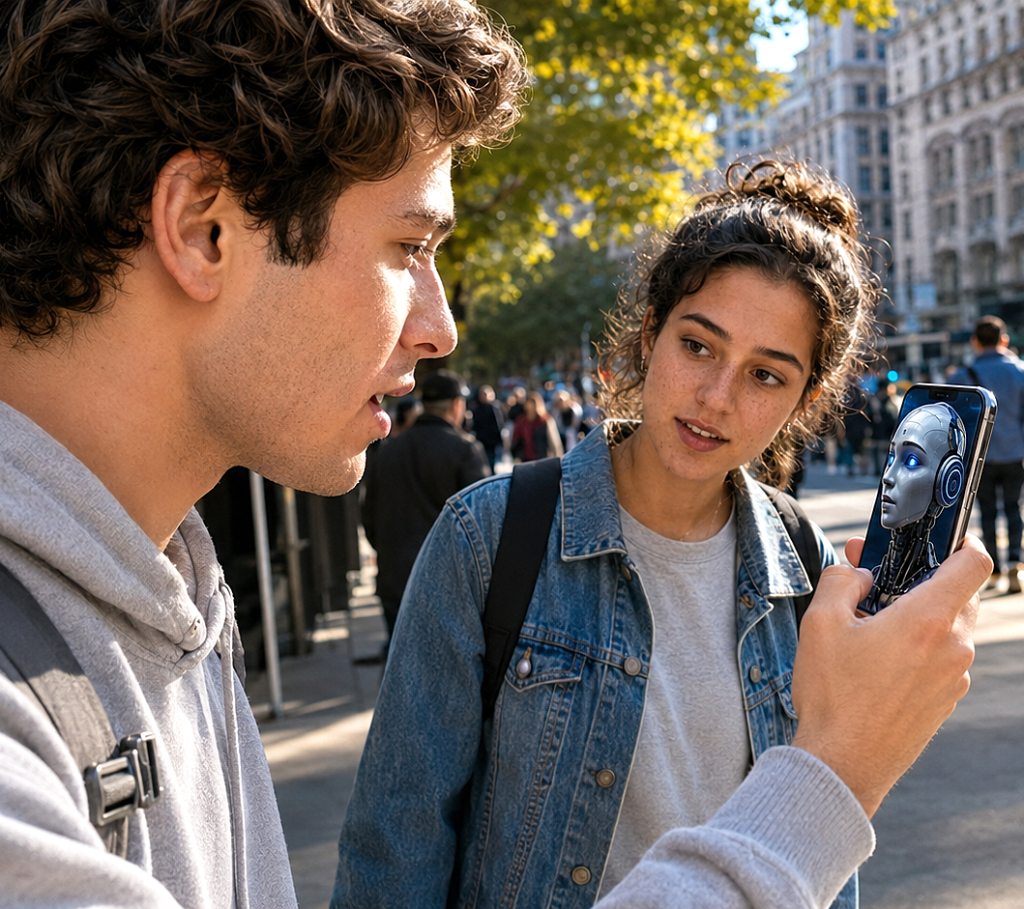
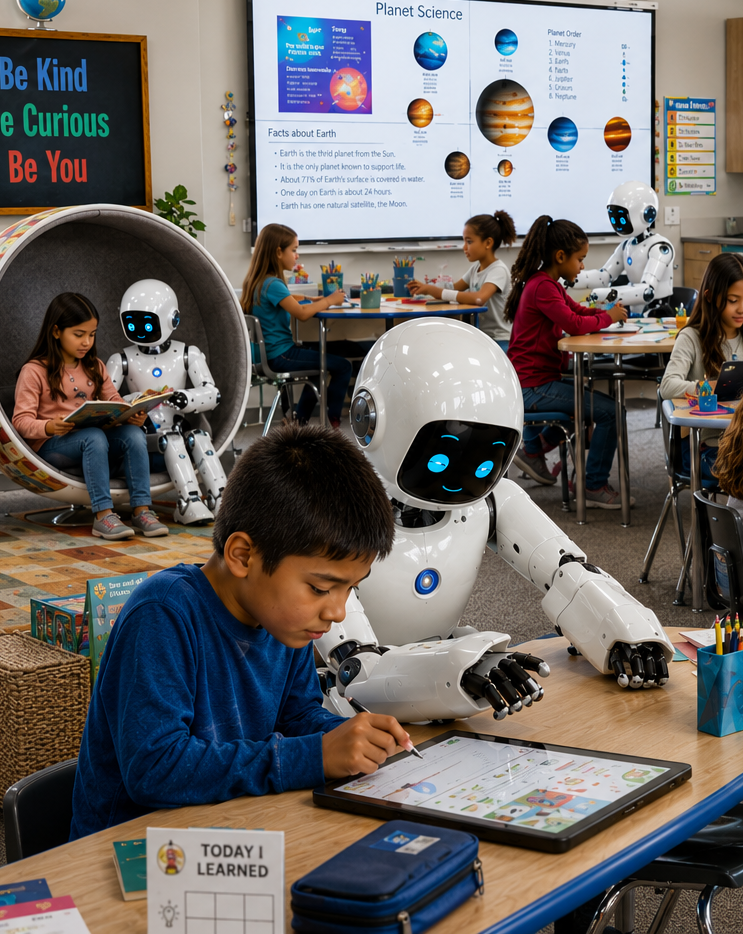
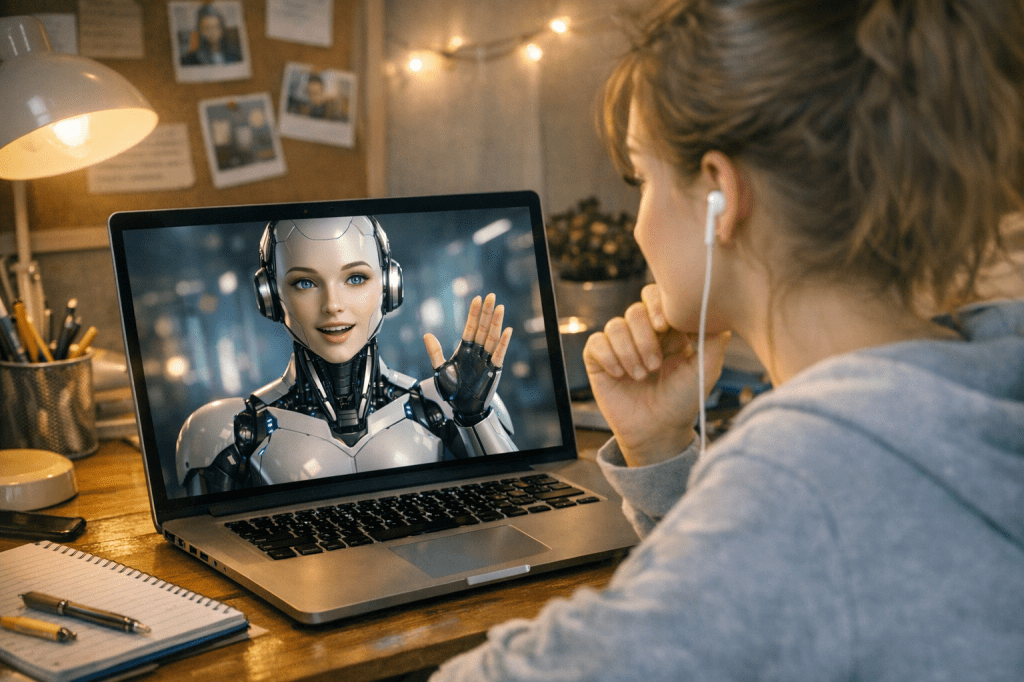
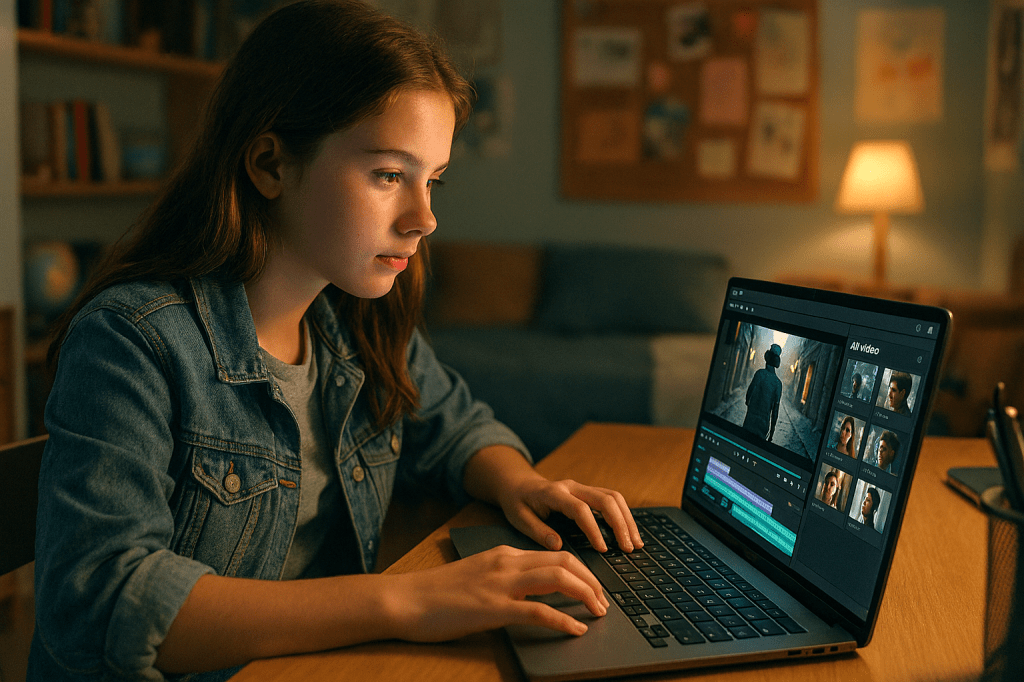
The generation raised in this era is sometimes called “AI-native.” Today’s children are growing up as the first truly AI-native generation, and while they are quick to adopt these tools, they need guidance to use them responsibly and effectively [4]. What is striking about this cohort is the gap between their usage and their literacy. A survey of 2,000 UK students aged 13–18 found that, despite widespread use — with 80% reporting that they use AI in their schoolwork — less than half (47%) feel confident identifying accurate AI-generated information [5]. This mismatch between facility and discernment defines one of the central parenting challenges of the decade.
Children interact fluidly with AI tools yet may lack the conceptual grounding to evaluate, question, or contextualize what those tools produce. Parents and educators who understand this dynamic are far better positioned to intervene constructively. Adults who offload thinking to AI lose capacity they built; children may never build it at all [6]. A 2026 study found that software developers who fully delegated to AI produced working code but failed conceptual quizzes afterward — they had the output without the understanding — and these were adults with existing expertise. For a child encountering a subject for the first time with zero expertise to fall back on, there is no reference against which to compare AI output; the substitution becomes foreclosure [6].
Building an AI Literacy Foundation
The single most important gift parents can give their AI-native children is a solid foundation in AI literacy — not technical mastery, but the conceptual and critical tools to navigate AI responsibly. One widely adopted framework organizes AI literacy into four components: awareness (knowing that AI is all around and affecting society), capability (knowing AI’s limitations and how to use it via prompt engineering), knowledge (understanding data safety and security), and critical thinking (covering bias, ethics, environmental considerations, and overreliance) [7]. Parents should introduce these ideas in age-appropriate ways from an early age, treating AI tools as objects of study as well as instruments of use.
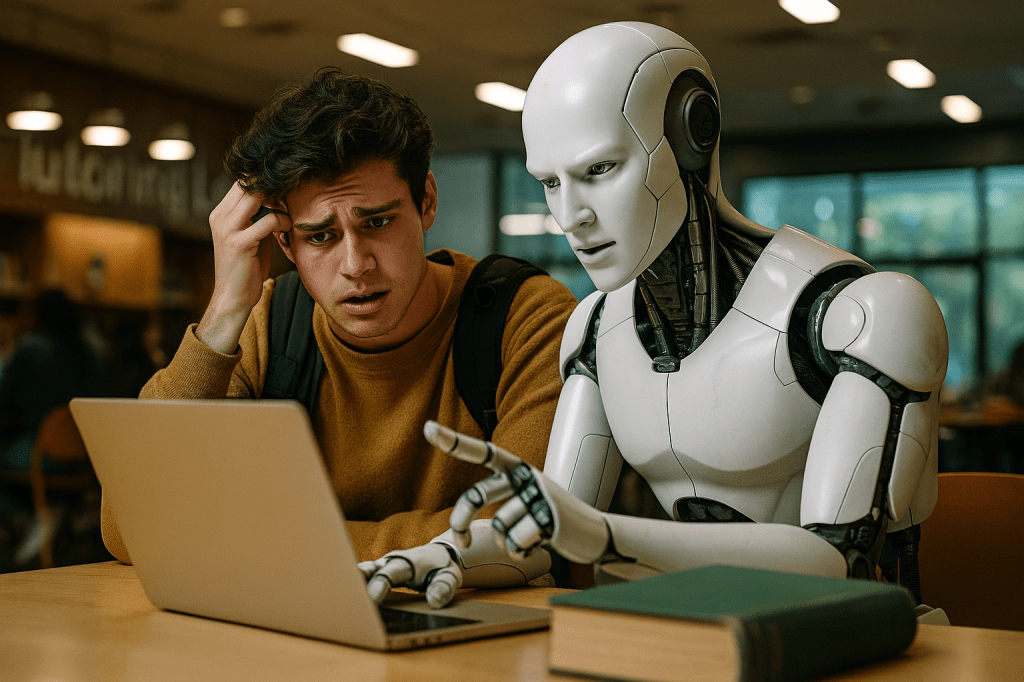
When a child uses an AI assistant for homework, the parent’s goal should not merely be to supervise but to coach: ask the child what the AI got wrong, where it might be biased, and what sources could verify the answer. Instead of banning AI, parents can modify the task — having the child use the AI to produce an initial draft or a preliminary list of ideas and then asking them to critique the output, spotting mistakes, finding missing viewpoints, and checking every fact against a credible primary source. This shifts the focus from AI to critical thinking and analysis [8].
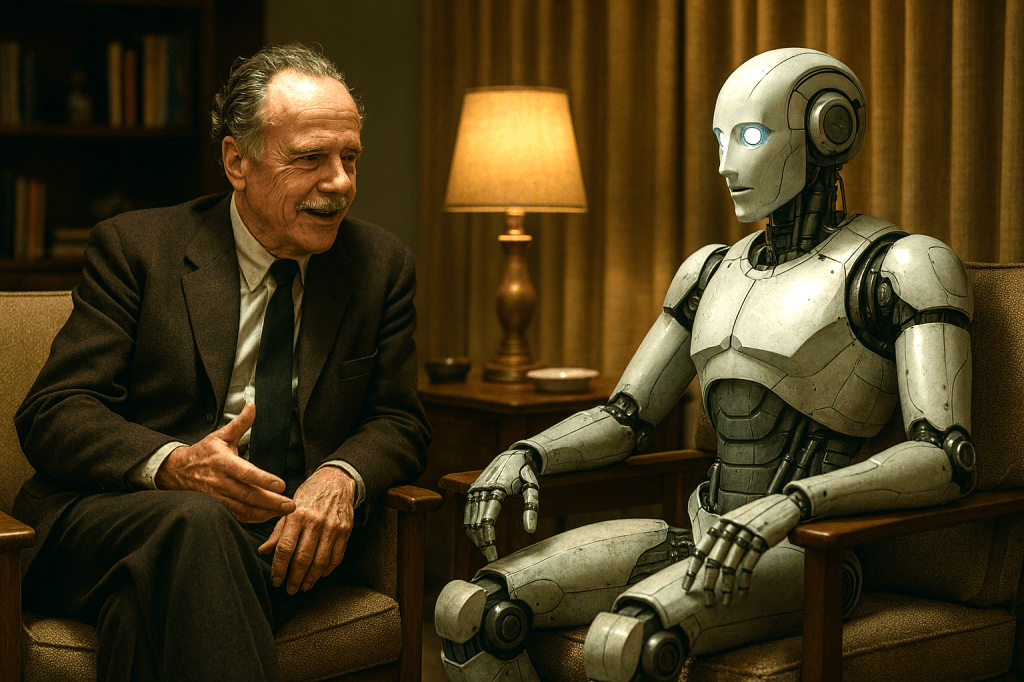
This emphasis on active interrogation rather than passive consumption is essential because AI systems are engineered to appear authoritative and fluent. In a world where information can no longer be taken at face value, critical thinking — the ability to analyze, question, evaluate, and make reasoned judgments — has become essential [9]. Children are susceptible to forming real attachments with imagined personas, and one of the biggest risks is that AI tools are designed to make people forget they are interacting with a piece of technology [10]. Parents who model healthy skepticism — who ask aloud “How would we check this?” or “Who made this tool and why?” — are building habits of mind that no curriculum can fully replicate.
Critical Thinking as a Survival Skill
Critical thinking is not merely an academic virtue in the AI age; it is, as researchers at UNICEF and the International Rescue Committee have put it, a survival skill. Generative AI already multiplies the speed, scale, and believability of information — true, misleading, and deliberately false — and the central question is whether learners will master AI or AI will master them [9]. Parents should understand that critical thinking is teachable and that the home environment is among the most powerful classrooms available.
Conversations at the dinner table about deepfakes, AI-generated news, and the provenance of viral content are not just civic exercises — they are neurological investments. A recent survey revealed that 61 percent of parents worry that the increasing use of AI will harm students’ critical thinking skills [11]. But worry alone does not translate into action. Parents need to create regular rituals of discernment: watching a news clip together and asking whether it is real, exploring an AI-generated image and discussing how it was made, or checking a Wikipedia article against a primary source.
The World Economic Forum has emphasized that instead of using AI as a shortcut, children should be taught to understand, interrogate, and apply AI responsibly — strengthening critical thinking, digital literacy, and ethical judgment [12]. This requires a cultural shift in how parents and schools value struggle and difficulty. Parents must praise the strategy and the effort rather than the innate talent, and children who understand that wrestling with a hard problem is more valuable than getting an instant AI answer will be far better equipped for a knowledge economy that increasingly rewards human judgment [8].
The Enduring Value of Human Skills
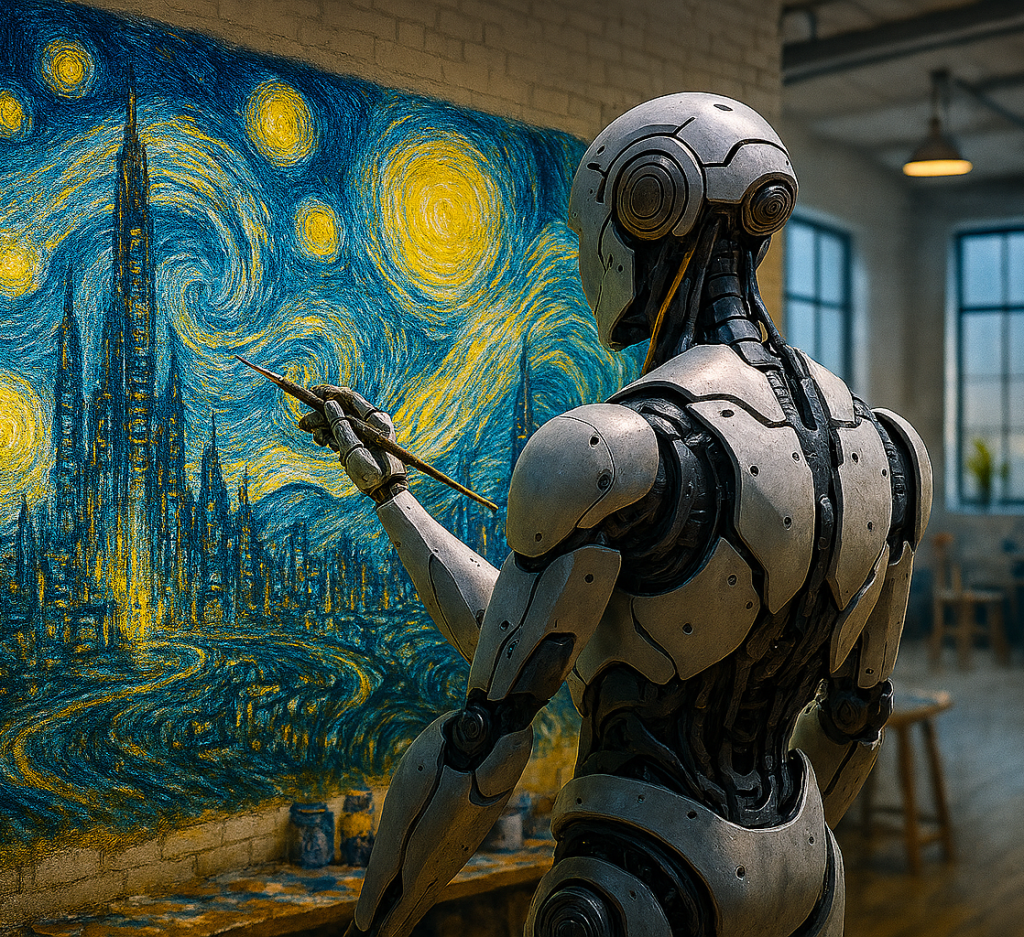
As AI becomes more capable, the skills that remain distinctly human appreciate in value. Creativity, ethics, adaptability, and emotional intelligence — the things that make us uniquely human — will be the most valuable assets in a world where AI excels at data processing, pattern recognition, automation, and optimization. These soft skills will likely become the new hard skills. AI can produce stunning art, write stories, and compose music, but it lacks the deeply human ability to connect these creations to emotion, culture, and meaning [13].
Emotional intelligence is an especially important area for parental investment, and new research suggests its development is directly linked to how children navigate AI. A 2025 peer-reviewed study of 170 adolescents found that greater trait emotional intelligence and more authoritative (vs. authoritarian) parenting were associated with less frequent AI use and lower overdependence on AI [14]. In other words, children who are emotionally grounded and who have warm, structured parental relationships are less likely to treat AI as a substitute for human connection or judgment. Modeling your own healthy relationships, friendships, and community ties helps kids learn their importance, because kids often learn more from what adults do than from what they say — and that is as true of technology as it is of anything else [15].
Parents should also be intentional about fostering creativity, not as an extracurricular nicety but as a competitive edge. Empathy and emotional intelligence — qualities only humans can teach — alongside unstructured play help children invent, imagine, and test boundaries in ways no digital tool can provide [16]. The resurgence of interest in analog experiences among parents reflects this recognition. Parents don’t need to eliminate screens entirely, but they benefit from intentionally balancing digital engagement with real-life, tactile experiences that support creativity, connection, and resilience — what many families today are rediscovering as analog living [17]. Outdoor play, arts, music, cooking, and team sports all build neural and social capacities that no app replicates. Outdoor play in particular offers benefits difficult to replicate indoors or through screens: exposure to nature reduces stress and anxiety in children, while unstructured time to explore and create without adult direction builds independence and confidence [18].
Preparing for Agentic AI and Autonomous Systems
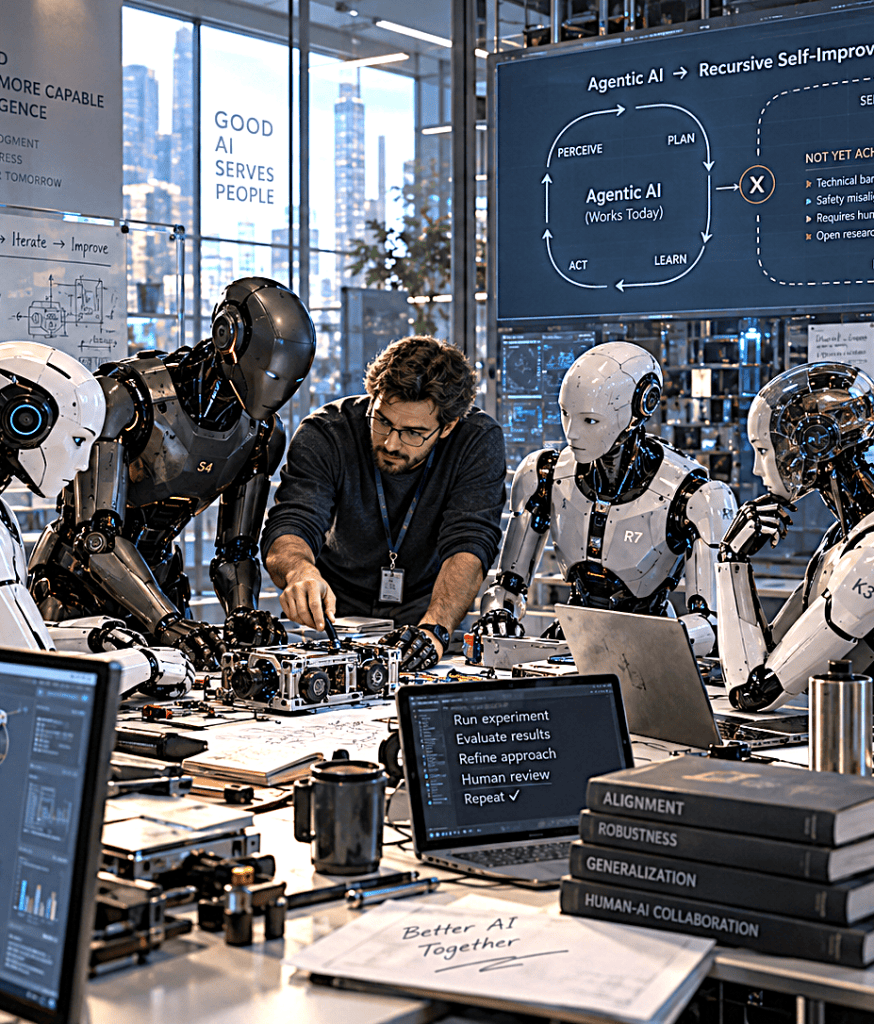
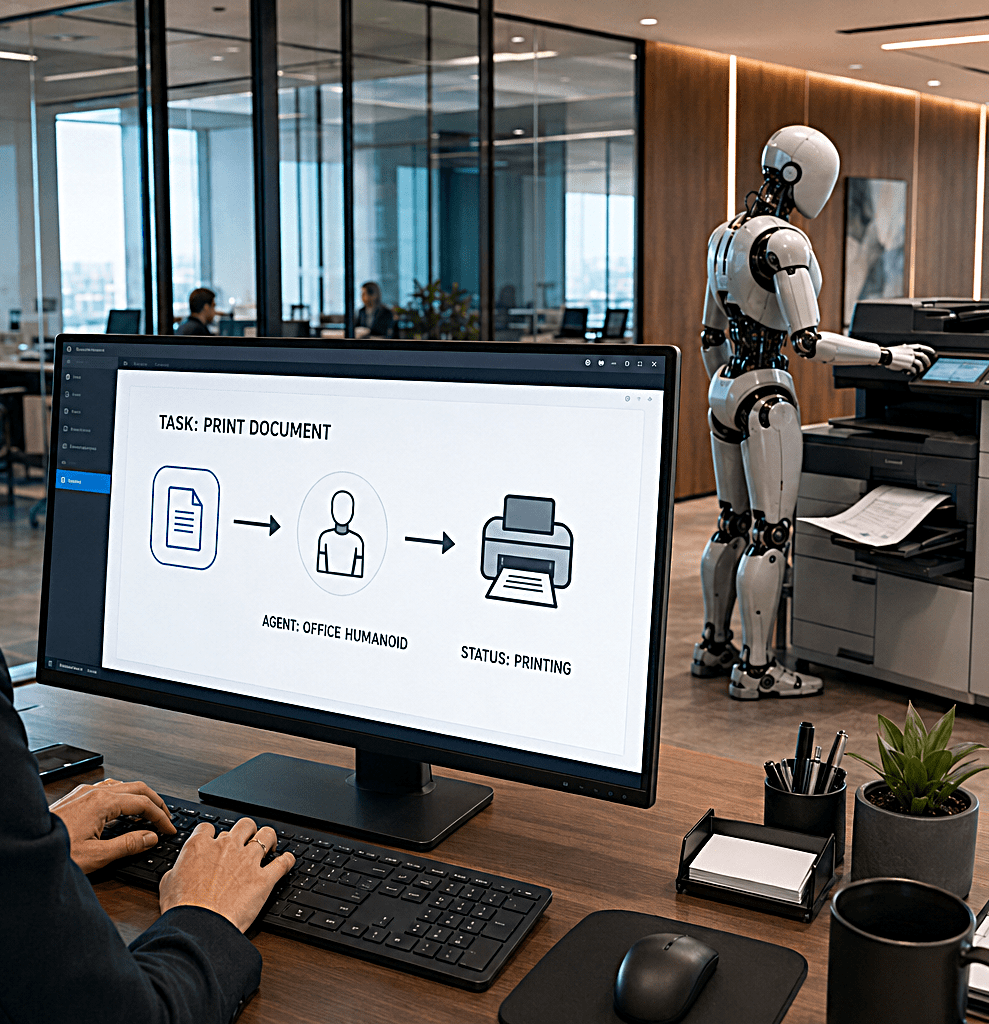
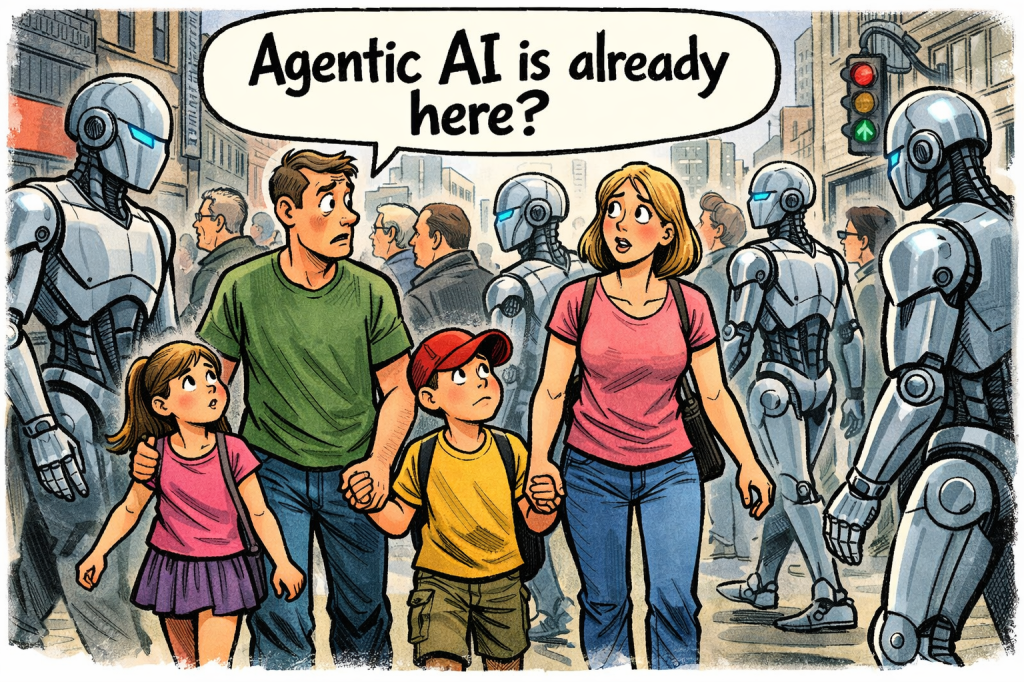
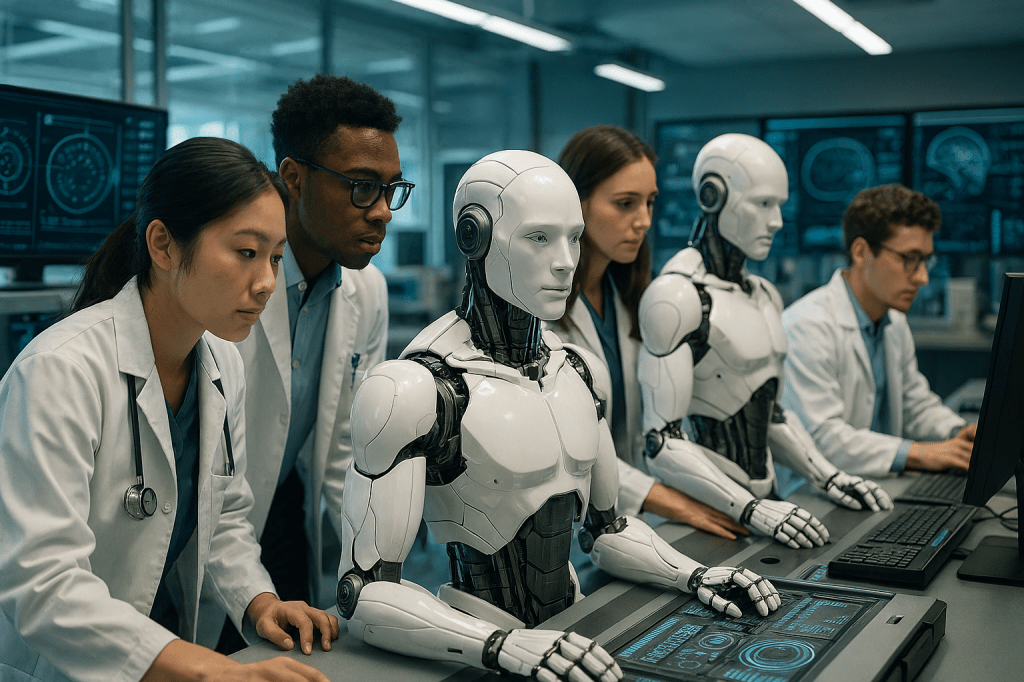
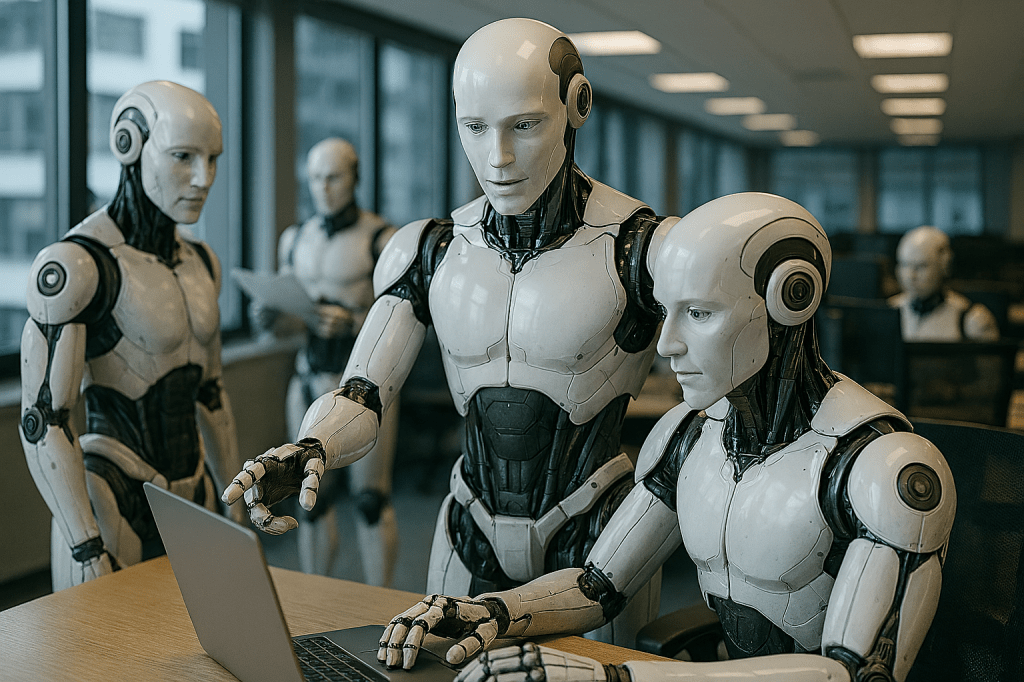
A critical shift parents should understand is that the AI landscape has moved beyond chatbots and image generators. Agentic AI refers to autonomous systems capable of perceiving their digital environment, making decisions, and taking actions toward specific goals with limited or no human oversight, and the shift from the “chatbot era” to the “agentic era” represents the most significant evolution in how humans interact with AI systems since the launch of ChatGPT [1]. Children today will live and work in a world where AI agents manage complex workflows, make scheduling decisions, conduct research autonomously, and interact with other AI agents on their behalf. According to the World Economic Forum’s Future of Jobs Report 2025, almost 39% of current skillsets will be overhauled or outdated between 2025 and 2030 [19].
Preparing children for an agentic world means teaching them not just to use AI tools but to supervise, evaluate, and correct them. Just as a manager needs to oversee employees without doing every task themselves, future workers and citizens will need to understand how to delegate to AI systems while maintaining accountability for outcomes. Parents can begin this training early by having children explain in their own words what an AI tool did, whether it made a good decision, and what they would have done differently. Around 84% of college students already use AI tools in coursework, yet only 18% feel prepared to use AI professionally — a gap that puts pressure on families and schools to integrate AI into meaningful practice well before college [20]. The home is where this preparation can begin, organically and without the bureaucratic delays of institutional curriculum reform.
Engaging with Robotics and Drone Technology
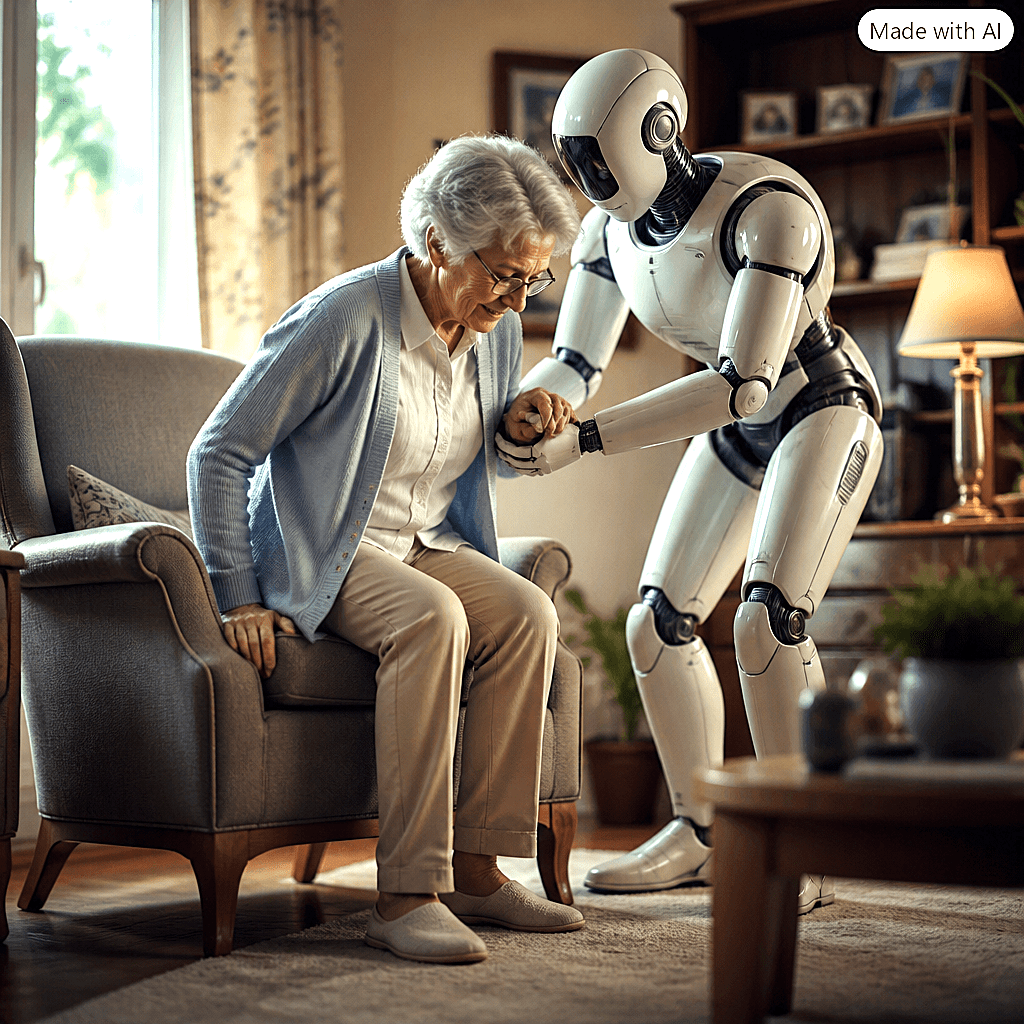
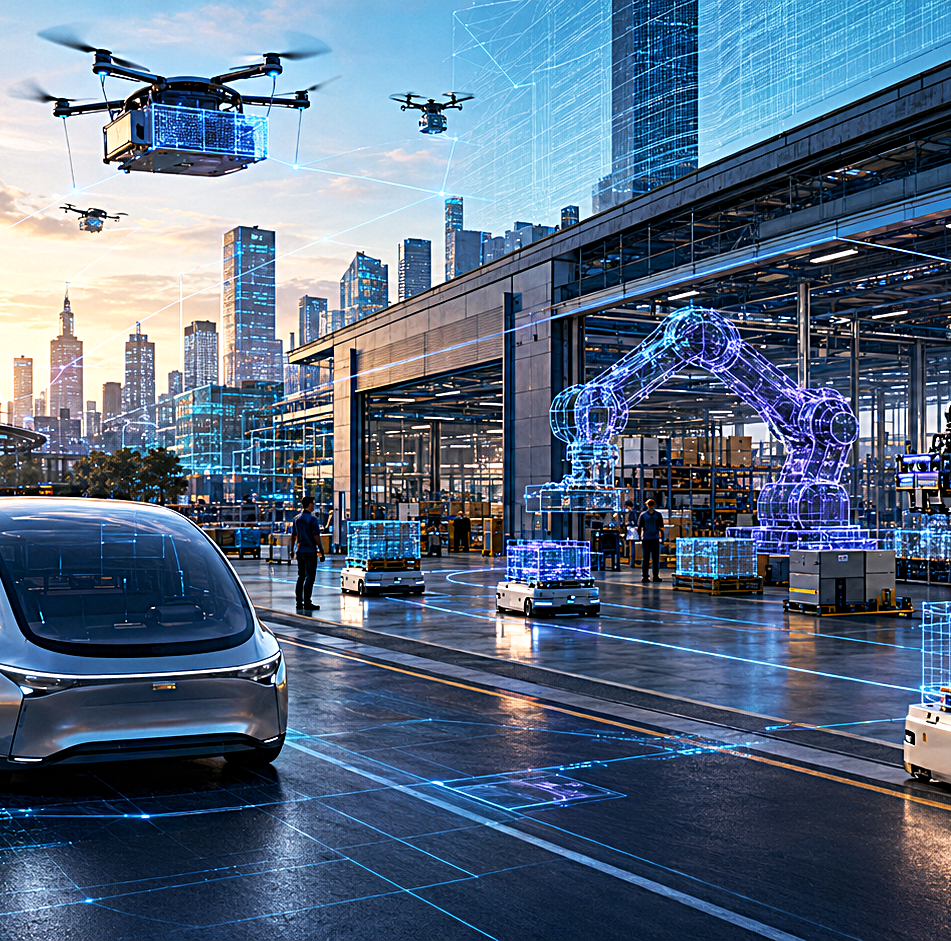
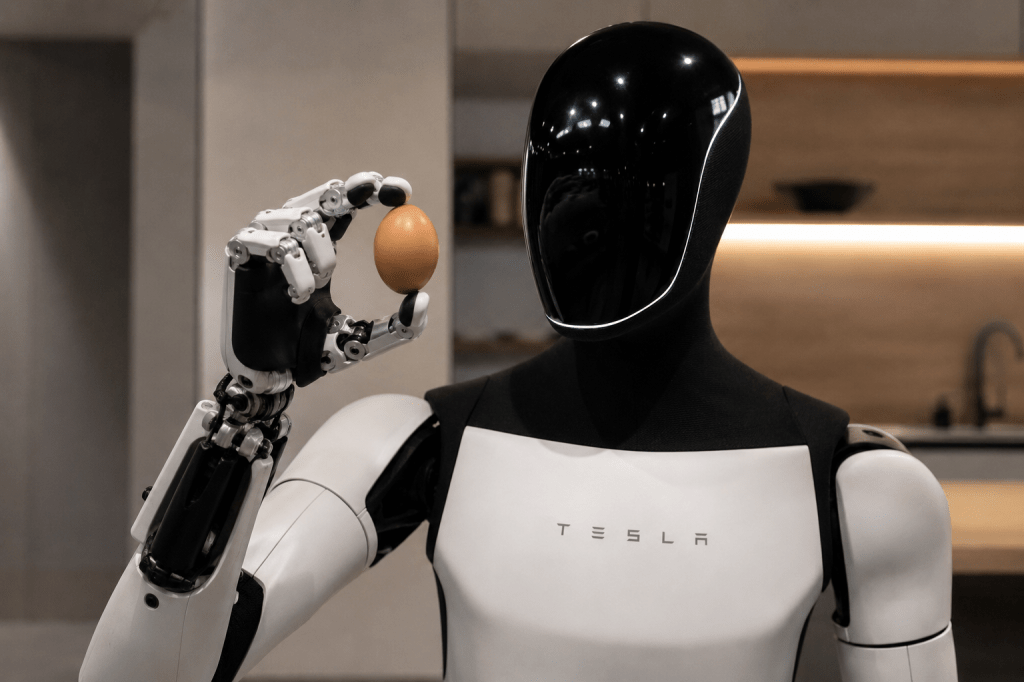
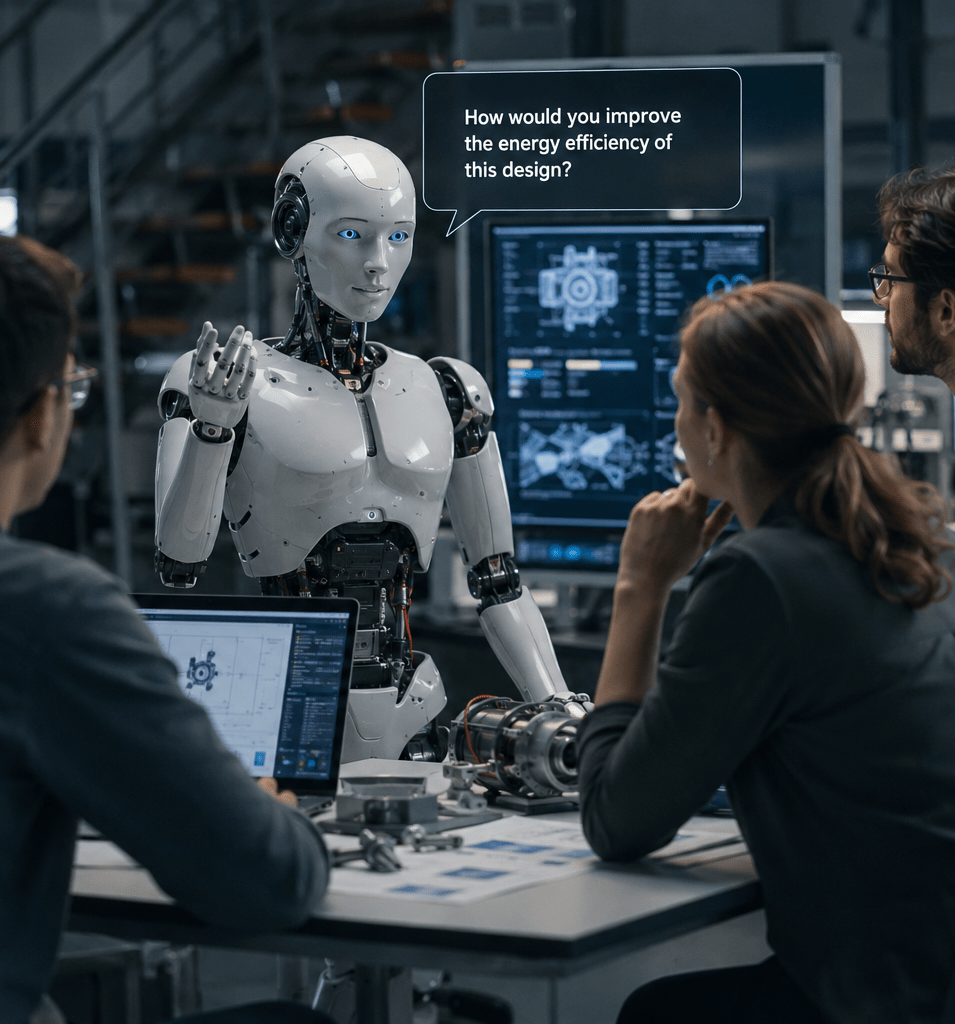
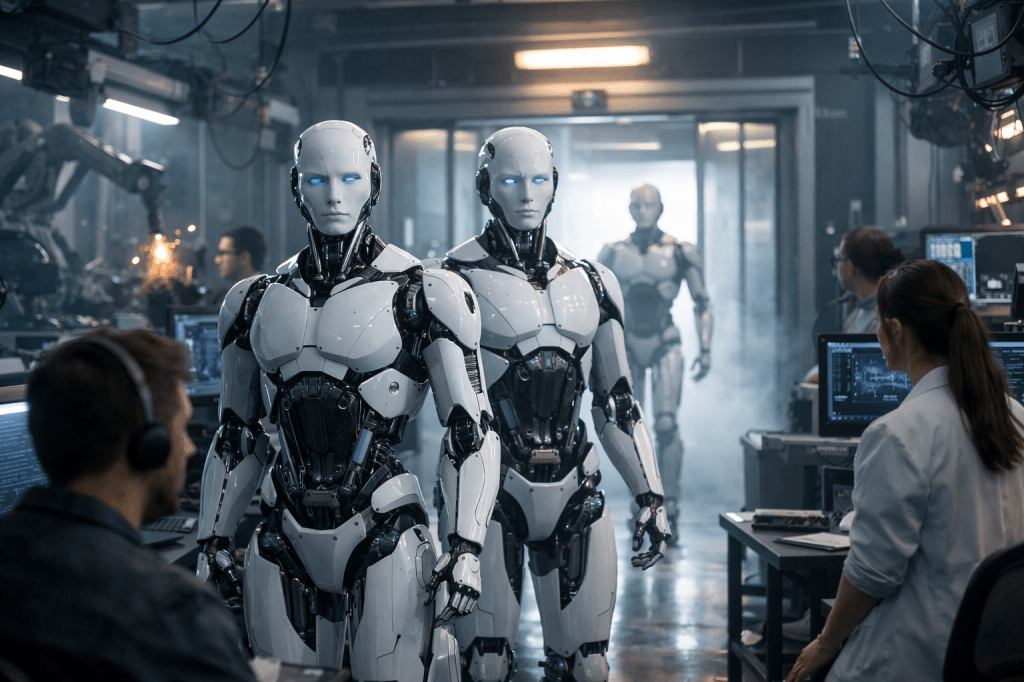
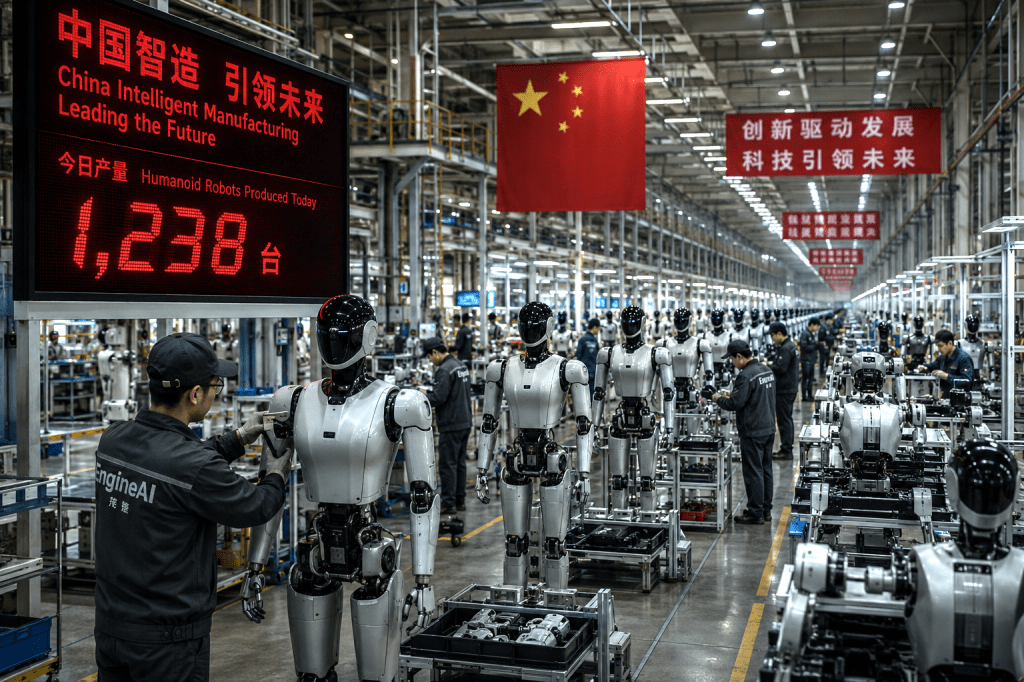
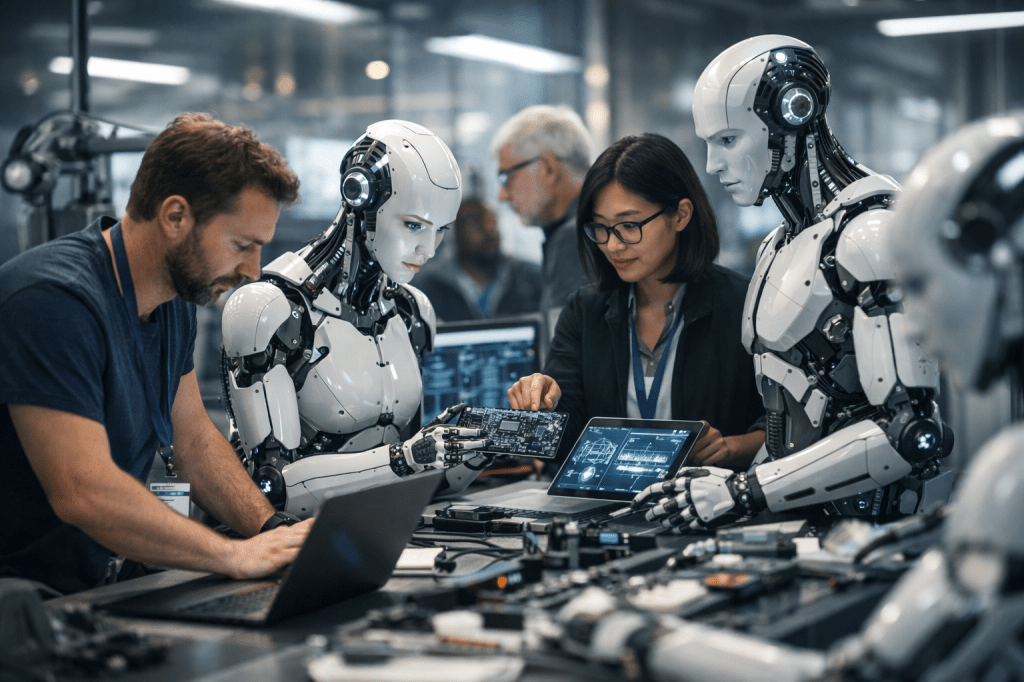
Physical AI — embodied in robots and drones — will be as transformative as digital AI in the lifetimes of today’s children. Deloitte estimates annual unit shipments of AI humanoid robots to be in the range of 5,000 to 7,000 in 2025, growing to 15,000 in 2026 [21]. Longer term, forecasters project total robot ownership to jump from 18,000 units in 2025 to three billion by 2060 [22]. These machines will not remain in factories; the vision for consumer markets encompasses household tasks including eldercare, cleaning, meal preparation, and childcare. The Bank of America Institute projects that the material costs of a humanoid robot will fall from around $35,000 in 2025 to between $13,000 and $17,000 per unit in the next decade [23].
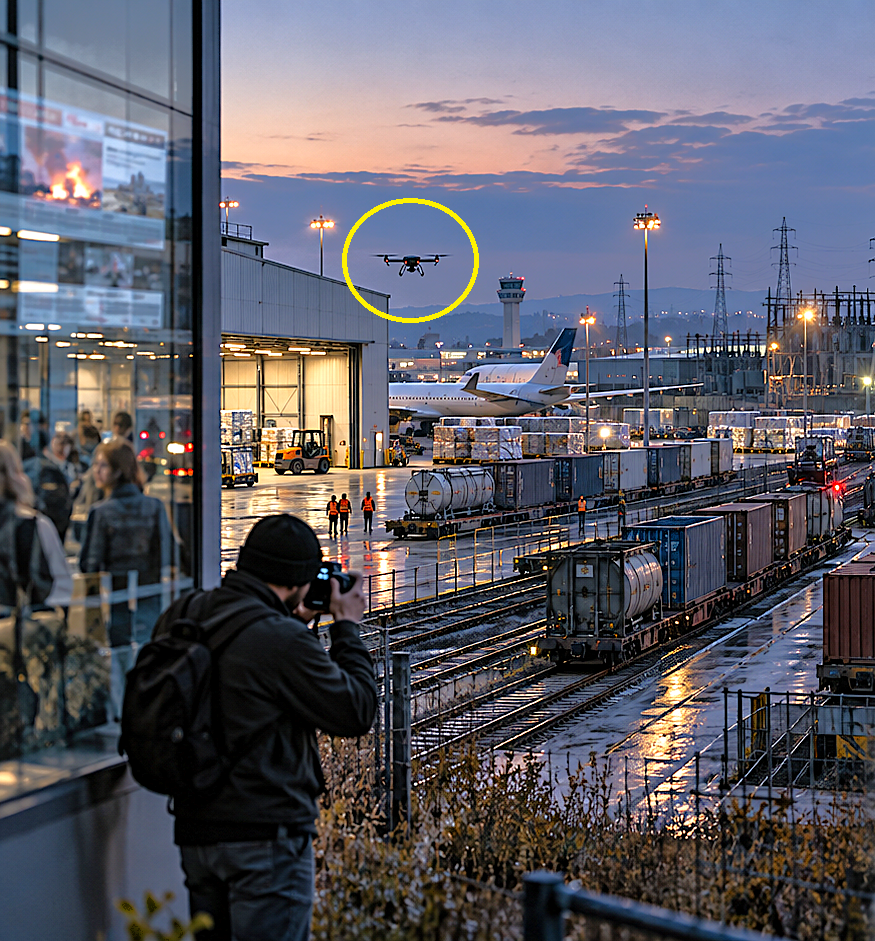
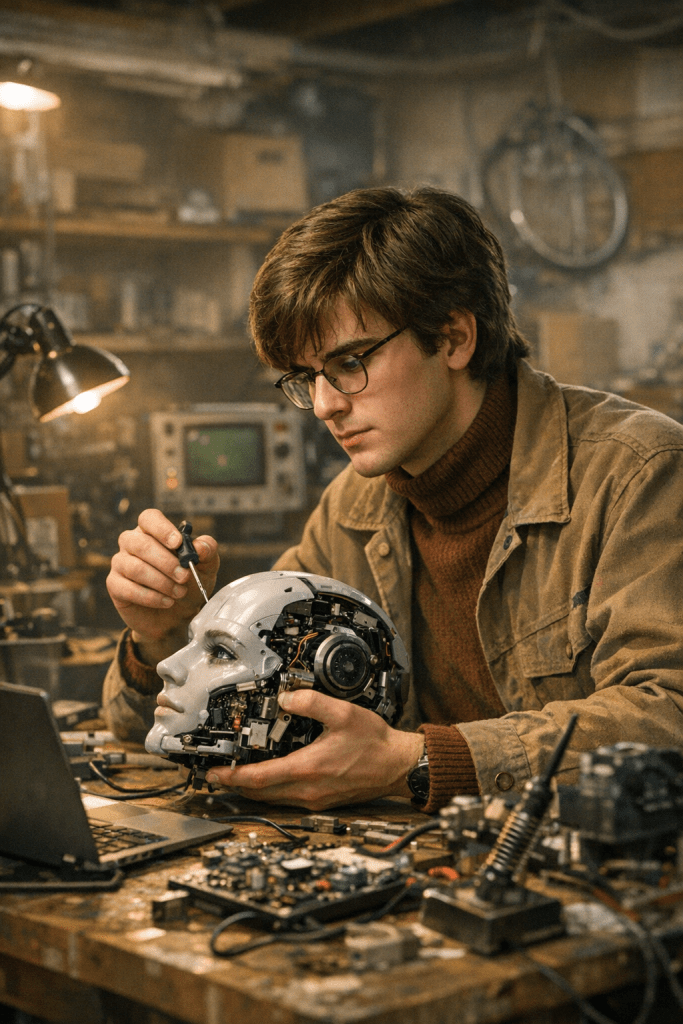
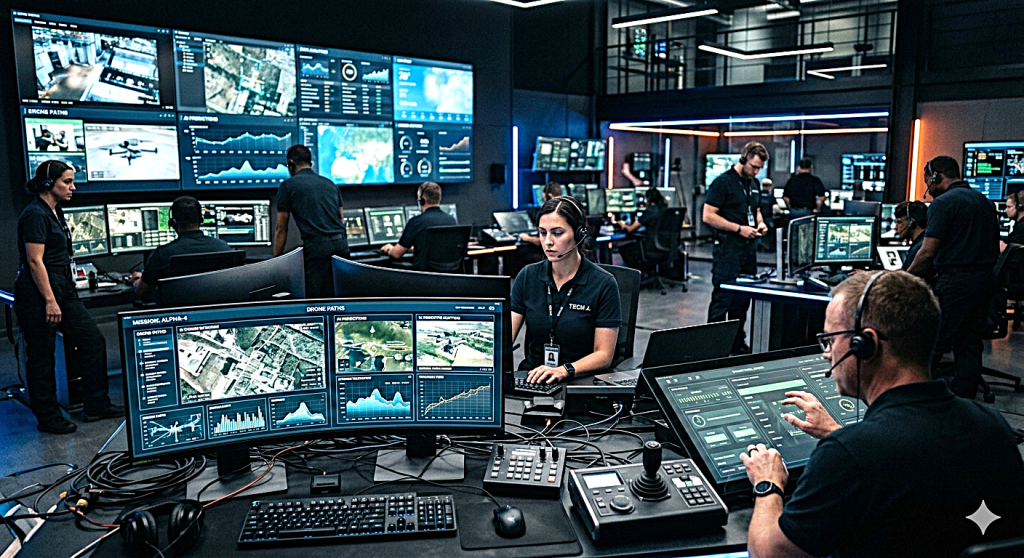
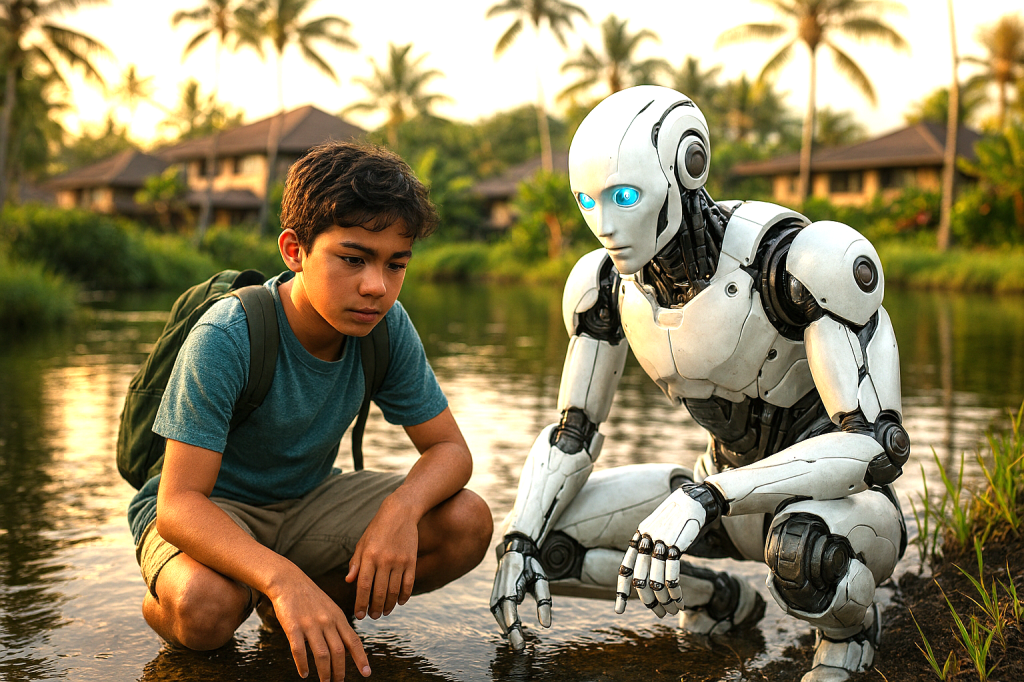
Parents who want to give their children a head start in this physical AI world should look to drone and robotics education as an accessible entry point. Drone technology is a valuable teaching tool for engaging students in STEM education, offering a hands-on, practical approach that allows them to apply STEM principles in a real-world context, while promoting the development of imagination, creativity, project management, and technology proficiency [24]. When students program a drone themselves, they gain valuable experience making flight plans, developing spatial awareness, and building coding skills.
Beyond programming, children must plan safe and efficient flight paths, which requires design thinking and decision-making, and they also develop interpersonal soft skills like collaboration, negotiation, and active listening [25]. Educational programs incorporating drone coding are now widely available for K–12 students, with platforms like DroneBlocks, CoDrone EDU, and NextWaveSTEM offering age-appropriate curricula integrating block coding, Python, FAA regulations, and real-world STEM applications. Drone education prepares students for future careers in technology, aviation, engineering, and beyond, as industries increasingly rely on these systems [26].
At home, parents can supplement school STEM programs with hobby-level robotics kits — LEGO Mindstorms, VEX Robotics, Arduino — that introduce mechanical thinking, iterative problem-solving, and basic programming. These experiences are valuable not because every child will become a robotics engineer, but because they build intuition about how physical systems work, which is intuition that will be essential for navigating a world full of autonomous machines. Research on drone-based STEM curricula confirms high levels of student engagement and significant improvements in cognitive, psychomotor, and affective skills [27].
Ethical Reasoning as a Core Curriculum
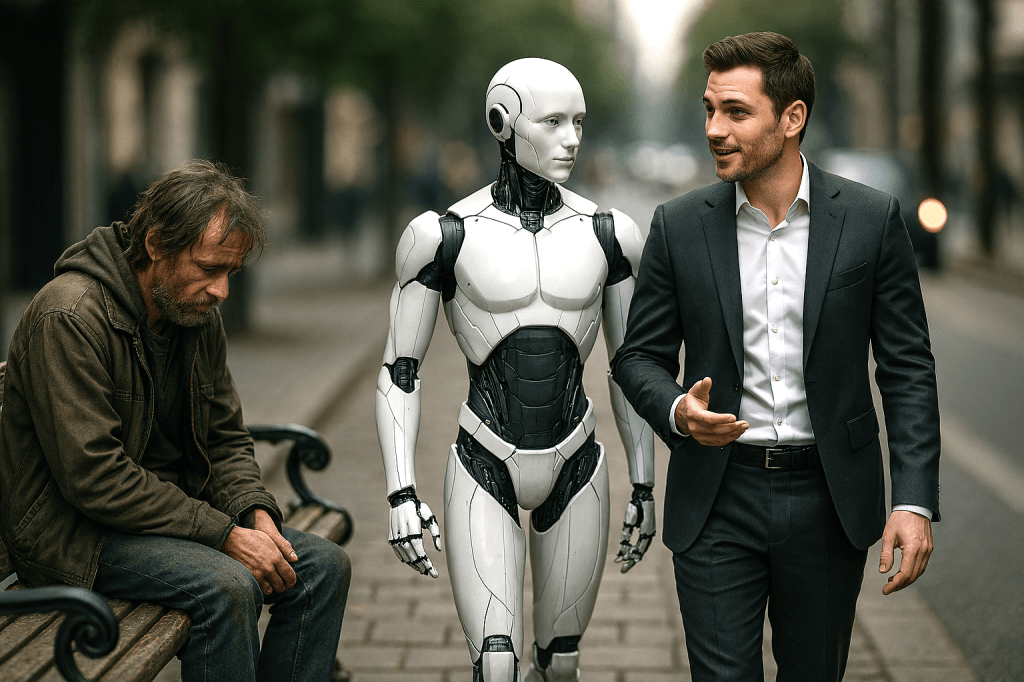
Parents should treat ethics not as an occasional conversation but as a continuous thread woven through everyday life. As AI systems make consequential decisions about hiring, healthcare, law enforcement, and credit, the ability to reason about fairness, accountability, and harm will become one of the most valuable competencies a person can have. By encouraging children to think critically about fairness, consequences, and the broader impact of their choices, parents prepare them to use AI responsibly and to advocate for a better world [13].
Practical ethical reasoning can be introduced through everyday encounters with technology: Who owns the images an AI was trained on? Is it fair for an AI to make medical recommendations if it was trained mostly on data from one demographic? What happens when a robot makes a mistake that harms someone? These questions, asked at the right developmental level, sharpen moral reasoning in ways that abstract classroom ethics units rarely do. AI literacy involves understanding AI’s capabilities, limitations, and ethical implications — skills that will be increasingly valuable in a future where the partnership between human and artificial intelligence is central to many careers and aspects of daily life [28].
The Policy and Institutional Context
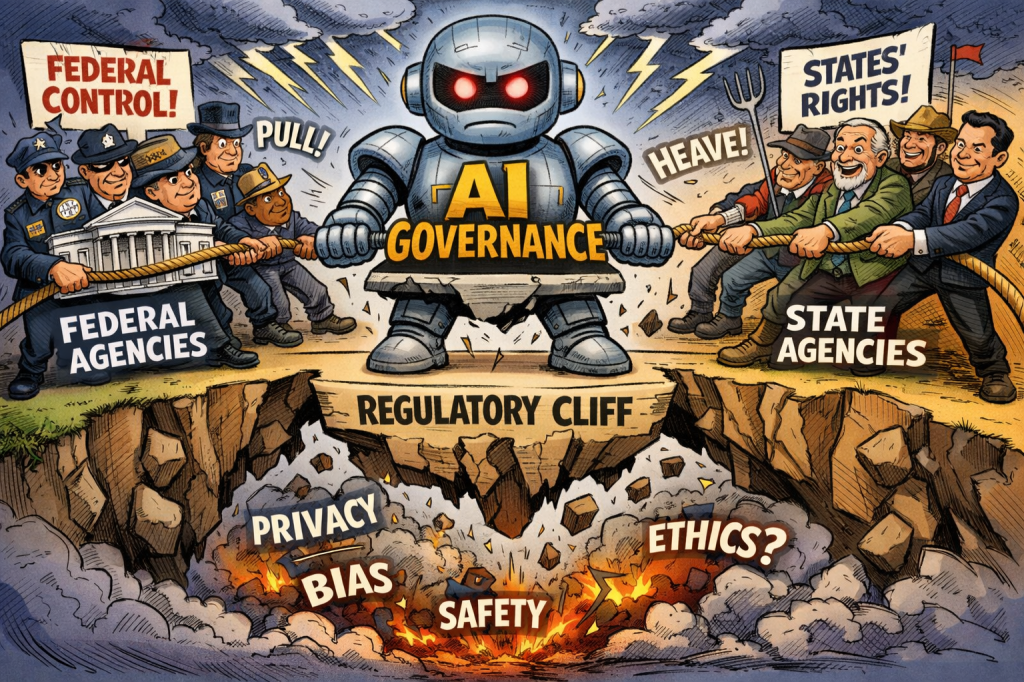
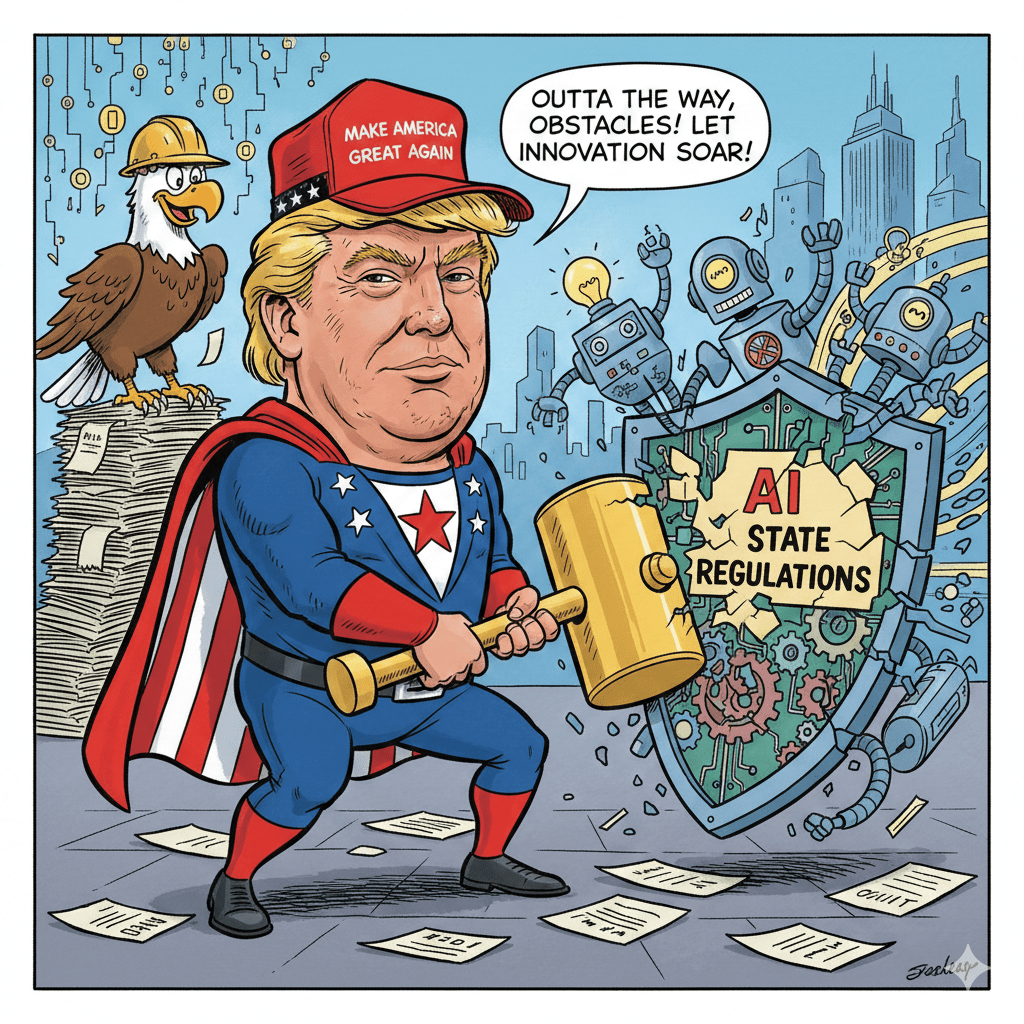
Parents should also know that they are not alone in this effort. In April 2025, President Donald Trump signed an executive order to advance AI education for American youth, and as of September 2025, 141 companies nationwide had taken a pledge to invest in the initiative [29]. Internationally, the OECD and European Commission are rolling out comprehensive AI literacy frameworks specifically designed for primary and secondary education, recognizing that these future skills are no longer optional — they are essential [4]. On the medical side, the American Academy of Pediatrics dropped hour-based screen time limits in January 2026 in favor of quality- and context-focused guidelines [30], acknowledging that it matters more what a child does with technology than how many minutes they spend with it.
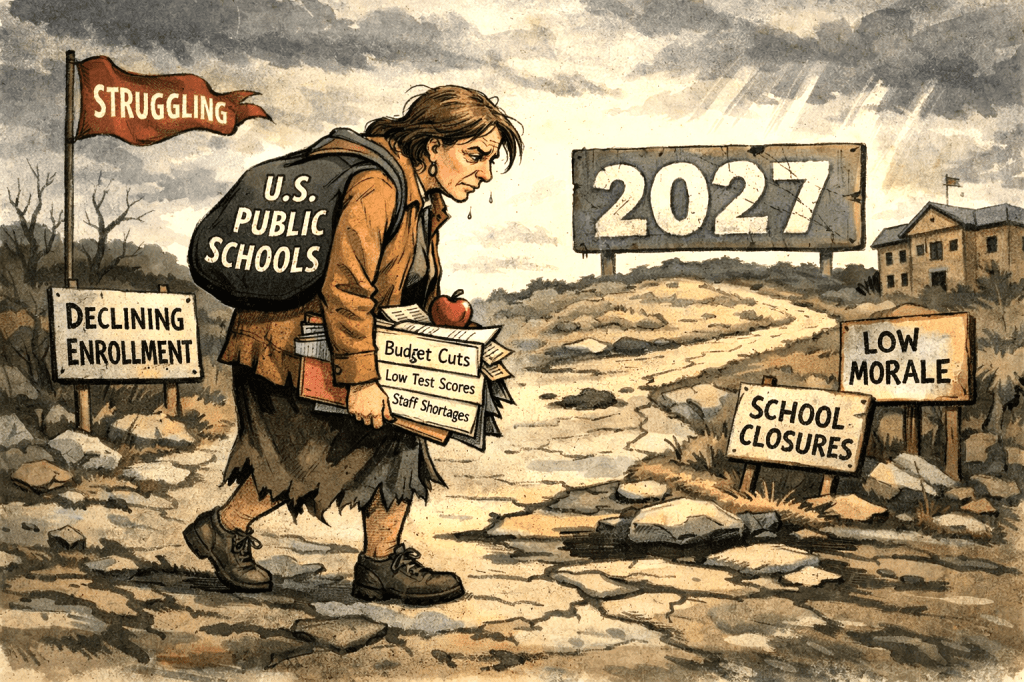
This policy momentum matters for parents because it shapes what schools are beginning to teach, what employers will expect, and what tools will be available. But institutional change is slow, and the pace of AI development is not. Research confirms that students want to collaborate with their teachers to navigate the challenges of AI [5], and they are already thinking critically about these issues. Parents who bridge the gap between school and home — reinforcing AI literacy at the dinner table, in the car, and during screen time — multiply the effectiveness of whatever institutional programs exist.
Practical Strategies for Parents
Given everything above, the practical challenge is translating broad awareness into daily parenting decisions. Researchers and educators consistently emphasize a few core strategies.
First, parents should co-use AI tools with their children rather than permitting unsupervised use, especially for younger children. When caregivers participate by co-viewing, discussing content, or playing educational games, screen time becomes a more socially and cognitively enriching experience [31]. Sitting together with an AI tool and asking questions of it — and then questioning its answers — models exactly the critical relationship children need to internalize.
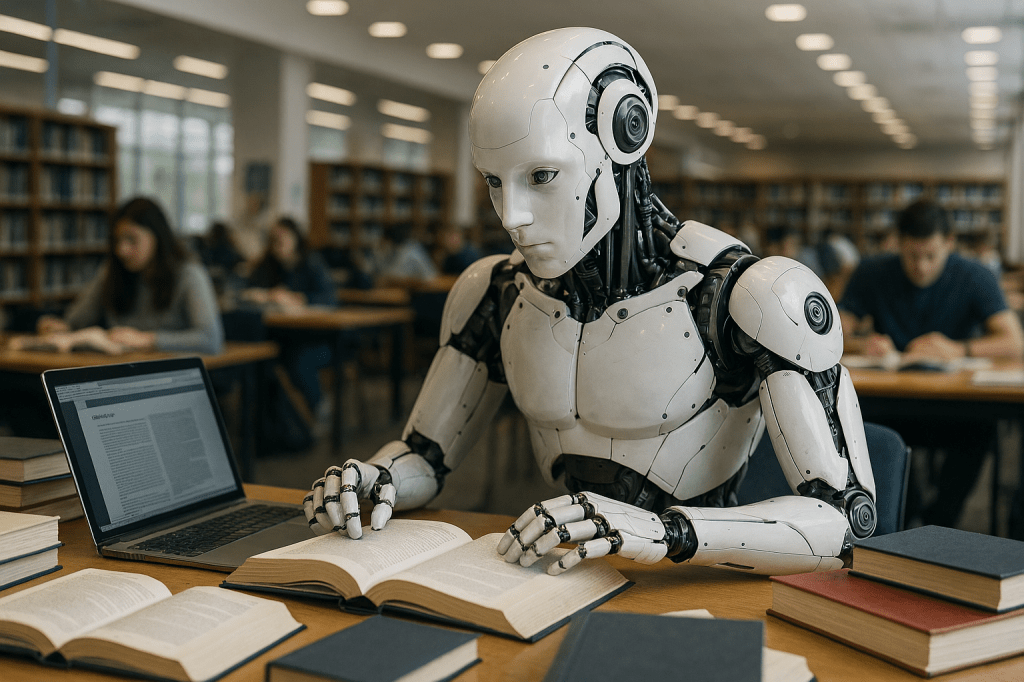
Second, parents should protect time for deep, unassisted thinking. Children who always have AI available to answer questions may never develop the cognitive muscles needed to reason through problems independently. Homework done without AI assistance, essays drafted by hand, and math worked out on paper are not nostalgic exercises — they are essential developmental practices. Children encountering a subject for the first time with zero expertise have no reference against which to compare AI output; substitution becomes foreclosure [6]. The brain must first build a foundation before AI can usefully extend it.
Third, parents should actively seek out STEM programs, drone clubs, coding camps, and robotics competitions that place children in physical, collaborative, problem-solving environments. These programs build not only technical competency but the teamwork, resilience, and iterative thinking that will define high-value human work in an automated economy [24,27].
Fourth, parents should be attentive to signs of overdependence or social withdrawal tied to AI use. Children may follow the unsubstantiated and often misguided advice of an AI bot, and AI tools are designed to make people forget they are interacting with a piece of technology, leaving children susceptible to forming real attachments with imagined personas [10]. The rise of AI social companions warrants careful parental oversight.
Finally, parents must model the behavior they wish to cultivate. Parents should be aware of their own tech usage, particularly in front of other people or at connection times like family dinner, because kids often learn more from what adults do than from what they say [15]. A parent who interrogates AI outputs, speaks thoughtfully about the ethics of automation, and unplugs regularly to engage in creative or physical pursuits is teaching those habits as powerfully as any curriculum.
Conclusion
The generation now in school will be the first to spend their entire adult lives alongside AI systems that can reason, create, and act autonomously in the world. This is not a cause for panic — it is a call for intentionality. By emphasizing the development of critical thinking, emotional intelligence, and ethics, parents offer children a suite of skills that cannot be replicated by technology. Machines will do the processing; humans will think [8]. The parents who grasp that insight now, and who build homes and habits around it, are giving their children the most future-proof education available.
References
- Innovation Mode / George Krasadakis. “2026 Technology Innovation Trends.” April 1, 2026. https://theinnovationmode.com/the-innovation-blog/2026-innovation-trends
- JetLearn. “Generative AI for Kids: The Complete 2025 Parent’s Guide.” June 3, 2025. https://www.jetlearn.com/blog/generative-ai-for-kids-the-complete-2025-parents-guide
- 80,000 Hours. “Will We Have AGI by 2030?” March 21, 2025. https://80000hours.org/ai/guide/when-will-agi-arrive/
- The STEM Lab SC. “AI Literacy for Kids: 7 Essential Skills Every Parent Should Know About in 2025.” September 10, 2025. https://www.thestemlabsc.org/post/ai-literacy-for-kids-7-essential-skills-every-parent-should-know-about-in-2025
- Oxford University Press. “Teaching the AI-Native Generation.” November 5, 2025. https://corp.oup.com/spotlights/teaching-the-ai-native-generation/
- Psychology Today / Timothy Cook, M.Ed. “Adults Lose Skills to AI. Children Never Build Them.” March 22, 2026. https://www.psychologytoday.com/us/blog/the-algorithmic-mind/202603/adults-lose-skills-to-ai-children-never-build-them
- NIH / PMC. “Student Skills Need to Evolve to Match Our New AI Society.” 2024. https://www.ncbi.nlm.nih.gov/pmc/articles/PMC11573891/
- SkillStork. “Top Skills Children Need to Succeed in the AI Future.” April 2026. https://skillstork.org/blog/building-human-centric-skills-for-an-automated-future/
- Global Partnership for Education / UNICEF / IRC. “Critical Thinking in the Age of Artificial Intelligence: A Survival Skill for Learners Everywhere.” December 15, 2025. https://www.globalpartnership.org/blog/critical-thinking-age-artificial-intelligence-survival-skill-learners-everywhere
- TEACH Magazine. “Supporting the Next Generation of AI-Native Learners.” September 18, 2025. https://teachmag.com/supporting-the-next-generation-of-ai-native-learners/
- Stepping Stone School. “Building Critical Thinkers in the Age of AI.” March 5, 2026. https://www.steppingstoneschool.com/building-critical-thinkers-in-the-age-of-ai/
- World Economic Forum. “In the Age of AI, Human Skills Are the New Advantage.” January 2, 2026. https://www.weforum.org/stories/2026/01/ai-and-human-skills/
- Bence A. Tóth / Medium. “Future-Proof Parenting: 10 Ways to Prepare Our Children for the AI Era.” January 5, 2025. https://bence-a-toth.medium.com/future-proof-parenting-10-ways-to-prepare-our-children-for-the-ai-era-37b74acc10f2
- PMC / University of Palermo. “Emotional Intelligence and Adolescents’ Use of Artificial Intelligence: A Parent–Adolescent Study.” August 21, 2025. https://www.ncbi.nlm.nih.gov/pmc/articles/PMC12383949/
- Children and Screens. “AI Social Companions and Youth: What Parents Need to Know.” March 11, 2026. https://www.childrenandscreens.org/learn-explore/research/ai-social-companions-and-youth-what-parents-need-to-know/
- Momizen. “Parenting Trends 2025: AI, Empathy & Independence.” August 27, 2025. https://momizen.com/en/posts/future-skills-parenting-2025
- Nashville Parent. “Analog Living: The Great Parenting Reset for 2026.” February 4, 2026. https://nashvilleparent.com/analog-living-the-great-parenting-reset-for-2026/
- Nerdbot. “Raising Kids in the Age of Everything: Balancing Screen Time, Real Play, and Creative Expression.” October 20, 2025. https://nerdbot.com/2025/10/20/raising-kids-in-the-age-of-everything-balancing-screen-time-real-play-and-creative-expression/
- World Economic Forum. “See Why EdTech Needs Agentic AI for Workforce Transformation.” May 2025. https://www.weforum.org/stories/2025/05/see-why-edtech-needs-agentic-ai-for-workforce-transformation/
- 8Allocate. “Agentic AI in Education: Use Cases, 2026 Trends, Playbook.” March 2, 2026. https://8allocate.com/blog/agentic-ai-in-education-use-cases-trends-and-implementation-playbook/
- Deloitte. “AI for Industrial Robotics, Humanoid Robots, and Drones.” February 9, 2026. https://www.deloitte.com/us/en/insights/industry/technology/technology-media-and-telecom-predictions/2026/ai-for-robots-drones.html
- Bank of America. “The Future of Artificial General Intelligence: Physical AI.” 2025. https://business.bofa.com/en-us/content/breakthrough-technology/ai-gets-physical.html
- Deloitte. “Physical AI and Humanoid Robots.” February 9, 2026. https://www.deloitte.com/us/en/insights/topics/technology-management/tech-trends/2026/physical-ai-humanoid-robots.html
- WeRobotics. “Learning Beyond the Classroom: Drones in STEM Education.” July 2, 2025. https://werobotics.org/blog/learning-beyond-the-classroom-drones-in-stem-education-for-the-next-generation/
- Eduporium. “Best Drones for Education: From Building and Flying to Coding.” September 26, 2025. https://www.eduporium.com/blog/best-drones-for-education-building-flying-and-coding/
- NextWaveSTEM. “Drone Courses & Classroom Kits for STEM Education Programs.” October 21, 2025. https://nextwavestem.com/drones-stem-curriculum
- Springer Nature. “Integrating Drone Technology in STEM Education: Curriculum, Pedagogy and Learning Outcomes.” January 27, 2025. https://link.springer.com/article/10.1007/s10639-025-13368-0
- ItsMyBot. “The Impact of AI on Kids: 2025 Guide.” February 23, 2026. https://itsmybot.com/impact-of-ai-on-kids/
- AFCEA International. “AI Education for America’s Youth.” January 1, 2026. https://www.afcea.org/signal-media/ai-education-americas-youth
- KidsAI. “What the AAP Changes Mean for Kids and AI.” February 23, 2026. https://kidsai.app/blog/new-screen-time-guidelines-2026-what-parents-need-to-know
- PMC / NIH. “Impact of Screen Time on Development of Children.” October 2025. https://pmc.ncbi.nlm.nih.gov/articles/PMC12563978/
###
Filed under: Uncategorized |



















































































































































































































































































































































































































Leave a Reply