




By Jim Shimabukuro (assisted by ChatGPT)
Editor
The Terafab project—Elon Musk’s ambitious joint semiconductor initiative spanning Tesla and SpaceX—has moved rapidly from announcement in March 2026 into an unusually aggressive early execution phase by mid-April, with several concrete developments emerging across hiring, partnerships, supplier outreach, and adjacent chip progress.

The most immediate and verifiable shift in April 2026 is a broad-based supplier and talent mobilization effort that suggests the project is transitioning from concept to early-stage buildout. Multiple reports indicate that Musk’s team has begun contacting major semiconductor equipment firms—including Applied Materials, Tokyo Electron, and Lam Research—while also engaging foundry players such as Samsung. These outreach efforts are described as urgent and wide-ranging, with teams “reaching out to various suppliers” and in some cases signaling a willingness to pay premiums to secure priority access amid global shortages.1,2
In parallel, Tesla has initiated targeted recruitment in Taiwan for engineers with deep experience in sub-7nm and emerging 2nm-class processes, covering the full fabrication stack from lithography to advanced packaging.3 This combination of supplier outreach and high-end hiring strongly indicates that Terafab is not merely conceptual but actively assembling the industrial ecosystem required for a leading-edge fab.
A second major development is the crystallization of partnerships and project scope. Most notably, Intel has formally joined the Terafab effort, providing manufacturing expertise that Tesla and SpaceX lack internally.4 The project itself is now consistently described as a $20–$25 billion facility to be built in Austin, Texas, designed to vertically integrate logic, memory, packaging, and testing into a single site.1,2,5 The scale target—roughly one terawatt of annual compute output—remains central to Musk’s vision, representing an order-of-magnitude expansion over current global AI chip production capacity. This vertical integration strategy is explicitly aimed at reducing dependence on external foundries such as TSMC (Taiwan Semiconductor Manufacturing Company) and accelerating iteration cycles for AI hardware.5
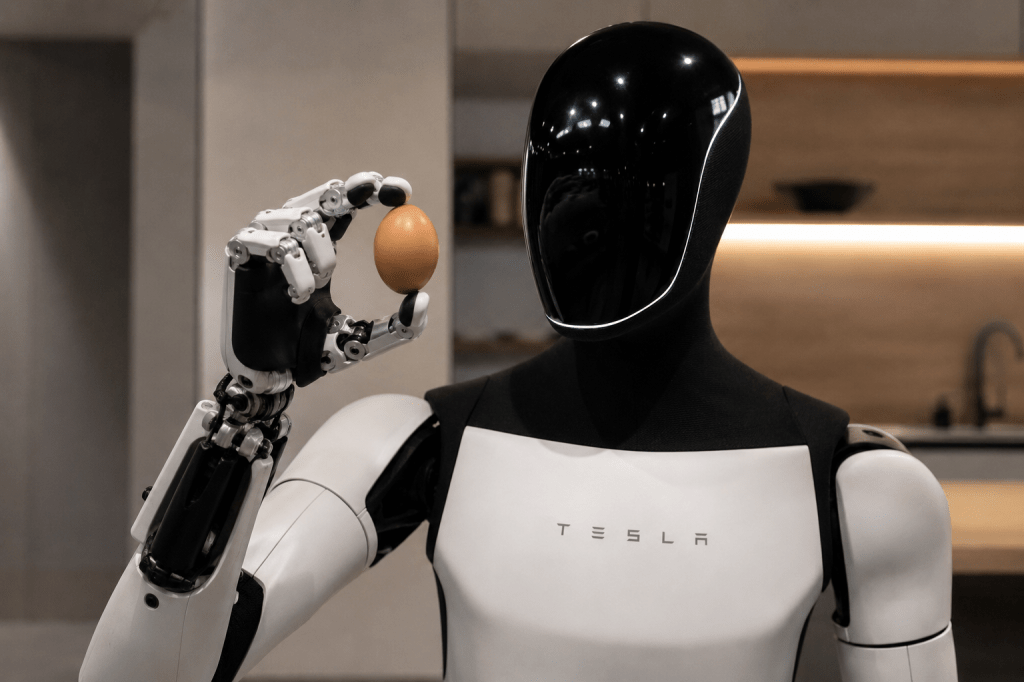
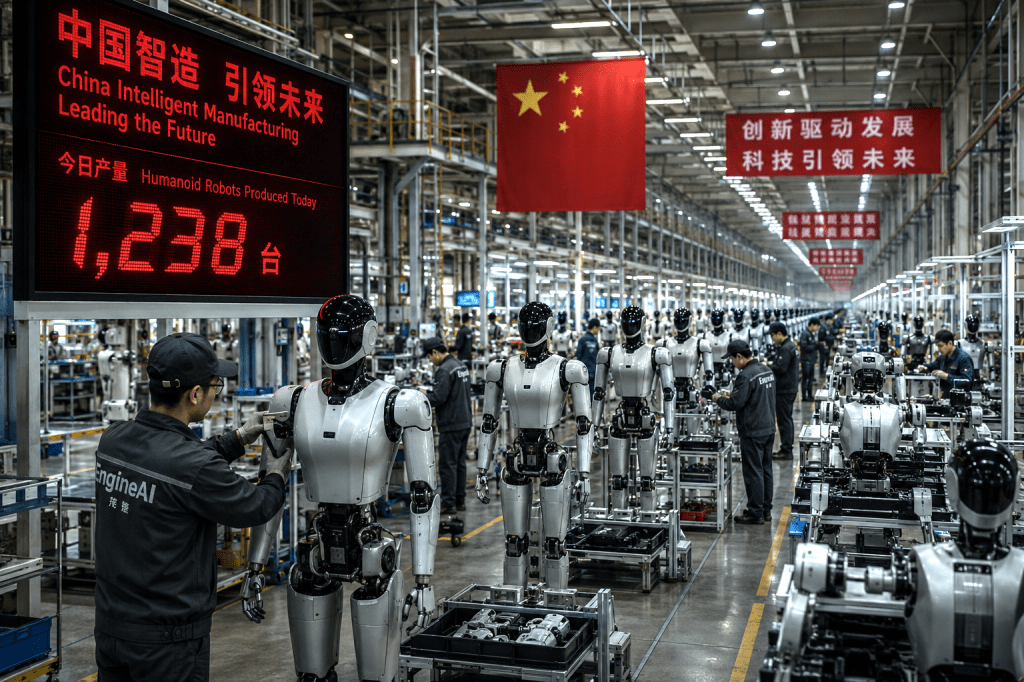
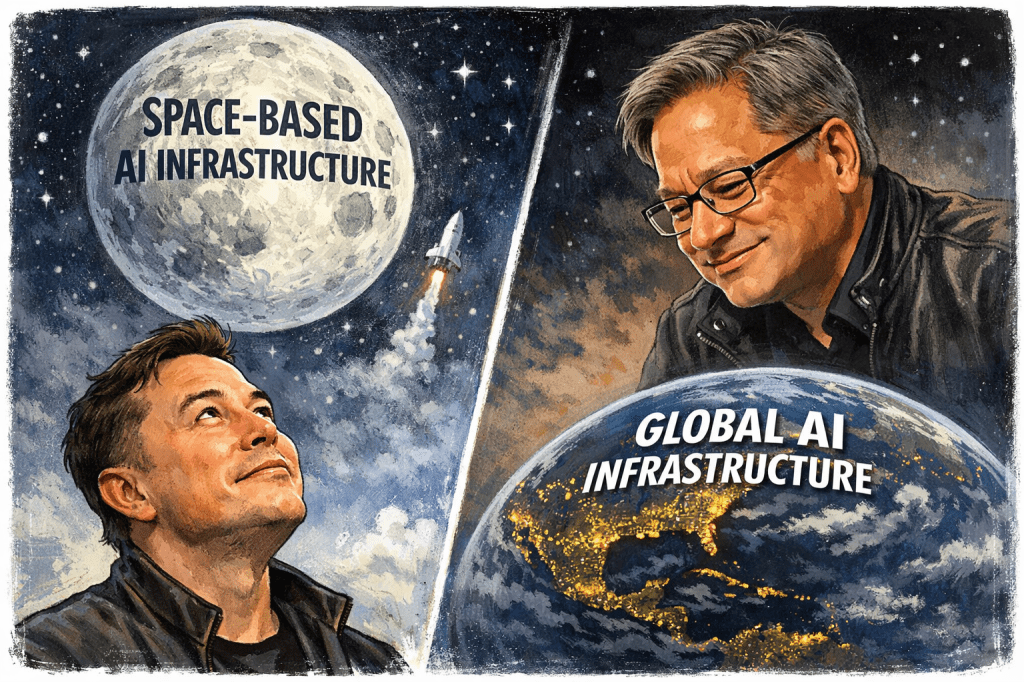
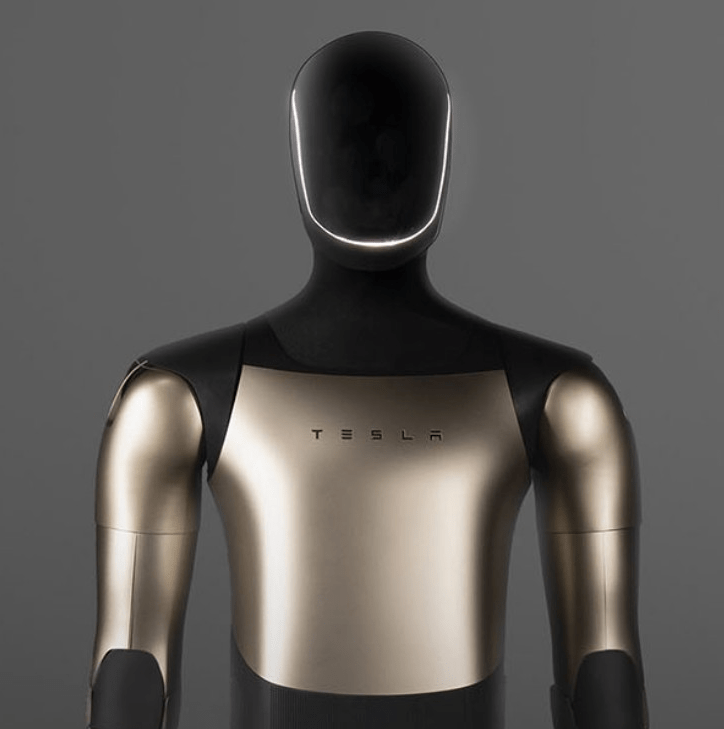
A third important thread is the parallel progress of Tesla’s in-house AI chips, which function as both a proving ground and demand driver for Terafab. In April 2026, Musk revealed early samples of the AI5 processor, claiming performance improvements of up to 40× over prior generations while indicating ongoing development of AI6 and future architectures.6 Although these chips are still being fabricated externally (with involvement from TSMC and Samsung), they highlight the scale of internal demand—from autonomous vehicles to humanoid robots and potential space-based data centers—that Terafab is intended to satisfy. Notably, early deployment of AI5 is expected in robotics and data centers rather than consumer vehicles, underscoring the lag between chip innovation and mass production.6
Taken together, the latest developments suggest that Terafab is entering a critical “preconstruction” phase characterized by ecosystem formation rather than physical buildout. The project is still years away from production, and industry observers continue to emphasize the extreme difficulty of building a leading-edge semiconductor fab from scratch. Yet the combination of supplier engagement, aggressive hiring in global chip hubs, Intel’s involvement, and concurrent chip design progress indicates that Musk’s team is attempting to compress what is usually a decade-long industrial ramp into a far shorter timeline. Whether that acceleration proves feasible remains uncertain—but as of April 2026, Terafab has clearly evolved from an aspirational announcement into an active, multi-front mobilization effort.
References
- Elon Musk’s team reaches out to suppliers for Terafab chip project — https://www.cleanroomtechnology.com/news/article_page/Elon_Musks_team_reaches_out_to_suppliers_for_Terafab_chip_project/
- Elon Musk pushing forward with Terafab at ‘light speed’ — https://www.tomshardware.com/tech-industry/semiconductors/elon-musk-terafab-suppliers
- Tesla seeks Taiwan chip engineers for Terafab project — https://www.reuters.com/business/autos-transportation/tesla-seeks-taiwan-chip-engineers-terafab-project-2026-04-17/
- Intel signs on to Elon Musk’s Terafab chips project — https://techcrunch.com/2026/04/07/intel-signs-on-to-elon-musks-terafab-chips-project/
- Elon Musk unveils $20 billion ‘TeraFab’ chip project — https://www.tomshardware.com/tech-industry/elon-musk-formally-launches-20-billion-terafab-chip-project
- Elon Musk demonstrates first sample of Tesla AI5 processor — https://www.tomshardware.com/tech-industry/artificial-intelligence/elon-musk-demonstrates-first-sample-of-tesla-ai5-processor
###
Filed under: Uncategorized |























































































































































































































































































































































































Leave a Reply