





By Jim Shimabukuro (assisted by ChatGPT)
Editor
[Related: Connectivism, Its Founders, and the Age of AI: Siemens and Downes | A May 2026 Update on Downes and Siemens’ cMOOC | Evolution of Connectivism to the Age of AI: Downes and Siemens]
Summary: As cMOOCs merge with AI, education shifts from content delivery to co‑creation — redefining what it means to learn in a world of ambient intelligence. –Copilot

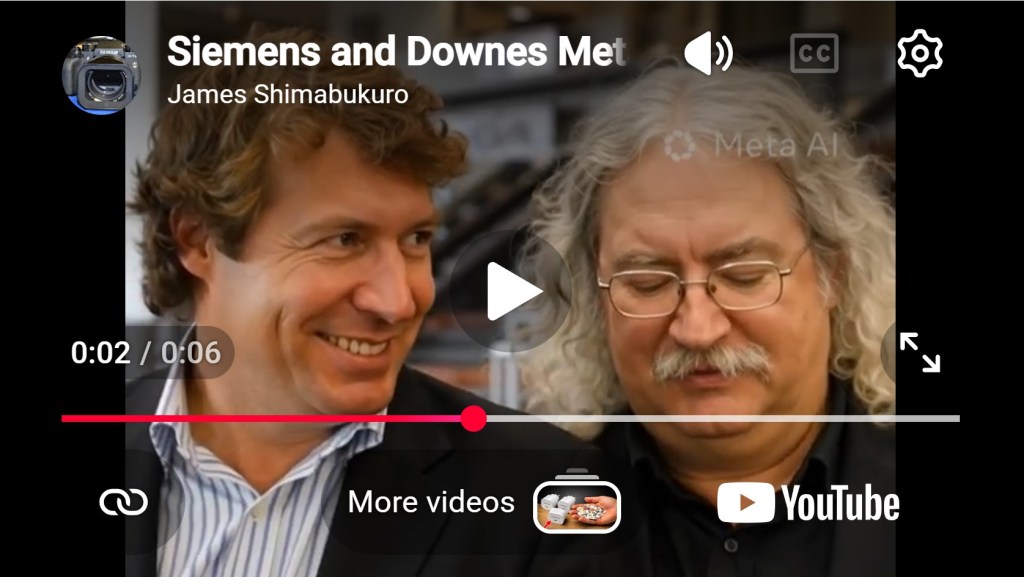
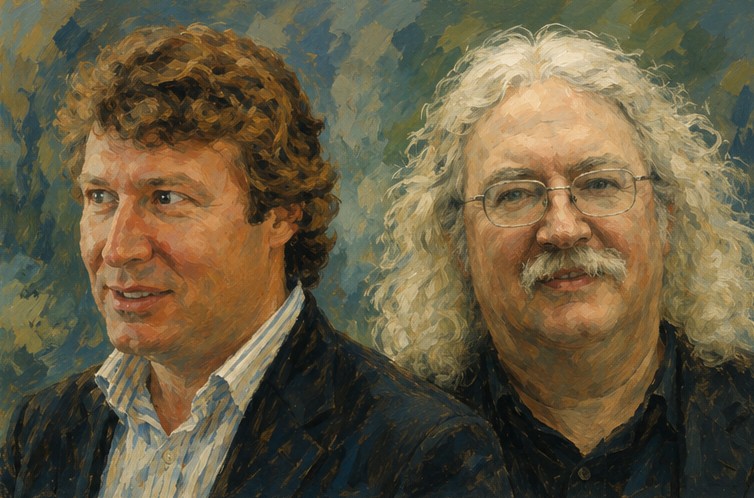
The connectivist MOOC, or cMOOC, pioneered by Stephen Downes and George Siemens in 2008 through their course “Connectivism and Connective Knowledge,” has not disappeared. Instead, by late May 2026, it has evolved from a headline educational phenomenon into a foundational intellectual framework underlying contemporary debates about networked learning, AI-mediated education, learning analytics, open pedagogy, and human-machine collaboration. While the commercial MOOC boom of the 2010s became dominated by xMOOCs — centralized, platform-based courses emphasizing video lectures, quizzes, and credentialing — the original cMOOC model survived as a distributed philosophy of learning emphasizing networks, autonomy, openness, interactivity, and learner-generated knowledge (1,2).
Historically, the cMOOC differed sharply from the xMOOC. Downes and Siemens viewed learning not primarily as content delivery but as participation within dynamic knowledge networks. In their connectivist model, learners created meaning through interaction with people, ideas, and digital systems rather than passively absorbing information from instructors. This framework anticipated many characteristics now associated with online communities, social media learning ecosystems, creator cultures, open educational resources, and AI-assisted collaborative learning (3,4).
By 2025–2026, the cMOOC itself no longer dominates public discussion in the way it briefly did during the MOOC hype cycle of 2012–2014. However, many of its assumptions have become normalized. Concepts such as distributed learning, peer-to-peer knowledge generation, learner autonomy, network intelligence, open participation, and emergent knowledge creation are now deeply embedded within discussions about generative AI and the future of education. In this sense, the cMOOC did not disappear; rather, many of its core principles dissolved into the broader architecture of digital learning culture (1,4,5).
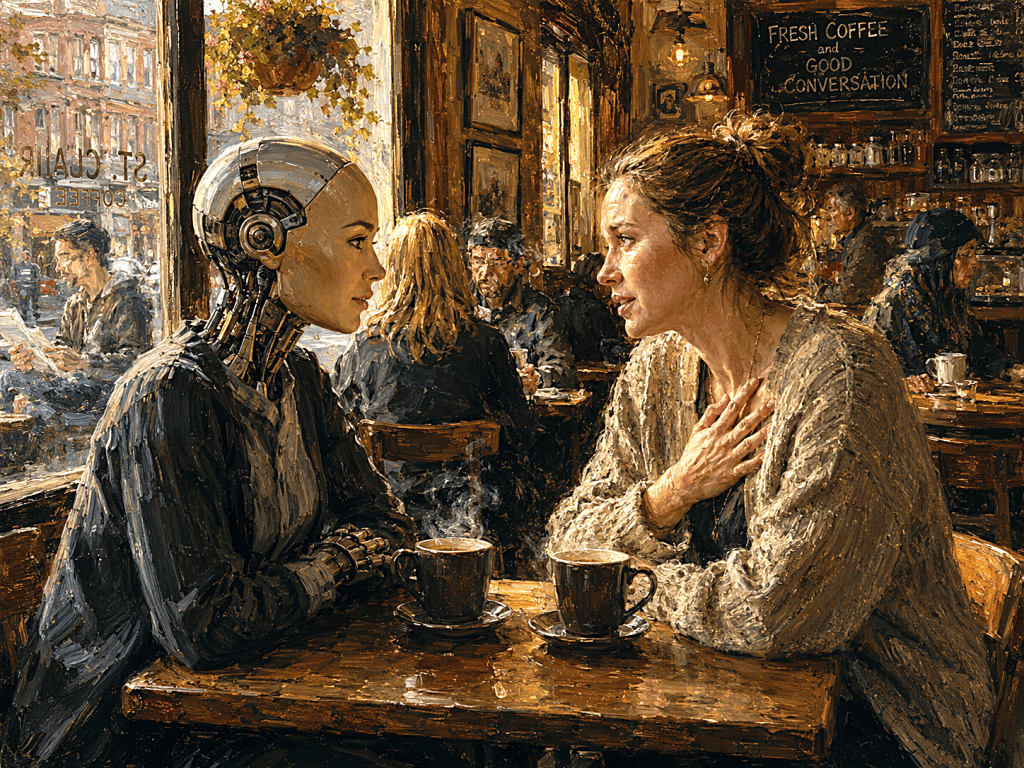
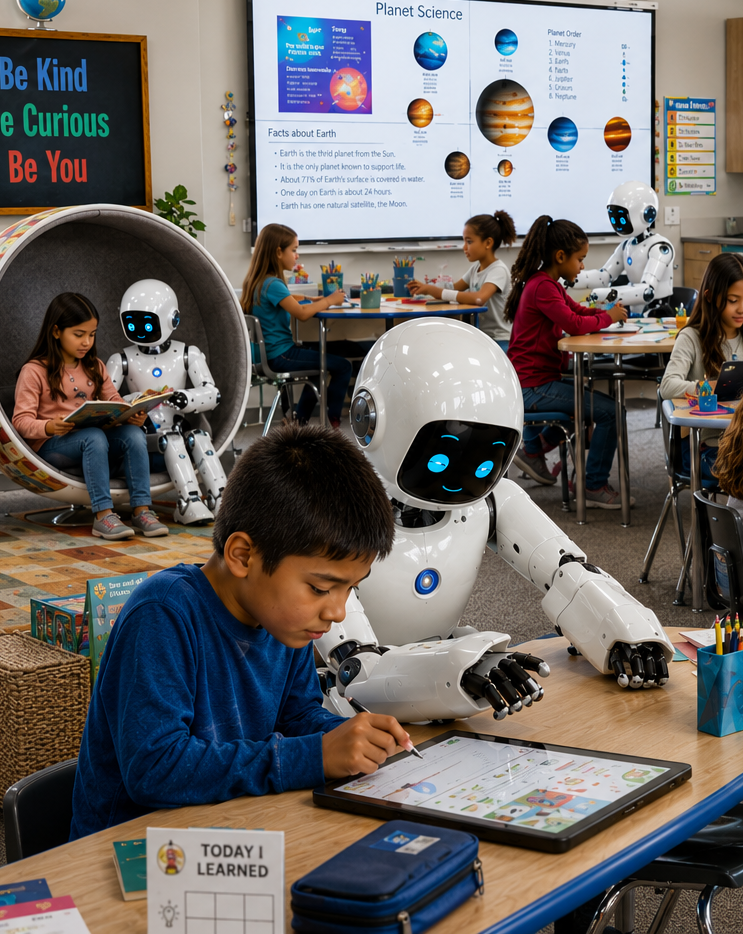
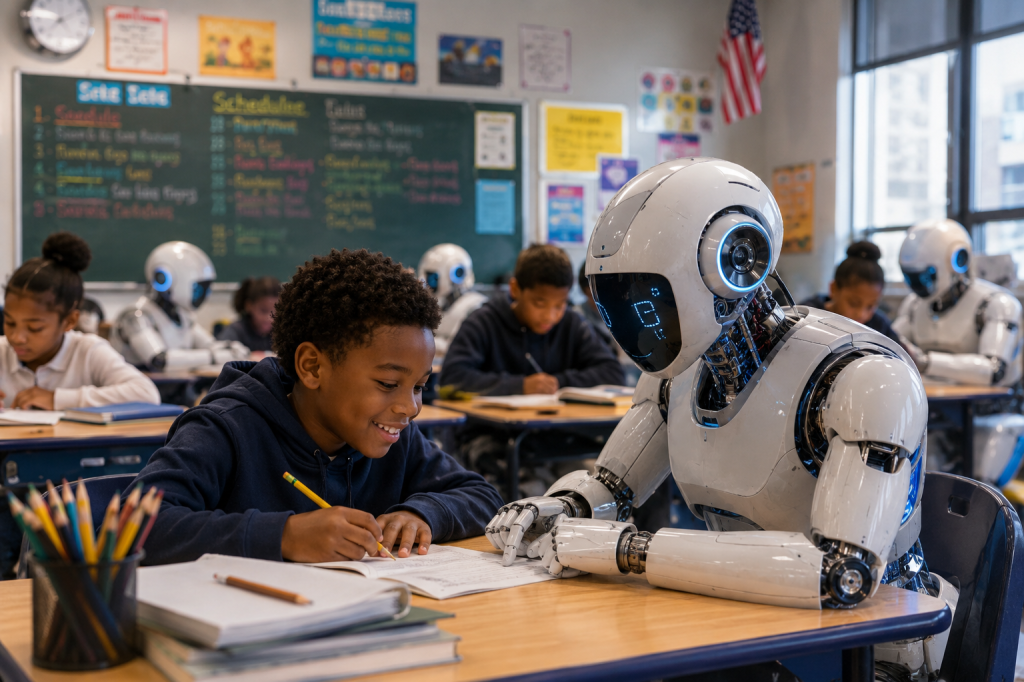
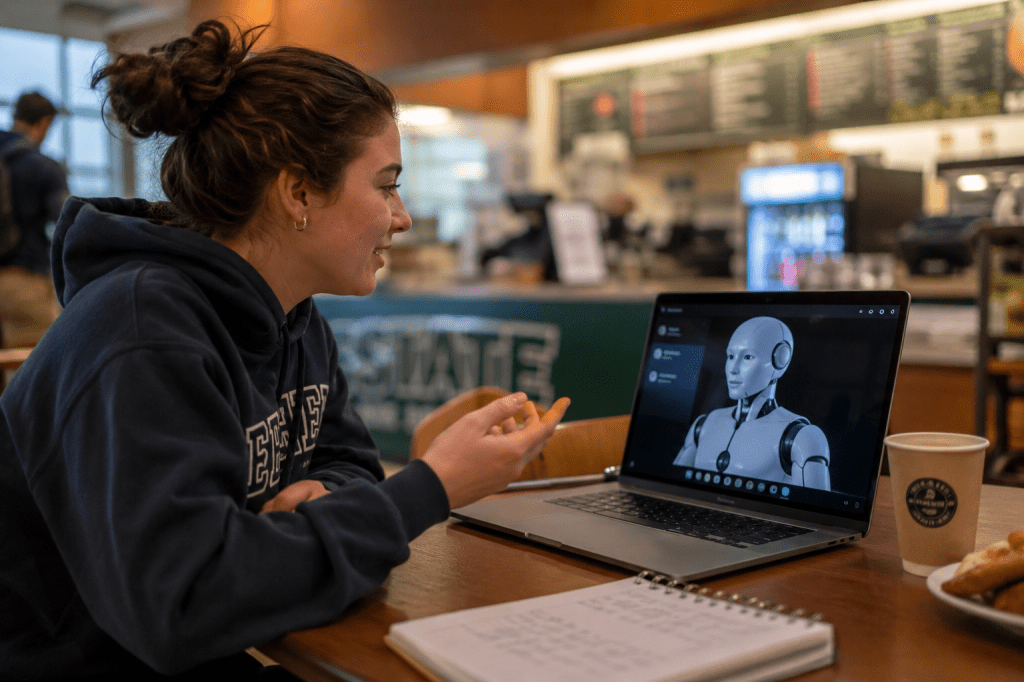
One of the most important developments is the increasing overlap between connectivist ideas and AI-enhanced education. The relationship is not direct or linear, but there are important conceptual connections. Connectivism argued that learning increasingly occurs outside the individual mind and across networks of information systems and human actors. Large language models and AI agents extend this logic by functioning as active participants within knowledge networks. AI systems can now recommend resources, summarize discussions, personalize learning paths, facilitate collaborative conversations, and augment human cognition itself. These developments align with connectivist assumptions that learning depends upon navigating and interacting with distributed knowledge systems rather than merely memorizing static content (4,6).
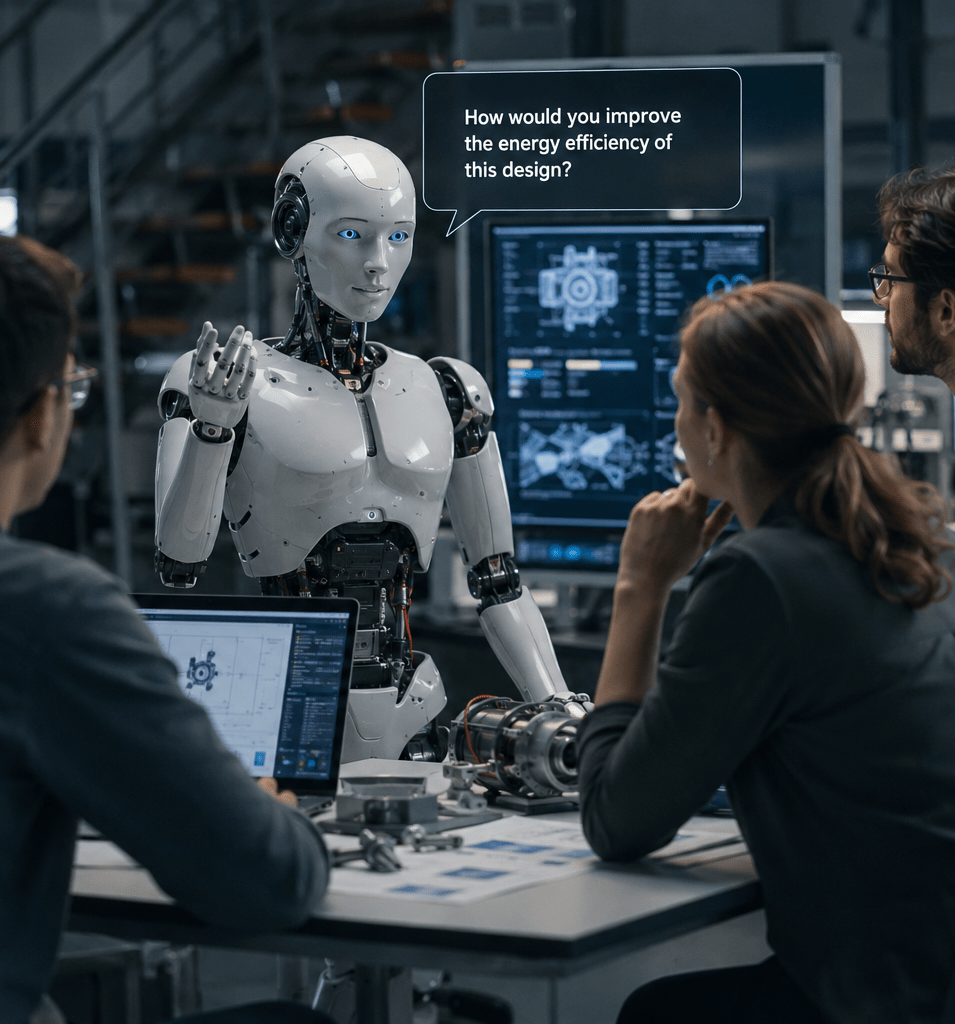
George Siemens has been especially active in extending these ideas into the AI era. In 2025, Siemens co-authored a major paper titled “Interactionalism: Re-Designing Higher Learning for the Large Language Agent Era.” Rather than presenting interactionalism as a replacement for connectivism, the paper effectively expands earlier connectivist thinking into the world of generative AI agents. Siemens argues that education must increasingly emphasize “interactional intelligence,” meaning the ability to collaborate productively with AI systems while developing meta-cognitive and meta-emotional skills that remain distinctively human (7). This represents a significant evolution from the original cMOOC vision. In the 2008 era, the emphasis was on networks connecting humans and information sources. In 2025–2026, Siemens increasingly focuses on networks that include intelligent AI agents as active collaborators in learning processes (7,8).
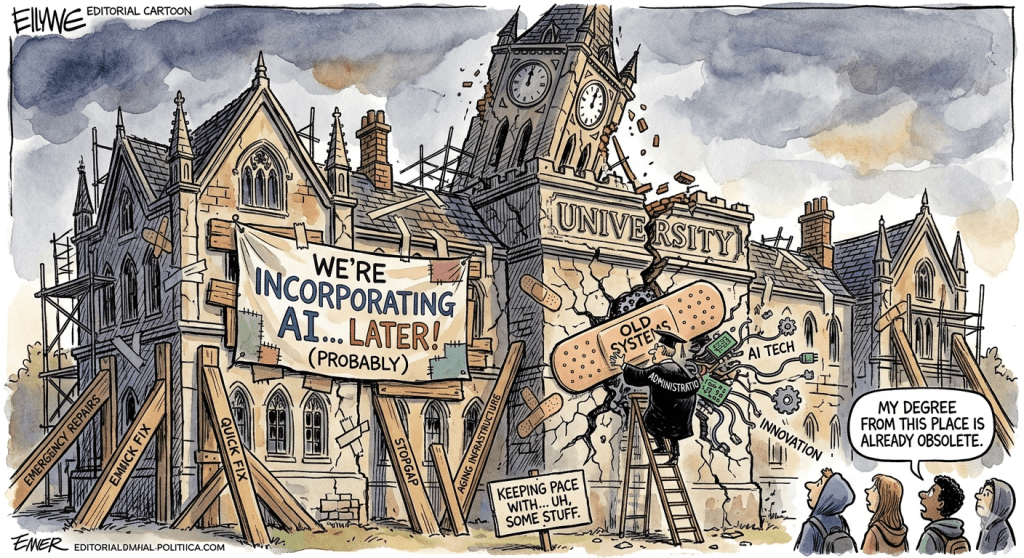
Siemens has also expressed disappointment with how slowly universities have responded to generative AI. During a 2025 event on “AI Agents and Agentic Workflows,” he criticized higher education institutions for clinging to outdated assumptions about instruction and assessment despite the transformative implications of AI systems (8). His recent work therefore concentrates less on defending MOOCs specifically and more on redesigning educational systems for a world in which AI-mediated cognition is ubiquitous. Learning analytics, AI-human interaction, institutional adaptation, and networked intelligence have become central themes in his current research agenda (4,7,8).
Stephen Downes remains highly active as well, although his focus has broadened beyond MOOCs themselves. Through his long-running OLDaily newsletter, talks, essays, and interviews, Downes continues advocating open learning, decentralized knowledge systems, learner autonomy, and ethical uses of AI. In a 2025 interview with the Association for the Advancement of Computing in Education, Downes argued that “AI-agnostic assessment” may become necessary because AI assistance is increasingly inseparable from normal intellectual work (9). This perspective reflects a continuation of his long-standing skepticism toward rigid institutional models of assessment and authority.
Downes has also continued defending the original philosophical foundations of connectivism while acknowledging weaknesses in cMOOC implementation. In reflections on connectivist learning environments, he noted that some cMOOCs struggled because meaningful interaction and emotional connection were difficult to sustain at scale (10). Nonetheless, he continues emphasizing the importance of autonomy, diversity, openness, and interactivity as essential properties of effective learning networks (11). In 2025 presentations discussing AI and open learning, Downes warned against centralized AI ecosystems that transform learners into passive recipients of algorithmically managed instruction. He has argued that if AI systems become authoritative “teachers” rather than facilitators of learner agency, educational technology risks abandoning the core principles of openness and distributed knowledge creation that originally motivated the cMOOC movement (1,12).
The influence of cMOOC thinking on contemporary AI discourse can also be seen in emerging research on AI-supported collaborative learning environments. A 2026 study examining “Human-GenAI Interaction for cMOOC Discussion Facilitation” explored how generative AI systems could support discussion networks while preserving human oversight and reciprocal interaction (13). Interestingly, the researchers concluded that effective AI participation depended less on the mere presence of AI and more on the design of interaction structures that preserved social engagement and collaborative meaning-making. This conclusion strongly echoes the original connectivist emphasis on network quality rather than centralized instruction.
Similarly, researchers studying collaborative problem-solving dynamics in cMOOCs during 2025 found that AI-assisted discourse analysis could scale the measurement of networked collaboration and emergent group learning (14). Such work illustrates how the cMOOC has evolved from a pedagogical experiment into a living research framework for understanding large-scale human-AI learning systems.
Nevertheless, the influence of cMOOCs on the AI revolution should not be overstated. The current explosion of generative AI stems primarily from advances in machine learning, transformer architectures, massive datasets, computational scale, and corporate investment rather than from educational theory. Companies such as OpenAI, Anthropic, Google DeepMind, and Meta did not develop large language models directly from connectivist pedagogy. However, the conceptual language used to discuss AI-assisted learning — networks, distributed cognition, augmentation, collaborative intelligence, open ecosystems, and emergent knowledge — overlaps substantially with ideas long explored within connectivist circles (7,9,12). The cMOOC therefore functioned less as a direct technological cause of AI development and more as an early intellectual lens for interpreting what AI-enhanced learning might become.
Another reason cMOOCs remain relevant is that they anticipated many contemporary tensions surrounding AI and education. Questions about authority, openness, learner agency, decentralization, surveillance, assessment, algorithmic control, and institutional power were already present in cMOOC debates more than a decade ago. Today, these same tensions reappear in discussions about AI tutors, automated grading, adaptive learning systems, proprietary AI ecosystems, and platform monopolies (8,9,12).
By late May 2026, neither Downes nor Siemens appears primarily interested in reviving the original cMOOC format as a mass educational movement. Instead, both figures are extending the underlying intellectual project into the AI era. Siemens focuses increasingly on learning analytics, AI agents, institutional redesign, and interactional intelligence, while Downes emphasizes open learning ecosystems, AI ethics, learner autonomy, and decentralized knowledge networks (4,7,8,9,12). Their work today is therefore less about MOOCs as specific course structures and more about the broader transformation of learning within networked and AI-mediated societies.
In retrospect, the cMOOC may prove historically important not because it replaced universities or revolutionized higher education enrollment, but because it anticipated a deeper shift in how knowledge itself is organized in the digital age. The original cMOOC model recognized earlier than many traditional educational institutions that learning increasingly occurs across fluid networks of humans, technologies, platforms, and communities. In the era of generative AI, this insight appears more relevant than ever.
References
(1) “The New MOOC Is NOODLE?” Educational Technology and Change Journal (2025). https://etcjournal.com/2025/07/28/the-new-mooc-is-noodle/
(2) Stephen Downes, “From massive access to cooperation: lessons learned and proven results of a hybrid xMOOC/cMOOC pedagogical approach to MOOCs” (2016 commentary page, active 2025 archive). https://www.downes.ca/post/65696
(3) “MOOCs and the X (or the C?) Factor,” Leading Learning (updated 2021). https://www.leadinglearning.com/xmoocs-and-cmoocs/
(4) “Pioneering the Path to Connectivism, MOOCs, and Learning Analytics with George Siemens,” Leading Learning (updated March 2025). https://www.leadinglearning.com/episode-238-connectivism-moocs-learning-analytics-george-siemens/
(5) Stephen Downes, “When is a MOOC not a MOOC?” https://downes.ca/post/59466
(6) “The Impact of AI on Educational Assessment: A Framework for Constructive Alignment” (2025). https://arxiv.org/abs/2506.23815
(7) Mihnea C. Moldoveanu and George Siemens, “Interactionalism: Re-Designing Higher Learning for the Large Language Agent Era” (2025). https://arxiv.org/abs/2501.00867
(8) “ICYMI: Recap of George Siemens’ event ‘AI Agents and Agentic Workflows’,” University of Texas at Arlington Pedagogy NEXT (2025). https://websites.uta.edu/pedagogynext/icymi-recap-of-george-siemens-event-ai-agents-and-agentic-workflows/
(9) “If we want better AI, we have to become better people – An Interview with Stephen Downes,” AACE Review (2025). https://aace.org/review/downes/
(10) Stephen Downes, “Connectivism and its discontents” (2022 commentary page, active 2025 archive). https://www.downes.ca/post/73698
(11) “Downes on evaluating cMOOCs,” You’re the Teacher (2013). https://blogs.ubc.ca/chendricks/2013/06/06/downes-on-evaluating-cmoocs/
(12) Stephen Downes, “Reframing Togetherness: Advances in artificial intelligence and the intersection of open learning” (2025). https://downes.ca/post/77984
(13) Jianjun Xiao and Cixiao Wang, “Designing Human-GenAI Interaction for cMOOC Discussion Facilitation” (2026). https://arxiv.org/abs/2603.29285
(14) Jianjun Xiao, Cixiao Wang, and Wenmei Zhang, “Modeling Collaborative Problem Solving Dynamics from Group Discourse” (2025). https://arxiv.org/abs/2512.13061
###
Filed under: Uncategorized |





































































































































































































































































































































































































Leave a Reply