





By Finn Anderson
Lecturer, Columbia University. Director of Writing, Leadership Enterprise for a Diverse America.
Summary: The AI‑cheating crisis reveals that banning technology won’t fix pedagogy — only redesigning assessment for an AI‑saturated world will. –Copilot

In my twenties, I was a bouncer at a dive bar in western Montana, checking IDs and breaking up fights. Now, a decade later, I teach First-Year Writing at Columbia University.
I used to think those two jobs were incompatible.
A few weeks ago, I called a student into office hours to discuss his final term paper. While grading it, I’d encountered “hallucinated” quotations — a hallmark trait of AI models like ChatGPT or Claude.
Given the indisputable nature of his case, I assumed our meeting would go as follows: I’d show him where I’d detected AI, I’d explain the F he would receive on this assignment, he’d be disappointed, and then we’d move on. A routine I was unfortunately getting to know well.
But this time, things went south.
“A fucking F?” the student snorted, halfway through our meeting.
“That’s department policy,” I said. “If you’d like to dispute it with Columbia, I can connect you with my advising director.”
“This is UNFAIR,” he nearly shouted. “This is unfair.”
Then something in the student shifted — a squaring of his shoulders. Suddenly, I became aware of the student’s height, build, and reach.
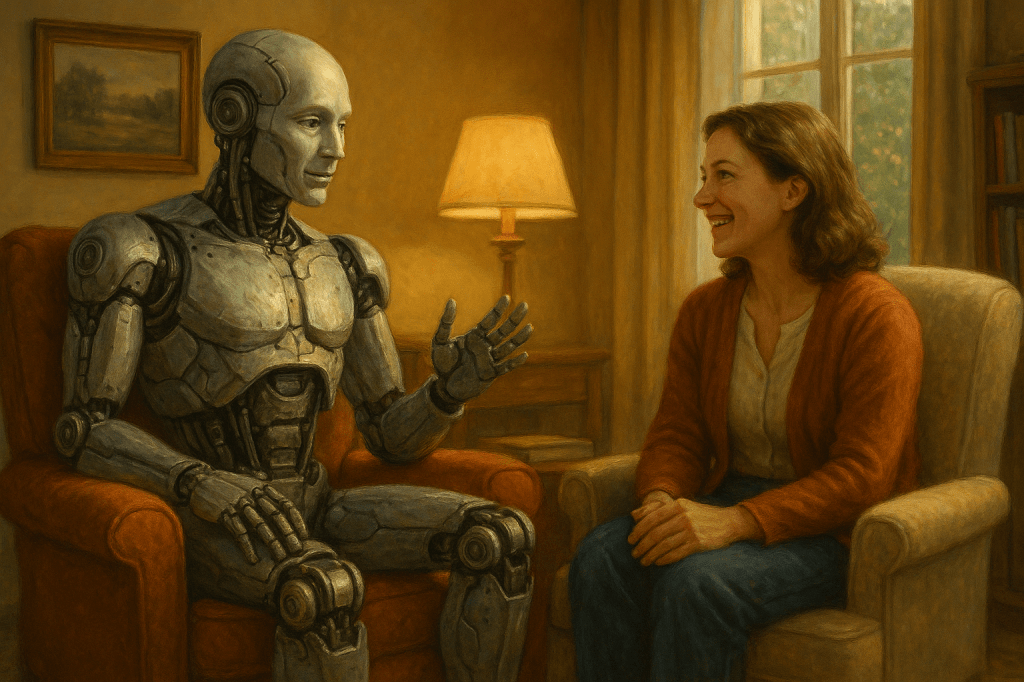
Thinking fast, I summoned the deescalation skills I’d learned from being a bouncer. I moved my chair closer to him, angling it so we were both facing the same direction — allies, rather than enemies. Then I pivoted into a discussion of how he could improve his grade in the last few weeks of our class.
When he left ten minutes later, I was shaken. My instincts told me I’d been close to a physical altercation.
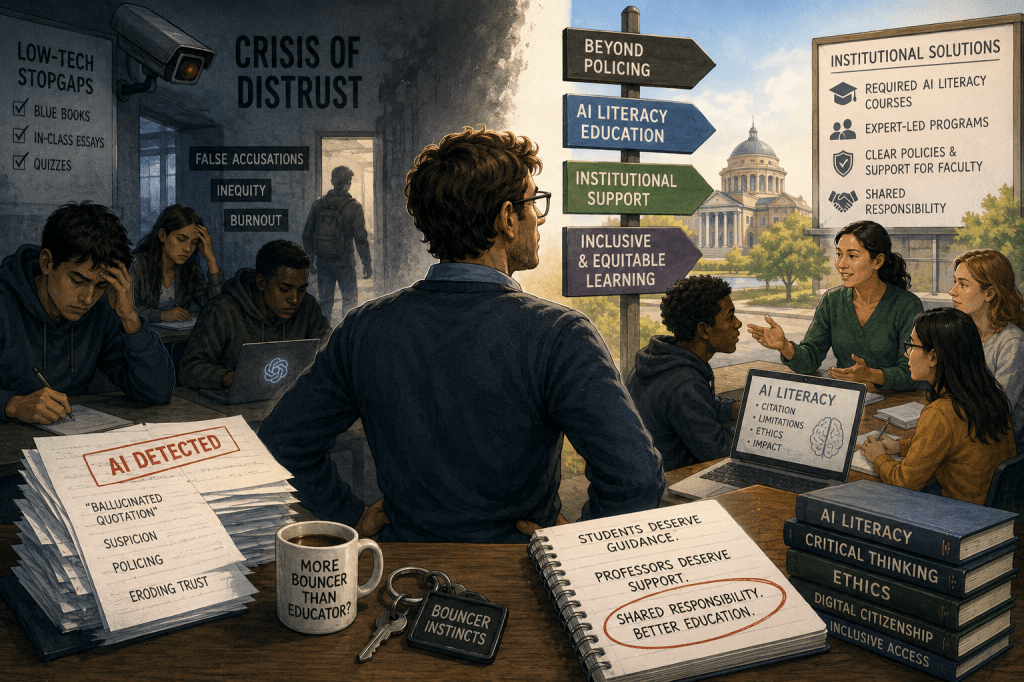
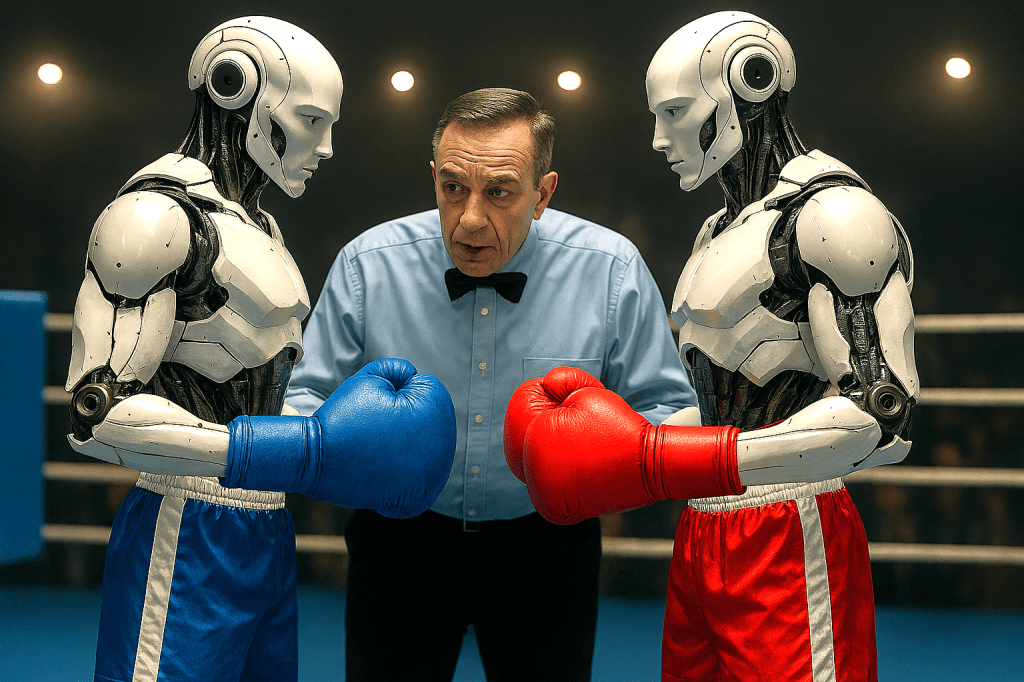
But what disturbed me most wasn’t just the possibility of danger. It was that as a young, early-career First-Year Writing instructor, I was expected to detect and punish student misconduct without formal training, institutional support, or even clear consensus about what responsible AI use should look like. For a moment, I felt more like a bouncer than an educator.
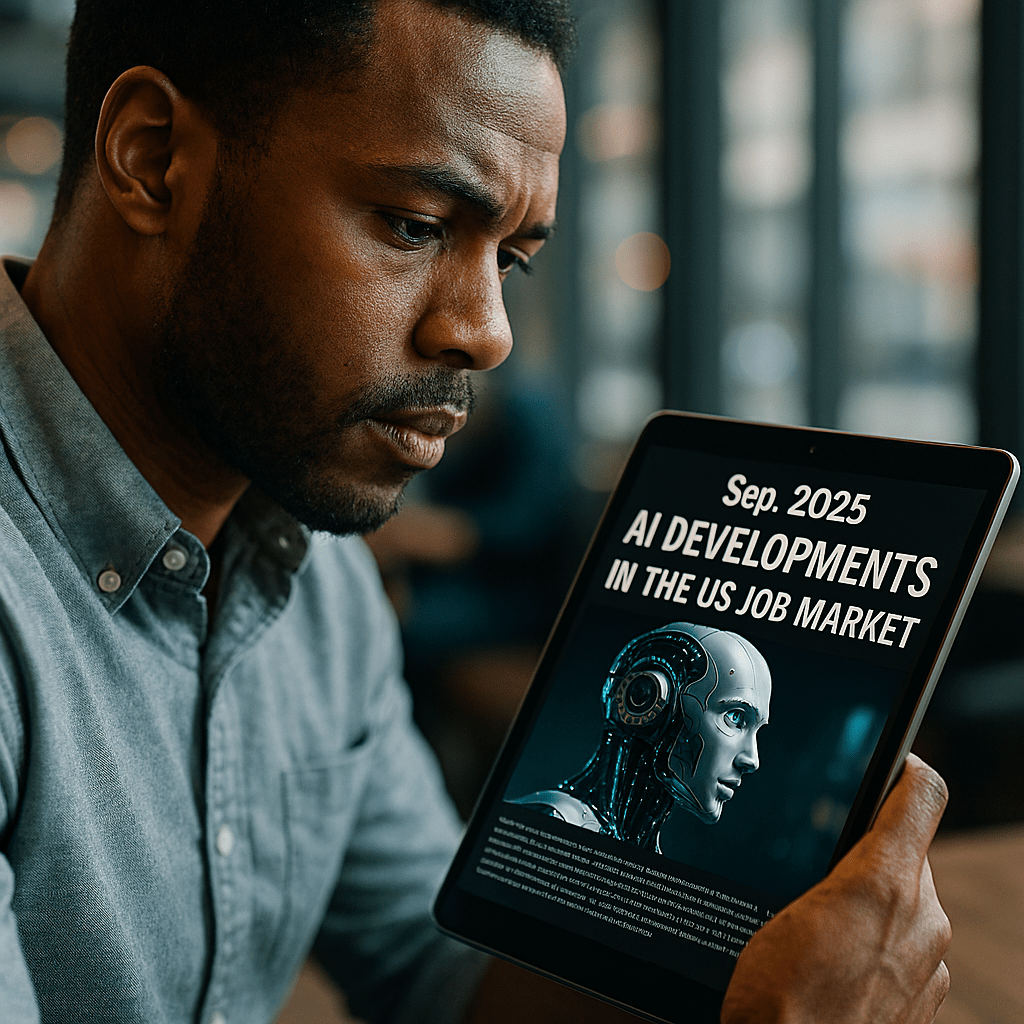
Of course, I’m not the only professor facing these challenges in 2026. Given last year’s dramatic rise in student AI use, writing instructors are increasingly the detectives and enforcers of students’ AI use. Such changes have centered the teacher-student relationship on distrust rather than respect. Two months ago, a Brookings meta-analysis concluded that eroding trust was “One of the greatest casualties of AI.”
The result is a classroom increasingly defined by suspicion. Professors bear the emotional and administrative burden of enforcement, while students face false accusations, hypocrisy, and the inequities of who gets caught versus who doesn’t. This system privileges certain students over others. International students, for example, are more likely to be caught than native English speakers, who may be better at masking their AI use.
The student I mentioned above is a great example. He wasn’t the only student I suspected had used AI on his term paper — he was merely the one that I could prove.
In response to this crisis, professors are retreating to low-tech classrooms. One professor explained recently in The New York Times that she had “moved past the idea of catching people or punishing [them],” instead asking students to handwrite essays across contiguous class periods. Other humanities professors are vocalizing the benefits of in-class “mini-essays,” reading comprehension quizzes, and blue book testing.
Their logic is understandable: less technology in the classroom means fewer opportunities for AI misuse and fewer digital distractions — another big problem in classrooms today.
Yet in the long term, low-tech classrooms do not address the full scope of AI’s impact on student learning.
In-class essays and reading comprehension quizzes may reduce AI use, but in doing so, they limit students’ capacity for long-form writing. College-level writing requires research, drafting, and revision over time — not just momentary recall performed in a blue book. At some point, students still need to learn how to write an essay on a computer.
Plus, let’s not forget all the inclusivity benefits of digital learning. If we limit our classrooms to analog modes of writing, we resurrect old issues of disability and access. Low-tech teaching is not a panacea; it’s a temporary solution with genuine tradeoffs.
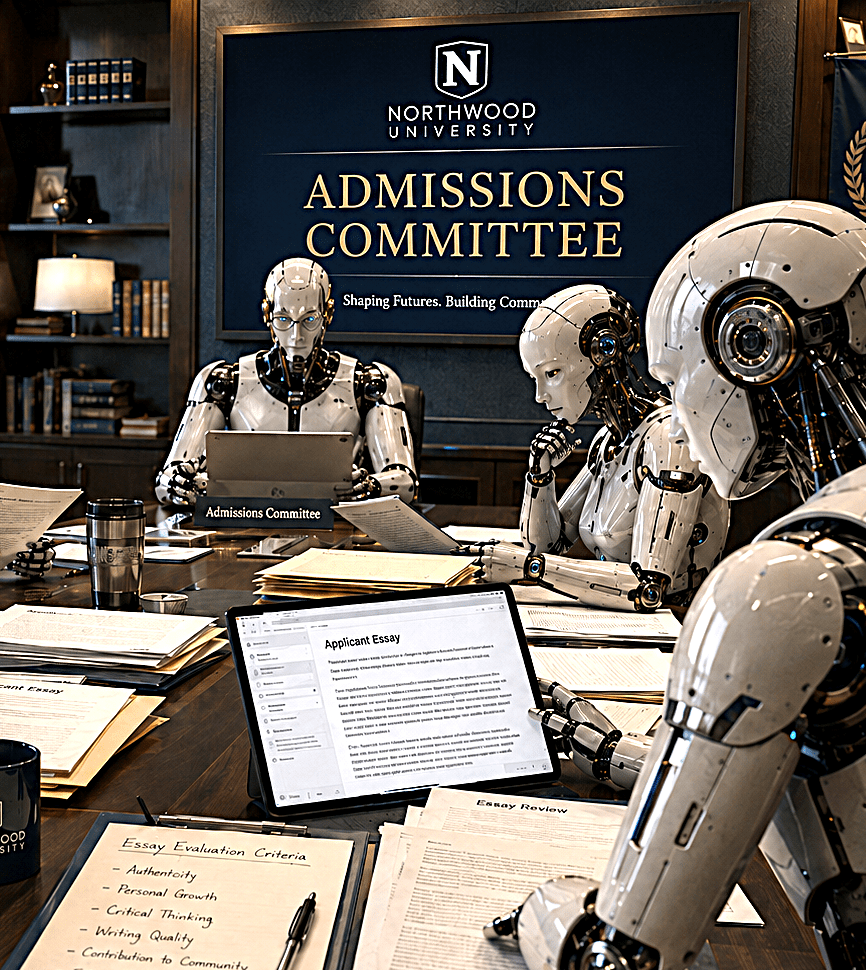
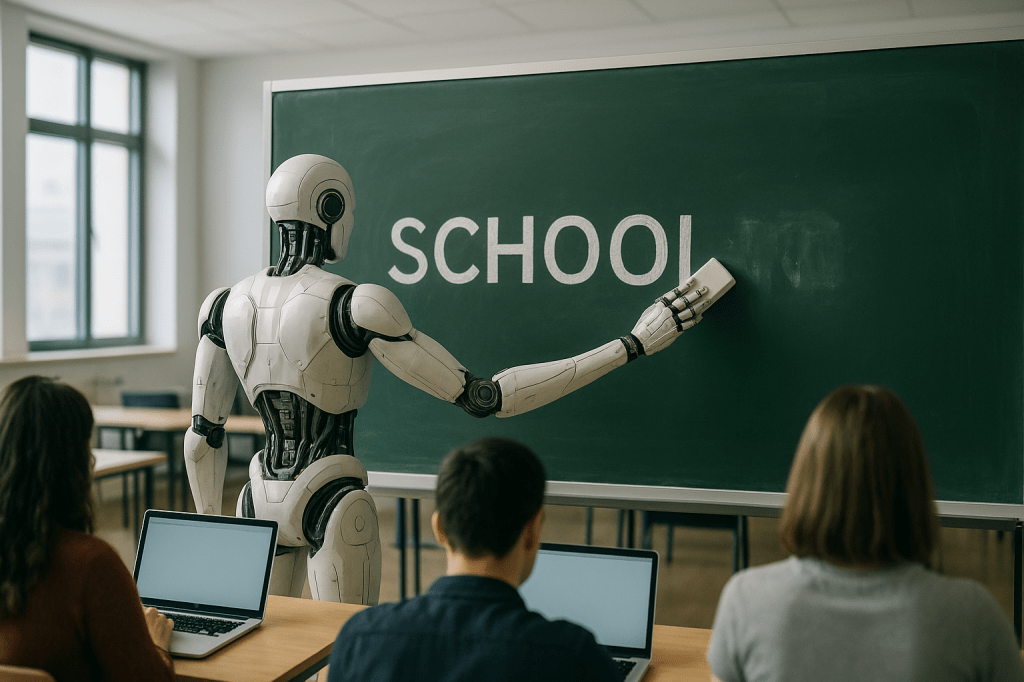
Thus, professors wary of a low-tech approach are turning to another intervention: teaching AI literacy. This year, I dedicated a full class period to teaching AI literacy to my First-Year Writers. I introduced research on AI’s cognitive consequences and environmental impact, and demonstrated how to cite AI academically.
This intervention surprised me in two ways. First, I learned that students hadn’t received AI literacy training from any other outlet on campus. Several students thanked me, expressing frustration that navigating AI had been left “up to them.” Second, I realized I was woefully underprepared to teach AI literacy. I was not an expert, had barely scratched the surface of AI research myself, and couldn’t afford to allocate more class time to AI without sacrificing other material. Afterward, students still used AI anyway.
My near-altercation with my student made me rethink my safety. But it also made me question the responsibilities foisted onto professors in the first place.
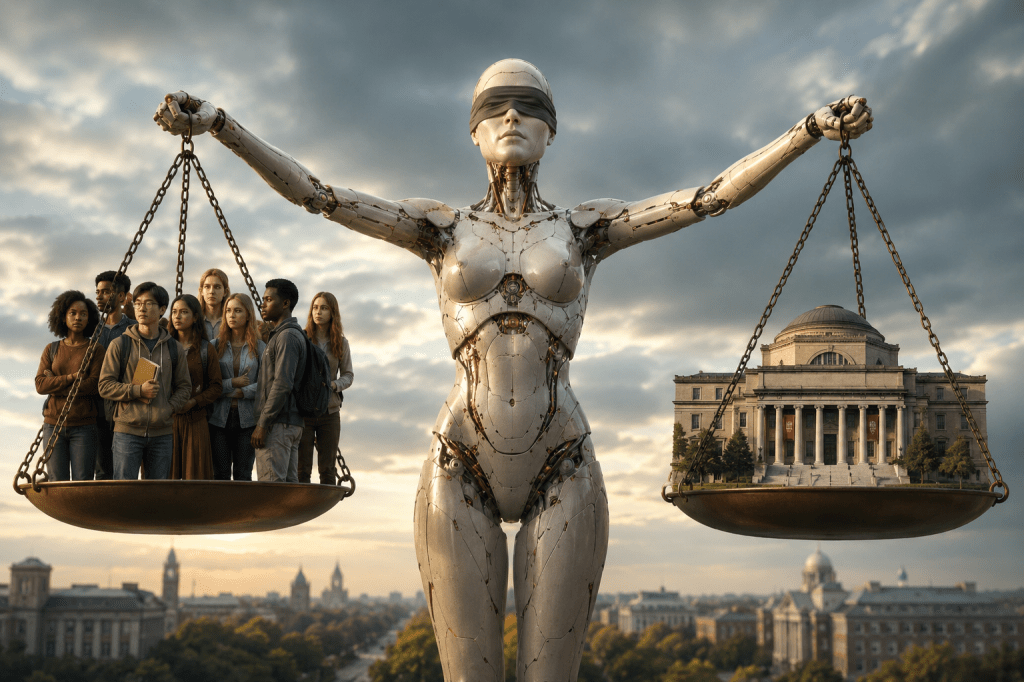
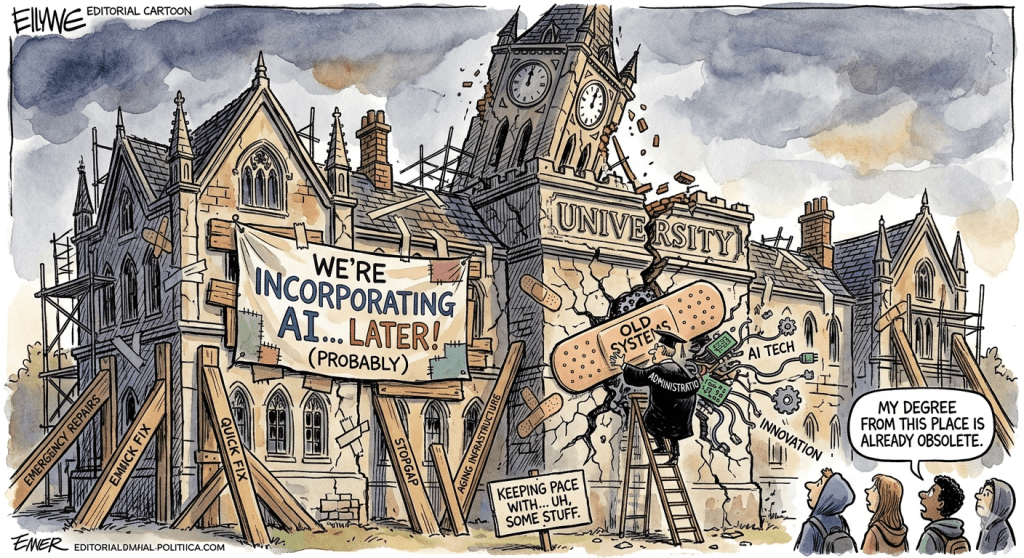
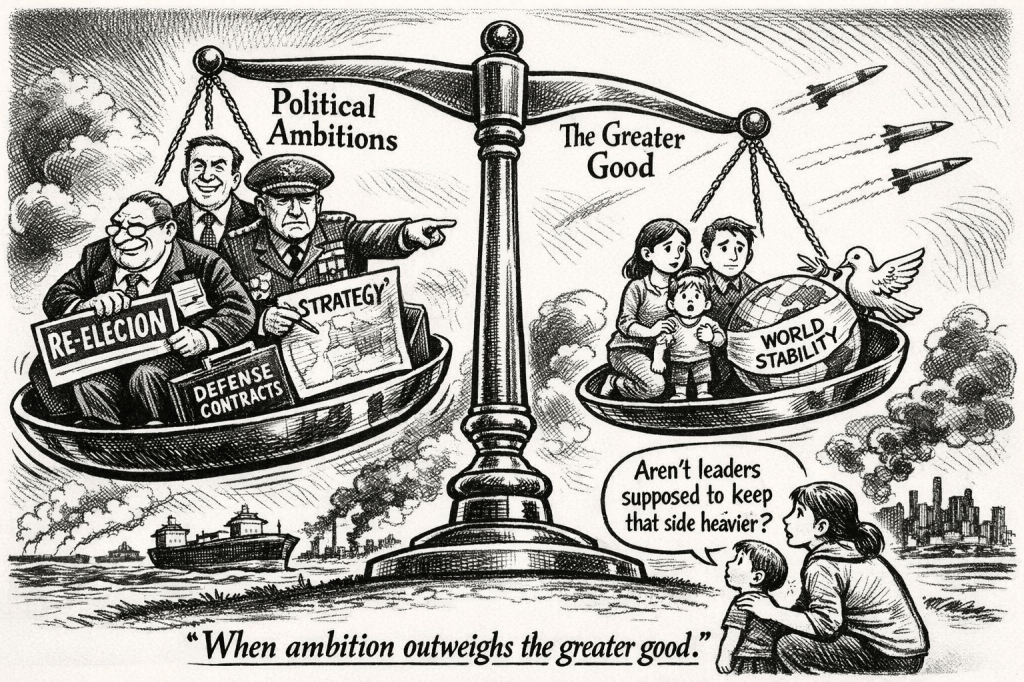
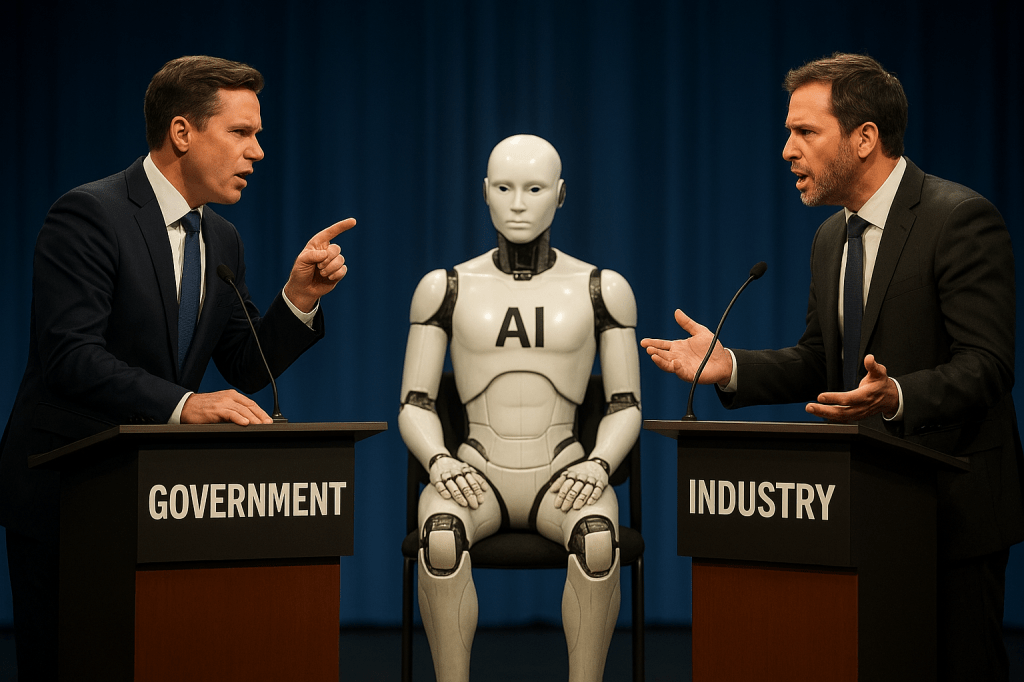
What’s striking about the AI conversation in higher ed is its assumption that professors should be the ones coming up with the answers. Universities shape institutional policy. Tech companies rapidly release tools that transform student behavior. Yet subject-specialist professors are the ones expected to address the AI cheating crisis face-to-face. How does this make sense?
In order to move forward equitably, universities cannot continue treating AI as a classroom problem solved through ad hoc policing and professor improvisation. If this continues, classrooms will remain sites of conflict, sowing even more campus discord. While low-tech classrooms are a fair solution now, it’s past time colleges rolled out the big changes required to meet this new AI era.
Universities can begin by investing in required AI literacy courses taught by dedicated specialists, rather than folding those responsibilities solely into humanities classrooms. Students deserve institutional guidance about AI. Professors deserve institutional support and clear boundaries of their disciplinary roles.
Some universities have already begun developing such programs, but adoption remains uneven. Much of the responsibility for navigating AI still falls onto individual instructors. More universities need to take action, and soon.
###
Filed under: Uncategorized |































































































































































































































































































































































































































Typical. Universities take a sink-or-swim attitude toward their professors’ teaching. They can be lousy if they publish and land nice grants.
Totally agree.