







By Jim Shimabukuro (assisted by ChatGPT)
Editor
Summary: If dogs can detect androids through behavior, not smell, it suggests that authenticity in the AI era will be judged by interaction rather than appearance. –Copilot

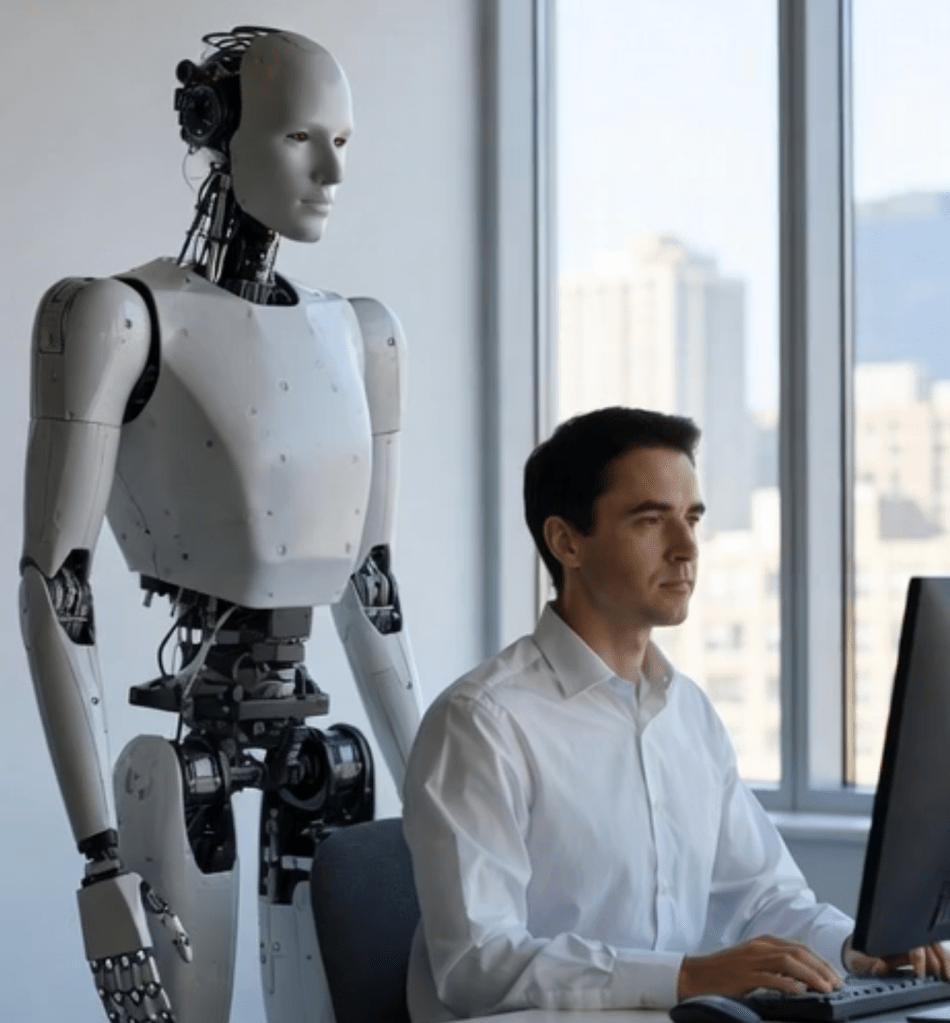
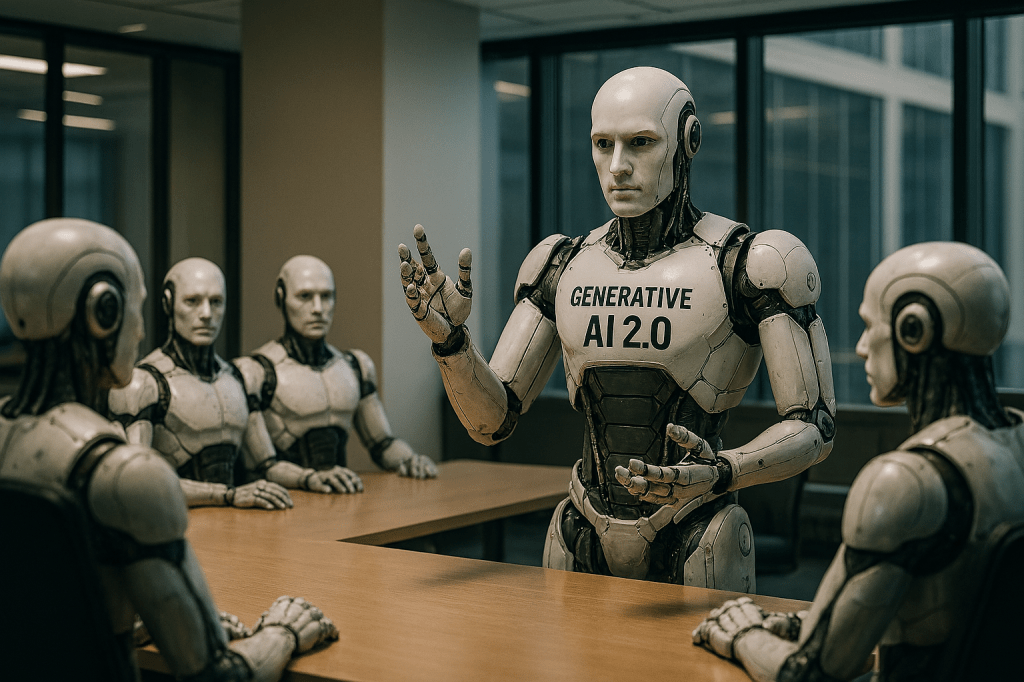
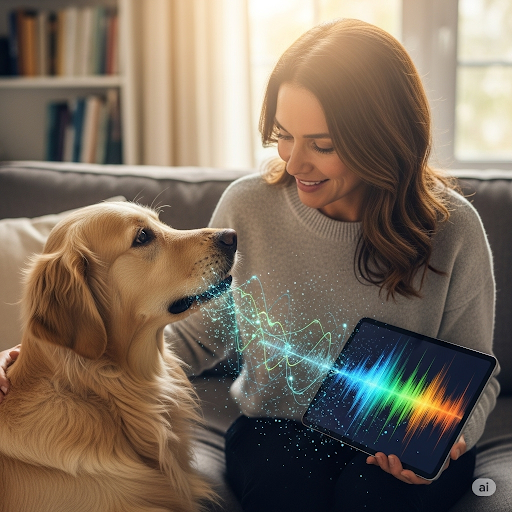
The question of whether dogs could distinguish a highly advanced android from a biological human has become increasingly relevant as humanoid robotics grows more sophisticated. Dogs possess sensory systems that operate very differently from human perception. Even if an android were visually convincing to humans, dogs would still analyze a wide range of biological signals that humans often overlook. Scent remains the most obvious differentiator, but dogs also appear sensitive to heartbeat rhythms, breathing patterns, thermal signatures, movement dynamics, vocal micro-irregularities, tactile texture, and behavioral synchrony. Modern research in canine cognition and robotics suggests that dogs integrate these signals into a holistic perception of “livingness.”
One important factor is the detection of subtle biological motion. Dogs evolved alongside humans for thousands of years and became exceptionally skilled at reading human posture, muscle tension, gait, and intention. Recent research on canine perspective-taking suggests that dogs continuously infer what humans can see, intend, and attend to (1). Human movement contains countless small irregularities caused by muscles, tendons, fatigue, balance adjustments, and respiration. Even advanced androids may move too smoothly, too symmetrically, or too predictably. Dogs are highly attentive to motion anomalies because such anomalies can indicate injury, emotional state, unfamiliarity, or danger. A well-constructed android might visually resemble a human to people while still appearing mechanically “off” to a dog.
Dogs are also highly sensitive to respiration and cardiovascular rhythms. Research published in 2025 on canine respiratory monitoring emphasized how detectable breathing rhythms are even through non-contact audio and video systems (2). Dogs possess hearing far beyond the human auditory range and may detect subtle airflow sounds, heartbeat vibrations, clothing friction associated with respiration, and tiny cadence variations during speech. Biological humans constantly generate involuntary micro-signals: pulse fluctuations, moist skin friction, digestive noises, coughing reflexes, and irregular breathing intervals. Androids lacking such patterns could appear abnormal. Even if engineers reproduced artificial breathing sounds, reproducing the complex variability of living physiology would be difficult.
Thermal perception likely matters as well. Dogs possess infrared-sensitive noses to a limited degree and are capable of detecting heat gradients associated with living tissue. Humans constantly radiate dynamic heat patterns shaped by blood circulation, perspiration, emotional arousal, and ambient adaptation. Androids powered by motors and batteries would likely produce very different thermal distributions. Mechanical joints, cooling systems, and power cells generate localized heat signatures unlike biological musculature. A dog approaching an android may therefore encounter an unusual combination of human appearance but nonhuman temperature behavior.
Touch and tactile feedback may provide another clue. Human skin contains elasticity, moisture variation, fine hairs, changing tension, and subtle involuntary reactions. Dogs frequently gather social information through physical contact. Research on tactile interaction with robot dogs has shown that touch strongly influences animal and human acceptance of robots (3). However, synthetic skin still struggles to replicate the layered softness, warmth, compliance, and micro-movements of living tissue. Dogs are especially attentive to tension changes during petting, hand contact, and movement coordination. An android’s touch might therefore feel emotionally or physically “wrong” despite visual realism.
Dogs also rely heavily on synchronized social behavior. Studies published in 2025 found that dogs can display jealousy-like reactions toward nonliving agents, suggesting that they can socially engage with robotic entities under some conditions (4). Yet the same research emphasized uncertainty regarding whether dogs truly perceive robots as social beings equivalent to humans or animals. Dogs appear to continuously test social responsiveness through gaze following, reaction timing, vocal feedback, and reciprocal movement. Androids that respond too slowly, too perfectly, or without subtle emotional inconsistency may fail these tests.
Voice and sound production create additional challenges. Human speech contains involuntary fluctuations caused by respiration, saliva, emotional arousal, muscular fatigue, and neurological variation. Android speech synthesis has improved dramatically, but dogs may detect ultrasonic artifacts, unnatural cadence, or missing physiological background sounds. Dogs evolved to interpret emotional tone and stress levels from human vocalization. A synthetic voice lacking authentic biological variability may therefore seem suspicious even if human listeners are convinced.
Science fiction writers explored these ideas decades before modern robotics approached practical realism. The most famous example is Philip K. Dick’s novel Do Androids Dream of Electric Sheep? which inspired the film Blade Runner, a1982 science fiction film.” In Dick’s world, animals serve as emotional authenticity markers in a society populated by androids. Although dogs are not the primary detection mechanism, the novel repeatedly associates living animals with empathy, biological unpredictability, and emotional depth that androids struggle to reproduce. Later adaptations and derivative works frequently portrayed animals reacting uneasily to artificial humans.
Another influential work is Westworld, an HBO television series in which hosts attempt to imitate humans while subtle behavioral inconsistencies reveal their artificiality. Dogs and horses in such stories are often portrayed as instinctively wary around androids. Isaac Asimov’s robot stories, including the book I, Robot,” also explored the idea that biological organisms may perceive robots differently even when humans consciously accept them. Modern science fiction increasingly incorporates animal perception as a realism test for artificial beings because audiences intuitively recognize animals as excellent detectors of subtle anomalies.
More recent robotics discourse, including public demonstrations and online discussions surrounding robot dogs and humanoids during 2025–2026, has repeatedly documented unusual reactions between biological dogs and robotic systems (5,6). Some dogs become fearful, others curious, and some attempt play behaviors while remaining cautious. These encounters suggest that dogs quickly recognize that robot movement differs from biological movement even when the shape resembles a familiar animal.
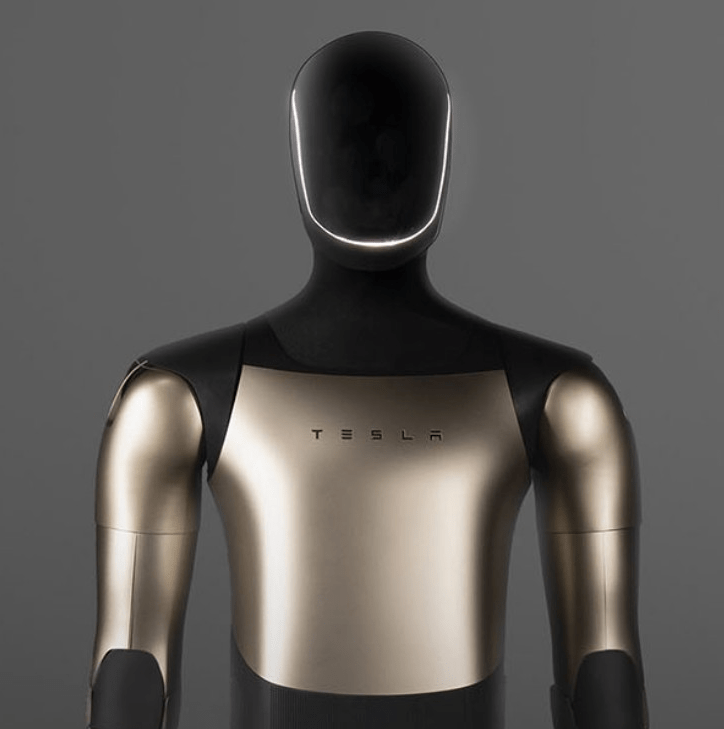
Scientists and engineers seeking to fool dogs into perceiving an android as human would likely need to address multiple sensory channels simultaneously rather than merely improving outward appearance. First, they would need highly sophisticated thermal systems capable of producing dynamic heat maps that resemble blood circulation and changing skin temperature. Second, androids would require artificial respiration systems that generate realistic chest motion, airflow sounds, heartbeat rhythms, and physiological variability. Third, synthetic skin would need to reproduce moisture, elasticity, hair distribution, and pressure response. Fourth, locomotion systems would need to imitate the asymmetry and micro-instability of human gait rather than pursuing mechanical perfection.
Engineers may also attempt to exploit dogs’ social cognition. Research in human-robot interaction increasingly emphasizes adaptive emotional expression and social responsiveness in androids (7). Future androids could incorporate machine learning systems trained specifically on canine reactions. Such systems might learn to maintain appropriate eye contact, timing, posture, vocal tone, and movement patterns to reduce canine suspicion. Designers may even include artificial scent systems that emit biologically plausible compounds while synchronized speakers reproduce heartbeat and respiratory noises.
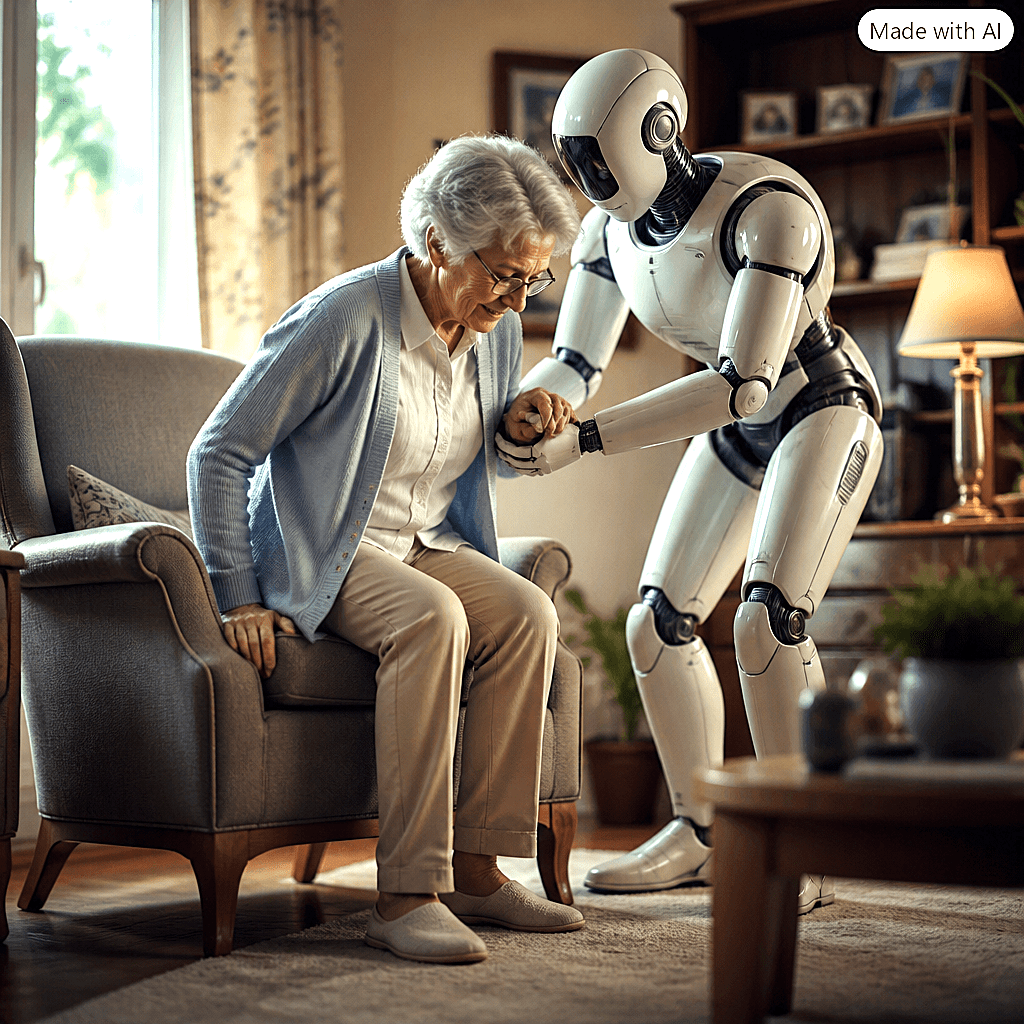
The ability to fool dogs could become important for several reasons. In domestic environments, household dogs may otherwise react fearfully or aggressively toward caregiving androids, delivery robots, or humanoid assistants. In eldercare and medical settings, minimizing animal distress could improve safety and trust. Military and security contexts may create even stronger incentives. Dogs are widely used in policing, border control, and protection work because they detect subtle anomalies that humans miss. If dogs reliably identified android infiltrators or disguised robots, governments and companies would have strong incentives to develop countermeasures. Conversely, security organizations may deliberately use dogs as a low-cost biological screening system against deceptive robotics.
There are also philosophical implications. If engineers eventually create androids capable of consistently fooling dogs, the achievement would suggest that robotics had crossed an important threshold in reproducing the multisensory complexity of living organisms. Humans can already be deceived visually by sophisticated robots and digital avatars. Dogs, however, evaluate the world through a richer sensory framework integrating smell, hearing, touch, heat, motion, and social timing. Successfully deceiving dogs would therefore represent not merely better cosmetics but a profound advance in synthetic embodiment and behavioral realism.
At present, no publicly documented android fully passes such a canine “livingness test.” Dogs continue to possess advantages rooted in evolutionary specialization and multisensory integration. As robotics advances during the late 2020s and beyond, the interaction between canine perception and humanoid engineering may become an unexpectedly important frontier in both robotics research and social adaptation.
References
1. Canine perspective taking: Anticipating the behavior of an unseen human (2025). https://www.sciencedirect.com/science/article/pii/S2589004225000719
2. Audio and video nearables for monitoring respiratory rate in sleeping dogs (2025). https://www.nature.com/articles/s41598-025-25305-9
3. Enable Natural Tactile Interaction for Robot Dog based on Large-format Distributed Flexible Pressure Sensors (2023). https://arxiv.org/abs/2303.07595
4. Companion dogs show signs of jealous behaviour toward non-living agents (2025). https://www.nature.com/articles/s41598-025-86821-2
5. What do real dogs think when they see a robot one? Reddit discussion (2025). https://www.reddit.com/r/robotics/comments/1kasudd
6. When a dog meets a robot dog. Reddit discussion (2026). https://www.reddit.com/r/robotics/comments/1t3c2jb/when_a_dog_meets_a_robot_dog/
7. Evaluating human perceptions of android robot facial expressions based on variations in instruction styles (2025). https://www.frontiersin.org/journals/robotics-and-ai/articles/10.3389/frobt.2025.1728647/full
###
Filed under: Uncategorized |















































































































































































































































































































































































































































Leave a Reply