






By Jim Shimabukuro (assisted by Claude)
Editor
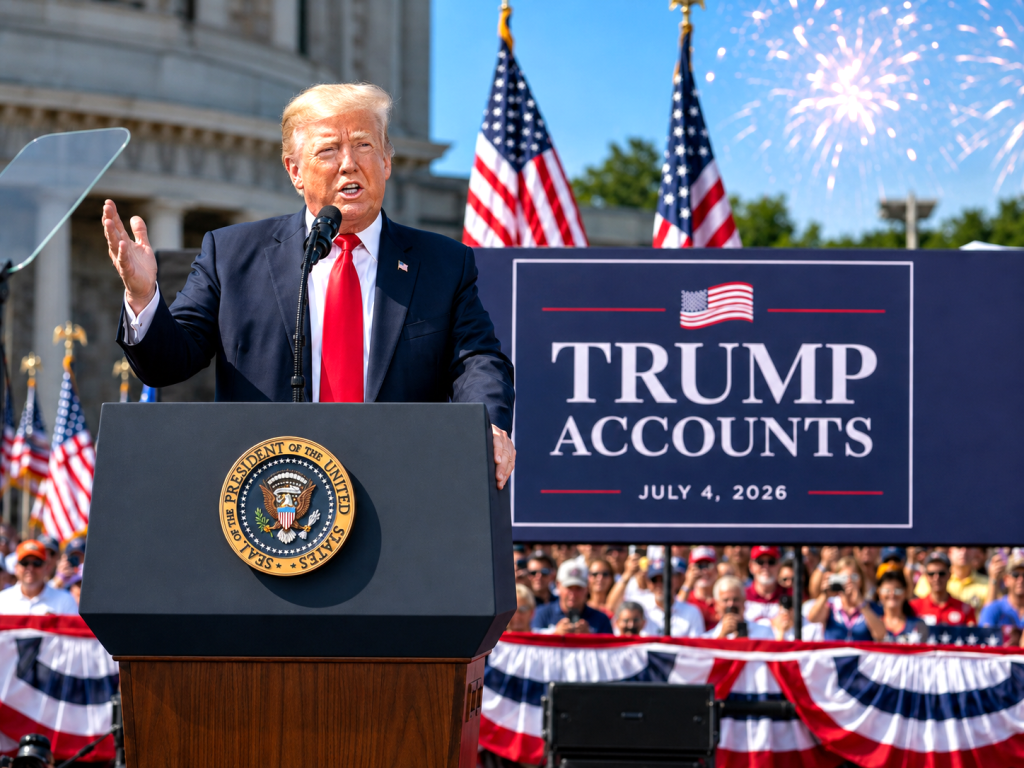
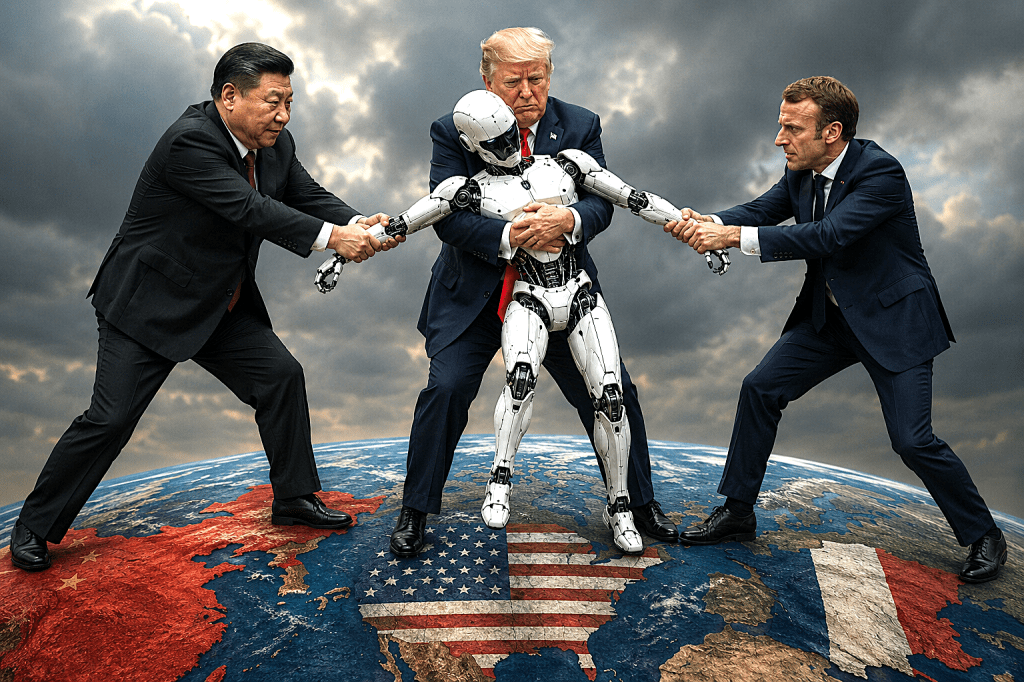
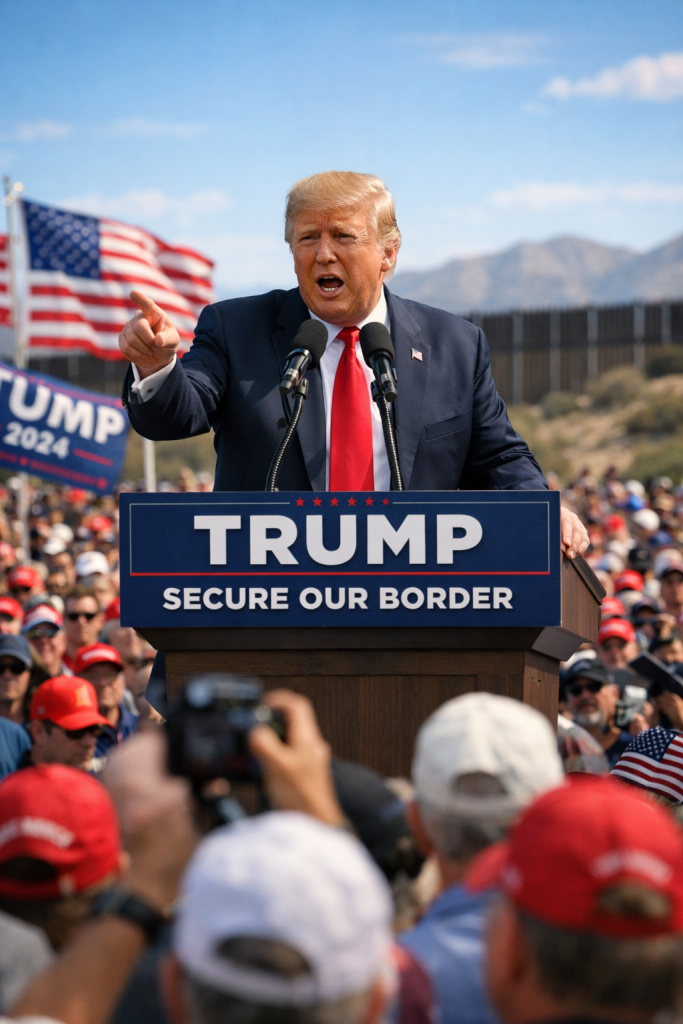
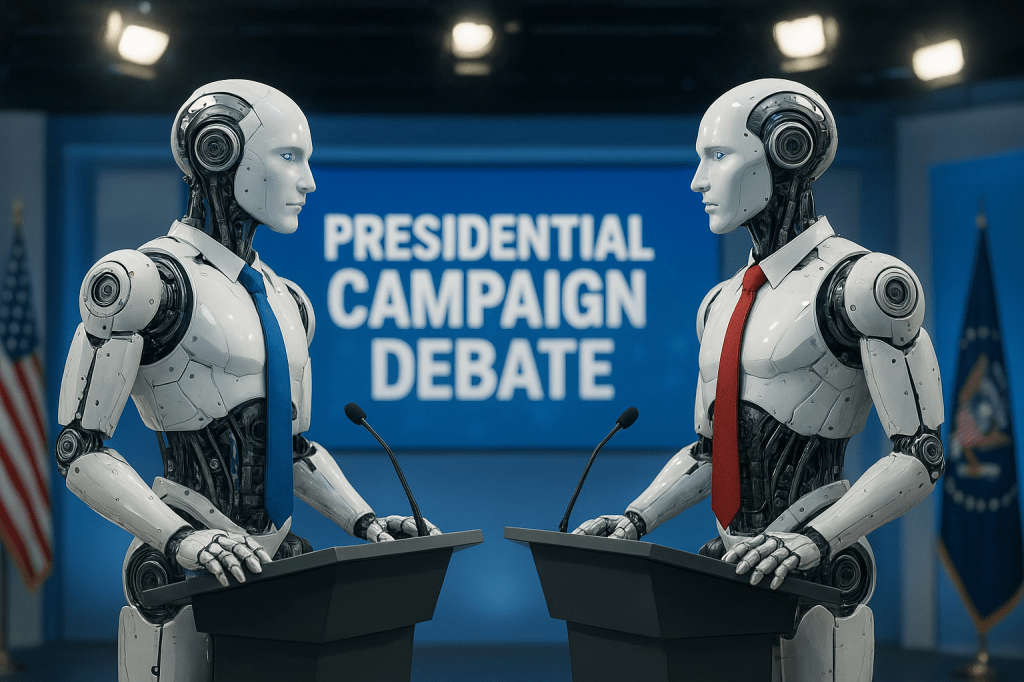
The characterization of Donald Trump as the ultimate disruptive US presidential campaign winner is compelling and largely defensible, though it warrants some precision. Both Bernie Sanders and Trump, though seemingly at opposite ends of the political spectrum, capitalized on a sense of disillusionment among certain segments of the population — Sanders representing the progressive left, Trump embodying the populist right — both tapping into public expectations for a “disruptive outsider.”

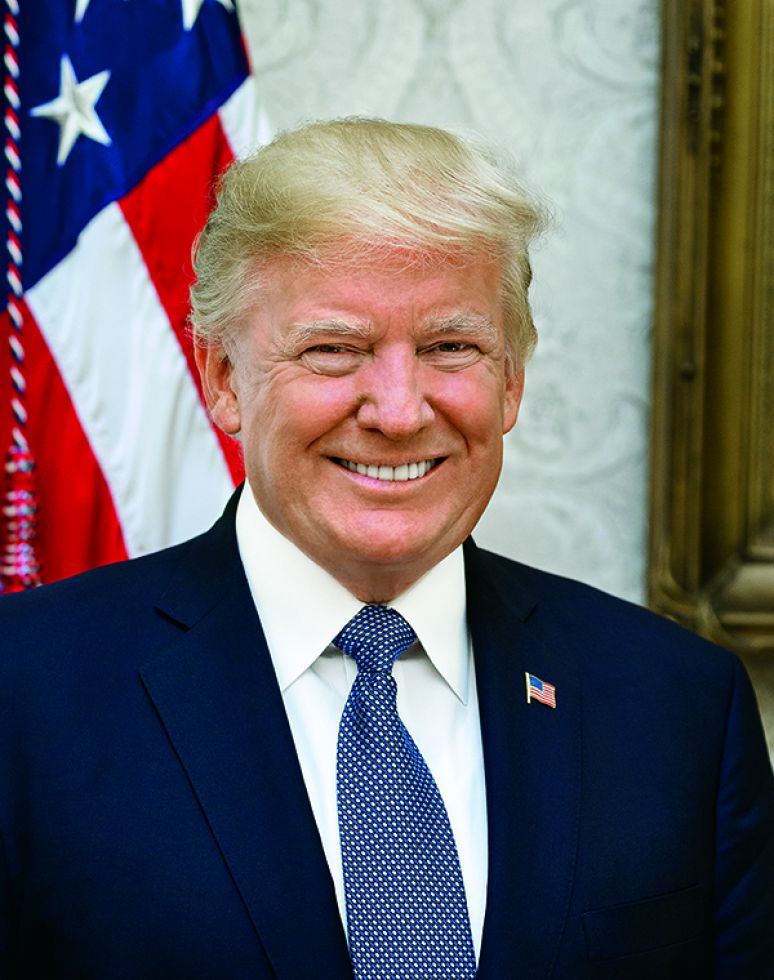
The critical difference is that Sanders lost his primary fight, while Trump did not. Trump, a billionaire real estate developer, businessman, and television personality who had never held public office, defeated Hillary Clinton in 2016 by tapping into the frustrations of rural and industrial areas feeling left behind by economic shifts and globalization, with his campaign focused on themes of economic nationalism, promising to bring back manufacturing jobs, renegotiate trade deals, and prioritize American workers.[1,2]
However, it is worth noting that Trump’s “outsider” status was always partially constructed. Rather than a fringe outsider, Trump could be viewed as an insider candidate appealing to a post-Tea Party GOP that had already incorporated the Tea Party movement’s values and adherents — a support base that is older, whiter, less educated, more evangelical, and more likely to look favorably on a “great” past to which they hope to revert.[3] In other words, Trump did not so much rise entirely outside the Republican establishment as he colonized and then redirected a faction the party had been quietly cultivating for years.
What was genuinely disruptive was his willingness to articulate, crudely and loudly, what that faction privately believed — and to do so while bypassing the gatekeepers of political fundraising, media credibility, and party endorsement that normally filter candidates before they achieve national viability. In 2024, Trump won again, defeating Kamala Harris by approximately 2.5 million votes and carrying all the states he had won in 2016 as well as Nevada[2], suggesting his disruption was no fluke but a durable political realignment.
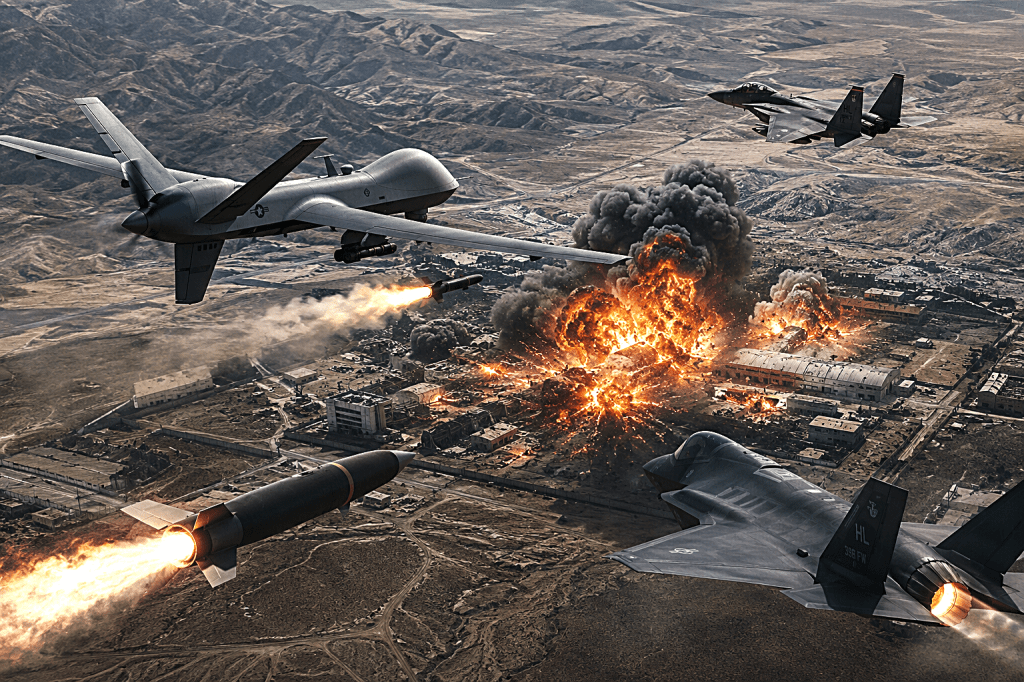
Trump’s disruptive posture was on full display on April 12, 2025, when Iran and the United States began a series of negotiations aimed at reaching a nuclear peace agreement following a letter from President Trump to Iranian Supreme Leader Ali Khamenei, with Trump setting a 60-day deadline for Iran to reach an agreement. After the deadline passed without an agreement, Israel launched strikes against Iran, igniting a war between the two countries.[4] On February 28, 2026, the United States and Israel launched airstrikes on Iran targeting military and government sites and assassinating several Iranian officials, including Supreme Leader Ali Khamenei.[5]
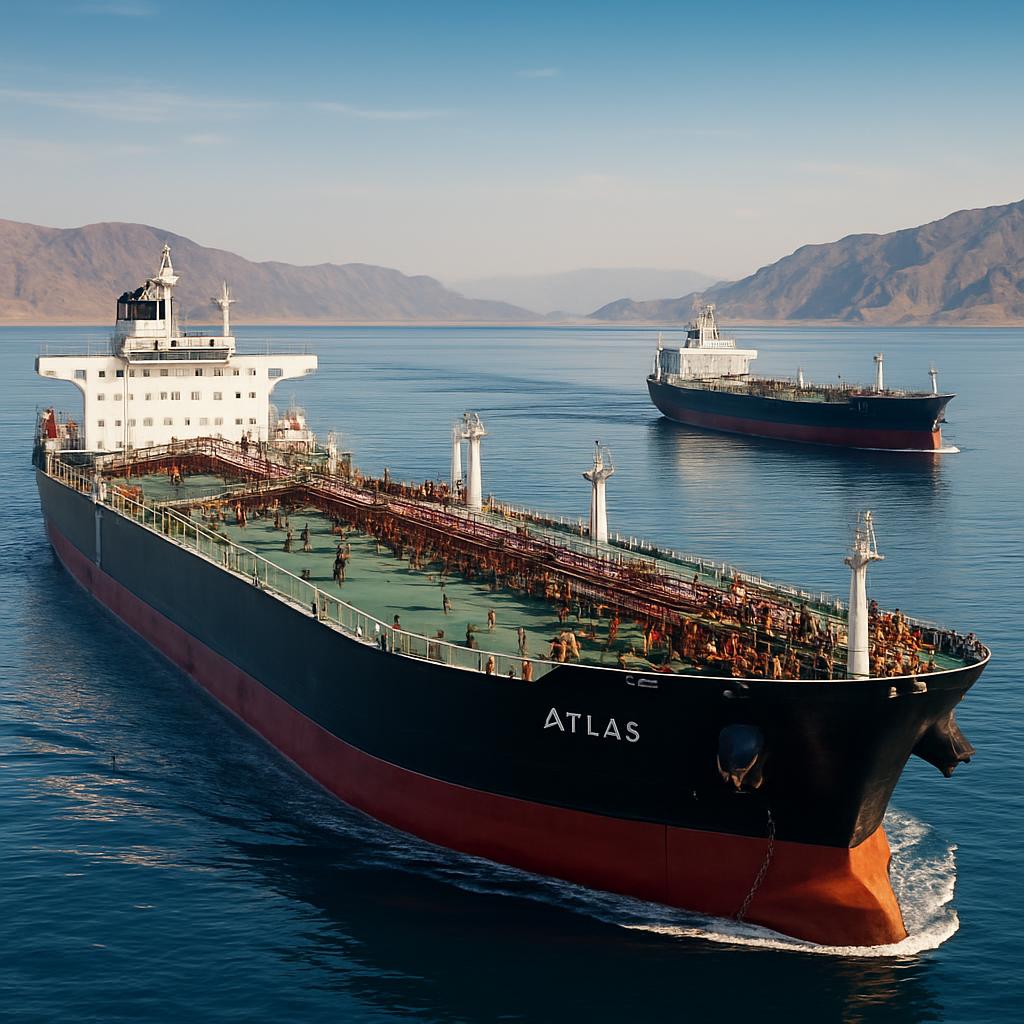
The conflict escalated into a wider regional entanglement. The conflict left enormous damage, thousands of people dead in Iran and Lebanon, dozens dead in Israel and the Gulf Arab states, and millions of people displaced in the region, including more than one-sixth of the population in Lebanon. The danger of crossfire and threats from Iran led to severe disruption of traffic through the Strait of Hormuz, one of the world’s most volatile oil chokepoints, leading to fuel shortages in parts of Asia and rippling effects across the global economy.[6]
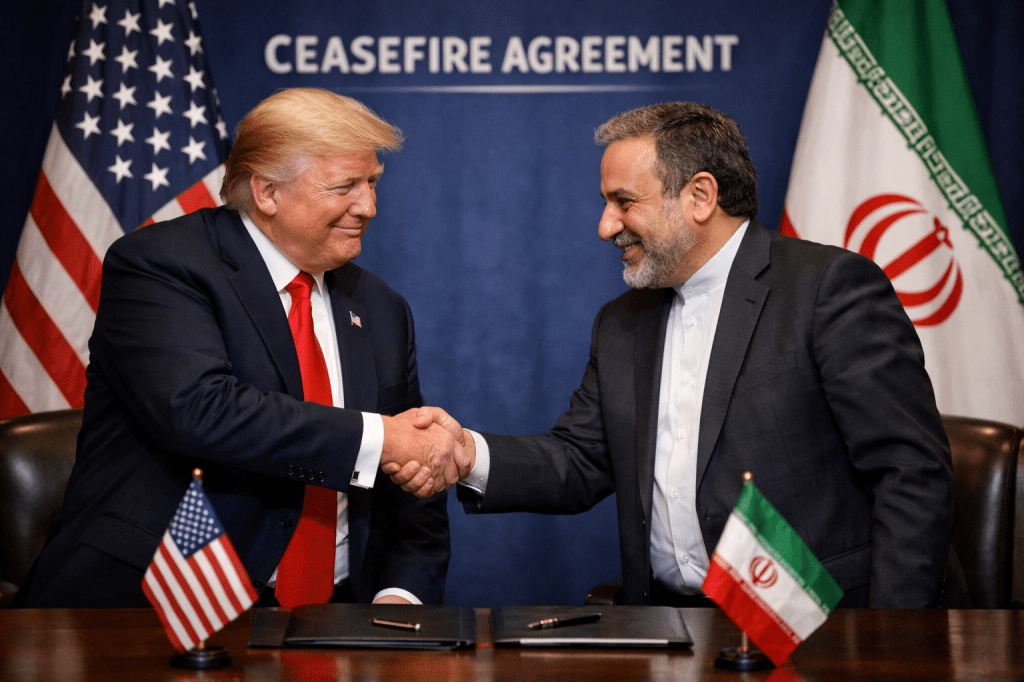
As of today, April 26, 2026, the conflict is in a state of unstable suspension. On April 8, the United States and Iran agreed to a two-week ceasefire brokered by Pakistan, though since its declaration the ceasefire has been violated by both sides.[7] Peace talks have stalled, as there is little overlap between the United States and Iran’s demands, and traffic in the Strait of Hormuz remains at a screeching halt.[8] Key sticking points include Trump’s demand that Iran freeze its uranium enrichment and surrender its stockpile of near-bomb-grade material, while Tehran insists it be allowed to maintain control over the Strait of Hormuz and demands the US lift sanctions. The situation is further complicated by what one observer familiar with the talks described as Iranian frustration that Trump was negotiating through social media and making it appear as if they had signed off on issues they hadn’t yet agreed to.[9]
The domestic political consequences of the Iran war for Trump’s standing are severe and may be precisely the conditions that would generate demand for a new disruptive figure. Three new polls released in late April 2026 showed Trump’s approval rating in the mid-30s: 36% in a Reuters-Ipsos poll, 35% in a Strength in Numbers-Verasight poll, and 33% in an AP-NORC poll — following an NBC News poll that showed Trump hitting a new low of 37%.[10] Trump’s net approval rating fell 10 points to -18, the lowest ever measured for his two terms, amid surging gasoline prices because of the Iran war, with 48% of Americans saying they feel “less safe” because of the war and majorities saying the conflict is not worth it when factoring in financial cost or the increase in gasoline prices.[11]
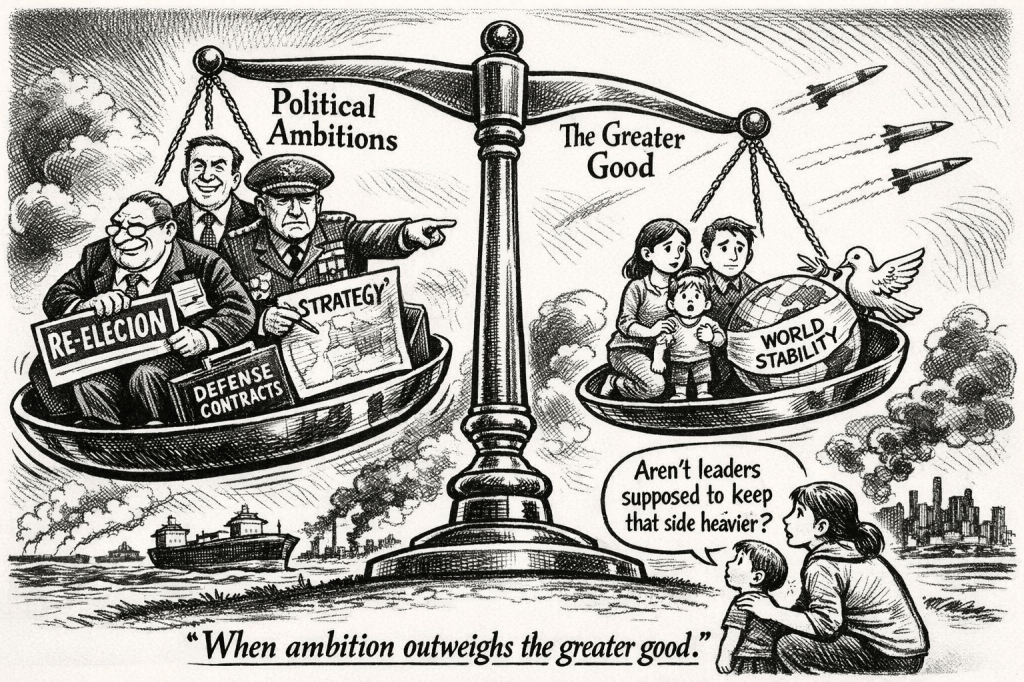
These poll results underscore the challenges Republicans face as they defend their majorities in Congress in the November midterm elections, coming after Trump promised during his 2024 campaign to tackle inflation and keep the United States out of foreign entanglements.[12] The parallel to an earlier presidential wound is unmistakable: it was almost exactly 20 years ago that the bottom began to fall out on George W. Bush’s approval ratings, with the culprit being the Iraq war — history appearing to repeat itself with Trump in 2026, swapping Iraq for Iran.[10]
The odds of Trump successfully settling the Iranian conflict and bringing economic prosperity to the region within the next twelve months are, based on current evidence, low to moderate at best. VP JD Vance has stated the US’s core goal is for Iran to give an affirmative commitment that it will not seek a nuclear weapon or the tools to quickly achieve one, while Iran has insisted enrichment is non-negotiable and sovereignty over the Strait of Hormuz is a red line. The US position has been that Iran must conduct zero enrichment, a demand Iran has previously rejected, while Iran has said its uranium will under no circumstances be transferred anywhere.[5] Expert opinion, as reflected by the Council on Foreign Relations, suggests both sides believe they are winning — creating a stalemate. The question is whether the blockade will squeeze the Iranians enough to force flexibility, though skeptics note that hardliners have been unwilling to capitulate on the battlefield or at the negotiating table.[8]
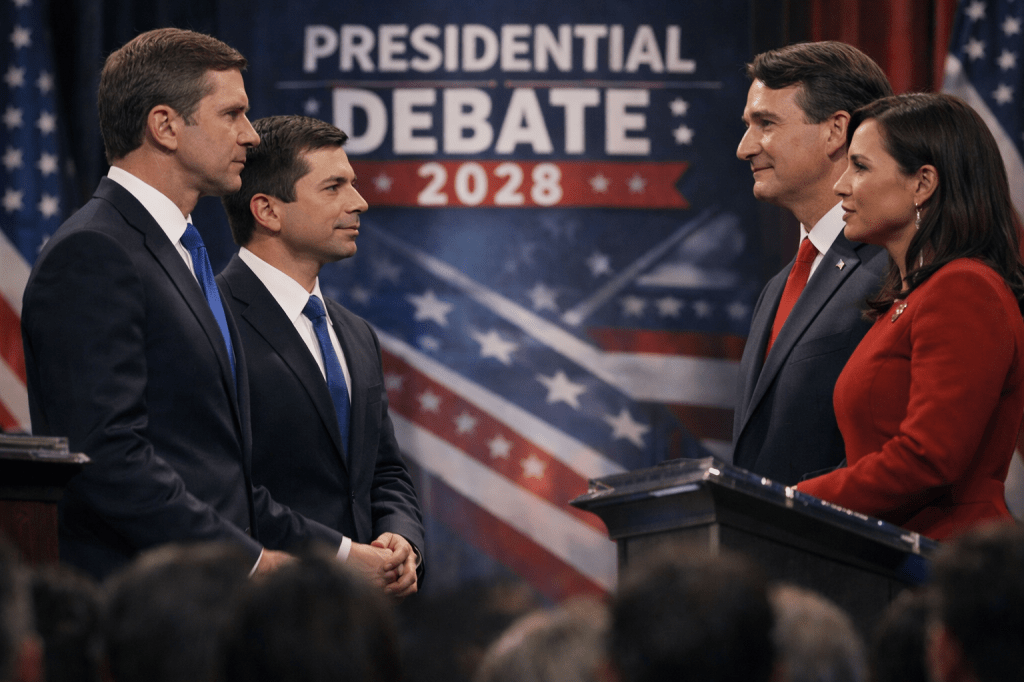
Even if a framework deal is reached in the coming months — possible but far from certain given the mutual mistrust, Iran’s leadership vacuum following Khamenei’s death, and Israel’s continued independent military operations — the economic damage is already done. Gas prices are averaging over $4 a gallon, inflation is near historic highs under Trump, and the war has already cost the US an estimated $18 billion with a Pentagon request for $200 billion more. A peace deal would not quickly reverse those economic realities before the 2028 election cycle begins in earnest. The more plausible scenario, absent a dramatic breakthrough, is a prolonged frozen conflict that festers politically.
Scenario One: Conflict Persists — Enter the Next Disruptor
If the Iran conflict continues to drain American resources, keep gas prices elevated, and resist resolution through 2027, the political conditions for the rise of a new disruptive presidential figure become strongly favorable. Whether this candidate will be Trumpian or represent an entirely new model is where the analysis becomes genuinely fascinating.
There are at least two emerging disruption lanes that the current environment is carving out, one on each side of the partisan divide.
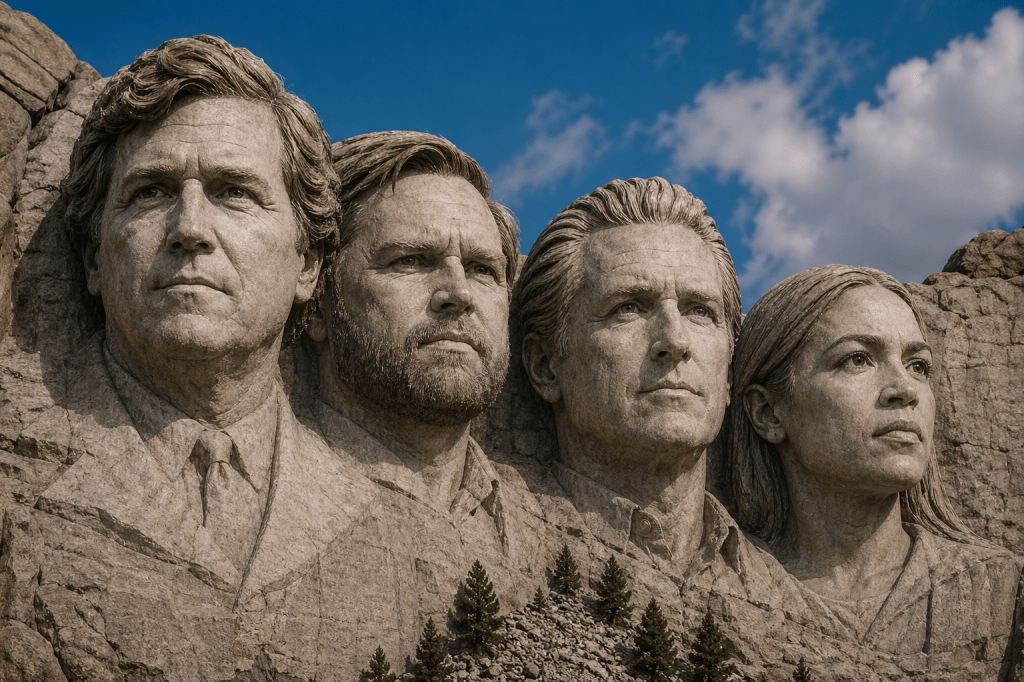
On the Republican side, the most compelling figure is not an establishment heir but a new-media outsider with a populist nationalist brand: Tucker Carlson. Since his departure from Fox News, Carlson has rebuilt a large independent media presence, allowing him to easily exploit public uncertainty and push for an end to the Iran campaign — a war whose fuzzy aims make it ripe for quagmire status — leaving room for MAGA disruptors to make the case for an alternative direction.[19] Commentators like Scott Galloway have predicted Carlson is the most likely GOP nominee for president in 2028, pointing to an enormous lane for somebody who has very conservative values, an enormous media platform, an enormous army of acolytes he could weaponize right away, and who is anti-Trump and anti-war in Iran.[18] In a March 2026 interview, when pressed on a possible presidential run, Carlson did not rule one out.[14]
Carlson would represent a disruption that both echoes and departs from Trump’s template. He would share the populist nationalist style, the media-fluency, the anti-establishment posture, and the anti-interventionist foreign policy instinct. But his disruption would be directed not only at the Democratic establishment but at the Trumpian GOP itself — positioning himself as the true keeper of “America First” against what he would characterize as Trump’s betrayal of that promise by starting an unnecessary Middle Eastern war. Republican strategist Jim Merrill predicted that Iran would become a flashpoint in 2028, just as the Iraq war was for Democrats in 2004 and 2008.[15] The Iran war has, in Carlson’s framing, already become his political launching pad: Marjorie Taylor Greene urged Carlson to seek the presidency, writing that he would beat Trump if he ran, arguing that Trump had become donor first rather than America First.[17]
The key attribute distinguishing a Carlson-style candidate from Trump would be a more coherent and consistent ideological spine — particularly an unambiguous non-interventionism — wrapped in media insurgency rather than business celebrity. Where Trump’s disruption was partly personal and chaos-driven, a Carlson candidacy would be more doctrinally grounded in a specific vision of American national interest: no wars for Israel or other allies, economic nationalism, cultural conservatism, and a rejection of the neoconservative impulse that Trump ultimately succumbed to in Iran. This is a meaningfully different flavor of populism.
The Iran war has created a divide cleaving within the Republican Party, with about half of Republicans saying US military action has been about right, while roughly one-quarter say it has gone too far.[15] That quarter represents the seedbed from which an anti-war disruptor on the right could grow a significant movement.
On the Democratic side, prominent Democrats weighing presidential runs have forcefully condemned Trump’s war of choice in Iran, with former VP Kamala Harris arguing that Trump had made the US weaker, unreliable and less influential, and that opposition to the war is emerging as a rallying point for Democrats.[20] Prediction markets give Gavin Newsom a 28% chance of being the Democratic nominee, while Democrats have a 42% chance of going with someone outside the current top five.[16]
That latter figure is striking: it suggests substantial appetite within the Democratic primary electorate for someone who is not a familiar establishment face. If the war continues badly and economic hardship deepens, the Democratic base may well reward an insurgent anti-war candidate — potentially someone younger, more galvanizing, and more willing to disrupt Democratic Party orthodoxy on national security, trade, and economic restructuring. Alexandria Ocasio-Cortez and progressive governors like Wes Moore of Maryland represent this anti-establishment energy on the Democratic side.
Scenario Two: Trump Pulls Off a Deal — Can He Sustain Disruption?
If Trump were to achieve a genuine, verifiable nuclear settlement with Iran — ending the war, reopening the Strait of Hormuz, and delivering lower gas prices before the 2028 election cycle — his political standing would likely recover substantially, though perhaps not fully. The damage to his credibility on keeping America out of wars has already been done; a victorious peace would not erase the cost of a war he was blamed for starting. A successful deal might, however, powerfully elevate one of his designated heirs, particularly JD Vance if Vance played the role of peacemaker effectively. Vance has taken center stage in negotiations to end the war in Iran, a key political test amid reports Trump has posed the question of Marco or JD to officials and donors, and Vance currently leads early 2028 GOP primary polling with roughly 43% support.[13]
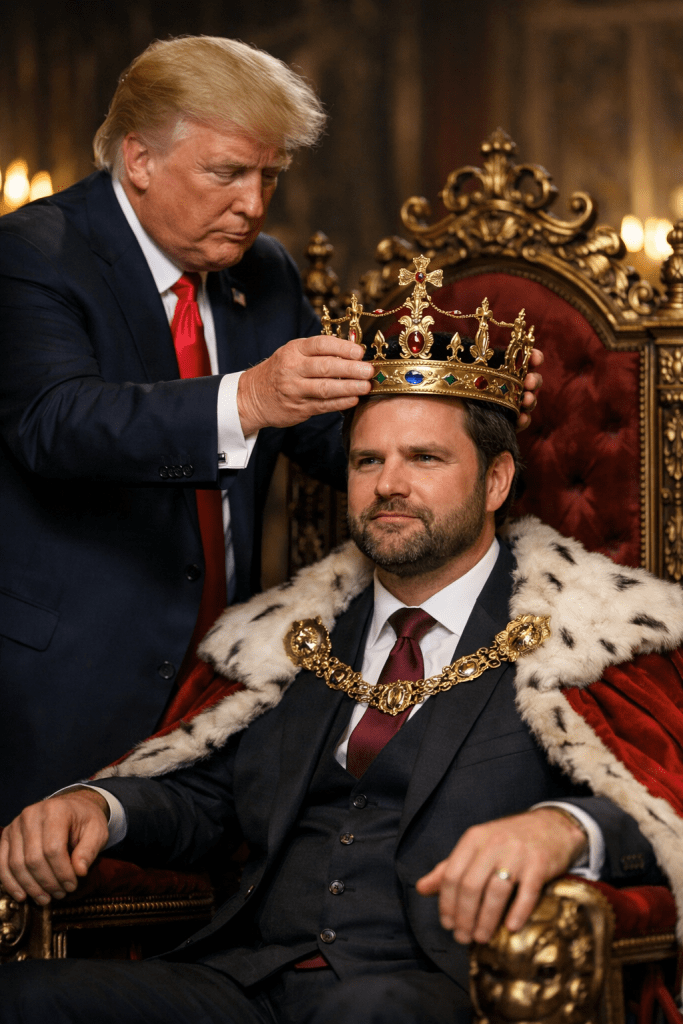
In a scenario where peace is achieved and the economy stabilizes, the disruptive impulse in American politics does not vanish — it simply shifts target. Vance himself is a quasi-Trumpian disruptor: a working-class Appalachian narrative dressed in Ivy League credentials, an America First nationalist who favors economic populism and cultural conservatism. He would not represent a full rupture from Trumpism but would reconfigure it — perhaps more intellectually consistent, less personally erratic, and positioned to appeal to voters who found Trump’s style exhausting but appreciated his policy direction. A successful resolution of Iran would crown Vance rather than trigger a clean break from the Trumpian model.
Even under the optimistic scenario, however, an entirely new disruptive figure is not out of the picture. The deeper conditions that produced Trump — economic dislocation, institutional distrust, the hollowing out of the middle class, the feeling among millions of Americans that both parties serve interests other than theirs — are structural and will not be resolved by a nuclear deal with Iran. The prevailing wisdom and societal foundations of the United States tolerate a degree of flexibility but draw the line at certain boundaries[1] — and those boundaries are being tested in ways that go well beyond any single foreign policy crisis. Whoever channels that durable frustration most credibly in 2028 will have a structural advantage, regardless of how Iran resolves.
Conclusion
The most historically apt precedent may be 2008 rather than 2004. The Iraq War and the 2008 financial crisis together produced Barack Obama — a candidate who disrupted not only the Republican incumbent but also the Democratic establishment’s preferred candidate (Hillary Clinton). The Iran War and its economic fallout could similarly create conditions for a candidate who disrupts both parties simultaneously, rising perhaps from an unexpected geography or background, with a message that combines anti-interventionist realism with domestic economic populism in a package that feels genuinely new.
Whether that candidate emerges from within the Republican Party via the Carlson lane, the Democratic Party via the progressive anti-war lane, or as an independent, the structural pressure is clearly building. What is almost certain is that the next successful disruptive candidacy will be defined in large part by its stance on the Iran war and its economic fallout — making that conflict not just a foreign policy crisis but the organizing fault line of American presidential politics for the next several years.
References
[1] TRT World Research Centre, “The 2024 US Presidential Election: Deadlocks and Scenarios” — https://researchcentre.trtworld.com/publications/analysis/the-2024-us-presidential-election-deadlocks-and-scenarios/
[2] Miller Center, “Donald Trump: Campaigns and Elections” — https://millercenter.org/president/trump/campaigns-and-elections
[3] University of Chicago Divinity School, “Is Trump an Outsider Candidate?” — https://divinity.uchicago.edu/sightings/articles/trump-outsider-candidate
[4] Wikipedia, “2025–2026 Iran–United States Negotiations” — https://en.wikipedia.org/wiki/2025%E2%80%932026_Iran%E2%80%93United_States_negotiations
[5] House of Commons Library, “US-Iran Ceasefire and Nuclear Talks in 2026” — https://commonslibrary.parliament.uk/research-briefings/cbp-10637/
[6] Britannica, “2026 Iran War” — https://www.britannica.com/event/2026-Iran-war
[7] Wikipedia, “2026 Iran War Ceasefire” — https://en.wikipedia.org/wiki/2026_Iran_war_ceasefire
[8] Council on Foreign Relations, “Trump Extended the Iran War Ceasefire. Now What?” — https://www.cfr.org/articles/trump-extended-the-iran-war-ceasefire-now-what
[9] CNN Politics, “A Deal to End the Iran War Seemed Close. Then Trump Started Posting on Social Media” — https://www.cnn.com/2026/04/20/politics/social-media-posts-trump-iran-deal
[10] CNN Politics, “Analysis: The Bottom Could Be Falling Out in Trump’s Polls” — https://www.cnn.com/2026/04/21/politics/trump-approval-rating-iran-war
[11] CNBC, “Trump’s Net Approval Rating on Economy and Overall Falls to Lowest of His Two Terms” — https://www.cnbc.com/2026/04/23/trumps-approval-rating-on-economy-and-overall-falls-to-lowest-of-his-two-terms-cnbc-survey-shows.html
[12] NBC News, “Poll: Trump’s Approval Rating Hits Second-Term Low as Americans Sour on the Economy and Iran War” — https://www.nbcnews.com/politics/donald-trump/poll-trumps-approval-rating-hits-second-term-low-economy-iran-war-rcna331462
[13] The Hill, “2028 Presidential Election: Democratic Contenders, MAGA Heirs Emerge” — https://thehill.com/homenews/campaign/5830577-potential-presidential-bids-2028/
[14] Wikipedia, “2028 United States Presidential Election” — https://en.wikipedia.org/wiki/2028_United_States_presidential_election
[15] PBS NewsHour, “How Rubio’s and Vance’s Differing Stances on Iran War Point to Challenges Ahead of 2028 Election” — https://www.pbs.org/newshour/politics/how-rubios-and-vances-differing-stances-on-iran-war-point-to-challenges-ahead-of-2028-election
[16] Gaming America / Kalshi, “Iran War Drives Prediction Market Speculation on 2028 Nominees” — https://gamingamerica.com/news/1058149/prediction-markets-2028-nominees-iran-war
[17] Axios, “Tucker Carlson 2028: Marjorie Taylor Greene Floats White House Bid for Carlson” — https://www.axios.com/2026/03/06/tucker-carlson-2028-president-bid-trump-mtg
[18] The Wrap, “Tucker Carlson’s Trump Apology Paves the Way for 2028 Presidential Run, Scott Galloway Predicts” — https://www.thewrap.com/culture-lifestyle/culture/tucker-carlson-apology-gop-nominee-2028-scott-galloway-prediction/
[19] Monocle, “Foreign Conflicts Are Fracturing Trump’s Base. Can Tucker Carlson Capitalise?” — https://monocle.com/affairs/politics/tucker-carlson-splits-trump-maga-base/
[20] GV Wire, “Potential Democratic 2028 Candidates Condemn Trump’s ‘War of Choice’ in Iran” — https://gvwire.com/2026/04/11/potential-democratic-2028-candidates-condemn-trumps-war-of-choice-in-iran/
Filed under: Uncategorized |





































































































































































































































































































































































































Leave a Reply