



By Jim Shimabukuro (assisted by ChatGPT)
Editor
Summary: The shift from prompts to loops marks AI’s evolution from a tool you command to a partner that co‑thinks—reshaping how humans design, learn, and create. –Copilot

Recently, the word “loop” is threatening to leapfrog “prompt” as the primary way to work with chatbots. A sentence attributed to NVIDIA CEO Jensen Huang, “Nobody writes prompts anymore. The new job is to write and handle loops,” has been widely repeated in mid-June 2026 discussions of agentic AI, including a Business Insider report on the rise of “loop engineering” and several social-media posts. However, no clean NVIDIA transcript or full video passage has surfaced to independently verify the exact wording. For that reason, this report treats the sentence as a useful public formulation of a real shift, not as a settled archival quotation. The shift itself is well documented: AI use is moving from one-off instructions to systems in which models plan, use tools, inspect results, revise their own work, and continue until a goal or stopping rule is reached. Business Insider describes the trend as a move away from direct prompting toward “self-perpetuating instructions” that let agents work toward completion with less manual intervention (1).
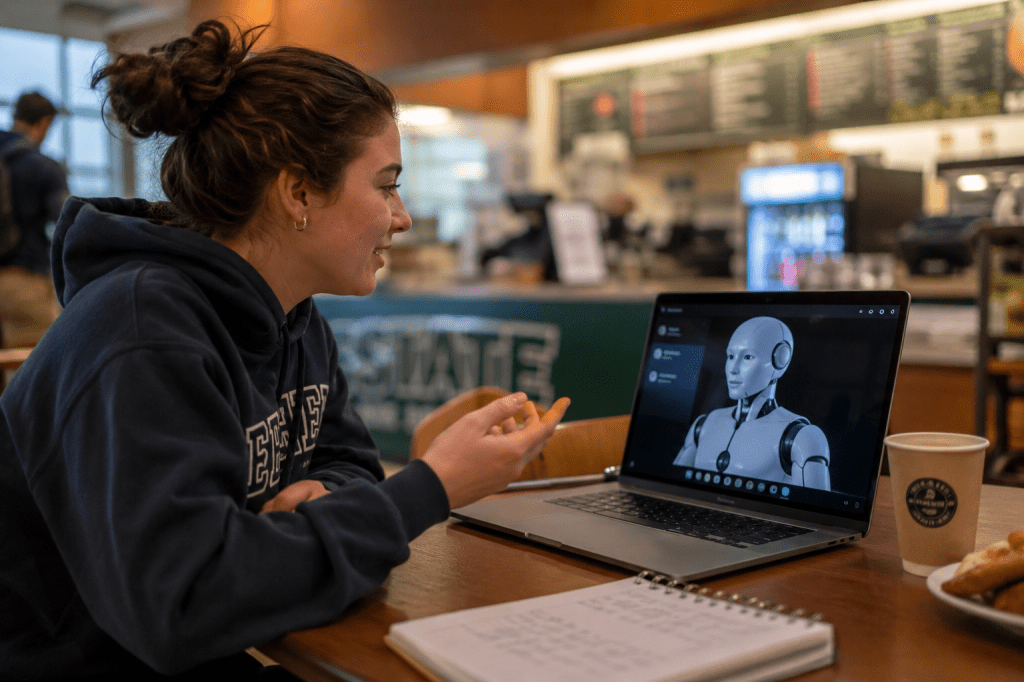
A prompt is a request. It may be short, such as “summarize this article,” or elaborate, such as a page-long role, task, format, audience, and style specification. In the first public wave of generative AI, prompt writing mattered because the model usually waited for the human to supply the next instruction. The user acted as planner, supervisor, memory keeper, editor, and judge. The model answered. The user read the answer, saw what was missing, and wrote another prompt. The work moved forward, but the loop was mostly in the person. The model was a powerful respondent, not yet a durable worker.
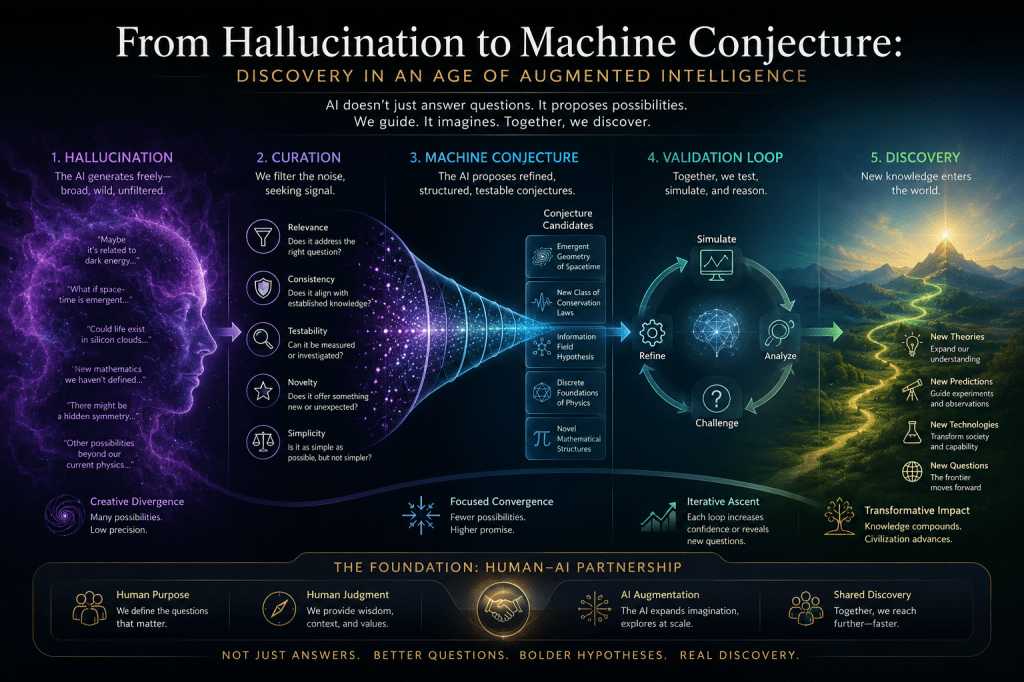
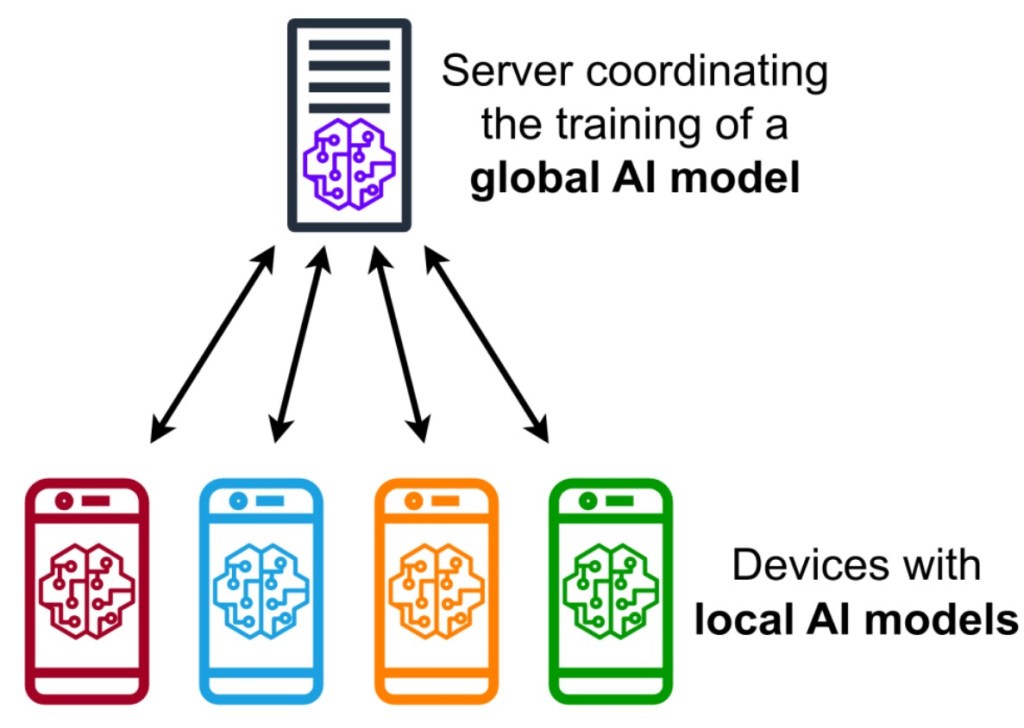
A loop is a repeatable work cycle. In AI systems, a loop usually means that the system receives a goal, gathers context, decides on an action, uses a tool or calls another agent, observes what happened, updates its state, and repeats. LlamaIndex gives a spare technical definition: an agent loop processes user input, decides whether to call a tool or answer, calls the selected tool when needed, and keeps going until no more tools are selected and a final response is generated (9). Addy Osmani puts the newer practice in work terms: “Loop engineering is replacing yourself as the person who prompts the agent. You design the system that does it instead” (2).
The difference between a prompt and a loop is not length. A long prompt is still a prompt if it produces one pass of work and waits for a person to continue. A loop has state, recurrence, criteria, and some way to act. It can ask the model to test its own answer, run a command, search a repository, compare two outputs, call a calendar API, wait for human approval, or hand work to a second agent. In a prompt-centered workflow, the human supplies each next move. In a loop-centered workflow, the human designs the moves that the system may take, the tools it may use, the records it must keep, and the points where it must stop.
The transition is happening because the bottleneck has moved. In 2023 and 2024, many users were still learning how to ask a model a good question. By 2025 and 2026, the frontier moved toward models that can reason over longer tasks, use tools, write and test code, inspect files, search, retrieve, and operate inside controlled software environments. NVIDIA framed the broad change at CES 2025 as a move from perception AI and generative AI toward systems that can “reason, plan and act” (3). Once models can act, prompting alone becomes too thin a practice. The valuable skill becomes defining a controlled action cycle.
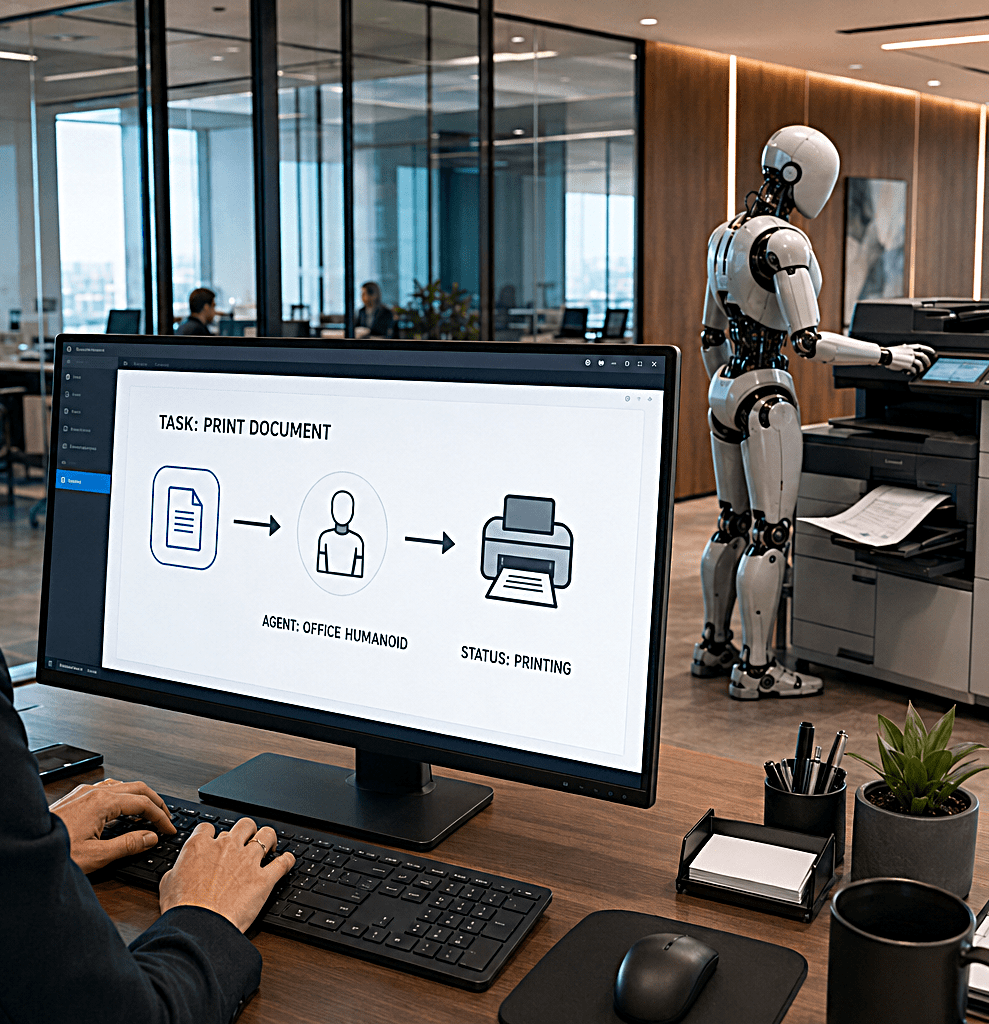
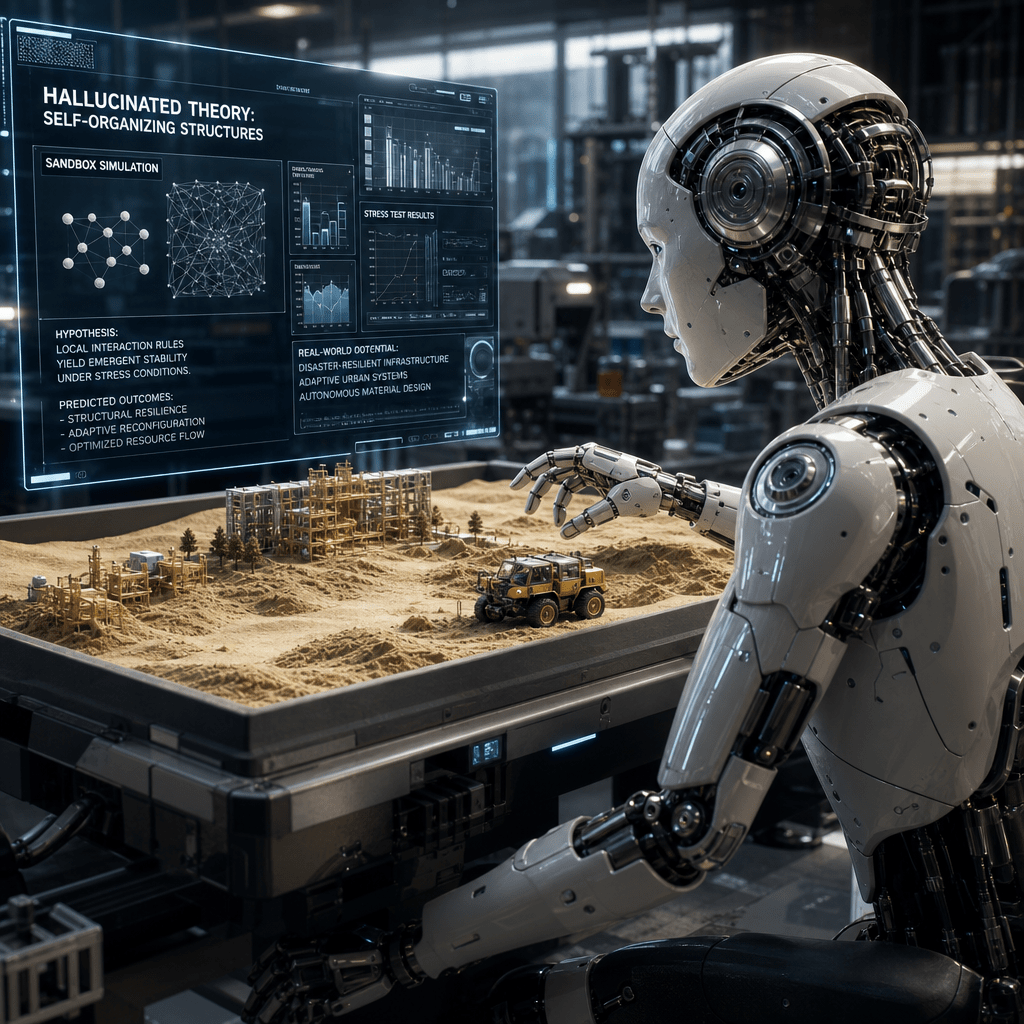
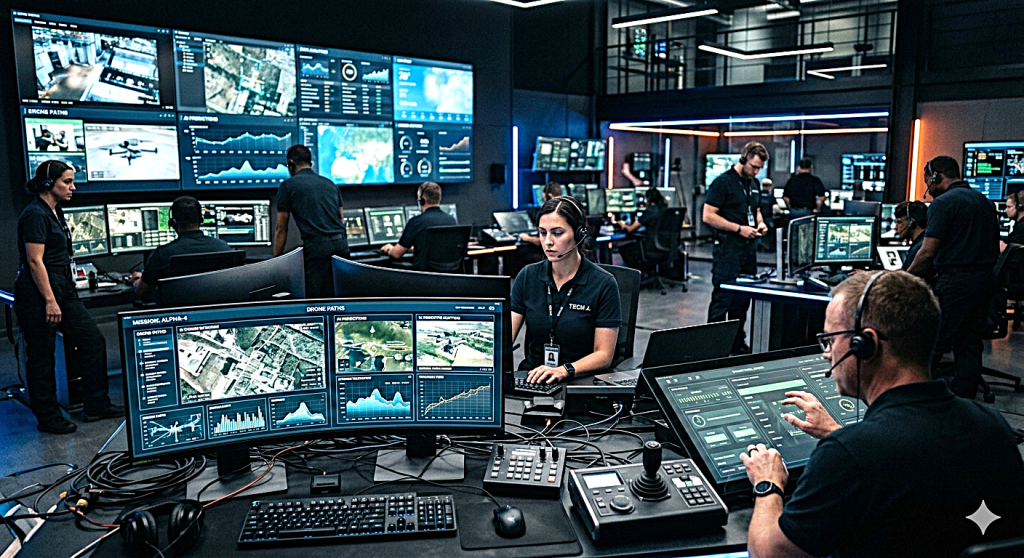
The practical pattern is simple, even when the implementation is complex. A person defines an objective: fix failing tests, monitor incoming support tickets, draft and check a research memo, reconcile invoices, prepare a market brief, update a knowledge base, or review code for security issues. The agent receives access to tools and data. It works in a sandbox or governed workspace. It records steps, checks results, and either completes the task or escalates. OpenAI described Codex in May 2025 as a cloud-based software engineering agent that can work on many tasks in parallel, with each task running in its own cloud sandbox preloaded with the user’s repository (4). OpenAI’s Agents SDK documentation defines agents as applications that “plan, call tools, collaborate across specialists, and keep enough state to complete multi-step work” (5). Those are loop properties, not merely prompt properties.
The pieces arrived before the phrase became fashionable. ReAct-style prompting and tool use had already shown that a model could cycle through reasoning, action, and observation. The visible workplace shift accelerated in 2025, when coding agents and agent frameworks became ordinary developer tools rather than lab demonstrations. OpenAI released the Responses API and Agents SDK in March 2025 to support production agents with tools, orchestration, and observability (5). Codex followed in May 2025 as a cloud software-engineering agent (4). Anthropic’s Claude Code and Claude Agent SDK pushed a similar lesson from the terminal and repository side. Anthropic’s engineering post on long-running agents describes the problem directly: with tool use, context management, and compaction, an agent should in theory be able to continue useful work for a very long time (6). That is the language of processes, not chat turns.
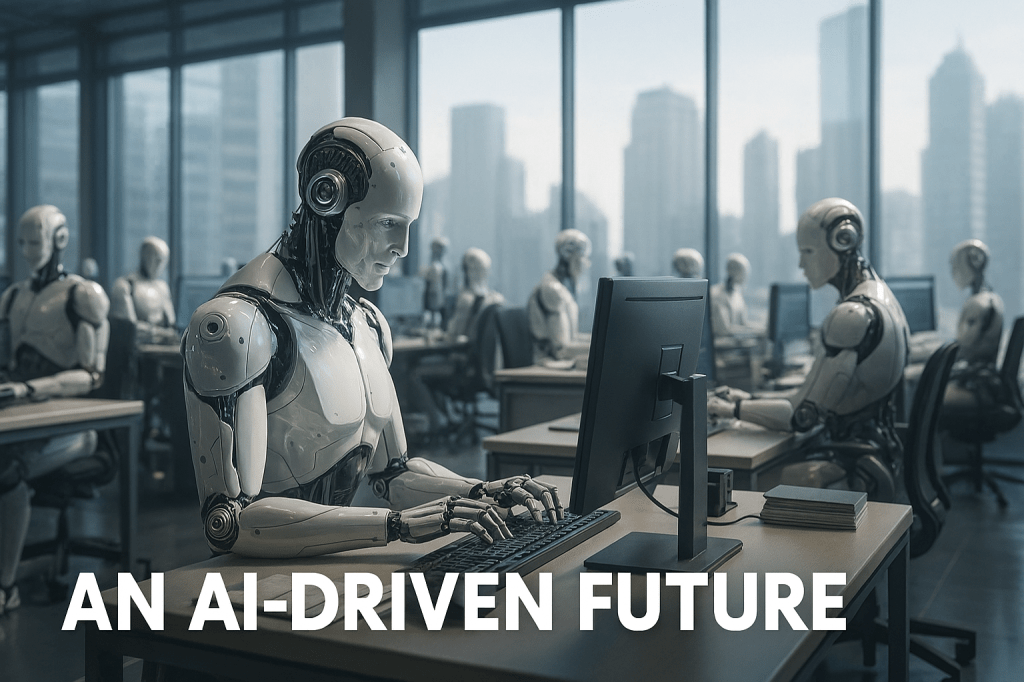
The first heavy adoption is in software engineering because software work already has clear loops: issue, branch, edit, test, review, merge. It also has tools that can report success or failure. Codex, Claude Code, Cursor-style environments, GitHub workflows, and related systems fit naturally into that setting. Code can be compiled, unit tests can fail, pull requests can be reviewed, and logs can be inspected. This is why many of the public examples of loop engineering come from coding. But the same pattern is moving into customer support, sales operations, finance operations, security monitoring, research assistance, compliance review, education technology, and office automation. Microsoft says Copilot Studio agents can understand a request or autonomous trigger, search a library of actions, assemble and chain those actions, and ask the user for missing information when needed (10). That is office work recast as a loop.
Loops need more than a model. They need state, tools, memory, permissions, checkpoints, evaluation, logging, and human handoff. This explains why agent infrastructure has become a major 2025-2026 battleground. LangGraph presents itself as infrastructure for agent orchestration, with durable execution, streaming, and human-in-the-loop support (8). LlamaIndex Workflows emphasizes multi-step, asynchronous, event-driven systems (9). Google’s Agent Development Kit is described as an open-source framework for building, debugging, and deploying reliable agents at enterprise scale (11). Microsoft’s Agent Framework combines AutoGen’s agent abstractions with Semantic Kernel’s enterprise features and adds graph-based workflows for multi-agent orchestration (12). These systems are not competing over who can write the cleverest prompt. They are competing over who can make loops reliable enough to trust.
A loop without tools is mostly a model thinking aloud. A loop with tools can do work. This is why the Model Context Protocol matters. Anthropic introduced MCP as an open standard for secure two-way connections between data sources and AI-powered tools (13). In a later engineering post, Anthropic described MCP as a way to connect agents to external systems without building a custom integration for every pairing, and said the community had built thousands of servers with SDKs across major programming languages (14). The claim should be read as Anthropic’s own account, but the direction is clear: agent loops need a standard way to reach calendars, databases, files, browsers, ticketing systems, developer tools, and enterprise applications.
No single person is leading the movement. Huang’s sentence gave the shift a memorable edge, but the work is spread across companies, frameworks, and developer communities. NVIDIA is leading from the compute and enterprise-agent-infrastructure side, arguing that agents will become a major form of business computing. OpenAI is leading through Codex, the Responses API, Agents SDK, and AgentKit. Anthropic is leading through Claude Code, the Claude Agent SDK, MCP, and public engineering writing on long-running agents. Google is leading through Gemini, ADK, and the work of engineers such as Addy Osmani, whose June 2026 essay gave “loop engineering” one of its clearest public definitions (2,11). Microsoft is leading on the enterprise workflow side through Copilot Studio, Agent Framework, Semantic Kernel, and AutoGen (10,12). LangChain/LangGraph and LlamaIndex are leading among independent developer frameworks. The movement is also being pushed by working developers who discovered that manually prompting agents does not scale.
The new human skill is not passive supervision. It is design. A useful loop needs a goal that is clear enough to guide action, a context supply that is broad enough to reduce blind guesses, tools that are powerful but not over-permissive, stopping conditions, review points, and records that allow later inspection. It also needs failure design. What happens if the agent cannot access a file? What if tests fail three times? What if two agents disagree? What if the cost of another pass exceeds the value of the task? Anthropic’s “Building Effective Agents” argues from customer experience that the most successful systems often use “simple, composable patterns” rather than ornate frameworks (7). That is a useful warning. The point is not to build the most elaborate loop. The point is to build the smallest loop that can do the work safely.
Loops are powerful because they repeat. That is also why they are risky. A bad prompt may produce a bad answer. A bad loop may produce a series of bad actions. It may spend too many tokens, call the wrong tool, overwrite a file, send a premature message, or create confident-looking work that nobody has reviewed. Osmani warns that loop engineering is early and that token costs matter (2). The same issue appears in production-agent design: once a system can keep going, someone must decide how long it may go, what it may touch, what it must log, and when a person must approve the next step. Human-in-the-loop is not a slogan here. It is a control surface.
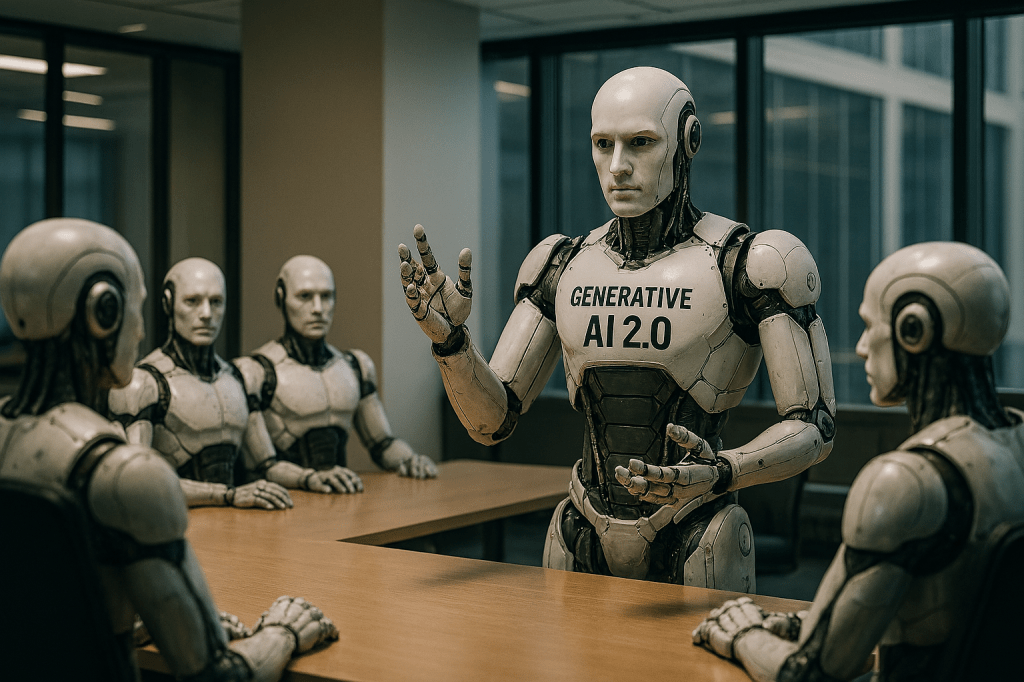
The move from prompts to loops marks a change in what AI is becoming. The model is no longer only an answer engine. It is becoming the reasoning core inside a work system. The old interface was conversational: ask, answer, ask again. The new interface is procedural: define a goal, authorize tools, set boundaries, inspect progress, and intervene when judgment is needed. This does not make prompts obsolete. Prompts remain inside the loop. They become embedded instructions, evaluator rubrics, tool-call policies, review checklists, and sub-agent roles. What changes is the unit of AI work. The unit is no longer the answer. The unit is the cycle.
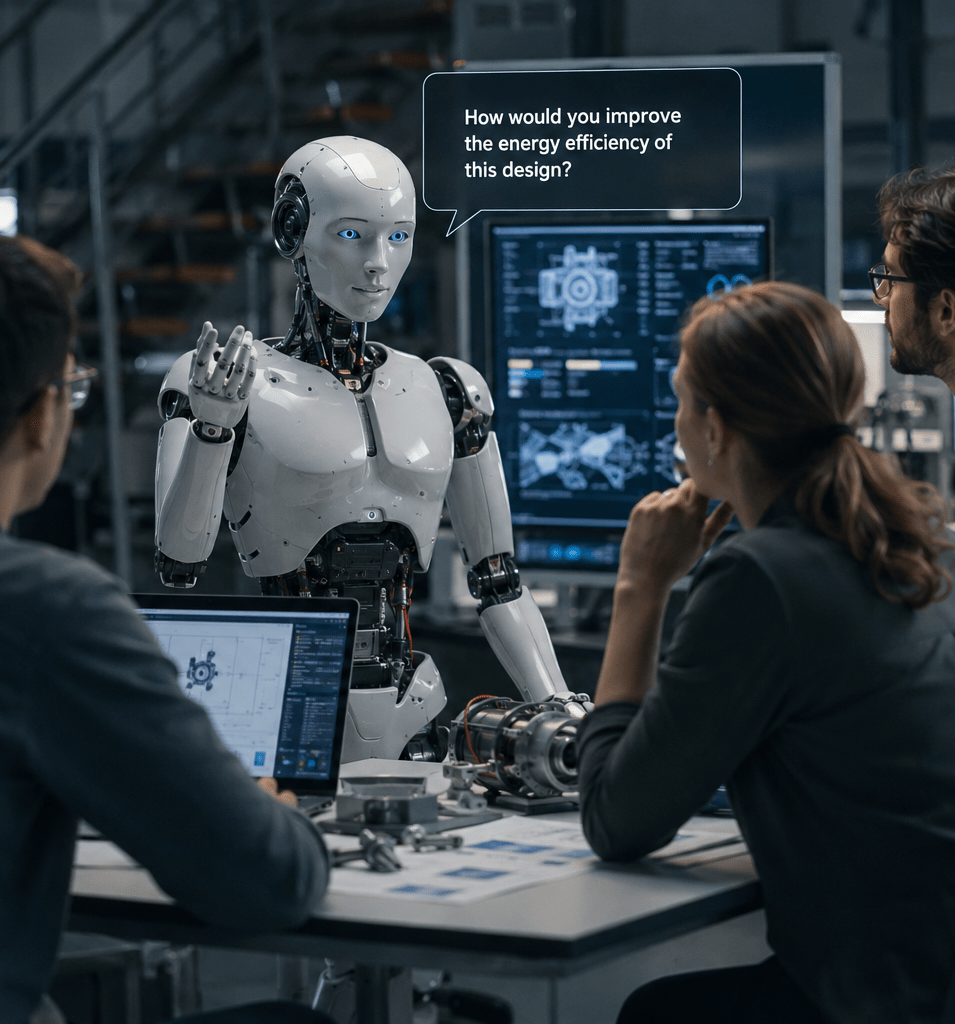
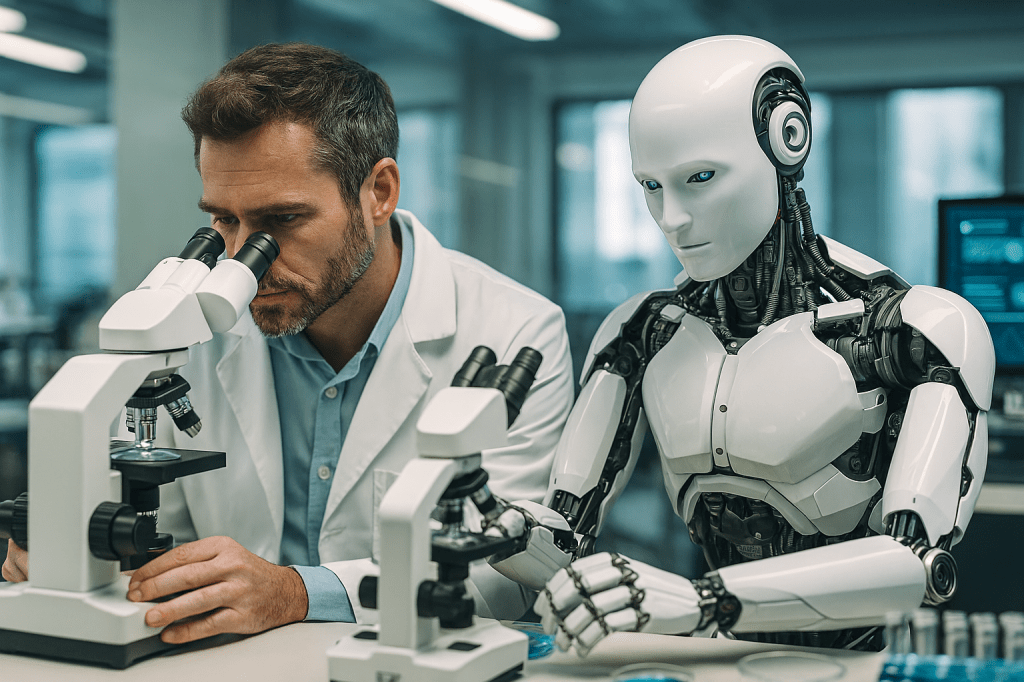
This also changes the meaning of expertise. Prompting rewarded people who could phrase a request well. Loop handling rewards people who understand a domain well enough to break work into checks, dependencies, constraints, and review stages. A teacher designing an AI research assistant must know what counts as a credible source. A lawyer using an agent must know where human review cannot be skipped. A software engineer must know which tests are meaningful and which failures signal deeper design trouble. A manager must know which tasks can be delegated to a loop and which require human accountability from the start. The human is not removed. The human moves upstream.
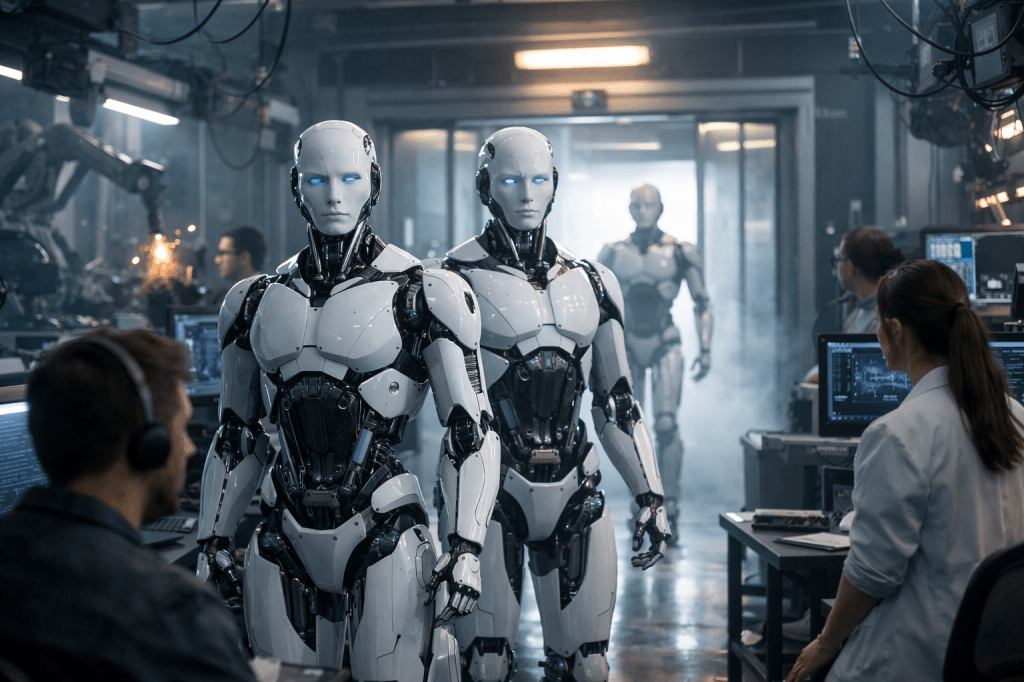
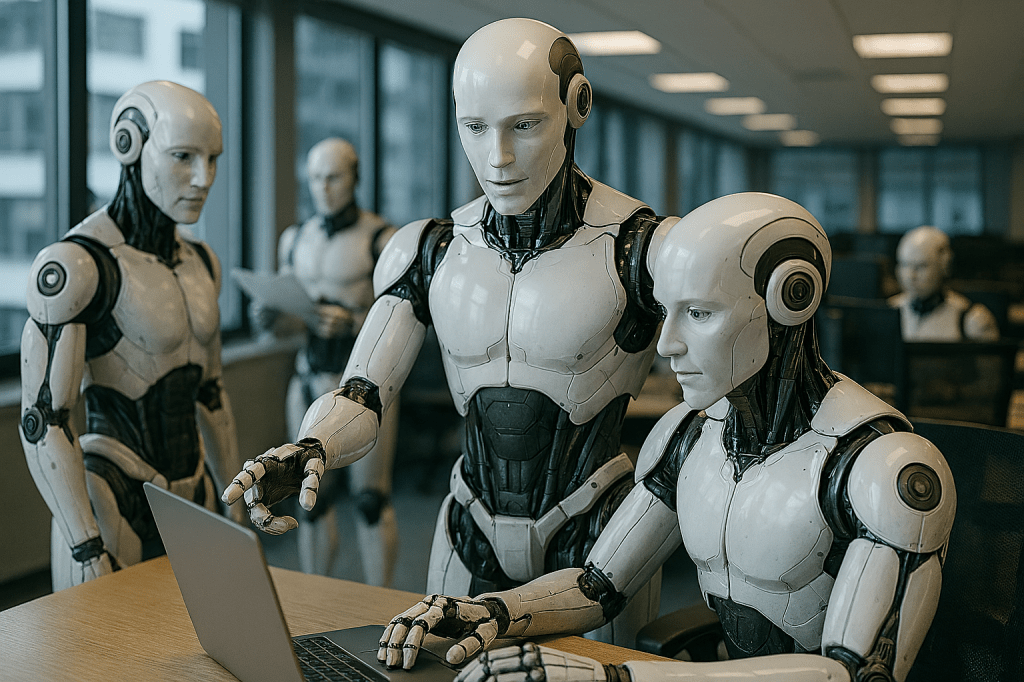
The near-term path is not full autonomy. It is more likely to be bounded autonomy: narrow loops with clear tools, logs, approvals, and domain constraints. OpenAI’s AgentKit announcement says developers and enterprises had already built end-to-end agentic workflows for areas such as deep research and customer support, then positions AgentKit as a way to design workflows more reliably (15). That is where the field is going: less improvised chatting, more designed work systems. The better these loops become, the more AI will resemble a staff of semi-autonomous workers operating inside software, with humans setting purpose, limits, review rules, and accountability.
Huang’s sentence is memorable because it compresses a real change into one line. But taken literally, “nobody writes prompts anymore” overstates the case. People still write prompts, and they will keep writing them. The change is that the best prompt is increasingly only one part of a larger design. The emerging job is to shape the loop: the purpose, tools, state, checks, escalation rules, and stopping conditions that let an AI system do more than answer. For the evolution of AI, this is a major step. It moves AI from conversation toward work, from response toward process, and from clever output toward governed action.
References
1. Business Insider. ‘Forget prompt engineering: Loop engineering is all the rage now.’ June 20, 2026. https://www.businessinsider.com/what-are-loops-ai-engineering-tips-2026-6
2. Addy Osmani. ‘Loop Engineering.’ June 7, 2026. https://addyosmani.com/blog/loop-engineering/
3. NVIDIA Blog. ‘CES 2025: AI Advancing at Incredible Pace, NVIDIA CEO Says.’ January 6, 2025. https://blogs.nvidia.com/blog/ces-2025-jensen-huang/
4. OpenAI. ‘Introducing Codex.’ May 16, 2025. https://openai.com/index/introducing-codex/
5. OpenAI Developers. ‘Agents SDK.’ https://developers.openai.com/api/docs/guides/agents
6. Anthropic Engineering. ‘Effective harnesses for long-running agents.’ November 26, 2025. https://www.anthropic.com/engineering/effective-harnesses-for-long-running-agents
7. Anthropic Research. ‘Building Effective AI Agents.’ December 19, 2024. https://www.anthropic.com/research/building-effective-agents
8. LangChain Docs. ‘LangGraph overview.’ https://docs.langchain.com/oss/python/langgraph/overview
9. LlamaIndex Developer Documentation. ‘Agent Loop.’ https://developers.llamaindex.ai/typescript/workflows/tutorials/express_agent/2_agent_loop/
10. Microsoft Learn. ‘Overview of Microsoft Copilot Studio 2025 release wave 1.’ February 19, 2026. https://learn.microsoft.com/en-us/power-platform/release-plan/2025wave1/microsoft-copilot-studio/
11. Google Cloud Documentation. ‘Agent Development Kit.’ https://docs.cloud.google.com/gemini-enterprise-agent-platform/build/adk
12. Microsoft Learn. ‘Microsoft Agent Framework Overview.’ April 6, 2026. https://learn.microsoft.com/en-us/agent-framework/overview/
13. Anthropic. ‘Introducing the Model Context Protocol.’ November 25, 2024. https://www.anthropic.com/news/model-context-protocol
14. Anthropic Engineering. ‘Code execution with MCP: building more efficient AI agents.’ November 4, 2025. https://www.anthropic.com/engineering/code-execution-with-mcp
15. OpenAI. ‘Introducing AgentKit.’ October 6, 2025. https://openai.com/index/introducing-agentkit/
Filed under: Uncategorized |






















































































































































































































































































































































What is the difference between AI prompts and loops, and how does loop engineering change the way we work with AI systems? PUTI