







By Jim Shimabukuro (assisted by ChatGPT)
Editor
An assessment of the countries and individuals leading artificial intelligence—and why the rankings could look very different by 2030.

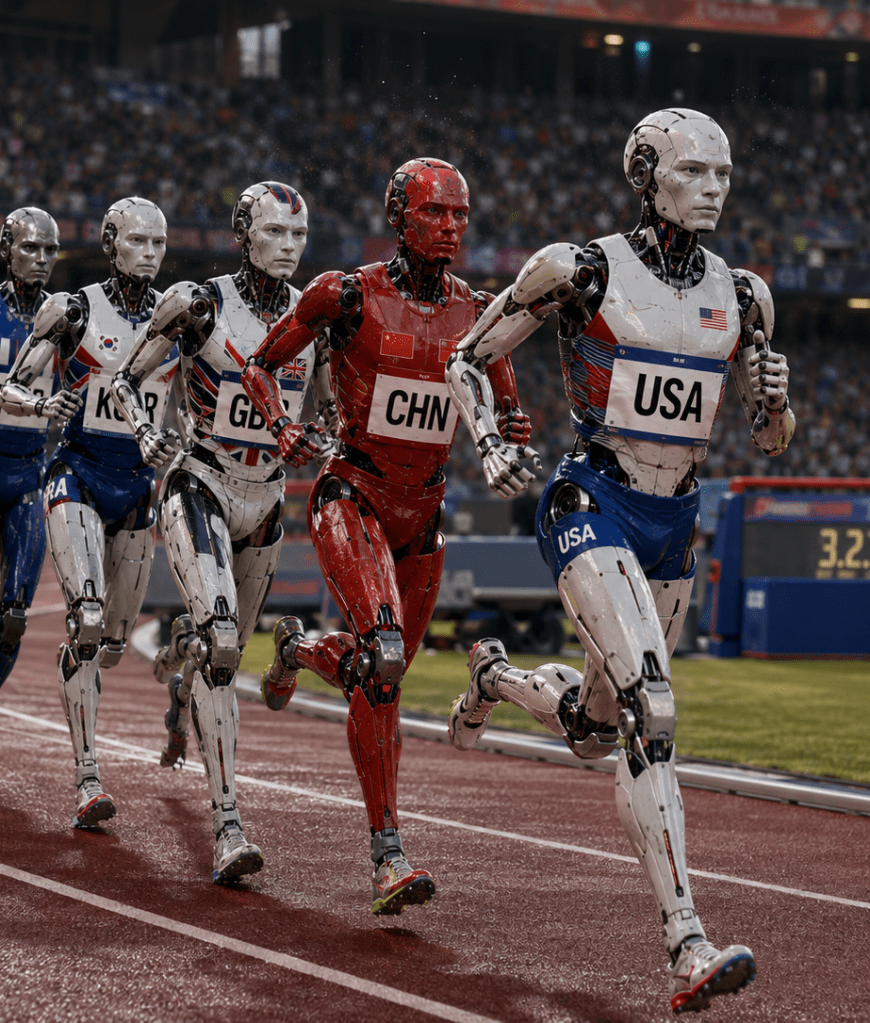
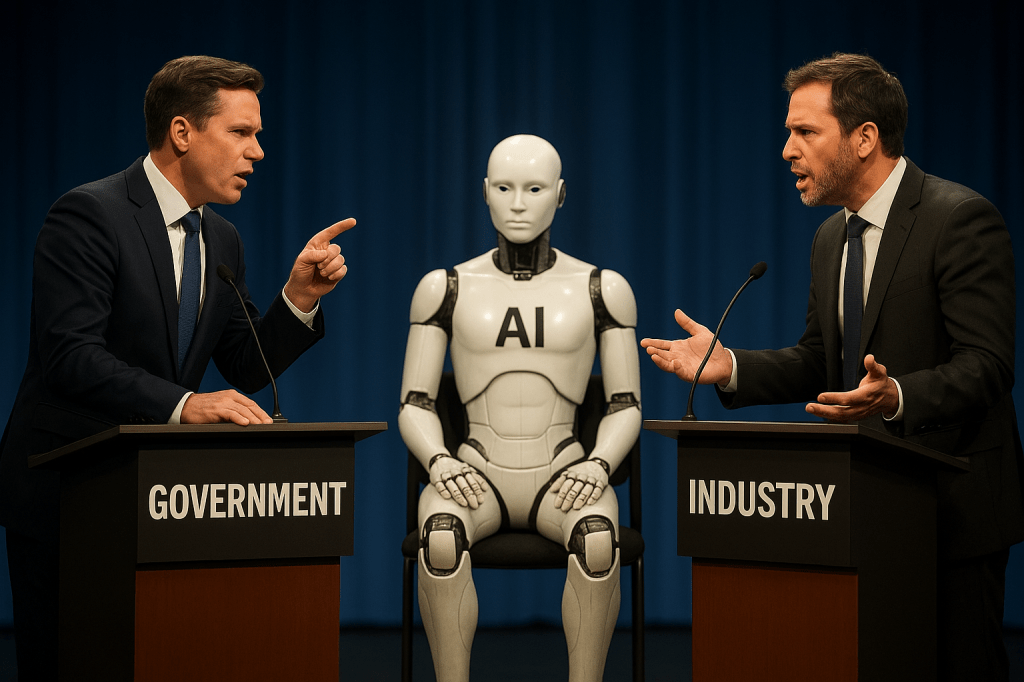
As of November 1, 2026, the United States remains the world’s leading artificial intelligence power, China is its closest competitor, and a handful of smaller countries have developed capabilities that could prove more important than their overall rankings suggest. Among individuals, NVIDIA’s Jensen Huang, OpenAI’s Sam Altman, Google DeepMind’s Demis Hassabis, and Anthropic’s Dario Amodei have considerable influence over the direction of the industry. But leadership is increasingly difficult to measure because the technologies, resources, and markets that determine success are changing.
Stanford University’s 2026 AI Index describes a narrowing performance gap between leading American and Chinese models. Yet American private AI investment remains far greater. China, meanwhile, accounted for more than half of new industrial robot installations worldwide in 2024 (Stanford Institute for Human-Centered Artificial Intelligence [Stanford HAI], 2026a, 2026b).
These differences complicate attempts to identify a single winner. The United States has substantial advantages in capital, computing infrastructure, and commercial AI development. China has a larger industrial manufacturing base and has demonstrated considerable capability in developing competitive models despite constrained access to advanced semiconductors. Their relative strengths will matter differently as AI moves into scientific research, industrial production, robotics, and autonomous work.
The rankings that follow are an editorial assessment of likely influence through 2030. They emphasize technological capability, access to essential resources, deployment potential, and the capacity to change the direction of AI development. They do not predict which country or company will first achieve artificial general intelligence.
The National Favorites: America and China
The United States ranks first because it retains the most complete concentration of resources required for advanced AI development. OpenAI, Anthropic, Google, Meta, Microsoft, Amazon, NVIDIA, and several other companies give it strength across foundation models, computing systems, cloud services, and consumer and enterprise applications. Its research universities and venture-capital ecosystem reinforce these advantages.
Stanford’s 2026 AI Index found that American institutions continued to produce more leading AI models than their Chinese competitors. The United States also hosted far more data centers than any other country in the report’s accounting. American AI leadership consequently rests on an extensive combination of research, infrastructure, software, and commercial distribution (Stanford HAI, 2026a).
But the country’s lead is expensive to maintain. Advanced models require substantial computing resources, and the expansion of AI services increases electricity demand. A concentrated semiconductor supply chain leaves the United States dependent on overseas manufacturing for many advanced chips. Its private-investment advantage is also less decisive than the headline figures suggest because direct private investment does not capture all of China’s state-supported industrial development (Stanford HAI, 2026b).
China ranks second, although its position in industrial AI may be stronger than that ranking implies. DeepSeek, Alibaba, Moonshot AI, and other Chinese developers contribute to a competitive domestic model ecosystem. China’s manufacturing infrastructure offers opportunities to integrate AI into factories, vehicles, logistics, and robotics on a scale that few countries can match.
A caution comes from the U.S. National Institute of Standards and Technology (NIST). Its May 2026 evaluation found that DeepSeek V4 performed competitively on cost but lagged leading American frontier systems on the capabilities tested. The results illustrate why model performance should be evaluated across multiple tasks, prices, and independent tests rather than inferred from company benchmarks (NIST, 2026).
China’s principal obstacle remains access to advanced semiconductor equipment and computing hardware. Its opportunities include reducing dependence on imported technology, developing efficient model architectures, and applying AI throughout its enormous industrial economy. The United States remains the favorite overall through 2030; China is its only broad-based challenger.
The Leading Challengers
The United Kingdom occupies third place in this assessment, largely because of its research talent, universities, and Google DeepMind’s London-based scientific heritage. Its contribution to frontier AI is substantial, but its smaller domestic market and limited sovereign computing infrastructure make it difficult to challenge the superpowers on overall scale.
South Korea ranks fourth because of Samsung, SK hynix, and its advanced electronics and semiconductor industries. Its significance may grow with demand for high-bandwidth memory, computing equipment, industrial automation, and AI-enabled devices. France ranks fifth, with Mistral AI giving Europe a significant independent participant in advanced model development. France could benefit from demand for greater national control over data and infrastructure (Stanford HAI, 2026a).
Singapore also deserves a prominent place. The Global AI Index’s August 2026 rankings placed it fourth overall, ahead of South Korea and France. Its institutional capacity, access to international capital, and adoption record are significant advantages. This assessment places it slightly lower because it gives greater weight to frontier technology production and strategic hardware independence (Global AI Index, 2026).
The National Dark Horses
India heads the dark-horse list. Its large software workforce, multilingual population, domestic market, and experience with mass-scale digital services make affordable AI in education, healthcare, and government an especially important opportunity. Its challenge is translating strengths in adoption and software into stronger domestic models and computing infrastructure (Global AI Index, 2026).
The United Arab Emirates follows. Its state-directed investments, technology partnerships, and infrastructure projects give it a plausible path to a prominent regional AI position. Japan is a serious contender in robotics and precision engineering. Saudi Arabia is using energy resources, capital, and the HUMAIN initiative to build computing infrastructure. Israel’s opportunities are concentrated in cybersecurity, defense, and specialized autonomous systems.
Taiwan is an unusual case. It is already indispensable to advanced AI chips through Taiwan Semiconductor Manufacturing Company (TSMC). It becomes a dark horse only when the question extends beyond chip fabrication to whether it can convert that position into broader AI leadership. The dark horses need not displace the United States and China comprehensively; they may become essential in particular parts of the industry (Stanford HAI, 2026a).
The Individuals Most Likely to Shape the Race
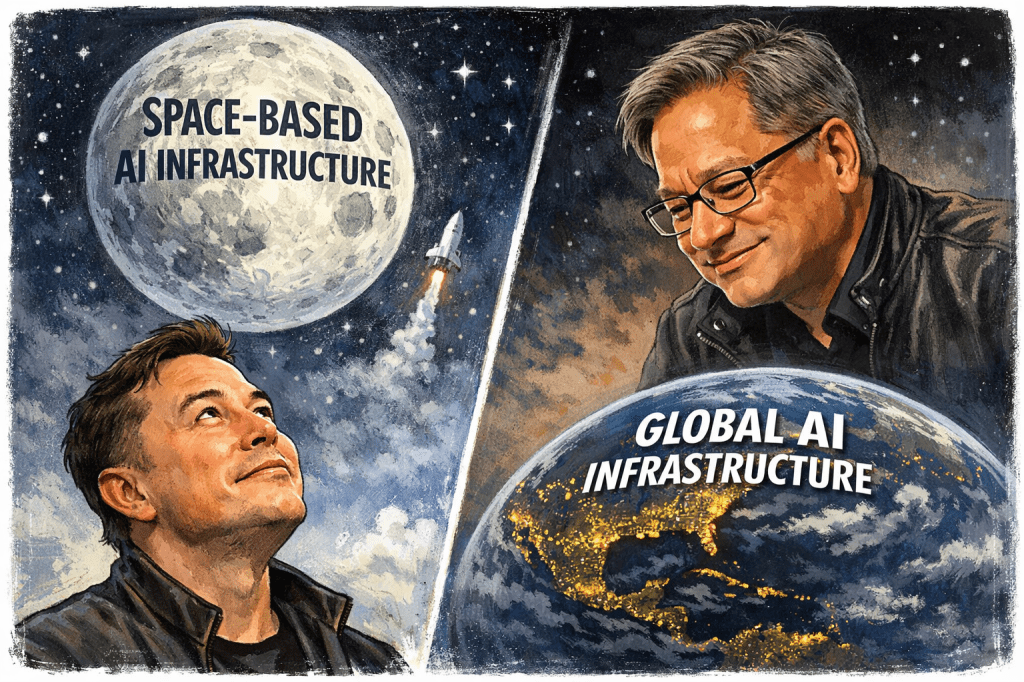
Jensen Huang ranks first among individual favorites. As NVIDIA’s CEO, he influences the computing systems on which competing AI laboratories depend. NVIDIA’s January 2026 Rubin platform announcement illustrated the company’s expansion from processors toward integrated systems of CPUs, GPUs, memory, networking, and data-center architecture (NVIDIA, 2026).
Sam Altman ranks second. As OpenAI’s chief executive, he has been central to commercializing advanced models and coordinating major infrastructure investments. Demis Hassabis ranks third. His Google DeepMind leadership combines frontier model development with scientific discovery and robotics. Developments such as AlphaEvolve and Gemini Robotics illustrate that breadth, though their long-term economic importance remains uncertain (Google DeepMind, 2026a, 2026b).
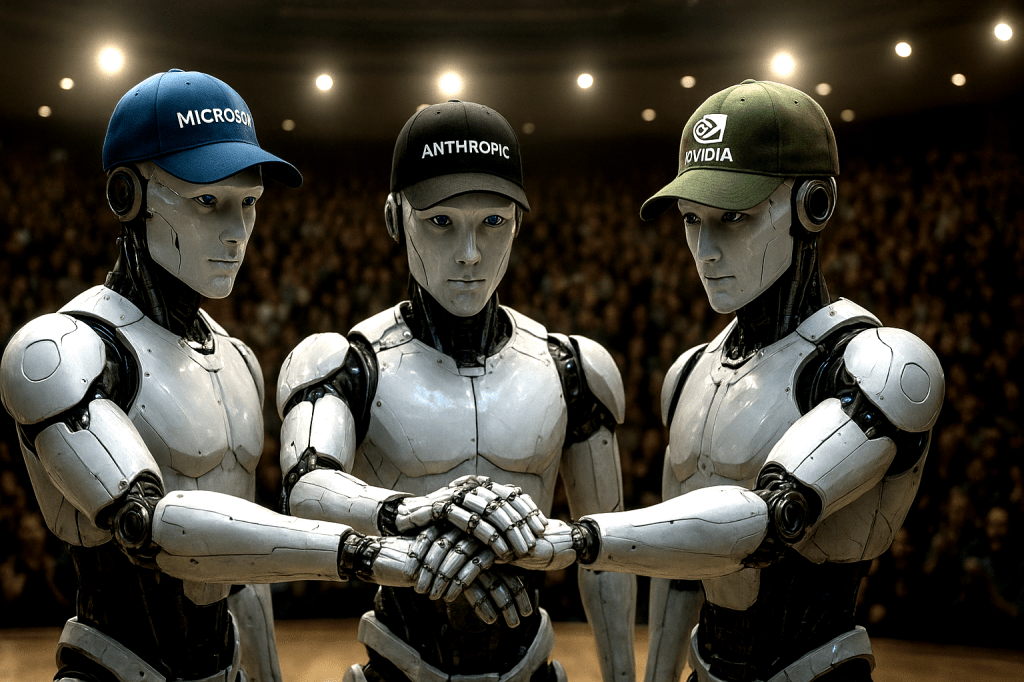
Dario Amodei of Anthropic ranks fourth for work on advanced models, coding, business applications, and AI safety. Liang Wenfeng of DeepSeek ranks fifth for making model efficiency a central competitive question. Satya Nadella of Microsoft ranks sixth because established cloud and enterprise software relationships provide a route for deploying AI in daily operations. Elon Musk ranks seventh: his efforts across xAI, Tesla, and SpaceX could connect models with robotics and engineering, but require difficult execution across several capital-intensive ventures.
The individual dark horses are Fei-Fei Li, Ilya Sutskever, Arthur Mensch, Yang Zhilin, Yann LeCun, and Sheikh Tahnoon bin Zayed Al Nahyan. Li’s spatial-intelligence research at World Labs is especially notable if progress in robotics depends on AI capable of representing and reasoning about three-dimensional environments. Sutskever’s Safe Superintelligence pursues an ambitious research direction; Mensch leads France’s Mistral AI; Yang is associated with China’s Moonshot AI; LeCun studies world-model approaches; and Sheikh Tahnoon influences sovereign infrastructure investment (World Labs, n.d.).
Five Developments That Could Overturn the Rankings by 2030
1. Model efficiency could reduce the advantage of enormous computing budgets
Present-day frontier development favors organizations that can afford expensive chips, large training runs, and substantial operating costs. But the computing resources required to achieve a particular level of useful performance are not fixed. Researchers improve training methods, architectures, inference techniques, and specialized components. Efficiency can lower entry barriers even as the largest frontier systems continue to grow.
DeepSeek offers a concrete example. NIST’s May 2026 evaluation reported that DeepSeek V4 Pro was more cost-efficient than a comparison American model on five of seven benchmark tests, while also lagging leading American models in overall capability. Cost competitiveness therefore does not require identical performance on every task (NIST, 2026).
This matters because most practical users do not need the world’s strongest model. A school system may prioritize affordable tutoring, a hospital may need secure documentation, and a manufacturer may value dependable computer vision for a narrow class of tasks. The critical question may be whether a system works well enough at a sustainable price.
That possibility benefits India, France, China, and other countries whose laboratories cannot match American infrastructure spending. Competitive open models can be adapted for local needs, subject to their licenses, performance, and security. But efficiency also benefits NVIDIA and American hyperscalers: reducing cost per operation can support more customers and still more investment. NVIDIA projected large inference-efficiency gains with Rubin, a claim that needs confirmation across actual deployments (NVIDIA, 2026).
A decisive shift would occur if smaller groups repeatedly achieved frontier-level performance using substantially more accessible hardware. The race would increasingly reward the usefulness of an AI system per unit of cost, rather than only the highest absolute benchmark score.
2. Physical AI could move the advantage toward manufacturing countries
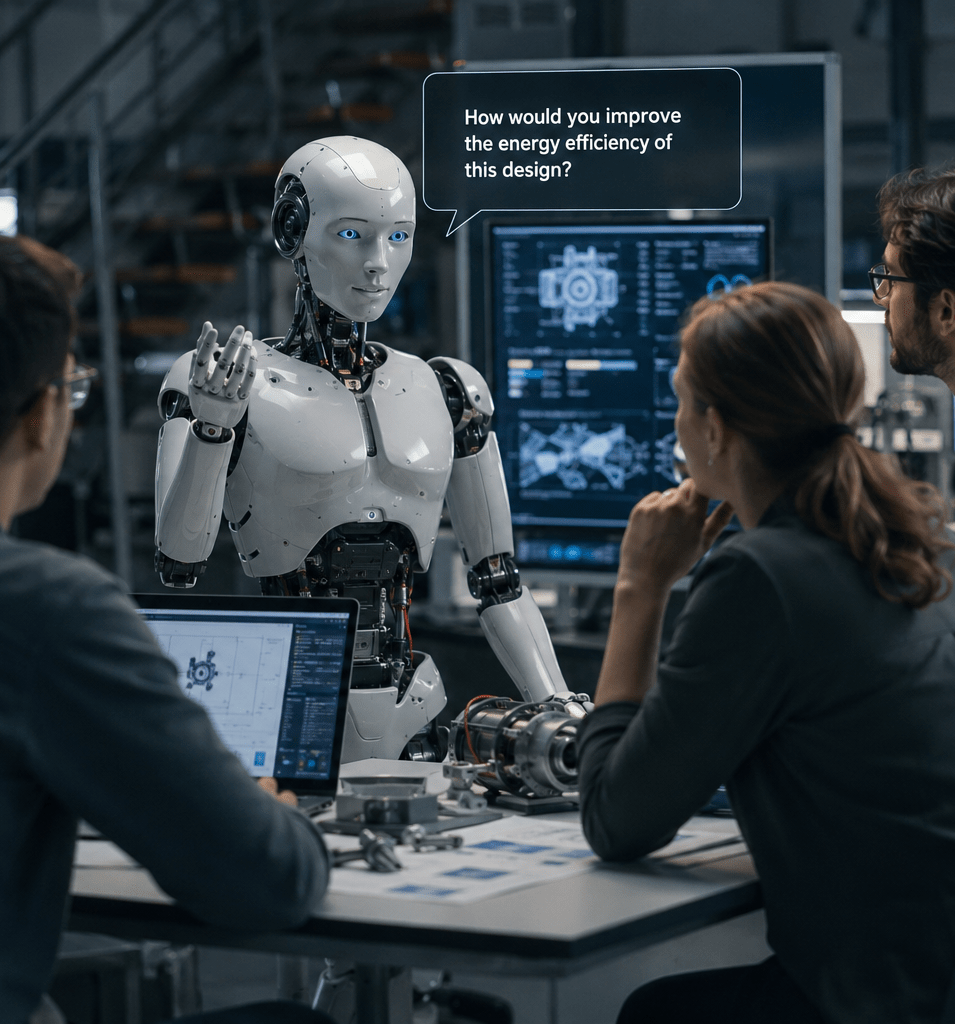
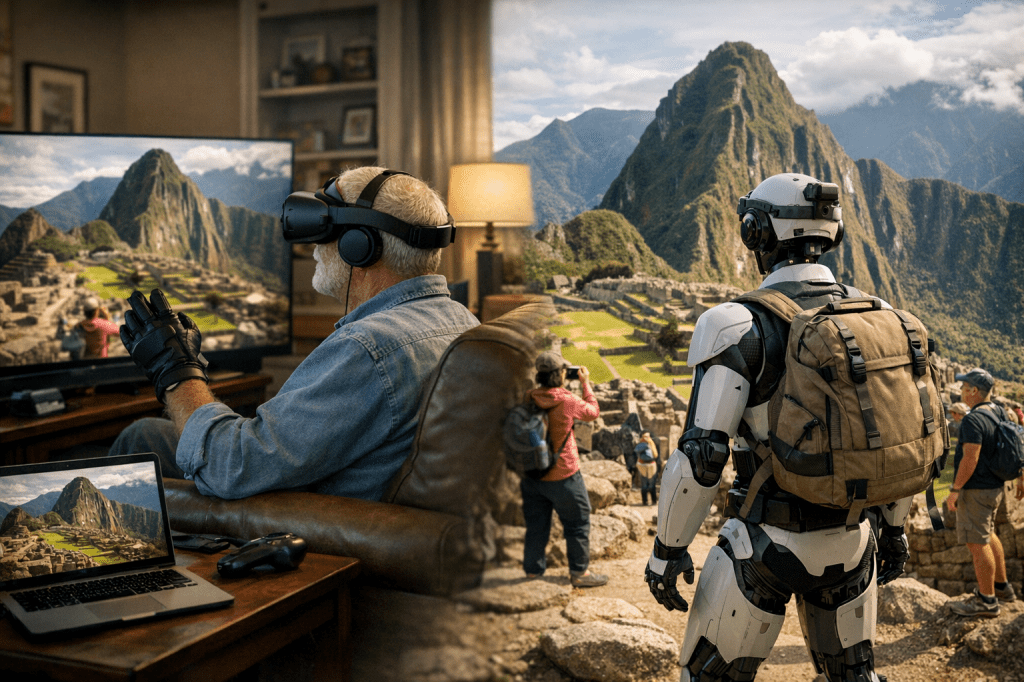
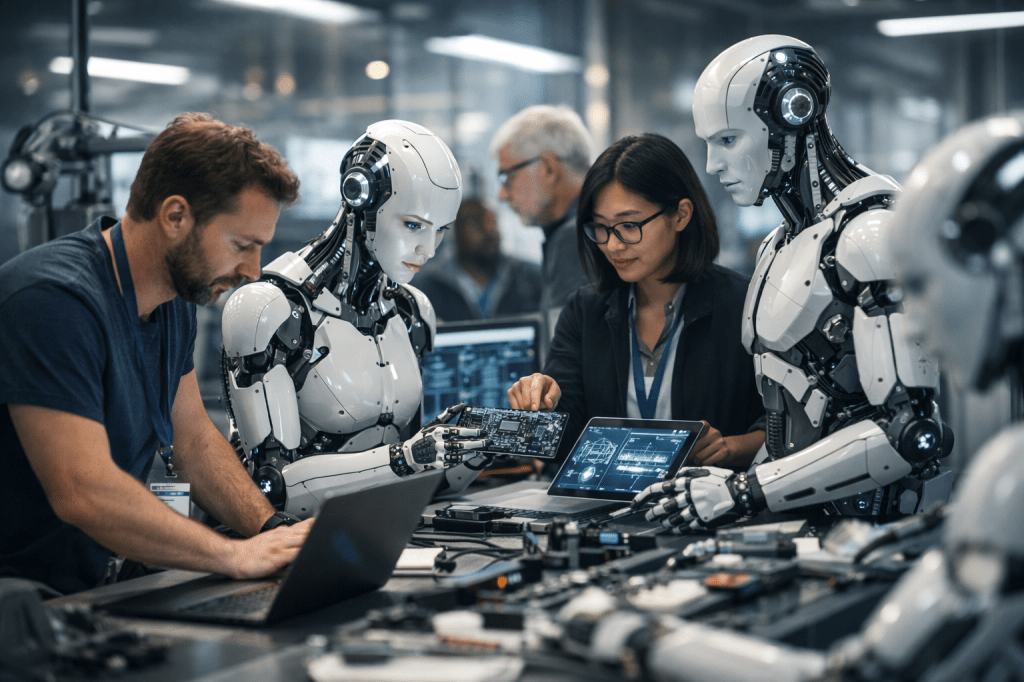
The transition from answering questions to acting in physical environments demands more than conversational fluency. A useful robot must perceive a changing environment, locate objects, manipulate tools, plan safe actions, recognize errors, and recover from unexpected conditions. The problem combines model development with sensors, mechanics, controls, manufacturing, and maintenance.
Google DeepMind’s 2026 robotics announcements described progress in embodied reasoning, spatial understanding, and planning for robot tasks (Google DeepMind, 2026b, 2026c). These releases demonstrate an active research and developer ecosystem, not proof that general-purpose humanoids are already economical or dependable in unrestricted workplaces.
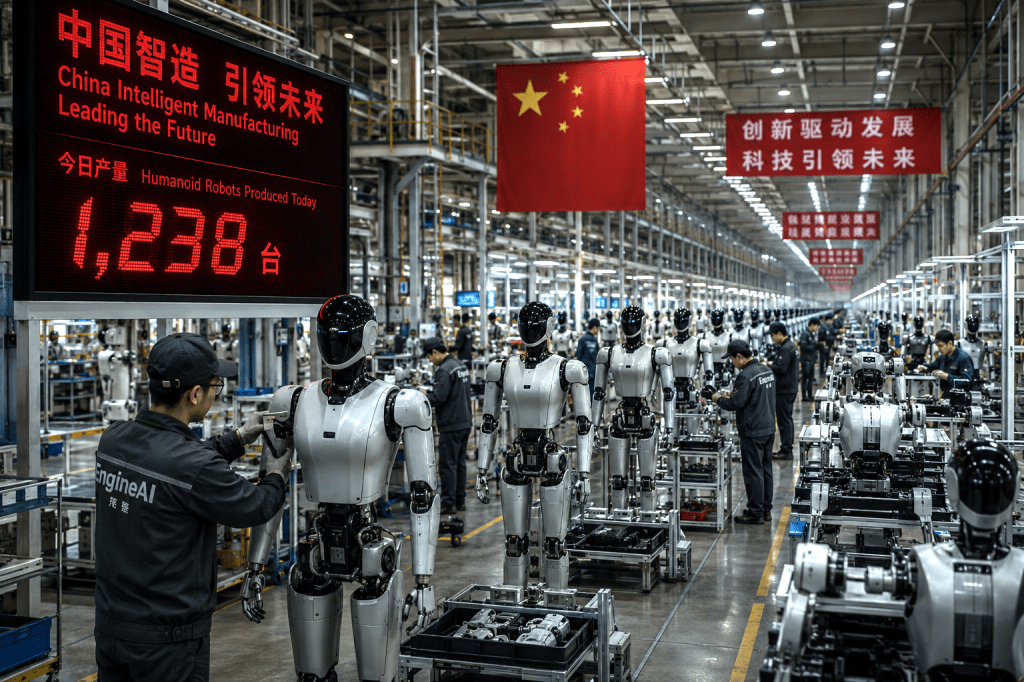
China has a particularly strong starting position. Stanford’s 2026 AI Index found that China accounted for more than half of new industrial robot installations in 2024. Traditional industrial robots are often narrowly programmed rather than general-purpose AI machines, but the installed base reveals both China’s automation capacity and the environments in which more flexible systems might be deployed (Stanford HAI, 2026b).
Japan’s robotics experience, South Korea’s advanced electronics, and Germany’s sophisticated manufacturing could also become more consequential. A robot’s economic value depends on reliable operation, maintenance, safety, and total cost—not merely impressive demonstrations. An inexpensive machine requiring constant intervention may accomplish less than a narrower system that operates dependably for years.
Spatial intelligence is relevant here. Fei-Fei Li’s World Labs has explored persistent three-dimensional world representations, a direction with potential applications in simulation and machine planning (World Labs, n.d.). Whether these representations support reliable real-world actions remains an open research question. By 2030, the count of useful tasks completed autonomously in real workplaces may reveal more than model rankings.
3. AI-driven scientific discovery could create a new kind of leadership
Scientific research requires more than a plausible answer. It involves proposing questions, testing hypotheses, checking findings, and generating results that other investigators can reproduce. AI systems that reliably contribute to this process could reshape the geography of research strength.
Google DeepMind’s AlphaEvolve combines generative models with automated evaluation to produce and improve algorithms. The laboratory described applications in mathematical and computational optimization (Google DeepMind, 2026a). Georgiev, Gómez-Serrano, Tao, and Wagner (2026) reported using AlphaEvolve in mathematical exploration across dozens of problems, with improvements in some existing constructions. Their work is especially revealing because the proposed solutions can be subjected to relatively precise checks.
The same method is harder to transfer directly into fields where experiments are slow or costly. Biological and medical claims require laboratory work, validation, and frequently lengthy trials. AI can increase the supply of hypotheses faster than researchers can verify them. An analysis by Wallace and colleagues (2026) characterized this as a growing validation bottleneck.
A country with strong universities, experimental facilities, laboratories, and scientific institutions may therefore enjoy an advantage even if it does not produce the best consumer chatbot. The United States, China, United Kingdom, Japan, and Germany are positioned to benefit from this interaction between computational and experimental capacity.
For individuals, advances in science could elevate Hassabis and scientists pursuing alternative architectures. Genuine leadership would require a repeated record of discoveries independently verified as original and useful, rather than a sequence of demonstrations that merely sound scientifically sophisticated.
4. Electricity, semiconductors, and memory could become decisive constraints
Advanced AI depends on electricity, chips, networking, memory, data centers, cooling, and grid connections. Infrastructure can limit development even when financial resources are available. The International Energy Agency projected in April 2026 that worldwide data-center electricity consumption could rise from approximately 485 terawatt-hours in 2025 to 950 terawatt-hours in 2030, while stressing the uncertainties and bottlenecks affecting those estimates (International Energy Agency [IEA], 2026).
Power must be available at specific locations and at sufficient reliability. Transformers, substations, transmission connections, water and cooling systems, and local permitting can delay data-center projects. The ability to announce an investment is different from the ability to operate the facility.
Leading semiconductor manufacturing is similarly concentrated. TSMC’s third-quarter 2026 report emphasized the importance of advanced manufacturing processes to its business (TSMC, 2026). But fabrication alone is not enough: high-bandwidth memory, advanced packaging, high-speed networking, and processors must come together as usable systems. Samsung, SK hynix, and TSMC accordingly matter to every major AI competitor.
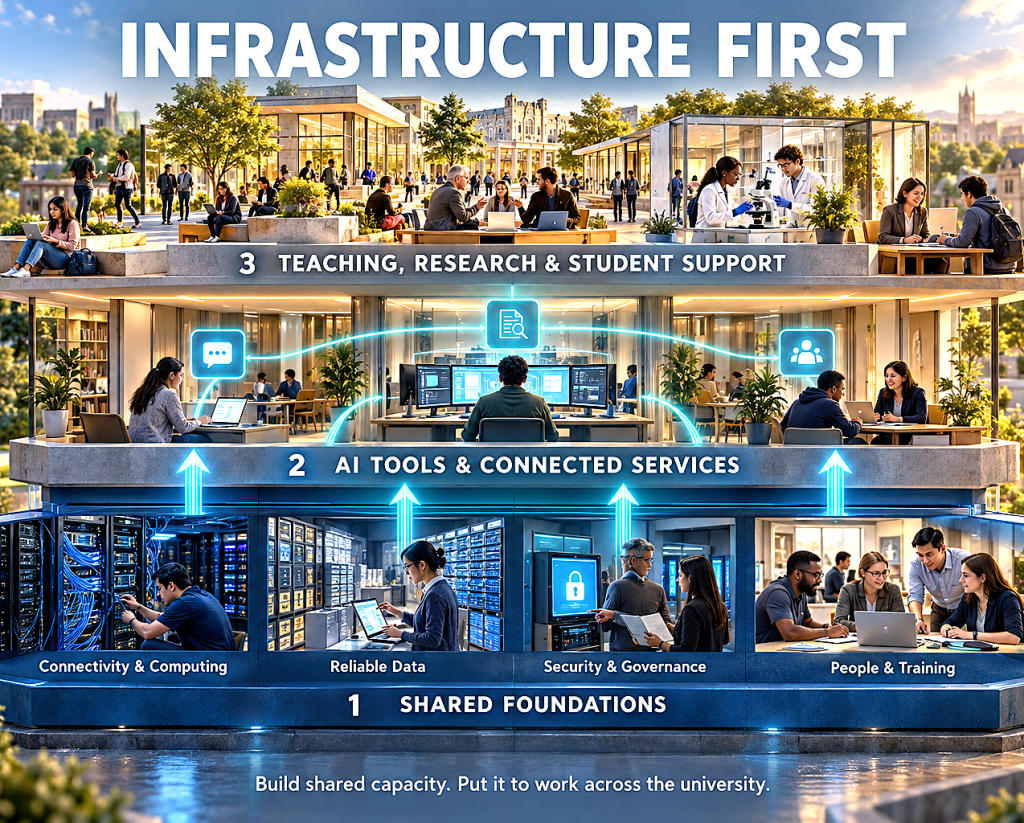
NVIDIA’s Rubin platform likewise points toward integrated computing systems rather than competition over a single chip’s specifications (NVIDIA, 2026). For the UAE and Saudi Arabia, energy resources, finance, and partnerships could make them attractive hosts of major computing centers, even though their dependence on imported technologies would persist.
By 2030, the ability to provide power, manufacturing capacity, memory, and functioning data centers at sustainable costs may separate credible AI ambitions from projects that remain proposals. It also creates geopolitical exposure: supply-chain disruption or export restrictions could alter national and corporate positions without any change in the quality of their researchers.
5. Autonomous AI agents could shift the race from invention to productive deployment
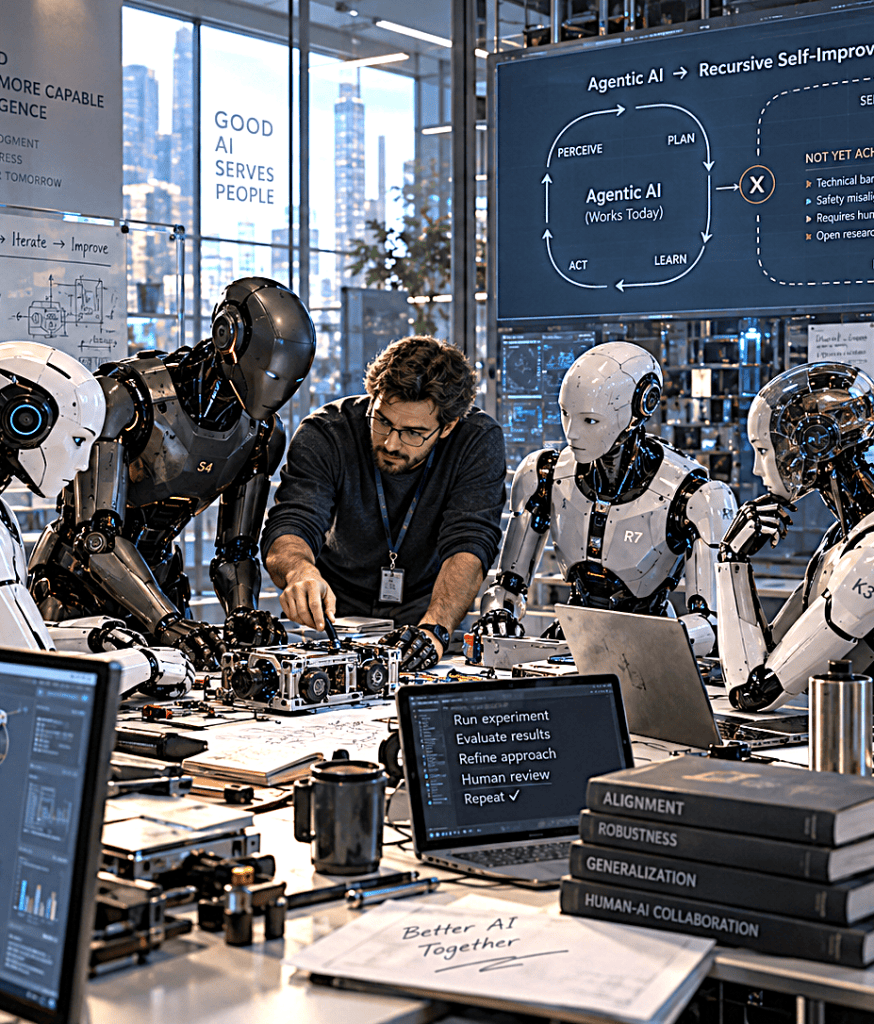
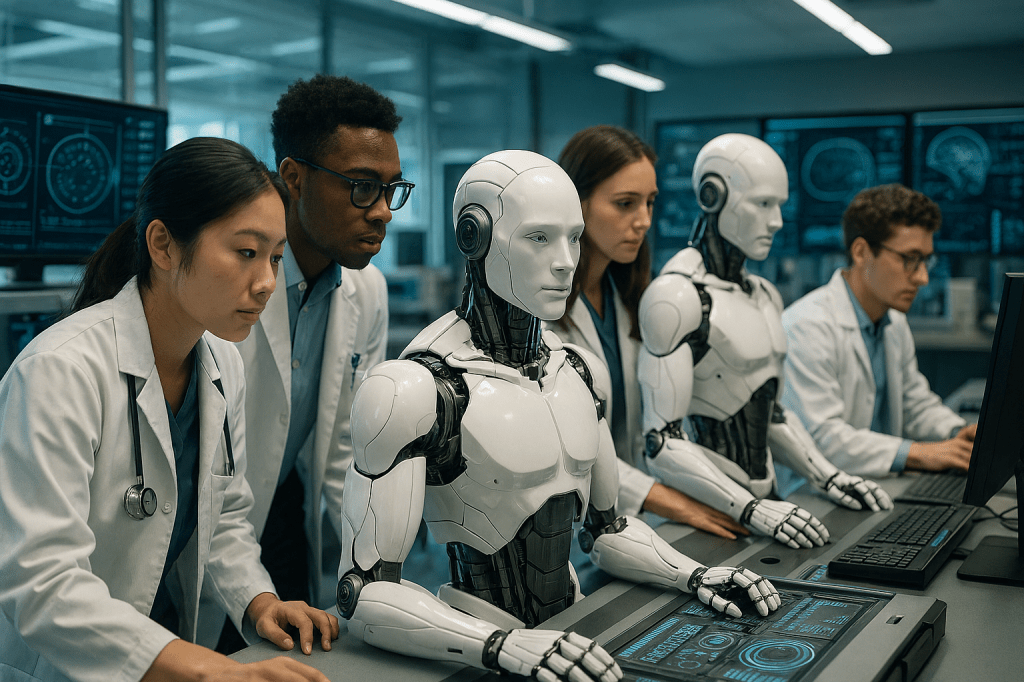
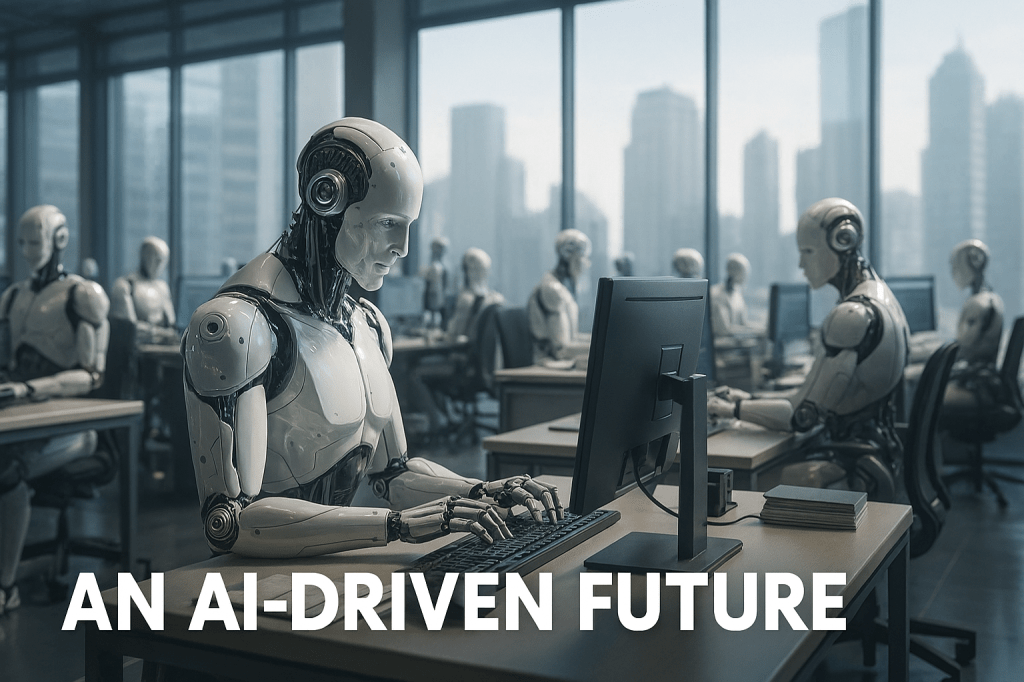
An AI agent can pursue a goal across multiple steps, operate tools, inspect results, and revise its actions. Rather than simply summarizing information provided by a user, a sufficiently capable and authorized agent could retrieve documents, analyze data, check inconsistencies, draft a report, and identify matters needing human review. Similar possibilities exist in programming, administration, research, and education.
Anthropic described capabilities in March 2026 allowing Claude to interact with computer interfaces and other applications (Anthropic, 2026). Yet autonomy adds reliability and security problems. A mistake in a single answer may inconvenience someone; an agent performing a chain of actions may alter records, leak information, or compound errors before anyone intervenes.
Measures developed by METR emphasize how the duration and difficulty of tasks that AI systems can complete reliably differ from occasional successes on demonstrations (METR, 2026). NIST and cybersecurity authorities also warn that agent systems need constrained permissions, monitoring, evaluations, and suitable oversight (Riggs et al., 2026; Cybersecurity and Infrastructure Security Agency [CISA], 2026).
Deployment advantages may accrue to software and cloud firms already embedded in daily work. Microsoft, Google, and Amazon have distribution channels and business relationships that can facilitate agent adoption. Countries with strong digital services and flexible public institutions—potentially Singapore, India, and the UAE—may benefit even without leading frontier-model development.
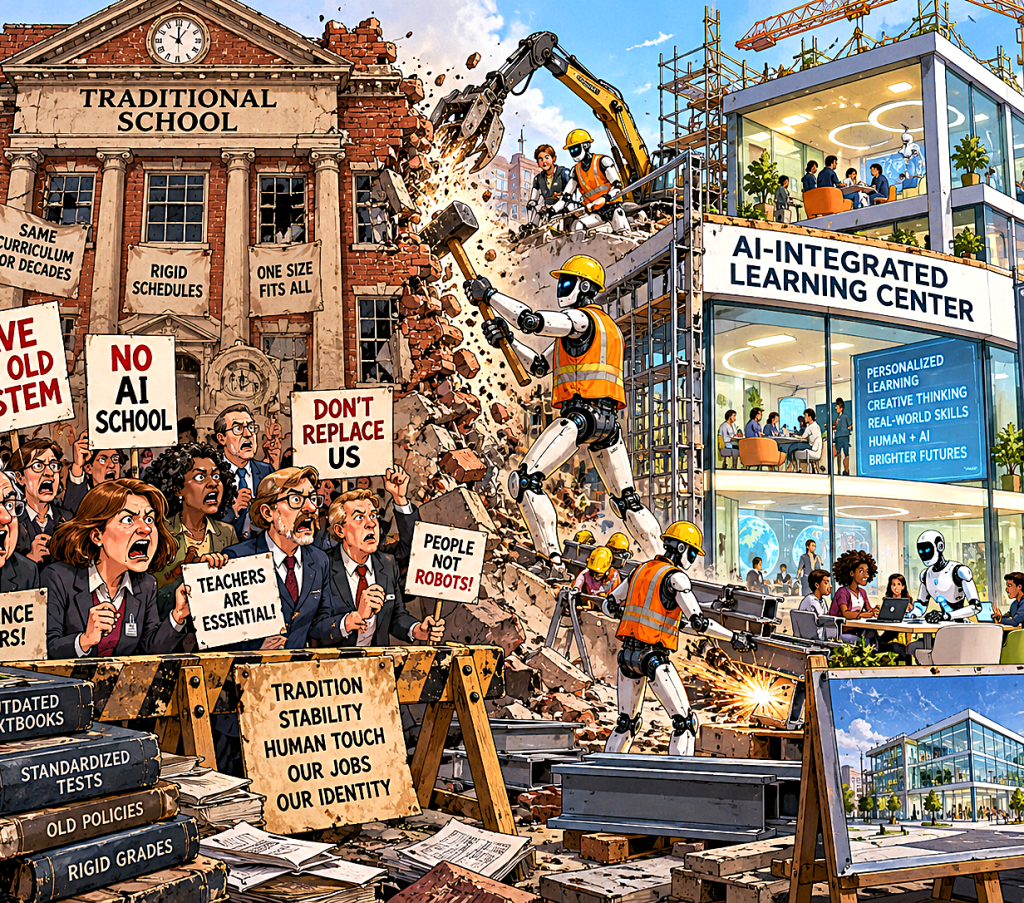
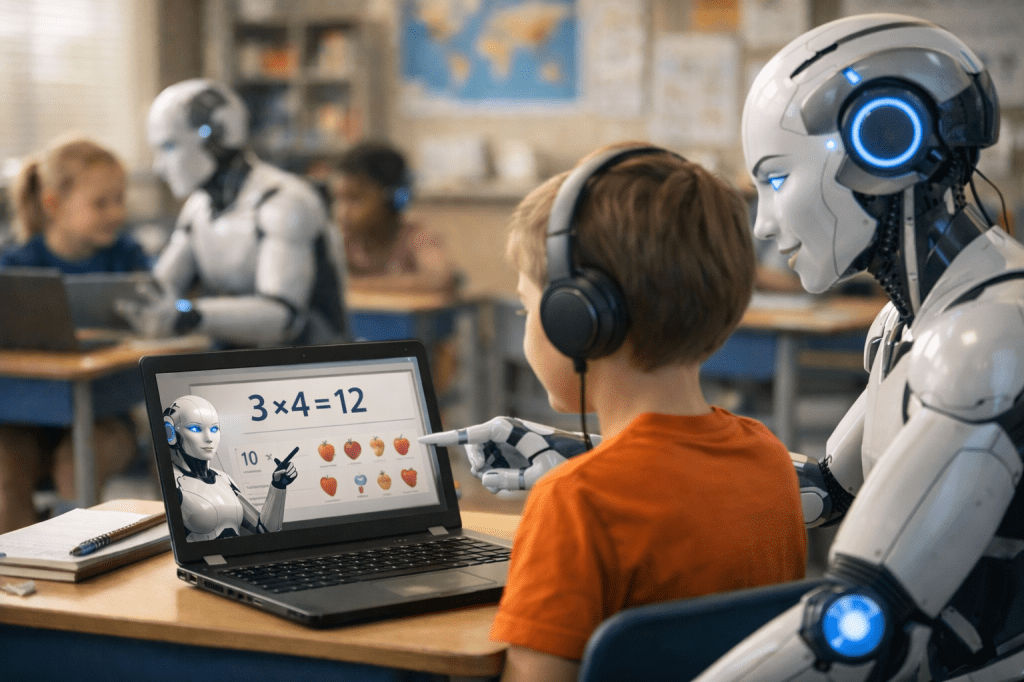
For education, agents could assist with tutoring, research, curriculum planning, assessment support, and administration. Their value will depend on whether schools redesign learning activities and evaluation, rather than treating agent-produced output as a straightforward substitute for student learning. A student who evaluates evidence and directs an inquiry with AI is doing something different from a student who merely requests a finished paper.
By 2030, a more revealing benchmark than an isolated model score may be how much valuable work agents complete reliably under appropriate human supervision. Some organizations will excel because of their models; others because of their ability to adapt jobs and institutions around those models.
Where the Race Stands—and What to Watch
The five developments interact. Efficiency can reduce the cost of robotics and agents. Scientific discovery can improve algorithms and computing components. More powerful agents and robots can generate additional demand for hardware and electricity. Each advance changes which resources are scarce and which institutions are positioned to take advantage of it.
The most viable forecast is that the United States will remain the strongest overall AI power through 2030, with China its principal challenger. India is the most interesting national dark horse because of its scale and software capabilities. Fei-Fei Li stands out among individual dark horses because spatial intelligence could become critical as AI enters physical environments. These are judgments under considerable uncertainty, not predictions of inevitable outcomes.
The most consequential change may not be a simple reversal of the national rankings. Different countries could lead in different forms of AI: one in scientific discovery, another in industrial robotics, another in semiconductor manufacturing, and another in the dependable deployment of autonomous systems. By 2030, the practical question will be which countries and individuals turn increasingly capable AI into useful, verifiable, and sustainable results in research, production, services, and education.
References
Anthropic. (2026, March 23). Put Claude to work on your computer. https://claude.com/resources/articles/dispatch-and-computer-use
Cybersecurity and Infrastructure Security Agency. (2026, May 1). CISA and partners release guidance on adopting agentic AI services. https://content.govdelivery.com/accounts/USDHSCISA/bulletins/41544ff
Georgiev, B., Gómez-Serrano, J., Tao, T., & Wagner, A. Z. (2026). Mathematical discovery and exploration can be done at scale. Proceedings of the National Academy of Sciences, 123(40), e2536158123. https://doi.org/10.1073/pnas.2536158123
Global AI Index. (2026, August 10). 2026 rankings. https://globalaiindex.org/rankings/
Google DeepMind. (2026a, May 7). AlphaEvolve: How our Gemini-powered coding agent is scaling impact across fields. https://deepmind.google/blog/alphaevolve-impact/
Google DeepMind. (2026b, April 14). Gemini Robotics-ER 1.6: Powering real-world robotics tasks through enhanced embodied reasoning. https://deepmind.google/blog/gemini-robotics-er-1-6/
Google DeepMind. (2026c, July 30). Introducing Gemini Robotics ER 2. https://blog.google/innovation-and-ai/models-and-research/google-deepmind/gemini-robotics-er-2/
International Energy Agency. (2026, April 16). Key questions on energy and AI. https://www.iea.org/reports/key-questions-on-energy-and-ai
METR. (2026, September 8). Task-completion time horizons of frontier AI models. https://metr.org/time-horizons/
National Institute of Standards and Technology. (2026, May 1). CAISI evaluation of DeepSeek V4 Pro. https://www.nist.gov/news-events/news/2026/05/caisi-evaluation-deepseek-v4-pro
NVIDIA. (2026, January 5). NVIDIA kicks off the next generation of AI with Rubin—six new chips, one incredible AI supercomputer. https://nvidianews.nvidia.com/news/rubin-platform-ai-supercomputer
Riggs, J., Hamin, M., Perry, N., Edelman, B., & Cihon, P. (2026). Summary analysis of responses to the request for information regarding security considerations for AI agents (NIST AI 800-5). National Institute of Standards and Technology. https://www.nist.gov/publications/summary-analysis-responses-request-information-regarding-security-considerations-ai
Stanford Institute for Human-Centered Artificial Intelligence. (2026a). The 2026 AI Index report. Stanford University. https://hai.stanford.edu/ai-index/2026-ai-index-report
Stanford Institute for Human-Centered Artificial Intelligence. (2026b). Economy. In The 2026 AI Index report. Stanford University. https://hai.stanford.edu/ai-index/2026-ai-index-report/economy
Taiwan Semiconductor Manufacturing Company. (2026, October 15). TSMC reports third quarter EPS of NT$29.43. https://www.sec.gov/Archives/edgar/data/1046179/000104617926000726/a3q26e_withguidancexfinal.htm
Wallace, D., Griffin, C., O’Neill, S., Luong, T., & Larter, O. (2026, July). Conjecture machines: AI agents and the new validation bottleneck in science. Google DeepMind. https://deepmind.google/public-policy/conjecture-machines-ai-agents-and-the-new-validation-bottleneck-in-science/
World Labs. (n.d.). About World Labs. https://www.worldlabs.ai/about
###
Filed under: Uncategorized |


















































































































































































































































































































































































































































































Leave a Reply