






By Jim Shimabukuro (assisted by Gemini)
Editor
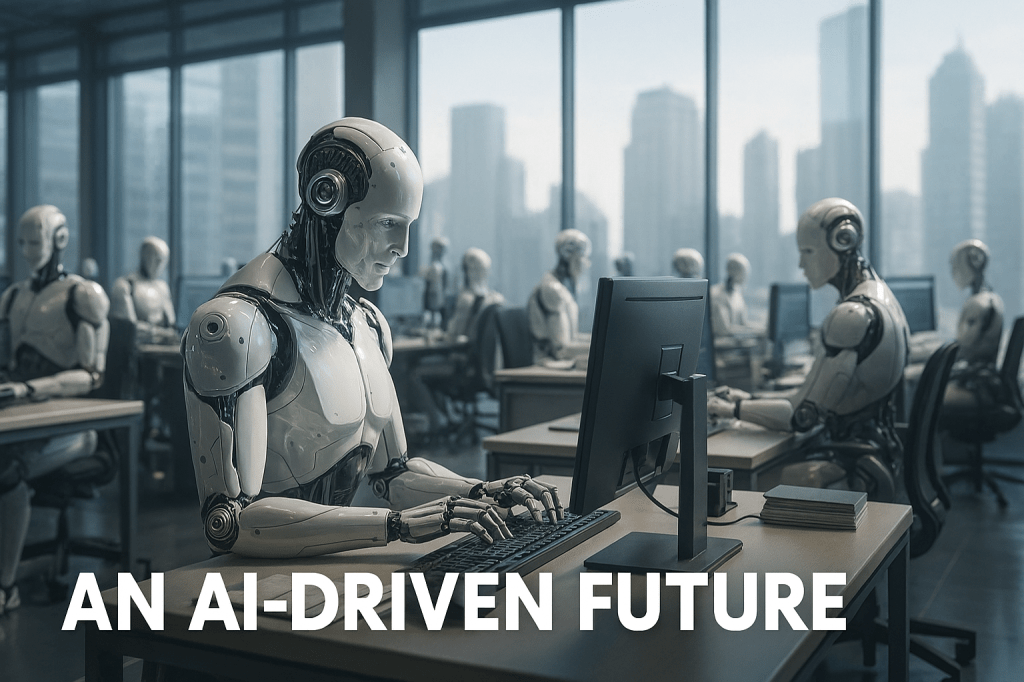
The question of whether artificial intelligence disrupts our established theories of change cuts across philosophy, technology, and organizational science. Traditional paradigms of change, whether rooted in social movement theory, technological determinism, or organizational development, typically view transformation as a gradual, friction-laden process driven by human agency, institutional policy, or slow-moving economic cycles. Artificial intelligence, particularly through the lens of modern deep learning and generative models, challenges these assumptions. Rather than serving merely as another tool in the long lineage of industrial inventions, AI exhibits characteristics of a structural anomaly—a technology that reconfigures the very mechanics of knowledge production, decision-making, and labor.

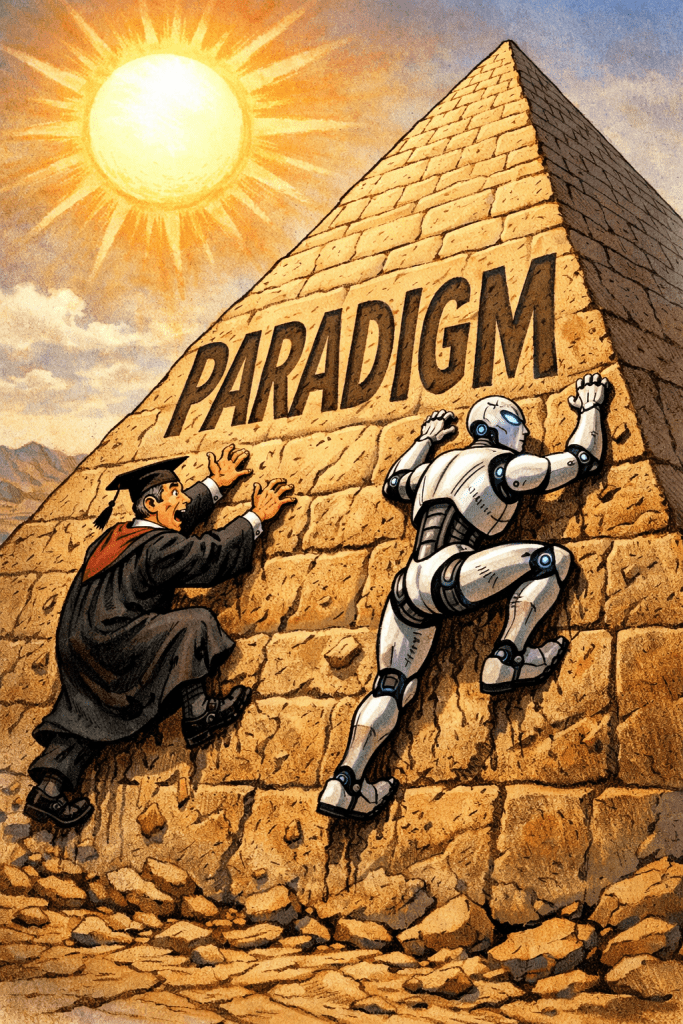
Scholars examining this shift have increasingly turned to Thomas Kuhn’s framework of scientific revolutions to make sense of the transition (Dhar, 2024). Among these writers, NYU Stern professor Vasant Dhar has analyzed how AI represents a foundational paradigm shift, transforming computing from a set of narrow, human-programmed applications into a general-purpose technology. This essay explores how Dhar and other contemporary thinkers characterize this shift, weighs its pros and cons, and evaluates why these new frameworks matter for understanding human progress.
Vasant Dhar and the General-Purpose Technology Paradigm
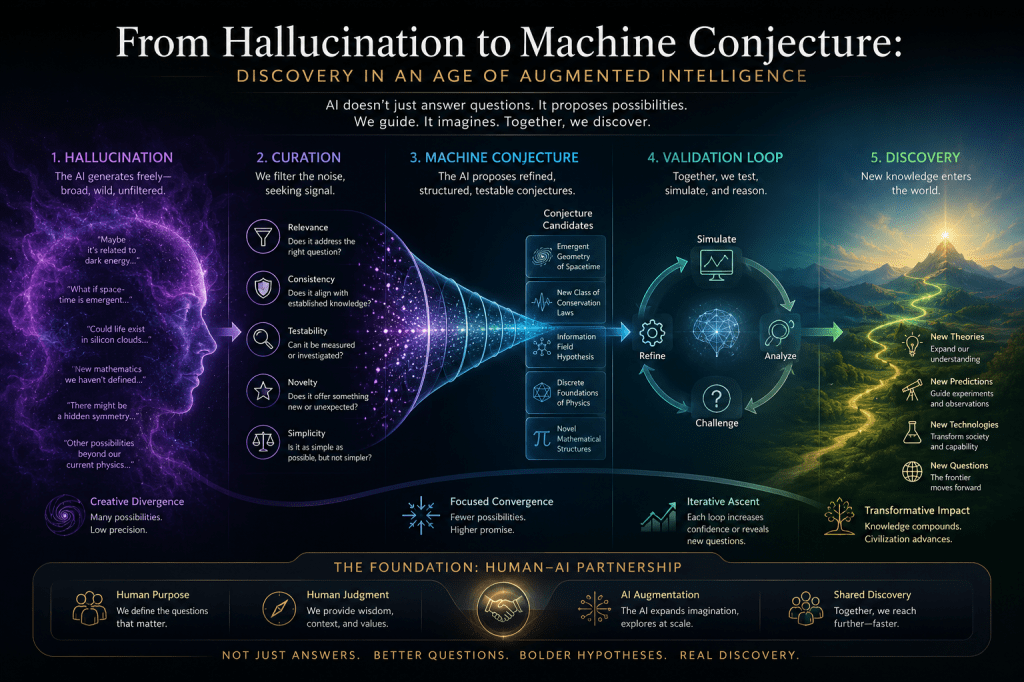
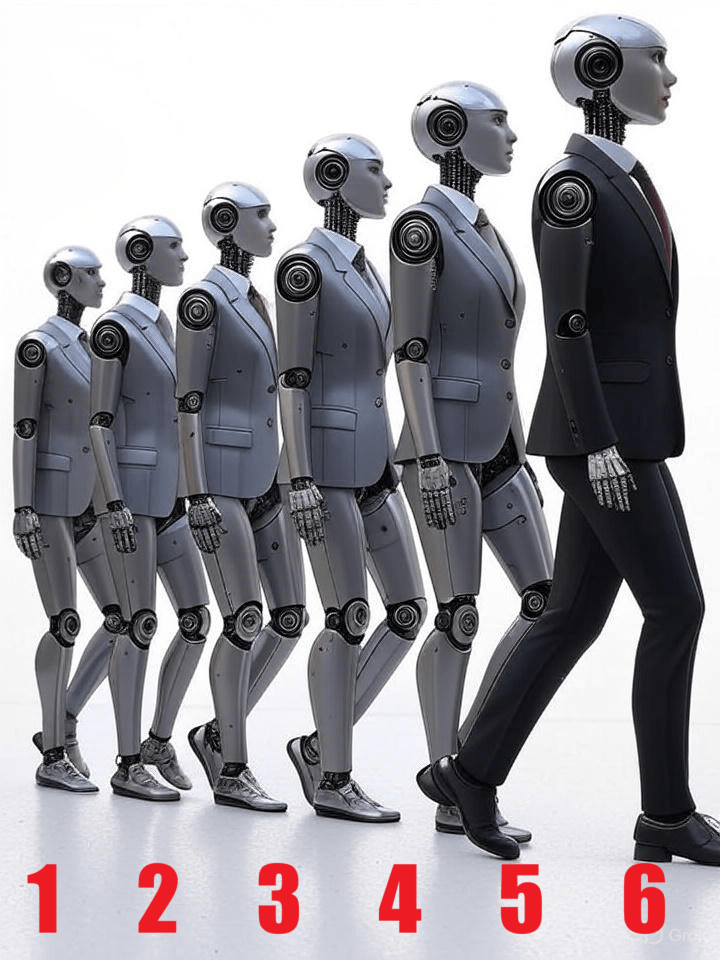
In his analysis of technological evolution, Vasant Dhar applies Kuhn’s conceptualization of scientific progress to trace how artificial intelligence has moved through distinct intellectual eras (Dhar, 2024). Traditional computing and early AI relied on symbolic reasoning and human-crafted rules, acting as bounded instruments that executed predefined human logic. The contemporary paradigm, catalyzed by deep learning and large-scale pre-trained models, discards the requirement for explicit human instruction. Instead of spoon-feeding rules to machines, modern AI systems ingest raw data and autonomously discover statistical regularities, shifting the locus of cognitive labor from human coders to algorithmic optimization.
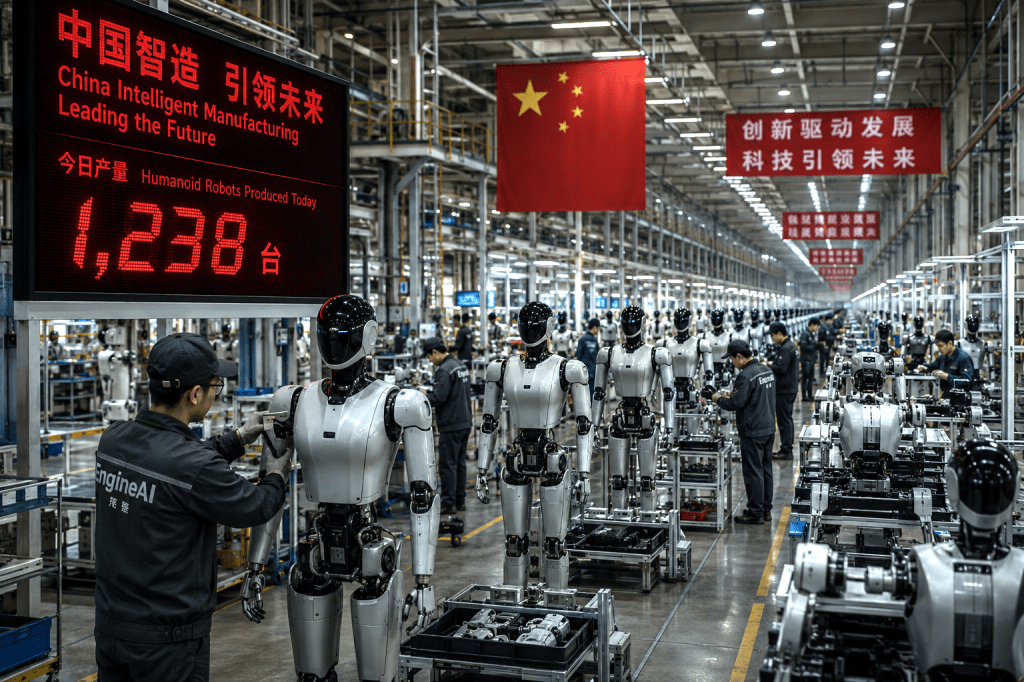
Dhar argues that this transition qualifies as a true paradigm shift because AI has ceased to be a vertical application and has become a general-purpose technology. Much like electricity or the steam engine, it alters the baseline operations of nearly every sector, including science, healthcare, and commerce. The proposed paradigm shift moves away from viewing technology as a passive amplifier of human intent toward viewing it as an autonomous engine of prediction and pattern recognition that reshapes how problems are formulated and solved.
Pros and Cons of the Shift
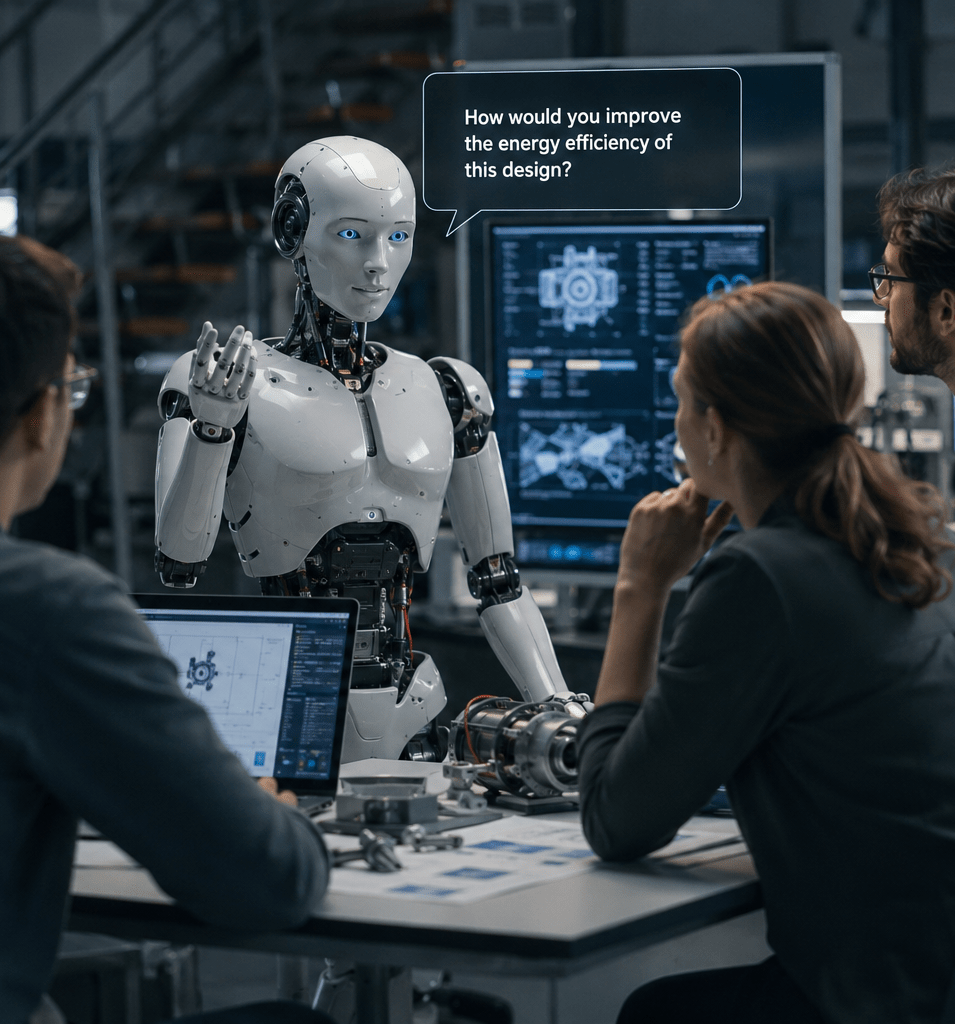
The primary advantage of this paradigm shift lies in unprecedented cognitive scalability and problem-solving velocity. Modern machine learning models identify complex patterns across vast datasets that exceed human perceptual limits, accelerating discovery in fields ranging from structural biology to logistics. Furthermore, by automating routine analytical tasks, the paradigm frees human capital to focus on strategic and creative endeavors.
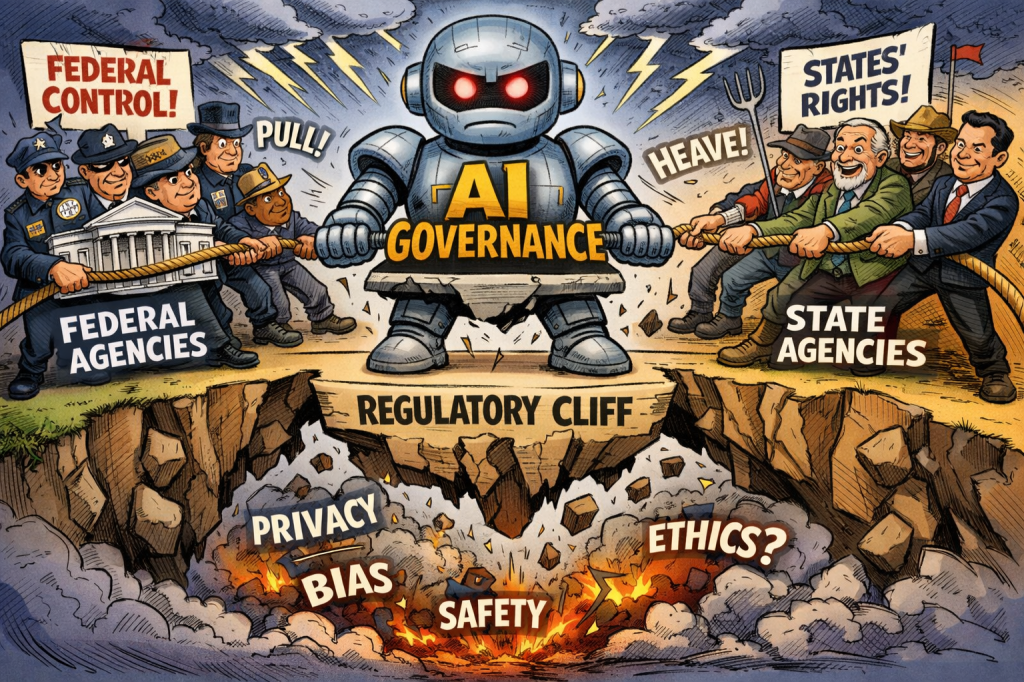
Conversely, the disadvantages are substantial and deeply systemic. The shift introduces severe risks related to alignment, opacity, and accountability. Because deep learning models function through statistical optimization rather than transparent causal reasoning, their internal logic often remains opaque, creating a “black box” problem. This lack of interpretability makes it difficult to assign responsibility when algorithmic systems fail or perpetuate historical biases. Moreover, the speed of adoption outpaces institutional capacity for governance, threatening economic displacement and the erosion of epistemic trust.
Why This Proposal Matters
Dhar’s framing matters because it corrects a common misconception that AI is merely an incremental upgrade over previous software iterations. By categorizing AI as a general-purpose technology operating under a new epistemological paradigm, his work forces policymakers, economists, and technologists to abandon legacy regulatory frameworks. Understanding AI as a structural break from past automation helps society anticipate its economy-wide ripples and highlights the urgent need for new governance structures that match the technology’s scale.
Andreas Jungherr and the Sociotechnical Complexity of AI
Complementing economic and computational perspectives, political sociologist Andreas Jungherr has examined how artificial intelligence alters the broader structures of democracy, public discourse, and social change (Jungherr, 2024). Traditional theories of social change often model transformation as a linear chain linking scientific discovery, elite decision-making, and gradual public adoption. Jungherr’s research suggests that AI disrupts this linear model by acting as an active, recursive agent within social systems rather than a passive conduit for human policies.
Jungherr’s work highlights how algorithmic systems actively shape the informational environments in which social movements and political decisions unfold. Rather than simply reflecting human opinions, AI-driven platforms curate, synthesize, and sometimes generate the narratives that mobilize populations. This establishes a complex feedback loop where technology modifies the very social conditions required to study and govern it.
Pros and Cons of the Shift
On the positive side, the integration of AI into social and political architecture offers powerful tools for civic engagement, automated administrative efficiency, and the rapid synthesis of public feedback. It enables decentralized actors to analyze complex policy challenges and coordinate large-scale responses with minimal friction.
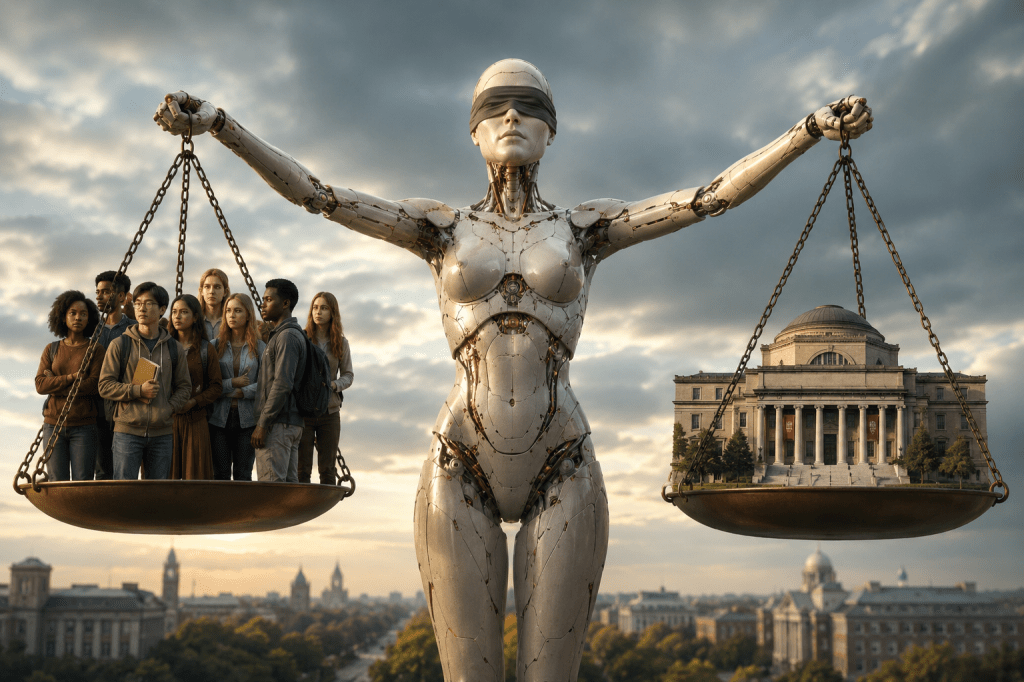
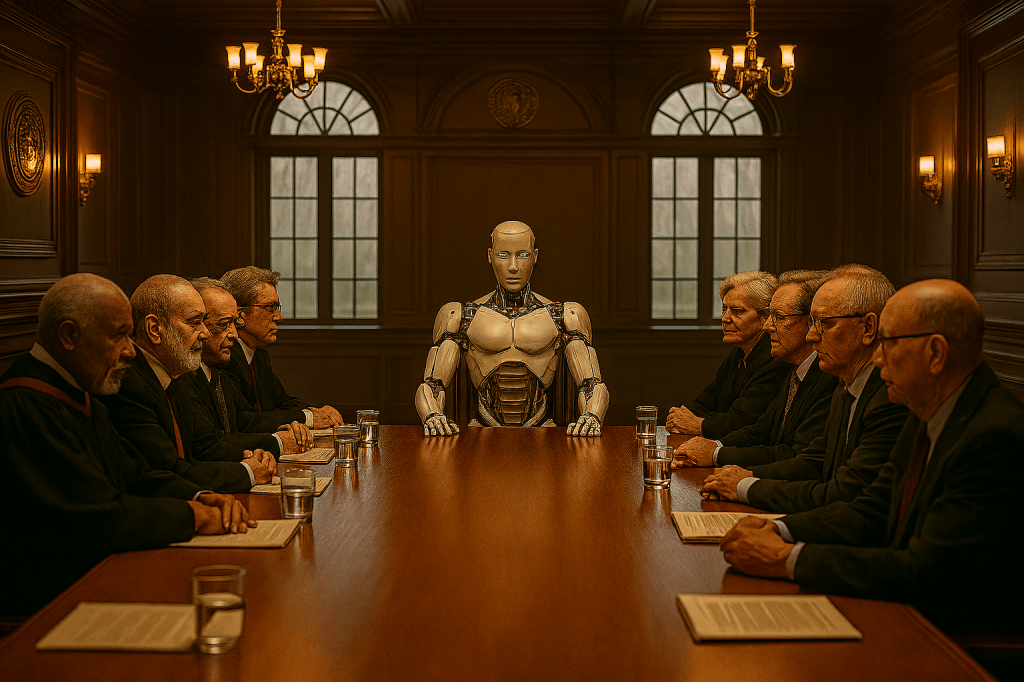
On the negative side, this shift decentralizes accountability and risks centralizing power among the corporate entities that control foundational AI infrastructure. When algorithmic systems mediate public discourse and institutional resource allocation, transparency diminishes. Citizens frequently interact with automated agents whose incentives, training data, and decision rules remain proprietary, threatening democratic legitimacy and fostering widespread social friction.
Why This Proposal Matters
Jungherr’s perspective is vital because it shifts the conversation away from abstract technological capabilities and toward the practical realities of institutional governance. By conceptualizing AI as a disruptive force in social coordination rather than just a productivity enhancer, his analysis highlights the vulnerability of existing democratic institutions. It demonstrates that our current theories of social change must account for non-human actors that actively participate in shaping collective behavior and public norms.
Conclusion
The question of whether AI represents an anomaly that has broken our current theory of change finds a nuanced affirmative in the work of contemporary writers. Thinkers like Vasant Dhar and Andreas Jungherr illustrate that AI is not merely a faster typewriter or a more advanced calculator; it is a fundamental reconfiguration of how knowledge is produced, how labor is distributed, and how societies coordinate. While this shift unlocks remarkable problem-solving capabilities, it simultaneously destabilizes traditional models of governance, transparency, and human agency. Navigating this new paradigm requires moving past obsolete assumptions about technological neutrality and actively building institutional frameworks capable of steering autonomous systems toward human-centric outcomes.
References
Dhar, V. (2024). The paradigm shifts in artificial intelligence. Communications of the ACM, 67(10), 50–59. https://doi.org/10.1145/3664804
Jungherr, A. (2024). Artificial intelligence and democracy [Course syllabus and research overview]. University of Bamberg. https://andreasjungherr.net/wp-content/uploads/2024/04/Jungherr-Artificial-Intelligence-and-Democracy-Syllabus-SS-2024.pdf
###
Filed under: Uncategorized |


















































































































































































































































































































































































































































































Leave a Reply