




By Jim Shimabukuro (assisted by Claude*)
Editor
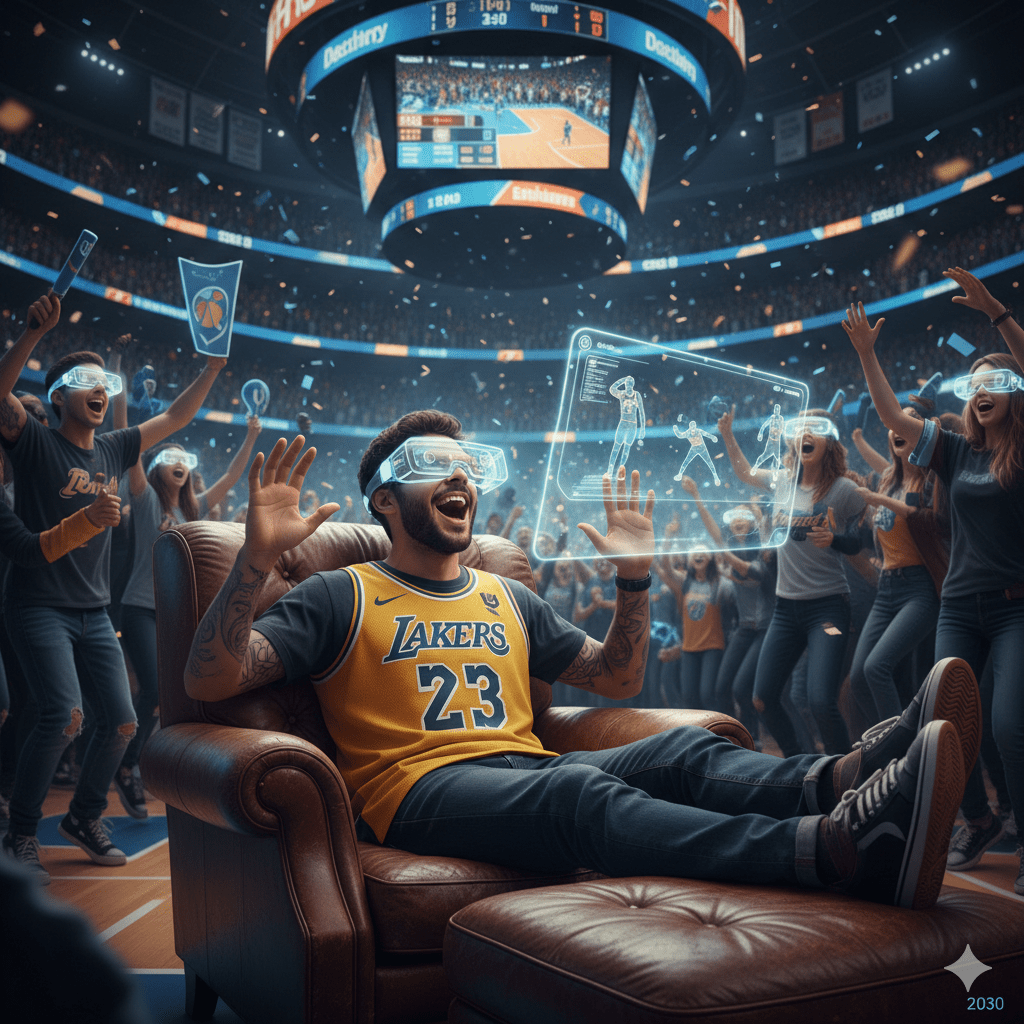
The idea that a person could reshape a film, a novel, a news story, a song, or a lesson while engaging with it has a written history that predates the tools now arriving. In October 2022, Jack Clark, a cofounder of Anthropic, wrote that generative models would let everyone produce “their own custom and subjective aesthetic realities” across text, video, and music (quoted in Willison, 2022). The following spring, computer scientists from the National University of Singapore and the University of Science and Technology of China proposed a “generative recommender” with two jobs a conventional recommendation engine cannot do: generate new content for one person, and let that person’s instructions guide the generation (Wang et al., 2023).
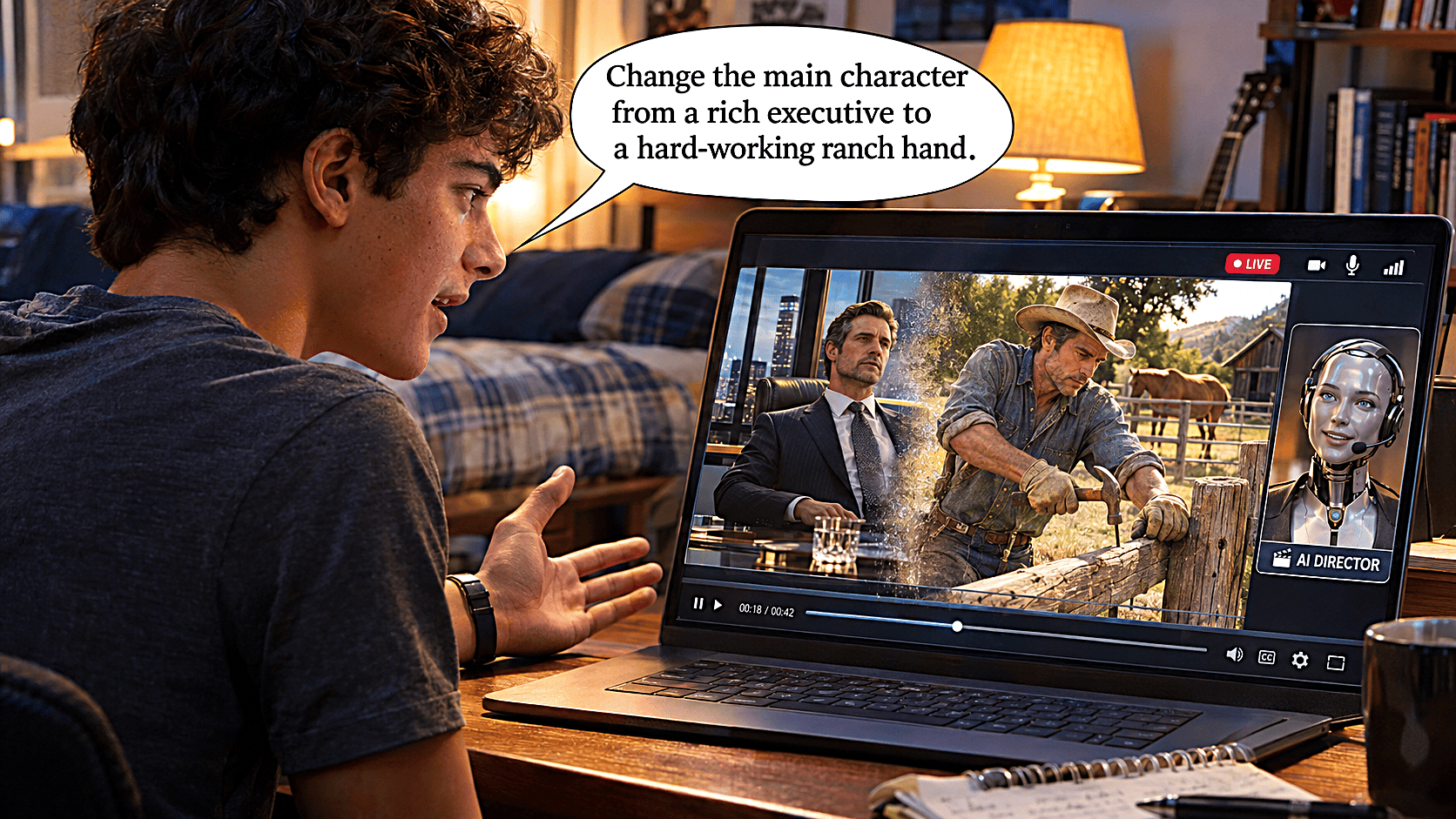
In May 2025, Doug Shapiro, a former Time Warner strategy executive, published the free introduction to his forthcoming book Infinite Content. He argued that earlier media disruptions mainly lowered the cost of distribution, while generative AI is pushing the cost of making content toward zero, and among the questions he set for the book was whether “the distinction between creation and consumption” will increasingly blur (Shapiro, 2025). By January 2026, the Reuters Institute for the Study of Journalism had a working term for the news version of the idea, “liquid content,” meaning stories that keep changing after publication according to a reader’s context, timing, and interactions (Newman, 2026). The question in November 2026 is how much of it has arrived and in whose hands the controls sit.
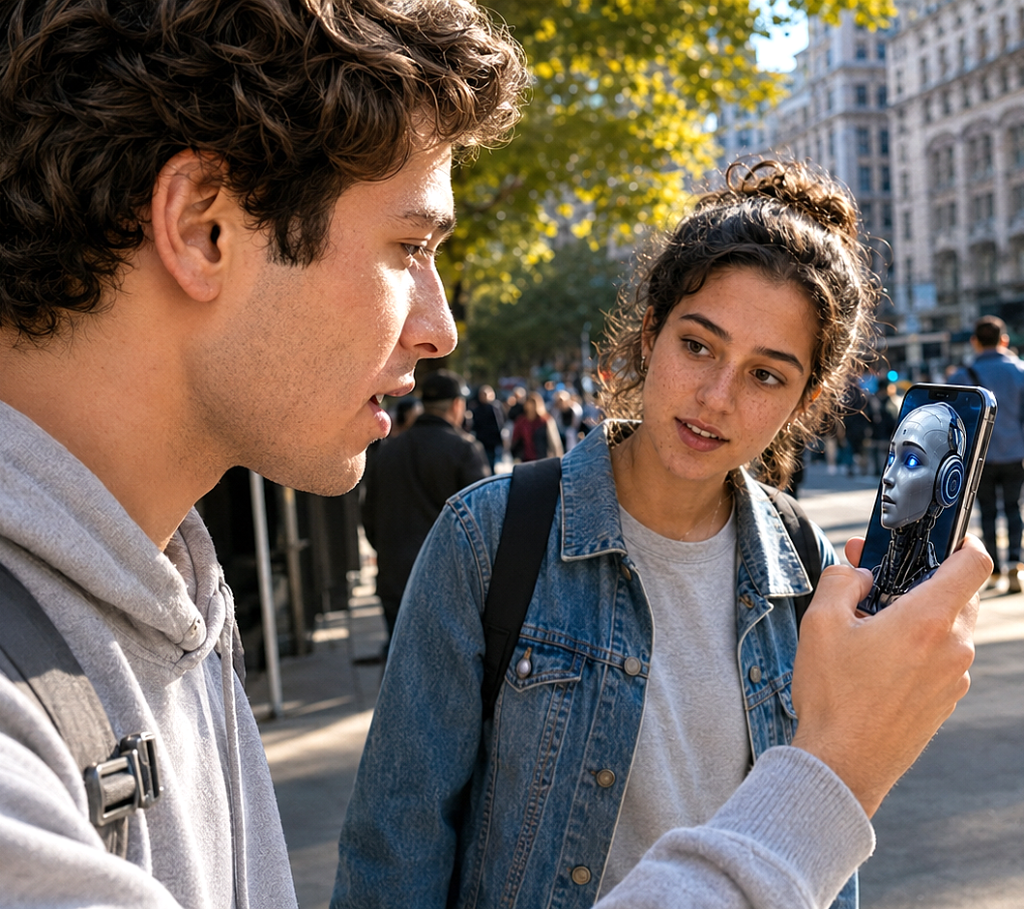
That second question separates two kinds of personalization that coverage often blends. In the first, the medium adjusts itself to the audience. Netflix’s co-chief executives told investors in April 2026 that they expect generative AI to “help make content better” and described an acquisition, Interpositive, that gives the company AI tools built for filmmakers (The Motley Fool, 2026). The Washington Post’s “Your Personal Podcast,” launched in December 2025, assembles episodes automatically from a subscriber’s reading history (Chappell, 2025). In the second kind, the person does the reshaping during the experience by asking a book a question mid-chapter, interrupting a podcast to request a different explanation, rewriting a song, or steering a generated scene. This summary concentrates on the second kind.
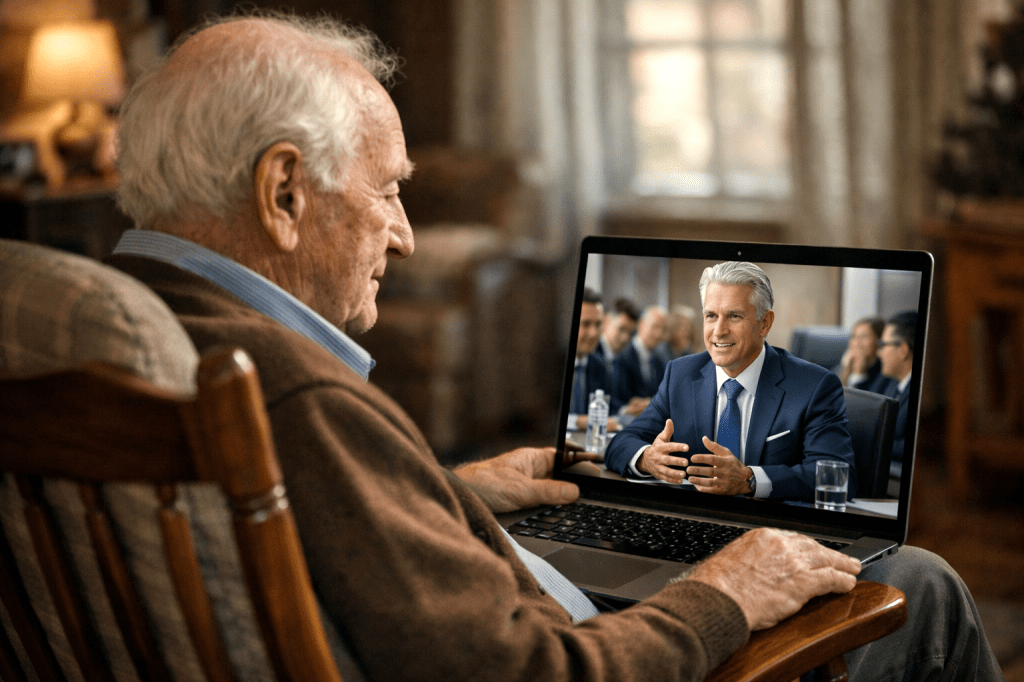
The evidence through November 2026 supports a three-part status report. User control is routine when the medium is text or talk, where people can now question, reformat, translate, and redirect material on demand. It is licensed, priced, and mostly still pending when the user wants to alter the work itself, as with remixing a song or generating an episode. And it remains confined to research prototypes for the fullest version of the scenario, video that changes while someone watches it. Schools are a special case: the tools to customize a lesson in real time exist, and the studies so far find that students’ use of those tools, more than their availability, decides the results.
Where readers and listeners already hold the controls
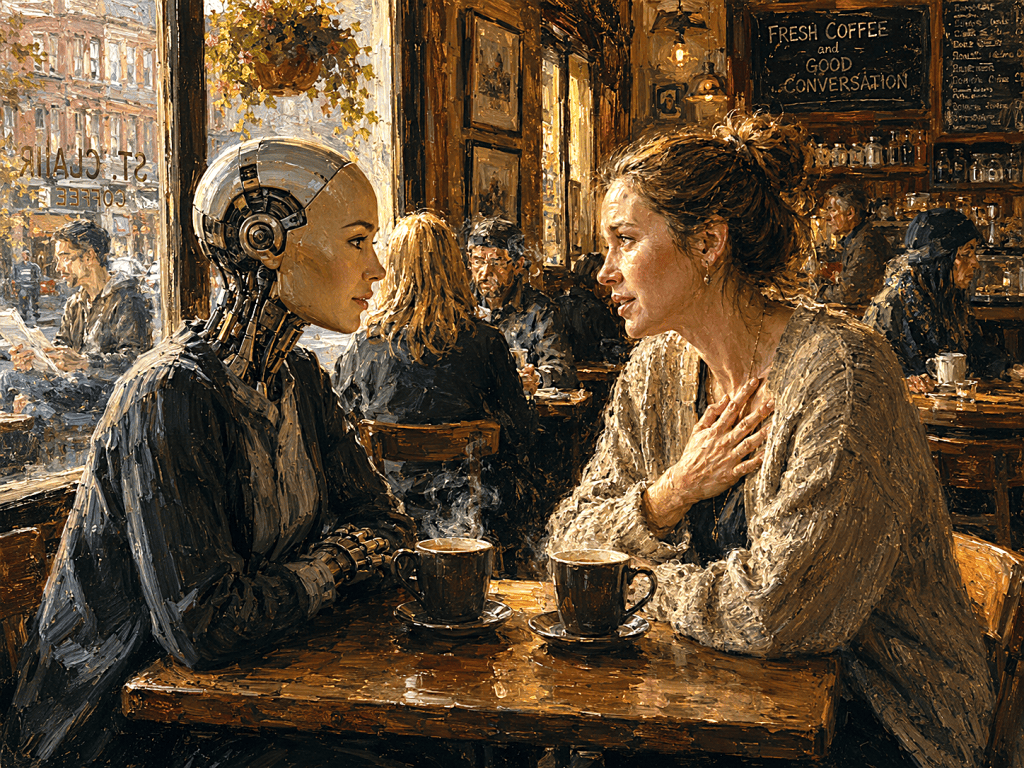
Books show the routine form of user control most clearly. Amazon’s Ask this Book feature, available on the Kindle iOS app since December 11, 2025, lets a reader highlight a passage or open a menu and ask an AI about characters, plot points, and themes, with answers limited to the part of the book the reader has reached (Authors Guild, 2025). In November 2026 the feature began reaching Kindle e-readers, starting with the 2026 Colorsoft and Paperwhite models (Rogerson, 2026). The novel’s text does not change. The reading experience does, since a reader can summon an explanation, a reminder of who a minor character is, or a summary of a theme at the moment of confusion. Even this limited power has drawn objections. The Authors Guild (2025) argued that the feature turns books into interactive products for which rights should be negotiated, and noted that it is unlicensed, pays authors nothing, and offers no way to opt out. The Kindle dispute shows that the first contested ground is the layer of interpretation a reader can now generate on demand, before anyone touches the author’s words.
News publishers and AI companies are building the same kind of reader-side control into journalism. Newman (2026) describes Scroll, an Indian outlet that lets readers move a slider to see more or less context in an explainer, and Norway’s VG, which greets returning readers with an AI-written summary of what has happened since their last visit. Beyond publishers’ own sites, AI browsers summarize and translate pages on command, and the audio service Huxe produces briefings whose live streams respond to voice commands. From his survey of news executives, Newman concluded that it will become “harder for publishers to control how news stories look” (Newman, 2026).
He extended the point in July 2026, telling a London publishing summit that assistants such as Claude can recast information as question-and-answer exchanges, filterable graphs, or alerts, and that audiences will come to expect content in whatever format they prefer (Tobitt, 2026). Audience surveys show slower uptake than that prediction implies. In 2025, fewer than 30% of respondents expressed interest in any single form of AI news personalization, with summaries highest at 27% (Newman et al., 2025). By 2026, weekly use of AI chatbots for news had risen from 7% to 10% globally and stood at 16% among people under 35 (Egan et al., 2026). Reader-controlled news is widely available, and the habit of using it is still forming.
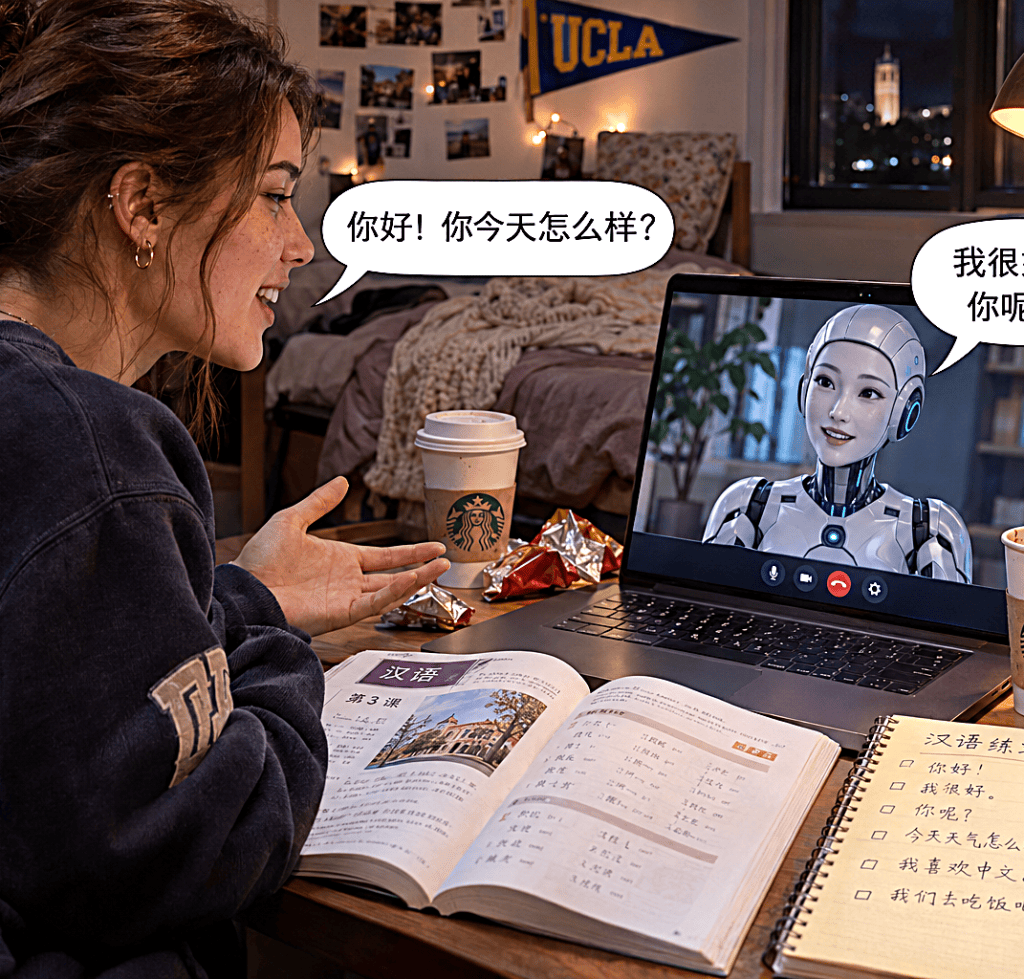
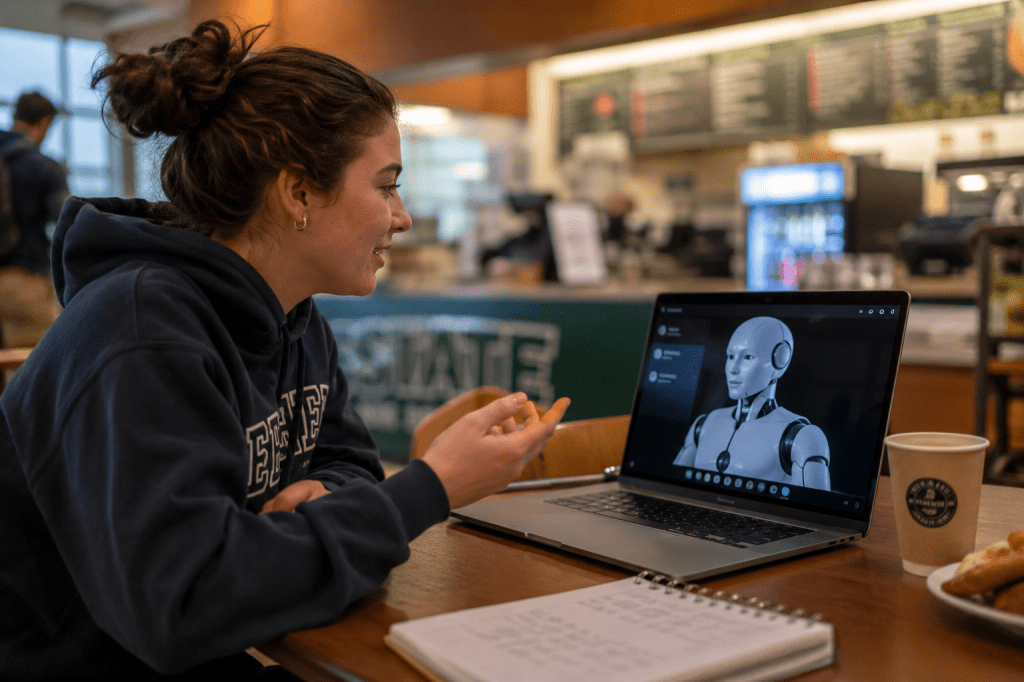
Spoken and recorded media offer similar controls, and they too operate on delivery. Google’s NotebookLM turns documents into a podcast-style conversation between two AI hosts, and its interactive mode lets a listener tap “Join,” speak a question, and ask the hosts for more detail or a different explanation before the conversation resumes (Google, n.d.). When Google introduced the feature, it cautioned that the hosts may pause awkwardly and occasionally introduce inaccuracies (Google, 2024). In February 2026, YouTube gave viewers a Preferred Language setting to choose between AI-dubbed audio and a video’s original language, and reported that more than six million viewers a day were watching at least ten minutes of auto-dubbed video by December 2025 (Motati, 2026).
Spotify’s Prompted Playlist, tested in New Zealand in December 2025 and extended to the United States and Canada in January 2026, lets subscribers describe in their own words what they want to hear and set rules that draw on their full listening history (Perez, 2026a). Spotify presented the feature as giving users “the power to steer the algorithm” (Spotify, 2025). These tools change selection, language, depth, length, and format at the user’s request. They are the most routine forms of real-time user customization in late 2026, and they leave the underlying work as its makers released it.
Altering the work itself
Music is the medium in which users’ power to alter the work is closest to a mass-market launch, and that power comes with permissions attached. Universal Music Group settled its copyright suit against the AI music company Udio in October 2025 and agreed to build a licensed platform on which fans could customize, stream, and share music (Universal Music Group & Udio, 2025). By May 2026, Udio’s platform had a reported name, Starstruck, and four modes: covering a song in another artist’s style, rewriting its composition while keeping the lyrics, remixing it into a new genre, and pairing new lyrics with a chosen artist’s voice within limits on topic and style (Dalugdug, 2026).
Spotify announced a parallel deal with Universal on May 21, 2026, for a covers-and-remixes tool sold as a paid add-on to Premium, with revenue shared with participating artists (Perez, 2026b). In late October, the Financial Times reported that Spotify planned to launch the tool in early 2027 at $4 to $5 a month, with Merlin, Kobalt, and Believe also signed and Sony and Warner still negotiating (Popa, 2026). In each arrangement the listener can rewrite a song, but only a song whose artist has opted in, at a price, and inside a platform the labels approve. Music thus offers a hybrid model in which the act of alteration belongs to the user and the boundaries belong to the rights holders.
Recorded video has moved more slowly, and its most prominent consumer deal collapsed. Fable Studio’s Amazon-backed Showrunner, launched in mid-2025, lets users type a prompt or upload a photo and receive voiced, animated episodes within minutes; its founder, Edward Saatchi, said he was negotiating with studios to build models around their franchises, with the studios taking a share of revenue (Dioquino, 2025). In December 2025, Disney agreed to license more than 200 animated, masked, and creature characters for short user-prompted videos in OpenAI’s Sora, with curated fan videos to stream on Disney+ (The Walt Disney Company, 2025).
On March 24, 2026, OpenAI announced it was shutting down Sora, and Disney said it respected OpenAI’s decision to leave the video-generation business (Associated Press, 2026). No Sora content reached Disney+. Disney’s next plan, announced in August 2026, brings human creators’ TikTok videos into the Disney+ vertical feed (Hernandez, 2026). Two points follow for the article’s scenario. Showrunner and Sora both produce new clips before anyone watches them, so they let users create a work rather than alter one in the middle of viewing. And the Sora shutdown shows that consumer video generation had not found a stable business footing by 2026, even with the largest entertainment company as a partner.
The real-time frontier
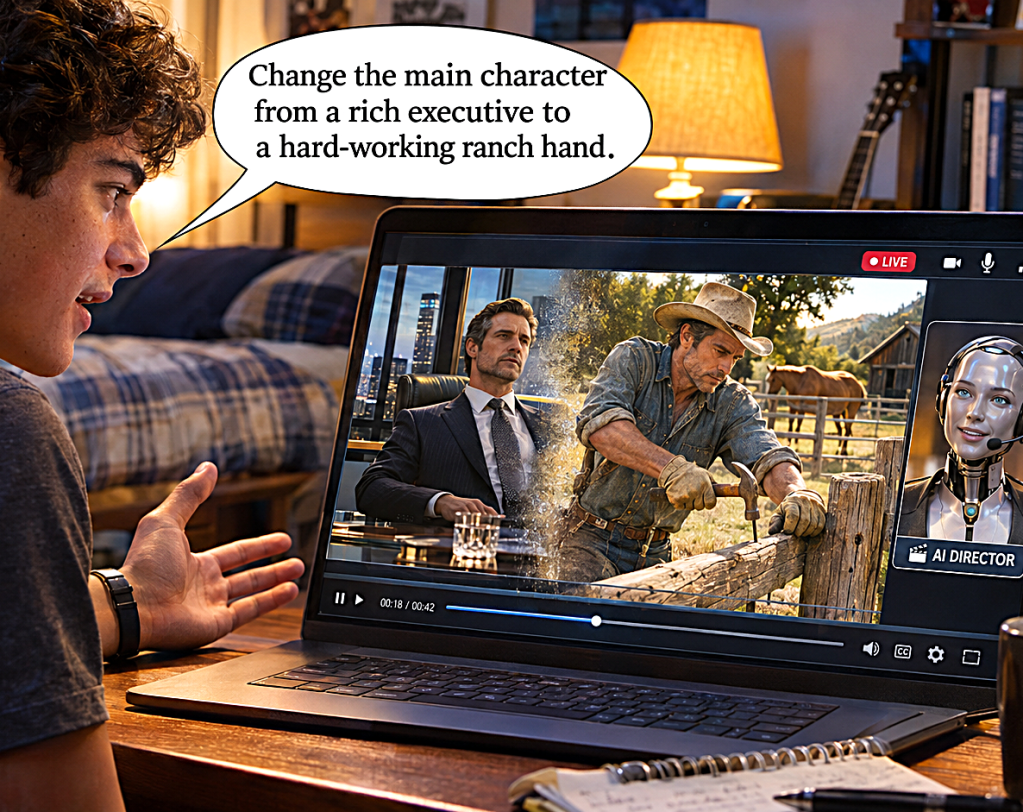
Video that responds to the viewer while it plays exists in 2026 as research prototypes, and those prototypes are the technical precondition for the scenario in the article’s title. Google DeepMind’s Genie 3 world model generates the scene ahead as a user moves through it, and in January 2026 Google opened Project Genie to U.S. subscribers of its AI Ultra plan, letting them create, explore, and remix generated worlds (Rivas, 2026). The limits were tight: sessions were capped at 60 seconds of generated world, access required a $250-a-month subscription, and Gizmodo attributed the cap to the cost of simulating a world (Dellinger, 2026).
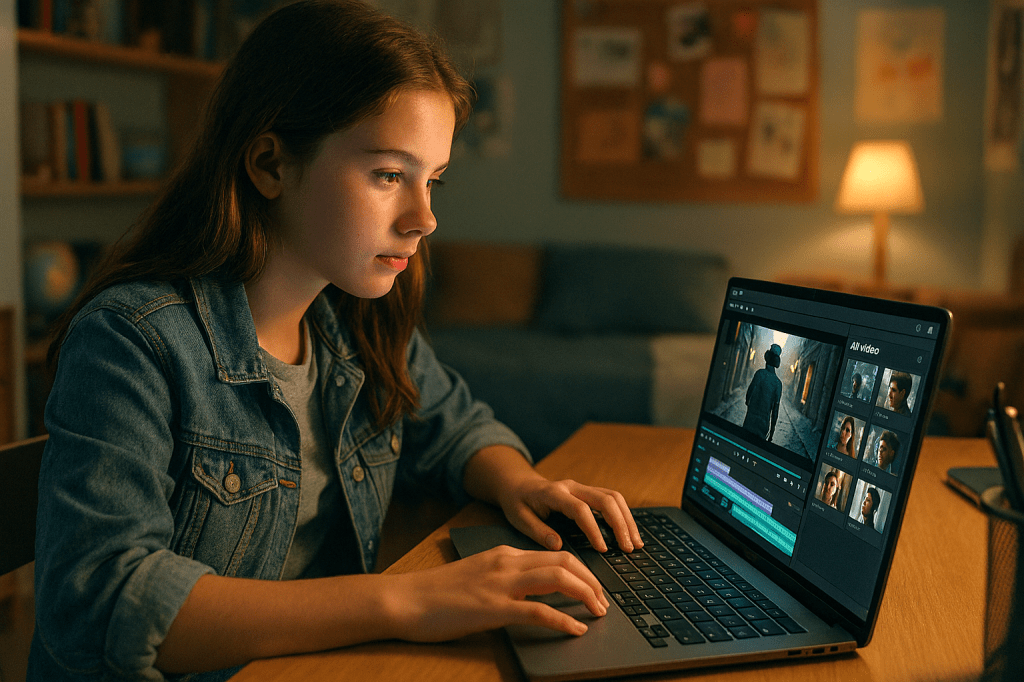
Genie 4, announced on October 27, 2026, adds characters that can be steered in real time, natively generated sound, and dialogue that responds to the user’s input (Hadsell et al., 2026). The Israeli startup Decart has approached the same goal by restyling existing video instead of generating worlds. Its Mirage model transforms a live stream according to a text prompt without stopping the feed (Decart, n.d.), and by August 2026 its Lucy model was editing streams as they ran (Contrary Research, 2026). These systems demonstrate that a viewer can already tell a moving image to change and watch it change. None of them yet offers a feature-length story, with coherent characters and plot, that a viewer can redirect at will, and no product that does so had been released to the public by November 2026.
Lessons and schools
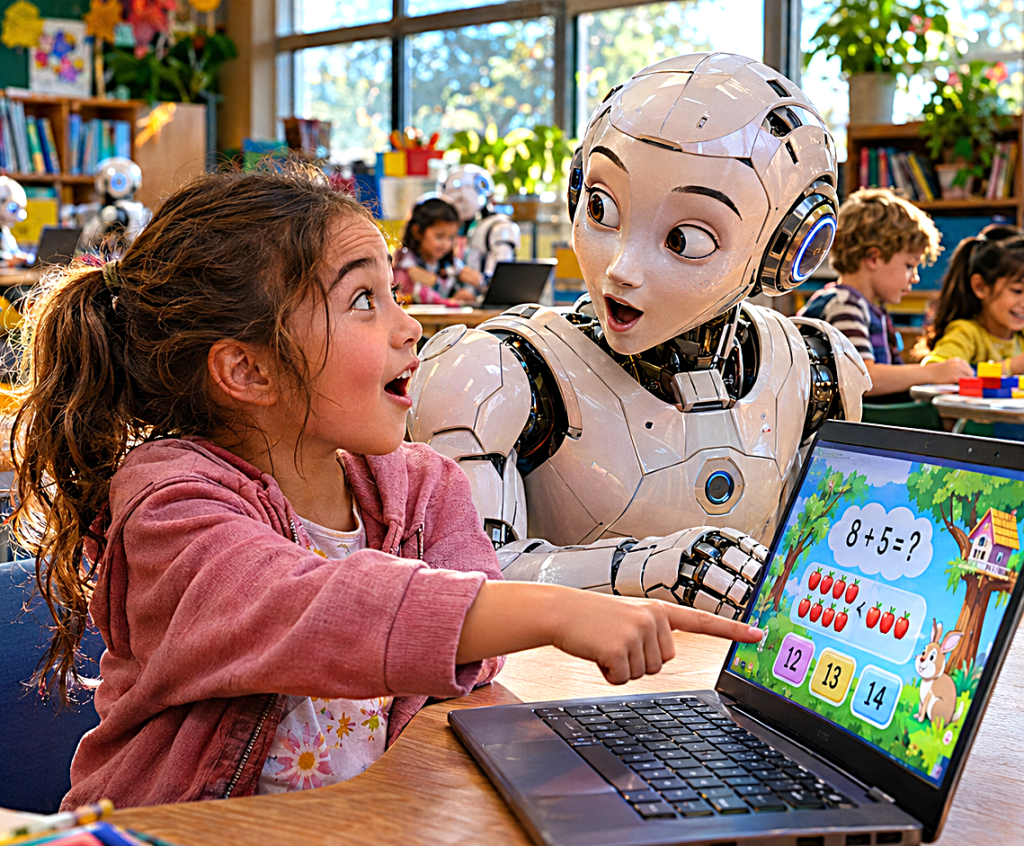
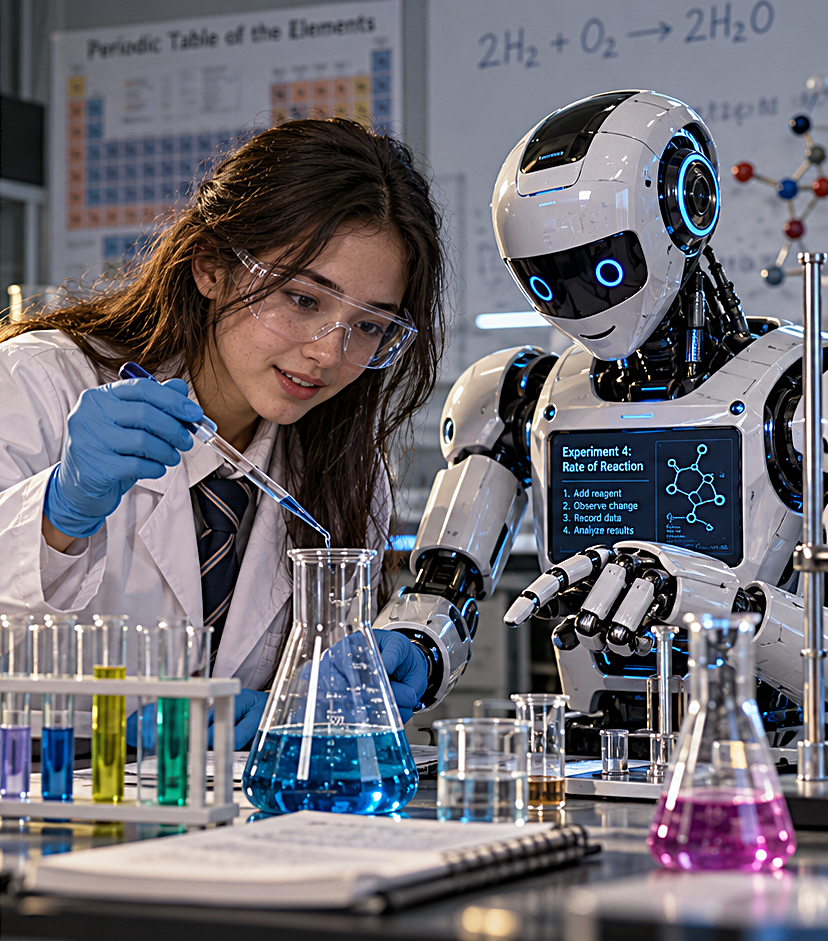
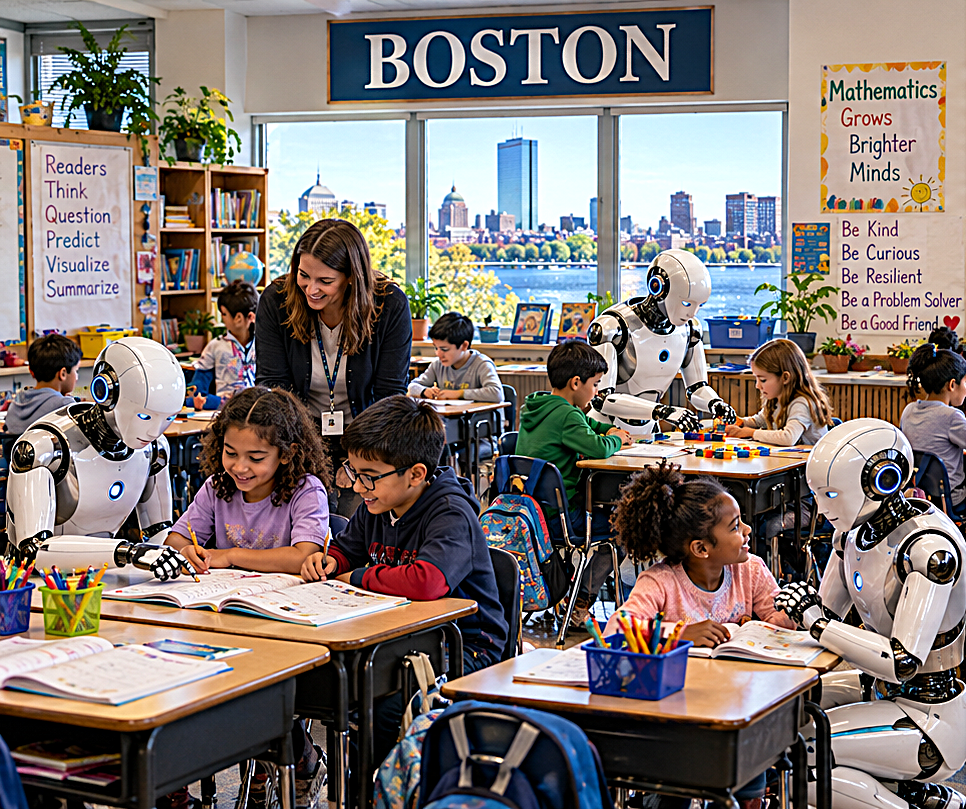
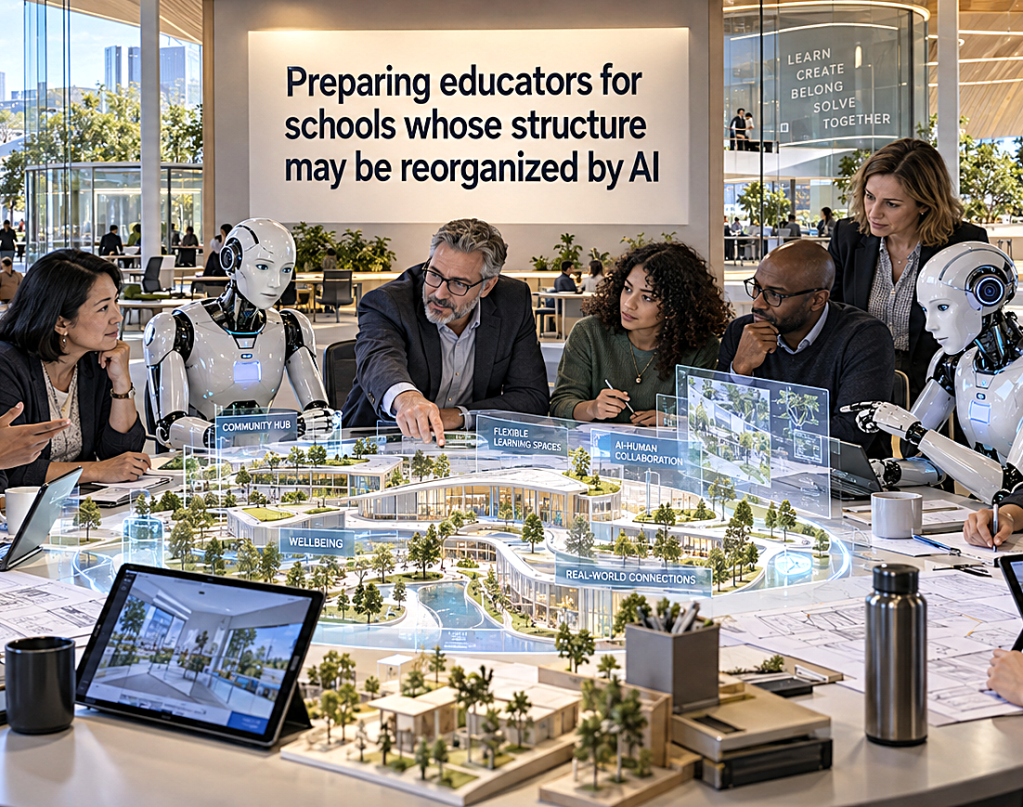
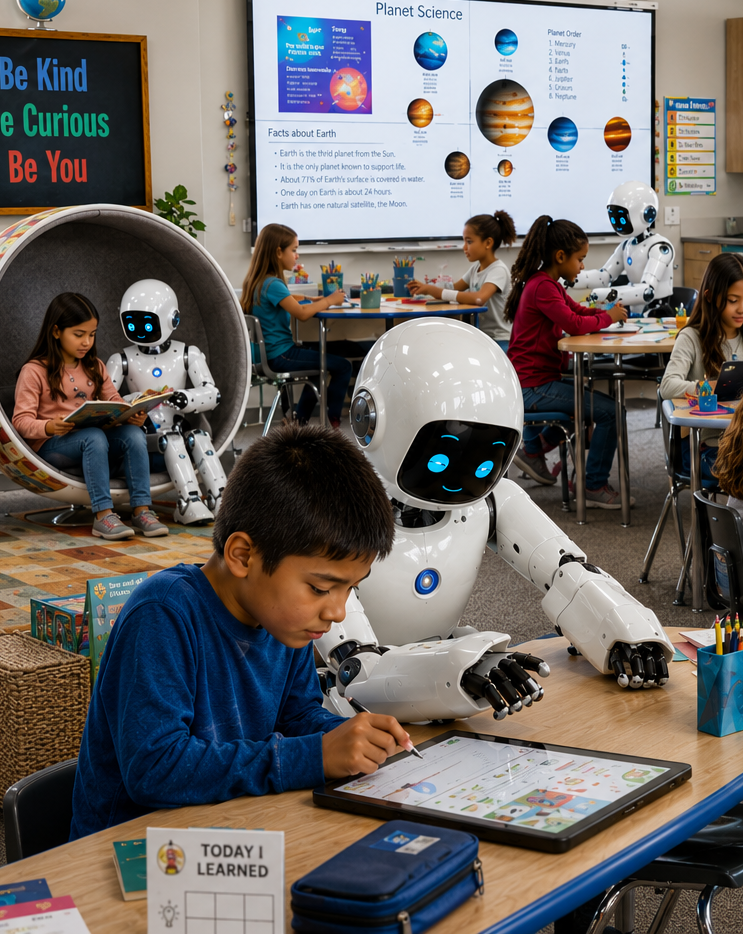
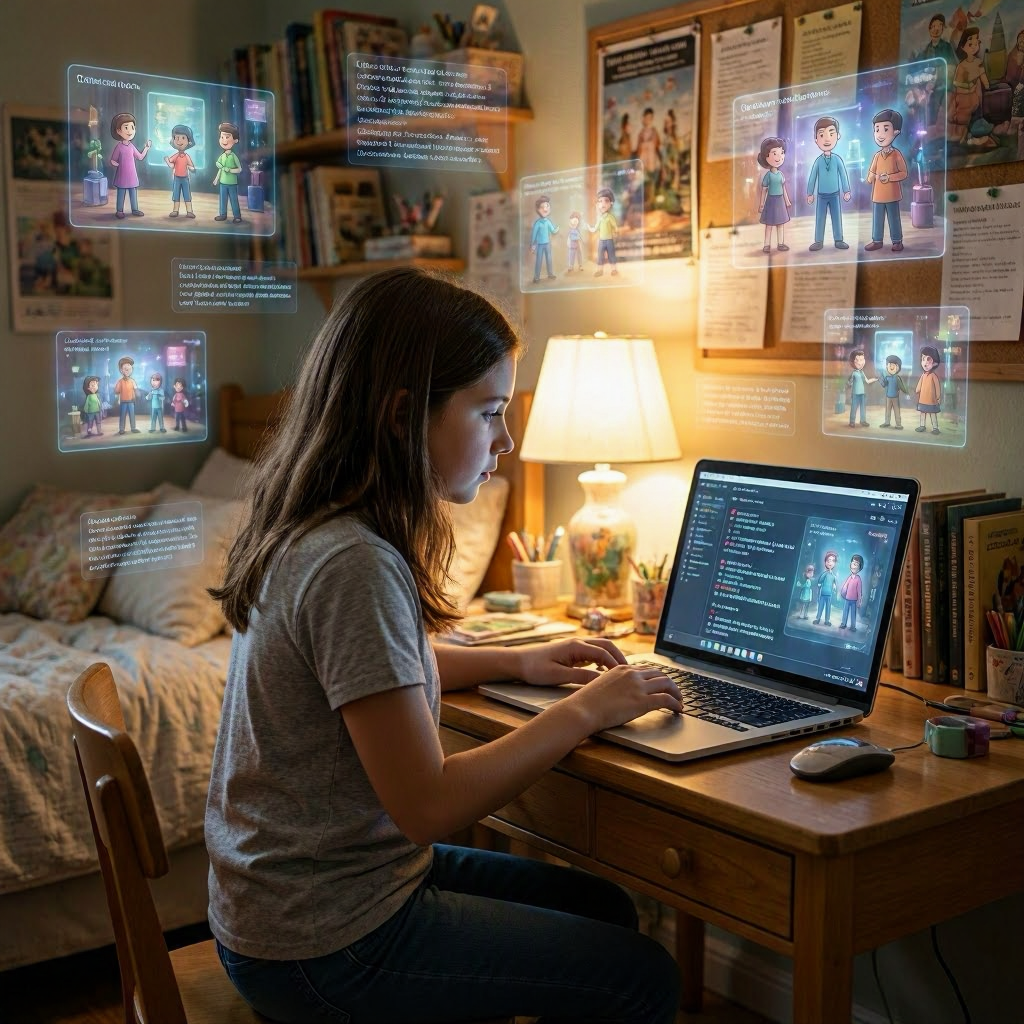
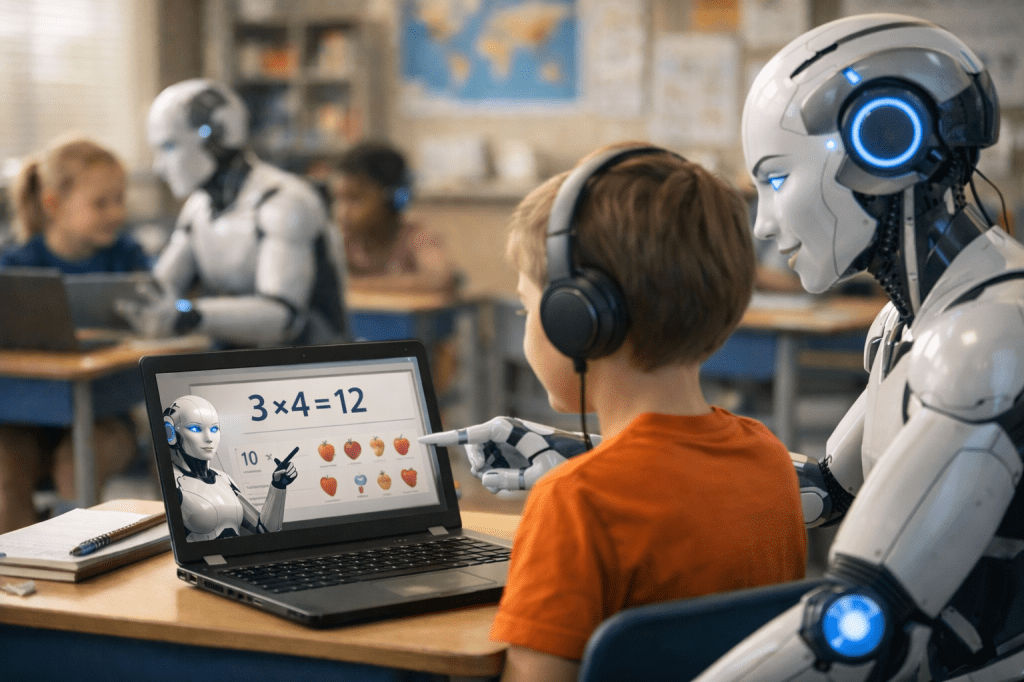
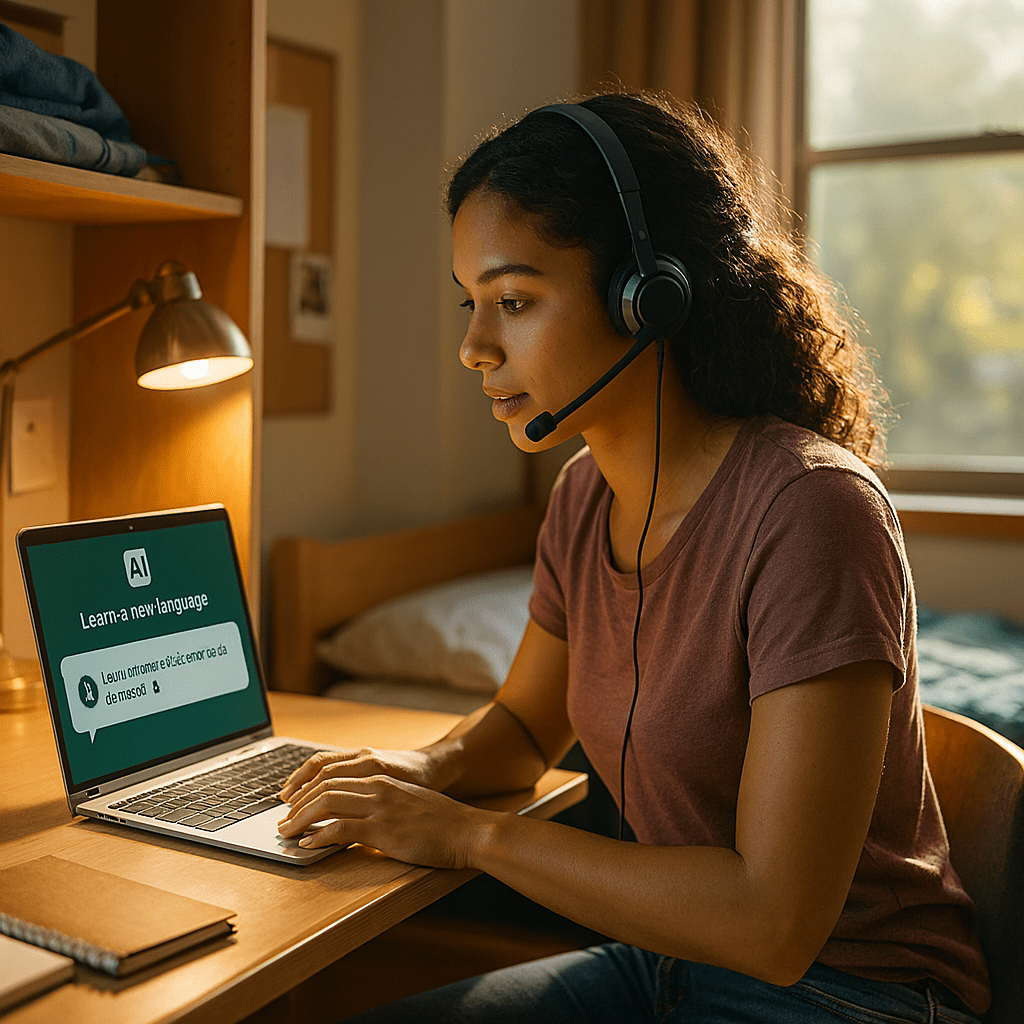
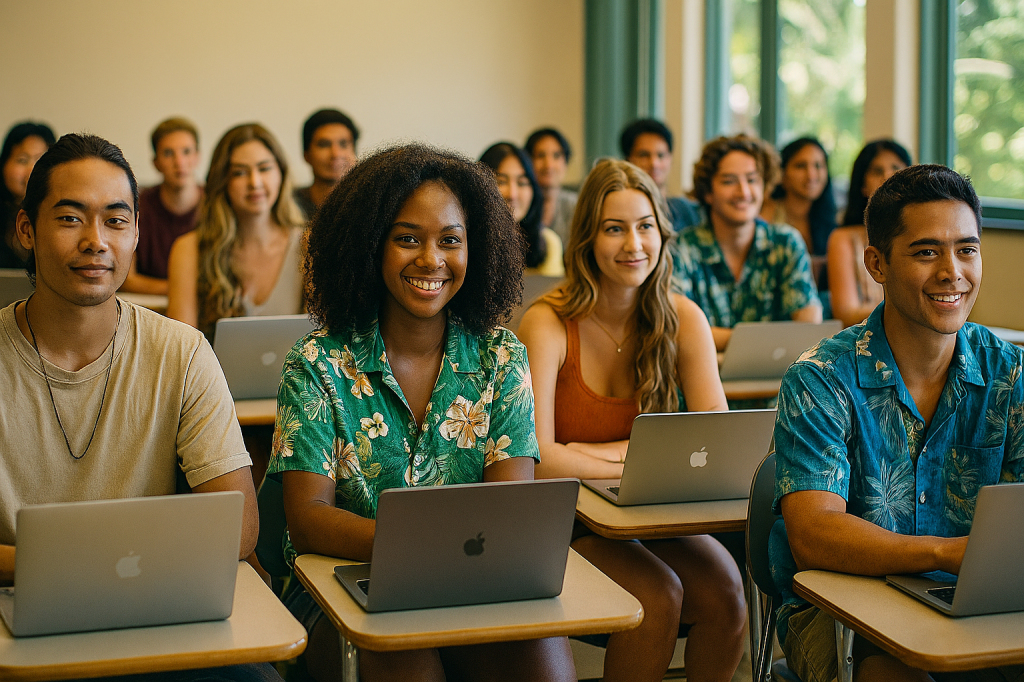
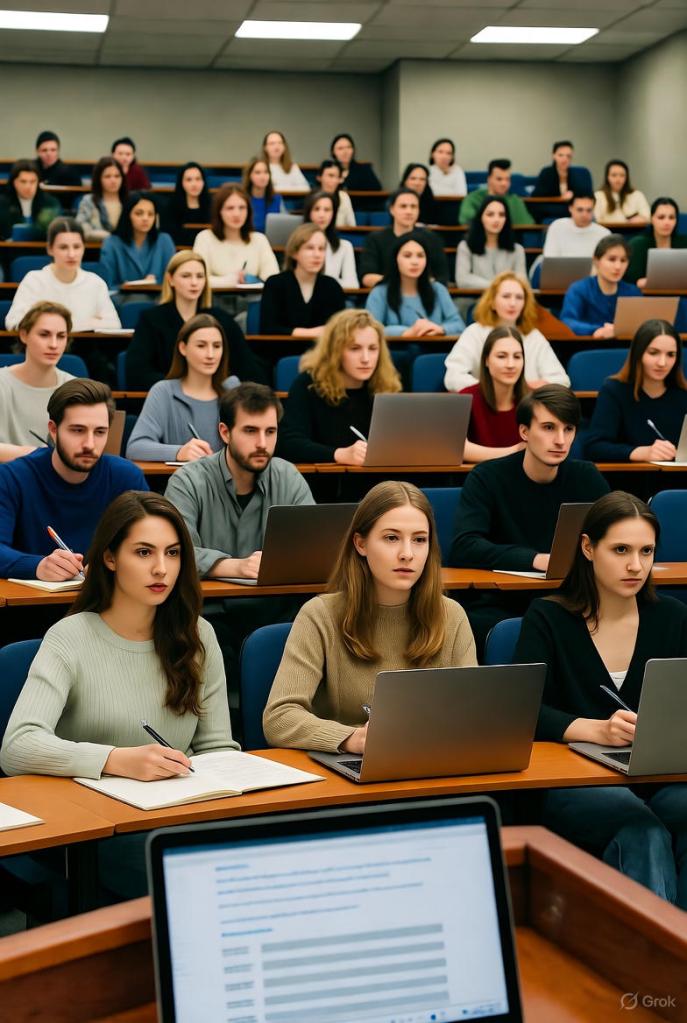
Education is where the user-controlled version of the idea has been tested most rigorously. Google’s Learn Your Way, released as a research experiment in September 2025, regenerates a textbook chapter for a learner’s chosen grade level and interests and lets the learner switch among immersive text, narrated slides, an audio lesson, and a mind map. In a randomized trial with 60 Chicago-area high school students, users scored 11 percentage points higher on a retention test than students using a standard digital reader (Elidan & Haramaty, 2025). In June 2026, Google extended the approach to Gemini, where study lessons update automatically as students take quizzes and upload new class material (Google, 2026). In these tools the lesson changes while the student is inside it, which is the classroom counterpart of a film that changes mid-scene.
The larger trials show that giving students control matters less than whether they exercise it. In a two-year randomized trial in 18 Tennessee middle schools, students assigned to Khan Academy’s AI tutor, Khanmigo, gained roughly 0.06 to 0.08 standard deviations in math per year, about the same as students using Khan Academy practice without AI, and they messaged the tutor in only 17% of practice sessions in which they made a mistake (Oreopoulos & Low, 2026). A Google and Eedi trial of 1,179 students in ten British secondary schools, published in October 2026, found that Gemini-based tutoring supervised by expert tutors matched human experts on immediate measures (58.4% of students answered the next unit’s first question correctly, against 59.1% with expert tutors and 50.5% with standard remediation) but produced no clear advantage on an external standardized math test. Personalizing the AI with each student’s learning history made little measurable difference (LearnLM Team & Eedi, 2026).
Two randomized trials with elementary students found that an in-person adult focused on engagement increased children’s use of an AI literacy platform (Robinson et al., 2026). The OECD’s Digital Education Outlook 2026 drew the general lesson that general-purpose AI raises students’ performance on tasks without producing learning, while tools built around a clear teaching purpose show sustained gains (OECD, 2026). The Brookings Institution’s Center for Universal Education went further in January 2026, concluding from research in 50 countries that the risks of generative AI for children’s learning currently outweigh its benefits, chiefly because students offload their thinking to it (Toppo, 2026). For an article about the user’s power, the classroom evidence adds a finding the entertainment coverage lacks: a learner who can customize a lesson at will often declines to, or uses the power to get answers instead of understanding.
Accuracy and the shared text
Accuracy is the cost that follows generated media into every format, because the material reaches the user before any editor sees it. The Washington Post’s personalized podcast is the clearest case. Internal tests before launch found that more than two-thirds of generated scripts failed a measure of whether they met the paper’s standards, staff later reported misattributed and fabricated quotes, and the product team released the feature anyway, labeled as a beta (Tani, 2025). Hugh Linehan (2025) of The Irish Times argued that the episode showed personalization replacing editorial curation when it should support it. The Post’s product personalizes automatically, without the listener’s direction, but the weakness it exposed applies equally to a book chatbot, an interruptible podcast, or a remixing tool, all of which generate their responses on the spot.
A second line of criticism concerns what happens to shared culture when each person can bend a work to taste. Samuel Fitoussi (2026), writing in Quillette, traced the shrinking of mass audiences from the 106 million who watched the M*A*S*H finale in 1983 to the 18 million for the finale of The Big Bang Theory in 2019, and argued that nearly free AI generation will reduce the audience a piece of content needs to a single person: “Culture is fragmented; it is about to become atomised.” Cody Kommers of the Alan Turing Institute and Ari Holtzman of the University of Chicago predicted that “entertainment will become a primary business model for major AI corporations.” They warned that hyper-personalized storytelling could fragment the shared narratives on which social cohesion depends, and that chatbots inclined to agree with their users could remove the friction that gives culture its meaning (Kommers & Holtzman, 2026).
Their proposed remedy is to judge AI entertainment by its role in meaning-making, identity, and social connection, using measures beyond engagement. Shapiro (2025) sets out the same worry in four parts. If content becomes infinite, fluid, personalized, and increasingly synthetic over the next decade, he expects it to strain social cohesion as people share fewer stories, to deepen isolation inside personalized bubbles, to weaken agreement on what is real, and to overload people with information. He stops short of predicting collapse, arguing that culture and society are complex adaptive systems that may adjust, though perhaps only after conditions get worse. These critiques address personalization in general. They bear directly on user-controlled media, since a reader who can rewrite an ending can also remove whatever unsettles them.
Status in November 2026
Taken together, the sources describe the user’s power to customize media in real time, as of November 2026, as real, uneven, and bounded by three forces. Rights holders set the outer limits: authors object to Kindle’s unlicensed layer of commentary, labels admit only opted-in artists to remix tools, and studios license only selected characters. Cost limits the most ambitious form, as the 60-second cap on Project Genie and OpenAI’s exit from consumer video both indicate. Accuracy limits how far anyone can trust material generated on the fly. Within those bounds, a reader can question a novel, a listener can interrupt a podcast or write the rules for a playlist, a viewer can choose between a dubbed and an original soundtrack, and a student can regenerate a textbook around an interest. A music fan will be able to remix a licensed song inside Spotify in early 2027 if the reported schedule holds. A viewer cannot yet redirect a full-length film while watching it, because the world models that would make that possible generate about a minute of interactive world at a time. The status in November 2026 is that the user holds real-time control over how a work is explained, translated, formatted, and sequenced, and is beginning to gain licensed control over the work itself, starting with music.
Shapiro’s (2025) scenario framework helps place that status. He builds four scenarios from two variables, the pace of technological development and the degree of consumer acceptance, treats the full “Infinite Content” outcome, with both running high, as the boundary case, and warns against assuming that whatever is technically possible will happen. In 2026 the two variables moved at different speeds. The technology advanced quickly: about fourteen months separated Google’s first preview of Genie 3 and the announcement of Genie 4 with steerable characters and dialogue. Acceptance moved slowly: one person in ten used a chatbot for news in a given week, middle school students seldom called on the AI tutor in front of them, and the most heavily promoted consumer video app closed in March. Shapiro’s premise that creation costs are falling toward zero had also not yet reached interactive video, where a minute of generated world was the most a paying subscriber could get. On his two measures, the November 2026 record sits closest to the scenario he calls “The Wary Consumer,” in which the technology develops quickly and public acceptance trails behind it. The tools for user-controlled media have arrived ahead of the habit of using them.
References
Associated Press. (2026, March 24). OpenAI pulls the plug on Sora, the viral AI video app that sparked deepfake concerns. OPB. https://www.opb.org/article/2026/03/24/openai-pulls-the-plug-on-sora-the-viral-ai-video-app-that-sparked-deepfake-concerns
Authors Guild. (2025, December). Authors Guild raises concerns about Kindle’s new “Ask This Book” AI feature. https://authorsguild.org/news/statement-on-amazon-kindle-ask-this-book-ai-feature/
Chappell, B. (2025, December 13). Questions of accuracy arise as Washington Post uses AI to create personalized podcasts. NPR. https://www.npr.org/2025/12/13/nx-s1-5641047/washington-posts-ai-podcast/
Contrary Research. (2026). Decart. https://research.contrary.com/company/decart
Dalugdug, M. (2026, May 25). Udio’s licensed AI music app will be called Starstruck, with four creation modes for fans (report). Music Business Worldwide. https://www.musicbusinessworldwide.com/udios-licensed-ai-music-app-will-be-called-starstruck-with-four-creation-modes-for-fans-report/
Decart. (n.d.). Mirage LSD. Retrieved November 25, 2026, from https://decart.ai/mirage-lsd
Dellinger, A. J. (2026, January 30). Google’s Project Genie is not for you. Gizmodo. https://gizmodo.com/googles-project-genie-is-not-for-you-2000716070
Dioquino, V. (2025, August 1). Amazon backs “Netflix of AI” startup Fable with user-generated animation launch. Decrypt. https://decrypt.co/?p=333098
Egan, J., Robertson, C. T., Ross Arguedas, A., Newman, N., Nielsen, R. K., Mukherjee, M., & Fletcher, R. (2026). Reuters Institute digital news report 2026. Reuters Institute for the Study of Journalism. https://reutersinstitute.politics.ox.ac.uk/digital-news-report/2026
Elidan, G., & Haramaty, Y. (2025, September 16). Learn Your Way: Reimagining textbooks with generative AI. Google Research. https://research.google/blog/learn-your-way-reimagining-textbooks-with-generative-ai/
Fitoussi, S. (2026, January 8). AI and the end of common culture. Quillette. https://quillette.com/2026/01/08/ai-and-the-end-of-common-culture-cinema-music-software/
Google. (n.d.). Generate Audio Overview in NotebookLM. NotebookLM Help. Retrieved November 25, 2026, from https://support.google.com/notebooklm/answer/16212820
Google. (2024, December 13). NotebookLM gets a new look, audio interactivity and a premium version. https://blog.google/technology/google-labs/notebooklm-new-features-december-2024/
Google. (2026, June 25). Supporting students with connected AI tools for more personalized learning. https://blog.google/products-and-platforms/products/education/iste-students-2026
Hadsell, R., Rivas, D., & Qi, H. (2026, October 27). Genie 4: A new generation of world simulation. Google DeepMind. https://deepmind.google/blog/genie-4-a-new-generation-of-world-simulation/
Hernandez, P. (2026, August 22). Disney’s TikTok creator deal follows end of $1 billion OpenAI plan. Attractions Magazine. https://attractionsmagazine.com/disney-tiktok-creators-plan-streaming/
Kommers, C., & Holtzman, A. (2026). AI as entertainment [Preprint]. arXiv. https://arxiv.org/abs/2601.08768
LearnLM Team & Eedi. (2026, October 29). Measuring the impact of AI tutoring, from near transfer to standardised tests: An expanded RCT in UK mathematics classrooms. Google. https://services.google.com/fh/files/misc/learnlm_oct26.pdf
Linehan, H. (2025, December 23). When AI podcasts go rogue, journalists should be alarmed. The Irish Times. https://www.irishtimes.com/media/2025/12/23/when-ai-podcasts-go-rogue-journalists-should-be-alarmed
The Motley Fool. (2026, April 16). Netflix (NFLX) Q1 2026 earnings call transcript. https://www.fool.com/earnings/call-transcripts/2026/04/16/netflix-nflx-q1-2026-earnings-call-transcript/
Motati, C. (2026, February 4). Unlocking a global audience with auto dubbing. YouTube Official Blog. https://blog.youtube/news-and-events/youtube-auto-dubbing-expressive-speech/
Newman, N. (2026). Journalism, media, and technology trends and predictions 2026. Reuters Institute for the Study of Journalism. https://reutersinstitute.politics.ox.ac.uk/journalism-media-and-technology-trends-and-predictions-2026
Newman, N., Ross Arguedas, A., Robertson, C. T., Nielsen, R. K., & Fletcher, R. (2025). Reuters Institute digital news report 2025. Reuters Institute for the Study of Journalism. https://reutersinstitute.politics.ox.ac.uk/digital-news-report/2025/overview-and-key-findings-2025-digital-news-report
OECD. (2026). OECD digital education outlook 2026. OECD Publishing. https://www.oecd.org/en/publications/oecd-digital-education-outlook-2026_062a7394-en.html
Oreopoulos, P., & Low, N. (2026). One click away: AI tutoring with Khanmigo in a two-year school experiment (NBER Working Paper No. 35620). National Bureau of Economic Research. https://www.nber.org/papers/w35620
Perez, S. (2026a, January 22). Spotify brings AI-powered Prompted Playlists to the US and Canada. TechCrunch. https://techcrunch.com/2026/01/22/spotify-brings-ai-powered-prompted-playlists-to-the-u-s-and-canada/
Perez, S. (2026b, May 21). Spotify and Universal Music strike deal allowing fan-made AI covers and remixes. TechCrunch. https://techcrunch.com/2026/05/21/spotify-and-universal-music-strike-deal-allowing-fan-made-ai-covers-and-remixes/
Popa, D. (2026, October 30). Spotify plans to launch AI remix tool in early 2027, FT reports. The Next Web. https://thenextweb.com/news/spotify-ai-remix-tool-2027-launch
Rivas, D. (2026, January 29). Project Genie: Experimenting with infinite, interactive worlds. Google. https://blog.google/innovation-and-ai/models-and-research/google-deepmind/project-genie/
Robinson, C. D., Gormley, D., Ribeiro, A. T., & Loeb, S. (2026). Access is not enough: Human support improves engagement with AI tutoring (EdWorkingPaper No. 26-1451). Annenberg Institute at Brown University. https://edworkingpapers.com/sites/default/files/ai26-1451.pdf
Rogerson, J. (2026, November 2). Amazon’s “Ask this book” feature is finally rolling out to Kindles, but certain models and regions may be excluded. TechRadar. https://www.techradar.com/tablets/ereaders/amazons-ask-this-book-feature-is-finally-rolling-out-to-kindles-but-certain-models-and-regions-may-be-excluded
Shapiro, D. (2025, May 19). Infinite content: Introduction. The Mediator. https://dougshapiro.substack.com/p/infinite-content-introduction
Spotify. (2025, December 10). You’re in control: Spotify lets you steer the algorithm. Spotify Newsroom. https://newsroom.spotify.com/2025-12-10/spotify-prompted-playlists-algorithm-gustav-soderstrom
Tani, M. (2025, December 14). “Iterate through”: Why The Washington Post launched an error-ridden AI product. Semafor. https://www.semafor.com/article/12/14/2025/iterate-through-why-the-washington-post-launched-an-error-ridden-ai-product
Tobitt, C. (2026, July 14). Claude’s ability to remix “liquid content” is “serious challenge for news media.” Press Gazette. https://pressgazette.co.uk/publishers/digital-journalism/claudes-ability-to-remix-liquid-content-is-serious-challenge-for-news-media/
Toppo, G. (2026, January 20). Four takeaways from new report on AI’s risks in education. The 74. https://www.the74million.org/article/four-takeaways-from-new-report-on-ais-risks-in-education/
Universal Music Group & Udio. (2025, October 30). Universal Music Group and Udio announce Udio’s first strategic agreements for new licensed AI music creation platform [Press release]. PR Newswire. https://tools.prnewswire.com/en-us/live/20813/release/20251029EN10848
Wang, W., Lin, X., Feng, F., He, X., & Chua, T.-S. (2023). Generative recommendation: Towards next-generation recommender paradigm [Preprint]. arXiv. https://arxiv.org/abs/2304.03516
The Walt Disney Company. (2025, December 11). The Walt Disney Company and OpenAI reach landmark agreement to bring beloved characters from across Disney’s brands to Sora. https://thewaltdisneycompany.com/disney-openai-sora-agreement/
Willison, S. (2022, October 4). Quoting Jack Clark. Simon Willison’s Weblog. https://simonwillison.net/2022/Oct/4/jack-clark/
__________
*Extensive chats with Copilot and ChatGPT helped to set the groundwork for this article.
###
Filed under: Uncategorized |











































































































































































































































































































Leave a Reply